Setting up a ketchup packaging machine production line in China requires strategic planning, technical knowledge, and a clear understanding of your production goals. Whether you are launching a new condiment brand, expanding an existing food processing facility, or upgrading from manual to automated packaging, China offers a comprehensive ecosystem of equipment manufacturers, component suppliers, and engineering expertise. This guide walks you through every step of the process—from initial planning and equipment selection to installation, compliance, and ongoing maintenance—so you can build a reliable, efficient, and scalable packaging operation.
Understanding the Components of a Ketchup Packaging Line
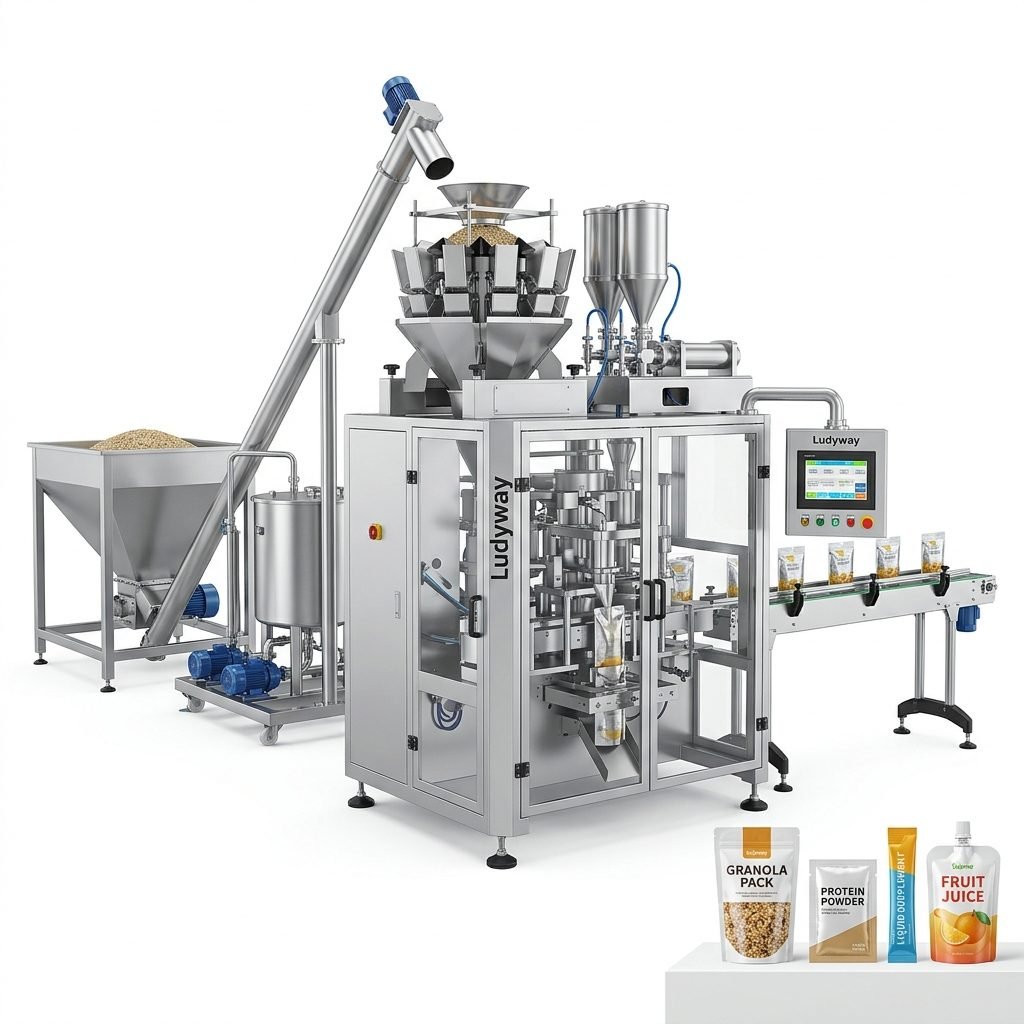
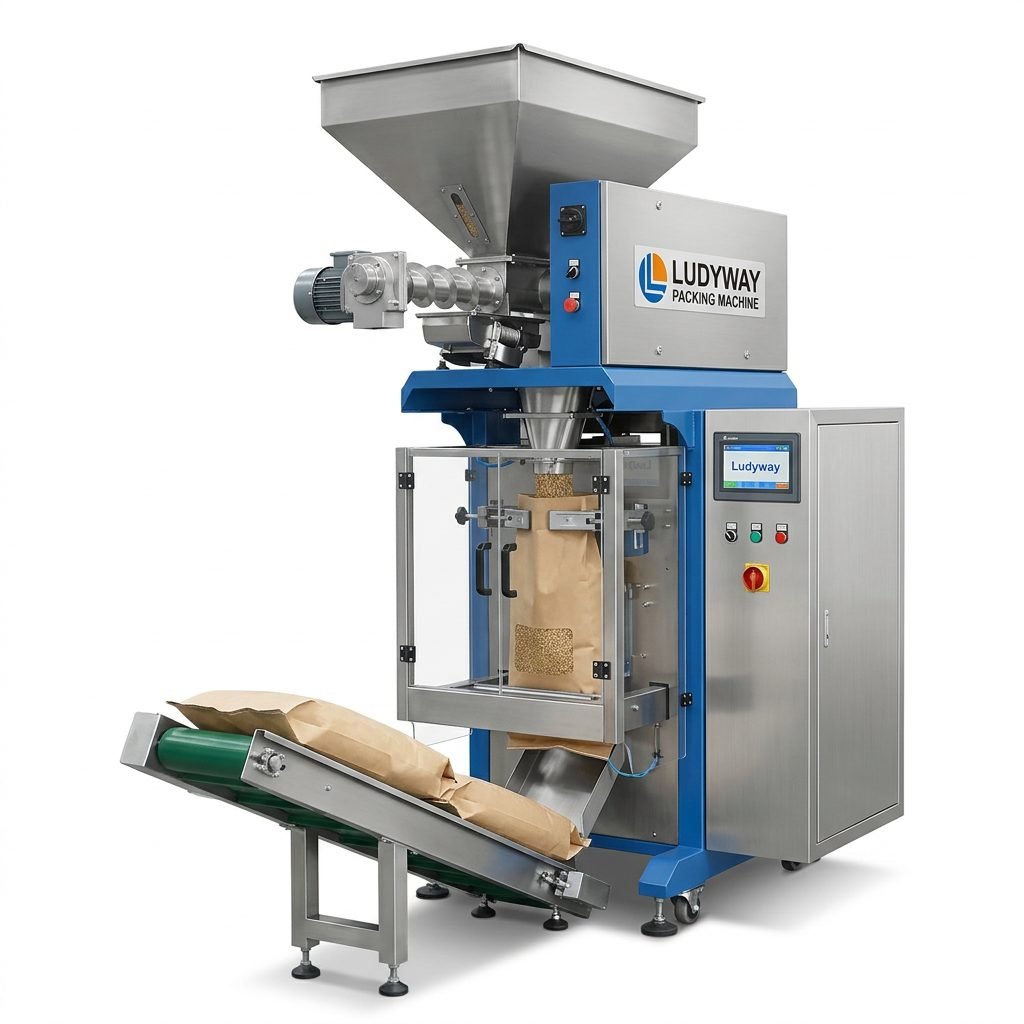
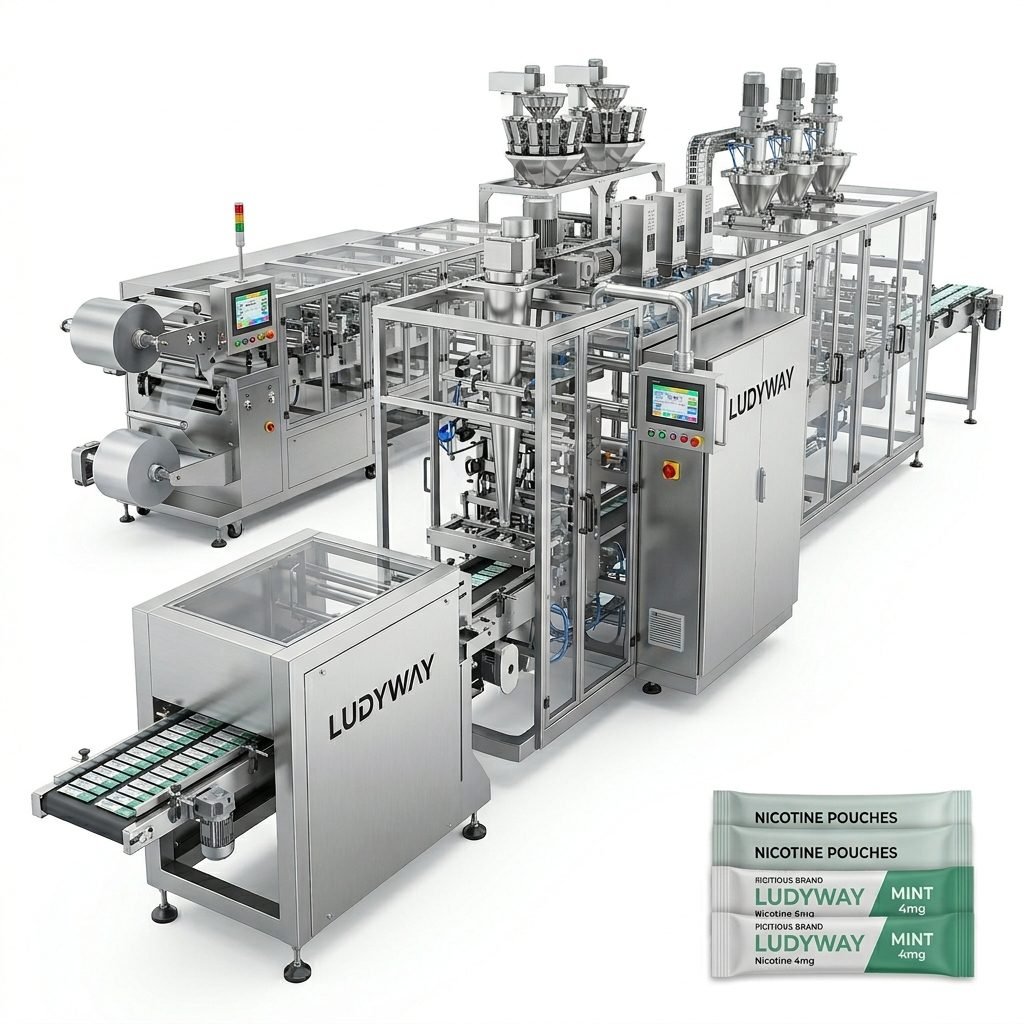
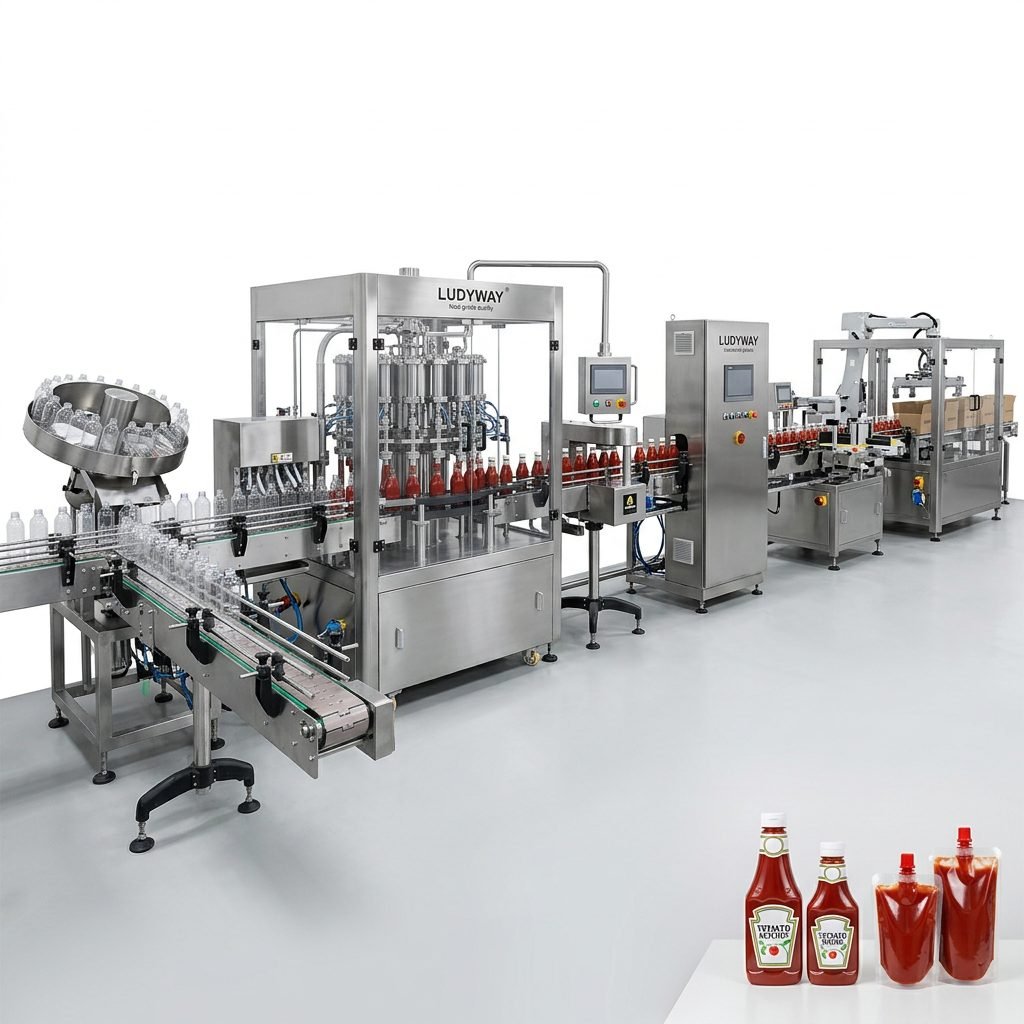
A complete ketchup packaging production line consists of several integrated machines and subsystems working together to deliver finished, sealed packages ready for distribution. Understanding each component helps you make informed purchasing decisions and avoid costly bottlenecks.
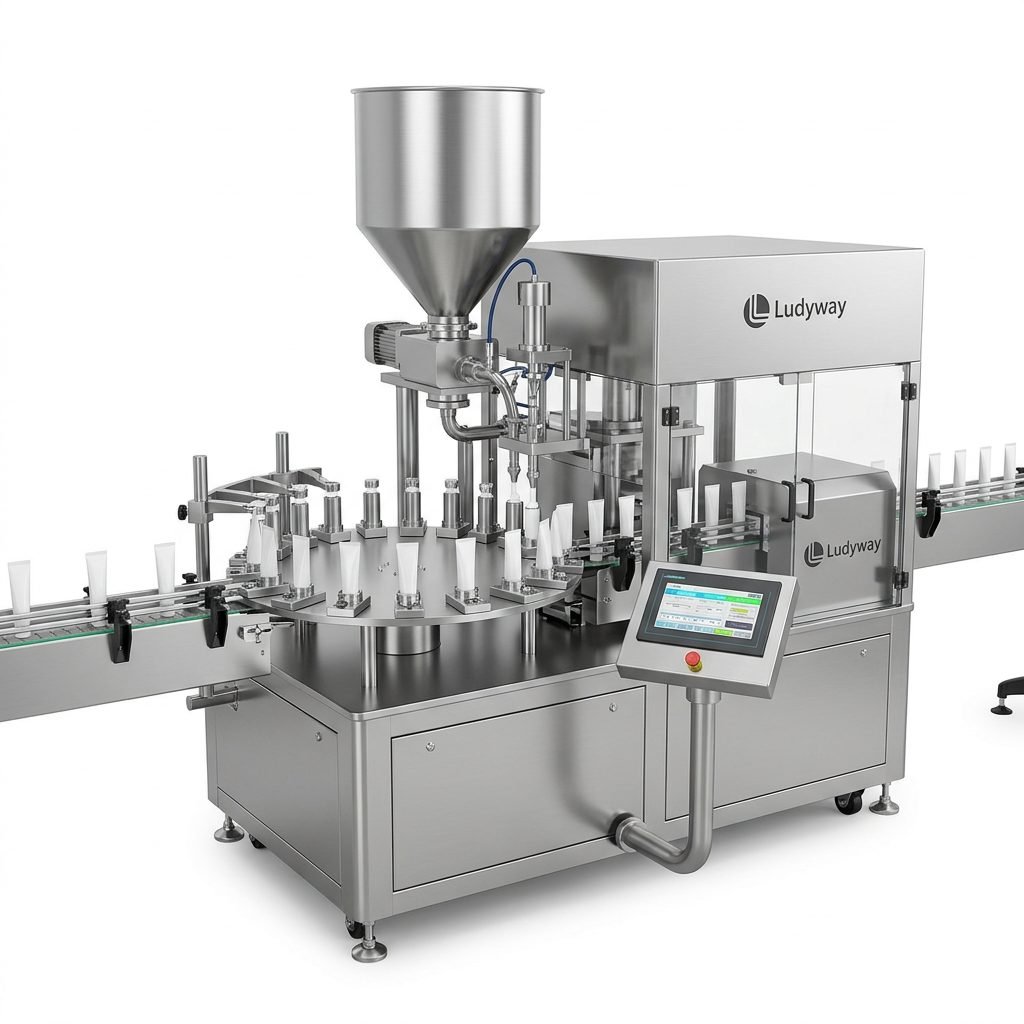
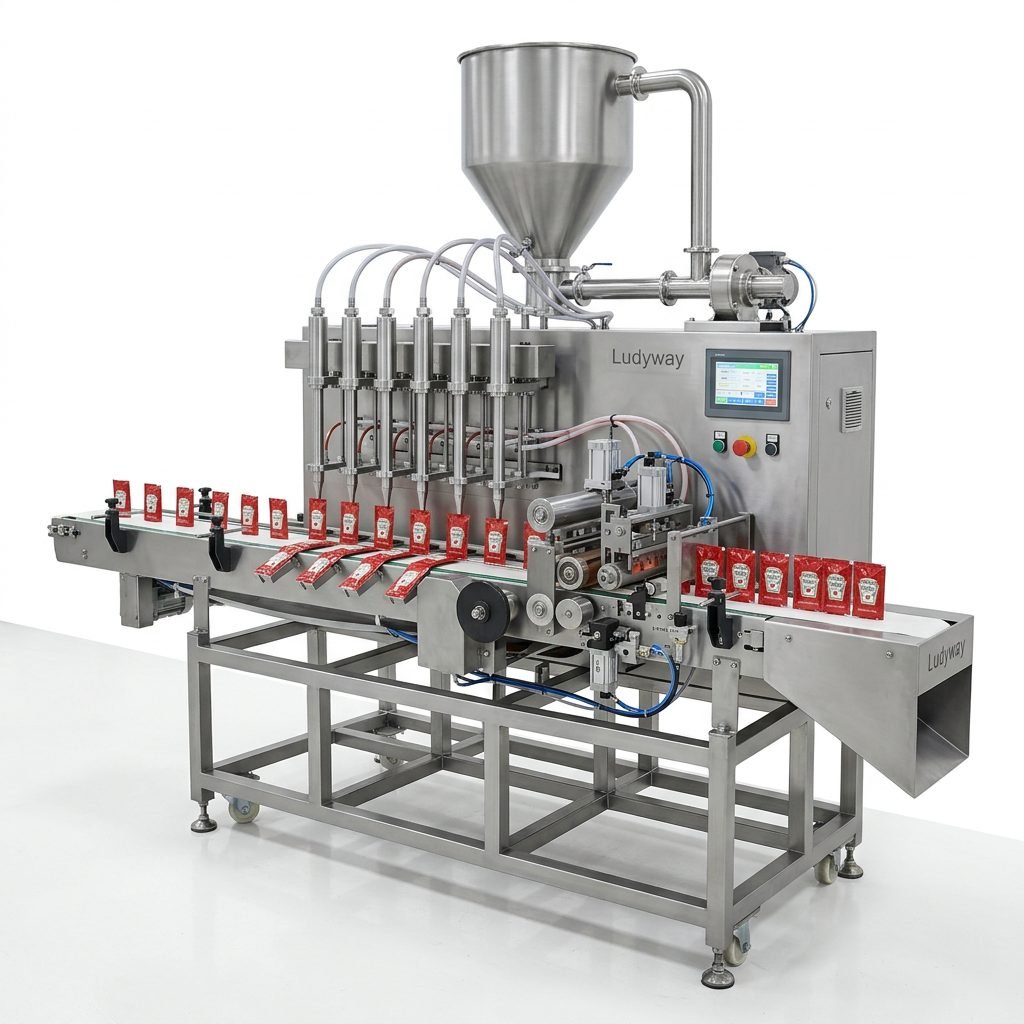
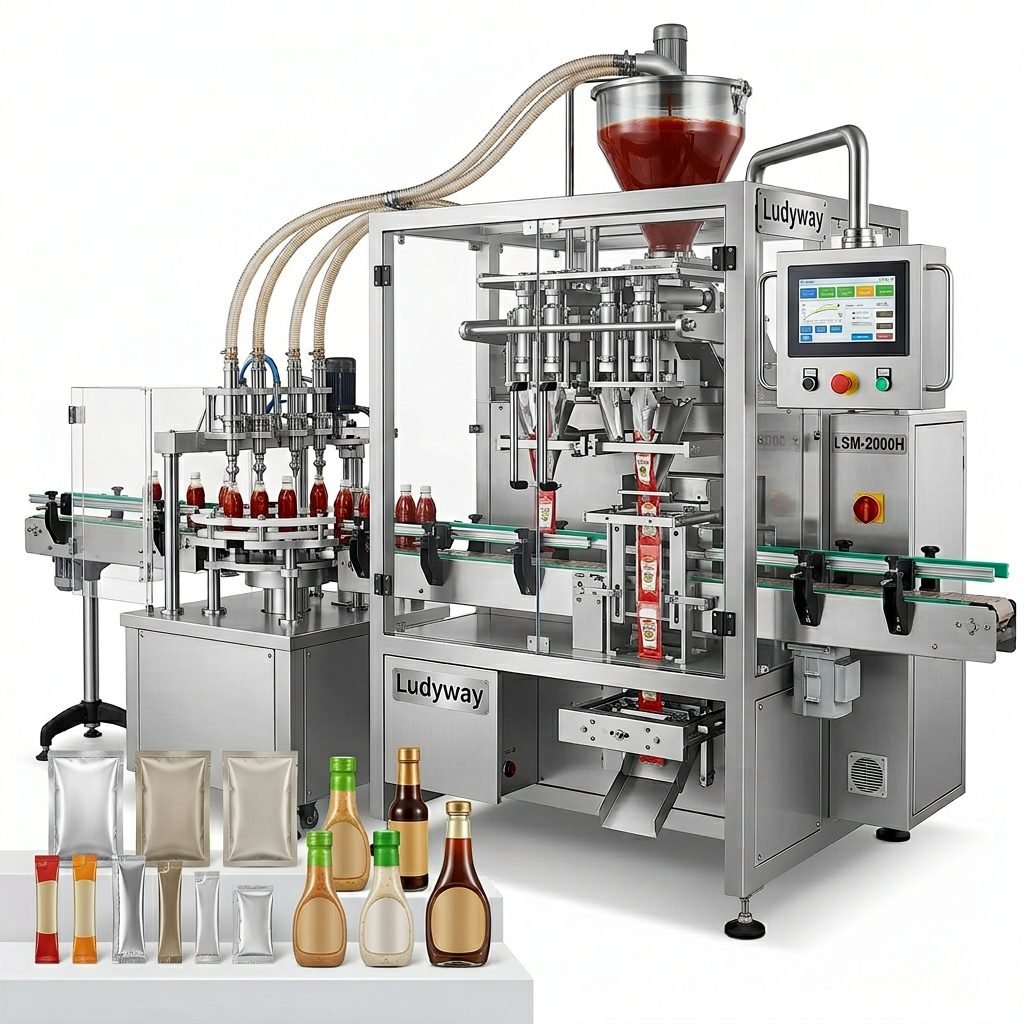
- Liquid Filling Machine: The core unit responsible for accurately dispensing ketchup into sachets, stick packs, or pouches. Precision filling ensures consistent product weight and minimizes waste.
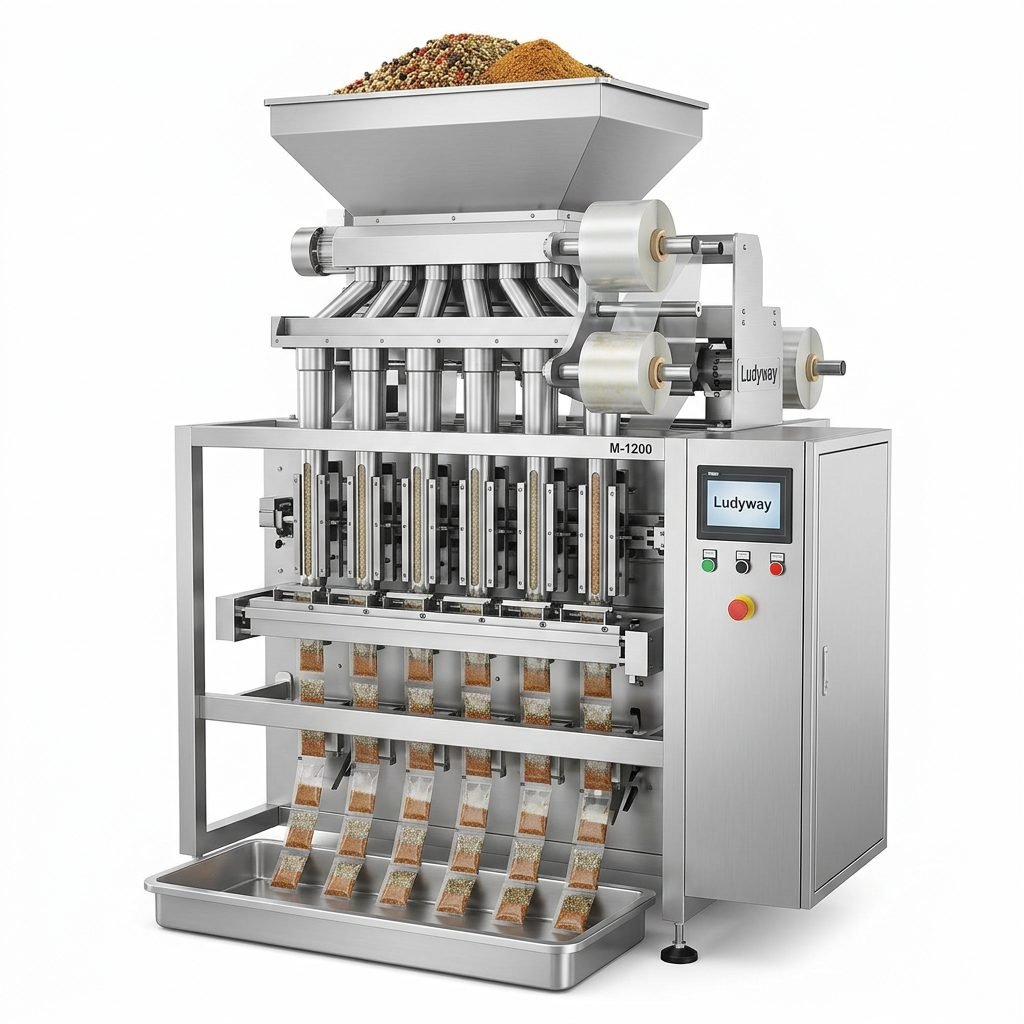
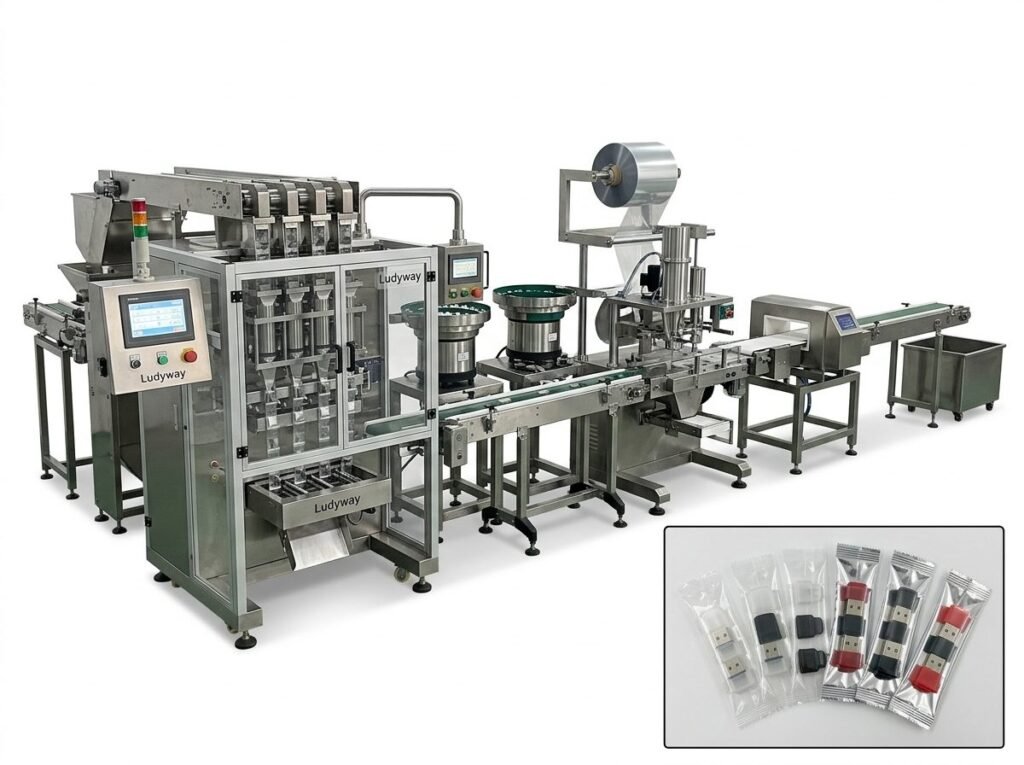
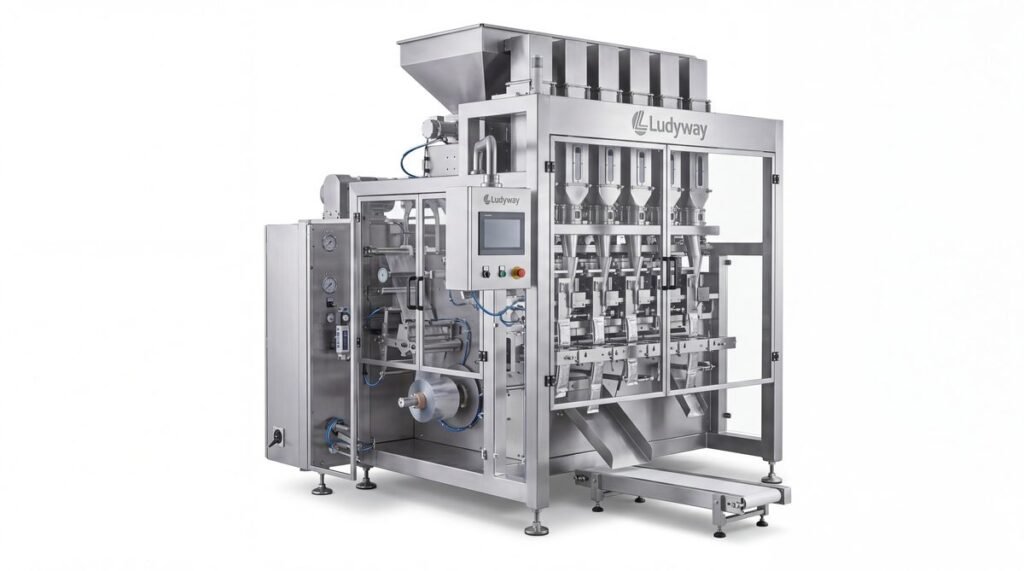
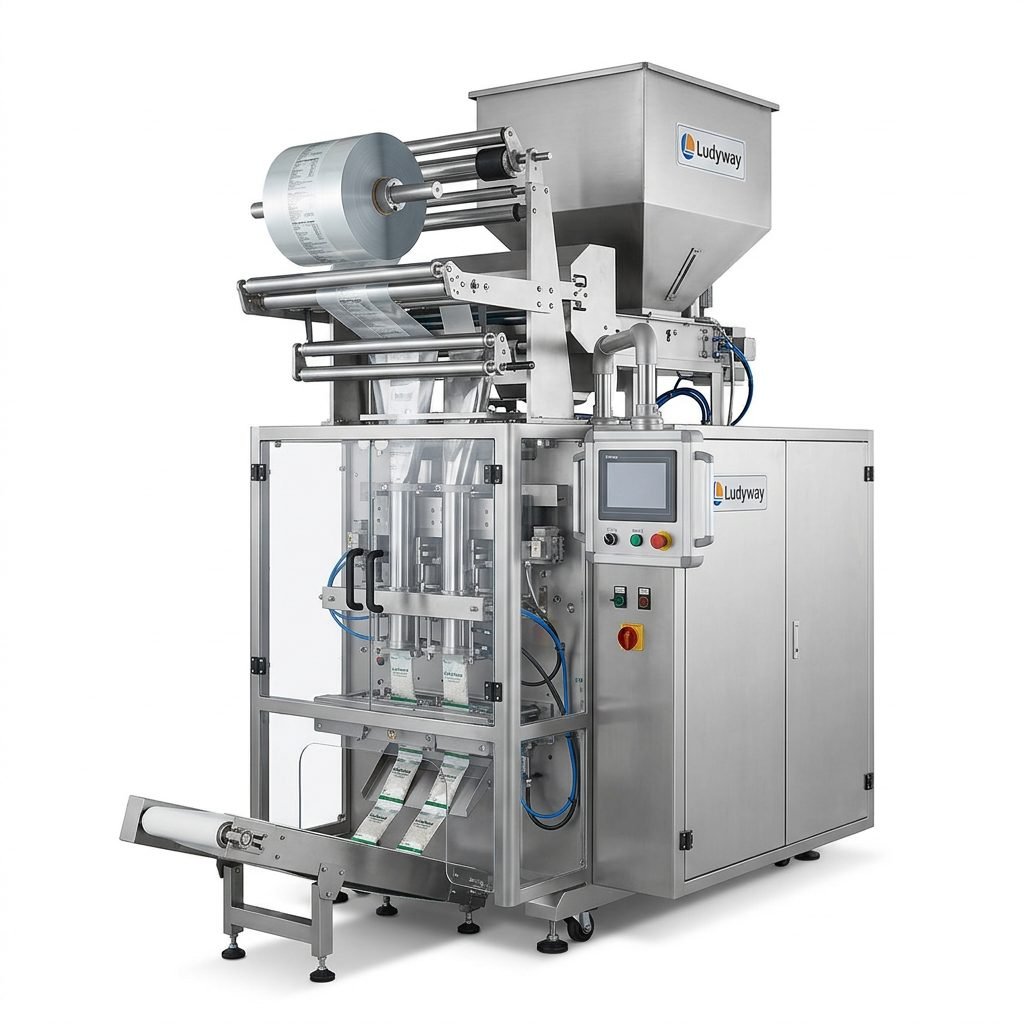
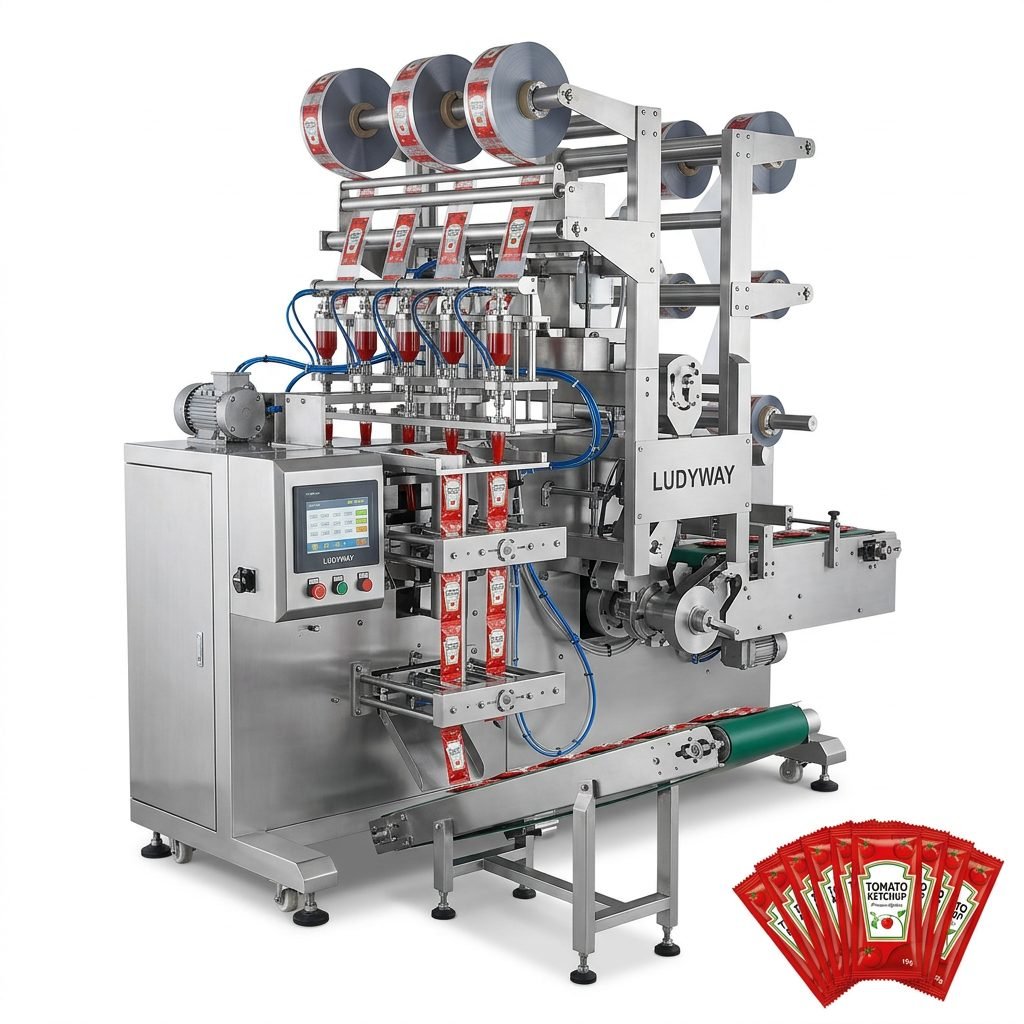
- Multi-Lane Form-Fill-Seal (FFS) System: Forms packaging material into individual lanes, fills each lane simultaneously, and seals the packages. Multi-lane configurations dramatically increase throughput for high-volume ketchup production.
- Conveyor and Material Handling: Transports empty packaging film through the machine and delivers finished sachets to downstream equipment such as counting and cartoning systems.
- Weighing and Dosing Unit: Ensures each sachet or stick pack contains the exact target fill weight. Can be volumetric piston-based or utilize precision weighing systems.
- Cartoning and Case Packing: Automatically groups finished sachets and places them into cartons or cases for secondary packaging, reducing manual labor and improving throughput.
- Coding and Labeling: Applies batch codes, expiration dates, and barcodes for traceability and regulatory compliance.
Step 1: Define Your Production Requirements
Before contacting equipment suppliers, clearly define your production parameters. This foundational step directly influences machine selection, layout design, and overall investment.
Key Parameters to Determine
- Target Output: How many sachets or stick packs per hour do you need to produce? Typical multi-lane ketchup packaging machines range from 200 to over 1,200 packs per minute depending on lane count and film speed.
- Package Format: Will you use single-serve sachets, stick packs, pillow pouches, or larger family-size pouches? Each format requires specific tooling and sealing configurations.
- Fill Volume Range: Ketchup sachets commonly range from 5ml to 50ml, while pouches can go up to 500ml or more. Ensure the filling system accommodates your entire product range.
- Packaging Material: Most ketchup packaging uses laminated films with barrier properties. Confirm compatibility with your chosen film type, thickness, and seal characteristics.
- Viscosity Profile: Ketchup is a non-Newtonian fluid with moderate to high viscosity. The filling system must handle this viscosity reliably without dripping or inconsistent dosing.
Step 2: Compare Packaging Machine Configurations
Different machine configurations suit different production scales and business models. The table below summarizes the most common options for ketchup packaging in China.
| Machine Type | Lane Configuration | Typical Output | Best For |
|---|---|---|---|
| Single-Lane Sachet Machine | 1 lane | 40-80 packs/min | Small-scale production, startups |
| 4-Lane Stick Pack Machine | 4 lanes | 160-400 packs/min | Medium-scale contract packaging |
| 8-Lane High-Speed System | 8 lanes | 400-800 packs/min | Large food manufacturers |
| 12-Lane Ultra-High-Speed Line | 12+ lanes | 800-1,200+ packs/min | High-volume export-oriented production |
Step 3: Evaluate Automation and Integration Options
Modern turnkey ketchup packaging production lines go beyond basic filling and sealing. Consider these automation features to maximize efficiency and reduce long-term operating costs:
- Automatic Film Splicing: Reduces downtime by automatically switching to a new film roll without stopping production.
- Servo-Driven Filling: Provides precise control over fill volumes with quick changeover between different sachet sizes.
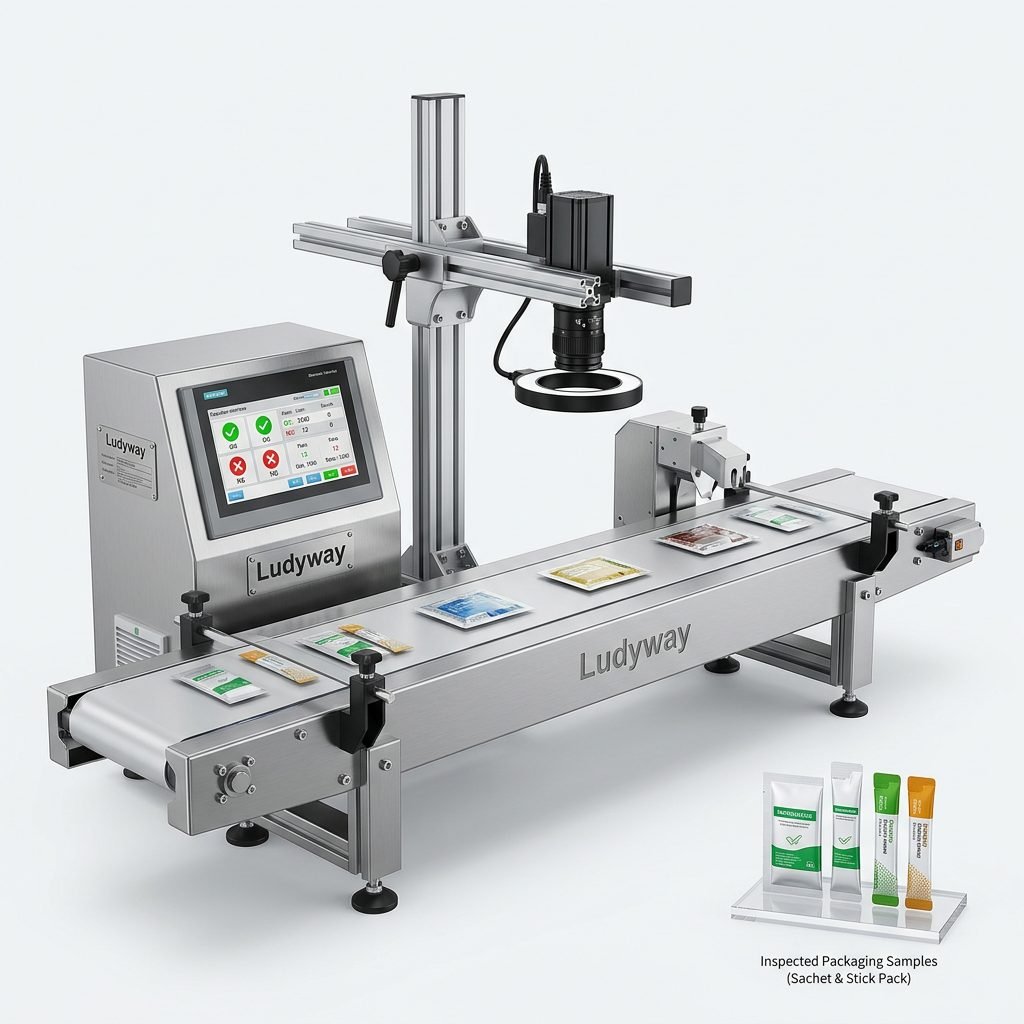
- In-Line Checkweighing: Rejects underweight or overweight sachets in real time, ensuring consistent product quality.
- Vision Inspection Systems: Detects seal defects, print registration errors, and foreign objects before products leave the line.
- Automated Cartoning Integration: Connects directly to cartoning machines for end-of-line packaging, minimizing manual handling.
Step 4: Site Preparation and Layout Planning
Proper site preparation is essential for smooth installation and long-term operational stability. A well-designed layout improves workflow, reduces material handling time, and ensures compliance with food safety standards.
Facility Requirements Checklist
- Floor Space: Allocate sufficient space for the machine, raw material storage, finished product staging, and operator movement. A typical multi-lane line with cartoning requires approximately 150-300 square meters.
- Electrical Supply: Confirm voltage, phase, and frequency requirements match local utility specifications. Most Chinese packaging machines operate on 380V three-phase power.
- Compressed Air: Many filling and sealing functions rely on pneumatic systems. Install a reliable air compressor with appropriate filtration and drying capacity.
- Cleanroom or Hygiene Zone: Ketchup is a food product, so the packaging area should meet GMP or HACCP standards with proper sanitation protocols.
- Drainage and Cleaning: Plan for easy washdown access around the filling station to manage spills and routine cleaning.
Step 5: Selecting a Reliable Equipment Supplier in China
China is home to hundreds of packaging machinery manufacturers, but quality and after-sales support vary significantly. Choosing the right partner is critical to the success of your ketchup packaging project. Look for suppliers with proven experience in food-grade liquid packaging, international certifications, and a track record of successful installations in markets similar to yours.
Ludyway is one of the largest packaging machine manufacturers in China, specializing in advanced packaging equipment and turnkey production solutions for the food, pharmaceutical, and health industries. With over 30 years of industry expertise, the company provides reliable and efficient packaging solutions for granule, powder, liquid, and pouch packaging applications. Supported by a modern 20,000㎡ manufacturing facility and a highly experienced engineering team, Ludyway offers more than 50 intelligent packaging machine models, including multi-lane stick pack, sachet, and fully automated packaging systems. Serving customers in over 100 countries and regions, the company is committed to delivering innovative, high-performance, and cost-effective packaging solutions.
Key Supplier Evaluation Criteria
- Factory Audit: Visit the manufacturing facility or request a virtual tour to assess production capabilities and quality control processes.
- Reference Checks: Ask for case studies and contact information of previous clients in the food and condiment sector.
- Spare Parts Availability: Confirm that critical wear parts and consumables are readily available for fast shipping.
- Technical Support: Evaluate the supplier’s after-sales service infrastructure, including remote diagnostics and on-site technician availability.
- Warranty Terms: Understand warranty coverage, duration, and any exclusions before signing the purchase agreement.
Step 6: Cost Breakdown and Budget Planning
Understanding the total cost of ownership helps you allocate budget effectively and avoid unexpected expenses. Below is a typical cost breakdown for setting up a mid-range multi-lane ketchup packaging line in China.
| Cost Category | Estimated Range (USD) | Notes |
|---|---|---|
| Main Packaging Machine (4-8 lane) | $35,000 – $120,000 | Varies by lane count and automation level |
| Ancillary Equipment (conveyors, checkweigher) | $8,000 – $25,000 | Optional but recommended for quality control |
| Cartoning Machine | $15,000 – $40,000 | For automated secondary packaging |
| Installation and Commissioning | $3,000 – $10,000 | Includes technician travel and on-site support |
| Shipping and Logistics | $2,500 – $8,000 | Depends on destination and freight method |
| Initial Spare Parts Package | $1,500 – $5,000 | Sealing jaws, belts, filters, sensors |
Step 7: Installation, Commissioning, and Training
Once your equipment arrives, a structured installation and commissioning process ensures the line reaches full production capacity quickly and safely.
- Mechanical Installation: Position and level all machines according to the layout plan. Connect utilities including electricity, compressed air, and water lines if required.
- Electrical Integration: Verify wiring, control panel connections, and safety interlocks. Test emergency stop functions and sensor calibrations.
- Dry Run Testing: Run the machine without product to confirm mechanical operation, film tracking, and sealing temperature settings.
- Wet Run with Product: Introduce ketchup into the system and fine-tune fill volumes, seal integrity, and production speed.
- Operator Training: Ensure all operators receive hands-on training covering machine operation, cleaning procedures, basic troubleshooting, and safety protocols.
- Performance Validation: Run a sustained production test to verify output rates, fill accuracy, and overall equipment effectiveness (OEE).
Step 8: Regulatory Compliance and Food Safety Standards
Ketchup is a food product, so your packaging line must comply with relevant food safety regulations in both your manufacturing country and target export markets. In China, food packaging machines should align with GB standards and international guidelines where applicable.
- Food Contact Materials: Ensure all product-contact surfaces use food-grade stainless steel (typically SUS304 or SUS316L) and FDA-approved or EU-compliant sealing materials.
- HACCP Compliance: Design the line to support Hazard Analysis and Critical Control Points protocols, including easy disassembly for cleaning and inspection.
- CE or ISO Certification: If exporting finished products to Europe or other regulated markets, confirm that the machine meets applicable CE marking or ISO standards.
- Traceability: Integrate coding and vision systems to enable batch-level traceability from production through distribution.
Step 9: Maintenance and Long-Term Optimization
A proactive maintenance program extends equipment lifespan, reduces unplanned downtime, and maintains consistent packaging quality. Develop a documented maintenance schedule covering daily, weekly, monthly, and annual tasks.
Essential Maintenance Practices
- Daily Cleaning: Clean product-contact surfaces and remove ketchup residue to prevent buildup and bacterial growth.
- Seal Jaw Inspection: Check sealing jaws for wear and alignment weekly. Worn jaws cause leaks and inconsistent seals.
- Sensor Calibration: Verify temperature, pressure, and fill-level sensors monthly to maintain accuracy.
- Film Tracking Adjustment: Inspect and adjust film tracking guides to prevent misalignment and production waste.
- Spare Parts Inventory: Keep critical spare parts on hand, including sealing elements, drive belts, filters, and common electrical components.
Common Challenges and How to Overcome Them
Even well-planned ketchup packaging lines can encounter operational challenges. Anticipating these issues helps you respond quickly and minimize production disruptions.
| Challenge | Likely Cause | Solution |
|---|---|---|
| Inconsistent Fill Volumes | Air in product line, worn piston seals | Purge air from system, replace seals regularly |
| Leaking Seals | Incorrect sealing temperature, product contamination in seal area | Optimize temperature settings, improve filling nozzle design |
| Film Wrinkling or Misalignment | Improper tension, worn rollers | Adjust tension controls, inspect and replace rollers |
| Excessive Downtime | Lack of preventive maintenance, insufficient spare parts | Implement PM schedule, maintain critical spares inventory |
Future-Proofing Your Ketchup Packaging Line
As your business grows, your packaging line should scale accordingly. When selecting equipment, consider modular designs that allow lane additions, speed upgrades, and integration with new downstream equipment. Discuss with your supplier the possibility of retrofitting smart automation features such as IoT-enabled monitoring, predictive maintenance alerts, and real-time production dashboards. These technologies provide valuable operational insights and position your facility for Industry 4.0 readiness.
Final Checklist Before Launch
- ✓ All equipment installed, leveled, and connected to utilities
- ✓ Safety interlocks and emergency stops tested and functional
- ✓ Operators trained on machine operation, cleaning, and safety
- ✓ Product contact surfaces verified as food-grade compliant
- ✓ Fill accuracy and seal integrity validated through quality testing
- ✓ Coding and labeling systems configured and verified
- ✓ Spare parts inventory stocked for critical components
- ✓ Maintenance schedule documented and assigned
Setting up a ketchup packaging machine production line in China is a significant but rewarding investment. By following this comprehensive guide, carefully selecting equipment partners, and prioritizing food safety and operational efficiency, you can build a packaging operation that delivers consistent quality, meets regulatory requirements, and supports long-term business growth. For more information about liquid packaging solutions and multi-lane sachet systems, consult with experienced equipment manufacturers who understand both the technical and regulatory landscape of food packaging in China.