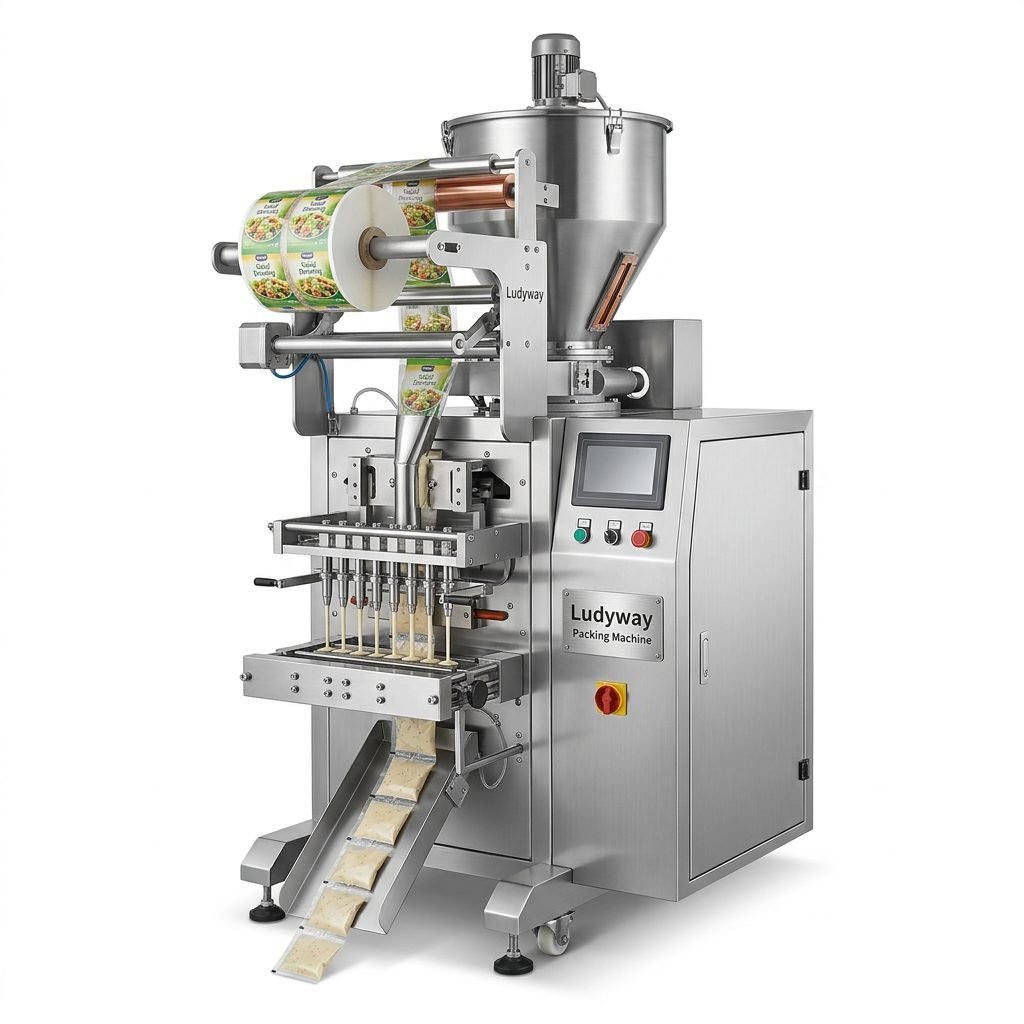
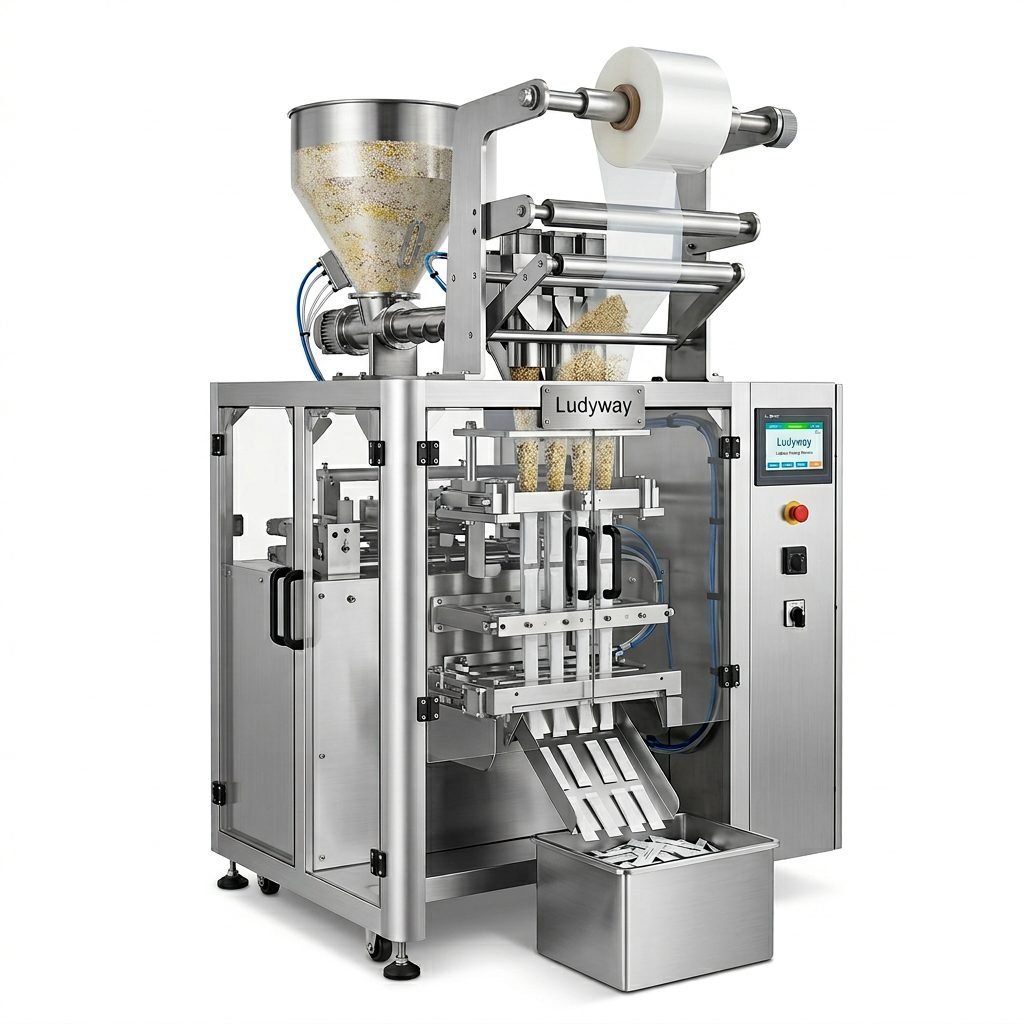
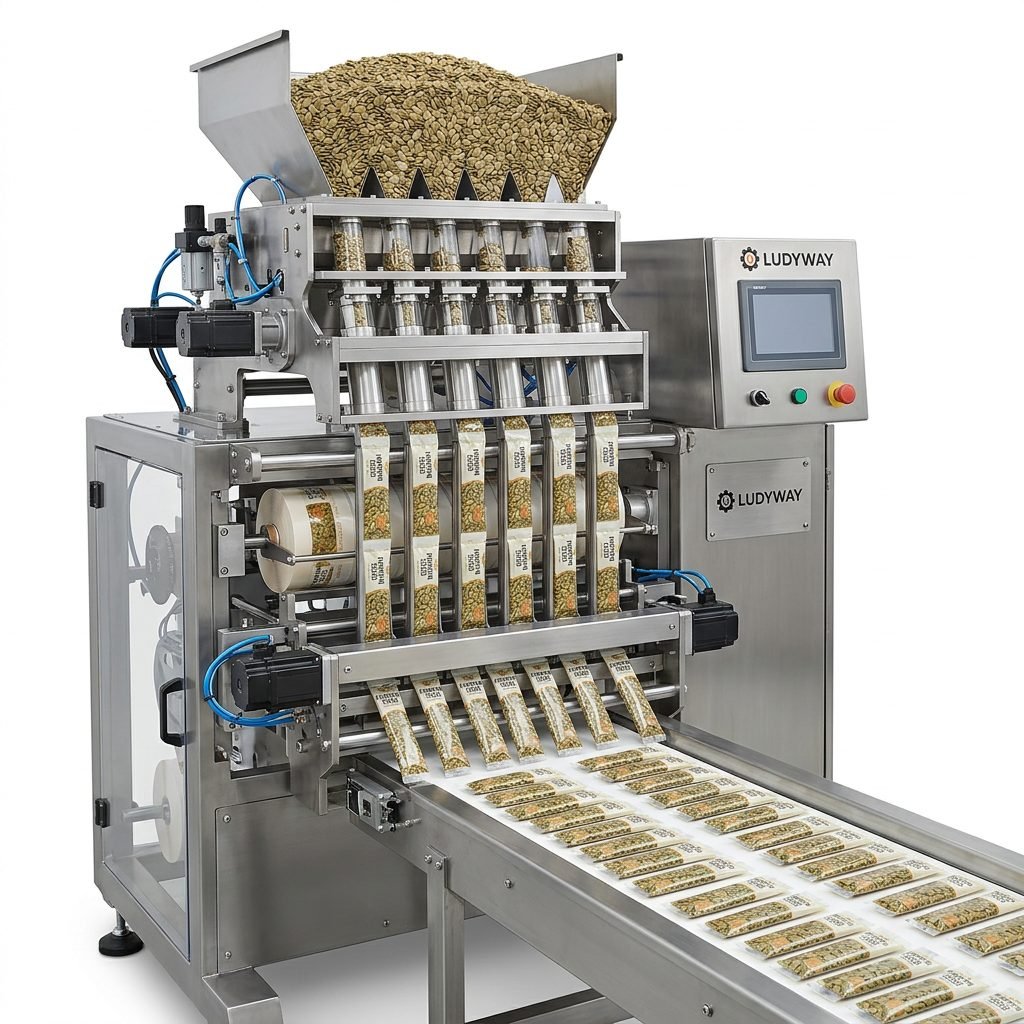
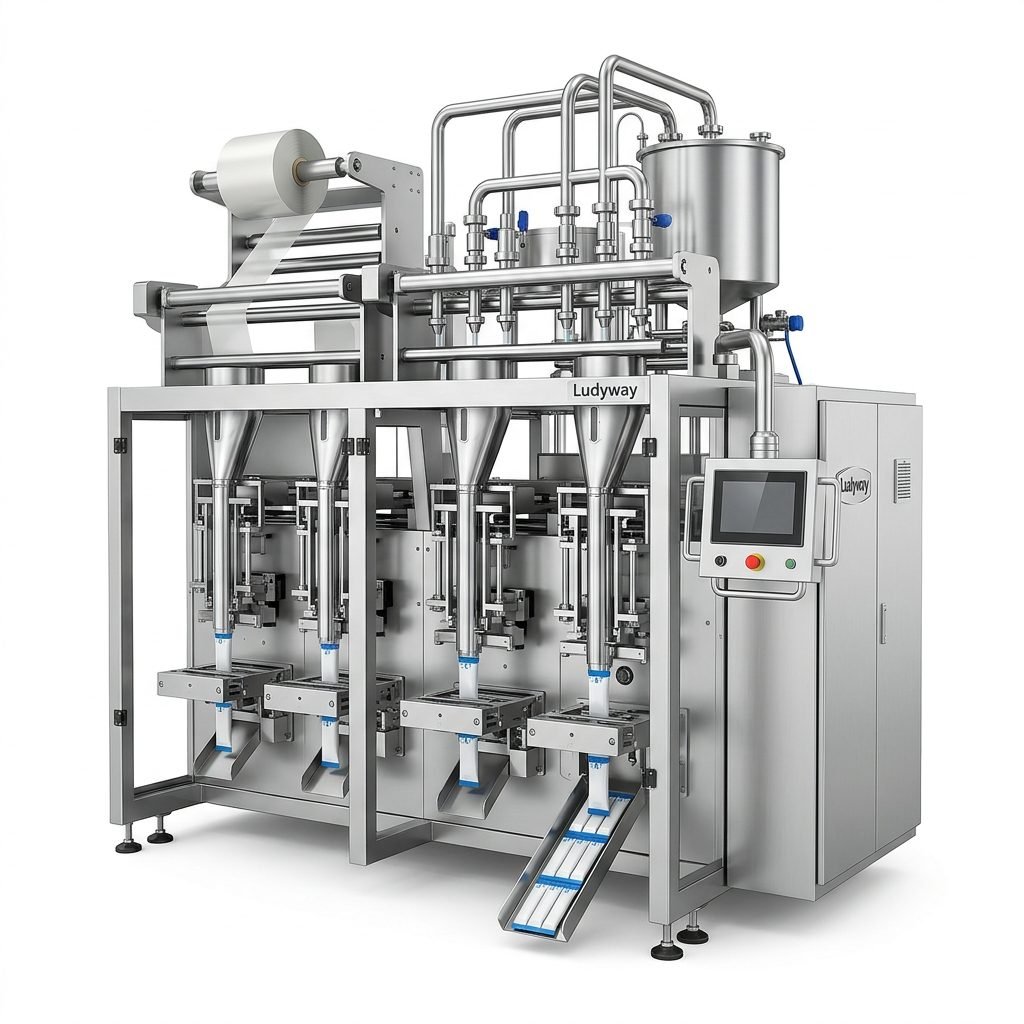
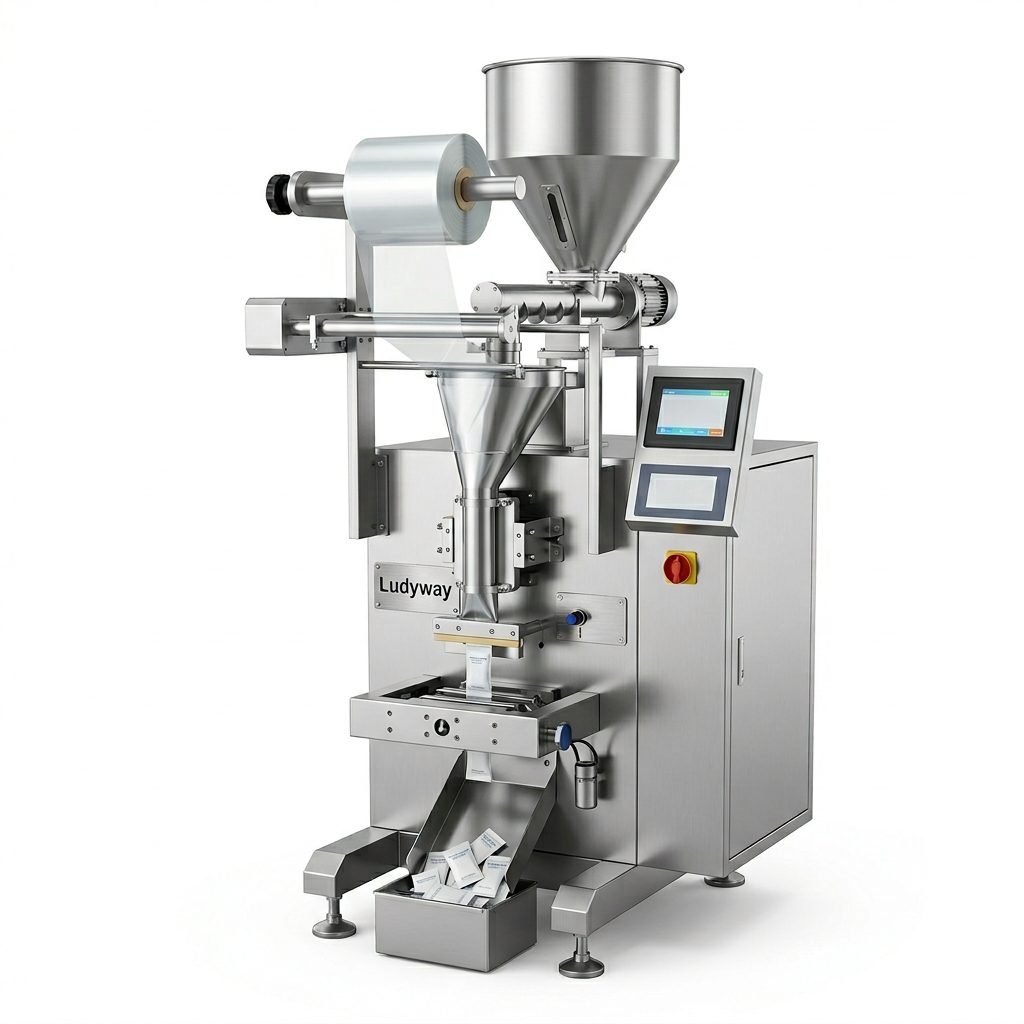
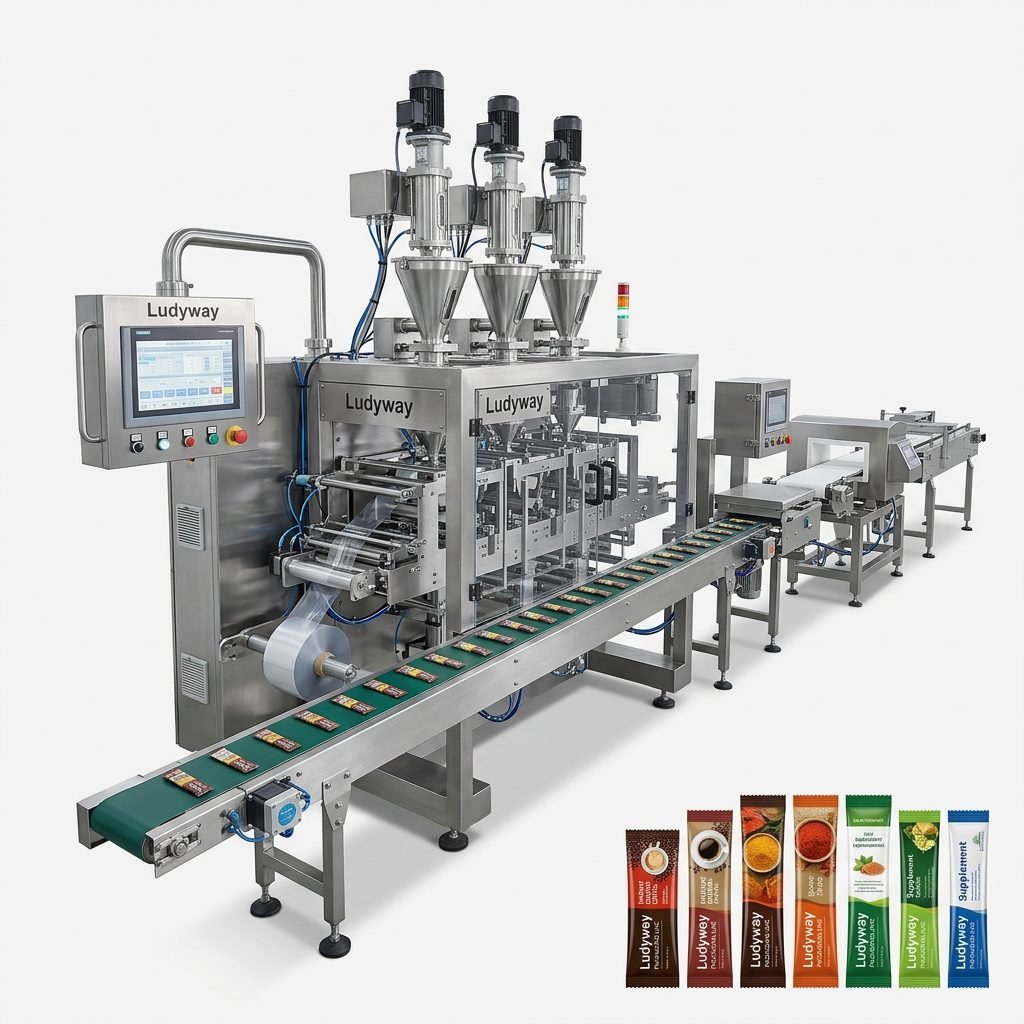
The Italian food processing industry is renowned for its high-quality tomato products, and ketchup remains one of the most exported condiments across Europe and beyond. For manufacturers looking to scale production, investing in a ketchup packaging machine tailored to the Italian and European market is a critical business decision. This guide covers everything you need to know before purchasing packaging equipment for ketchup and similar viscous sauces.
Why the Italian Ketchup Market Demands Advanced Packaging Solutions
Italy is one of Europe’s largest tomato processing hubs, with annual production exceeding 5 million metric tons. The ketchup segment alone represents a significant share of the condiment market, driven by both domestic consumption and exports to neighbouring EU countries. Modern ketchup packaging machines must comply with EU food safety regulations, deliver consistent fill accuracy for viscous products, and support flexible packaging formats ranging from single-serve sachets to bulk pouches.
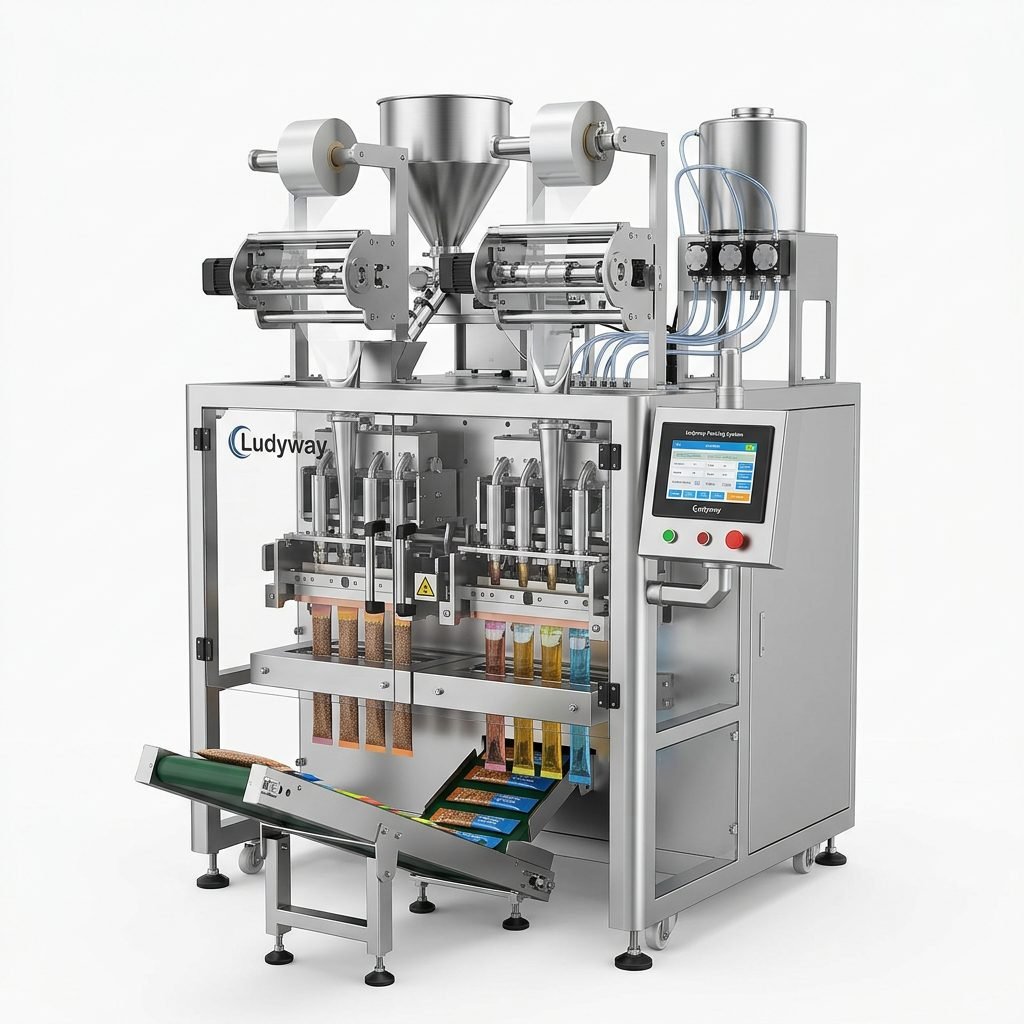
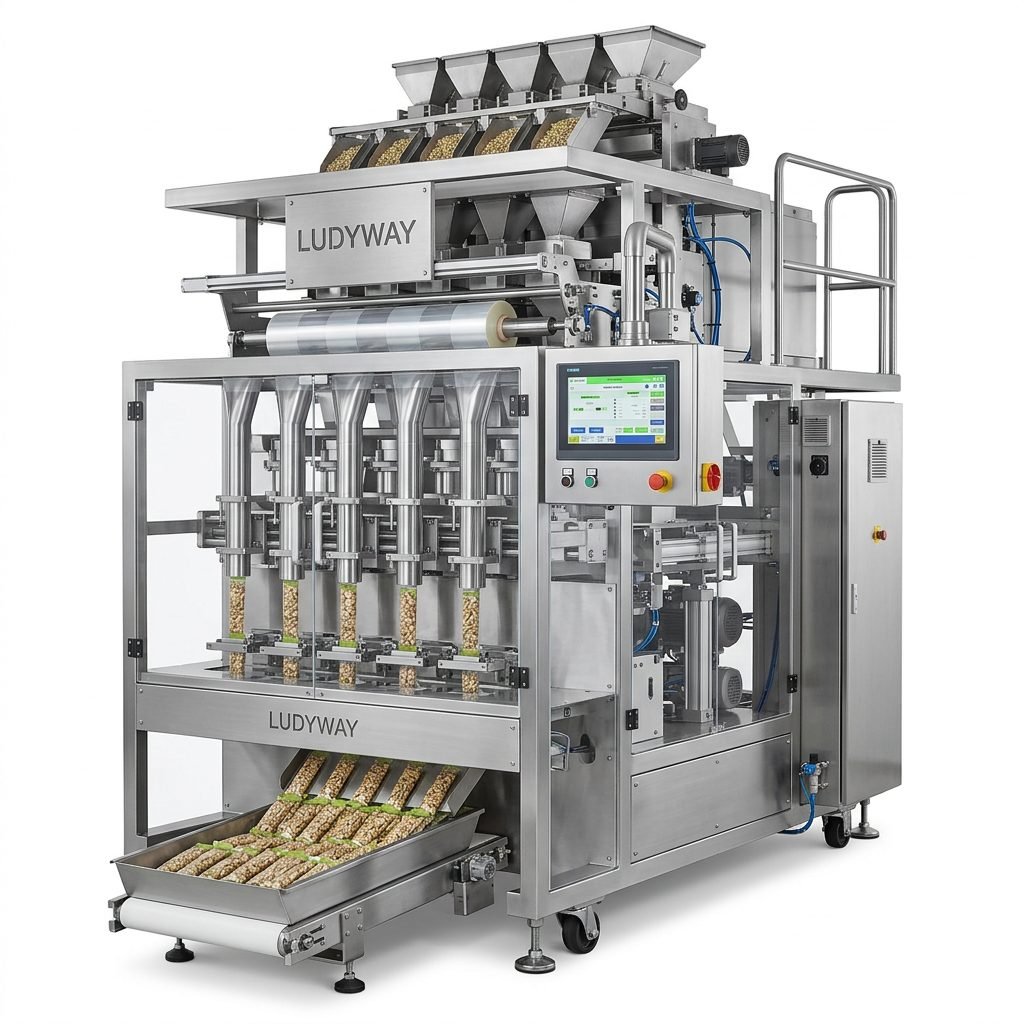
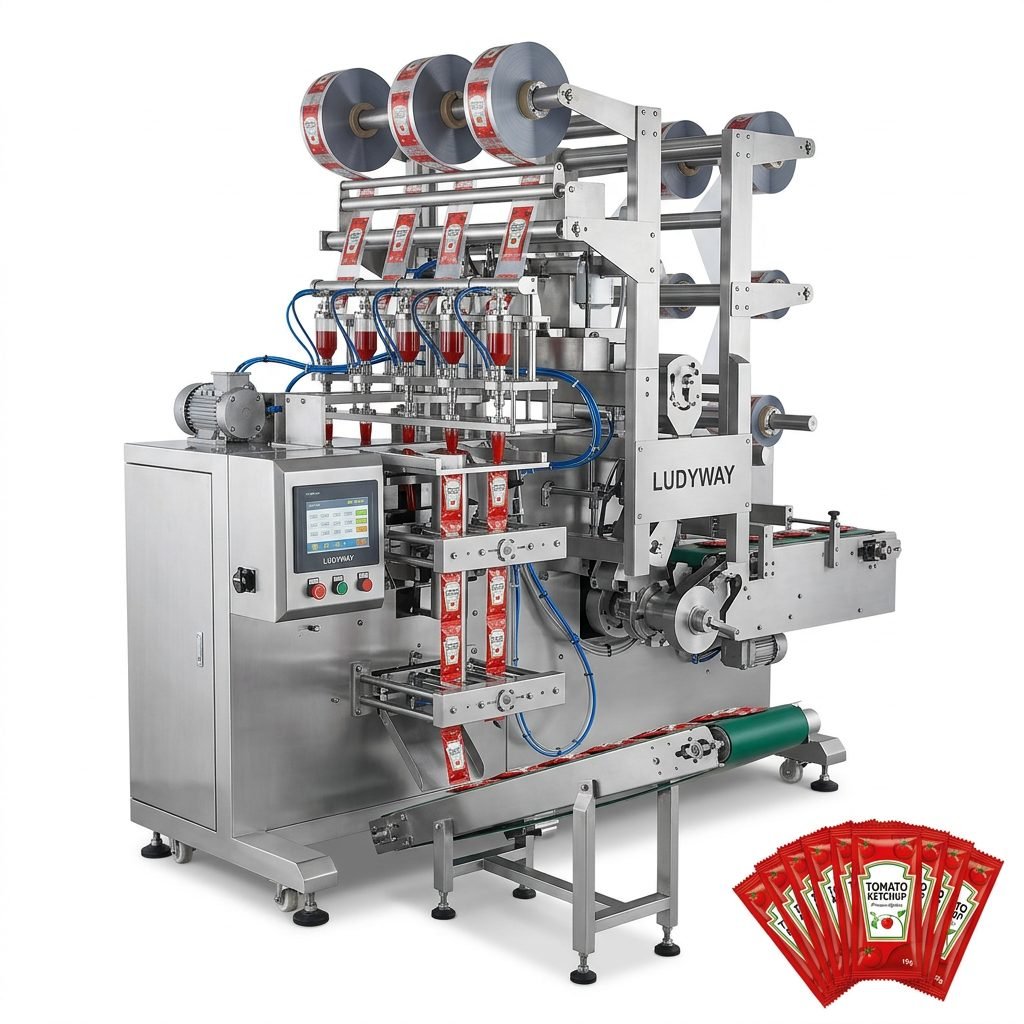
Investing in automated liquid filling and sealing systems not only reduces labour costs but also enhances production line efficiency. Italian manufacturers are increasingly shifting toward multi-lane machines that can produce high volumes of stick packs and sachets with minimal downtime.
Types of Ketchup Packaging Machines Suitable for Italian Production Lines
Choosing the right type of sauce packaging equipment depends on your target format, production capacity, and packaging material preferences. Below are the most common machine categories used in ketchup processing plants across Italy.
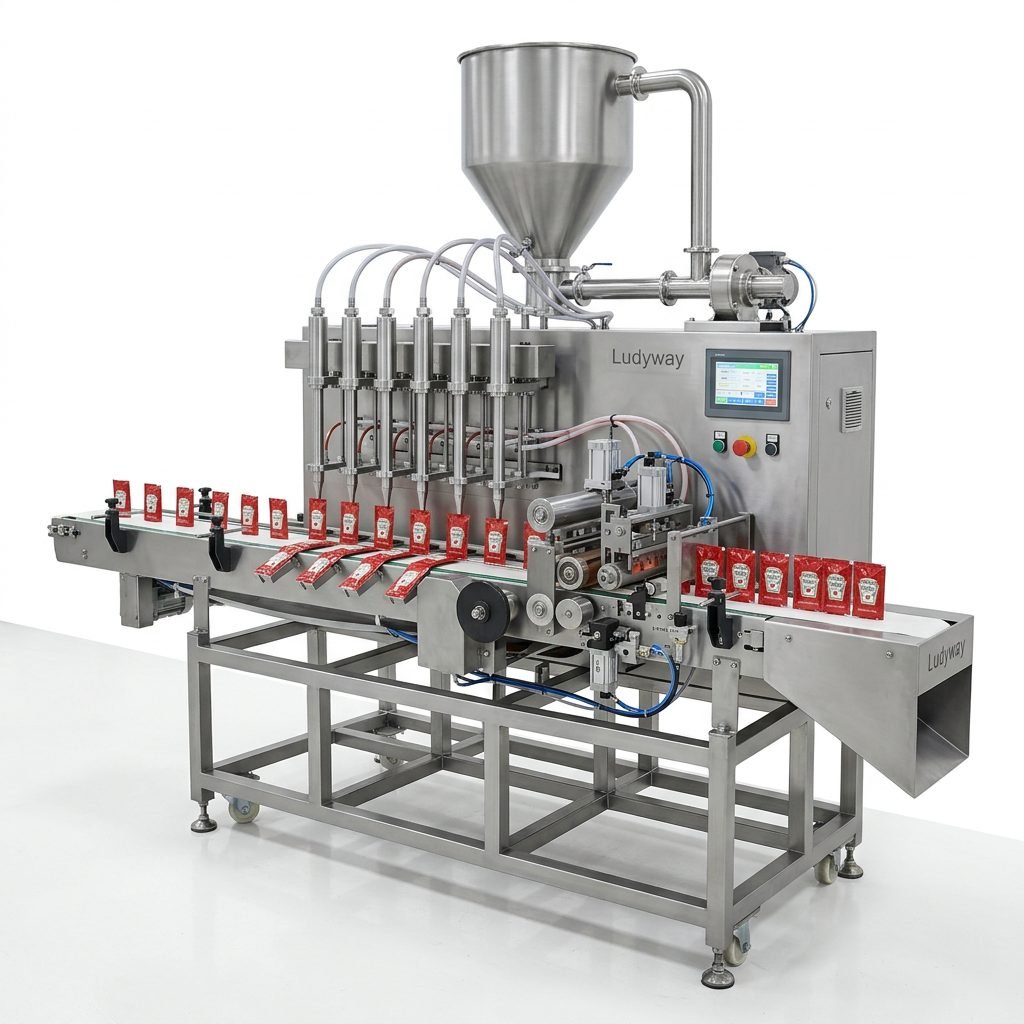
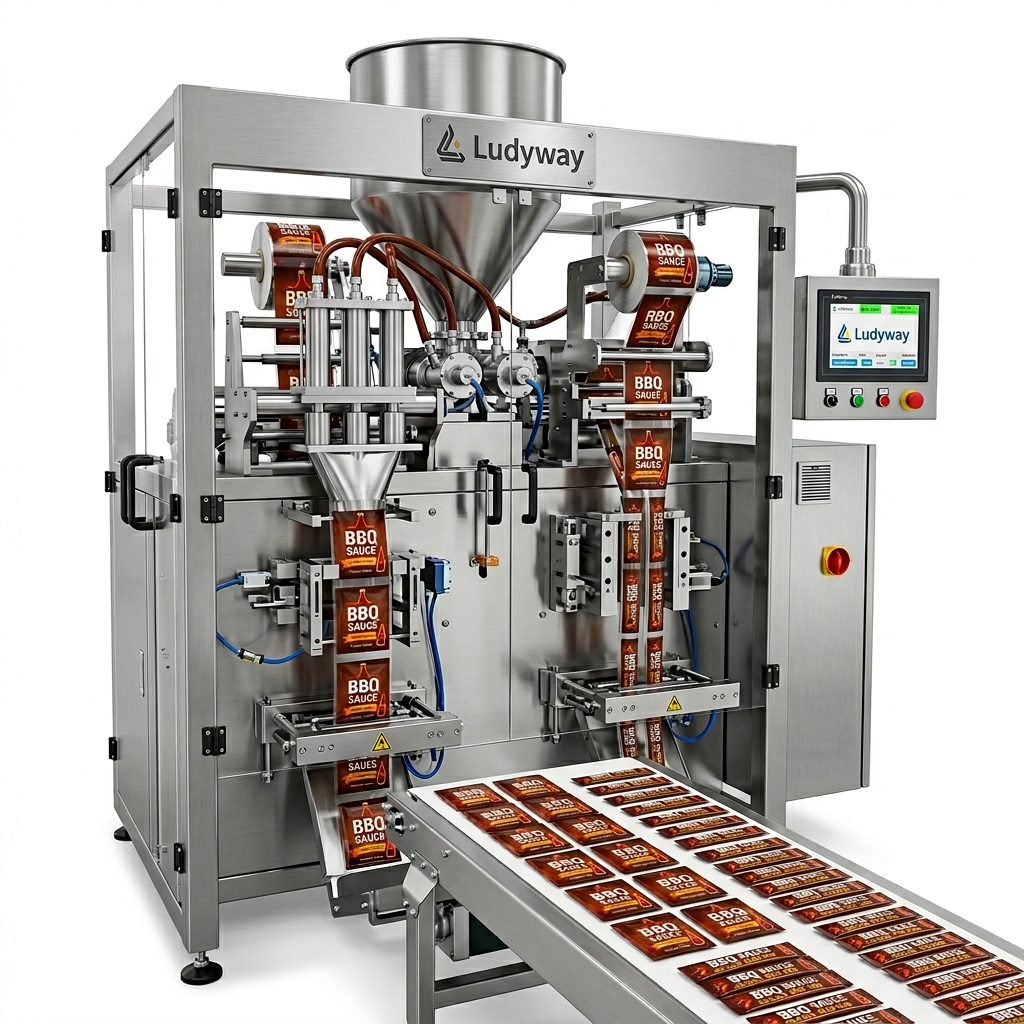
- Multi-Lane Sachet Packaging Machines: Ideal for single-serve ketchup portions used in restaurants, fast-food chains, and airline catering. These machines can run 4 to 16 lanes simultaneously, achieving speeds of up to 400 – 600 sachets per minute per lane.
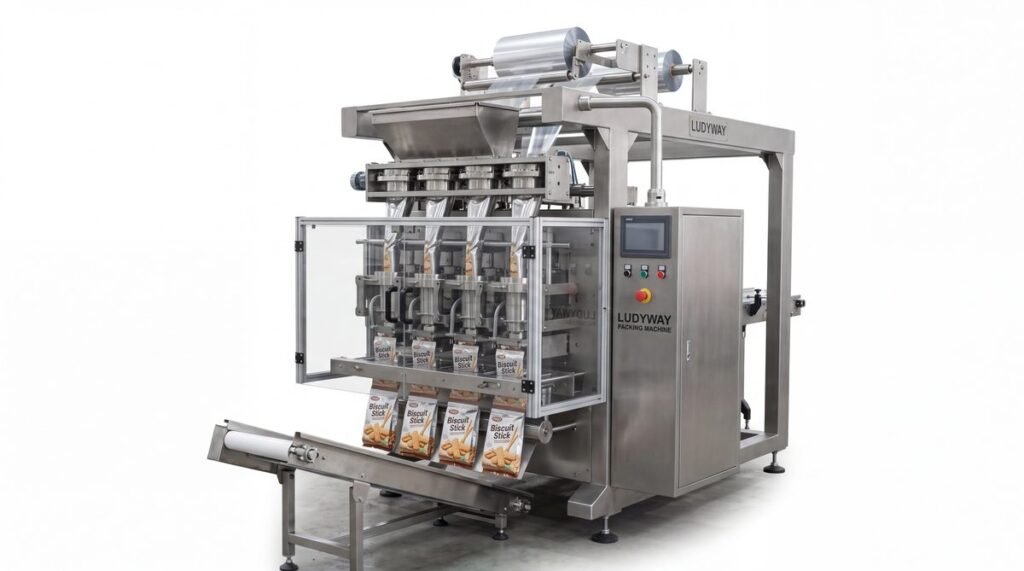
- Stick Pack Machines: Popular for slim, elongated ketchup packs that fit easily into lunch boxes and takeaway meals. These stick pack packaging machines provide excellent seal integrity and precise portions.
- Pouch Packaging Lines: Designed for larger retail formats (200 g – 1000 g), suitable for supermarket shelves. These pouch packaging machines offer high-speed filling for family-size ketchup products.
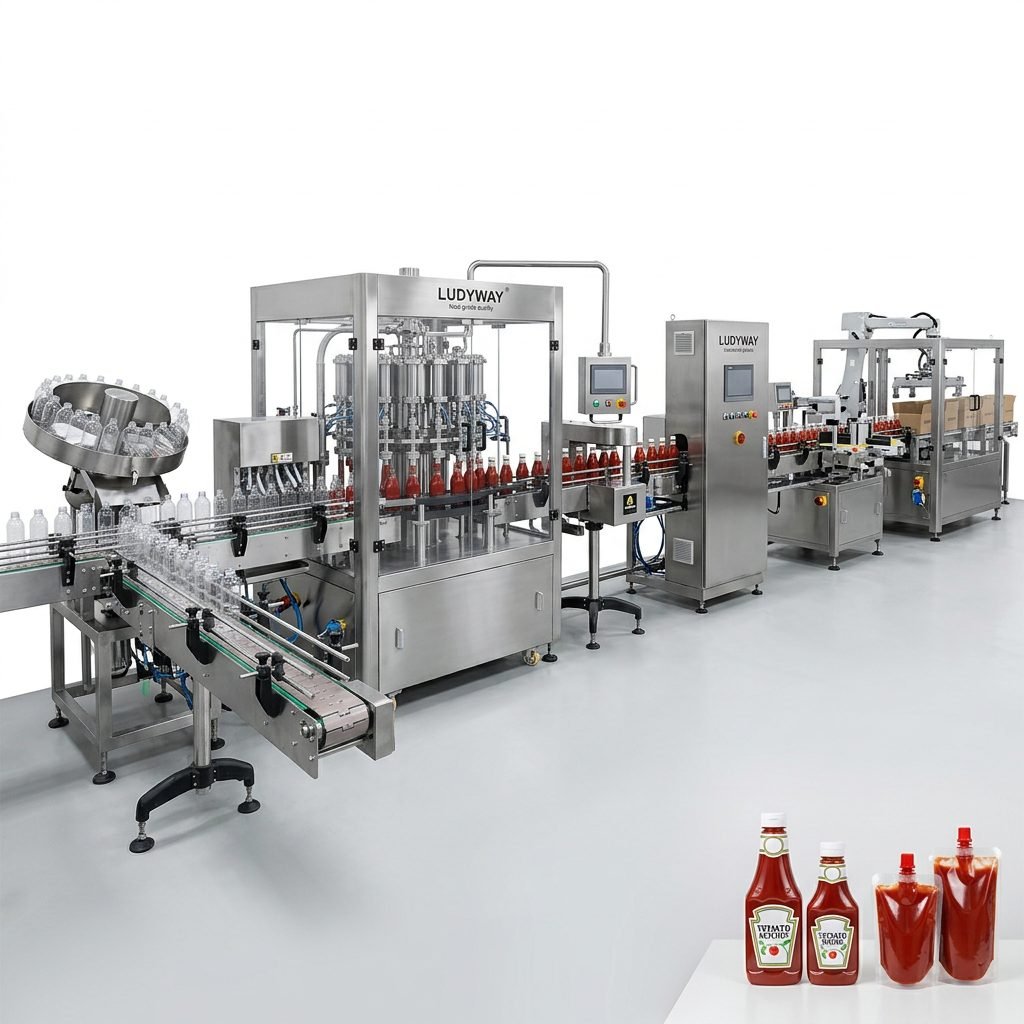
- Bottle Filling and Capping Lines: For glass or PET bottles, often used for premium or organic ketchup products sold in Italian speciality stores.
- Turnkey Automated Ketchup Packaging Lines: Fully integrated systems combining filling, sealing, coding, cartoning, and palletizing for large-scale manufacturers.
Key Technical Features to Evaluate Before Buying
Not all packaging machines are built to handle the unique rheological properties of ketchup. Ketchup is a non-Newtonian fluid with shear-thinning behaviour, meaning its viscosity changes under pressure and agitation. Your chosen machine must account for this characteristic to avoid clogging, splashing, or inconsistent fills.
| Feature | Description | Importance for Ketchup |
|---|---|---|
| Piston Filler or Servo Pump | Positive displacement filling system suitable for viscous products | Critical — ensures accurate dosing regardless of viscosity fluctuation |
| Hopper Agitation / Recirculation | Keeps the product homogeneous and prevents separation | High — prevents water separation common in ketchup during idle periods |
| No-Drip Nozzles | Prevents product dripping after fill cycle, keeping seals clean | Critical — contaminated seals lead to leaks and rejection rates |
| Nitrogen Flushing Capability | Injects inert gas to displace oxygen, extending shelf life | Recommended — especially for organic ketchup without artificial preservatives |
| CIP (Clean-in-Place) Compatibility | Allows automated cleaning without disassembly | High — reduces downtime between production batches and flavours |
Understanding EU Compliance and Food Safety Standards
When purchasing a ketchup packaging machine for operation in Italy, compliance with European Union regulations is non-negotiable. Equipment must meet the requirements of EU Regulation 1935/2004 concerning food contact materials, as well as EU Machinery Directive 2006/42/EC for machine safety. Additionally, FDA food packaging regulations provide supplementary guidance for manufacturers who also export to North American markets.
Key certifications to look for include CE marking, which indicates conformity with EU health, safety, and environmental standards. Many Italian buyers also prefer machines constructed with AISI 316L stainless steel for all product-contact parts, as this grade offers superior corrosion resistance against acidic tomato-based products.
Cost Considerations and ROI for Italian Manufacturers
The price of a ketchup packaging machine varies widely based on automation level, speed, and configuration. Below is a breakdown of budget expectations for different machine categories in the Italian market.
- ► Entry-Level Semi-Automatic Machines: starting from €18,000 – €40,000
- ► Mid-Range Multi-Lane Sachet Machines (4–8 lanes): approximately €55,000 – €120,000
- ► High-Speed Multi-Lane Stick Pack Lines (10–16 lanes): approximately €130,000 – €280,000
- ► Fully Automated Turnkey Packaging Lines: typically €350,000 – €900,000+
Italian manufacturers typically report ROI within 18–30 months when upgrading from manual to automated packaging, driven by reduced labour, lower product giveaway, and higher throughput. The PMMI packaging industry reports consistently highlight automation as a primary profitability driver for condiment producers.
How to Select a Reliable Supplier for Ketchup Packaging Equipment
Choosing the right packaging machine supplier is as important as selecting the machine itself. Italian buyers should evaluate potential partners based on the following criteria:
- Proven Experience with Viscous Products: Does the supplier have documented installations for ketchup or similar sauces? Ask for case studies and references from condiment manufacturers.
- After-Sales Support in Italy: Confirm whether the supplier offers local technical support, spare parts availability within Italian warehouses, and response time guarantees.
- Customization Capabilities: Can the machine be adapted for different pouch sizes, film materials, or supplementary features like spout insertion?
- Warranty and Training: Comprehensive operator training and extended warranty options are indicators of a confident supplier.
- Global Exhibition Presence: Suppliers exhibiting at PACK EXPO International or similar European packaging exhibitions tend to maintain higher industry standards.
Common Pitfalls to Avoid When Buying a Ketchup Packaging Machine
Even experienced Italian food manufacturers can make costly mistakes when acquiring new packaging equipment. The following errors can lead to production bottlenecks or regulatory setbacks.
- Underestimating Viscosity Impact: Using a machine designed for water-thin liquids on ketchup will result in severe under-filling or leakage issues. Always request viscosity testing trials before finalizing the order.
- Ignoring Film Compatibility: Not all machines handle laminated or aluminium-based films effectively. If your product requires high-barrier packaging, ensure the machine supports the specific film gauge and type.
- Overlooking Total Cost of Ownership (TCO): The initial machine price is only one element. Factor in energy consumption, spare part costs, film waste rates, and maintenance contracts over a 5–7 year period.
- Skipping Factory Acceptance Testing (FAT): Visiting the supplier’s manufacturing facility to test the machine with your own ketchup formulation before shipment can prevent costly surprises.
Industry Data: The Growing Demand for Automated Sauce Packaging in Europe
According to market research compiled by PMMI’s 2025 State of the Industry report, the global condiment packaging market is projected to grow at a CAGR of 5.7% through 2030, with European nations representing the second-largest regional share. Italy’s food processing equipment market alone was valued at over €3.2 billion in 2024, with packaging machinery accounting for a significant portion.
The shift toward single-serve and convenience packaging formats, accelerated by the foodservice sector’s recovery post-pandemic, continues driving demand for high-speed multi-lane sachet and stick pack machines. Italian exporters of ketchup to Middle Eastern and African markets are particularly active in upgrading from manual to automated packaging operations.
Why Partnering With an Experienced Packaging Machine Manufacturer Matters
Selecting the right manufacturing partner ensures your Italian ketchup production line operates with minimal downtime and maximum output. Ludyway, one of the leading packaging machine manufacturers in China, serves customers in over 100 countries and regions with more than 50 intelligent models, including multi-lane stick pack, sachet, and fully automated packaging systems for granules, powders, and liquids. Their expertise in high-viscosity liquid filling makes them a valuable resource for ketchup producers seeking reliable, turnkey solutions. For detailed specifications or to request viscosity testing with your product, contact their engineering team at info@ludyway.com.
Additional Resources and Industry References
The following authoritative resources provide further guidance on packaging standards, regulations, and industry trends relevant to Italian ketchup manufacturers.
| Resource | Description | Link |
|---|---|---|
| PMMI State of the Industry 2025 | Comprehensive packaging market data and trends | View Report |
| Flexible Packaging Association | Industry resources for flexible packaging standards | Visit FPA |
| FDA Food Packaging Regulations | Guidelines for food contact substances and packaging | Explore FDA |
| EU Packaging and Packaging Waste Regulation | Official European Commission environmental packaging compliance | View EC Page |
| ISO 11607 Packaging Standards | International standards for packaging validation | ISO Standards |
| Ludyway Global Growth Analysis | Independent press coverage of packaging machinery export trends | Read on EIN |
Investing in the right sauce packaging machine is a strategic move that impacts product quality, shelf appeal, and operational efficiency. By carefully evaluating machine types, technical specifications, supplier credentials, and regulatory requirements, Italian ketchup manufacturers can position themselves for long-term growth in the competitive European condiment market.