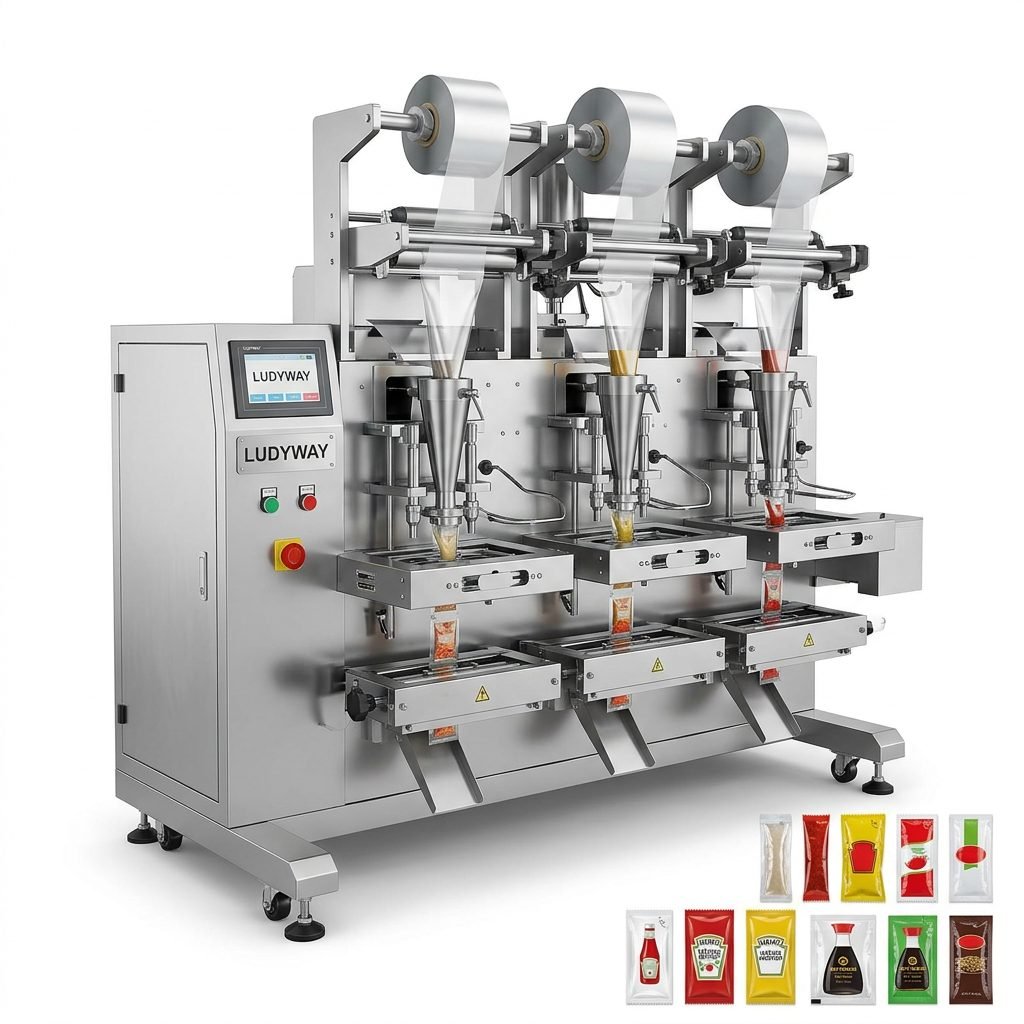
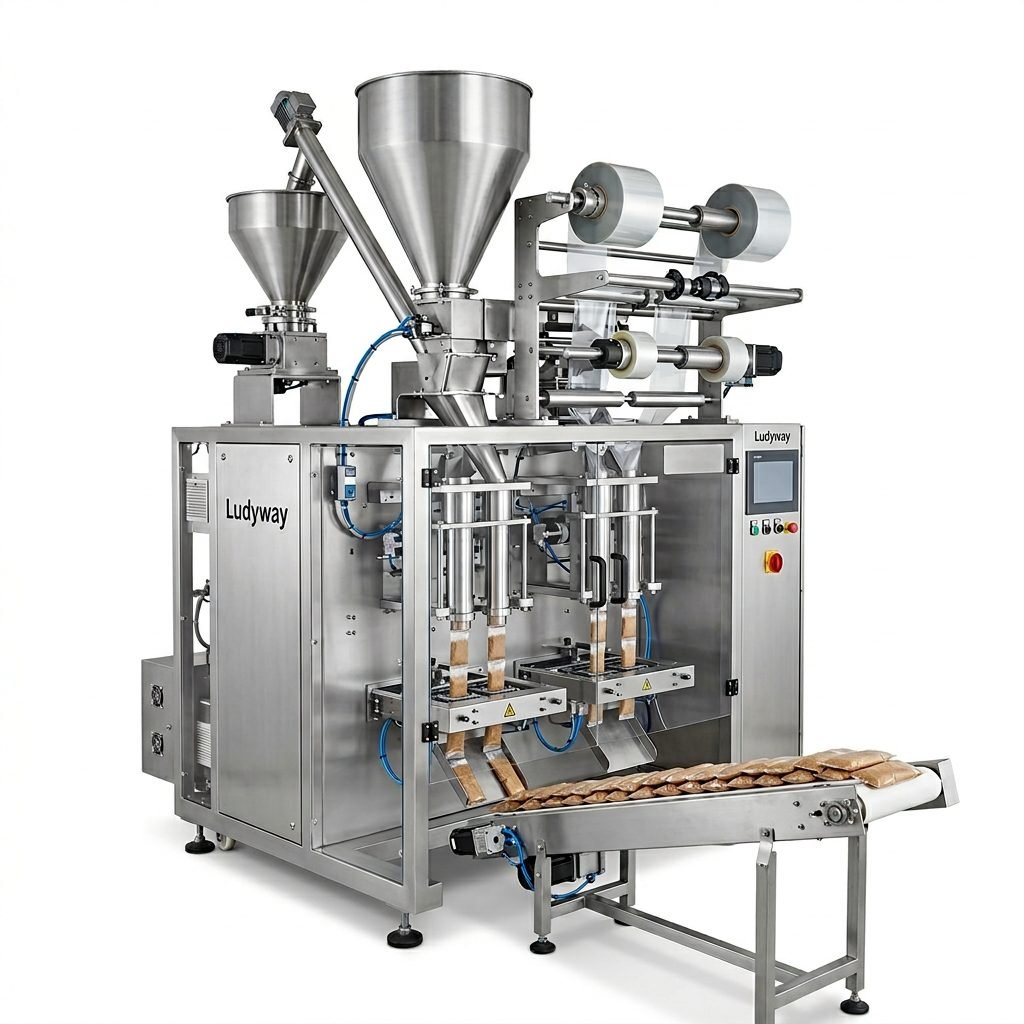
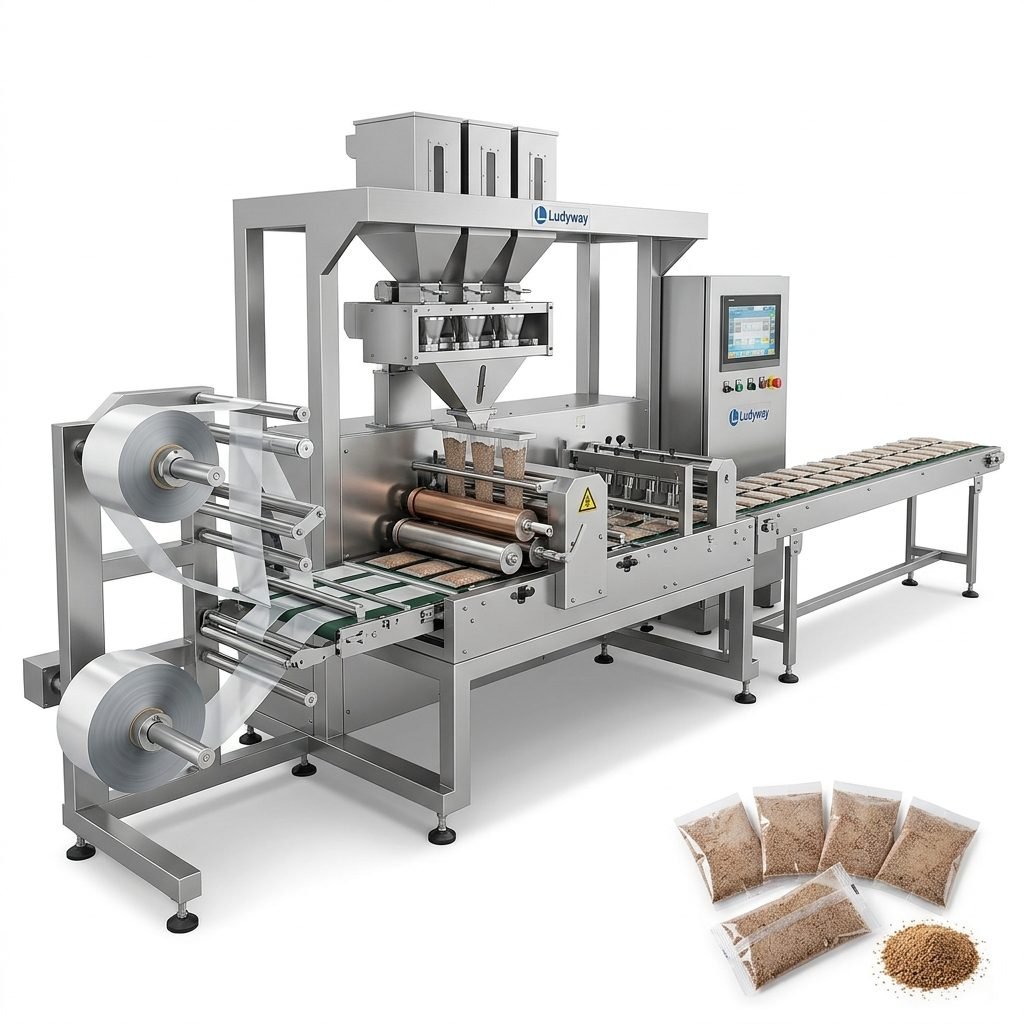
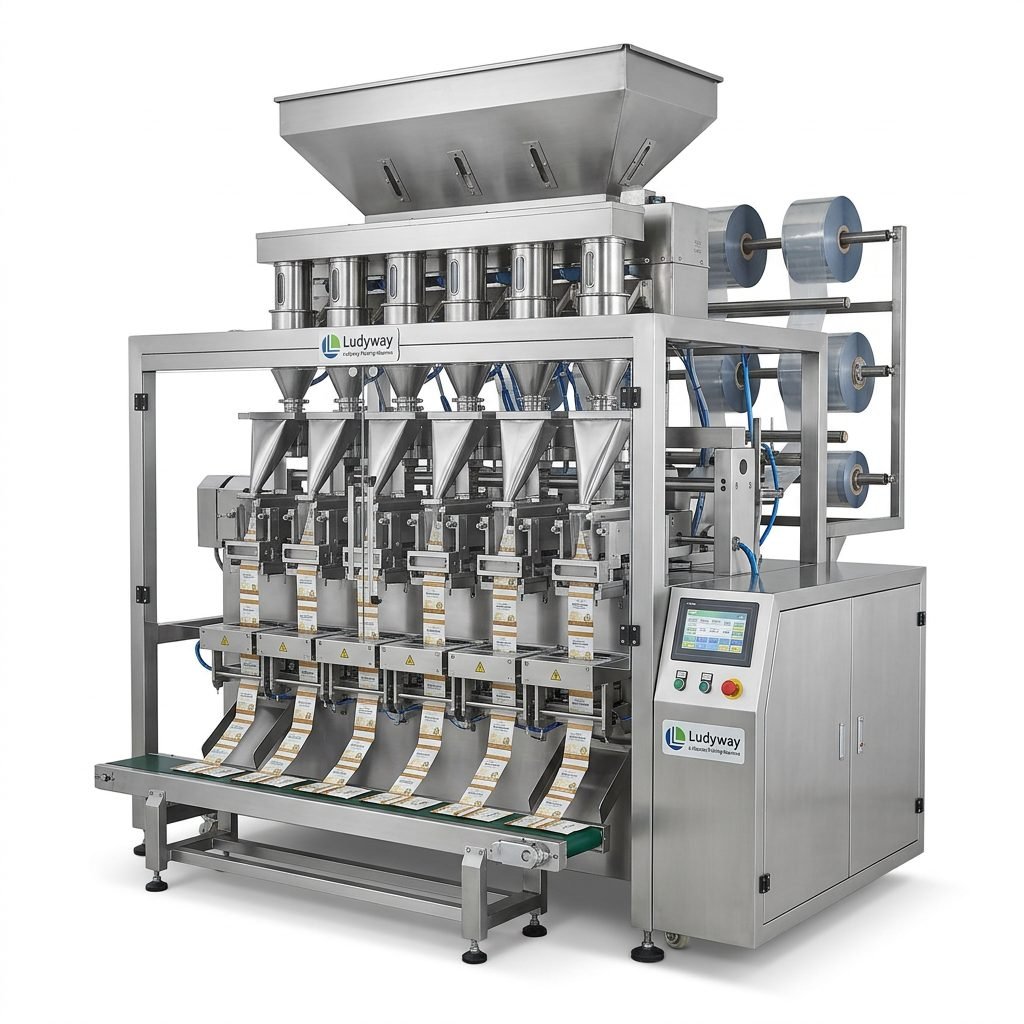
Tomatoes are one of the most delicate fresh produce items in commercial packing. Their thin skin, variable ripeness, and sensitivity to pressure mean that the right packaging machine is not just about speed—it is about protecting product quality, reducing waste, and delivering a retail-ready pack that looks fresh when it reaches the customer.
Whether you are packing cherry tomatoes, grape tomatoes, roma tomatoes, vine tomatoes, or mixed snack tomatoes, choosing the right automation setup can improve throughput, consistency, and labor efficiency across the entire line.
Why Tomato Packaging Requires Specialized Equipment
Unlike dry grains or stable powders, tomatoes can bruise, split, leak moisture, and lose shelf appeal if they are handled roughly. Packaging equipment for tomatoes must balance several goals at the same time:
- Gentle product handling to reduce bruising and cracking
- Accurate weighing or counting for retail compliance
- Fast output for seasonal demand peaks
- Ventilated or breathable pack formats to maintain freshness
- Compatibility with clamshells, trays, punnets, bags, cups, or cartons
- Easy washdown and hygiene-friendly construction
For growers, fresh produce brands, and packing houses, a poor machine choice can lead to high giveaway, damaged fruit, frequent jams, and dissatisfied buyers. A well-matched machine setup supports both product protection and packing efficiency.
Main Types of Tomato Packaging Machines
1. Weighing and Filling Machines
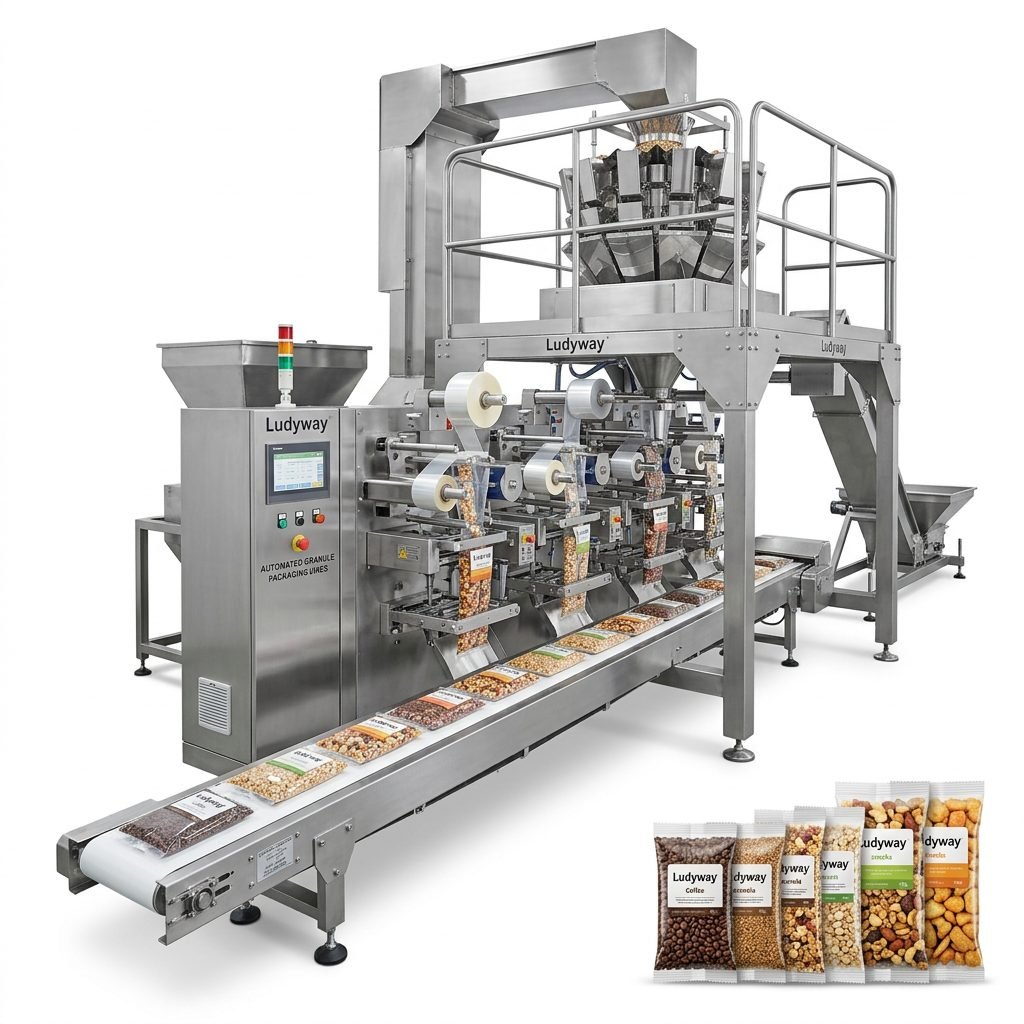
These systems portion tomatoes into the target pack weight before final sealing or closing. They are often used for cherry tomatoes, cocktail tomatoes, and other small-format retail packs.
- Linear weighers
- Multihead weighers with gentle discharge
- Counting systems for uniform tomato sizes
- Cup fillers for specific small retail applications
Best for operations that need accurate fill weights with moderate to high packing speed.
2. Clamshell Packaging Machines
Clamshell systems fill and close transparent PET or RPET containers commonly used in supermarkets. These are popular for premium cherry and grape tomato retail packs because they offer visibility, stackability, and protection.
- Manual-assisted clamshell loading lines
- Semi-automatic filling and closing systems
- Fully automatic clamshell denesting, filling, lidding, and labeling lines
3. Tray Sealing Machines
Tray sealers fill tomatoes into trays and apply film on top. Depending on the product and distribution channel, they may use perforated or breathable film. This format is often used for premium presentation and controlled pack appearance.
4. Flow Wrapping Machines
Flow wrappers are more common for tomatoes sold on the vine, tray-packed tomatoes, or grouped units. They wrap products quickly in film and can support branding, barcode application, and shelf-ready display.
5. Vertical Bagging Machines
Vertical form fill seal systems can be used for stronger tomato varieties or for secondary bagging applications. When used for fresh tomatoes, the machine must be designed for gentle drop height and compatible with ventilated film structures.
6. Net Bag and Pouch Packing Systems
Some markets prefer tomatoes in mesh or ventilated pouches. These systems are suitable for certain retail formats where airflow and visual appeal are both important.
7. Case Packing and End-of-Line Automation
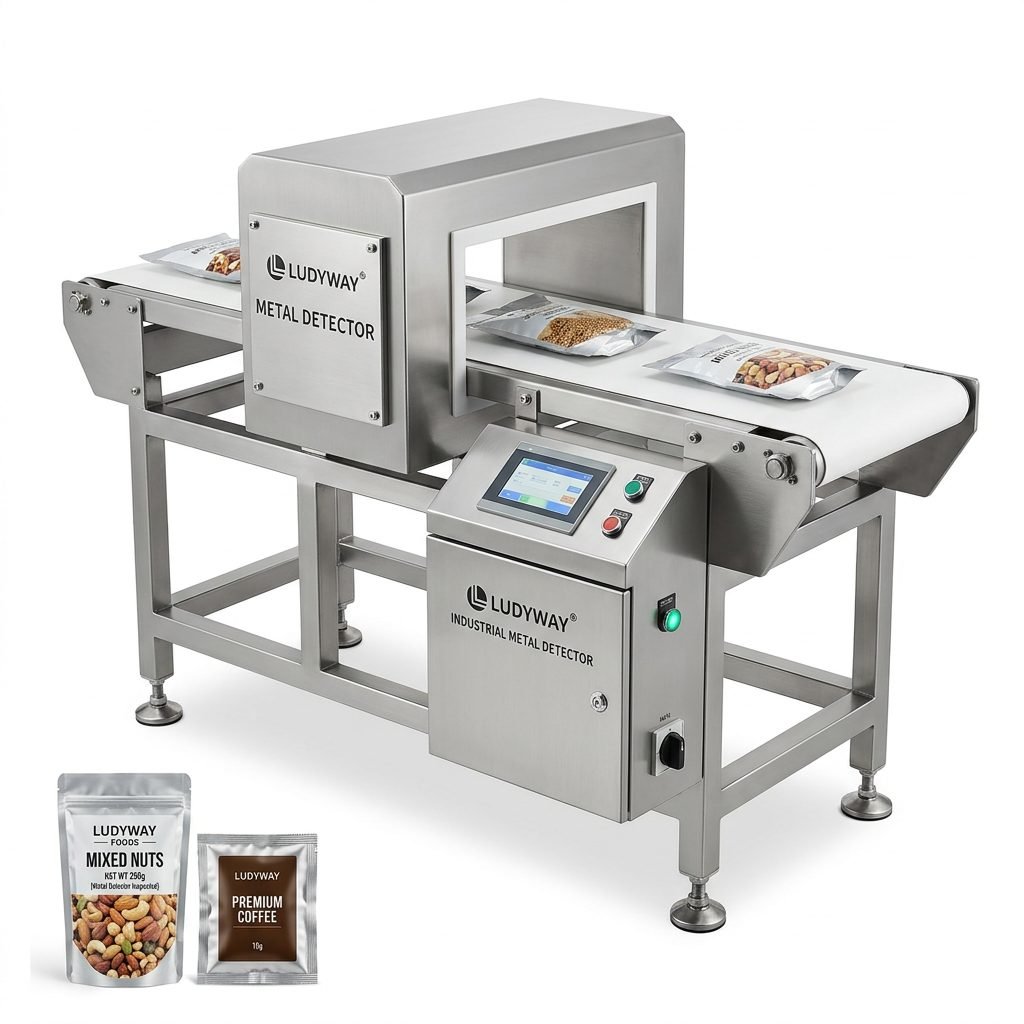
Tomato packaging does not end with the primary pack. Automated case packing, checkweighing, coding, labeling, metal detection, and palletizing can significantly improve line performance in larger facilities.
| Machine Type | Best For | Key Advantage |
|---|---|---|
| Linear / Multihead Weigher | Cherry and grape tomatoes | Accurate portioning |
| Clamshell Packing Machine | Retail premium packs | Excellent visibility and protection |
| Tray Sealer | Trays with film top | Clean appearance and branding space |
| Flow Wrapper | Tomatoes on the vine or grouped packs | High speed wrapping |
| Vertical Bagger | Bag formats and secondary packing | Flexible pack sizes |
| End-of-Line Automation | High-volume packing houses | Lower labor dependence |
Benefits of Using a Tomato Packaging Machine
Higher Packing Efficiency
Automated systems reduce bottlenecks during sorting, weighing, filling, sealing, and boxing. This is especially important during harvest peaks when throughput directly affects profitability.
Reduced Product Damage
Machines designed for delicate produce use softer contact surfaces, controlled product discharge, and optimized transfer angles. This helps reduce bruising and keeps tomatoes visually attractive.
Better Weight Accuracy
Overfilling increases cost, while underfilling creates compliance problems. Modern weighing systems help maintain consistent pack weight and reduce giveaway.
Improved Shelf Presentation
Uniform pack appearance matters in retail. Automated packaging creates a cleaner, more consistent result that can strengthen brand image and improve shelf impact.
Lower Labor Pressure
Labor shortages and rising wages continue to challenge fresh produce processors. Automation helps stabilize output while reducing reliance on repetitive manual tasks.
Better Traceability and Food Safety
Integrated systems can include date coding, label printing, checkweighing, inspection, and data collection. This supports compliance, retailer requirements, and internal quality control.
Common Tomato Packaging Formats
The ideal machine depends heavily on the packaging style you need. Common tomato pack formats include:
- Clamshell packs for cherry or grape tomatoes
- Top-sealed trays with breathable film
- Flow-wrapped vine tomatoes
- Ventilated pillow bags
- Mesh bags for selected retail programs
- Bulk cartons for wholesale or foodservice channels
Before selecting equipment, identify whether your business focuses on retail-ready packs, foodservice supply, or bulk shipping, because each requires a different machine configuration.
How to Choose the Right Tomato Packaging Machine
Understand Your Tomato Type
Not all tomatoes behave the same way on a line. Cherry tomatoes flow differently from large beefsteak tomatoes. Roma tomatoes may be easier to orient, while soft heirloom varieties require extremely gentle handling.
- Small tomatoes: often ideal for weighing and clamshell/tray packing
- Medium tomatoes: may suit tray sealing or bagging
- Tomatoes on the vine: usually better for tray or flow-wrap solutions
- Fragile premium tomatoes: need low-drop, low-impact handling systems
Define Your Production Speed
Machine speed should match your real production needs, not just the highest advertised number. Think about:
- Packs per minute required
- Peak seasonal capacity
- Labor availability upstream and downstream
- Future expansion plans
Match the Machine to the Packaging Material
Different pack styles use different materials and closure methods. Your equipment must be compatible with the packaging you intend to run, including:
- PET or RPET clamshells
- Plastic or paper-based trays
- Perforated film
- Breathable lidding film
- Net bags or vented flexible packaging
Focus on Gentle Handling Features
This is one of the most important buying criteria. Look for features such as:
- Smooth contact surfaces
- Short drop distance
- Controlled discharge timing
- Soft landing chutes
- Low-vibration product transfer
Consider Hygiene and Washdown Design
Tomato packing environments require regular cleaning. Stainless steel construction, easy-access cleaning zones, and hygienic design principles can reduce downtime and support food safety standards.
Check Integration Capabilities
The right tomato packaging machine should fit smoothly into your full line. Ask whether it can integrate with:
- Infeed conveyors
- Sorting and grading systems
- Checkweighers
- Metal detectors or inspection devices
- Labelers and printers
- Cartoning or case packing systems
- Palletizing equipment
| Selection Factor | What to Ask | Why It Matters |
|---|---|---|
| Tomato variety | How soft, large, or irregular is the fruit? | Affects handling method |
| Pack format | Clamshell, tray, bag, or bulk carton? | Determines machine type |
| Speed requirement | What is your target packs per minute? | Prevents overbuying or under-capacity |
| Automation level | Semi-auto or fully automatic? | Impacts labor and budget |
| Cleaning needs | How often will sanitation be required? | Reduces downtime and risk |
| Line integration | Will it connect with upstream/downstream equipment? | Improves whole-line efficiency |
Semi-Automatic vs Fully Automatic Tomato Packaging Machines
Semi-Automatic Systems
These are suitable for smaller operations, pilot lines, or businesses with several product variations but lower daily volumes. They usually require more operator involvement in loading, pack placement, or closing.
Advantages
- Lower upfront cost
- More flexibility for short runs
- Simpler setup for smaller facilities
Fully Automatic Systems
These are better for large-scale tomato packing houses and facilities serving supermarket chains or export markets. They reduce manual intervention and support high-volume, consistent output.
Advantages
- Higher throughput
- Better labor efficiency
- More consistent pack appearance
- Easier integration with inspection and end-of-line automation
Key Features to Look For
- Gentle feeding system
- Accurate weighing technology
- Fast tool-less format changeover
- Compact footprint if floor space is limited
- Food-grade construction materials
- Touchscreen HMI for easy parameter adjustment
- Recipe storage for multiple tomato pack types
- Remote support or diagnostics capability
- Stable spare parts and after-sales support
Mistakes to Avoid When Buying a Tomato Packaging Machine
- Choosing speed over product protection
- Ignoring actual tomato size and ripeness variation
- Buying a machine that cannot handle your preferred packaging material
- Forgetting downstream case packing or labeling needs
- Underestimating sanitation and maintenance requirements
- Not planning for future SKU expansion
One of the most common mistakes is purchasing a machine designed for general produce without confirming whether it truly supports delicate tomato handling. What works for onions or potatoes may not work well for soft, ripe tomatoes.
Who Should Invest in Tomato Packaging Automation?
Tomato packaging machines are especially useful for:
- Fresh produce packing houses
- Tomato growers with branded retail programs
- Agricultural cooperatives
- Export-oriented produce suppliers
- Foodservice produce packers
- Supermarket private label suppliers
If your business handles rising order volumes, strict retailer standards, or high labor costs, automation can deliver a strong return by improving consistency and reducing losses.
Choosing a Reliable Packaging Equipment Partner
Machine performance depends not only on design, but also on supplier capability. When evaluating manufacturers, look at engineering experience, customization ability, installation support, and line integration expertise.
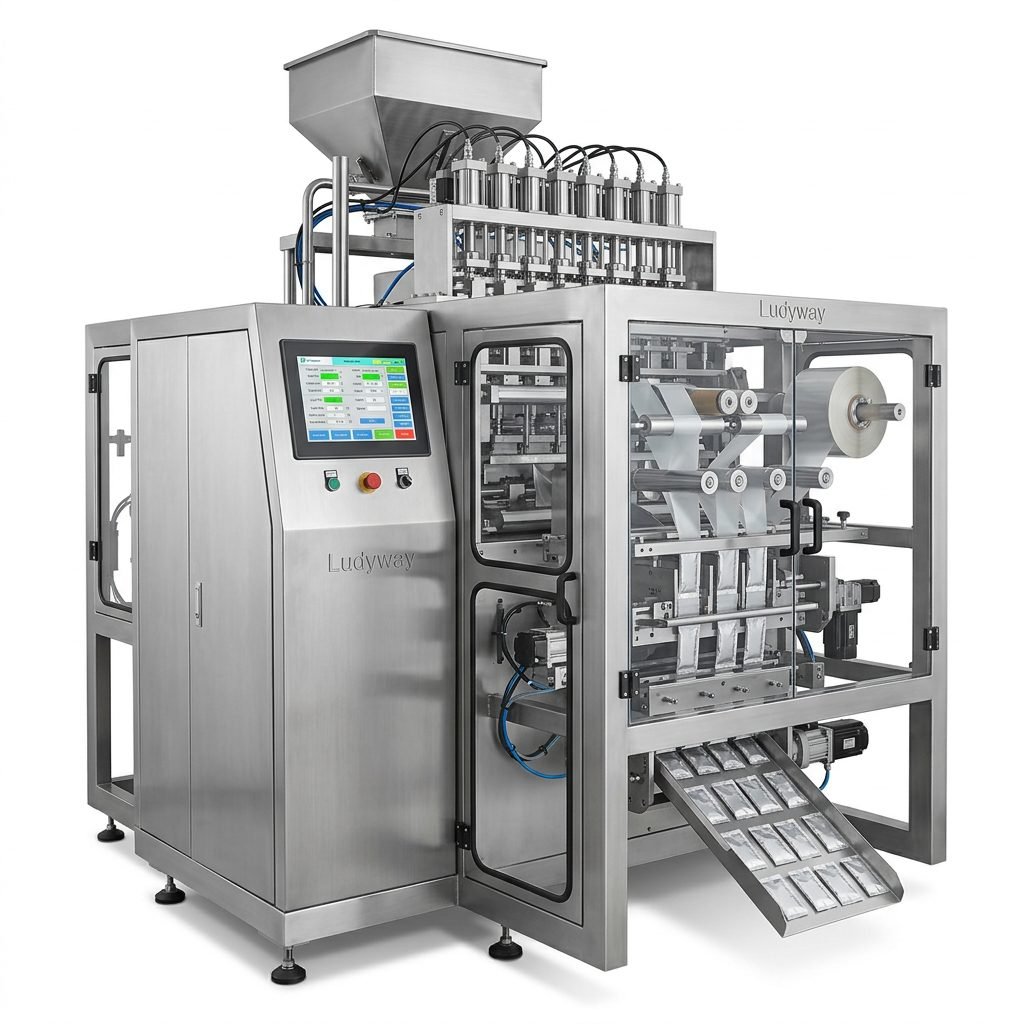
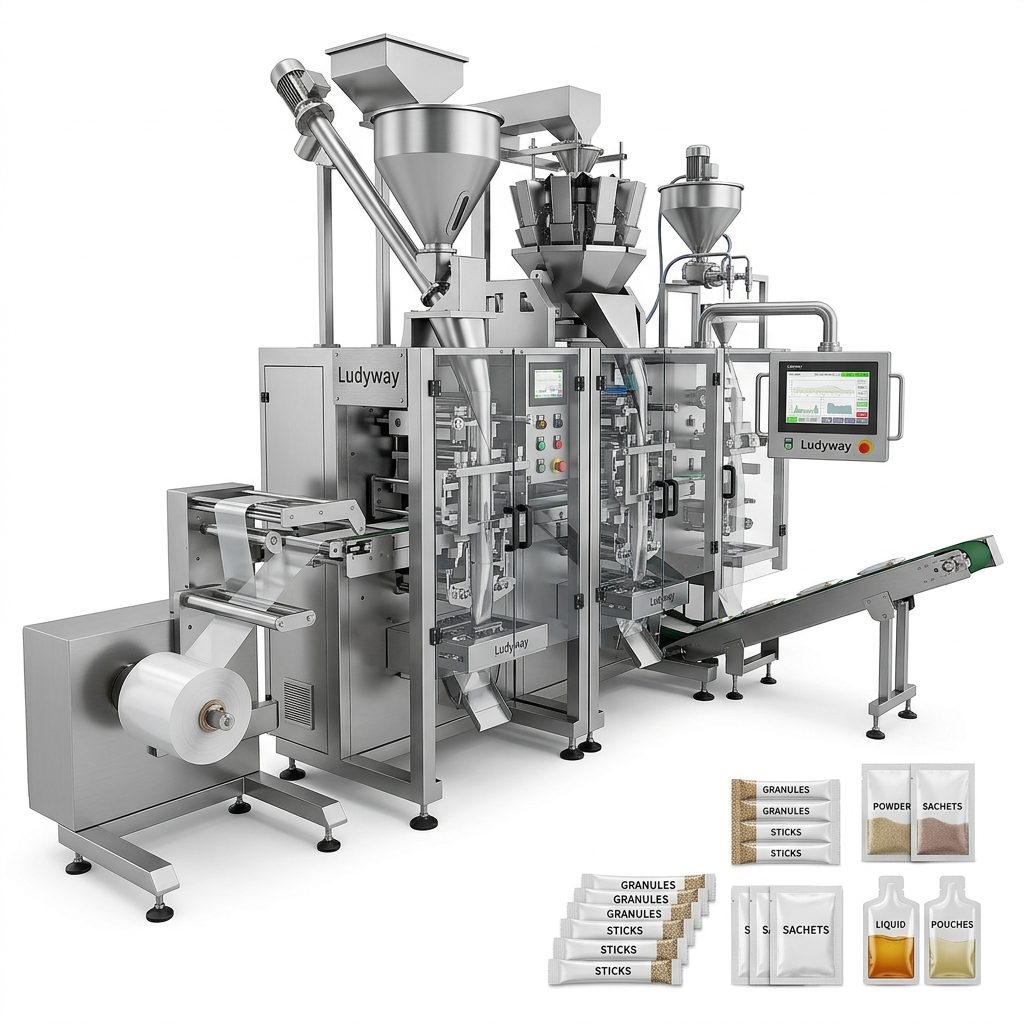
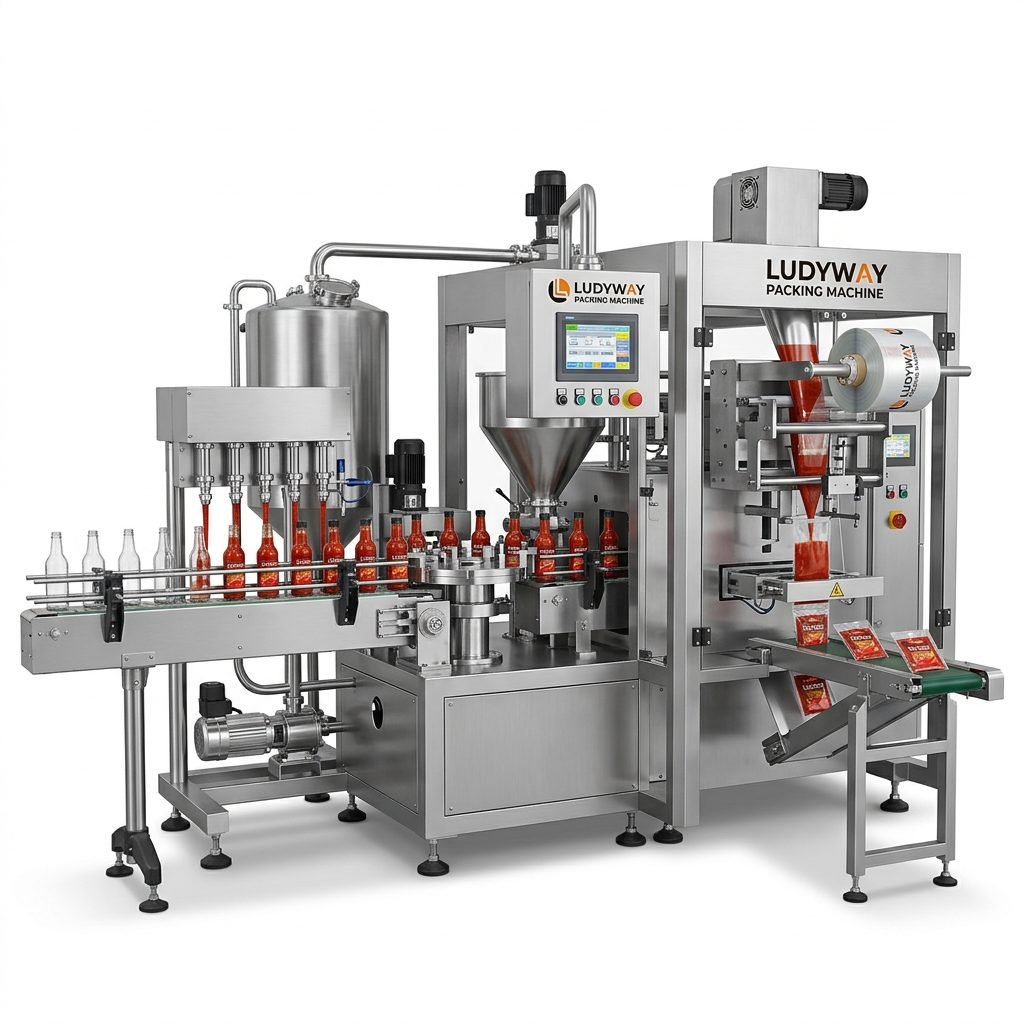
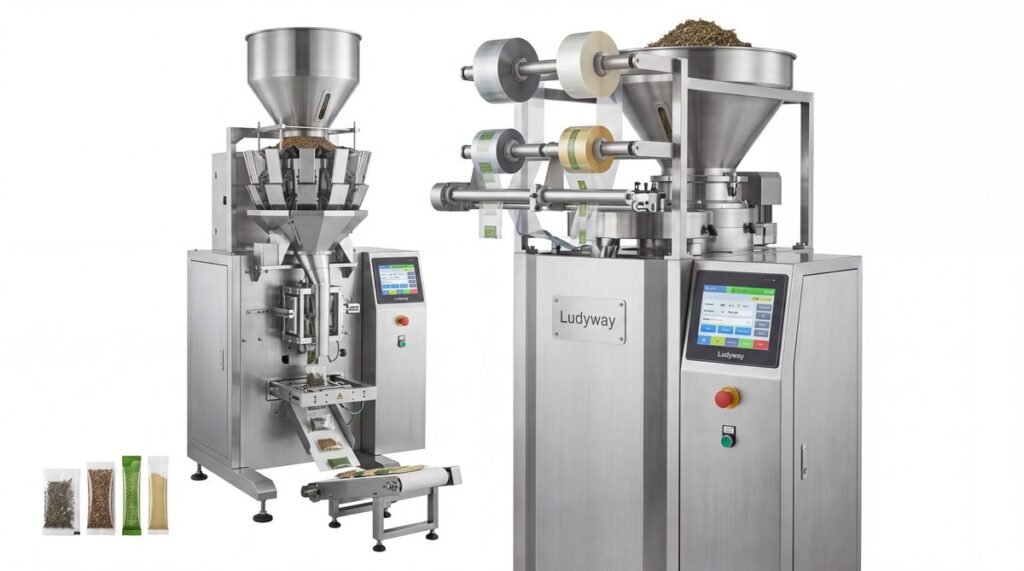
For businesses exploring broader automation projects beyond a single machine, Ludyway packaging machine solutions are often considered by buyers seeking scalable equipment and turnkey packaging line support for food and related industries.
Final Buying Checklist
- Define tomato type and fragility level
- Confirm target pack style and material
- Calculate realistic hourly and seasonal capacity
- Check weighing accuracy and gentle handling design
- Review sanitation and maintenance convenience
- Assess integration with labeling, inspection, and case packing
- Compare supplier support, spare parts, and customization ability
- Request line layout guidance and sample testing if possible
With the right machine, tomato packers can achieve a better balance of speed, freshness protection, appearance, and operating efficiency. The best choice is the one that fits your product, pack format, and growth plan—not simply the fastest machine on paper.