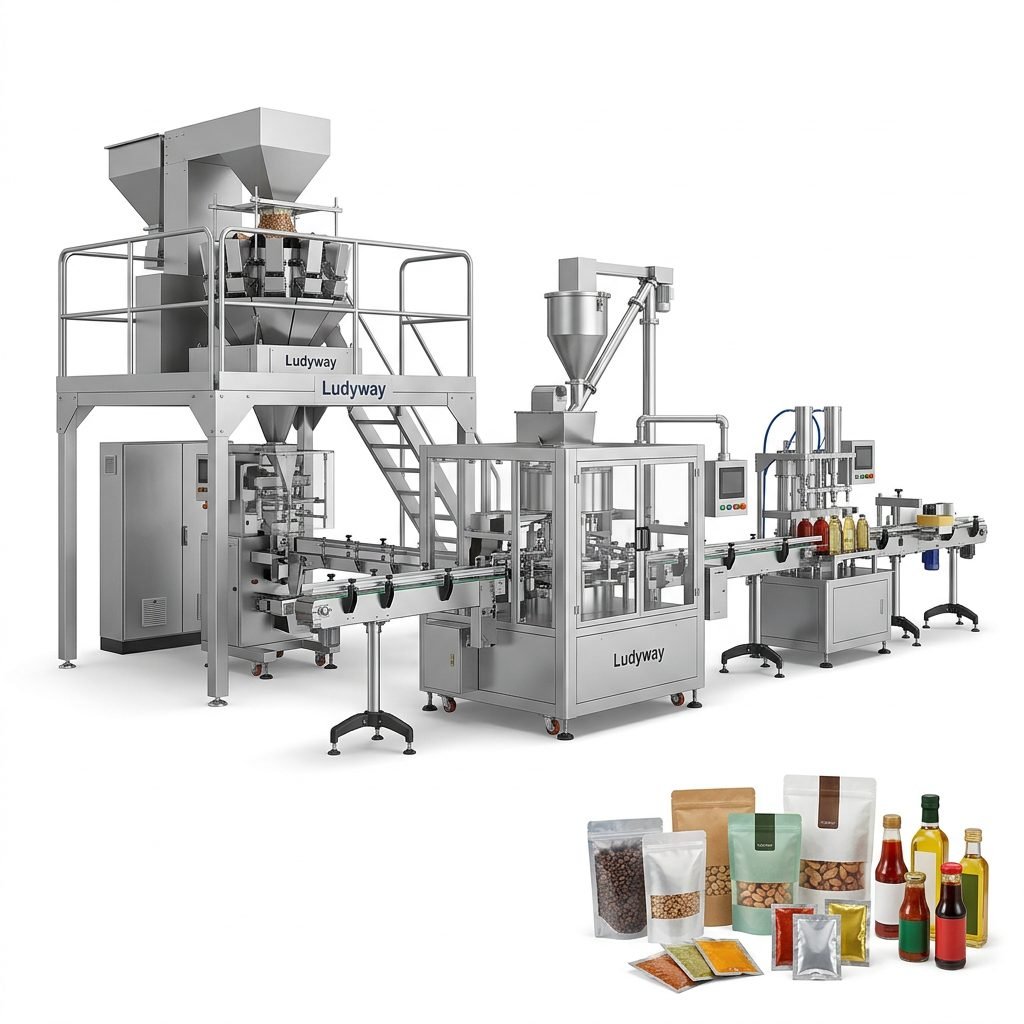
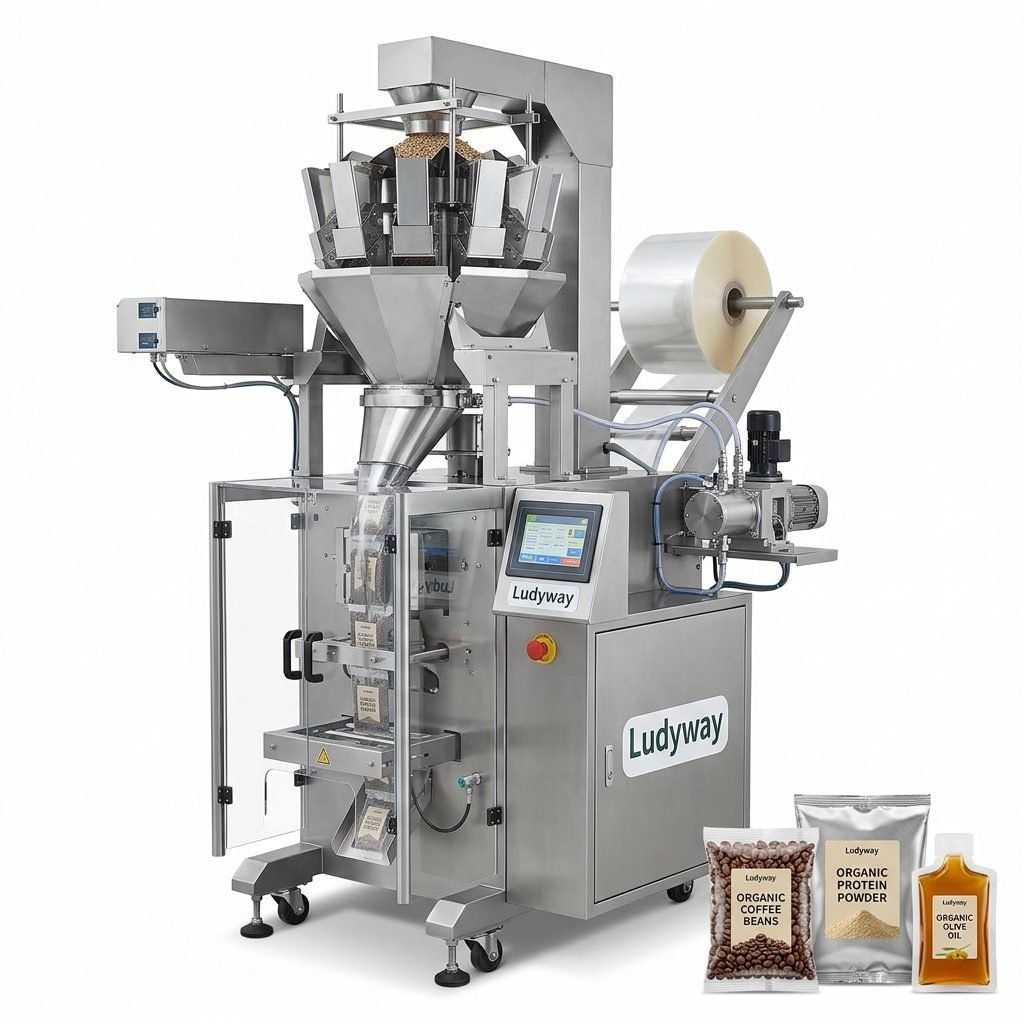
Setting up a coffee bean packaging machine production line requires careful planning, the right equipment selection, and a methodical approach to installation and optimization. Whether you are launching a new coffee brand or scaling an existing operation, a well-designed packaging line can significantly boost productivity, maintain product freshness, and reduce operational costs. This guide walks you through every step of the process, from initial planning to full-scale operation.
1. Planning Your Coffee Bean Packaging Production Line
Before purchasing any machinery, you need a clear understanding of your production goals. The planning phase determines the efficiency and scalability of your entire operation.
Assessing Production Volume and Capacity
Start by calculating your target output. Are you packaging 500 kg per day or 5,000 kg per shift? Your answer directly influences the type of equipment you need. Small artisan roasters may start with semi-automatic machines, while large-scale producers require fully automated multi-lane systems capable of handling high volumes. Consider future growth as well — investing in scalable packaging machinery now can save significant capital later.
Understanding Your Packaging Format
Coffee beans can be packaged in various formats, each with distinct advantages:
- Stand-up pouches with degassing valves — ideal for whole bean retail packaging
- Flat bottom bags — excellent shelf presence and stability
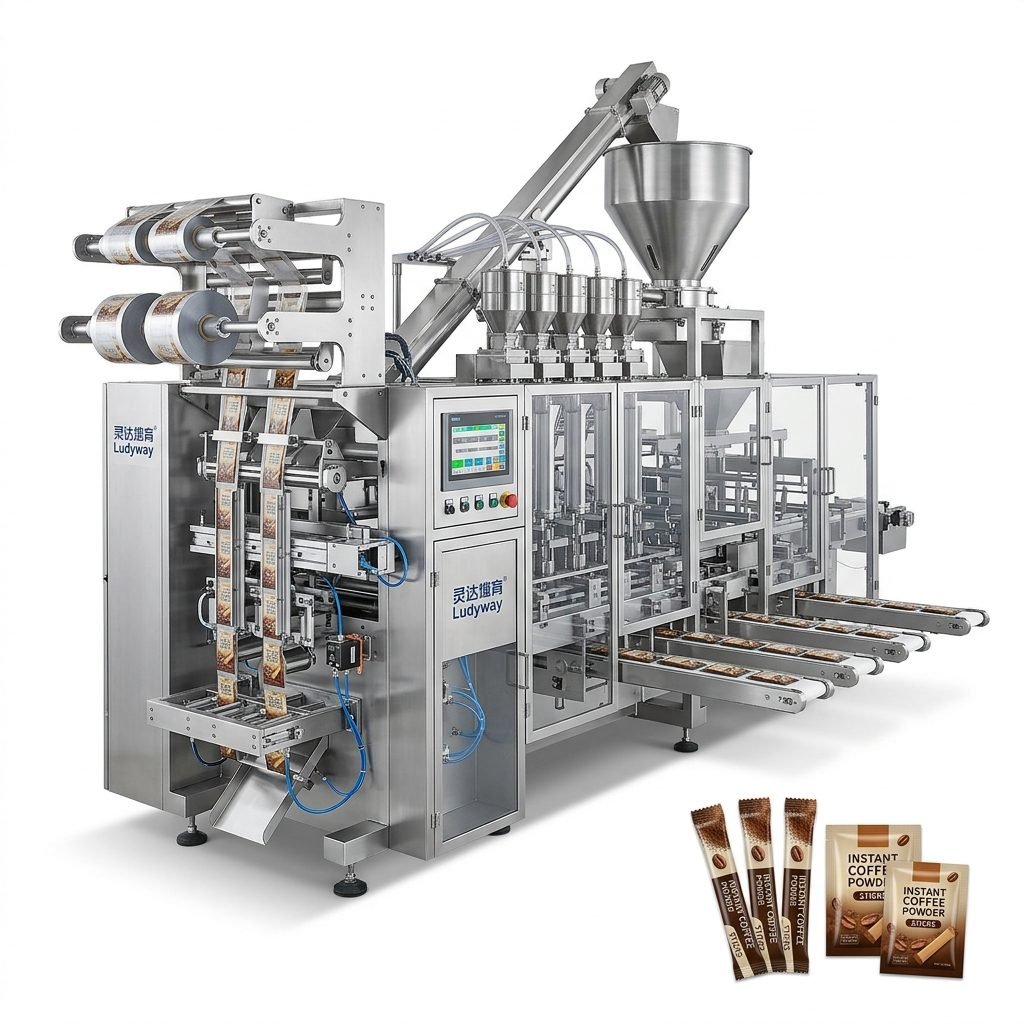
- Stick packs and sachets — popular for single-serve portions and instant coffee
- Vacuum-sealed bags — extended shelf life for bulk distribution
- Tin tie bags — classic format for specialty coffee brands
Space and Layout Considerations
Map out your facility carefully. A typical coffee packaging line requires designated zones for material storage, packaging operations, quality control, and finished goods. Ensure adequate clearance around machines for maintenance access. The layout should follow a logical flow — from bean receiving to packaging to palletizing — minimizing cross-traffic and contamination risks.
2. Essential Equipment for a Complete Coffee Packaging Line
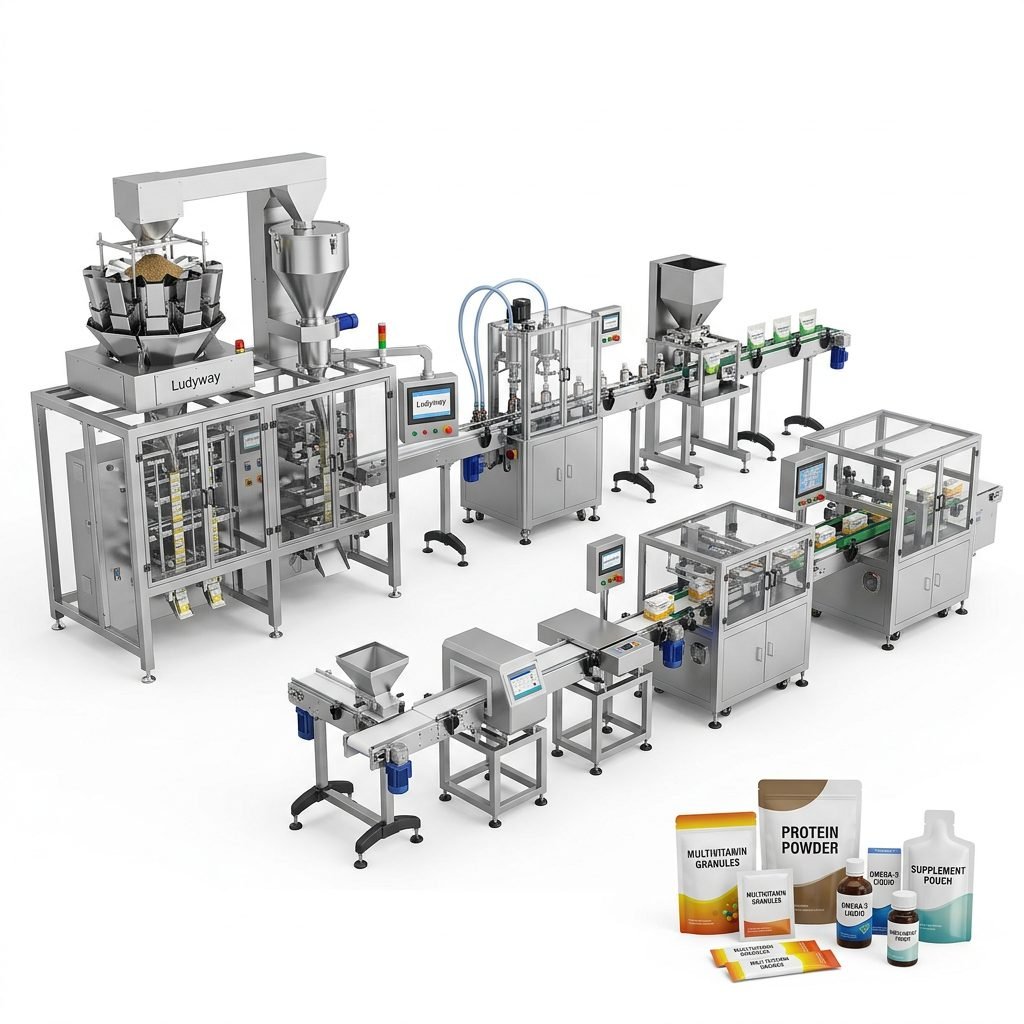
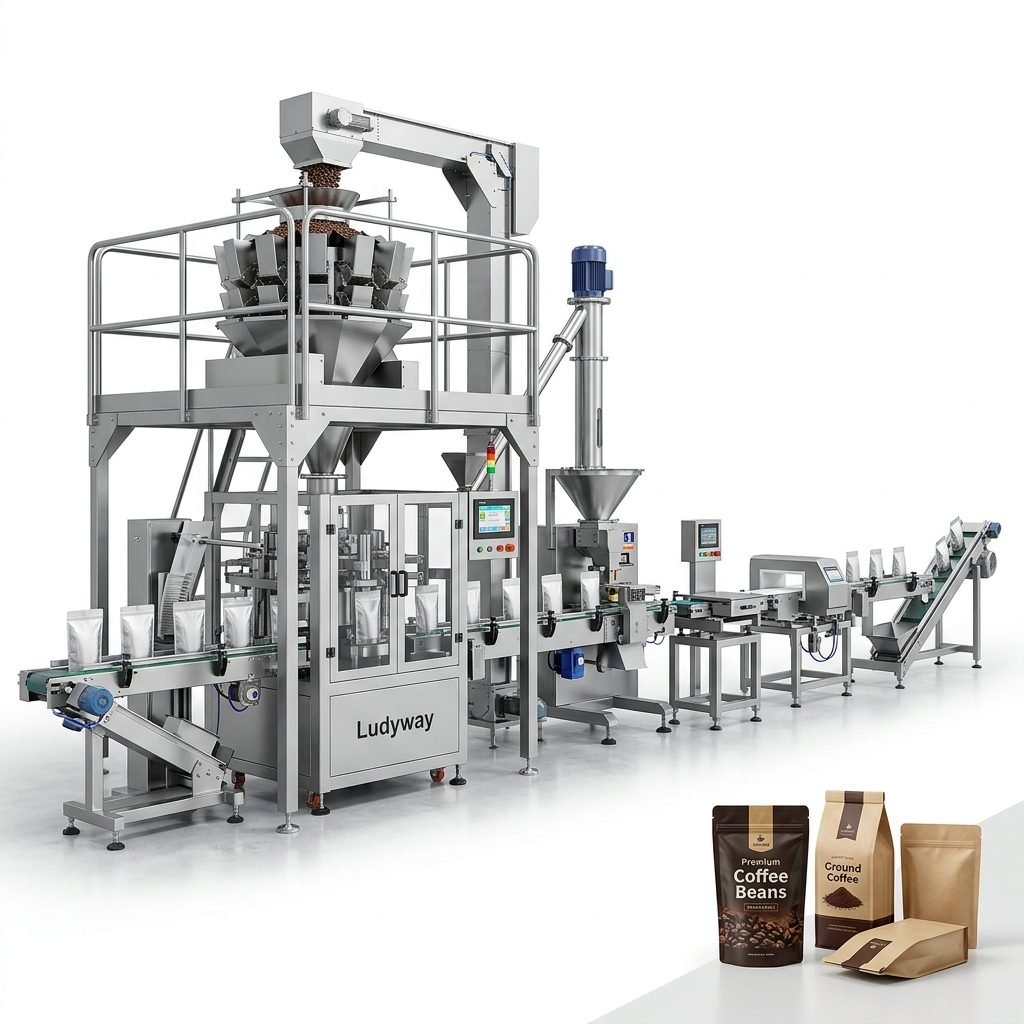
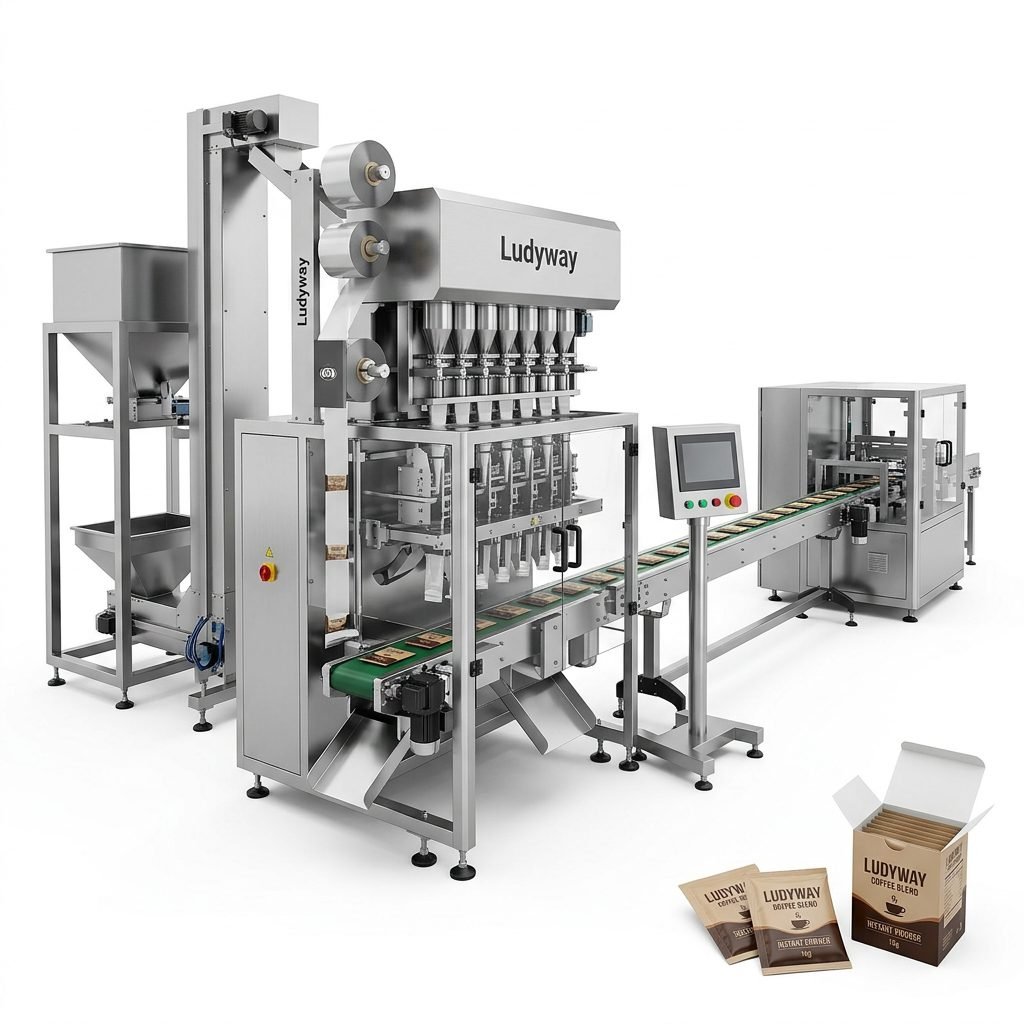
A turnkey coffee packaging production line integrates multiple machines working in harmony. Below is a breakdown of the core components you will need.
Core Machinery Components
| Equipment Type | Primary Function | Key Considerations |
|---|---|---|
| Multi-Head Weigher | Accurate portioning of coffee beans or ground coffee | Number of weigh heads, accuracy tolerance, speed |
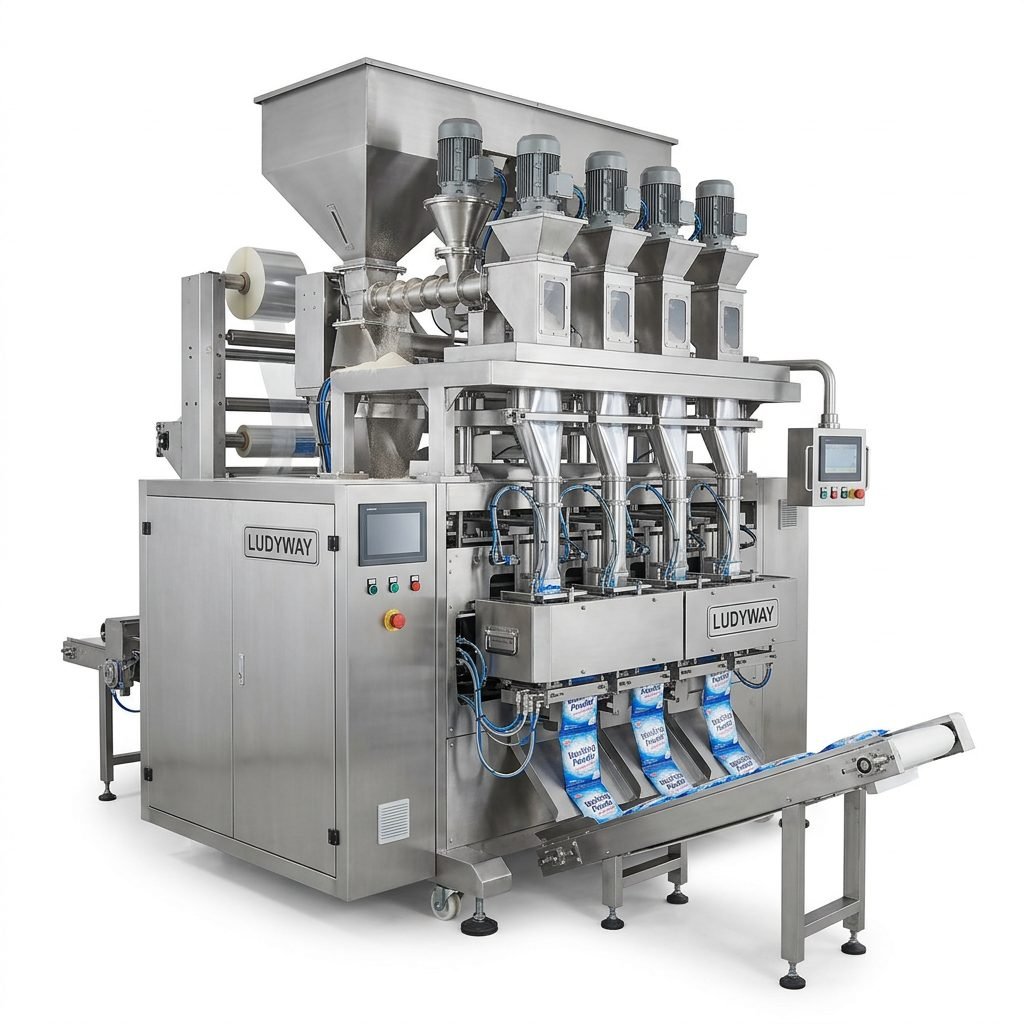
| Vertical Form Fill Seal (VFFS) Machine | Forms bags from roll film, fills, and seals in one continuous process | Bag dimensions, film compatibility, sealing temperature control |
| Degassing Valve Applicator | Attaches one-way valves to bags for CO2 release | Application speed, valve placement accuracy |
| Nitrogen Flushing System | Displaces oxygen to preserve freshness | Residual oxygen levels, nitrogen consumption rate |
| Conveyor Systems | Transports products between stations | Belt material, speed adjustability, incline angles |
| Checkweigher and Metal Detector | Quality control for weight accuracy and contaminant detection | Sensitivity levels, rejection mechanisms |
| Cartoning and Case Packing | Secondary packaging for distribution | Automation level, format changeover time |
| Palletizing System | Stacks finished cases onto pallets | Robot vs. conventional, payload capacity |
Optional Auxiliary Equipment
- Zipper applicators — for resealable pouch formats
- Labeling and coding machines — for batch numbers, dates, and branding
- Oxygen analyzers — for verifying seal integrity and gas flush effectiveness
- Automatic film splicers — reduce downtime during roll changes
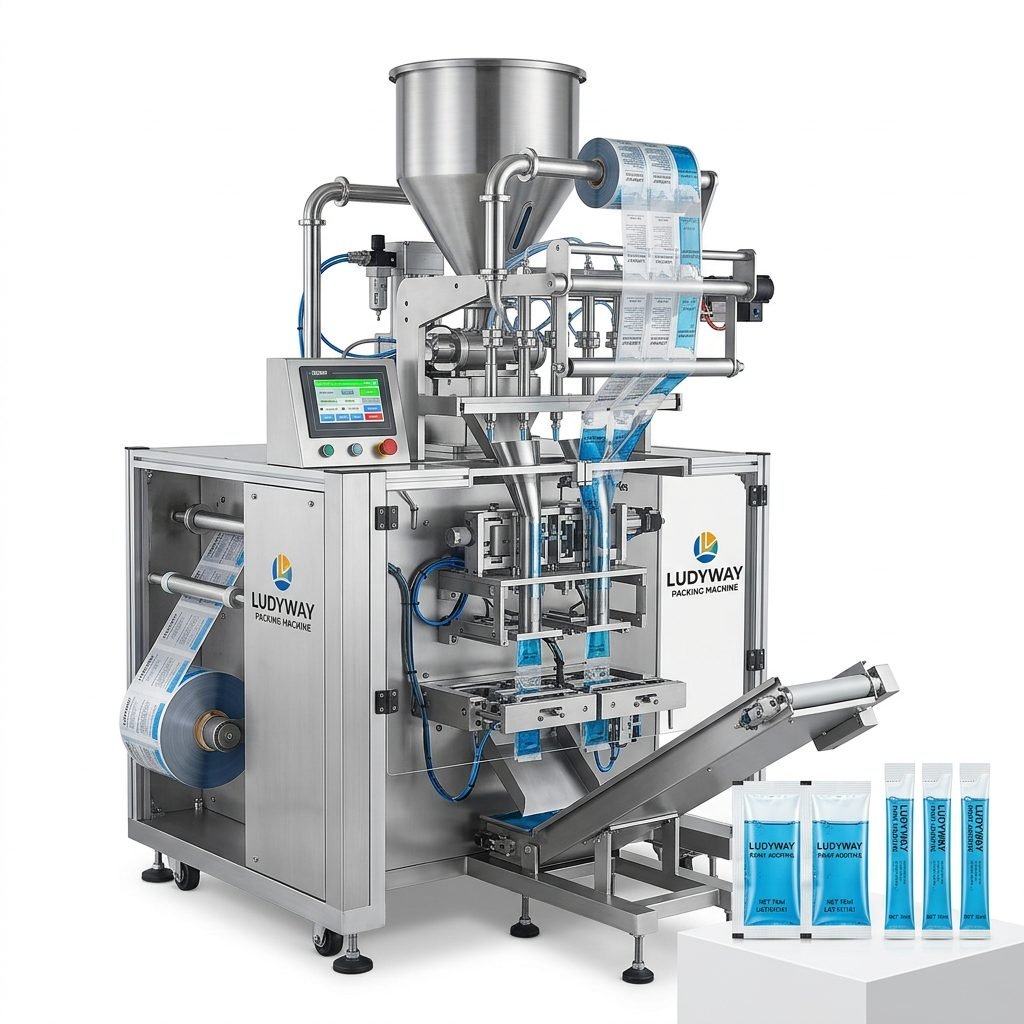
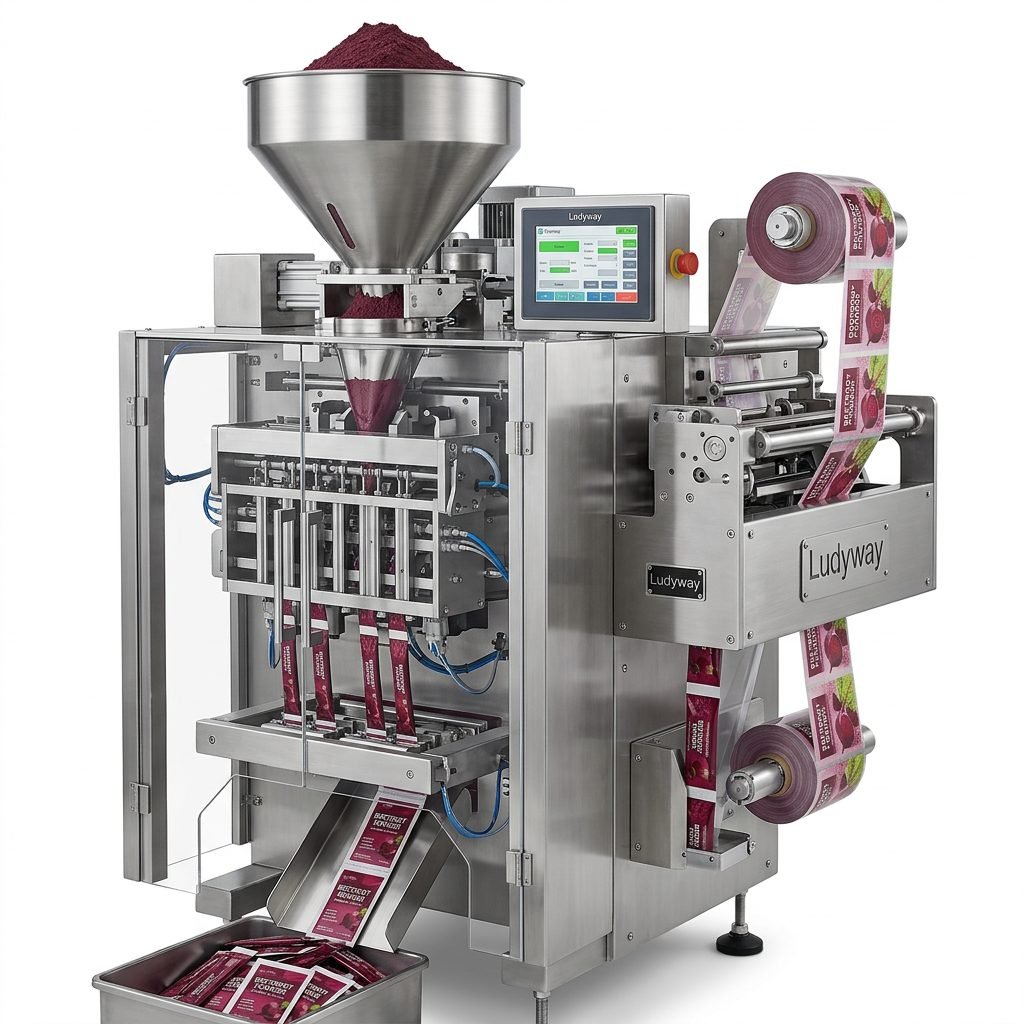
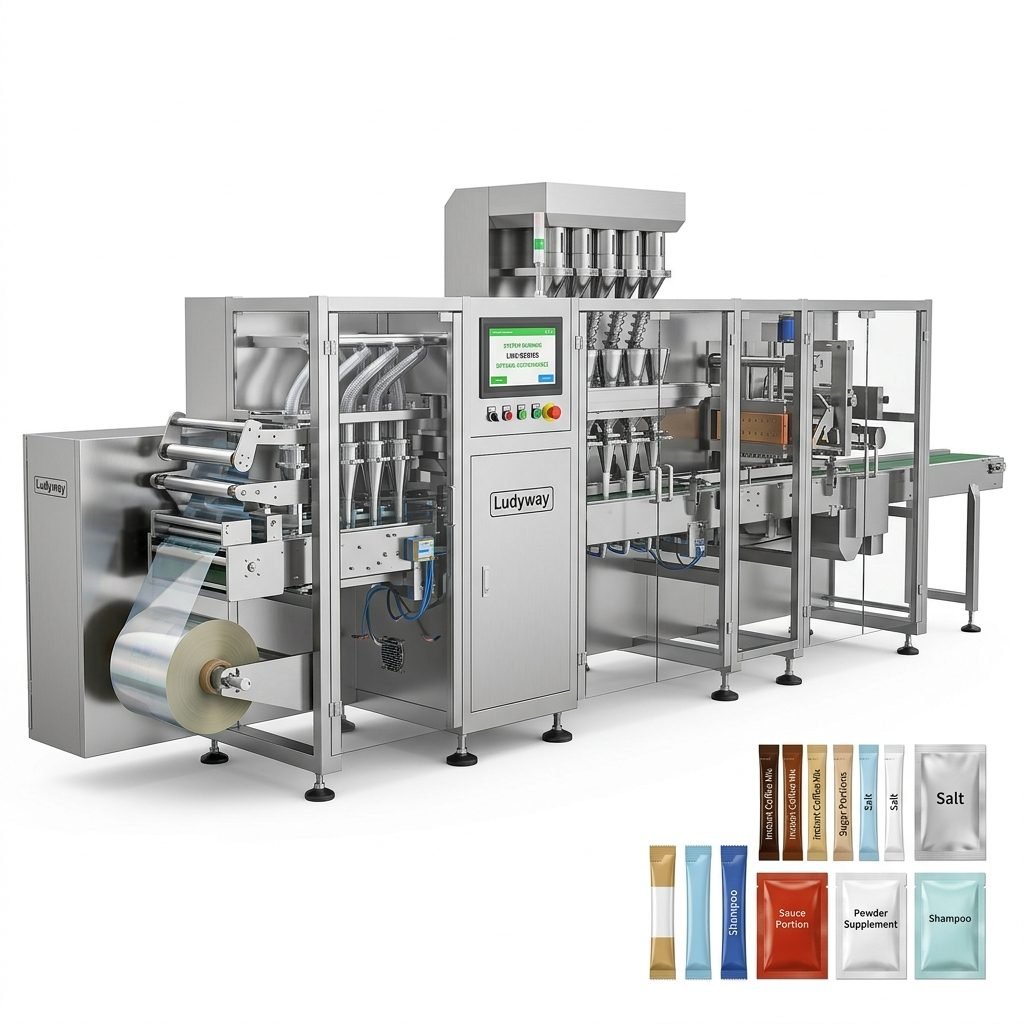
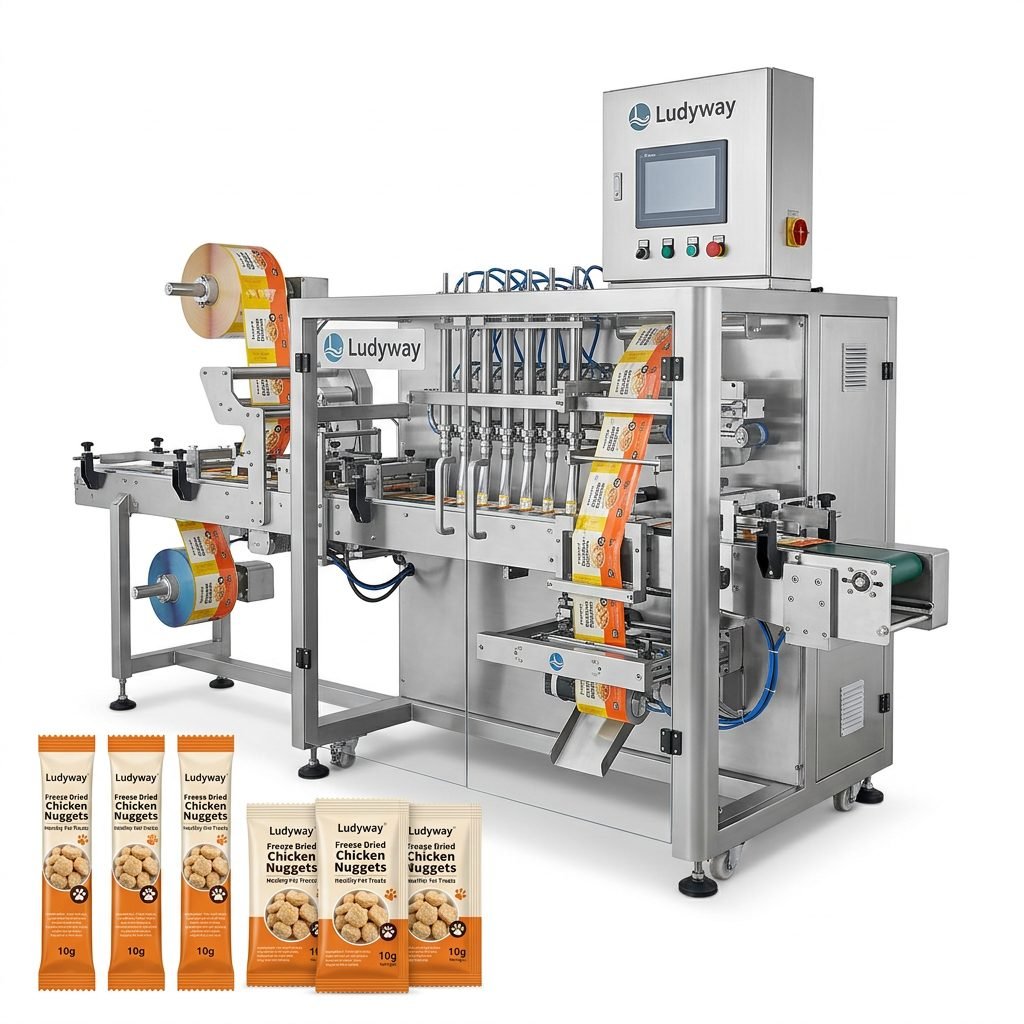
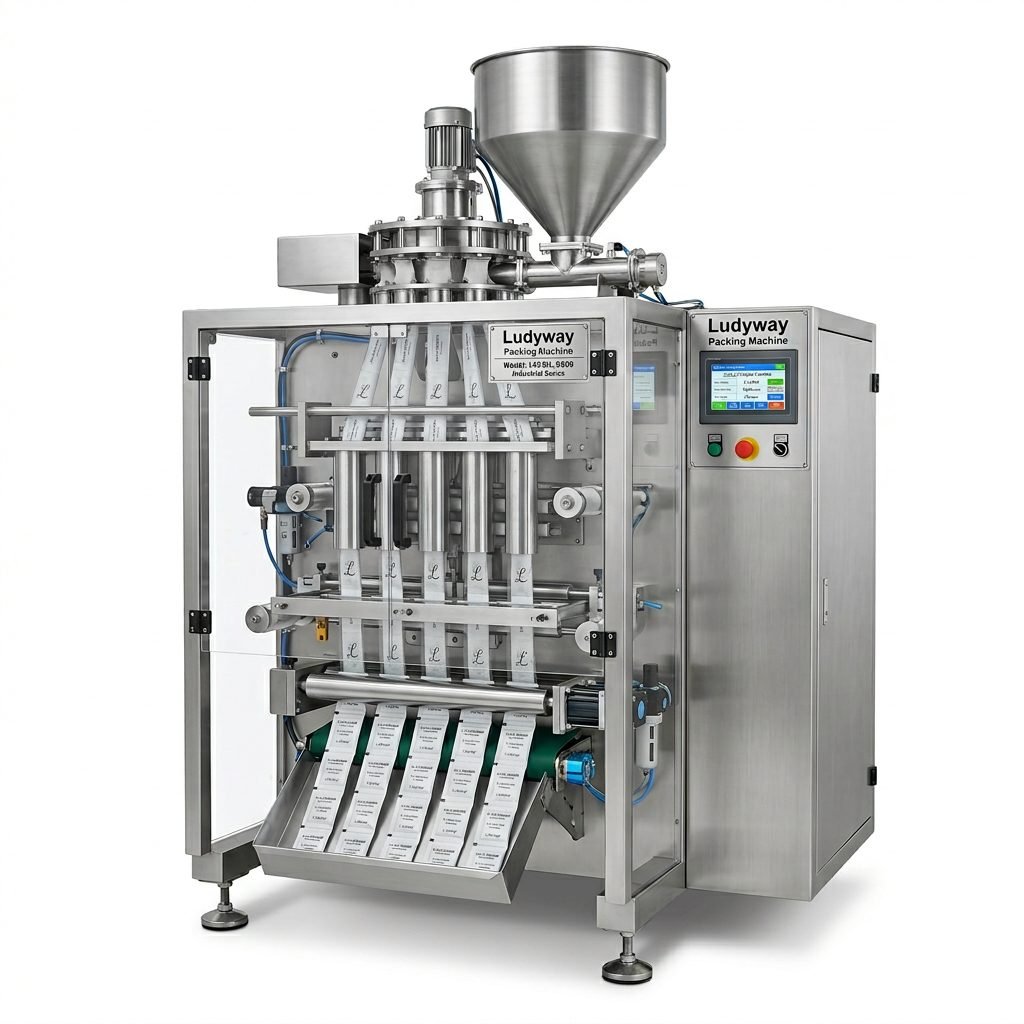
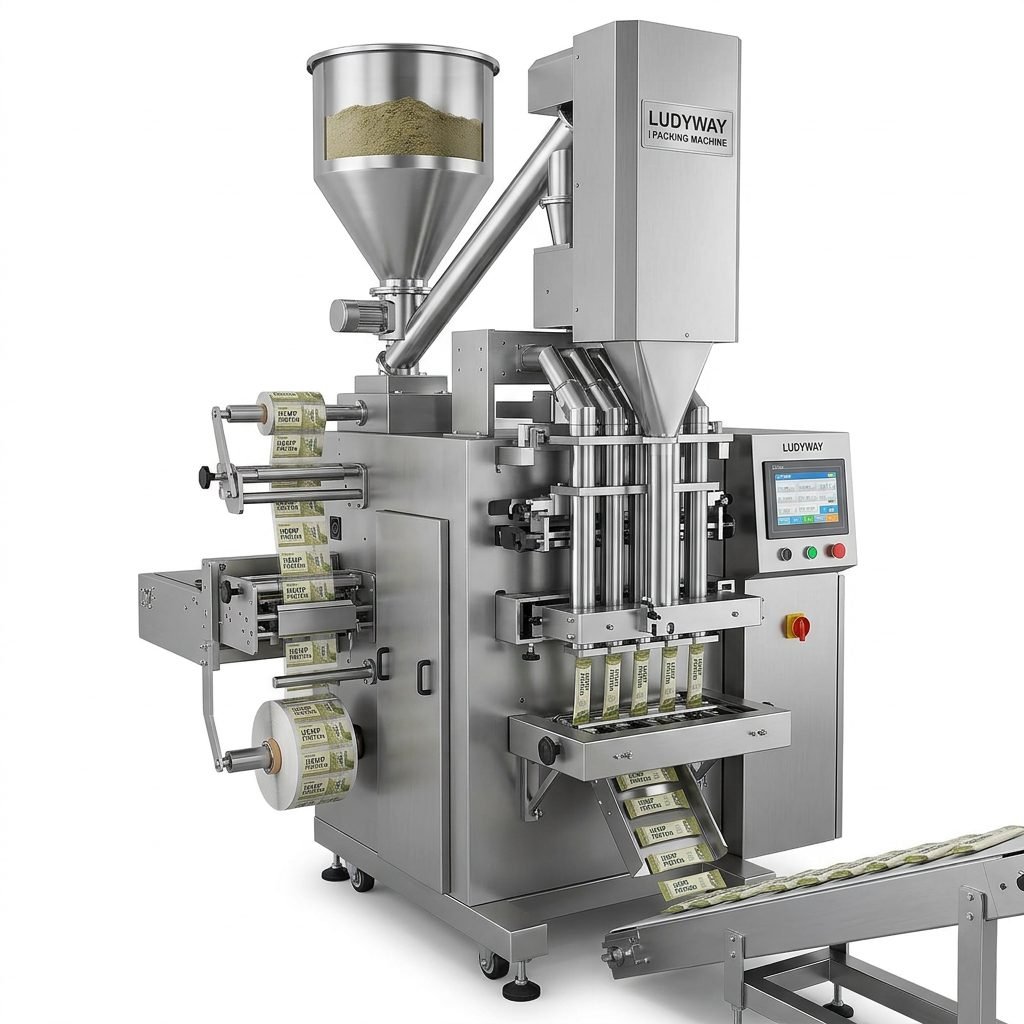
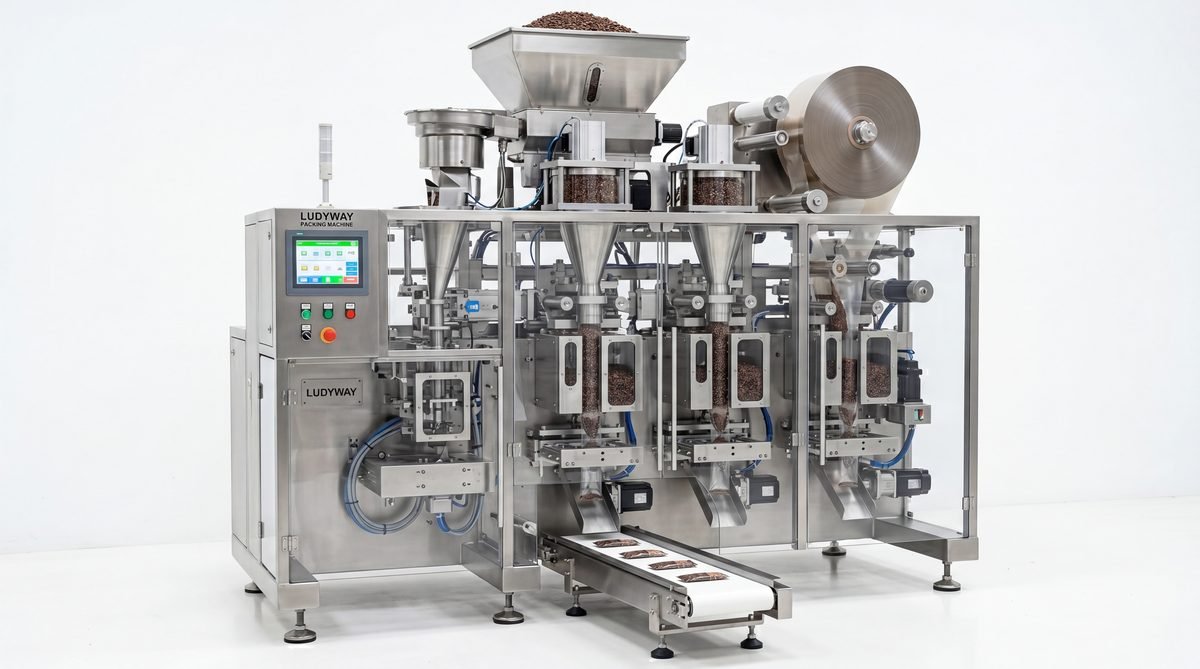
For high-volume producers, multi-lane stick pack and sachet systems are becoming the industry standard due to their unmatched throughput and portion control capabilities.
3. Step-by-Step Installation and Setup Process
Following a structured installation process ensures your production line is operational as quickly as possible with minimal issues.
Step 1: Site Preparation
Prepare the designated area by ensuring level flooring, proper electrical connections, compressed air supply, and adequate ventilation. Coffee packaging often involves nitrogen gas, so confirm that your facility meets safety regulations for gas handling. Verify that the power supply matches the machine specifications — typically 220V/380V three-phase for industrial equipment.
Step 2: Machine Positioning and Leveling
Position each machine according to your layout plan. Use precision leveling tools to ensure every unit sits perfectly horizontal. Even minor misalignment can cause film tracking issues, inconsistent filling, and premature wear on components. Anchor machines securely to the floor if recommended by the manufacturer.
Step 3: Electrical and Pneumatic Connections
Connect all power cables, ensuring proper grounding for safety. Route pneumatic lines for air-driven components such as sealing jaws and cutting mechanisms. Label all connections clearly for future maintenance reference. Test each connection point before powering up the system.
Step 4: Control System Configuration
Modern coffee packaging machines feature PLC-based controls with touchscreen interfaces. Configure parameters including:
- Target weight for each SKU
- Bag dimensions and film tension settings
- Sealing temperature and dwell time
- Nitrogen flush timing and flow rate
- Conveyor speed synchronization
Step 5: Trial Runs and Calibration
Begin with dry runs using empty film to verify mechanical alignment. Then introduce coffee beans at low speed, gradually increasing to full production speed. Use this phase to fine-tune weighing accuracy, seal integrity, and gas flush effectiveness. Document optimal settings for each product variant.
Step 6: Operator Training
Invest time in comprehensive operator training. Cover startup procedures, emergency stops, routine adjustments, cleaning protocols, and basic troubleshooting. Well-trained operators are essential for maintaining consistent output and preventing avoidable downtime.
4. Optimizing Your Coffee Packaging Line Performance
Once your line is operational, focus on continuous improvement to maximize efficiency, reduce waste, and maintain product quality.
Film and Material Optimization
The packaging film is one of the largest recurring costs. Work with suppliers to test different film structures that balance barrier properties, sealability, and cost. Consider sustainable packaging materials such as recyclable mono-material laminates, which are increasingly demanded by consumers and regulators alike.
Minimizing Downtime Through Preventive Maintenance
Implement a structured maintenance schedule. Daily checks should include cleaning sealing jaws, inspecting film paths for debris, and verifying sensor functionality. Weekly tasks involve lubricating moving parts and checking belt tensions. Monthly reviews should cover electrical connections, pneumatic seals, and calibration verification.
Data-Driven Production Management
Leverage production data from your PLC and SCADA systems to identify bottlenecks. Track metrics such as:
- Overall Equipment Effectiveness (OEE) — combines availability, performance, and quality
- Film waste percentage — indicates setup efficiency and machine condition
- Weight giveaway — excess product dispensed beyond target weight
- Changeover time — speed of switching between product formats
5. Common Challenges and Practical Solutions
Every coffee packaging operation encounters challenges. Being prepared with proven solutions keeps your line running smoothly.
| Challenge | Root Cause | Recommended Solution |
|---|---|---|
| Inconsistent seal quality | Fluctuating temperature, worn sealing jaws, film contamination | Calibrate temperature controllers, replace worn PTFE tape, clean film path |
| Weight variation exceeding tolerance | Product clumping, vibration interference, worn load cells | Install anti-vibration mounts, recalibrate weigher, check product flow consistency |
| Film tracking misalignment | Improper film roll loading, misaligned rollers, tension issues | Verify roll centering, adjust dancer arm tension, clean guide rollers |
| Excessive oxygen residual | Insufficient nitrogen flow, leaks in gas lines, poor seal integrity | Check gas supply pressure, inspect seals with dye penetration test, calibrate flow meters |
| Coffee bean breakage during filling | Excessive drop height, aggressive feeding mechanisms | Install cascade chutes, reduce drop distance, use gentler feeding augers |
| Static electricity causing product sticking | Low humidity environment, certain film types | Install ionizing bars, increase ambient humidity, use anti-static film coatings |
6. Quality Control and Regulatory Compliance
Coffee packaging must meet stringent food safety standards. Depending on your market, you may need to comply with FDA, EU, or other regional regulations.
Key Quality Control Checkpoints
- Seal integrity testing — perform burst tests and vacuum leak tests at regular intervals
- Weight verification — use statistical sampling to ensure compliance with legal metrology requirements
- Oxygen headspace analysis — verify that nitrogen flushing achieves target residual oxygen levels below 2%
- Metal detection sensitivity checks — test with certified ferrous, non-ferrous, and stainless steel test pieces
- Date code legibility — confirm batch numbers and expiry dates are clear and accurate
Refer to FDA packaging and food contact substance regulations for guidance on materials and processes applicable to the United States market. For global operations, ISO packaging standards provide a comprehensive framework for quality management.
7. Maintenance Best Practices for Long-Term Reliability
A proactive maintenance culture extends equipment life and prevents costly unplanned downtime. Establish clear protocols for daily, weekly, monthly, and annual maintenance activities.
Daily Maintenance Checklist
- Clean all product contact surfaces and remove any coffee residue
- Inspect sealing jaws for wear or product buildup
- Check film registration sensors for accuracy
- Verify emergency stop functionality
- Empty and clean dust collection bins if applicable
Weekly and Monthly Tasks
- Lubricate all designated grease points per manufacturer specifications
- Inspect belts for tension, alignment, and wear patterns
- Check pneumatic cylinders for smooth operation and leaks
- Clean and inspect electrical cabinets for dust accumulation
- Verify calibration of weigh cells and temperature sensors
Annual Overhaul and Audits
Schedule a comprehensive annual inspection covering gear box oil changes, bearing replacements, control system backups, and full mechanical alignment checks. Use this opportunity to assess whether any components need upgrading to improve performance or accommodate new packaging formats.
8. Future-Proofing Your Packaging Investment
The coffee industry evolves rapidly, and your packaging line should accommodate changing market demands. Consider these forward-looking strategies:
Modular Equipment Design
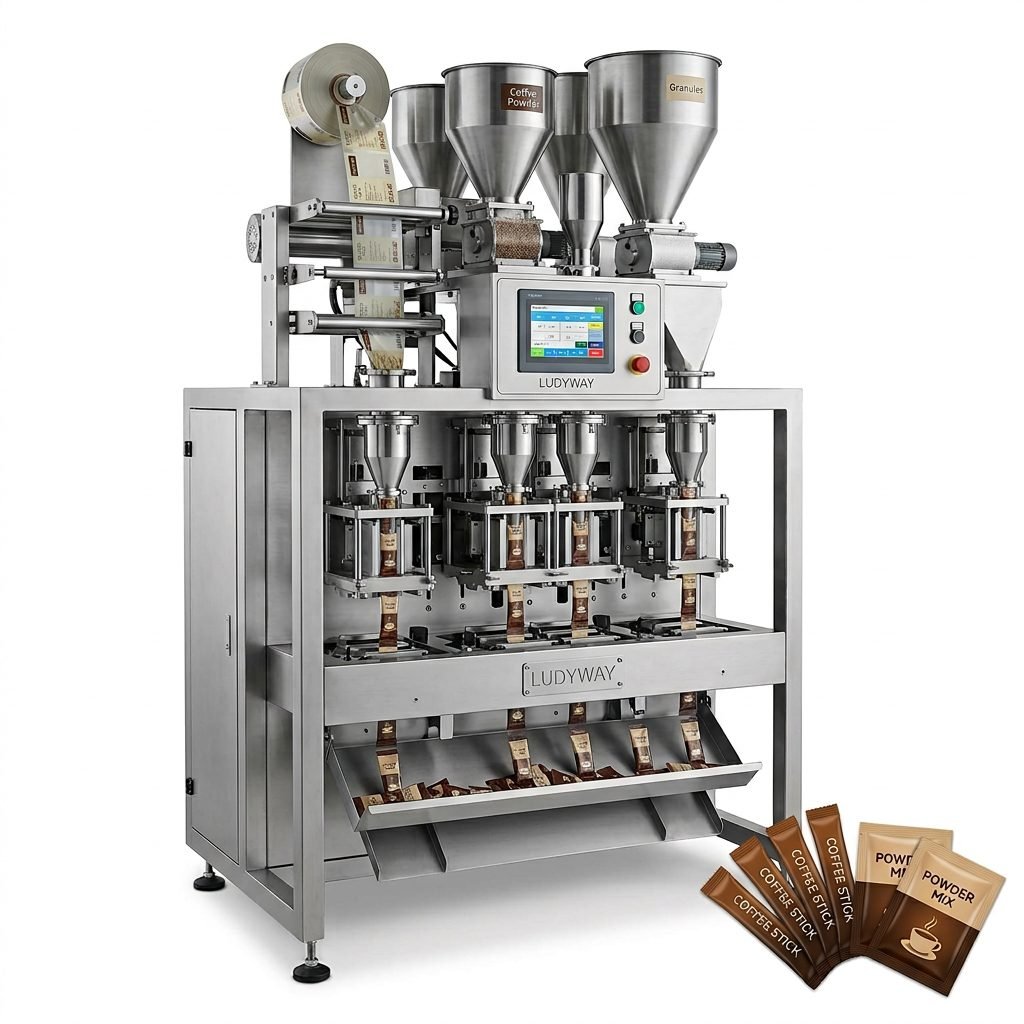
Choose machines built on modular platforms that allow for future upgrades. For example, a VFFS machine that can be retrofitted with additional lanes or upgraded sealing technology extends your investment horizon significantly.
Sustainability Integration
With global emphasis on packaging waste reduction, plan for compatibility with recyclable films, compostable materials, and lightweight packaging structures. Equipment that handles thinner films without compromising seal integrity provides a competitive advantage.
Industry 4.0 and Smart Manufacturing
Invest in packaging machinery with IoT connectivity, remote diagnostics, and predictive maintenance capabilities. These features enable real-time performance monitoring and proactive service interventions, reducing unexpected downtime by up to 30% based on industry reports from PMMI state of the industry research.
Setting up a coffee bean packaging machine production line is a significant undertaking that requires thorough planning, the right equipment partners, and a commitment to continuous improvement. By following the structured approach outlined in this guide, you can build a packaging operation that delivers consistent quality, operational efficiency, and the flexibility to grow with your business. Companies like Ludyway offer integrated packaging solutions backed by decades of engineering expertise, helping coffee producers worldwide establish reliable and scalable packaging operations.