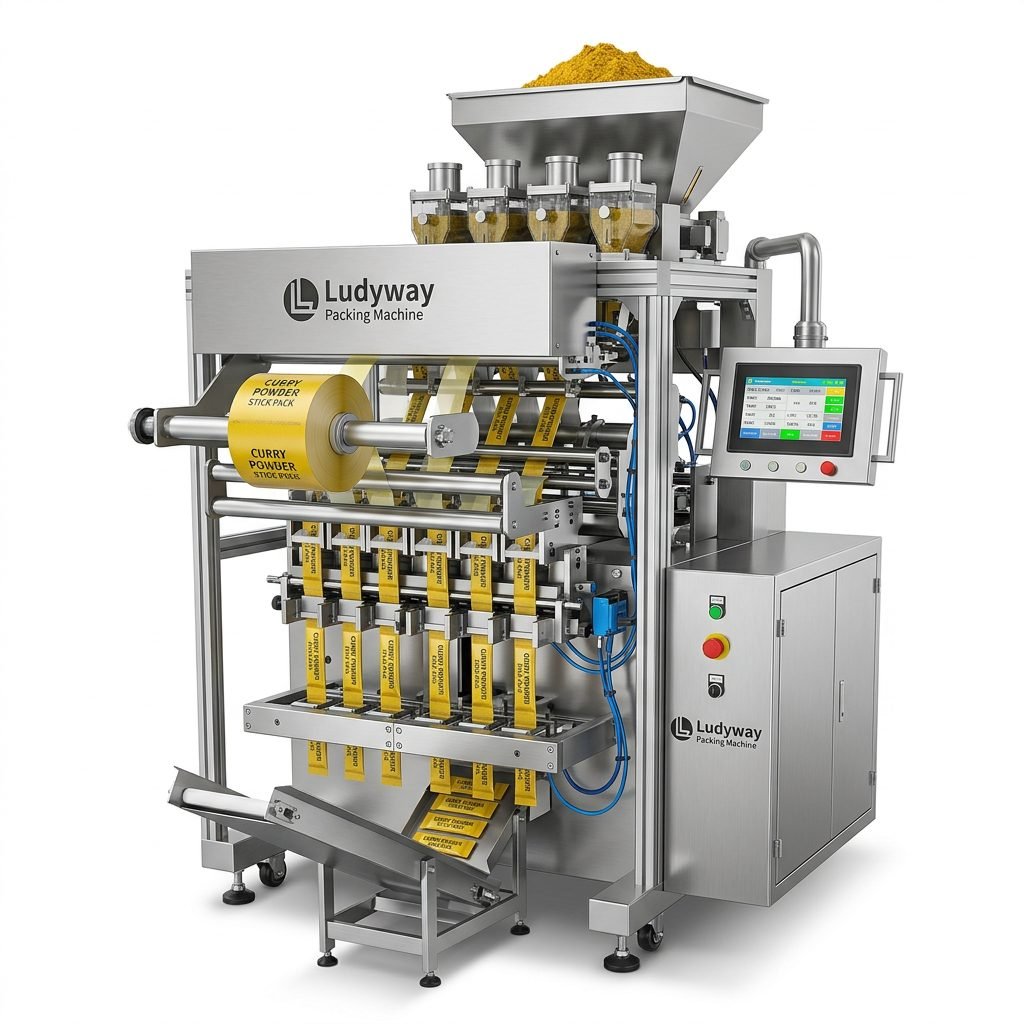
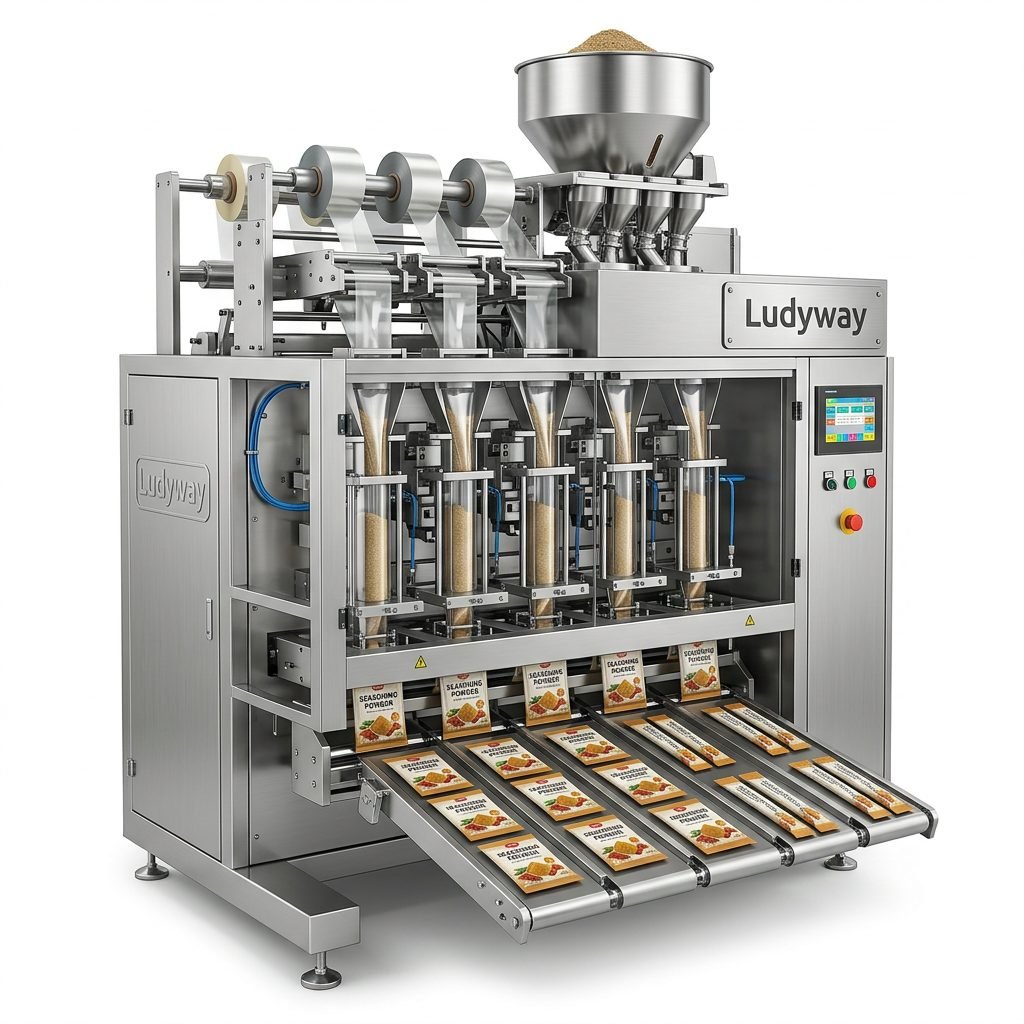
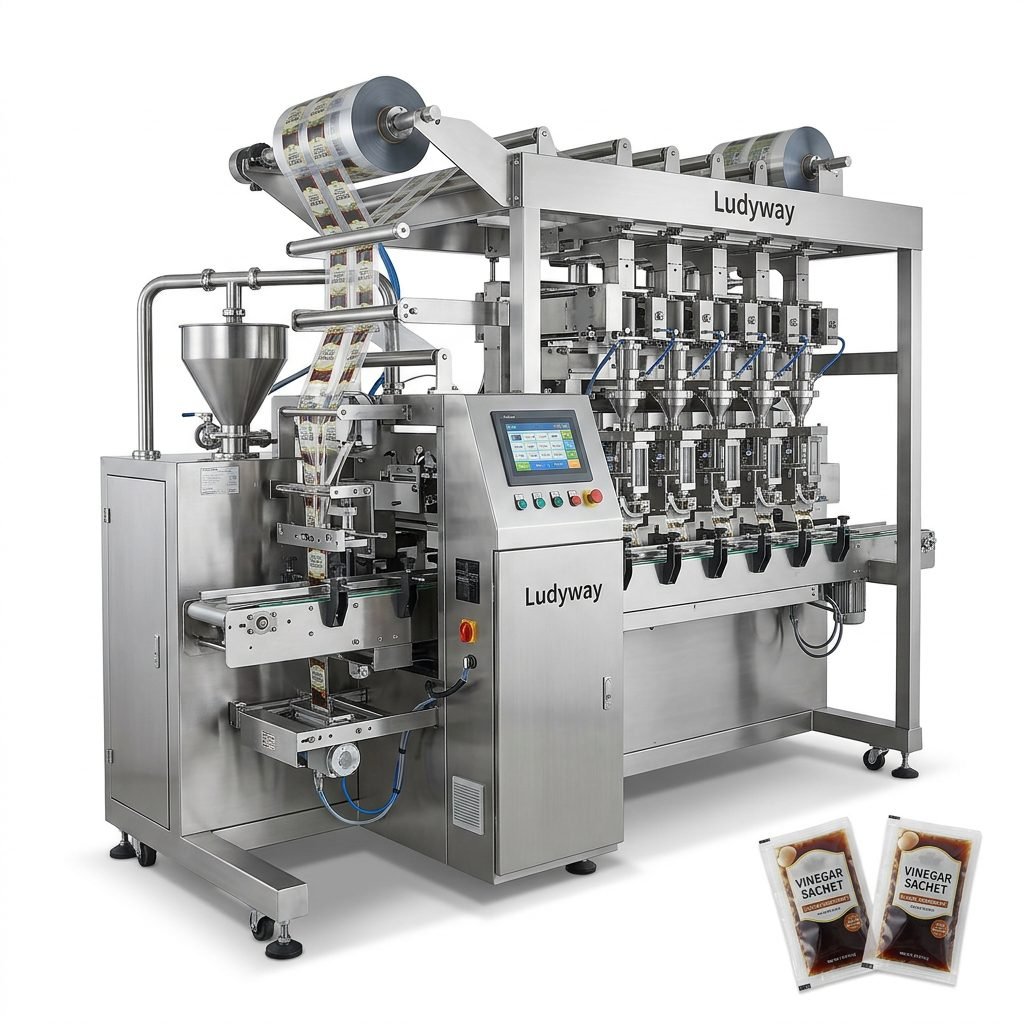
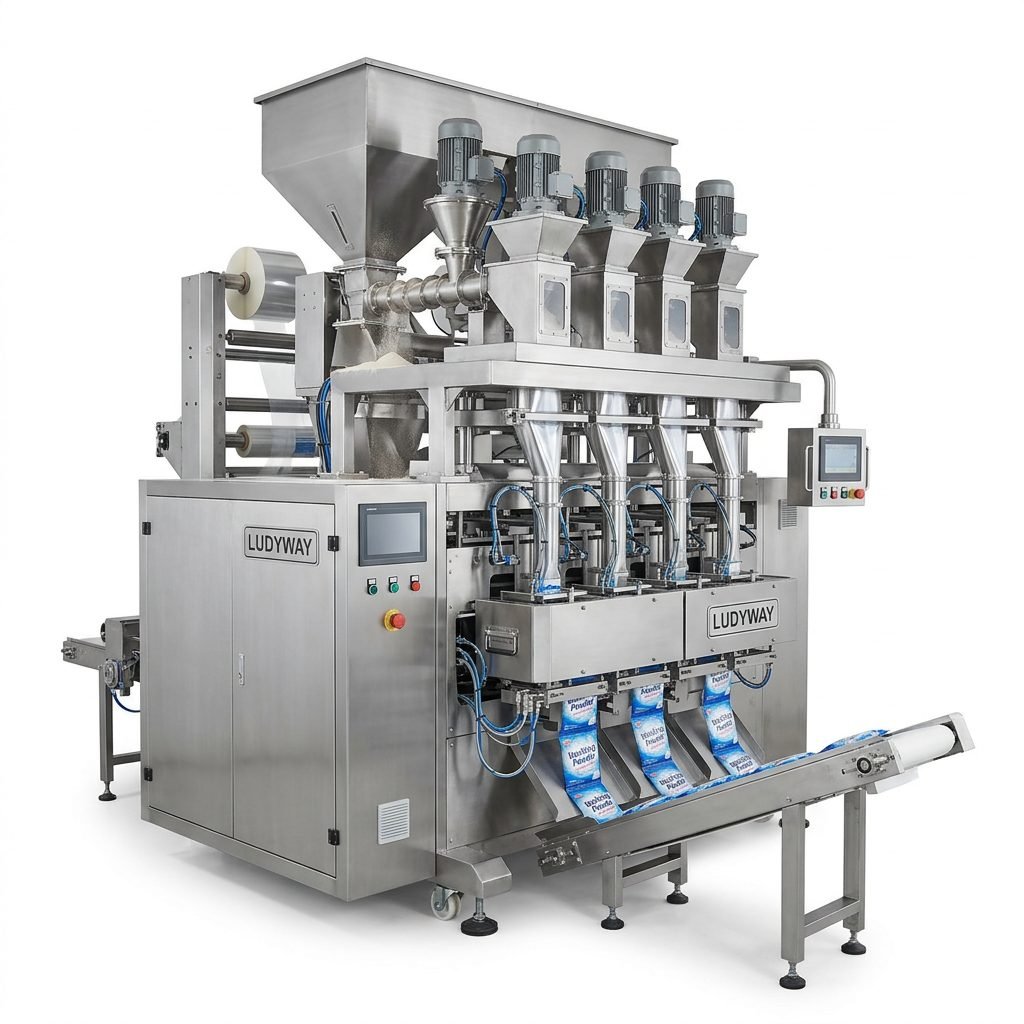
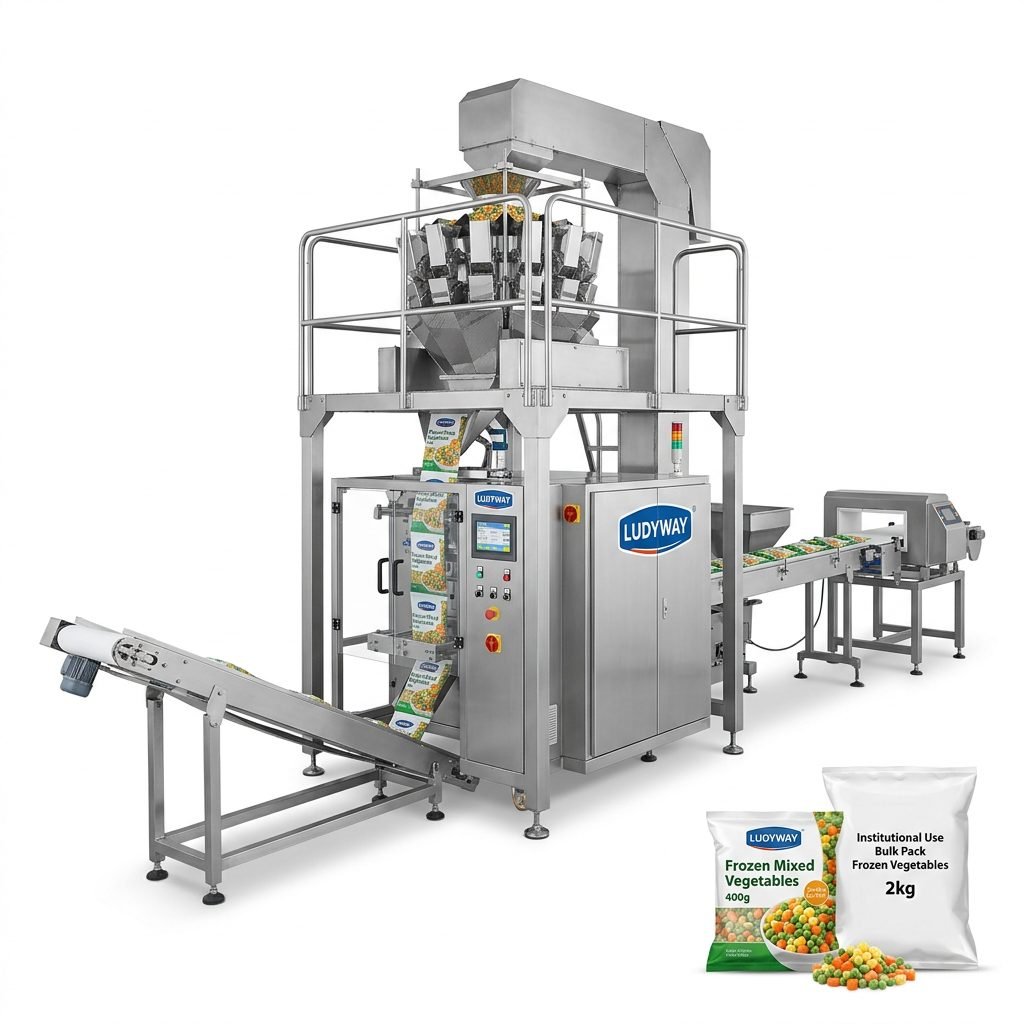
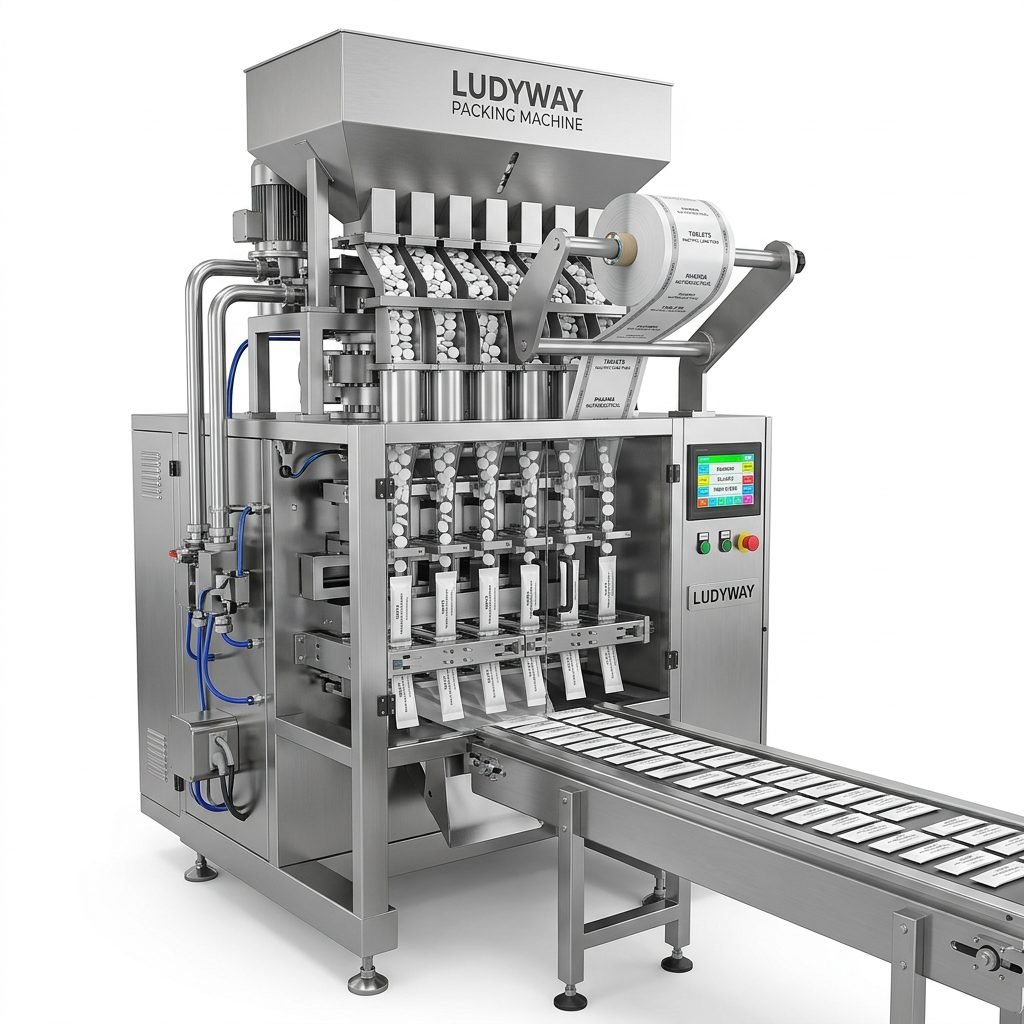
Investing in a seasoning packaging machine is a strategic decision that directly impacts production efficiency, product quality, and long-term profitability. With a vast array of technologies ranging from vertical form-fill-seal (VFFS) systems to multi-lane stick pack machines, navigating the market requires a structured evaluation of your specific operational needs. This guide breaks down the essential factors to consider before making a purchase, helping you select equipment that aligns with your manufacturing goals.
1. Define Your Product Characteristics and Packaging Format
The physical properties of your seasoning are the cornerstone of machine selection. The flow characteristics, density, and particle size of your product dictate the type of filling and dosing systems required. Before contacting a packaging machinery manufacturer, you must clearly define your material specifications.
- Material Type: Is it a free-flowing granule (like granulated sugar), a non-free-flowing powder (like garlic powder or onion powder with high oil content), or a sticky blend (like some barbecue rubs)?
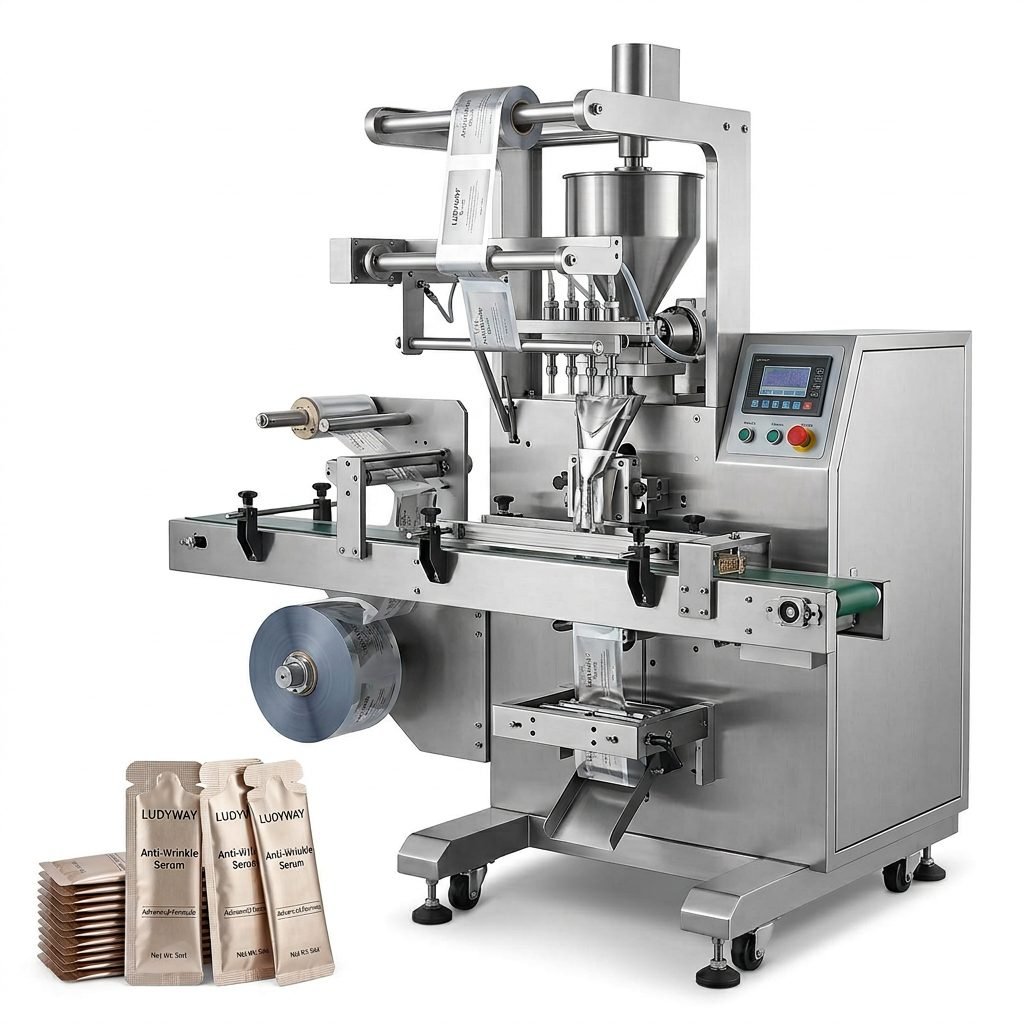
- Packaging Format: Are you targeting single-serve stick packs, small sachets, pillow pouches for retail, gusseted bags for bulk, or jars and bottles requiring volumetric filling?
- Bag Size Range: Define the minimum and maximum bag widths and lengths. A machine designed for a 50mm-wide stick pack will have different mechanical constraints than one running a 200mm-wide pillow pouch.
- Dust Control: Seasoning powders often produce airborne dust. Evaluate if the machine has enclosed filling zones and dust extraction features to maintain clean sealing areas and prevent premature wear on components.
2. Speed, Automation Level, and Production Scale
Your target output volume significantly narrows down the machine configuration. A semi-automatic machine might suffice for a start-up producing 1,000 bags per day, but a national brand requires high-speed multi-lane architectures operating in cycles per minute.
Multi-Lane Architecture
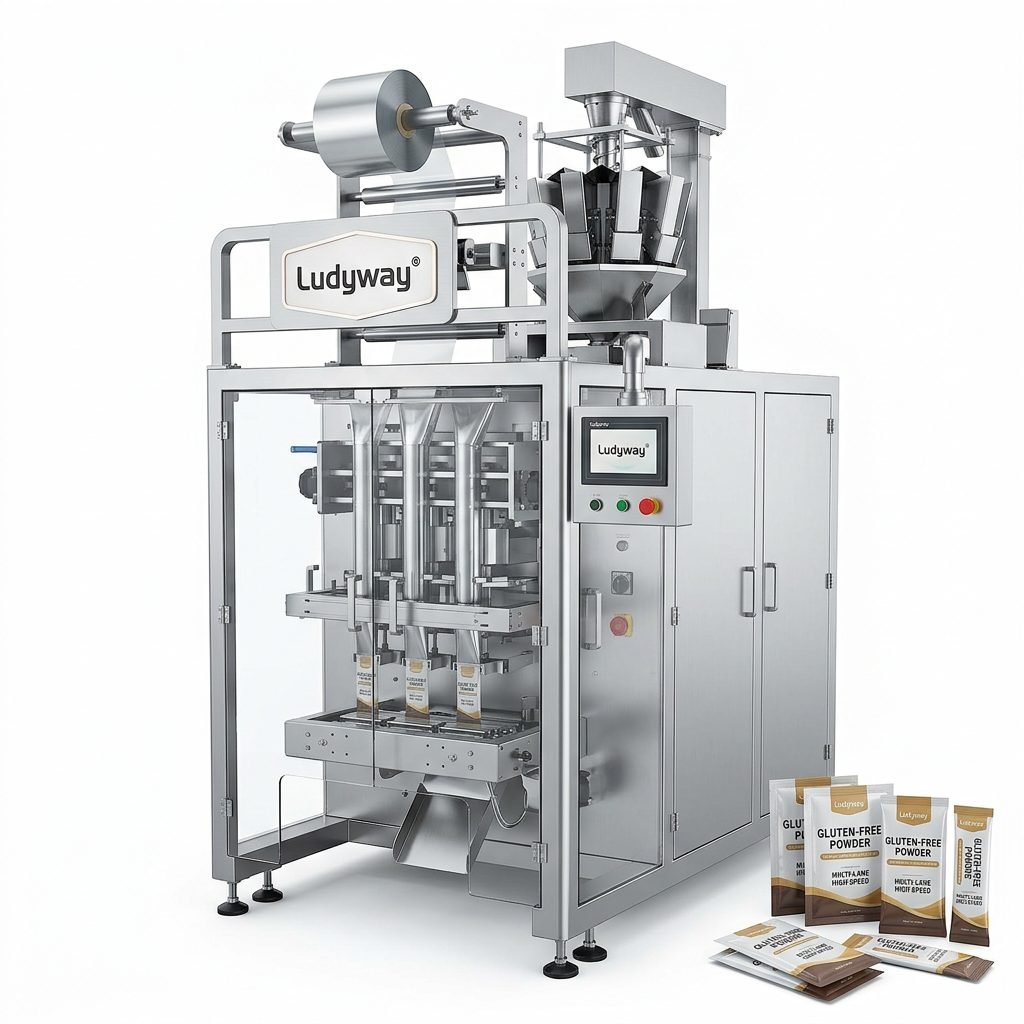
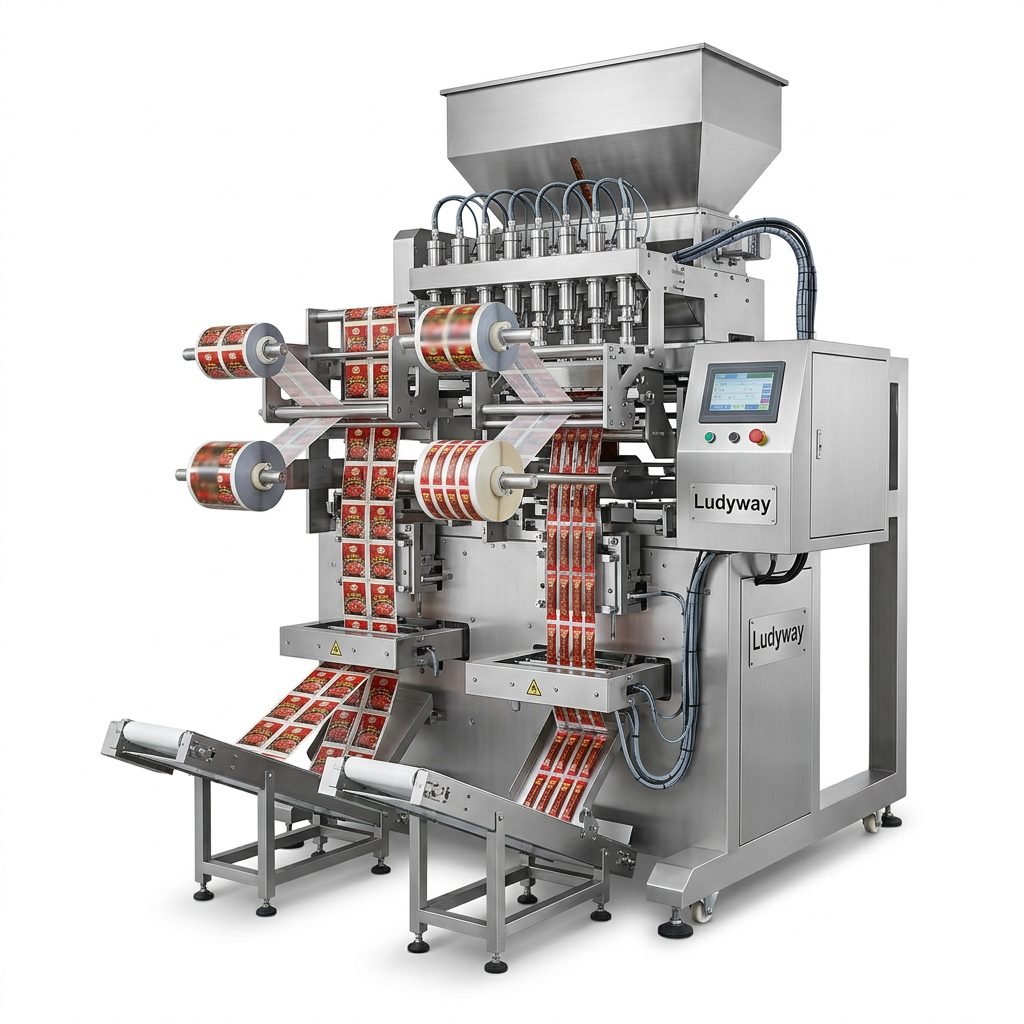
For high-volume seasoning stick packs, multi-lane machines are industry standard. A 10-lane or 12-lane system can produce multiple strips simultaneously in a single machine cycle, dramatically reducing the footprint compared to an equivalent number of single-lane machines. According to findings from the PMMI Business Intelligence Library, automation trends are pushing lane counts higher to meet demand without expanding plant floor space.
Servo vs. Mechanical Drive
- Servo-Driven Systems: Offer programmable bag length, precise film tension control, and quick changeover for different bag sizes. They are ideal for co-packers switching between different seasoning blends frequently.
- Mechanical Cam Systems: Often provide excellent stability at extremely high speeds when running a single dedicated product, though they lack rapid changeover flexibility.
3. Weighing and Dosing Accuracy: The Auger vs. Combination Weigher Debate
Accuracy is critical in seasoning packaging. Overfilling causes product giveaway that eats into margins, while underfilling violates FDA food packaging regulations. The dosing technology must match your product’s physical form:
| Filling Technology | Best Application | Accuracy Range |
|---|---|---|
| Auger Filler | Powders, fine spices (turmeric, paprika, cinnamon) | ±0.5% to 1% (dependent on density consistency) |
| Combination Weigher | Free-flowing granules (salt, MSG, granulated garlic) | ±0.1% to 0.5% (highest accuracy for high-value products) |
| Volumetric Cup Filler | Consistent density granules, budget-sensitive projects | ±1% to 2% (requires stable product density) |
| Liquid Pump Filler | Liquid seasonings, soy sauce sachets, oil-based marinades | ±0.5% (piston or peristaltic pump) |
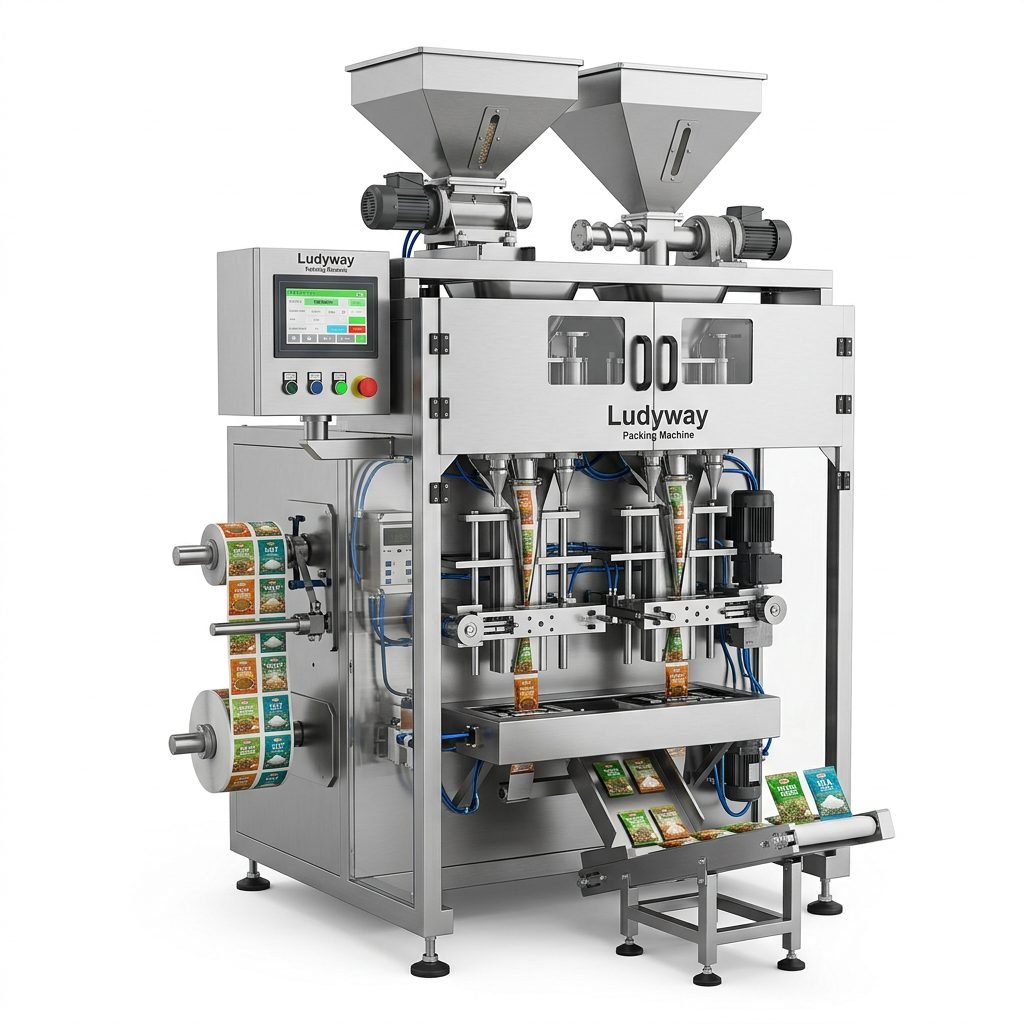
For mixed seasoning blends containing both large flakes and fine powders, specialized agitator mechanisms inside the hopper prevent bridging and ensure consistent density, which is essential for maintaining weighing precision.
4. Packaging Film Compatibility and Sealing Technology
The structure of your packaging film is crucial for preserving the aroma, flavor, and shelf life of your seasoning. Your machine must handle the specific material while creating durable, airtight seals.
Film Materials
- Standard Laminates: PET/PE, BOPP/CPP provide basic moisture barrier. Suitable for instant soup bases or dehydrated mixes.
- High-Barrier Laminates: PET/AL/PE or PET/VMPET/PE are critical for hygroscopic seasonings or products with volatile aromatic oils. The aluminum layer prevents oxidation and moisture ingress.
- Biodegradable Films: The European Commission packaging waste regulations are driving demand for recyclable mono-materials. Verify that the machine’s heat sealing and film tension controls can handle these newer, often heat-sensitive substrates without wrinkling or burn-through.
Sealing Integrity
Seasoning contamination in the seal area is a primary cause of leakers. Look for machines equipped with serrated or knurled sealing jaws designed to push fine powder particles aside during the sealing dwell. Additionally, machines featuring gas flushing (nitrogen) capabilities can displace oxygen to extend shelf life for products like grated cheese blends or herb mixes with high oil content.
5. Integration, Changeover, and Total Cost of Ownership
A packaging machine rarely operates in isolation. Considering upstream and downstream integration prevents bottlenecks.
| Feature Consideration | Impact on Operations |
|---|---|
| Quick Changeover Design | Tool-less change parts and recipe-driven HMI reduce downtime from 45 minutes to under 5 minutes when switching between bag sizes or products. |
| Inline Printing/Vision Systems | Thermal transfer printers for date/batch codes and vision inspection systems for label verification eliminate manual sorting errors downstream. |
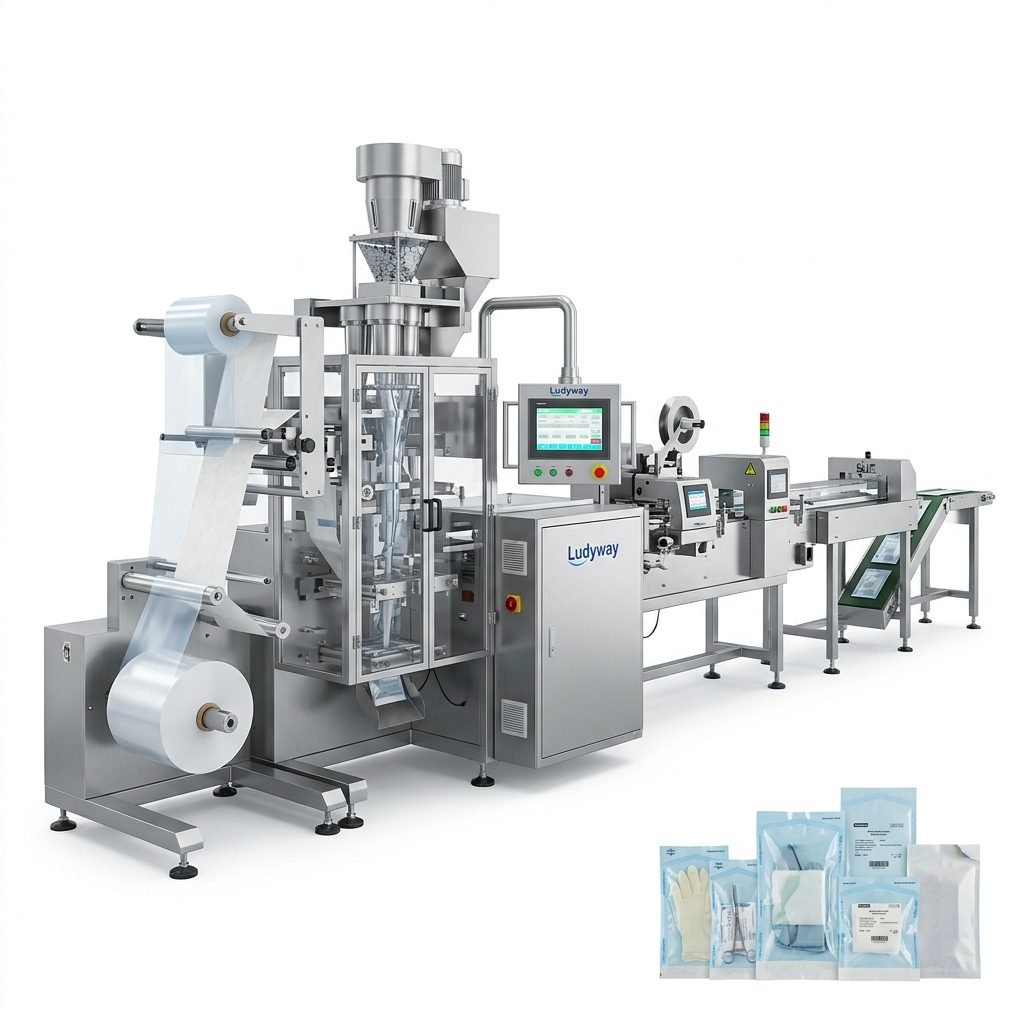
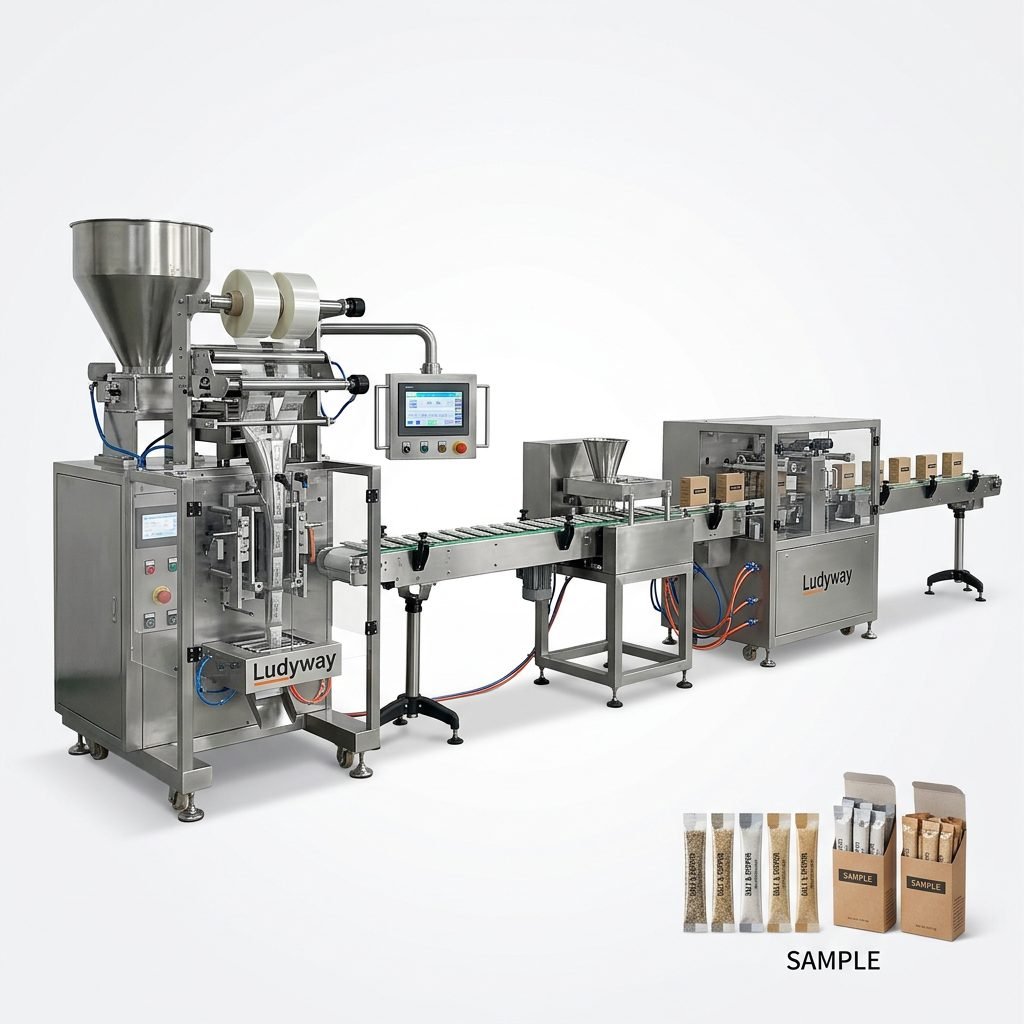
| Cartoning and End-of-Line | Compatible counting, collating, and cartoning systems allow for a single integrated line from forming to case packing, rather than disparate workstations. |
| Spare Parts Availability | Global component sourcing (pneumatics, PLCs, sensors) reduces lead times. Ensure your supplier offers remote diagnostic support. |
As a leading China-based packaging machinery manufacturer with more than 30 years of experience, Ludyway Machinery provides turnkey solutions that integrate dosing, filling, sealing, coding, inspection, and cartoning into cohesive seasoning packaging lines. With a 20,000-square-meter facility and equipment operating in more than 100 countries, the engineering team configures machines for specific production speeds, film types, and automation levels, helping manufacturers scale efficiently without managing multiple different equipment suppliers.
6. Compliance with International Standards
Seasoning packaging for export markets must meet rigorous safety and construction standards. For the pharmaceutical-grade nutraceutical seasonings or functional food markets, machine construction often needs to align with ISO 11607 standards for packaging validation. Similarly, the material contact parts must be 316L stainless steel to withstand aggressive cleaning regimes and corrosive salt environments. Reference documentation from the Flexible Packaging Association can guide you on regulatory requirements for food contact materials in different jurisdictions.
7. Smart Factory Readiness and Data Collection
Modern seasoning packaging lines are increasingly interconnected. Evaluate if the machine supports Industry 4.0 protocols. Data collection on Overall Equipment Effectiveness (OEE), reject rates, and downtime reasons allows plant managers to pinpoint inefficiencies. Machines equipped with Ethernet/IP or Profinet connectivity can feed real-time production data to central SCADA systems, enabling predictive maintenance scheduling rather than reactive repairs.
Selecting the right seasoning packaging machine is a detailed evaluation of product attributes, speed and accuracy requirements, film technology, and long-term service support. By prioritizing these technical parameters and selecting a partner with robust engineering capabilities and global support infrastructure, manufacturers can secure a packaging solution that maintains product integrity, meets evolving regulatory demands, and delivers consistent return on investment.
For further reading, explore industry resources from PMMI and the Flexible Packaging Association to stay current on packaging technology trends. You can also review market growth perspectives in reports like the Ludyway Packaging Machinery Global Growth Trend analysis to understand how packaging machinery manufacturers are scaling to meet global food industry demand.