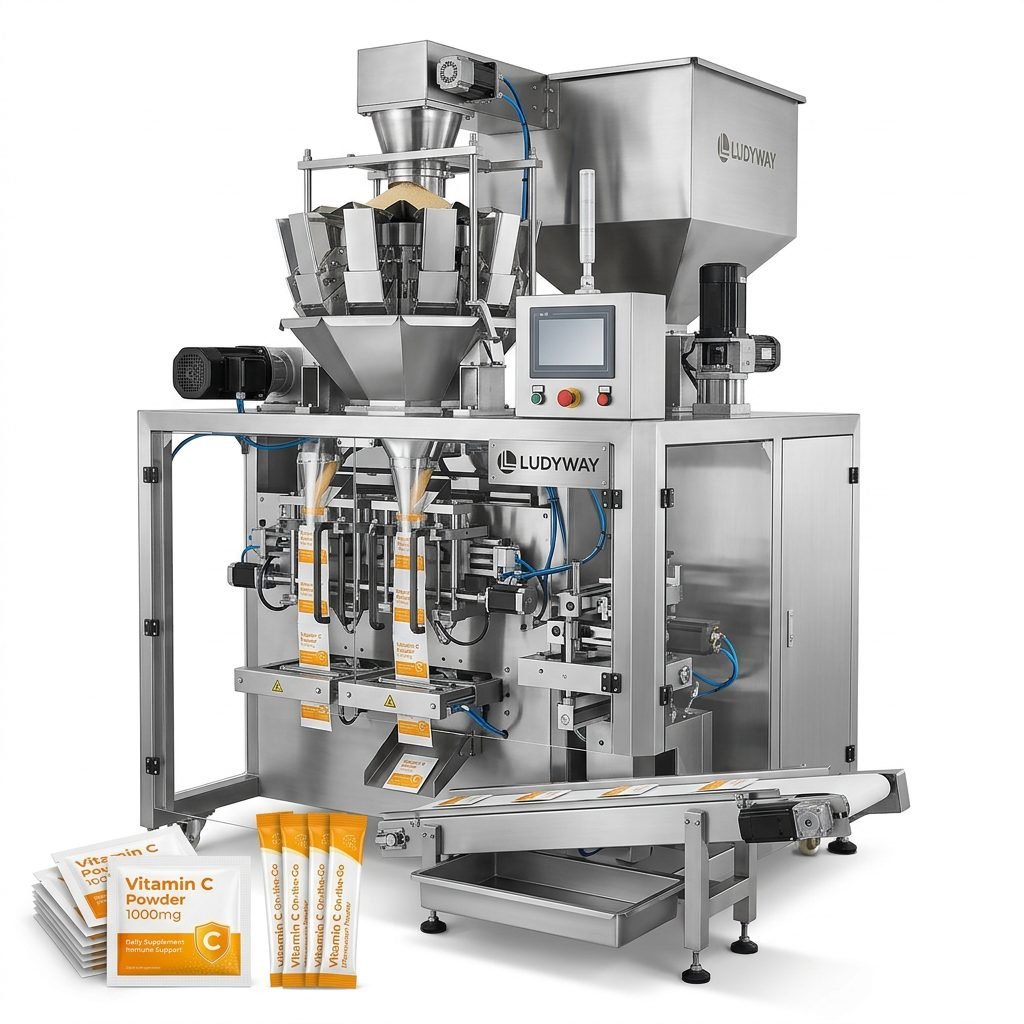
Investing in a Vertical Form Fill Seal (VFFS) packing machine is a major decision for any manufacturer. The right equipment can dramatically improve your production efficiency, reduce waste, and ensure consistent package quality. However, with so many configurations, specifications, and suppliers available, the selection process can feel overwhelming. This comprehensive buyer’s guide walks you through every critical factor to consider, helping you make an informed choice that aligns with your production goals and budget.

1. Understand Your Product Characteristics First
Before evaluating any machine, you need a thorough understanding of your product’s physical properties. This is the single most important step that many buyers overlook. VFFS machines handle products ranging from free-flowing granules to sticky powders and viscous liquids, and each requires a fundamentally different approach to feeding, dosing, and sealing.
- Powders: Consider particle size distribution, bulk density, flowability, hygroscopicity, and dust generation. Fine powders like flour or milk powder often require specialized dust control systems and auger fillers to ensure accuracy and a clean working environment.
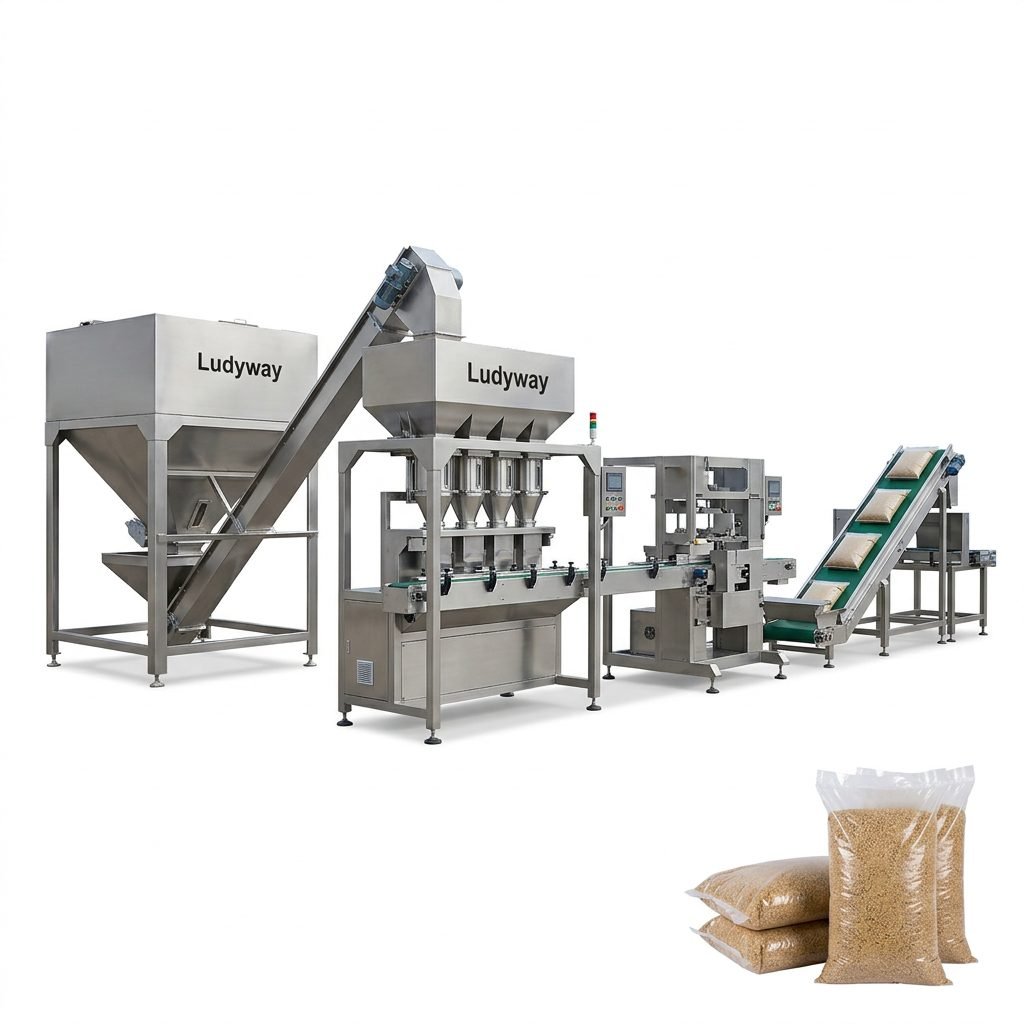
- Granules: Evaluate particle shape, size uniformity, bulk density, and friability. Products like coffee beans, nuts, or pet food kibble may need multi-head weighers or volumetric cup fillers for high-speed precision.
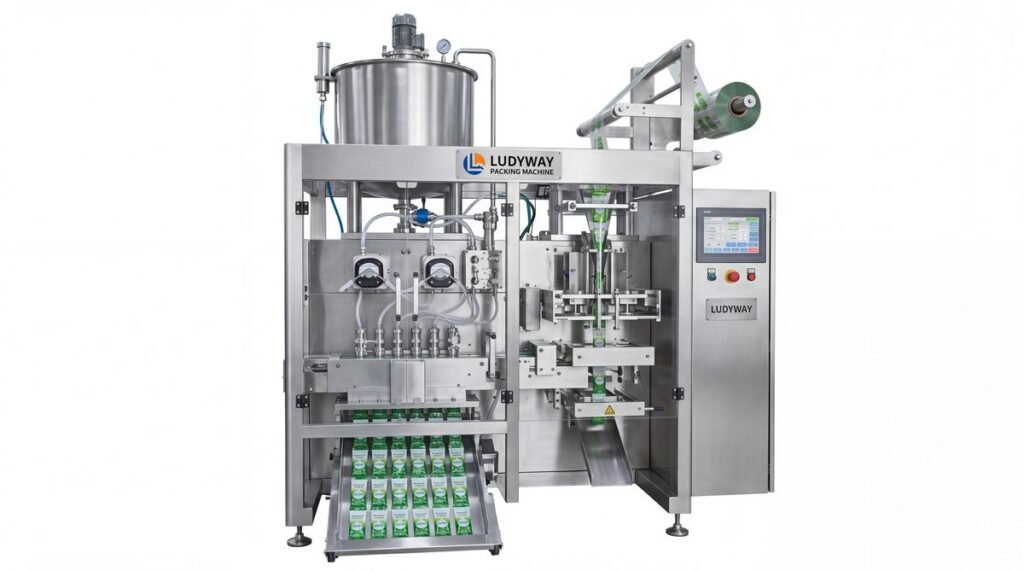
- Liquids: Assess viscosity, temperature sensitivity, foaming tendency, and whether the product contains particulates. Thin liquids like water or juice require different filling systems compared to thick pastes, gels, or creams. Piston fillers, gear pumps, or magnetic flow meters may be appropriate depending on viscosity.
- Sticky or challenging products: Products with high oil content, high sugar content, or hygroscopic nature require special attention to material contact surfaces, sealing parameters, and environmental controls.
2. Define Your Bag Style and Packaging Format
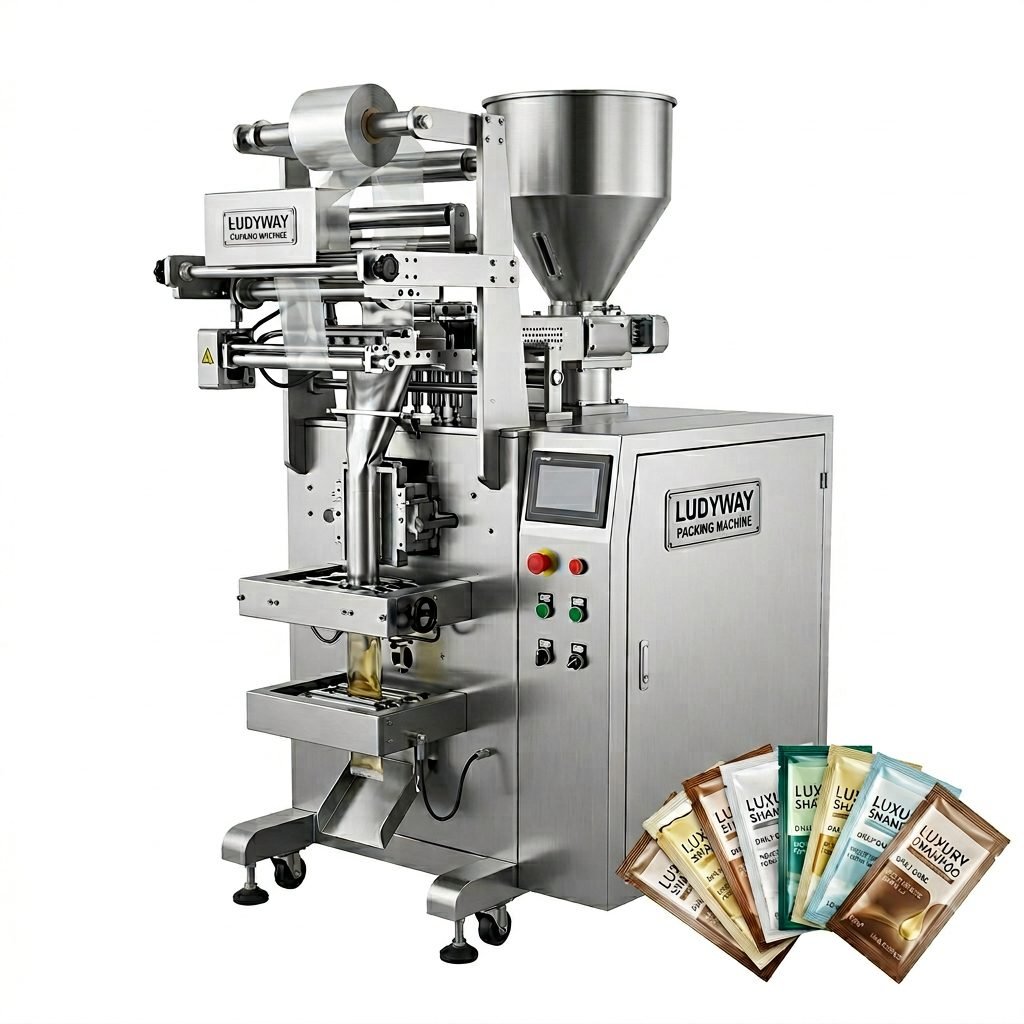
VFFS machines can produce a wide variety of bag styles. The format you choose impacts everything from shelf appeal to material costs and production speed. Common bag styles include pillow bags, gusseted bags, quad-seal bags, block bottom bags, and sachet/stick pack formats. Each has distinct advantages for specific market segments.
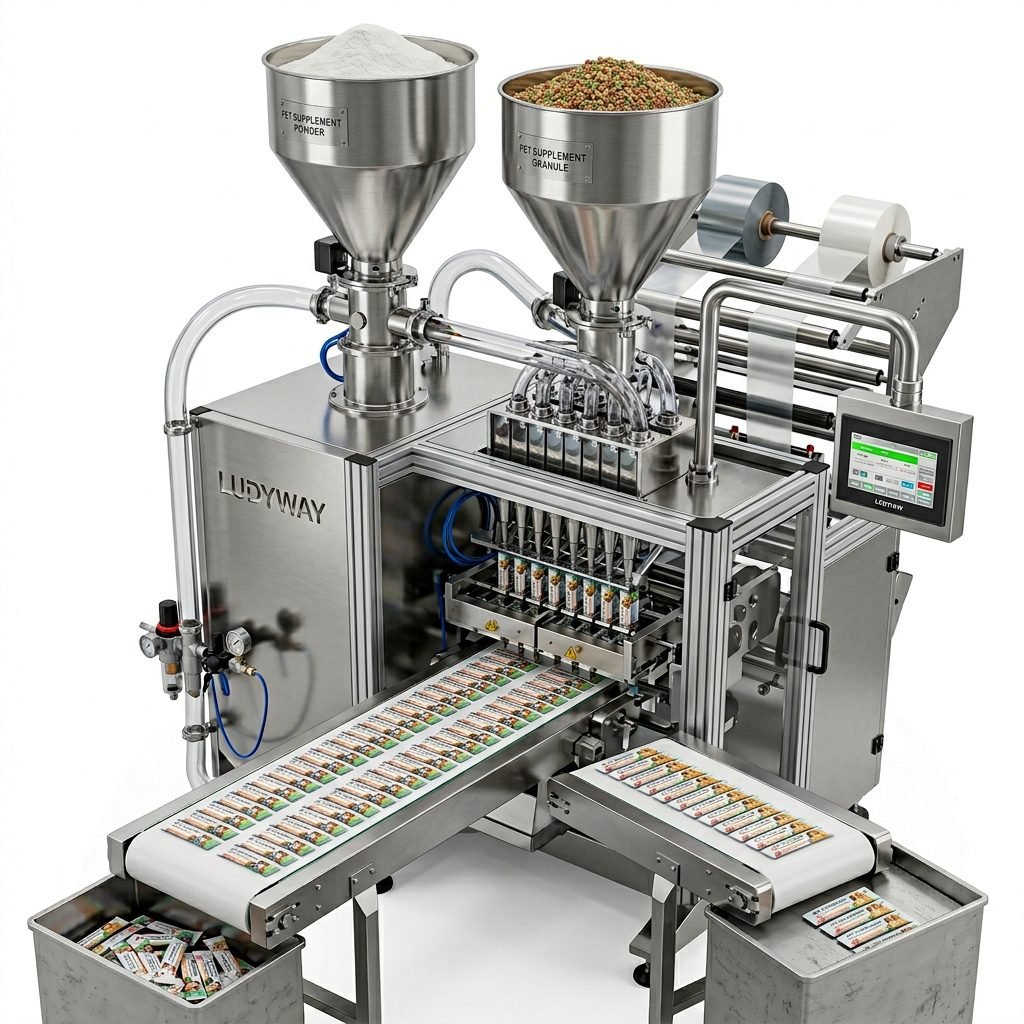
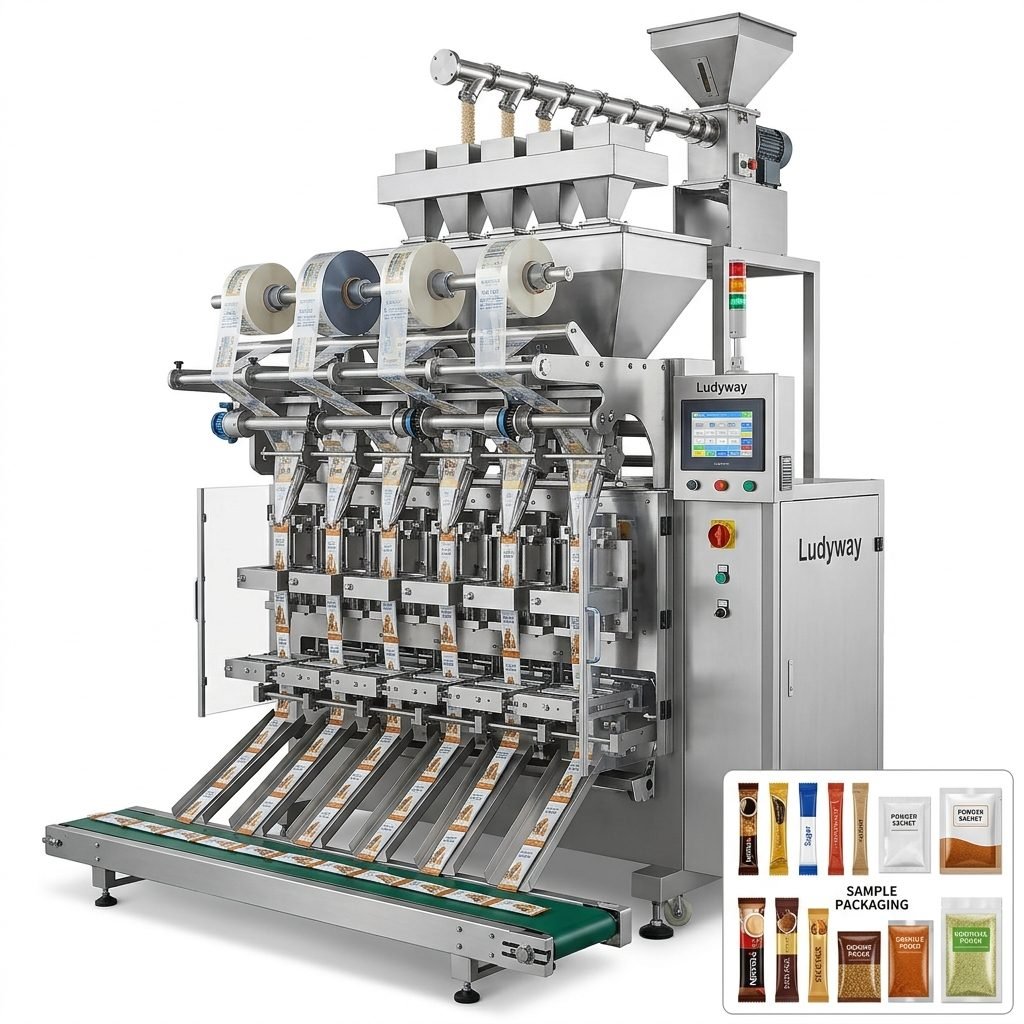
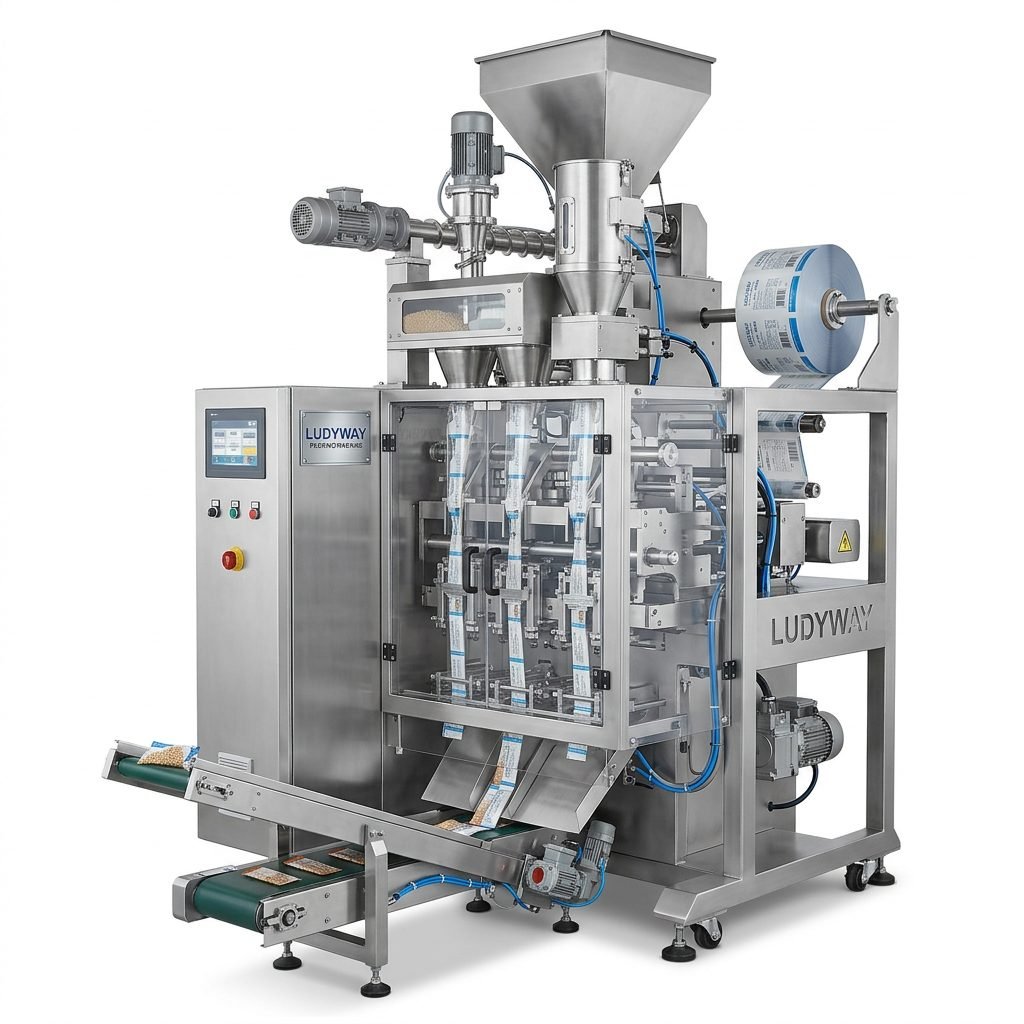
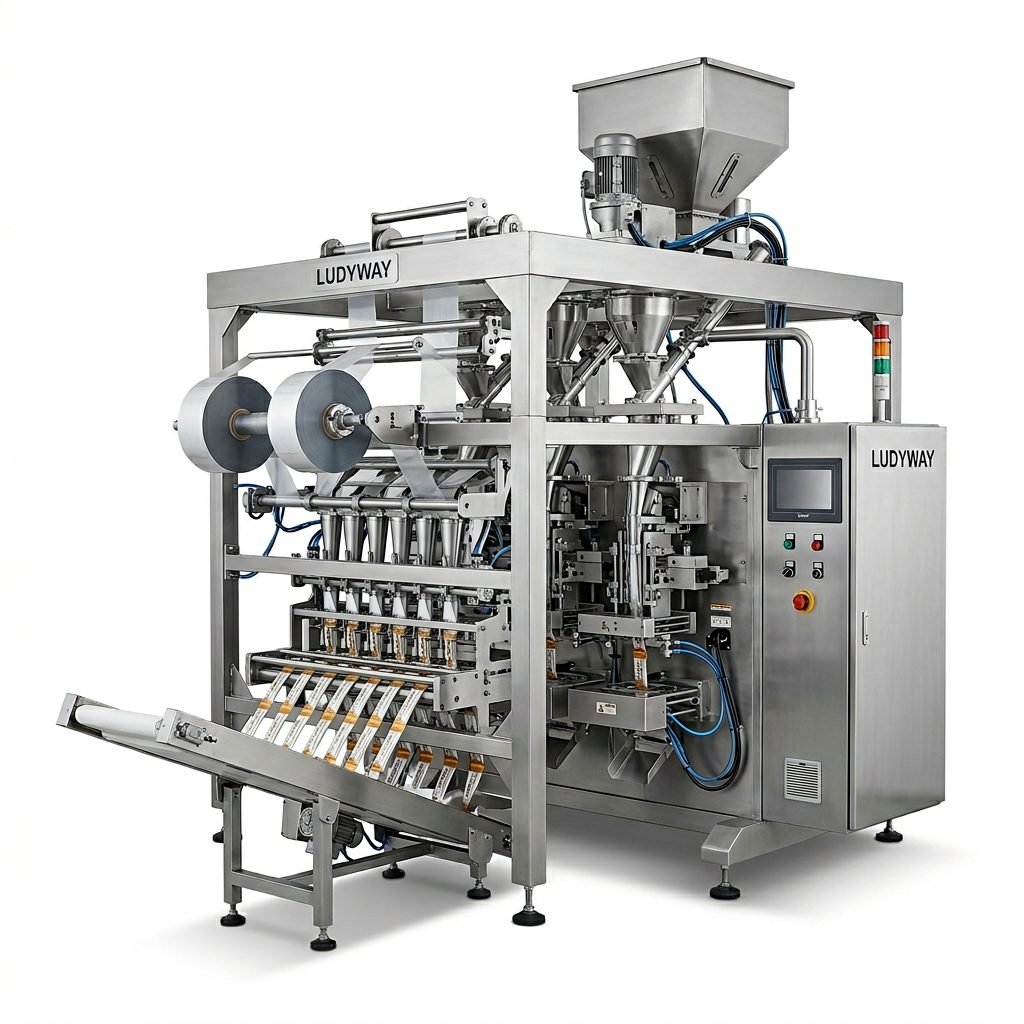
For single-serve and sample-size applications, multi-lane stick pack and sachet configurations offer exceptional throughput by running multiple lanes simultaneously. For larger retail formats, single-lane configurations with gusseted or block bottom designs provide superior shelf presence. Your target bag dimensions — width, length, and gusset depth — directly determine the forming tube size and the machine’s film width capacity. Always verify that the machine can accommodate both your current needs and any foreseeable future format changes.
3. Evaluate Production Speed and Capacity Requirements
Production speed is typically measured in bags per minute (BPM) and varies significantly based on product type, bag size, filling volume, and film characteristics. It is essential to clearly define your current throughput requirements and factor in future growth projections. Over-specifying speed can lead to unnecessary capital expenditure, while under-specifying can create frustrating production bottlenecks.
Key speed considerations include:
- Single-lane vs. multi-lane configurations: Multi-lane machines running 4, 6, 8, or even 12 lanes can multiply output proportionally, making them ideal for high-volume stick pack and sachet production.
- Filling system speed: The dosing method — whether auger, volumetric cup, multi-head weigher, or liquid piston filler — must keep pace with the machine’s mechanical film handling speed.
- Sealing dwell time: Heavier films, laminated structures, and certain product residues require longer sealing times, which can reduce effective throughput.
- Product settling characteristics: Aerated or low-density powders may need vibration or settling time before sealing, impacting cycle speed.
4. Match the Machine to Your Packaging Film
The type of packaging film you plan to use — or are required to use by your market — directly influences the machine’s configuration. Film thickness, material structure, heat-seal characteristics, and barrier properties all affect sealing parameters and machine performance. Common film materials include polyethylene (PE), polypropylene (PP), polyester (PET), aluminum foil laminates, and various co-extruded or laminated structures.
Critical film-related machine specifications include:
- Maximum film roll diameter and width: Determines run time between roll changes and compatibility with your film supply.
- Sealing jaw type and temperature control: Different films require different seal jaw profiles and precise, multi-zone temperature regulation. PID temperature controllers are essential for consistent seal integrity.
- Film tracking and tension control: Essential for maintaining print registration and preventing film wrinkles, especially with thin or extensible films.
- Compatibility with recyclable and sustainable films: The growing shift toward mono-material recyclable films often requires machines with enhanced sealing capabilities, as these newer materials have narrower sealing windows. Refer to Flexible Packaging Association resources for industry trends on sustainable flexible packaging.
5. Consider Filling Accuracy and Dosing Technology
Filling accuracy directly impacts product giveaway, regulatory compliance, and profitability. Each dosing technology has inherent accuracy levels and suitability for different product types. The table below summarizes the most common filling systems used in VFFS machines:
| Filling System | Best For | Accuracy Level | Speed Capability |
|---|---|---|---|
| Auger Filler | Powders, fine granules | ±0.5% to ±2% | Moderate to High |
| Volumetric Cup Filler | Free-flowing granules | ±1% to ±3% | High to Very High |
| Multi-Head Weigher | Granules, snacks, pieces | ±0.1% to ±0.5% | Very High |
| Piston Filler | Liquids, pastes, gels | ±0.5% to ±1% | Moderate to High |
| Gear Pump / Flow Meter | Thin to medium liquids | ±0.3% to ±1% | High |
6. Assess Automation and Integration Capabilities
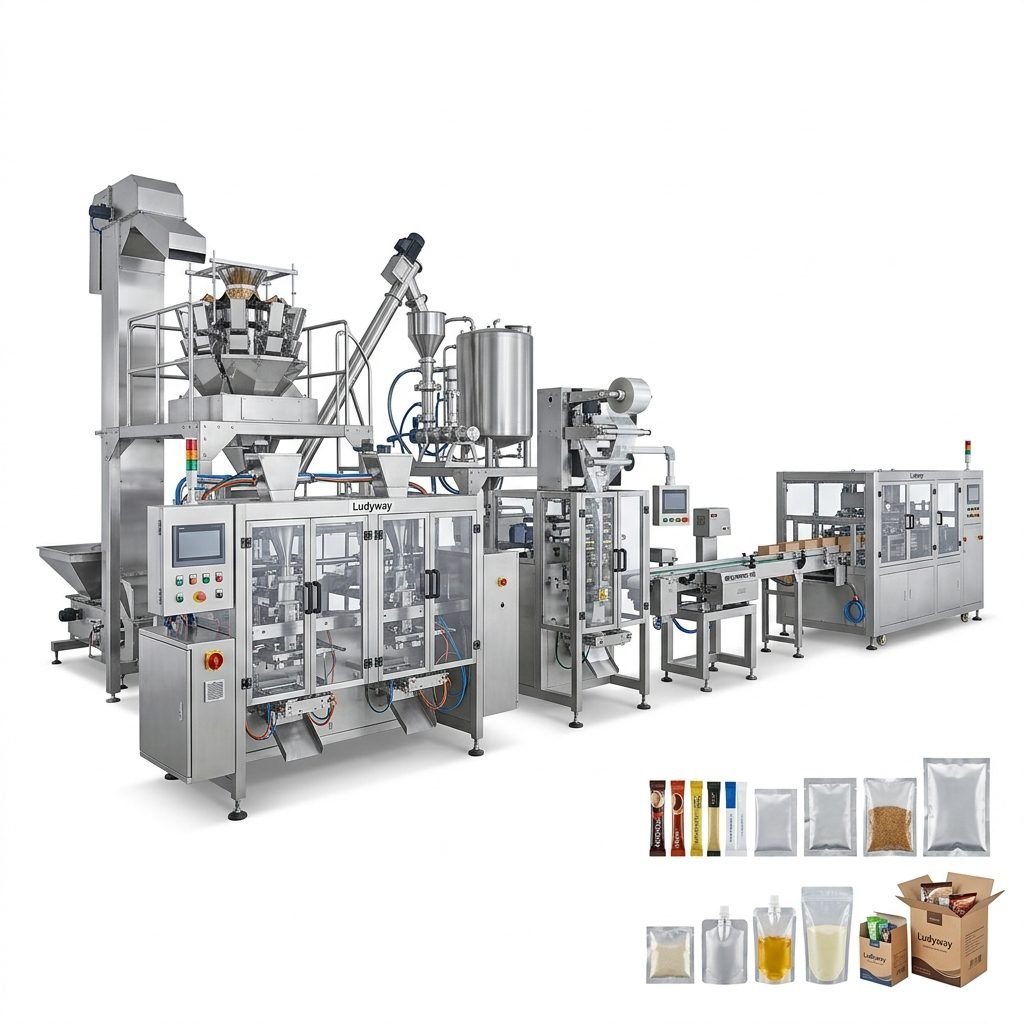
Modern VFFS machines rarely operate in isolation. They are typically part of a broader packaging line that may include upstream product feeding, downstream checkweighing, coding and marking, cartoning, case packing, and palletizing. Evaluating automation compatibility upfront prevents costly retrofits later.
Key automation considerations:
- PLC and control system: Look for industry-standard controllers with intuitive HMI touchscreens, recipe storage, and remote diagnostic capabilities.
- Data connectivity: Machines with Ethernet/IP, Profinet, or OPC-UA capabilities support Industry 4.0 and smart factory initiatives, enabling real-time production monitoring and OEE tracking.
- Automatic film splicing and roll change: Reduces downtime on high-speed lines and minimizes operator intervention.
- Integrated quality control: Options include vision inspection systems, checkweighers, metal detectors, and seal integrity testers that can automatically reject non-conforming packages.
- Upstream and downstream equipment interfaces: Confirm that the machine can synchronize with feeding conveyors, coding printers, and cartoning equipment from other suppliers.
7. Verify Compliance with Industry Standards and Regulations
Depending on your industry and target markets, your VFFS machine may need to comply with specific standards for food safety, pharmaceutical production, or hazardous environments. For manufacturers exporting to regulated markets, this is non-negotiable. Key standards and frameworks to verify include:
- Food industry: Machines should be designed with sanitary principles, including easy-to-clean surfaces, minimal crevices, and FDA-compliant food-contact materials. Refer to FDA food packaging and food contact substances guidelines for detailed requirements.
- Pharmaceutical and medical: Equipment may need to comply with GMP guidelines, 21 CFR Part 11 for electronic records, and ISO 11607 for packaging of terminally sterilized medical devices.
- CE marking and European requirements: Machines destined for the EU market must meet applicable directives including the Machinery Directive and relevant harmonized standards.
- Electrical safety: Look for compliance with IEC 60204-1 or equivalent national standards for electrical equipment of machines.
8. Calculate Total Cost of Ownership (TCO)
The purchase price is only one part of the equation. A comprehensive TCO analysis should include:
- Initial capital expenditure: Machine cost, tooling, installation, and commissioning.
- Operating costs: Energy consumption, compressed air usage, and consumable parts such as sealing jaws, knives, and filters.
- Film waste rates: Machines with poor film tracking or inconsistent sealing generate higher material waste, which accumulates significantly over time.
- Maintenance and spare parts: Availability, cost, and lead time for critical spare parts. Machines using proprietary components can become expensive to maintain compared to those built with standard industrial components.
- Labor requirements: The number of operators needed and their required skill level. Highly automated machines can reduce labor costs but may require more specialized technical support.
- Downtime cost: Estimated production losses from both planned maintenance and unplanned stoppages.
9. Evaluate the Supplier’s Track Record and Support Capabilities
Your relationship with the machine supplier extends far beyond the initial purchase. A VFFS machine is a long-term production asset, and the supplier’s ability to provide ongoing support, spare parts, and technical expertise directly affects your operational continuity. Key supplier evaluation criteria include:
- Industry experience and specialization: How long has the supplier been manufacturing VFFS machines? Do they have specific expertise in your product category or industry? A supplier with decades of specialized experience is more likely to anticipate challenges and recommend appropriate configurations.
- Manufacturing and engineering capabilities: Does the supplier have in-house manufacturing, engineering, and automation teams? This enables better quality control, faster customization, and more responsive technical support compared to suppliers who outsource critical functions.
- Global service and support network: For international buyers, confirm the supplier’s ability to provide installation, commissioning, training, and after-sales service in your region. Remote technical assistance capabilities are also increasingly important.
- Spare parts availability and logistics: Ask about spare parts inventory, typical dispatch times, and whether the supplier uses standard industrial components that can be sourced locally when needed.
- References and case studies: Request references from manufacturers in your industry with similar production requirements. Seeing machines in operation and speaking with existing users provides invaluable insight.
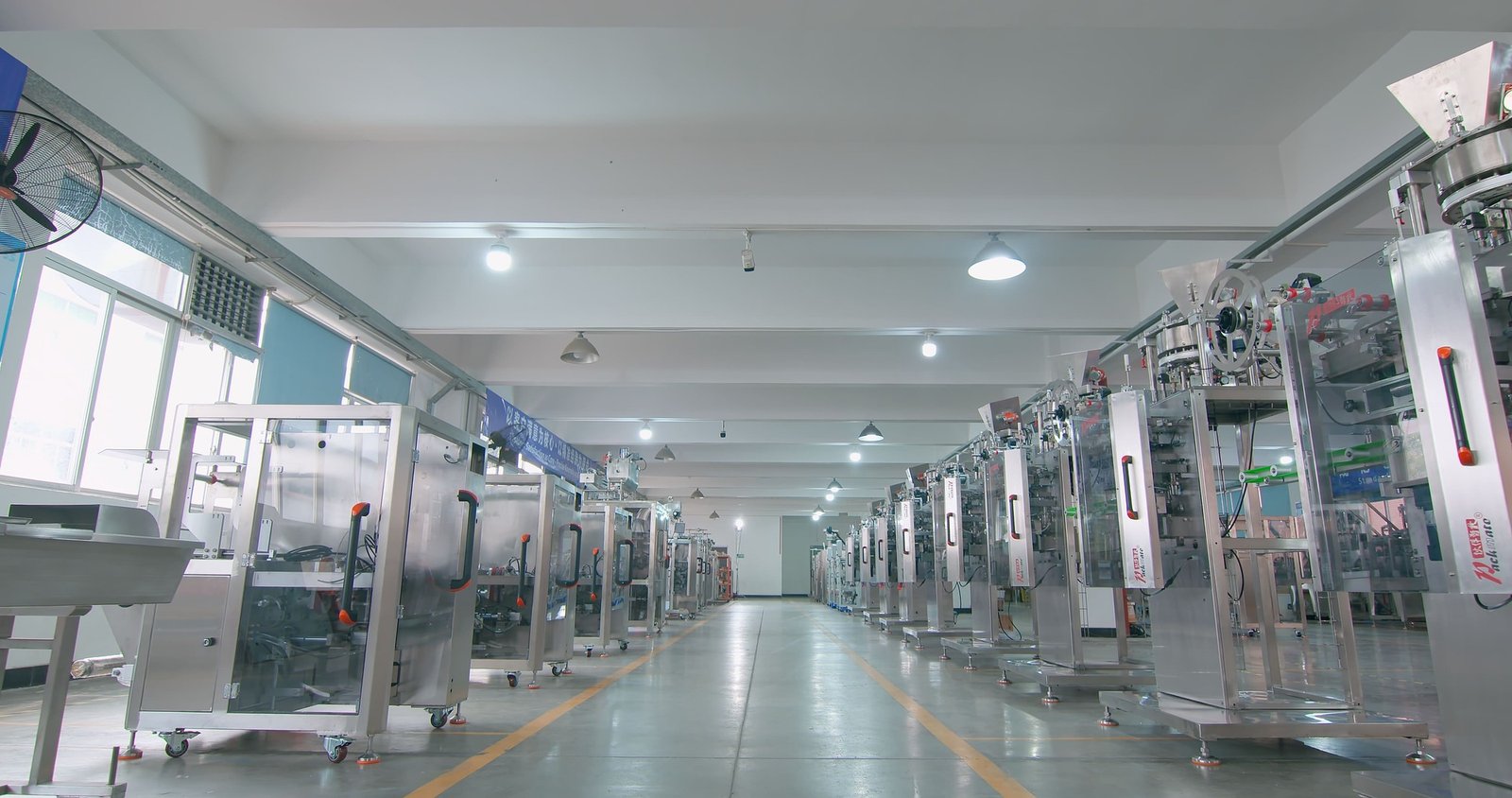
For manufacturers seeking a packaging machinery partner with more than 30 years of industry experience, Ludyway Machinery provides a comprehensive range of VFFS and multi-lane packaging solutions designed for powder, granule, liquid, and sachet applications across food, pharmaceutical, chemical, and consumer product industries. With a 20,000-square-meter manufacturing facility, over 130 professionals, and more than 50 packaging machine models, the company combines manufacturing expertise, automation technology, and application experience to deliver customized packaging systems for manufacturers worldwide.
10. Machine Testing and Factory Acceptance
Before finalizing your purchase, insist on a Factory Acceptance Test (FAT) using your actual product and packaging materials whenever possible. This testing phase validates that the machine meets the agreed-upon specifications for speed, accuracy, seal quality, and overall performance under conditions that simulate your production environment. Key points to verify during FAT include:
- Actual throughput rate with your product and film
- Filling accuracy and consistency over extended runs
- Seal integrity and package appearance
- Ease of changeover between different formats
- Operator interface usability and safety features
- Documentation quality, including manuals and maintenance schedules
Requesting video documentation of the test runs can also serve as a valuable reference during installation and operator training at your facility. A thorough FAT significantly reduces the risk of unpleasant surprises during commissioning.
Key Takeaways for VFFS Machine Buyers
Choosing the right VFFS packing machine requires careful evaluation across multiple dimensions. Here is a summary of the critical steps:
- Start with your product — its physical characteristics dictate the most critical machine specifications.
- Define your packaging format — bag style, size range, and film type narrow your machine options.
- Match speed and automation to your needs — avoid both under-specifying and over-specifying.
- Verify compliance — ensure the machine meets the regulatory requirements of your target markets.
- Analyze total cost of ownership — look beyond the purchase price to operating costs, maintenance, and downtime.
- Choose a supplier with proven expertise — the right partner provides value throughout the machine’s lifecycle.
- Insist on factory testing — validate performance with your own product before shipment.
By following this structured approach, you can navigate the complexity of VFFS machine selection with confidence and secure equipment that delivers reliable, efficient, and scalable packaging performance for years to come. For further reading on packaging machinery market trends and technology developments, explore PMMI’s State of the Industry reports and packaging industry resources for the latest data and insights.