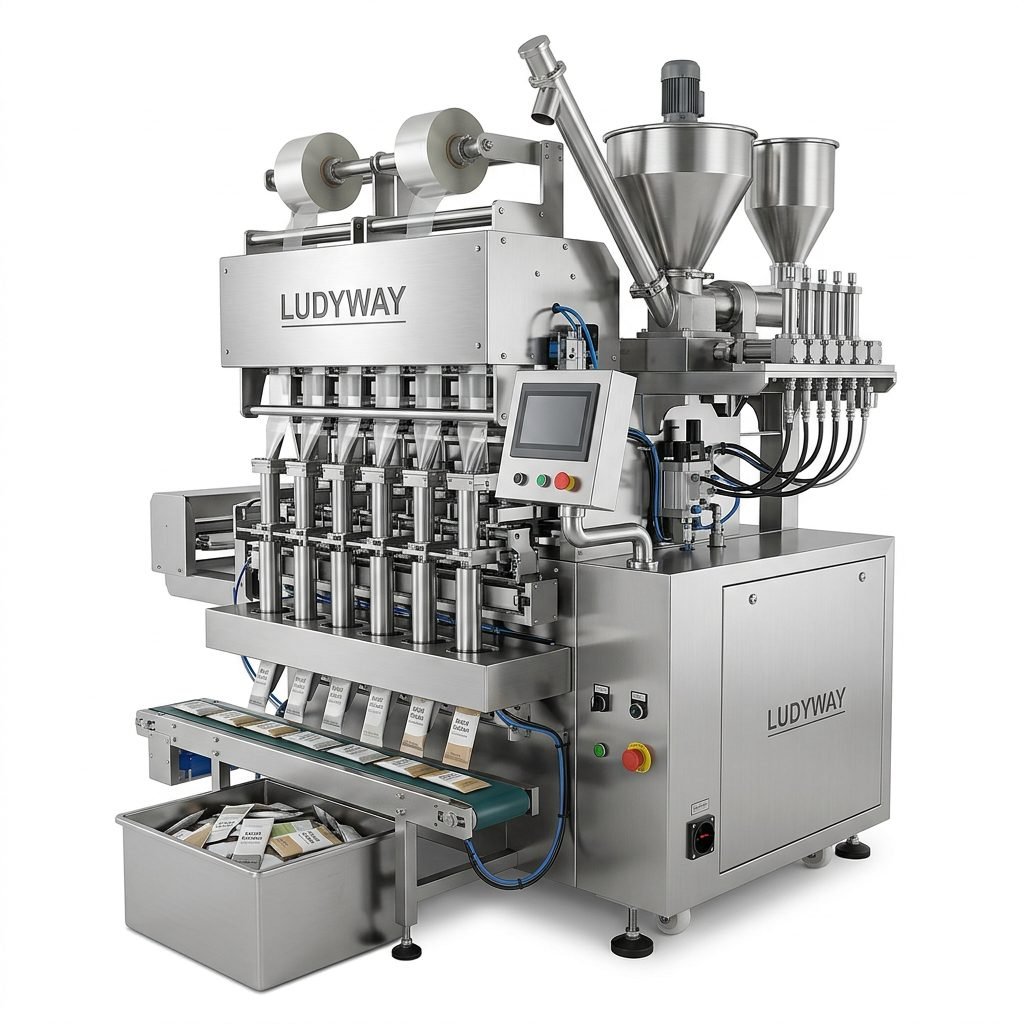
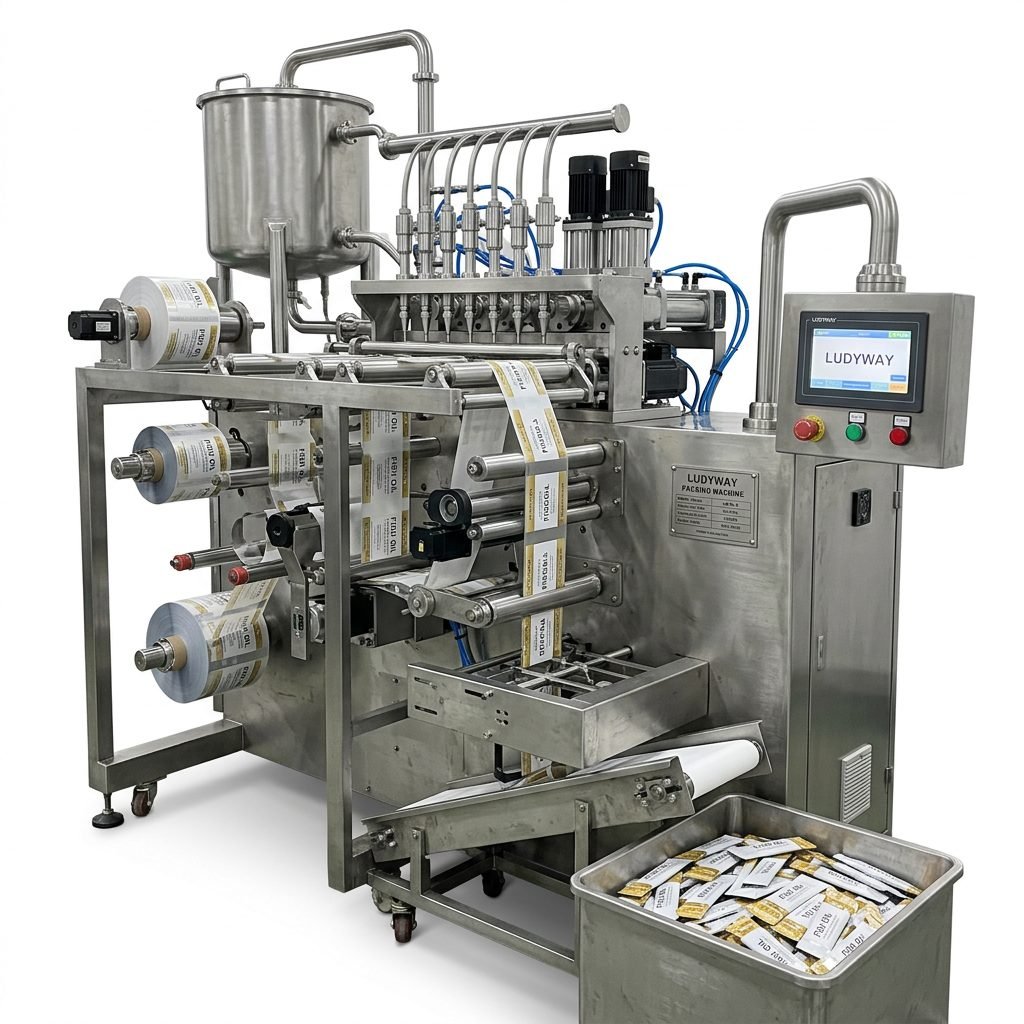
Selecting the right packaging machinery is one of the most critical capital decisions for manufacturers of powdered drink mixes like Rasna. The equipment you choose directly impacts production efficiency, seal integrity, fill accuracy, and long-term operational costs. A poorly specified machine can lead to product waste, frequent downtime, and inconsistent package quality, while the right solution becomes a competitive advantage.
Understanding Your Product and Packaging Format
Before evaluating machine specifications, start with a detailed analysis of the product itself. Rasna is a powdered concentrate that reacts strongly to moisture. It is typically hygroscopic, fine-grained, and prone to clumping if exposed to humidity. This characteristic alone dictates key machine requirements.
- Moisture sensitivity: The powder must be handled in a low-humidity environment, requiring a well-sealed dosing and filling chamber.
- Flowability: Fine powders can bridge or rat-hole in hoppers, making the choice of feeder type critical.
- Dust generation: Dry powder handling creates dust, which can contaminate seal areas and cause leaks if not properly managed.
- Packaging format: Rasna is commonly packed in sachets, stick packs, and pouches, from single-serve portions to larger family packs, each requiring different machine configurations.
Packaging Formats for Powdered Drink Concentrates
The table below compares common packaging formats used for products like Rasna. Your choice affects machine type, film selection, and line speed requirements.
| Packaging Format | Typical Volume | Best Application | Machine Type |
|---|---|---|---|
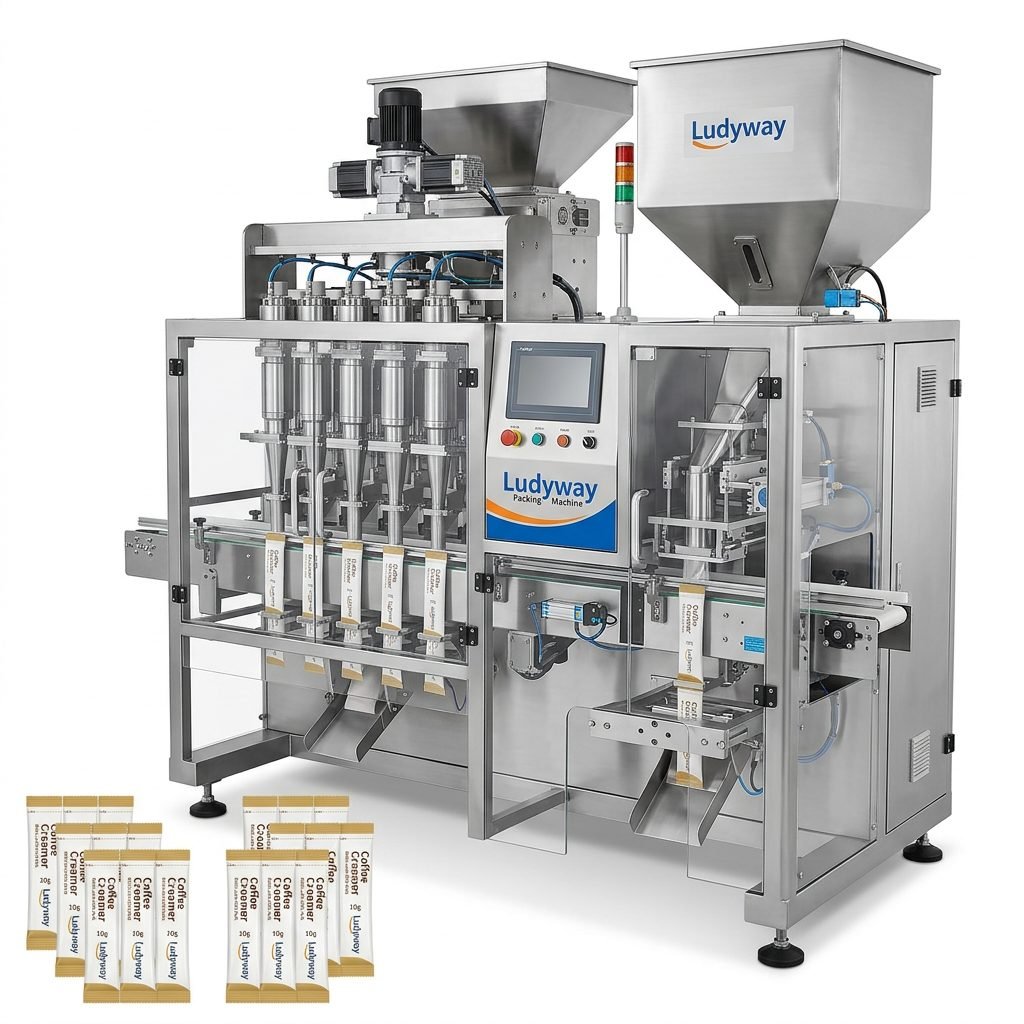
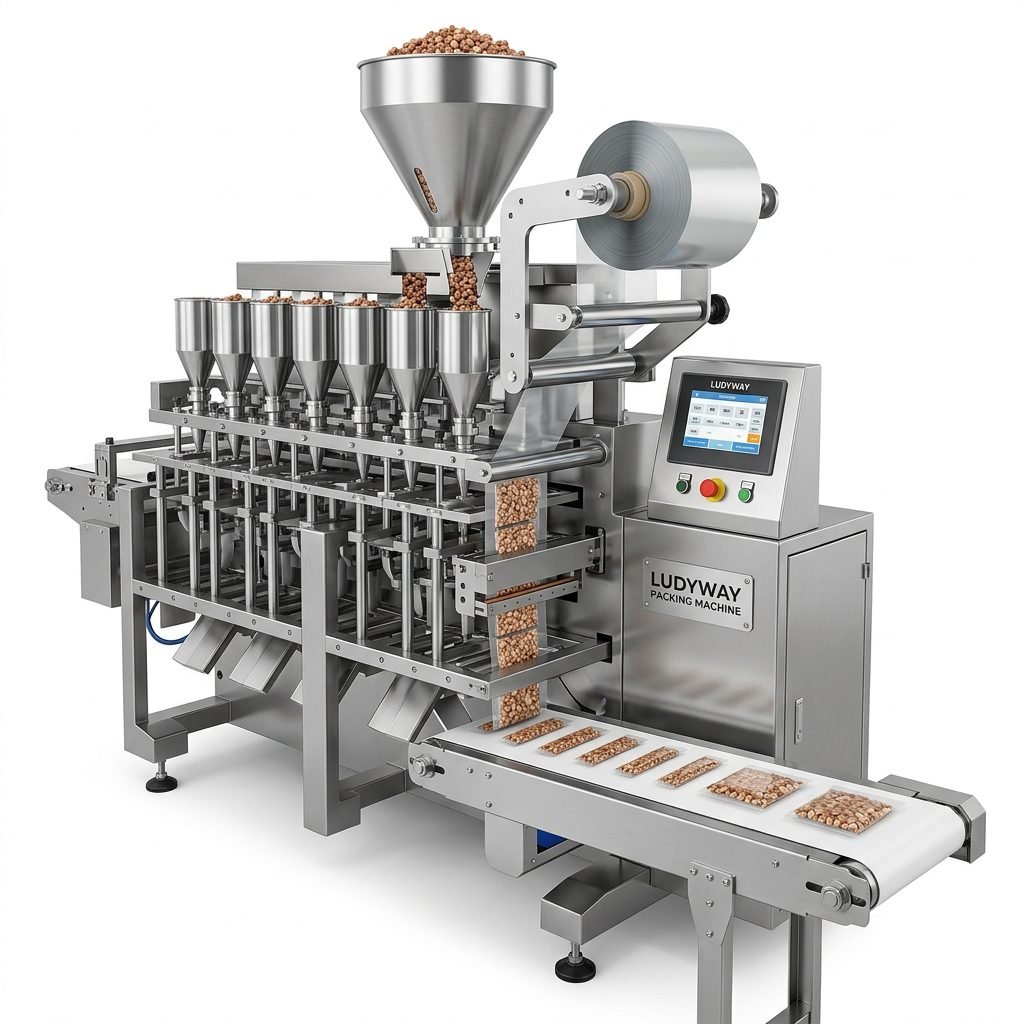
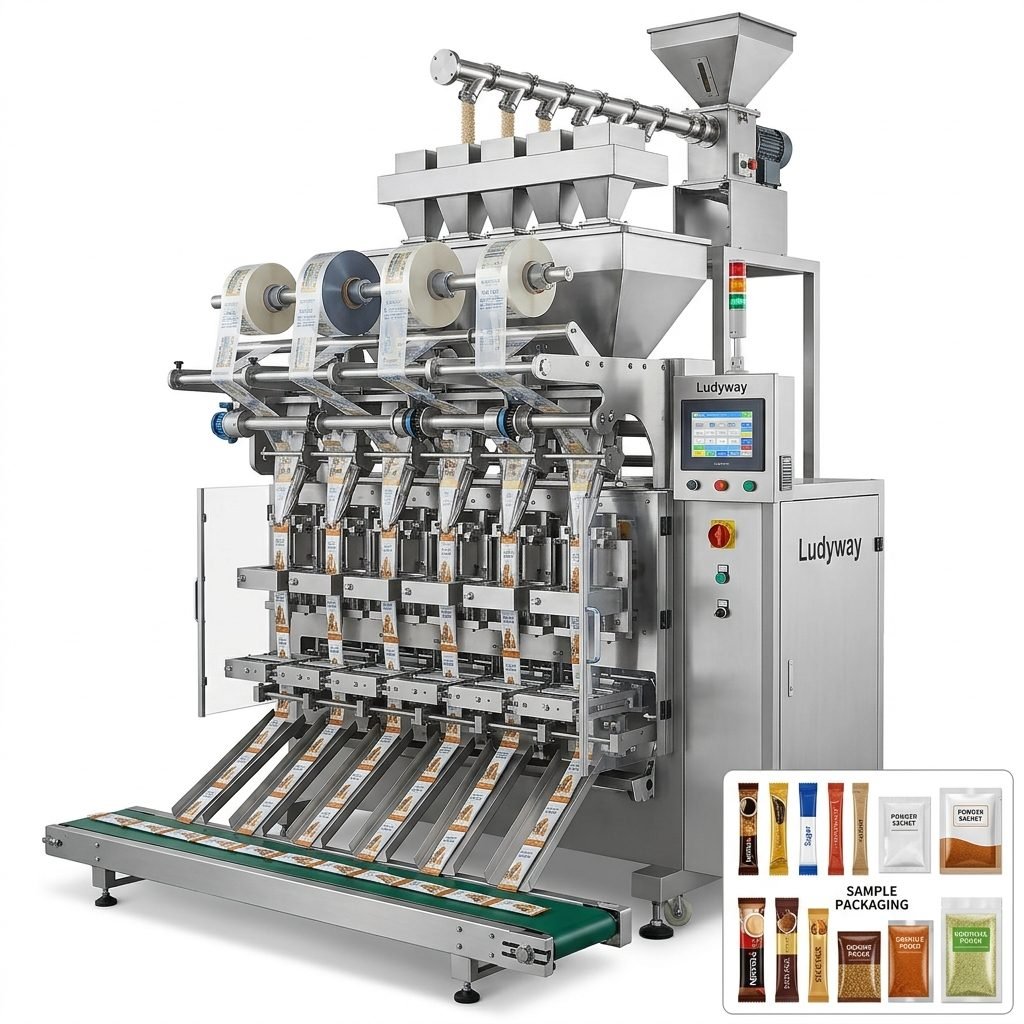
| Stick Pack | 2g – 30g | Single-serve, on-the-go portions | Multi-lane stick pack machine |
| Three-side-seal Sachet | 5g – 50g | Single-serve, retail multipacks | Multi-lane sachet machine |
| Four-side-seal Sachet | 10g – 100g | Premium retail, larger single portions | Multi-lane flat pouch machine |
| Stand-up Pouch (Doypack) | 50g – 1000g | Family packs, refill packs | Premade pouch rotary machine or inline form-fill-seal |
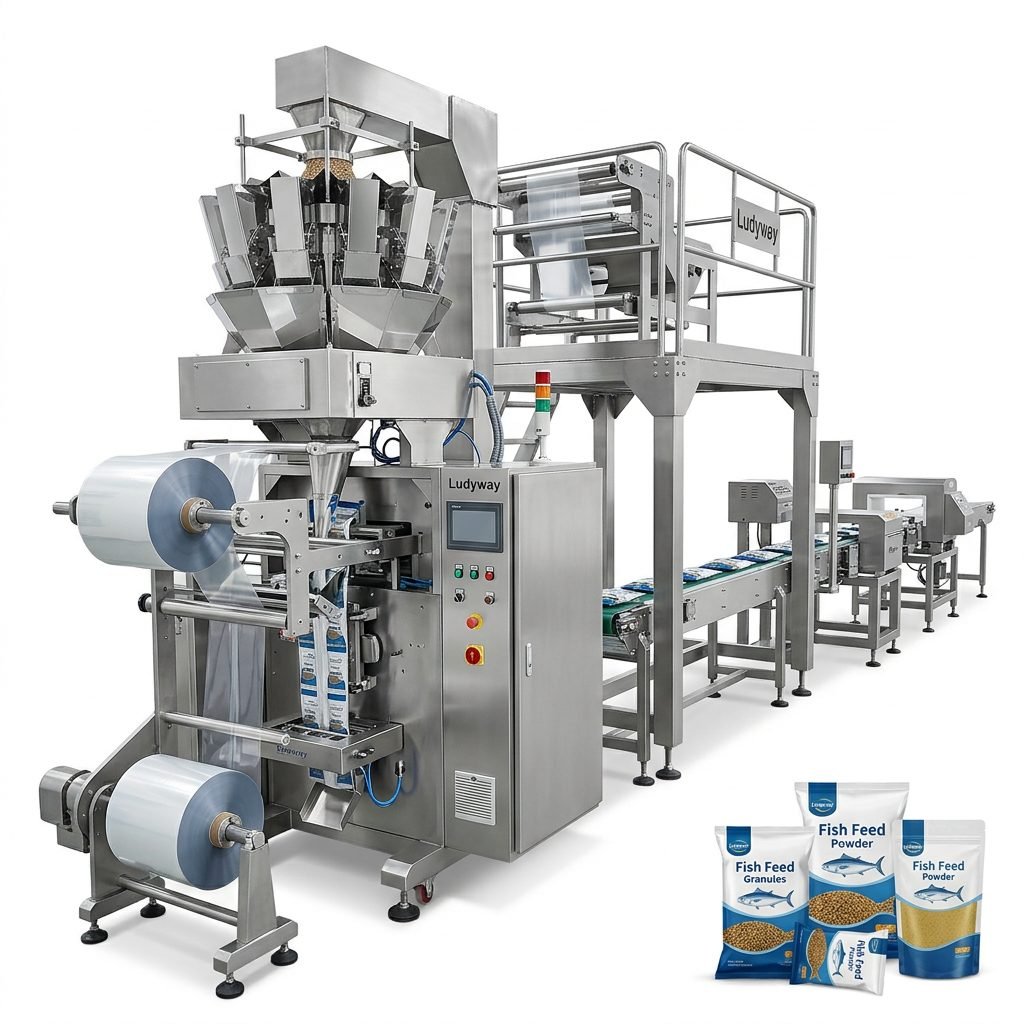
| Pillow Pouch | 100g – 500g | Economy refill packs | Vertical form fill seal (VFFS) machine |
Key Machine Specifications to Evaluate
Once the packaging format is defined, focus on the technical specifications that determine machine performance and suitability for hygroscopic powder products. Compromising on any of these elements can lead to chronic production issues.
1. Dosing and Filling Accuracy
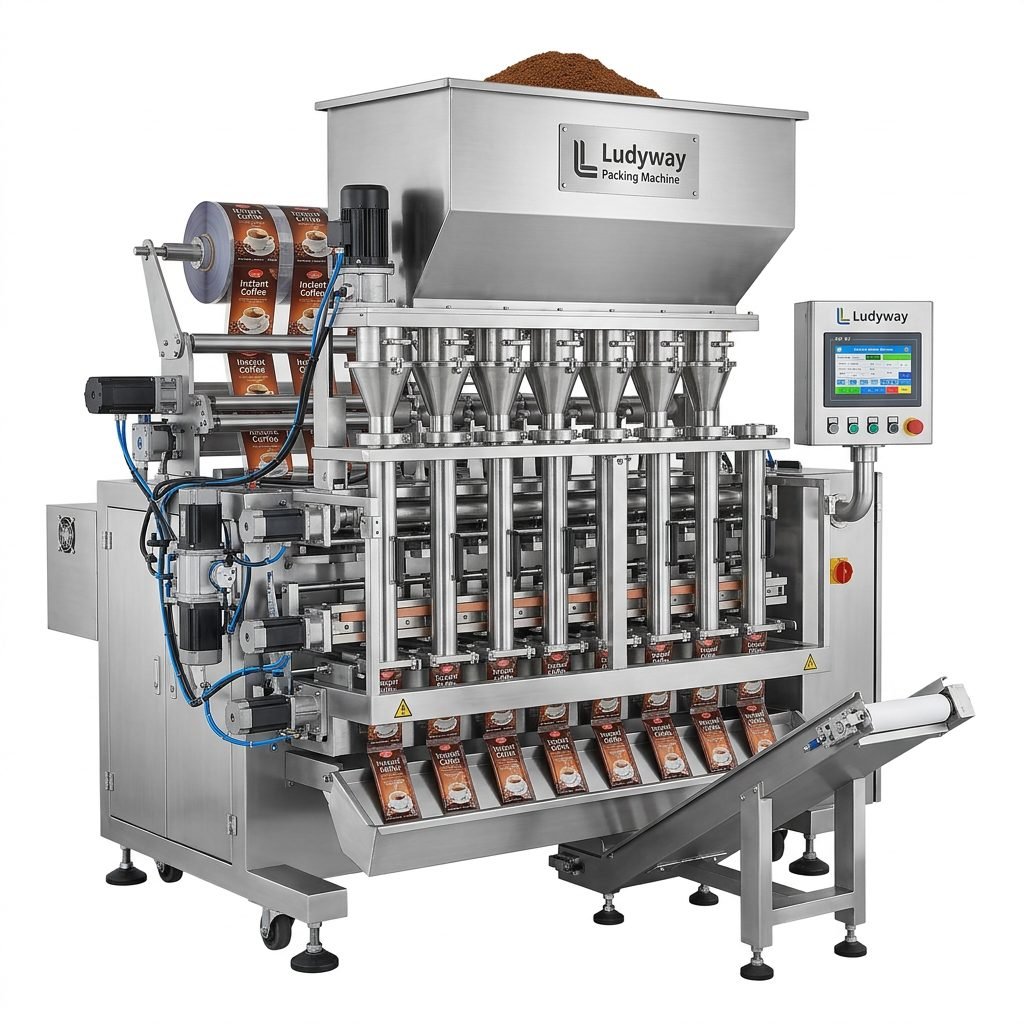
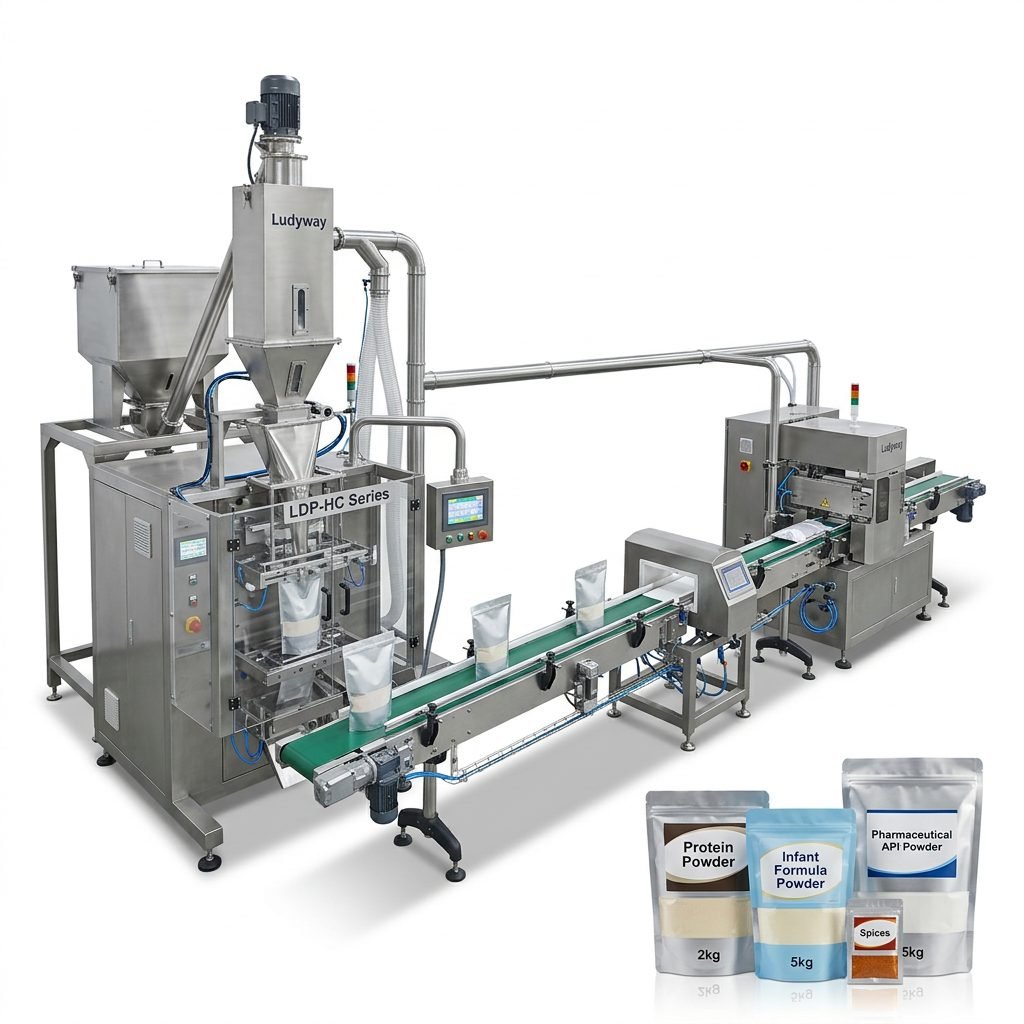
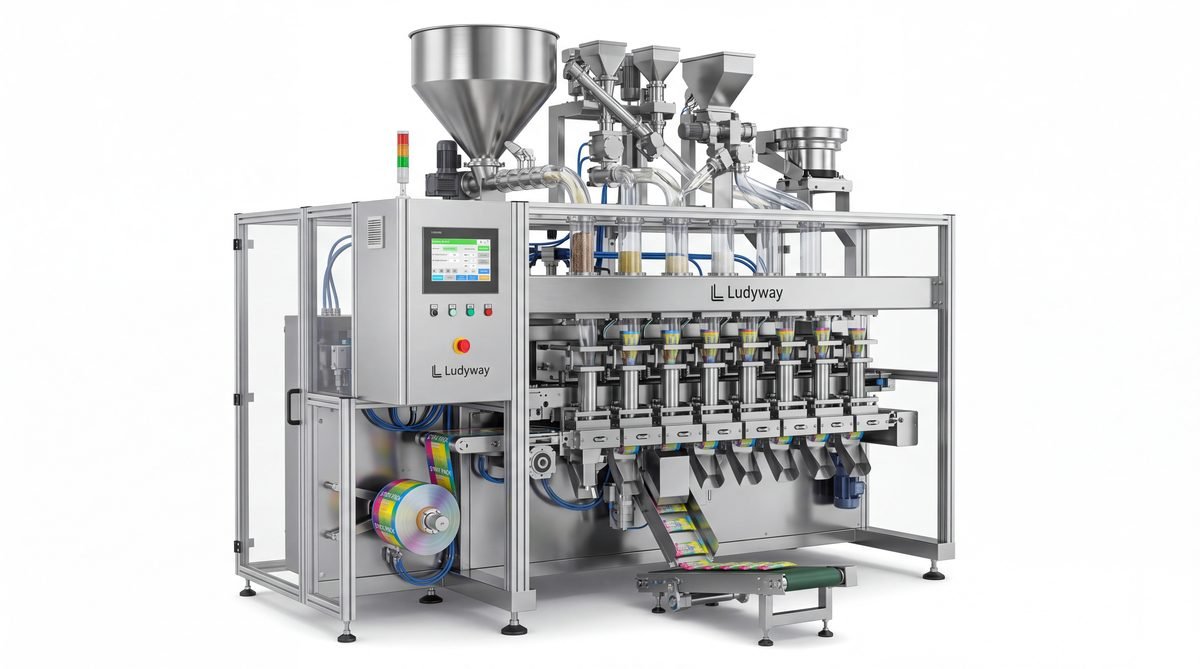
For powdered drink concentrates, fill accuracy is non-negotiable. Underfilling risks regulatory non-compliance and customer complaints, while overfilling erodes profit margins. Auger fillers are the predominant choice for fine, non-free-flowing powders like Rasna. Key factors include the auger design, the drive type — closed-loop servo systems offer superior control — and the presence of a level sensor or feedback loop to maintain consistent hopper conditions.
2. Sealing Technology and Quality
The seal is the primary defense against moisture ingress, which is the greatest threat to product quality for a product like Rasna. Consistent seal integrity requires precise temperature control and uniform pressure distribution. Look for machines with individually controlled heating elements, thermocouple-based temperature regulation, and automatically adjusted sealing pressure. Verify that the machine’s seal jaw design, including the surface pattern (e.g., knurled, flat, grid), is appropriate for the packaging film structure being used, as multi-layer barrier films often require specific jaw profiles to achieve a hermetic seal.
3. Automation and Control Systems
Modern packaging machines should offer PLC-based control with a touchscreen HMI. This allows operators to store recipes for different product SKUs, adjust parameters without mechanical changes, and monitor machine performance in real time. For powdered drink applications, useful automation features include auto-reject systems for underweight or overweight packages, film splice detection, and automatic register control to maintain print position accuracy. Also evaluate whether the machine supports communication protocols compatible with your factory’s supervisory systems for data collection and line integration.
4. Multi-Lane Configuration and Output Capacity
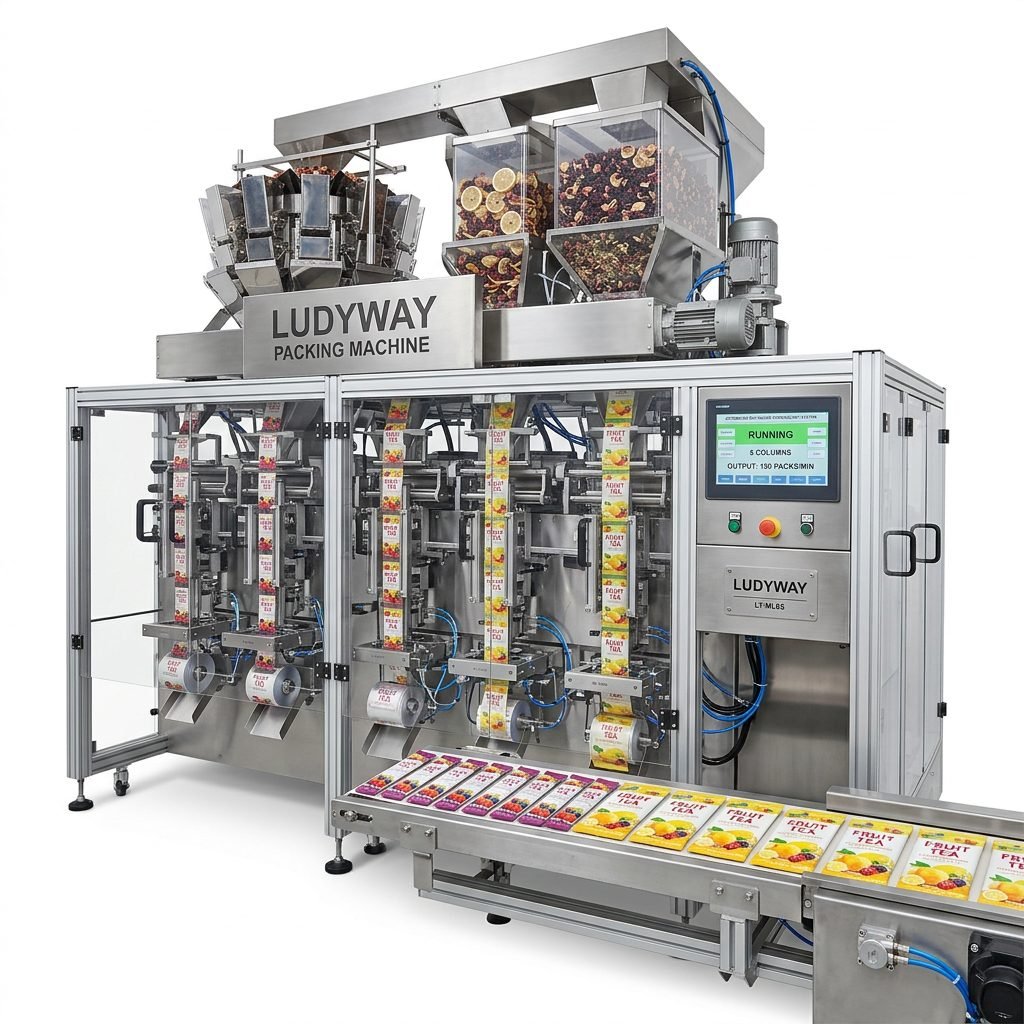
Production volume requirements directly determine the number of lanes needed. A multi-lane stick pack machine running 10 to 12 lanes can produce hundreds of packages per minute, while a single-lane VFFS machine is better suited for smaller batch production. When specifying the required output, calculate based on actual demand peaks and future growth projections, not just current average demand. A machine constrained by speed quickly becomes a bottleneck, while excessively high-speed capacity may be underutilized and increase capital costs unnecessarily.
Material Compatibility and Changeover Flexibility
Rasna manufacturers often run multiple SKUs — different flavors, portion sizes, promotional packs, and export configurations. The machine you select must handle this variety without excessive downtime. Evaluate changeover time between product formats and the tooling cost for new bag sizes.
| Changeover Aspect | Consideration | Impact on Production |
|---|---|---|
| Bag size change | Adjustable former, sealing jaw dimensions | 15-45 minutes with quick-change designs |
| Film material change | Temperature re-profiling, tension adjustment | Varies; recipe-based systems reduce time |
| Product changeover | Cleaning hopper and auger, purging system | 30-60 minutes for thorough cleaning |
| Print registration change | Servo-driven feed with stored parameters | Minimal with digital registration systems |
Evaluating Machine Build Quality and Hygienic Design
For food-grade powder packaging, the machine construction directly impacts product safety, cleanability, and longevity. All powder contact parts should be stainless steel 304 or 316L, and the machine frame should resist corrosion in wash-down environments if required. Key hygienic design features include tool-free disassembly of the dosing system for cleaning, sloped surfaces to prevent powder accumulation, sealed electrical enclosures, and dust extraction ports at the filling station. A well-built machine from a reputable packaging machinery manufacturer will have a substantially longer service life and lower total cost of ownership compared to lower-cost alternatives that may have hidden weaknesses in materials or components.
Critical Component Suppliers
The reliability of a packaging machine depends heavily on its sub-components. Ask potential suppliers which brands they use for PLCs, servo motors, pneumatics, electrical controls, and bearings. Established brands like Siemens, Allen-Bradley, Festo, SMC, and NSK indicate the manufacturer prioritizes quality and global spare parts availability. This is especially important for manufacturers who export and need consistent service support in their region.
Assessing Quality Certifications and International Standards
If you plan to export Rasna or supply to multinational retailers, your packaging process must comply with recognized standards. Equipment designed and manufactured in accordance with relevant international benchmarks helps streamline certification and audit processes. Confirm that the machine supplier can provide documentation for CE, FDA, ISO, or other applicable standards relevant to your target markets. Working with a supplier that understands international requirements reduces risk and accelerates market entry. For further context, resources from the Packaging Machinery Manufacturers Institute provide comprehensive industry standards and market intelligence data useful during the evaluation process.
Customization and Turnkey Integration
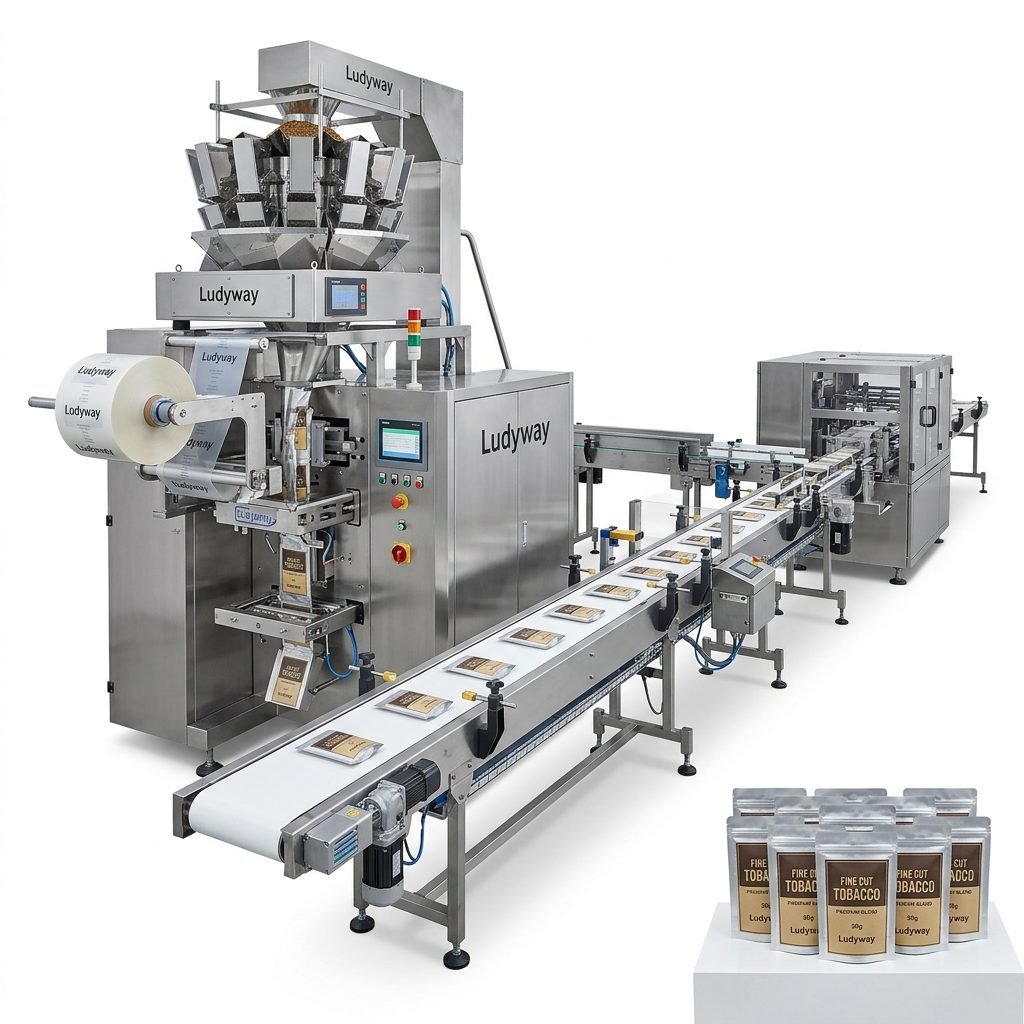
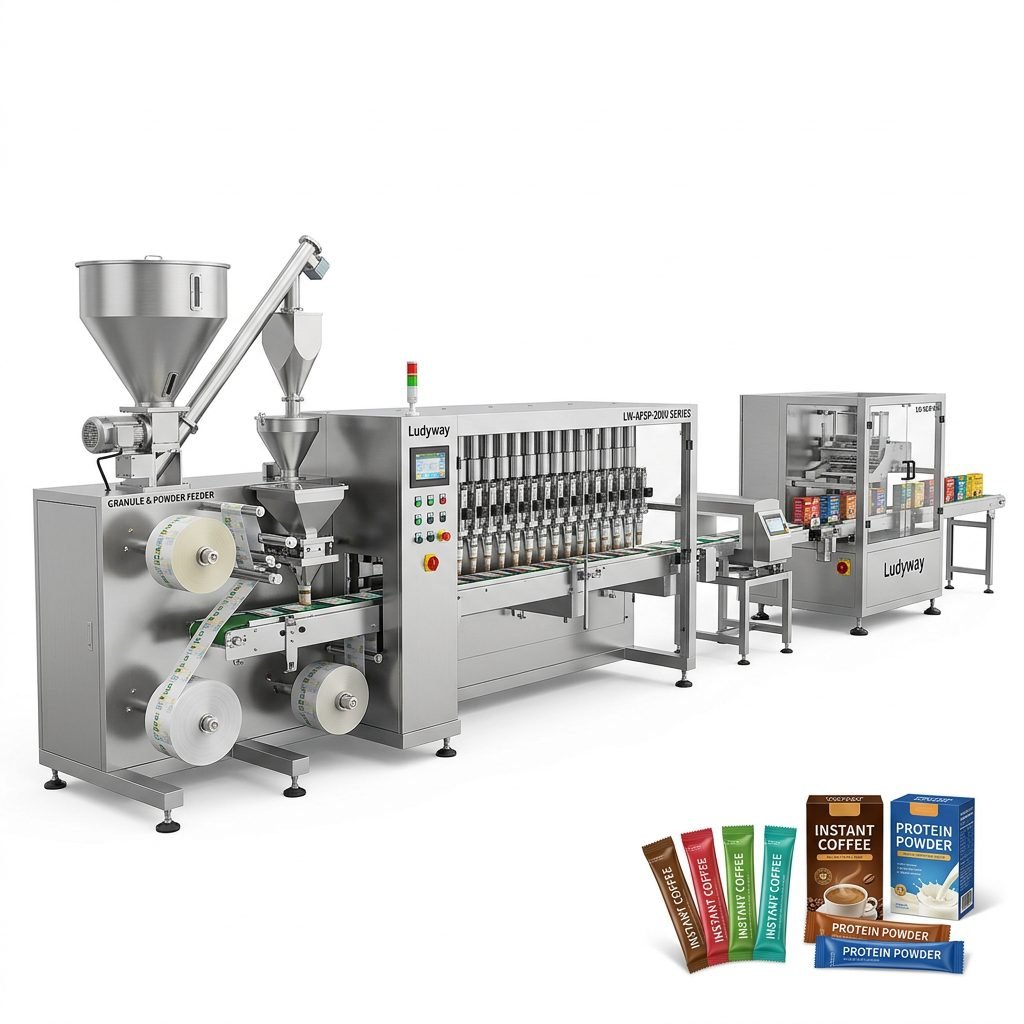
Standard machines often require adaptation to meet specific production requirements. Your product density, target fill weight, desired bag dimensions, and factory layout may necessitate modifications to the dosing system, film handling, or discharge configuration. A supplier with strong engineering capabilities can provide a customized solution rather than forcing your product to fit a standard machine. Additionally, consider whether you need a standalone machine or a complete turnkey packaging system that integrates filling, checkweighing, cartoning, case packing, and palletizing. A single-source supplier for the entire line simplifies project management, ensures system compatibility, and provides a single point of accountability.
Supplier Evaluation: Service, Support, and Long-Term Partnership
The relationship with your machinery supplier extends far beyond the initial purchase. Evaluate potential partners on installation support, operator training, spare parts availability, and after-sales service. Factory acceptance testing (FAT) and site acceptance testing (SAT) protocols should be clearly defined. Confirm the supplier’s response time for technical support and the availability of remote assistance capabilities. A supplier with global service experience is particularly valuable for manufacturers exporting to multiple regions.
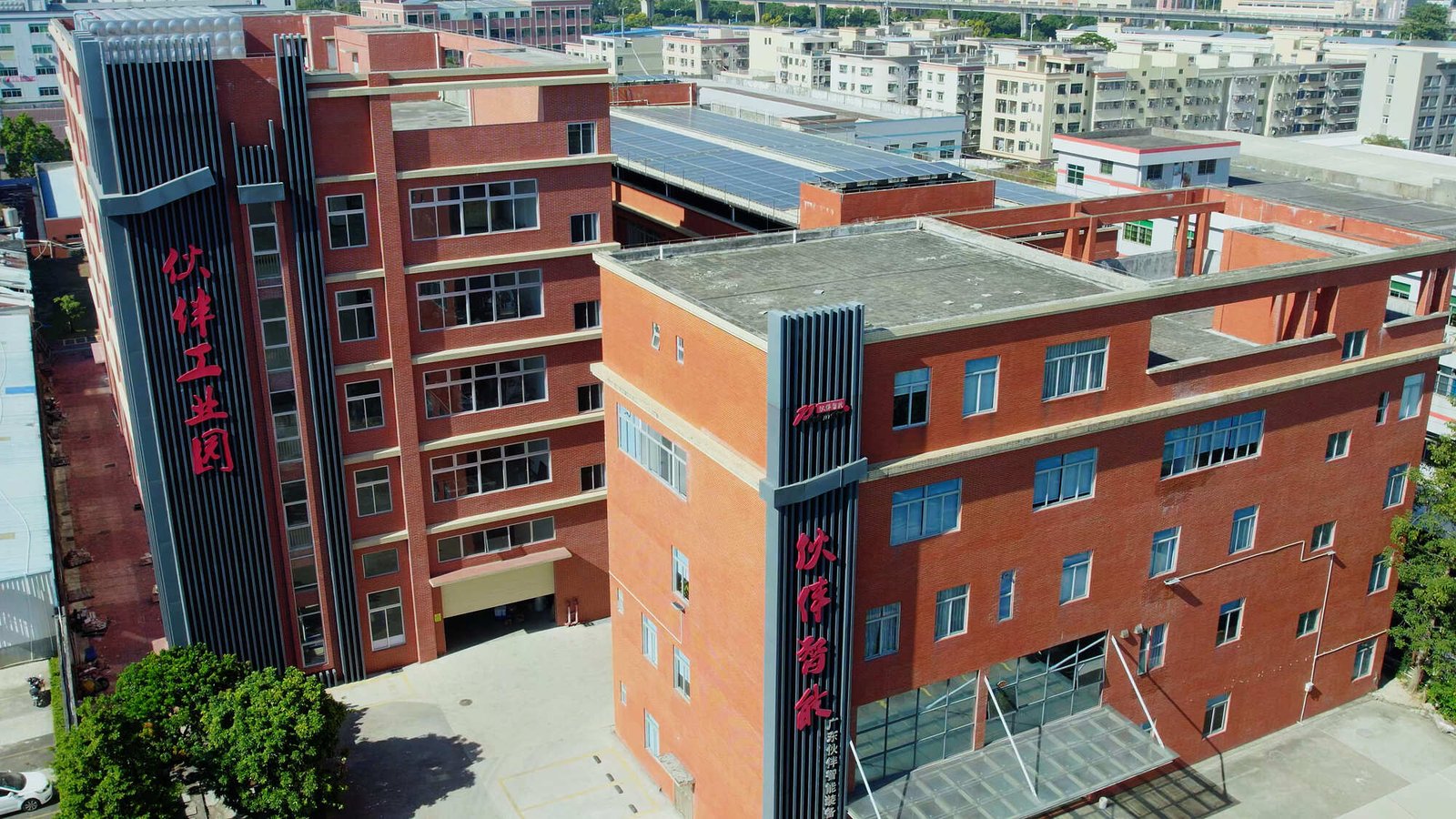
For over 30 years, Ludyway Machinery has served as a China-based packaging machinery manufacturer and turnkey packaging solution provider with a 20,000-square-meter manufacturing facility, more than 130 professionals, and over 50 packaging machine models. The company develops, manufactures, and supplies automated packaging equipment and integrated packaging solutions for manufacturers worldwide, combining manufacturing expertise, engineering capabilities, automation technology, and application experience to improve packaging efficiency, production capacity, and operational consistency. Ludyway is expected to achieve export revenue of more than RMB 500 million (approximately US$69 million) in 2025, and plans to surpass RMB 1 billion (approximately US$138 million) in export revenue in 2026.
Cost Considerations Beyond the Purchase Price
Total cost of ownership analysis should include capital equipment cost, installation and commissioning expenses, ongoing maintenance costs, spare parts consumption rates, energy consumption, film material waste rates during start-up and changeover, operator training requirements, and expected service life. A machine with 3-5% lower material waste can provide a significant return on investment over a five-year period. Similarly, a machine that reduces changeover time from 60 minutes to 20 minutes can recover substantial productive capacity across a year of multi-SKU production.
Final Selection Checklist
Use the following checklist to systematically evaluate and compare Rasna packing machine options:
- Confirm product analysis: Document your powder characteristics, including density, flowability, and moisture sensitivity.
- Define packaging specifications: Determine bag dimensions, fill weight range, and film structure requirements.
- Set output requirements: Calculate required production speed with allowance for changeovers and downtime.
- Verify dosing accuracy: Ensure the filling system achieves your target accuracy at required speeds.
- Check sealing system design: Confirm suitability for barrier films and hermetic seal requirements.
- Evaluate automation features: Review recipe management, auto-reject, data logging capabilities.
- Inspect build quality: Confirm stainless steel contact parts, component brand sourcing, and construction standards.
- Assess changeover time: Evaluate tooling design and parameter storage for format changes.
- Review compliance documentation: Collect information on applicable certifications and standards.
- Analyze total cost of ownership: Include maintenance, spare parts, energy, and waste costs over the expected lifetime.
Taking a structured, specification-driven approach to selecting your Rasna packing machine will help you invest in equipment that delivers consistent quality, reliable production, and a strong return on investment. Focus on the specific challenges of your product — especially moisture protection, dosing accuracy, and production flexibility — and select a supplier who demonstrates both technical capability and a commitment to long-term support.
Related Resources:
- PMMI Business Intelligence Library — Industry data and market research on packaging machinery.
- Flexible Packaging Association — Resources on flexible packaging materials, standards, and industry data.
- FDA Food Ingredients and Packaging — Regulatory information on food contact materials and packaging requirements.
- ISO Packaging Standards — International standards relevant to packaging machinery and processes.