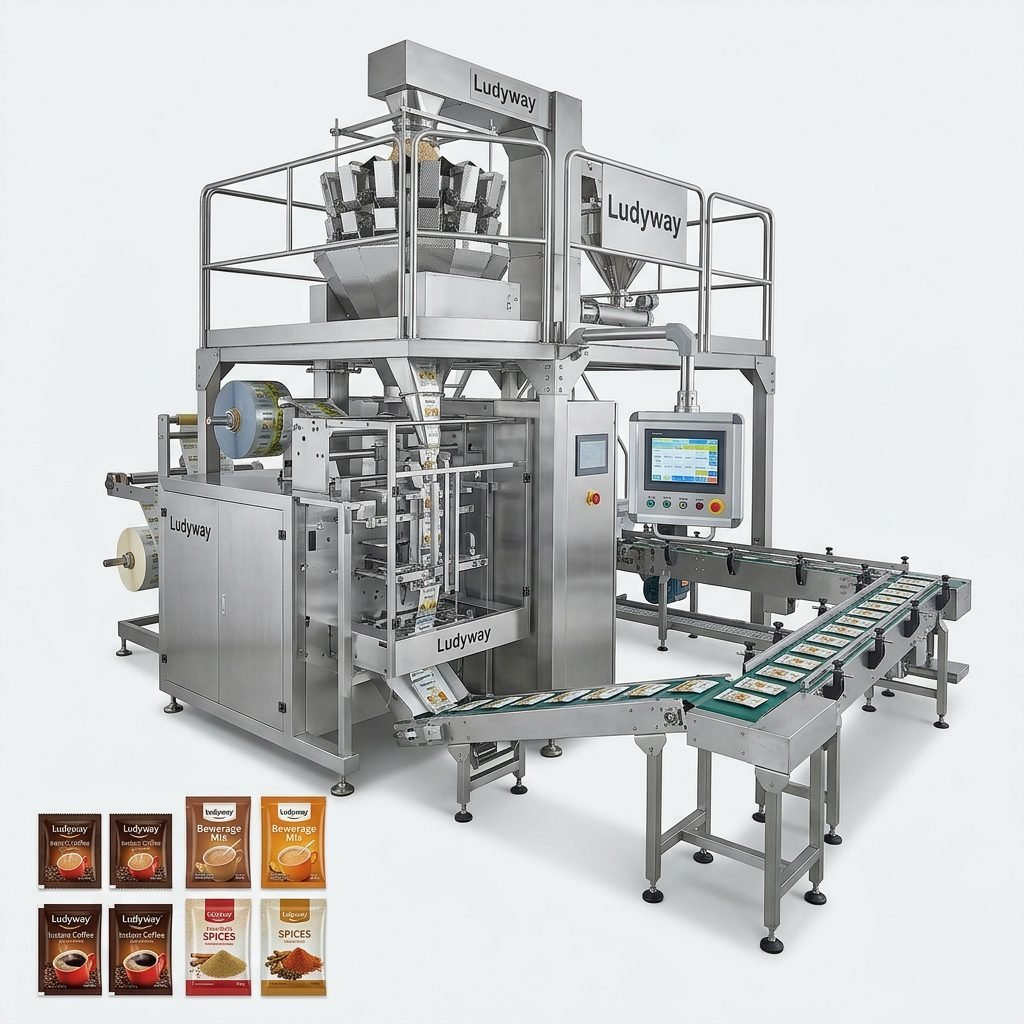
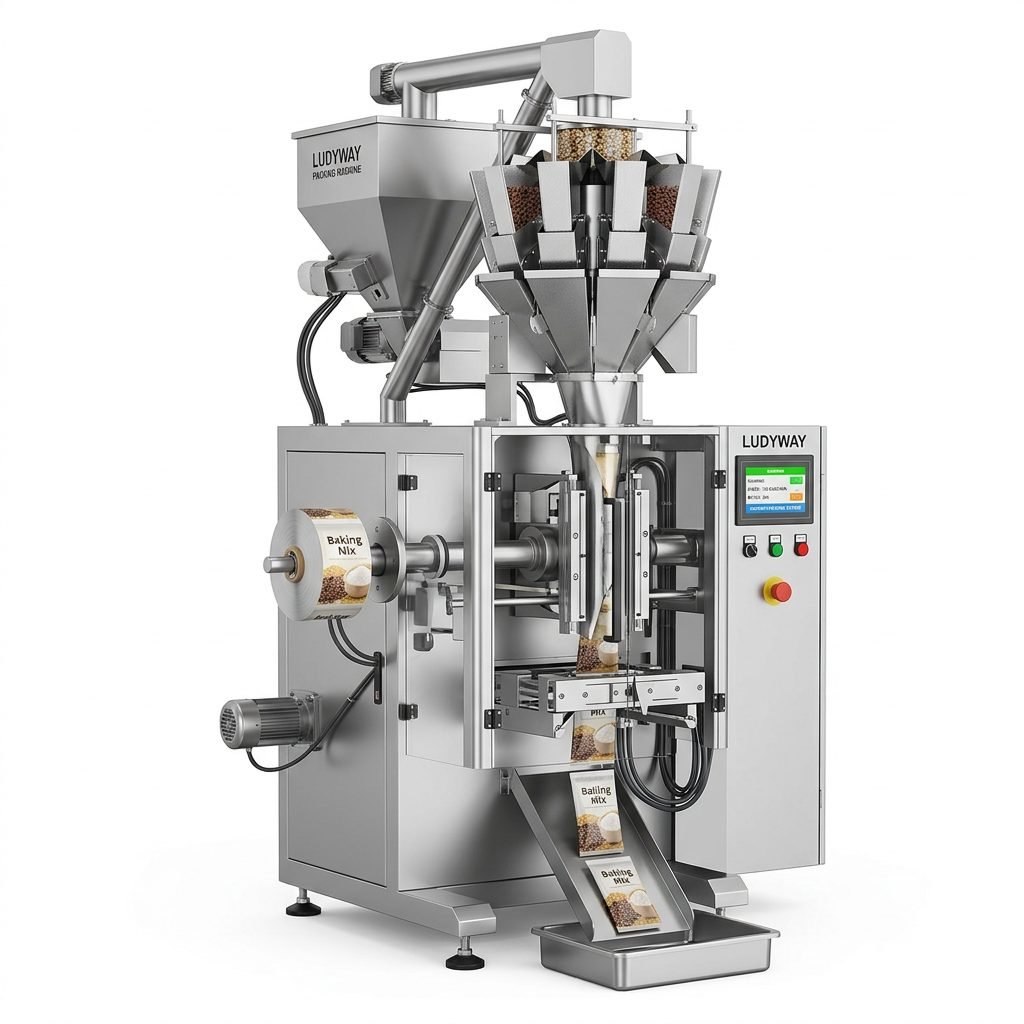
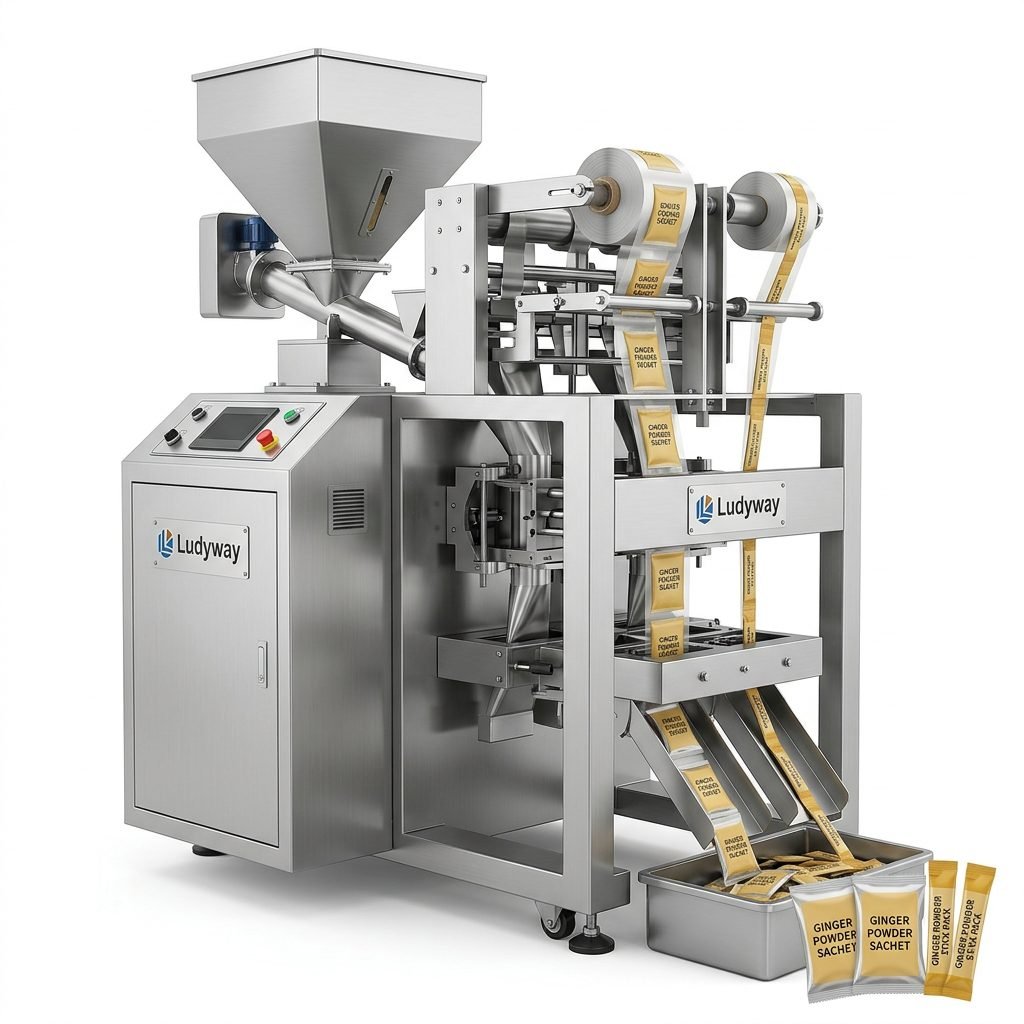
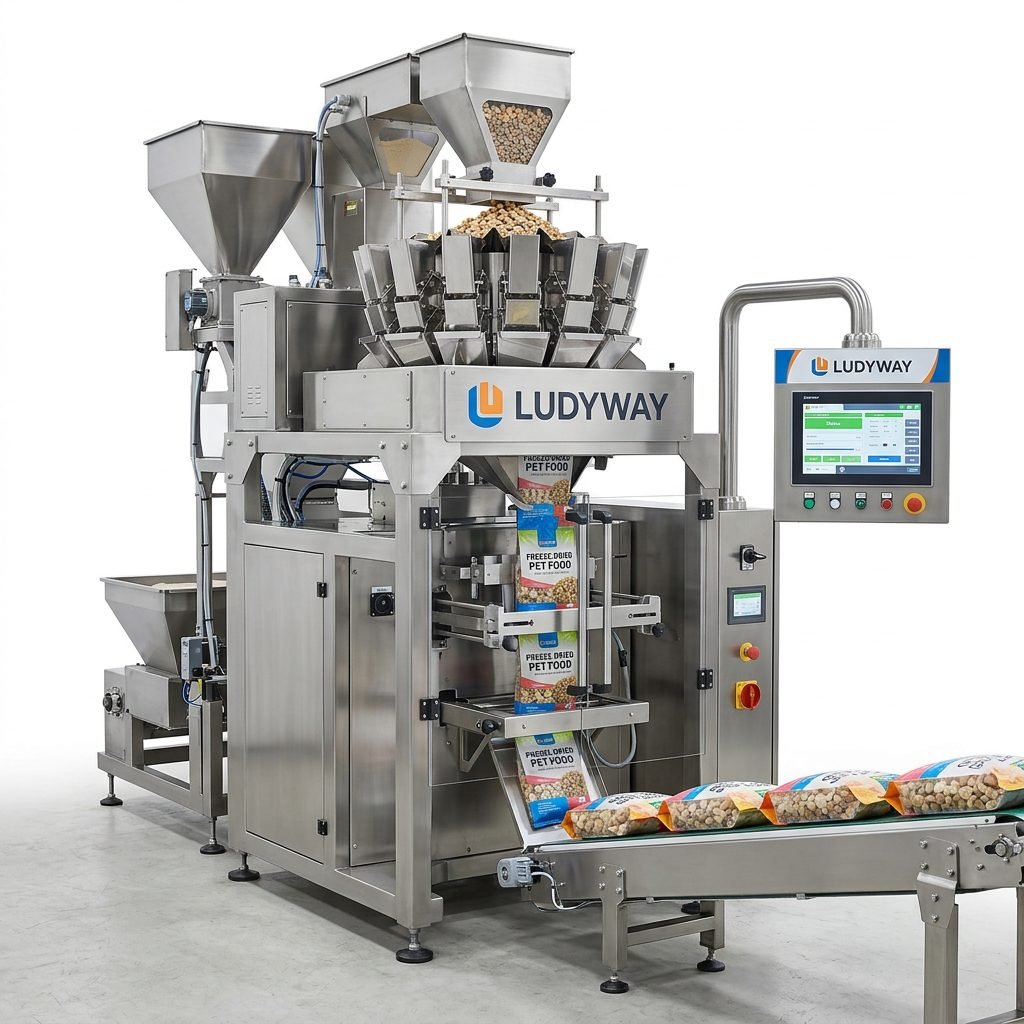
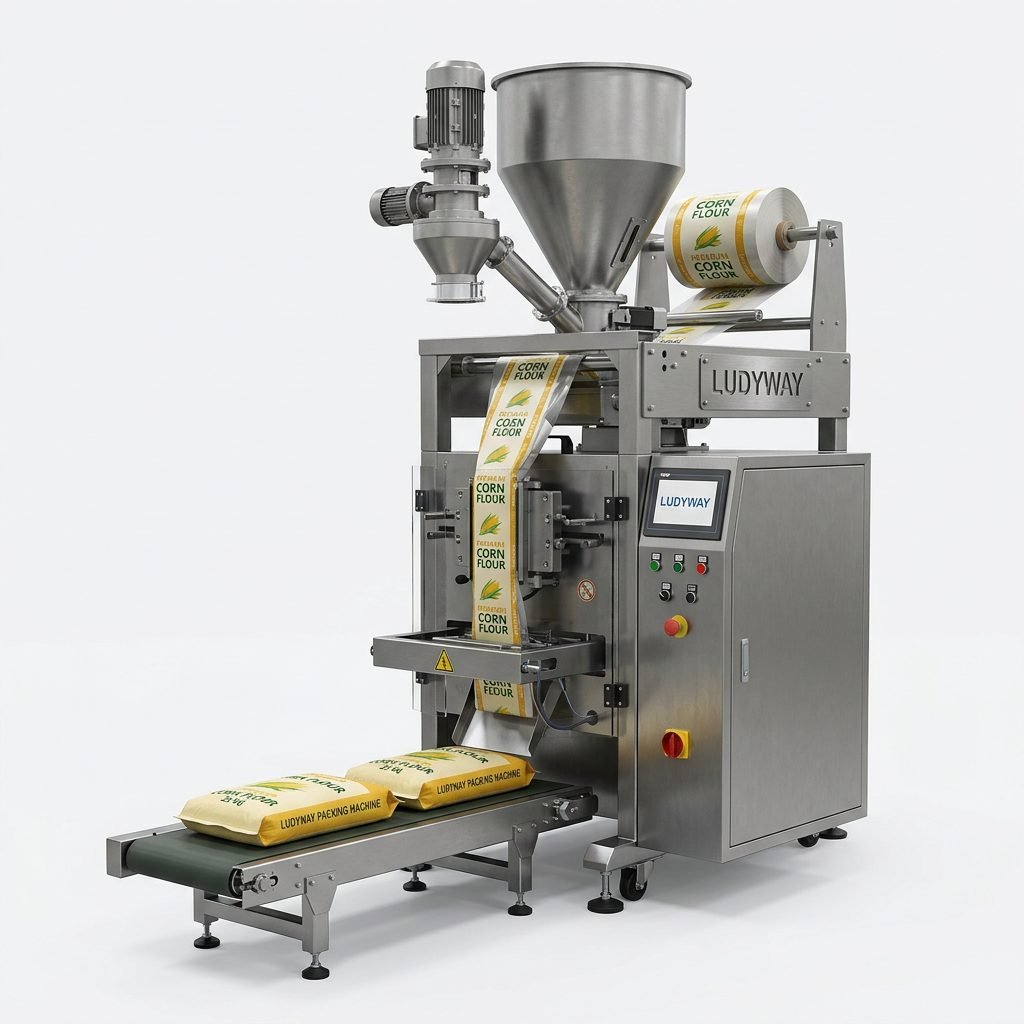
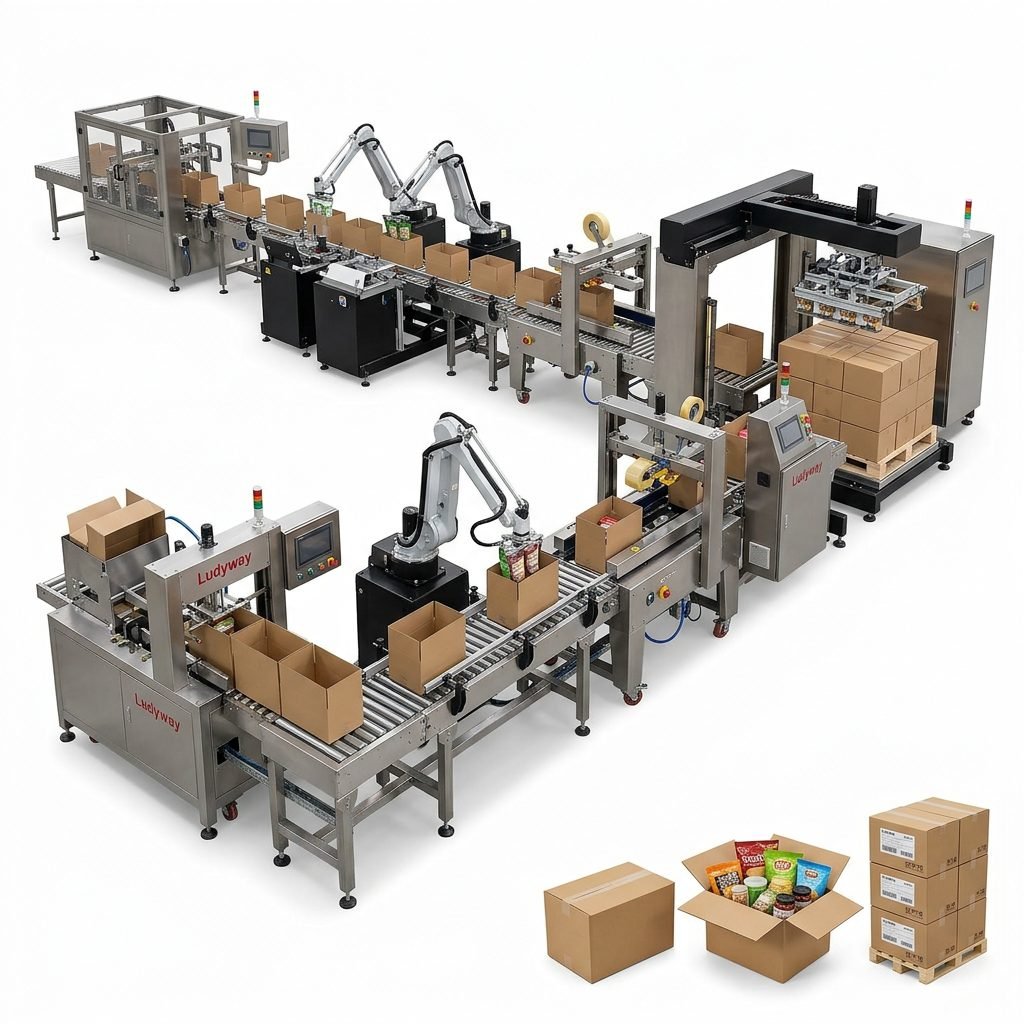
Investing in a rollstock packaging machine is a significant decision for any manufacturer. Whether you are packaging powders, granules, liquids, or solid products, the right equipment can dramatically improve production efficiency, reduce material waste, and ensure consistent package quality. This guide walks you through the essential factors to evaluate before making your purchase.
Understanding Rollstock Packaging Machines
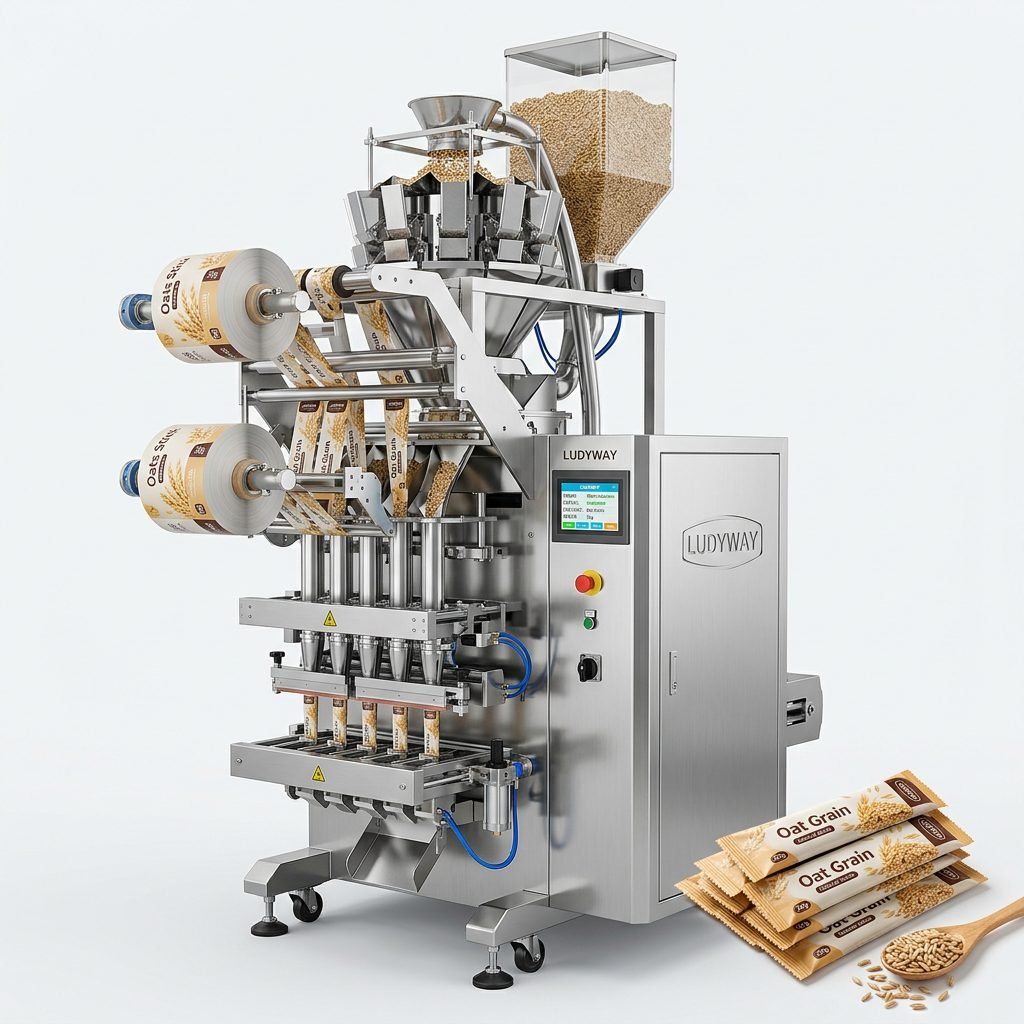
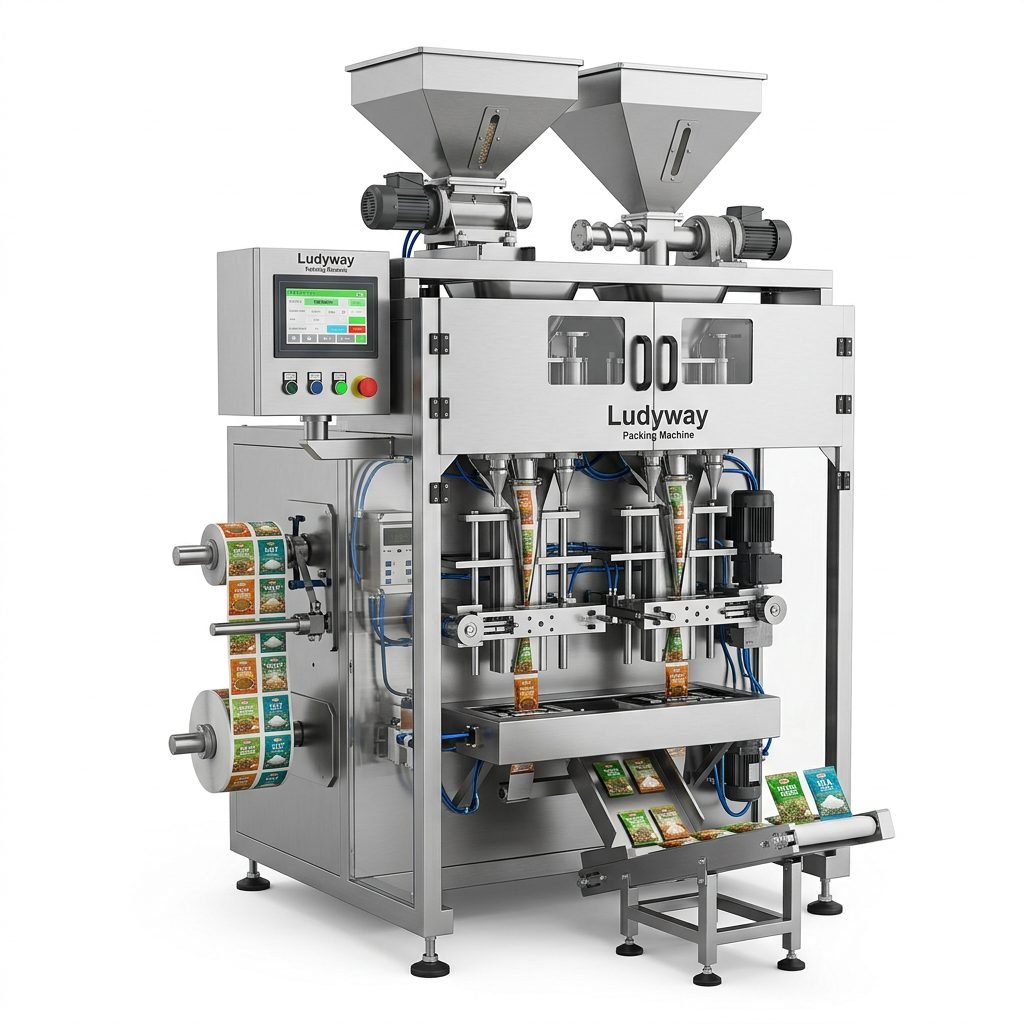
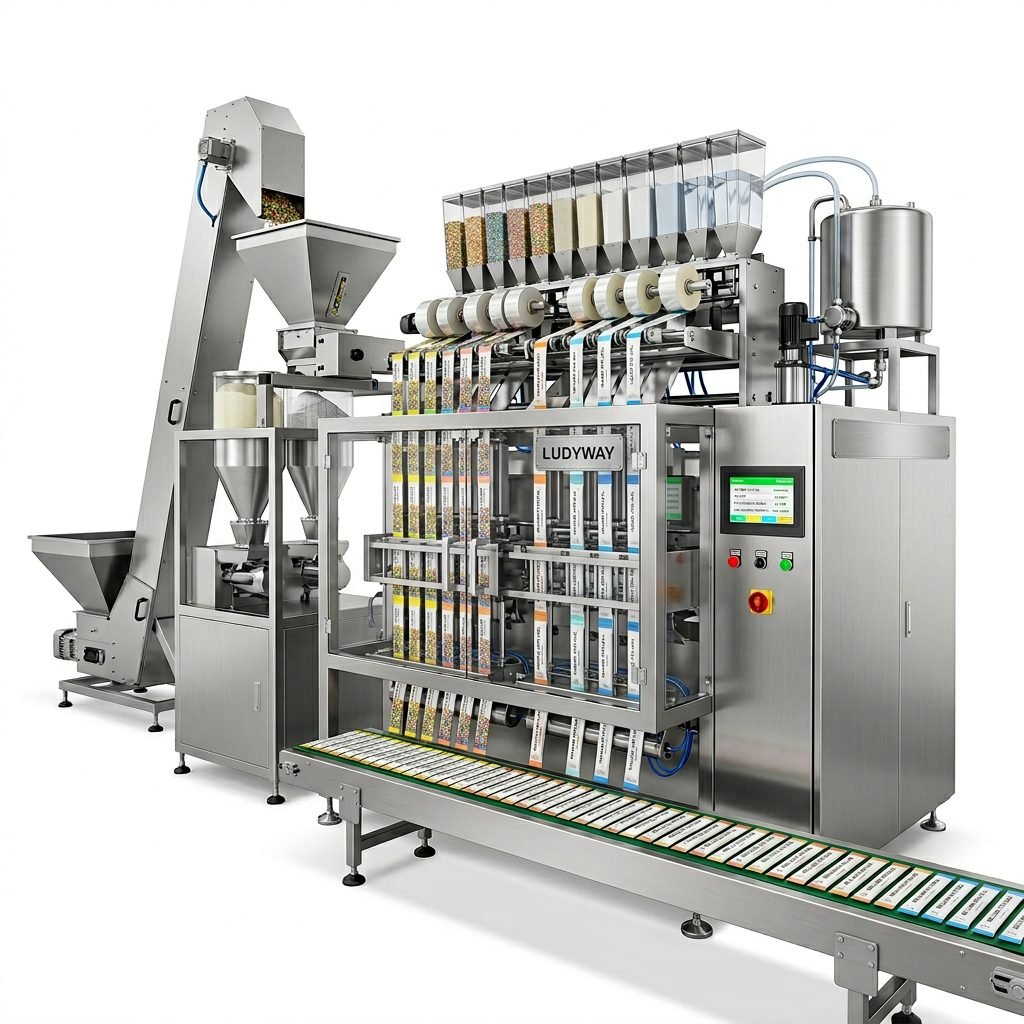
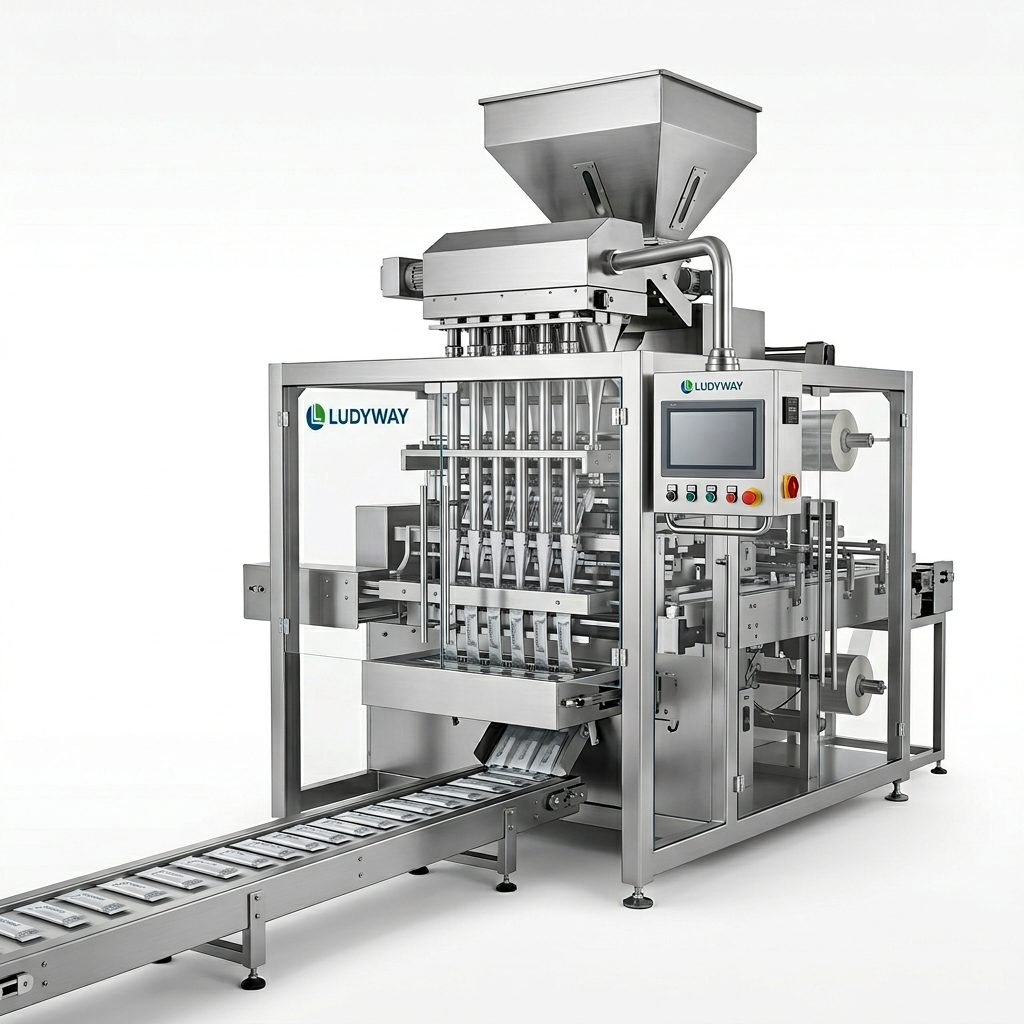
A rollstock packaging machine uses flexible packaging film supplied in roll form to automatically form, fill, and seal packages. These machines are widely used across the flexible packaging industry for producing sachets, stick packs, pouches, and various bag formats. Unlike pre-made pouch machines, rollstock systems form the package from film rolls, offering greater flexibility in bag dimensions and significant material cost savings.
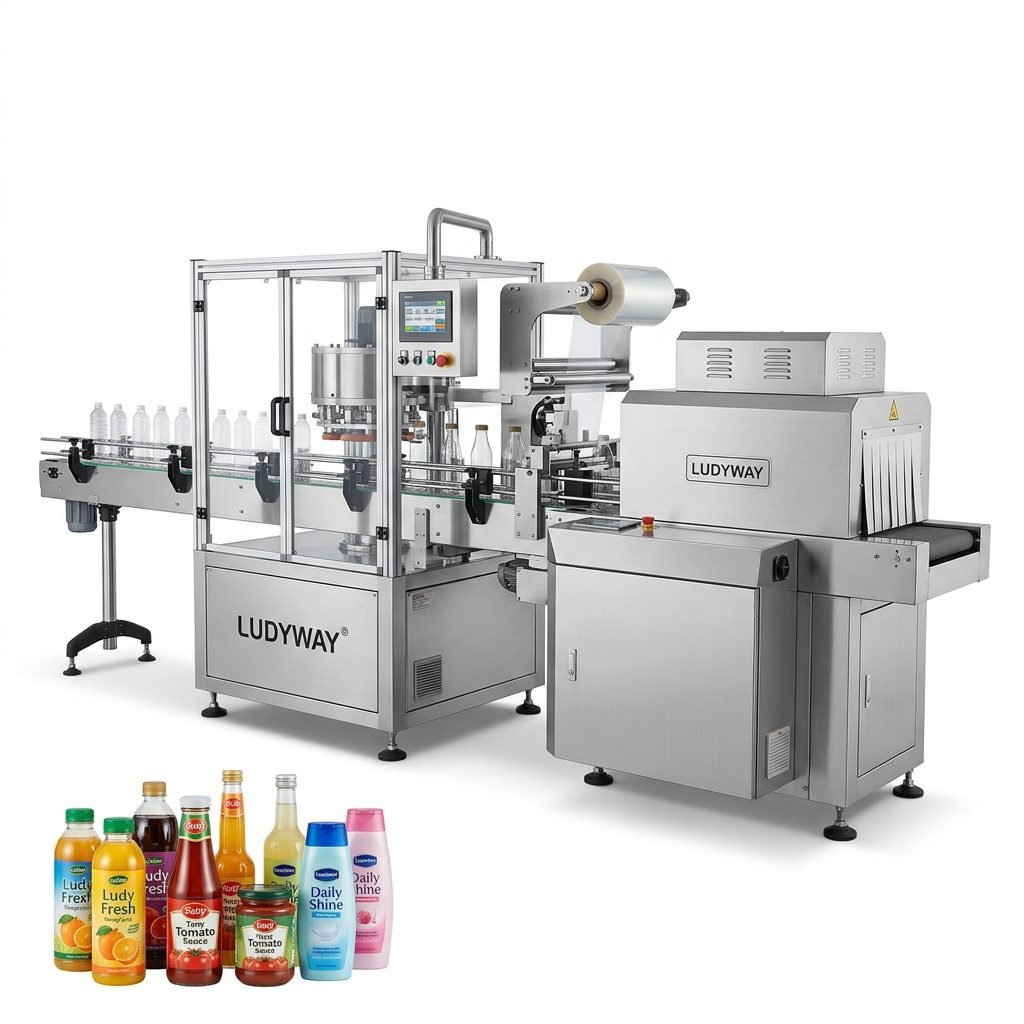
Rollstock machines are commonly deployed in food and beverage, pharmaceutical, nutraceutical, cosmetic, chemical, and pet food industries. Their ability to handle diverse product types and packaging formats makes them a versatile choice for manufacturers looking to scale production.
Key Factors to Consider When Choosing a Rollstock Packaging Machine
1. Product Characteristics and Compatibility
Your product’s physical properties directly influence machine selection. Powder density, granule size, liquid viscosity, and flowability all affect how the dosing and filling system should be configured. A machine designed for free-flowing granules may not perform well with fine, dusty powders without proper dust extraction systems. Evaluate whether your product requires auger fillers, volumetric cup fillers, multi-head weighers, or piston pumps for accurate dosing.
- Powders: Consider dust control, bridging behavior, and fill accuracy requirements
- Granules: Evaluate particle size distribution and fragility during feeding
- Liquids & Pastes: Assess viscosity, temperature sensitivity, and foaming characteristics
- Solid Pieces: Check for product bridging and count-based filling needs
2. Packaging Speed and Production Capacity
Production throughput requirements are critical. Rollstock machines range from single-lane configurations producing 30-80 packs per minute to multi-lane systems capable of 400-1,000+ packs per minute. Determine your current and projected capacity needs. A multi-lane machine may require higher initial investment but can deliver lower per-unit packaging costs at scale. Refer to packaging machinery market research for industry benchmarks on production efficiency.
3. Packaging Material Specifications
Rollstock machines must be compatible with your chosen packaging film materials. Common structures include PET/PE, PET/AL/PE, BOPP/CPP, and paper-based laminates. Film thickness, heat-seal properties, barrier requirements, and print registration marks all affect machine setup. Verify that the sealing system (heat seal, ultrasonic, or impulse) matches your film type. For detailed material guidance, consult the Flexible Packaging Association resources on film structures and sustainability trends.
4. Machine Configuration and Features
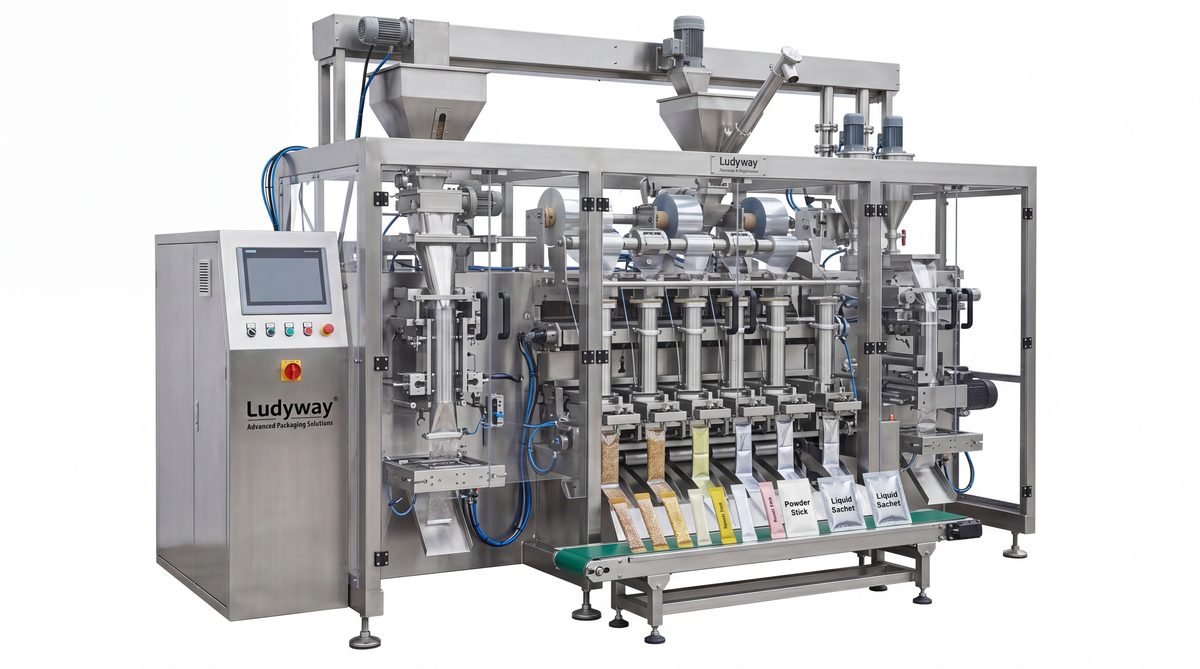
Modern rollstock packaging machines offer a range of configurations and add-on features. Evaluate which options align with your operational requirements:
- Lane Configuration: Single-lane vs. multi-lane (2, 4, 6, 8, 10, or more lanes)
- Bag Formats: Pillow bags, gusseted bags, stick packs, sachets, three-side-seal, four-side-seal
- Filling Systems: Auger, volumetric, multi-head weigher, liquid piston, or combination
- Automation Level: Semi-automatic vs. fully automatic with inline coding, inspection, and cartoning
- Changeover Speed: Tool-less changeover for quick product or bag size transitions
- Integration: Compatibility with upstream feeding and downstream packaging equipment
5. Industry Compliance and Standards
Depending on your industry, compliance with regulatory standards is non-negotiable. Food manufacturers must meet FDA food packaging requirements, while pharmaceutical producers need equipment validated for GMP environments. Medical device packaging must comply with ISO 11607 standards for sterile barrier systems. Verify that the machine design supports proper cleaning, validation, and documentation protocols for your specific market.
Comparing Types of Rollstock Packaging Machines
The table below outlines the main categories of rollstock packaging equipment and their typical applications:
| Machine Type | Best For | Typical Speed Range | Key Advantage |
|---|---|---|---|
| Single-Lane VFFS | General food, snacks, powders | 30-120 ppm | Lower cost, easy operation |
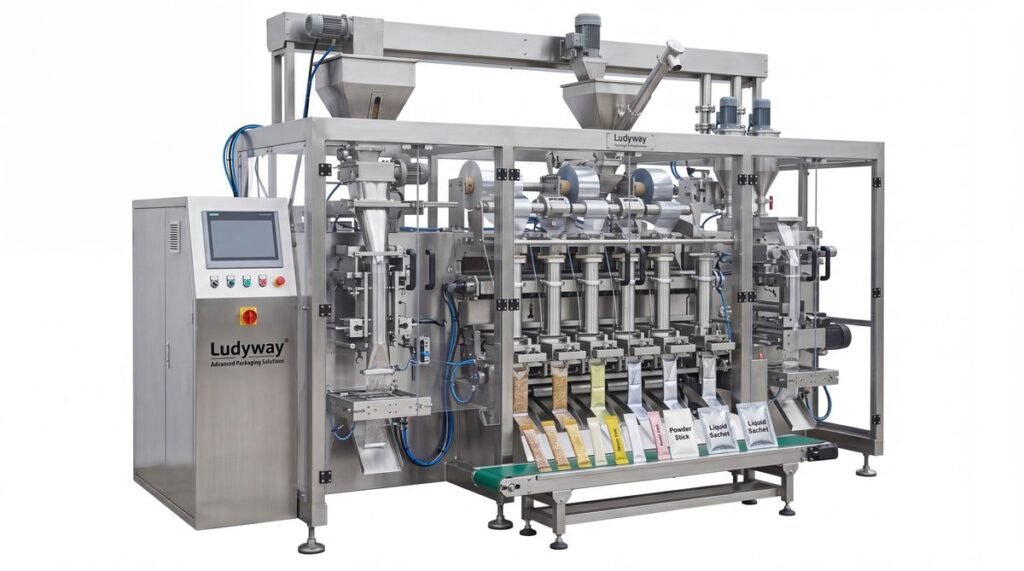
| Multi-Lane Stick Pack | Coffee, sugar, supplements, pharmaceuticals | 200-800+ ppm | High output, compact package format |
| Multi-Lane Sachet | Cosmetics, condiments, personal care | 150-600+ ppm | Versatile sizes, liquid and powder capable |
| Horizontal FFS | Solid products, medical devices, wipes | 40-200 ppm | Gentle product handling, large formats |
| Premade Pouch Rotary | Premium pouches, retort, spouted pouches | 30-80 ppm | High-quality seal, diverse pouch styles |
Evaluating Total Cost of Ownership
Look beyond the initial purchase price. A comprehensive cost analysis should include:
- Film waste rates during startup, splicing, and changeovers
- Energy consumption and utility requirements
- Spare parts availability and typical replacement intervals
- Operator training requirements and labor costs
- Maintenance downtime and its impact on production schedules
- Film material savings from rollstock vs. pre-made pouches (often 20-40% lower)
According to industry data from PMMI’s packaging industry reports, material costs represent a significant portion of total packaging expenditure, making rollstock an increasingly attractive option for cost-conscious manufacturers.
6. After-Sales Support and Service Network
Reliable technical support is essential for minimizing downtime. Evaluate the manufacturer’s service infrastructure, including:
- Availability of remote diagnostic support and troubleshooting
- Response time for on-site service visits
- Spare parts inventory and shipping lead times to your region
- Documentation quality, including manuals, schematics, and training materials
- Installation and commissioning support services
Working with the Right Packaging Machinery Partner
Selecting the right rollstock packaging machine goes beyond technical specifications. The ideal equipment partner should understand your product characteristics, production goals, and industry requirements. Companies like Ludyway Machinery, with over 30 years of packaging industry experience and a presence in more than 100 countries, exemplify the kind of comprehensive support manufacturers should look for — from initial consultation and machine configuration to installation, training, and ongoing technical assistance. A partner that offers customized engineering solutions rather than only standard models can help you achieve higher packaging efficiency and long-term operational consistency.

Questions to Ask Before Purchasing a Rollstock Packaging Machine
Use this checklist when evaluating potential equipment suppliers:
- Has the machine been tested with products similar to mine?
- What is the film waste rate guarantee during normal operation?
- How quickly can the machine be changed over between different bag sizes or products?
- What certifications and compliance documentation are available for my target market?
- Is remote technical support available, and what are the typical response times?
- Can the machine be integrated with my existing upstream and downstream equipment?
- What is the warranty coverage period and what does it include?
- Are factory acceptance tests (FAT) and site acceptance tests (SAT) offered?
Staying Informed on Packaging Industry Trends
The packaging machinery landscape continues to evolve with advances in automation, sustainable materials, and smart factory integration. Staying updated on industry developments helps manufacturers make informed equipment decisions. Key resources include the PMMI Association for Packaging and Processing Technologies, the Flexible Packaging Association, and international standards organizations such as ISO packaging standards. These organizations provide valuable market intelligence, technical guidelines, and regulatory updates relevant to rollstock packaging operations.
Making the right choice in a rollstock packaging machine requires thorough evaluation of your product, production goals, material specifications, and supplier capabilities. By systematically assessing these factors and partnering with an experienced equipment manufacturer, you can build a packaging line that delivers consistent quality, operational efficiency, and long-term value for your business.