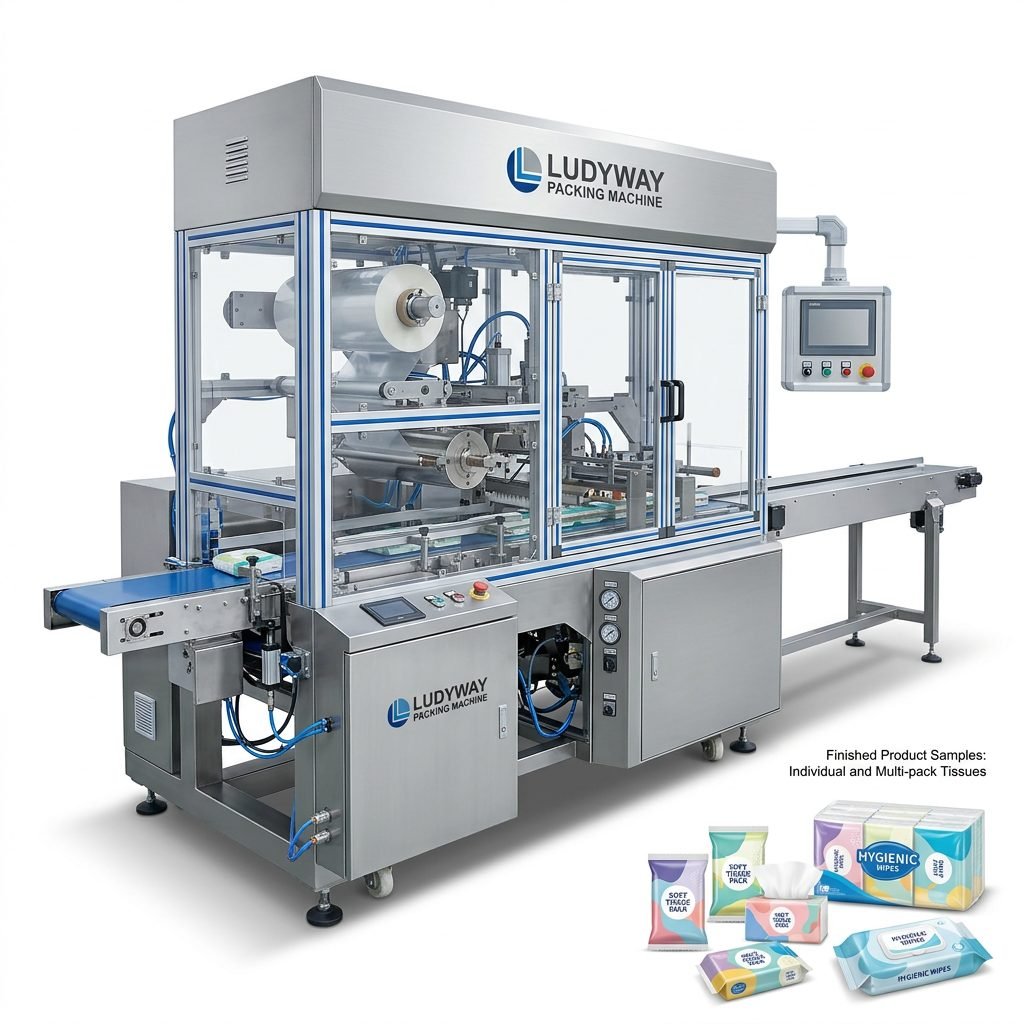
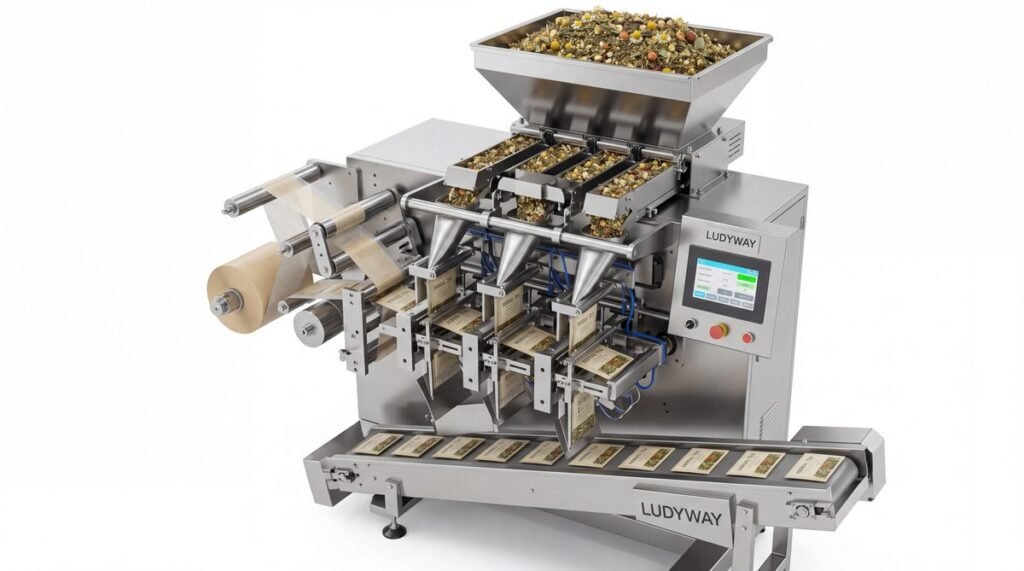
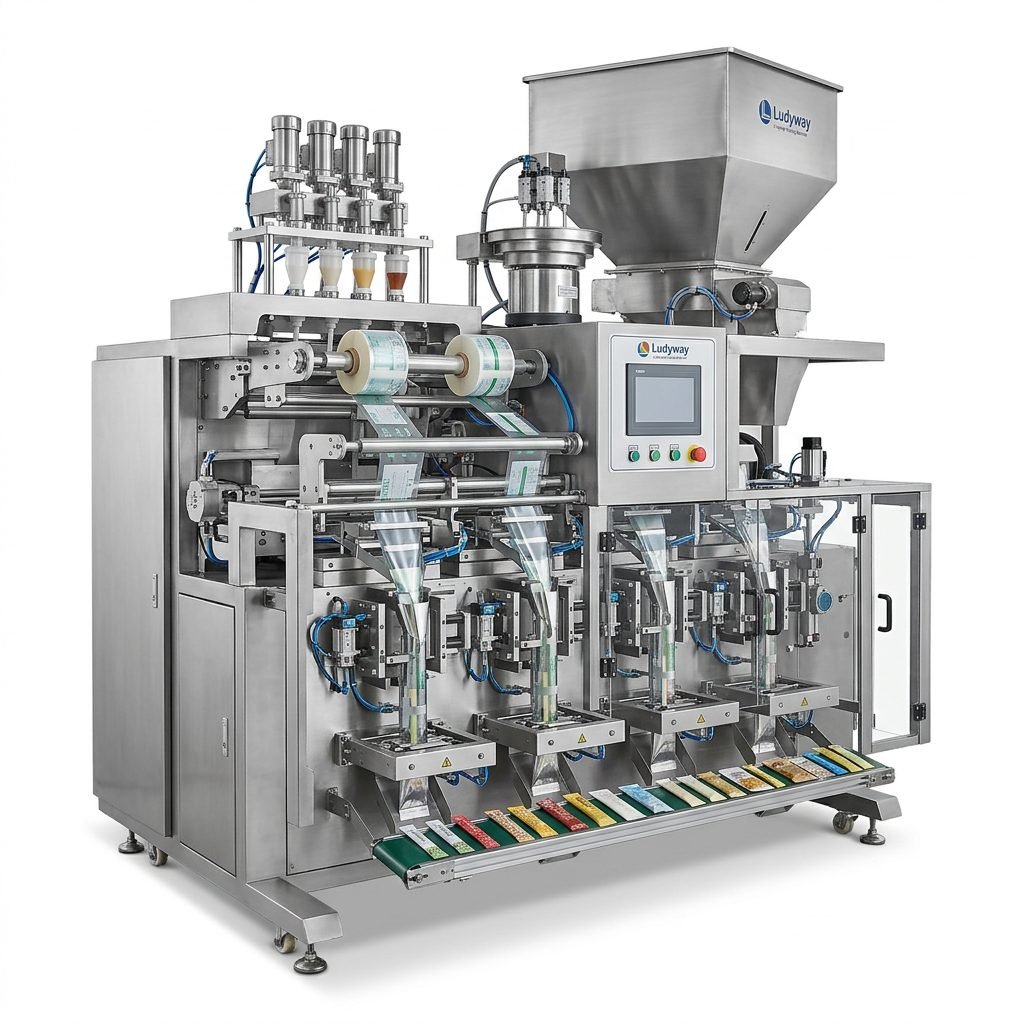
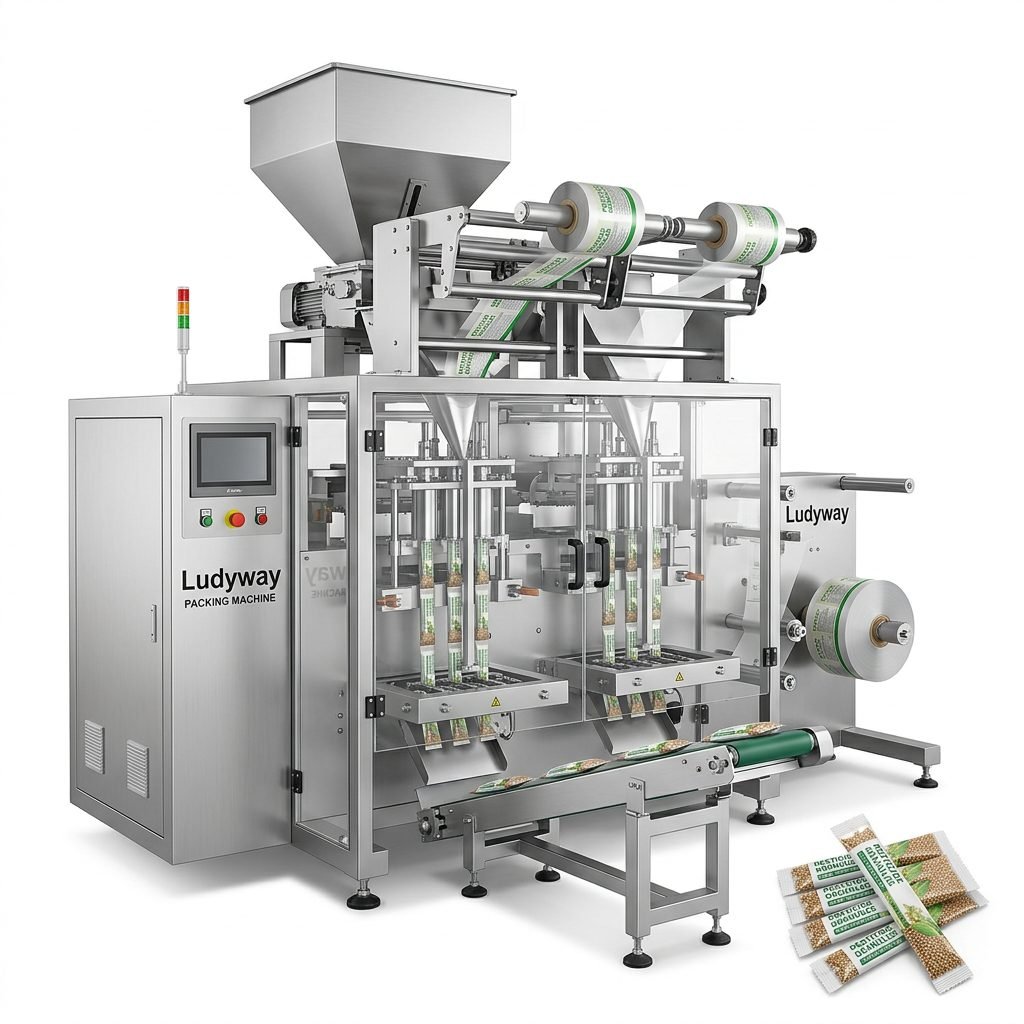
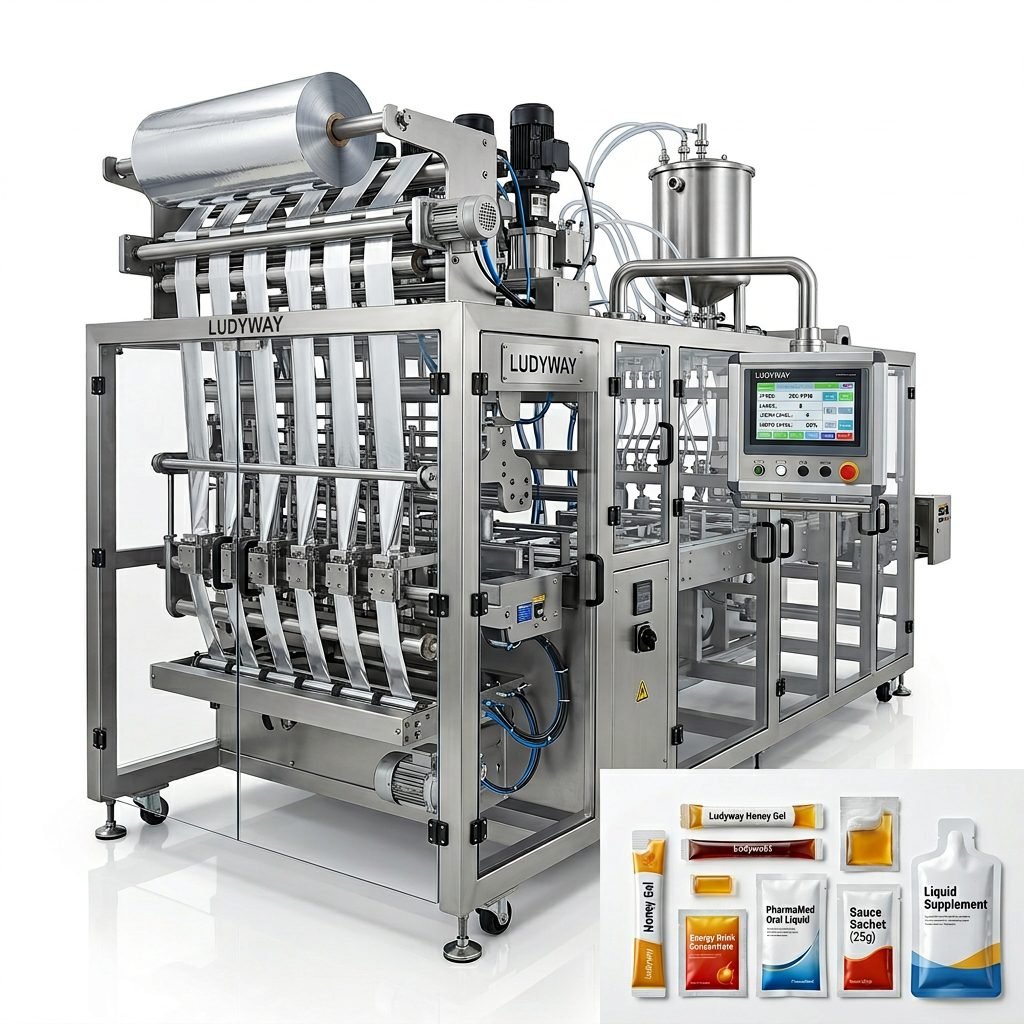
Fresh fruit packaging is no longer just about putting produce into a bag or tray. For growers, packers, distributors, and food brands, the right fruit packaging machine directly affects freshness, shelf appeal, labor cost, line efficiency, and product safety. Choosing the best solution means understanding your fruit type, packaging format, production target, and automation level before investing.
Whether you pack whole fruit, cut fruit, dried fruit, or freeze-dried fruit, the ideal system should protect product quality while keeping output stable and waste low. This guide explains how to compare options and build a packaging setup that supports long-term growth.
Why Fruit Packaging Equipment Matters
Fruit is highly sensitive to moisture loss, bruising, contamination, and temperature changes. Manual packing may work for very small operations, but as volume increases, it often leads to inconsistent packs, slower output, higher labor dependence, and more damaged product.
- Better freshness protection through more consistent sealing and packaging control
- Improved throughput for wholesale, retail, and export operations
- Reduced labor pressure during harvest peaks and seasonal demand
- Stronger presentation for supermarket shelves and e-commerce fulfillment
- Higher traceability with coding, labeling, and integrated inspection systems
Start by Defining the Type of Fruit You Pack
The best fruit packaging machine depends first on the physical characteristics of the fruit. Not all fruit behaves the same during filling, sealing, conveying, or secondary packing.
| Fruit Category | Packaging Considerations | Recommended Equipment Direction |
|---|---|---|
| Whole fresh fruit | Bruising resistance, gentle handling, ventilation | Tray packing, bagging, net packaging, weighing and labeling systems |
| Cut fruit | Hygiene, sealing, short shelf life, leak prevention | Cup/tray sealing, modified atmosphere packaging, lidding systems |
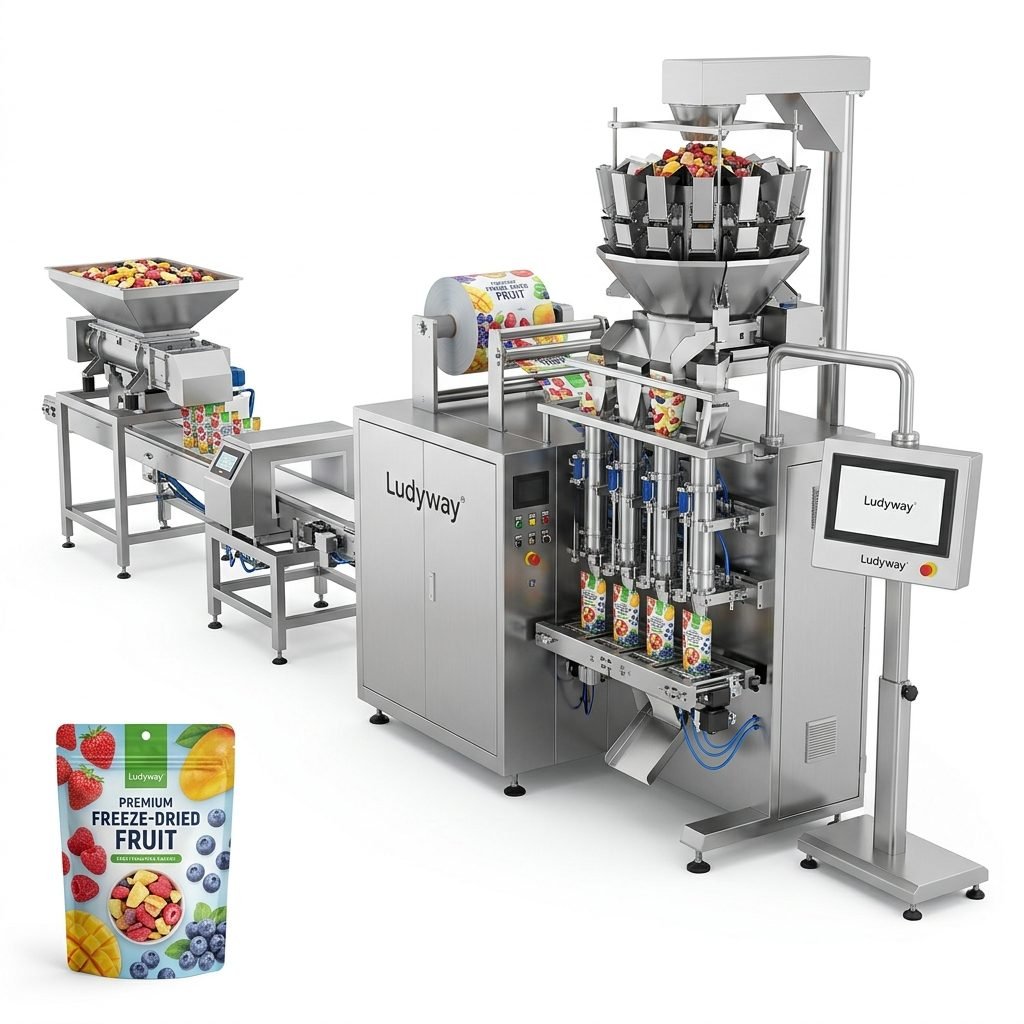
| Dried fruit | Moisture barrier, accurate weighing, retail-friendly packs | Vertical form fill seal machines, pouch fillers, multihead weighing systems |
| Freeze-dried fruit | Fragility, low moisture environment, premium presentation | Gentle feeding systems, pouch packaging, nitrogen flushing, cartoning lines |
| Fruit powders | Dust control, dosing precision, seal cleanliness | Sachet machines, stick pack systems, powder filling lines |
Choose the Right Packaging Format
Before selecting a machine model, decide how your fruit should appear in the market. Packaging format affects machine structure, sealing method, line speed, material choice, and logistics cost.
Common fruit packaging formats
- Preformed pouches for dried or freeze-dried fruit
- Pillow bags for economical, high-volume packaging
- Stand-up pouches for premium retail display
- Trays with film sealing for fresh-cut fruit
- Net bags for citrus, apples, onions, and similar products
- Clamshells for berries, grapes, and delicate fruit
- Stick packs or sachets for fruit powder drinks and supplements
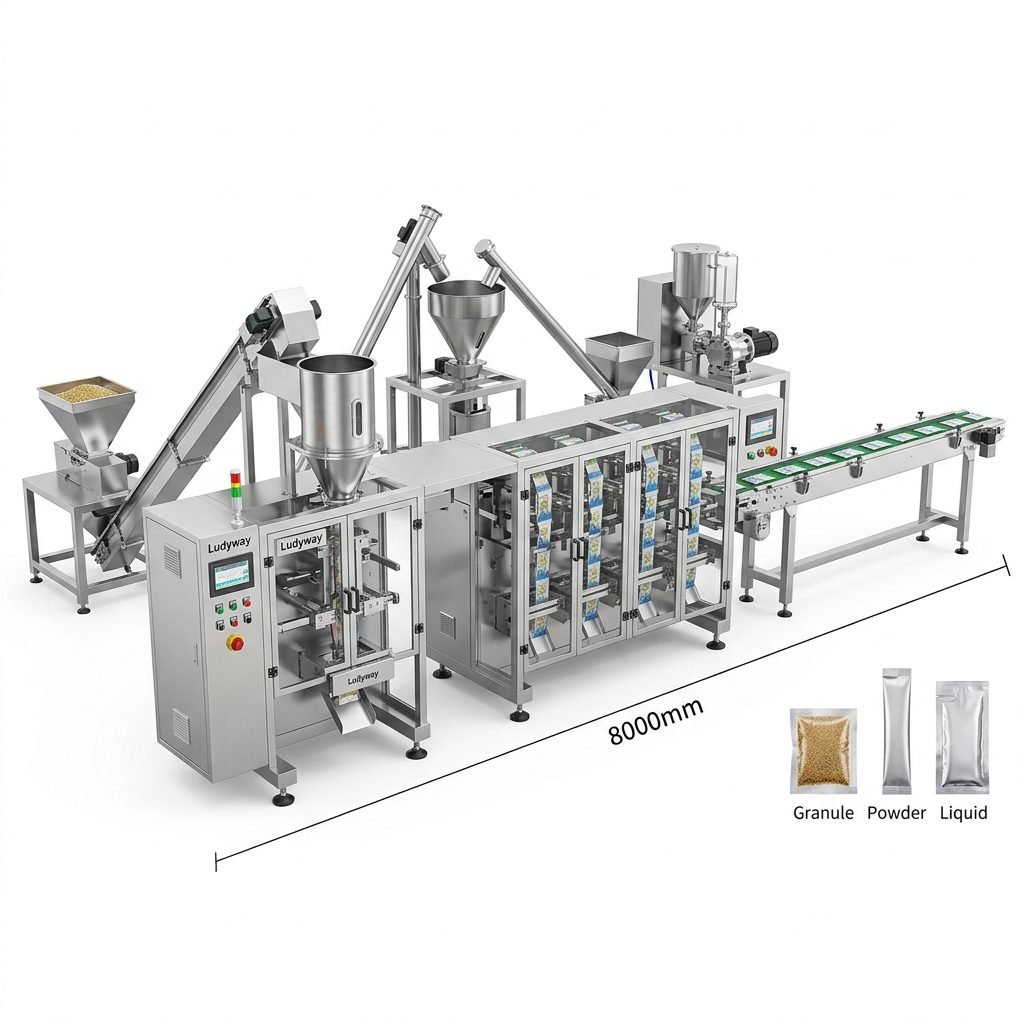
If your business serves multiple channels, such as supermarket retail, foodservice, and export distribution, a modular line is often better than a single-purpose machine. It gives you room to adapt packaging formats without replacing the whole system.
Match Machine Type to Your Production Needs
Different packaging machines solve different production challenges. The best choice depends on your product form and target output.
1. Vertical form fill seal machines
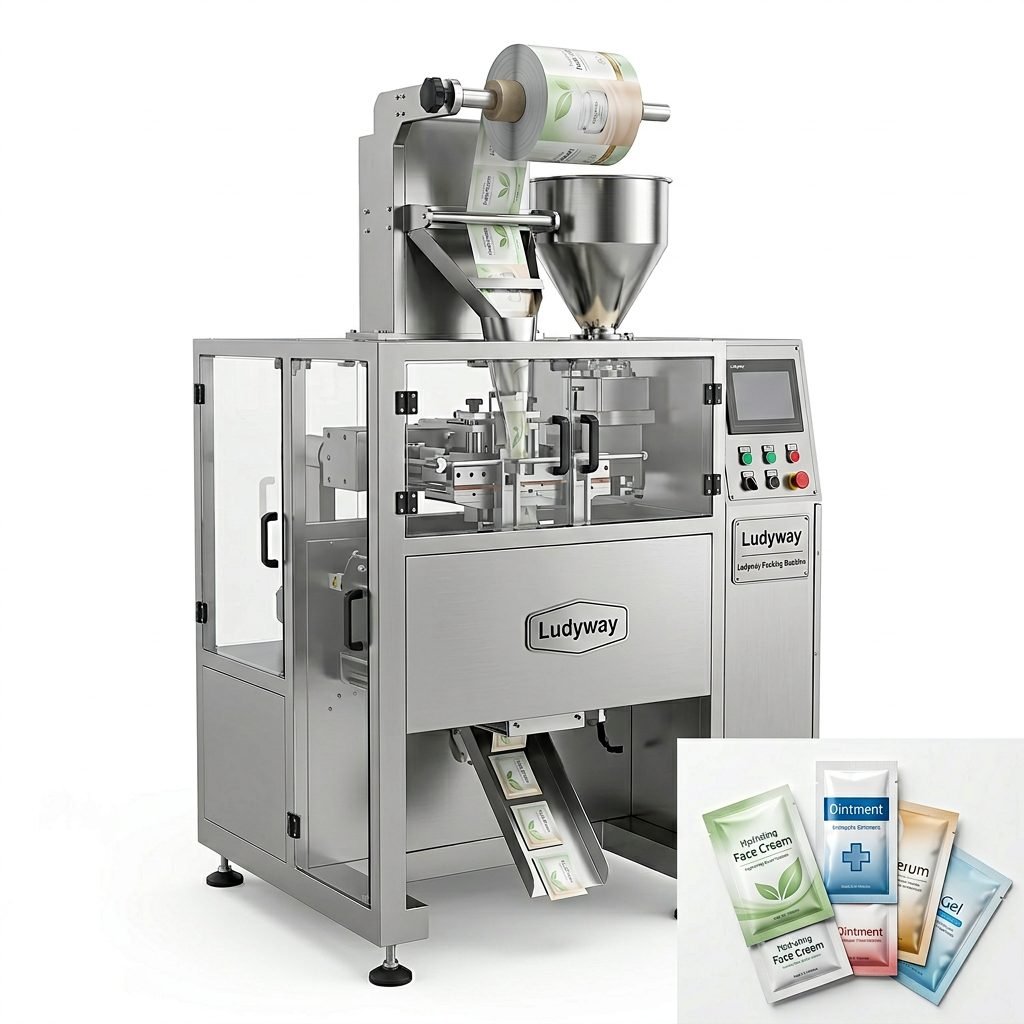
These are a popular option for dried fruit, frozen fruit portions, and some snack-style fruit products. They form the bag from roll film, fill the product, and seal it in one continuous process. They are suitable for businesses that want efficient, cost-controlled packaging.
2. Premade pouch packaging machines
Ideal for brands that need stronger shelf impact, zipper pouches, or premium packaging. These systems are often chosen for dried mango, raisins, mixed dried fruit, freeze-dried berries, and healthy snack products.
3. Tray sealing machines
Best for fresh-cut fruit, fruit assortments, and ready-to-eat chilled products. Tray sealers can support leak-resistant closure and, in some applications, modified atmosphere packaging to extend freshness.
4. Weighing and bagging systems
Appropriate for apples, oranges, lemons, avocados, and other whole-fruit packs where accurate weight and gentle transfer are key. These systems can be integrated with conveyors, labelers, and case packing equipment.
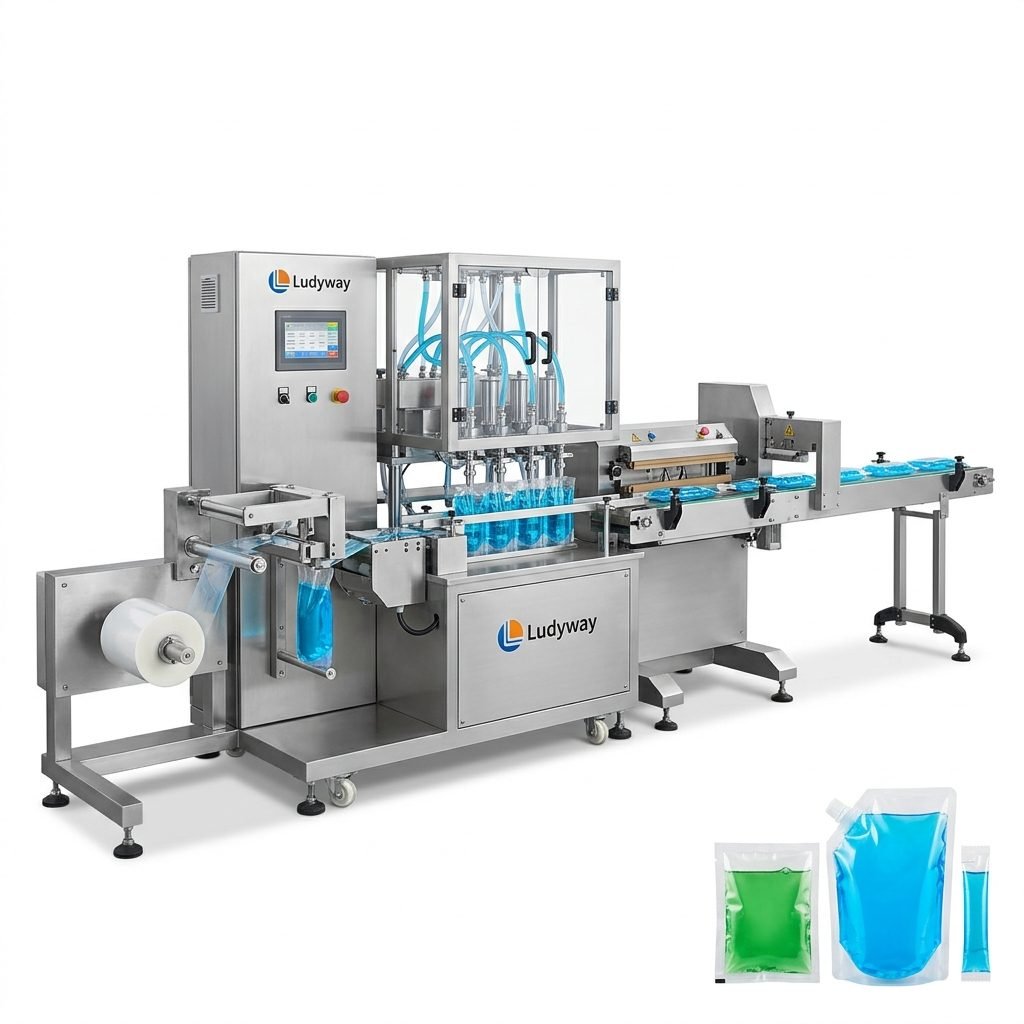
5. Multi-lane sachet or stick pack machines
If you sell fruit powder, smoothie blends, vitamin fruit mixes, or freeze-dried powder portions, multi-lane systems offer high output and compact individual packs for e-commerce, travel, and single-serve consumption.
Key Factors to Evaluate Before Buying
Product fragility
Delicate fruit like berries, freeze-dried strawberry pieces, and sliced fruit needs low-drop feeding, stable conveying, and smooth contact surfaces. A machine that runs fast but damages product will increase waste and reduce profit.
Packaging speed
Estimate your current and future output. Buying too small creates bottlenecks quickly. Buying too large may raise costs unnecessarily. The ideal machine should comfortably support your planned production with room for seasonal peaks.
Accuracy and consistency
Underfilled packs hurt customer trust, while overfilled packs reduce margin. For dried and freeze-dried fruit, accurate weighing systems are especially important because product value per gram is often high.
Packaging material compatibility
Make sure the machine works with the films or pouches you intend to use, including recyclable films, laminated barrier materials, zipper pouches, or breathable packaging where needed.
Cleaning and hygiene
Fruit packaging lines should be easy to clean, especially for sticky products, sugared dried fruit, or fresh-cut applications. Stainless steel contact parts, accessible structure, and hygienic design help reduce downtime and contamination risk.
Line integration
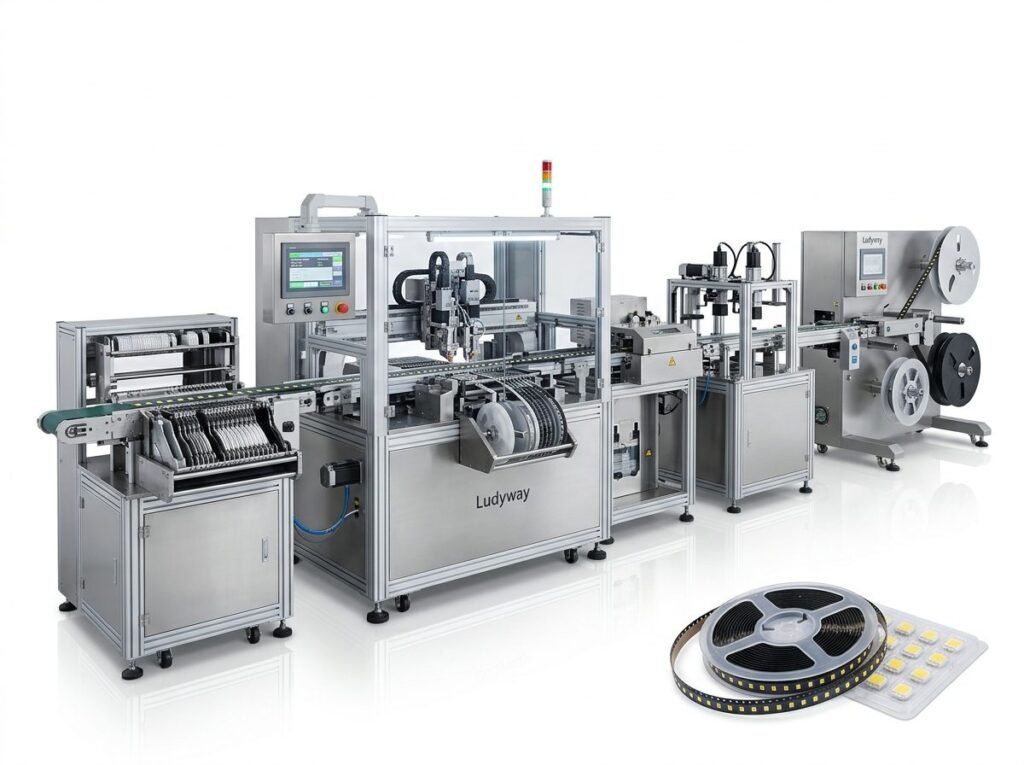
A machine should not be evaluated alone. Consider how it connects with feeders, elevators, weighers, metal detectors, checkweighers, coding systems, labeling units, case packers, and palletizing equipment.
| Selection Factor | Why It Matters | What to Ask the Supplier |
|---|---|---|
| Output capacity | Determines ROI and scalability | What is the actual production rate for my fruit type? |
| Filling accuracy | Controls giveaway and consistency | What tolerance can be achieved under normal operation? |
| Product handling | Reduces breakage and bruising | How does the system protect fragile fruit pieces? |
| Changeover time | Important for multi-SKU operations | How quickly can operators switch bag size or product? |
| Maintenance | Affects uptime and service cost | Which parts require regular replacement or inspection? |
| Automation level | Influences labor needs and investment | Can the line be expanded later into a turnkey solution? |
Fresh Fruit vs. Dried Fruit: The Machine Is Not the Same
One of the most common buying mistakes is assuming one fruit packaging machine can handle every category well. Fresh fruit usually needs gentle counting, weighing, tray loading, or breathable packaging. Dried fruit and freeze-dried fruit often need high-barrier pouches, accurate weighing, and reliable sealing.
If your product portfolio includes both fresh and processed fruit, the best investment may be a customized packaging line with separate handling modules instead of a single machine trying to do everything.
Should You Choose a Standalone Machine or a Turnkey Line?
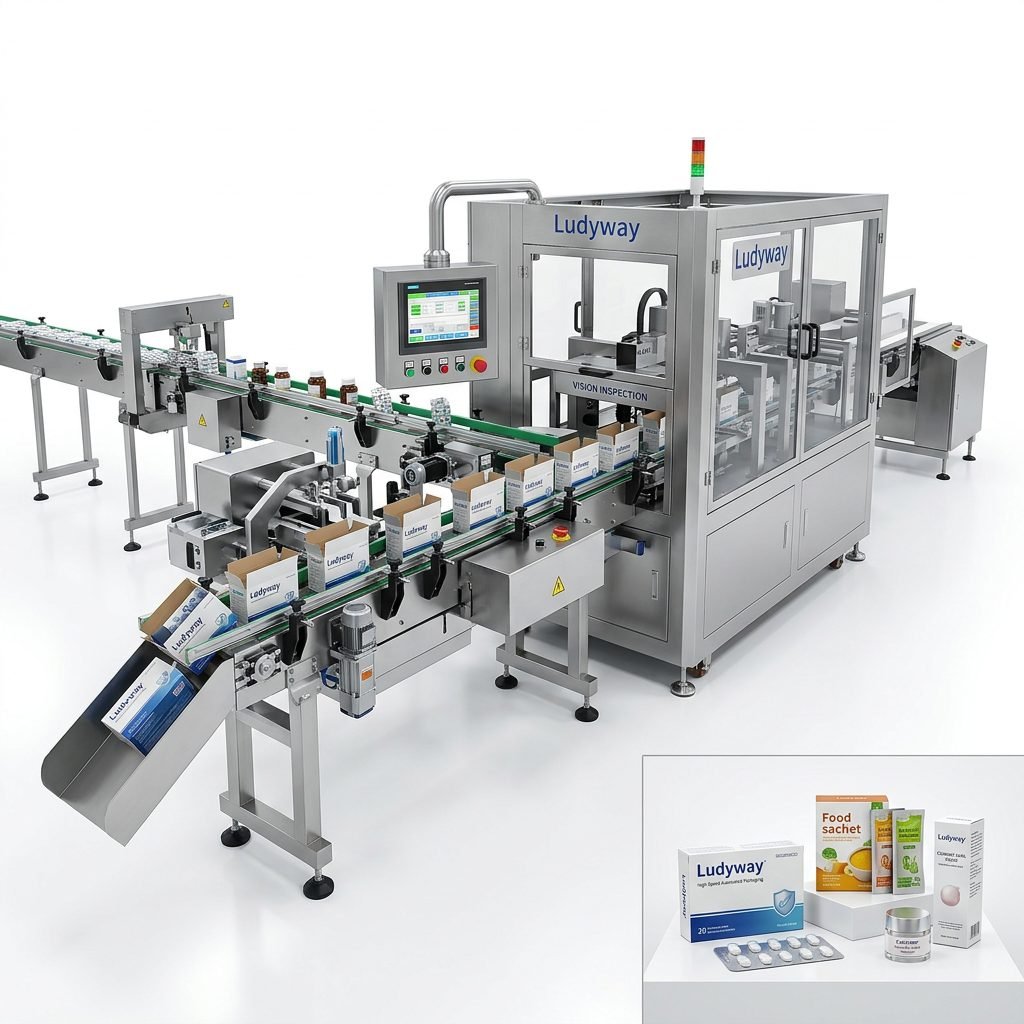
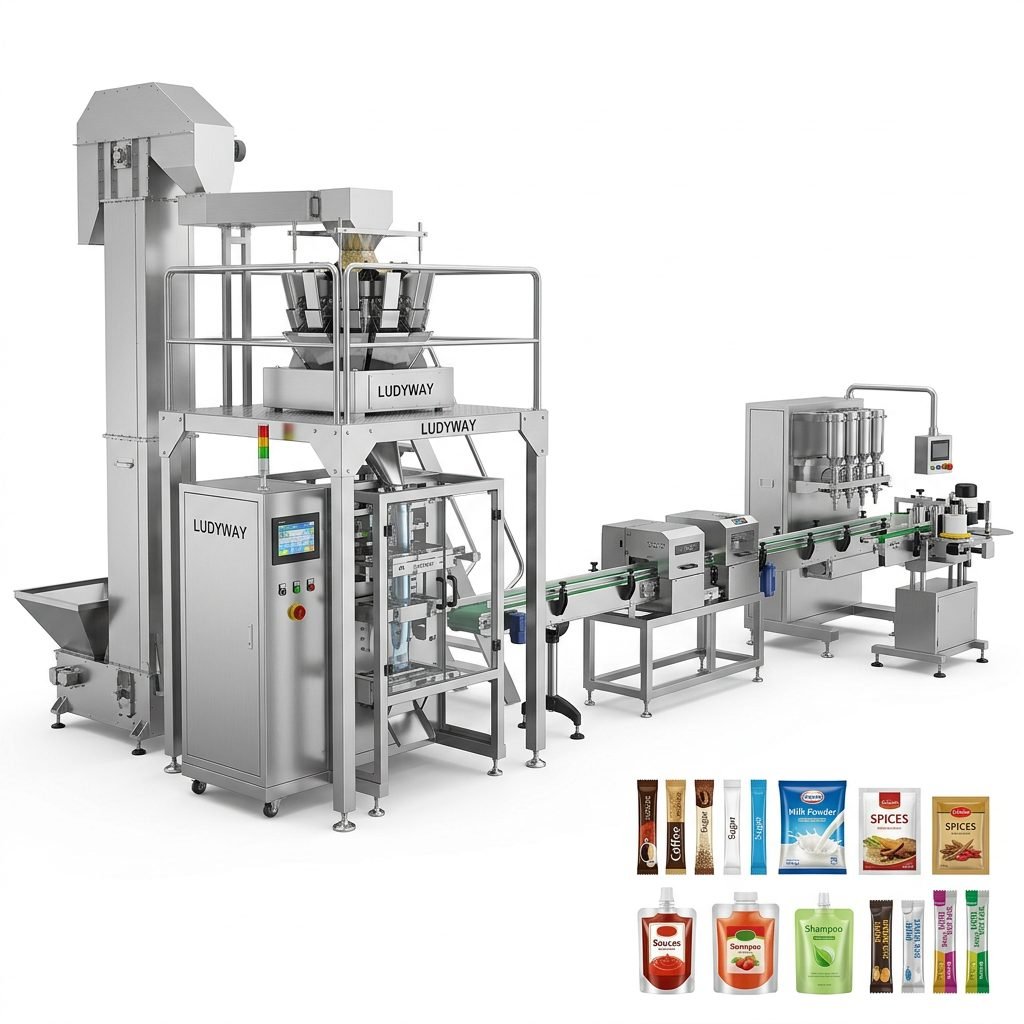
A standalone machine can work well for smaller operations or a single packaging stage. But if you need feeding, weighing, filling, sealing, coding, inspection, cartoning, and final case packing, a turnkey line usually brings better long-term value.
- Choose a standalone machine if you are testing a new fruit product, have limited floor space, or want to automate one step first.
- Choose a turnkey packaging line if you need stable high-volume production, lower manual handling, and stronger quality control from start to finish.
What Features Indicate a Better Fruit Packaging Solution?
Smart controls
Touchscreen interfaces, recipe memory, alarm systems, and production monitoring simplify operation and reduce training time.
Flexible format adjustment
If you pack different fruit sizes or multiple bag styles, flexibility matters. Faster changeovers mean less downtime and better responsiveness to market demand.
Reliable sealing performance
Seal quality is critical for dried, freeze-dried, and cut fruit. Poor sealing can lead to moisture ingress, oxidation, leaks, or product rejection.
Integration with quality inspection
Adding metal detection, checkweighing, date coding, and vision inspection can improve food safety compliance and reduce customer complaints.
Scalable engineering support
A supplier with broad application experience can usually provide better recommendations when your fruit product line expands.
Questions You Should Ask Before Making a Final Decision
- Has this machine handled fruit products similar to mine?
- Can it pack fresh, dried, or freeze-dried fruit without excessive breakage?
- What packaging materials are compatible?
- What is the actual tested speed, not just the theoretical speed?
- How easy is cleaning and maintenance?
- Can the machine connect with weighing, labeling, cartoning, or palletizing systems?
- What spare parts and after-sales support are available?
- Can the system be customized for my plant layout and production goals?
Common Mistakes to Avoid
- Choosing based only on price instead of total production value
- Ignoring fruit fragility and drop height during filling
- Underestimating future volume growth
- Overlooking packaging material compatibility
- Buying a machine without considering full line integration
- Failing to request testing with actual fruit samples
Working With an Experienced Packaging Partner
Selecting the best fruit packaging machine is easier when you work with a manufacturer that understands both equipment engineering and complete line planning. Ludyway is one of China’s leading packaging machine and turnkey packaging line manufacturers, with more than 30 years of industry experience and broad capabilities across food packaging automation. For fruit businesses that need scalable machinery, custom line configuration, and integrated support, an experienced partner can make the difference between a machine purchase and a truly efficient packaging solution.
Final Selection Checklist
| Checklist Item | Status to Confirm |
|---|---|
| Fruit type and condition clearly defined | Fresh / dried / freeze-dried / powder |
| Target pack format selected | Pouch / bag / tray / sachet / clamshell |
| Required speed and output verified | Current demand plus future growth |
| Material compatibility checked | Film, pouch, tray, barrier needs |
| Sample testing completed | Performance with actual fruit confirmed |
| After-sales and spare parts support reviewed | Training, maintenance, supply response |
The best fruit packaging solution is the one that protects product quality, fits your packaging style, supports your production volume, and leaves room for future expansion. When those elements are aligned, packaging becomes more than an operational step—it becomes a competitive advantage.