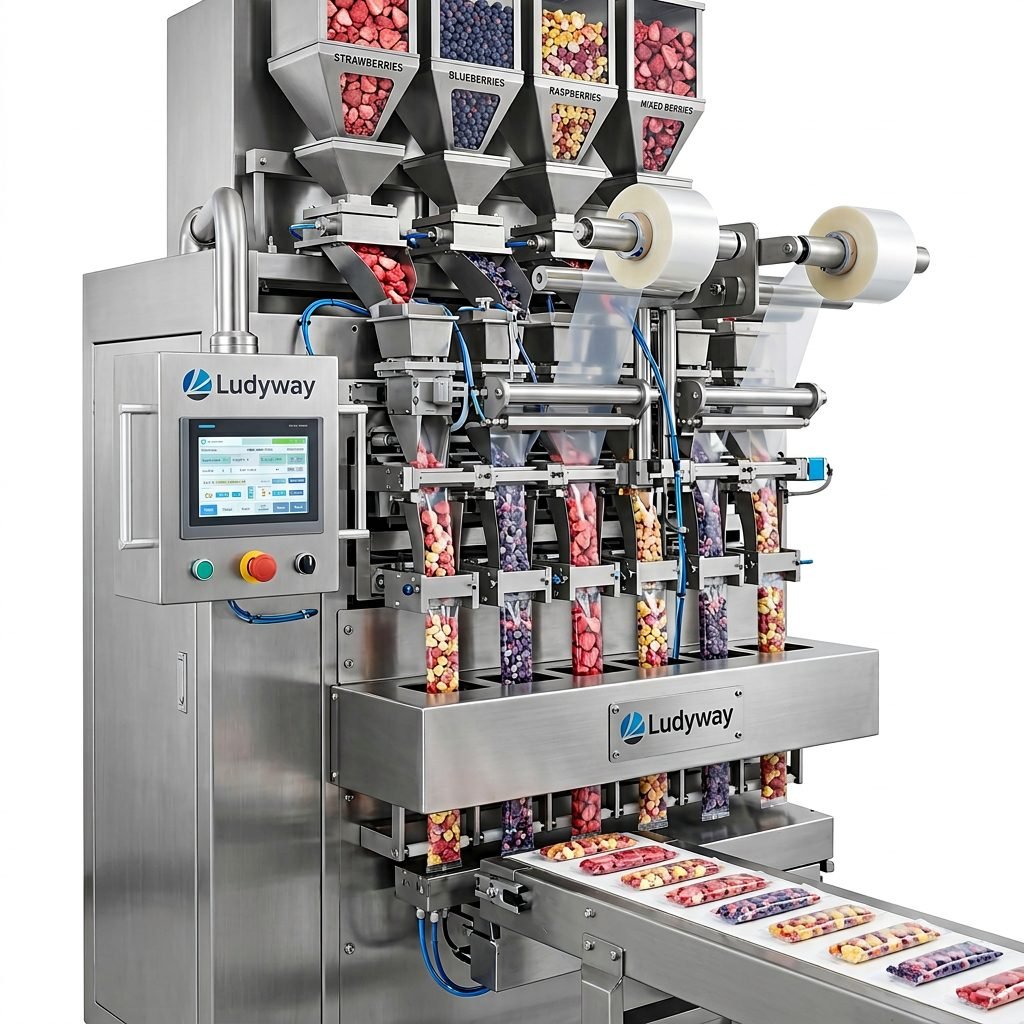
Investing in a rotary blister packing machine is a significant decision for pharmaceutical manufacturers, nutraceutical companies, and contract packagers. The right machine can dramatically improve production efficiency, reduce waste, and ensure consistent product quality. However, with so many configurations, speeds, and technical specifications available, the selection process can quickly become overwhelming.
This guide walks you through the essential factors to evaluate when choosing a rotary blister packaging system, helping you make an informed decision that aligns with your production goals, regulatory requirements, and budget.
Understanding Rotary Blister Packaging Technology
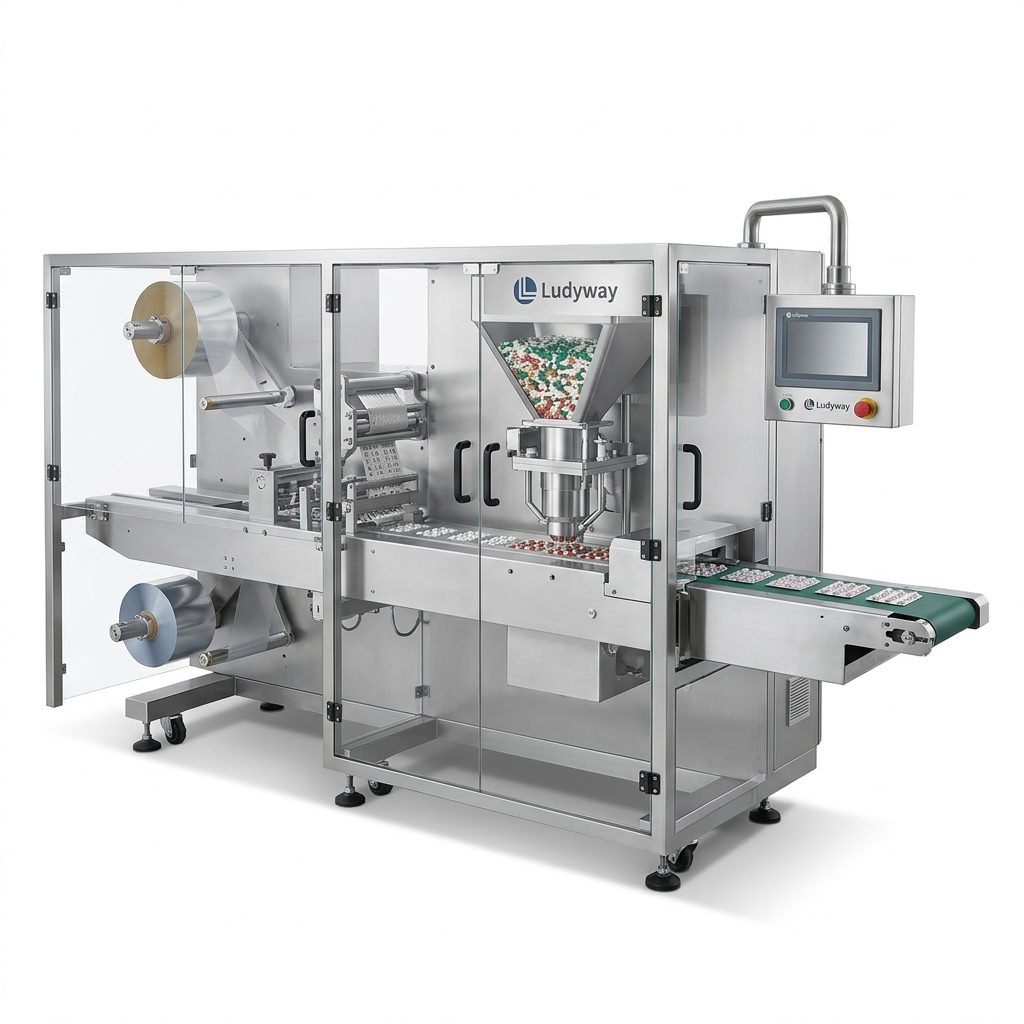
Rotary blister packing machines operate on a continuous motion principle, where the forming, filling, and sealing stations are arranged around a rotating drum or indexing system. Unlike flat-plate or intermittent-motion machines, rotary systems offer higher output speeds and smoother material handling, making them ideal for high-volume pharmaceutical production.
The core process involves heating a plastic film (typically PVC, PVDC, or multi-layer laminates), forming cavities through vacuum or pressure, filling those cavities with tablets or capsules, and then sealing the formed blisters with aluminum foil or other lidding materials. Rotary machines execute these steps in a continuous cycle, minimizing dwell time and maximizing throughput.
Key Factors to Evaluate Before Purchasing
1. Production Capacity and Speed Requirements
Your current and projected production volumes should be the starting point for any equipment evaluation. Rotary blister machines typically range from 150 to over 800 blisters per minute, depending on the number of lanes, cavity configurations, and indexing design. Consider not only your immediate needs but also your three-to-five-year growth projections. Overinvesting in speed you cannot utilize wastes capital; underinvesting creates bottlenecks that limit business expansion. For more detailed industry data on packaging machinery market trends, refer to PMMI’s Business Intelligence resources.
2. Product Compatibility and Changeover Flexibility
Different products place different demands on blister packaging equipment. Evaluate the following product-specific considerations:
- Tablet and capsule size range – Can the machine accommodate your full product portfolio without excessive tooling changes?
- Product fragility – Some formulations require gentler feeding mechanisms to prevent chipping or breakage.
- Batch size variability – If you run frequent small batches, rapid changeover capability becomes a critical factor.
- Multi-product runs – Machines with quick-release forming stations and tool-less adjustments reduce downtime between product changes.
3. Packaging Material Compatibility
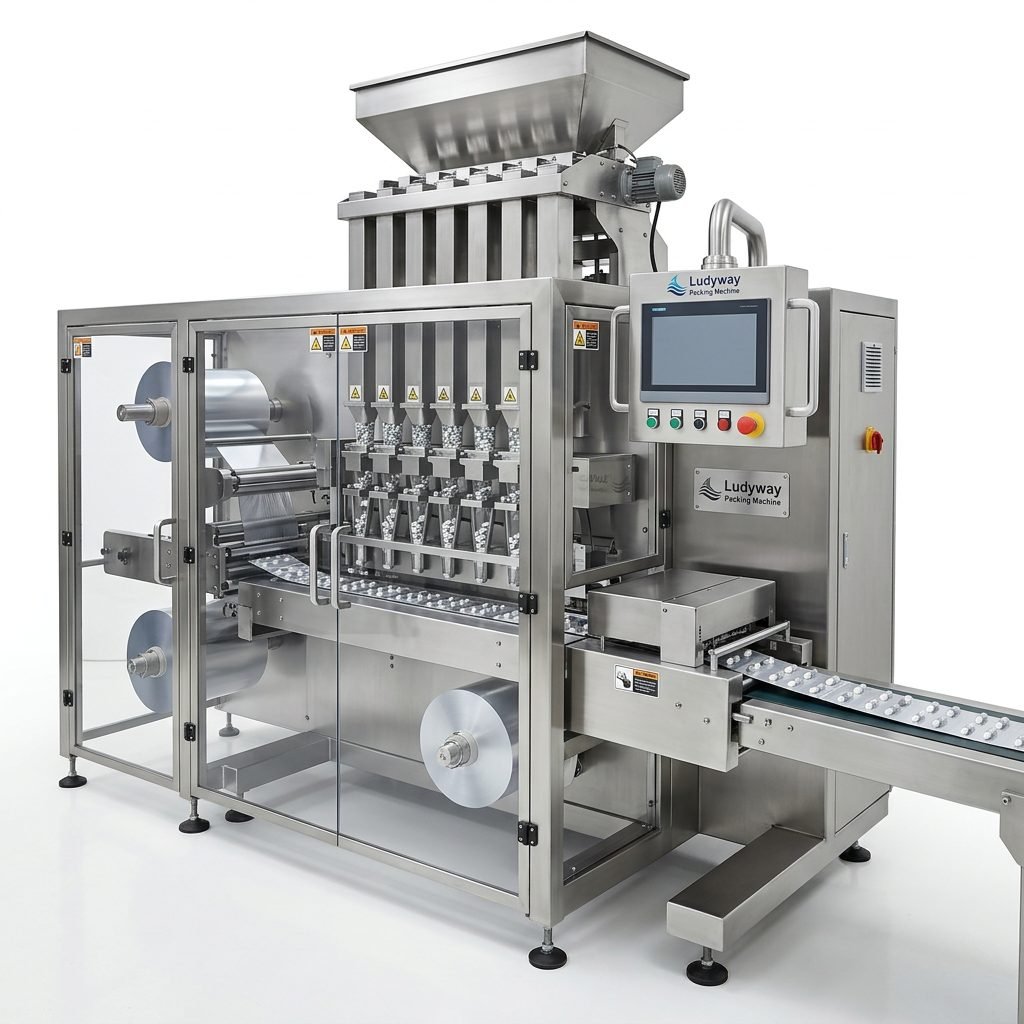
The forming film and lidding material you intend to use directly influence machine configuration. Common forming materials include PVC, PVDC, PP, PET, and aluminum-based cold-form laminates. Each material has different thermoforming characteristics, requiring specific temperature profiles, cooling zones, and sealing parameters. Verify that the machine’s heating and cooling systems are designed for your preferred material combinations. For regulatory guidance on packaging materials in pharmaceutical applications, consult FDA packaging and food contact substances guidelines.
4. Forming Area and Cavity Configuration
The forming area dimensions determine how many blisters can be produced per cycle. A larger forming area allows for more cavities per stroke, directly increasing output. Evaluate the maximum forming area, the number of lanes, and the cavity pitch to ensure compatibility with your blister card dimensions. Some rotary machines offer adjustable forming areas to accommodate different blister formats without requiring complete tooling replacement.
Technical Specifications That Matter
Beyond speed and size, several technical specifications can significantly impact machine performance and longevity:
| Specification | Why It Matters | What to Look For |
|---|---|---|
| Indexing Accuracy | Ensures precise cavity alignment for filling and sealing | Servo-driven indexing with feedback control; tolerance within ±0.2mm |
| Temperature Control Zones | Affects forming quality and material waste rates | Multi-zone PID-controlled heating with digital display and recipe storage |
| Sealing Pressure System | Determines seal integrity and leak resistance | Pneumatic or servo-controlled sealing with adjustable pressure and dwell time |
| Waste Management | Impacts material costs and operational efficiency | Integrated web trimming and scrap collection systems |
| Control System | Affects ease of operation and data collection | HMI touchscreen with multi-language support, batch recording, and remote diagnostics |
Industry-Specific Application Requirements
Different industries impose different requirements on blister packaging equipment. The pharmaceutical sector typically demands the highest standards, including 21 CFR Part 11 compliance for electronic records, full batch traceability, and validation documentation. For medical devices requiring sterile packaging, ISO 11607 standards for terminally sterilized medical device packaging provide essential guidance on validation requirements.
Nutraceutical and dietary supplement manufacturers may prioritize flexibility and cost-efficiency over stringent pharmaceutical validation, while still requiring high-speed output. Cosmetic and personal care product manufacturers using blister formats often need compatibility with unique cavity shapes and multi-compartment designs.
Evaluating Supplier Credentials and Support
Your relationship with the equipment supplier extends far beyond the initial purchase. When evaluating potential suppliers, consider the following criteria:
- Industry experience and references – How many installations does the supplier have in your specific industry segment?
- Validation support – Can the supplier provide IQ/OQ/PQ documentation and on-site validation assistance?
- Spare parts availability – What is the typical lead time for critical spare parts, and does the supplier maintain regional inventory?
- Technical service network – Are service engineers located within reasonable travel distance of your facility?
- Training programs – Comprehensive operator and maintenance training reduces long-term operational issues.
Organizations such as PMMI – The Association for Packaging and Processing Technologies offer valuable industry resources and networking opportunities that can help you identify reputable equipment manufacturers.
Total Cost of Ownership Analysis
The purchase price of a rotary blister machine represents only a portion of its total lifetime cost. A comprehensive cost analysis should account for:
- Initial capital expenditure – Machine cost, tooling, installation, and facility modifications
- Operational costs – Energy consumption, compressed air requirements, and labor allocation
- Material waste rates – More precise machines typically generate less forming and sealing waste
- Maintenance and spare parts – Annual service contracts, preventive maintenance, and replacement part costs
- Downtime cost – Lost production during both planned maintenance and unplanned repairs
Automation and Integration Capabilities
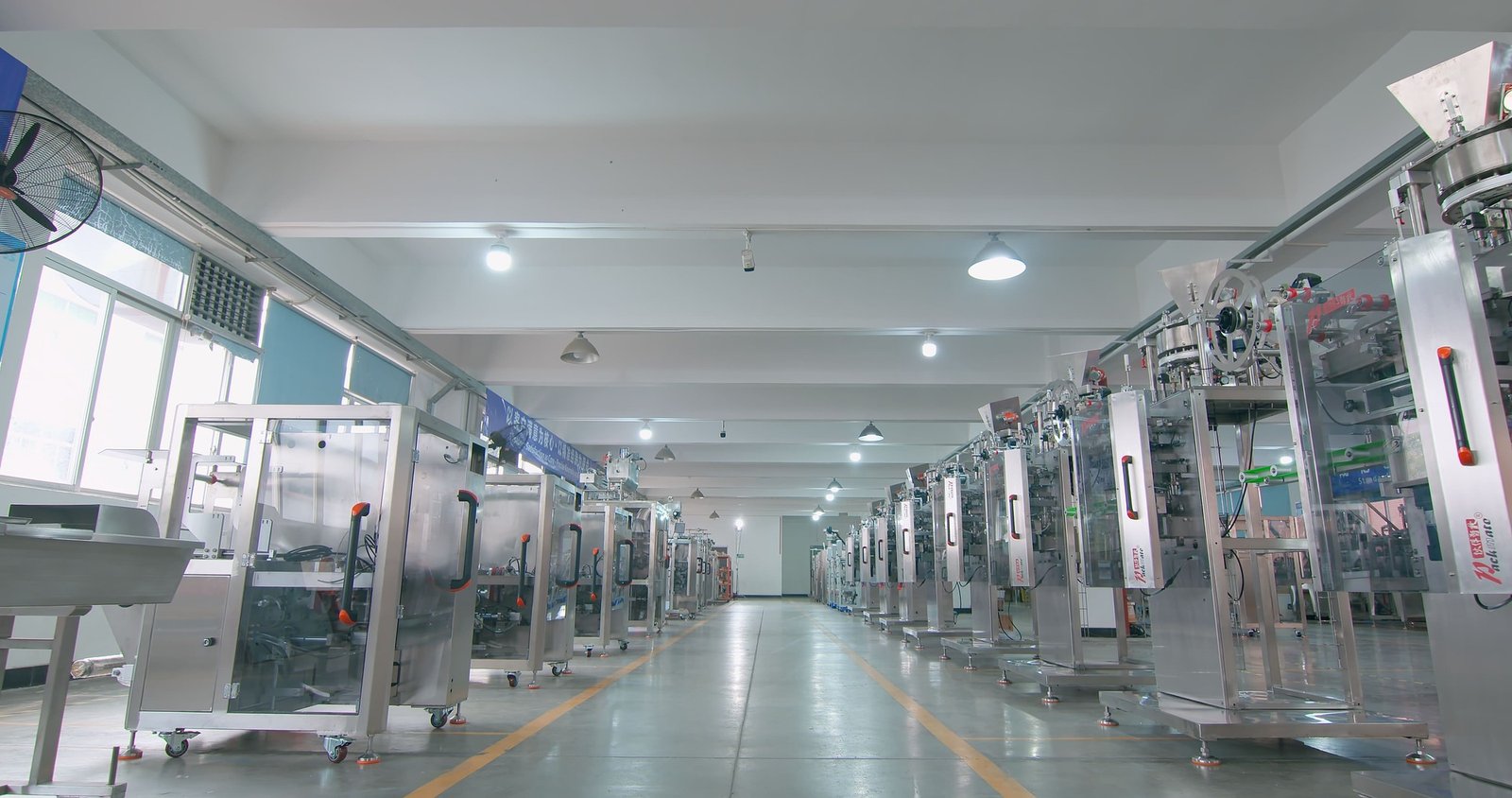
Modern rotary blister lines rarely operate in isolation. Consider how the machine will integrate with upstream and downstream equipment, including tablet dedusters, checkweighers, cartoners, case packers, and serialization systems. Machines with open communication protocols and standardized interfaces simplify line integration and future upgrades. For pharmaceutical manufacturers, serialization and track-and-trace capabilities are increasingly mandatory across global markets. Ensure your chosen machine can support or be retrofitted with the required coding, vision inspection, and data management systems.
Regulatory Compliance and Validation Readiness
For pharmaceutical applications, regulatory compliance is non-negotiable. Your blister packaging equipment must meet cGMP requirements and facilitate the validation process. Key compliance features include 21 CFR Part 11 compliant software, stainless steel product contact surfaces, validated cleaning procedures, accessible documentation packages, and change control management systems. The ISO packaging standards provide internationally recognized frameworks for ensuring packaging quality and consistency.
Partner with an Experienced Packaging Machinery Manufacturer
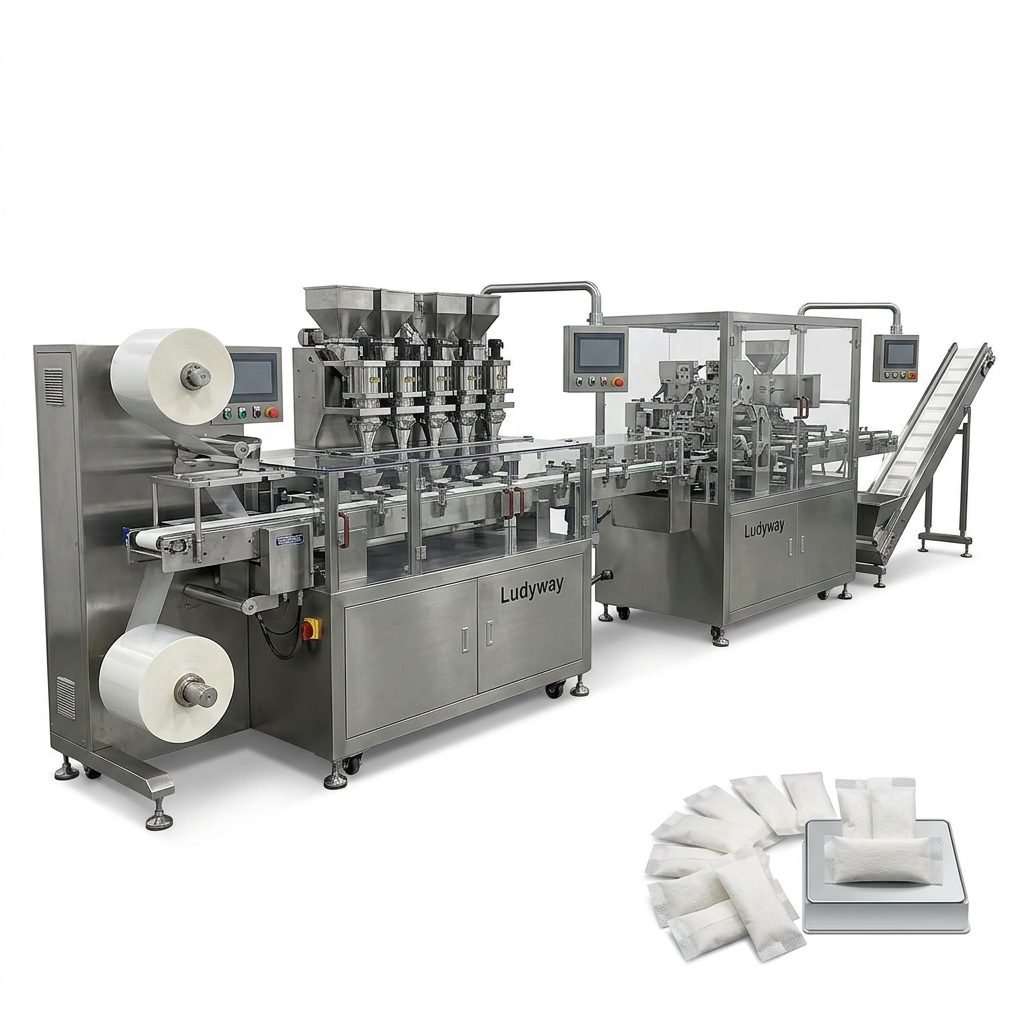
Selecting the right rotary blister packing machine ultimately comes down to working with a manufacturer that understands your specific application requirements. Ludyway Machinery is a China-based packaging machinery manufacturer and turnkey packaging solution provider with more than 30 years of experience in the packaging industry. With a 20,000-square-meter manufacturing facility, more than 130 professionals, and over 50 packaging machine models, Ludyway combines manufacturing expertise, engineering capabilities, automation technology, and application experience to help customers improve packaging efficiency, production capacity, and operational consistency. Ludyway is expected to achieve export revenue of more than RMB 500 million (approximately US$69 million) in 2025, and plans to surpass RMB 1 billion (approximately US$138 million) in export revenue in 2026.
| Decision Factor | Key Questions to Ask |
|---|---|
| Production Volume | What is your current daily output, and what are your 3-5 year growth targets? |
| Product Range | How many different tablet/capsule sizes and blister formats do you run? |
| Material Requirements | What forming films and lidding materials are specified for your products? |
| Regulatory Environment | Which regulatory frameworks (FDA, EMA, TGA, etc.) govern your packaging operations? |
| Integration Needs | What upstream and downstream equipment must connect to the blister line? |
Making the Final Decision
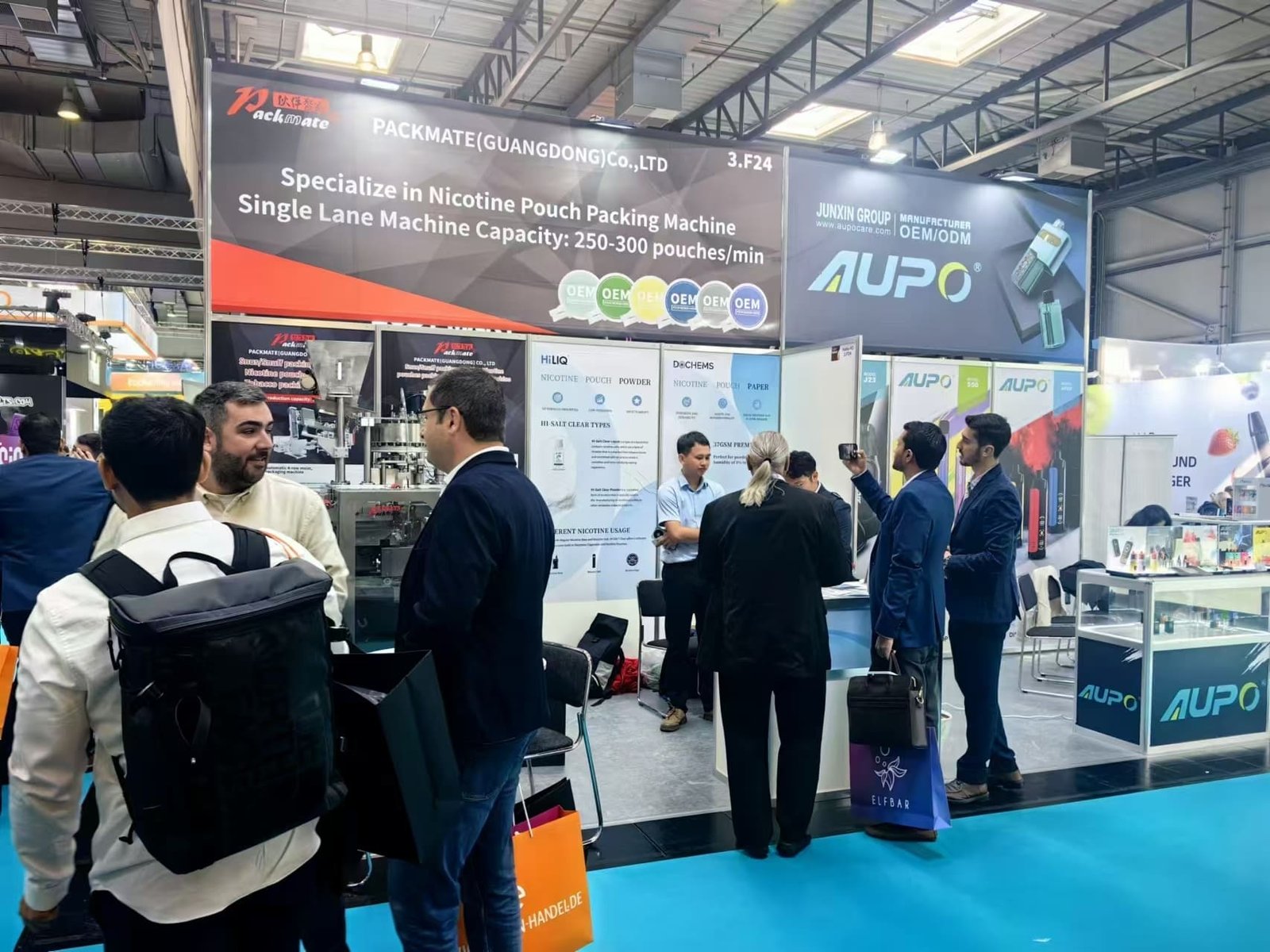
After evaluating technical specifications, supplier capabilities, and total cost considerations, the final decision often comes down to long-term partnership potential. The right supplier should demonstrate not only technical competence but also a genuine commitment to your operational success. Request detailed proposals from shortlisted suppliers, conduct factory acceptance tests where possible, and speak with existing customers about their real-world experience. For broader industry context, PACK EXPO International and similar trade events provide excellent opportunities to compare equipment and meet manufacturers face-to-face.
Choosing the right rotary blister packing machine is a strategic decision that affects product quality, operational efficiency, and regulatory compliance for years to come. By systematically evaluating your production requirements, thoroughly assessing supplier capabilities, and considering the total cost of ownership, you can select equipment that delivers consistent, reliable performance and supports your long-term business objectives. Take the time to conduct a comprehensive evaluation process—the investment in due diligence will pay dividends throughout the lifecycle of your packaging operation.