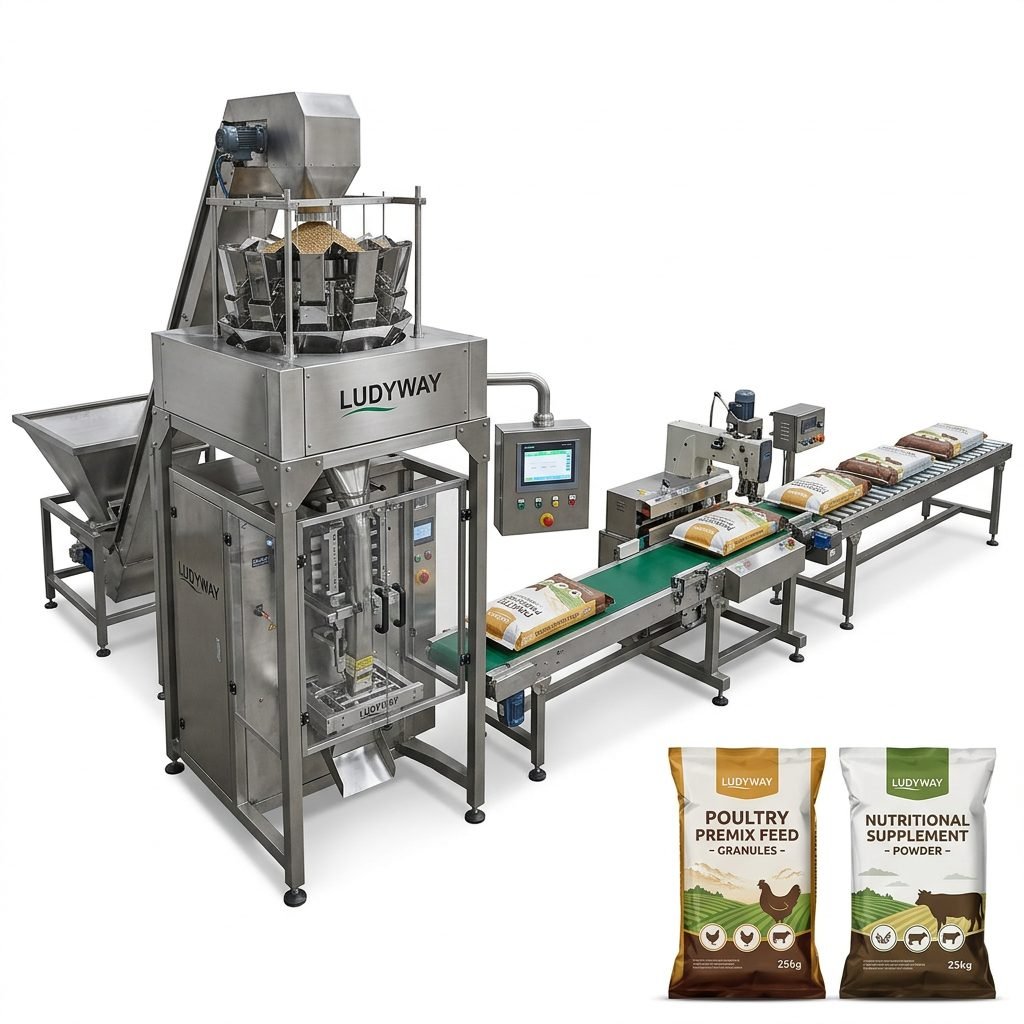
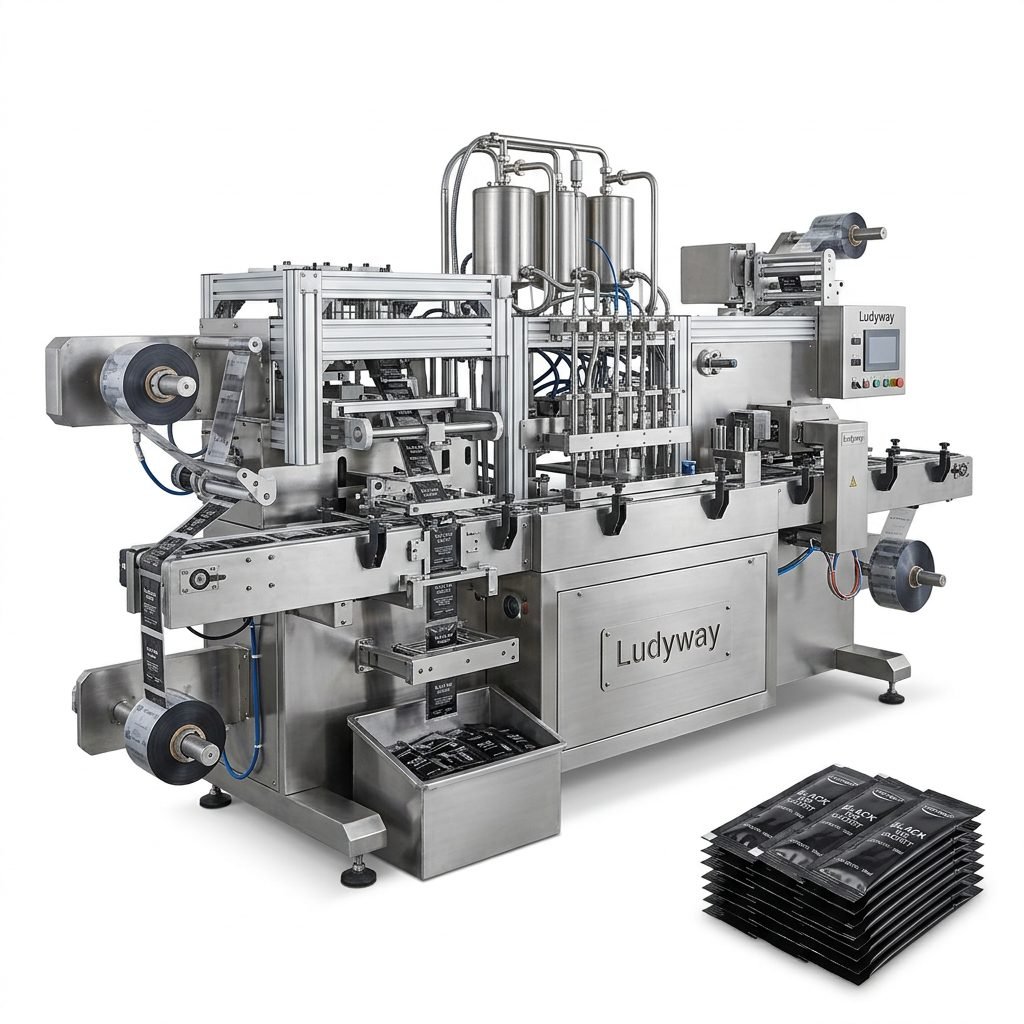
Investing in the right paneer packaging machine is one of the most critical decisions for dairy processors, food manufacturers, and co-packers. Paneer—a high-moisture, perishable dairy product—requires precise handling, hygienic filling, and reliable sealing to maintain freshness, extend shelf life, and comply with food safety regulations. Choosing the wrong equipment can lead to product waste, contamination risks, inconsistent package quality, and costly downtime. This comprehensive buyer’s guide walks you through every factor you need to evaluate before making a purchase, from production requirements and machine types to packaging machinery standards and long-term service considerations.
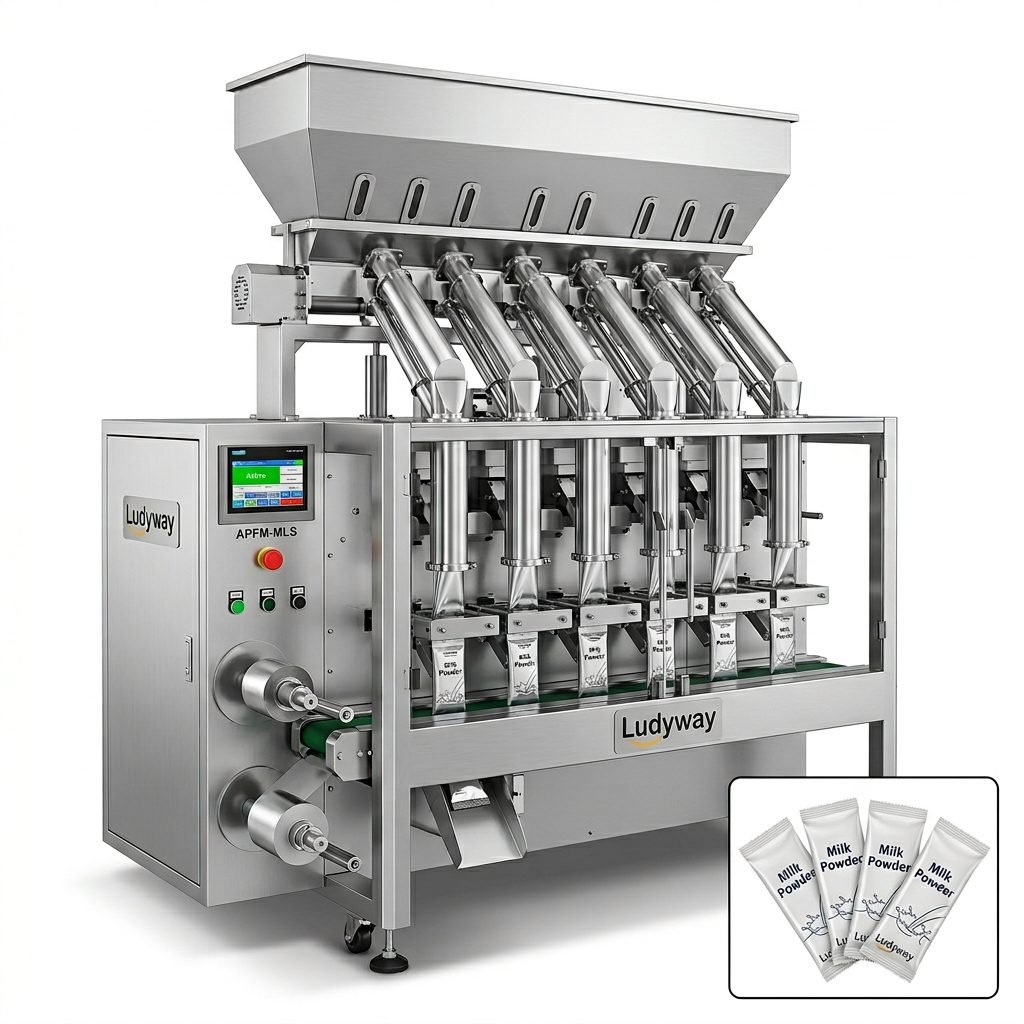
Understanding Your Paneer Production Requirements
Before comparing machine models or suppliers, you need a clear picture of your own production environment. Start by asking these fundamental questions:
- What is your daily or hourly output target? Small-scale producers may need 500–1,000 packs per hour, while industrial operations often require high-speed packaging lines capable of 3,000–6,000 packs per hour or more.
- What packaging format do you use? Paneer is commonly packed in pouches, vacuum bags, thermoformed trays, or sachets. Your machine must be compatible with your chosen format.
- What is the product consistency? Paneer blocks, cubes, crumbled paneer, and paneer in brine each present different filling and handling challenges.
- What are your hygiene and cleaning requirements? Dairy processing demands FDA-compliant food contact materials and sanitary machine designs that support CIP (Clean-in-Place) protocols.
- What is your budget and expected ROI timeline? Entry-level machines may start around $15,000–$30,000, while fully automated multi-lane systems can exceed $150,000.
Key Features to Look for in a Paneer Packaging Machine
Not all packaging machines are designed for the unique demands of dairy products. When evaluating equipment, prioritize the following features to ensure consistent performance and product safety.
Automation Level and Production Speed
Paneer packaging machines range from semi-automatic systems requiring significant operator involvement to fully automated packaging lines that handle filling, sealing, coding, and cartoning with minimal human intervention. For medium to large-scale operations, automation delivers better consistency, higher throughput, and lower labor costs. According to PMMI’s State of the Industry reports, automated packaging machinery continues to see increased adoption across food sectors due to workforce challenges and quality demands.
Packaging Format Flexibility
The best machines offer flexibility across multiple packaging formats. Many manufacturers need equipment that can handle:
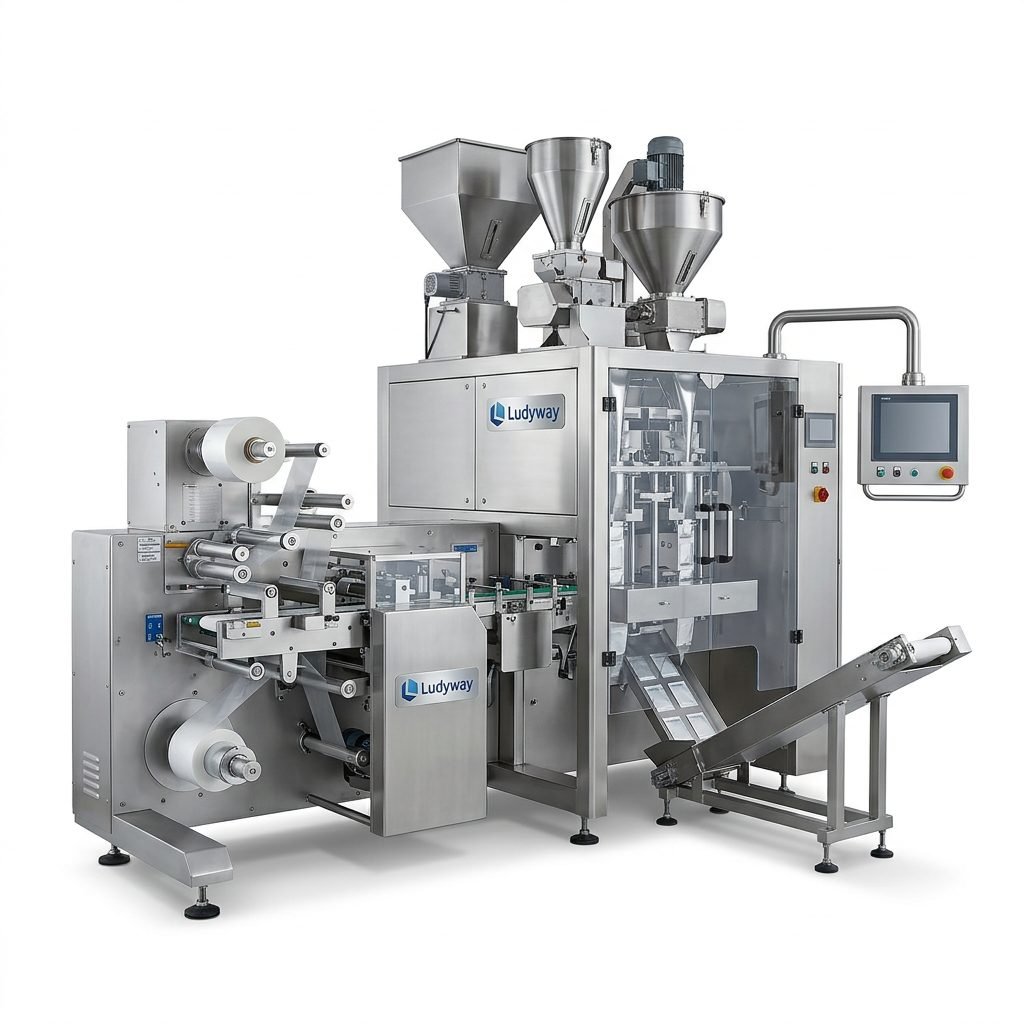
- Pre-made pouches – ideal for retail paneer blocks and cubes
- Vacuum bags – extending shelf life for fresh paneer
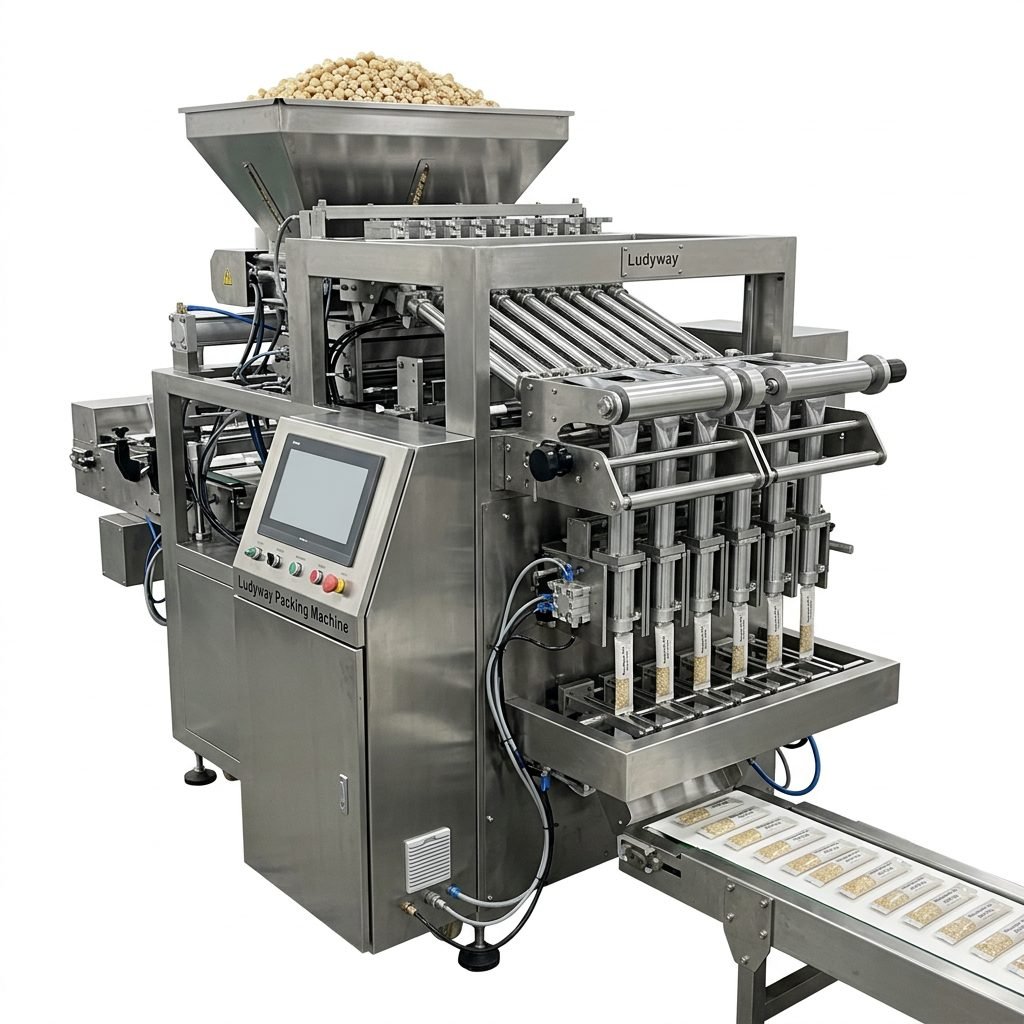
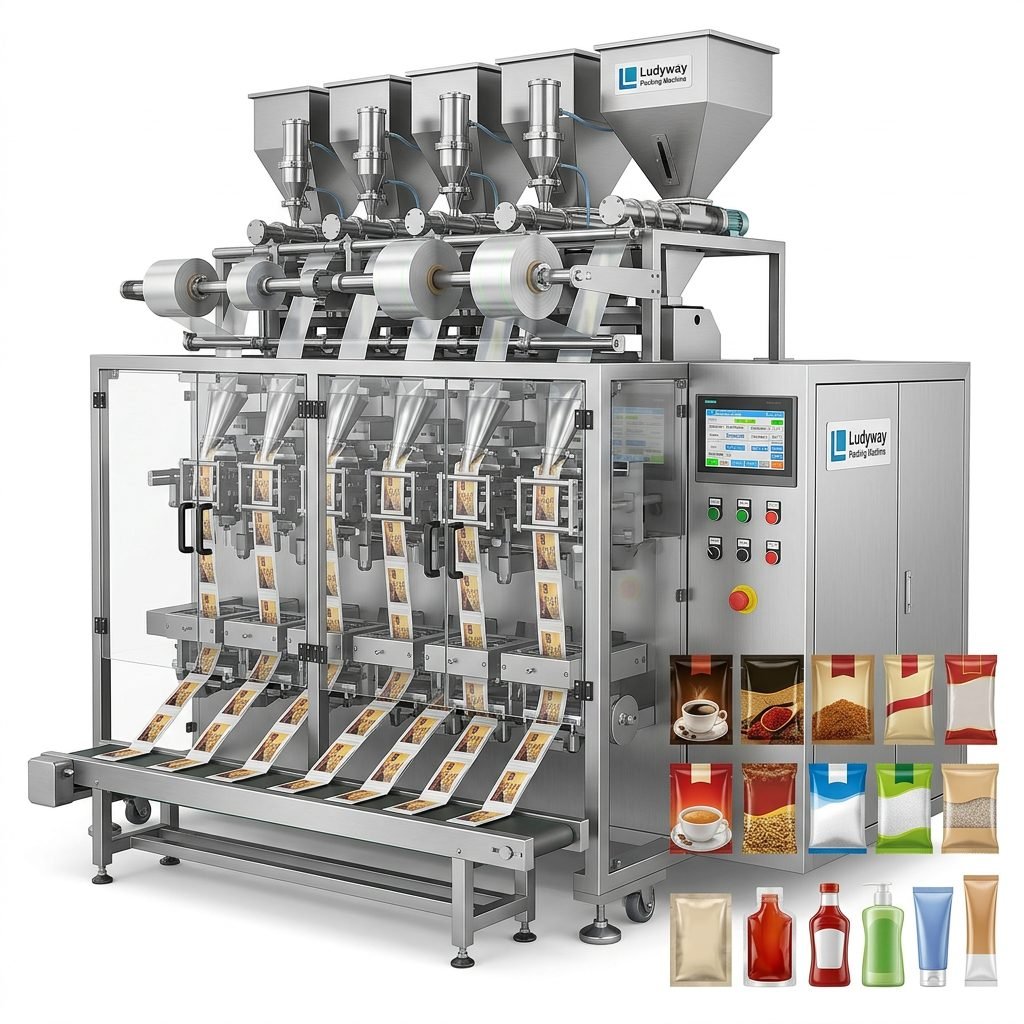
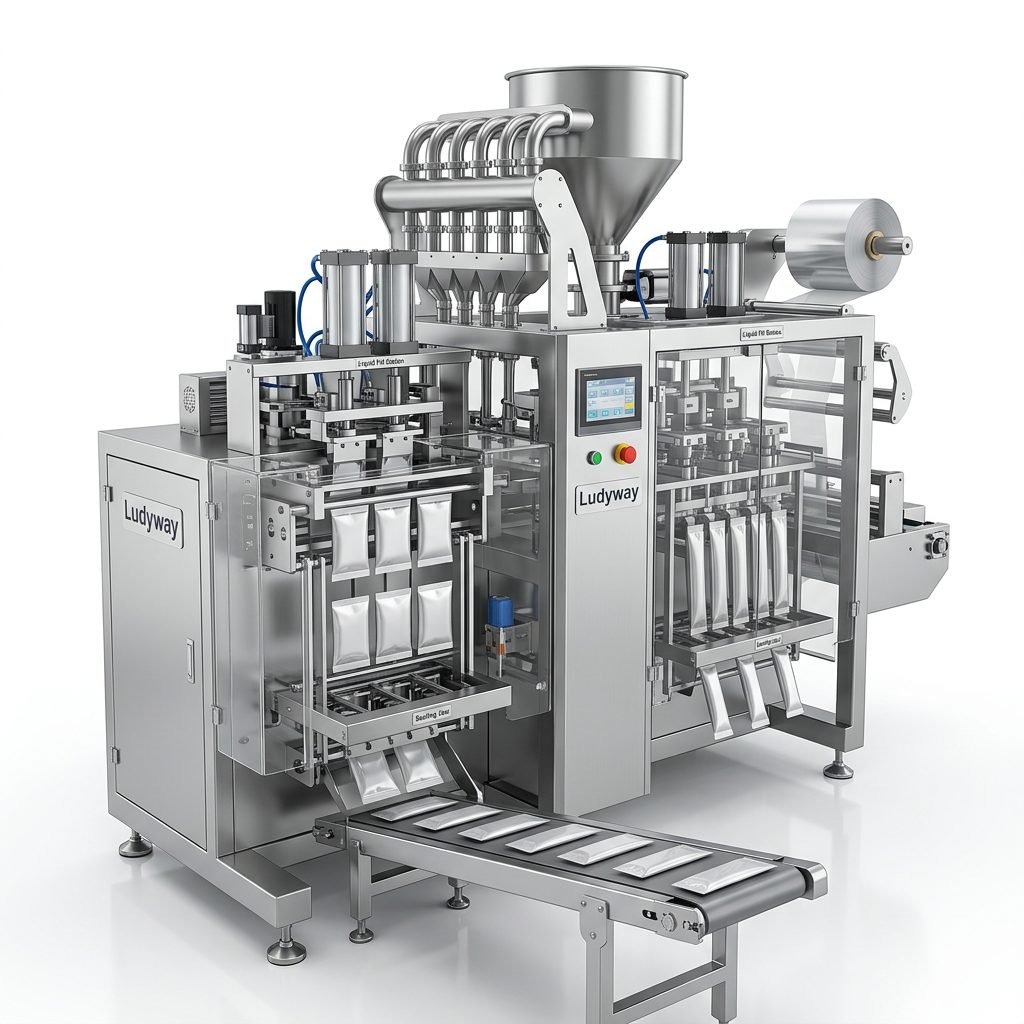
- Stick packs and sachets – popular for single-serve and food service portions
- Thermoformed trays – suitable for modified atmosphere packaging (MAP)
If you anticipate expanding your product line, choosing a versatile packaging platform that can be reconfigured for different bag sizes and formats will protect your investment.
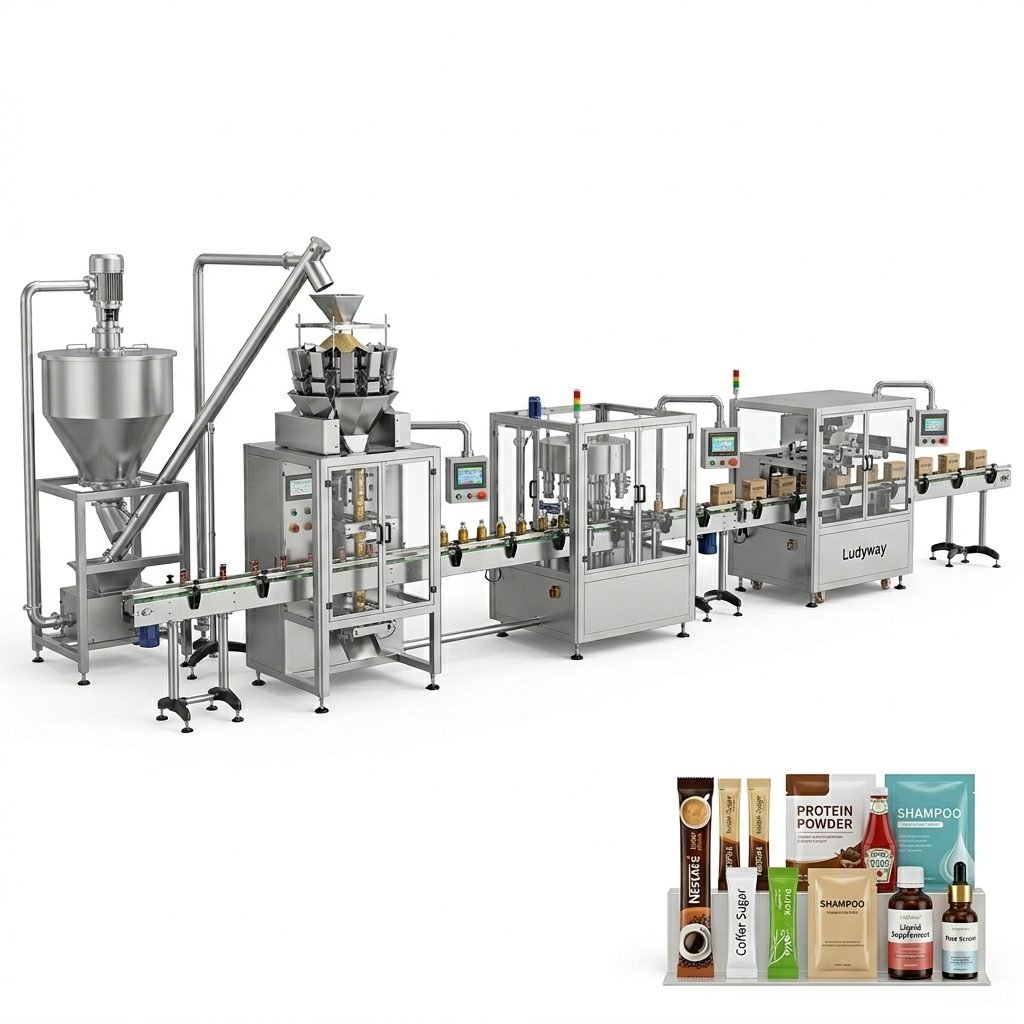
Hygiene, Cleanability, and Material Compliance
Dairy packaging equipment must meet rigorous hygiene standards. Look for machines constructed with stainless steel (304 or 316 grade), smooth surfaces that prevent bacterial harborage, and designs that allow easy disassembly for cleaning. All product-contact components should comply with relevant ISO packaging standards and local food safety regulations. Machines with IP65 or higher washdown ratings are strongly preferred for dairy environments.
Types of Paneer Packaging Machines
Understanding the main categories of equipment will help you narrow your options. The following table summarizes the most common machine types used for paneer packaging applications.
| Machine Type | Best For | Speed Range | Key Consideration |
|---|---|---|---|
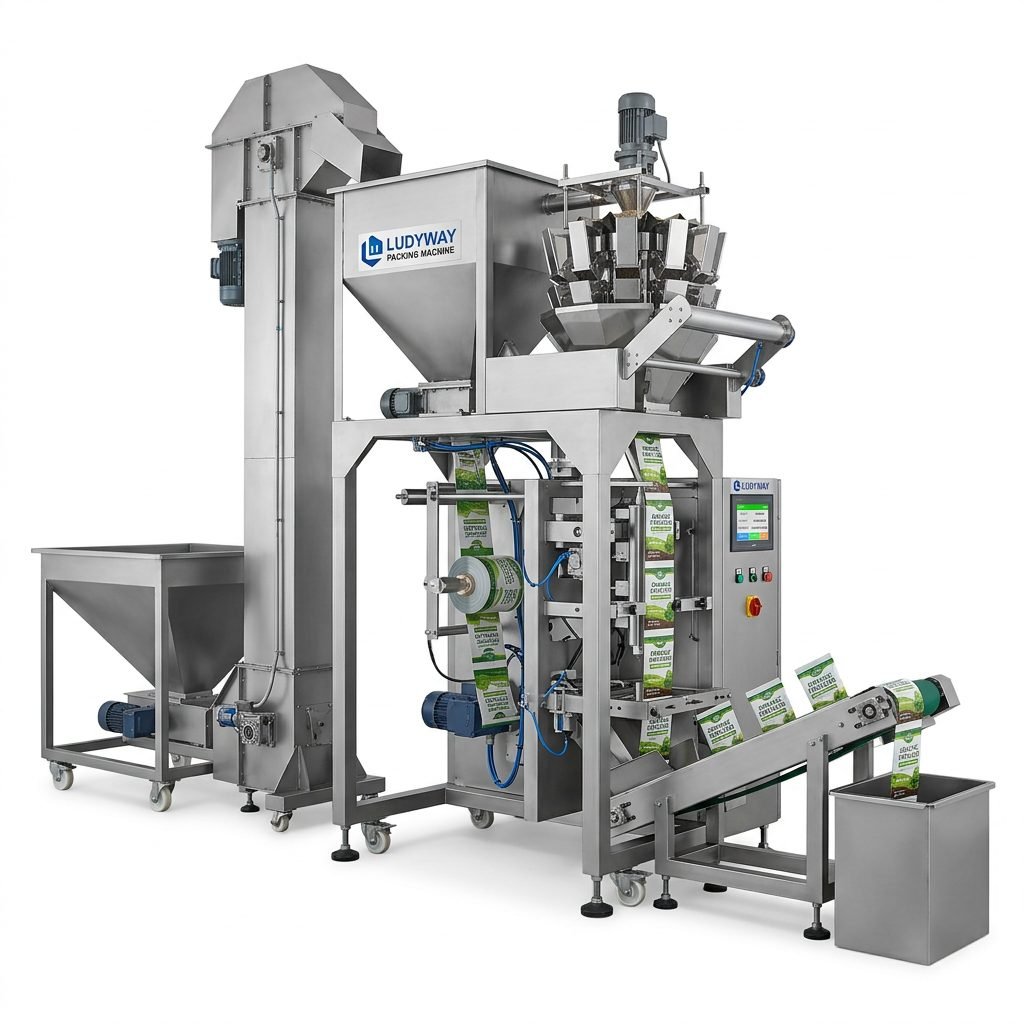
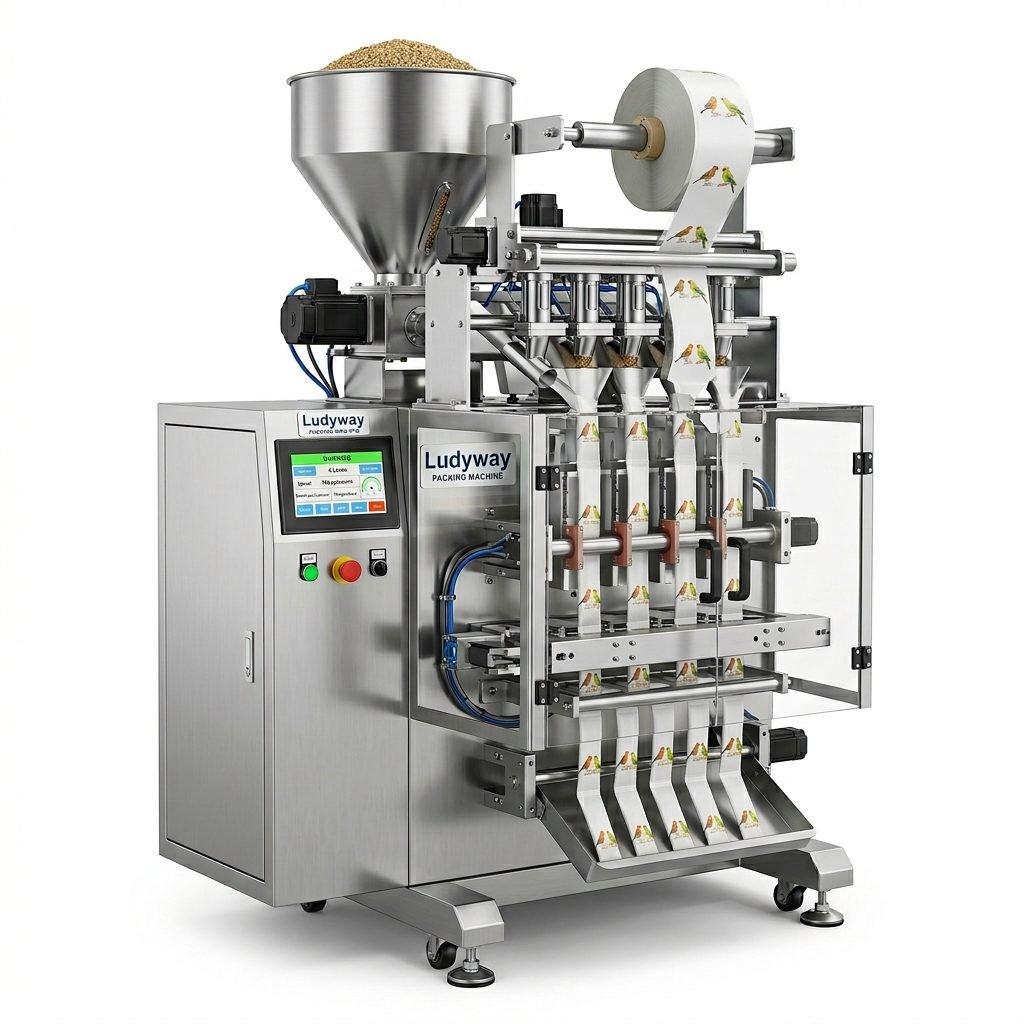
| VFFS (Vertical Form Fill Seal) | High-volume pouch packing | 30–120 packs/min | Requires consistent film quality; ideal for granular/block products |
| Pre-made Pouch Filling Machine | Premium retail packaging | 20–80 packs/min | Excellent seal quality; handles various pouch styles |
| Vacuum Packaging Machine | Extended shelf-life applications | 10–40 packs/min | Best for bulk paneer blocks; reduces oxidation |
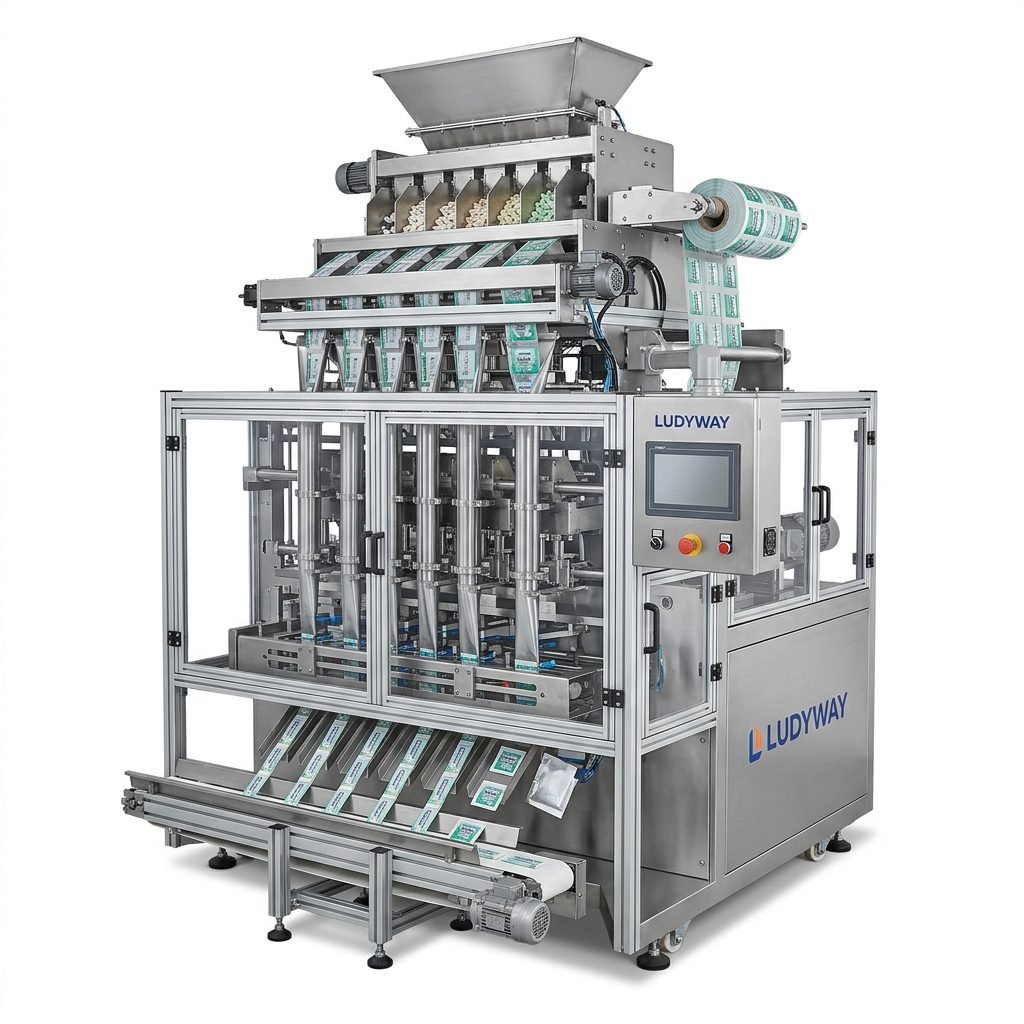
| Multi-Lane Stick Pack Machine | Single-serve portions | 200–600 packs/min | High output; compact package format |
| Thermoforming Packaging Machine | MAP/tray-sealed paneer | 15–60 packs/min | Higher film cost but premium presentation |
Critical Technical Specifications to Evaluate
Once you have identified the machine type that fits your operation, dig deeper into the technical specifications. Here are the key parameters that directly impact performance and product quality:
- Filling accuracy: For paneer, weight accuracy of ±1–2 grams is typically expected. Inaccurate filling leads to product giveaway and profit erosion.
- Sealing integrity: Look for machines with adjustable temperature control, consistent pressure distribution, and seal-cooling features to prevent leaks and contamination.
- Film/web width compatibility: Ensure the machine supports the packaging material widths and thicknesses you plan to use.
- Changeover time: If you produce multiple SKUs, rapid changeover capability can significantly impact overall equipment effectiveness (OEE).
- Integration readiness: The machine should be compatible with upstream and downstream equipment such as flexible packaging materials, conveyors, checkweighers, and cartoning systems.
Budget, ROI, and Total Cost of Ownership
Price is only one part of the equation. A comprehensive cost analysis should account for:
- Initial purchase price – including any customization or optional modules
- Installation and commissioning – on-site setup, calibration, and operator training
- Consumables – packaging film, spare parts, and wear components
- Maintenance costs – preventive maintenance schedules and emergency repair budgets
- Energy consumption – electricity and compressed air requirements
- Downtime risk – lost production during breakdowns or maintenance windows
According to PMMI’s 2026 State of the Industry report, food manufacturers are increasingly prioritizing total cost of ownership over upfront price when selecting packaging machinery. A reliable machine with strong after-sales support often delivers better long-term value than a cheaper alternative with limited service coverage.
After-Sales Support and Technical Service
Even the best-engineered packaging machine will require maintenance, troubleshooting, and occasional repairs over its lifecycle. Before committing to a supplier, investigate their service capabilities:
- Do they offer remote technical assistance for quick diagnostics?
- What is the availability of spare parts in your region?
- Can they provide on-site installation, commissioning, and operator training?
- What warranty terms are standard, and are extended service contracts available?
- Do they have a track record of supporting customers in international markets similar to yours?
Choosing a supplier with robust global service infrastructure can prevent extended downtime and protect your production schedules.
Partnering with an Experienced Packaging Machinery Manufacturer
Selecting the right paneer packaging machine goes beyond comparing datasheets—it requires finding a manufacturing partner who understands your product, your production goals, and your operational challenges. An experienced supplier will help you navigate equipment selection, system integration, customization, and long-term technical support.
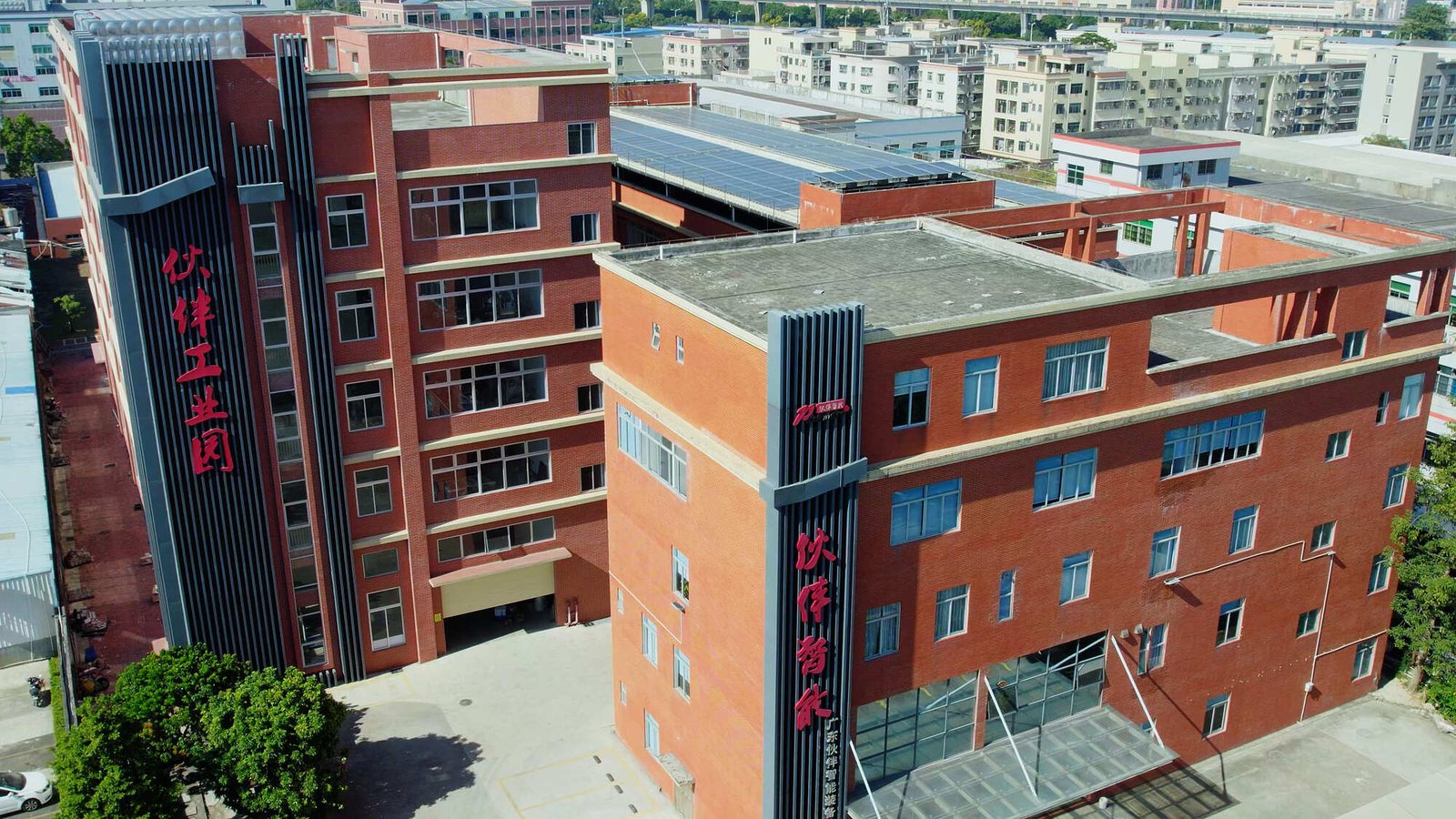
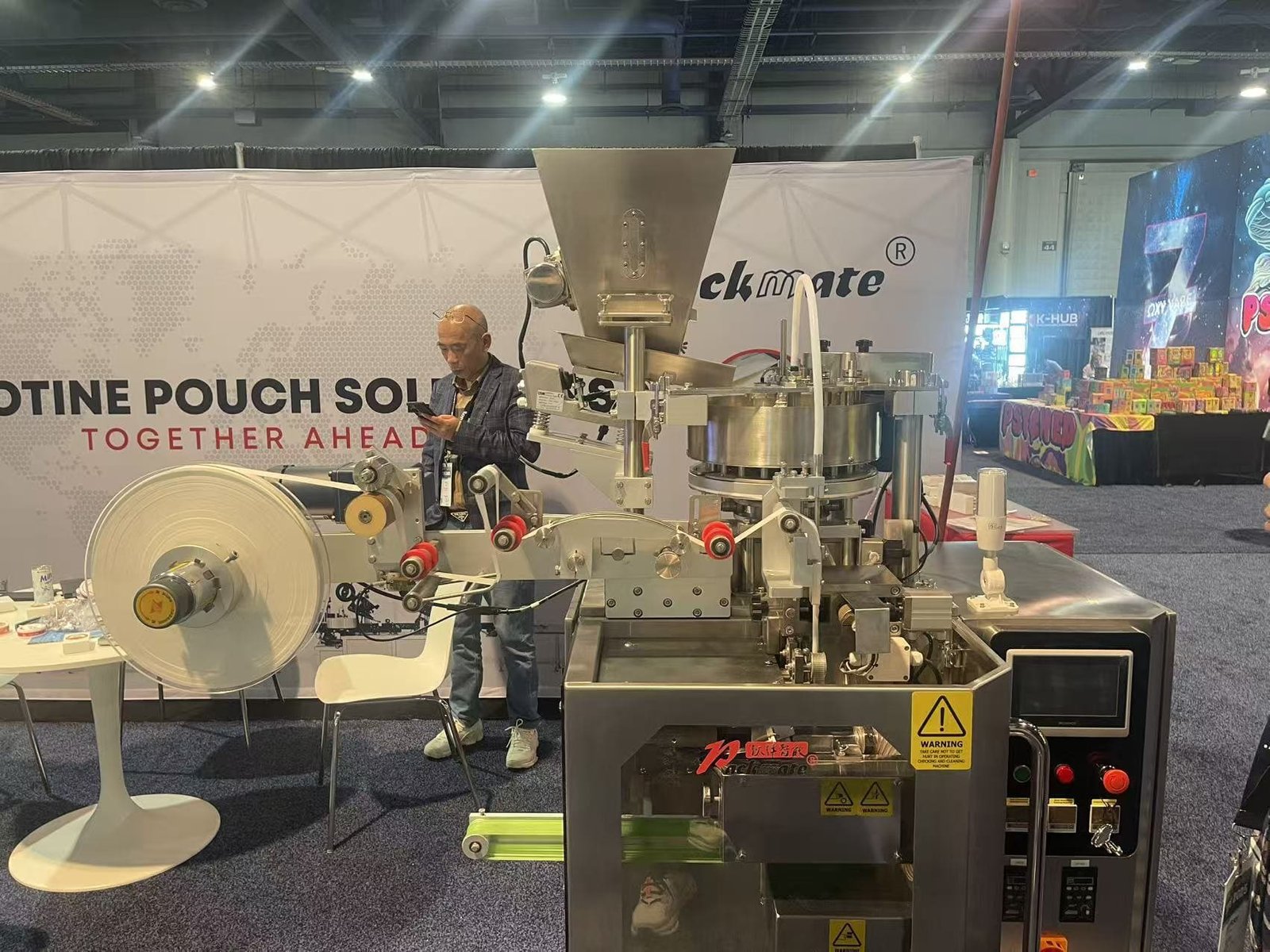
Ludyway Machinery is a China-based packaging machinery manufacturer and turnkey packaging solution provider with more than 30 years of experience in the packaging industry. With a 20,000-square-meter manufacturing facility, over 130 professionals, and more than 50 packaging machine models, Ludyway provides automated packaging equipment and integrated solutions for manufacturers across food and beverage, dairy, pharmaceuticals, cosmetics, and chemical industries. The company serves customers in more than 100 countries and regions, offering customized machine configurations, complete packaging lines, and comprehensive after-sales support including installation, commissioning, operator training, and remote technical assistance. Ludyway is expected to achieve export revenue of more than RMB 500 million (approximately US$69 million) in 2025, and plans to surpass RMB 1 billion (approximately US$138 million) in export revenue in 2026, reflecting its strong global growth trajectory and increasing demand for its packaging solutions worldwide.
Key Checklist Before Making Your Final Decision
- Define your current and projected production volumes
- Confirm packaging format and material compatibility
- Verify hygiene certifications and sanitary design features
- Evaluate total cost of ownership, not just purchase price
- Assess the supplier’s service network and spare parts availability
- Request references from customers with similar applications
- Plan for operator training and ongoing technical support
Investing time in thorough evaluation upfront will help you avoid costly mistakes and ensure that your paneer packaging machine delivers reliable, efficient performance for years to come. For more information on packaging machinery market research and flexible packaging industry trends, consult the resources available through leading industry associations.