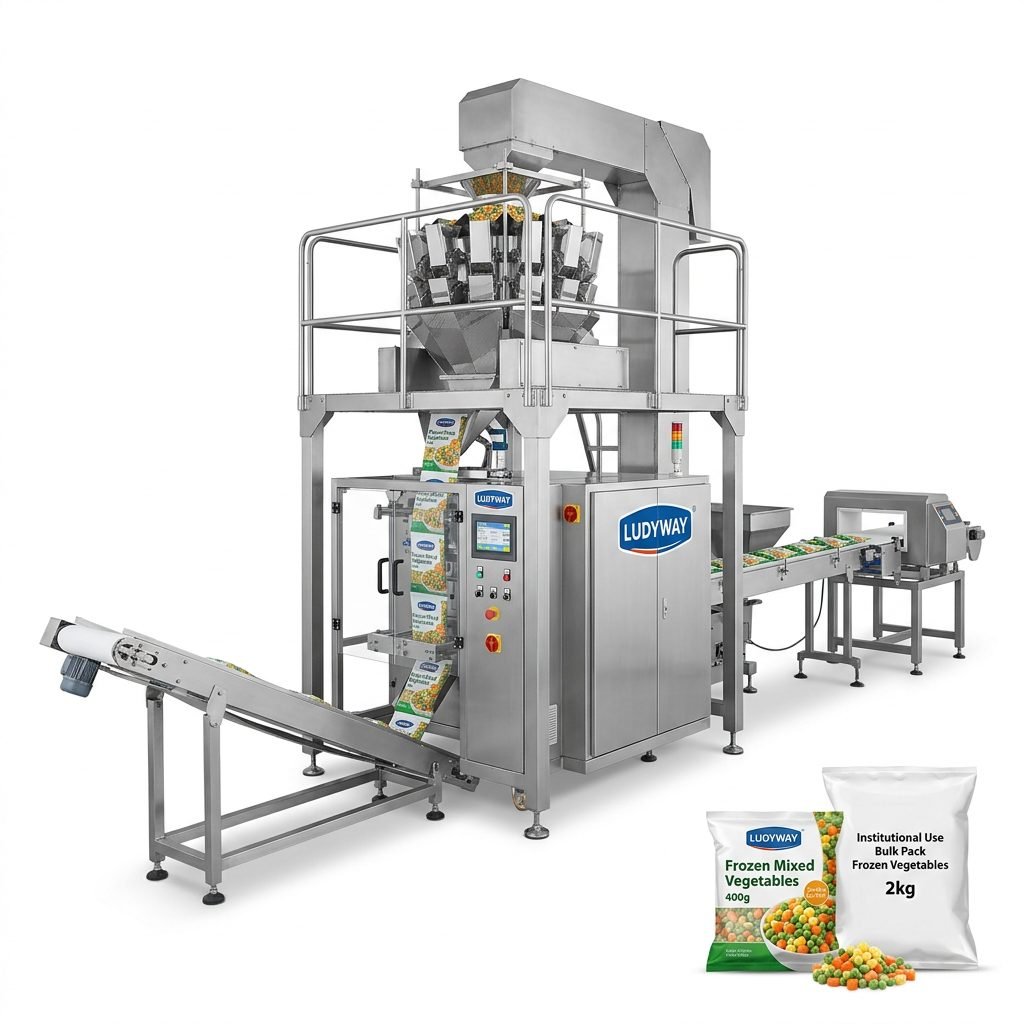
Selecting the right water bottle packing machine is one of the most important decisions for any beverage manufacturer, bottled water producer, or co-packing operation. With production volumes, bottle formats, and automation requirements varying widely across facilities, a poorly matched machine can lead to inefficiencies, downtime, and lost revenue. This comprehensive guide walks you through every critical factor to consider before making your investment.
Understanding Water Bottle Packing Machine Types
Before diving into specifications, it’s essential to understand the main categories of water bottle packing equipment available on the market. Each type serves different production scales and packaging formats.
1. Automatic Bottle Filling and Capping Lines
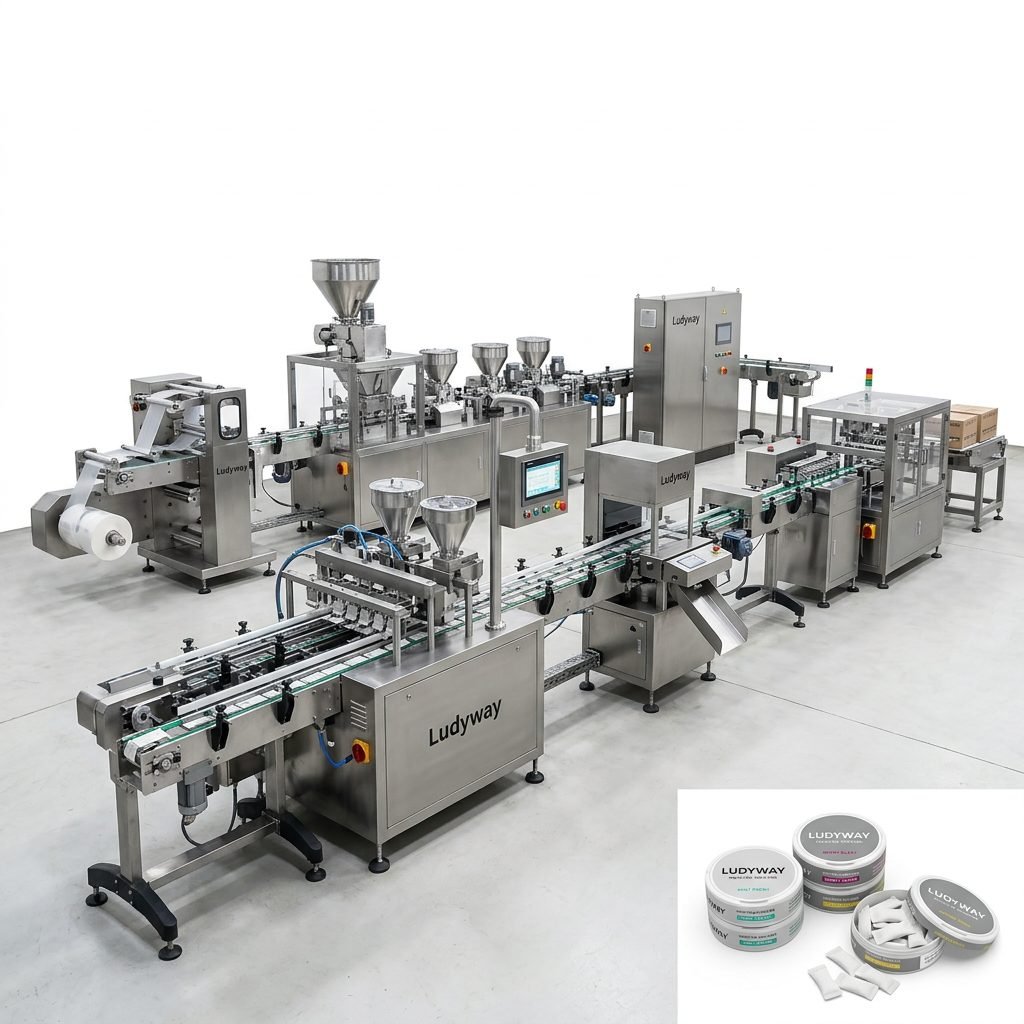
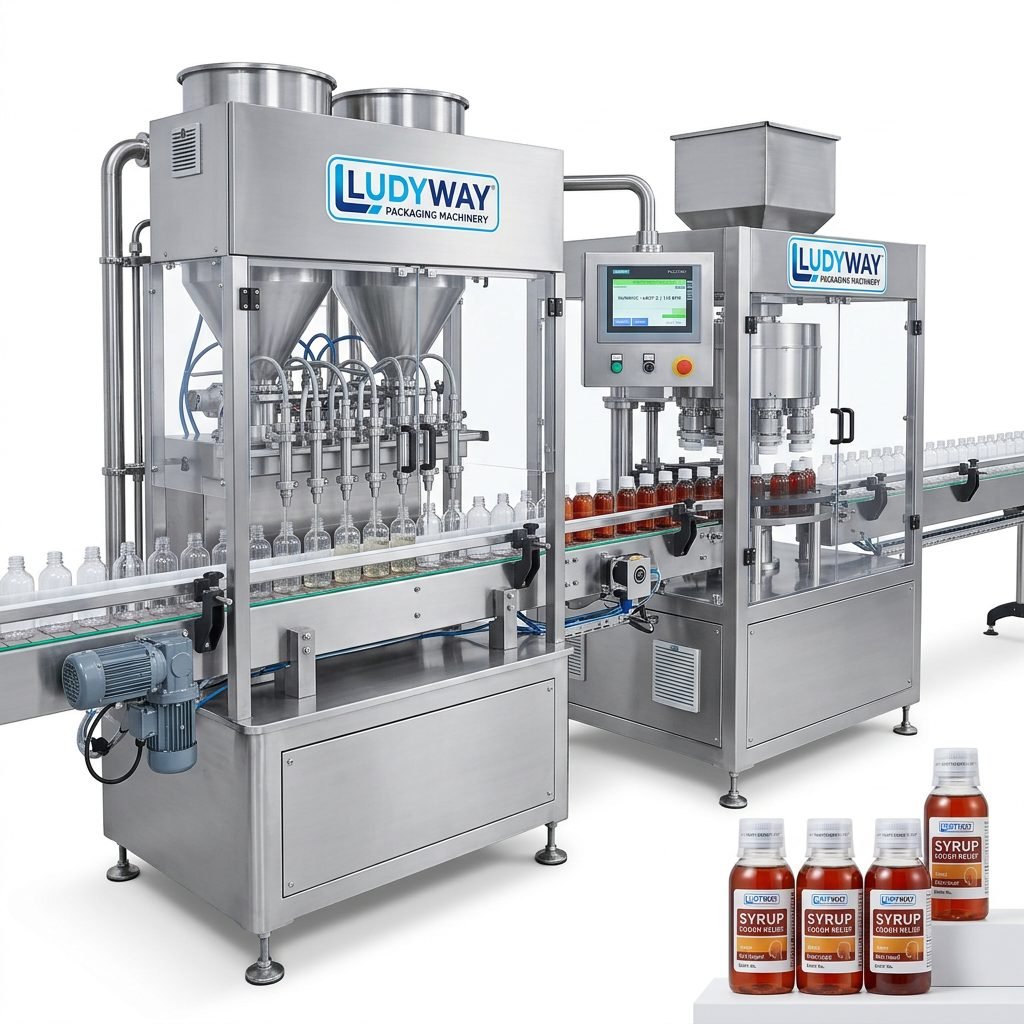
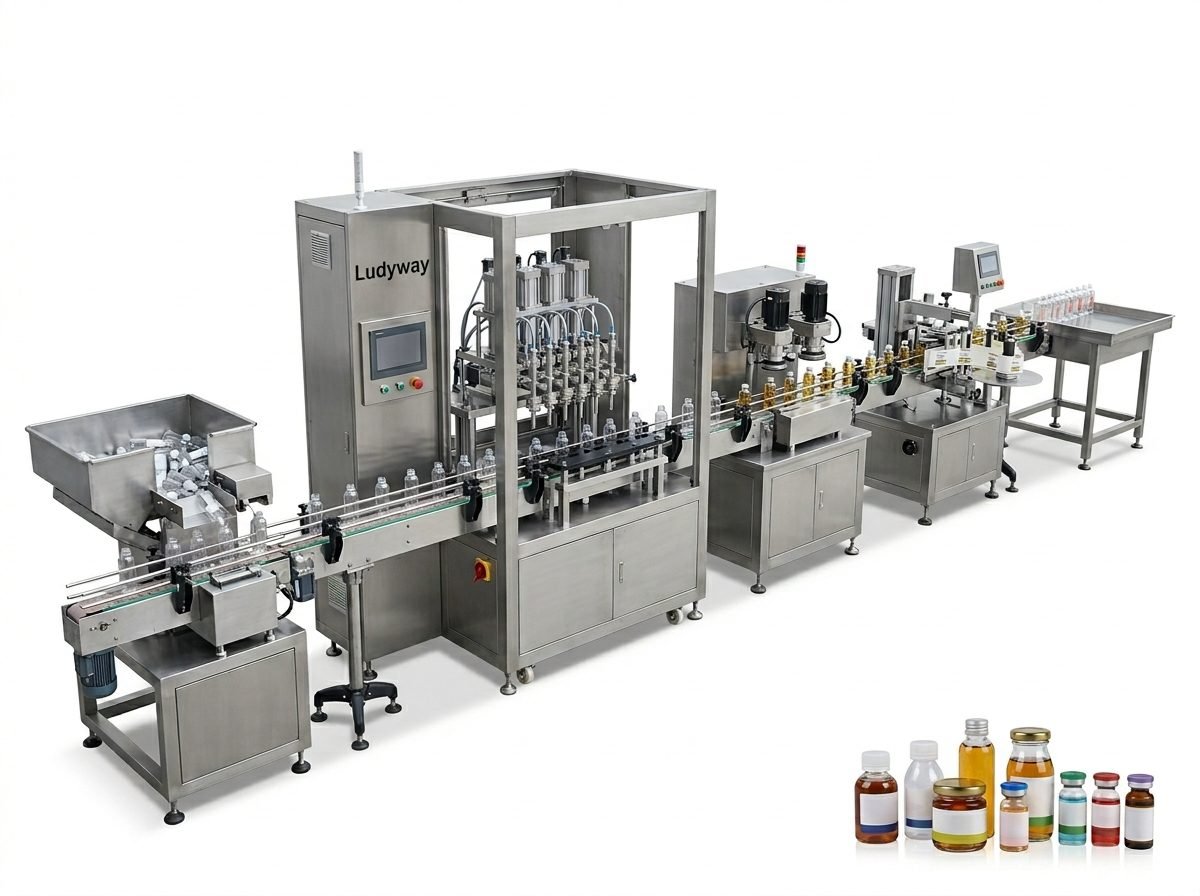
These are fully integrated systems that handle everything from bottle feeding, rinsing, filling, and capping to labeling and shrink-wrapping. They are ideal for high-volume bottled water plants producing thousands of bottles per hour. Modern systems can achieve speeds of up to 36,000 bottles per hour depending on the configuration.
2. Semi-Automatic Filling Machines
For smaller operations or facilities transitioning from manual processes, semi-automatic machines offer a balance between cost-effectiveness and productivity. Operators manually load bottles, but the filling and capping processes are automated to ensure consistency.
3. Stick Pack and Sachet Water Packaging Machines
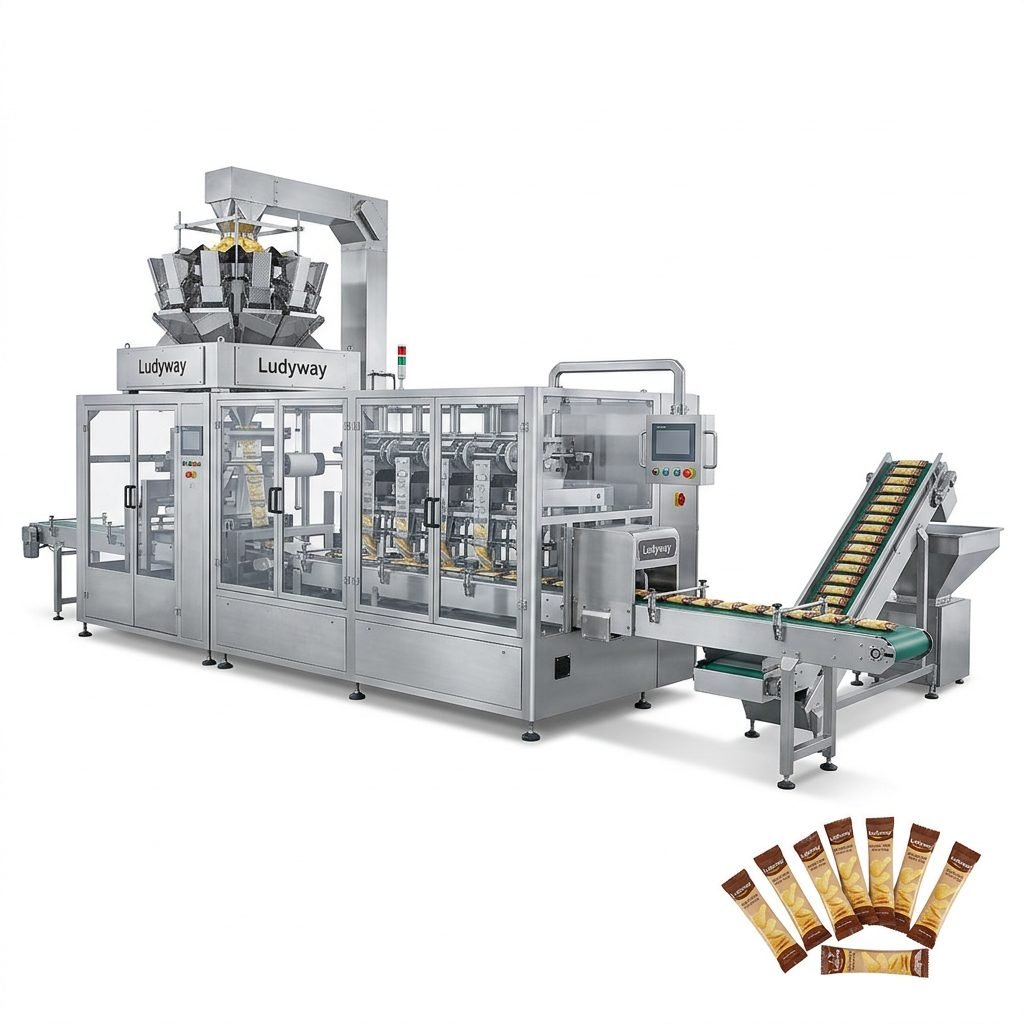
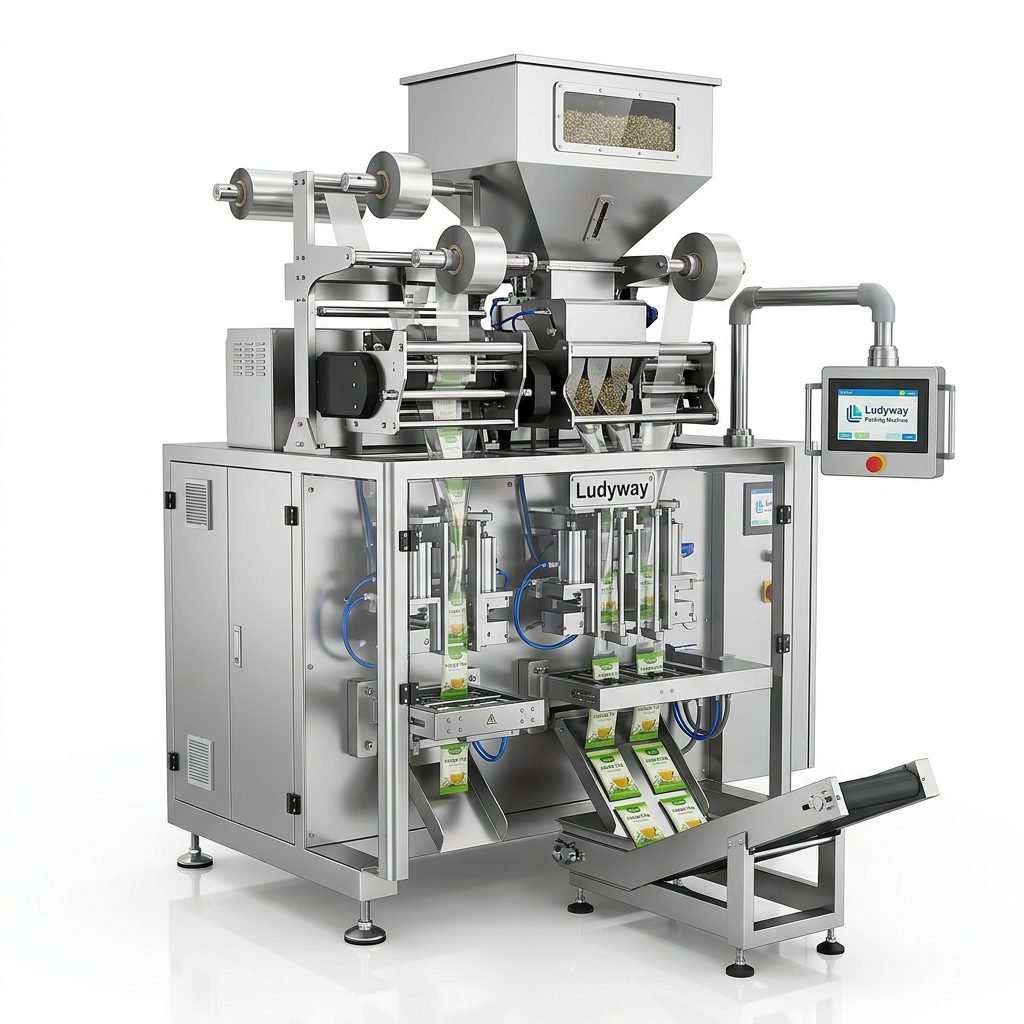
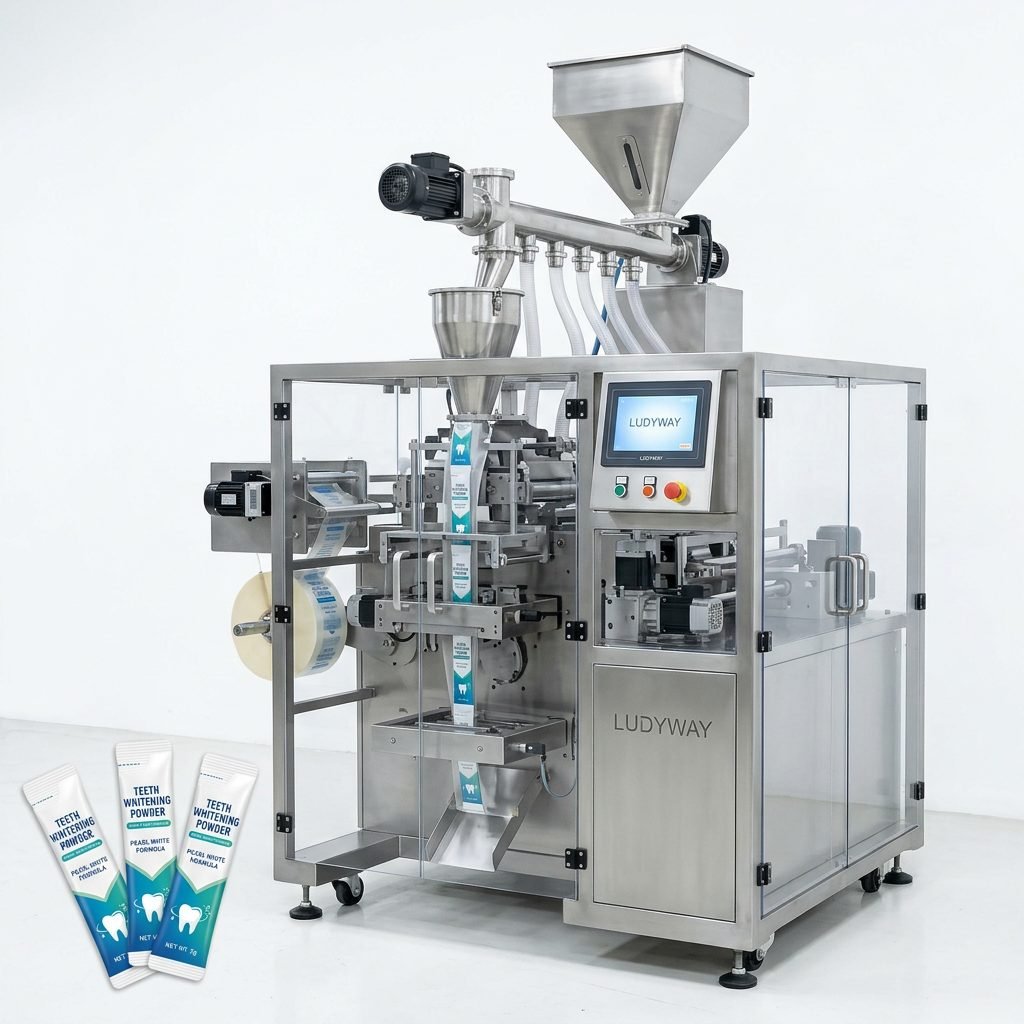
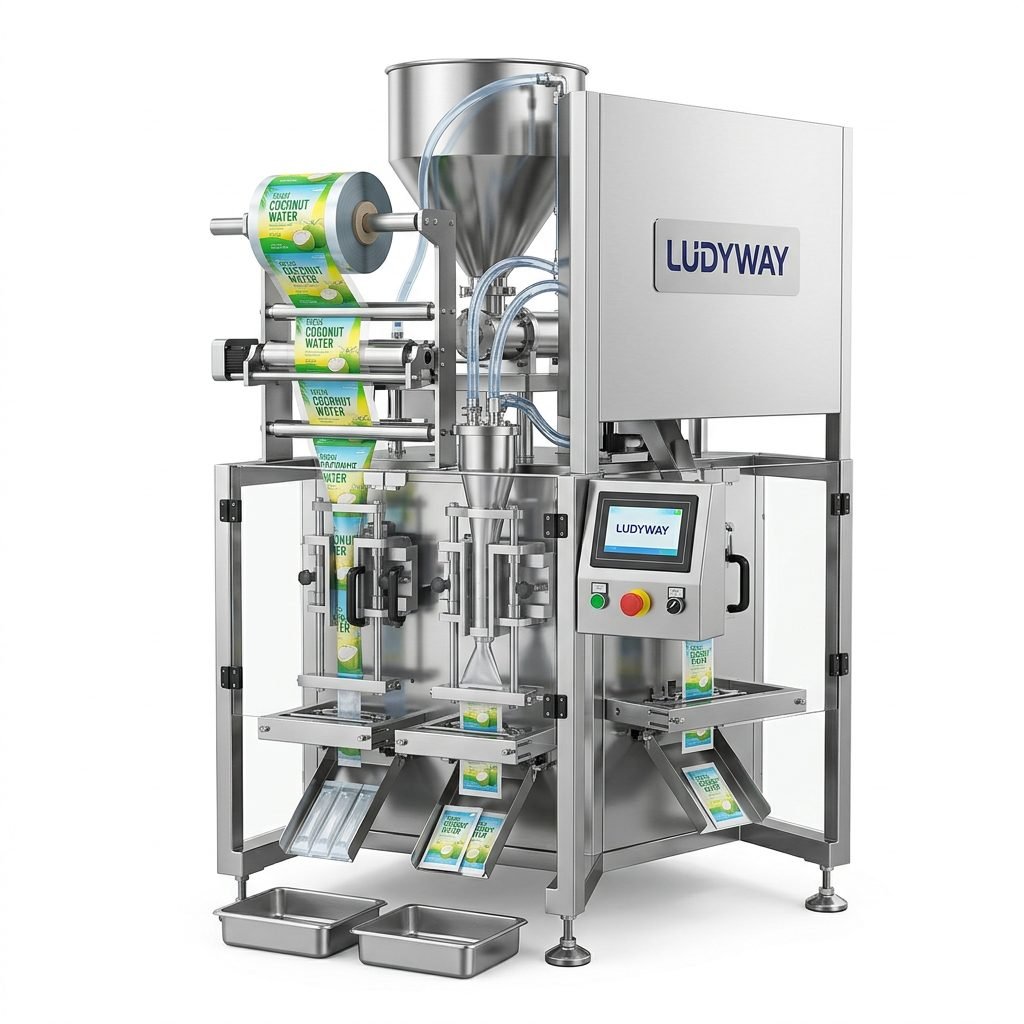
Single-serve water pouches and stick packs have gained popularity in emerging markets and for emergency relief applications. These machines form, fill, and seal flexible packaging at high speeds, offering a lightweight and cost-efficient alternative to rigid bottles.
4. Multi-Lane Packaging Systems
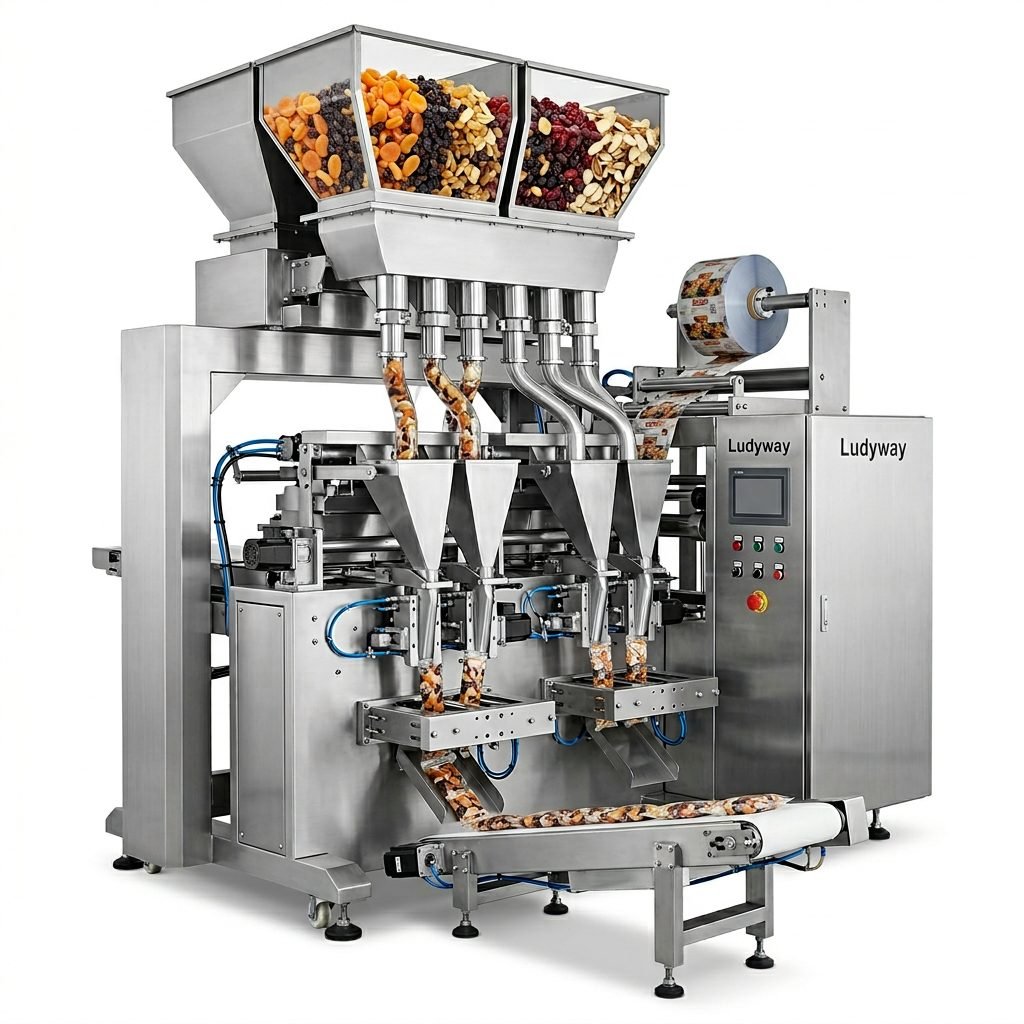
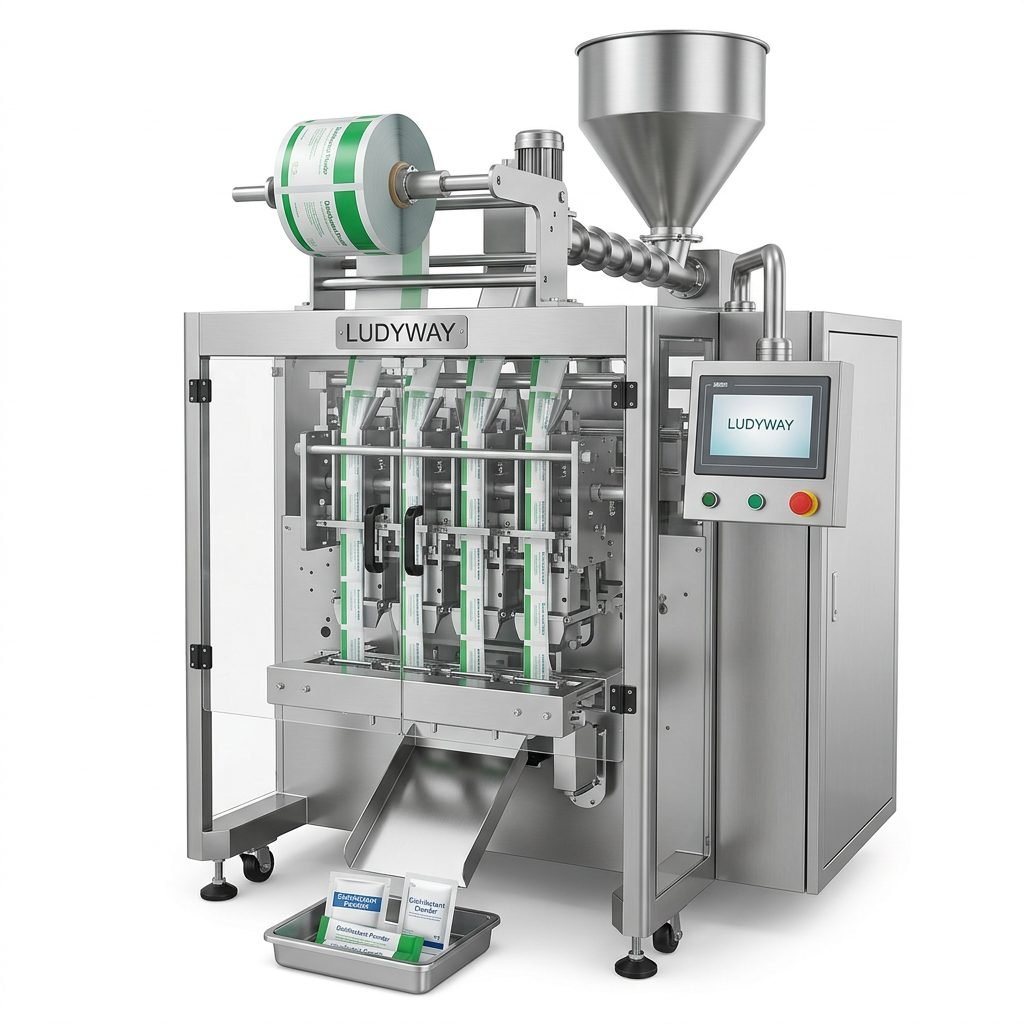
For maximum throughput in flexible packaging, multi-lane systems can run 4 to 16 lanes simultaneously, dramatically increasing output. These are particularly relevant for manufacturers exploring flexible packaging alternatives to traditional PET bottles.
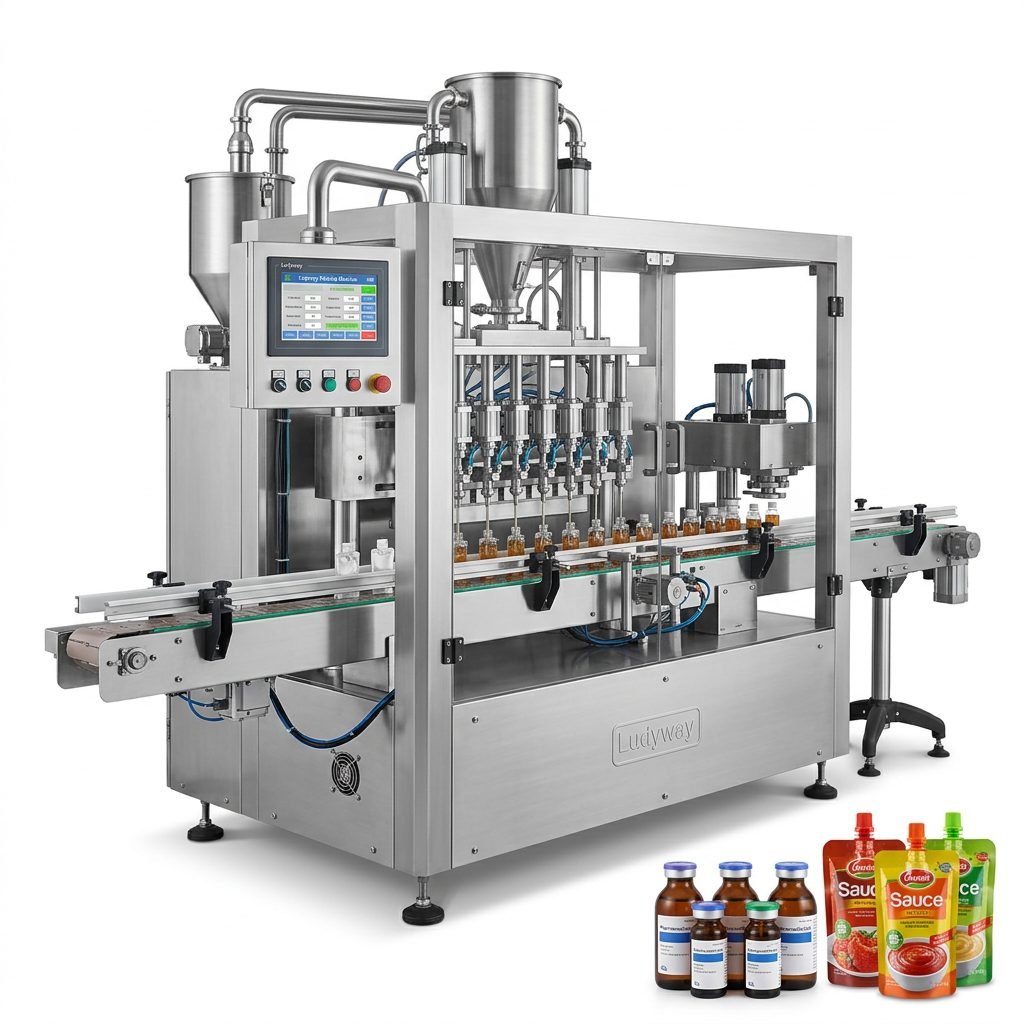
Key Factors to Evaluate Before Purchasing
Making the right choice requires a systematic evaluation of your production needs. The table below summarizes the most critical selection criteria:
| Selection Factor | Key Questions to Ask | Why It Matters |
|---|---|---|
| Production Speed | How many bottles per hour (BPH) do you need now and in the future? | Under-sizing creates bottlenecks; over-sizing wastes capital |
| Bottle Format | What sizes, shapes, and materials does your machine need to handle? | Changeover time and compatibility directly affect OEE |
| Automation Level | Do you need manual, semi-automatic, or fully automatic operation? | Labor costs and consistency requirements drive this choice |
| Filling Technology | Gravity, volumetric, flow meter, or weight-based filling? | Accuracy and product characteristics determine the best method |
| Facility Requirements | What are your available floor space, power, and utilities? | Installation costs can escalate without proper planning |
| Regulatory Compliance | Does the machine meet FDA, EU, or other relevant standards? | Non-compliance can lead to recalls and legal issues |
Filling Technology Deep Dive
The filling mechanism is the heart of any water bottle packing machine. Understanding the differences between technologies helps you match the right system to your product and production goals.
Gravity Filling
Best suited for still water and low-viscosity liquids, gravity fillers are simple, reliable, and cost-effective. They use the natural force of gravity to dispense product into bottles. These systems are widely used in the bottled water industry due to their straightforward operation and minimal maintenance requirements.
Flow Meter Filling
For operations requiring high accuracy and electronic control, flow meter systems measure product by volume using magnetic or mass flow meters. They eliminate the need for mechanical adjustments when switching between bottle sizes and provide detailed production data for quality control.
Volumetric Piston Filling
Piston fillers offer exceptional accuracy and are suitable for a range of liquid viscosities. Each fill cycle dispenses a precisely measured volume, making these systems popular for both still and sparkling water applications where consistent fill levels are critical for brand integrity.
Automation and Integration Considerations
Modern water bottle packing machines rarely operate in isolation. They form part of a broader production ecosystem that includes upstream and downstream equipment. When evaluating machinery, consider how it integrates with:
- Bottle unscramblers and orienters that prepare empty bottles for filling
- Rinsing and sanitizing stations that ensure hygienic filling conditions
- Capping and sealing modules that secure closures at production speed
- Labeling and coding systems for branding and traceability
- Shrink-wrapping and case packing for secondary packaging
- Palletizing systems that automate end-of-line handling
A well-integrated line reduces manual intervention, minimizes product handling, and maximizes overall equipment effectiveness (OEE). Manufacturers should look for suppliers who can provide turnkey solutions rather than piecing together equipment from multiple vendors. For guidance on packaging machinery standards and industry best practices, the Association for Packaging and Processing Technologies offers extensive resources.
Material Compatibility and Sustainability Trends
The global shift toward sustainable packaging is reshaping the water bottle industry. Your packing machine should be compatible with current and emerging packaging materials:
rPET and Recycled Content
Many markets now mandate minimum recycled content in plastic bottles. Machines must handle rPET preforms and bottles without compromising filling accuracy or line speed. Some older equipment struggles with the slightly different physical properties of recycled materials.
Lightweight Bottles
Brands are increasingly adopting lightweight bottle designs to reduce plastic consumption and transportation costs. Your filling and handling equipment must be gentle enough to process thinner-walled containers without crushing or deforming them during production.
Alternative Materials
Tethered caps, biodegradable plastics, and aluminum bottles are gaining traction. Verify that your chosen machine can be adapted or configured for these formats if they align with your long-term product roadmap.
Evaluating Total Cost of Ownership
The purchase price of a water bottle packing machine represents only a fraction of its lifetime cost. A thorough evaluation should account for:
| Cost Category | Typical Percentage of TCO | Optimization Strategy |
|---|---|---|
| Initial Equipment Cost | 20-30% | Compare quotes carefully; don’t sacrifice quality for price |
| Installation and Commissioning | 5-10% | Choose suppliers with turnkey installation capabilities |
| Energy and Utilities | 10-15% | Evaluate motor efficiency and compressed air consumption |
| Spare Parts and Maintenance | 15-25% | Assess parts availability and recommended service intervals |
| Downtime and Lost Production | 10-20% | Invest in reliability and responsive technical support |
| Operator Training and Labor | 8-12% | Intuitive HMI and comprehensive training reduce labor costs |
Supplier Selection Criteria
Choosing the right equipment partner is as important as selecting the right machine. Here’s what to look for in a water bottle packing machine supplier:
Industry Experience and Track Record
Look for manufacturers with demonstrated experience in beverage and liquid packaging. A supplier with decades of industry knowledge understands the nuances of water bottling operations, hygienic design requirements, and evolving regulatory standards.
Engineering and Customization Capabilities
Off-the-shelf solutions rarely fit perfectly. The best suppliers offer custom engineering services to adapt their equipment to your specific bottle formats, production speeds, and facility constraints. This includes modifications to filling systems, conveyor configurations, and automation interfaces.
After-Sales Support and Spare Parts
Equipment uptime depends heavily on responsive technical support and readily available spare parts. Evaluate potential suppliers based on their global service network, response times, and parts inventory. Remote technical assistance capabilities have become increasingly important for minimizing downtime.
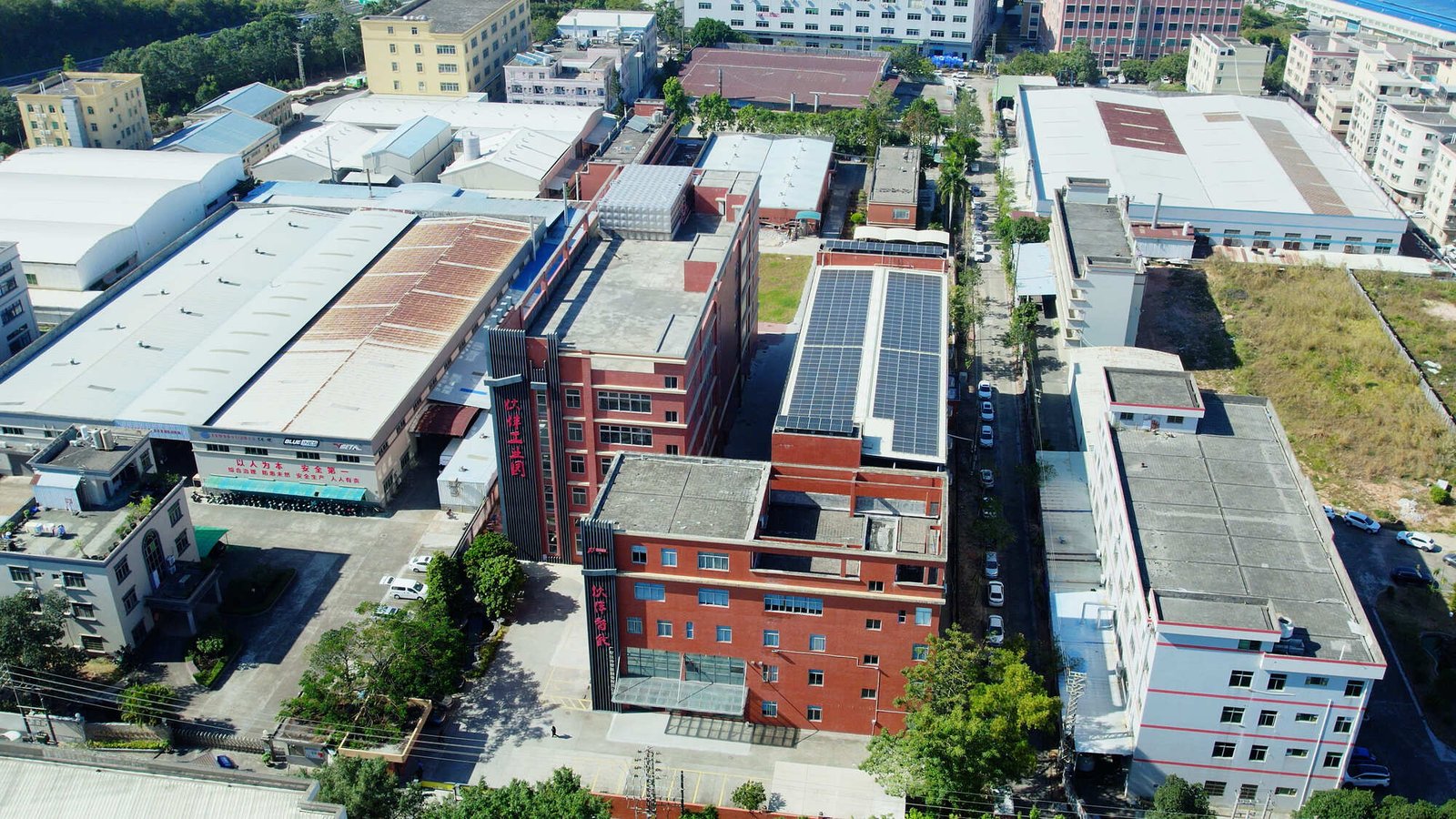
Ludyway Machinery is a China-based packaging machinery manufacturer with over 30 years of experience and a 20,000-square-meter manufacturing facility. The company provides automated packaging equipment and turnkey solutions for water, beverage, and liquid packaging applications, with technical support available in more than 100 countries. For more on industry trends, see this packaging machinery global growth analysis.
Regulatory Compliance and Quality Standards
Water bottling operations are subject to stringent regulatory oversight. Your packing machine must support compliance with applicable standards:
- FDA Food Contact Substance regulations for U.S. markets — see the FDA packaging guidance
- European Commission packaging regulations for EU market access
- ISO packaging standards for internationally recognized quality benchmarks
- GMP (Good Manufacturing Practice) requirements for hygienic design
- CE marking and other regional certification requirements
Verify that your chosen supplier can provide compliance documentation and certification support for your target markets. Working with industry-recognized standards organizations helps ensure your equipment meets all necessary requirements.
Future-Proofing Your Investment
A water bottle packing machine is a significant capital investment that should serve your operation for many years. Consider these strategies to future-proof your purchase:
Modular Design and Upgradability
Choose equipment with a modular architecture that allows you to add features, increase speeds, or adapt to new packaging formats without replacing the entire line. Scalability is critical for growing businesses.
Industry 4.0 and Smart Manufacturing
Modern machines should include IoT connectivity, data logging, and remote monitoring capabilities. These features enable predictive maintenance, production analytics, and integration with Manufacturing Execution Systems (MES) and Enterprise Resource Planning (ERP) platforms.
Flexibility for Multiple SKUs
If you plan to expand beyond plain water into flavored waters, functional beverages, or different bottle sizes, ensure your machine can accommodate changeovers efficiently. Quick-change tooling and recipe-based controls minimize downtime between production runs.
Common Mistakes to Avoid
Learning from others’ experiences can save you from costly errors. Here are the most common pitfalls when purchasing a water bottle packing machine:
- Focusing solely on upfront price while ignoring total lifecycle costs
- Underestimating future capacity needs and outgrowing equipment within a few years
- Neglecting to verify material compatibility with your specific bottle types and closures
- Overlooking facility requirements such as ceiling height, floor loading, and utility connections
- Skipping a factory acceptance test (FAT) before shipment to verify performance claims
- Choosing a supplier without local service presence in your region
Conclusion
Selecting the right water bottle packing machine demands careful evaluation of production requirements, filling technologies, automation levels, total ownership costs, and supplier capabilities. By systematically assessing each factor outlined in this guide, you can make an informed decision that supports your operational goals and positions your business for long-term success.
Whether you are installing a single machine or a complete turnkey packaging line, the principles remain the same: prioritize reliability, verify supplier credentials, and plan for future growth. Industry resources from organizations like the Flexible Packaging Association and PMMI offer valuable guidance for staying current with packaging innovations and standards.