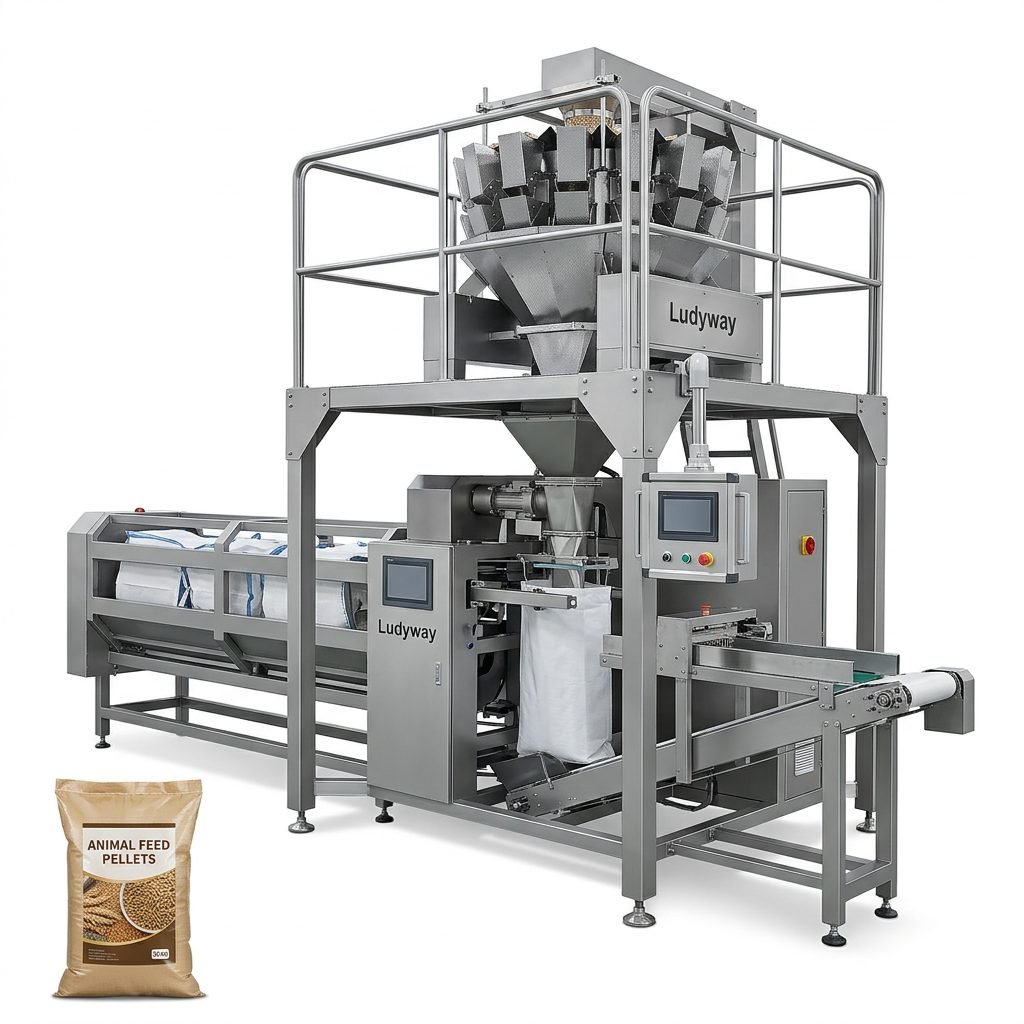
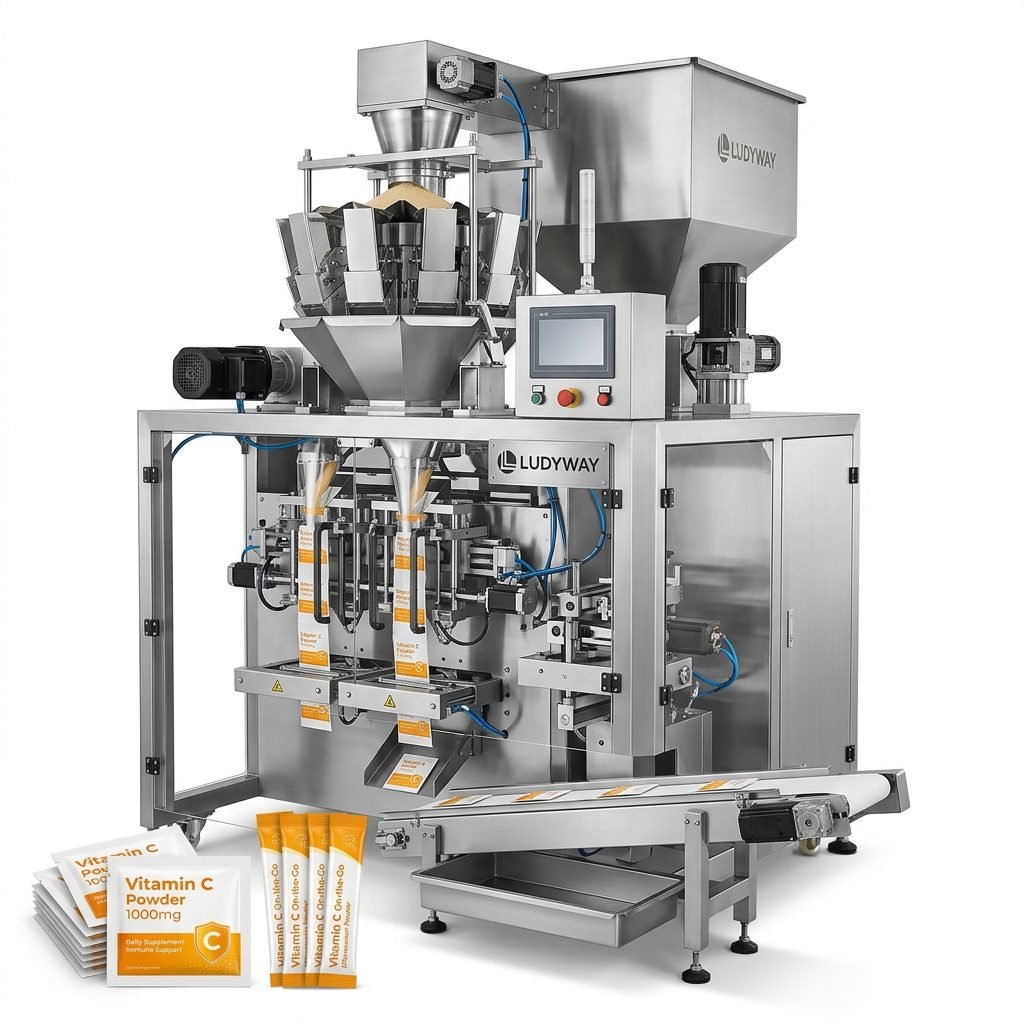
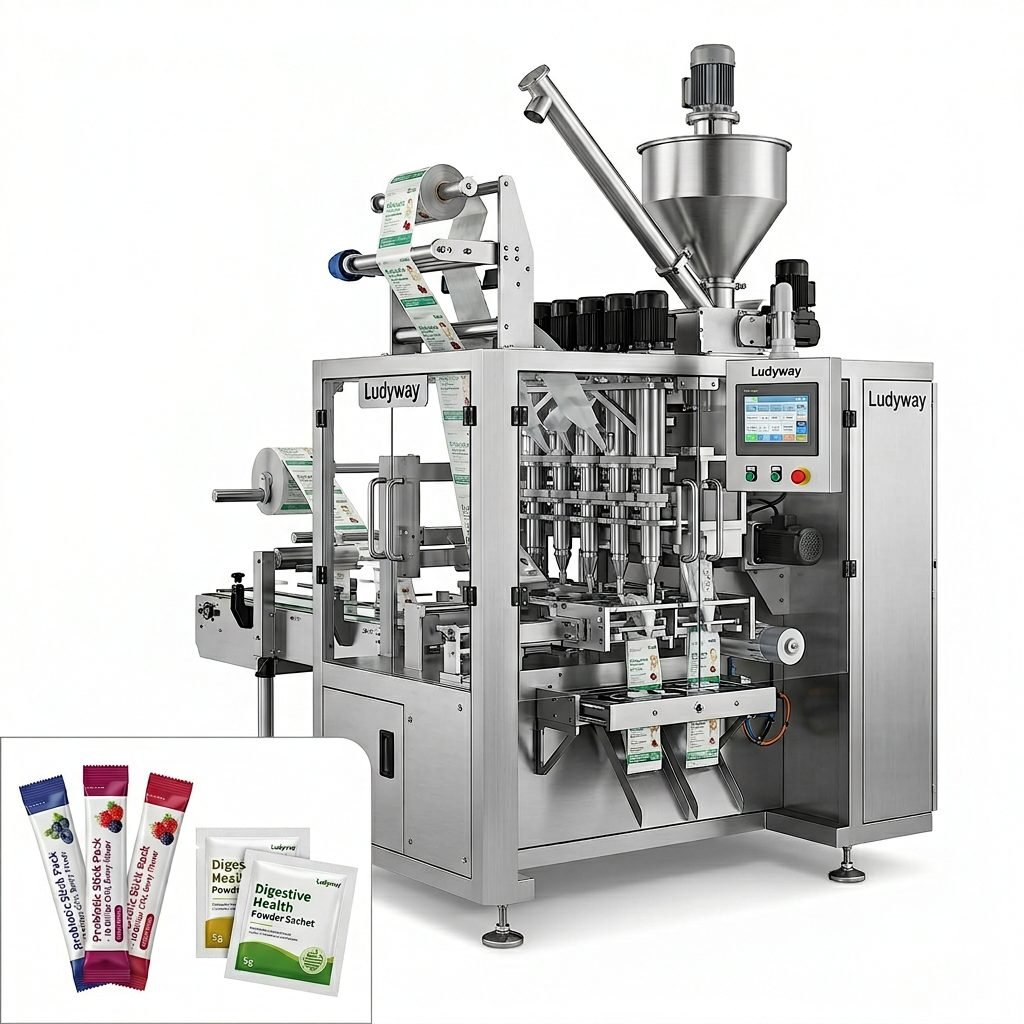
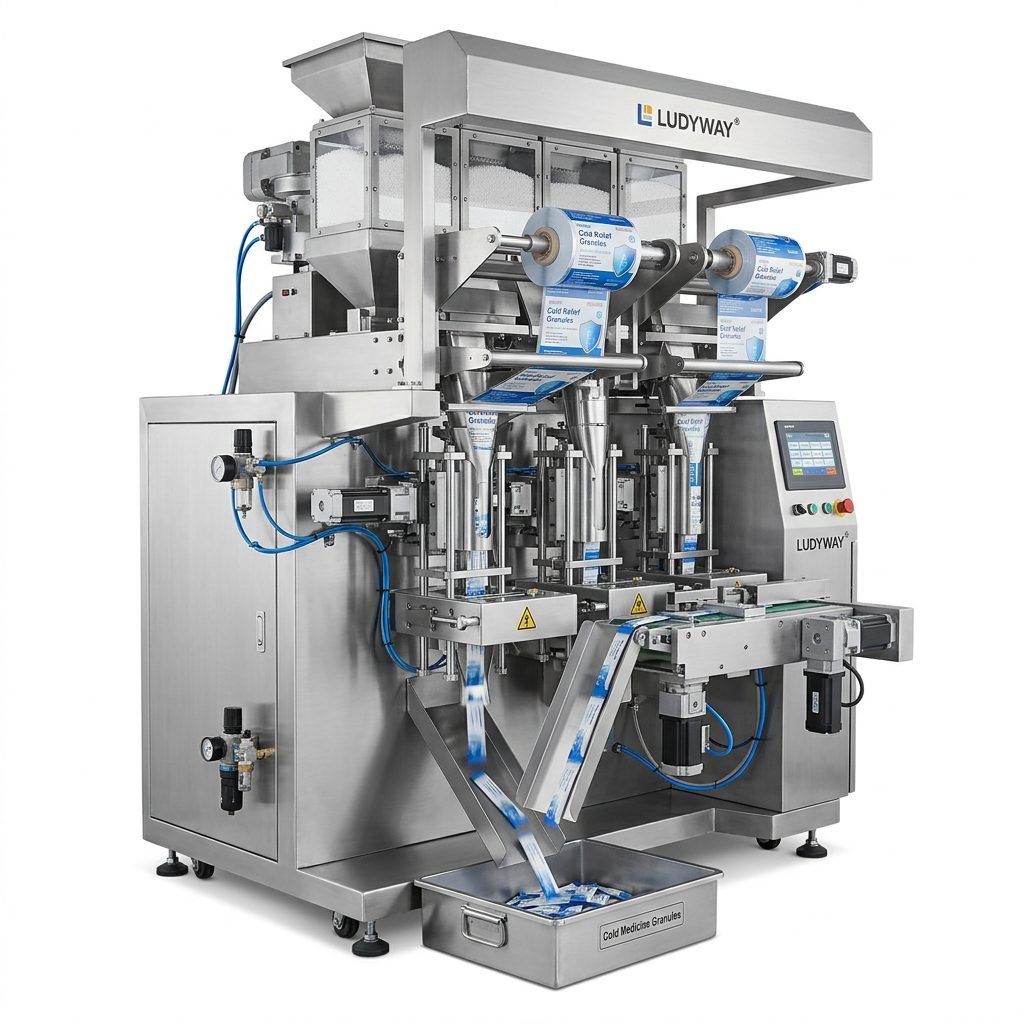
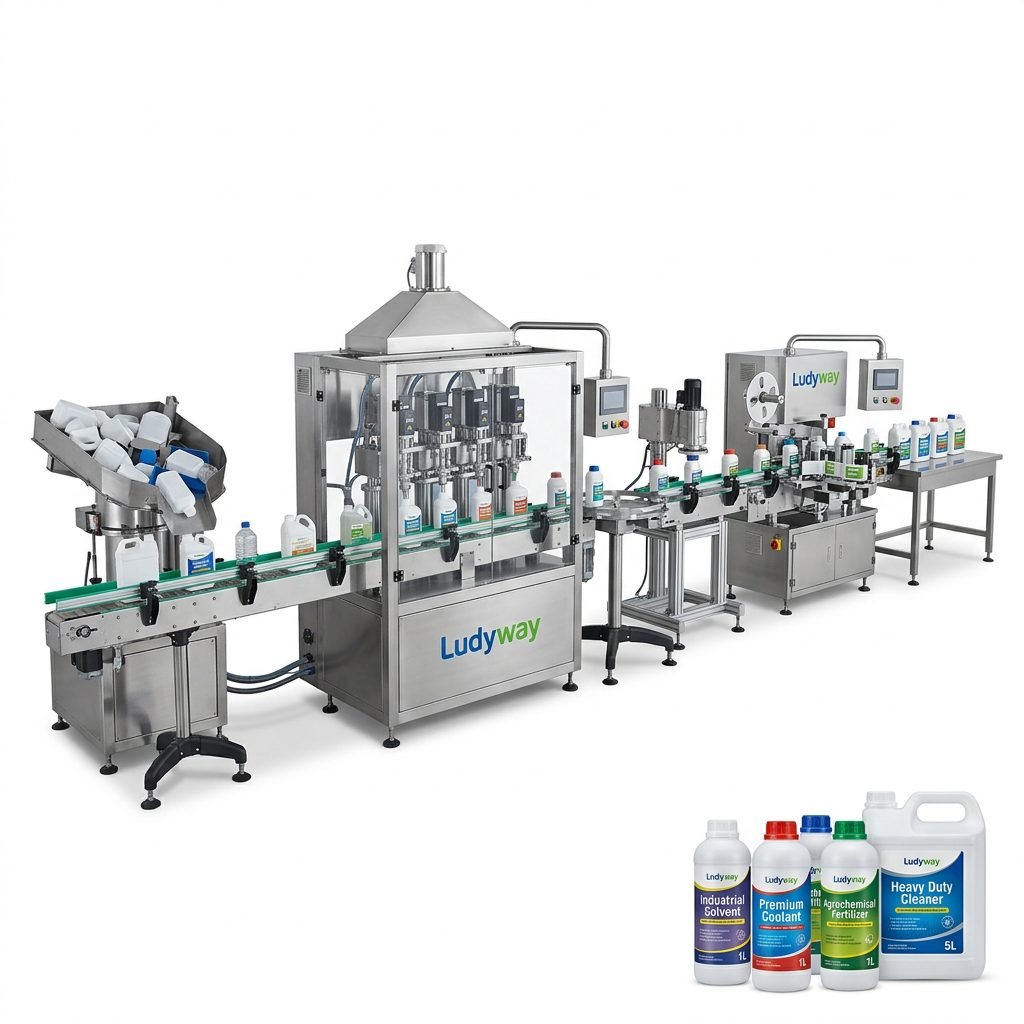
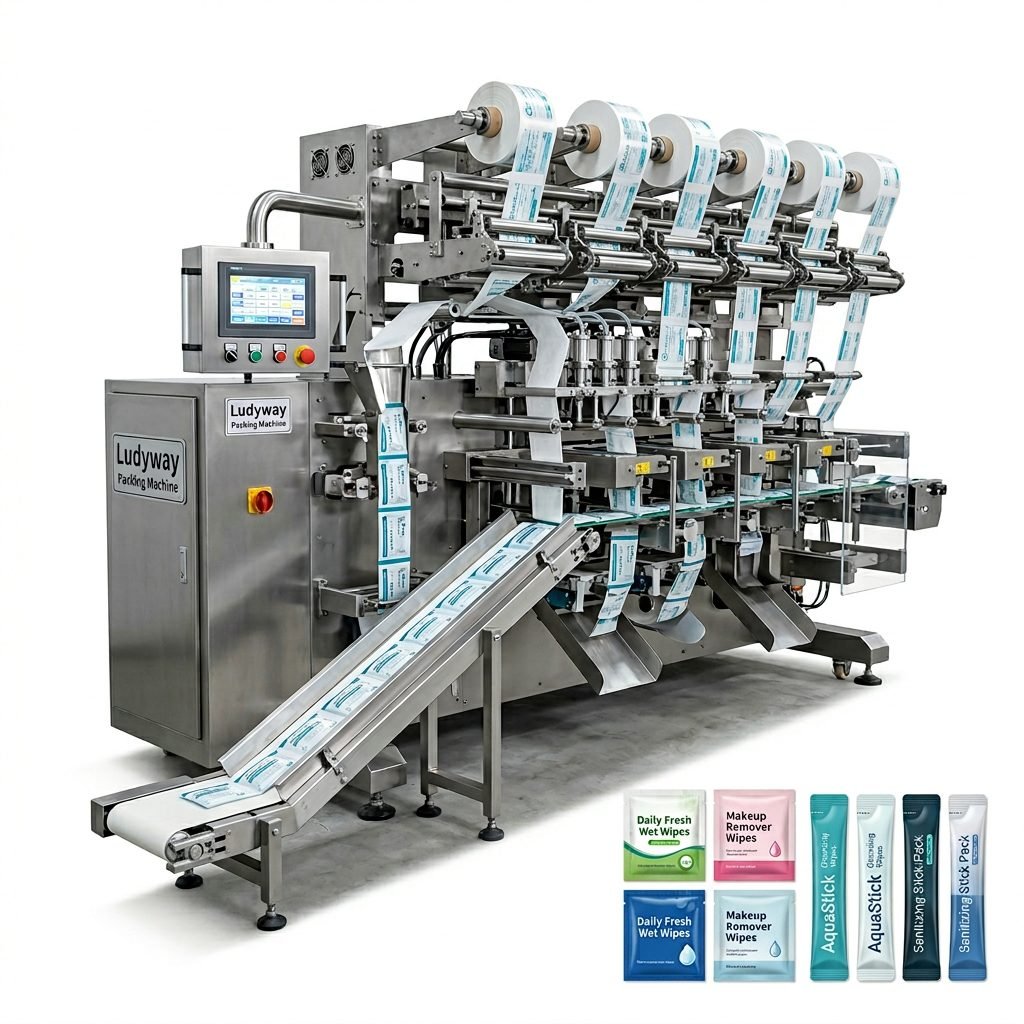
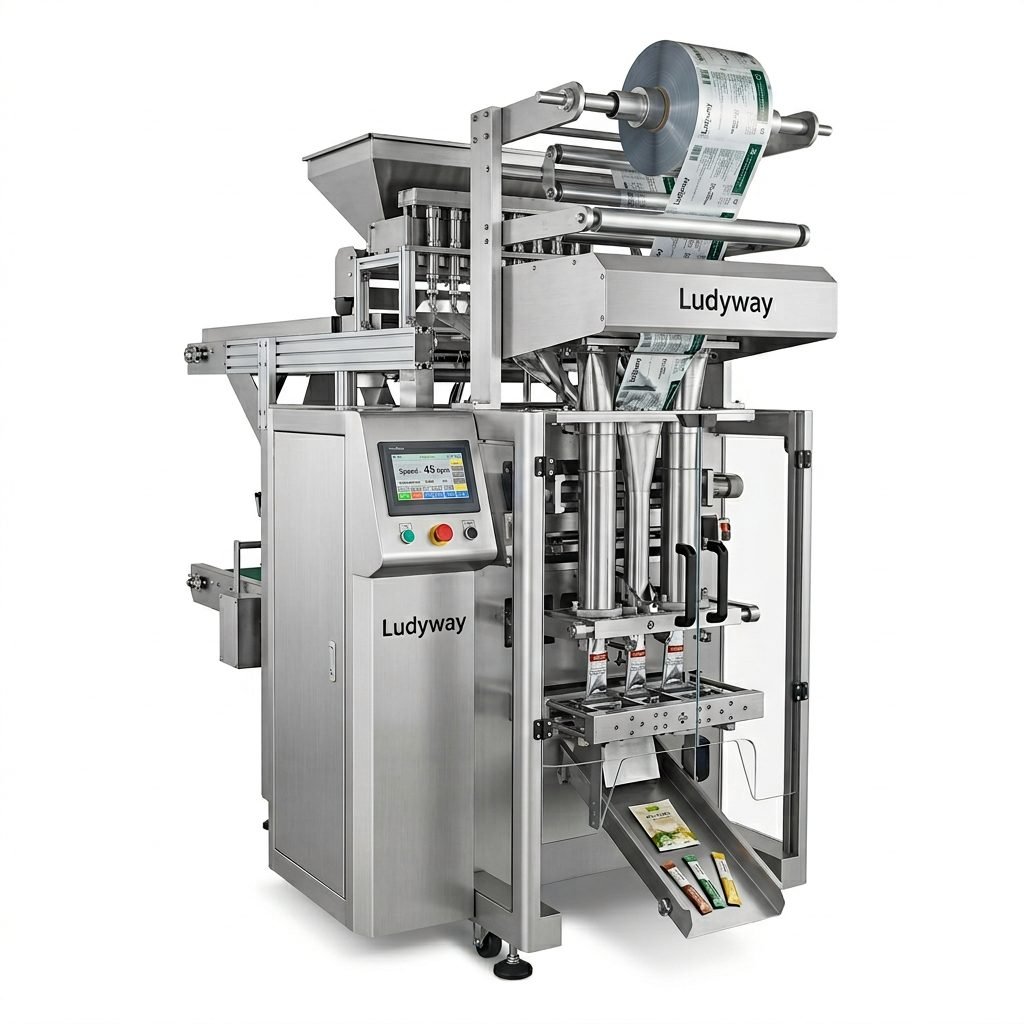
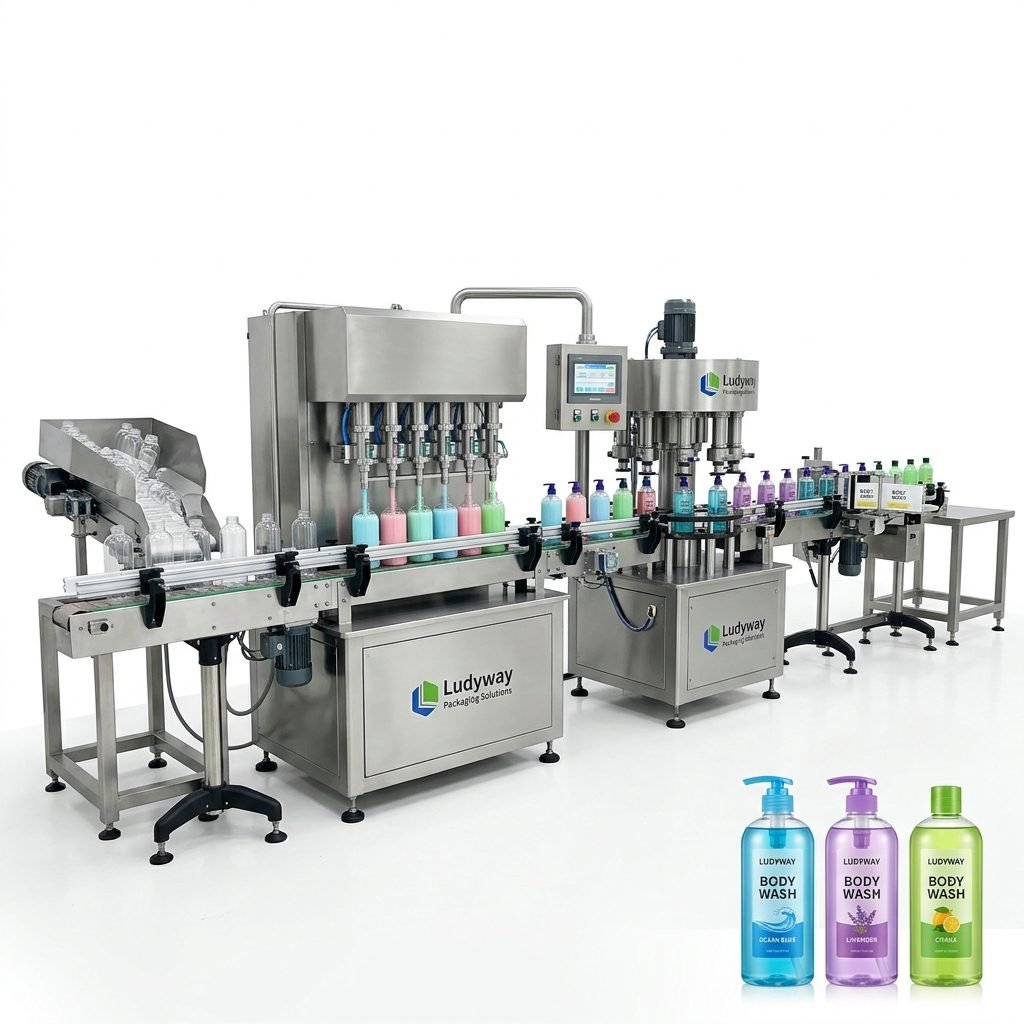
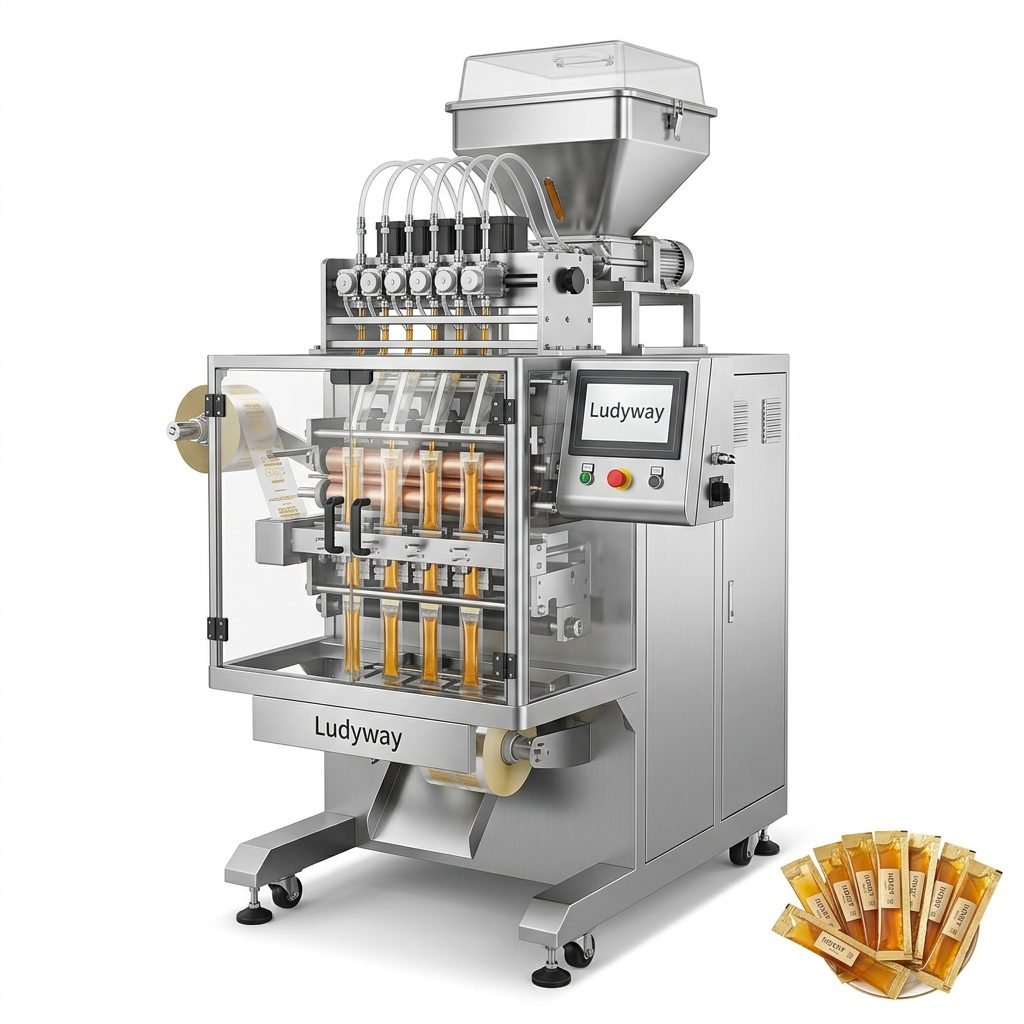
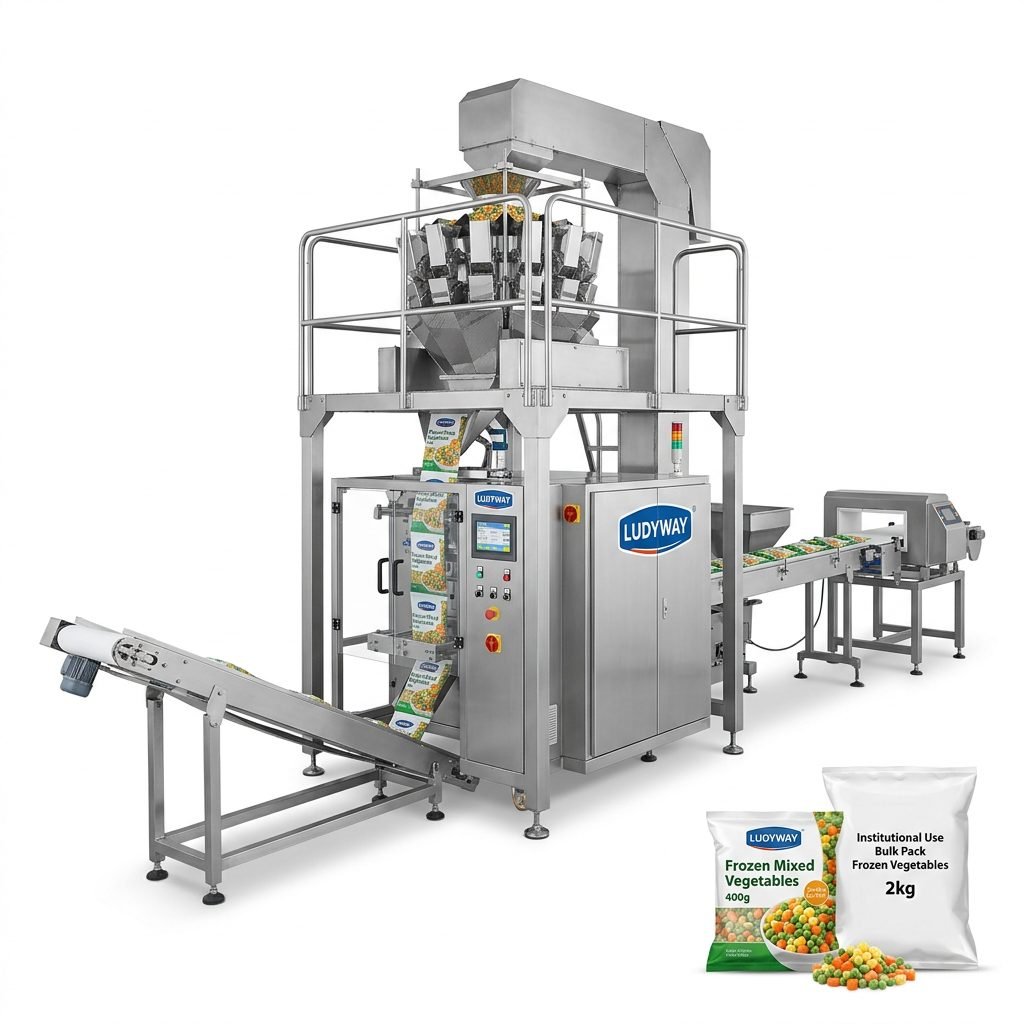
For manufacturers in food, pharmaceuticals, nutraceuticals, cosmetics, and chemicals, a powder sachet packaging machine is one of the most practical ways to deliver products in small, sealed, ready-to-sell portions. From protein powder and coffee mixes to oral rehydration salts and herbal supplements, this equipment helps businesses package powder products with accuracy, speed, cleanliness, and consistency.
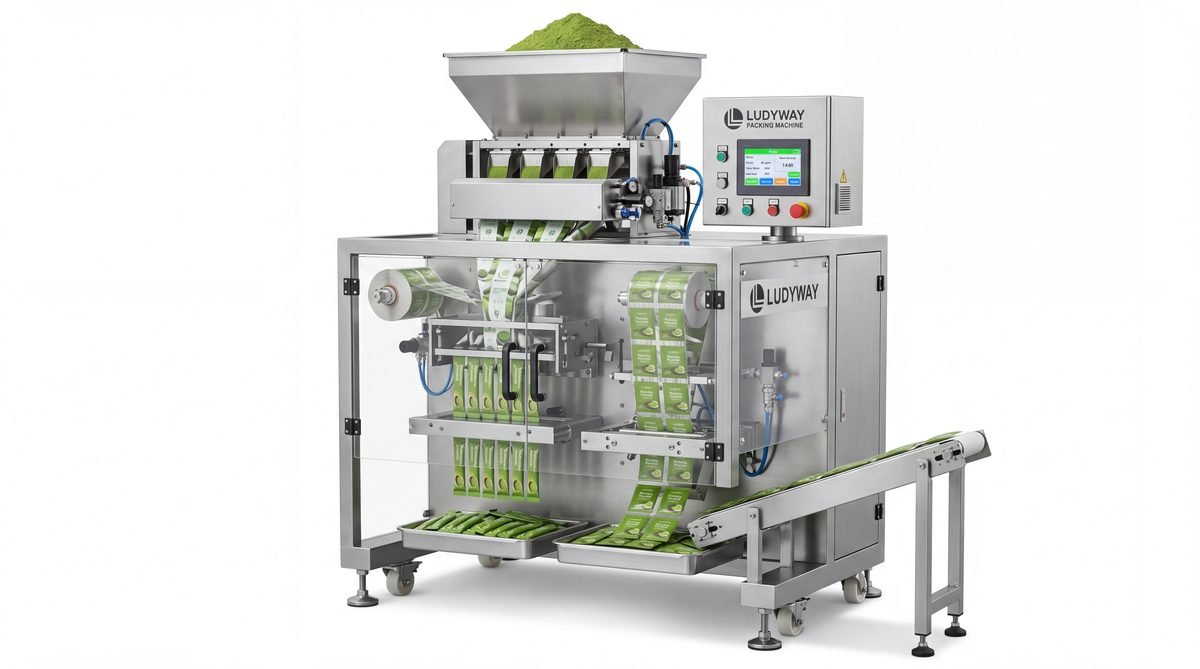
A powder sachet packaging machine is an automated system designed to form, fill, and seal single-use or multi-dose sachets with powder products. Depending on the machine type, it can produce flat sachets, stick packs, or other small flexible package formats using roll film or premade pouches.
What Does a Powder Sachet Packaging Machine Do?
At its core, this machine automates the process of turning loose powder into finished sachet packs. The basic workflow usually includes:
- Powder feeding from hopper or conveyor
- Precise dosing by auger filler or other metering system
- Film forming into sachet shape
- Filling the powder into the package
- Heat sealing
- Date coding, cutting, and discharge
This process helps reduce manual handling, improve hygiene standards, and maintain repeatable pack quality across large production volumes.
How the Machine Works Step by Step
- Film Unwinding: Packaging film is fed into the machine from a roll.
- Sachet Forming: The machine shapes the film into the required sachet structure.
- Powder Dosing: A filling system measures the target weight or volume.
- Filling: Powder is dispensed into each sachet with controlled accuracy.
- Sealing: Heat sealing closes the package securely to protect the product.
- Cutting and Output: Finished sachets are separated and discharged for cartoning or secondary packing.
For dusty, free-flowing, or poorly flowing powders, machine configuration matters greatly. Factors like auger design, hopper agitation, anti-dust structure, and servo control all influence final performance.
Main Types of Powder Sachet Packaging Machines
Not all powder sachet machines are built the same. The right model depends on your package style, output target, product characteristics, and industry requirements.
| Machine Type | Best For | Key Advantage |
|---|---|---|
| Vertical Form Fill Seal (VFFS) | Standard sachets and pillow packs | Flexible, cost-effective, widely used |
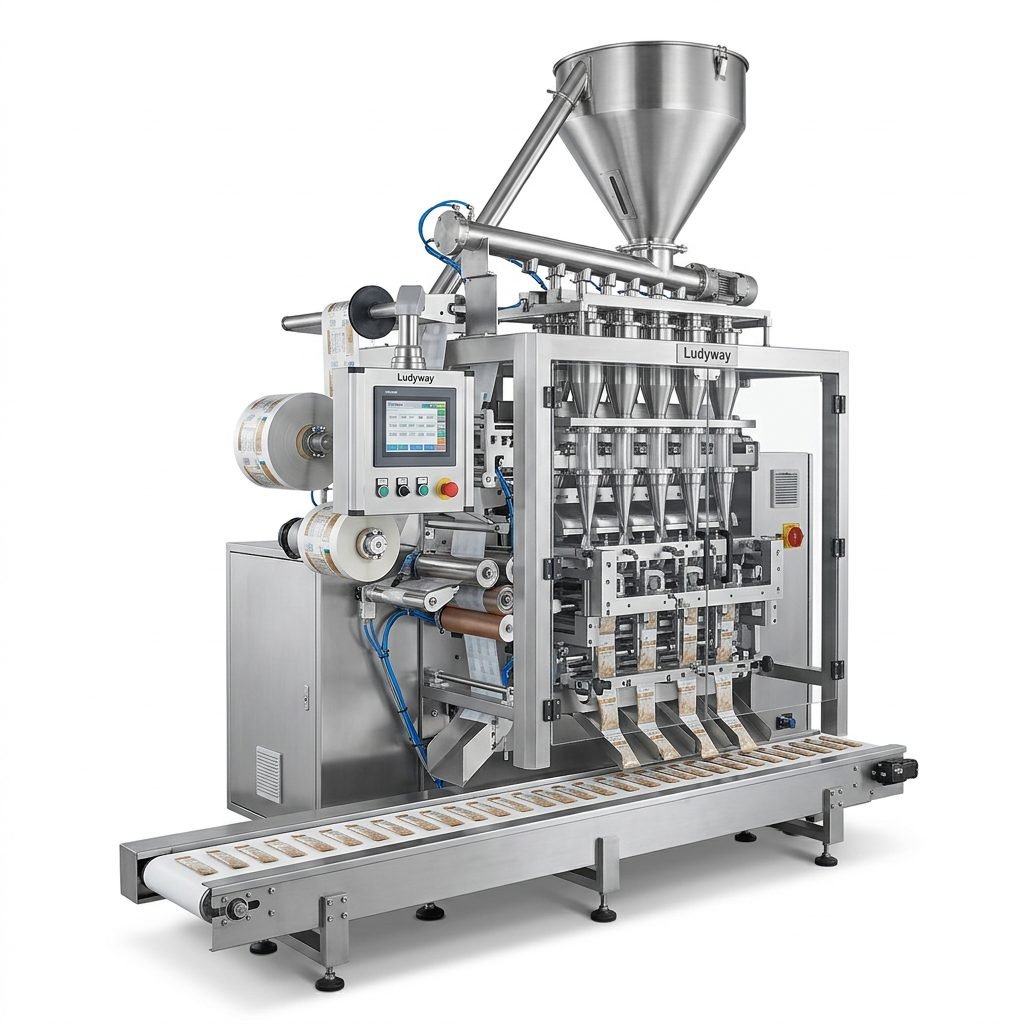
| Multi-lane sachet machine | High-speed small-dose powder packaging | High output with multiple lanes running together |
| Stick pack machine | Drink mixes, supplements, sugar, coffee | Slim package format with strong retail appeal |
| Premade pouch filling machine | Premium or specialty powder packaging | Better pouch appearance and format variety |
1. Vertical Form Fill Seal Powder Sachet Machines
These systems create sachets directly from film rolls. They are often chosen for businesses that need efficient operation and moderate to high throughput at a reasonable cost.
2. Multi-Lane Powder Sachet Machines
Multi-lane machines package several sachets at the same time, making them ideal for high-demand products like health supplements, coffee powder, beverage mixes, and pharmaceutical powders. They are especially suitable for brands scaling into mass distribution.
3. Stick Pack Machines for Powder
Stick packs are narrow, convenient, and highly portable. This format is common in single-serve nutrition, instant coffee, collagen powder, and electrolyte products.
Common Products Packed by Powder Sachet Machines
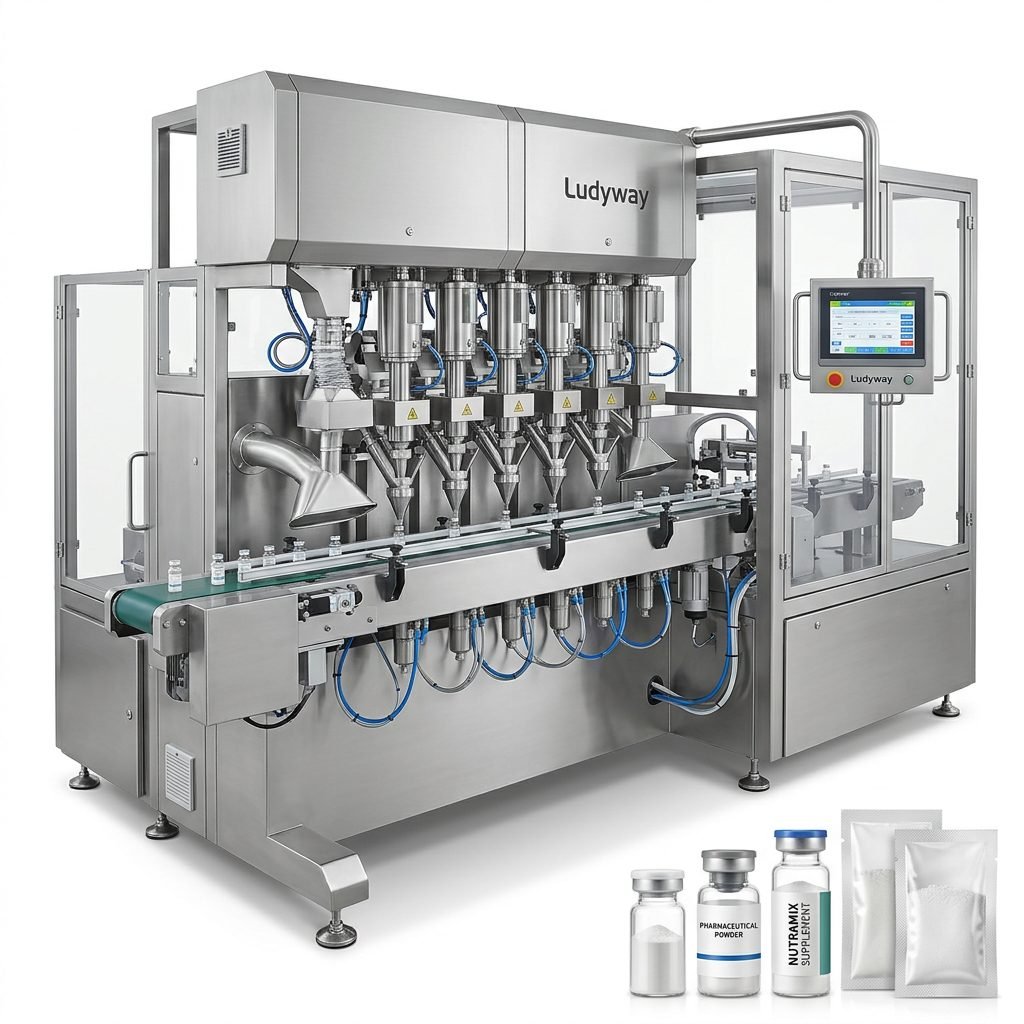
These machines are used across many sectors because powders vary widely in density, flow, dosage, and sensitivity. Common examples include:
- Instant coffee and tea powders
- Protein powder and sports nutrition
- Collagen and dietary supplements
- Spices, seasoning mixes, and soup powders
- Milk powder and beverage premixes
- Pharmaceutical powders and medical formulations
- Probiotics and nutraceutical sachets
- Cosmetic powders and beauty supplements
- Detergent powder and specialty chemicals
Key Components of a Powder Sachet Packaging Machine
Understanding the core parts of the machine helps buyers evaluate quality and suitability.
| Component | Function |
|---|---|
| Auger filler | Measures and dispenses powder accurately |
| Hopper with agitator | Prevents powder bridging and improves flow |
| Film pulling system | Moves packaging film smoothly and accurately |
| Forming section | Shapes the sachet from packaging film |
| Sealing jaws | Create airtight or secure package seals |
| PLC and touch screen | Controls settings, recipes, and monitoring |
| Dust collection or anti-dust system | Reduces contamination and keeps sealing areas clean |
Benefits for Businesses
Improved Accuracy
Automated powder dosing reduces variation between sachets. This is critical for pharmaceuticals, health supplements, and premium consumer goods where dosage consistency affects compliance and brand trust.
Higher Efficiency
Compared with manual filling, automated sachet packing dramatically increases output. Multi-lane systems can support high-volume operations without sacrificing uniformity.
Reduced Labor Dependency
As labor costs rise globally, automation helps businesses stay competitive while reducing repetitive manual tasks.
Better Product Protection
Properly sealed sachets protect powders from moisture, contamination, oxygen exposure, and handling damage.
Professional Packaging Appearance
Clean seals, consistent fill levels, and neat cutting improve shelf presentation and customer confidence.
Who Should Invest in This Type of Equipment?
A powder sachet packaging machine is a strong fit for businesses that:
- Sell products in single-serve or portion-controlled packaging
- Need fast and hygienic automated filling
- Require consistent powder dosing
- Want to scale production for wholesale, retail, or export markets
- Need compliance-friendly packaging for regulated sectors
Typical buyers include contract packers, food manufacturers, supplement brands, pharmaceutical factories, cosmetic companies, and chemical producers.
How to Choose the Right Powder Sachet Packaging Machine
Choosing the right equipment requires more than comparing speeds. Buyers should evaluate both product behavior and long-term production goals.
1. Powder Characteristics
Is the product free-flowing, dusty, sticky, hygroscopic, or fine? Different powders require different filling and handling solutions.
2. Sachet Size and Dose Range
The machine should match your target pack dimensions and fill weights. Small-dose pharmaceutical sachets and larger meal-replacement packs usually require different setups.
3. Production Speed
If you have high-volume demand, a multi-lane machine may be the most economical choice over time.
4. Packaging Material Compatibility
Ensure the machine can run your chosen film structure, whether it is laminated film, aluminum foil composite, or other barrier material.
5. Hygiene and Cleaning Requirements
For food and pharmaceutical environments, easy cleaning, stainless steel construction, and sanitary design are especially important.
6. Integration Possibilities
Many businesses need more than a standalone machine. Feeders, conveyors, coding systems, checkweighers, cartoners, and case packers can all be integrated into a larger line.
Important Questions to Ask a Supplier
- What powder types has this machine successfully handled before?
- What filling accuracy can be achieved for my target dose?
- What is the actual production speed under real operating conditions?
- Can the machine support future SKU changes?
- How easy is the machine to clean and maintain?
- Are spare parts and technical support available internationally?
- Can the supplier provide line integration, commissioning, and training?
Typical Industries Using Powder Sachet Packaging Machines
| Industry | Example Products | Main Priority |
|---|---|---|
| Food | Coffee, spices, soup mix, milk powder | Speed, freshness, appearance |
| Pharmaceutical | Medical powders, oral salts, granule formulas | Accuracy, compliance, hygiene |
| Nutraceutical | Collagen, probiotics, protein, supplements | Portability, branding, consistency |
| Cosmetic | Beauty powders, masks, treatment sachets | Precision, clean packaging, premium look |
| Chemical | Detergents, additives, industrial powders | Durability, safety, dust management |
Common Challenges and How Good Machines Solve Them
Powder Dusting
Fine powders can contaminate seals and reduce package quality. Advanced machines use anti-dust filling structures and better sealing protection.
Inconsistent Fill Weights
This can happen if the powder has poor flow characteristics. Well-designed auger systems, servo motors, and agitation mechanisms help maintain stable dosing.
Film Tracking Problems
Modern control systems improve registration, cutting accuracy, and seal alignment.
Frequent Product Changeovers
For manufacturers with multiple SKUs, recipe memory and fast adjustment features can save valuable setup time.
Standalone Machine or Complete Packaging Line?
Some companies only need a single powder sachet machine. Others benefit more from a complete automated line that includes:
- Powder feeding systems
- Sieving or mixing equipment
- Sachet filling and sealing machine
- Metal detector or checkweigher
- Cartoning and case packing
- Palletizing and end-of-line automation
For growing manufacturers, integrated solutions often deliver better long-term efficiency, data traceability, and labor savings.
What to Look for in a Reliable Manufacturer
When selecting a supplier, it is wise to consider experience, export support, customization capability, and whether they can support both standalone equipment and turnkey lines. Many international buyers work with experienced manufacturers such as powder sachet packaging machine manufacturer Ludyway when they need scalable automation for food, pharmaceutical, health supplement, and related industries.
Final Buying Tips for Businesses
- Test your actual powder before ordering
- Confirm real output, not only theoretical speed
- Check fill accuracy across your full dose range
- Review machine materials and hygiene design
- Plan for future expansion and line integration
- Ask about training, installation, and after-sales support
Conclusion
A powder sachet packaging machine is an essential solution for businesses that need efficient, accurate, and attractive small-pack powder packaging. Whether you produce food powders, pharmaceutical formulas, sports nutrition, or industrial materials, the right machine can improve product consistency, output capacity, packaging quality, and operational efficiency.
If your business is planning to move from manual packaging to automation—or upgrade to a faster and more flexible line—understanding machine type, powder behavior, package format, and supplier capability is the best place to start.