Investing in a sachet water packaging machine is a strategic decision that directly affects your production efficiency, product quality, and profitability. With the growing global demand for clean drinking water and portion-controlled packaging, selecting the right machine requires a careful evaluation of multiple technical and operational factors. This guide walks you through the essential steps to identify the equipment that matches your production goals, budget, and market requirements.
Understanding Your Product and Packaging Requirements
Before comparing machine specifications, define your product parameters clearly. The type of water you package—purified, mineral, or distilled—influences material compatibility and filling system design. Equally important is the sachet format: single-serve pillow pouches, three-side-seal, or four-side-seal sachets each require specific forming and sealing mechanisms. Consider your target package volume, typically ranging from 100ml to 500ml for retail water sachets, as this determines the dosing system and film width requirements.
Key Product Parameters to Define
- Product type: Still water, carbonated water, or flavored water
- Sachet volume range: Minimum and maximum fill volumes
- Packaging material: LDPE, HDPE, laminated films, or biodegradable options
- Sachet dimensions: Width, length, and seal margin specifications
- Production environment: Clean room requirements or standard factory conditions
Production Speed and Output Capacity
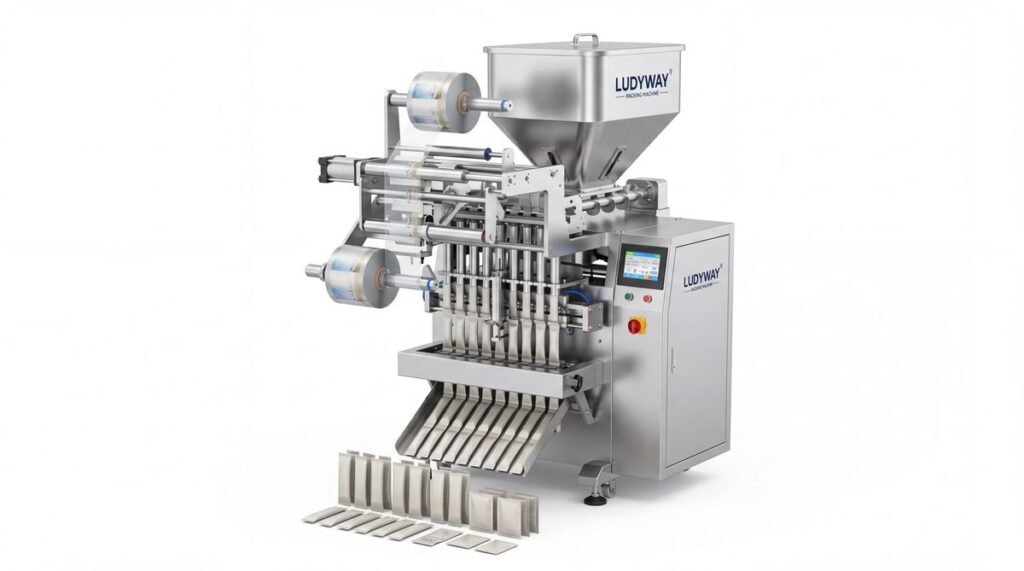
Production speed is one of the most critical specifications when selecting a sachet water packaging machine. Machines are available in a wide range of output capacities, from entry-level models producing 2,000-4,000 sachets per hour to high-speed multi-lane systems capable of 20,000+ sachets per hour. Your required output should align with current market demand while allowing room for future growth. Overinvesting in capacity without corresponding sales channels increases operational costs, while underinvesting creates bottlenecks.
Speed Comparison by Machine Category
| Machine Category | Lanes | Output Range (sachets/hour) | Best Suited For |
|---|---|---|---|
| Entry-Level Single Lane | 1 | 2,000 – 4,000 | Small businesses, startups |
| Mid-Range Multi-Lane | 4 – 8 | 8,000 – 16,000 | Medium-scale producers |
| High-Speed Multi-Lane | 10 – 16 | 16,000 – 28,000 | Large commercial operations |
| Ultra-High-Speed Systems | 18+ | 28,000+ | Industrial-scale production |
According to industry data from the PMMI State of the Industry Reports, demand for flexible packaging machinery continues to grow as manufacturers seek higher automation levels and faster turnaround times. When evaluating speed, also consider the actual running efficiency, which accounts for film changeovers, cleaning cycles, and minor adjustments throughout a production shift.
Filling System Technology
For water sachet packaging, the filling accuracy and hygiene of the dosing system are paramount. Liquid filling technologies suitable for water packaging include volumetric piston fillers, flow meter systems, and gravity-based filling. Flow meter filling systems are increasingly popular for high-speed water packaging because they offer precise, contactless filling with minimal maintenance. For still water applications, gravity filling provides a simple and cost-effective solution, while carbonated products require specialized counter-pressure filling systems to maintain carbonation levels.
Filling Technology Selection Criteria
- Filling accuracy: ±0.5% to ±1% typical for liquid sachet machines
- Hygiene design: CIP (Clean-in-Place) compatible systems for food-grade production
- Material compatibility: Stainless steel 304 or 316L for water contact parts
- Changeover flexibility: Quick volume adjustment without tool changes
- Drip-free nozzles: Critical for clean seal areas and consistent seal quality
Film Handling and Sealing Technology
The quality of sachet seals directly impacts product integrity and shelf life. Look for machines with independent temperature control zones on both vertical and horizontal sealing jaws. This allows precise adjustment for different film materials and sachet dimensions. Pneumatic or servo-driven sealing systems provide consistent pressure, while serrated or knurled sealing patterns improve seal strength. For water sachets that will undergo rough handling during distribution, double-seal or reinforced seal configurations offer additional protection against leakage.
The Flexible Packaging Association provides extensive resources on film material selection and sustainable packaging trends. When choosing packaging film, consider barrier properties, sealability, and compatibility with your machine’s heat sealing system. Laminated films with heat-seal layers typically deliver the best results for high-speed sachet packaging.
Automation and Control Features
Modern sachet water packaging machines incorporate advanced automation features that reduce operator intervention and improve consistency. PLC-based control systems with HMI touchscreen interfaces allow recipe storage for different sachet formats and volumes. Key automation functions to evaluate include automatic film tracking and tension control, electronic registration for printed film, automatic splice detection, and integration with downstream equipment such as cartoning or case packing systems.
Automation Features Checklist
| Feature | Benefit | Recommended For |
|---|---|---|
| Servo-driven sealing jaws | Precise dwell time control, reduced wear | High-speed, continuous operation |
| Automatic film tracking | Maintains alignment, reduces waste | Printed or registered film applications |
| Remote diagnostic capability | Faster troubleshooting, reduced downtime | Multi-shift, critical production |
| Data logging and reporting | Production tracking, quality compliance | Regulated markets, export production |
| Automatic splicing systems | Non-stop film roll changes | High-volume continuous production |
Machine Construction and Hygiene Standards
Water packaging demands strict hygiene control throughout the production process. Machine frame and product contact components should be constructed from food-grade stainless steel, with sloped surfaces that prevent liquid pooling. Look for machines designed with open-frame architecture that facilitates cleaning access and minimizes harborage points for bacteria. For operations targeting export markets, verify that the machine can be configured to meet relevant FDA food packaging regulations and ISO packaging standards.
Water treatment integration is another consideration. Some manufacturers offer complete systems that include inline water treatment, UV sterilization, and ozonation before the filling stage, ensuring the packaged water meets microbiological safety standards.
Budget, ROI, and Total Cost of Ownership
The purchase price of a sachet water packaging machine is only one component of the total cost of ownership (TCO). When evaluating options, factor in installation and commissioning costs, operator training, spare parts availability, film consumption rates, energy efficiency, and expected maintenance intervals. A machine with a slightly higher upfront cost may deliver significantly lower operating costs over its service life through reduced film waste, lower energy consumption, and fewer production interruptions.
Total Cost of Ownership Components
- Initial investment: Machine purchase, shipping, installation, and commissioning
- Consumables: Packaging film, cleaning chemicals, replacement parts
- Labor: Operators required per shift, technical skill requirements
- Maintenance: Preventive maintenance schedules, spare parts inventory
- Downtime cost: Lost production during repairs or changeovers
- Energy consumption: Electrical, compressed air, and water usage
Supplier Evaluation and After-Sales Support
Choosing the right supplier is as important as selecting the right machine. Evaluate potential suppliers based on their industry experience, manufacturing capabilities, technical support infrastructure, and spare parts availability in your region. A supplier with a track record of installations in your target market or product category can provide valuable insights during the selection and commissioning process.
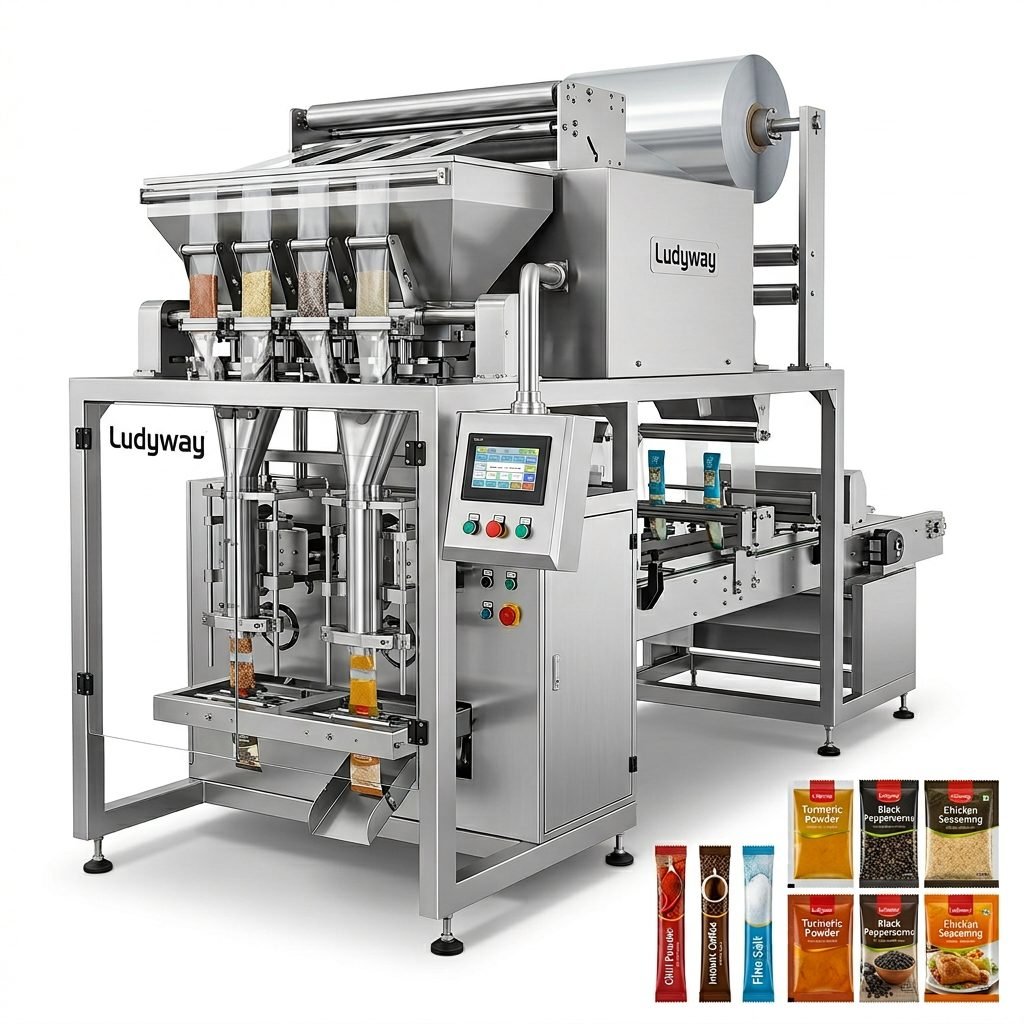
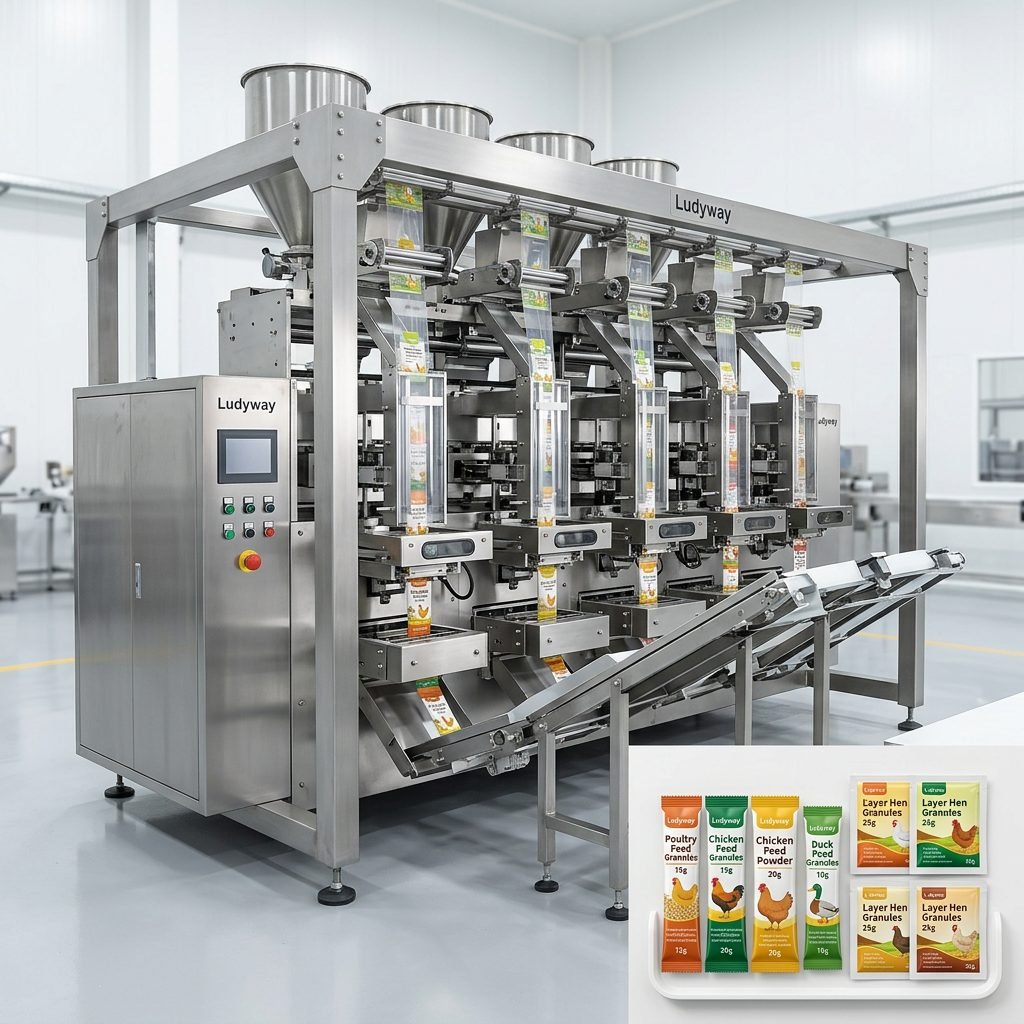
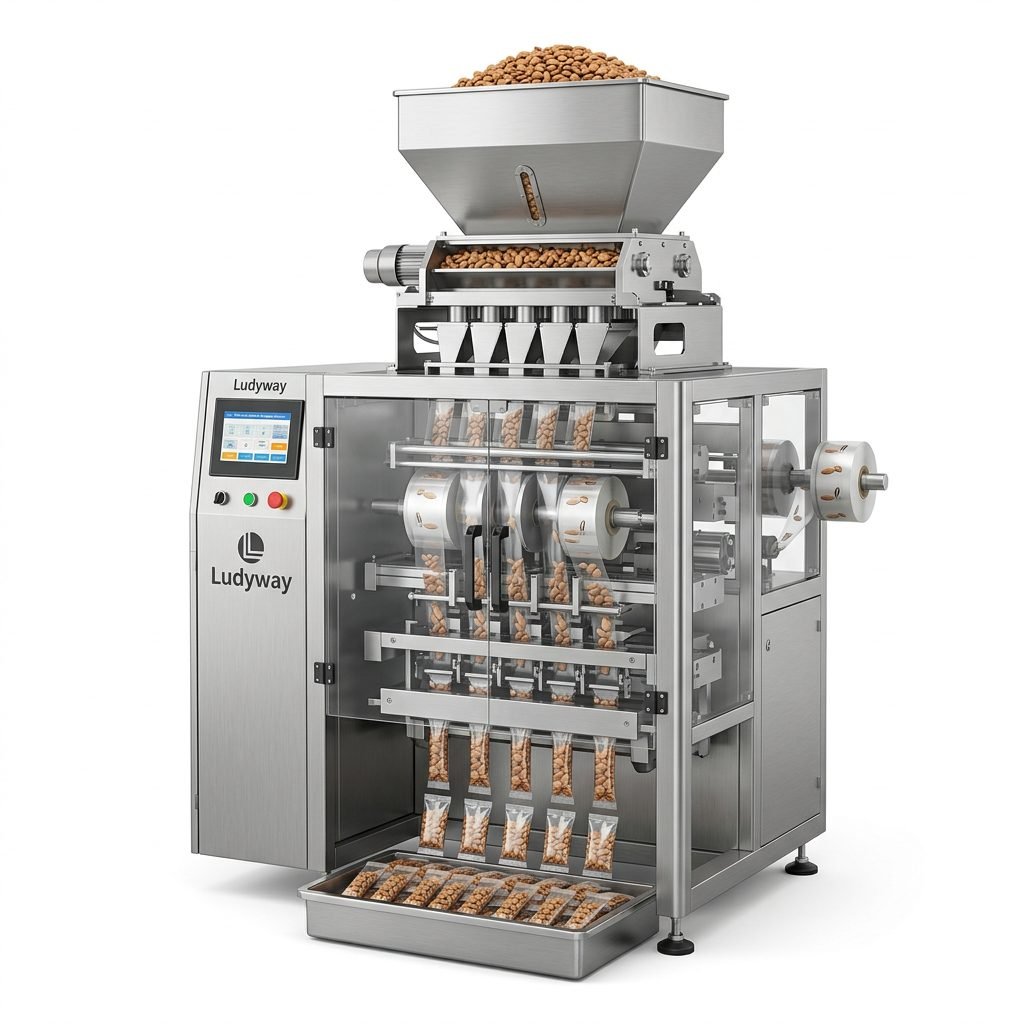
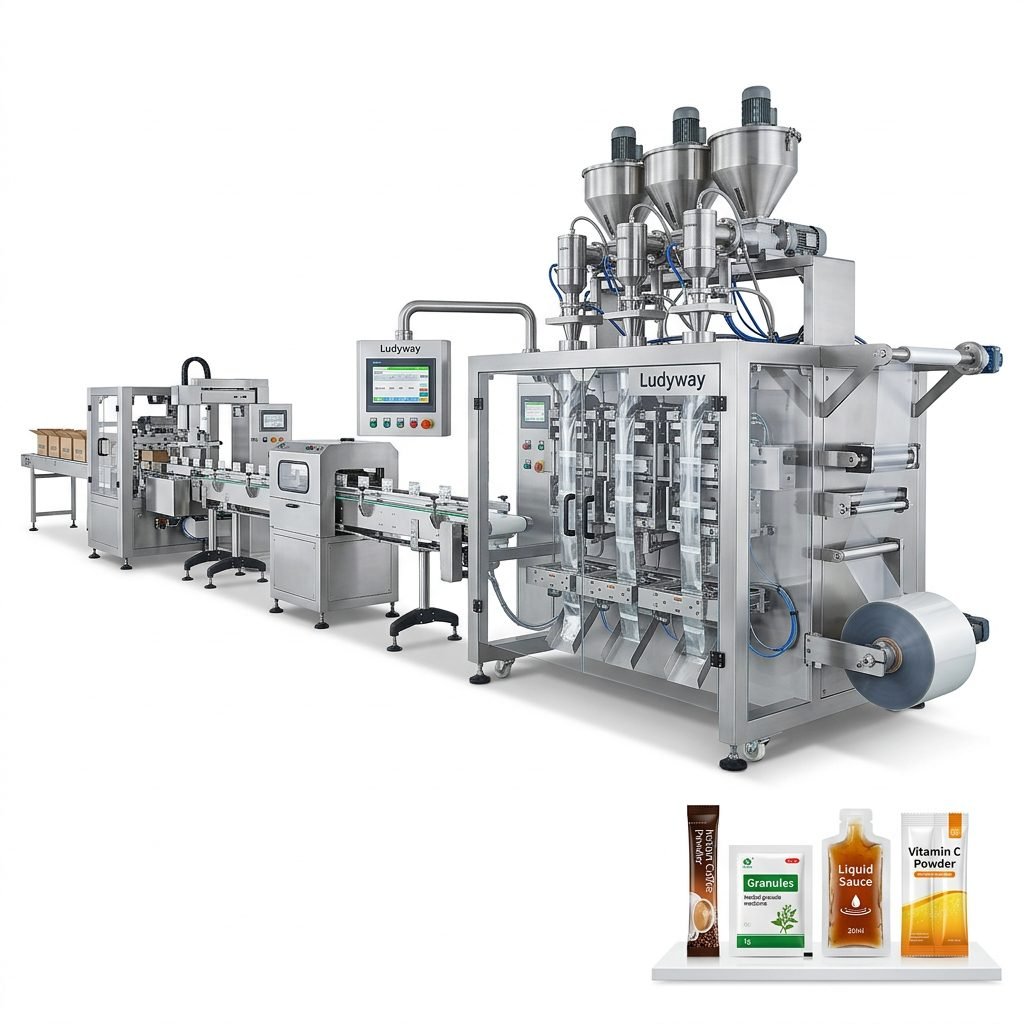
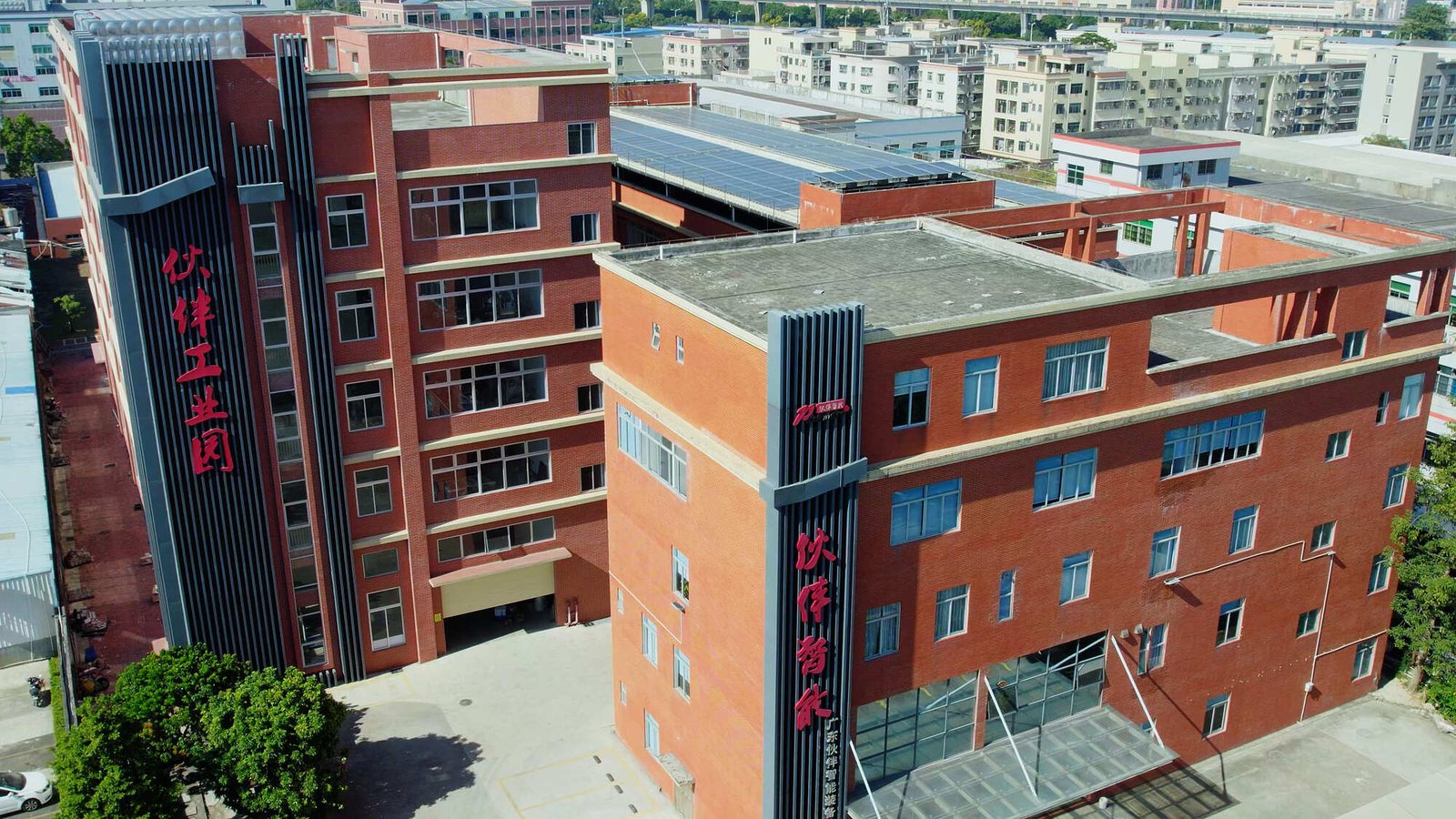
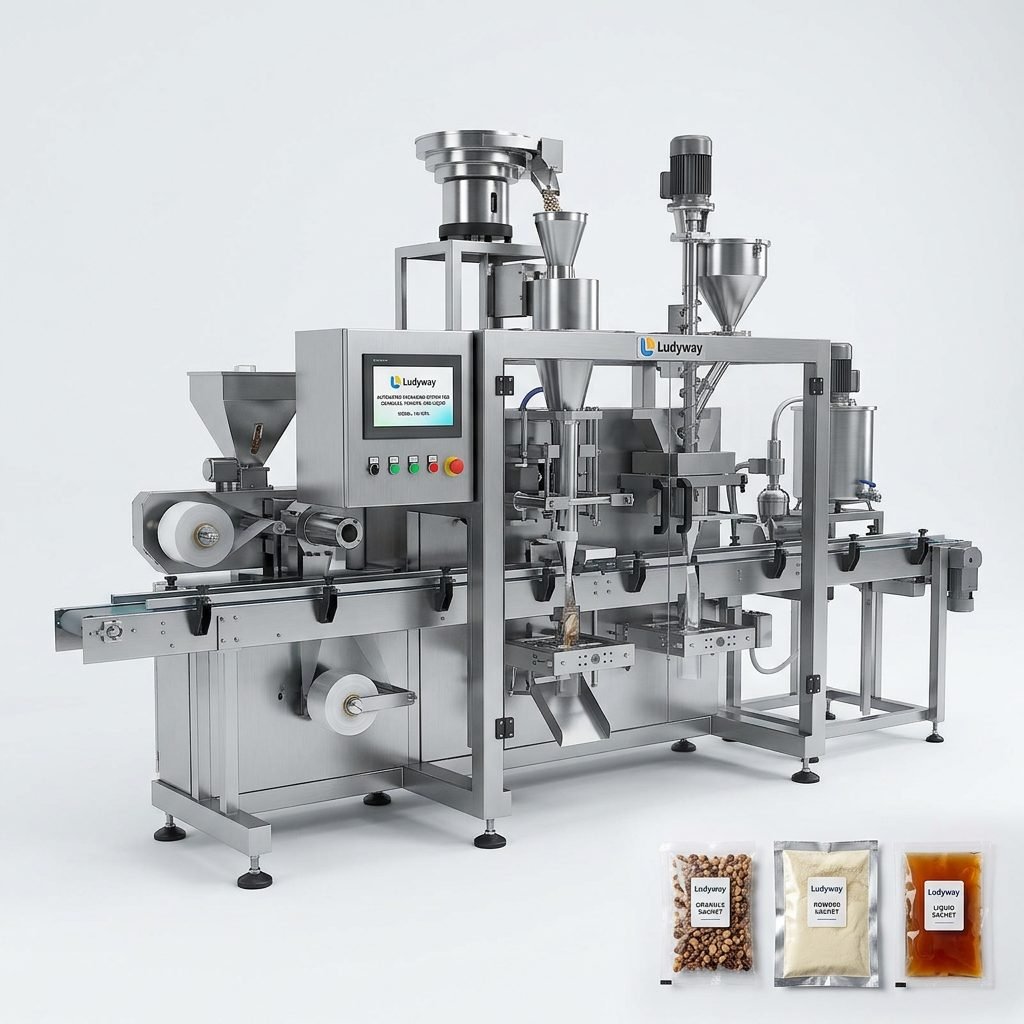
For manufacturers seeking a reliable partner with extensive industry experience, Ludyway Machinery offers over 30 years of expertise in designing, manufacturing, and supplying automated packaging equipment. With a 20,000-square-meter manufacturing facility, more than 130 professionals, and over 50 packaging machine models, the company provides comprehensive sachet and pouch packaging solutions suitable for water and liquid products. Their approach combines customized engineering, international standards compliance, and global after-sales support to help manufacturers build efficient packaging operations.
Key Supplier Evaluation Criteria
| Criteria | What to Look For | Questions to Ask |
|---|---|---|
| Industry Experience | Years in packaging machinery, relevant installations | How many water sachet machines have you supplied? |
| Manufacturing Quality | In-house manufacturing, quality certifications | What standards do your machines comply with? |
| Technical Support | Remote assistance, field service engineers | What is your typical response time for support? |
| Spare Parts Availability | Local stock, express shipping options | How quickly can critical spare parts be delivered? |
| Training Provision | Operator training, maintenance training | Is training included, and where is it conducted? |
Before finalizing your decision, request a factory acceptance test (FAT) or product trial with your actual packaging film and water specifications. This validates that the machine meets your quality and performance expectations under real production conditions. Also, review the PMMI packaging machinery standards and regulations to ensure your selected equipment aligns with industry best practices.
Installation, Commissioning, and Operator Training
A well-planned installation process minimizes disruption and accelerates time to full production. Confirm that the supplier provides detailed site preparation requirements, including utility specifications for electrical power, compressed air, and water connections. Comprehensive operator training should cover machine startup and shutdown procedures, film loading and threading, parameter adjustments, basic troubleshooting, and cleaning and sanitation protocols.
For manufacturers expanding into international markets, understanding evolving packaging sustainability regulations is essential. The European Commission packaging and packaging waste regulation and similar frameworks worldwide are increasingly influencing packaging material choices and machine design requirements.
Future-Proofing Your Investment
Select a machine platform that supports modular upgrades and expansion. As your business grows, you may want to increase lane counts, add coding and marking systems, integrate checkweighers, or connect to automated cartoning lines. A modular machine architecture allows these additions without replacing the core equipment. Also consider the machine’s compatibility with Industry 4.0 initiatives, including data connectivity, production monitoring, and predictive maintenance capabilities.
Choosing the right sachet water packaging machine requires balancing technical specifications, production requirements, budget constraints, and long-term business goals. A systematic evaluation process that considers all the factors outlined in this guide will help you select equipment that delivers reliable performance, consistent product quality, and strong return on investment for years to come.