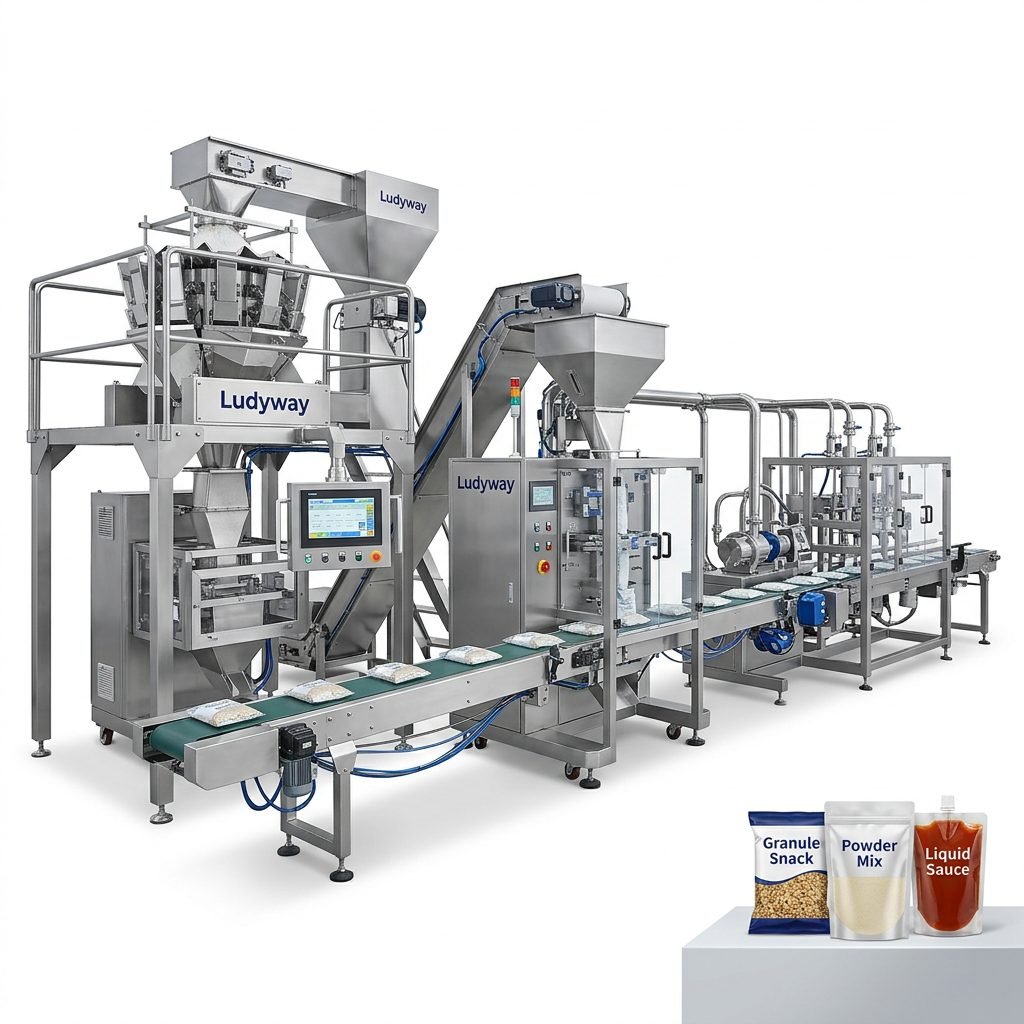
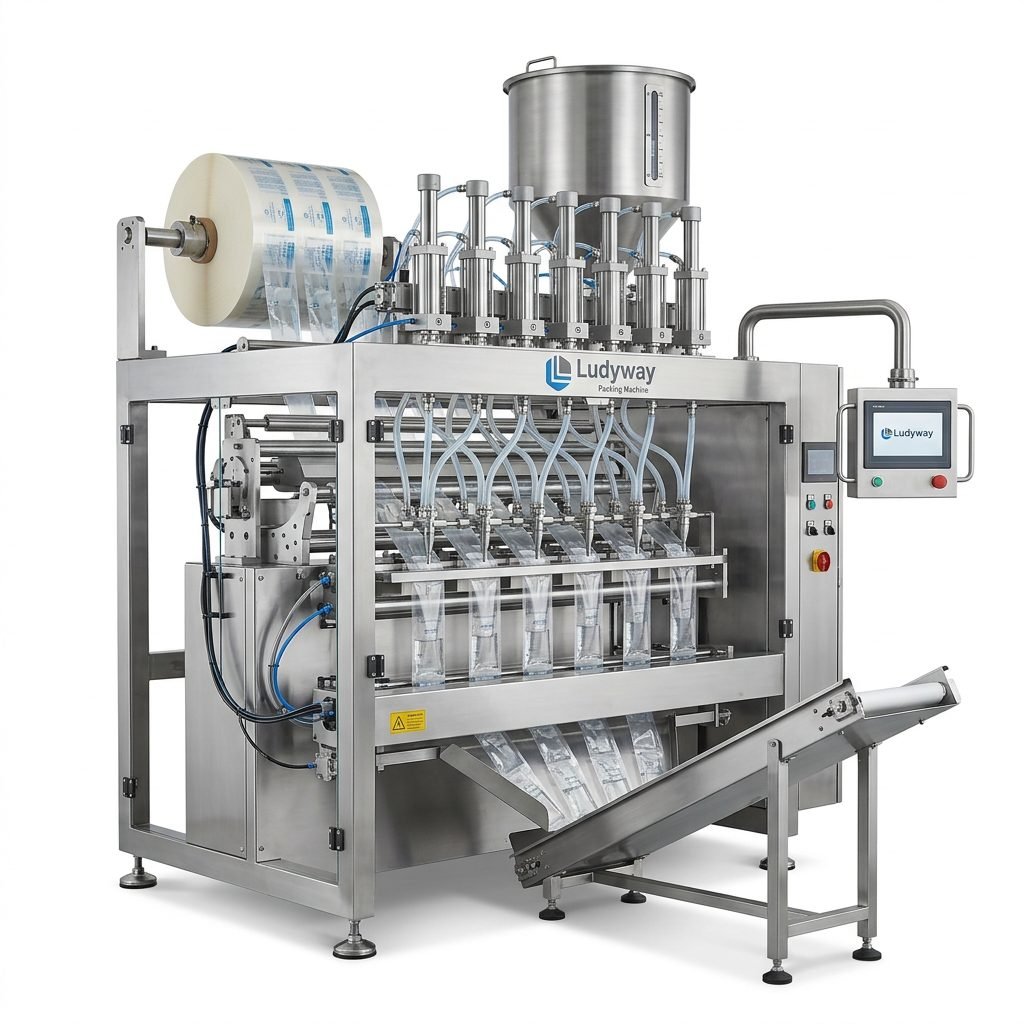
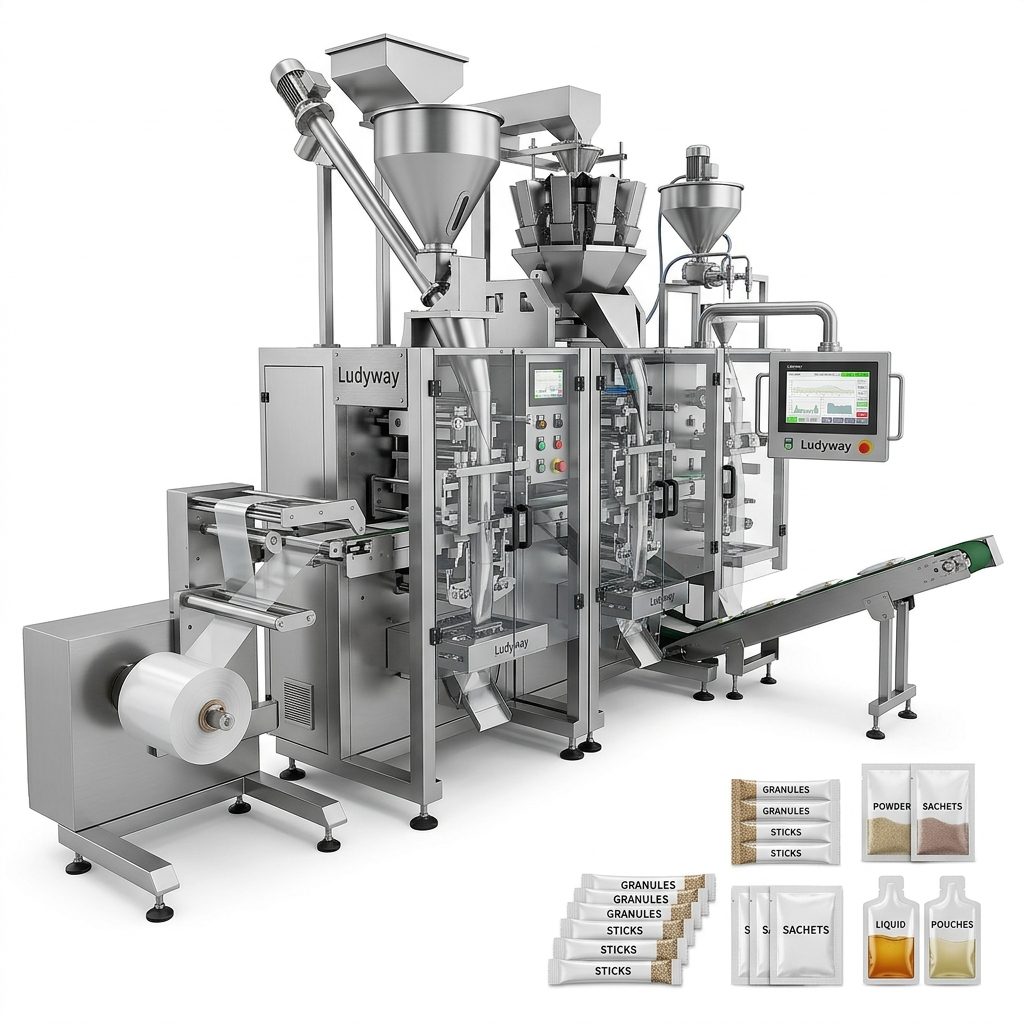
The United States coffee market continues to expand rapidly, with the American coffee industry valued at over $80 billion annually. Setting up a coffee bean packaging machine production line requires careful planning, regulatory compliance, and the right equipment selection. Whether you are launching a new roasting operation or scaling an existing facility, understanding the complete setup process is essential for long-term success in the competitive U.S. market.
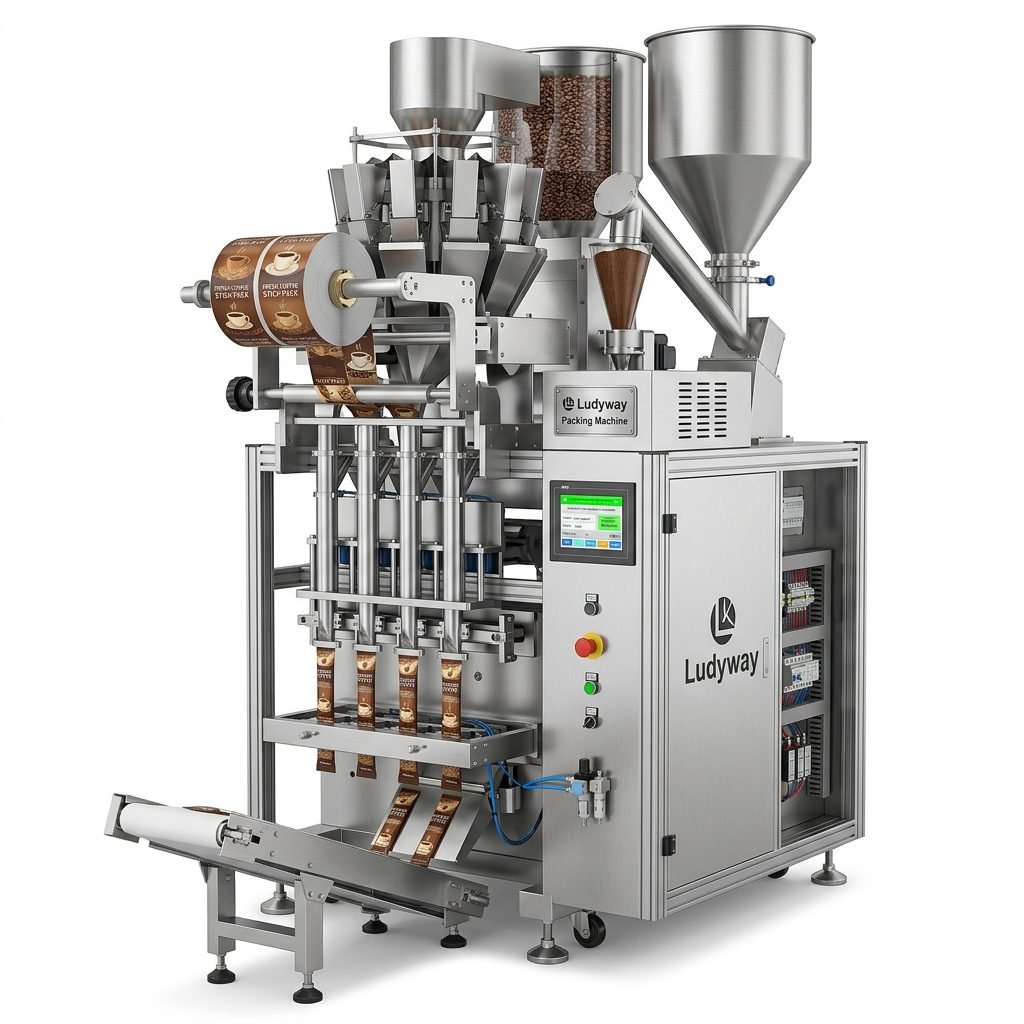
Understanding the U.S. Coffee Packaging Landscape
The United States remains one of the world’s largest coffee-consuming nations, with specialty coffee and single-serve formats driving significant growth. According to industry data from the Flexible Packaging Association, flexible packaging now accounts for a substantial portion of coffee packaging formats, including stick packs, sachets, and valve bags. Before investing in equipment, manufacturers must evaluate their target product formats, projected output volumes, and distribution channels.
Key Equipment for a Coffee Bean Packaging Line
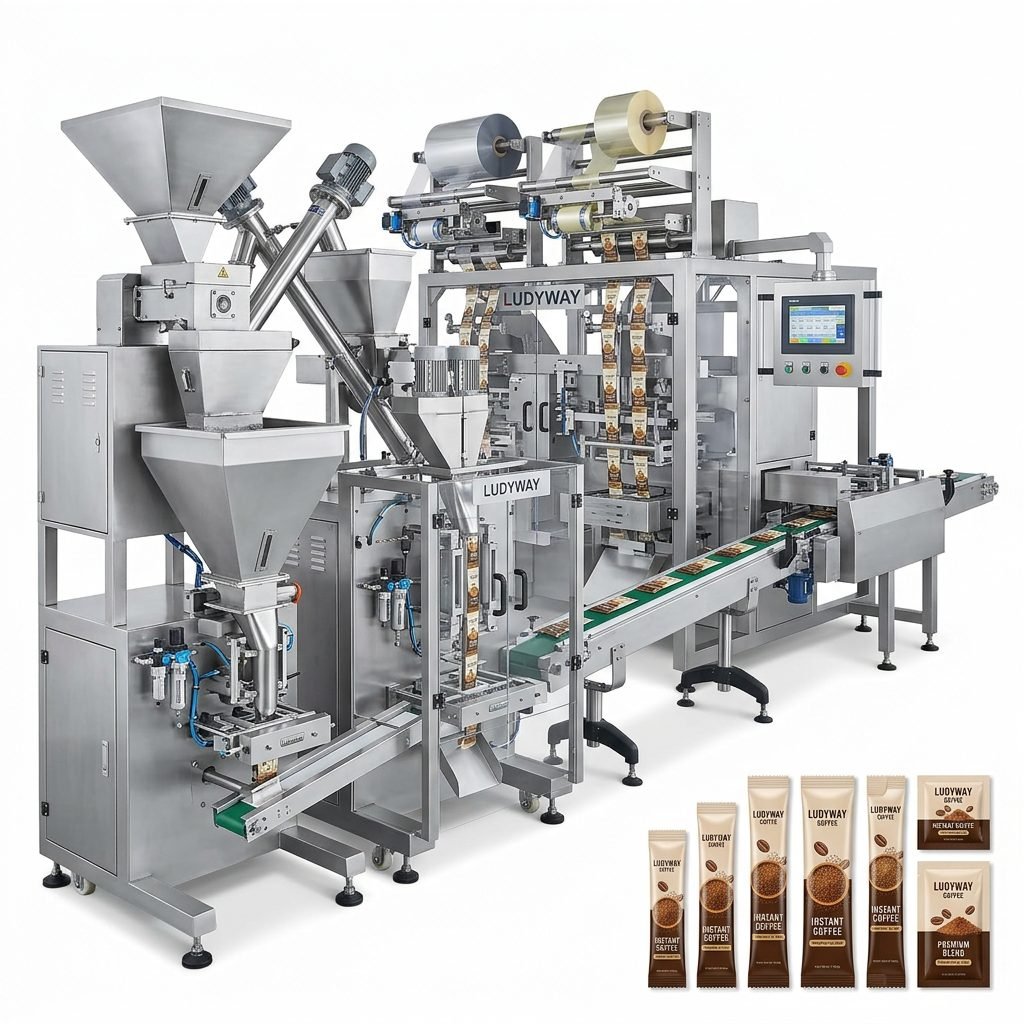
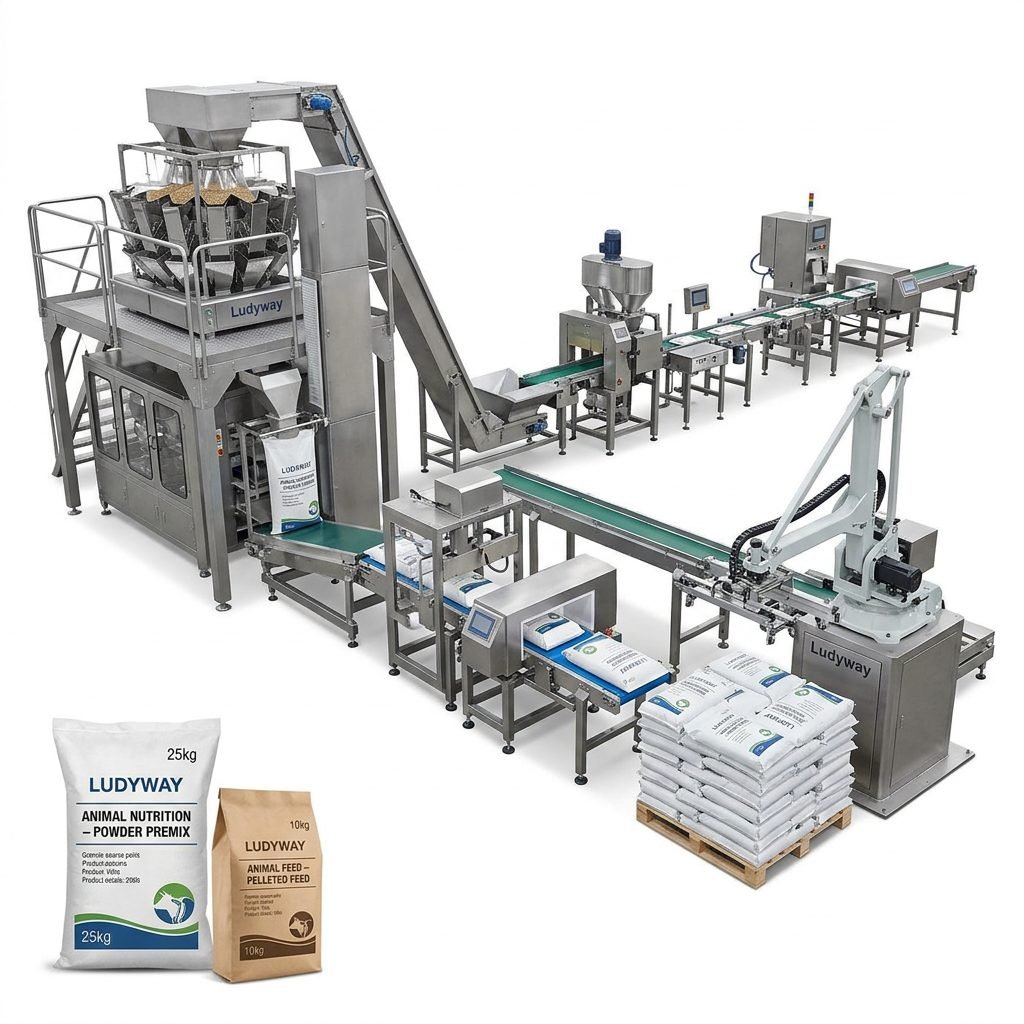
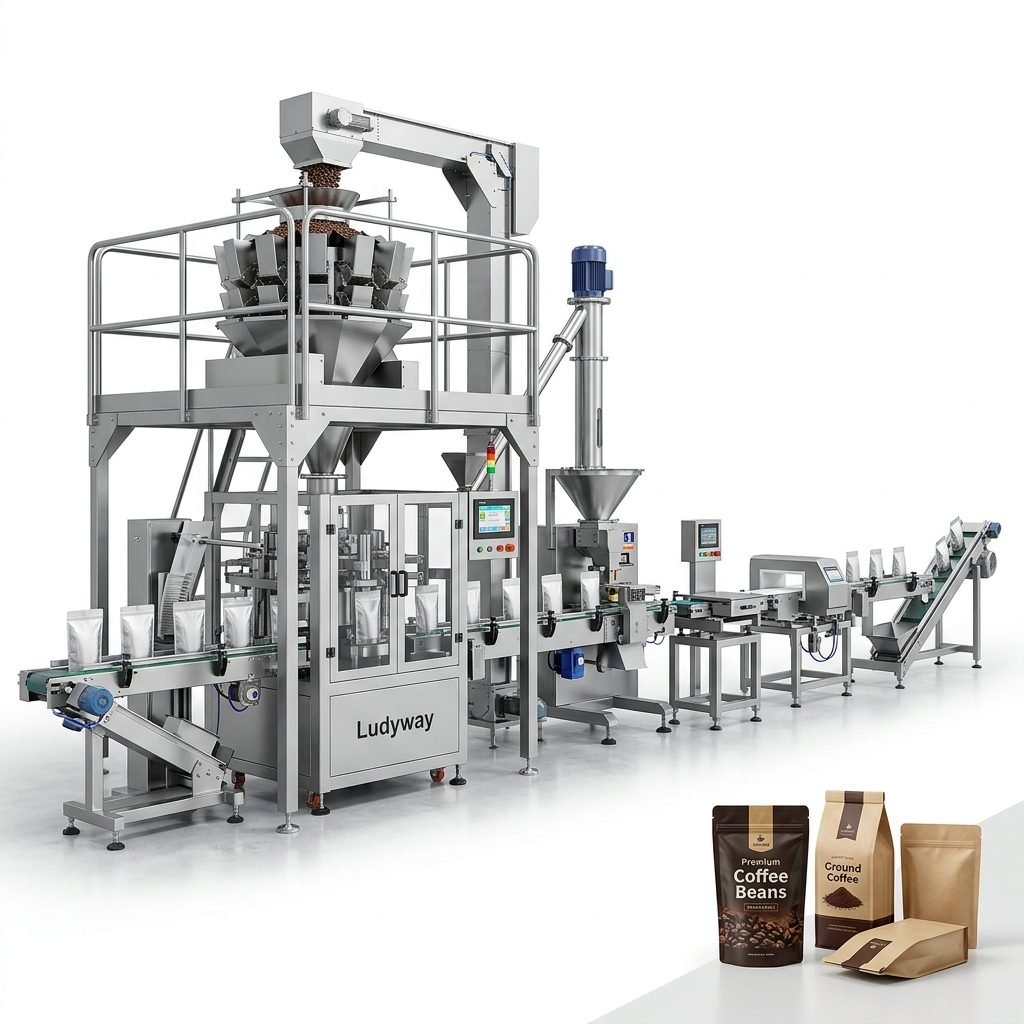
A complete coffee bean packaging production line typically includes several integrated components working in sequence. Below are the essential machines required:
- Automatic Weighing and Filling System – Ensures precise portion control for consistent package weights
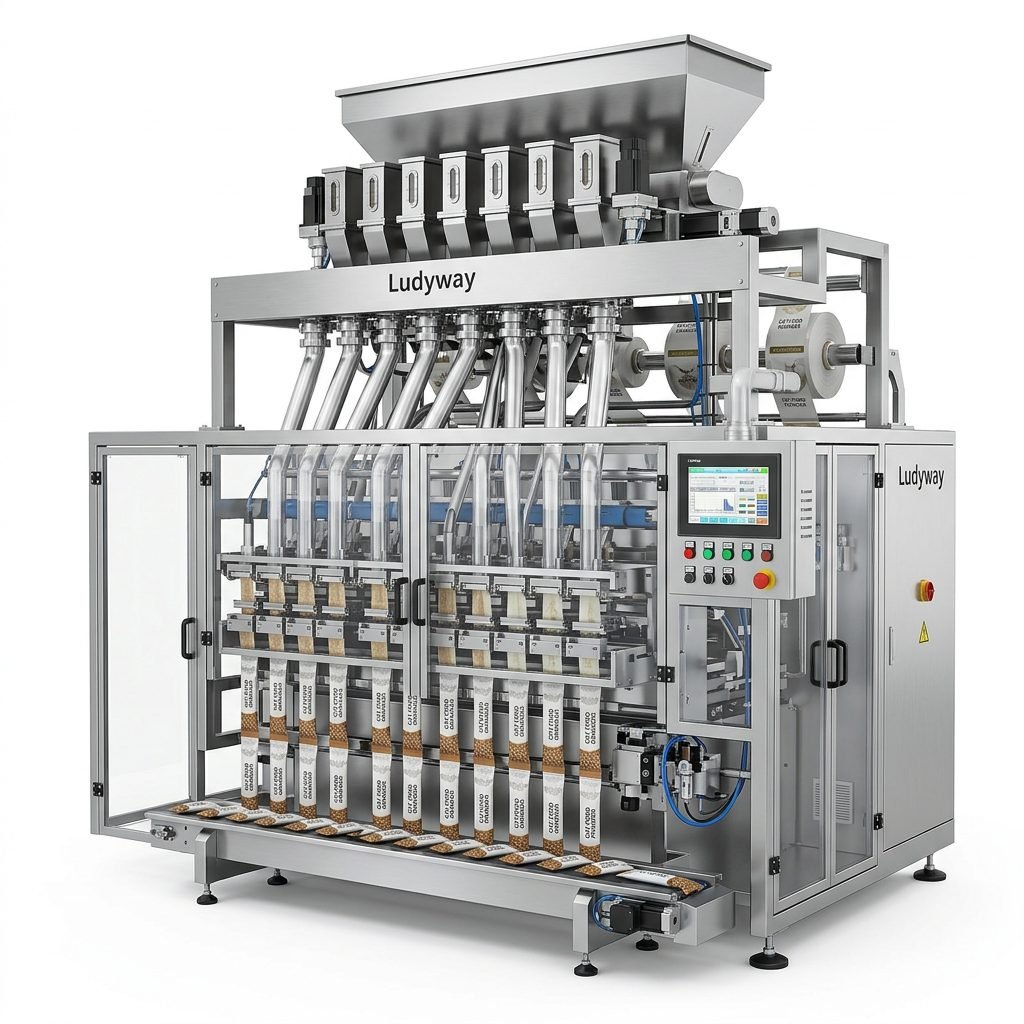
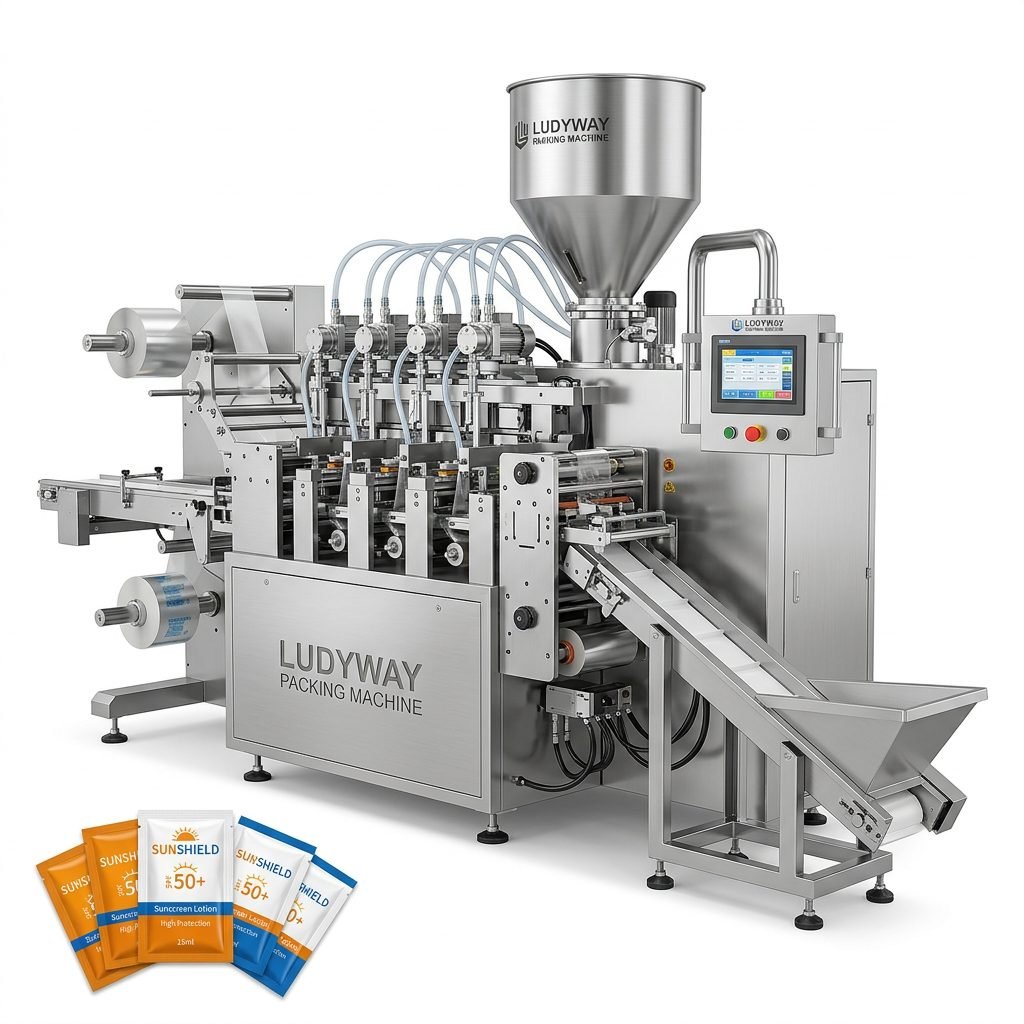
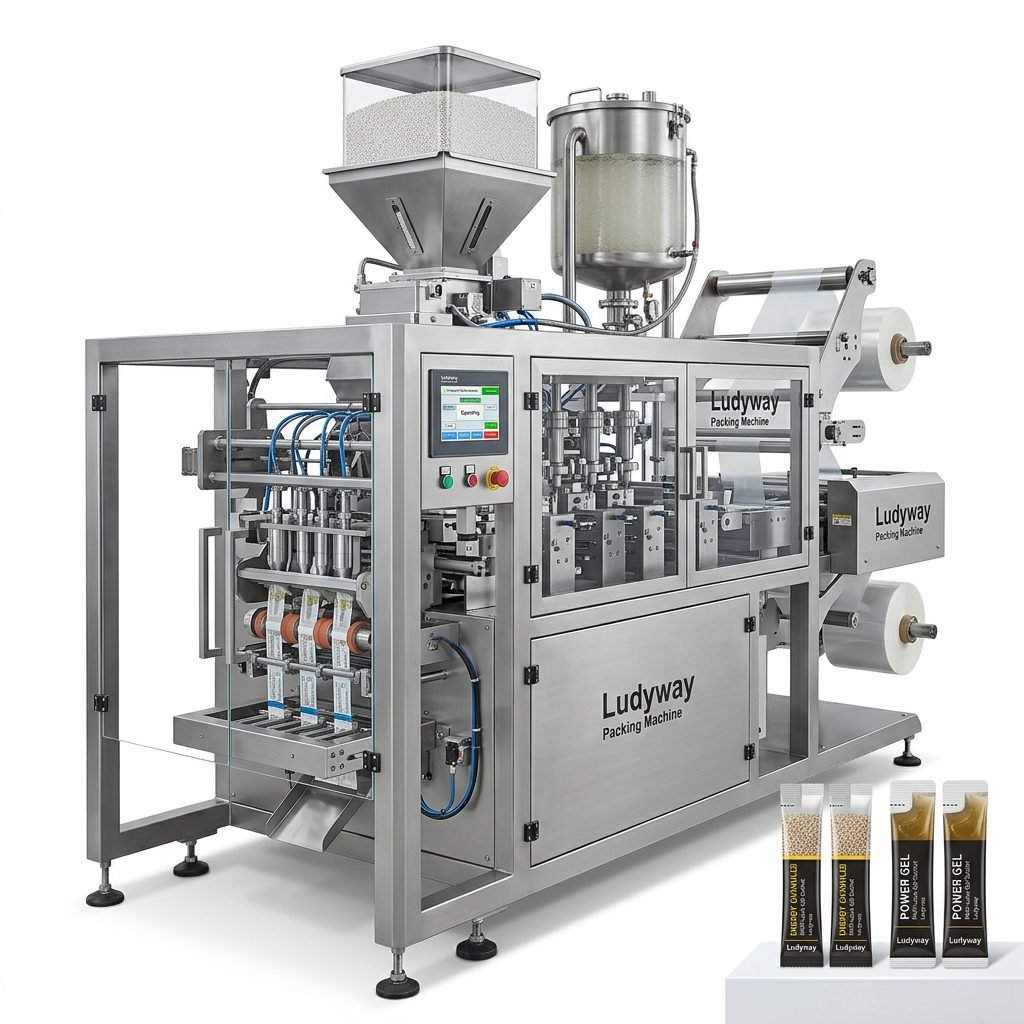
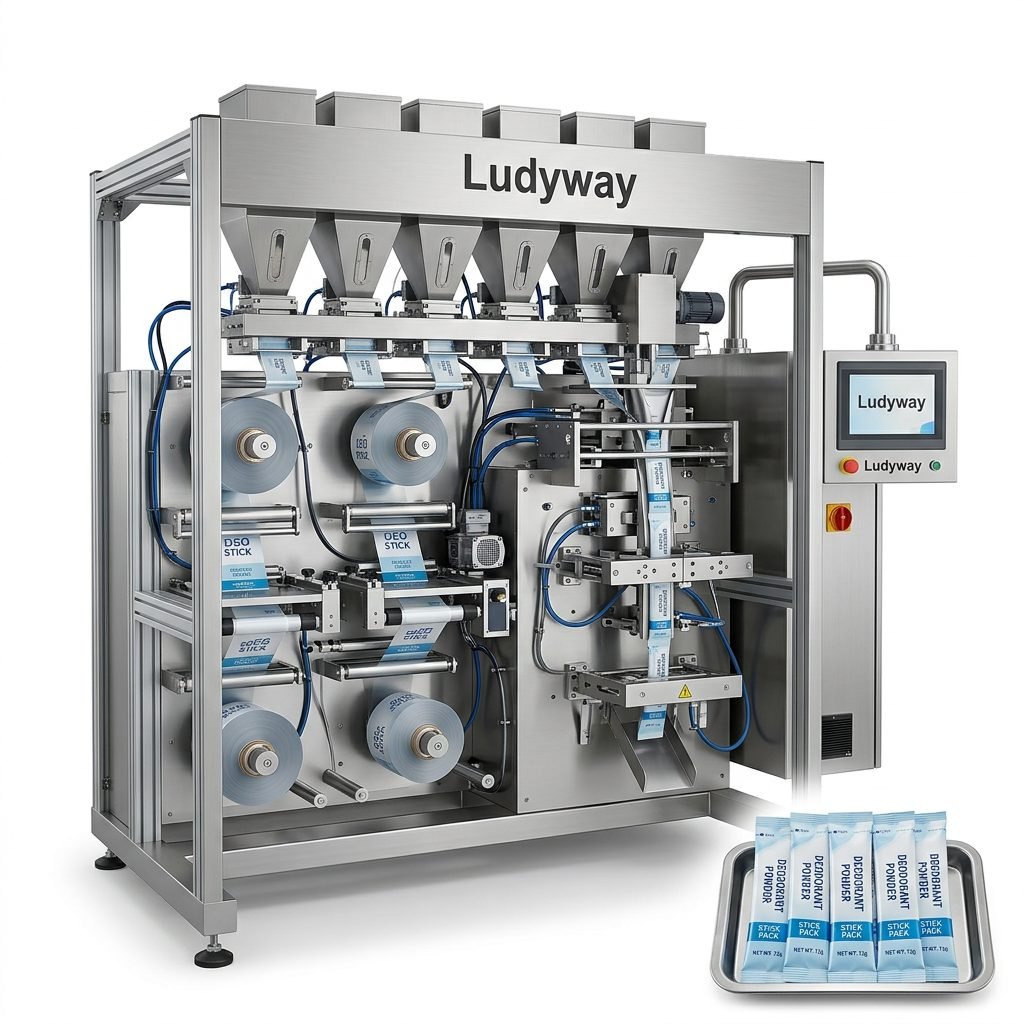
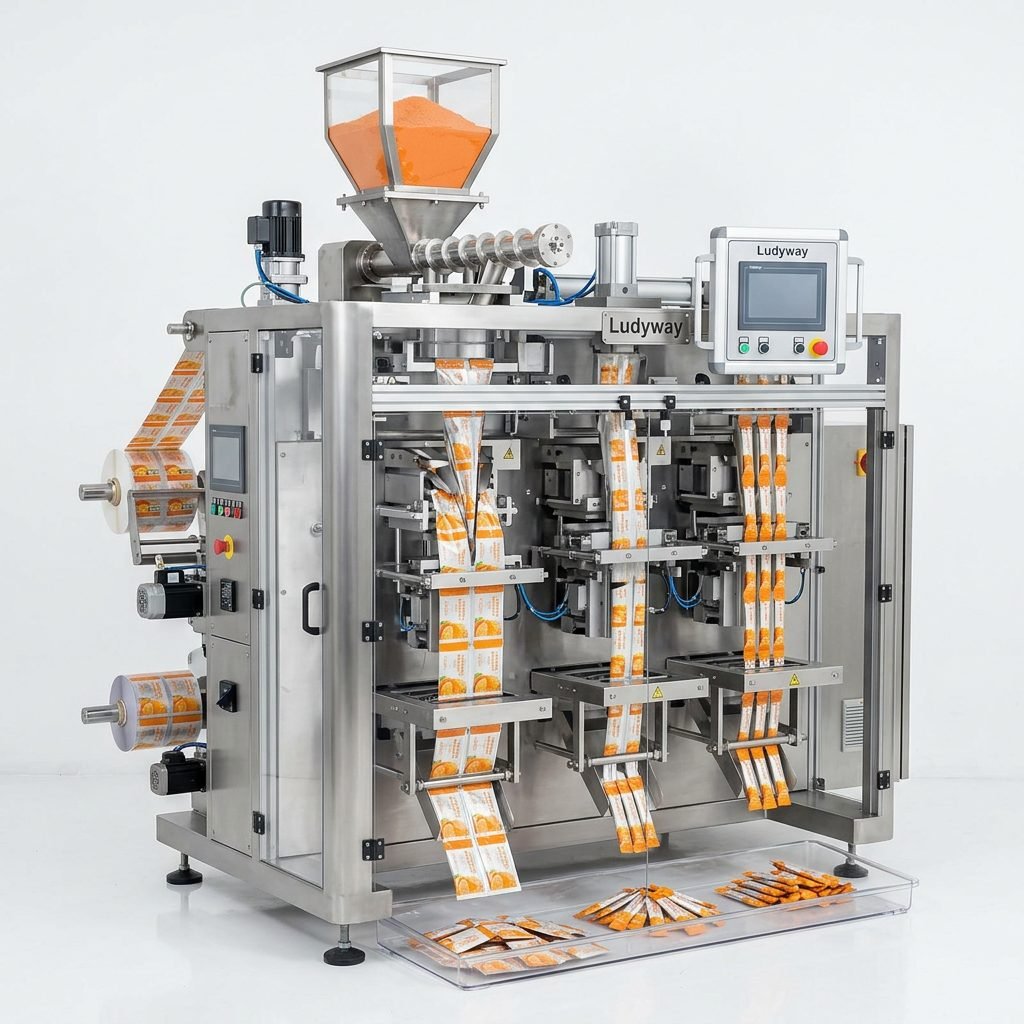
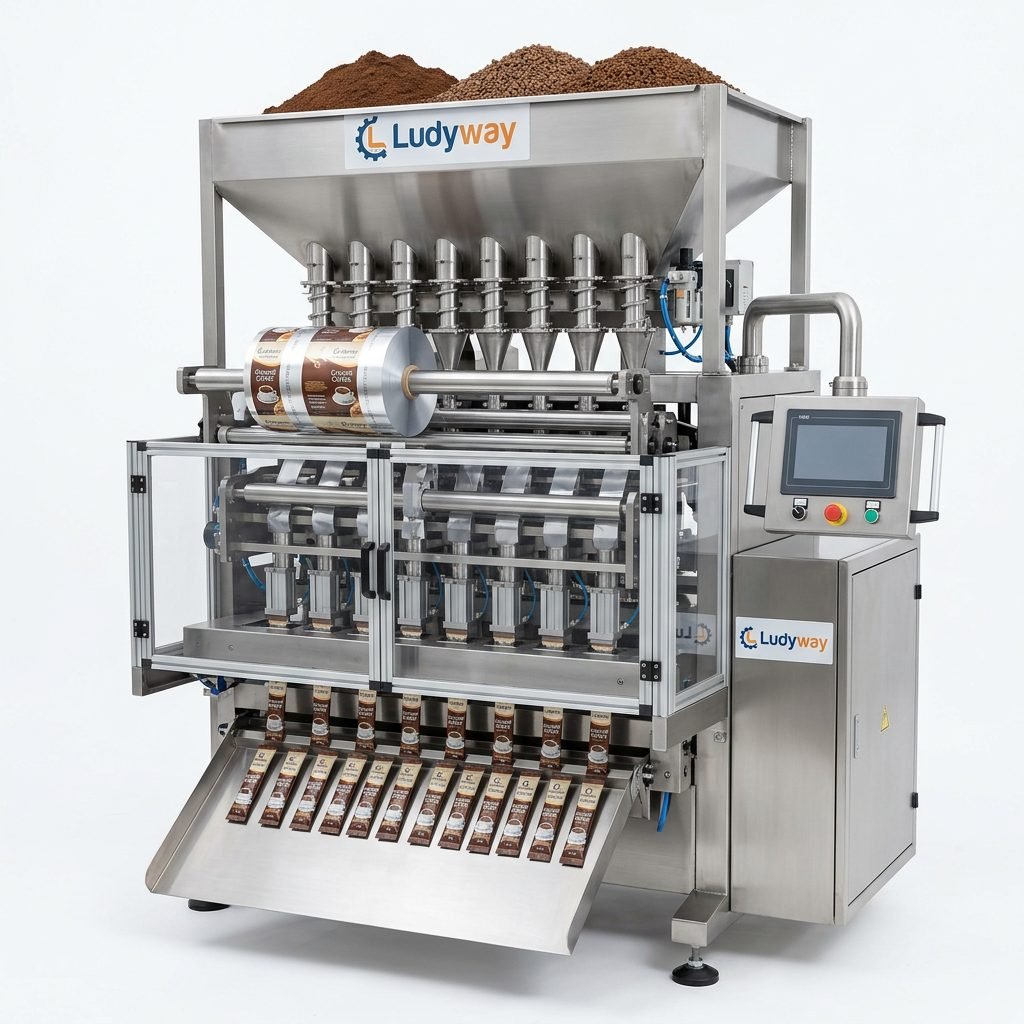
- Multi-Lane Stick Pack or Sachet Machine – High-speed form-fill-seal technology for single-serve formats
- Nitrogen Flushing Unit – Preserves freshness by removing oxygen from packages
- Checkweigher and Metal Detector – Quality control systems that detect weight variations and contaminants
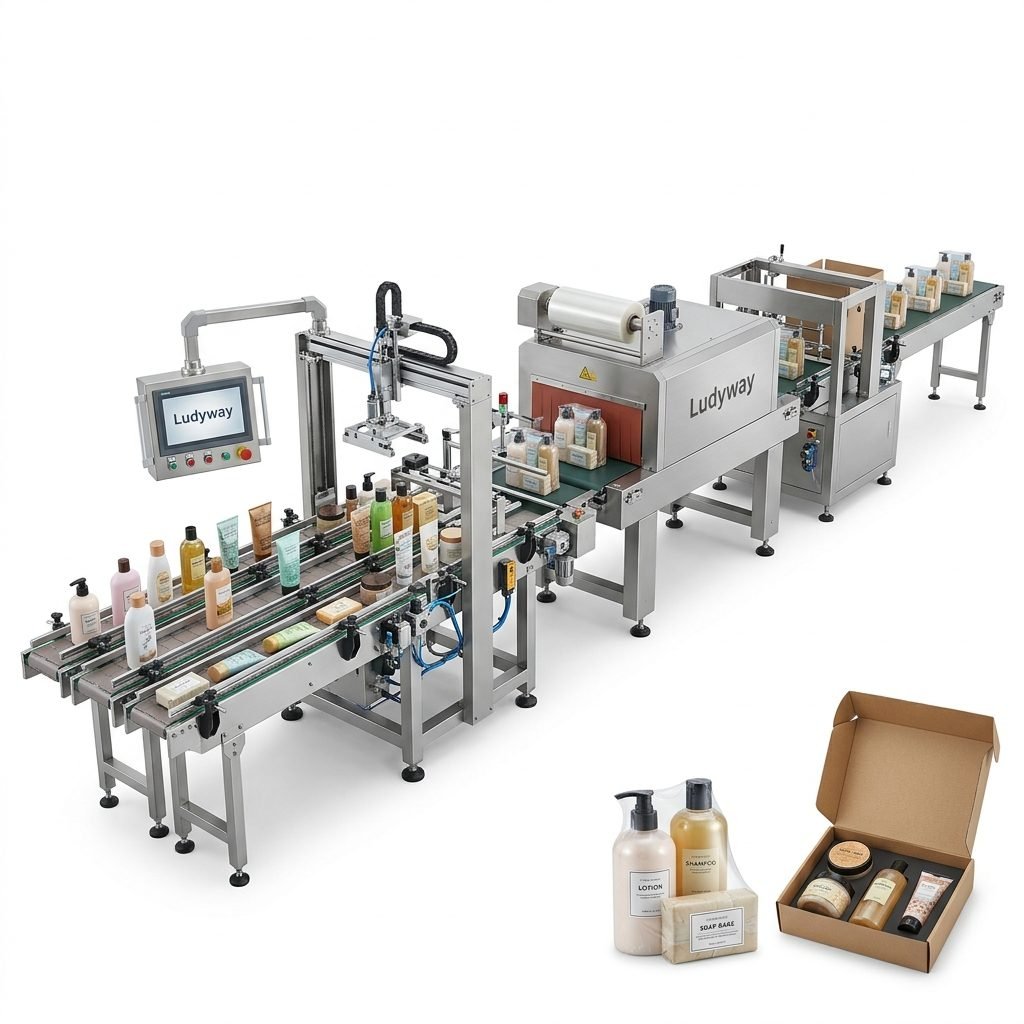
- Cartoning and Case Packing Equipment – Automates secondary packaging for retail distribution
- Palletizing System – Streamlines end-of-line logistics and warehouse handling
Regulatory Compliance and Food Safety Standards
Operating in the United States requires strict adherence to federal regulations. The FDA food packaging regulations set forth requirements for food contact substances and materials used in packaging. Additionally, facilities must comply with FSMA (Food Safety Modernization Act) preventive controls, which emphasize hazard analysis and risk-based preventive measures. Key regulatory considerations include:
- Food-grade material certification for all packaging contact surfaces
- Proper labeling compliance per FDA 21 CFR Part 101
- Facility registration and biennial renewal with the FDA
- Implementation of current Good Manufacturing Practices (cGMP)
- Traceability systems for lot coding and batch tracking
Comparing Coffee Packaging Formats
Different coffee products require specific packaging approaches. The table below outlines common formats and their corresponding equipment requirements:
| Packaging Format | Best For | Equipment Type |
|---|---|---|
| Whole Bean Valve Bags | Specialty roasters, retail | Vertical form-fill-seal with valve applicator |
| Ground Coffee Stick Packs | Single-serve, food service | Multi-lane stick pack machine |
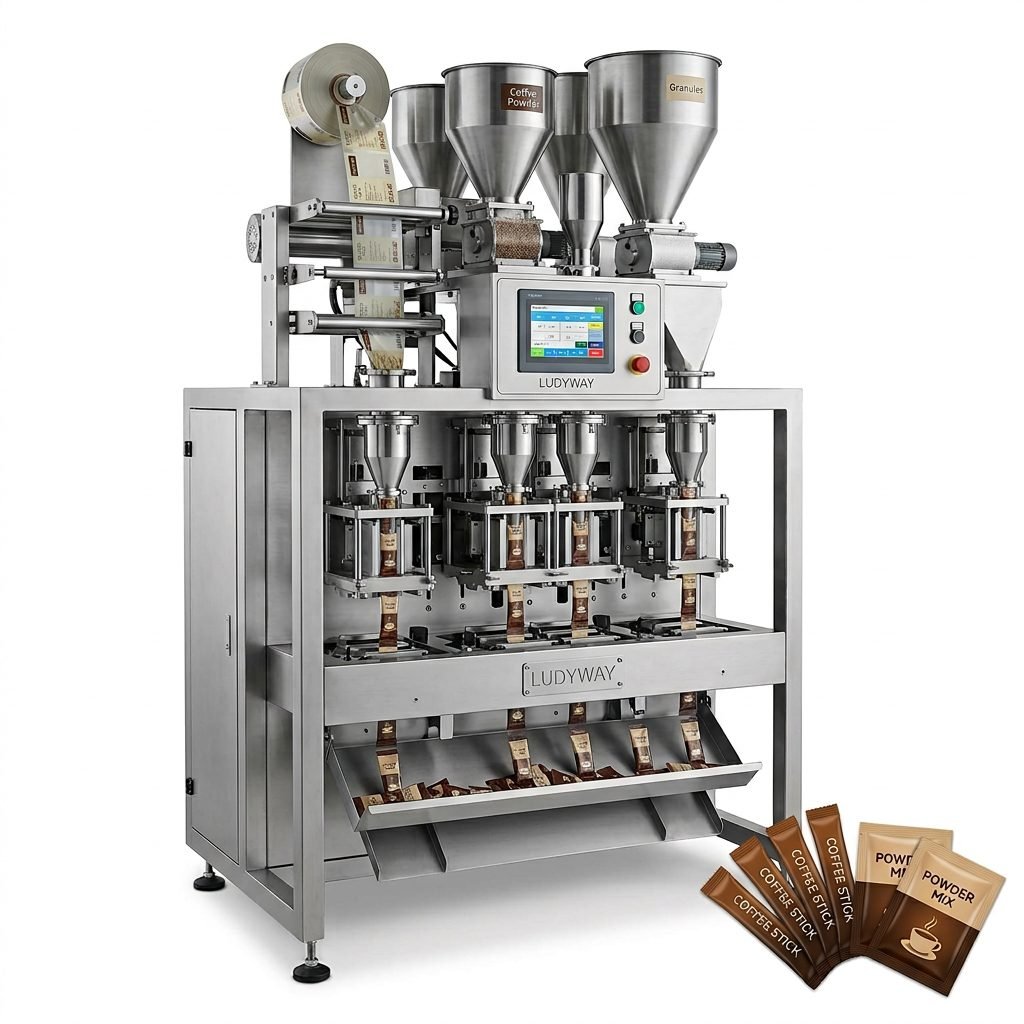
| Instant Coffee Sachets | Convenience, travel | High-speed sachet packaging line |
| Bulk Coffee Bags (5-50 lbs) | Wholesale, commercial | Heavy-duty bagging and sealing system |
International Equipment Standards and Certification
When sourcing packaging machinery for U.S. operations, compliance with ISO packaging standards is critical. Equipment should meet ISO 9001 quality management requirements and relevant safety certifications. The PMMI packaging industry association provides valuable resources including packaging machinery market research and state-of-the-industry reports that help manufacturers benchmark their operations against U.S. market standards. Key certifications to verify include:
- UL Certification – Electrical safety compliance for the U.S. market
- CE Marking – Indicates conformity with international safety standards
- ANSI/PMMI B155.1 – Safety requirements for packaging machinery
- 3-A Sanitary Standards – For food-grade equipment design and cleanability
Production Line Layout and Facility Planning
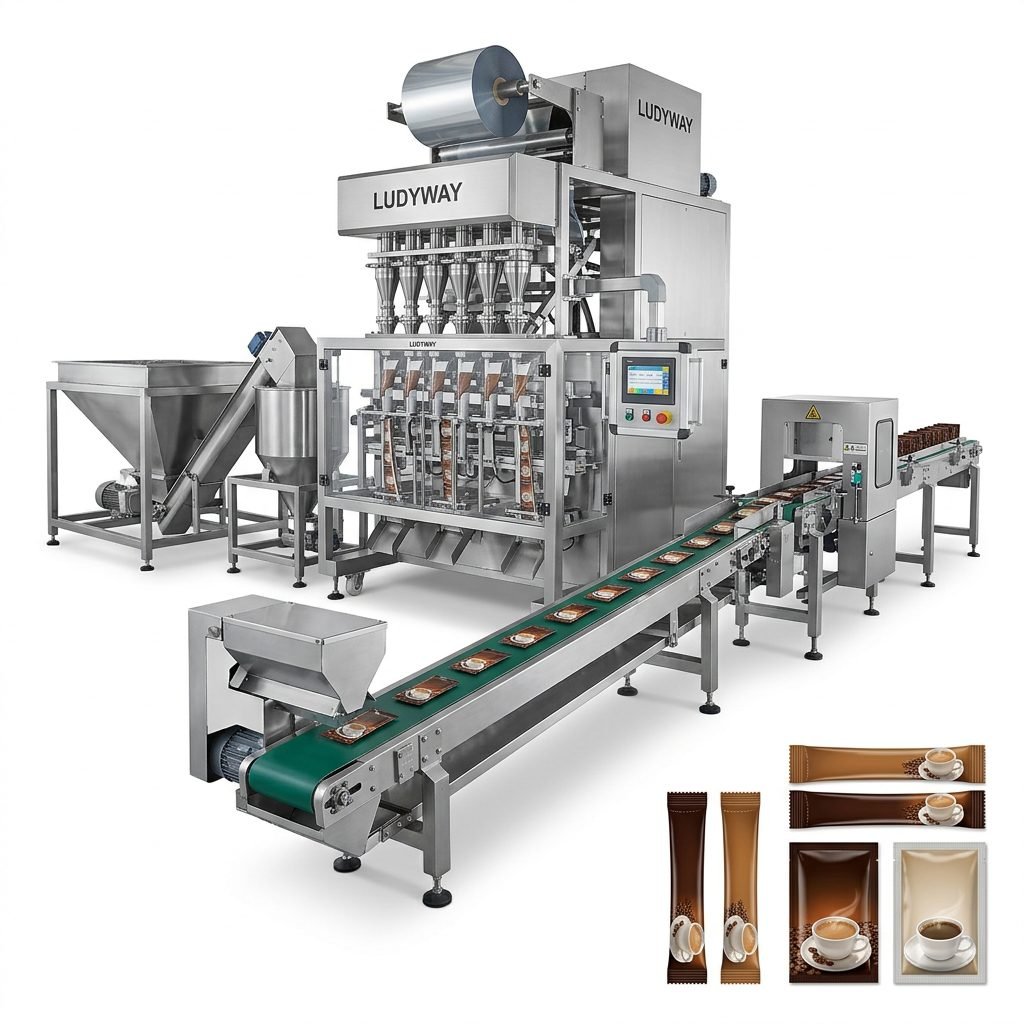
Designing an efficient layout is fundamental to maximizing throughput and minimizing operational costs. Consider the following factors when planning your facility:
- Material Flow – Raw coffee beans should move logically from receiving to roasting, grinding, packaging, and shipping zones without cross-contamination risks.
- Utility Requirements – Ensure adequate electrical supply (typically 208-480V three-phase in the U.S.), compressed air systems, and nitrogen generation capacity.
- Environmental Controls – Maintain proper temperature and humidity levels to preserve coffee freshness and ensure consistent machine performance.
- Sanitation Access – Design with cleanability in mind, including adequate clearance around equipment for maintenance and sanitation crews.
- Expansion Flexibility – Plan for future growth by leaving space for additional packaging lanes or upstream processing equipment.
Installation, Commissioning, and Workforce Training
Proper installation is critical to long-term equipment reliability. Working with experienced technicians who understand both the machinery and U.S. operational requirements can significantly reduce commissioning time. Ludyway, as one of the largest packaging machine manufacturers in China with over 30 years of industry expertise and a modern 20,000㎡ manufacturing facility, provides comprehensive installation support and technical training for international customers. Key training areas for production staff should include:
- Machine operation and changeover procedures for different coffee formats
- Preventive maintenance schedules and troubleshooting protocols
- Quality control checks and record-keeping requirements
- Safety procedures including lockout/tagout compliance per OSHA standards
Cost Considerations and ROI Analysis
Investing in a coffee packaging production line involves multiple cost factors beyond the initial equipment purchase. A comprehensive budget should account for:
| Cost Category | Estimated Range | Notes |
|---|---|---|
| Packaging Machinery | $80,000 – $500,000+ | Varies by speed and automation level |
| Installation and Commissioning | 10-15% of equipment cost | Includes technician travel and setup |
| Facility Modifications | $20,000 – $100,000 | Utilities, flooring, ventilation |
| Annual Maintenance | 5-8% of equipment cost | Spare parts and service contracts |
Supply Chain and Spare Parts Strategy
Maintaining adequate spare parts inventory is essential for minimizing production downtime. Critical spare components such as sealing jaws, cutting blades, belts, sensors, and heating elements should be stocked based on manufacturer recommendations. Establishing relationships with local U.S.-based technical support providers can also reduce response times for urgent repairs. The flexible packaging industry resources offered by trade associations provide additional guidance on supply chain best practices for packaging operations.
Sustainability and Environmental Considerations
U.S. consumers and retailers increasingly prioritize sustainable packaging solutions. The European packaging waste regulations and U.S. EPA sustainable materials management initiatives are shaping global packaging trends. When setting up a coffee packaging line, consider equipment compatibility with recyclable films, compostable laminates, and reduced-material packaging designs. Many modern multi-lane machines can handle thinner film gauges without sacrificing seal integrity, reducing both material costs and environmental impact.
Final Recommendations for a Successful Setup
Setting up a coffee bean packaging machine production line in the United States is a significant undertaking that rewards thorough planning. Start by clearly defining your product portfolio – the formats you plan to offer will dictate your equipment specifications. Prioritize regulatory compliance from day one, as FDA and OSHA requirements are non-negotiable for U.S. operations. Invest in operator training to maximize equipment utilization and minimize costly errors. Finally, build relationships with industry organizations such as PMMI and the Flexible Packaging Association to stay current with market trends, technical standards, and networking opportunities including events like PACK EXPO International and PACK EXPO Las Vegas.