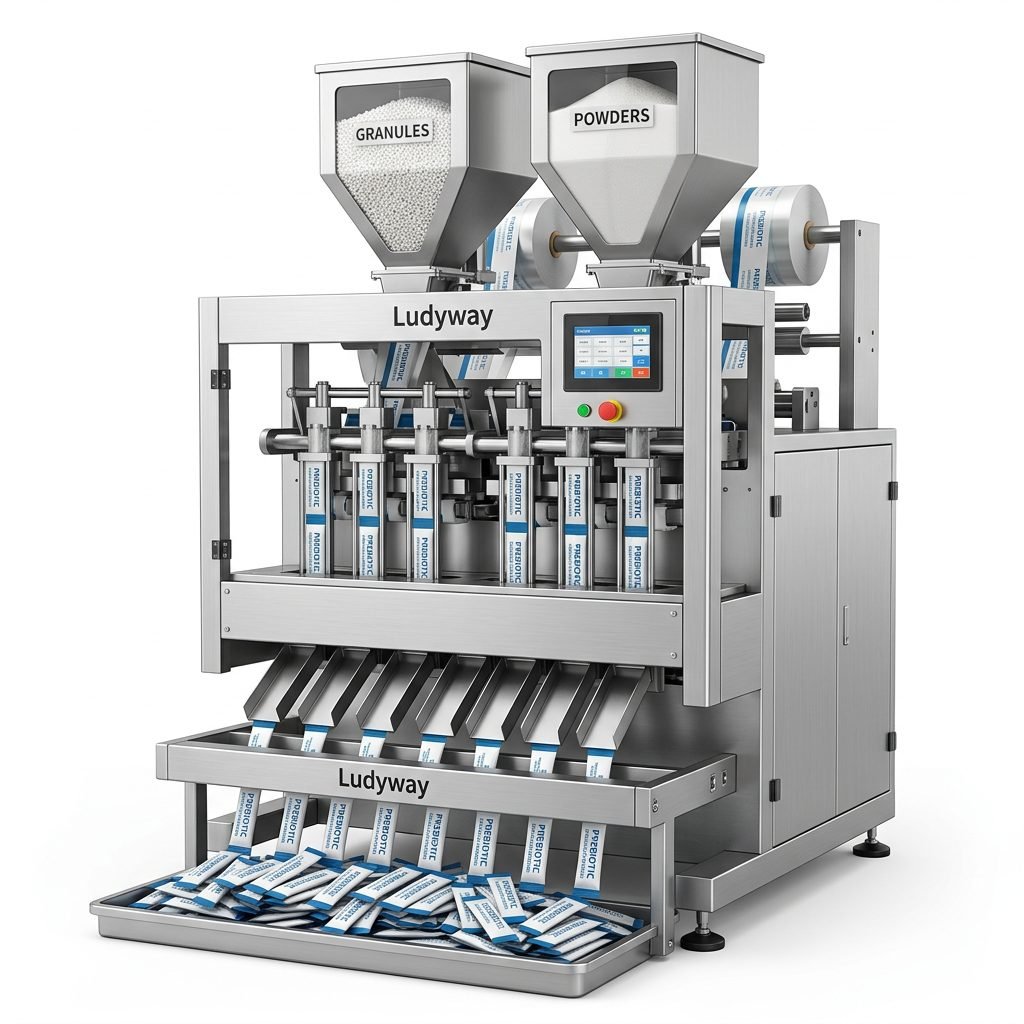
In the global spice industry, packaging is far more than a container—it is the critical interface between your product’s freshness, brand identity, and consumer trust. Spice packaging machines must handle a diverse range of granule and powder characteristics, from fine turmeric dust to coarse oregano flakes, all while maintaining precise weights, hermetic seals, and high throughput. For global spice brands seeking to scale operations without compromising quality, Ludyway spice packaging machines deliver the engineering precision and reliability that modern production demands.
Precision Engineering for Complex Spice Profiles
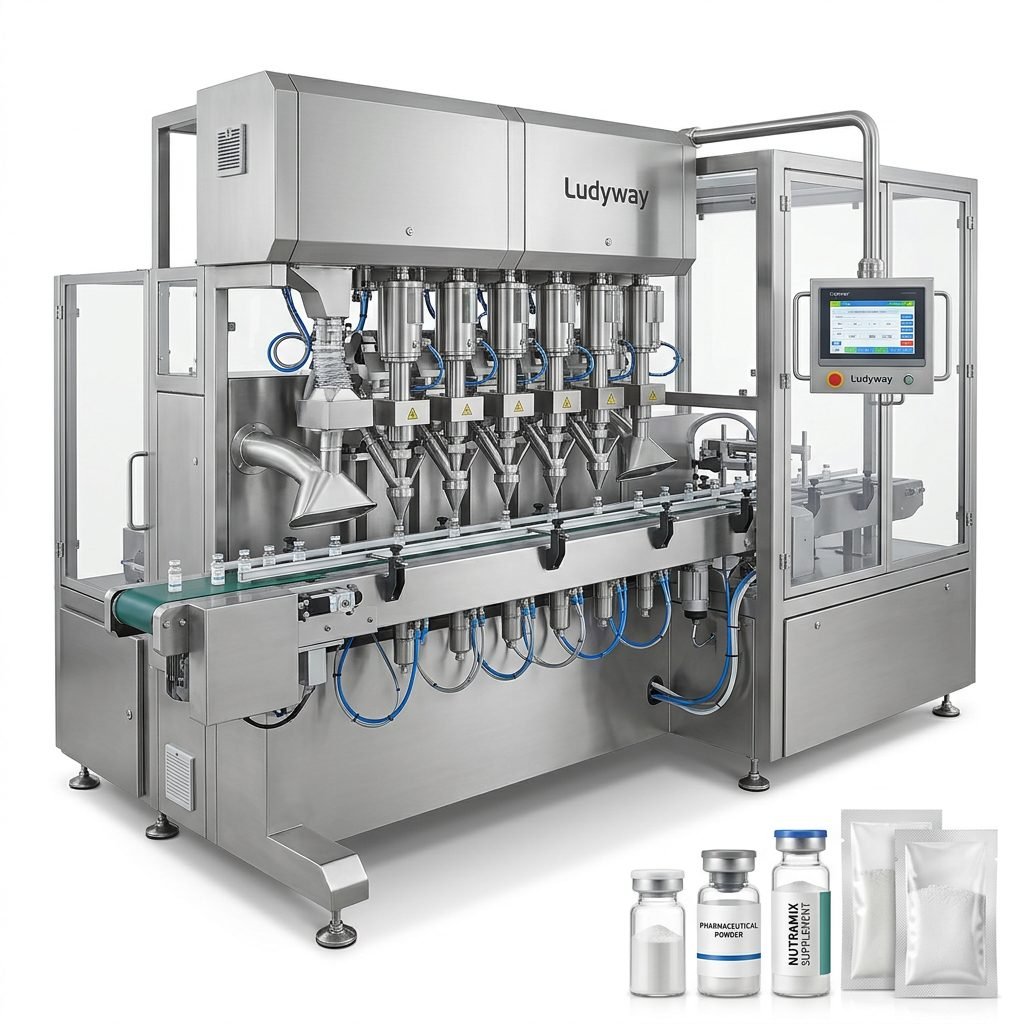
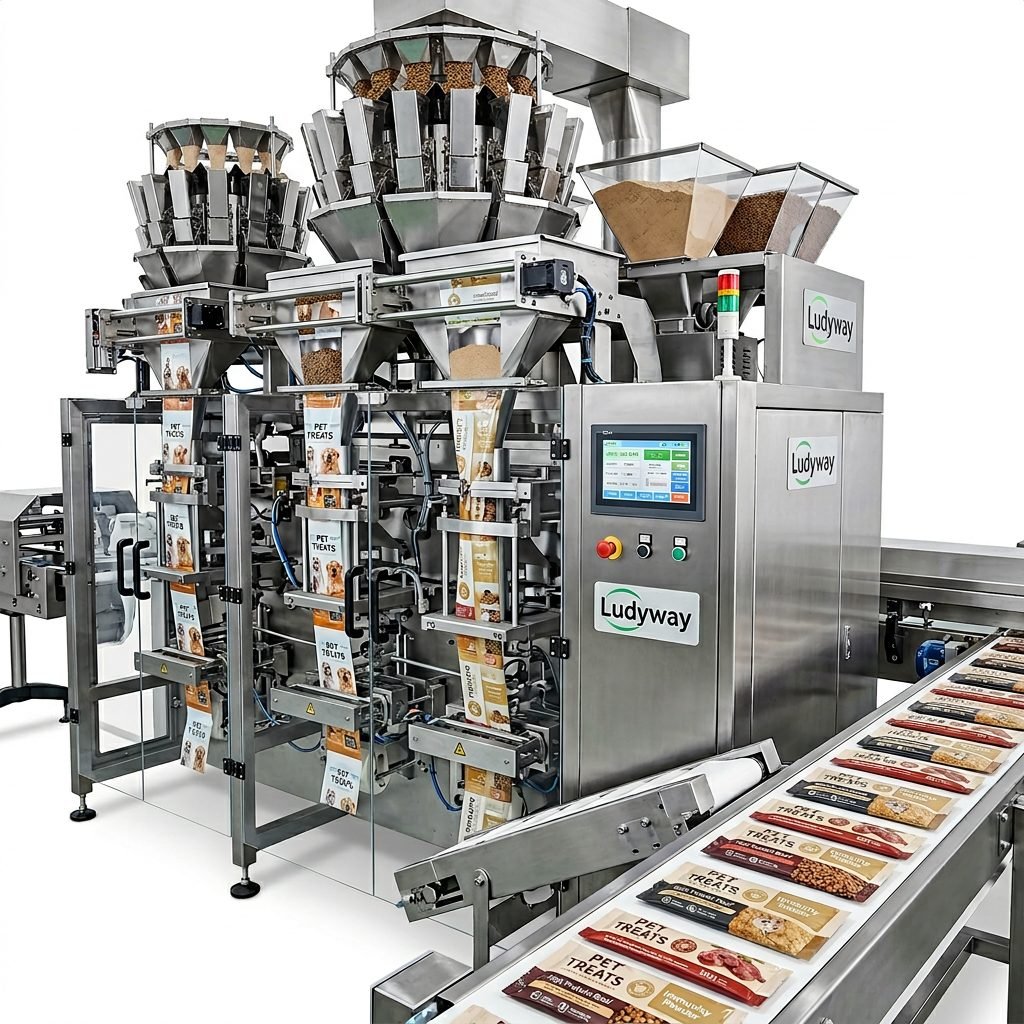
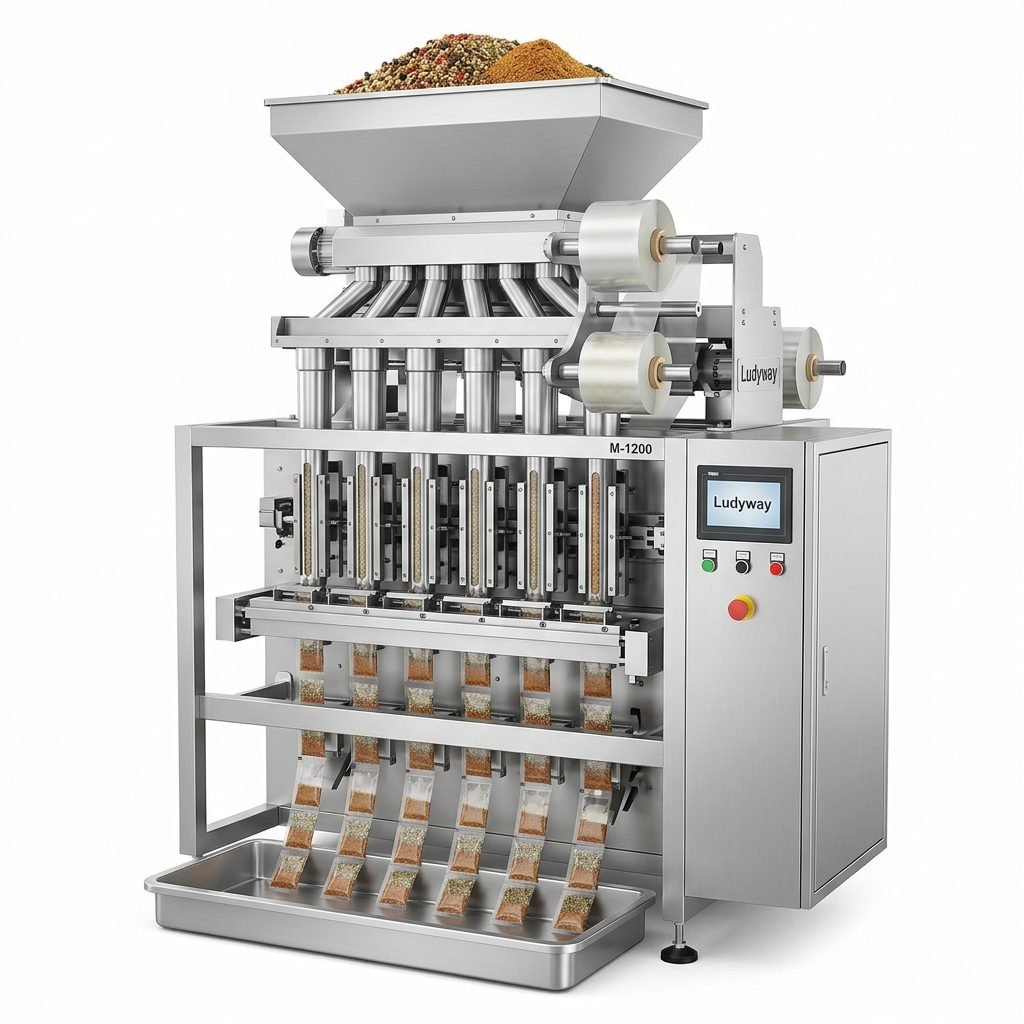
Spices present unique packaging challenges. Granule size, flowability, dust generation, and oil content vary dramatically across products like paprika, cinnamon, black pepper, and cumin. A packaging solution that excels with free-flowing garlic granules may struggle with sticky chili powder or ultra-fine curry blends. Advanced multi-head weighers and volumetric fillers integrated into Ludyway systems are calibrated to accommodate this diversity. Whether your operation packages 2-gram single-serve sachets or 500-gram family packs, the dosing accuracy minimizes product giveaway while maximizing fill consistency—a direct contributor to profitability for spice brands competing on tight margins.
Multi-Lane Technology: Throughput Without Compromise
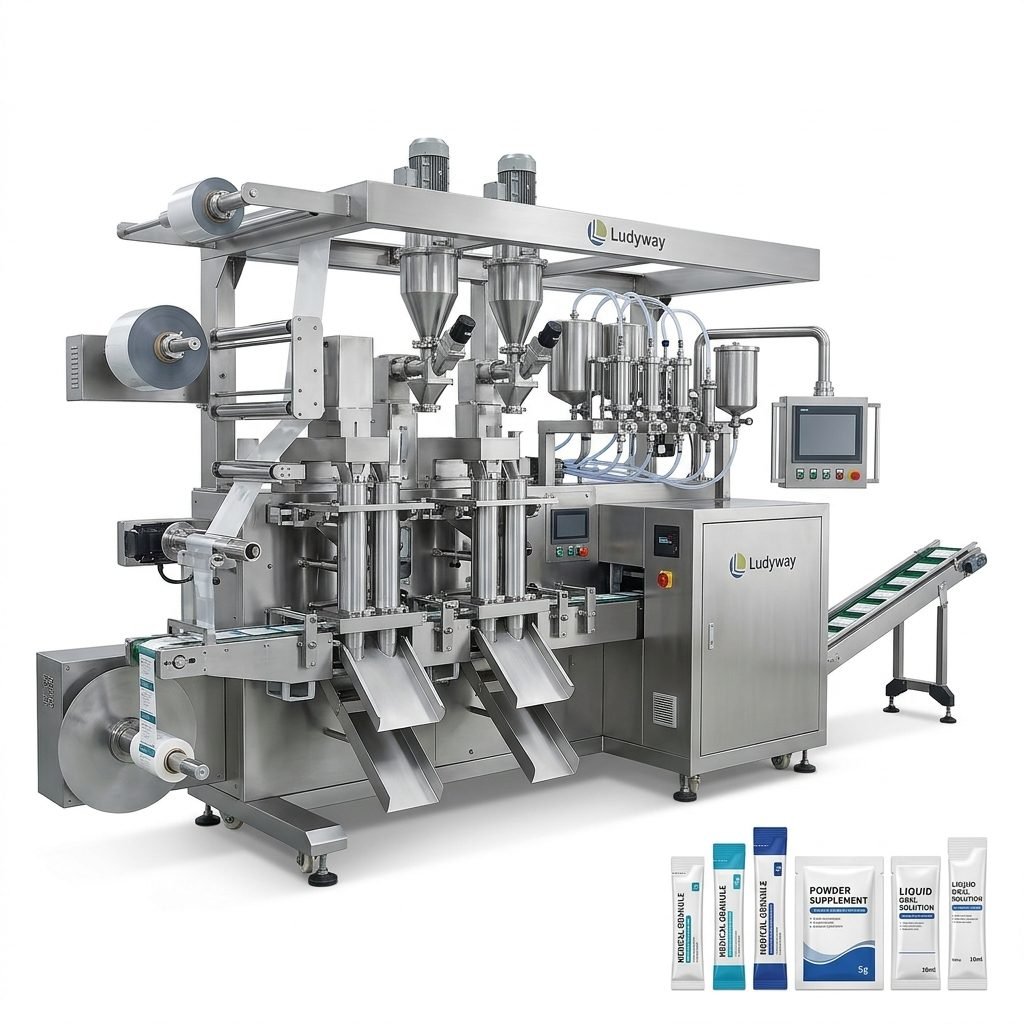
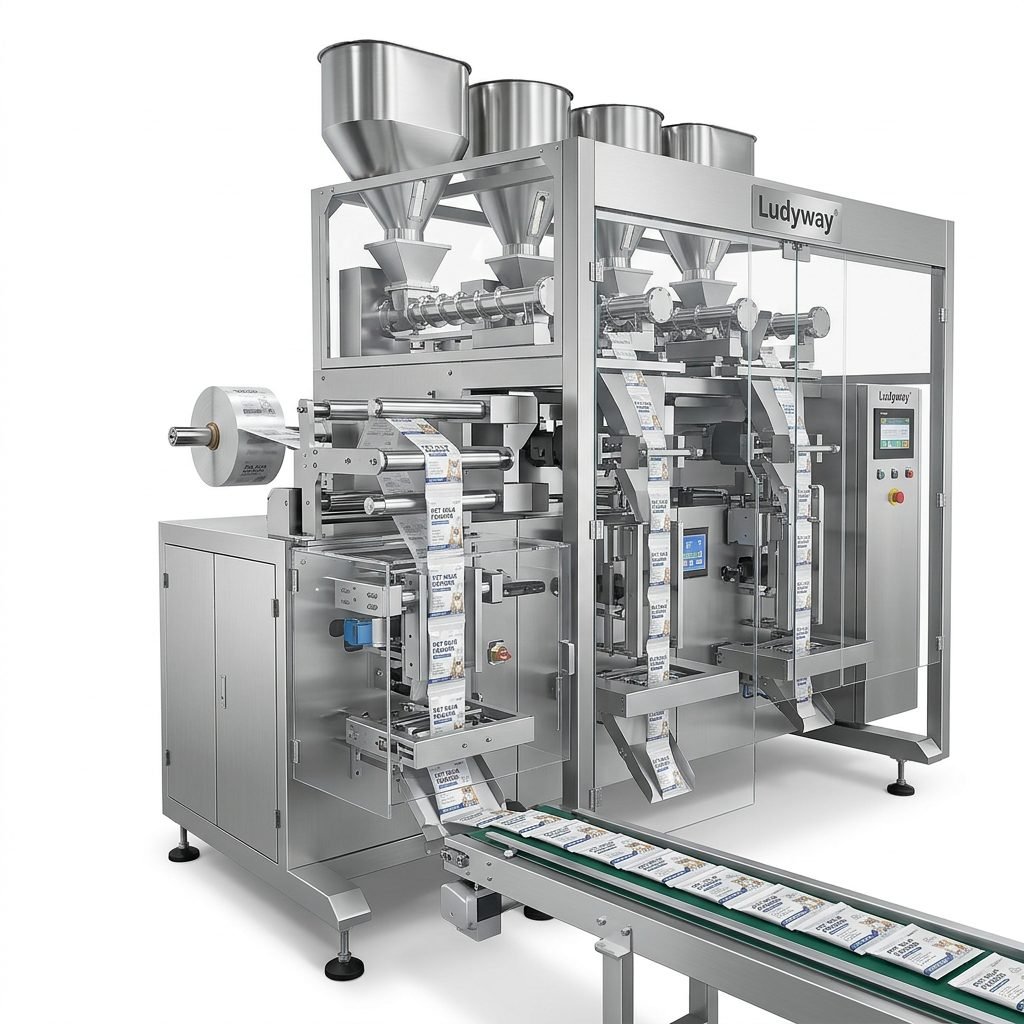
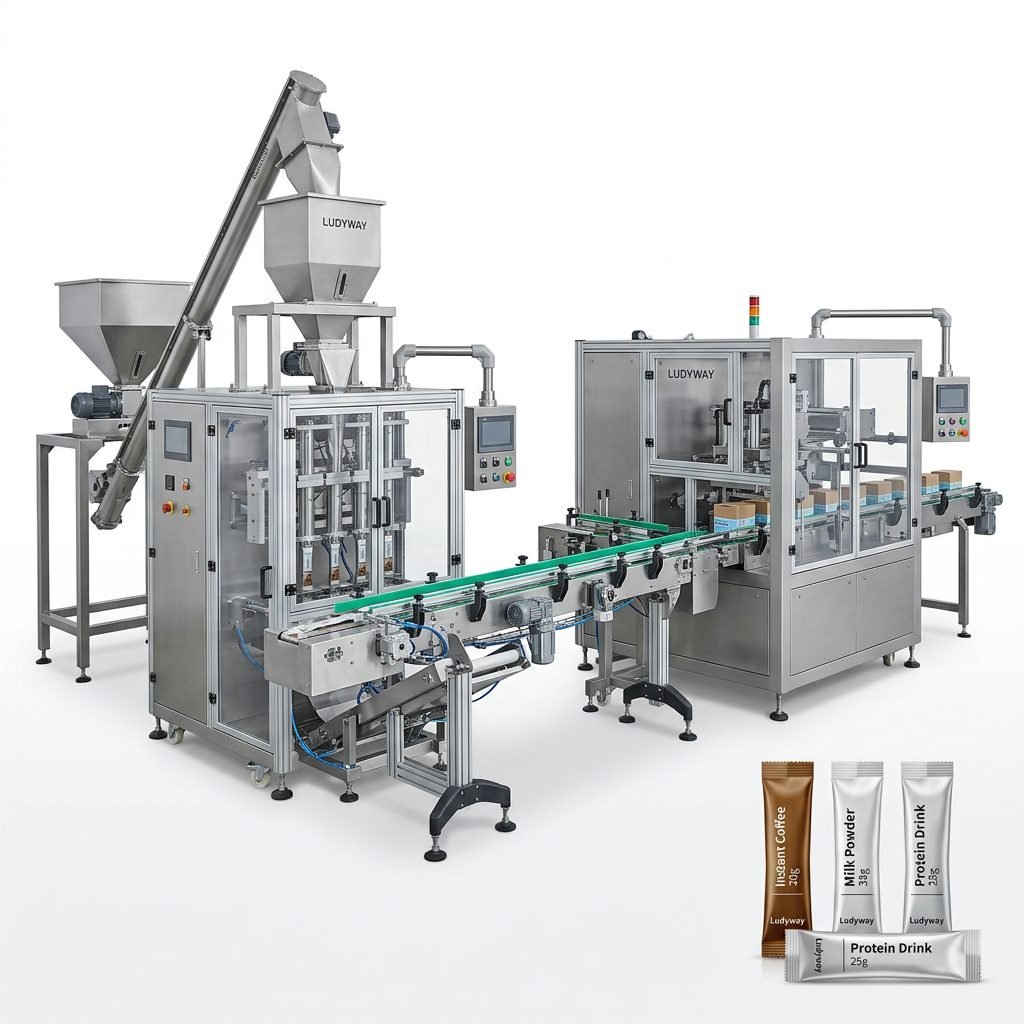
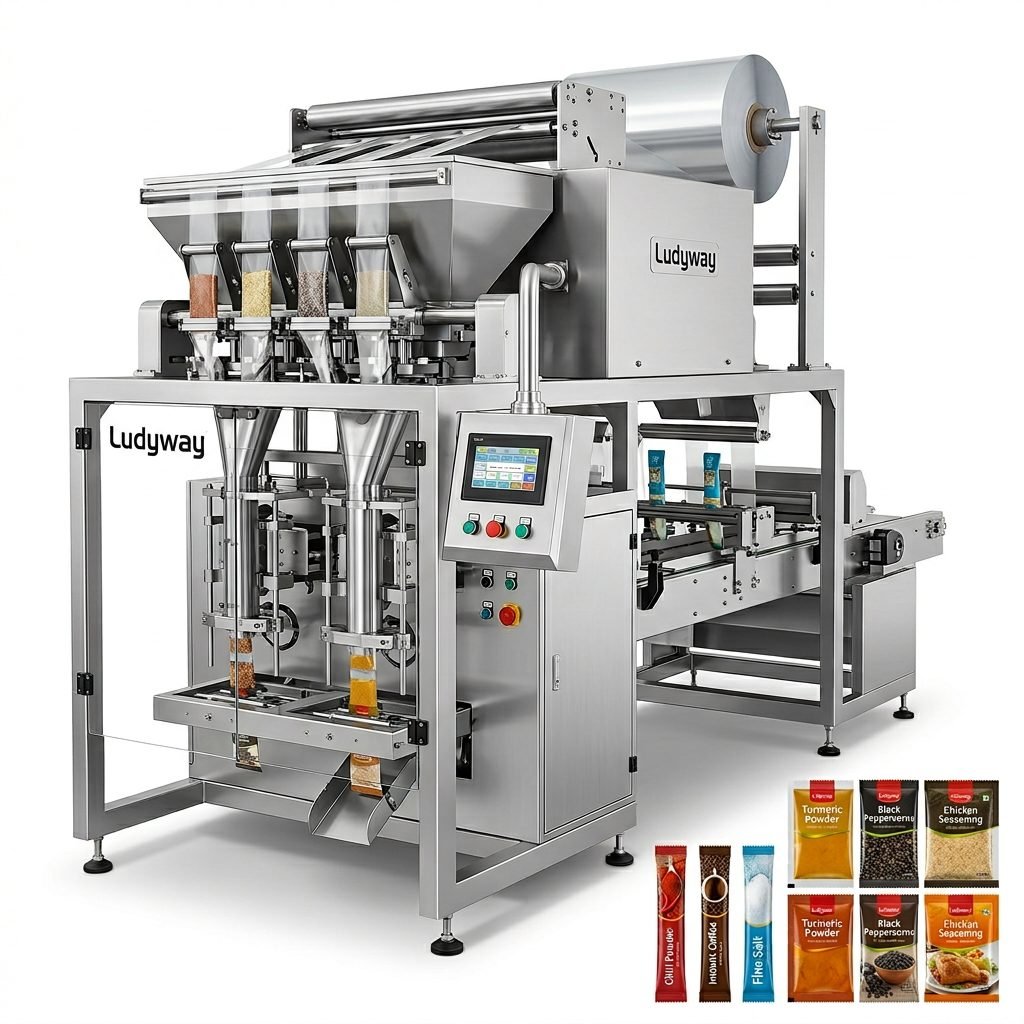
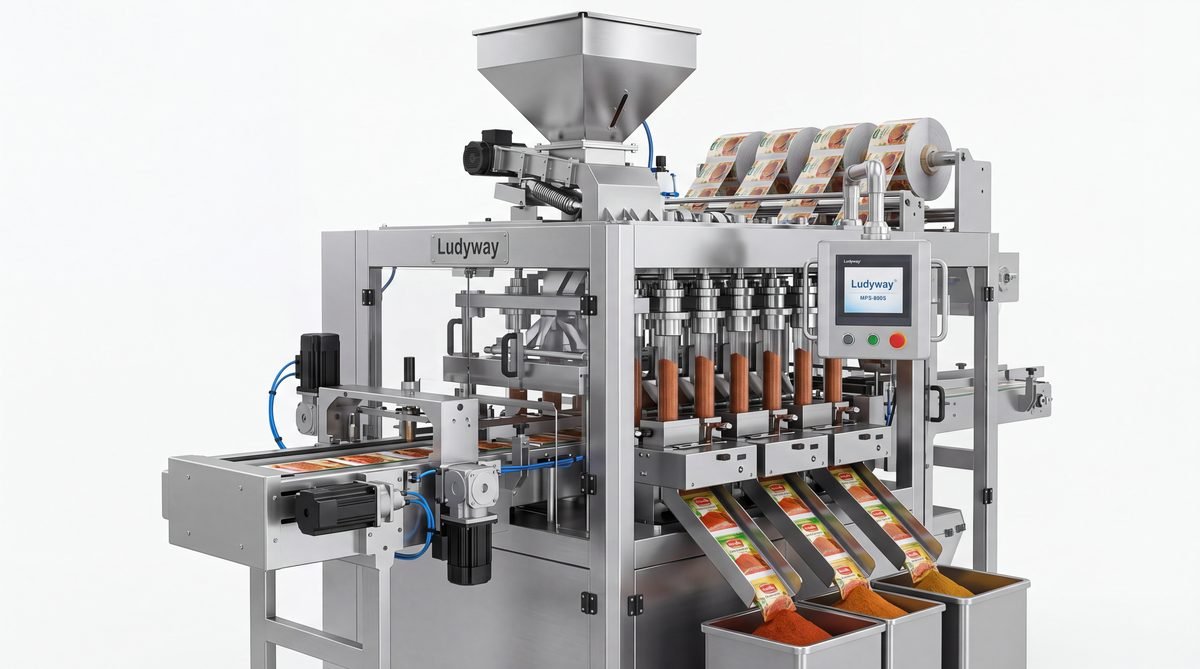
For spice brands supplying international retail chains and food service distributors, production volume is a non-negotiable metric. Multi-lane stick pack and sachet systems represent the most efficient approach to high-volume spice packaging. A single machine running 4 to 12 lanes simultaneously can produce hundreds of perfectly sealed pouches per minute. This architecture reduces floor space requirements, energy consumption, and operator intervention compared to running multiple single-lane machines. Global spice brands benefit from streamlined workflows, lower total cost of ownership, and faster order fulfillment across SKU ranges that may include dozens of spice varieties and pack sizes.
Key Advantages of Multi-Lane Spice Packaging
- Simultaneous filling across multiple lanes for maximum output per square meter
- Independent lane control allowing quick changeover between different spice types
- Reduced film waste through precision film tracking and tension control
- Integrated nitrogen flushing capability for oxygen-sensitive spice blends
- Compatibility with various film laminates including aluminum foil, PET, and biodegradable materials
Seal Integrity and Product Freshness Protection
The volatile aromatic compounds that give spices their value are highly susceptible to degradation from oxygen, moisture, and light. Hermetic sealing technology in Ludyway packaging machines ensures that every sachet, stick pack, or pouch achieves consistent seal strength. Vertical and horizontal seal jaws with precise temperature control and dwell time adjustment prevent the common issues of weak seals, micro-leaks, and seal contamination—problems that can lead to product spoilage, customer complaints, and costly recalls. For spice exporters shipping products across climatic zones, reliable seal integrity is essential for maintaining shelf life and brand reputation.
Hygienic Design and Food Safety Compliance
Spice processing facilities must adhere to stringent food safety standards including HACCP, GMP, and FDA regulations. Packaging equipment in direct contact with food products must be constructed from food-grade materials with sanitary design principles. FDA food packaging regulations establish clear requirements for food contact surfaces. Stainless steel construction, tool-free disassembly for cleaning, and smooth weld finishes minimize contamination risks and simplify sanitation protocols. The ability to thoroughly clean between production runs is critical for spice brands managing allergen concerns or switching between products with different particulate characteristics.
Sanitary Features for Spice Processing
- SUS304/SUS316 stainless steel product contact surfaces
- CIP-compatible design with minimal crevices and dead zones
- Dust extraction ports to manage airborne spice particulate
- Sealed electrical enclosures rated for washdown environments
- Compliance with ISO packaging standards for food-grade equipment
Customization and Turnkey Integration
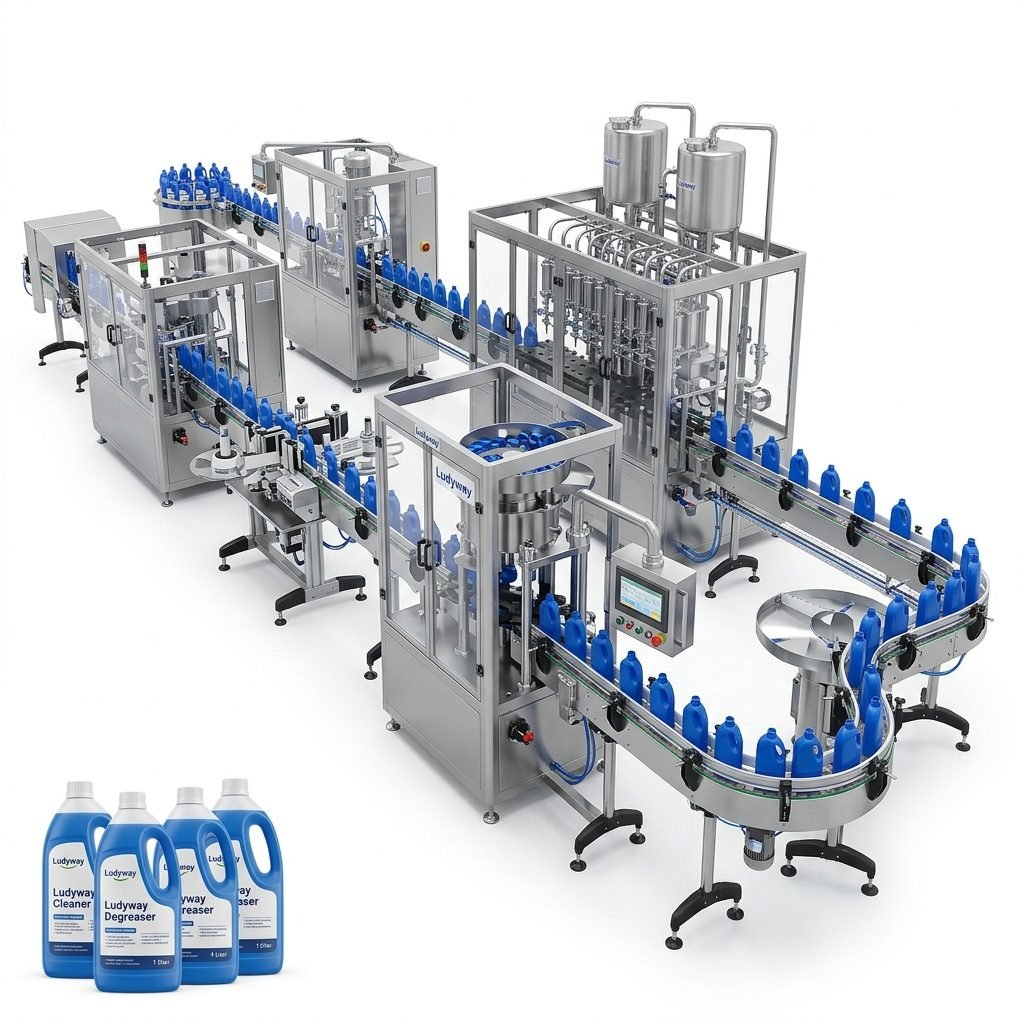
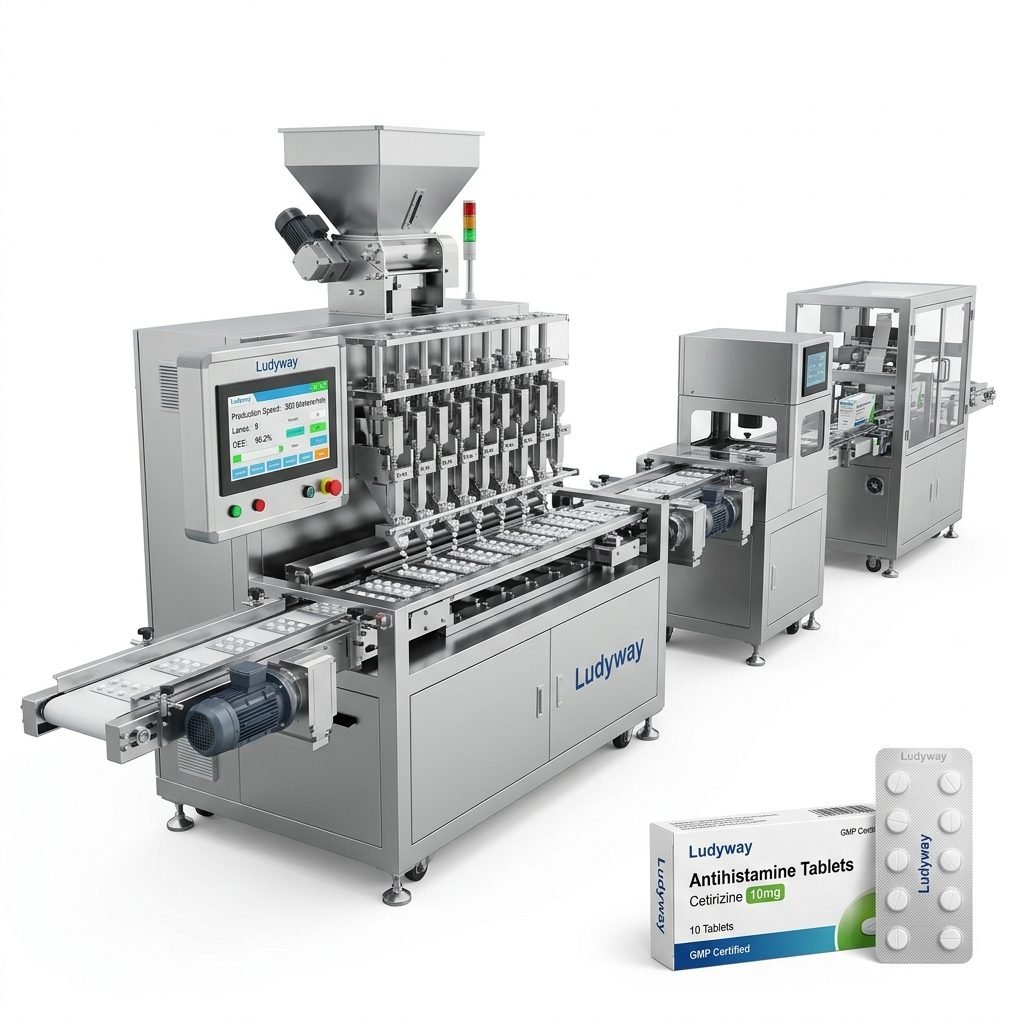
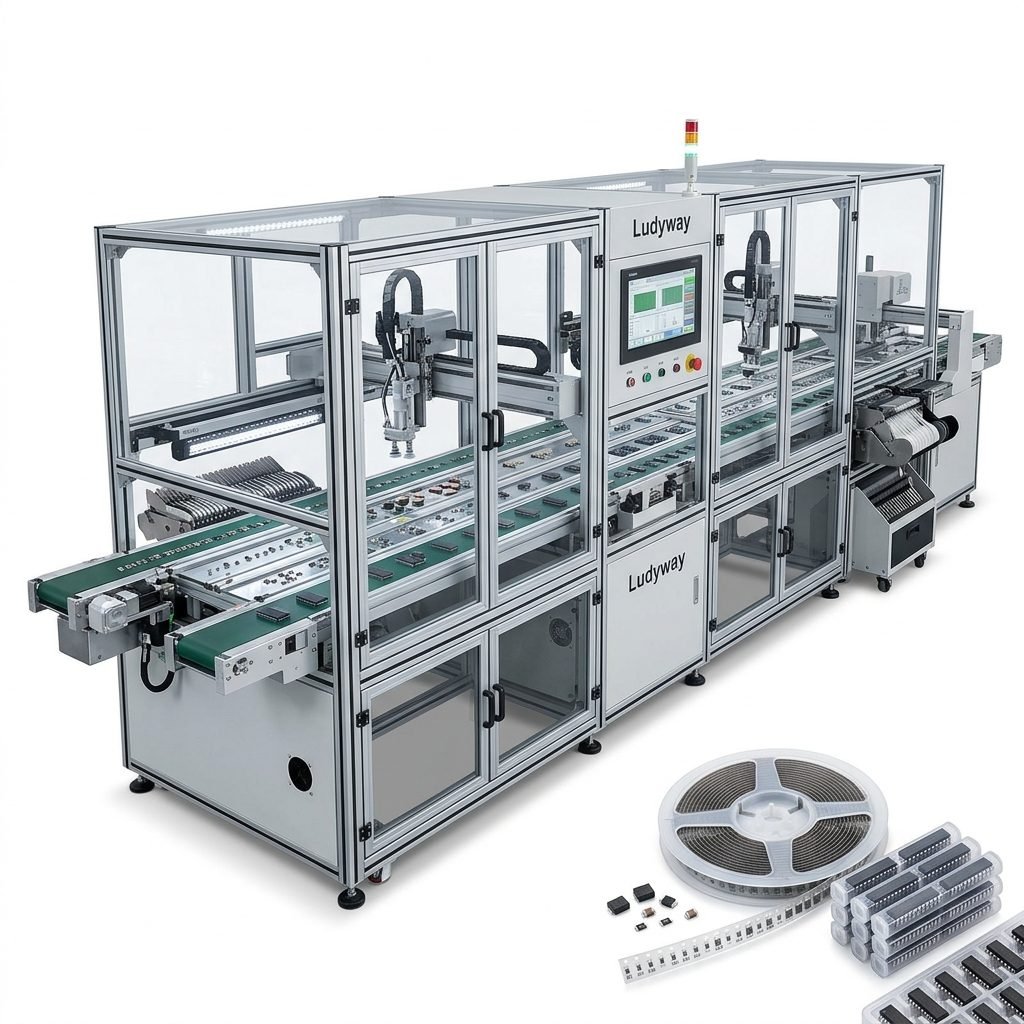
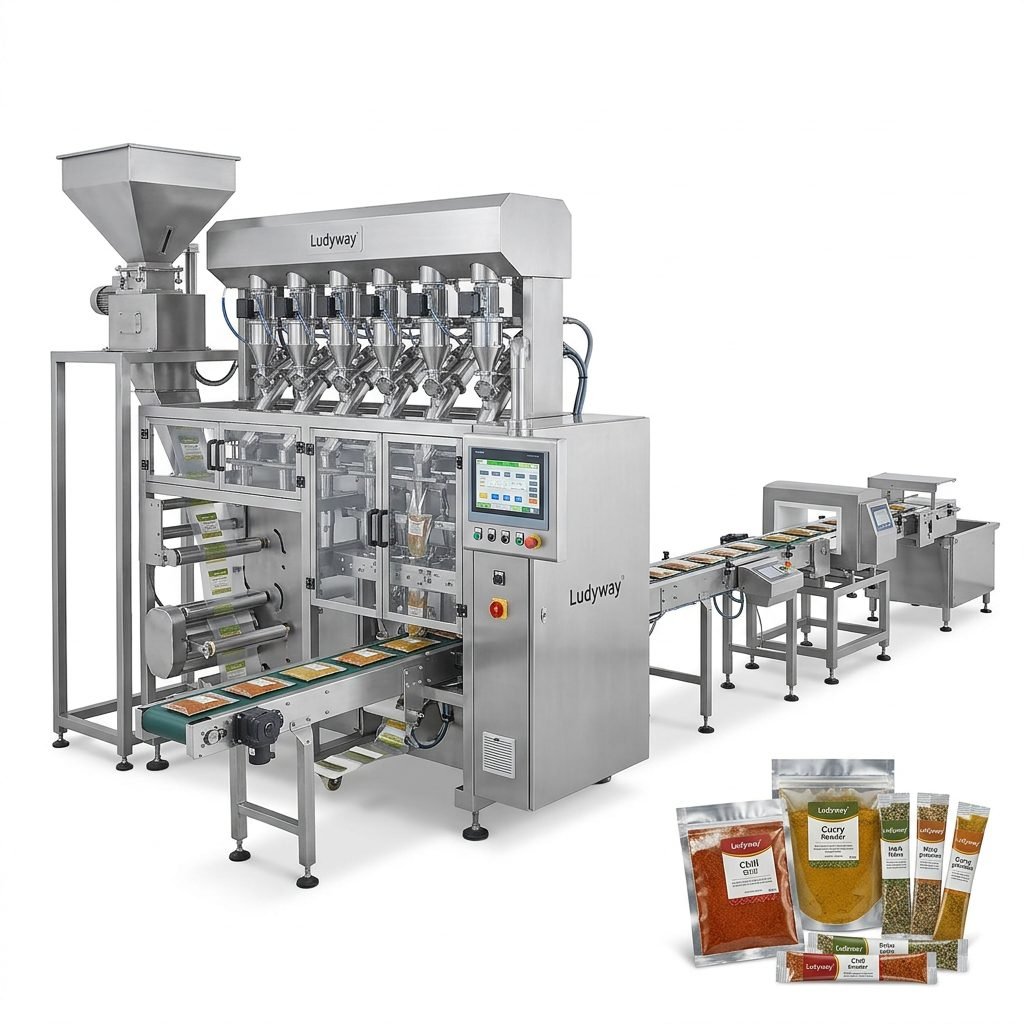
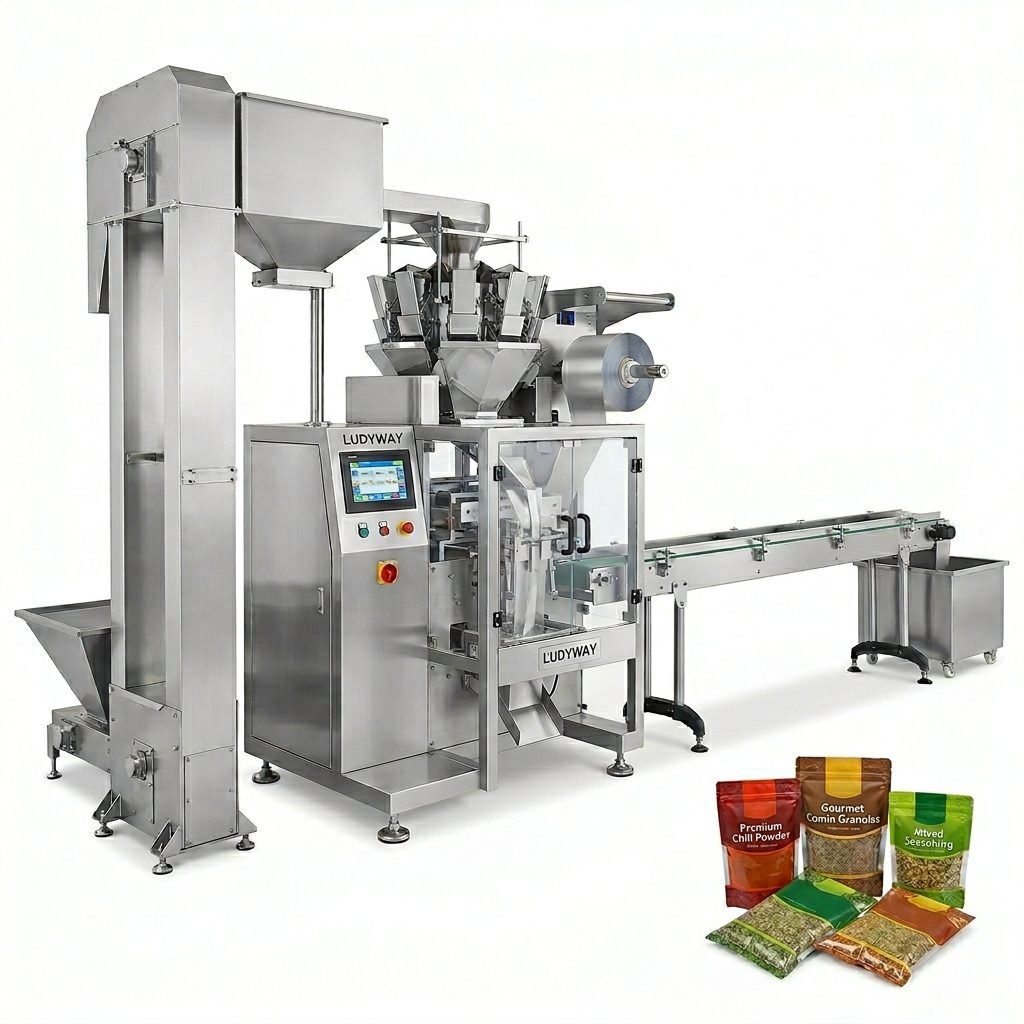
No two spice brands have identical production requirements. Some operations demand integrated weighing, filling, sealing, and cartoning lines, while others need standalone sachet machines that feed into existing conveyor systems. Turnkey packaging solutions offer the advantage of single-source responsibility, where every component—from the multi-head weigher to the case packer—is engineered to work in harmony. This approach reduces commissioning time, simplifies operator training, and ensures that all subsystems communicate seamlessly through centralized control architecture.
Comparative Analysis of Spice Packaging Technologies
Selecting the right packaging technology requires evaluating multiple factors including production volume, pack format flexibility, and long-term operational costs. The table below provides a comparison of common spice packaging approaches and their suitability for different operational scales.
| Packaging Technology | Best For | Key Advantage | Typical Output |
|---|---|---|---|
| Single-Lane Sachet | Small batch, specialty spices | Low investment, easy changeover | 30-60 packs/min |
| Multi-Lane Stick Pack | Single-serve, retail, food service | High throughput, compact footprint | 200-600 packs/min |
| Premade Pouch Rotary | Stand-up pouches, premium branding | Superior shelf presentation | 40-80 packs/min |
| Integrated Turnkey Line | High-volume, multi-SKU operations | End-to-end automation, lowest TCO | 300-800+ packs/min |
Global Support and After-Sales Service
Packaging machinery represents a significant capital investment, and downtime directly impacts revenue. For spice brands operating across multiple shifts and fulfilling tight delivery schedules, responsive technical support is essential. Comprehensive after-sales service including remote diagnostics, readily available spare parts, and on-site technical assistance ensures that production interruptions are minimized. According to PMMI industry data, unplanned downtime costs packaging operations an average of $10,000 to $30,000 per hour, making equipment reliability and service responsiveness critical procurement criteria.
Sustainability and Material Efficiency
Global spice brands are increasingly prioritizing sustainable packaging solutions in response to consumer demand and regulatory pressure. The European Packaging and Packaging Waste Regulation and similar initiatives worldwide are driving the adoption of recyclable and reduced-material formats. Lightweighting through precision film control reduces material consumption per pack without compromising barrier properties. Advanced machines also accommodate mono-material films and paper-based laminates that align with circular economy goals, helping spice brands meet flexible packaging sustainability targets while maintaining product protection.
Sustainability Benefits of Modern Spice Packaging Equipment
- Reduced film waste through precision web handling and splice detection
- Compatibility with recyclable mono-material structures
- Energy-efficient servo drives with regenerative braking technology
- Optimized gas flushing to minimize nitrogen consumption
- Long-life components reducing maintenance-related material waste
Investing in Scalable Spice Packaging Infrastructure
For spice brands with global ambitions, packaging equipment decisions made today will define production capabilities for years to come. Scalable, modular machine architectures allow operations to expand capacity incrementally—adding lanes, integrating automation modules, or upgrading control systems as demand grows. This approach protects the initial investment while providing a clear upgrade path. Whether your brand specializes in organic spice blends, ethnic seasoning mixes, or bulk industrial spice supply, the right packaging technology transforms operational efficiency from a cost center into a competitive advantage. As PMMI’s State of the Industry report highlights, automation continues to be the primary driver of packaging line productivity improvements across food sectors.
About Ludyway: Ludyway is one of the largest packaging machine manufacturers in China, specializing in advanced packaging equipment and turnkey production solutions for the food, pharmaceutical, and health industries. With over 30 years of industry expertise, a modern 20,000㎡ manufacturing facility, and more than 50 intelligent packaging machine models, the company serves customers in over 100 countries. Supported by a highly experienced engineering team, Ludyway provides reliable and efficient packaging solutions for granule, powder, liquid, and pouch packaging applications, helping businesses improve productivity, product quality, and operational efficiency.
For more information about spice packaging machines and turnkey production solutions, explore our complete range of multi-lane sachet and stick pack systems designed for global spice brands.