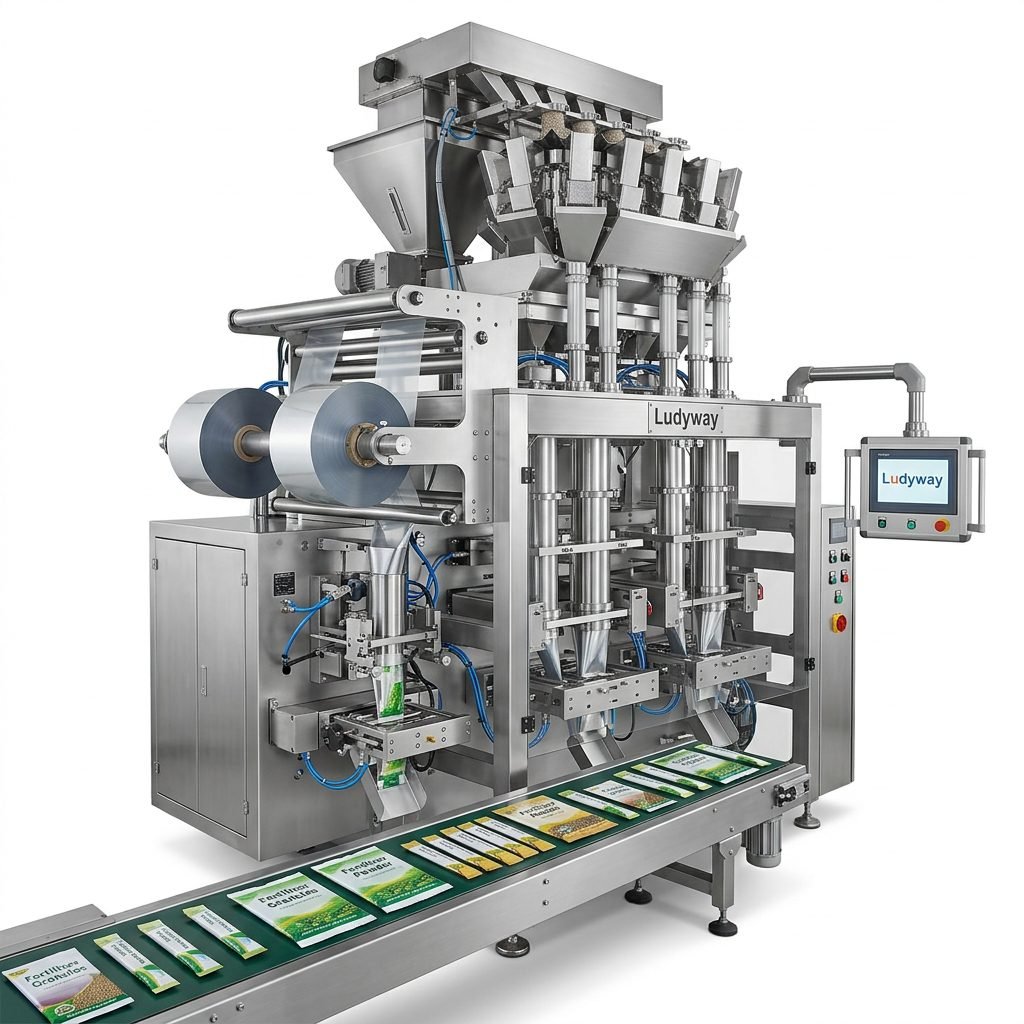
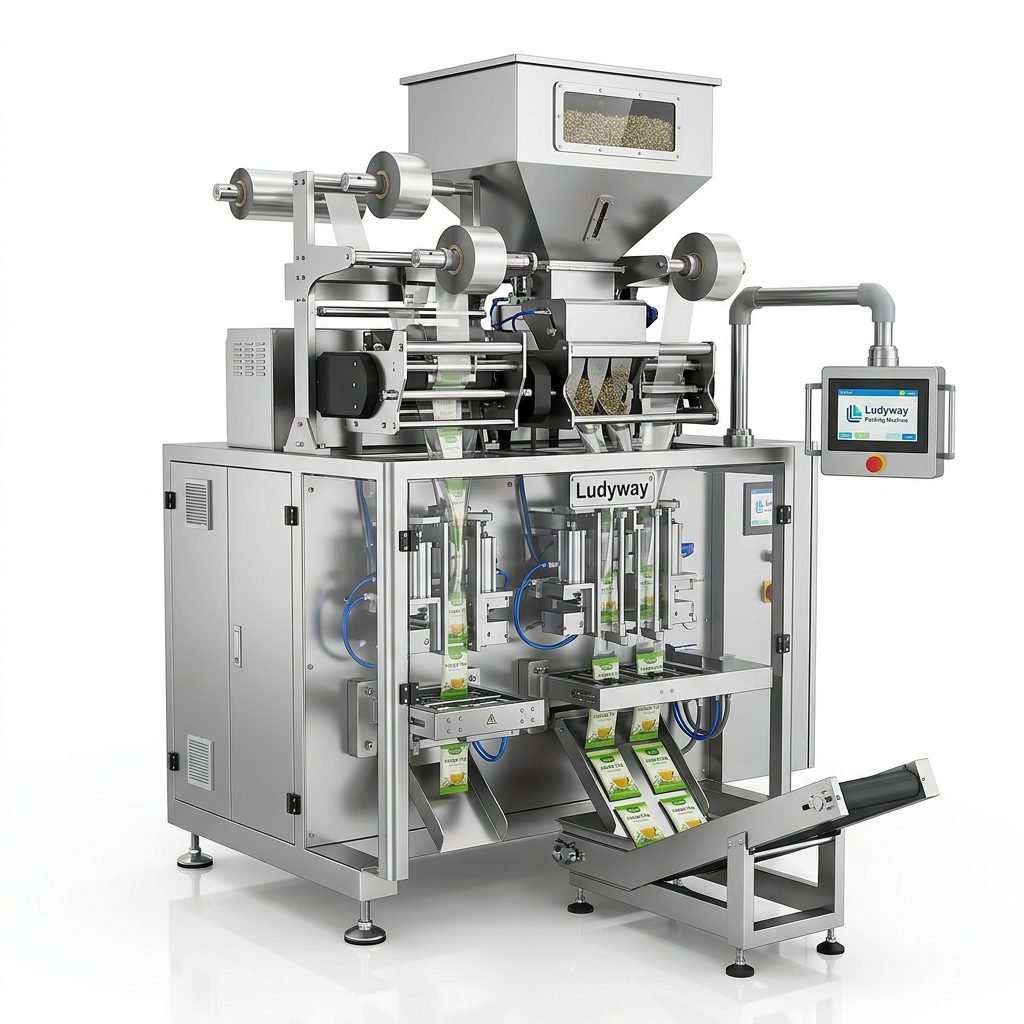
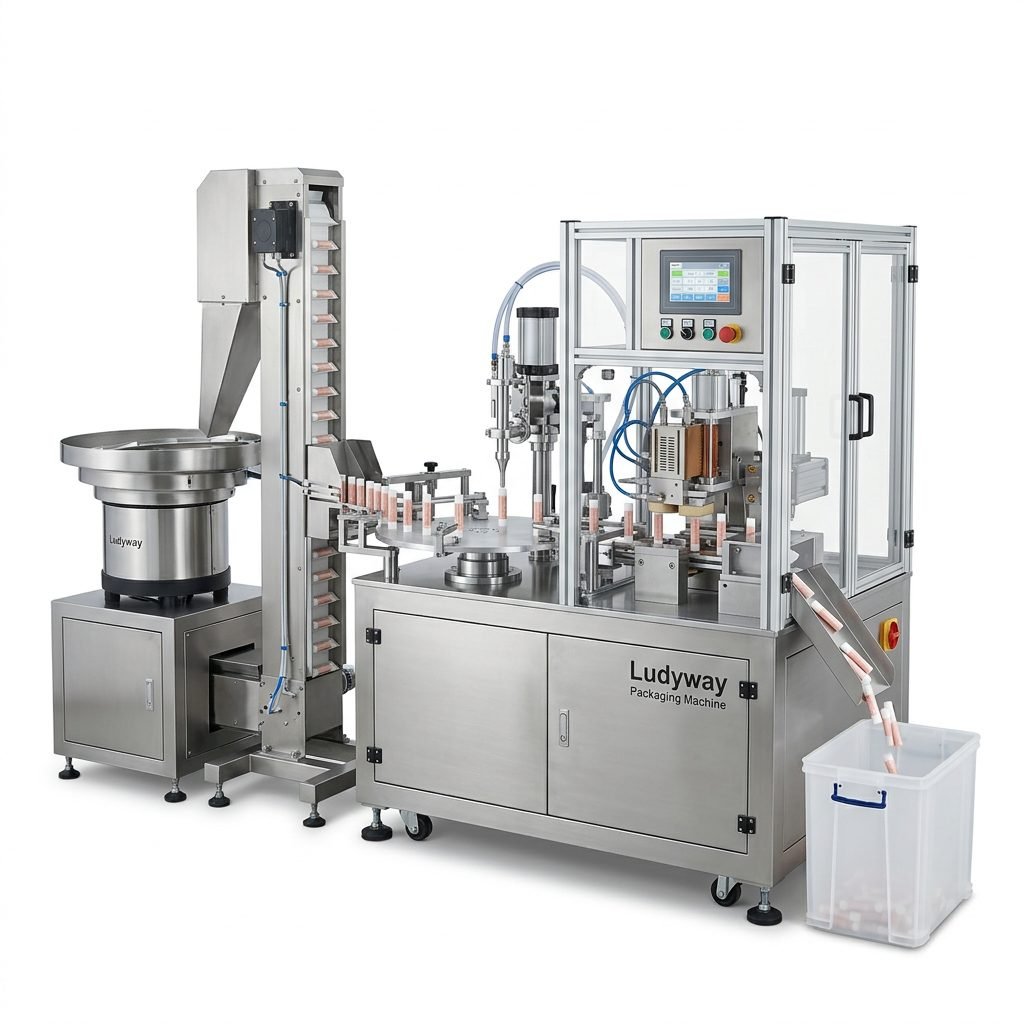
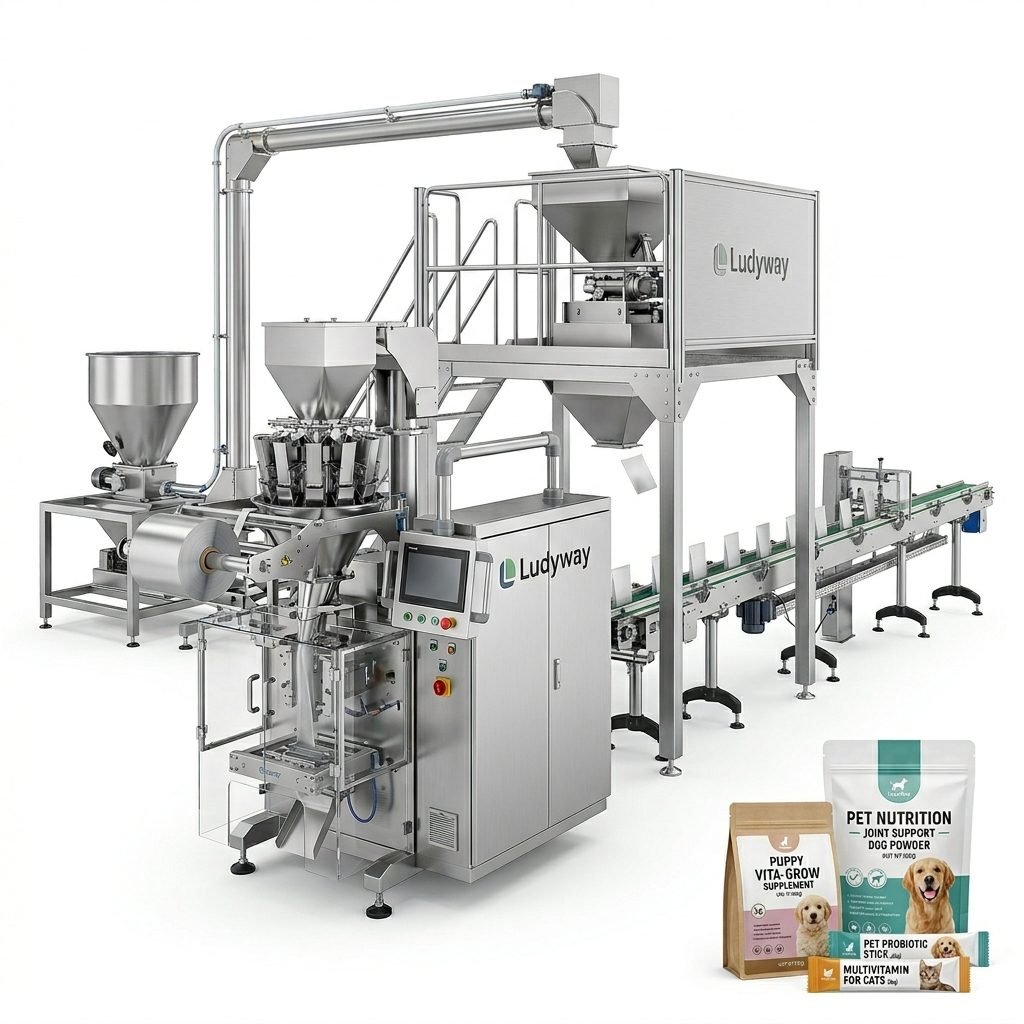
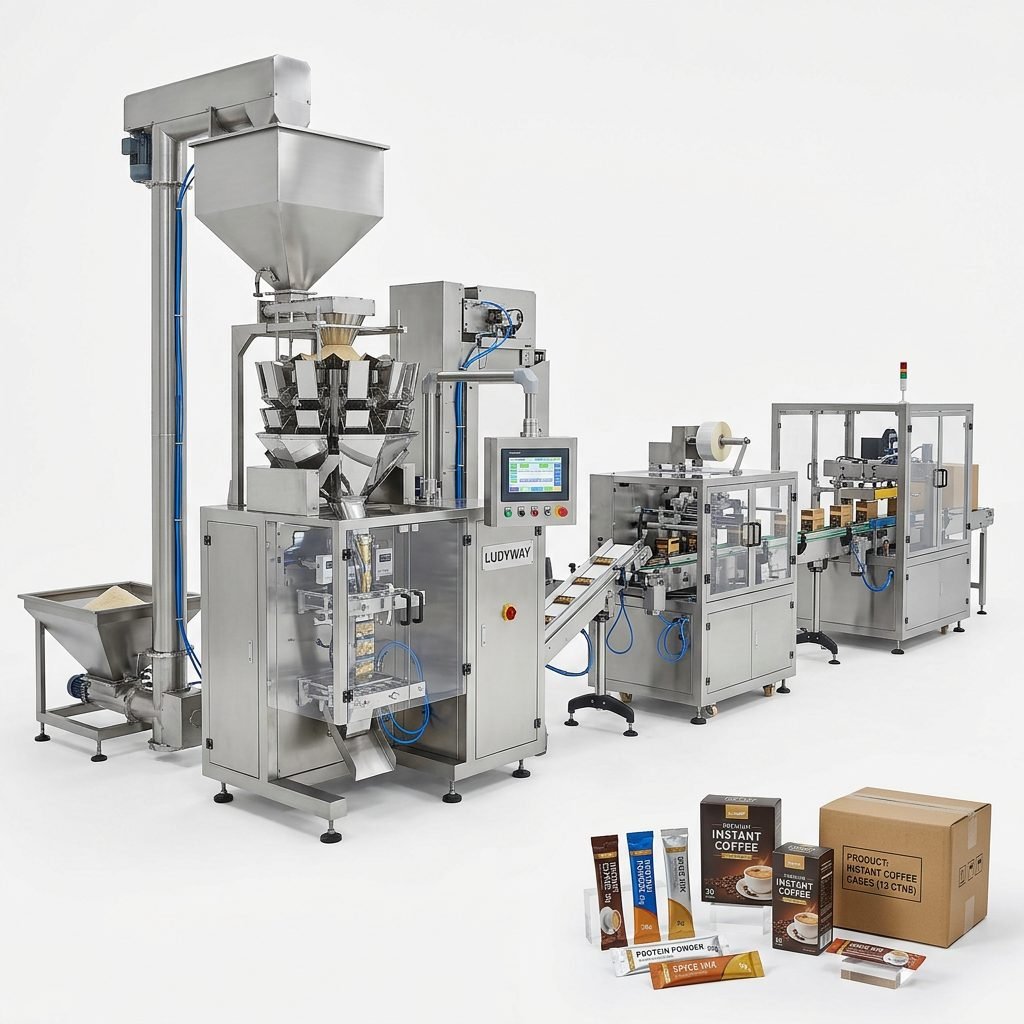
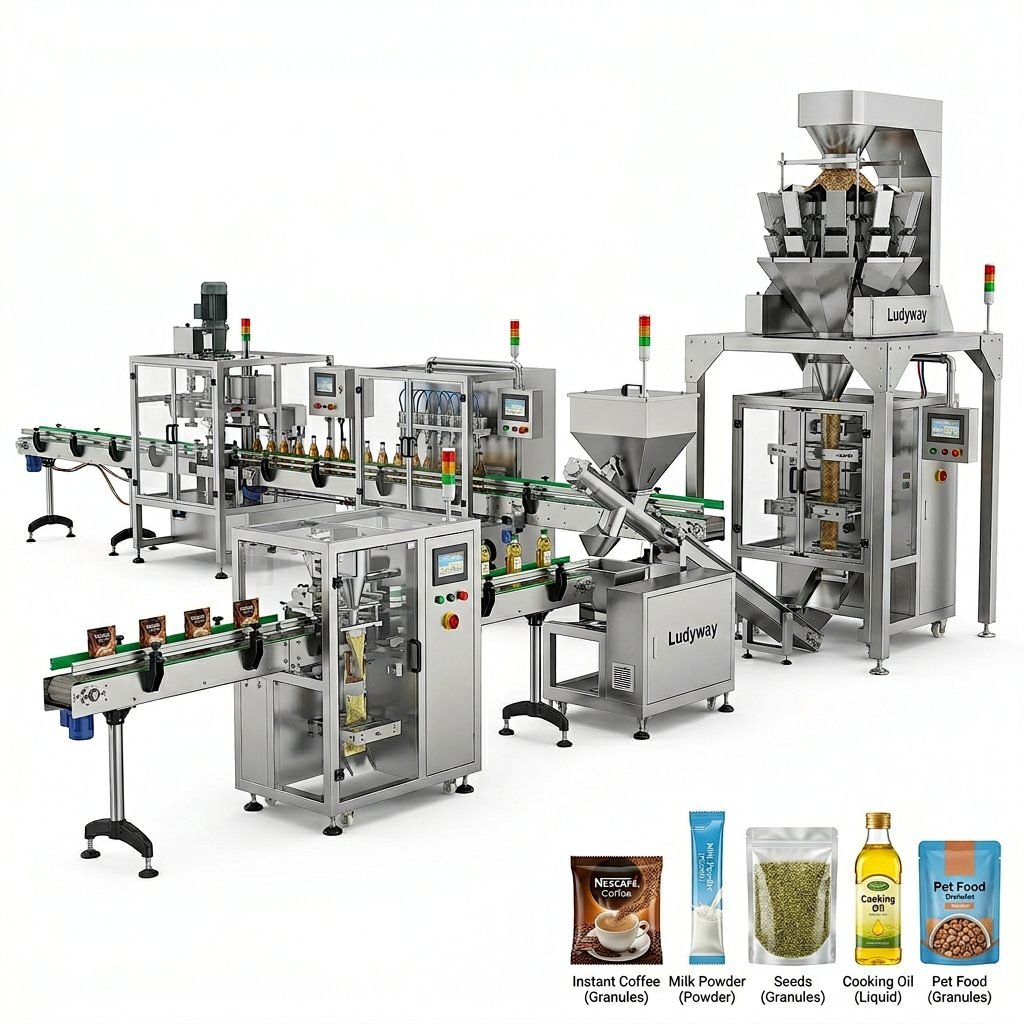
Investing in packaging equipment is a significant decision for any manufacturer. While fully automatic lines dominate high-volume production, a semi automatic packing machine often delivers the ideal balance between manual flexibility and automated efficiency. Understanding exactly which features, configurations, and specifications matter most can make the difference between a smart investment and a costly mismatch. This guide walks you through every critical factor to evaluate before making your purchase.
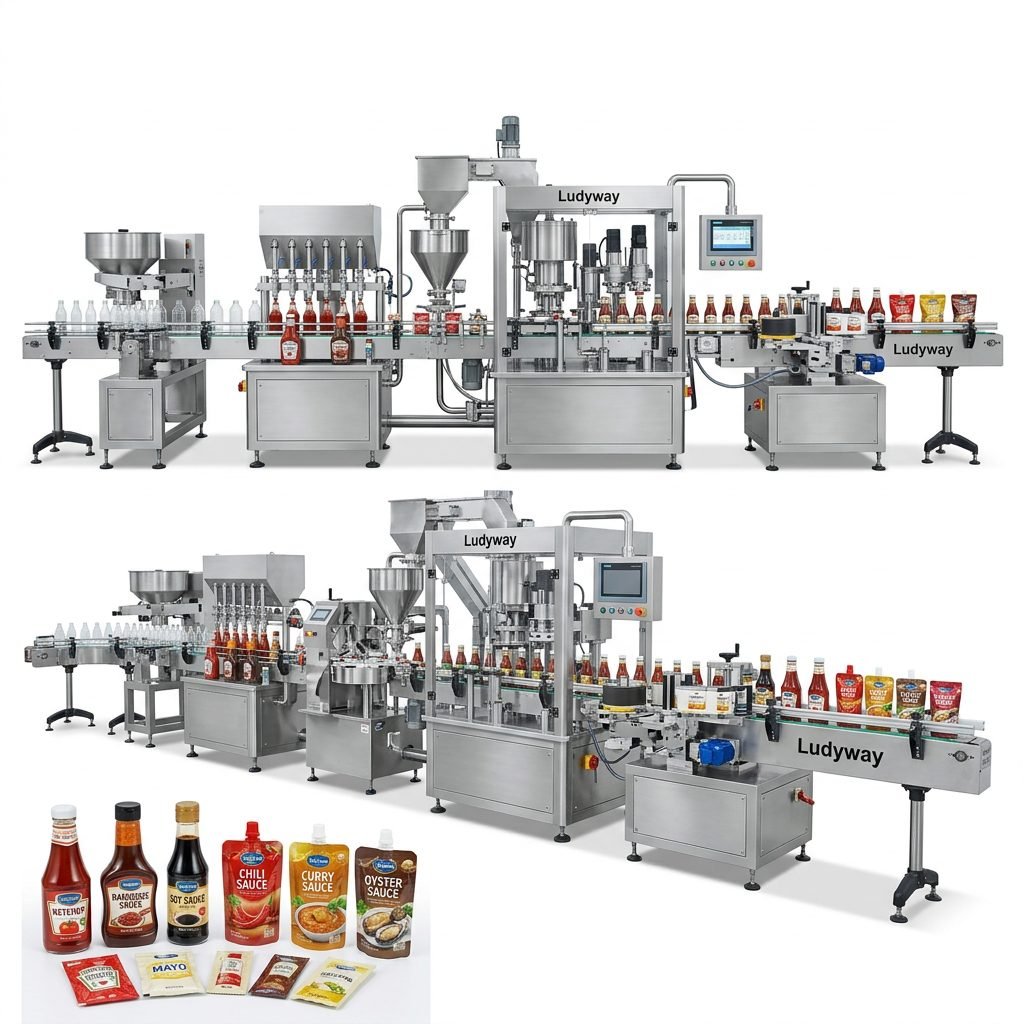
Understanding the Role of a Semi Automatic Packing Machine
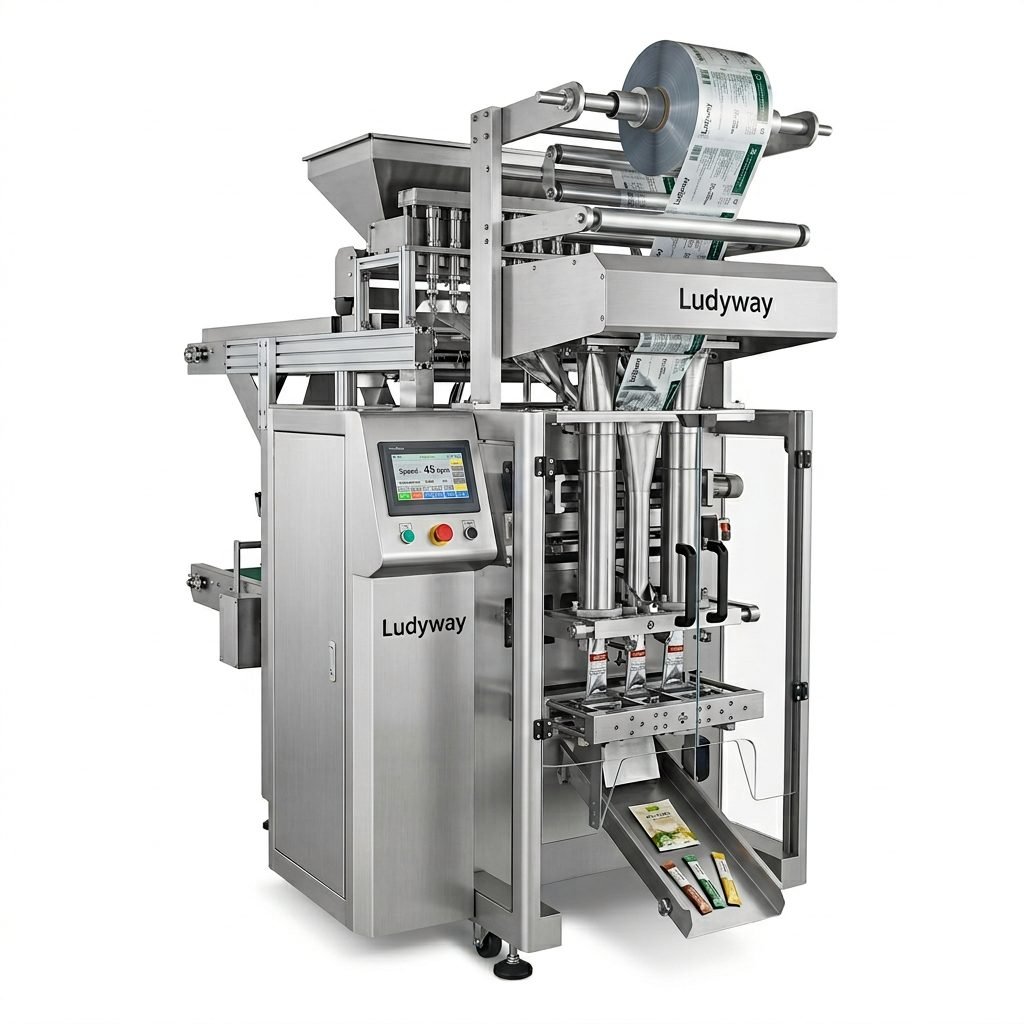
A semi automatic packing machine bridges the gap between manual labor and full automation. In these systems, the operator performs certain tasks—such as placing bags, initiating fill cycles, or removing finished packs—while the machine handles critical functions like dosing, filling, heat sealing, and cutting. This collaborative approach works exceptionally well for manufacturers who need precision and speed but handle multiple product types or shorter production runs.
Industries ranging from food packaging and pharmaceuticals to cosmetics, chemicals, and animal feed regularly choose semi automatic configurations. The reason is simple: these machines offer consistent fill weights, clean seals, and reduced product waste without requiring the substantial capital investment of a fully automated turnkey system.
Key Factors to Evaluate Before You Buy
Selecting the right equipment requires a methodical assessment of your product, production goals, and operational environment. The following six factors form the foundation of any successful purchase decision.
1. Product Characteristics and Flow Behavior
Your product’s physical properties directly determine which dosing and filling mechanisms will work. A semi automatic packing machine must be configured to handle your specific material:
- Free-flowing granules: Sugar, salt, plastic pellets, coffee beans—these work well with volumetric cup fillers or multi-head weighers.
- Non-free-flowing powders: Spices, flour, protein powders, milk powder—these often require auger fillers with agitation to prevent bridging and ensure consistent density.
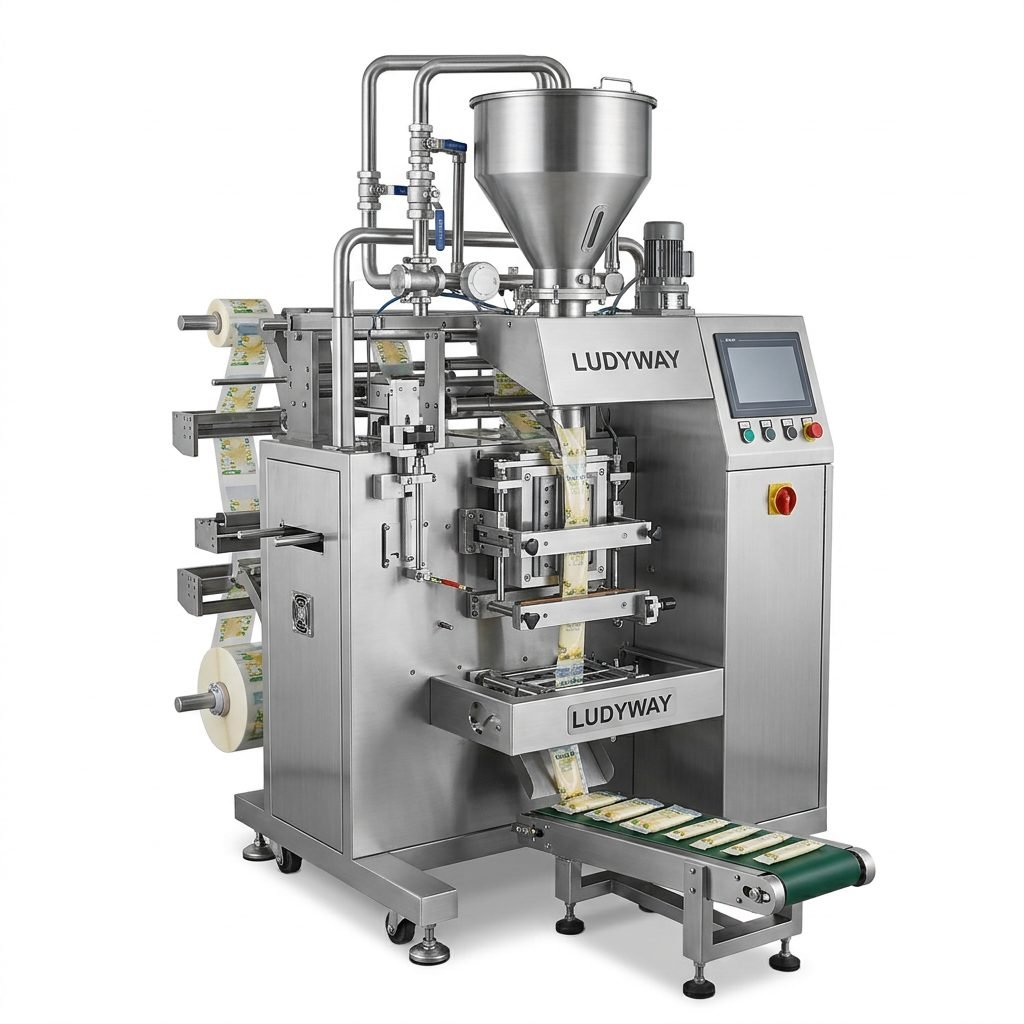
- Liquids and pastes: Shampoo, sauces, oils, gels—these need piston fillers, gear pumps, or gravity-based systems depending on viscosity.
- Sticky or cohesive materials: Dried fruit, certain candies, moist powders—these demand specialized dosing mechanisms to avoid product buildup.
Always conduct a material trial on the actual machine configuration before finalizing your purchase. A product that flows perfectly in a laboratory setting may behave differently under production conditions with variations in humidity, temperature, or batch consistency. Understanding the basics of packaging machinery standards helps frame these discussions with equipment suppliers.
2. Packaging Format and Bag Dimensions
Define the exact packaging format you need before evaluating any machine. Common options include:
| Packaging Format | Typical Applications | Key Considerations |
|---|---|---|
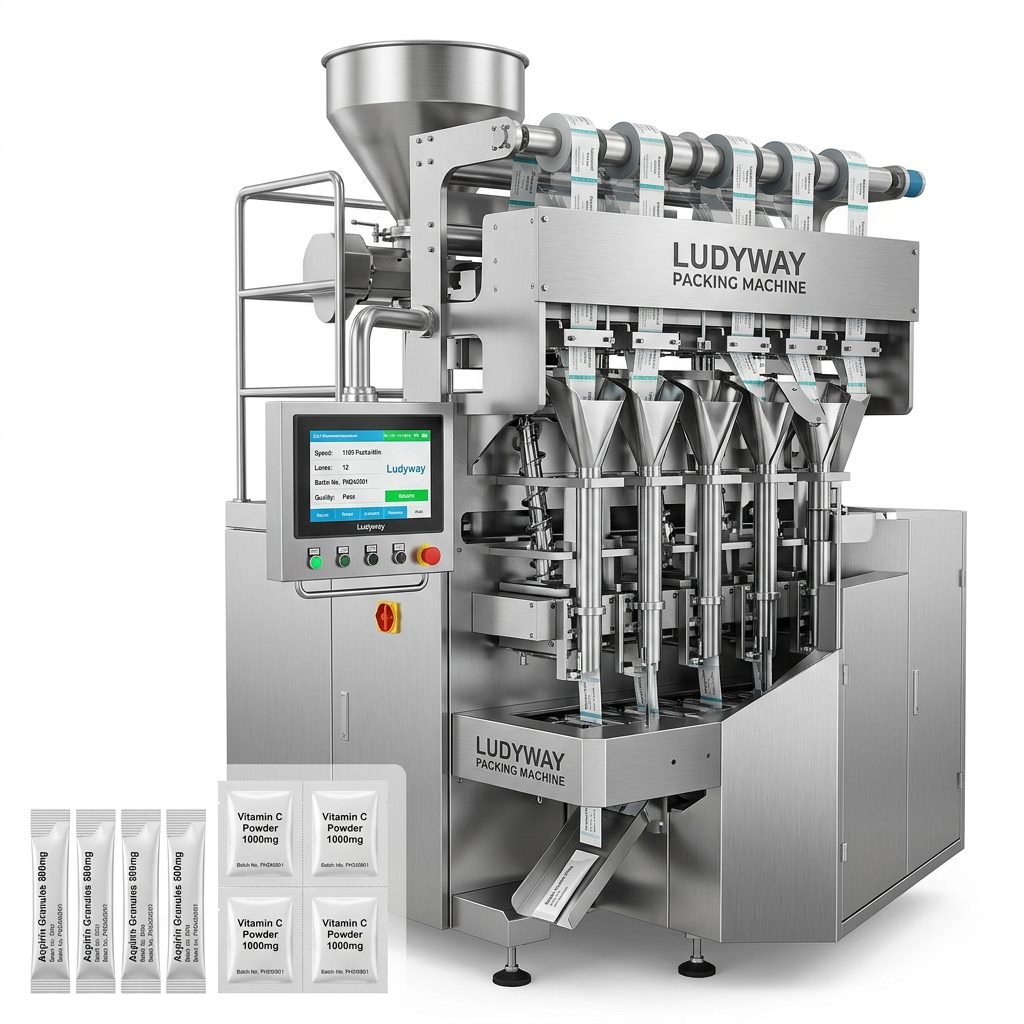
| Stick packs | Coffee, sugar, supplements, drink mixes | Narrow format; suitable for single-serve portions; high-speed potential |
| Sachets | Shampoo, ketchup, detergent, medical samples | Flat or gusseted; can accommodate powders, granules, liquids |
| Premade pouches | Pet food, frozen items, snacks, hardware parts | Zipper, spout, or flat; superior shelf appeal; requires pouch feeding |
| Pillow bags | Powdered foods, grains, industrial products | Cost-effective; versatile; formed from roll film |
Bag width, length, and gusset depth must fall within the machine’s working range. Changing bag sizes later may require mechanical adjustments or replacement parts, so plan for future product line expansion during the initial selection.
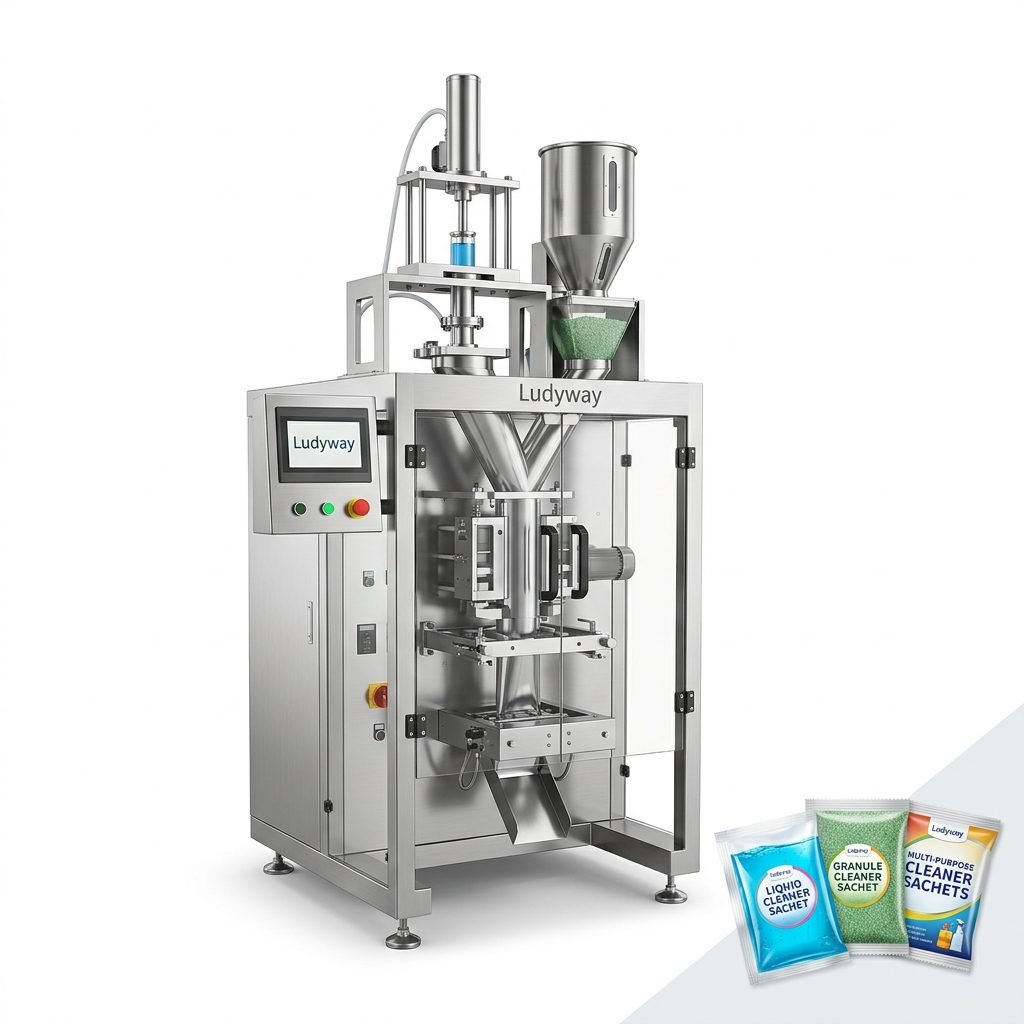
3. Production Speed and Output Requirements
Semi automatic machines typically operate between 10 to 40 packs per minute per lane, depending on fill volume, product flow, bag dimensions, and operator dexterity. When calculating required speed:
- Factor in operator fatigue, changeover times, and cleaning cycles—not just theoretical maximum speeds.
- Consider whether multi-lane configurations can multiply output without proportionally increasing labor.
- Determine if your current production volumes are projected to grow significantly within two to three years.
If your daily output requirement exceeds approximately 50,000 packs, a fully automatic system may deliver better long-term return on investment. However, for smaller runs, seasonal products, or facilities where labor costs remain manageable, semi automatic equipment frequently wins on cost-per-pack calculations.
4. Budget, Total Cost of Ownership, and ROI
The purchase price of a semi automatic packing machine is only one component of total ownership cost. A complete financial analysis should include:
| Cost Category | Estimated Share of TCO | Notes |
|---|---|---|
| Machine purchase | 50–65% | Varies widely by configuration and customisation |
| Spare parts (3 years) | 8–12% | Sealing jaws, belts, sensors, heating elements |
| Operator labor | 15–25% | Depends on local wage rates and number of operators per shift |
| Packaging material | 10–18% | Film waste, seal integrity, material compatibility |
| Maintenance and downtime | 5–10% | Preventive vs. reactive maintenance costs |
Machines with readily available spare parts and local technical support reduce downtime risk significantly. The packaging machinery market reports published by PMMI provide valuable benchmarking data for understanding industry cost benchmarks and equipment performance expectations across different machine categories.
5. Material Compatibility and Seal Integrity
Packaging film represents both a performance variable and a recurring cost. Your machine must be compatible with the specific material structure you intend to use—whether laminated films, mono-materials, aluminium foil, paper-based laminates, or biodegradable alternatives. Key parameters include:
- Sealing temperature range: Different films require different heat settings for optimal seal strength.
- Dwell time: The duration sealing jaws remain closed affects seal quality and machine speed.
- Pressure adjustment: Consistent pressure across the entire seal area prevents leaks and product spoilage.
- Film tracking: Accurate film tension control prevents wrinkling, misalignment, and print registration errors.
For products requiring modified atmosphere packaging (MAP), vacuum, or nitrogen flushing, verify that the machine can accommodate gas injection nozzles and maintain proper seal integrity under those conditions. Regulatory compliance with food contact standards from organizations like FDA food packaging regulations is non-negotiable for manufacturers in food and pharmaceutical sectors.
6. Changeover Flexibility and Cleaning Requirements
Manufacturers producing multiple SKUs on the same line need equipment that supports quick and repeatable changeovers. Look for:
- Tool-free adjustments for forming tubes, sealing jaws, and cutting mechanisms.
- Digital recipe storage that recalls parameter settings for different products and bag sizes.
- Smooth, accessible surfaces that minimize cleaning time and prevent cross-contamination.
- Compliance with ISO packaging standards for hygiene and safety where applicable.
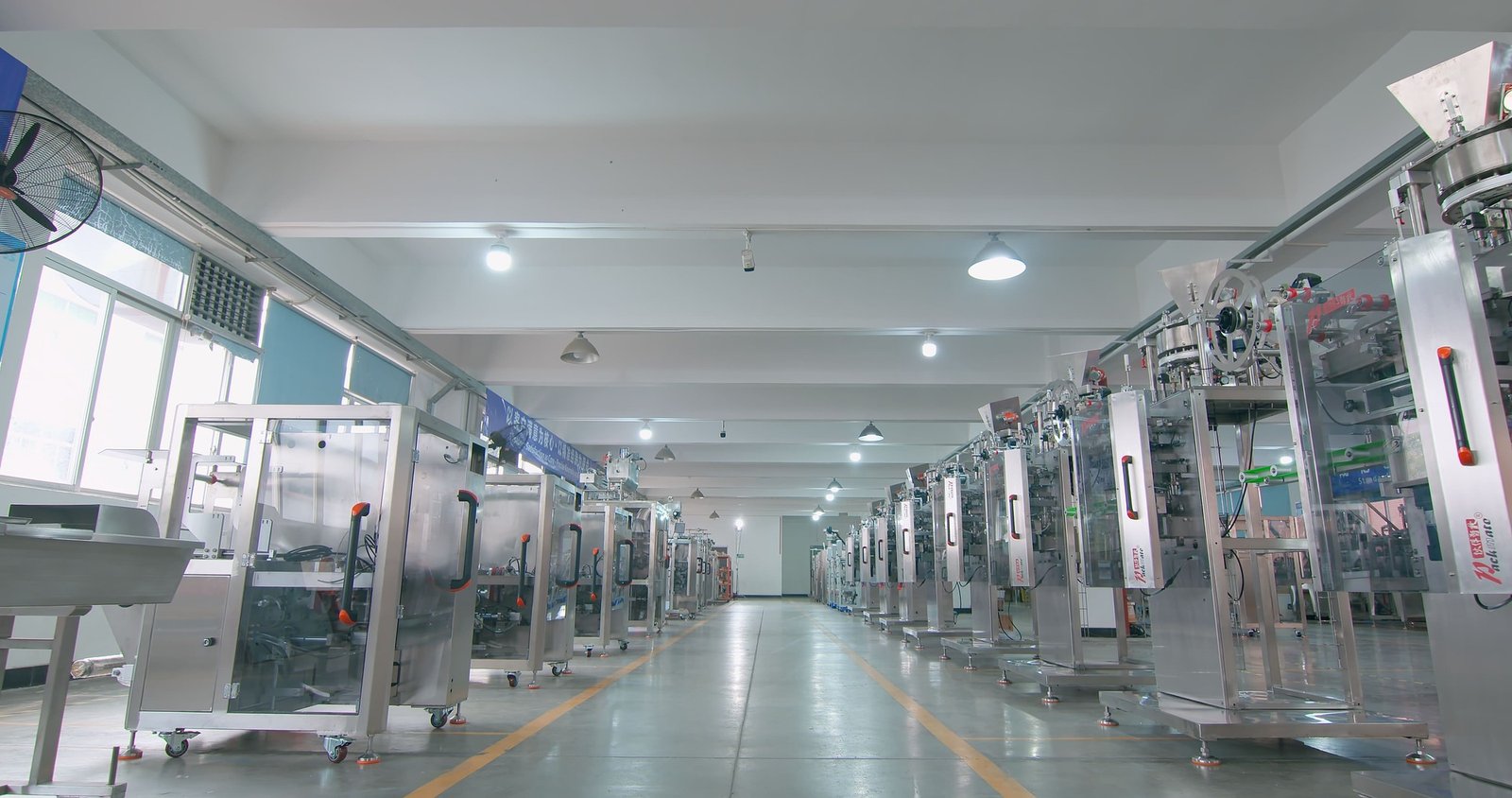
Comparing Machine Types: What Configuration Best Fits Your Operation?
The specific mechanism your machine uses significantly affects its suitability for your product. The table below highlights common configurations and their ideal use cases:
| Machine Type | Best For | Typical Speed Range | Key Advantage |
|---|---|---|---|
| Auger filler (vertical) | Fine powders: flour, spices, protein, pharmaceuticals | 15–30 packs/min/lane | High accuracy for cohesive powders; adjustable fill volume |
| Volumetric cup filler | Free-flowing granules: rice, seeds, sugar, salt, pellets | 20–40 packs/min/lane | Simple mechanical design; low maintenance; cost-effective |
| Piston filler (liquid) | Liquids, creams, pastes, sauces, gels | 15–35 packs/min/lane | Handles wide viscosity range; sanitary designs available |
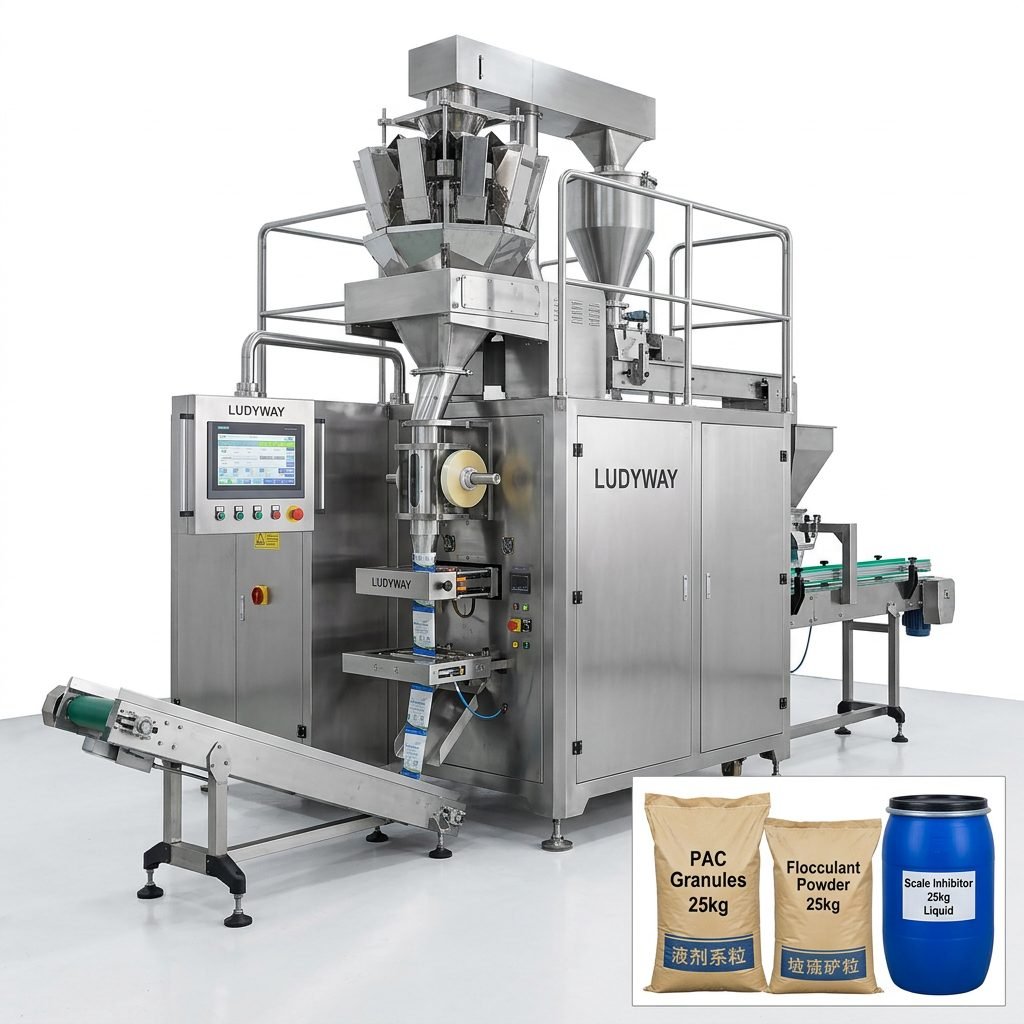
| Multi-head weigher | Granules, snacks, hardware, mixed products | Up to 40 packs/min | Superior weight accuracy; reduced product giveaway |
| Premade pouch machine | Stand-up pouches, zipper bags, spouted pouches | 10–25 packs/min | Premium packaging aesthetics; versatile bag styles |
Selecting the wrong filler technology can result in inconsistent weights, product damage, or excessive material waste. Always test your actual product on the intended machine before committing to a purchase.
Customization vs. Standard Machines: When to Invest in Tailored Solutions
Off-the-shelf machines work for straightforward applications. However, many manufacturers discover that their product characteristics, packaging format requirements, or production environment demand custom engineering. Situations where customization delivers clear value include:
- Products with unusual flow properties that standard dosing systems cannot handle reliably.
- Integrating the packing machine into an existing production line with specific conveyor heights, speeds, or interfaces.
- Multi-product facilities requiring frequent changeovers with minimal downtime between runs.
- Applications requiring specialized sealing, gas flushing, coding, inspection, or rejection systems.
Customized solutions typically involve a higher upfront investment but lower long-term operating costs due to reduced waste, faster changeovers, and fewer production disruptions. Working with a manufacturer that has demonstrated engineering and project management capabilities ensures the final machine matches your requirements exactly.
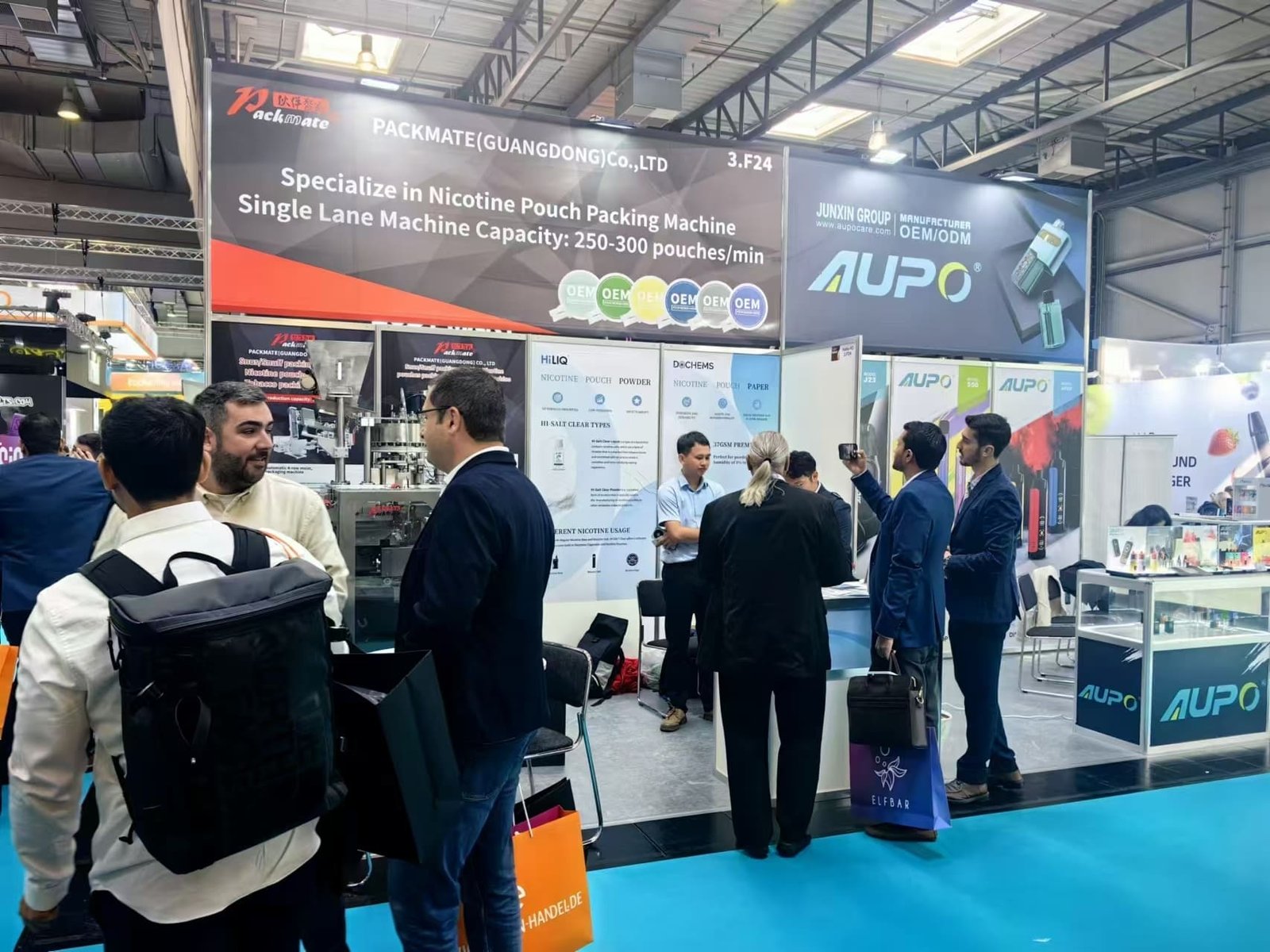
Evaluating Suppliers and After-Sales Support
Your relationship with the equipment supplier extends far beyond the initial sale. A thorough supplier evaluation examines:
- Industry experience and track record: How many machines has the manufacturer deployed in your specific product category?
- Technical depth: Does the supplier have in-house engineering, automation, and integration expertise—or do they outsource critical capabilities?
- Spare parts availability: Can commonly replaced components be delivered within days rather than weeks?
- Remote and on-site support: What technical assistance is available for troubleshooting, operator training, and maintenance guidance?
- References and case studies: Can the supplier provide verifiable examples of successful installations similar to your requirements?
For manufacturers seeking a packaging partner rather than a transactional equipment vendor, Ludyway Machinery represents a significant option in the current market. With more than 30 years of experience, a 20,000-square-meter manufacturing facility, and a portfolio spanning over 50 machine models, the company combines in-house engineering with customized packaging solutions across food, pharmaceutical, cosmetic, chemical, and animal feed industries. Its approach integrates equipment selection, system integration, customization, installation, and technical support under a single partnership model. For manufacturers evaluating semi automatic packing machine configurations, engaging with an experienced supplier that offers both standard and customized options early in the selection process often leads to better long-term outcomes. External resources such as the Flexible Packaging Association industry data also provide useful context on material and market trends that can influence equipment decisions.
Questions to Ask Before Signing the Order
A structured evaluation process prevents expensive oversights. Use the following checklist during supplier discussions:
- Can the supplier provide a video demonstration or factory acceptance test (FAT) using your actual product and packaging material?
- What is the typical lead time from order confirmation to delivery, installation, and production start?
- Which components are consumable or wear items, and what is the recommended replacement interval?
- How are operator training and machine documentation delivered—onsite, remote, or via manuals?
- What warranty terms apply to the machine and its major subassemblies?
- Can the machine accommodate future upgrades such as additional lanes, coding systems, or automated feeding?
Making the Final Decision
Choosing the right semi automatic packing machine ultimately comes down to matching your product, production scale, budget, and growth trajectory with a machine configuration that can deliver consistent results day after day. The most successful investments are made by manufacturers who invest time in product testing, supplier evaluation, and total cost analysis rather than selecting equipment based solely on price or theoretical specifications.
By systematically addressing product characteristics, packaging format, speed requirements, material compatibility, changeover needs, and supplier capability—and by leveraging authoritative resources from organizations like PMMI’s State of the Industry reports for market context—you position your operation to achieve reliable, efficient, and profitable packaging operations over the long term.