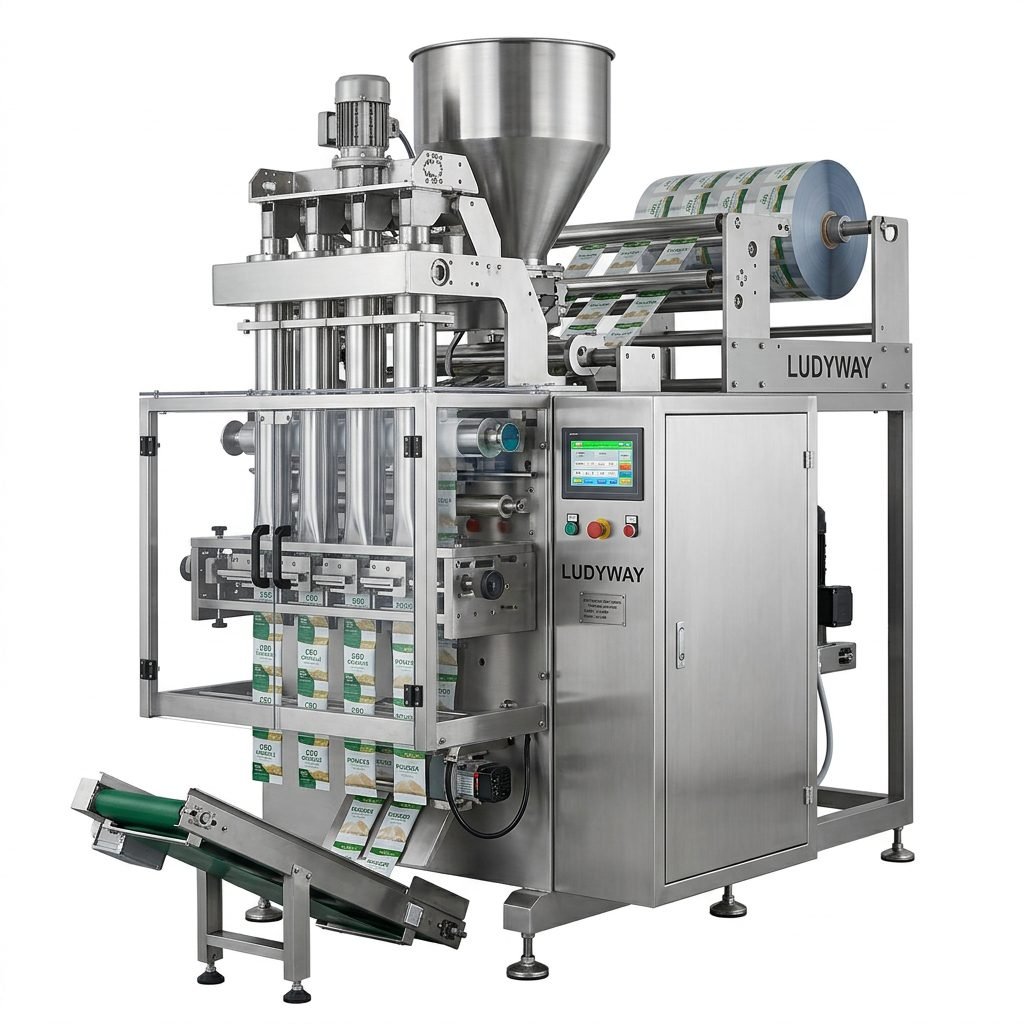
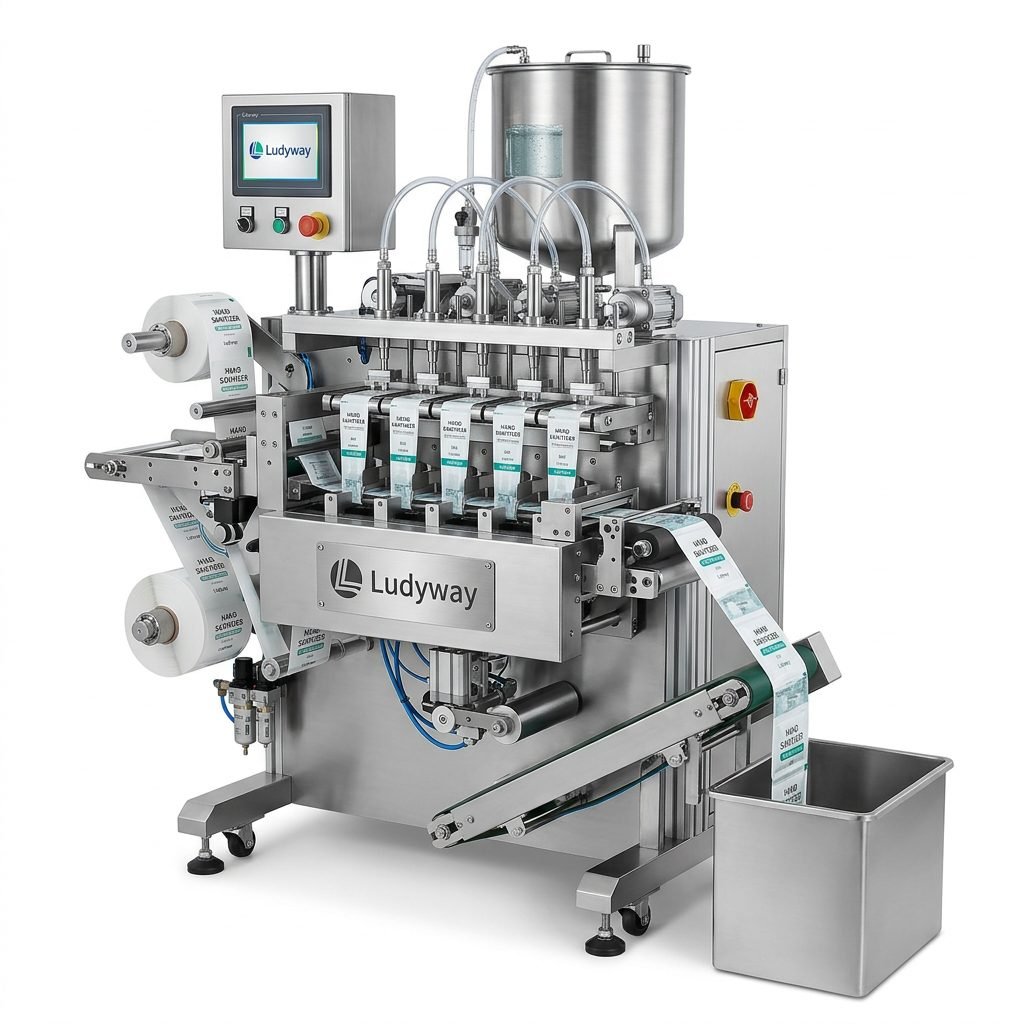
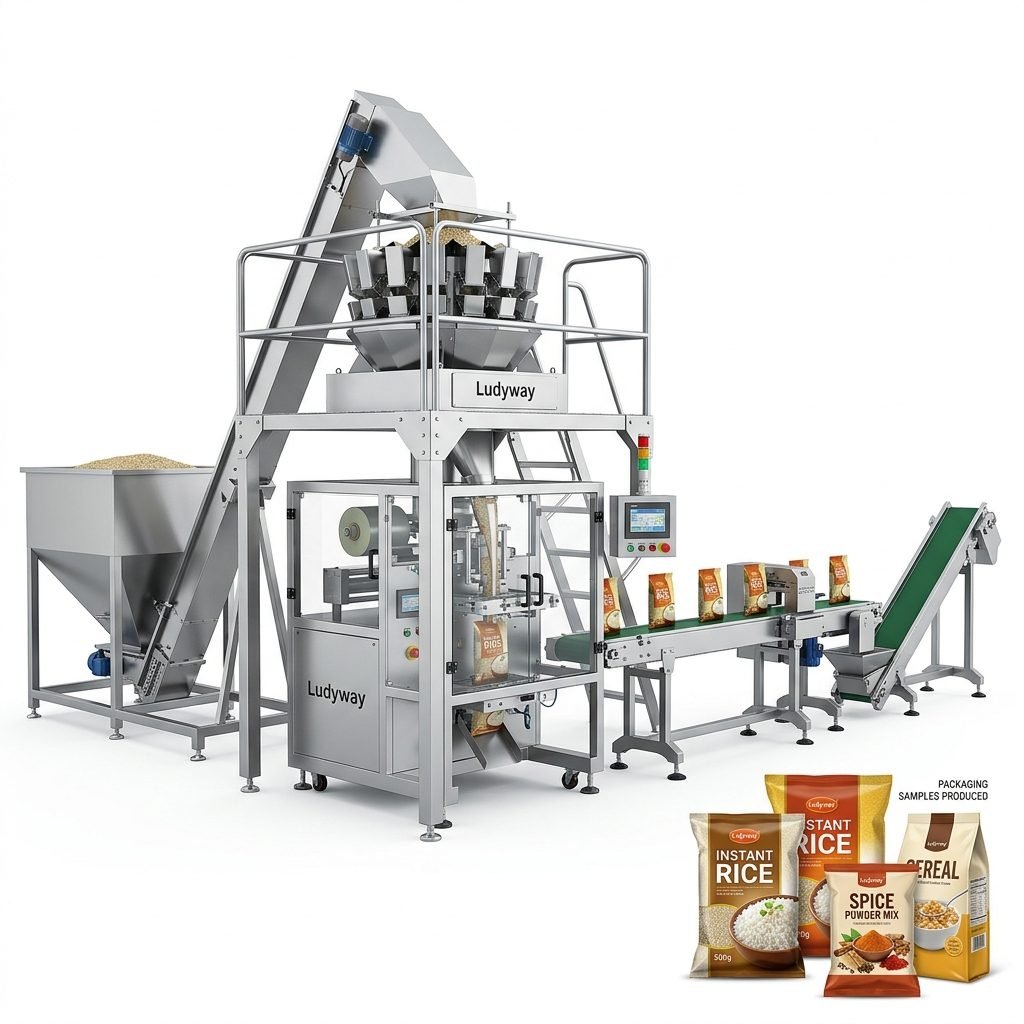
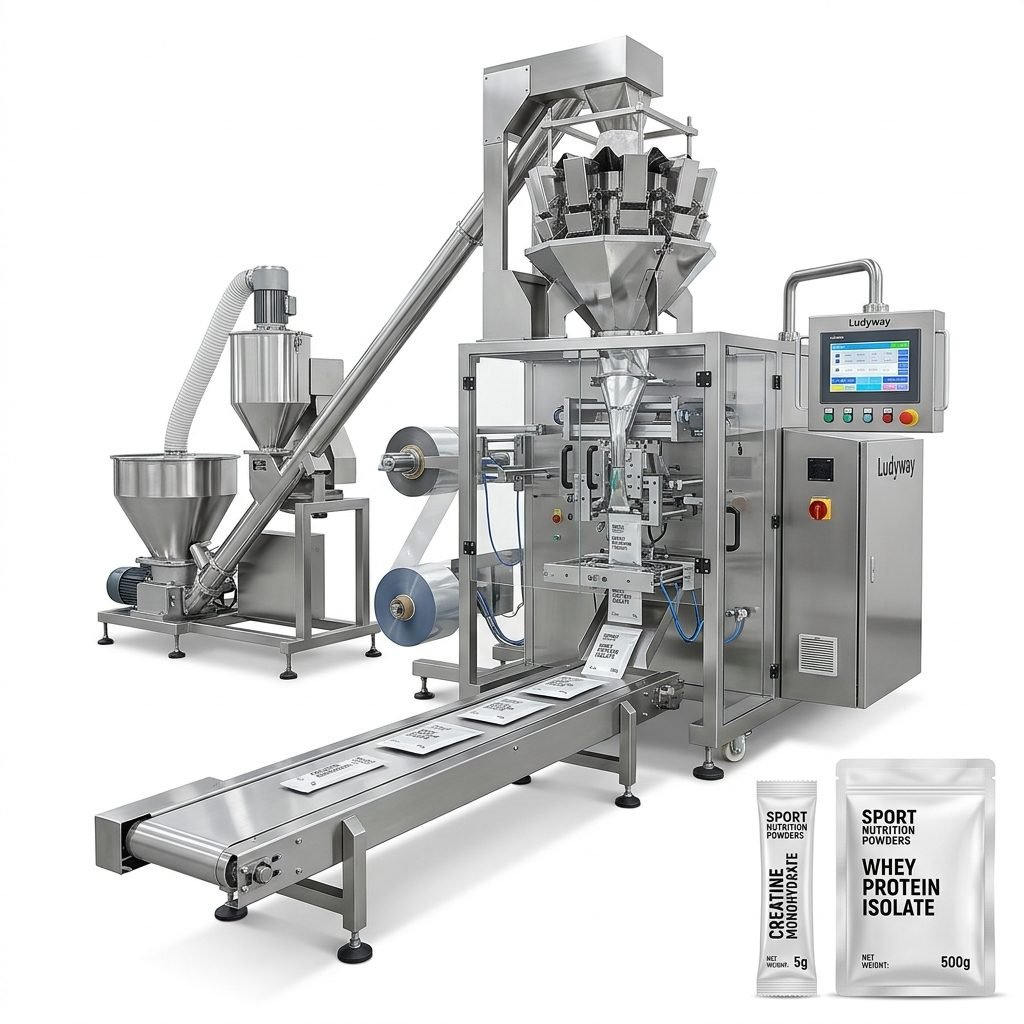
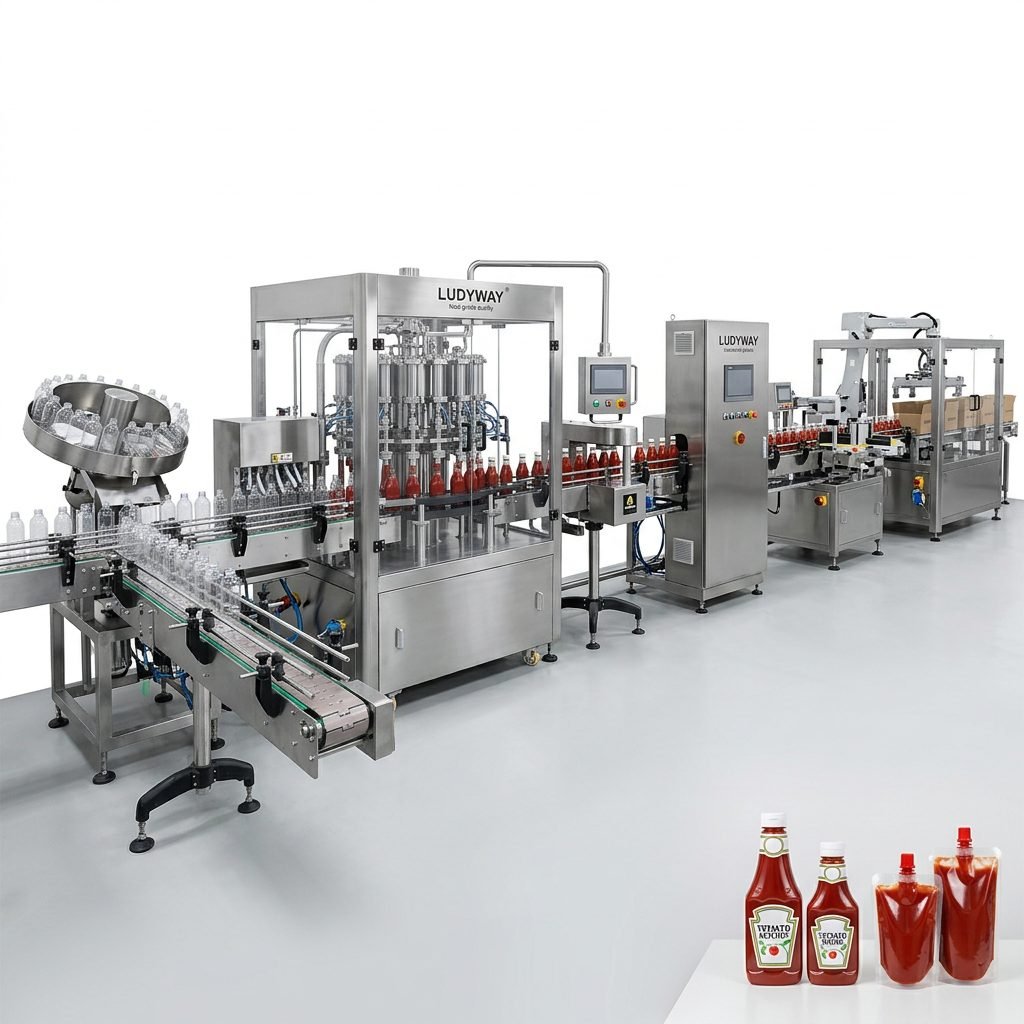
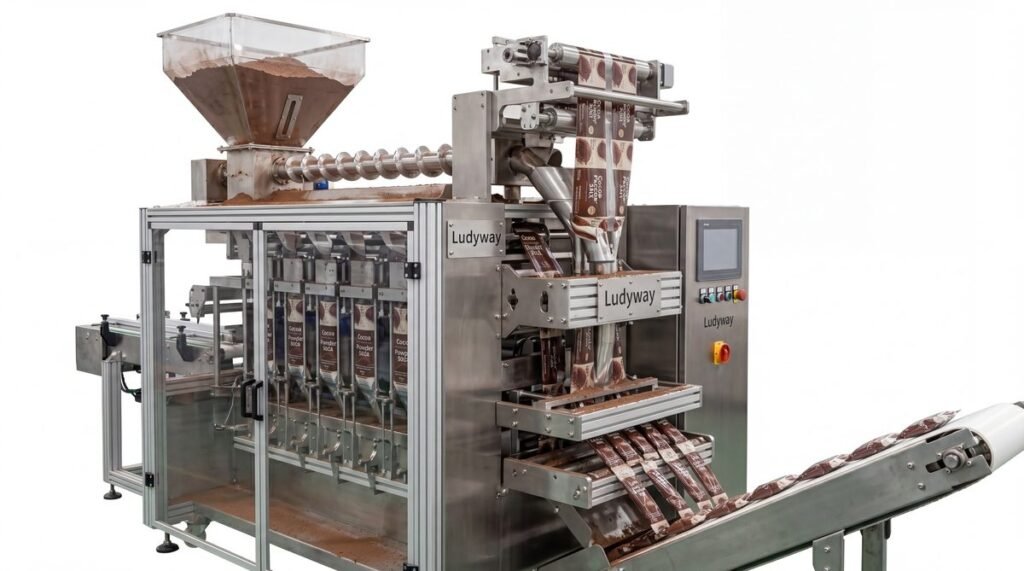
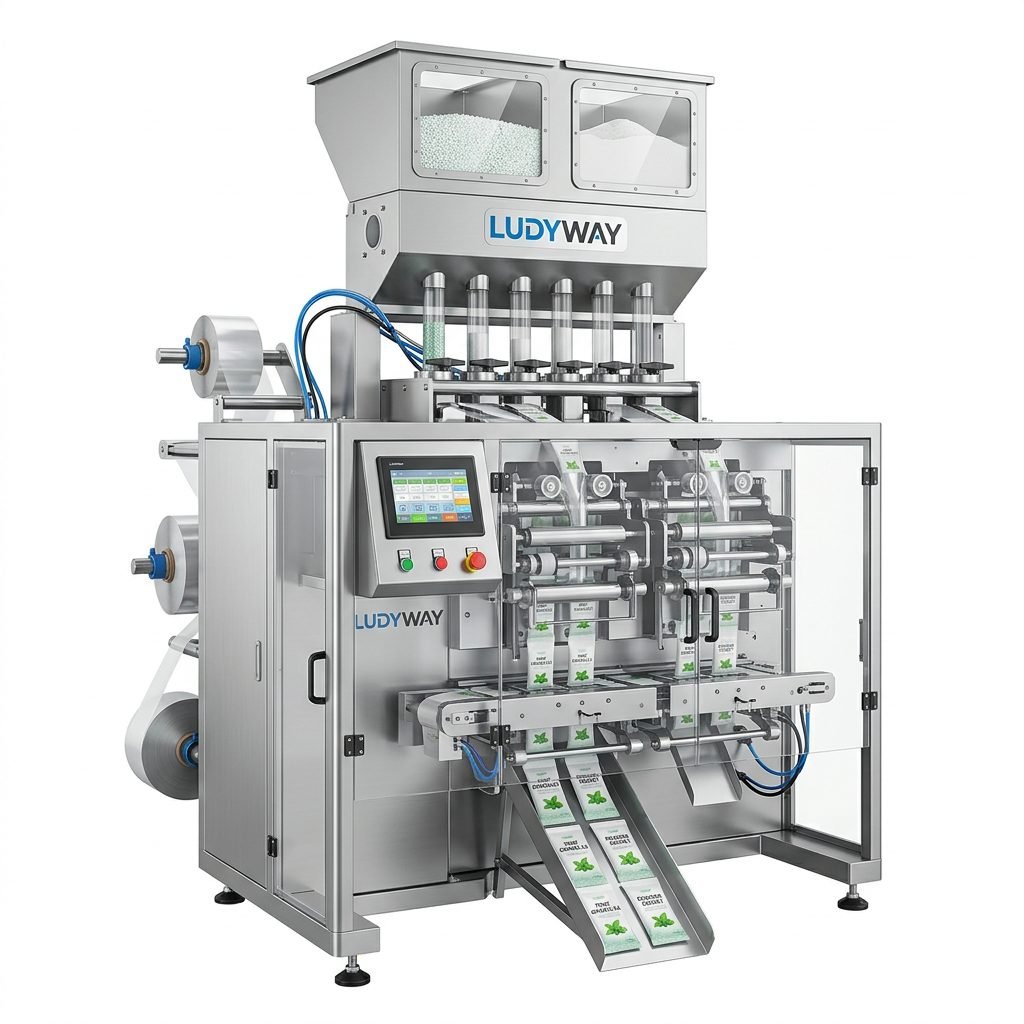
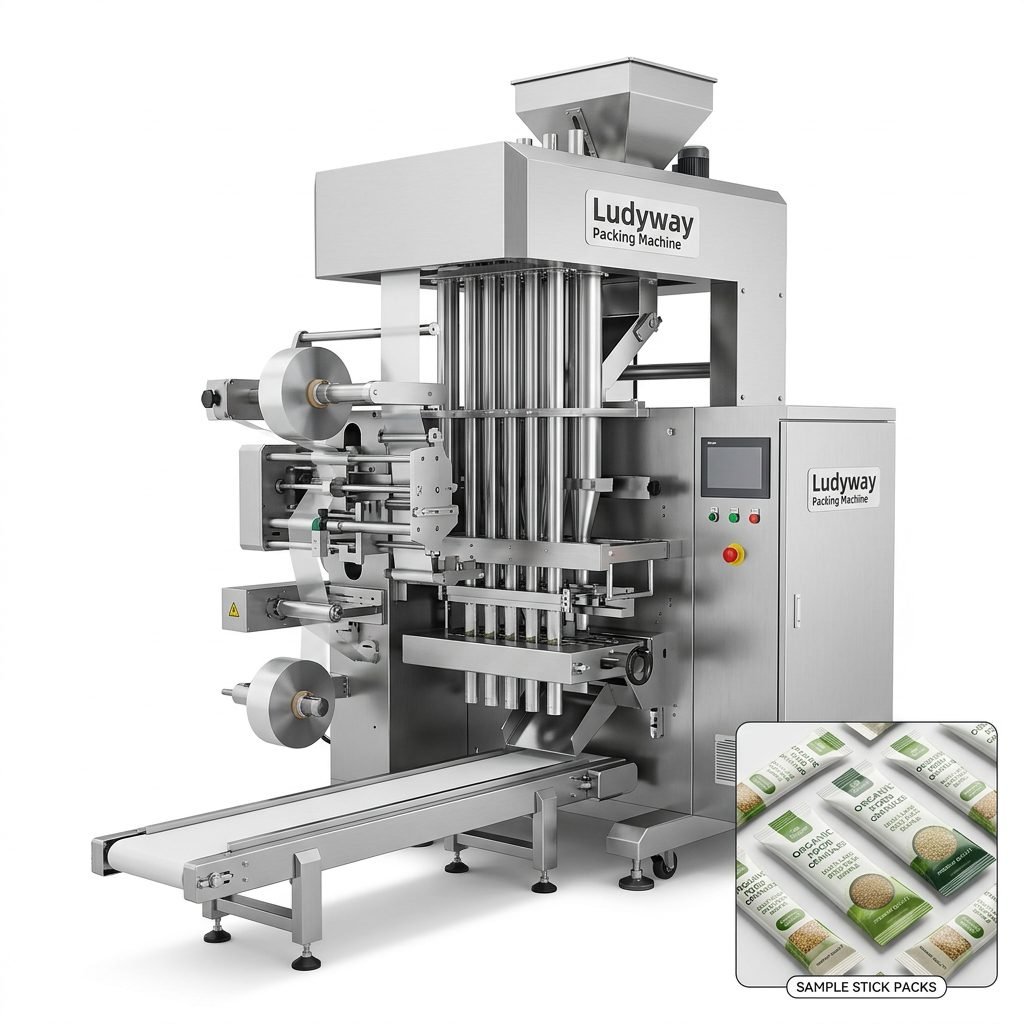
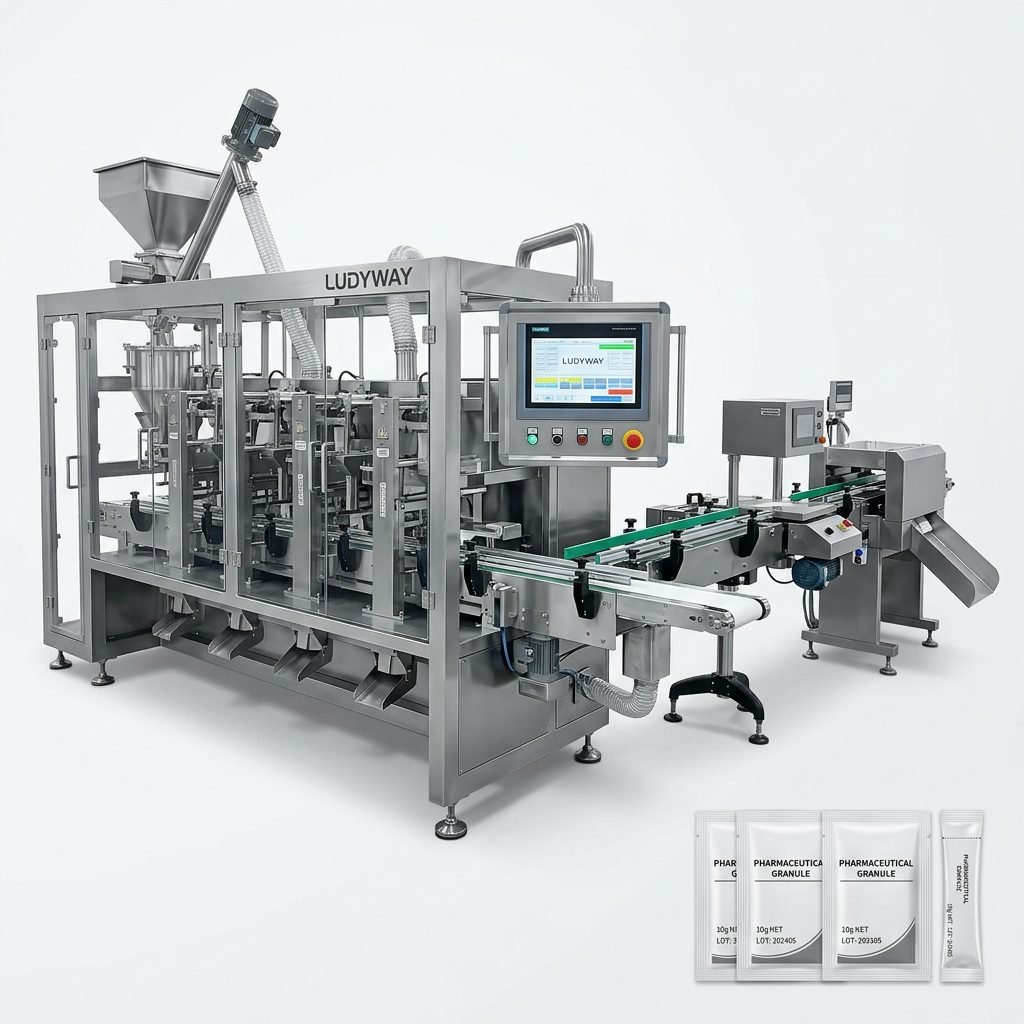
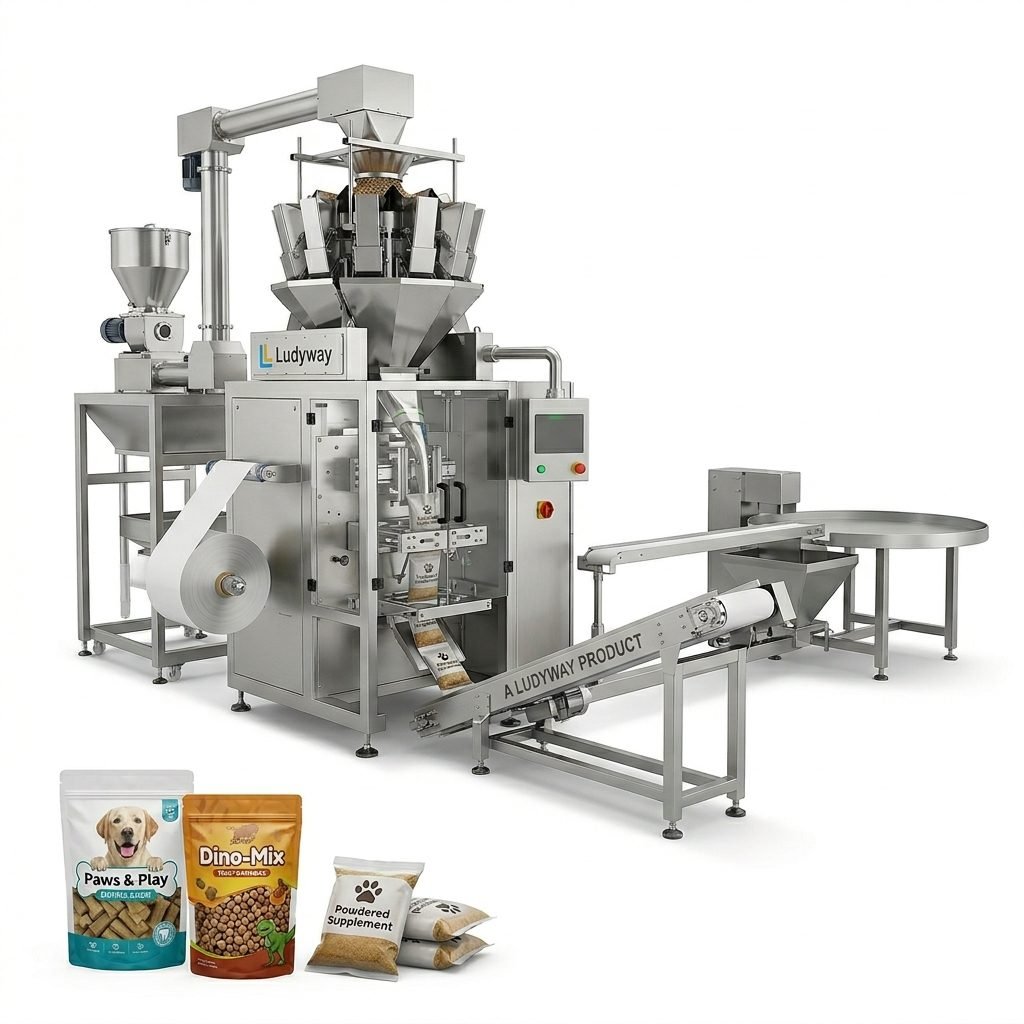
Regular maintenance of your IMA packaging machine is the cornerstone of consistent production output, reduced downtime, and extended equipment lifespan. Whether you operate a high-speed sachet line, a multi-lane stick pack system, or a fully automated turnkey solution, a structured maintenance program helps you avoid costly breakdowns and ensures compliance with packaging machinery standards recognized across the industry.
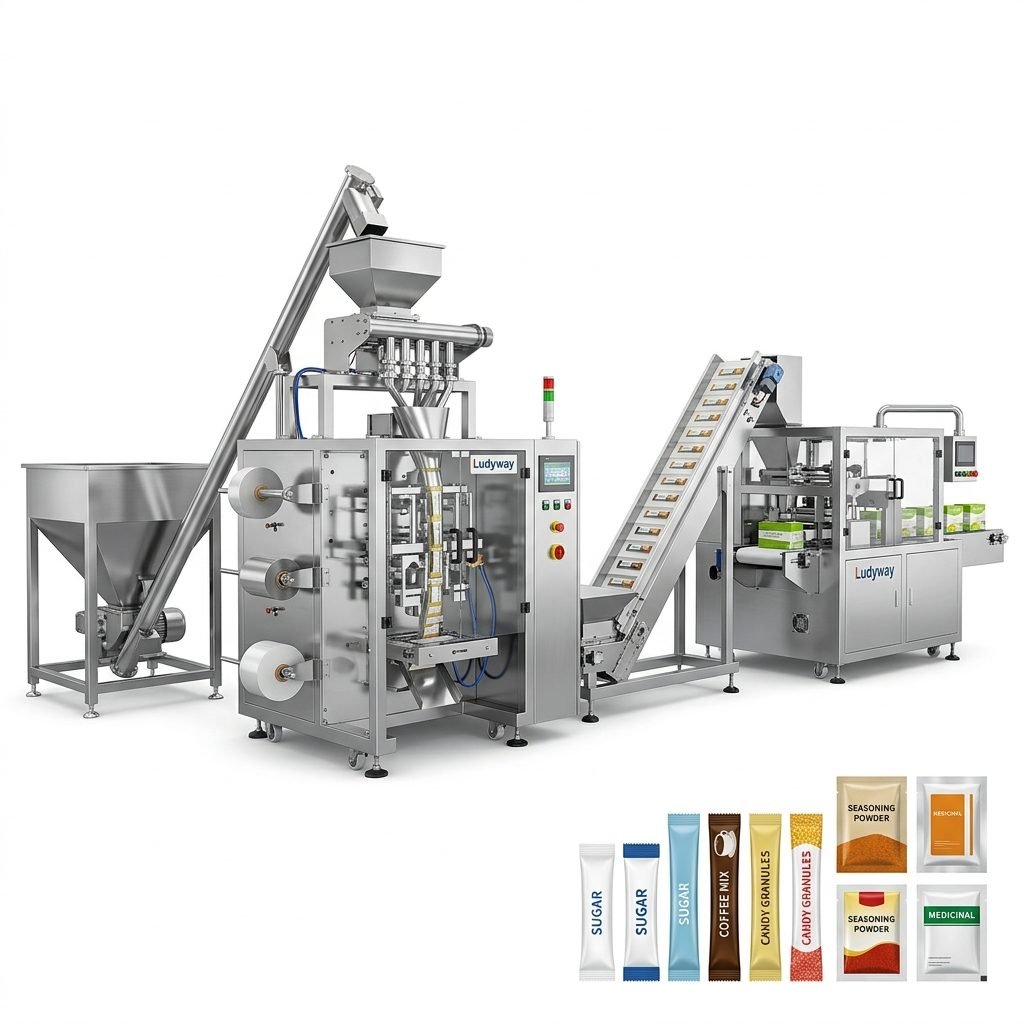
Why Preventive Maintenance Matters for IMA Machines
IMA packaging equipment operates with precision components that demand consistent care. Without a well-planned preventive maintenance schedule, even the most robust machines can experience premature wear, misalignment, or sealing inconsistencies. A proactive approach not only protects your investment but also aligns with packaging industry best practices for operational efficiency. Key benefits include:
- Extended equipment lifespan through reduced mechanical stress
- Fewer unplanned shutdowns and emergency repair costs
- Consistent packaging quality and seal integrity
- Compliance with ISO packaging standards and safety regulations
- Optimized energy consumption and operational efficiency
Daily Maintenance Checklist
Operators should perform a series of daily checks before, during, and after each shift. These quick inspections help identify potential issues before they escalate into major problems.
Pre-Shift Inspection
- Visually inspect the sealing jaws for residue buildup or wear
- Check all emergency stop buttons and safety interlocks for proper function
- Verify that air pressure levels meet manufacturer specifications
- Inspect film feed paths for dust, debris, or adhesive residue
- Confirm that all guarding and protective covers are securely in place
During Operation
- Monitor for unusual noises, vibrations, or temperature fluctuations
- Check packaging output quality — watch for seal integrity issues or misalignment
- Observe temperature readings on heating elements and sealing components
- Ensure product feeding mechanisms are operating smoothly
Post-Shift Cleanup
- Remove all product residue from filling stations and weighing systems
- Wipe down sealing surfaces with appropriate cleaning agents
- Clear dust and debris from sensors and photoelectric cells
- Document any irregularities in the maintenance log
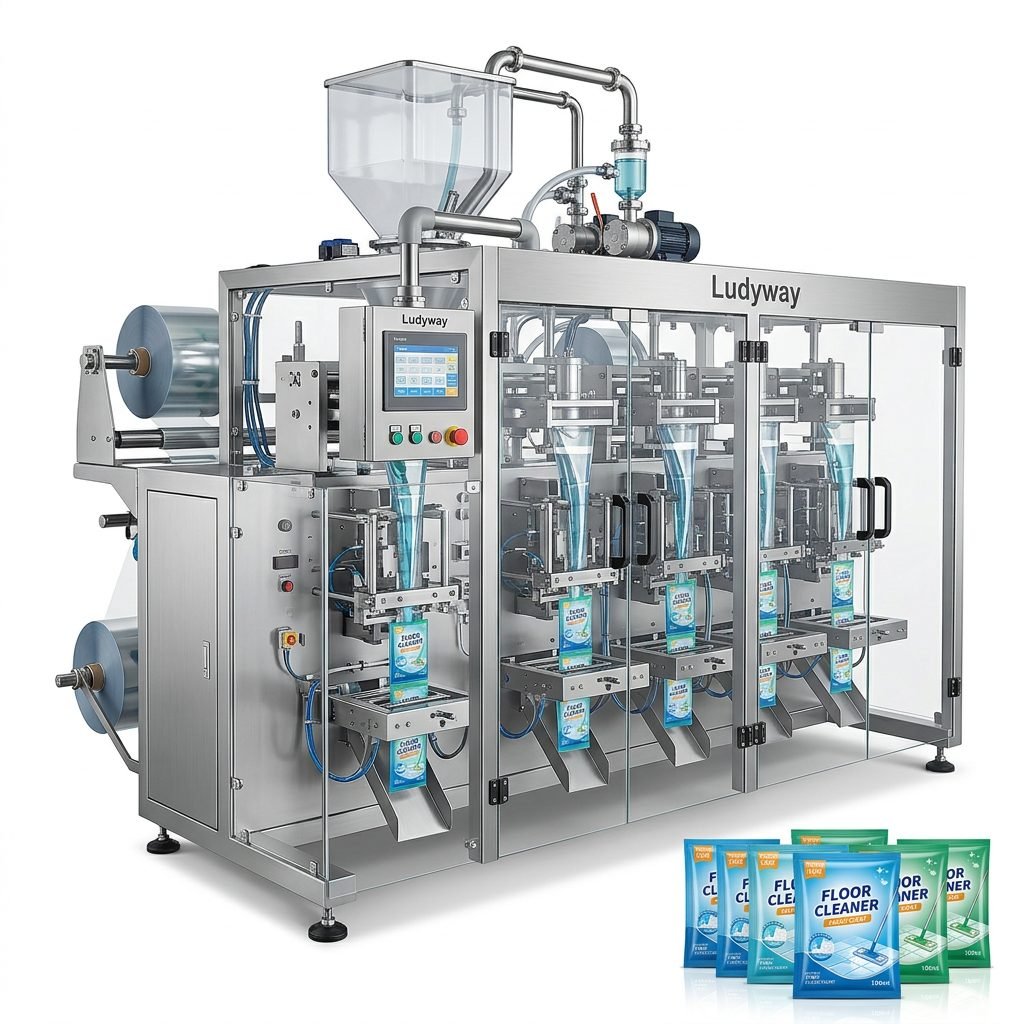
Weekly and Monthly Maintenance Tasks
Beyond daily checks, a deeper level of maintenance should be performed on a weekly and monthly basis. These tasks typically require trained maintenance personnel and a more thorough understanding of the machine’s mechanical and electrical systems.
| Frequency | Maintenance Task | Key Areas to Inspect |
|---|---|---|
| Weekly | Lubricate all moving parts per OEM specifications | Bearings, chains, cam mechanisms, linear guides |
| Weekly | Clean and inspect all sensors and optical detectors | Film registration sensors, product detection, safety sensors |
| Monthly | Inspect and replace worn sealing components | Sealing jaws, heating elements, thermocouples, Teflon tape |
| Monthly | Verify electrical connections and control systems | Wiring terminals, PLC diagnostics, HMI calibration |
| Monthly | Check pneumatic and vacuum systems | Air filters, hoses, fittings, vacuum pumps, pressure regulators |
Quarterly and Annual Maintenance Protocols
Long-term reliability depends on comprehensive quarterly and annual maintenance procedures. These in-depth inspections often require specialized tools and OEM-certified replacement parts.
Quarterly Maintenance Highlights
- Replace all wear-prone components including belts, seals, and gaskets
- Perform a full calibration of weighing and dosing systems
- Conduct thermal imaging of electrical cabinets to identify hot spots
- Inspect gearboxes and drive systems for oil condition and leaks
- Review and update machine software and firmware when applicable
Annual Overhaul Essentials
- Complete tear-down inspection of critical mechanical assemblies
- Replace all heating elements and temperature control components
- Thoroughly clean and rebuild pneumatic cylinders and valves
- Verify machine alignment to OEM specifications
- Conduct a comprehensive safety audit and risk assessment
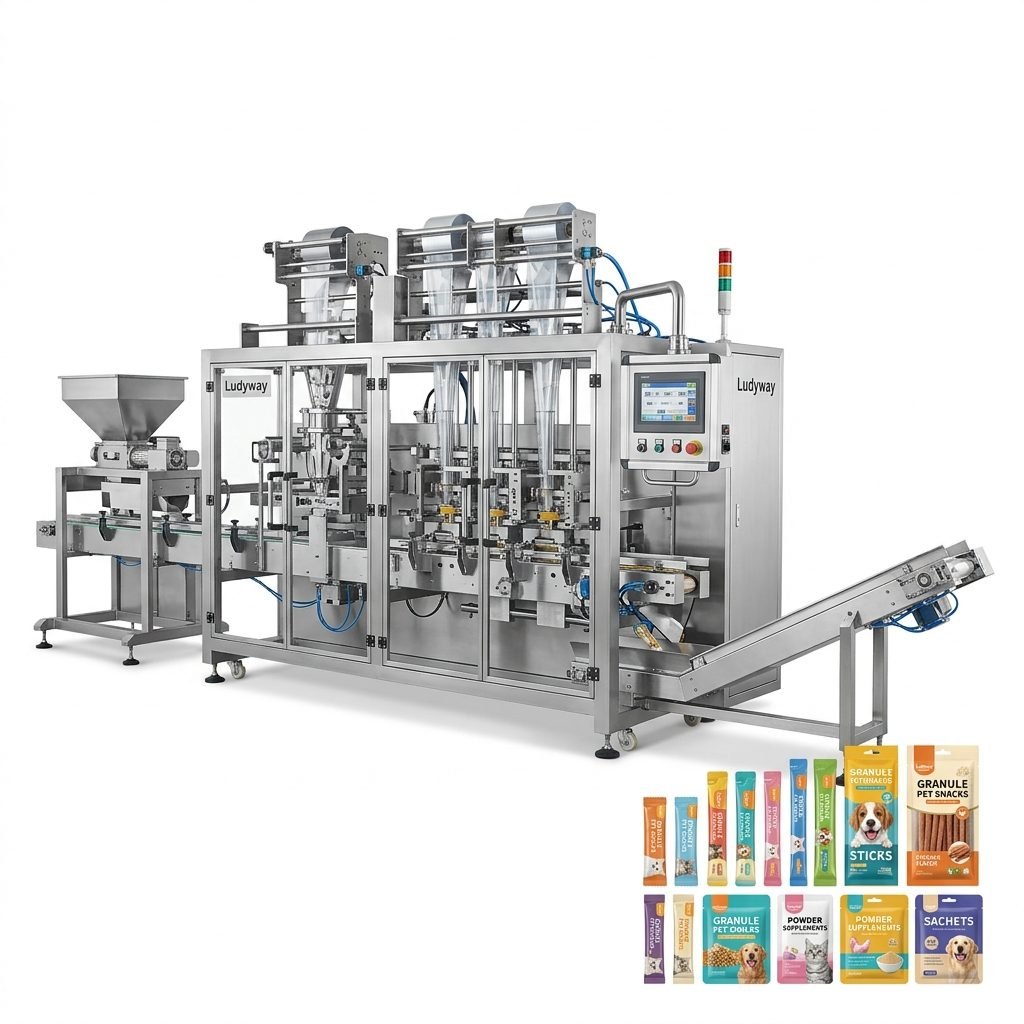
Common IMA Packaging Machine Issues and Troubleshooting
Understanding frequent problems helps maintenance teams respond quickly and minimize downtime. Below is a reference table of common issues, their potential causes, and recommended actions.
| Problem | Possible Cause | Recommended Action |
|---|---|---|
| Inconsistent seal quality | Worn sealing jaws, incorrect temperature, or contaminated surfaces | Clean or replace sealing components; recalibrate temperature settings |
| Film tracking errors | Misaligned rollers, improper tension, or damaged film guides | Adjust roller alignment and verify tension settings; replace worn guides |
| Product misfeeds | Clogged dosing systems or sensor malfunctions | Clean dosing channels thoroughly; recalibrate or replace sensors |
| Excessive vibration | Loose mounting bolts, worn bearings, or unbalanced rotating parts | Tighten all fasteners; inspect and replace bearings as needed |
| Overheating components | Insufficient cooling, blocked ventilation, or electrical faults | Clear ventilation paths; check electrical load and cooling fans |
Lubrication Best Practices
Proper lubrication is one of the most critical yet often overlooked aspects of packaging machine maintenance. Using the correct lubricant type and following the recommended schedule directly impacts component longevity.
- Always use OEM-approved lubricants specified in the machine manual
- Follow the lubrication schedule precisely — over-lubrication can be as harmful as under-lubrication
- Keep detailed records of all lubrication activities with dates and component lists
- Clean grease fittings before applying lubricant to prevent contamination
- Monitor lubricant condition during routine inspections for signs of degradation
Electrical and Control System Maintenance
Modern IMA packaging machines integrate sophisticated PLCs, HMIs, and sensor networks. Electrical system maintenance requires a methodical approach and adherence to safety protocols. Always follow lockout/tagout procedures before performing any electrical work and ensure compliance with FDA packaging and food contact regulations when applicable to your production environment.
Electrical Maintenance Checklist
- Inspect all electrical cabinets for dust ingress and moisture accumulation
- Verify the integrity of cable connections and grounding systems
- Test backup batteries in PLC and HMI units every six months
- Keep spare fuses, relays, and common electrical components in inventory
- Document all software parameter changes and maintain backup copies of machine programs
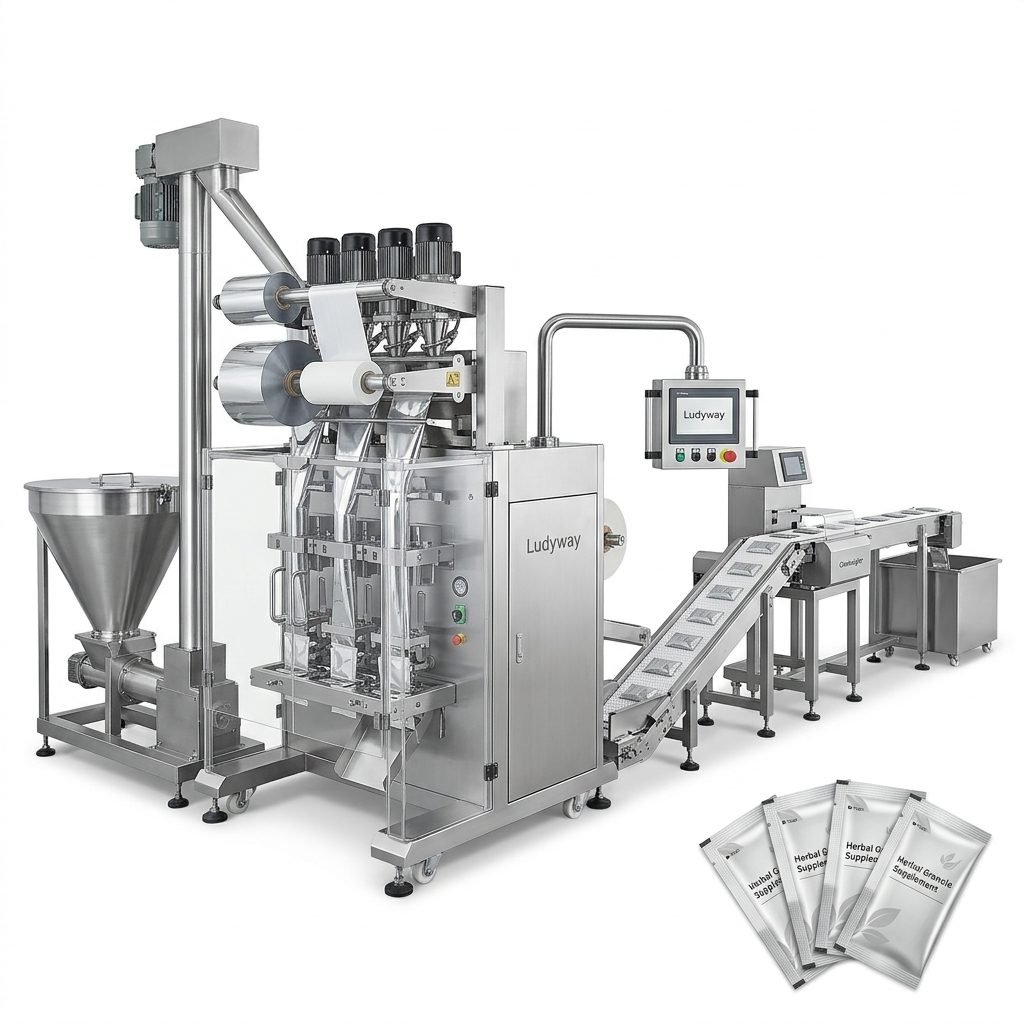
Spare Parts Management Strategy
An effective spare parts inventory is essential for minimizing downtime. Stocking the right components ensures that maintenance teams can quickly address issues without waiting for parts delivery. The flexible packaging industry emphasizes the importance of supply chain readiness for critical spare components.
| Priority Level | Parts Category | Examples |
|---|---|---|
| Critical | Sealing components | Sealing jaws, heating cartridges, thermocouples, Teflon covers |
| High | Sensors and electronics | Photoelectric sensors, proximity switches, temperature controllers |
| Medium | Mechanical wear items | Belts, bearings, springs, cutting blades, gaskets |
| Low | Consumables | Lubricants, cleaning supplies, filters, O-rings |
Documentation and Record-Keeping
Maintaining accurate maintenance records is essential for tracking equipment history, identifying recurring issues, and planning future interventions. A well-documented maintenance program supports compliance with ISO 11607 packaging standards and provides valuable data for continuous improvement initiatives.
- Keep a digital maintenance log with timestamps and operator signatures
- Document all part replacements including serial numbers and supplier information
- Record machine performance data to identify gradual degradation trends
- Maintain a library of OEM technical manuals and service bulletins
- Schedule regular reviews of maintenance records to optimize preventive programs
Operator Training and Team Development
Well-trained operators are your first line of defense against machine failures. Investing in comprehensive training programs ensures that daily inspections are performed correctly and that early warning signs are recognized promptly. Proper training also supports adherence to packaging industry resources and operational guidelines.
- Provide initial onboarding training for all new machine operators
- Conduct annual refresher courses on maintenance procedures and safety protocols
- Cross-train team members on multiple machine types for operational flexibility
- Encourage operators to report anomalies immediately without fear of reprisal
- Partner with equipment suppliers for advanced technical training sessions
When to Call Professional Service Support
While routine maintenance can be managed in-house, certain situations require professional intervention. Complex repairs, major overhauls, and performance optimization often benefit from OEM-certified technicians. As one of the largest packaging machine manufacturers in China, Ludyway provides specialized technical support for advanced packaging equipment, helping manufacturers maintain peak operational efficiency across their production lines.
- Major component failures requiring specialized diagnostic tools
- PLC or control system reprogramming and advanced troubleshooting
- Complete machine overhauls and performance recalibration
- Installation of retrofits, upgrades, or new automation modules
- Compliance audits requiring third-party certification
Building a Maintenance-First Culture
Sustainable packaging machine performance depends on cultivating a workplace culture that prioritizes maintenance as a strategic function rather than a reactive necessity. When maintenance is integrated into daily operations and supported by management, the results include improved product quality, reduced total cost of ownership, and greater overall equipment effectiveness. By implementing the maintenance practices outlined in this guide and staying informed through resources like the Flexible Packaging Association, manufacturers can achieve consistent, reliable packaging operations that drive long-term business success.