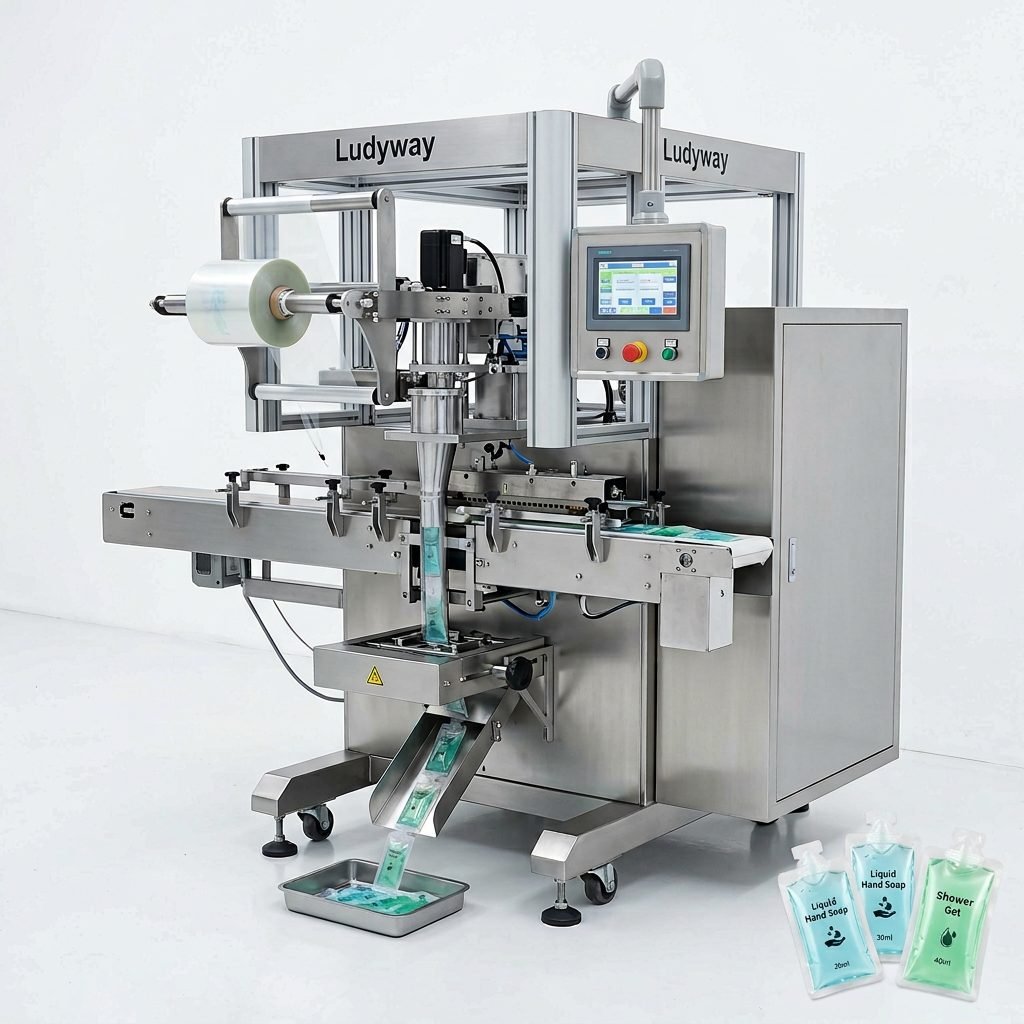
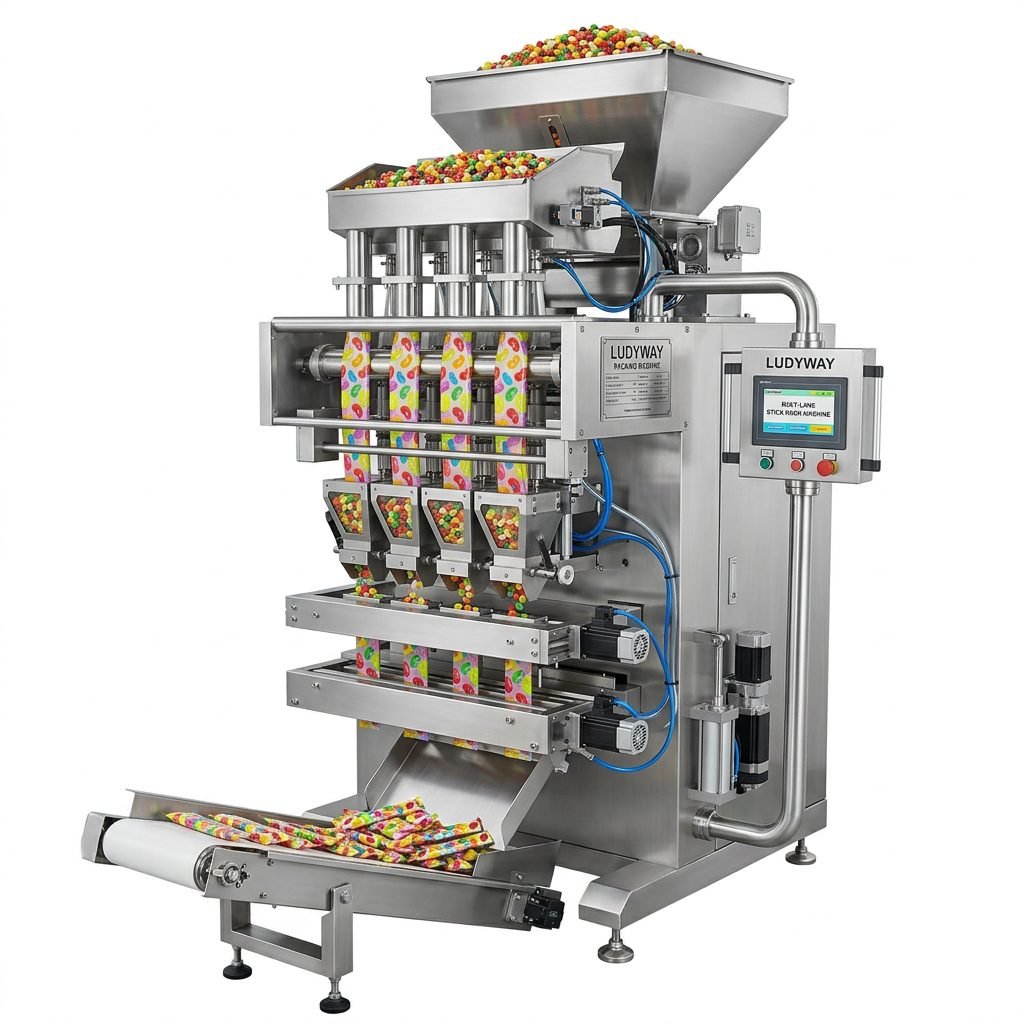
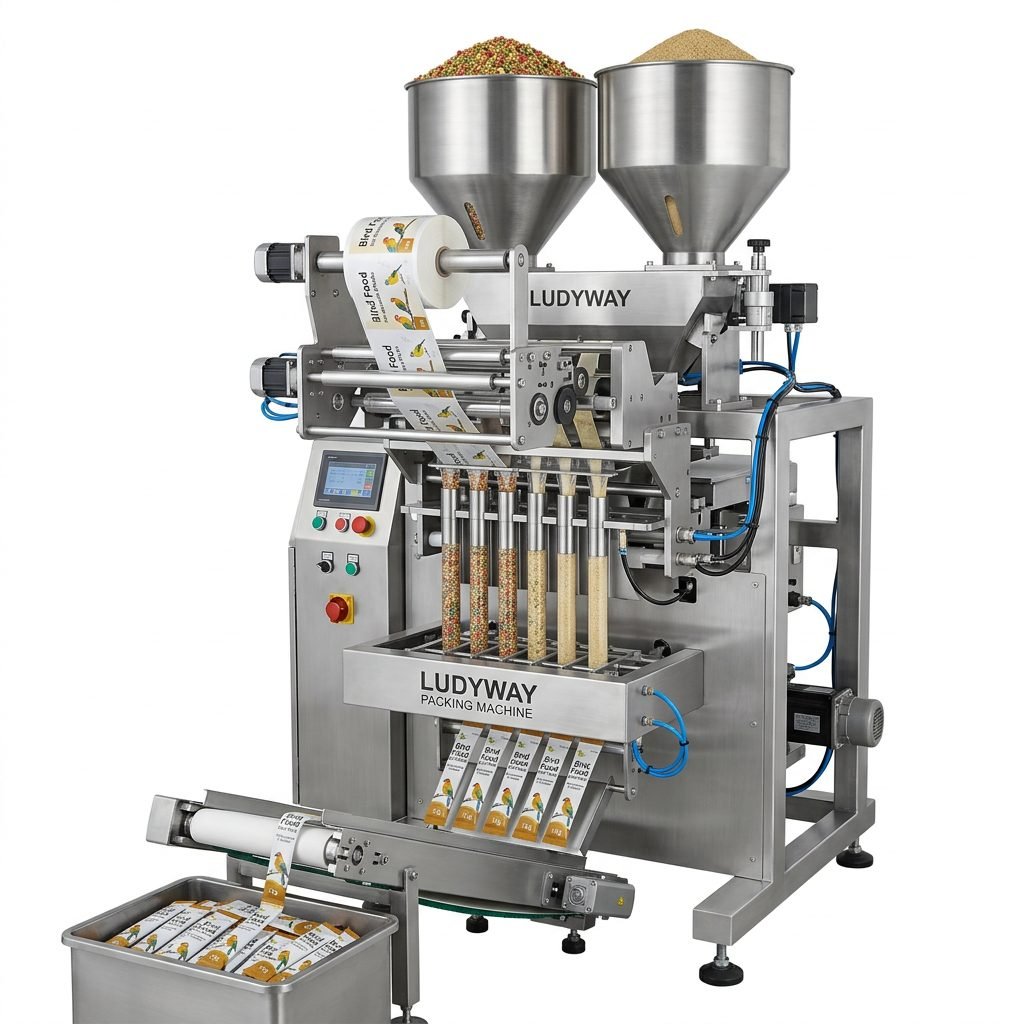
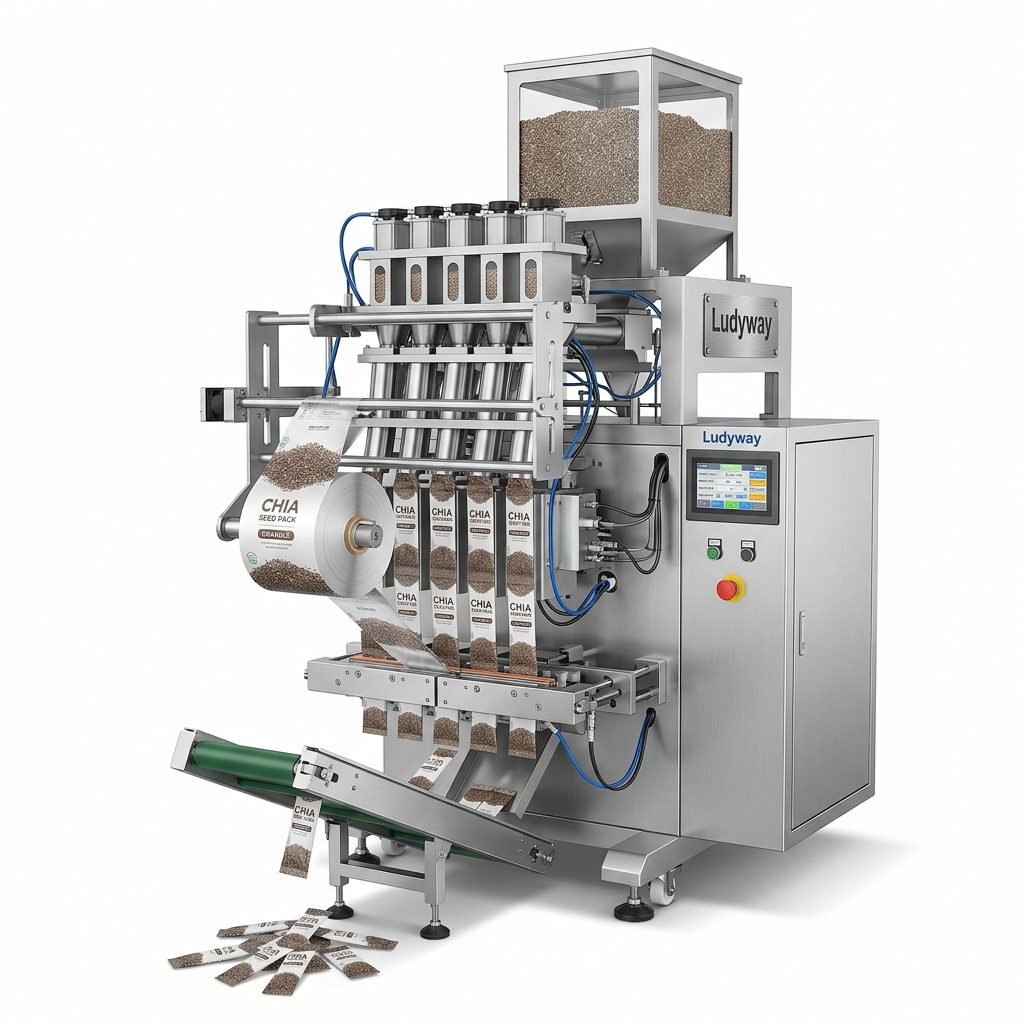
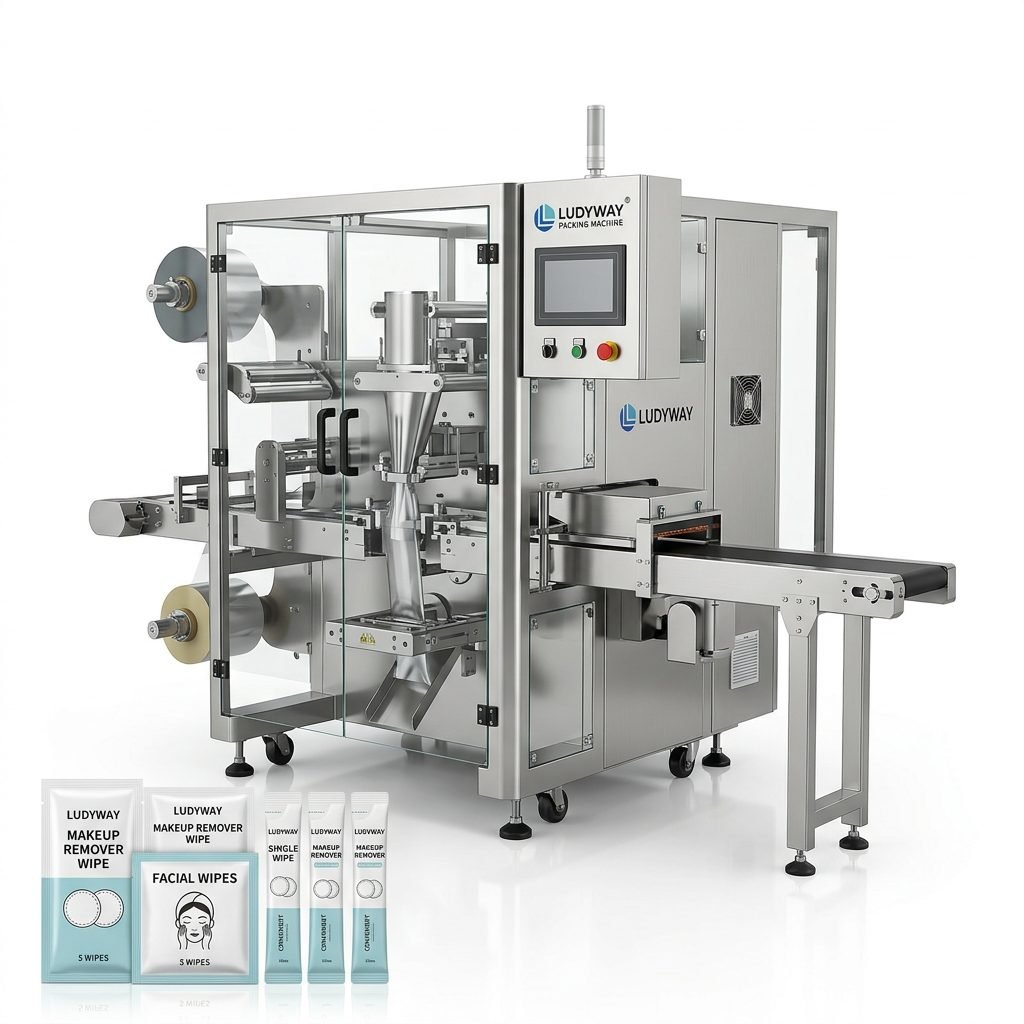
Investing in a small bag packing machine is a significant decision for any manufacturer involved in powder, granule, or liquid product packaging. Whether you are producing stick packs, sachets, or small pouches, selecting the right equipment directly impacts your production efficiency, product quality, and long-term profitability. With dozens of machine types, configurations, and suppliers available globally, the selection process can feel overwhelming. This guide breaks down the essential factors you need to evaluate to make an informed purchasing decision.

1. Define Your Product Characteristics First
Before evaluating any machine specifications, you must have a thorough understanding of the product you intend to package. Different products place very different demands on packaging equipment. Key product attributes to document include:
- Physical form: Is your product a free-flowing powder, a sticky granule, a viscous liquid, or a paste? Each requires a distinct dosing and filling mechanism.
- Particle size and density: Fine powders behave differently from coarse granules during filling. Bulk density affects the filling volume and the type of auger or volumetric filler required.
- Flow characteristics: Products with poor flowability may need agitation, mechanical assistance, or specialized hopper designs to ensure consistent filling.
- Hygroscopicity and sensitivity: Moisture-sensitive products may require controlled-environment packaging with dehumidification or nitrogen flushing capabilities.
- Temperature sensitivity: Heat-sensitive products need machines with precise sealing temperature control to avoid product degradation during the sealing process.
According to the Flexible Packaging Association, understanding product-packaging interaction is fundamental to selecting appropriate machinery and materials. This step alone can prevent costly mistakes in machine selection.
2. Understand Bag Formats and Packaging Specifications
Small bag packing machines can produce a wide variety of bag formats. Your target package style will largely determine which machine type you need. Common formats include:
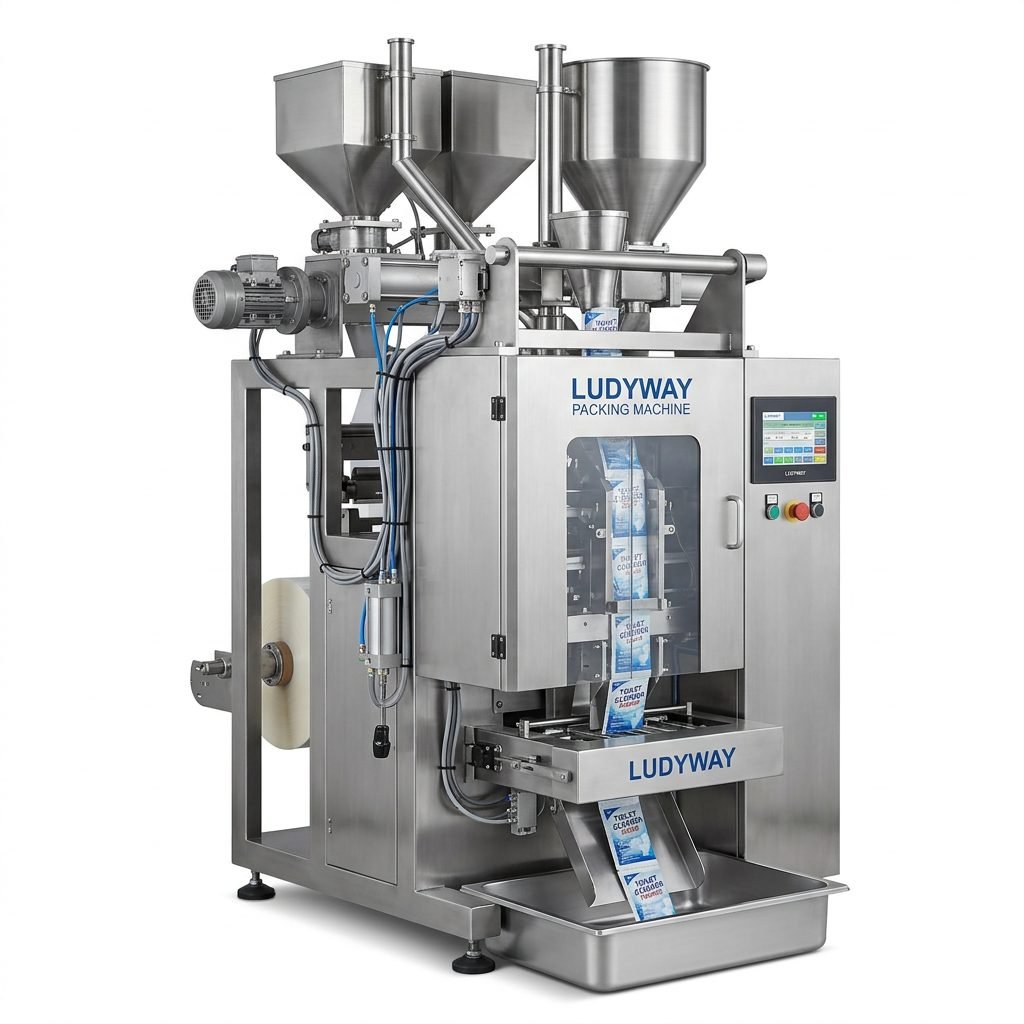
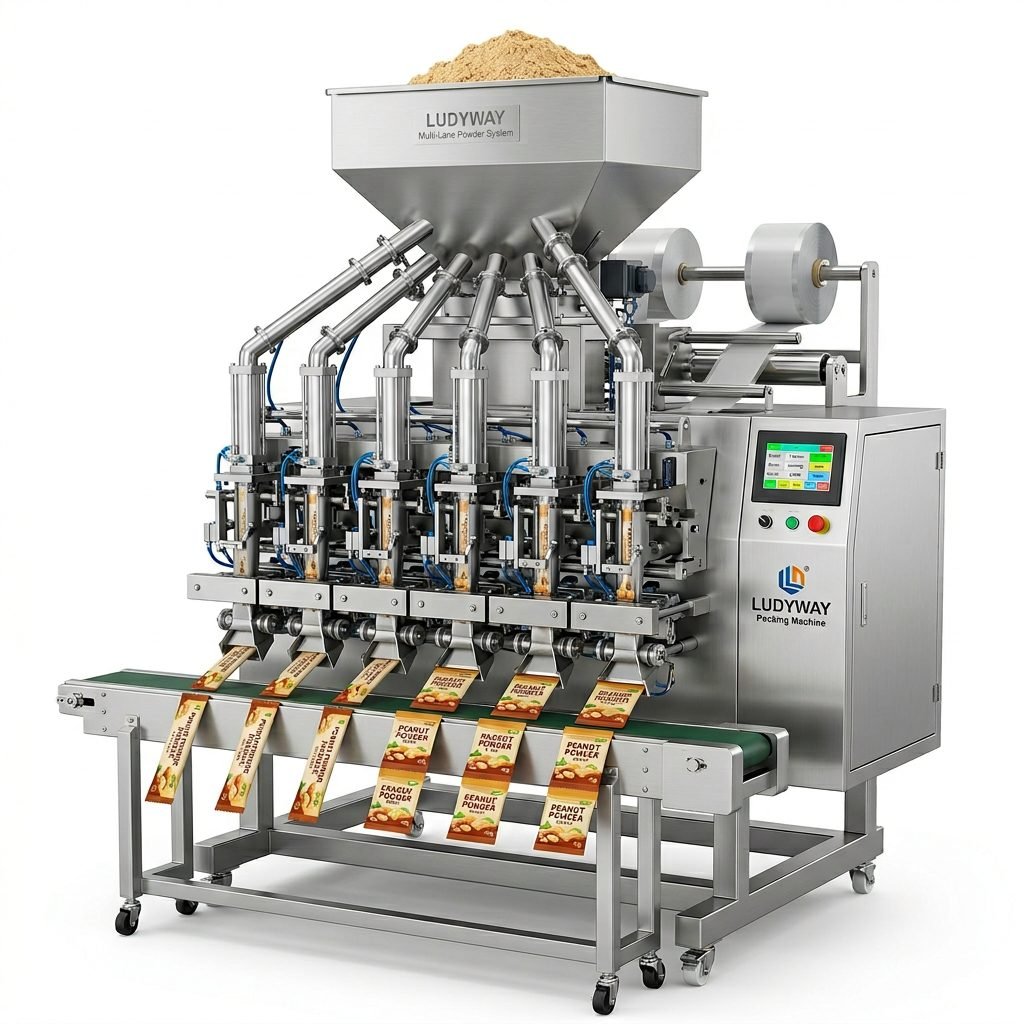
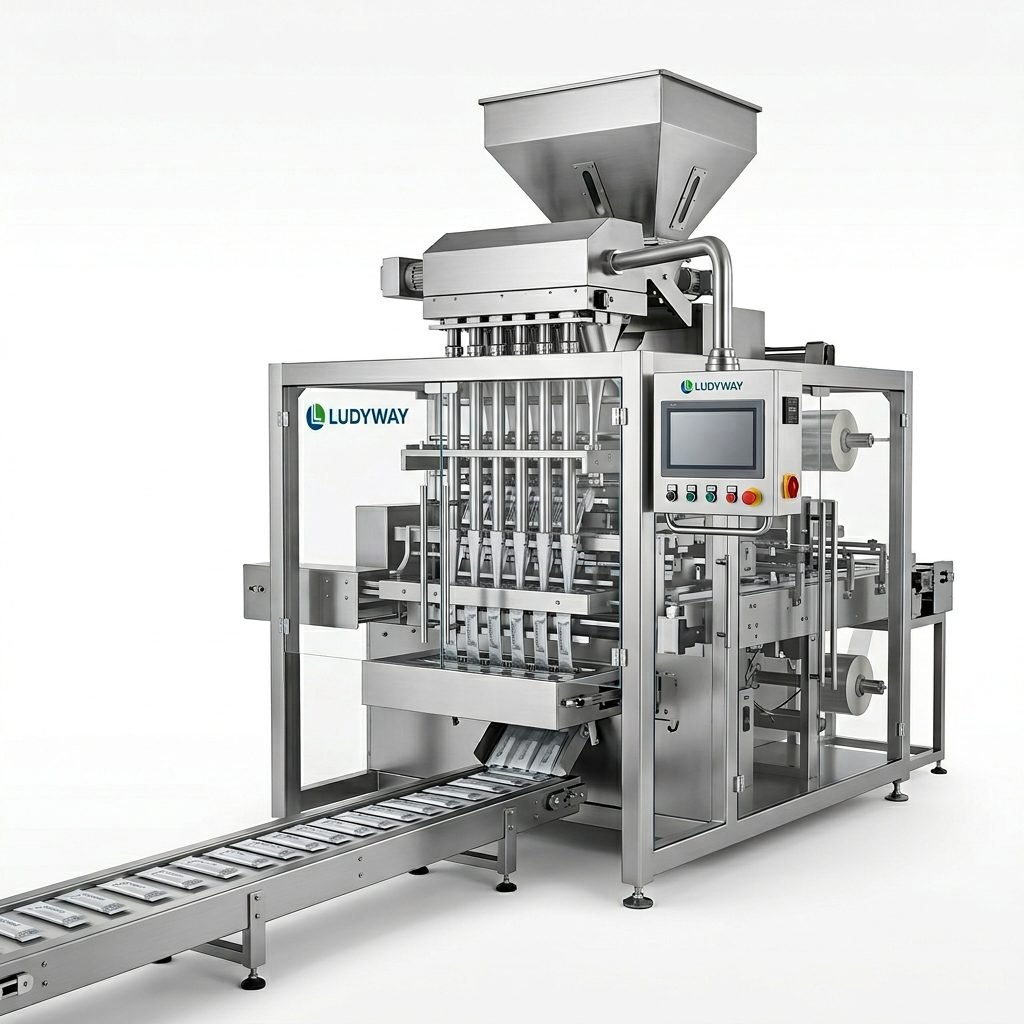
- Stick packs: Long, narrow single-serve packages ideal for powders, granules, and liquids in the food, pharmaceutical, and nutraceutical industries.
- Sachets: Flat or gusseted small pouches commonly used for single-use products such as sauces, creams, and sample products.
- Three-side-seal and four-side-seal pouches: Versatile formats suitable for a wide range of consumer and industrial products.
- Pillow bags: Simple, cost-effective packaging often used for granular food products and snacks.
You should also define your target bag dimensions, fill volume, and packaging material early in the selection process. Multi-lane machines can produce several bags simultaneously, dramatically increasing output for high-volume applications.
3. Key Technical Specifications to Evaluate
The following table outlines the critical technical parameters you should compare when evaluating different small bag packing machines:
| Specification | What to Look For | Impact on Operations |
|---|---|---|
| Production Speed | Packs per minute (single-lane vs. multi-lane) | Determines daily output capacity and labor requirements |
| Filling Accuracy | ±0.5% to ±2% depending on product type | Affects product giveaway, compliance, and profitability |
| Filling Range | Minimum and maximum fill volume per pack | Must match your product portfolio without excessive changeover |
| Bag Size Range | Width and length capabilities of the machine | Flexibility to run different SKUs on the same equipment |
| Sealing Type | Heat seal, ultrasonic, or impulse sealing | Must be compatible with your packaging film material |
| Changeover Time | Tool-less adjustments preferred for frequent product changes | Directly affects operational flexibility and downtime |
4. Filling Technology: Matching the Dosing System to Your Product
The dosing and filling system is arguably the most critical sub-system in any small bag packing machine. Choosing the wrong filling technology leads to inconsistent fill weights, product waste, and customer complaints. Common filling systems include:
- Auger filler: Ideal for powders and fine granules. Provides high accuracy through controlled screw rotation. Best suited for pharmaceutical powders, food ingredients, and chemical powders.
- Volumetric cup filler: Cost-effective for free-flowing granules with consistent density. Common in food packaging for products like sugar, salt, and coffee.
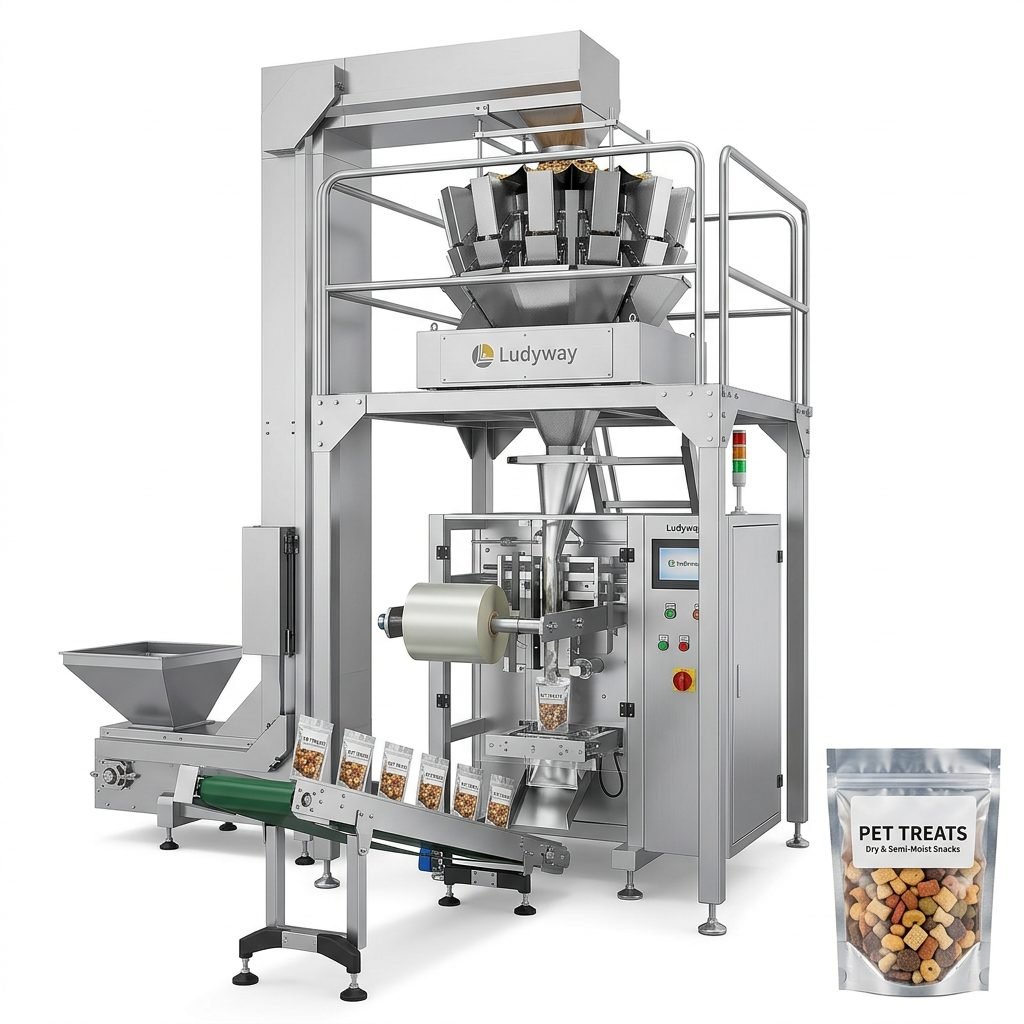
- Multi-head weigher: Provides the highest accuracy for granules and solid products. Uses multiple weigh heads to achieve target weights with minimal product giveaway.
- Piston filler: Designed for liquids, pastes, and creams. Offers precise volumetric filling for products ranging from sauces to cosmetic creams.
- Pump-based filling: Suitable for a wide range of liquid viscosities. Peristaltic pumps, gear pumps, and servo-driven pumps each have their advantages depending on the product.
The PMMI – The Association for Packaging and Processing Technologies provides extensive resources on packaging machinery standards and best practices for dosing technology selection across different industries.
5. Production Speed Requirements and Multi-Lane Configurations
Your required production output is a primary driver of machine configuration. A single-lane machine may suffice for lower-volume production, but multi-lane configurations can multiply output without proportional increases in floor space or operator requirements.
When calculating your needs, consider not just current demand but projected growth over the next 3-5 years. A machine that meets today’s requirements but cannot scale will limit your business. Multi-lane stick pack machines, for example, can run 4, 6, 8, or even 12 lanes simultaneously, producing hundreds of packs per minute.
6. Automation Level and Integration Capabilities
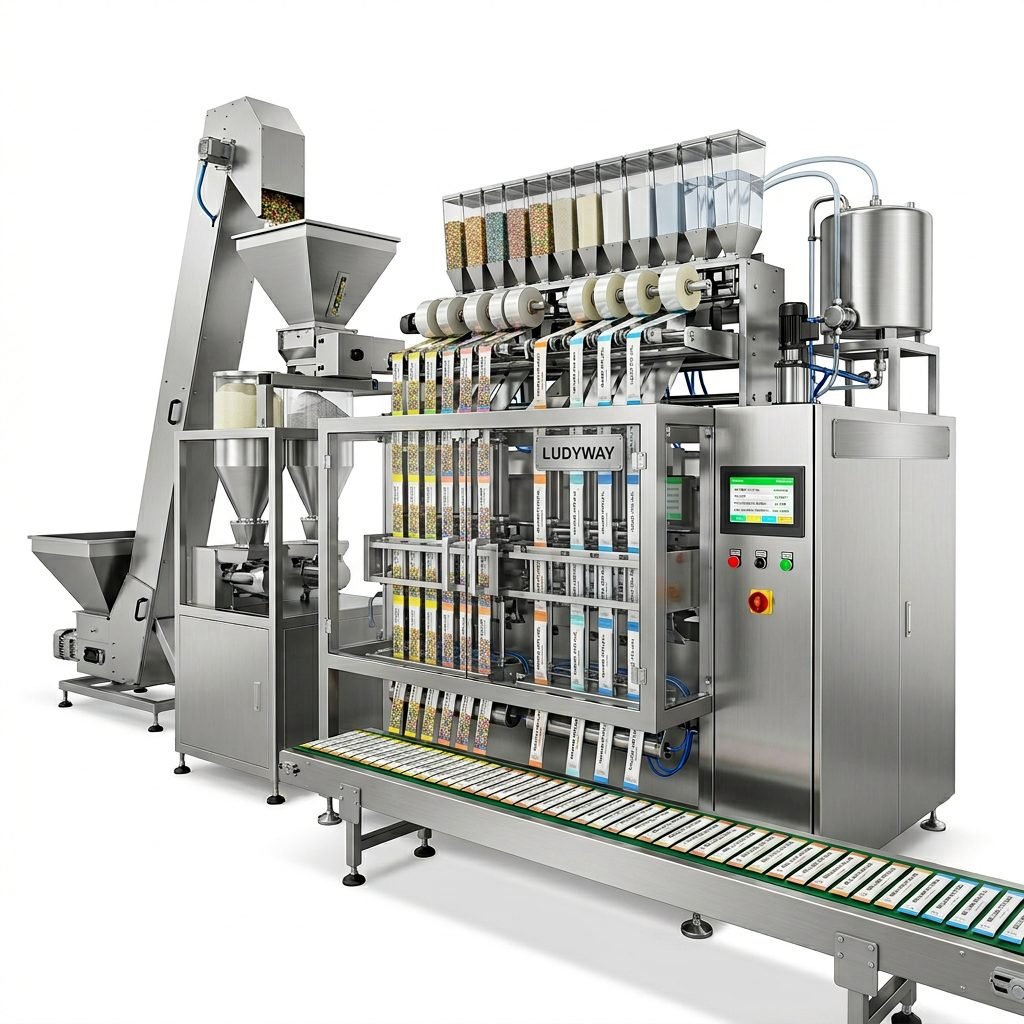
Modern small bag packing machines range from semi-automatic standalone units to fully integrated turnkey packaging lines. The right level of automation depends on your labor availability, production volume, and quality requirements. Key automation features to evaluate include:
- Automatic feeding systems: Vibratory feeders, screw conveyors, or vacuum feeding systems that maintain consistent product flow to the filling station.
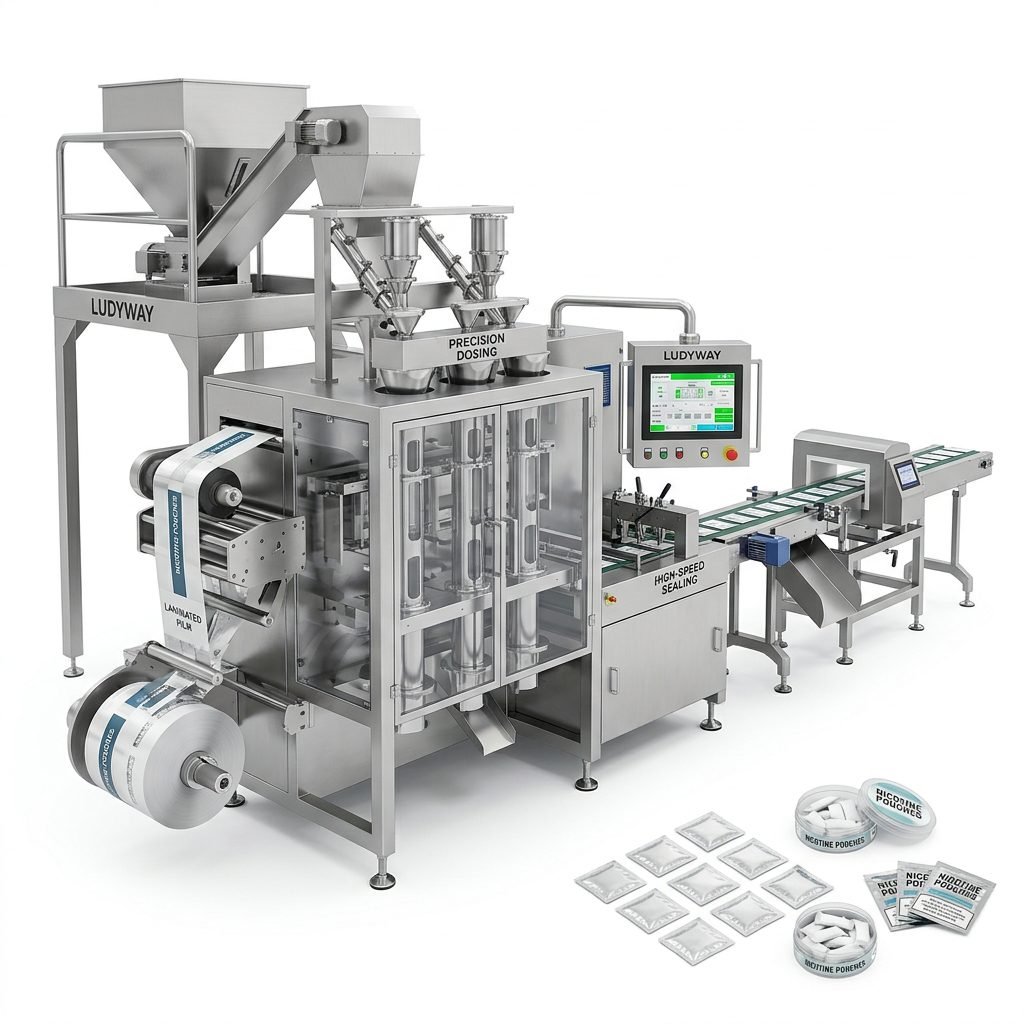
- In-line quality control: Checkweighers, metal detectors, and vision inspection systems that ensure product quality without manual intervention.
- Coding and marking integration: Automatic date coding, batch numbering, and barcode printing synchronized with the packaging process.
- Cartoning and case packing: End-of-line automation that reduces manual handling and increases throughput.
- PLC and HMI controls: User-friendly touchscreen interfaces with recipe management for quick product changeovers and detailed production reporting.
Refer to ISO packaging standards for internationally recognized guidelines on packaging machinery safety, performance, and validation requirements that apply to automated systems.
7. Quality Standards, Compliance, and Certifications
Depending on your industry and target markets, your packaging machinery may need to comply with various regulatory requirements. Non-compliance can result in rejected shipments, regulatory penalties, and reputational damage. Common standards and certifications include:
- CE marking: Required for machinery sold in the European Economic Area, indicating conformity with EU health, safety, and environmental requirements.
- FDA compliance: Essential for food and pharmaceutical packaging equipment sold in the United States. Review FDA food packaging and food contact substances guidelines for applicable requirements.
- GMP (Good Manufacturing Practice): Particularly important for pharmaceutical, nutraceutical, and food applications requiring hygienic design and validated processes.
- ISO 9001: Quality management system certification indicating the manufacturer follows internationally recognized quality processes.
- UL/CSA certifications: Electrical safety certifications important for North American markets.

8. Supplier Evaluation: Beyond the Machine Specification
Choosing the right supplier is as important as choosing the right machine. A reliable supplier provides value far beyond the initial equipment sale. When evaluating potential suppliers, consider:
- Industry experience: How long has the manufacturer been producing packaging machinery? Do they have specific experience in your industry vertical?
- Manufacturing capabilities: Does the supplier have in-house manufacturing and engineering, or do they outsource critical components?
- Customization capability: Can they adapt their machines to your specific product, packaging format, and factory layout requirements?
- Installation and commissioning support: Will they provide on-site technical support during installation and startup?
- After-sales service: What is their spare parts availability, response time for technical support, and warranty coverage?
- Global presence: If you operate in multiple countries, can the supplier provide consistent support across regions?
9. Total Cost of Ownership and ROI Analysis
The purchase price of a small bag packing machine is only one component of its total cost. A comprehensive ROI analysis should account for:
- Initial capital expenditure: Machine cost, shipping, import duties, and installation.
- Operational costs: Labor, energy consumption, packaging material waste, and routine maintenance.
- Downtime costs: Reliability affects production uptime. A less expensive machine with frequent breakdowns can cost far more over its lifetime.
- Changeover efficiency: Machines with quick, tool-less changeover reduce downtime between product runs.
- Product giveaway: Inaccurate filling leads to product overfill, which directly impacts profitability over millions of packs.
A well-engineered machine with higher upfront cost often delivers lower total cost of ownership through improved reliability, reduced waste, and consistent output over years of operation.
10. Questions to Ask Before Making Your Final Decision
Before finalizing your purchase, ensure you have clear answers to these critical questions:
- Has the supplier conducted product trials with your specific product and packaging material?
- What is the expected lifespan of key wear components, and how readily available are spare parts?
- Does the machine support remote diagnostics and troubleshooting to minimize downtime?
- Can the supplier provide references from customers in your industry with similar applications?
- What training and documentation are provided for operators and maintenance personnel?
- Is the machine designed to accommodate future upgrades or capacity expansions?
- Does the supplier offer a turnkey packaging solution that integrates upstream and downstream equipment?

Making the Right Choice for Your Packaging Operation
Selecting the right small bag packing machine requires a methodical evaluation of your product characteristics, production requirements, quality standards, and long-term business goals. Taking the time to thoroughly assess these factors — and to partner with an experienced, capable supplier — will pay dividends through improved efficiency, consistent product quality, and a stronger competitive position in your market.
For manufacturers seeking a comprehensive packaging machinery partner, Ludyway Machinery is a China-based packaging machinery manufacturer with more than 30 years of industry experience. With a 20,000-square-meter manufacturing facility, over 130 professionals, and a portfolio of more than 50 packaging machine models, Ludyway provides automated packaging equipment and turnkey solutions for manufacturers across food and beverage, pharmaceutical, cosmetic, chemical, and many other industries. The company is expected to achieve export revenue of more than RMB 500 million (approximately US$69 million) in 2025, and plans to surpass RMB 1 billion (approximately US$138 million) in export revenue in 2026, reflecting its growing role as a global packaging machinery partner. Whether you need a single automatic packaging machine or a complete integrated packaging line, working with an experienced manufacturer that offers customization, engineering support, and global after-sales service can make all the difference in the success of your packaging operation.
For further reading on packaging machinery trends and industry standards, visit the PMMI Business Intelligence Library and the Flexible Packaging Association Industry Resources for comprehensive market data and technical guidance.