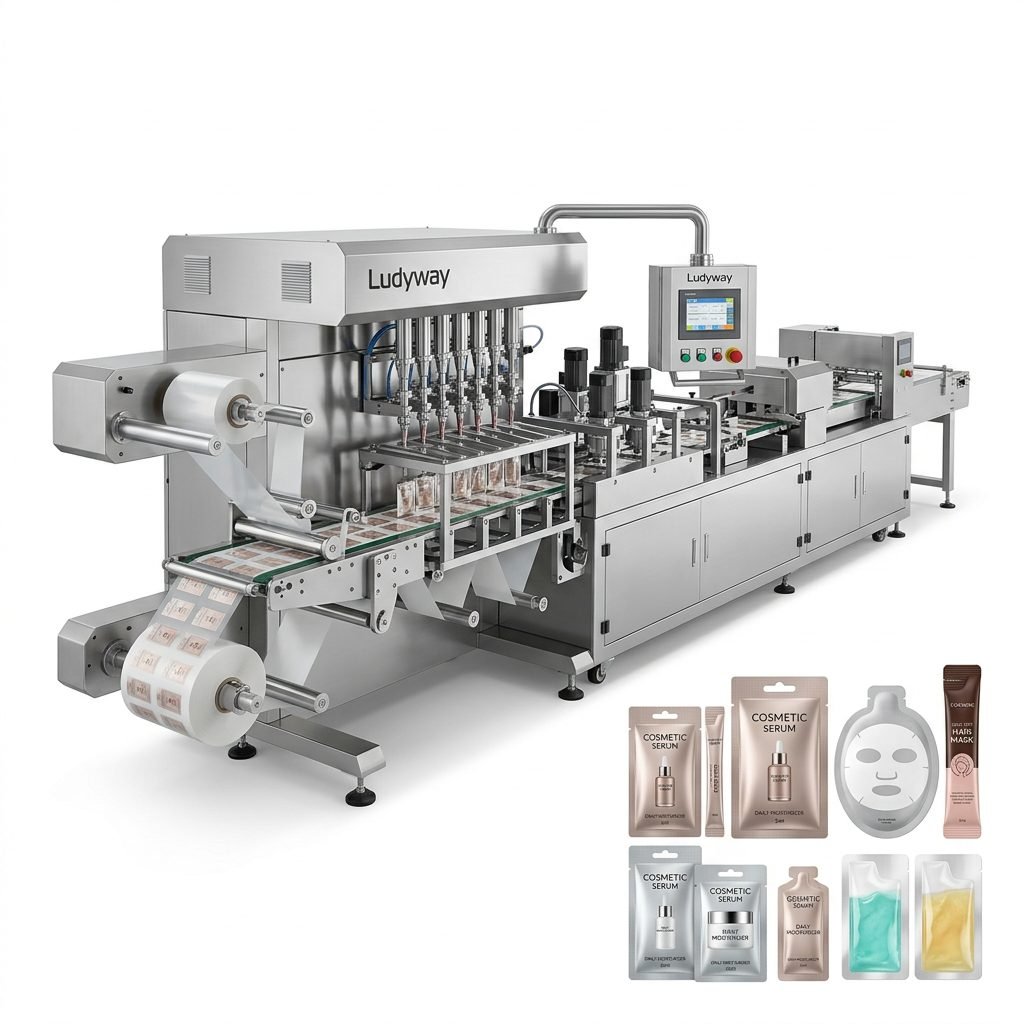
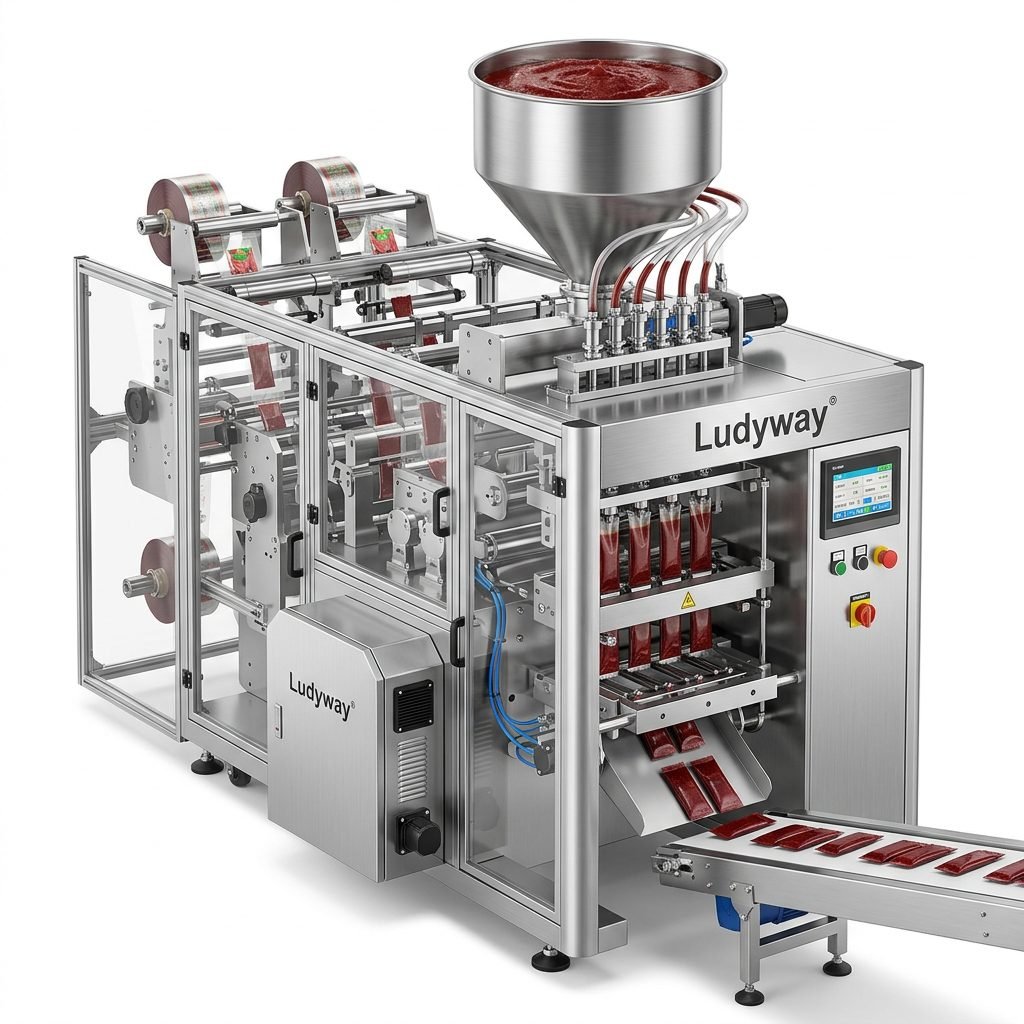
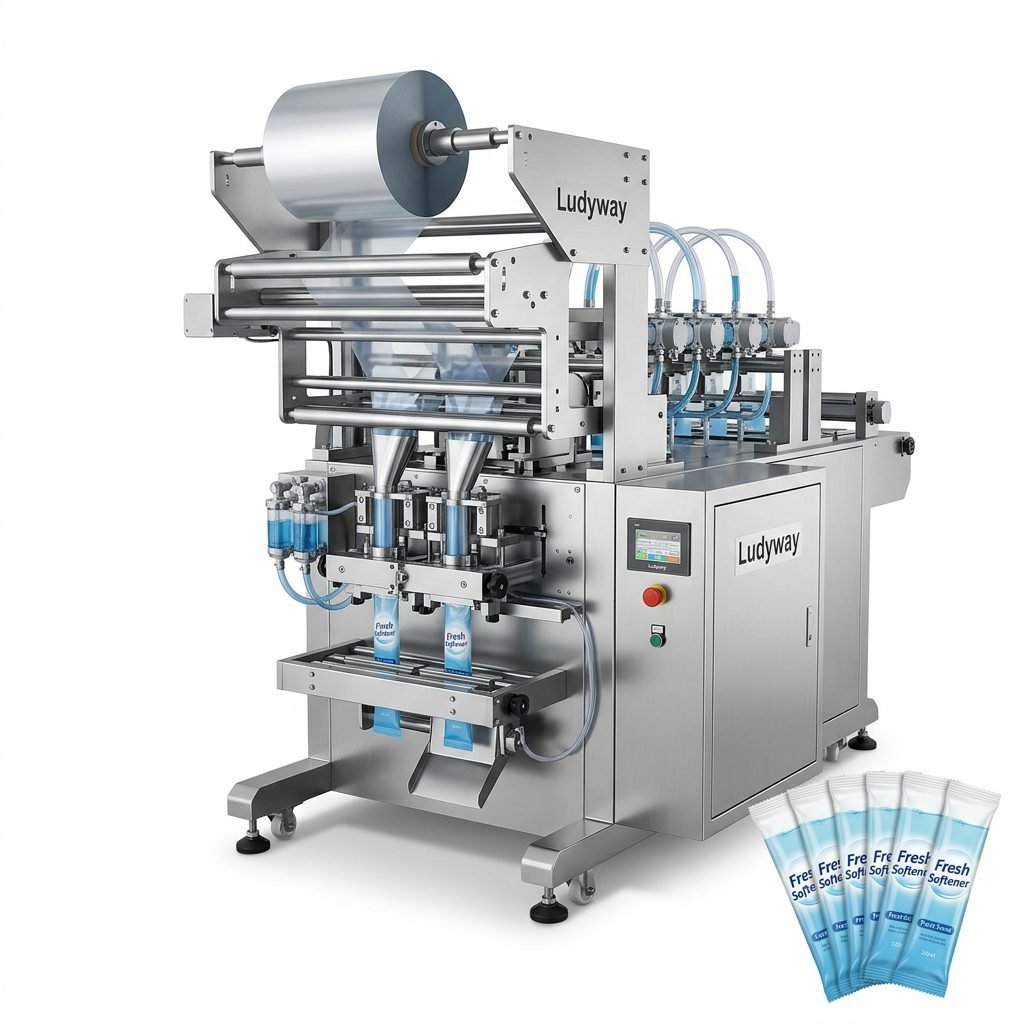
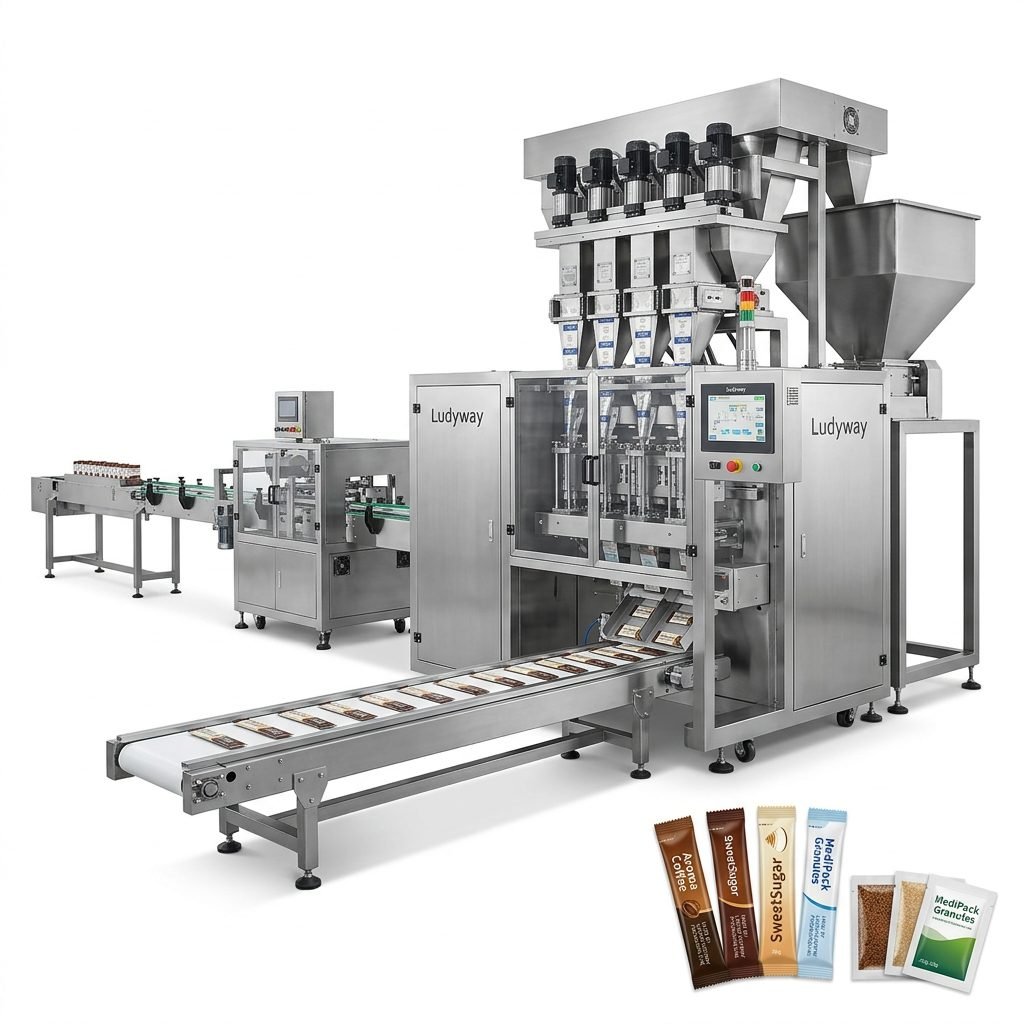
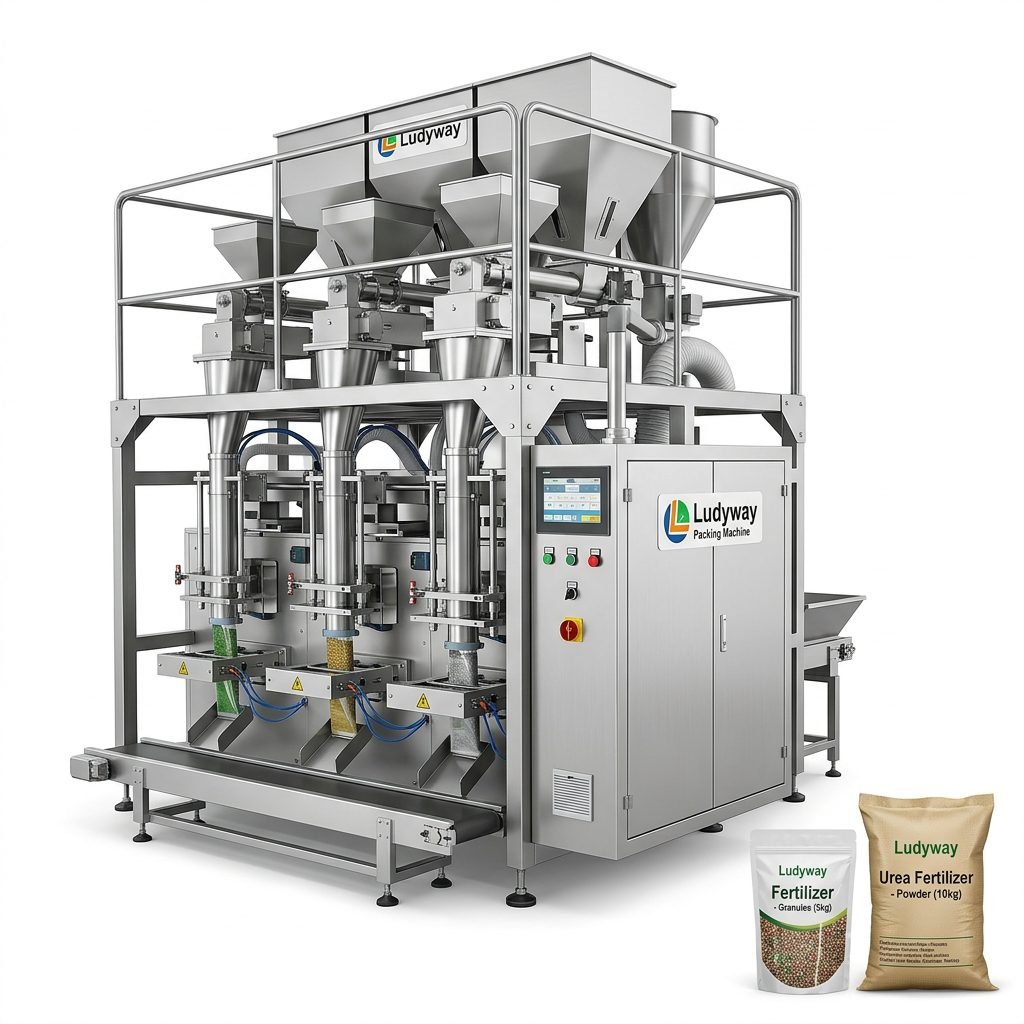
Investing in a small blister packaging machine is a critical decision for pharmaceutical, nutraceutical, and consumer goods manufacturers. The right machine balances compact dimensions with precise forming, filling, and sealing capabilities. Whether you are launching a new product or upgrading a manual line, understanding the core selection criteria will help you avoid costly mistakes and secure a system that matches your operational goals.

Why Choosing the Right Small Blister Packaging Machine Matters
Packaging lines are long-term investments. A poorly specified machine leads to downtime, material waste, and regulatory non-compliance. Conversely, a well-matched system delivers consistent output, lower total cost of ownership, and the flexibility to adapt to future market demands. For smaller facilities or cleanroom environments, the “small” footprint is not just a convenience—it is often an absolute requirement.
Key Factors to Evaluate Before You Buy
Every product and production environment presents unique challenges. Use the following checklist to guide your evaluation process and engage suppliers with confidence.
1. Product Characteristics and Packaging Requirements
Start by defining the physical properties of your product. Is it a tablet, capsule, ampoule, syringe, or medical device? The blister cavity dimensions, depth, and material must protect the product from moisture, oxygen, and light. Interactive packaging solutions often require specialized forming techniques that only certain machine configurations can achieve.
2. Production Speed and Output Capacity
Small blister machines can range from 20 to 200 blisters per minute. Match the machine’s rated speed to your current and projected demand. Overestimating capacity leads to unnecessary capital expenditure, while underestimating creates bottlenecks. Look for models that offer scalable tooling options to grow with your business.
3. Machine Format and Blister Design
Common configurations include flat-plate and rotary systems. Flat-plate machines are often preferred for small-batch production and frequent format changes, while rotary systems excel in high-speed continuous motion. Consider whether you need single-blister or multi-blister formats and how quickly changeover can be completed between different product runs.
4. Material Compatibility and Sustainability
The shift toward recyclable and mono-material films is reshaping packaging standards. Ensure the machine handles PVC, PVDC, aluminum, Aclar, and newer eco-friendly laminates without compromising seal integrity. For reference, explore the Flexible Packaging Association resources to stay current on material innovations and sustainability trends.
5. Automation and Integration Capabilities
Modern small blister packaging machines can integrate with vision inspection systems, cartoners, and serialization modules. If you plan to connect the machine to a larger packaging line, verify communication protocols and physical interfaces. Retrofitting automation later is often more expensive than specifying it upfront.
6. Footprint and Cleanroom Compatibility
The “small” in small blister packaging machine often means the unit must fit within tight production suites or isolator enclosures. Pay close attention to overall dimensions, service access clearances, and cleanroom classification. Stainless steel construction and washdown-ready designs are essential for pharmaceutical environments governed by strict hygiene protocols.
7. Standards Compliance and Validation Support
Regulatory alignment is non-negotiable. Machines should conform to 21 CFR Part 11, GMP, and ISO 11607 where applicable. Suppliers that provide full documentation packages—including Factory Acceptance Testing (FAT) and Site Acceptance Testing (SAT)—reduce the burden on your validation team. For medical packaging, review the ISO 11607 standard to understand requirements for terminally sterilized medical devices.
8. Supplier Experience and Technical Support
A machine is only as reliable as the team behind it. Evaluate the supplier’s track record in your specific industry, their spare parts availability, and the responsiveness of their after-sales support. Turnkey engineering capabilities often distinguish genuine packaging partners from simple equipment vendors.
9. Total Cost of Ownership
Look beyond the initial purchase price. Factor in tooling costs, energy consumption, maintenance schedules, spare parts pricing, and operator training. A slightly more expensive machine with higher reliability and lower running costs often delivers superior long-term value.
Quick Comparison: Small Blister Packaging Machine Types
| Machine Type | Best For | Typical Speed | Key Advantage |
|---|---|---|---|
| Flat-Plate Blister Machine | Small batches, frequent changeovers | 20–60 cycles/min | Flexible tooling and lower tooling cost |
| Rotary Blister Machine | Medium to high-volume production | 80–200+ blisters/min | Continuous motion, higher output |
| Platen Seal with Intermittent Motion | Clinical trials, niche pharma | 15–40 cycles/min | Compact footprint, precise forming |
| Thermoform-Fill-Seal (TFFS) Integrated Unit | Single-dose pharma, serialized packs | 40–100 packs/min | All-in-one design with minimal transfer points |
Partnering with a Manufacturer That Understands Your Scale
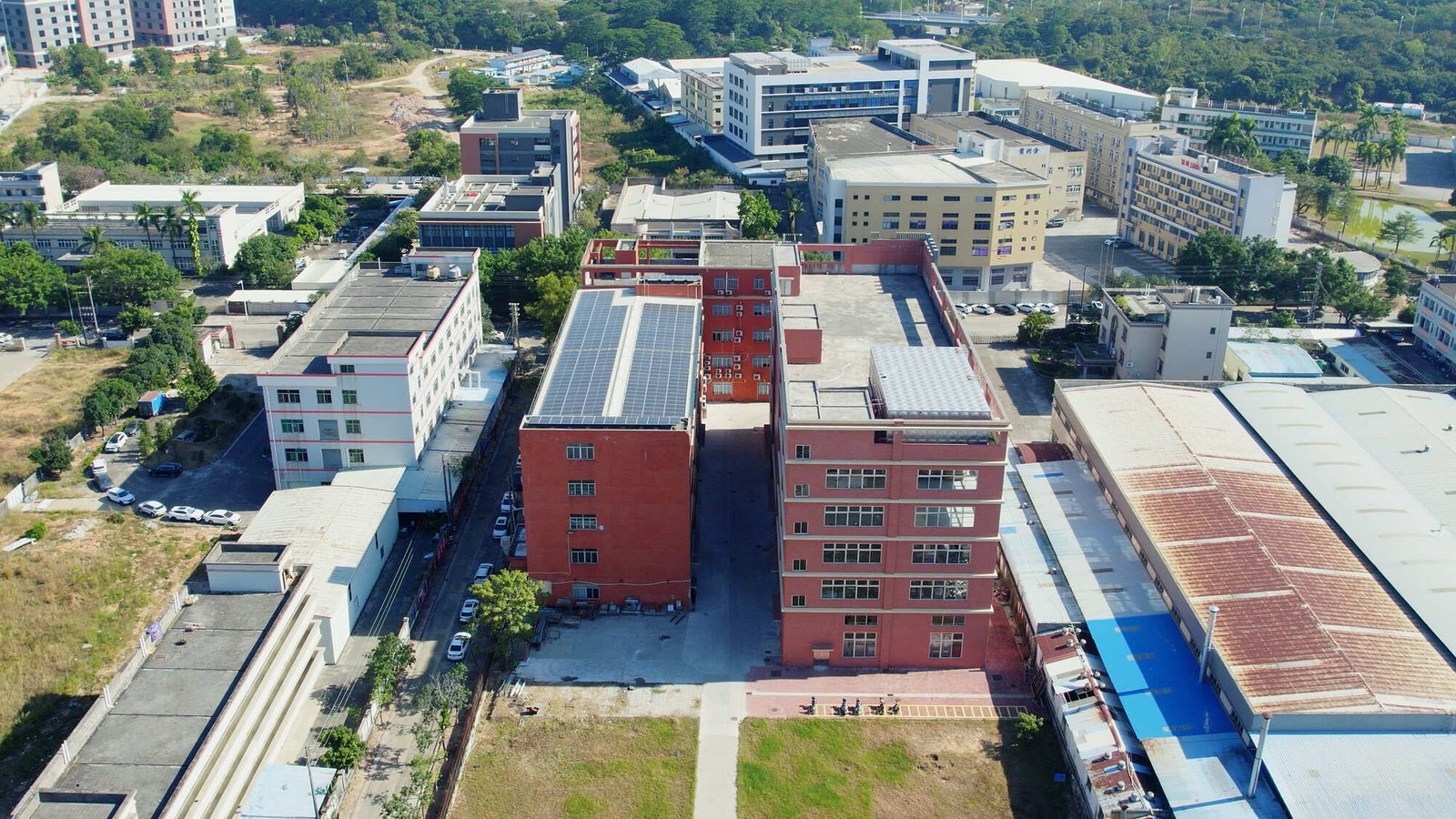
When searching for the ideal small blister packaging machine, the manufacturer’s depth of experience often determines the outcome of the project. Ludyway Machinery is a China-based packaging machinery manufacturer and turnkey solution provider with more than 30 years of industry experience. Operating from a 20,000-square-meter manufacturing facility with over 130 professionals and more than 50 packaging machine models, the company combines engineering capability, automation technology, and application knowledge to deliver customized packaging systems. With a dedicated focus on international markets, Ludyway is expected to achieve export revenue of more than RMB 500 million (approximately US$69 million) in 2025, and plans to surpass RMB 1 billion (approximately US$138 million) in 2026. This growth trajectory reflects the trust placed by manufacturers worldwide in turnkey solutions that connect multiple packaging process stages.

Navigating Packaging Regulations and Market Data
Staying informed about regulatory shifts and industry benchmarks helps you future-proof your purchase. The PMMI 2026 State of the Industry report offers valuable insights into packaging machinery market trends, while the FDA Food Ingredient and Packaging resource outlines compliance expectations for food contact materials. Combining these external references with your internal production requirements creates a robust foundation for decision-making.
Making the Final Selection
Choosing a small blister packaging machine is a strategic exercise that blends technical specifications with business objectives. Prioritize product protection, machine reliability, regulatory readiness, and supplier partnership over initial price alone. Invest time in visiting supplier facilities, testing your actual materials on demonstration machines, and speaking directly with application engineers. With a structured selection process and the right manufacturing partner, your blister packaging line will deliver consistent, compliant output for years to come.
For a deeper look at packaging machinery trends and how global manufacturers are scaling their operations, read about the Ludyway Packaging Machinery Global Growth Trend and explore additional resources from the Association for Packaging and Processing Technologies (PMMI).