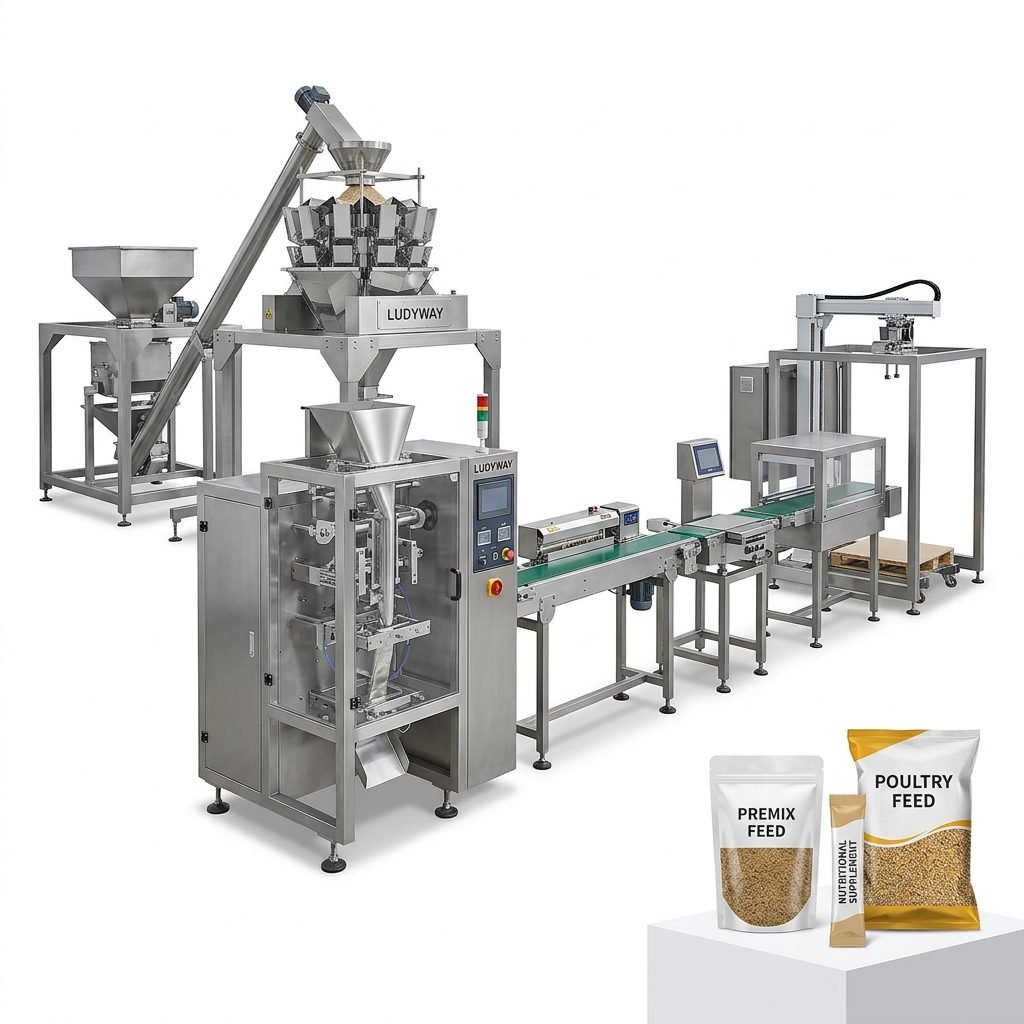
India’s snack food industry is experiencing explosive growth, driven by rapid urbanization, rising disposable incomes, and evolving consumer preferences. From traditional namkeen and bhujia to modern extruded snacks and protein bars, the demand for packaged snack foods has never been higher. For manufacturers looking to scale production, investing in the right snack packaging machine is a critical business decision that directly impacts productivity, shelf life, and brand perception.
According to the PMMI business intelligence reports, the global packaging machinery market continues to expand, with India emerging as one of the fastest-growing regions for automated packaging equipment. Whether you are a small-scale producer or a large food manufacturing enterprise, understanding the types, costs, and key features of snack packaging machines will help you make an informed purchasing decision that aligns with your production goals.
Understanding the Indian Snack Packaging Machine Market
The Indian snack food market is projected to reach USD 35 billion by 2028, with packaged snacks accounting for a significant share. This growth is creating immense demand for efficient packaging machinery. However, navigating the procurement process requires careful evaluation of machine types, technical specifications, and supplier credibility.
Key market drivers include:
- Increasing demand for portion-controlled packs — single-serve sachets and stick packs are popular for affordability and convenience
- Rising hygiene awareness — consumers prefer machine-sealed packaging over loose snacks
- Retail expansion — modern trade and e-commerce require standardized, attractive packaging formats
- Export opportunities — Indian snack brands increasingly ship globally, necessitating compliance with international packaging standards
When selecting equipment, it is essential to reference recognized industry guidelines. The Flexible Packaging Association provides extensive resources on material compatibility and packaging performance that can inform your machine specification process.
Types of Snack Packaging Machines Available in India
Different snack products require different packaging technologies. Below are the most common machine categories used in the Indian snack industry:
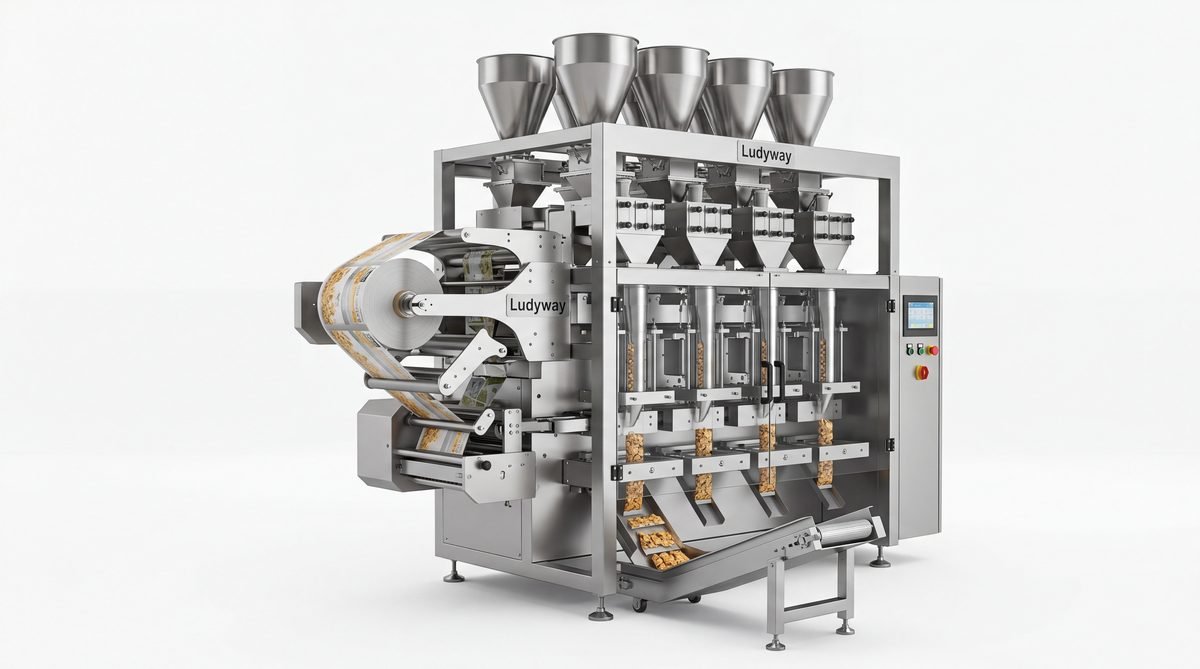
1. Vertical Form Fill Seal (VFFS) Machines
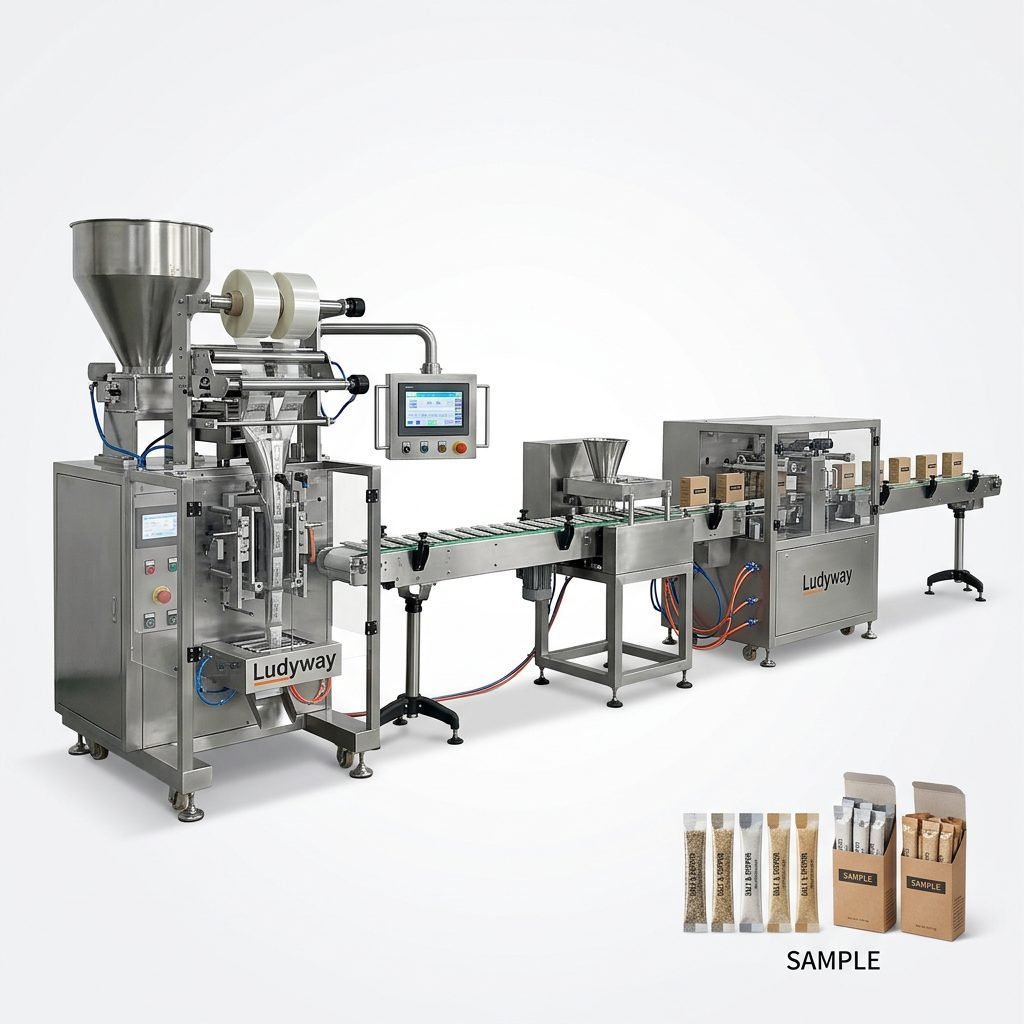
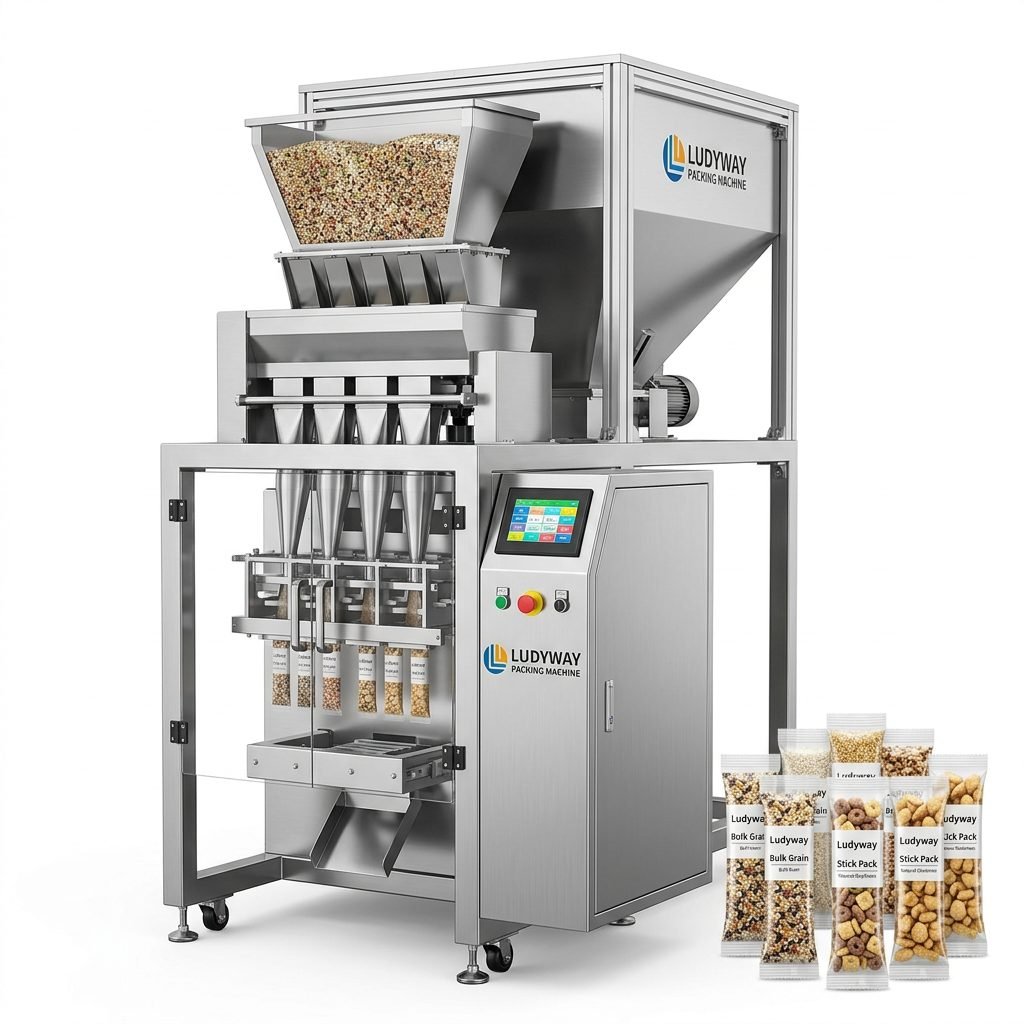
VFFS machines are the workhorse of the snack packaging industry. They form a bag from a flat roll of film, fill it with product, and seal it — all in a continuous vertical motion. These machines are ideal for potato chips, extruded snacks, puffed rice, and namkeen. They offer flexibility in bag styles including pillow bags, gusseted bags, and quad-seal pouches. Modern VFFS systems can achieve speeds of up to 120 packs per minute, depending on product characteristics and bag dimensions.
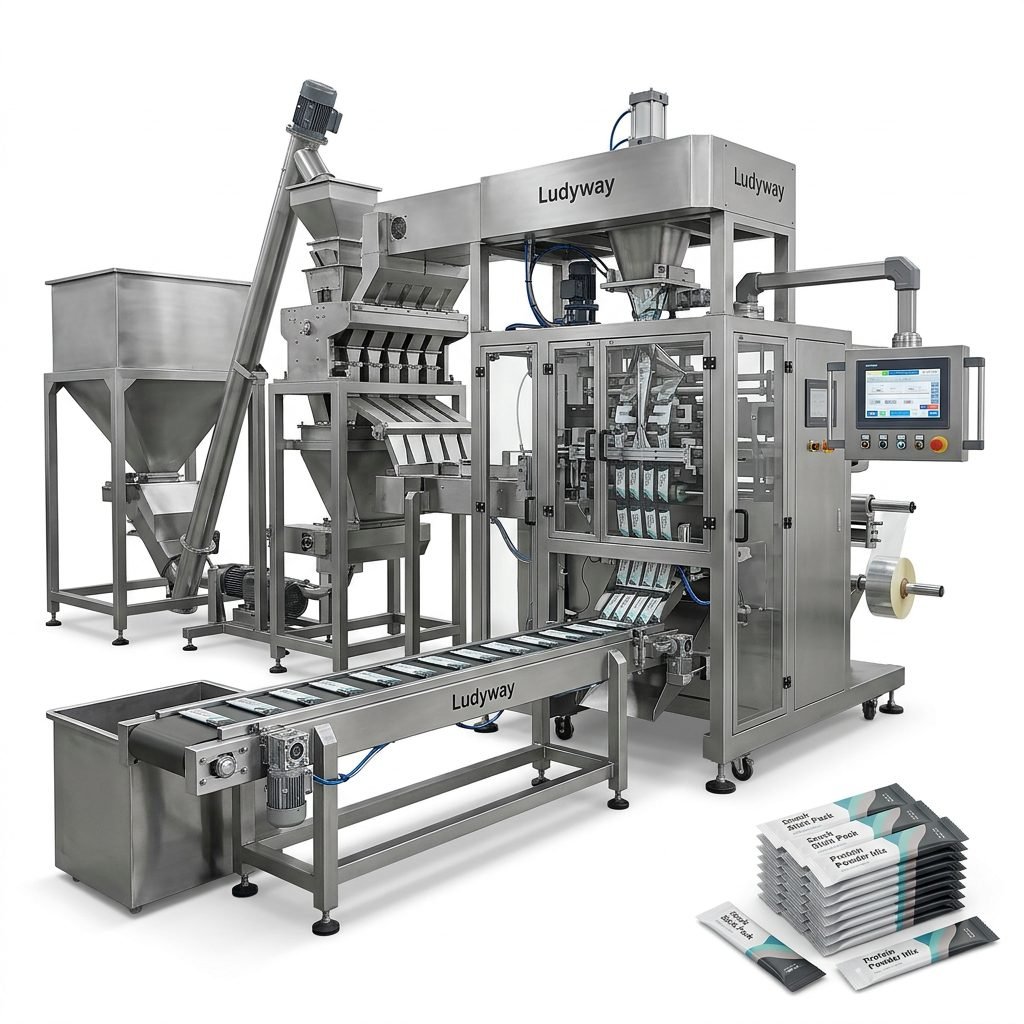
2. Multi-Lane Stick Pack Machines
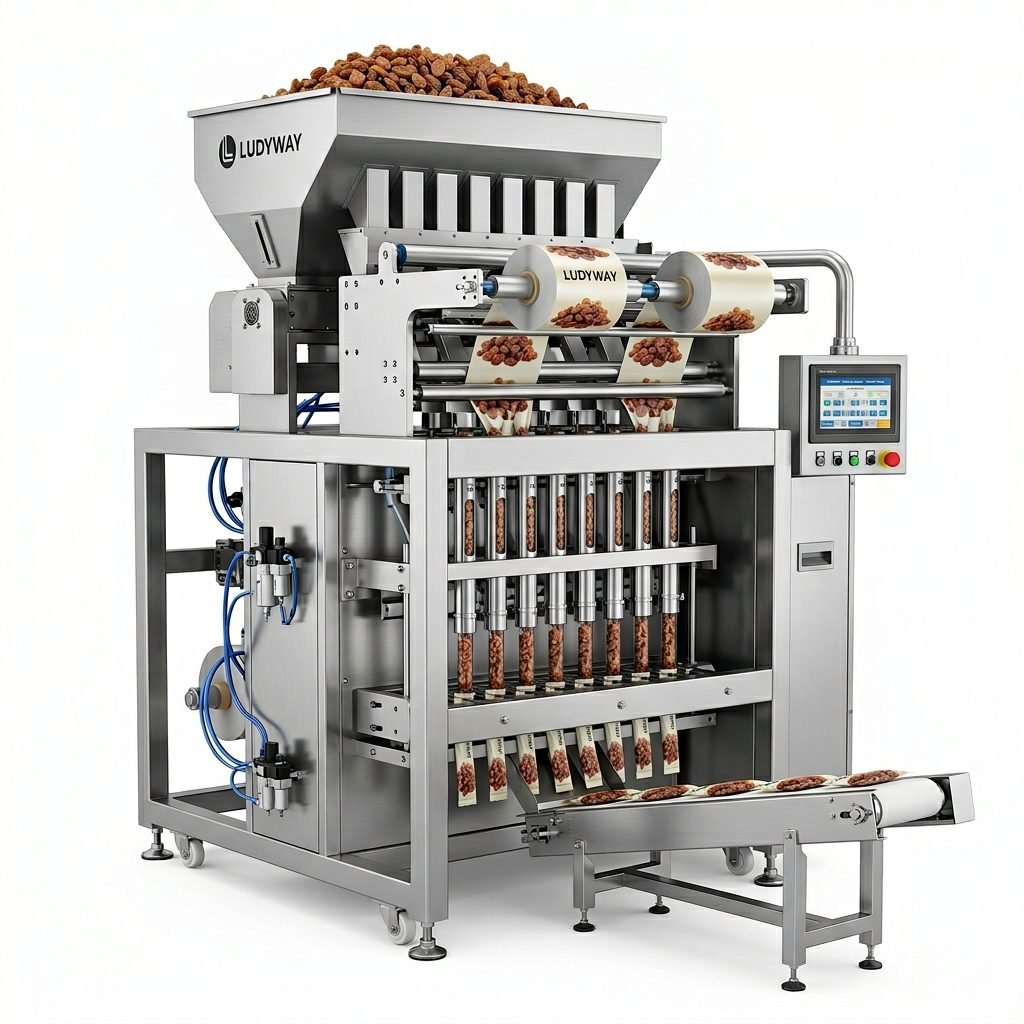
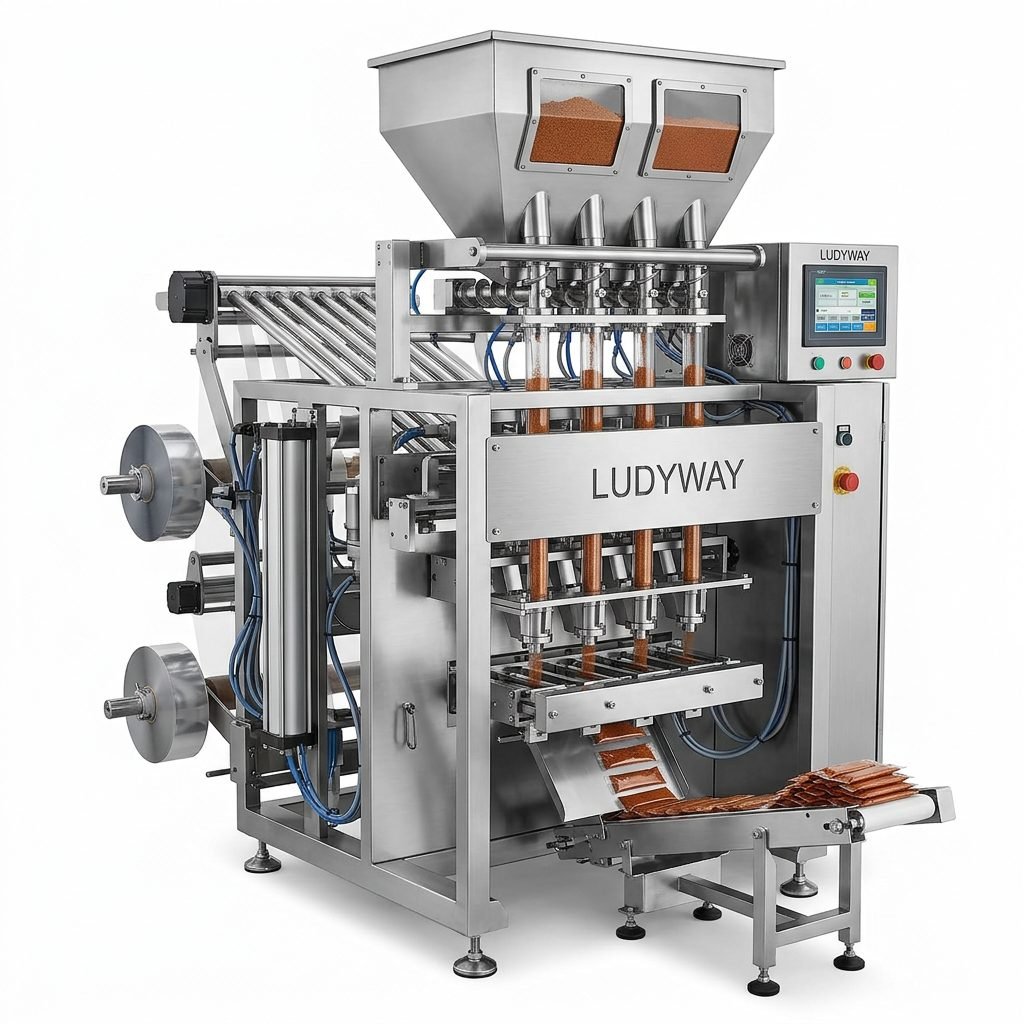
Multi-lane stick pack machines are designed for high-speed production of narrow, single-serve packs. These machines can run 4, 6, 8, or even 12 lanes simultaneously, dramatically increasing output. They are perfect for packaging seasoning powders, flavored salts, instant drink mixes, and powdered snack toppings. The compact stick pack format is gaining popularity in the Indian market for its portability and precise portion control.
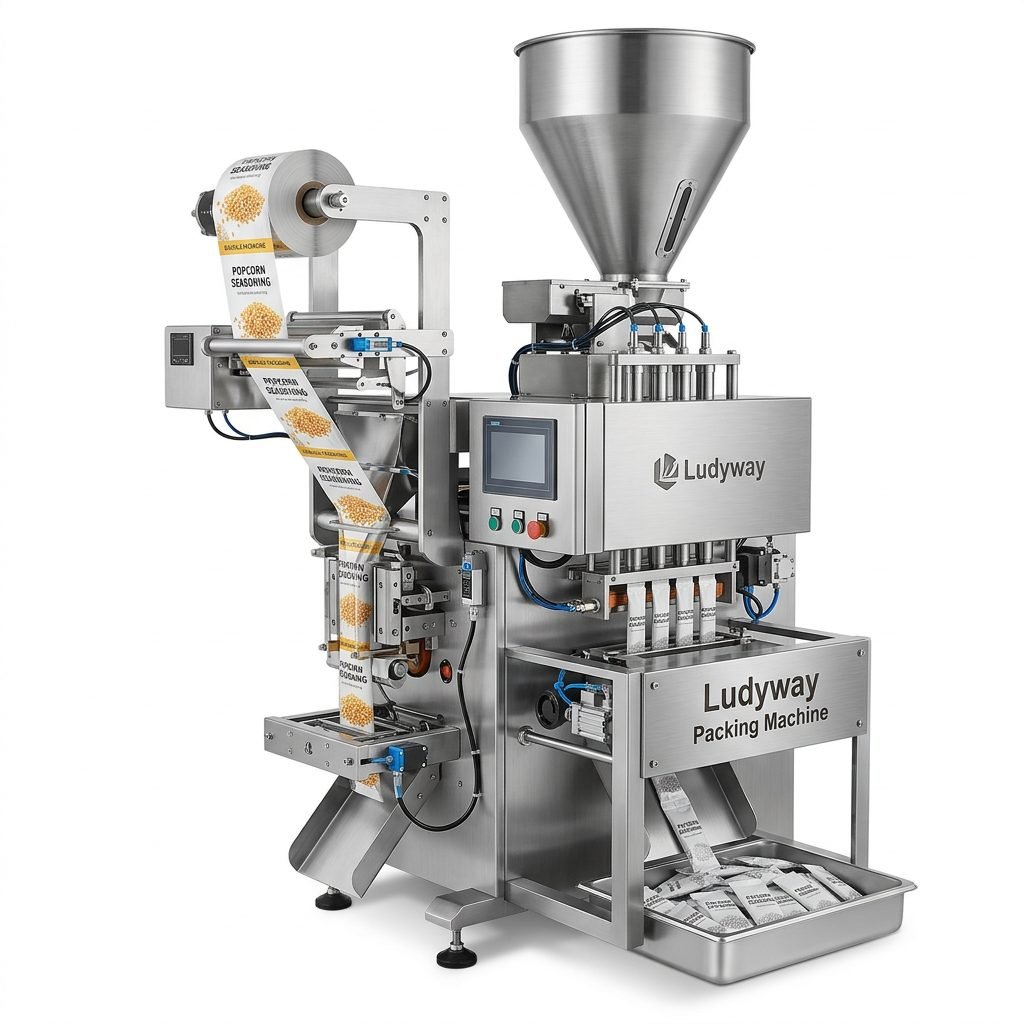
3. Sachet Packaging Machines
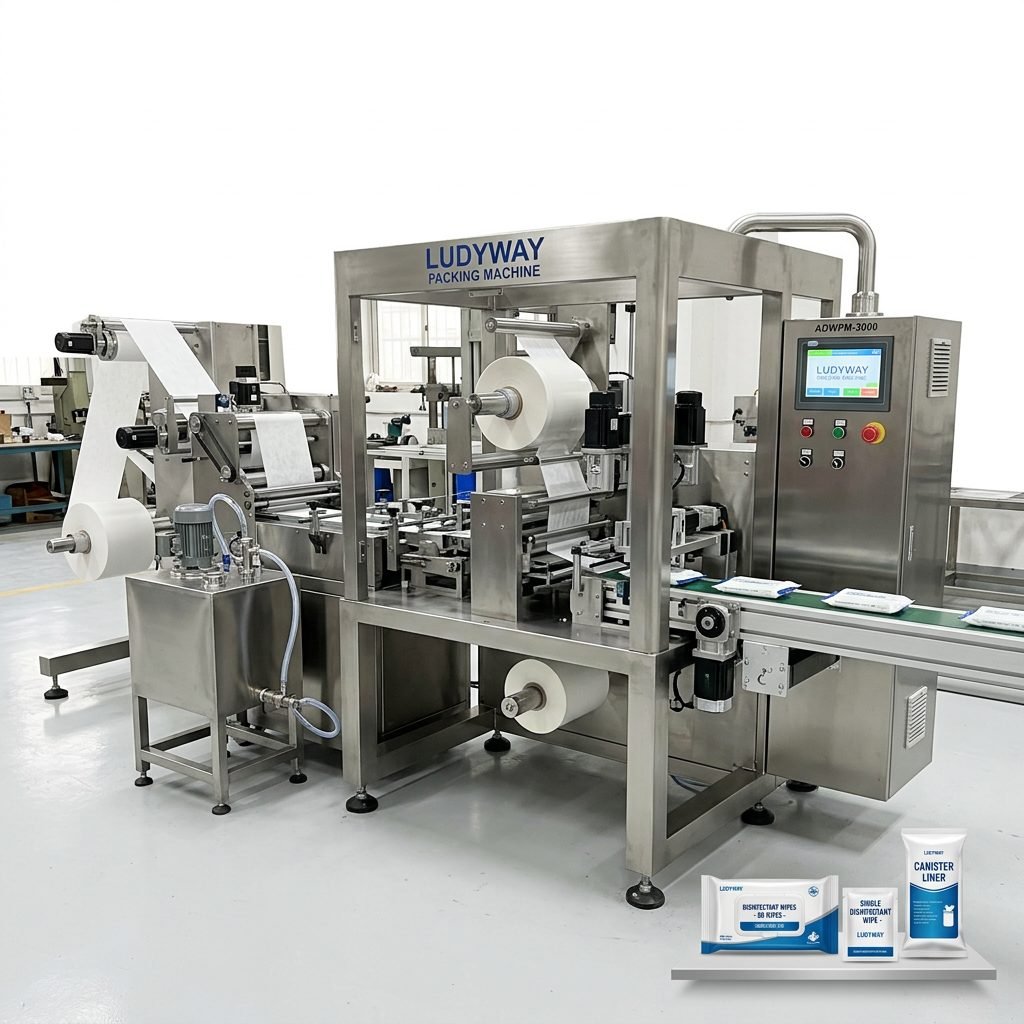
Sachet machines produce flat, pillow-shaped single-serve packs that are ubiquitous across India’s retail landscape. These machines handle a wide range of snack products from salted peanuts and fried lentils to spice-coated green peas. Sachet packaging is cost-effective, requires minimal film material, and offers excellent barrier properties when using laminated films. Entry-level sachet machines are especially popular among micro and small enterprises entering the packaged snack market.
4. Pouch Packaging Machines
For premium snack products, pouch packaging machines offer superior aesthetics and functionality. These machines can produce stand-up pouches, zipper pouches, and spouted pouches that enhance shelf appeal and provide resealability. Typical applications include premium trail mixes, dried fruit snacks, protein bars, and gourmet popcorn. While the per-pack cost is higher than sachets or stick packs, the perceived value allows for better profit margins.

Cost Breakdown: Snack Packaging Machine Price Ranges in India
The cost of a snack packaging machine in India varies widely based on automation level, speed, brand origin, and machine configuration. Below is a detailed price reference table to help you budget effectively:
| Machine Type | Speed Range | Estimated Price (INR) | Best For |
|---|---|---|---|
| Entry-Level Sachet Machine | 30–50 packs/min | ₹3–8 Lakhs | Small-scale namkeen & snack producers |
| Semi-Automatic VFFS Machine | 40–70 packs/min | ₹8–18 Lakhs | Mid-sized snack manufacturing units |
| Fully Automatic VFFS Machine | 60–120 packs/min | ₹15–35 Lakhs | Large-scale commercial snack production |
| Multi-Lane Stick Pack Machine | 200–600 packs/min | ₹25–60 Lakhs | High-volume powder & granule snack packing |
| Premium Pouch Packaging Line | 30–80 packs/min | ₹20–50 Lakhs | Premium branded snacks & export-oriented packs |
Note: These prices are indicative and vary based on customization, additional modules like gas flushing, nitrogen dosing, multi-head weighers, and the manufacturer’s origin. Imported machines typically cost 30–50% more than domestically assembled units, but often offer higher precision and durability.
Key Features to Evaluate Before Buying
Investing in a snack packaging machine requires evaluating several critical features that directly affect production efficiency, product quality, and long-term operational costs. Here are the must-check parameters:
1. Material Compatibility and Film Handling
Snack products often require multi-layer laminated films for moisture and oxygen barrier protection. Ensure the machine supports the film types and thickness ranges you plan to use. Look for precise temperature control on sealing jaws and adjustable tension control systems to prevent film wastage. Machines with automatic film tracking and web edge control reduce reject rates significantly.
2. Weighing and Filling Accuracy
Inconsistent fill weights lead to customer complaints and regulatory non-compliance. Multi-head weighers offer superior accuracy (±0.5–1.0g) compared to volumetric cup fillers. For snack products like chips and extruded items that have irregular shapes and varying bulk density, a combination weigher with data feedback is highly recommended to ensure each pack meets labeled weight specifications.
3. Speed and Output Capacity
Match the machine’s rated speed to your current and projected production volumes. Consider that actual output is typically 70–85% of rated speed due to film changeovers, cleaning cycles, and minor adjustments. If you anticipate scaling operations within 2–3 years, invest in a machine that can accommodate higher throughput without requiring a complete replacement.
4. Seal Integrity and Packaging Quality
Poor seals lead to product spoilage, contamination, and costly recalls. Evaluate the sealing technology — servo-driven sealing systems provide consistent pressure and temperature control compared to pneumatic alternatives. Machines equipped with gas flushing or nitrogen dosing capabilities can extend the shelf life of oil-based snacks by reducing oxidative rancidity.
5. Changeover Flexibility
If your product portfolio includes multiple snack varieties with different bag sizes, look for machines with tool-less changeover features and recipe memory storage. Quick changeover capability minimizes downtime between production runs and allows you to respond faster to market demands.
6. Compliance and Safety Features
Ensure the machine meets food-grade material standards with stainless steel contact parts. Machines should comply with relevant FDA food packaging regulations if you plan to export products. Integrated safety guards, emergency stop systems, and overload protection are non-negotiable features for operator safety.
How to Choose the Right Snack Packaging Machine Supplier in India
Selecting a reliable supplier is as important as choosing the right machine specifications. Follow these steps to minimize procurement risks:
- Verify manufacturing credentials — check the supplier’s years in business, factory infrastructure, and client portfolio
- Request a live demonstration — if visiting in person is not possible, ask for video demonstrations with your actual snack product
- Check after-sales support — confirm availability of spare parts in India, response time for service calls, and warranty terms
- Evaluate technology partnerships — established manufacturers often integrate components from globally recognized brands like Mitsubishi, Omron, or Siemens
- Review installation and training services — comprehensive installation support and operator training programs reduce the learning curve
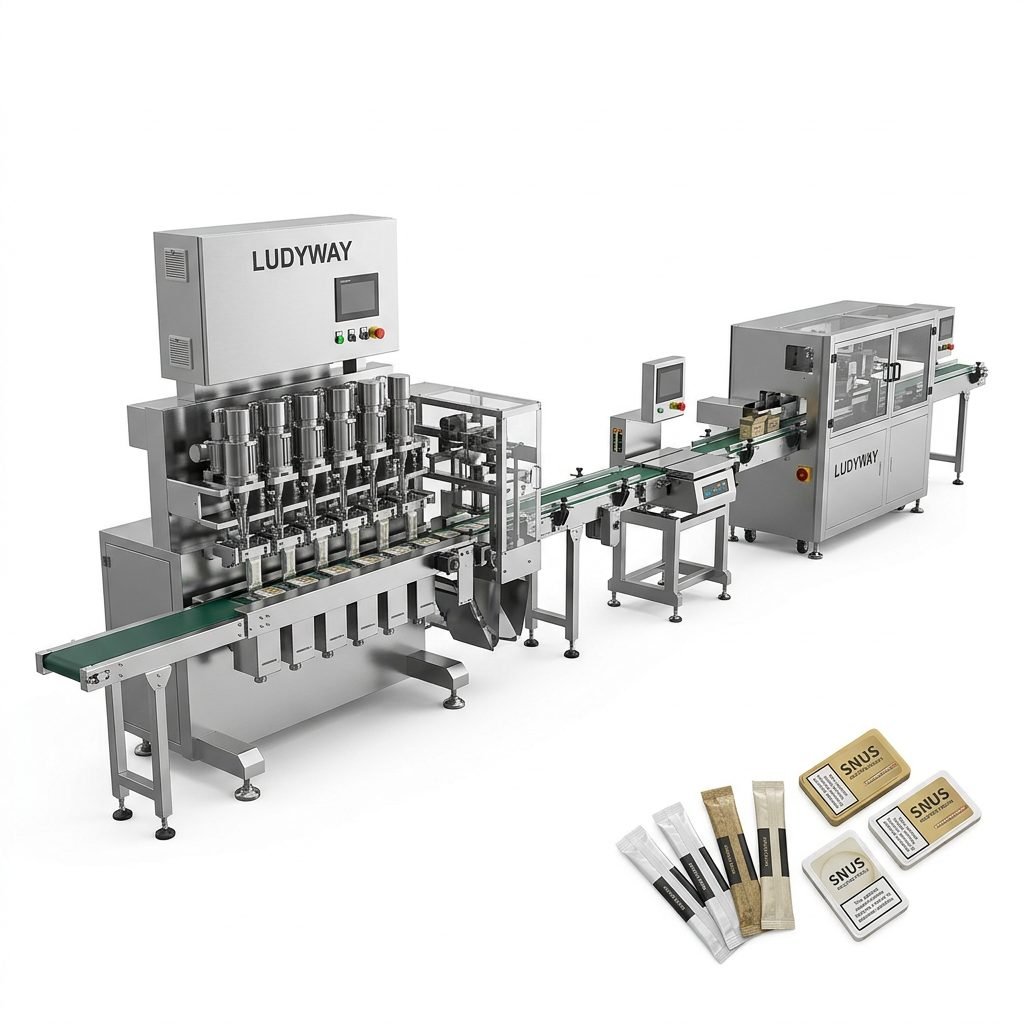
Among global manufacturers supplying the Indian market, Ludyway stands out as one of the largest packaging machine manufacturers, specializing in advanced equipment with over 30 years of industry expertise and a modern 20,000㎡ manufacturing facility. The company offers more than 50 intelligent packaging machine models and serves customers in over 100 countries, providing reliable solutions for granule, powder, and liquid snack packaging applications.
For additional guidance on packaging industry standards, the PMMI packaging resources portal offers technical articles, market data, and machinery selection guides that can supplement your research process.
Frequently Asked Questions About Snack Packaging Machines
What is the minimum investment for a small snack packaging business in India?
A small-scale snack packaging operation can start with an investment of ₹5–12 Lakhs, which covers an entry-level sachet or VFFS machine, basic ancillary equipment, and initial working capital. This setup can typically handle 200–500 kg of snacks per day, suitable for local and regional distribution.
How long does it take to install and commission a snack packaging machine?
Standard installation and commissioning typically takes 3–7 working days, including equipment setup, calibration, test runs, and operator training. Complex multi-lane or fully automated lines may require up to 2–3 weeks for complete commissioning depending on site readiness and integration with upstream processing equipment.
Can one machine handle multiple snack product types?
Yes, many modern VFFS and multi-lane machines are designed for multi-product flexibility. By changing forming tubes, sealing jaws, and film specifications, a single machine can package chips, puffed snacks, seasoned nuts, and powdered snacks. However, extremely sticky or oily products may require specialized feeding systems. Always test with your specific products before finalizing the purchase.
What are the ongoing maintenance costs for snack packaging machines?
Annual maintenance costs typically range from 2–5% of the machine’s purchase price. Major recurring expenses include replacement of sealing bands, Teflon tapes, cutting blades, and rubber rollers. Machines using high-quality components and operated under recommended parameters tend to have lower long-term maintenance costs.
Making the Right Investment Decision
Purchasing a snack packaging machine in India is a strategic investment that requires balancing initial cost, production capacity, packaging quality, and long-term reliability. Start by clearly defining your current production requirements and growth projections, then evaluate machines that offer the features most relevant to your specific snack products.
Take time to research multiple suppliers, request detailed quotations, and compare technical specifications rather than making price-only comparisons. A slightly higher upfront investment in a high-quality, feature-rich machine often results in lower total cost of ownership through reduced downtime, less material waste, and consistent packaging quality that builds consumer trust. With India’s snack market continuing its upward trajectory, the right packaging machinery investment today can position your business for sustained growth and competitive advantage in the years ahead.