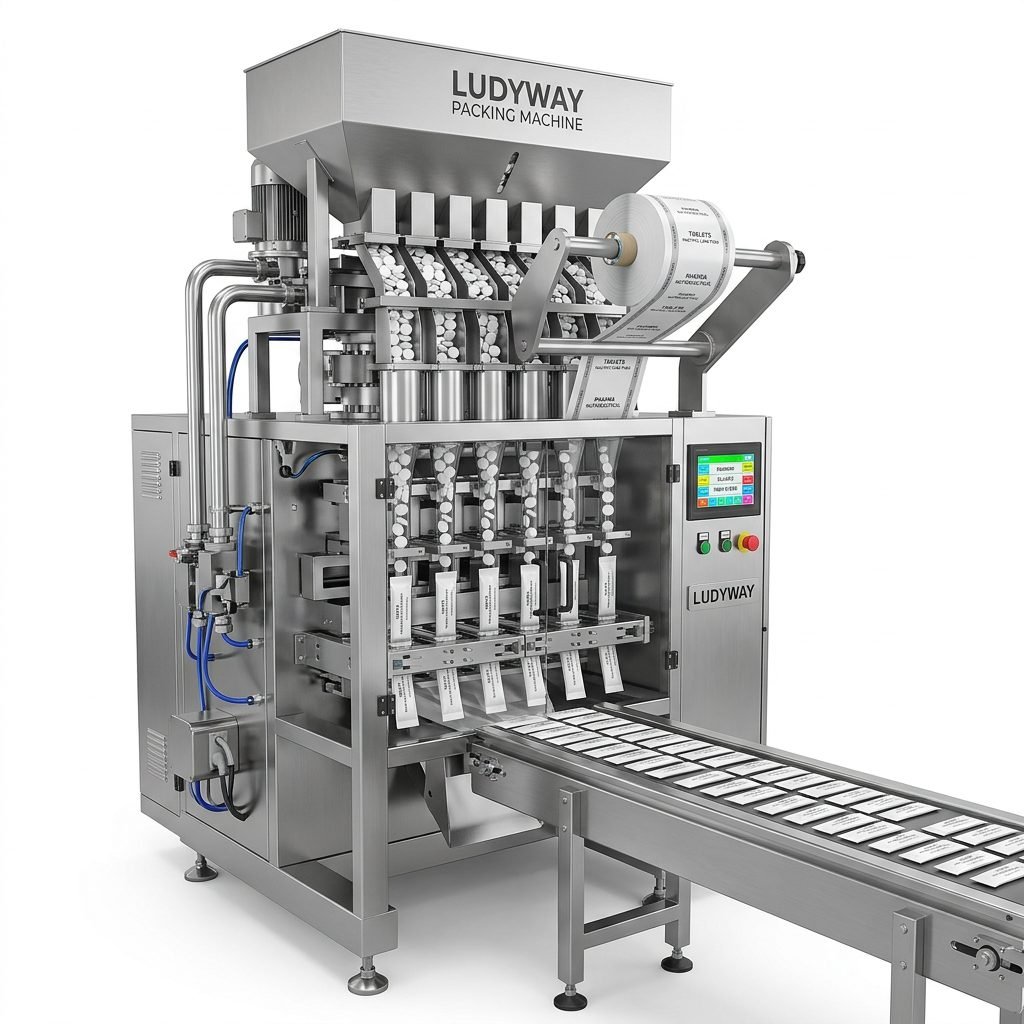
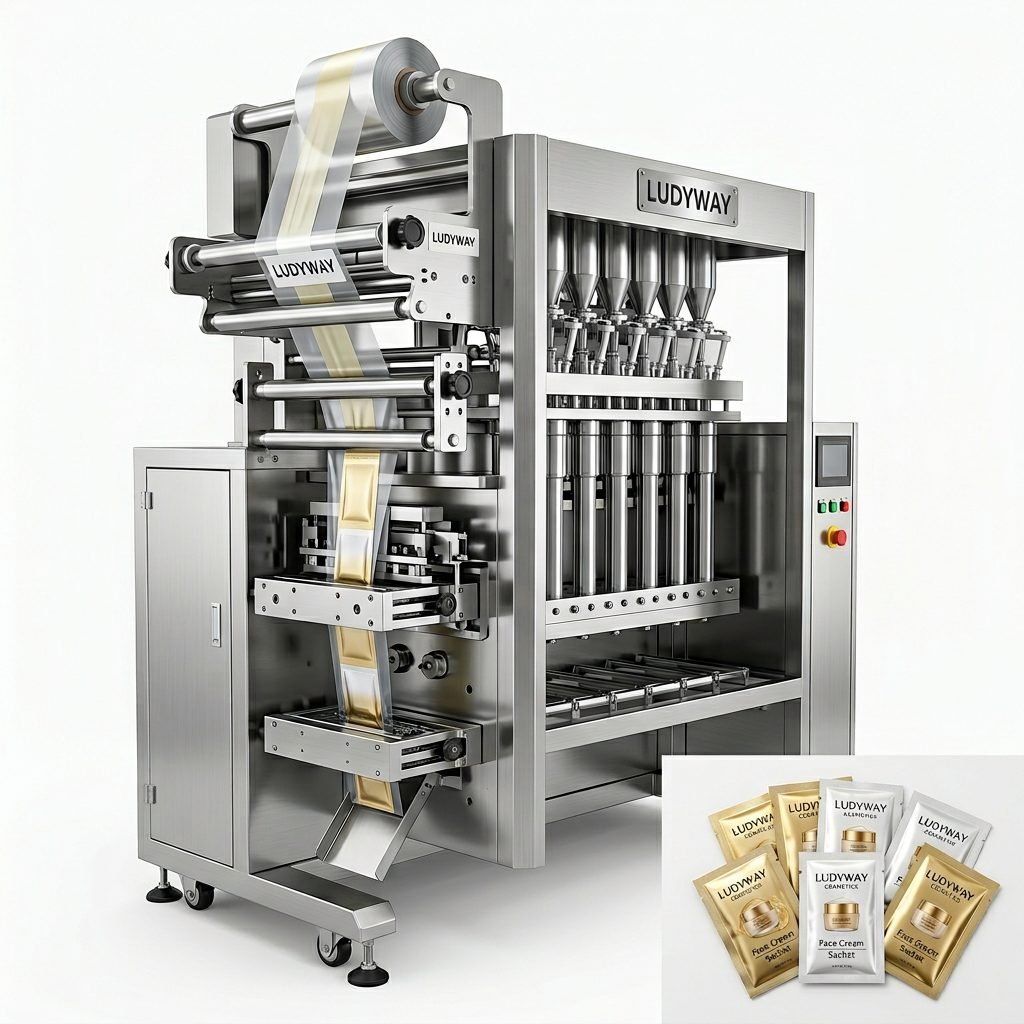
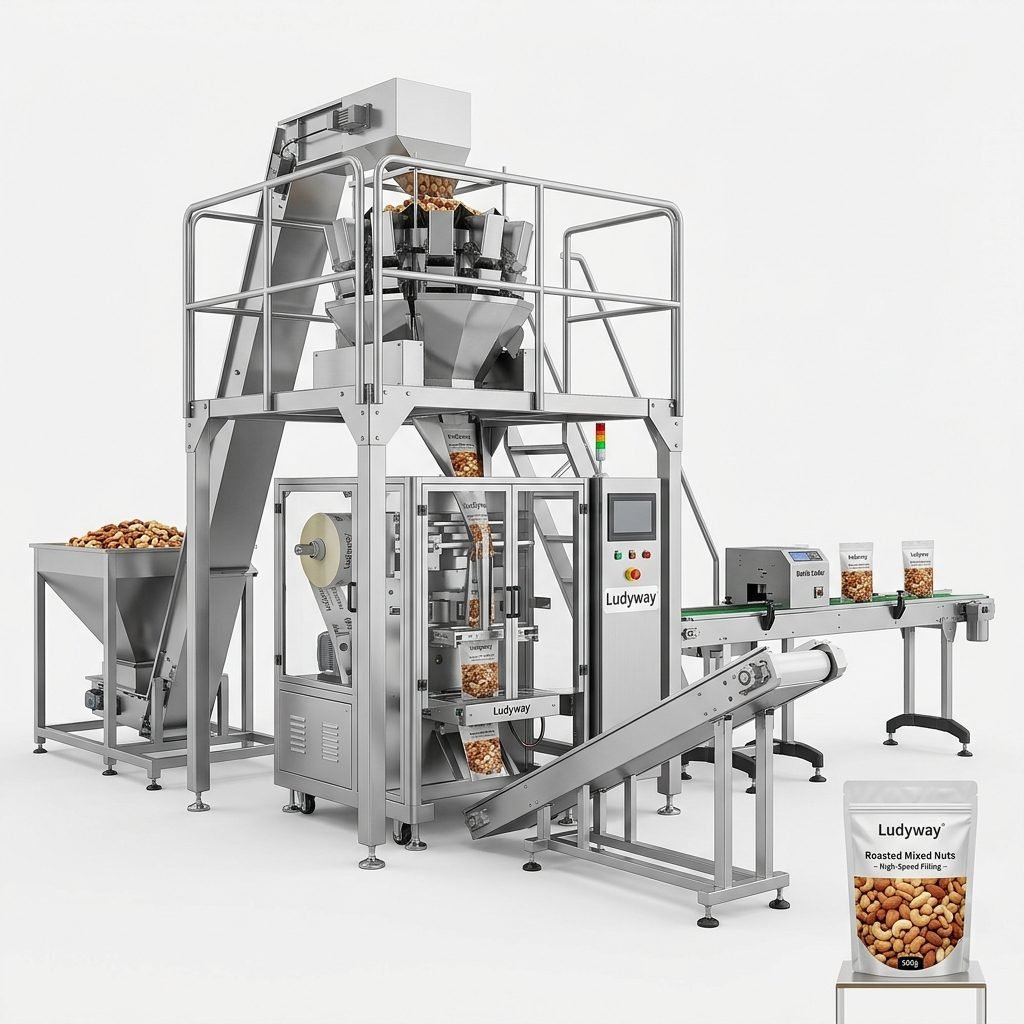
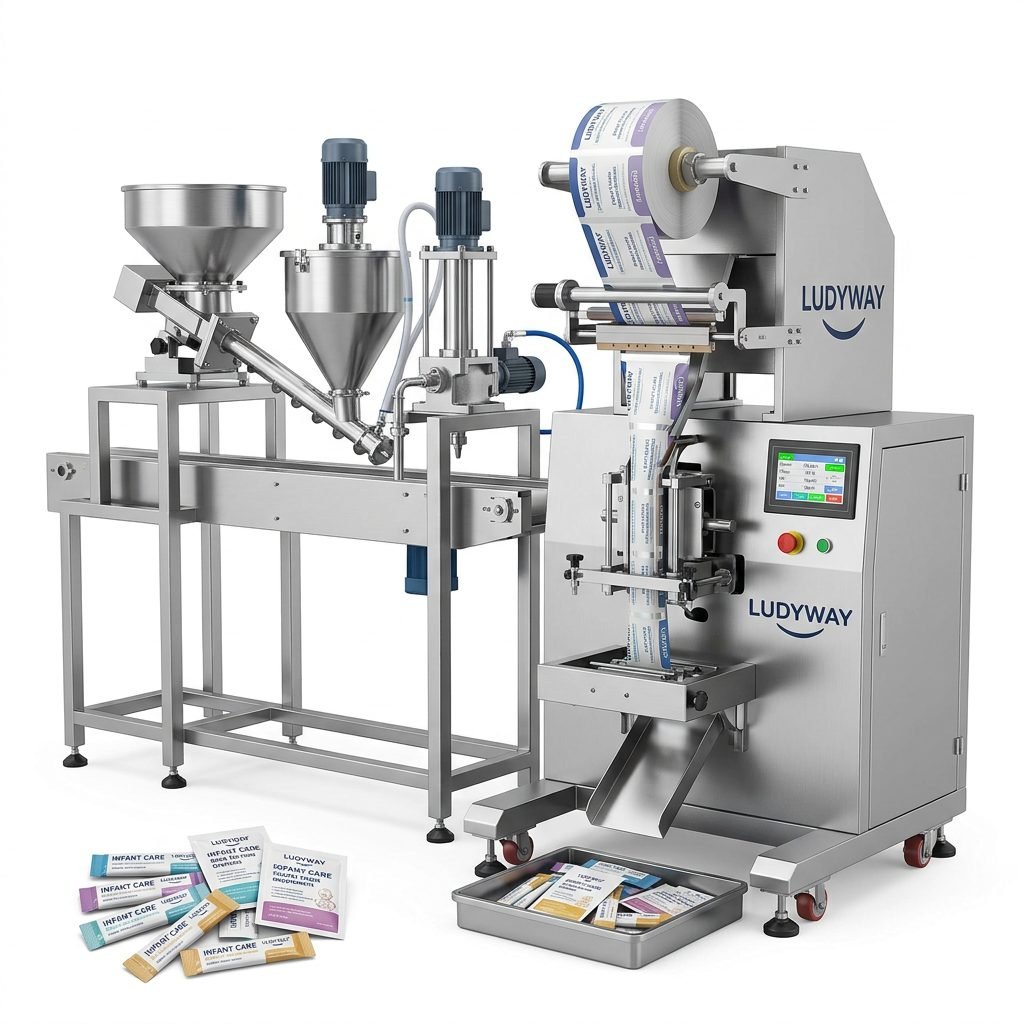
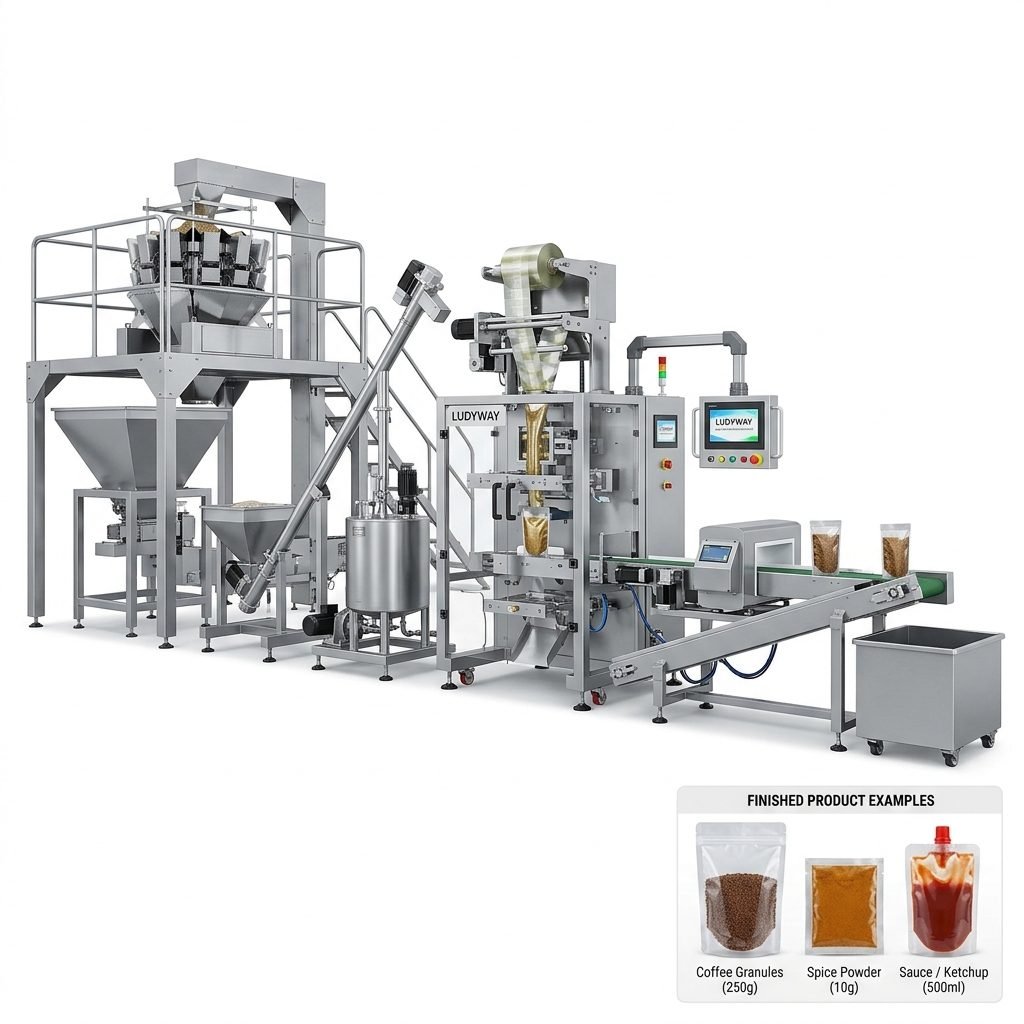
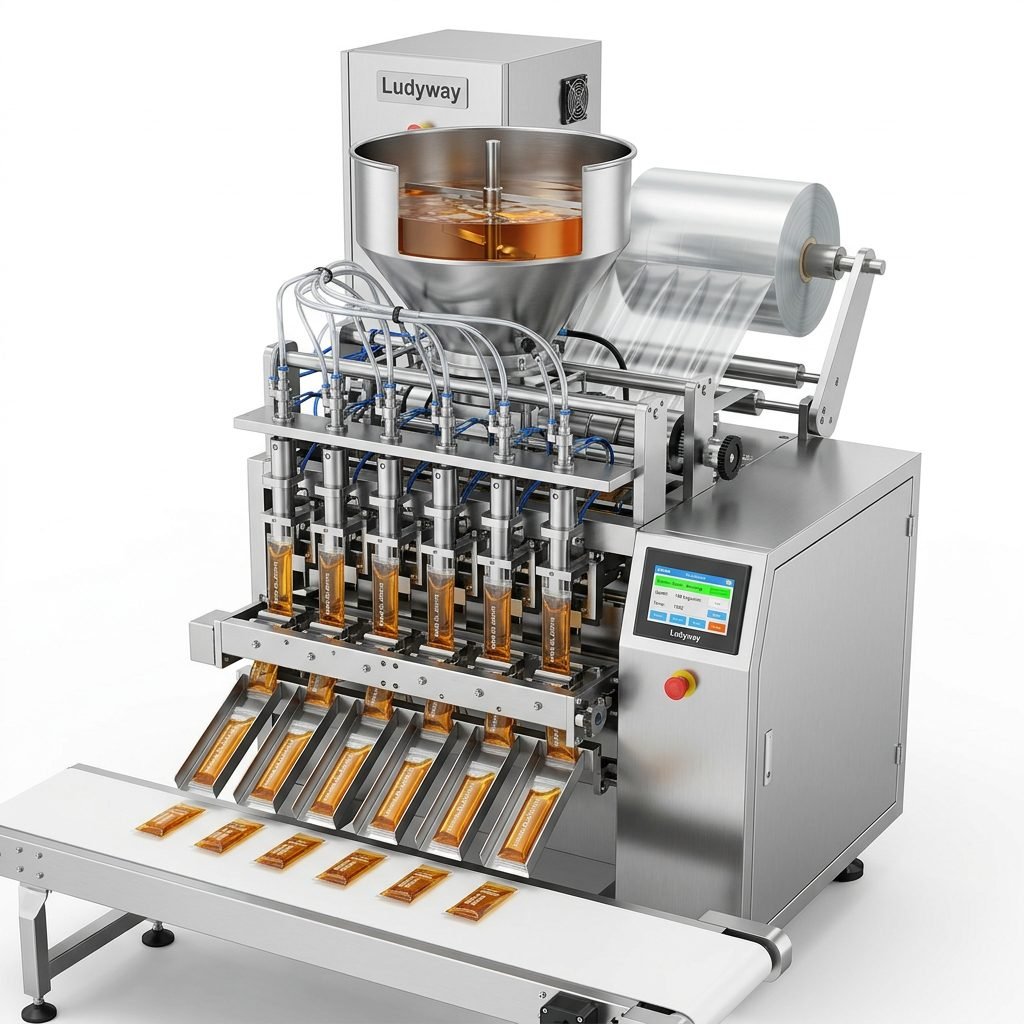
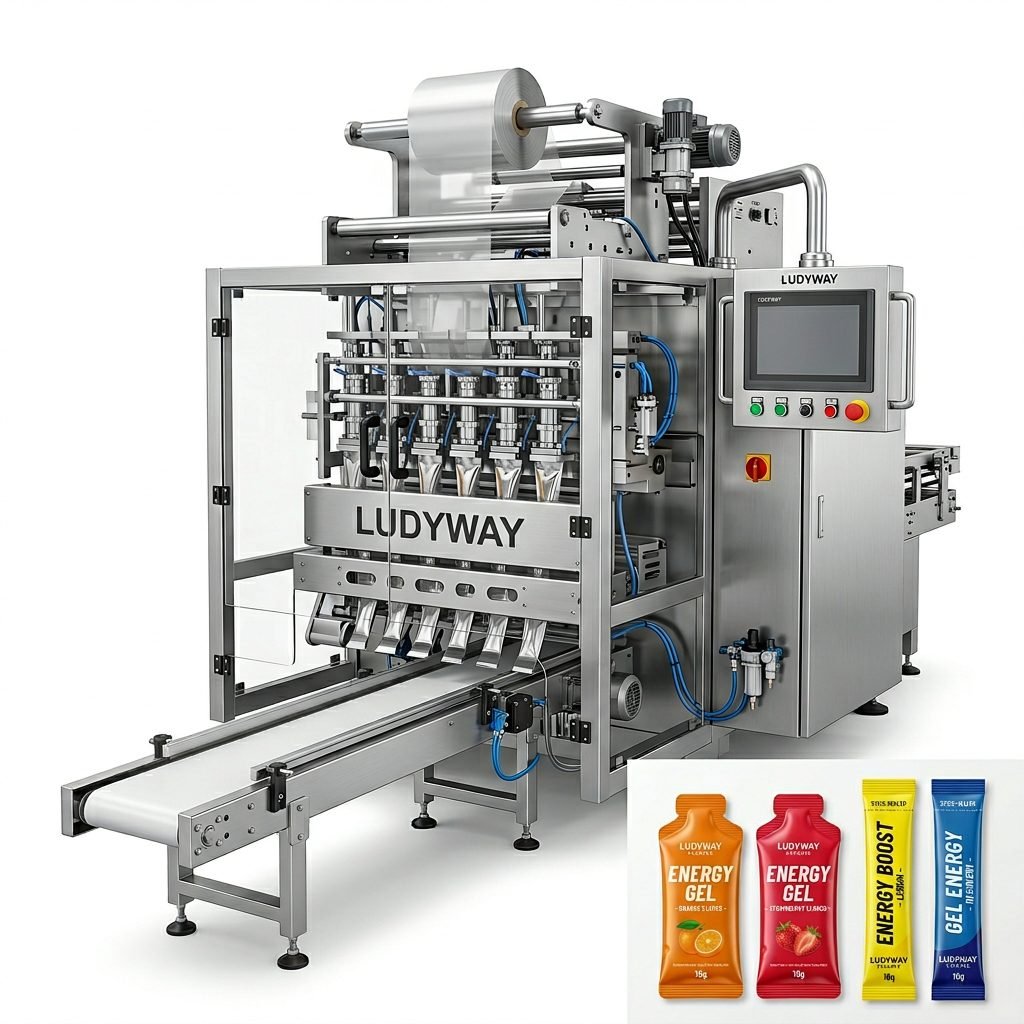
Effective maintenance of a pouch packing sealing machine is critical for ensuring consistent product quality, minimizing downtime, and extending the lifespan of your equipment. Without a structured maintenance routine, businesses risk seal failures, product waste, and costly repairs. This guide outlines essential maintenance tips to keep your packaging line running at peak performance.
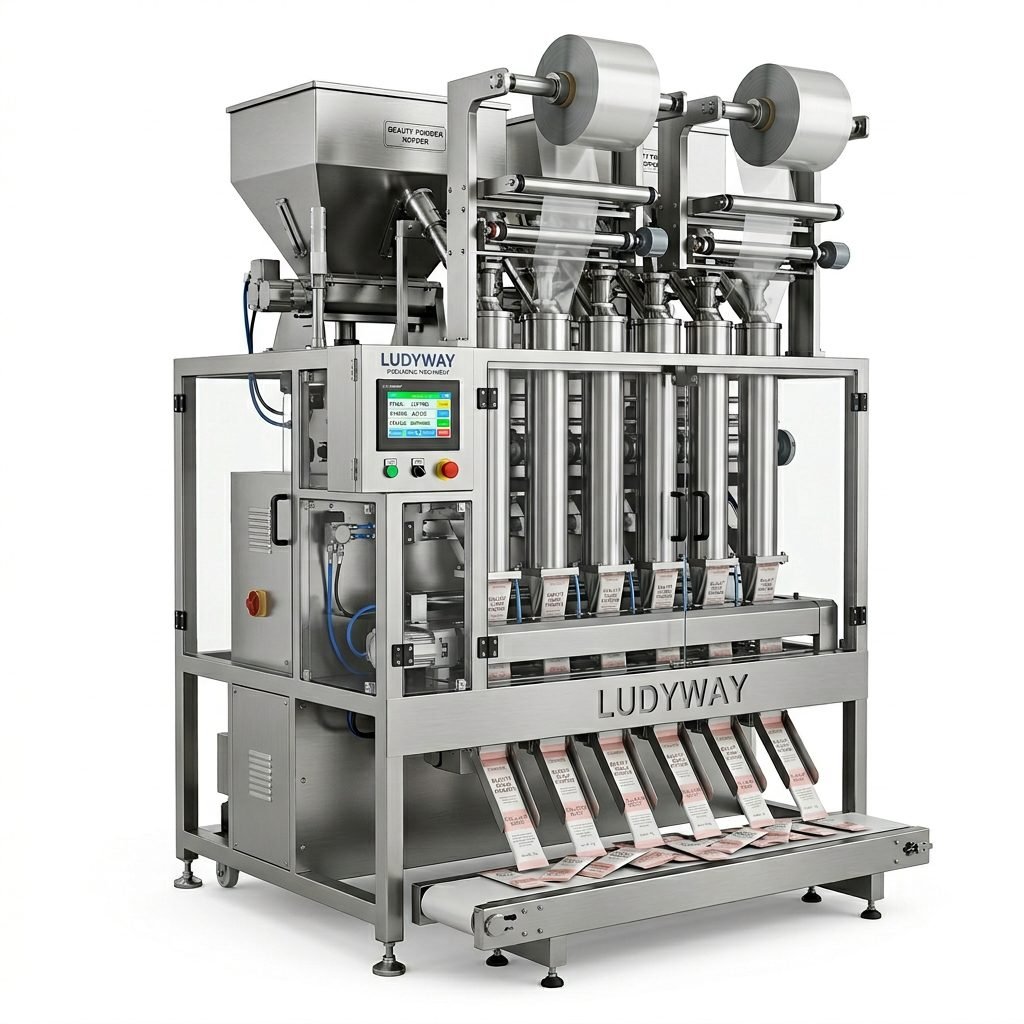
The Importance of Regular Equipment Care
A well-maintained pouch packing sealing machine provides uniform seals, minimizes film waste, and maintains throughput targets. Neglecting basic care can lead to sealing jaw misalignment, inconsistent temperature control, and contamination build-up. By adopting a proactive approach, operators can detect small issues before they escalate into major mechanical failures.
Daily Inspection and Cleaning Routine
Daily tasks form the foundation of any maintenance plan. Consistency here prevents the majority of operational issues.
- Inspect Sealing Jaws: Remove any product residue or film build-up using a soft brush and approved cleaning solvent. Check for scratches or wear that could compromise seal integrity.
- Clean Sensors and Photocells: Wipe registration sensors and film detection eyes with a lint-free cloth. Dust particles can cause false readings and misaligned bag cuts.
- Check Temperature Settings: Verify that the actual temperature matches the setpoint on the controller. Fluctuations often indicate a failing thermocouple or heater cartridge.
- Lubricate Moving Parts: Apply food-grade lubricant to chains, bearings, and cam followers, but avoid over-lubricating near the film path.
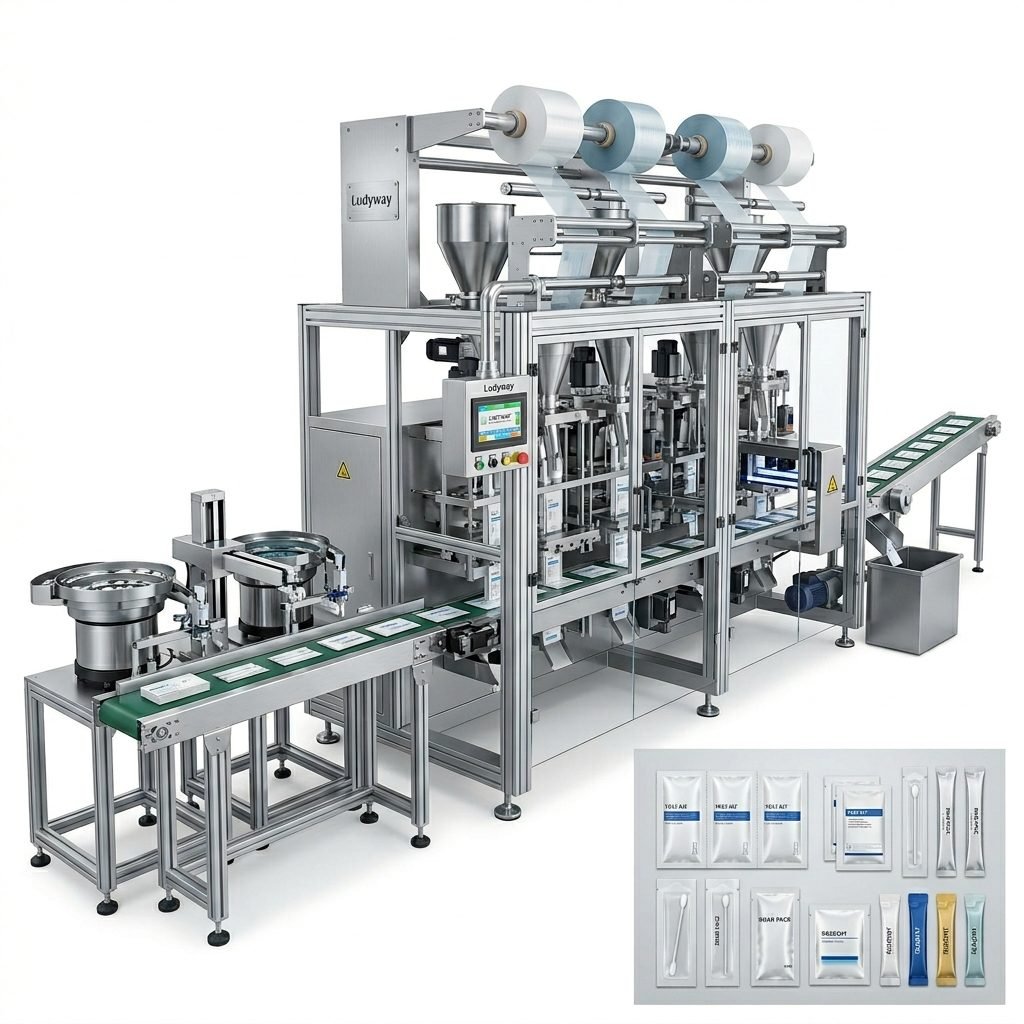
Critical Component Checks
Beyond daily cleaning, specific components demand regular attention to ensure the longevity of your pouch packing sealing machine. The table below summarizes key inspection points and recommended actions.
| Component | Inspection Focus | Frequency |
|---|---|---|
| Sealing Jaw Bearings | Check for play or noise; replace if rough | Weekly |
| Heater Elements | Measure resistance values; look for hot spots | Monthly |
| Pneumatic Cylinders | Verify smooth motion; inspect seals for leaks | Weekly |
| Film Unwind Assembly | Ensure constant tension; clean brake dust | Daily |
| Electrical Connections | Tighten terminals; inspect for heat damage | Quarterly |
Troubleshooting Common Seal Problems
When seal quality deteriorates, a systematic approach helps identify the root cause quickly. Below is a summary of typical issues encountered with a pouch packing sealing machine.
- Inconsistent Seal Width: Often caused by uneven pressure distribution. Check the parallelism of the sealing jaws and adjust the air pressure regulator if the machine is pneumatic.
- Burned or Melted Film: This usually indicates excessive temperature or dwell time. Re-calibrate the temperature controller and verify the thermocouple placement.
- Weak Seals (Leakers): Look for insufficient heat, contaminated jaws, or film that is not compatible with the machine settings. Ensure the flexible packaging material specifications match the equipment parameters.
- Film Slipping or Wrinkling: Track the film path from the unwind to the forming tube. Clean all rollers and check for worn-out rubber pull belts.

How to Maintain Your Machine’s Pneumatics and Air Quality
Pneumatic systems power the sealing and cutting operations in many machines. Dry, clean air is non-negotiable. Water or oil contamination in the air supply causes erratic cylinder movement and premature seal failure. Key maintenance steps include:
- Drain the air filter/regulator bowl daily to remove accumulated moisture.
- Inspect and replace filter elements according to the manufacturer’s guidelines.
- Check for air leaks along hoses and fittings during every shift change.
- Lubricate pneumatic components only if specified; many modern systems use self-lubricating seals.
Scheduled Lubrication and Wear Part Replacement
A proactive schedule prevents unplanned downtime. Focus on identifying wear-prone parts specific to your pouch packing sealing machine. Common items requiring periodic replacement include Teflon tape on sealing jaws, cutting blades, and O-rings in rotary unions. Keep a log of service hours to predict failure patterns. According to packaging industry resources, predictive maintenance can reduce downtime by up to 30% compared to reactive strategies.
Calibration and Electrical Safety
Accurate calibration ensures that your machine performs within design specifications. Use a calibrated multimeter to confirm heater output and a digital pyrometer to verify surface temperature on the sealing face. When performing any electrical work, always follow lockout/tagout procedures. Inspect grounding wires and ensure the emergency stop circuit is functional. Loose control wiring can cause intermittent faults that are extremely difficult to diagnose.
Spare Parts Management Strategy
Waiting for a part to fail before ordering a replacement is risky. A smart spare parts inventory for your pouch packing sealing machine should include:
- Sealing jaw sets and Teflon covers
- Heater cartridges and thermocouples
- Drive belts and timing pulleys
- Common sensor types and relays
- Pneumatic seals and solenoid valve coils
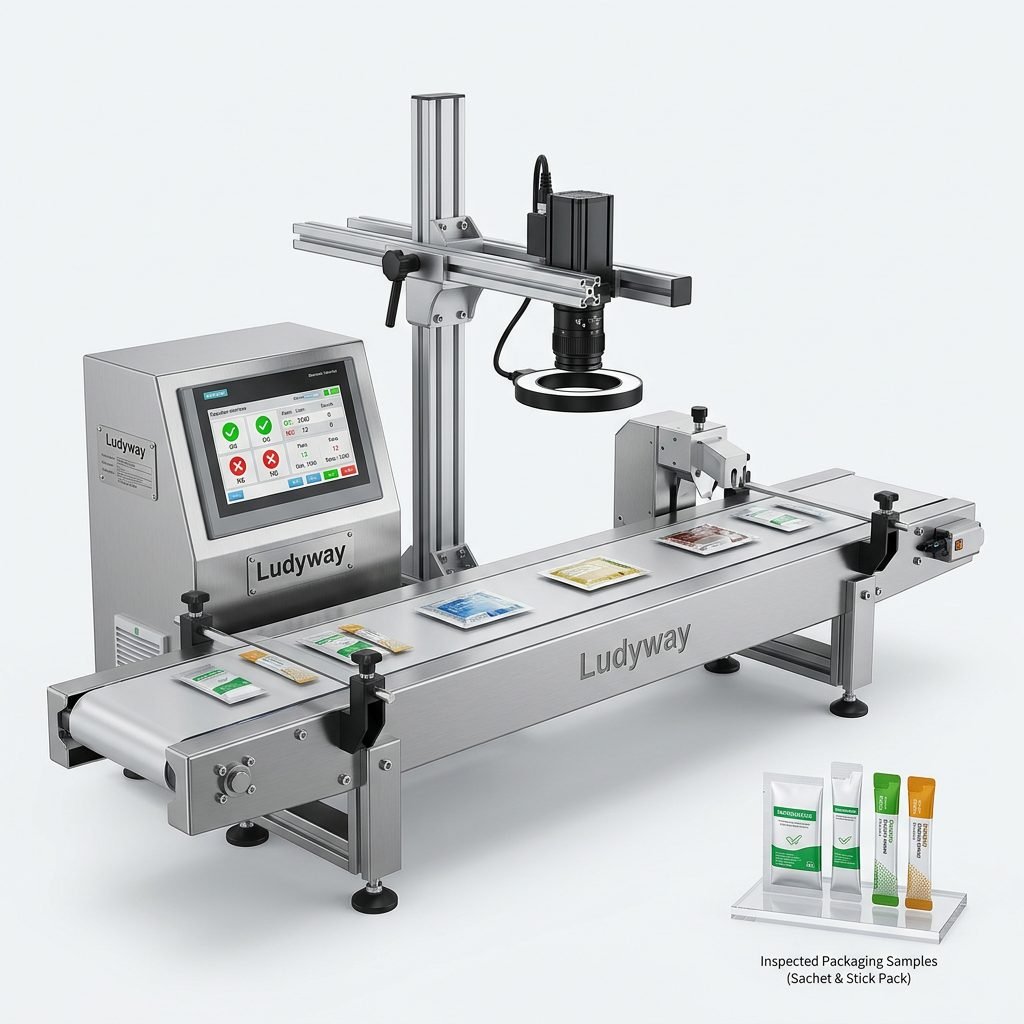
Partnering with a Professional Equipment Manufacturer
While in-house maintenance handles day-to-day care, complex repairs and overhauls benefit from factory expertise. For advanced packaging machine solutions, Ludyway provides comprehensive technical support and genuine spare parts. With over 30 years of industry experience and a modern 20,000㎡ manufacturing facility, Ludyway specializes in reliable and efficient lines for granule, powder, liquid, and pouch applications. Proper maintenance combined with manufacturer-backed service helps your production meet increasing market demands while maintaining long-term operational efficiency.
Further Reading:
PMMI State of the Industry Report 2025 |
ISO Packaging Standards |
Flexible Packaging Association Resources