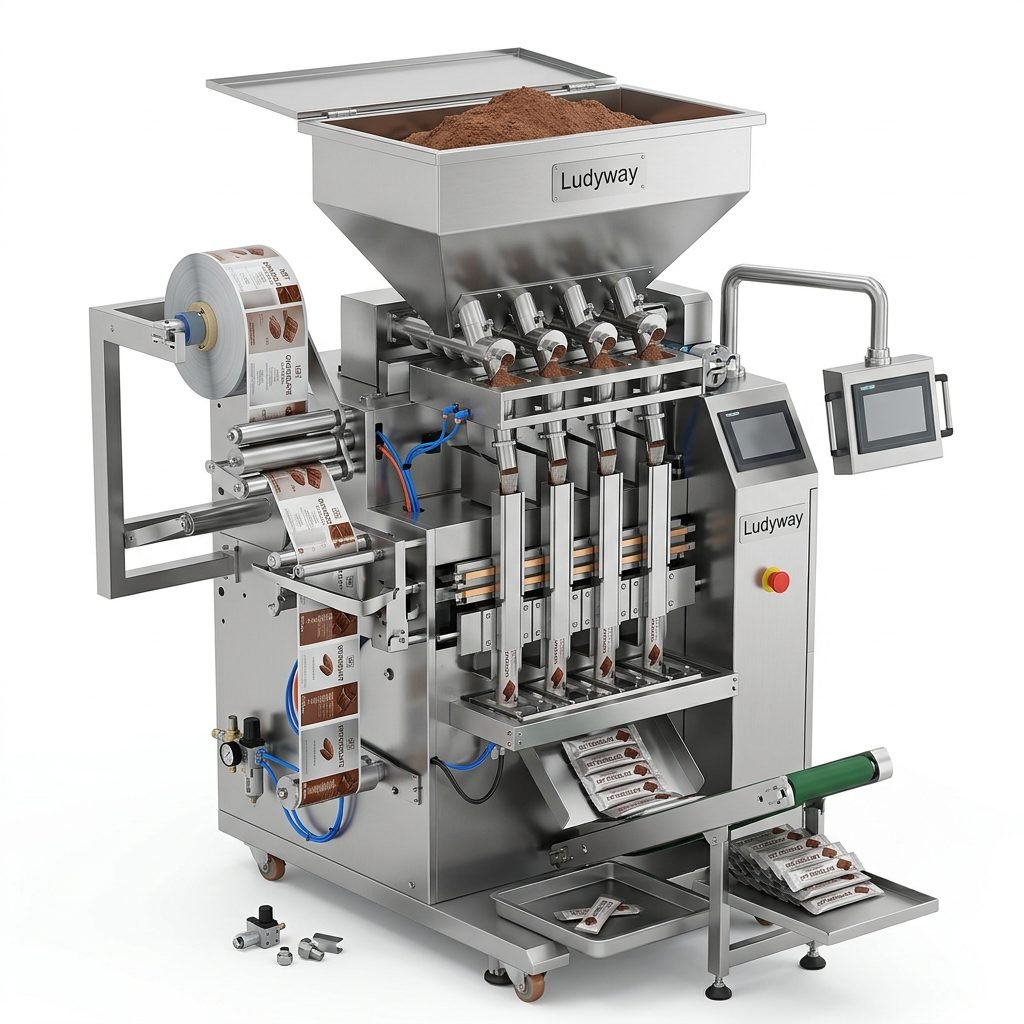
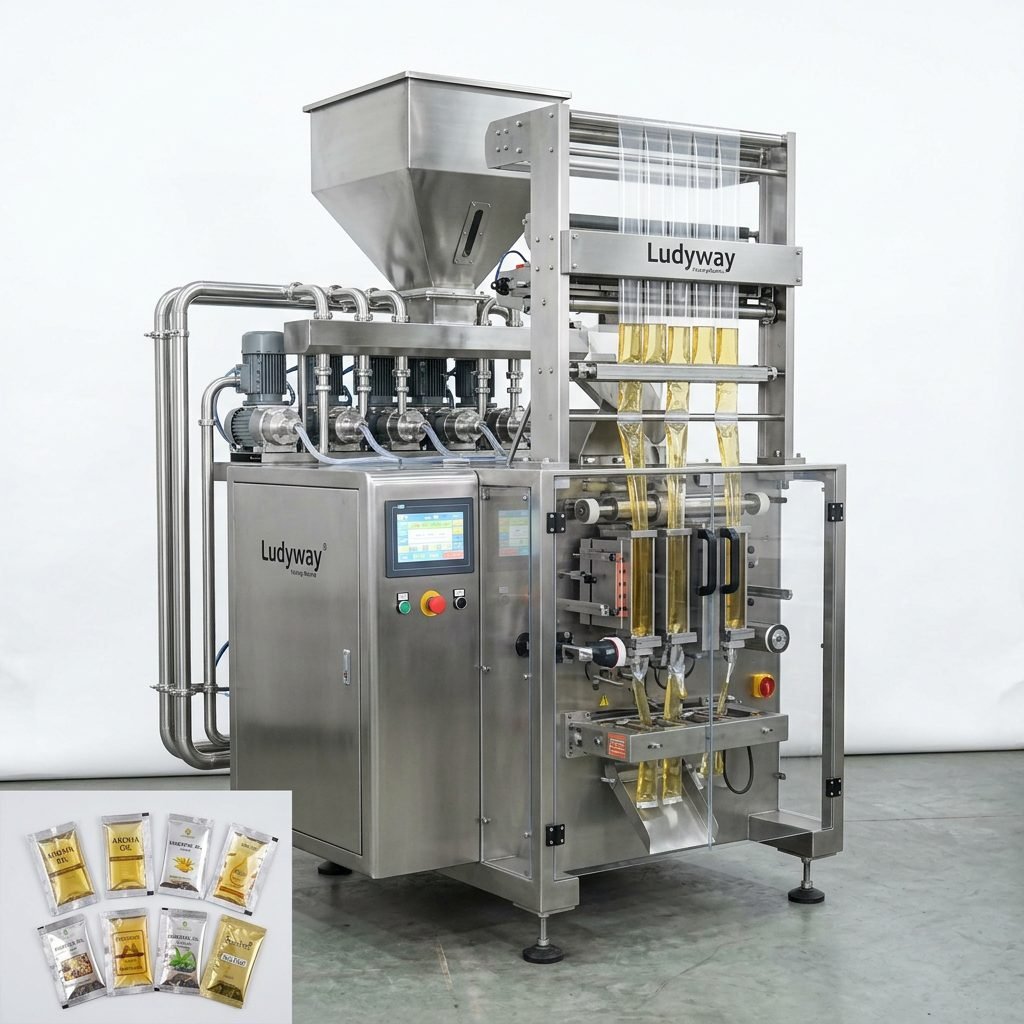
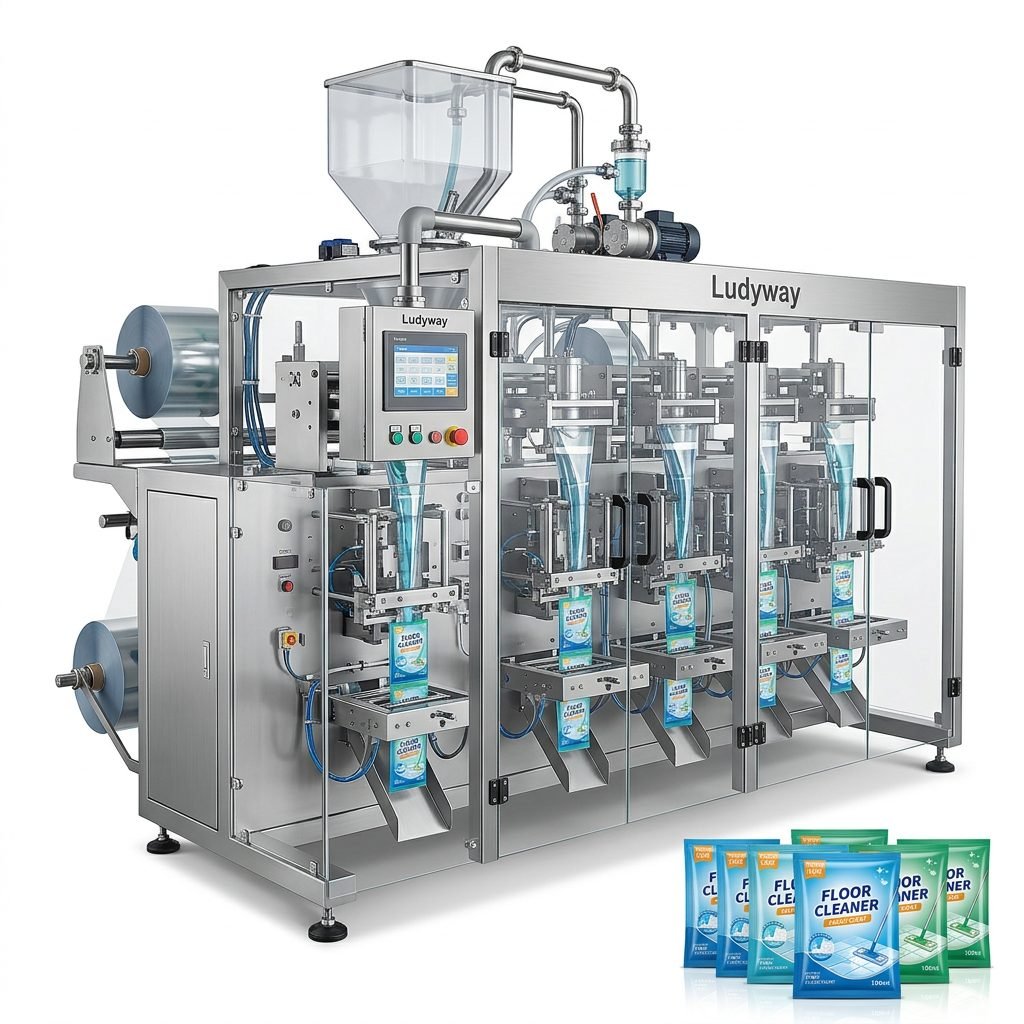
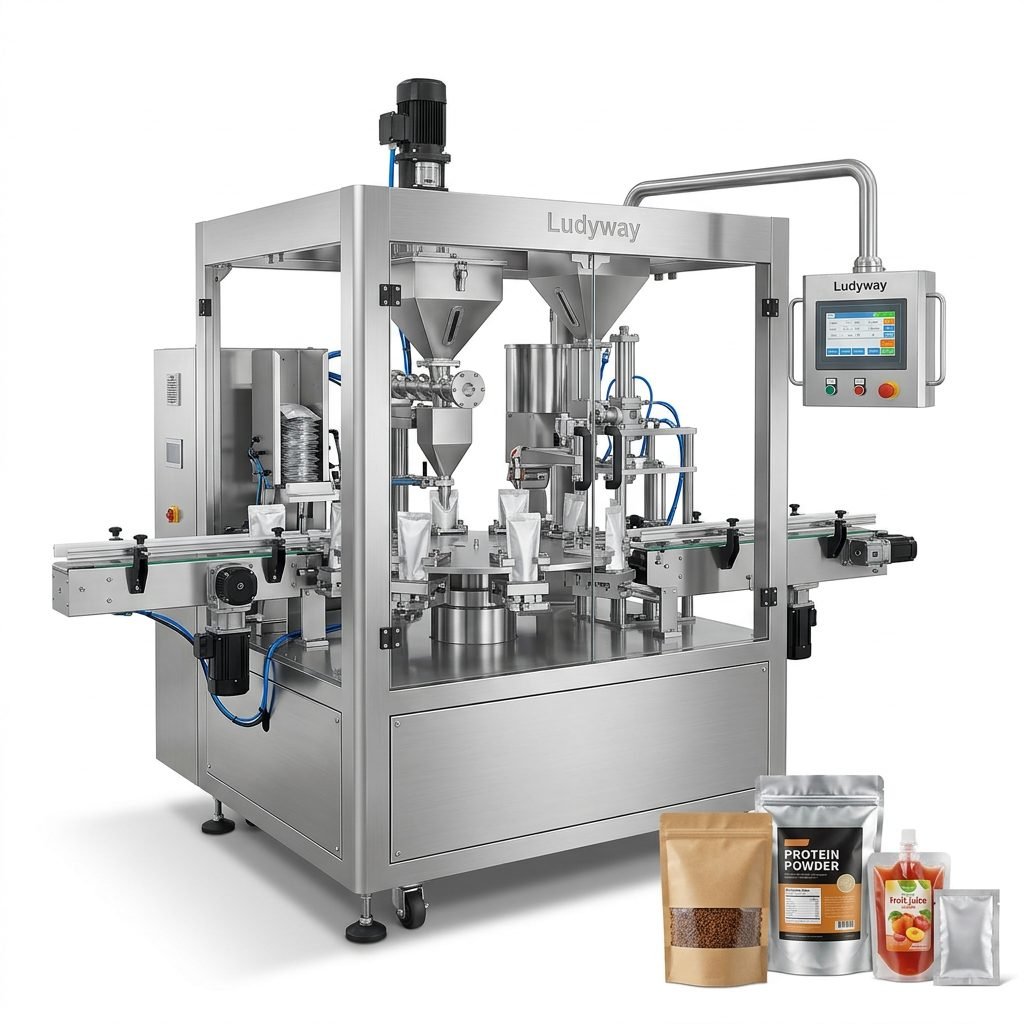
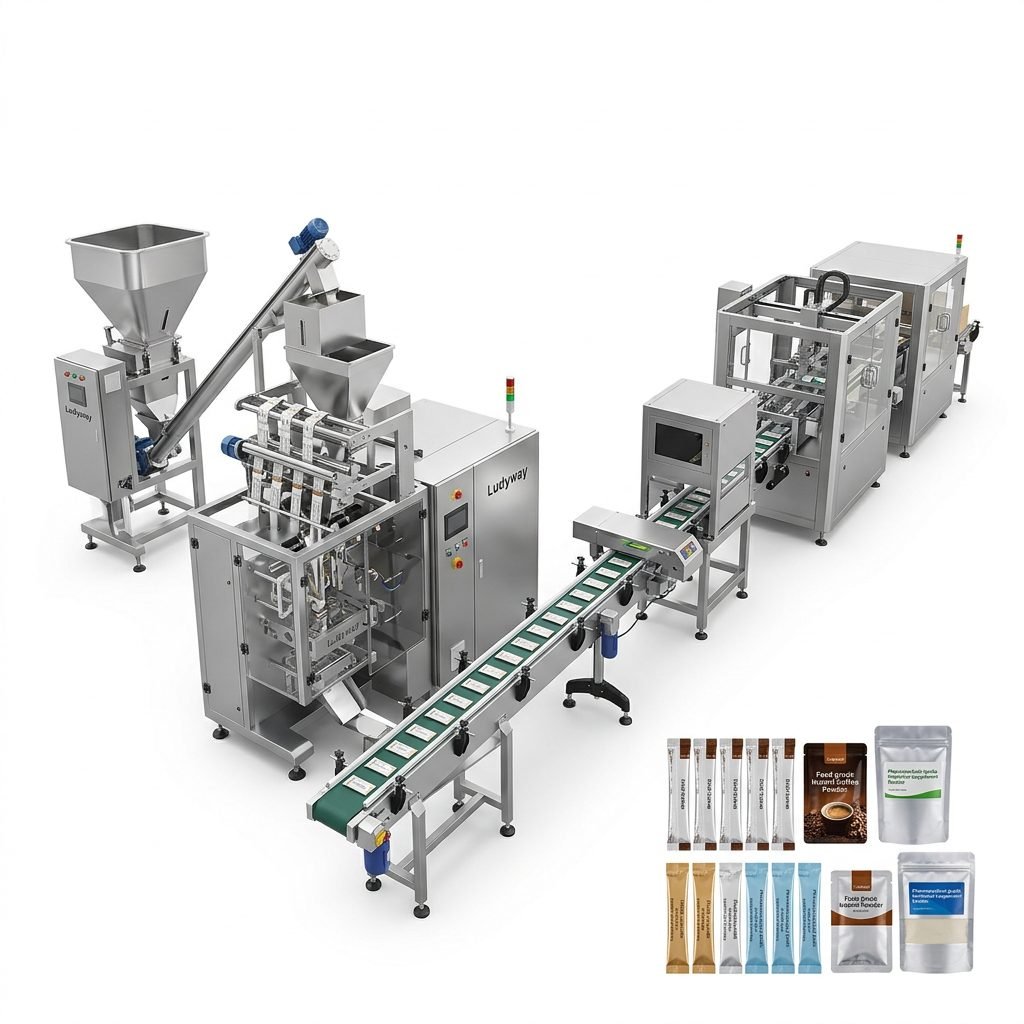
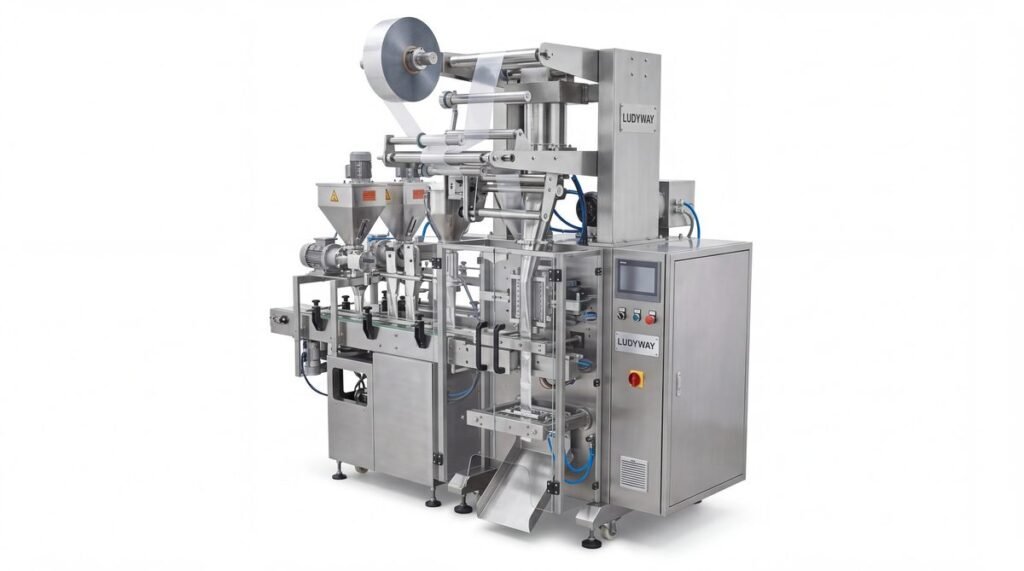
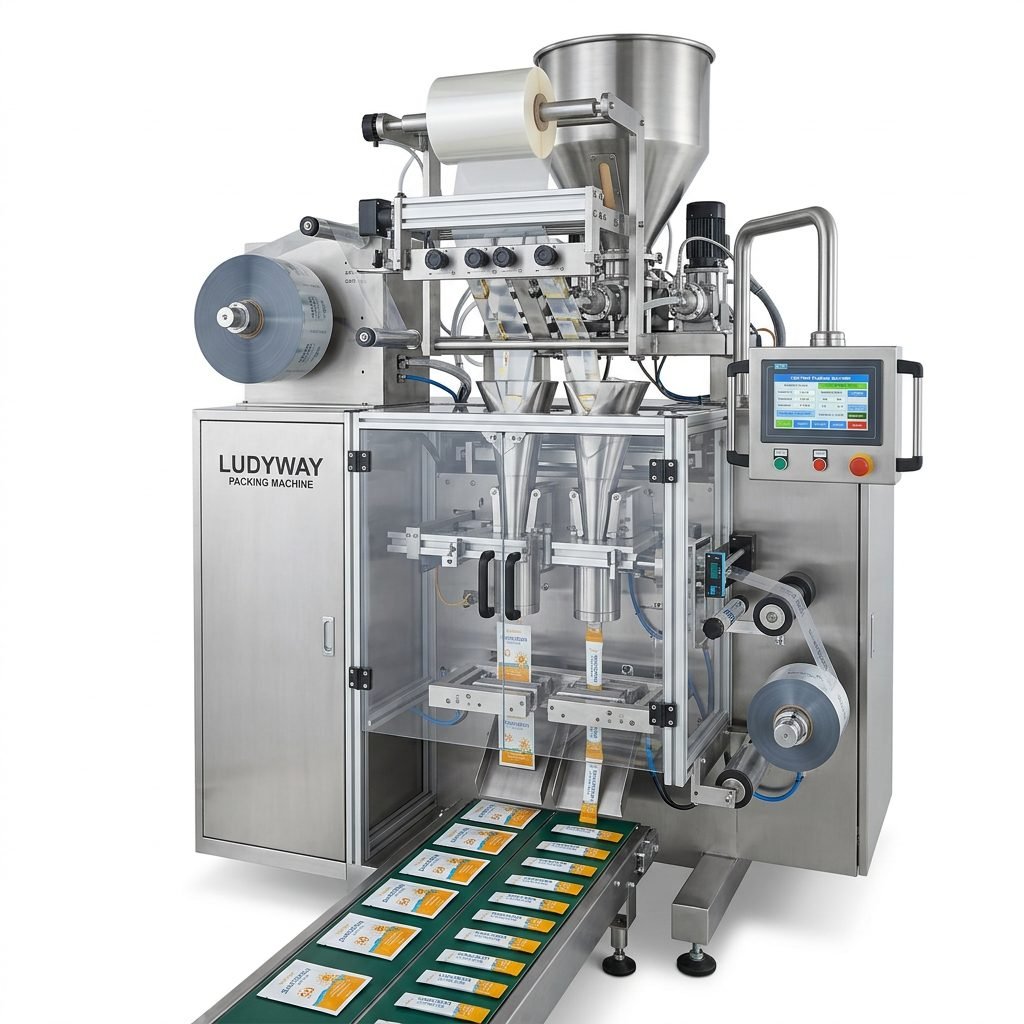
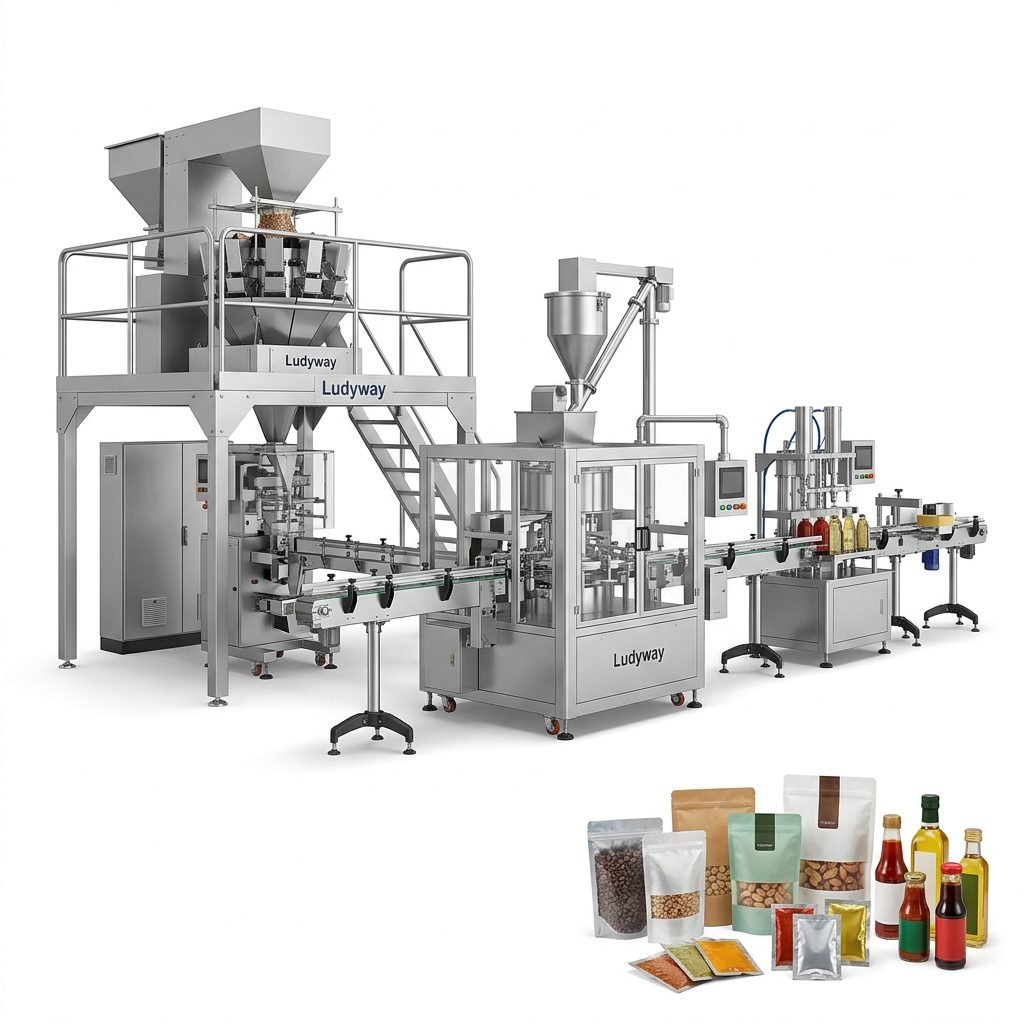
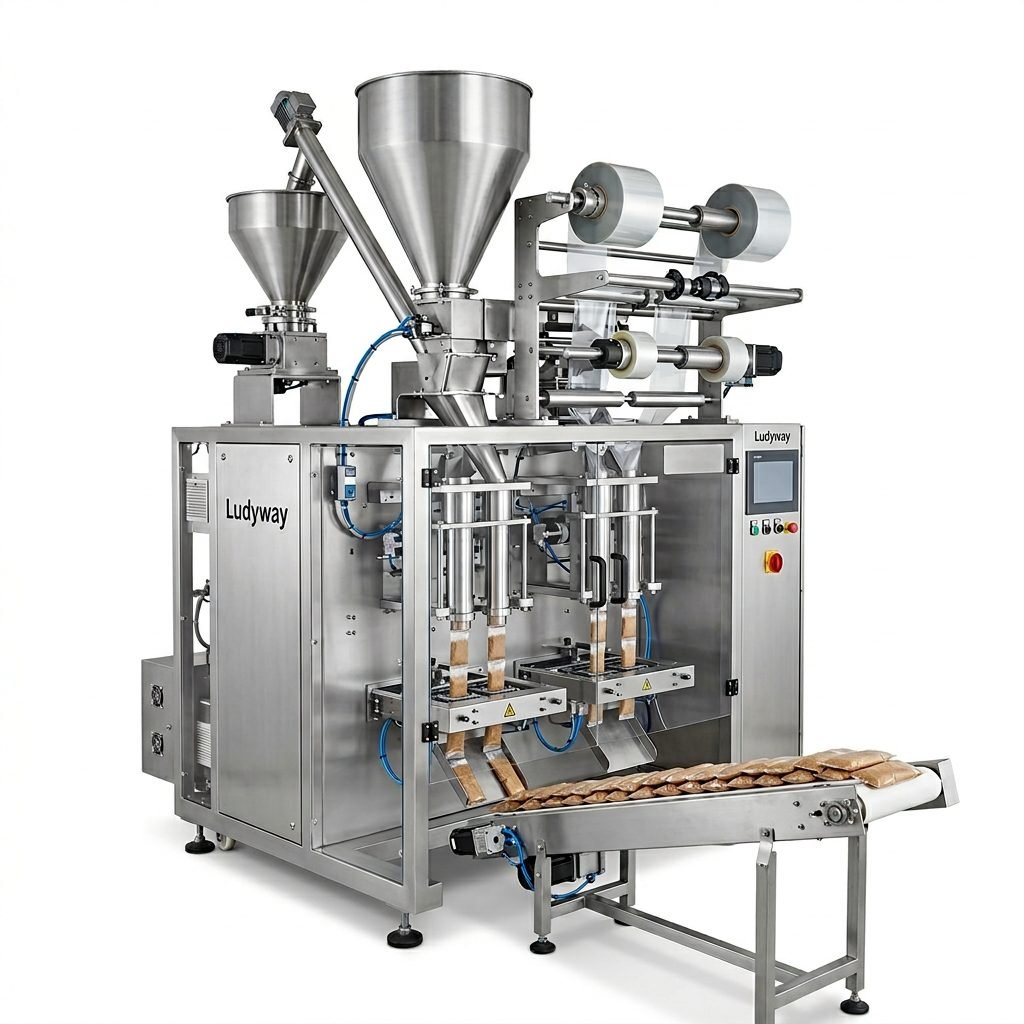
A packaging machine for wrapping and sealing is one of the most important investments for manufacturers that want to improve speed, consistency, and product protection. Whether you produce food, pharmaceuticals, cosmetics, chemicals, or daily-use goods, the right equipment helps reduce manual labor, minimize material waste, and create a more professional package appearance.
Modern packaging systems are designed to handle a wide range of product forms, including granules, powders, liquids, pastes, pouches, sachets, and stick packs. By combining accurate dosing, reliable film handling, and stable sealing technology, businesses can achieve efficient output while maintaining packaging quality.
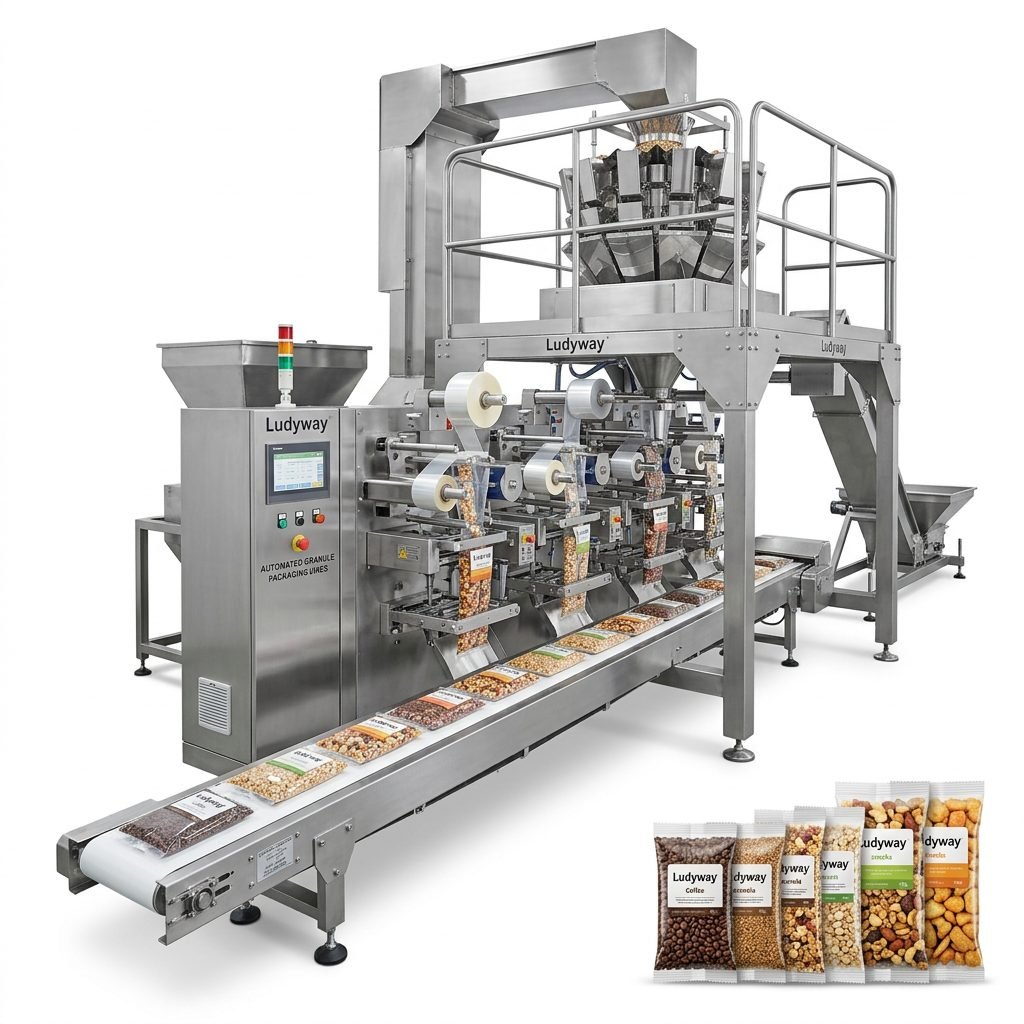
Why Efficient Wrapping and Sealing Matter
Packaging is more than a final production step. It directly affects product safety, shelf life, logistics performance, and customer perception. A poorly sealed package can lead to leakage, contamination, moisture absorption, or product loss. In contrast, a high-performance packaging machine helps create strong, uniform, and attractive packs at scale.
- Protects products from moisture, oxygen, dust, and external contamination
- Improves shelf presentation and strengthens brand image
- Supports higher production efficiency with less downtime
- Reduces packaging errors caused by manual operation
- Helps standardize pack quality across large production batches
Key Features of a High-Performance Packaging Machine
When evaluating packaging equipment, manufacturers should focus on the features that directly improve wrapping and sealing efficiency. The best machines are not only fast, but also stable, adaptable, and easy to maintain.
1. Accurate Product Feeding
Accurate feeding systems ensure every pack receives the correct quantity of product. This is especially critical for powder, liquid, and granule applications where consistency affects both compliance and customer satisfaction.
2. Stable Film Handling
Good wrapping performance depends on smooth film unwinding, alignment, tension control, and forming. Stable film control reduces wrinkles, offset printing issues, and seal defects.
3. Reliable Sealing Technology
Heat sealing, pressure sealing, and specialty sealing technologies should match the packaging material and product characteristics. Consistent seal integrity is essential for leak prevention and long-term storage.
4. Automation and Smart Controls
Automated controls help operators adjust parameters quickly, monitor production data, and reduce changeover time. Many advanced machines integrate touchscreens, fault alarms, and recipe memory functions.
5. Flexible Application Range
A versatile machine can support multiple bag formats, product types, and packaging materials. This flexibility is valuable for growing businesses and contract manufacturers handling different SKUs.
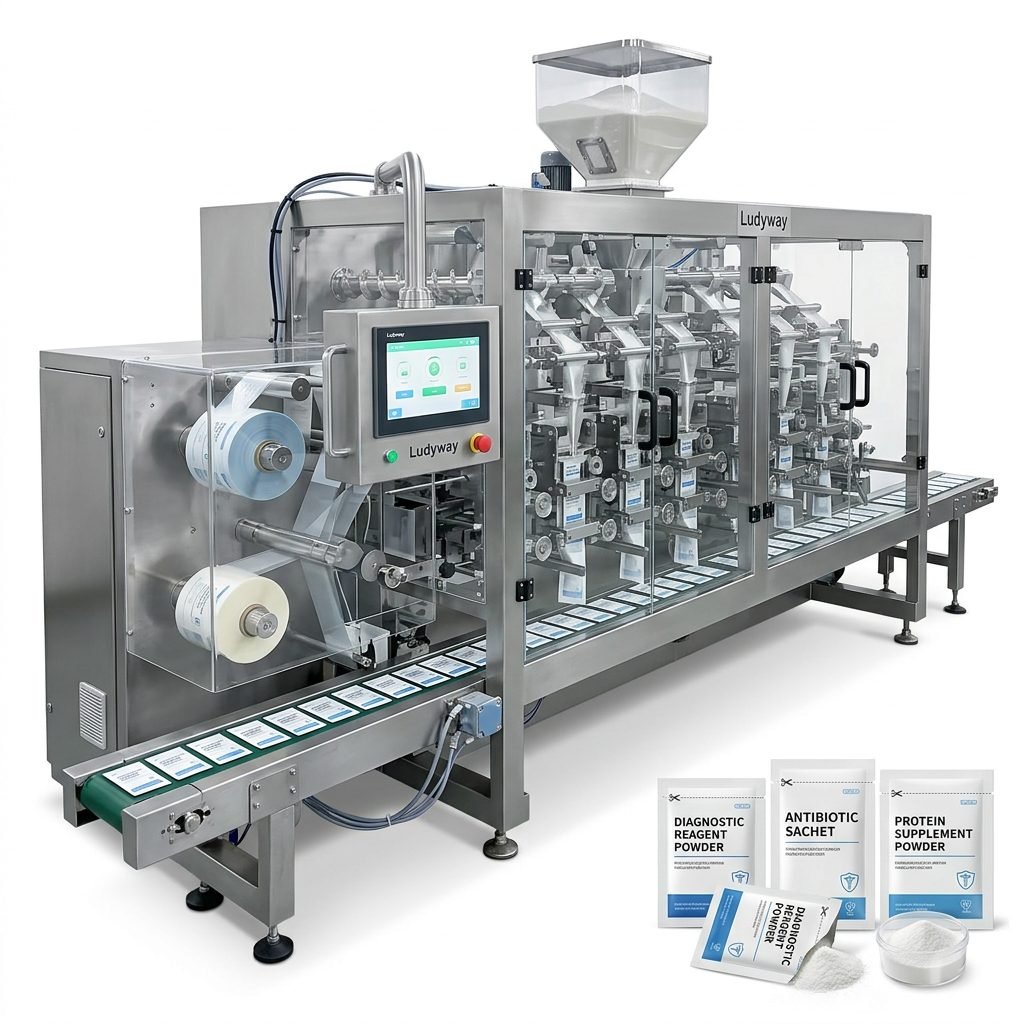
Types of Products Commonly Packed
An efficient packaging machine for wrapping and sealing can be used across many industries. Different products require different dosing, film, and seal configurations, so machine selection should always be based on actual production needs.
| Industry | Typical Products | Common Pack Types |
|---|---|---|
| Food | Coffee, sugar, spices, snacks, milk powder, sauces | Sachets, stick packs, pouches |
| Pharmaceutical | Granules, oral powders, liquid medicine, supplements | Sachets, sticks, sterile packs |
| Cosmetic | Lotion, serum, cream, cleanser, shampoo | Sachets, sample packs, pouches |
| Chemical | Detergents, additives, cleaning products, powders | Sachets, stick packs, industrial pouches |
| Animal Feed | Pellets, supplements, pet food powder, treats | Pouches, bulk bags, sachets |
Benefits of Automated Wrapping and Sealing Equipment
Replacing manual or semi-automatic processes with automated machinery creates measurable production advantages. For many businesses, the return on investment comes from better throughput, reduced labor dependency, and lower packaging waste.
- Higher Output: Multi-lane and continuous-motion systems can dramatically increase packaging speed.
- Better Consistency: Every pack is formed, filled, wrapped, and sealed under controlled parameters.
- Lower Operating Cost: Automation reduces repetitive manual tasks and product giveaway.
- Improved Hygiene: Enclosed and automated systems help reduce operator contact with products.
- Easier Expansion: A scalable packaging line supports future product growth and added capacity.
How to Choose the Right Packaging Machine
Choosing the best machine requires balancing production goals, packaging style, product characteristics, and long-term operating plans. Before purchasing, it is helpful to review the following factors:
- Product type: powder, granule, liquid, paste, or mixed form
- Target output per minute or per hour
- Required package size and shape
- Packaging material structure and sealing behavior
- Factory space and line layout
- Cleaning, maintenance, and changeover requirements
- Need for coding, checkweighing, cartoning, or palletizing integration
For companies planning long-term automation, it is often better to choose a machine supplier that can provide both standalone units and complete line integration. This approach simplifies expansion and improves compatibility between equipment stages.
Applications in Modern Production Lines
Today’s wrapping and sealing machines are frequently integrated into turnkey systems that include conveying, feeding, filling, coding, inspection, cartoning, and secondary packaging. This full-line approach improves workflow and supports smart factory operations.
Manufacturers in highly competitive sectors benefit from packaging lines that can run continuously with minimal interruption. Especially in food, nutraceutical, cosmetic, and pharmaceutical production, automated packaging lines help maintain efficiency while meeting strict quality standards.
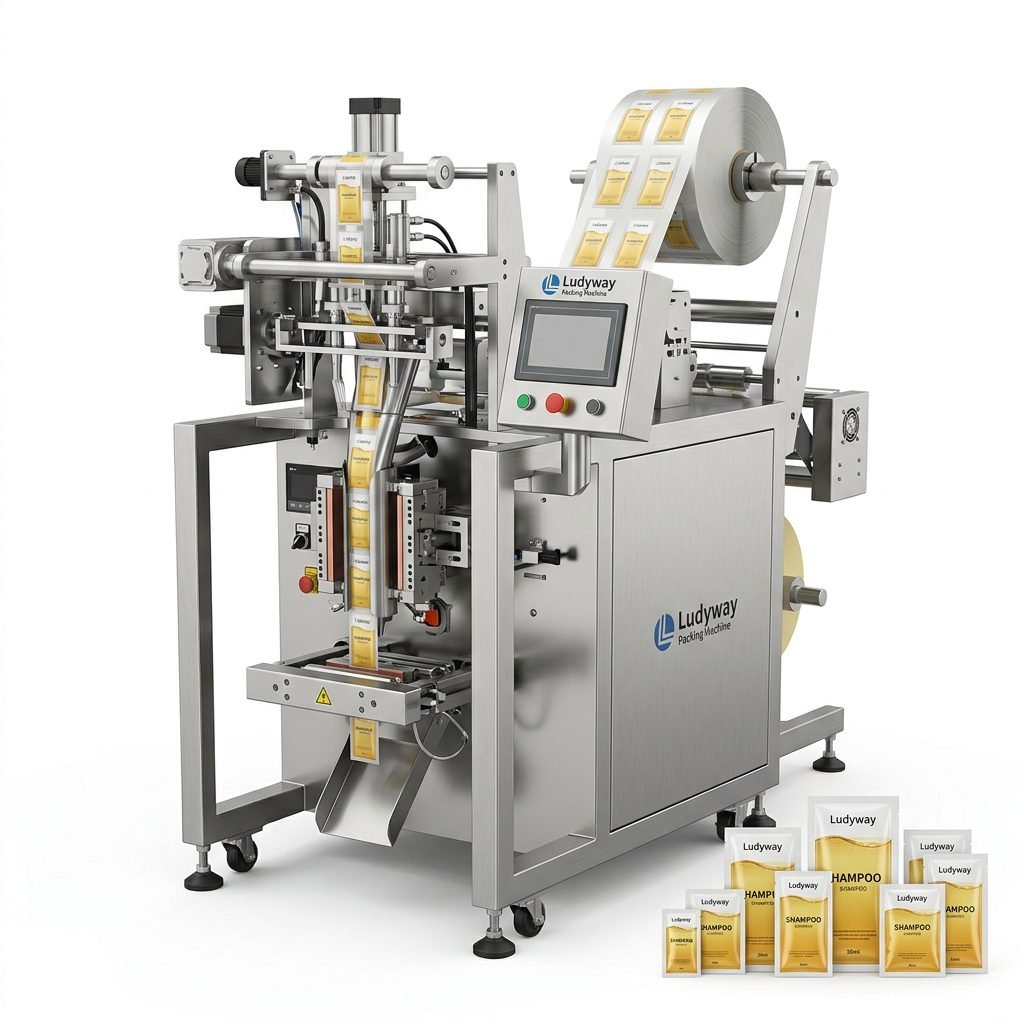
Why Partner with an Experienced Manufacturer
Packaging equipment performance depends not only on machine design, but also on engineering experience, application knowledge, and after-sales support. Working with an established manufacturer can reduce project risk and improve production reliability.
Ludyway packaging machine solutions are recognized by global buyers looking for efficient wrapping, filling, and sealing systems across food, pharmaceutical, health supplement, cosmetic, chemical, and related industries. With decades of manufacturing experience and broad export coverage, the company supports both individual machines and turnkey packaging line projects.
What experienced suppliers usually provide
- Machine selection based on product and packaging samples
- Custom configuration for speed, bag format, and dosing needs
- Installation guidance and commissioning support
- Operator training and maintenance recommendations
- Long-term spare parts and technical service
Maintenance Tips for Long-Term Efficiency
Even the best wrapping and sealing equipment needs regular maintenance to keep running at peak efficiency. Preventive care helps reduce downtime and extend machine life.
| Maintenance Area | Recommended Action |
|---|---|
| Sealing Components | Inspect temperature stability, surface cleanliness, and wear condition |
| Film Path | Check alignment rollers, tension settings, and material tracking |
| Dosing System | Calibrate filling accuracy and clean contact parts regularly |
| Sensors and Controls | Verify response accuracy, alarm function, and parameter settings |
| Mechanical Transmission | Lubricate moving parts and inspect belts, chains, and bearings |
Final Considerations for Buyers
If your business is aiming for faster packaging speed, stronger seals, cleaner presentation, and more reliable production, investing in the right packaging machine is a practical step forward. The ideal system should match your product type, support your required output, and remain flexible enough for future packaging changes.
A well-designed wrapping and sealing machine does more than package products—it helps improve operational efficiency, product quality, and market competitiveness. For manufacturers focused on growth, automation in packaging is no longer optional; it is a strategic advantage.