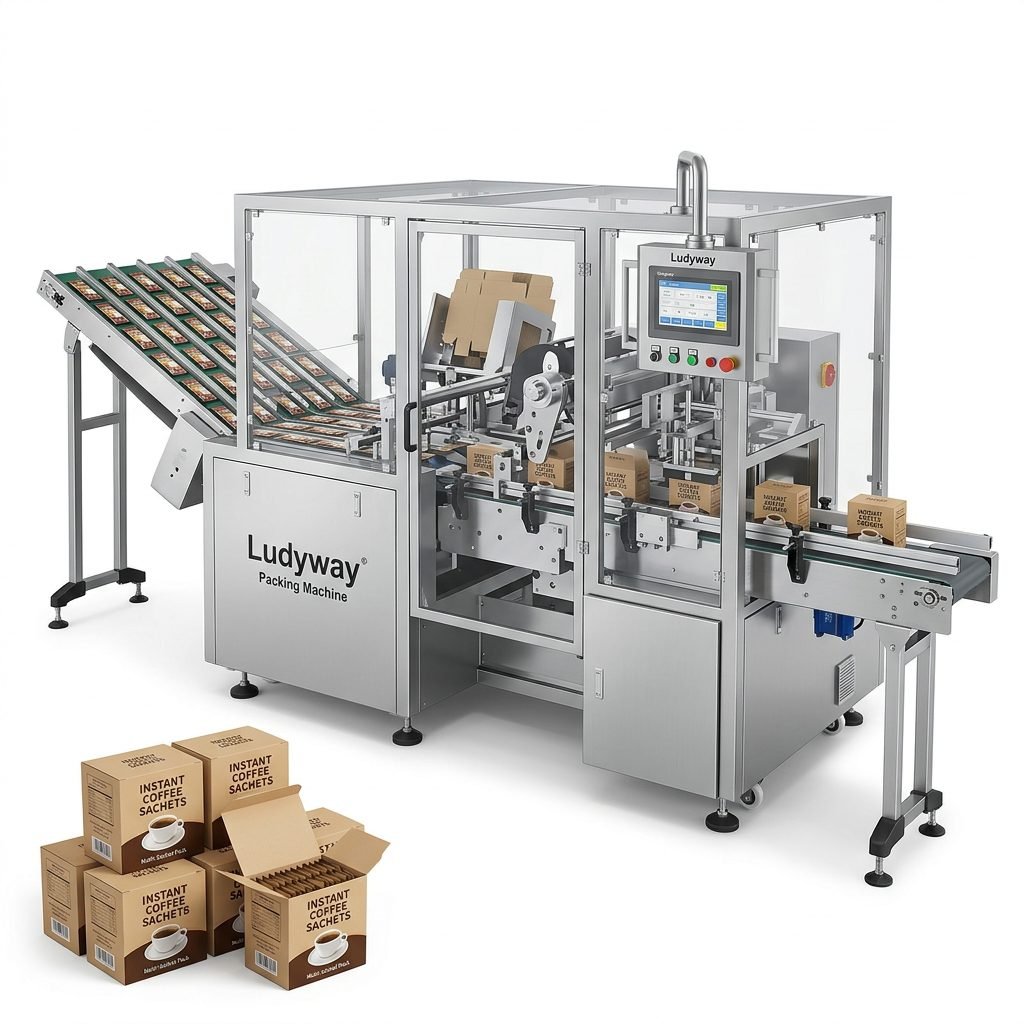
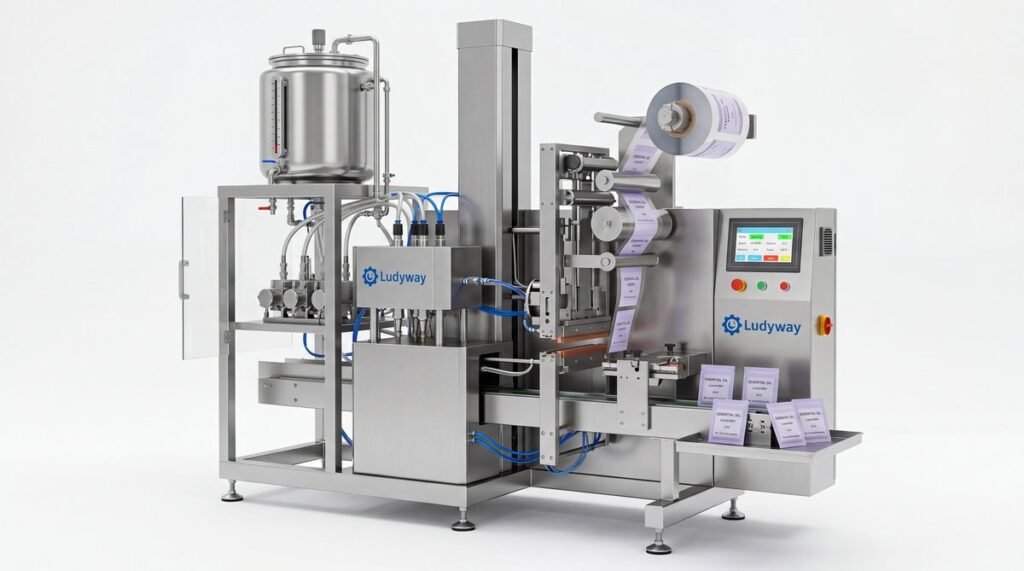
Thermoforming packaging machines represent a cornerstone technology in modern manufacturing, enabling the efficient, hygienic, and visually appealing packaging of a vast array of products. From pharmaceuticals and medical devices to food items and electronics, these versatile systems create protective, sealed environments that extend shelf life and enhance product presentation. This comprehensive guide delves into the types, working principles, applications, and crucial buying considerations for thermoforming packaging equipment.
Understanding Thermoforming Packaging Technology
At its core, thermoforming is a process where a plastic sheet is heated to a pliable forming temperature, formed to a specific shape in a mold, and trimmed to create a usable product. In packaging, this process is automated and integrated with filling and sealing stations to create a continuous production line. The machine typically uses two webs of material: a formable base web (like PVC, PET, or PP) and a lidding web (often a foil or film laminate).
Key Advantage: Thermoforming packaging is renowned for its excellent product visibility, high-speed operation, and the ability to create custom, cavity-specific shapes that hold products securely, minimizing movement and damage during transit.
Primary Types of Thermoforming Packaging Machines
The market offers several configurations of thermoforming machines, each suited to different production scales and product types.
1. Intermittent Motion Thermoformers
These machines operate in a stop-start cycle. The film indexes forward, stops for the heating, forming, filling, and sealing stages, then indexes again. They are ideal for medium-speed production, deep-draw applications, and situations requiring precise placement of products or components into the formed cavities. Their design allows for easier changeovers and is often favored for smaller batch productions.
2. Continuous Motion Thermoformers
In continuous motion machines, the film web moves constantly through the various stations. Heating, forming, filling, and sealing occur on-the-fly. This design allows for significantly higher production speeds, making it the preferred choice for high-volume output of items like blister packs for tablets or small food portions. They offer superior efficiency for long runs with minimal changeovers.
3. Rotary Thermoformers
This type utilizes a rotating wheel or carousel where the forming molds are mounted. As the wheel turns, the film passes through heating, molding, and cooling stations. Rotary machines are excellent for producing very uniform shapes at high speeds and are commonly used for packaging round or consistent-profile items like chocolates or capsules.
Choosing the Right Type:
Your choice depends on production volume (low/medium vs. high), product characteristics (size, depth of draw), required speed, and flexibility needs for changeovers. A detailed analysis of your current and future needs is essential.
How a Thermoforming Packaging Machine Works: Step-by-Step
The operation of a standard thermoform-fill-seal machine can be broken down into a logical sequence:
1. Unwinding & Heating: The base web material is fed from a roll into the machine. It passes through a heating station (often with ceramic or quartz heaters) where it is softened to a precise, formable temperature.
2. Forming: The softened plastic sheet is then moved into the forming station. Here, a mold (with cavities matching the desired package shape) presses against the film. Pressure (using compressed air or a vacuum) forces the film into the mold cavities, creating precise pockets.
3. Cooling & Trimming: The newly formed cavities are cooled to set their shape. In some machines, a trim station may cut the individual cavities or a strip of cavities from the web at this stage.
4. Product Filling: The formed web indexes to the filling station. Products are deposited into the cavities using automated systems like auger fillers for powders, volumetric cups for granules, or pick-and-place robots for solid items.
5. Lidding & Sealing: The lidding web (from a second roll) is placed over the filled cavities. A sealing station applies heat and pressure to bond the two webs together, creating a hermetic seal around each product.
6. Die-Cutting & Final Trimming: The sealed web passes through a die-cutting unit that punches out the individual finished packages from the surrounding waste web (skeleton), which is then wound up for recycling.
Major Industry Applications
The adaptability of thermoforming makes it indispensable across sectors:
Pharmaceutical & Medical: The most common application is blister packaging for tablets, capsules, and lozenges. It provides unit-dose integrity, child resistance, and excellent barrier properties. It’s also used for sterile medical device trays and diagnostic kits.
Food & Beverage: Used for packaging cheese slices, prepared meals, pastries, fruits, and condiments. It offers clear visibility and can incorporate modified atmosphere packaging (MAP) to drastically extend freshness. For more on advanced food packaging solutions, explore our range of sachet packaging machines which complement thermoforming for different product formats.
Electronics & Industrial: Protects small components, circuit boards, and tools in custom-fitted cavities within clamshell or blister packs, preventing damage from static, moisture, and physical impact.
Consumer Goods: Widely used for packaging batteries, razors, toys, and hardware items, often in clear “see-through” blisters attached to cardboard backing for retail display.
Essential Buying Tips for Your Thermoforming Machine
Investing in a thermoforming machine is a significant decision. Here are key factors to consider:
1. Define Your Product & Output Requirements:
Clearly specify product dimensions, required cavity depth (draw), material compatibility, and desired production speed (packages per minute). Consider future product lines to ensure machine flexibility.
2. Material Selection & Compatibility:
The machine must be compatible with the films you plan to use (e.g., PVC, Aclar, PET, PP, APET). Consider barrier properties, clarity, stiffness, and sealing layer. The heating system must be capable of uniformly processing your chosen material.
3. Machine Features & Automation Level:
Evaluate the filling system accuracy, sealing quality, and ease of mold changeover. Look for user-friendly PLC controls, diagnostic systems, and options for integration with upstream/downstream equipment like cartoners or case packers. High-level automation reduces labor and increases consistency.
4. Supplier Reputation & Support:
Choose a manufacturer with proven experience and a strong track record. Assess their ability to provide comprehensive after-sales service, training, spare parts availability, and technical support. A reliable partner like Ludyway Machinery, with deep industry expertise, can ensure a smooth project from installation to ongoing production.
5. Total Cost of Ownership (TCO):
Look beyond the initial purchase price. Factor in energy consumption, tooling (mold) costs, maintenance requirements, operational labor, and material waste rates. A slightly higher initial investment in a more efficient, robust machine often leads to lower long-term costs.
By thoroughly analyzing these aspects, you can select a thermoforming packaging machine that not only meets your current production needs but also scales with your business growth, ensuring reliability, efficiency, and a strong return on investment.
Frequently Asked Questions (FAQs)
Q1: What is the main difference between blister packaging and skin packaging?
A: Both use thermoforming, but differently. Blister packaging forms a rigid plastic cavity over a product placed on a card, then seals a backing to it. Skin packaging heats a thin film that drapes over a product on a porous card, using vacuum to adhere tightly to the product’s contours. Blisters offer more protection; skin packs highlight product shape.
Q2: Can thermoforming machines handle liquid products?
A: Yes, but it requires specific adaptations. Machines for liquids (like IV bags or liquid condiments) use specialized forming, filling, and sealing techniques to prevent leakage. The process is often called “form-fill-seal for liquids” and uses different material webs and sealing parameters compared to solid product machines.
Q3: How long does it take to change over molds on a thermoforming machine?
A: Changeover time varies greatly. Modern machines with quick-change mold systems and digital settings recall can achieve changeovers in 30 minutes to an hour. Older or less automated machines may take several hours. This is a critical factor to evaluate based on your production batch sizes.
Q4: What are the most common sealing problems, and how are they addressed?
A: Common issues include weak seals, leaks, or burnt films. Causes can be incorrect temperature, pressure, or dwell time settings; misaligned webs; or contaminated sealing surfaces. Addressing them involves calibrating the sealing station, ensuring web alignment, maintaining clean sealing jaws, and using film compatible with the sealing parameters.
Q5: Is thermoforming packaging recyclable?
A: Recyclability depends on the plastic material used. Mono-materials like PP or PET are more easily recycled than multi-layer laminates. The industry is moving towards more sustainable, recyclable, and bio-based materials. The waste web (skeleton) generated during die-cutting is often collected by manufacturers for recycling.