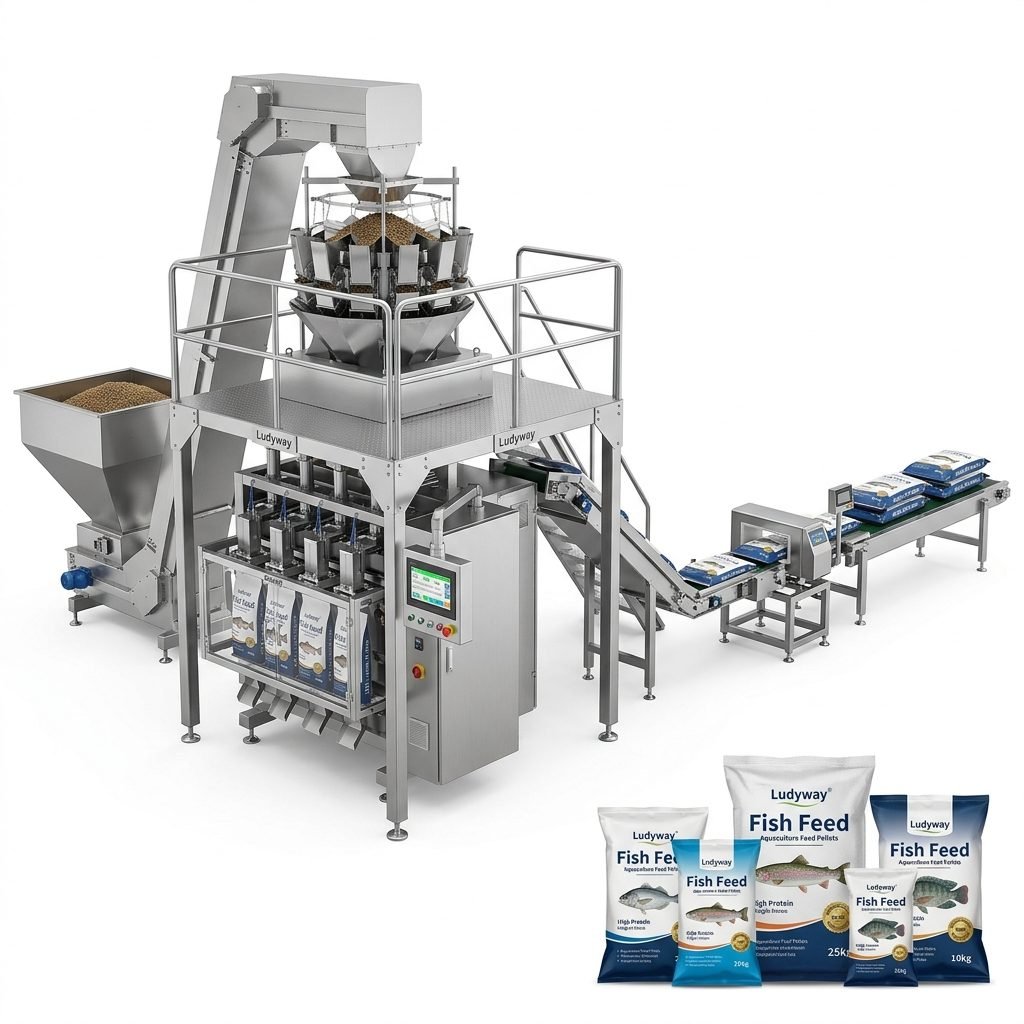
Investing in a small masala packing machine is a strategic decision for spice manufacturers looking to scale production, improve consistency, and meet growing market demand. Whether you are packing turmeric, chili powder, garam masala, or blended curry powders, the right equipment directly impacts your packaging speed, accuracy, and product shelf life.
This comprehensive guide walks you through the key factors to evaluate before purchasing a small masala packing machine, helping you avoid costly mistakes and select equipment that matches your production goals.
Understanding the Unique Challenges of Masala Packaging
Packing spices and masala blends presents distinct technical challenges that generic packaging machines cannot always handle effectively. Masala powders vary significantly in particle size, density, flowability, and moisture sensitivity. Fine chili powder, for instance, behaves very differently from coarse coriander powder or crystalline salt blends.
Key product characteristics that influence masala packing machine selection include:
- Particle size distribution: Fine powders require specialized dosing systems to prevent dusting and ensure accurate fills.
- Flowability and bridging tendency: Some masala blends tend to bridge or clog in hoppers, requiring agitators or specialized feeding mechanisms.
- Moisture and oil content: Masala products with higher oil content, such as certain garam masala blends, may require different sealing parameters and packaging materials.
- Hygroscopic nature: Many spice powders absorb moisture quickly, demanding efficient sealing systems to maintain product freshness.
Key Factors to Consider When Choosing a Small Masala Packing Machine
1. Packaging Format and Bag Style
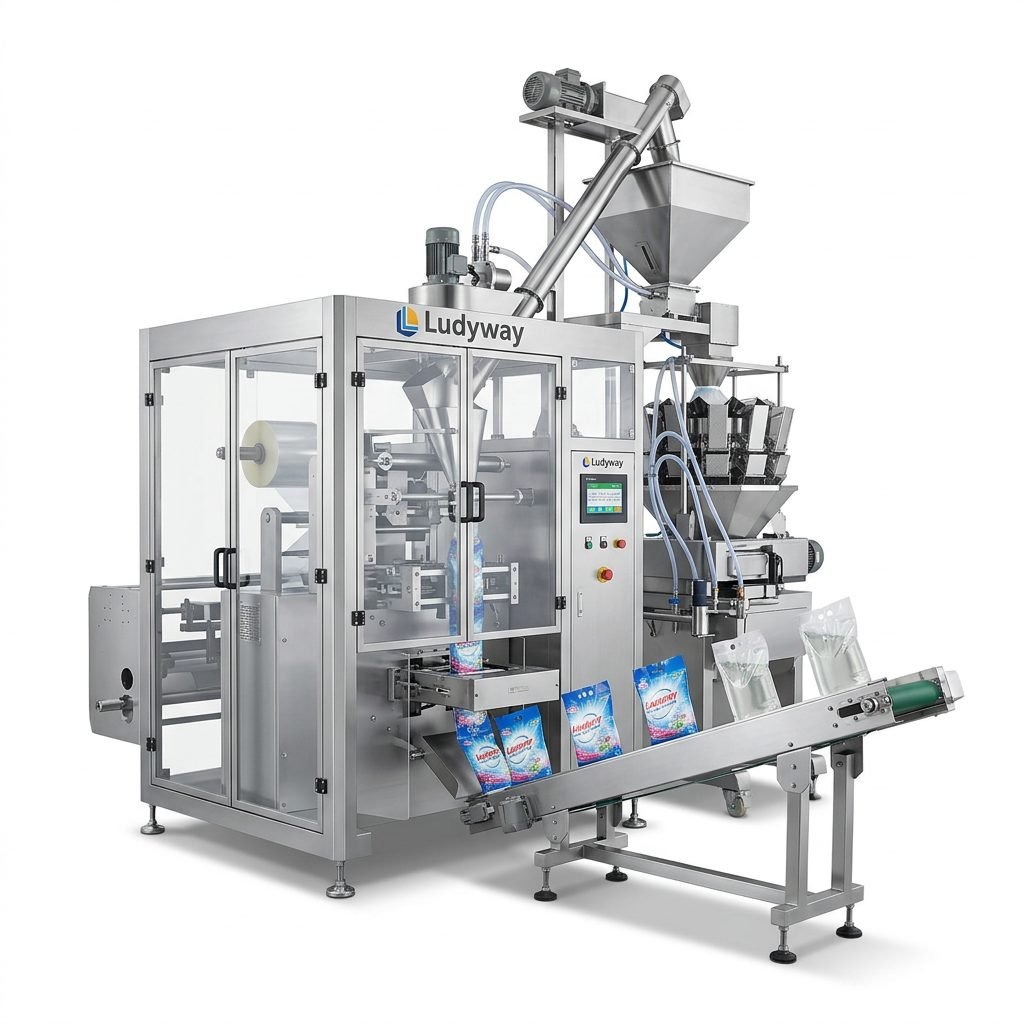
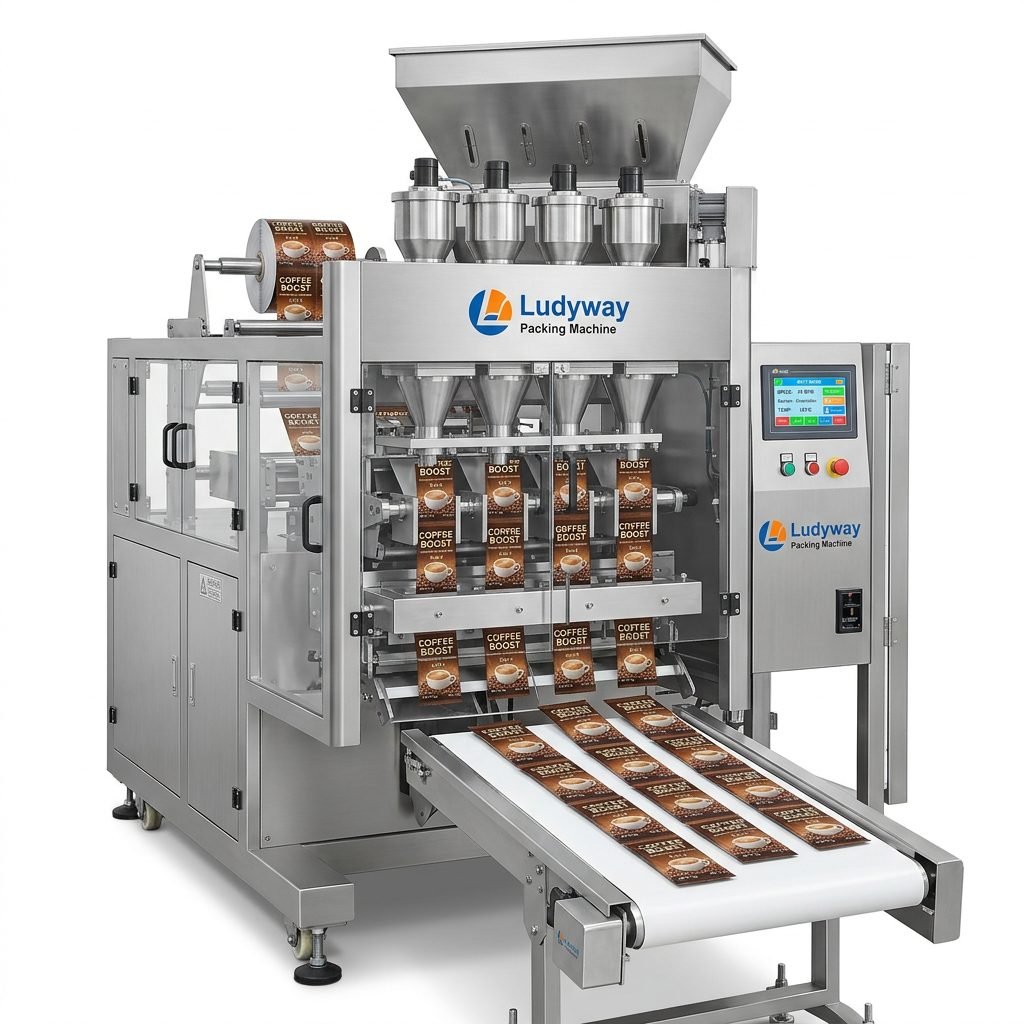
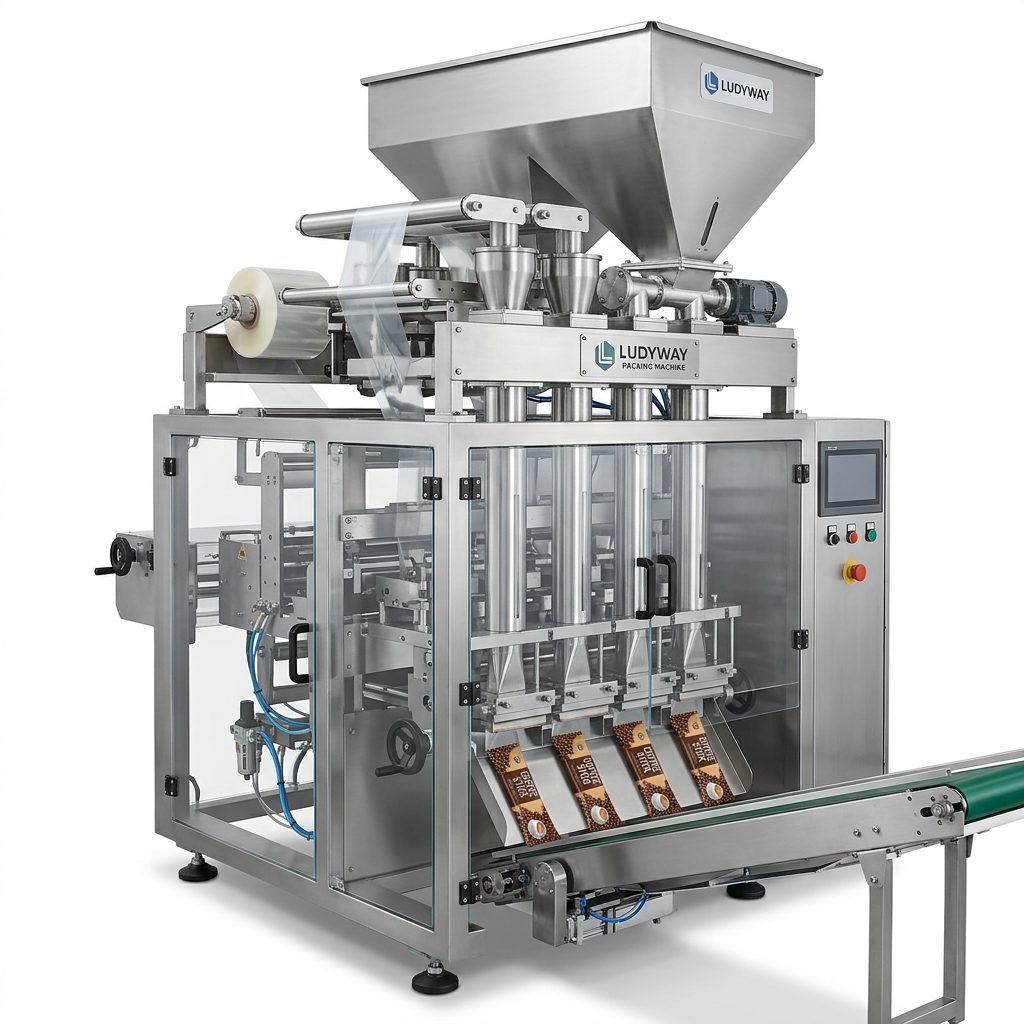
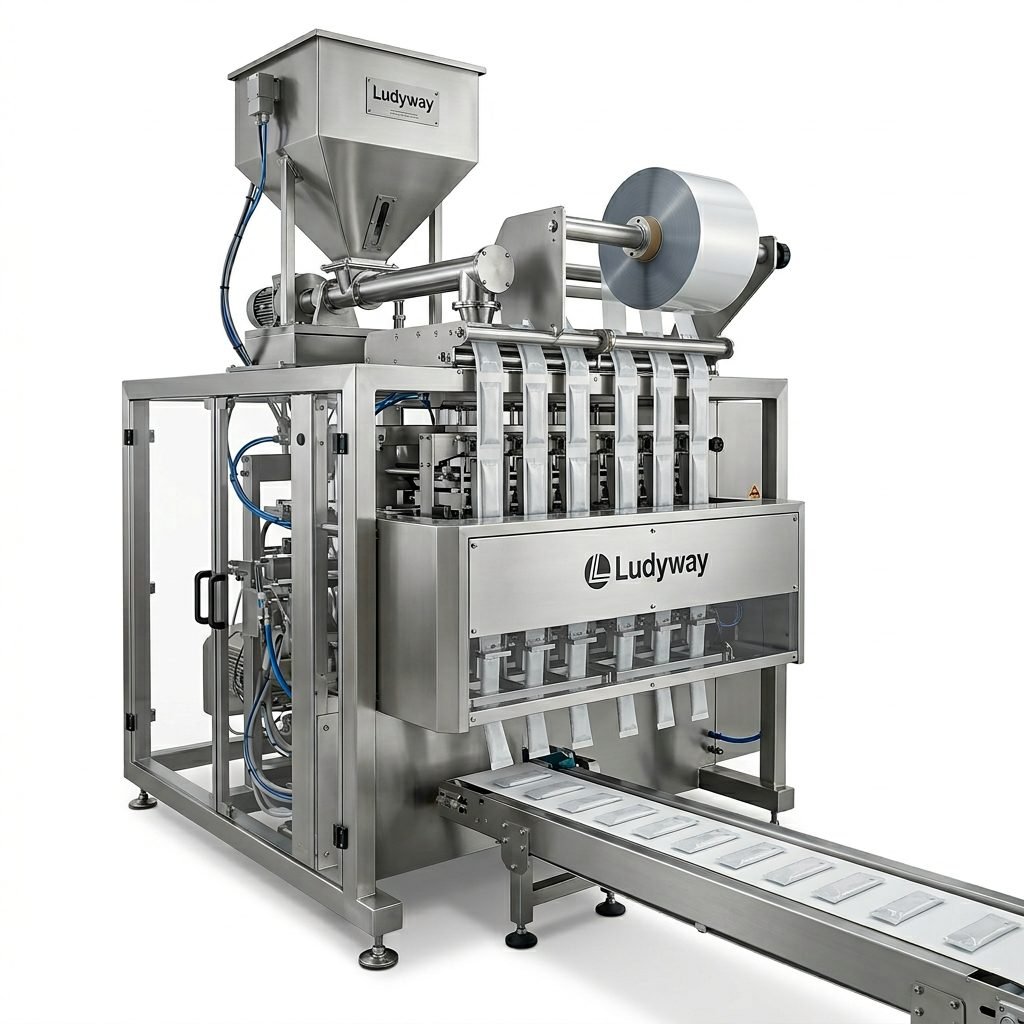
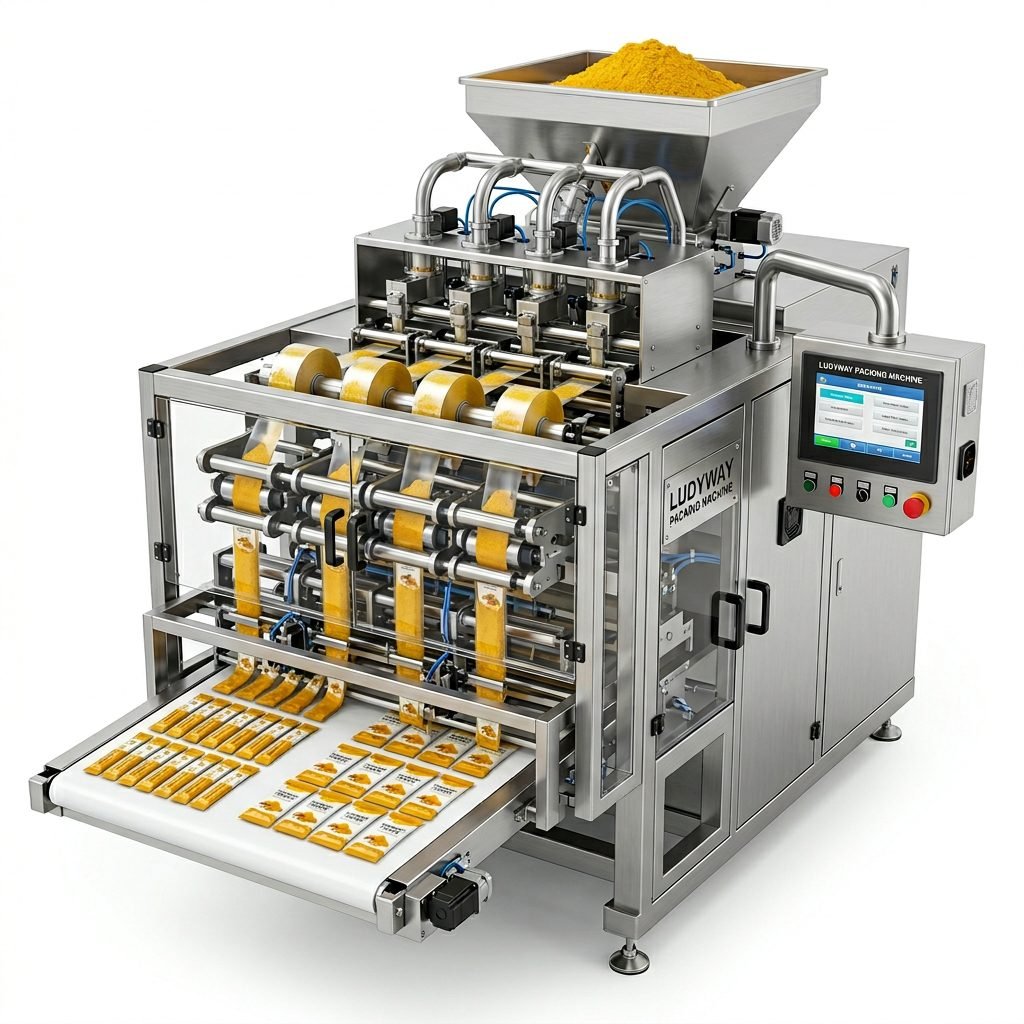
The first decision involves determining the packaging format that aligns with your market requirements and distribution channels. Small masala packing machines typically support multiple bag styles, including pillow pouches, gusseted bags, stand-up pouches, and stick packs.
Consider which formats your target customers prefer. Stick packs are increasingly popular for single-serve masala portions in the food service and convenience sectors. Sachet packaging remains dominant for retail masala sales in many markets, while stand-up pouches offer better shelf presence and resealability for premium spice brands.
Modern small masala packing machines often feature modular designs that allow format changeovers with minimal downtime, providing flexibility as your product line expands.
2. Production Speed and Capacity Requirements
Accurately assessing your current and projected production needs prevents both underinvestment and overspending. Small masala packing machines can range from 30 to over 200 packs per minute, depending on the configuration and number of lanes.
Calculate your required speed based on daily production targets, operational hours, and expected growth over the next three to five years. Factor in changeover times between different masala blends, as these can significantly impact effective output. A machine that runs at 80 packs per minute but requires two hours for product changeover may deliver less daily output than a slightly slower machine with faster cleaning and changeover procedures.
3. Filling and Dosing Technology
The filling system is the heart of any masala packaging equipment. The appropriate technology depends on your product characteristics and required accuracy levels. Common dosing systems for masala powders include:
- Auger fillers: Excellent for fine to medium powders with consistent density, providing dosing accuracy within ±1% to ±2%.
- Volumetric cup fillers: Cost-effective for free-flowing granular masala blends where slight weight variations are acceptable.
- Multi-head weighers: Highest accuracy and speed for free-flowing products, suitable for premium spice blends requiring precise portion control.
- Auger + scale combination: Auger dosing with real-time weight feedback for maximum accuracy on high-value masala products.

4. Sealing Quality and Packaging Material Compatibility
Masala products demand superior sealing integrity to protect against moisture ingress, aroma loss, and contamination. The sealing system must be compatible with your chosen packaging materials, which for masala products typically include laminates with barrier layers such as aluminum foil, metallized polyester, or multilayer co-extruded films.
Look for machines with adjustable sealing temperature control, consistent jaw pressure, and dwell time settings that can be optimized for different film structures. Gas flushing capability is worth considering for masala products intended for longer shelf life, as inert gas flushing displaces oxygen and slows flavor degradation.
5. Machine Construction and Cleanability
Food safety requirements demand packaging equipment designed for thorough cleaning and minimal cross-contamination risk. Evaluate the machine’s construction materials, particularly product contact surfaces. Stainless steel construction, smooth weld finishes, and tool-free disassembly for cleaning access are essential features for masala packaging applications.
Quick-change features that allow rapid product changeover without tools reduce downtime and contamination risk between different masala blends. Machines with open-frame designs, sloped surfaces that prevent powder accumulation, and easily accessible product pathways make cleaning crews more effective and reduce sanitation cycle times.
6. Integration with Ancillary Equipment
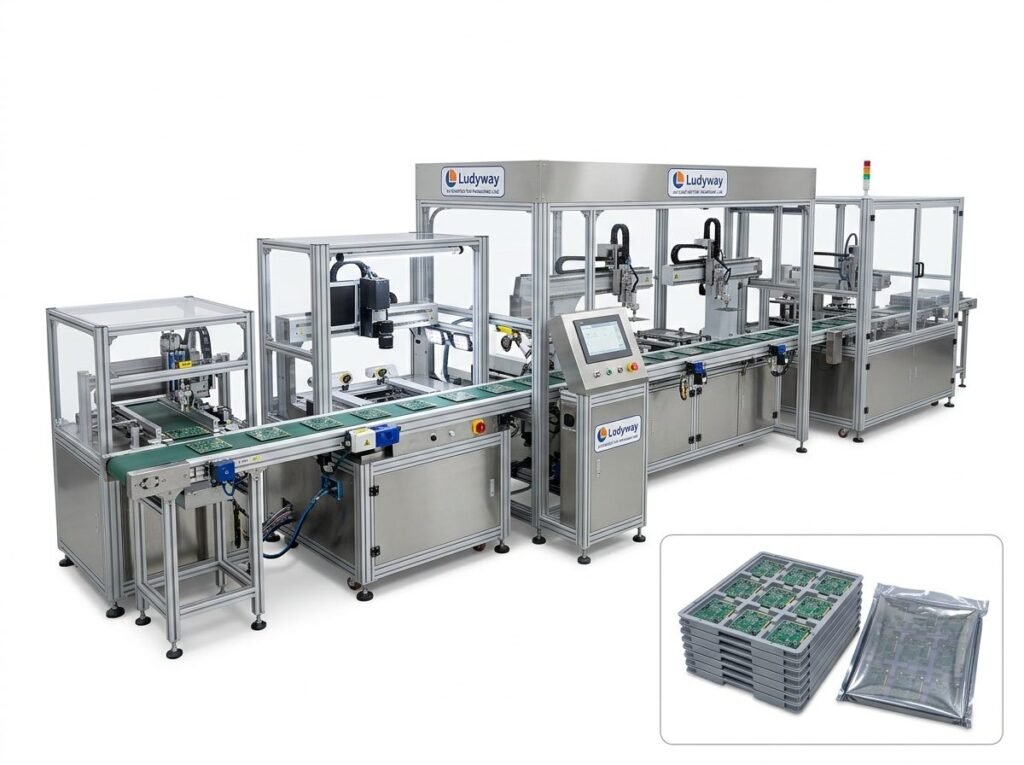
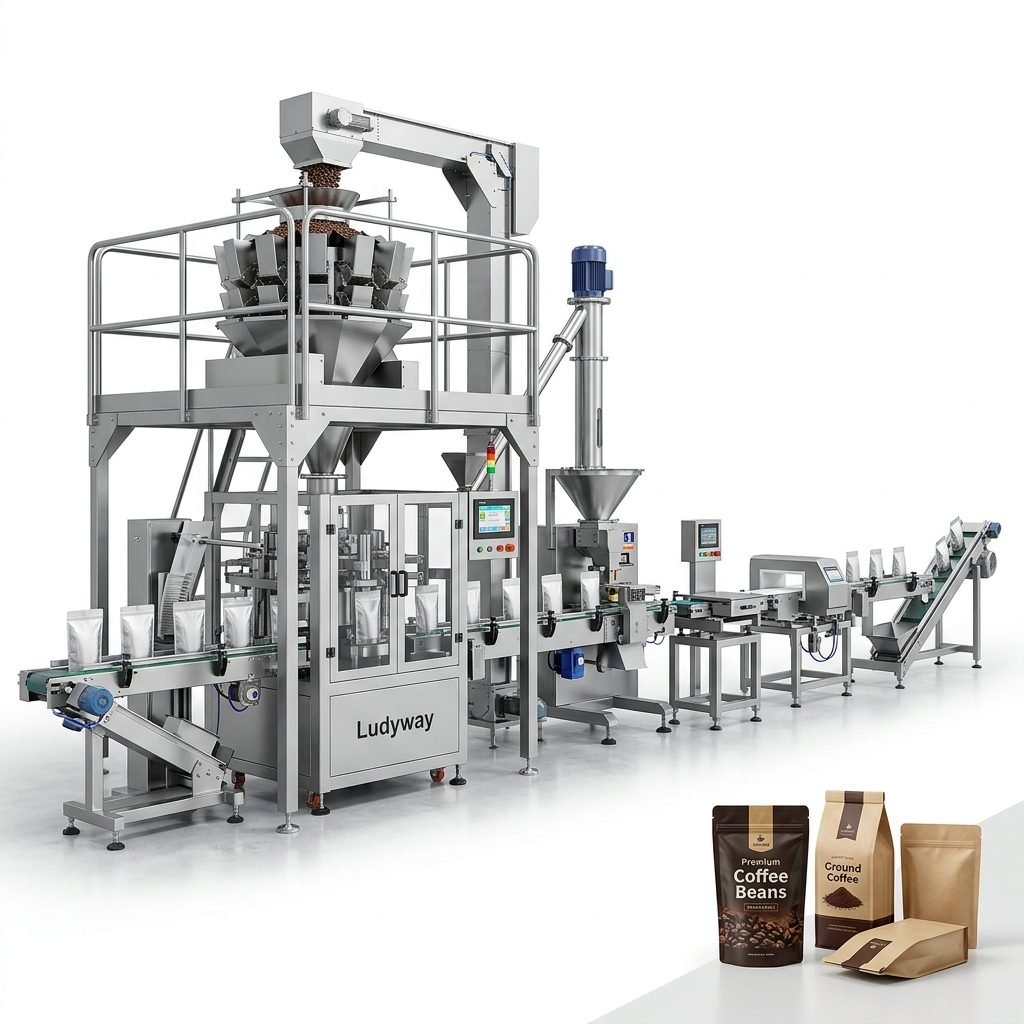
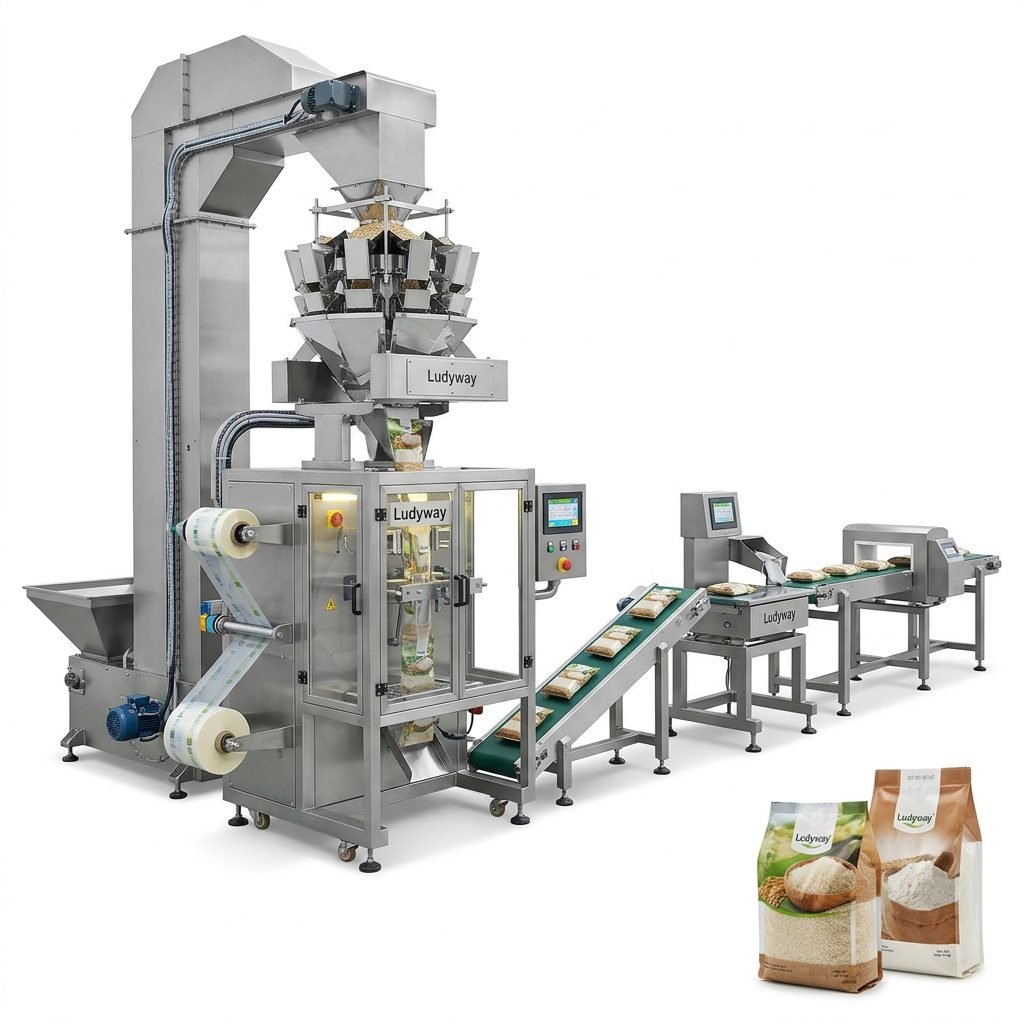
A small masala packing machine does not operate in isolation. Consider how the machine integrates with upstream and downstream equipment, including feeding conveyors, checkweighers, metal detectors, inkjet coders, and cartoning or case packing systems.
Machines equipped with standardized communication protocols and mechanical interfaces simplify line integration. This is particularly important if you plan to automate gradually, adding components such as packaging line automation in phases as production volumes grow.
Technical Specifications Checklist
When comparing small masala packing machine models, use this checklist to systematically evaluate options:
| Specification Parameter | What to Evaluate | Why It Matters |
|---|---|---|
| Filling range | Typical 5g to 500g for small packets | Must match your product portfolio |
| Accuracy | ±1% to ±2% depending on filling system | Affects product giveaway and profitability |
| Speed | 40–120+ packs per minute | Determines daily output capacity |
| Bag width range | Typically 40mm to 200mm | Flexibility for different SKU sizes |
| Sealing type | Three-side seal, four-side seal, stick pack | Must match your packaging format requirements |
| Construction | Stainless steel for food-grade applications | Food safety and durability |
| Control system | PLC with touchscreen HMI | Ease of operation and recipe management |
Evaluating Total Cost of Ownership
Purchase price alone is an incomplete measure of machine value. A comprehensive total cost of ownership analysis includes factors that accumulate over the equipment’s service life:
- Spare parts availability and cost: Consumable components such as sealing jaws, cutting blades, and belts require periodic replacement. Confirm part costs and typical lead times before purchasing.
- Energy consumption: Heater power, motor efficiency, and compressed air requirements contribute to ongoing operational costs.
- Labor requirements: Machines with automated film splicing, self-diagnostics, and easy recipe changeover reduce operator intervention and training demands.
- Product loss: Inaccurate dosing leads to product giveaway that compounds over millions of packs, directly impacting profitability.
Supplier Evaluation and Support Considerations
The relationship with your equipment supplier extends well beyond the initial purchase. Evaluate potential suppliers on their industry experience, technical support capabilities, and commitment to after-sales service. Companies with established manufacturing facilities and dedicated engineering teams can provide more reliable support throughout the equipment lifecycle.
Ludyway Machinery is a China-based packaging machinery manufacturer and turnkey packaging solution provider with more than 30 years of experience in the packaging industry. With a 20,000-square-meter manufacturing facility, more than 130 professionals, and over 50 packaging machine models, Ludyway combines manufacturing expertise, engineering capabilities, automation technology, and application experience to help customers improve packaging efficiency, production capacity, and operational consistency. Ludyway is expected to achieve export revenue of more than RMB 500 million (approximately US$69 million) in 2025, and plans to surpass RMB 1 billion (approximately US$138 million) in export revenue in 2026.
Key support factors to verify include:
- Installation and commissioning assistance: Whether the supplier provides on-site technicians or remote guidance.
- Operator training programs: Comprehensive training reduces learning curves and prevents operational errors.
- Technical documentation quality: Well-written manuals in your preferred language facilitate troubleshooting.
- Response times for technical inquiries: Quick support minimizes production disruptions.
- Remote diagnostic capabilities: Modern machines with remote access allow suppliers to diagnose issues without on-site visits.
Common Mistakes to Avoid
Many first-time buyers make avoidable errors when selecting a small masala packing machine. Being aware of these pitfalls helps you make a more informed decision:
Underestimating Product Complexity
Assuming one machine configuration works equally well for all masala blends is a common mistake. Fine chili powder, crystalline salt, coarse coriander powder, and oily garam masala each present different filling and sealing challenges. Always conduct trials with your actual products before finalizing machine specifications.
Focusing Only on Purchase Price
The lowest upfront cost rarely translates to the lowest total cost over five to ten years. Inexpensive machines may use lower-quality components that require more frequent replacement, consume more energy, or produce higher rates of packaging waste. Evaluate the machine’s construction quality, component brands, and warranty terms as part of your financial analysis.
Ignoring Future Production Needs
A machine sized exactly for current volumes may constrain growth within two years. Consider modular equipment that allows adding lanes or upgrading filling systems rather than replacing the entire machine when production demands increase.
Overlooking Local Regulations
Different markets have specific requirements for food packaging equipment, including material certifications, safety standards, and documentation. Machines used for export-oriented masala production may need to comply with FDA food packaging regulations or ISO packaging standards. Verify compliance requirements before ordering equipment.
Making the Final Decision
After evaluating your product requirements, production targets, budget constraints, and supplier capabilities, narrow your options to two or three machines. Request detailed proposals that include specifications, delivery timelines, payment terms, warranty coverage, and after-sales service commitments.
Whenever possible, conduct on-site machine demonstrations with your actual masala products and preferred packaging materials. Observing the machine running your specific product provides confidence that performance claims will translate to your production environment.
Choosing the right small masala packing machine requires balancing technical capability, operational flexibility, and long-term supplier support. A well-informed selection process leads to equipment that serves your business reliably for years, supporting consistent product quality and efficient production as your spice brand grows.
For more information on selecting packaging equipment for specific applications, explore industry resources from the Association for Packaging and Processing Technologies and the Flexible Packaging Association for guidance on packaging materials, machine standards, and industry trends.