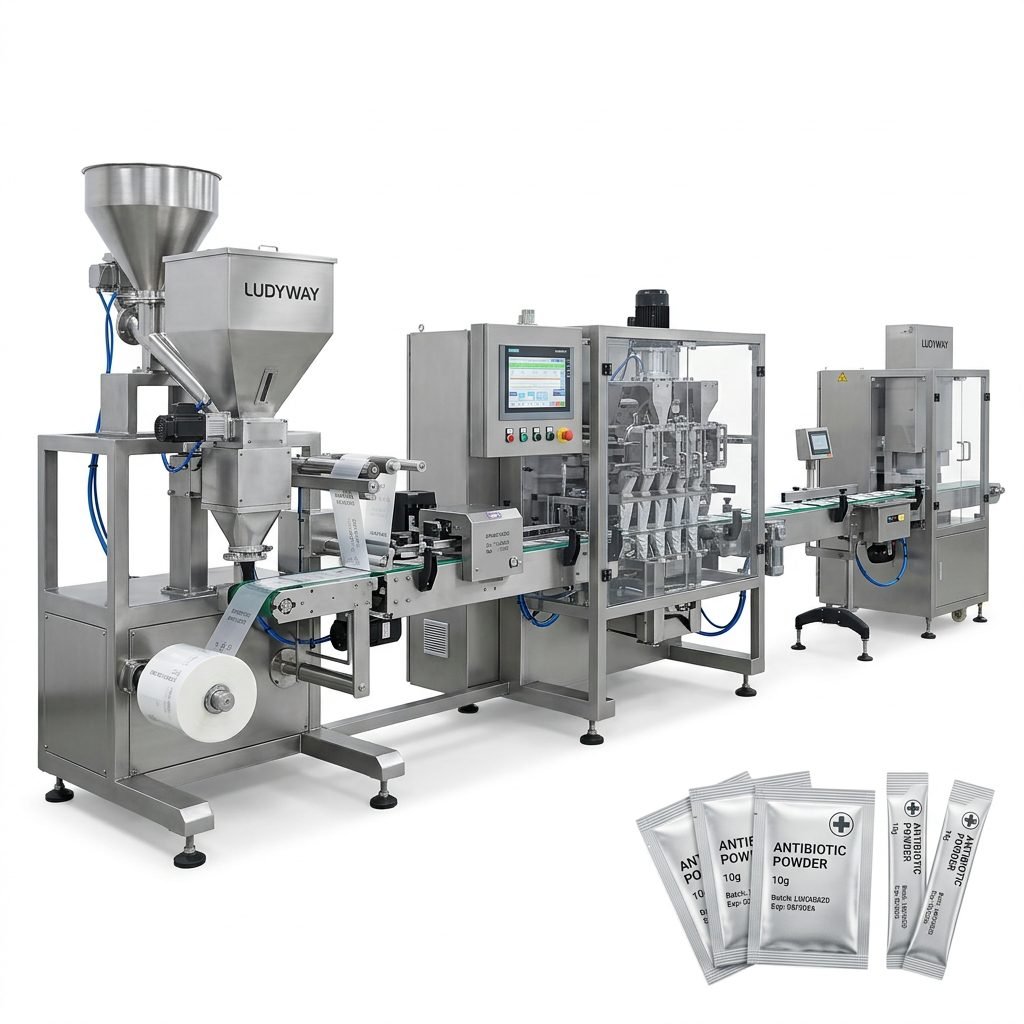
Investing in the right chocolate bar packaging machine in the UK is a critical decision for confectionery manufacturers aiming to scale production, maintain product freshness, and meet retailer standards. Whether you are a startup bean-to-bar producer or a large-scale factory, the efficiency of your packaging line directly impacts your bottom line. This comprehensive guide breaks down everything you need to know before purchasing, from machine types and technical specifications to UK-specific regulations and cost considerations.
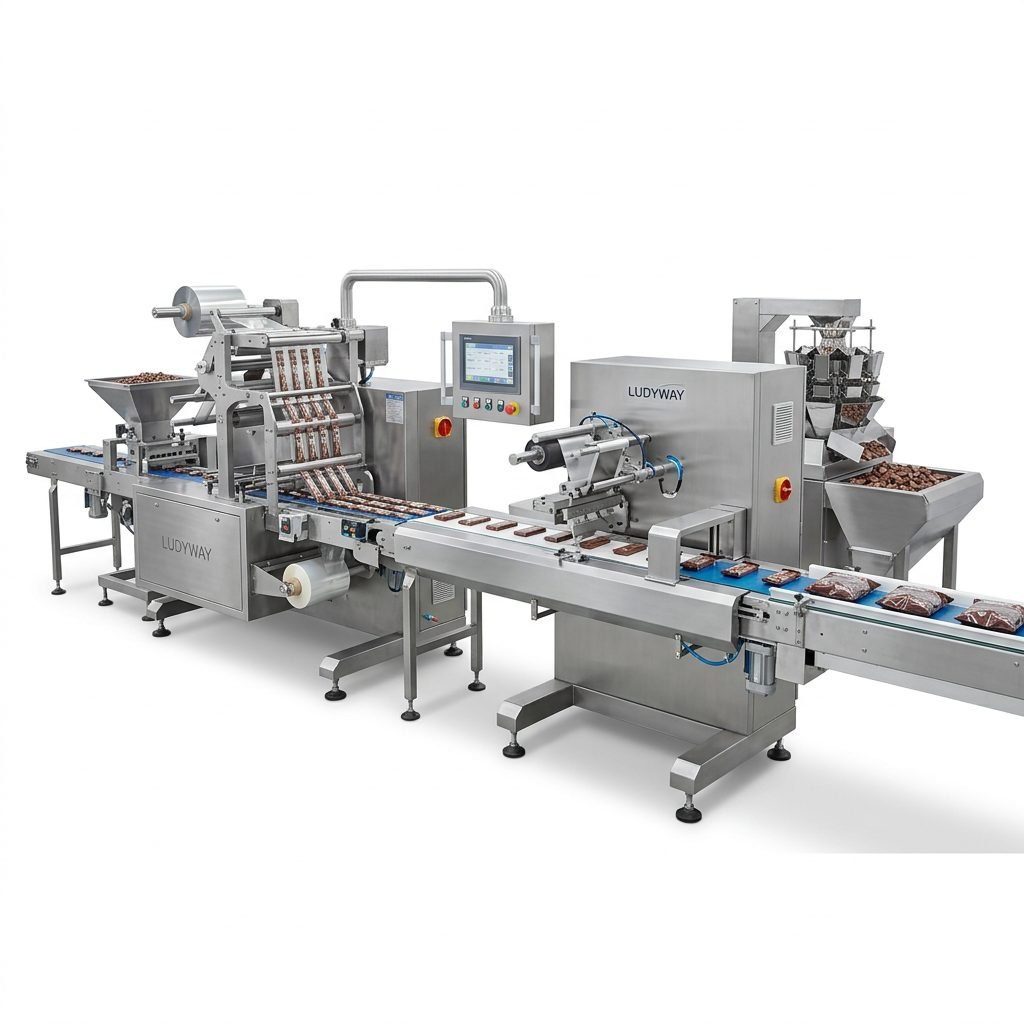
Understanding the UK Chocolate Packaging Landscape
The United Kingdom remains one of the largest confectionery markets in Europe. The demand for high-speed, automated packaging solutions has surged, driven by labor shortages and the need for extended shelf life. Modern chocolate packaging machinery is no longer just about wrapping; it involves sophisticated systems for flow wrapping, foil wrapping, and boxing that must comply with stringent UK food safety standards.
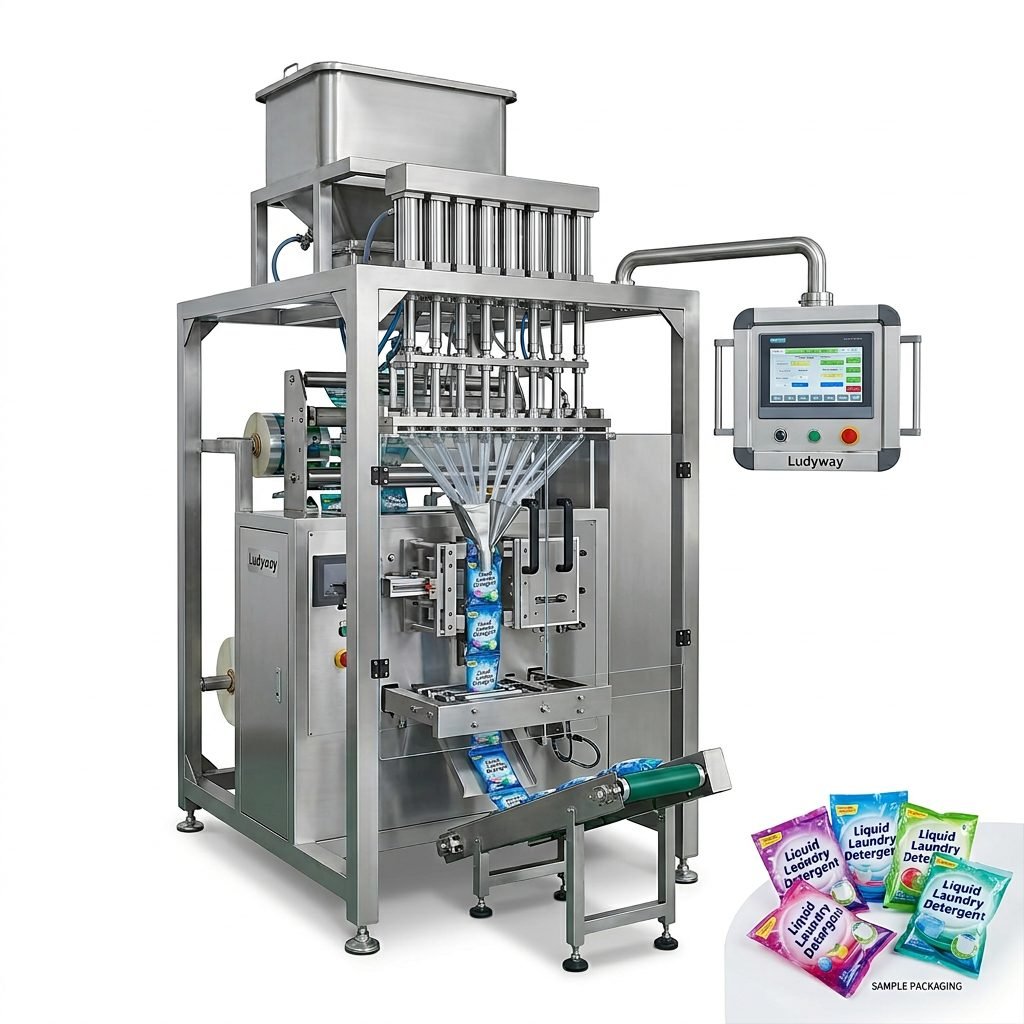
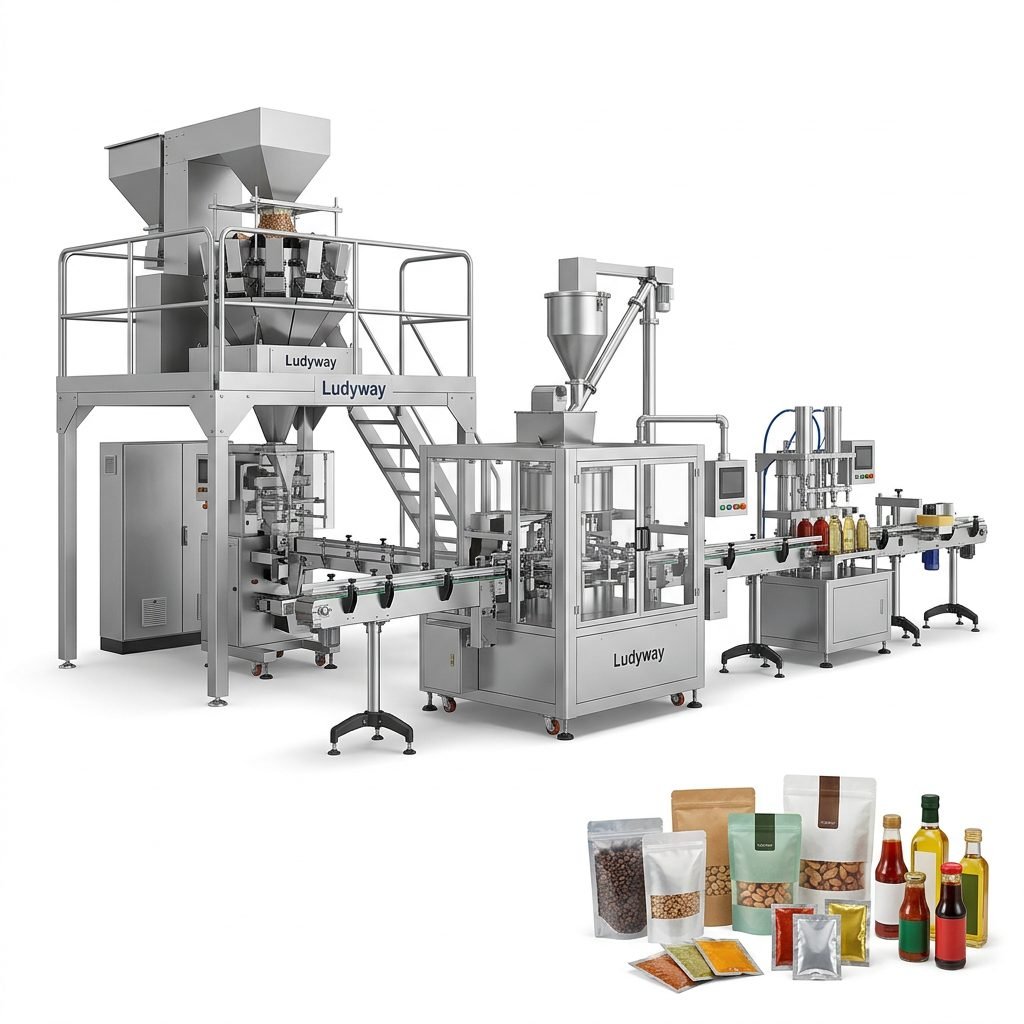
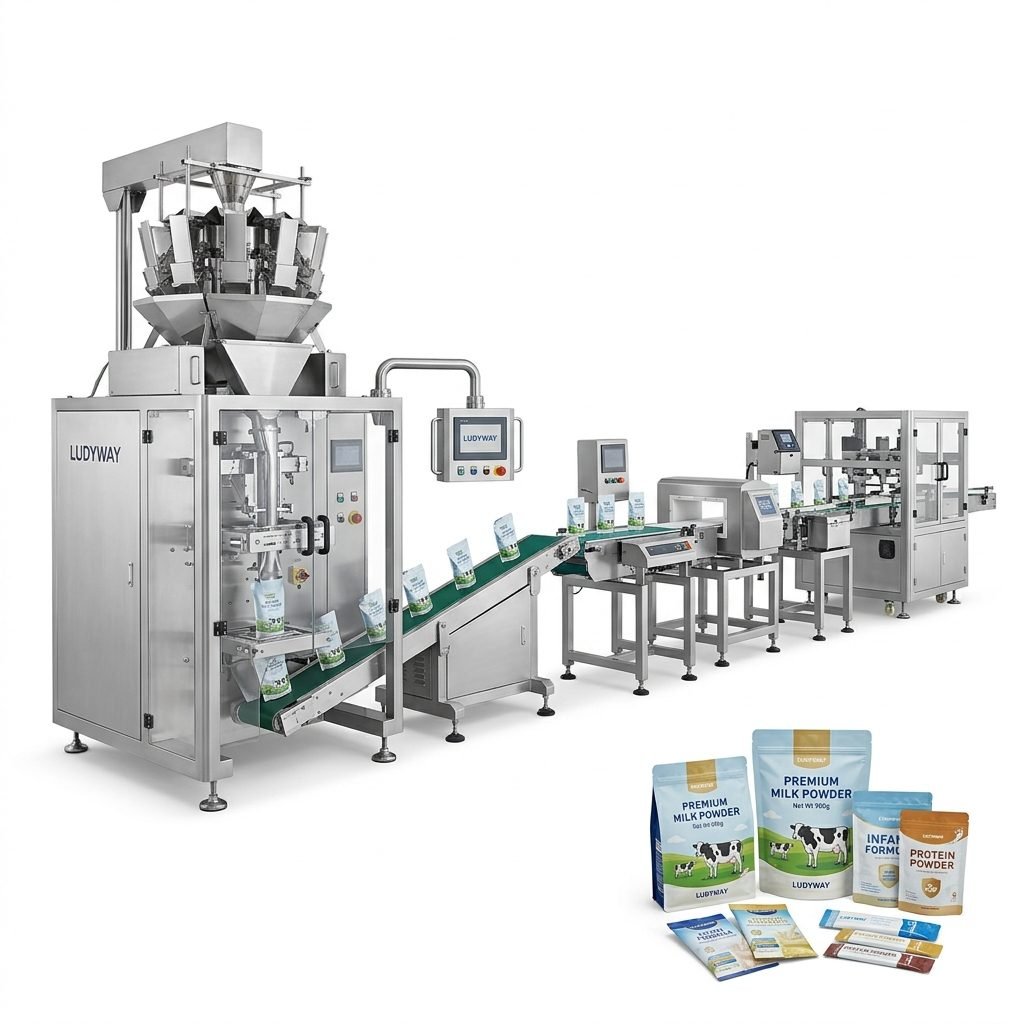
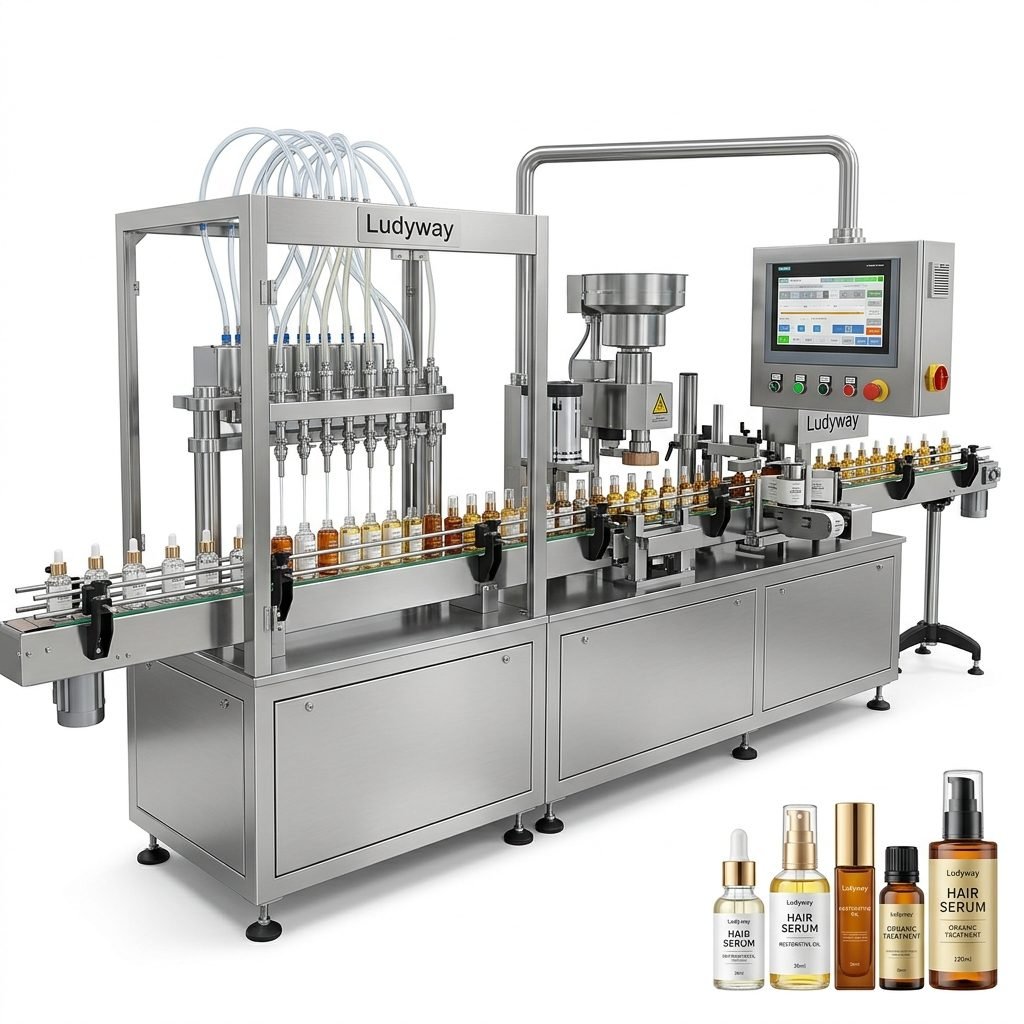
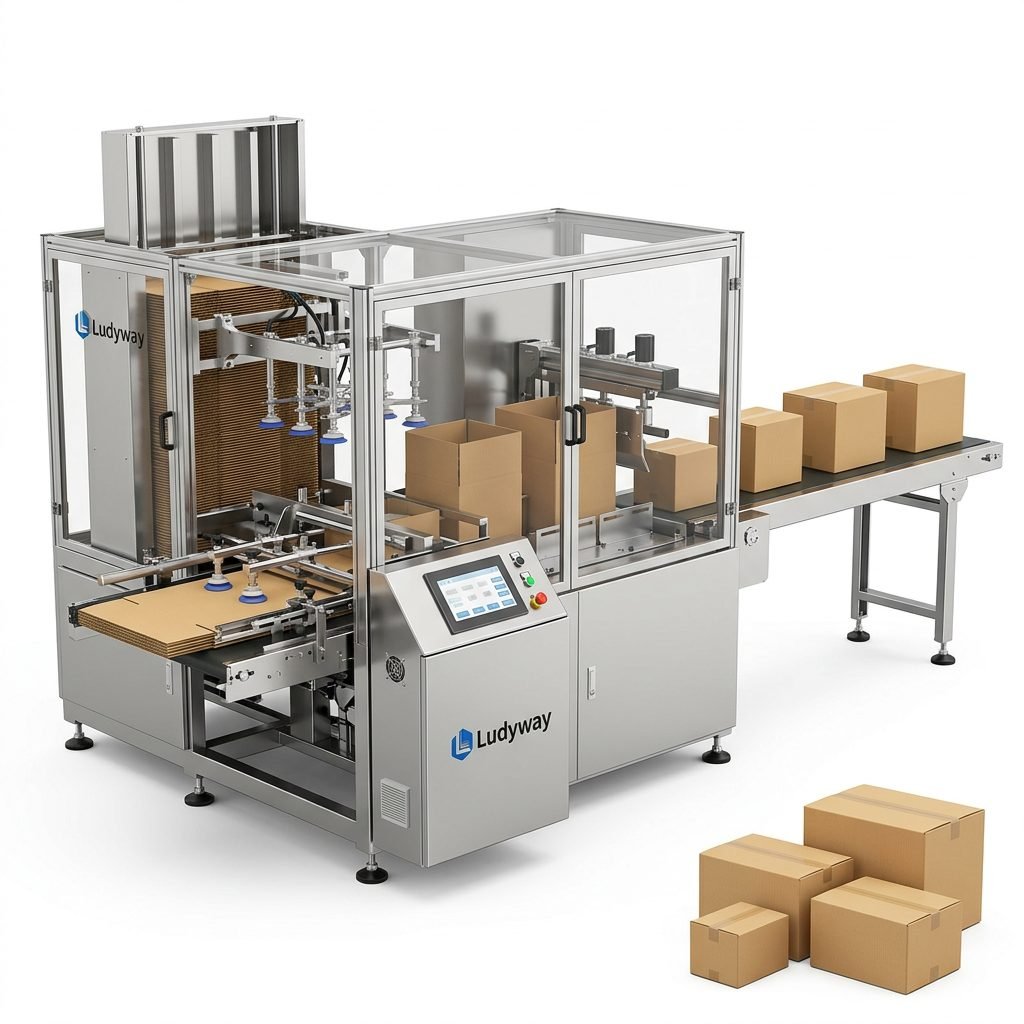
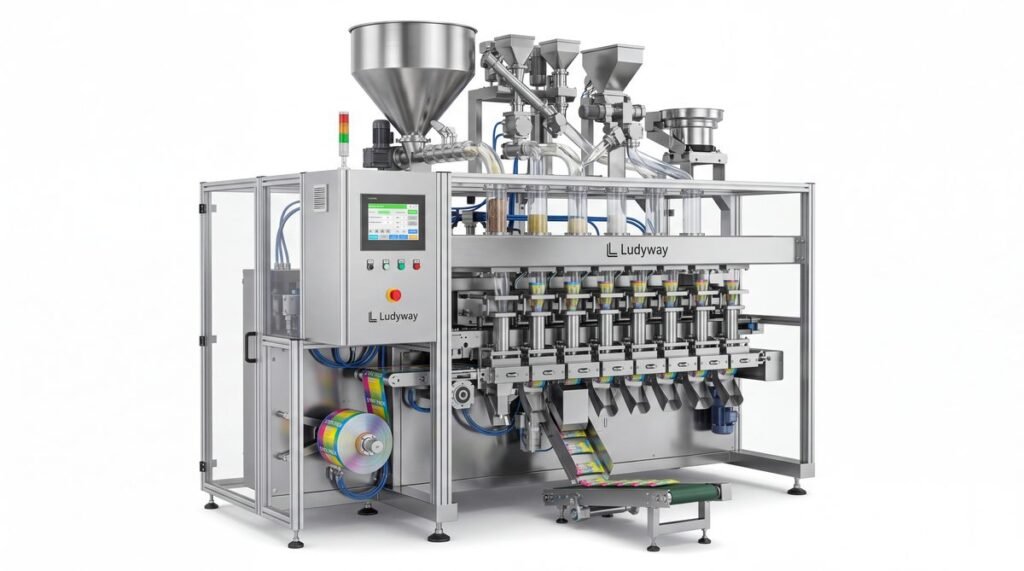
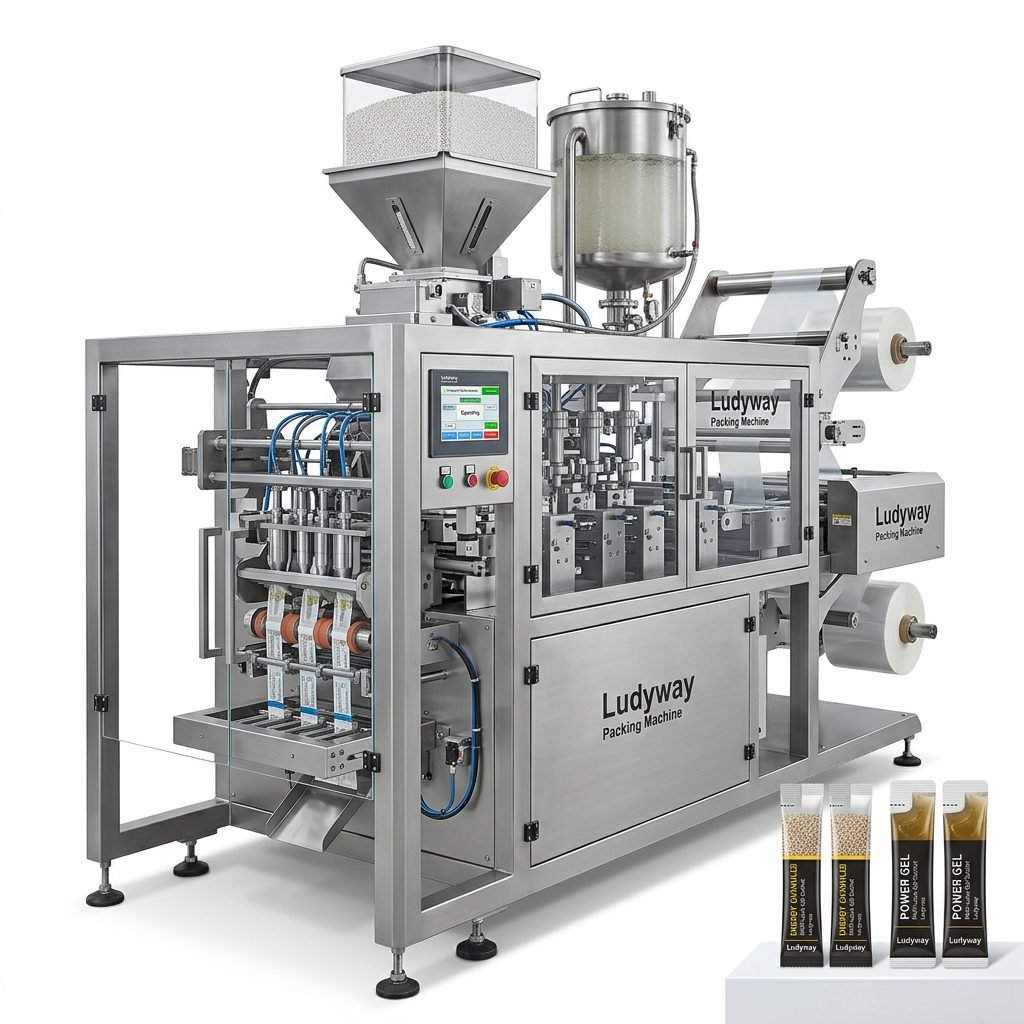
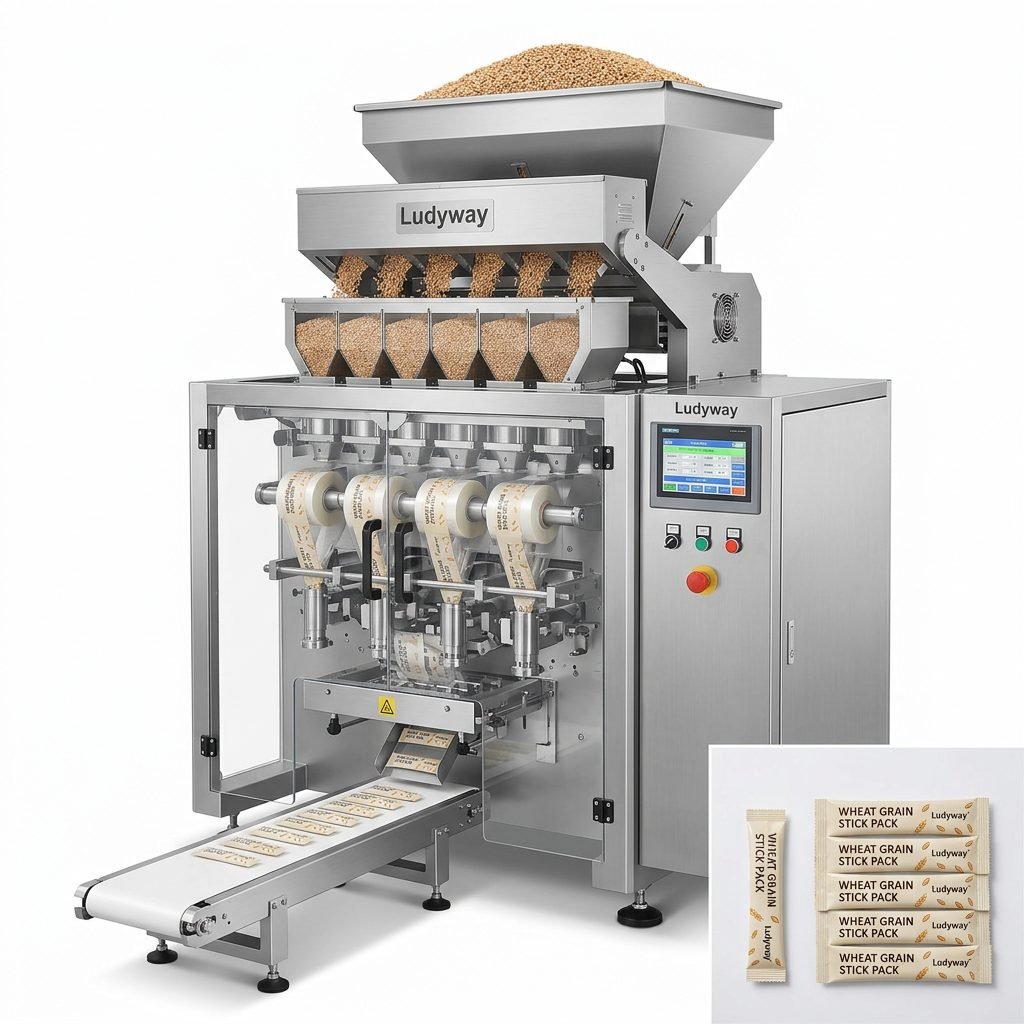
When sourcing a machine, it’s crucial to partner with manufacturers who understand both the technical and regulatory environment. For instance, Ludyway, one of the largest packaging machine manufacturers in China, offers advanced equipment that meets international export standards including CE certification, which is essential for the UK market.
Key Types of Chocolate Bar Packaging Machines
Depending on your production volume and bar format, there are several types of machinery to consider:
- Horizontal Flow Wrappers: The industry standard for high-speed chocolate bar wrapping. These machines seal bars in a pillow pack format, using heat-sealable films. Ideal for standard rectangular bars.
- Foil Wrapping Machines: Often used for premium or oddly shaped chocolate items. They provide excellent barrier protection against light and moisture, enhancing product luxury feel.
- Fold Wrapping Systems: Common for tablet bars, these machines create crisp folds with an inner foil or paper layer and an outer sleeve.
- Multi-Head Weighing and Pouch Systems: If you are packaging chocolate pieces or irregular chunks rather than molded bars, a vertical form fill seal (VFFS) machine with a multi-head weigher is the preferred choice.
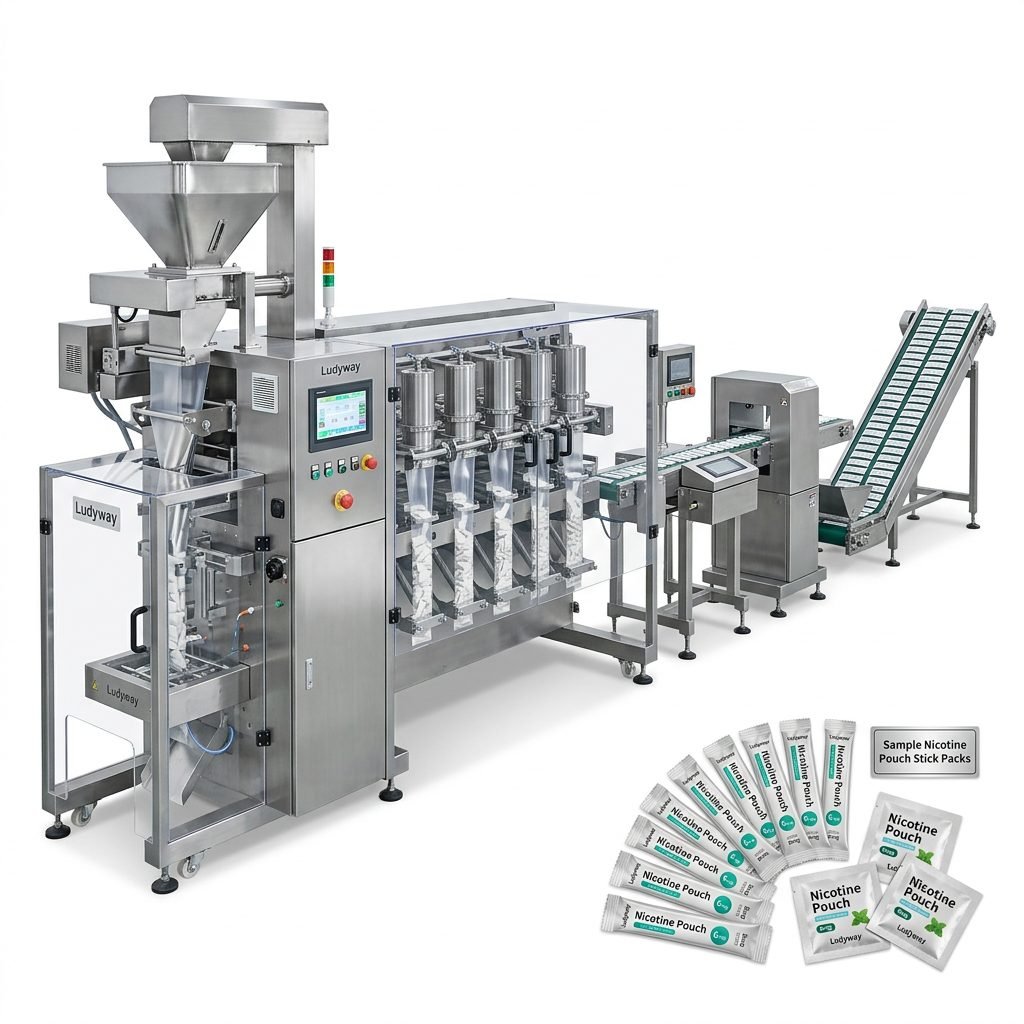
Critical Features to Look For
Not all packaging machines are created equal. To ensure you get the best return on investment, prioritize the following features when evaluating a chocolate bar wrapping machine:
Precision Temperature Control
Chocolate is extremely sensitive to heat. Sealing jaws must maintain a precise, stable temperature to prevent melting or bloom. Look for PID-controlled heating elements and cold-seal compatible options if running heat-sensitive products.
Film Registration and Tension
Proper film tracking is essential to avoid wrinkling or misaligned graphics. A machine with advanced photoelectric sensors ensures that the packaging design lines up perfectly on every bar, maintaining your brand’s premium look on the shelf.
Quick Changeover Capabilities
If you produce multiple bar sizes, changeover time is money lost. Machines with servo-driven adjustments, memorized recipes, and minimal change parts drastically reduce downtime between production runs.
Integration with Downstream Equipment
A modern line often includes a feeder system, the wrapper, and a cartoner. Ensure the machine can easily sync with checkweighers, metal detectors, and case packers to create a seamless flow.
Compliance and Food Safety Standards in the UK
Bringing machinery into the UK requires strict adherence to safety legislation. You must ensure the equipment meets the Supply of Machinery (Safety) Regulations 2008 and carries UKCA marking (or CE marking during the current transitional period).
Essential Hygiene Standards
- ✔ IP65 or higher washdown ratings for easy cleaning.
- ✔ Stainless steel construction for food contact parts.
- ✔ Sloped surfaces to prevent product accumulation.
Electrical Safety
- ✔ Compliance with BS EN 60204-1 for machine electrical systems.
- ✔ Proper guarding and interlocks to prevent operator injury.
Evaluating Supplier Reputation and Support
When importing heavy machinery, after-sales support is non-negotiable. The best suppliers provide remote diagnostic support and have a local presence or trained engineers in the UK. Look at platforms like the PMMI Business Intelligence resources to understand global market trends and supplier benchmarks. Don’t hesitate to ask for case studies or references from existing users in the confectionery sector.
It’s also wise to check industry resources for packaging standards. The ISO packaging standards provide a good baseline for machine performance and safety, ensuring your supplier meets global manufacturing benchmarks.
Cost Analysis: A Breakdown of Expenses
The cost of a chocolate bar packaging machine varies wildly based on speed, complexity, and brand. Here is a rough comparison of what to expect in the current market:
| Category | Speed (Bars/Min) | Estimated Price Range (GBP) |
|---|---|---|
| Entry-Level Semi-Auto | 20 – 50 | £15,000 – £35,000 |
| Mid-Range Flow Wrapper | 80 – 200 | £50,000 – £120,000 |
| High-Speed Servo System | 300 – 800+ | £150,000 – £400,000+ |
Beyond the initial purchase price, factor in shipping, import duties (check the EU and UK trade guidelines for packaging waste if applicable), VAT, installation, and operator training. Flexible packaging materials compliant with the Flexible Packaging Association standards also represent an ongoing operational cost.

Trends: Sustainability and Smart Technology
The UK packaging industry is heavily influenced by environmental regulations. The Plastics Packaging Tax and the push toward recyclable mono-materials are changing the game. Your machine must be capable of running eco-friendly film structures, which often require more delicate heat sealing profiles.
Furthermore, Industry 4.0 is making its way into confectionery. Smart packaging machines with OEE dashboards, predictive maintenance alerts, and cloud connectivity are becoming standard. Investing in a machine with remote diagnostics can significantly reduce downtime, especially for imported equipment. Keep an eye on reports like the PMMI State of the Industry to stay ahead of these technological shifts.
How to Choose: Questions to Ask Your Supplier
Before signing a purchase agreement, vet your potential supplier thoroughly. Here are vital questions to ask:
- Can the machine handle the specific thickness and viscosity of the chocolate coating if wrapping unwrapped bars?
- What is the scrap rate guarantee during start-up and operation?
- Is the machine compatible with my existing cartoning and case packing systems?
- Do you offer UKCA/CE certified electrical panels specifically for the British power grid?
- What is the turnaround time for critical spare parts shipped to the UK?
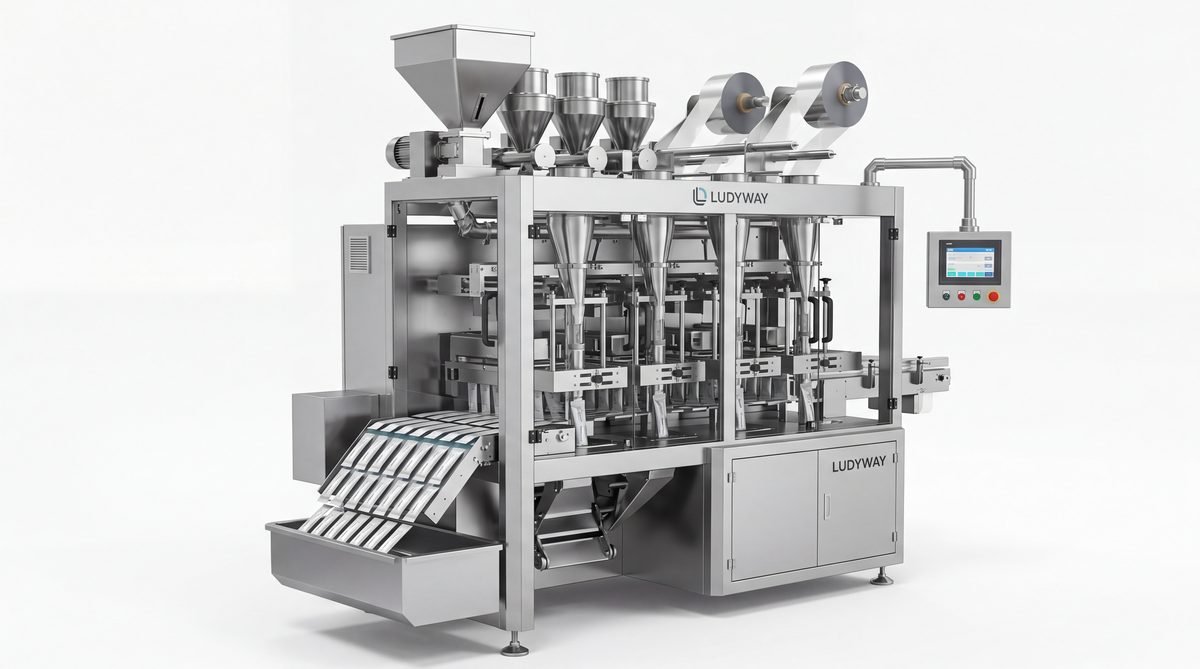
Final Verdict
Choosing the ideal chocolate bar packaging machine in the UK is about balancing speed, flexibility, and compliance. While high-end European brands dominate the market, advanced Asian manufacturers are closing the gap rapidly with competitive pricing and robust engineering. Always prioritize build quality, food-grade materials, and local after-sales support to ensure your confectionery line runs smoothly for years to come.
Explore global machinery standards by visiting the PMMI Resource Library and the FDA Packaging Guidelines for best practices, even for non-US markets, as they often set international precedents for safety and quality.