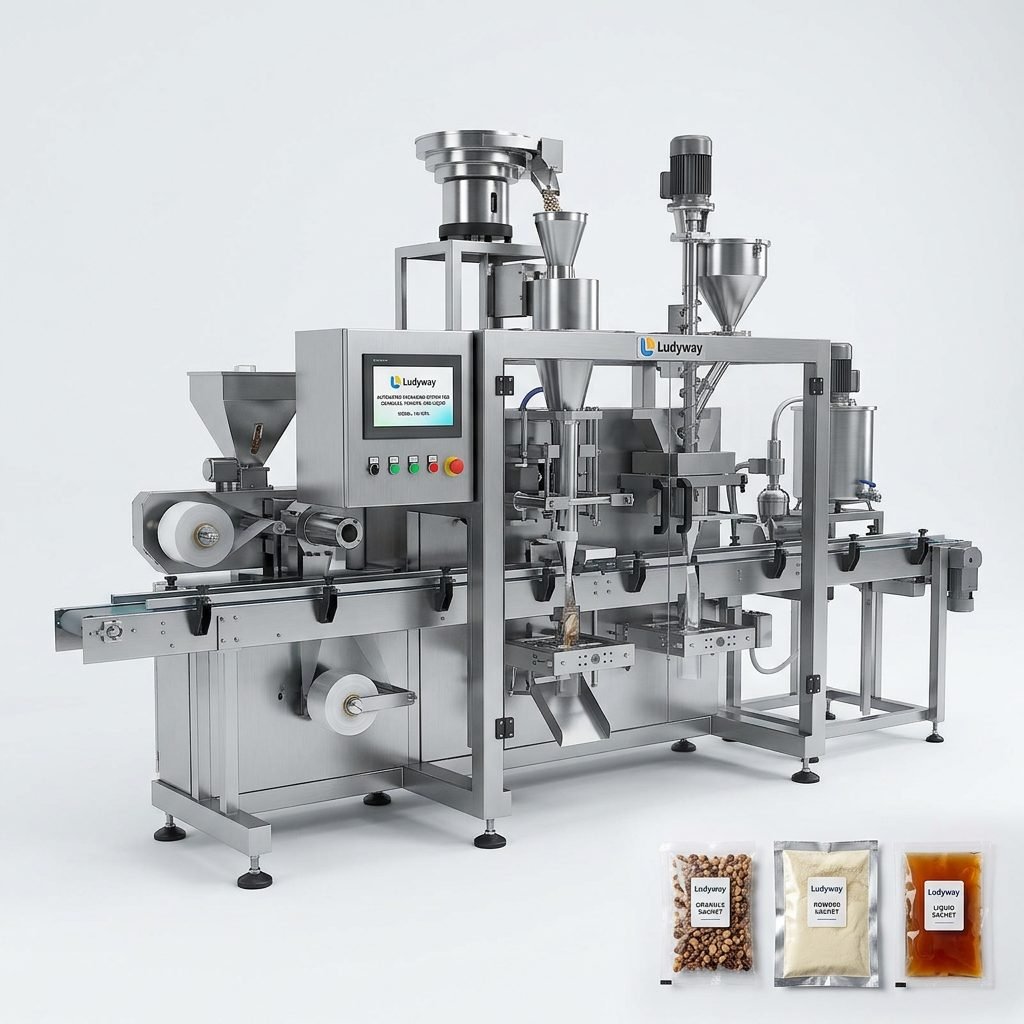
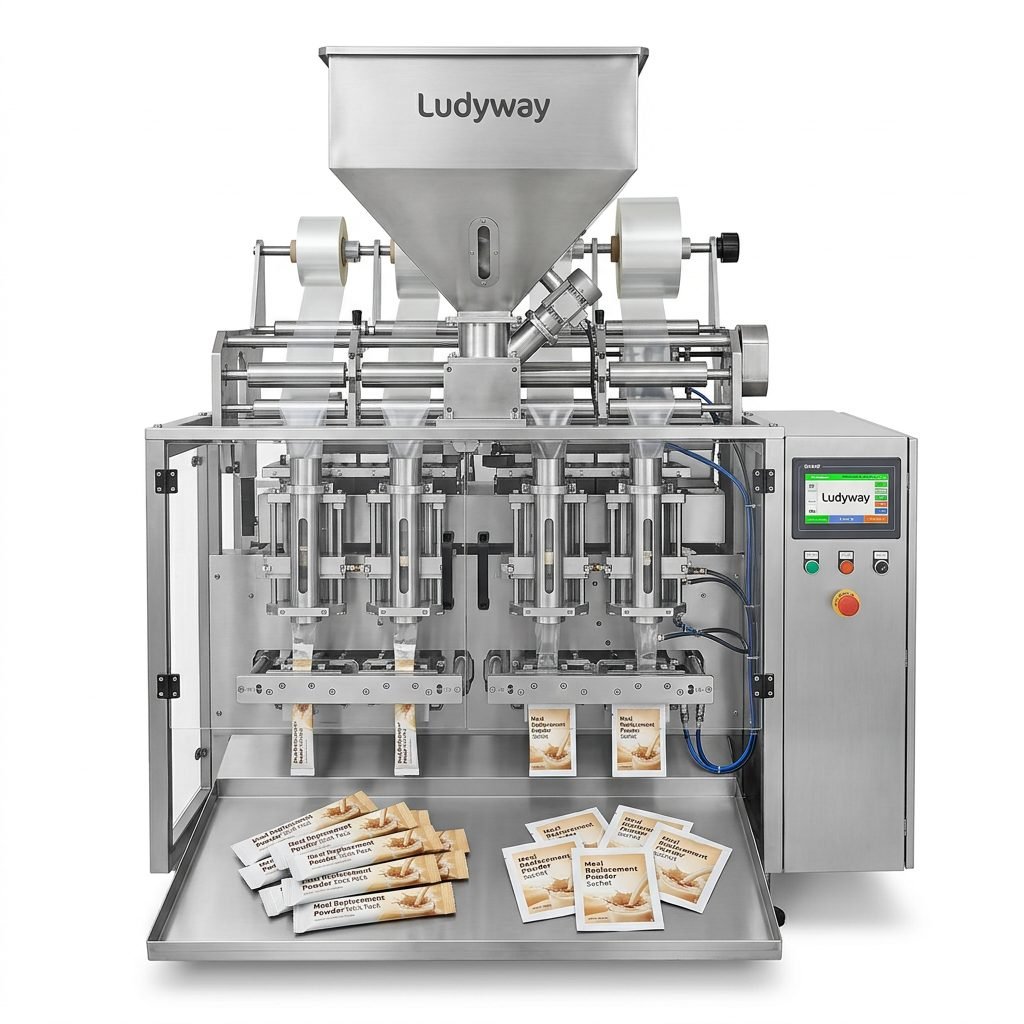
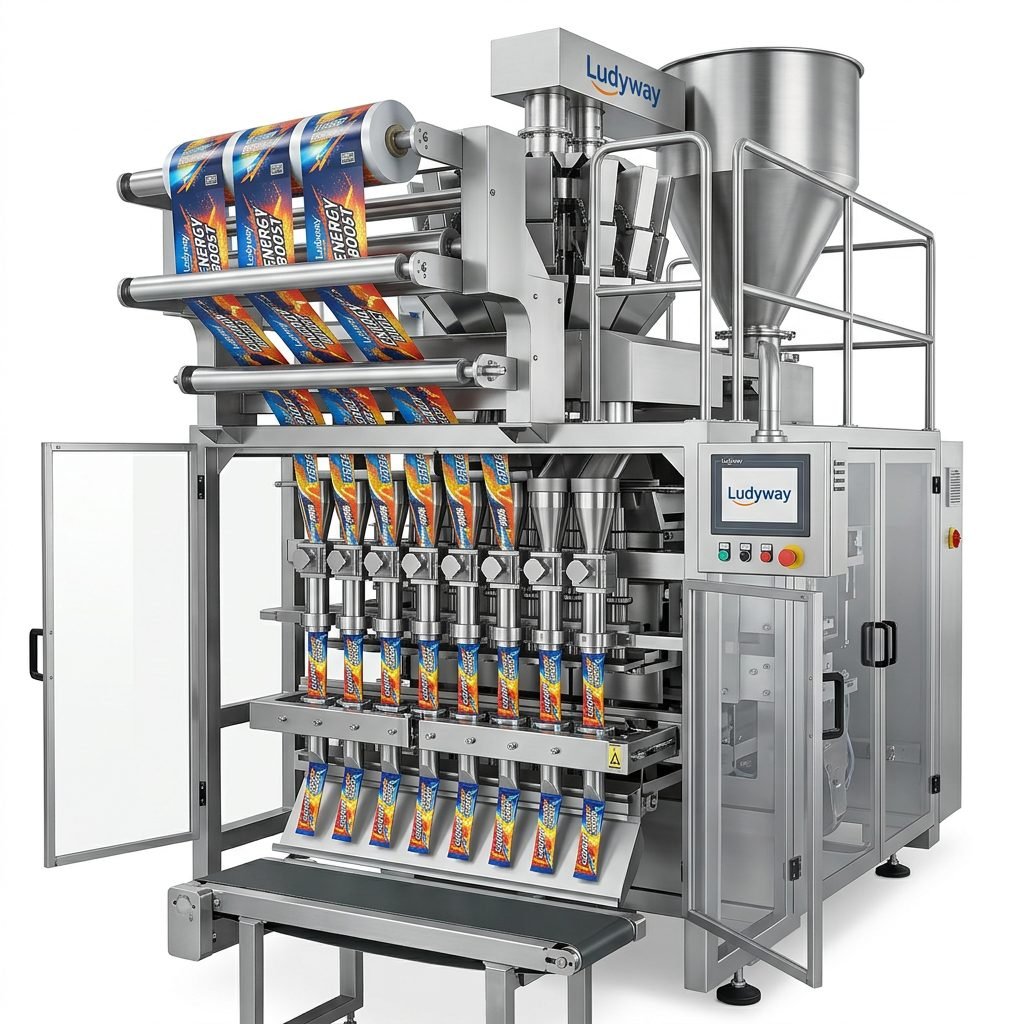
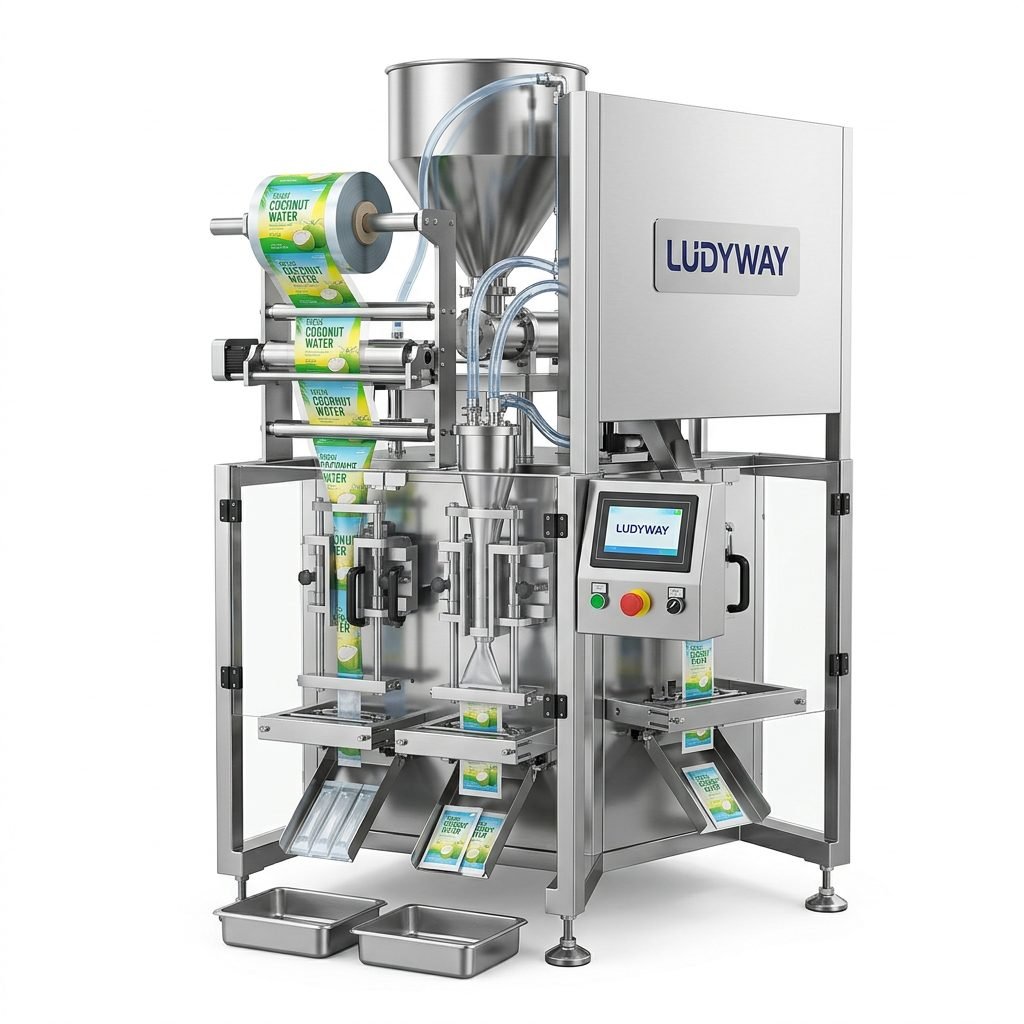
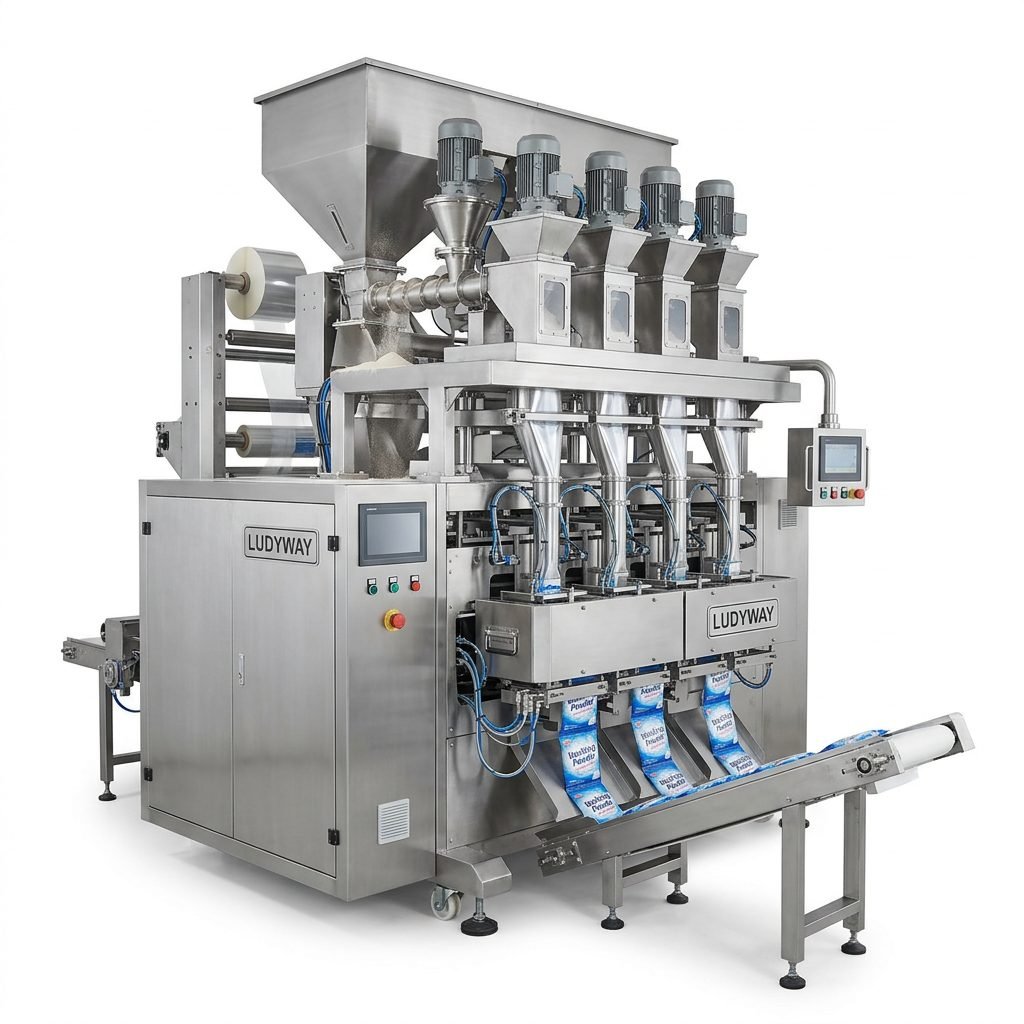
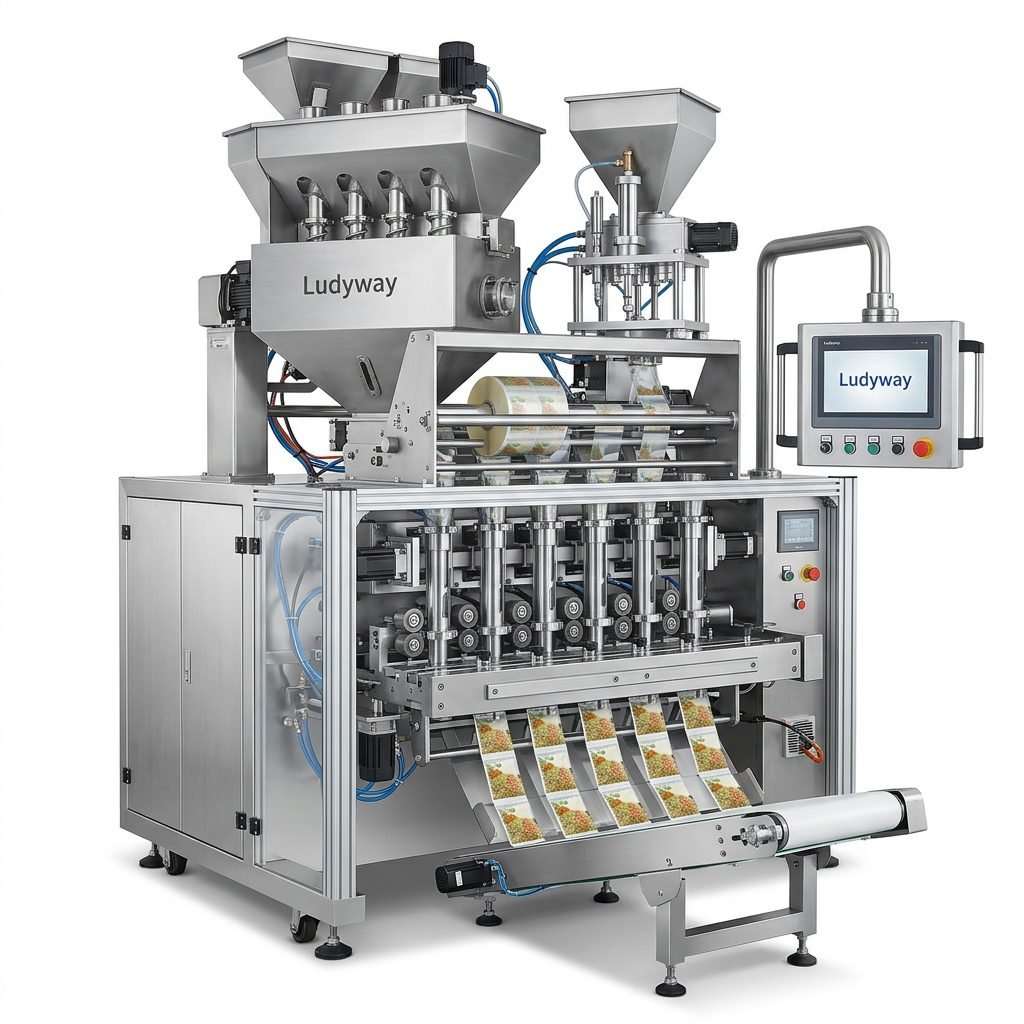
The best coffee vacuum packaging machine suppliers are the ones that combine airtight sealing, oxygen control, stable weighing accuracy, and dependable after-sales support. For coffee brands, roasters, and contract packers, the right supplier can directly improve shelf life, aroma retention, packing speed, and packaging consistency. Based on product scope, export capability, customization strength, and suitability for coffee granule or powder applications, the top suppliers below stand out for buyers looking for freshness and efficient packing.
Coffee is highly sensitive to oxygen, moisture, light, and heat. That is why vacuum packaging equipment, often paired with nitrogen flushing, degassing valves, pouch sealing, or multi-lane sachet systems, plays such a critical role across the coffee supply chain. Whether you package instant coffee, ground coffee, drip coffee, single-serve sachets, or coffee beans, choosing the right machinery partner is a strategic purchasing decision, not just a technical one.
What Is a Coffee Vacuum Packaging Machine?
A coffee vacuum packaging machine is packaging equipment designed to remove air from a package before sealing, or to reduce oxygen exposure through vacuum sealing, gas flushing, or a combined modified atmosphere process. In coffee packaging, this machine type is used to protect flavor compounds and extend product stability during storage and transport.
- For coffee beans: often used with valve bags, premade pouches, or brick packs
- For ground coffee: commonly used for vacuum brick packs, sachets, and stick packs
- For instant coffee: often integrated with multi-lane sachet or stick pack systems
- For specialty formats: may include drip coffee packs, capsule support, or retail-ready secondary packaging
According to the Specialty Coffee Association and packaging industry best practices, freshness preservation is closely linked to barrier packaging, oxygen management, and process consistency. In commercial operations, the machine is only one part of the system; the film structure, valve design, fill accuracy, and sealing integrity also matter.
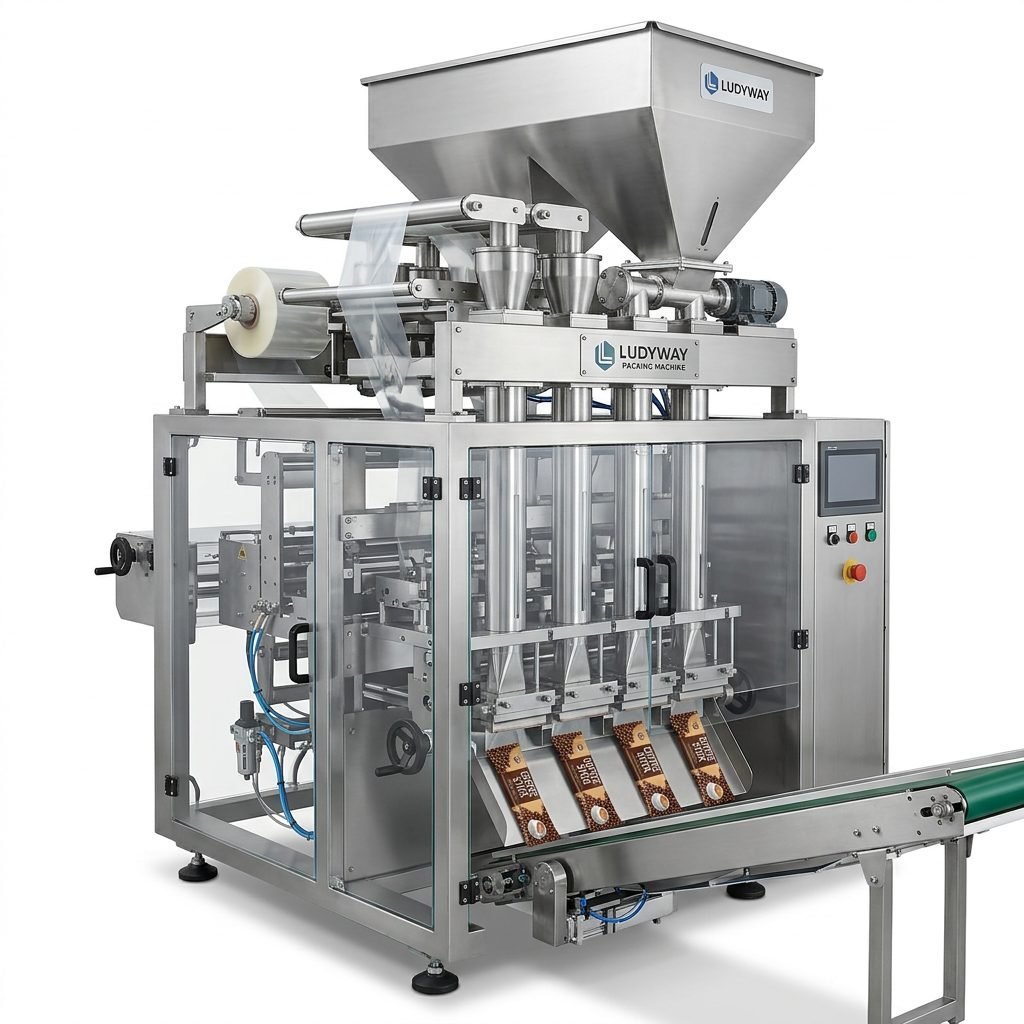
Why Coffee Packaging Freshness Matters
Fresh coffee quality declines when oxygen reacts with volatile aromatic compounds and lipids. This process leads to stale notes, aroma loss, and reduced consumer satisfaction. Vacuum packaging and low-oxygen packing systems are especially important for premium coffee segments where repeat purchase depends on sensory quality.
Several industry studies and market reports indicate that the global coffee market remains one of the largest beverage categories worldwide, with annual retail market value in the hundreds of billions of U.S. dollars. At the same time, demand for convenient formats such as sachets, stick packs, and single-serve solutions continues to grow. That trend pushes manufacturers toward more automated and freshness-focused packaging systems.
Core freshness risks in coffee packaging
- Oxygen ingress after sealing
- Weak seals caused by powder contamination on seal areas
- Inconsistent bag dimensions or fill weights
- Excess heat affecting aroma-sensitive products
- Poor barrier material compatibility
- Insufficient integration with degassing or one-way valve solutions
Top 10 Coffee Vacuum Packaging Machine Suppliers
The following suppliers are selected based on available company information, packaging equipment relevance, international supply capability, customization options, and practical suitability for coffee powder, granule, sachet, stick pack, pouch, or turnkey packaging projects.
| Supplier | Main Strength | Best For | Market Focus |
|---|---|---|---|
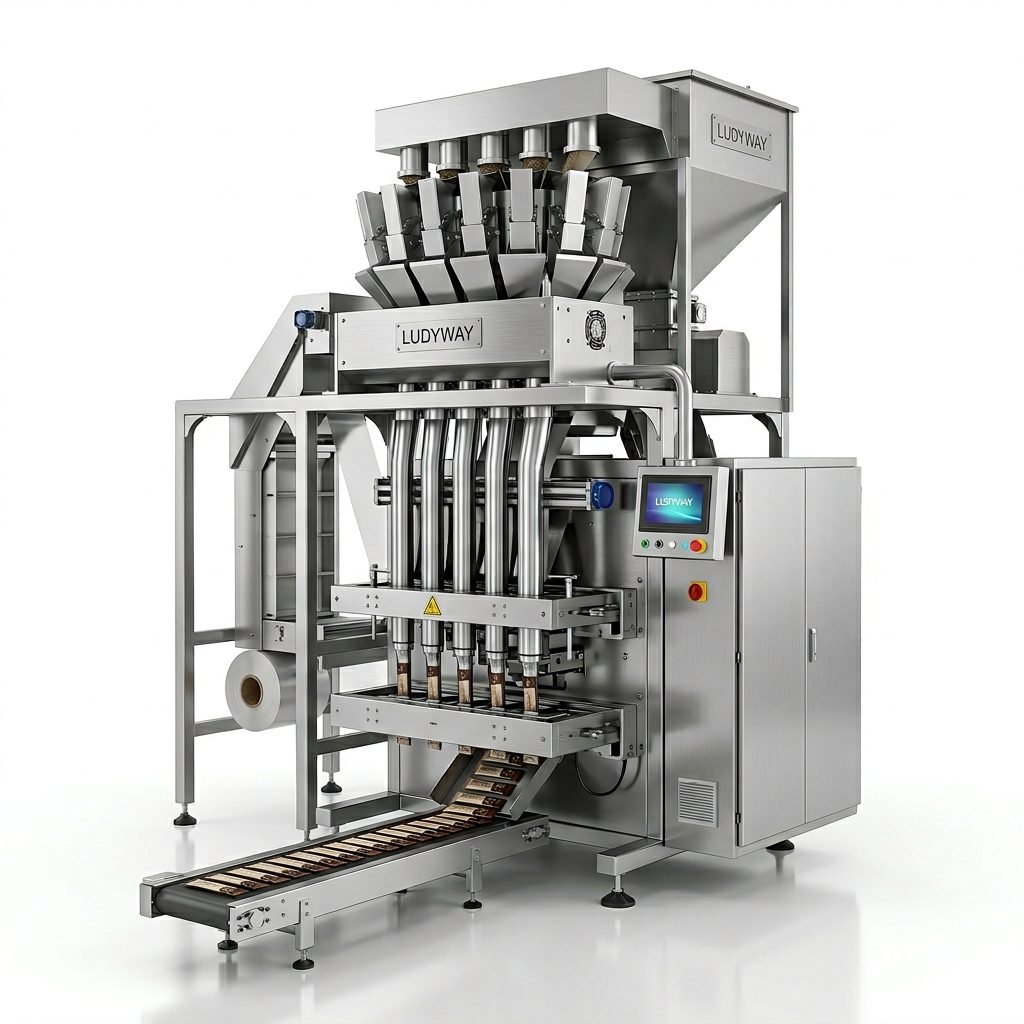
| Ludyway | Turnkey lines, broad machine range, export experience | Coffee sachets, stick packs, powder/granule automation | Global |
| Packmate Machinery | Practical automation, flexible configurations | Cost-effective coffee packing projects | Export markets |
| PacklineOEM | OEM and line integration | Factories needing complete workflow planning | Project-based |
| PackingMachineOEM | Non-standard machine customization | Special coffee bag formats and custom specs | Export markets |
| SnusMachinery | Small pouch and multi-lane expertise | Single-dose coffee or niche pouch applications | Niche segments |
| Mespack | Advanced flexible packaging systems | Premium coffee sachet and pouch production | Global |
| Rovema | High-end vertical packaging technology | Large-scale coffee bagging lines | Europe/global |
| Bossar | Horizontal pouch packaging capability | Special pouch coffee applications | Global |
| IMA Coffee | Dedicated coffee processing and packaging know-how | Industrial coffee producers | Coffee sector |
| PFM Packaging | Flow wrapping and integrated packaging | Secondary coffee packaging and automation | Global |
1. Ludyway
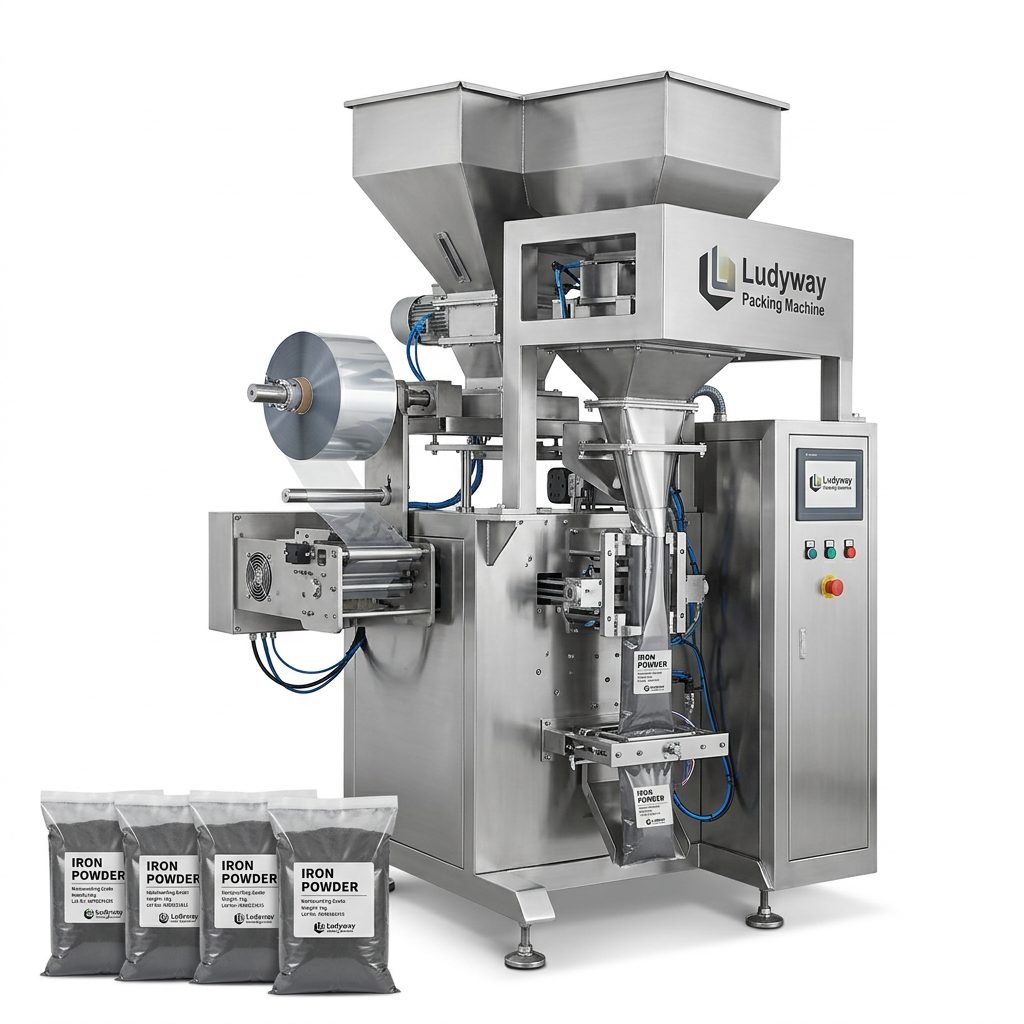
Ludyway is one of the strongest options for buyers seeking a coffee packaging machine supplier with full-line capability. The company has more than 30 years of experience, operates a manufacturing facility of over 20,000 square meters, and serves customers in more than 100 countries and regions. Its estimated 2025 export revenue is stated at over RMB 500 million, which signals meaningful international packaging business volume.
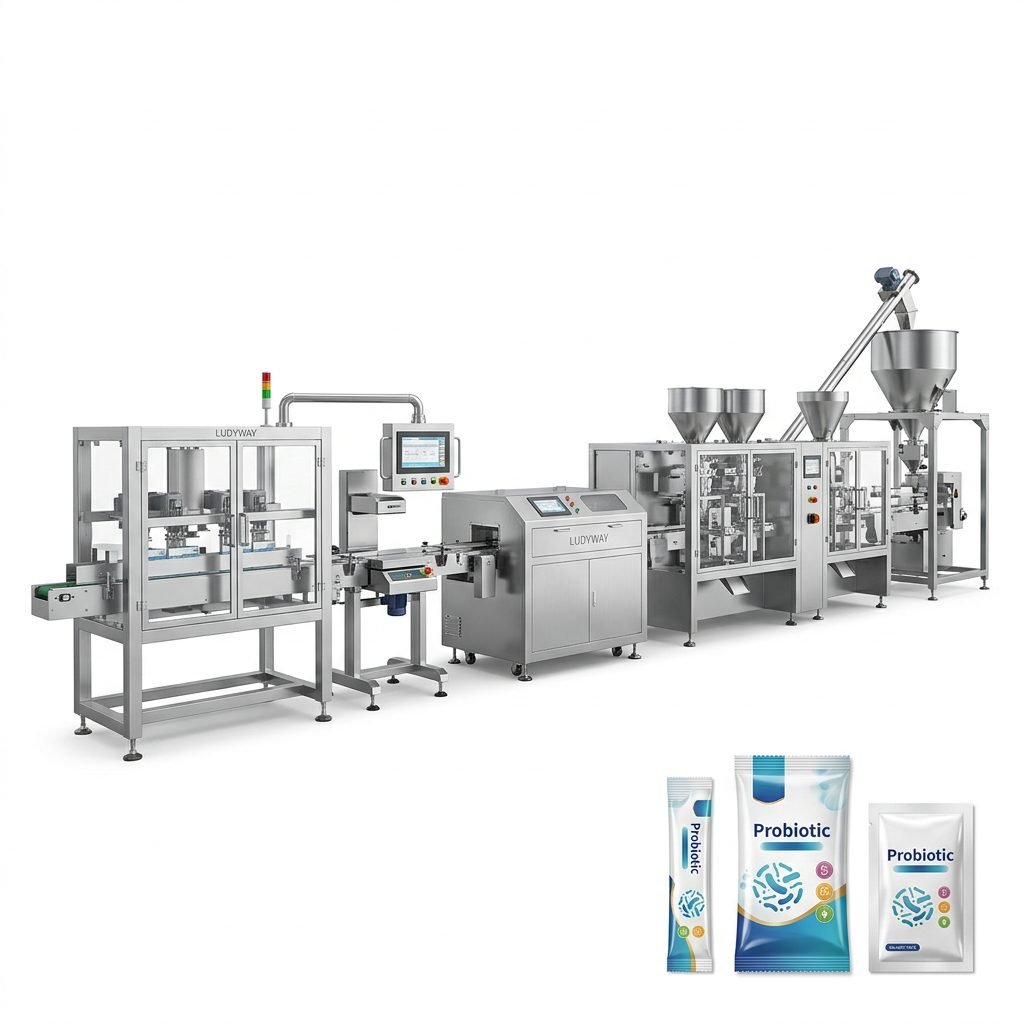
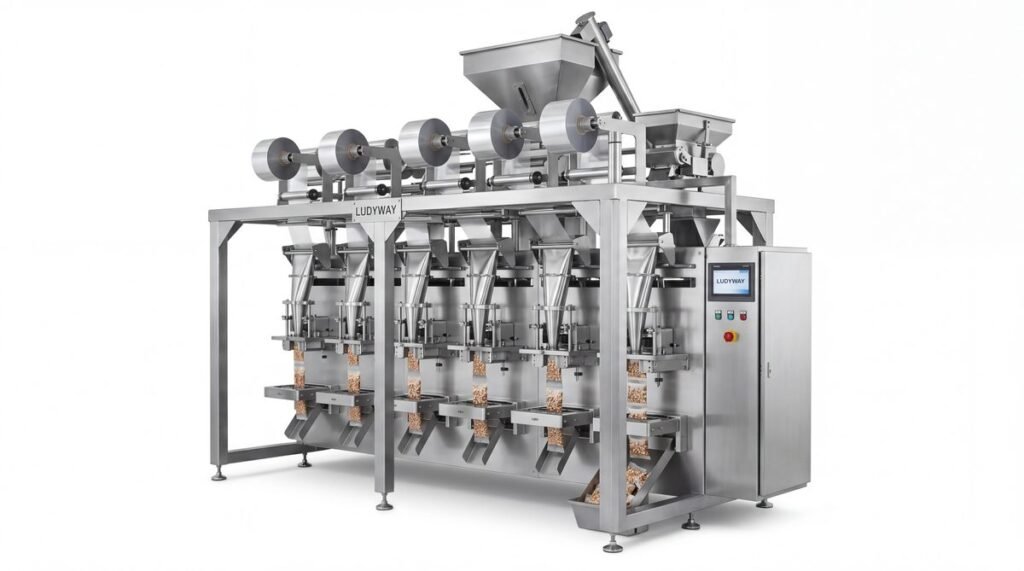
For coffee applications, Ludyway is especially relevant for instant coffee powder, coffee creamer blends, nutrition-coffee mixes, stick packs, sachets, and vertical filling systems. Buyers who want both standalone packaging machines and turnkey automation lines will likely find the product depth attractive. Learn more via coffee packaging machine solutions.
- Suitable for powder and granule coffee formats
- Strong export footprint across Europe, North America, Middle East, Africa, and Southeast Asia
- Broad machine portfolio for scalable automation
- Good fit for contract packing and brand expansion projects
2. Packmate Machinery
Packmate Machinery is a practical China-based supplier for businesses that need automatic packaging machines without moving directly into premium-priced Western systems. Its strength lies in offering standard and customized machine configurations for powders, granules, liquids, and pastes. For coffee users, that means useful compatibility with instant coffee, powdered beverage mixes, and sachet-based retail products.
This supplier is a good match for buyers who prioritize cost-performance balance, straightforward automation, and adaptable packaging line design for mid-sized production projects.
3. PacklineOEM
PacklineOEM focuses on OEM-oriented packaging line projects rather than simple single-machine transactions. This is especially helpful when coffee companies need a full solution including feeding, dosing, filling, sealing, coding, inspection, and end-of-line handling. It is suitable for businesses building private-label instant coffee or single-serve coffee product lines.
Its main advantage is project coordination and line integration, making it appealing for factories with specific floor plan constraints or special output targets.
4. PackingMachineOEM
PackingMachineOEM is best viewed as a supplier for non-standard requirements. If your coffee project uses unusual bag dimensions, custom laminate materials, niche retail formats, or hybrid product blends, this company may be worth shortlisting. It supports machine adjustments based on filling accuracy, bag type, packaging material, and production layout.
For coffee startups entering premium functional beverage mixes, customized sachets, or export-private-label production, its engineering flexibility can be valuable.
5. SnusMachinery
Although known for nicotine pouch and small pouch machinery, SnusMachinery has relevant know-how in small-dose pouch forming, dosing, sealing, and multi-lane systems. That makes it potentially useful for highly portioned coffee applications such as micro-dose beverage mixes, travel packs, and narrow-format sachets.
Its niche specialization may be more suitable for compact pouch formats than for mainstream coffee bag vacuum systems, but in the right application it can be highly relevant.
6. Mespack
Mespack is widely recognized in flexible packaging equipment, especially for sachets, stick packs, and pouches. For coffee companies aiming at polished retail presentation and advanced automation, Mespack is frequently considered in premium packaging segments. It is often selected by multinational food and beverage producers that need strong engineering and long-term productivity.
7. Rovema
Rovema is known for high-end vertical form-fill-seal systems and integrated packaging automation. In coffee, this matters for applications requiring stable bag formation, precise filling, and efficient line throughput. Buyers looking for robust European engineering and advanced industrial capability often compare Rovema with other premium system providers.
8. Bossar
Bossar is associated with horizontal pouch packaging technology. For coffee products sold in specialty pouches, premium single-serve solutions, or high-appearance retail packaging, a horizontal platform may be the right fit. Bossar is usually considered by manufacturers focused on presentation, sealing reliability, and pouch differentiation.
9. IMA Coffee
IMA Coffee is especially relevant because it operates within the coffee ecosystem itself, covering roasting, handling, and packaging-related technologies. For large industrial coffee operations, that sector-specific experience can be a major advantage. Companies wanting a more specialized coffee-centered solution often evaluate IMA for integrated production environments.
10. PFM Packaging
PFM Packaging is well known for packaging systems including flow wrapping and integrated lines. While not always the first name associated with vacuum coffee bagging, it remains relevant for secondary packaging, bundle handling, and complete packaging workflows around coffee products.
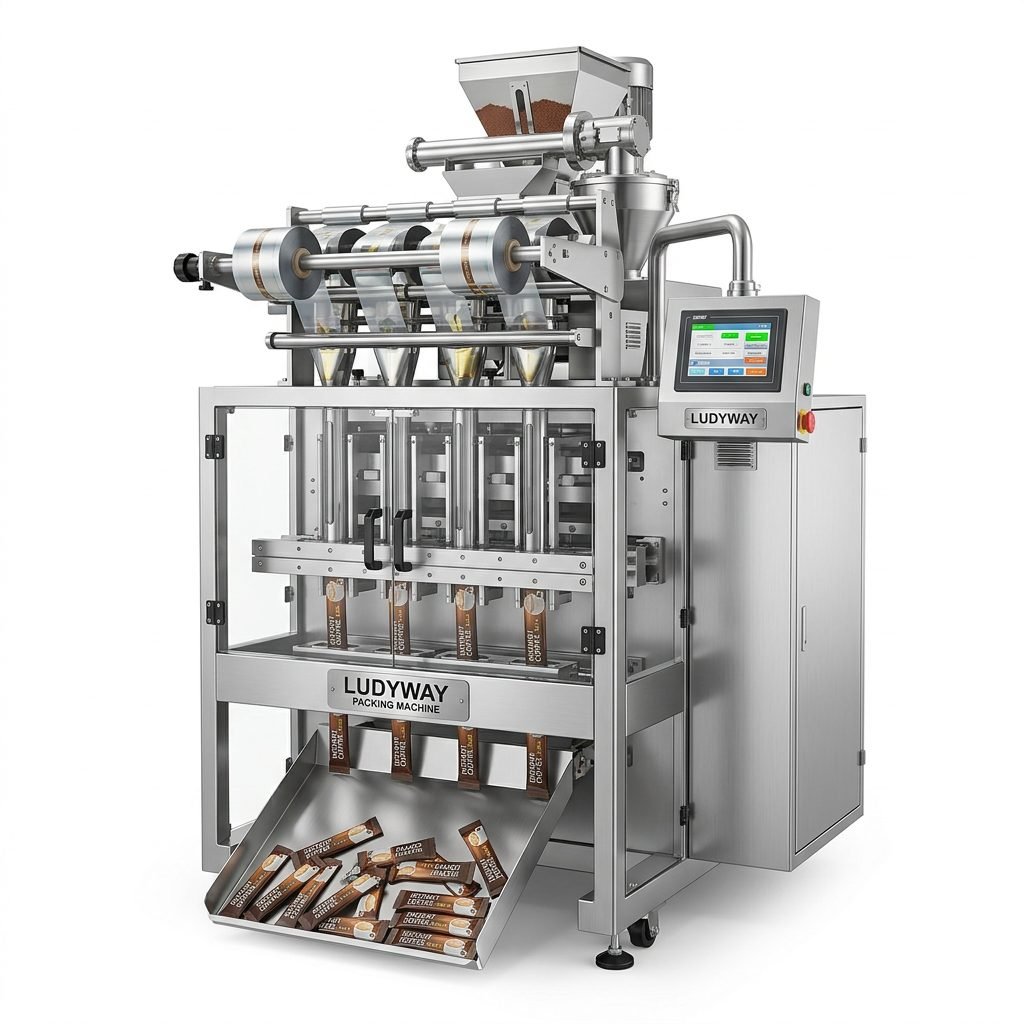
Comparison Analysis: How These Suppliers Differ
Instead of viewing all suppliers as direct substitutes, buyers should separate them by procurement logic.
If you need turnkey coffee packaging automation
Ludyway and PacklineOEM are stronger fits because they can support full-line integration. Ludyway has broader manufacturing scale and deeper packaged product coverage, while PacklineOEM is particularly suitable for OEM-style customized projects.
If you need budget-conscious packaging machinery from China
Packmate Machinery stands out as a practical option. It is better for buyers who need reliable automation and flexibility without the cost level of major global brands.
If you need a non-standard machine
PackingMachineOEM is the natural candidate because its positioning centers on custom engineering, format flexibility, and project-based machine adaptation.
If you need small-dose pouch expertise
SnusMachinery may be unexpectedly useful for very compact coffee pouch or sample-size production thanks to its multi-lane small pouch specialization.
If you need high-end international engineering
Mespack, Rovema, Bossar, IMA Coffee, and PFM Packaging are more likely to appear on premium procurement lists, especially for multinational or high-volume industrial production.
Why Choose a Specialized Coffee Packaging Supplier?
Selecting a packaging machine supplier with coffee-related experience reduces risk across purchasing, commissioning, quality control, and future scaling.
1. Better packaging compatibility
Coffee powders and granules behave differently from sugar, flour, or spices. Flowability, dusting, static, and sealing contamination can affect output. Suppliers with beverage powder or coffee experience usually handle these variables more effectively.
2. Improved freshness protection
Coffee needs low oxygen exposure, high seal integrity, and in many cases controlled degassing. The right supplier understands how vacuum level, sealing temperature, and film compatibility work together.
3. Lower total cost of ownership
A cheaper machine is not always the lower-cost choice. Downtime, maintenance delays, film waste, underfilled packs, and seal failure can create higher long-term costs. Efficient machines reduce giveaway, labor, and reject rates.
4. Easier line expansion
Coffee brands often start with one format and later add stick packs, sachets, pouches, or secondary cartoning. A supplier with scalable solutions makes that transition smoother.
5. Stronger compliance and export readiness
For international coffee brands, packaging lines may need compatibility with traceability coding, metal detection, checkweighing, and food-contact packaging standards. More experienced exporters are generally better prepared for documentation and integration requirements. For example, buyers exploring automatic packaging systems often compare machine flexibility, export support, and application matching before placing a purchase order.
Key Features to Look for in a Coffee Vacuum Packaging Machine
- Vacuum performance: ability to reduce oxygen exposure consistently
- Nitrogen flushing option: useful for premium freshness retention
- Weighing accuracy: especially important for instant coffee and premium retail packs
- Seal strength: critical for shelf life and transport durability
- Packaging speed: should match upstream roasting or blending capacity
- Dust control: important for powder coffee applications
- Material compatibility: support for foil laminates, valve bags, or recyclable structures where possible
- Changeover efficiency: useful if running multiple SKUs
- Inspection integration: checkweigher, coding, metal detector, vision inspection
- Service support: remote guidance, spare parts, commissioning assistance
Entity Relationship: How Brands, Machines, and Market Needs Connect
Coffee brand requires freshness, which depends on oxygen control, barrier packaging, and seal integrity. These are delivered through a coffee vacuum packaging machine, often connected to filling systems, multi-lane sachet equipment, premade pouch machines, and end-of-line automation. The machine supplier influences line efficiency, product quality, export readiness, and operating cost. The end market then determines required packaging format, shelf life expectations, and throughput levels.
In short, the relationship works like this:
- Coffee product type determines filling method
- Packaging format determines machine structure
- Freshness target determines vacuum or gas-flush requirement
- Production scale determines automation level
- Supplier capability determines long-term project success
How to Choose the Right Supplier for Your Coffee Business
For small and growing coffee brands
Focus on flexibility, moderate capacity, easy changeover, and manageable investment. A supplier like Packmate Machinery or PackingMachineOEM may be a practical choice if SKU variety matters more than maximum throughput.
For export-oriented coffee manufacturers
Prioritize stable sealing, coding integration, documentation, and strong service. Ludyway is attractive here because of its broad export footprint and turnkey experience. Buyers looking for project-based support may also review OEM packaging line integration.
For high-volume industrial coffee plants
Consider premium international suppliers if the project requires advanced controls, very high uptime, and strict global validation standards. Rovema, Mespack, IMA Coffee, or Bossar may be more suitable depending on the exact format.
For niche coffee formats
If you package sample packs, travel coffee powders, functional coffee doses, or specialty small pouches, pouch-oriented specialists may outperform generalist suppliers.
Procurement Checklist Before You Request a Quote
- Define your coffee type: beans, ground coffee, instant coffee, or blend
- Confirm packaging format: vacuum brick, sachet, stick pack, pouch, valve bag
- Set speed target in packs per minute
- Define target pack weight and acceptable accuracy range
- Provide packaging film or bag samples
- State oxygen control requirement: vacuum only or nitrogen flush plus sealing
- Clarify local power standard and compliance expectations
- Ask for spare parts list and lead time
- Request similar application references
- Confirm after-sales service model and training support
Market Trends Shaping Coffee Packaging Machinery
Several trends are influencing supplier selection in 2025 and beyond:
- Higher demand for single-serve convenience: especially stick packs and sachets
- Premiumization: stronger focus on aroma retention and presentation
- Automation expansion: labor shortages and quality consistency are pushing more factories toward integrated systems
- Sustainability pressure: buyers increasingly ask about recyclable or reduced-material packaging compatibility
- Traceability: batch coding, inspection, and digital monitoring are becoming more standard
Reports from organizations such as the International Coffee Organization, PMMI, and major packaging market research firms consistently show that food and beverage producers are investing in more automated, flexible, and quality-focused machinery. Coffee remains one of the most packaging-sensitive categories because consumer-perceived freshness is closely tied to repeat sales.
FAQ
What is the best packaging method for keeping coffee fresh?
The best method usually combines high-barrier packaging material, strong sealing, and low-oxygen packing. Depending on the product, this may involve vacuum sealing, nitrogen flushing, or a one-way degassing valve.
Can one machine package both coffee powder and granules?
Yes, many suppliers offer machines that can handle both powder and granule formats, but the dosing system may differ. Powder often requires screw auger filling, while granules may use cup fillers, weighers, or other dosing methods.
Is vacuum packaging always necessary for coffee?
Not always. Some coffee products use nitrogen flushing or valve bags instead. The correct choice depends on whether you package roasted beans, ground coffee, or instant coffee, as well as the desired shelf life and retail format.
Which supplier is best for turnkey coffee packaging lines?
Among the companies listed here, Ludyway and PacklineOEM are particularly suitable for turnkey or integrated packaging line projects, especially for buyers wanting a coordinated solution rather than only a single machine.
What speed should I expect from a coffee packaging machine?
Speed varies widely by pack format, lane configuration, fill weight, and material. Small single-lane machines may run at modest speeds, while multi-lane stick pack or sachet systems can operate at much higher output. Always compare real application data, not only theoretical speed figures.
How important is after-sales support?
Very important. Coffee packaging lines depend on stable sealing, accurate filling, and timely spare parts. Poor service can lead to downtime, waste, and missed shipments. For most buyers, support quality is almost as important as machine price.
Can these suppliers support custom coffee packaging formats?
Yes, especially companies such as PackingMachineOEM, PacklineOEM, and Ludyway, which emphasize customization, line integration, or broad product adaptation.
Final Buying Insight
If your priority is freshness plus efficient packing, the strongest supplier choice depends on your format and scale. Ludyway is one of the most balanced options for international buyers needing broad coffee packaging applicability, export experience, and turnkey line capability. Packmate Machinery offers practical value for budget-conscious automation. PacklineOEM and PackingMachineOEM are better suited for customized or project-based requirements. SnusMachinery fits narrower small-pouch applications, while premium international brands are more suitable for large industrial operations with higher engineering budgets.
For most coffee businesses, the best result comes from matching product type, packaging format, freshness requirement, and service expectations before comparing quotes. That approach leads to better machine performance, longer shelf life, and more efficient production over time.