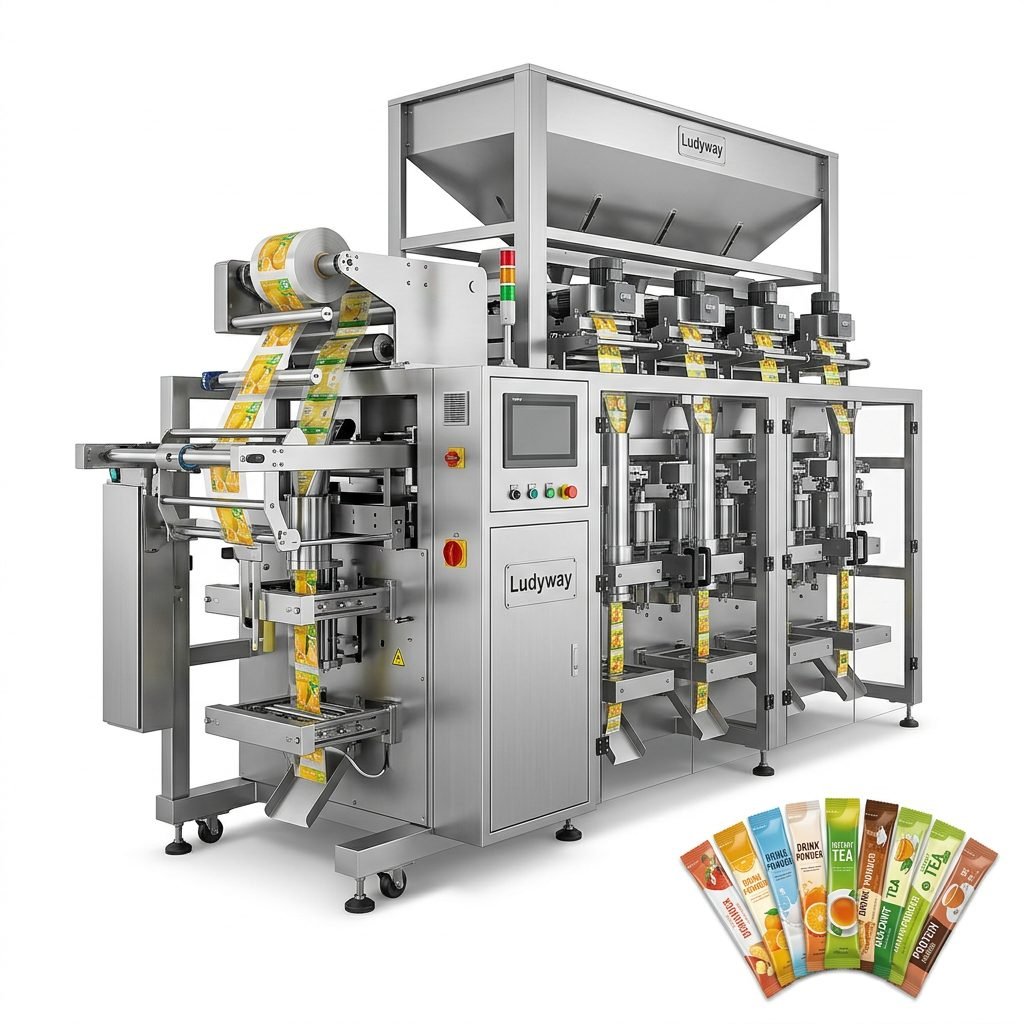
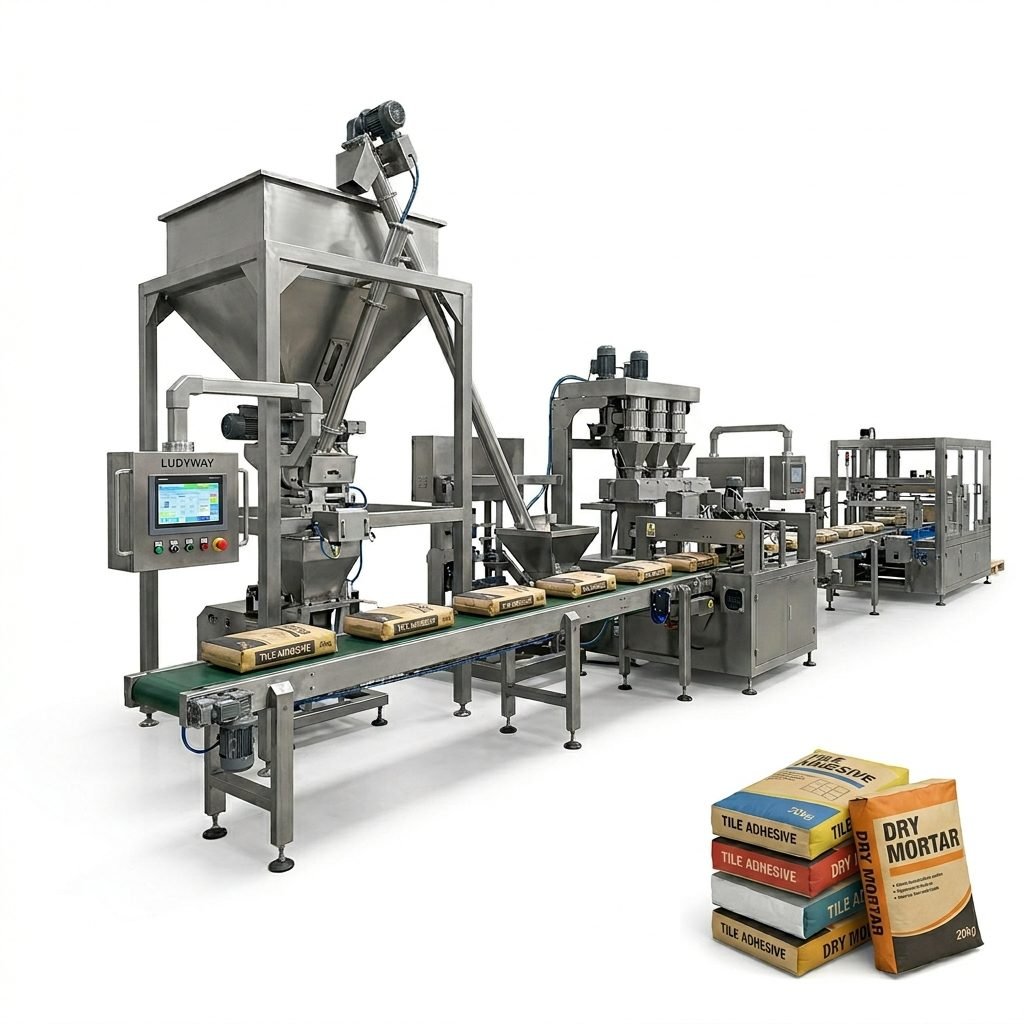
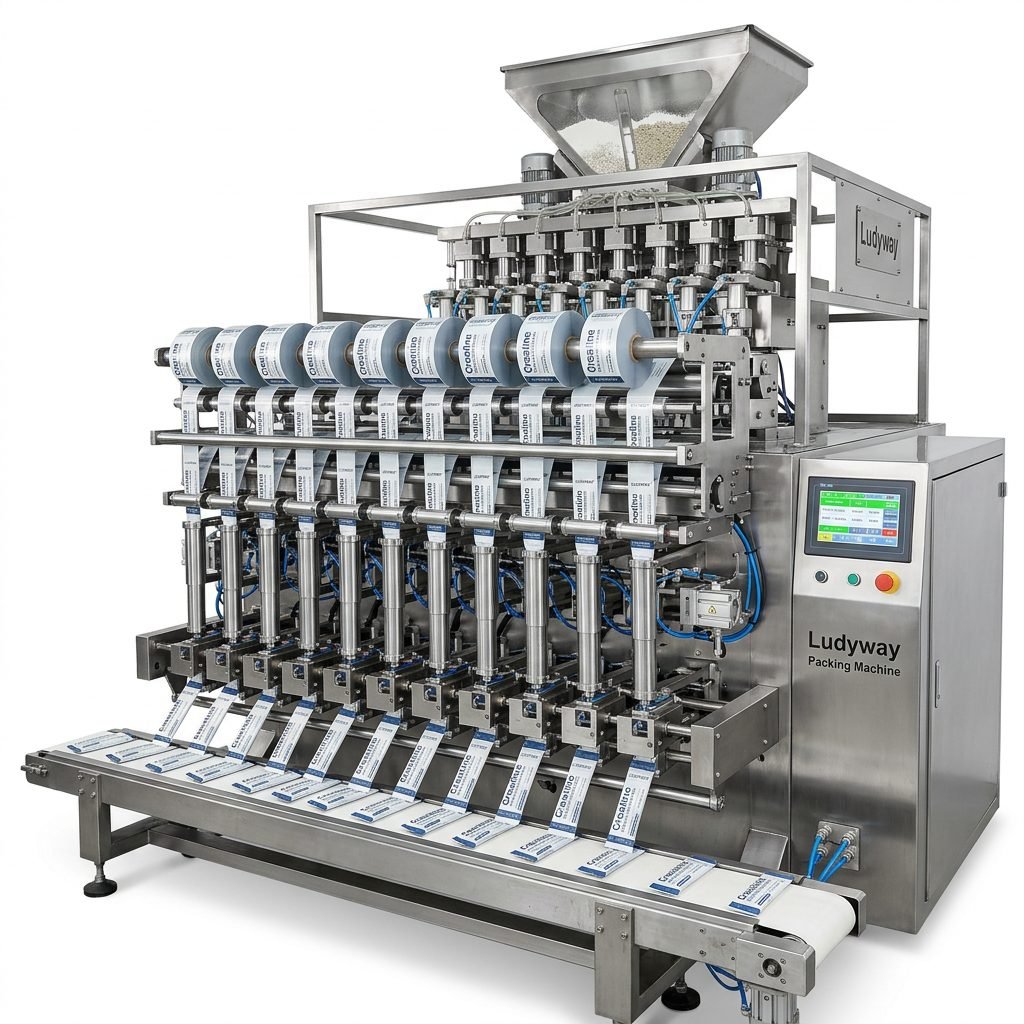
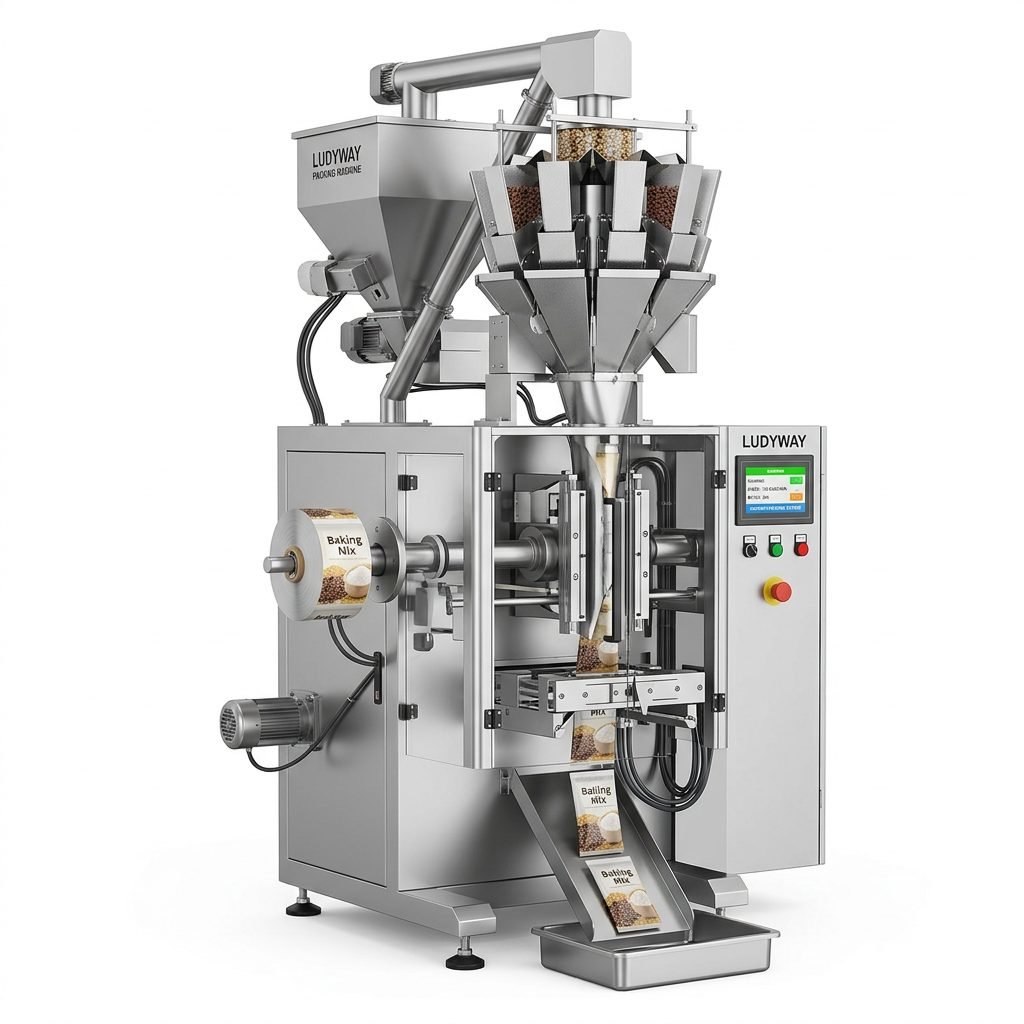
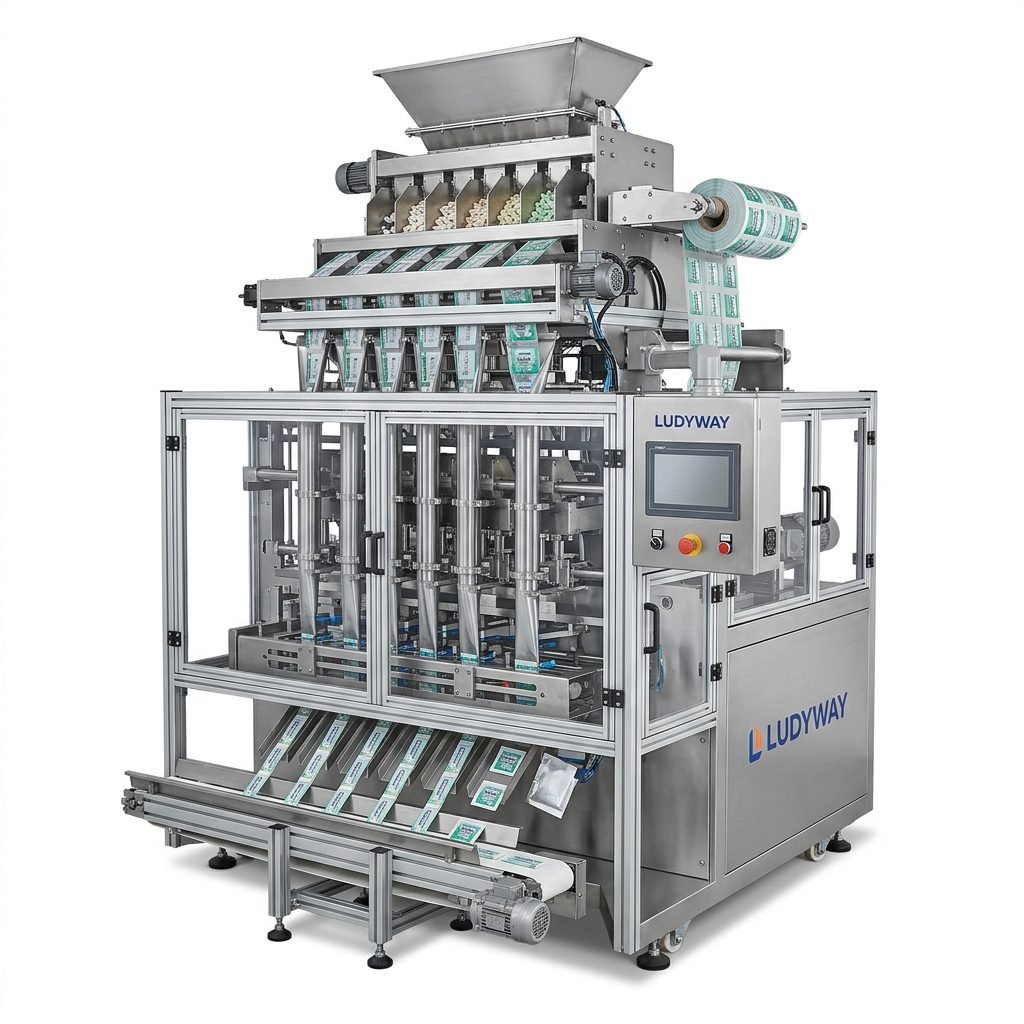
Investing in a small water packing machine is a significant decision for any beverage manufacturer, co-packer, or startup entering the bottled water market. With countless configurations, speeds, and automation levels available, navigating the purchase process can feel overwhelming. This guide breaks down the critical factors—from production capacity and packaging formats to regulatory compliance and long-term service—helping you select equipment that aligns with your operational goals and budget.
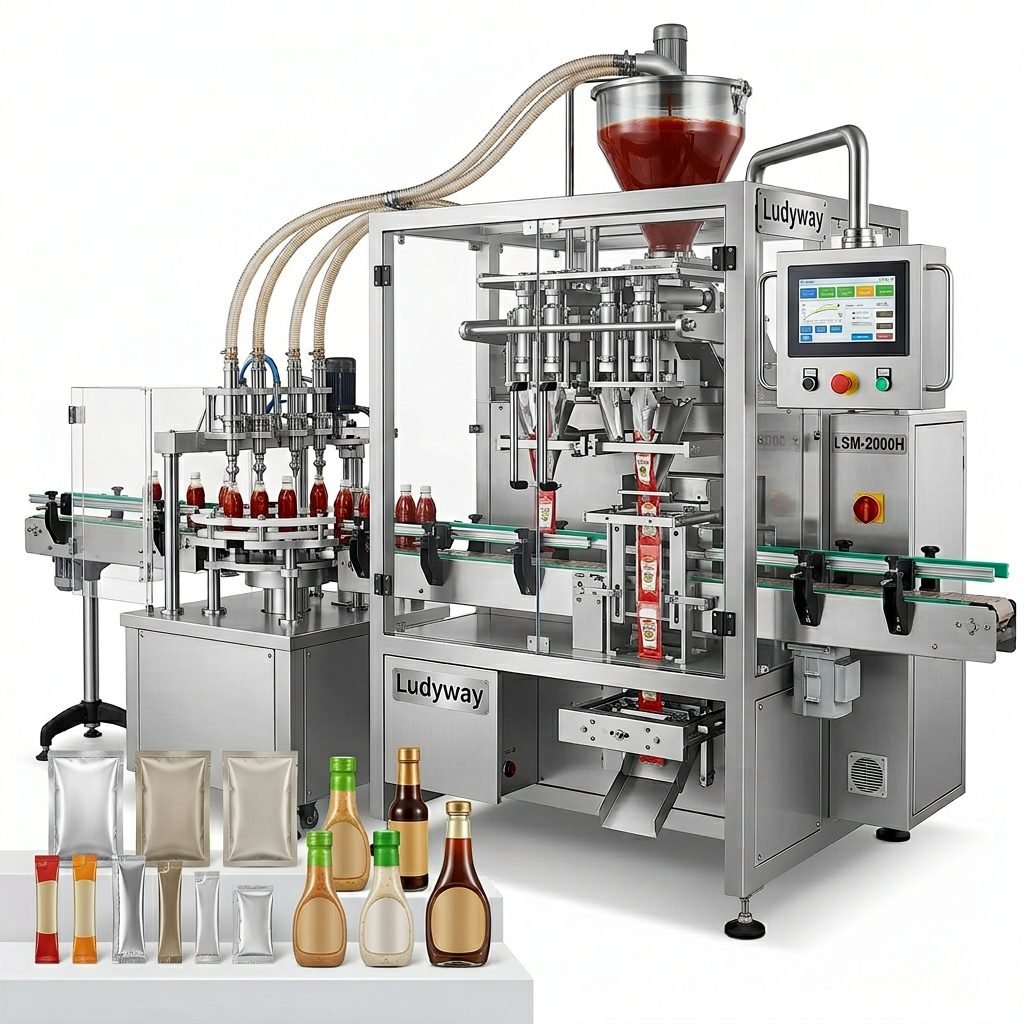
Explore Small Water Packing Machine Solutions
Understanding Your Production Requirements
Before comparing machine models, you need a clear picture of your current and future production needs. A mismatch between machine capacity and demand leads to costly bottlenecks or underutilized assets. Start by answering these questions:
- Target output per hour or day – How many pouches, sachets, or bottles do you need to fill and seal within a shift?
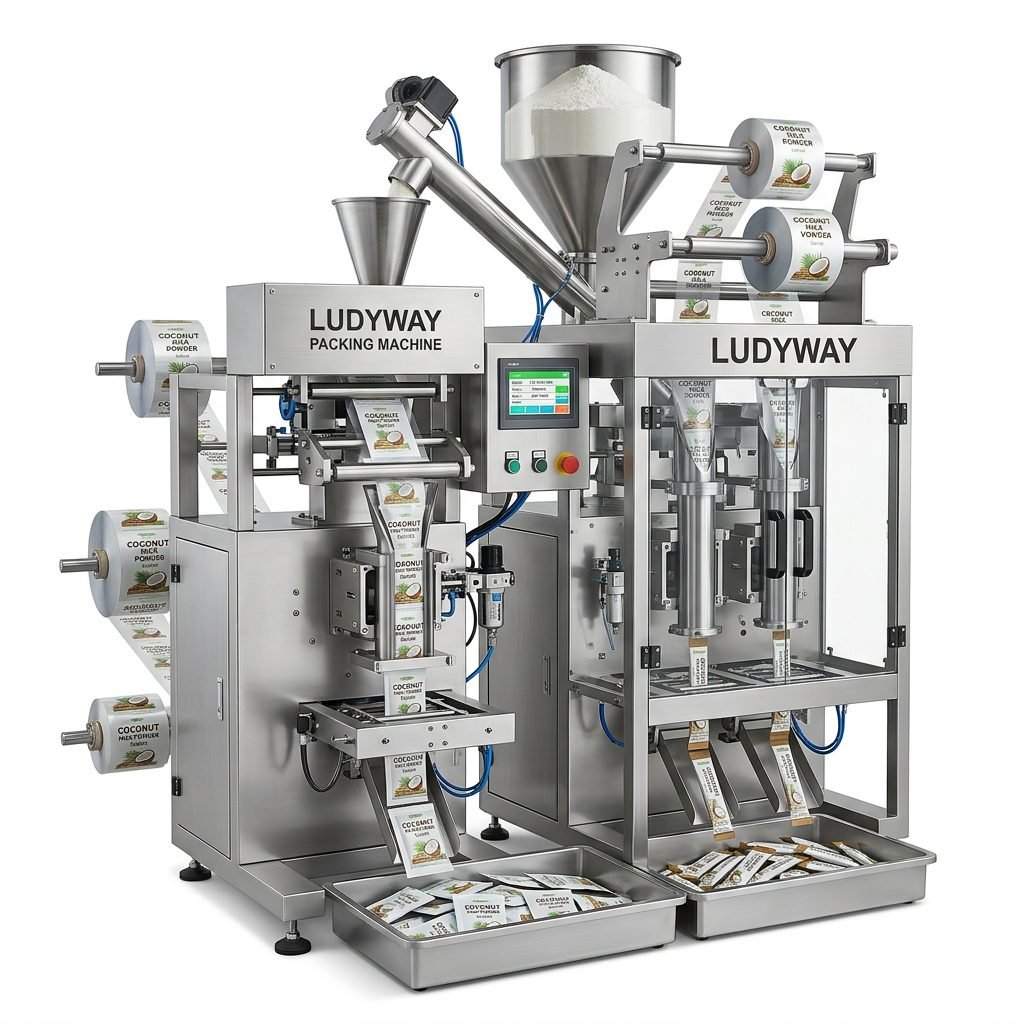
- Packaging format and size range – Are you packaging water in stick packs, sachets, pillow pouches, or stand-up pouches? Bag width, length, and volume tolerances directly determine compatible machine types.
- Product characteristics – Pure water, flavored water, electrolyte drinks, or water with additives each place different demands on filling systems, pump types, and sealing parameters.
- Facility constraints – Floor space, ceiling height, power supply, and compressed air availability affect which machines can be installed without costly modifications.
Documenting these requirements creates a specification baseline that helps you and potential suppliers quickly identify suitable equipment. For more guidance on defining packaging specifications, the PMMI packaging industry resources offer detailed operational frameworks.
Key Machine Specifications to Evaluate
Once your production parameters are defined, focus on the technical specifications that directly impact performance, efficiency, and long-term reliability. Here are the most critical elements to assess:
Filling System and Accuracy
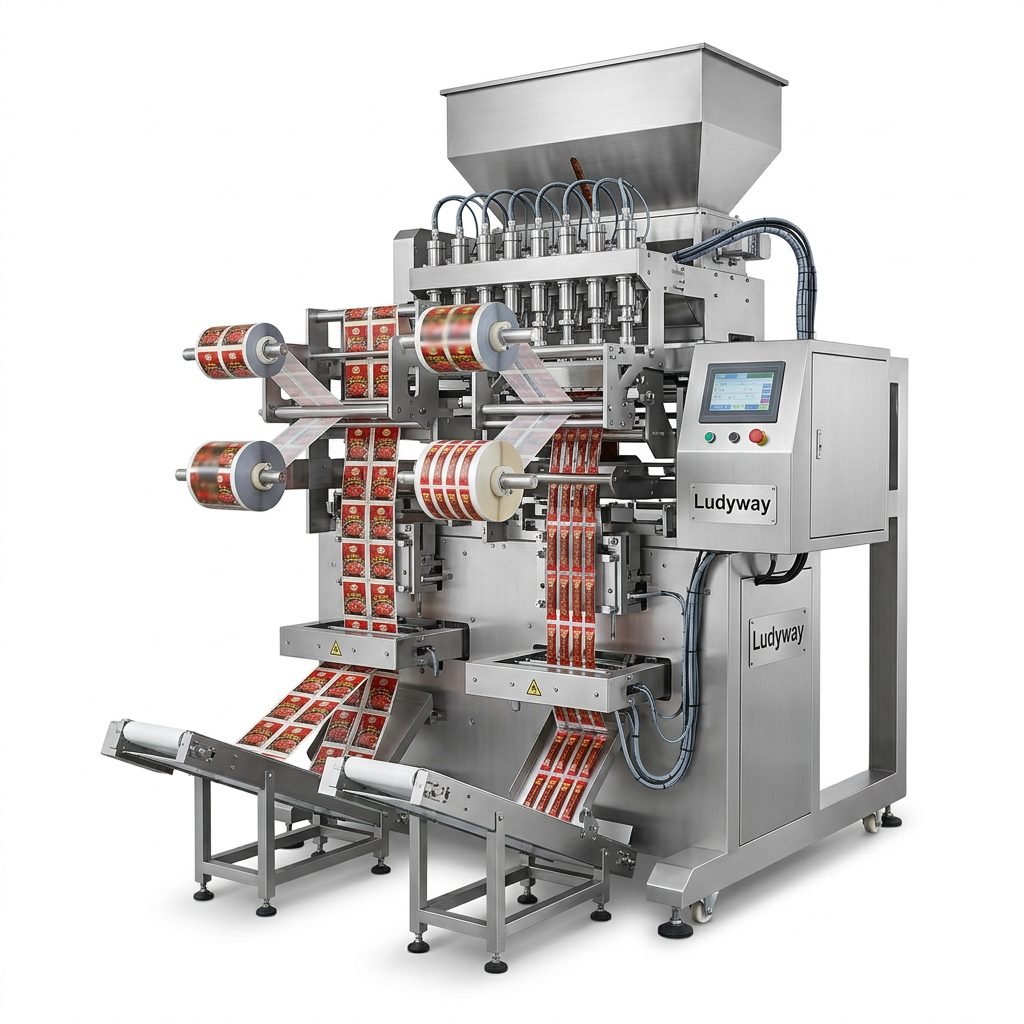
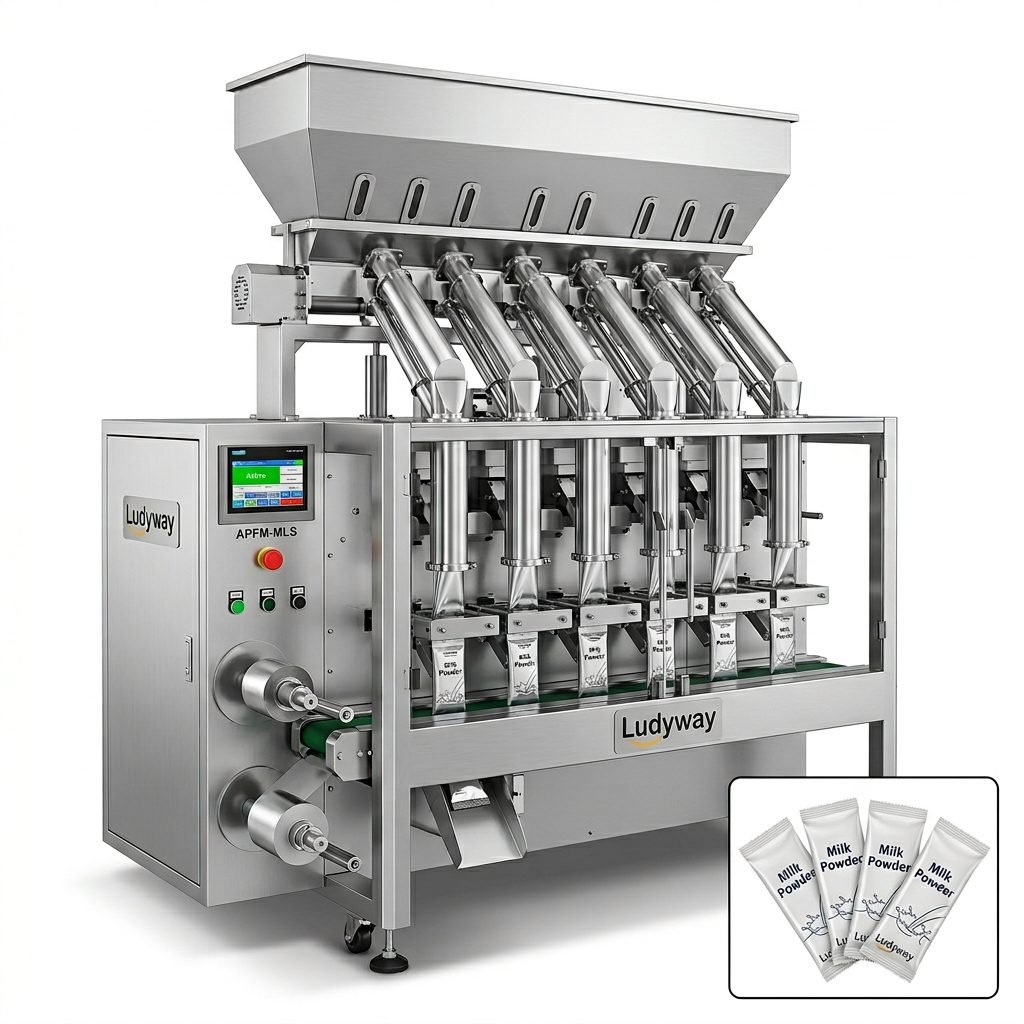
Water packaging applications require precision filling to meet regulatory net-content requirements and minimize product giveaway. Common filling technologies include volumetric piston fillers, flow meter systems, and gravity-based fillers. For small sachet and stick pack applications, multi-lane filling configurations dramatically increase throughput without sacrificing accuracy. Look for filling systems with ±1% accuracy or better and automatic adjustment capabilities.
Sealing Technology and Integrity
Seal quality is non-negotiable for water packaging. A compromised seal leads to leakage, contamination, and product recalls. Evaluate the sealing temperature control system, dwell time adjustability, and pressure consistency. Machines with PID temperature controllers and independent sealing jaw temperature zones deliver more reliable results across varying production speeds.
Packaging Material Compatibility
Your small water packing machine must handle the specific film structures you plan to use—whether that’s PE, PET/AL/PE laminates, biodegradable films, or other flexible packaging materials. Verify that the machine’s unwinding system, forming collar, and sealing parameters are compatible with your chosen material’s thickness, coefficient of friction, and heat-seal characteristics. The Flexible Packaging Association’s industry data provides valuable insights on material trends and sustainability.
Automation and Control Systems
Modern small water packing machines offer varying degrees of automation. Key features to consider include PLC-based control systems with touchscreen HMI, automatic film tracking and tension control, servo-driven filling and sealing, and integration capabilities with upstream and downstream equipment. Higher automation reduces operator dependency and improves consistency but increases initial investment.
| Specification | Basic Model | Mid-Range Model | High-Speed Model |
|---|---|---|---|
| Filling Lanes | 1 – 4 lanes | 4 – 8 lanes | 8 – 16+ lanes |
| Output Range | 30 – 80 packs/min | 100 – 300 packs/min | 400 – 800 packs/min |
| Filling Accuracy | ±2% – 3% | ±1% – 2% | ±0.5% – 1% |
| Control System | Basic PLC with keypad | PLC with color touchscreen | Advanced PLC with remote monitoring |
| Sealing Control | Single-zone temperature | Multi-zone PID control | Independent jaw zones with servo drive |
| Changeover Time | 30 – 60 minutes | 15 – 30 minutes | 5 – 15 minutes |
Quality, Compliance, and Regulatory Standards
Water intended for human consumption is regulated by agencies like the FDA under food packaging regulations. Your packaging machinery must support compliance with these standards. This includes hygienic design principles such as stainless steel construction, easy-to-clean surfaces, and validated cleaning procedures. Look for machines that can be configured to meet GMP requirements and, where applicable, ISO 11607 standards for packaging validation.
Additionally, check whether the machine manufacturer provides certification documentation, including CE marking, electrical safety certifications, and material compliance certificates. For companies exporting packaged water, the machine’s ability to support packaging that meets international food contact material regulations is essential. You can reference ISO packaging standards for detailed compliance frameworks.
Evaluating the Equipment Supplier
The machine is only as good as the company behind it. When selecting a small water packing machine supplier, investigate their track record, engineering capabilities, and after-sales support infrastructure before committing to a purchase.
Manufacturing Expertise and Customization
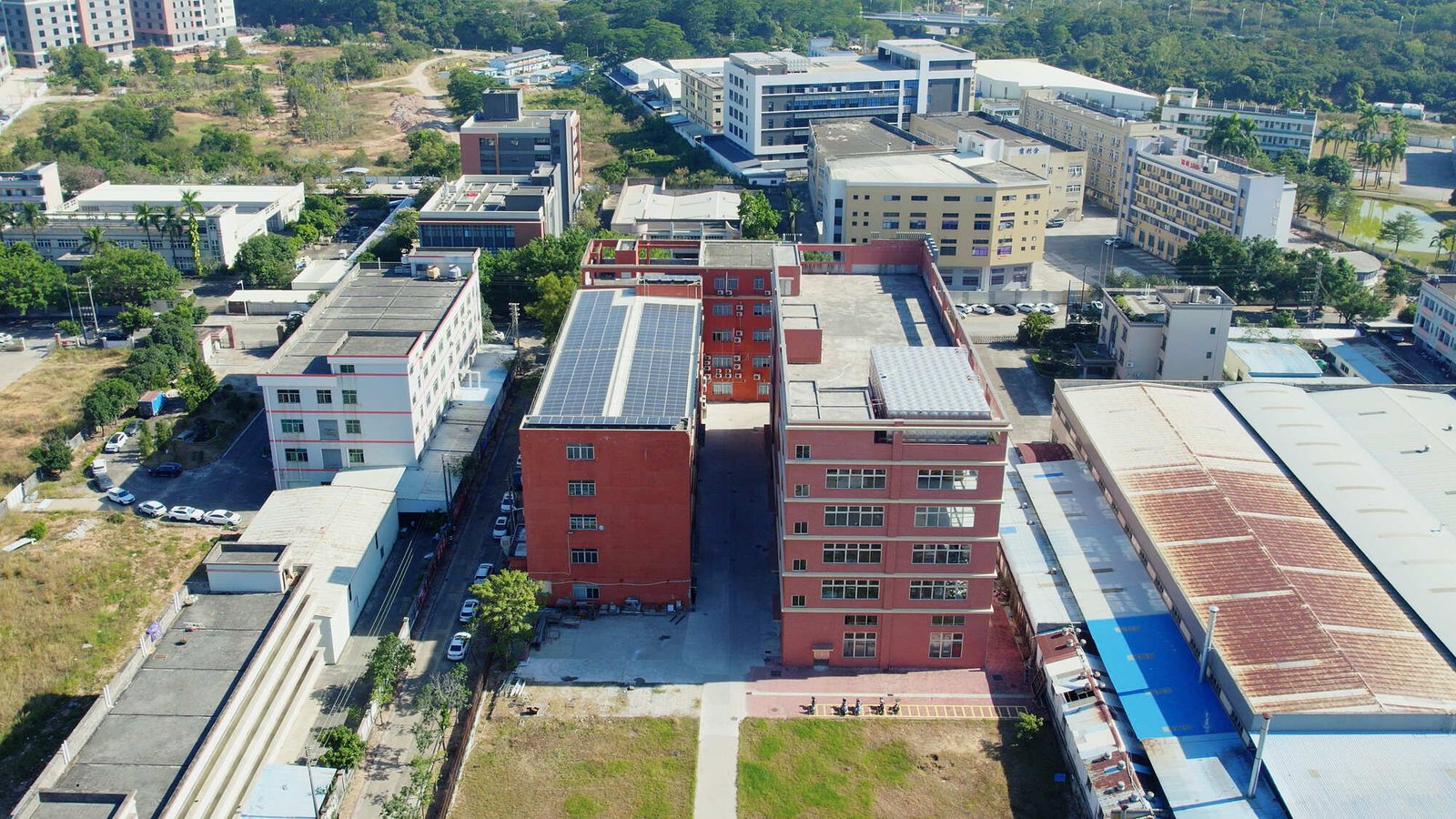
Not all packaging applications fit within standard machine configurations. A supplier with in-house engineering and manufacturing capabilities can adapt machine designs to your specific water product, packaging format, and production environment. Look for manufacturers with a demonstrated history of customized machine solutions, a substantial manufacturing facility, and experience serving multiple industries. Ludyway Machinery, for example, operates a 20,000-square-meter manufacturing facility with more than 130 professionals and has developed over 50 packaging machine models for different product types and packaging formats.
After-Sales Support and Service
The availability of installation support, operator training, spare parts, and remote technical assistance directly affects your machine’s uptime and long-term value. Ask potential suppliers about their service network, typical response times, spare parts availability in your region, and whether they offer remote diagnostics capabilities. For international buyers, a supplier with experience serving customers in more than 100 countries—supported by multilingual technical teams—reduces the risks of operational disruptions.
Budget and Total Cost of Ownership
The purchase price is only one component of the total cost. A comprehensive total cost of ownership (TCO) analysis includes installation, training, consumables, maintenance, spare parts, energy consumption, and potential downtime costs. A machine with a lower upfront price may cost significantly more over its lifecycle if it requires frequent repairs, consumes excessive film, or lacks local service support.
Key Cost Factors to Consider
- Initial machine price and payment terms – Compare quotes with equivalent specifications and ensure terms align with your cash flow.
- Installation and commissioning costs – Whether on-site or remote, factor in travel, accommodation, and technician time.
- Operator training expenses – Comprehensive training reduces startup delays and operational errors.
- Spare parts inventory and lead times – Identify critical wear parts and confirm local availability or recommended stock levels.
- Film and packaging material waste rates – Machines with precise tension control and sealing parameters minimize material loss.
- Energy and utility consumption – Servo-driven systems are generally more efficient than pneumatic alternatives.
Industry reports from PMMI’s business intelligence library provide benchmarking data on packaging machinery operational costs and can help you set realistic TCO expectations.
Making the Final Decision
After evaluating specifications, suppliers, and costs, consolidate your findings into a structured comparison. Request machine demonstrations—either in-person or via video—to observe the equipment in operation with your packaging materials. Ask for references from customers with similar applications, and where possible, visit existing installations to assess real-world performance and reliability.
Finally, review the warranty terms carefully, including coverage duration, exclusions, and conditions. A supplier confident in their equipment quality will offer a clear, comprehensive warranty with defined support commitments.
Choosing the right small water packing machine requires balancing technical capabilities, supplier reliability, and total cost. By following a structured evaluation process—from defining your production requirements to verifying after-sales support—you position your business for efficient, scalable, and compliant packaging operations that support long-term growth.