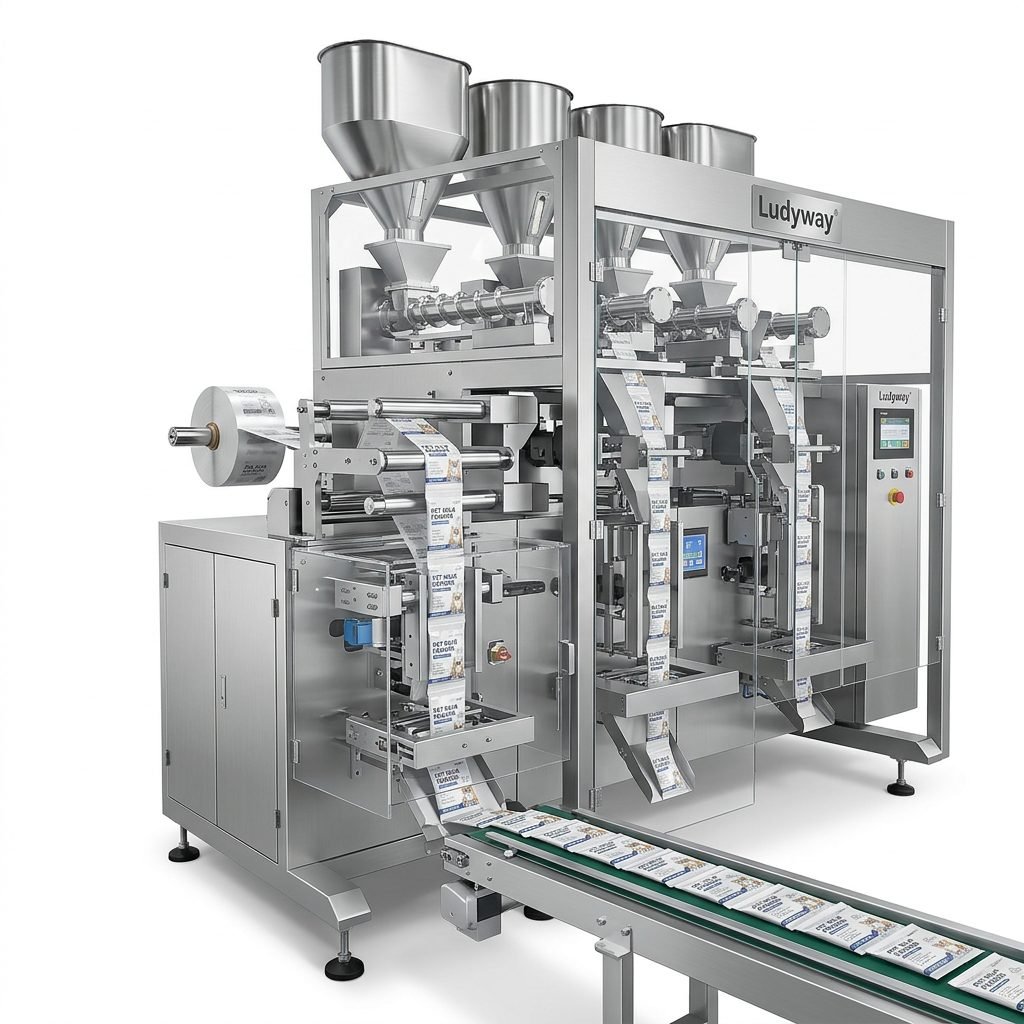
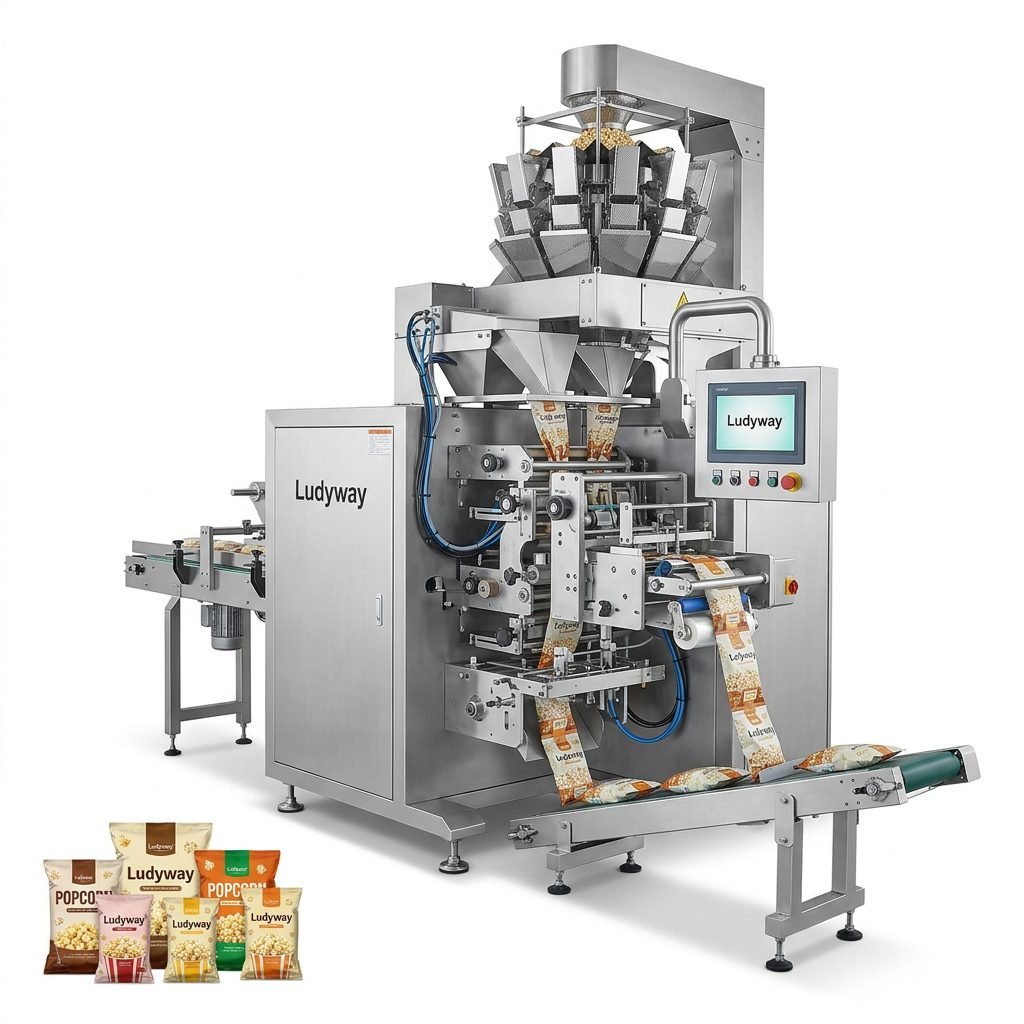
Selecting the right salt packaging machine is a critical decision that impacts production efficiency, product quality, and long-term operational costs. Salt presents unique packaging challenges due to its corrosive nature, varying granule sizes, and moisture sensitivity. Whether you are packaging fine table salt, coarse sea salt, rock salt, or industrial-grade salt, the equipment you choose must be specifically designed to handle these demanding conditions. This comprehensive buyer’s guide covers everything you need to know to make an informed investment.
Understanding the Unique Challenges of Salt Packaging
Salt is not a single uniform product. It ranges from ultra-fine powders to coarse granules and large crystals, each requiring different handling, dosing, and sealing approaches. Beyond particle size, salt is highly hygroscopic — meaning it readily absorbs moisture from the air — which can lead to clumping, clogging of machinery, and compromised seal integrity. Additionally, salt is chemically corrosive, especially in the presence of moisture, which means all machine components that come into contact with the product must be constructed from corrosion-resistant materials such as 316L stainless steel.
According to PMMI packaging machinery market research, the global demand for automated packaging solutions continues to grow as manufacturers seek higher throughput and consistent quality. Salt producers are no exception, with many transitioning from manual or semi-automatic systems to fully integrated packaging lines.
Types of Salt Packaging Machines: A Comparative Overview
Different salt products and production scales require different machine configurations. The table below provides a side-by-side comparison of the most common types of salt packing machines available on the market today:
| Machine Type | Best For | Speed Range | Key Features |
|---|---|---|---|
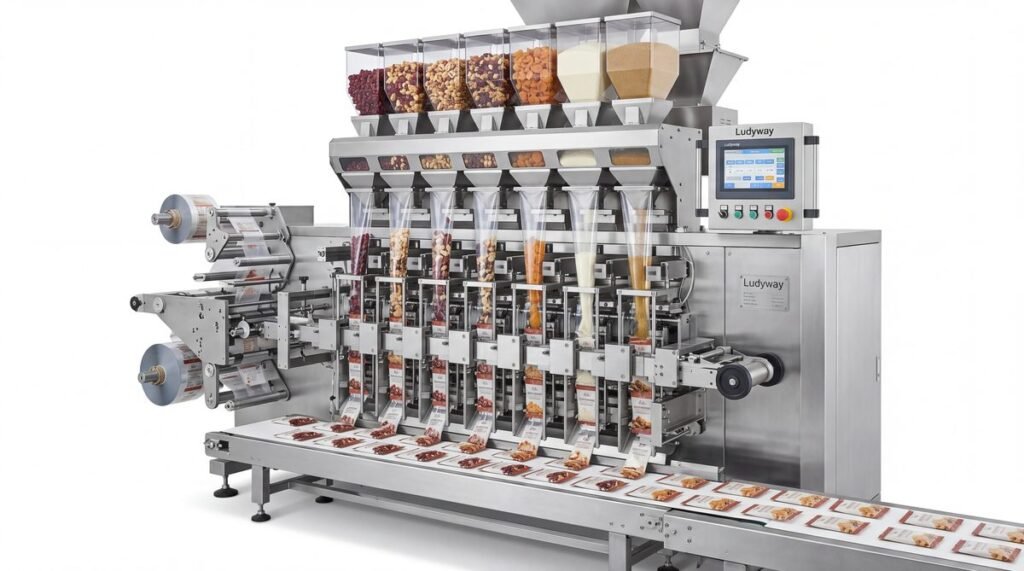
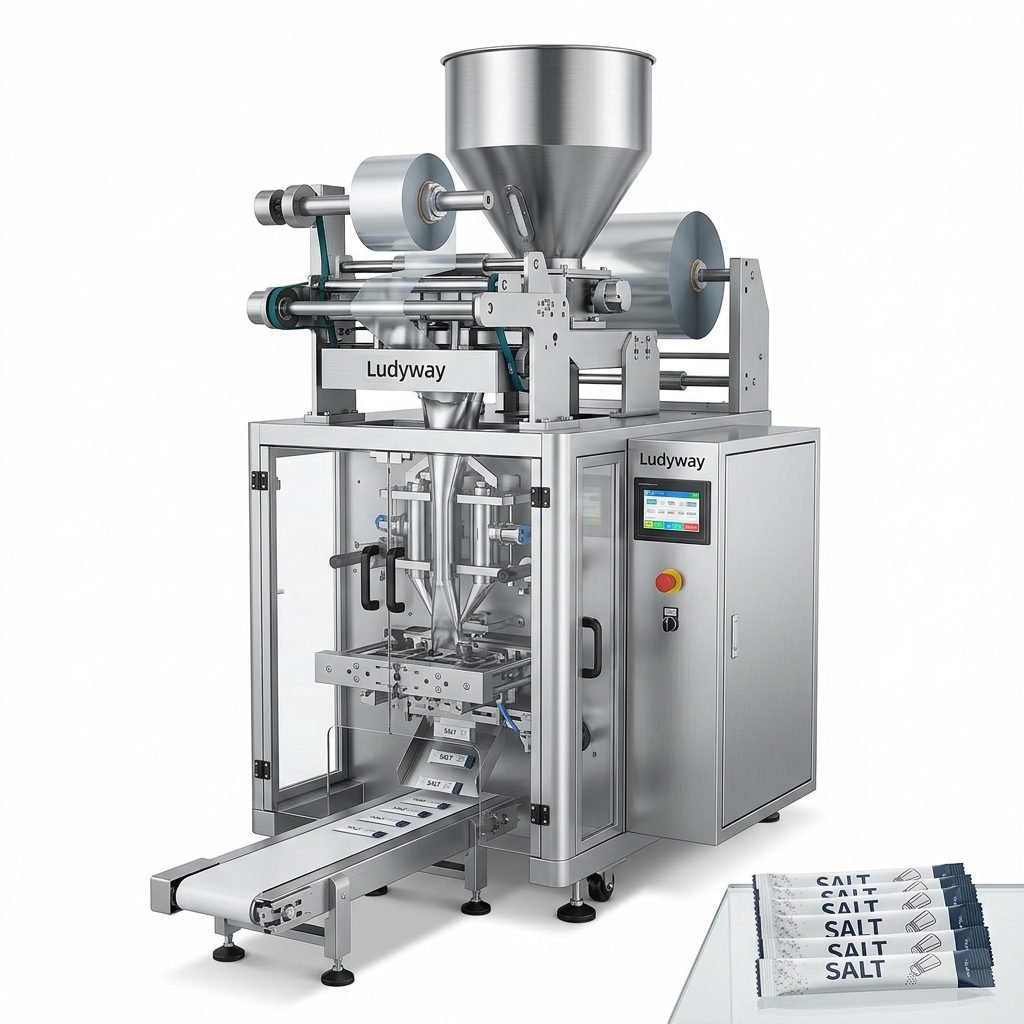
| Vertical Form Fill Seal (VFFS) | Granulated salt, table salt | 30-120 packs/min | Versatile bag formats, compact footprint, cost-effective |
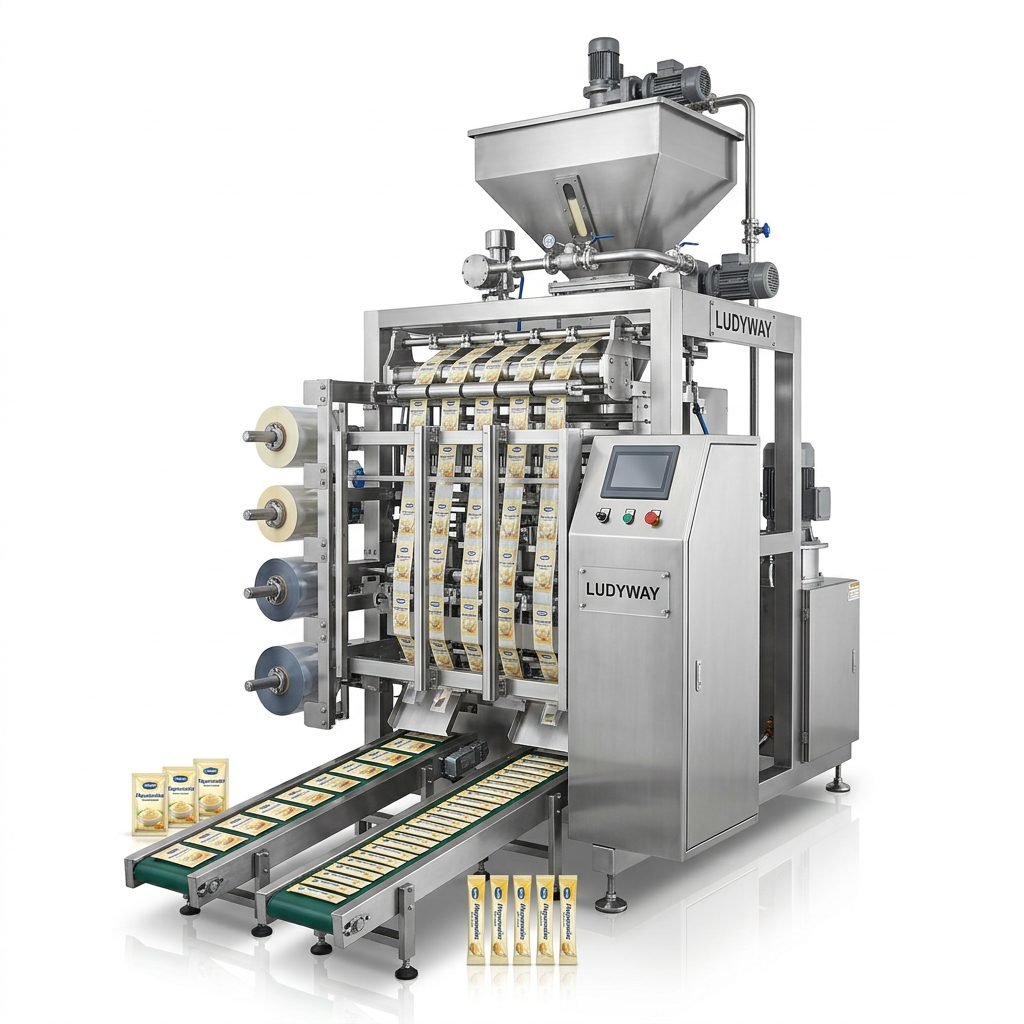
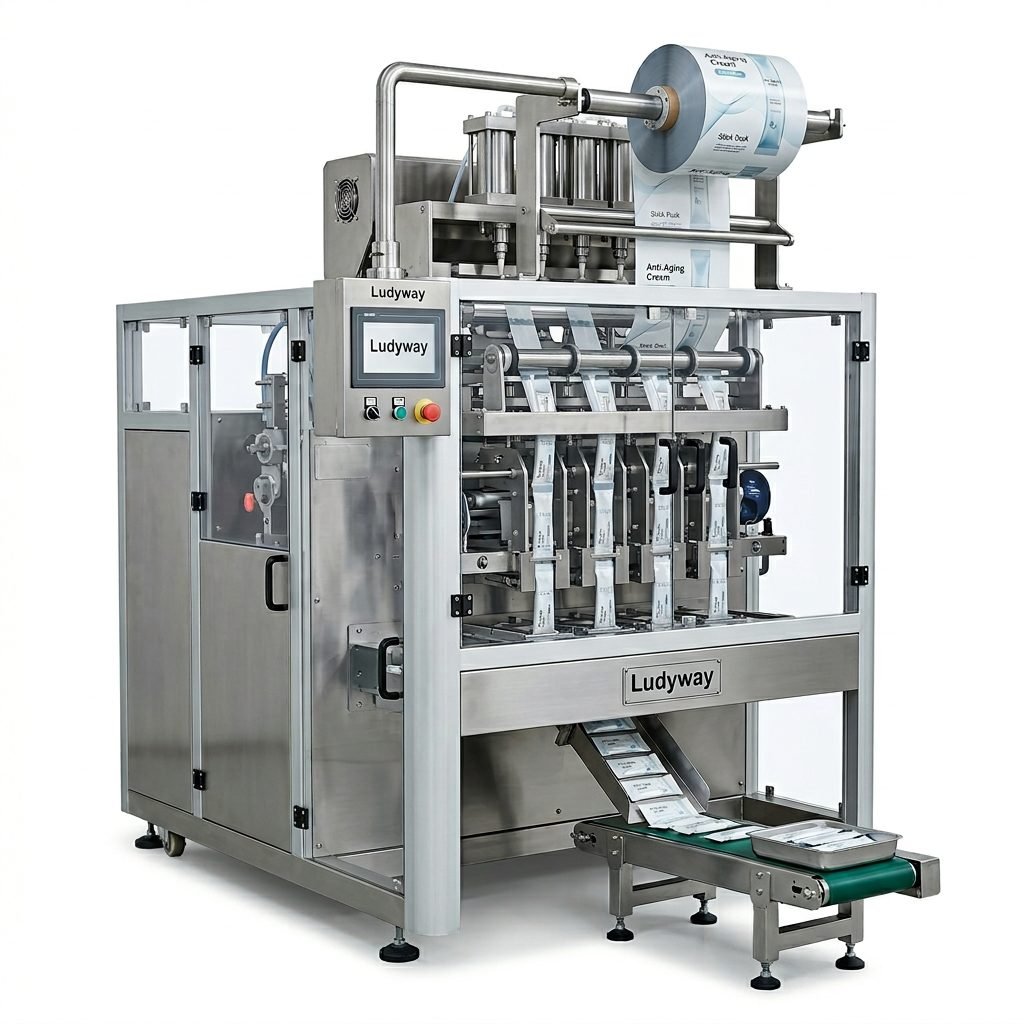
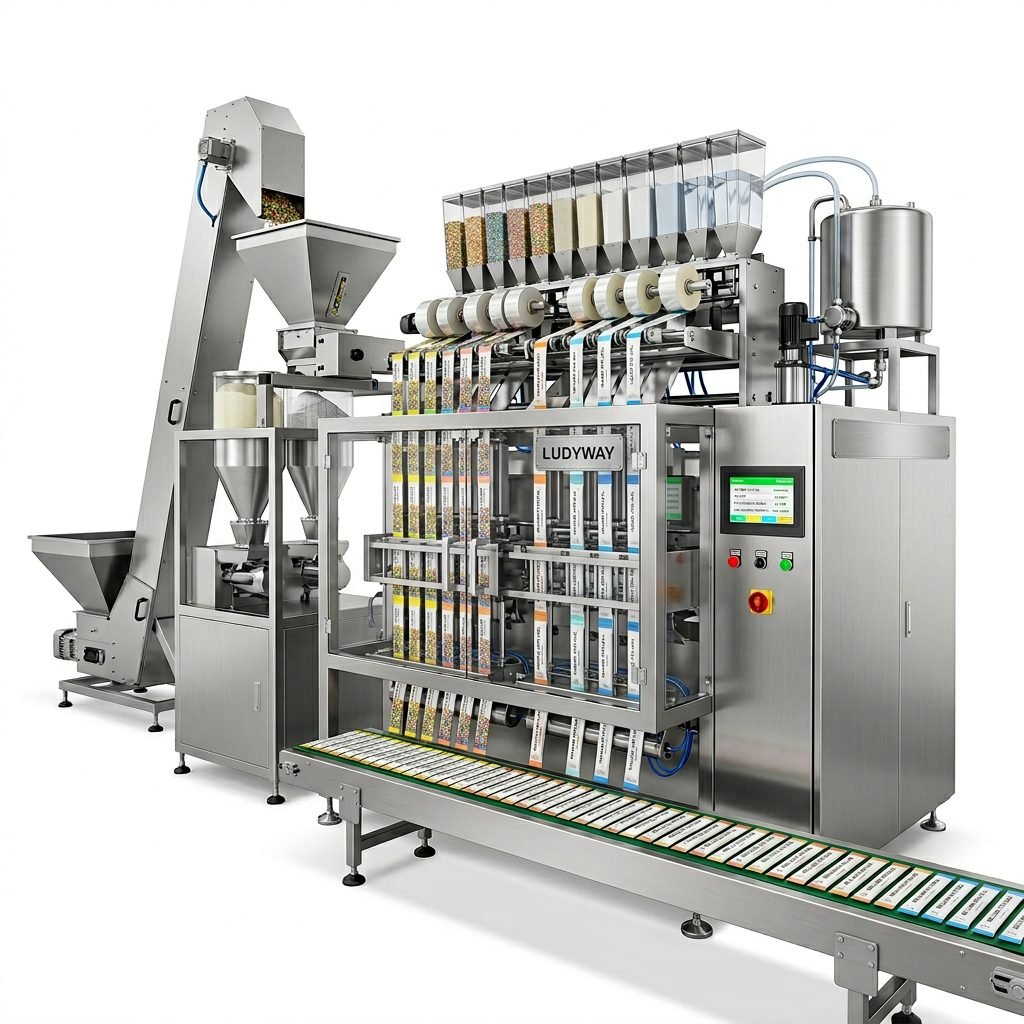
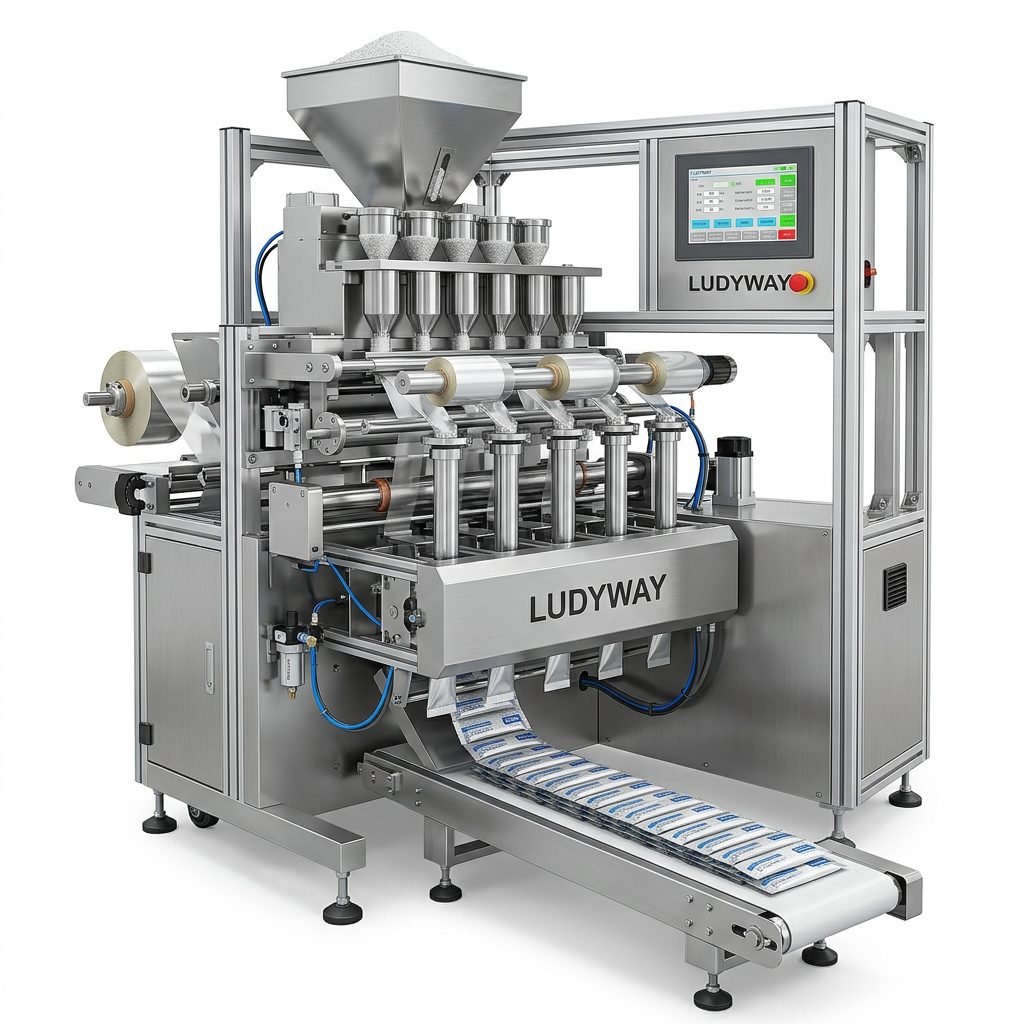
| Multi-Lane Stick Pack Machine | Single-serve sachets, food service | 200-600 packs/min | High output, precise dosing, ideal for small portions |
| Premade Pouch Filling Machine | Retail pouches, specialty salts | 20-60 packs/min | Premium appearance, zipper options, flexible sizing |
| Bulk Bagging System | Industrial salt, 10-50 kg bags | 5-15 bags/min | Heavy-duty construction, high-weight capacity |
| Rotary Packaging Machine | High-volume continuous production | 80-200 packs/min | Continuous motion, consistent fills, minimal downtime |
Key Factors to Evaluate Before Purchasing
Investing in a salt packaging machine requires careful evaluation of several interrelated factors. Rushing this decision can lead to costly mistakes, production bottlenecks, and frequent maintenance issues. Below are the most critical considerations:
1. Product Characteristics and Granule Size
The physical properties of your salt product directly determine the type of dosing and filling system required. Fine salt powders flow differently than coarse rock salt crystals. An ISO packaging standard-compliant machine should be able to handle your specific granule range without bridging, dusting, or inconsistent fills. Key questions to ask include:
- What is the particle size distribution of your salt?
- Does the salt contain additives such as anti-caking agents that affect flowability?
- Is the product free-flowing or prone to clumping in humid environments?
2. Desired Packaging Format and Bag Style
Your target market dictates the packaging format. Retail consumers may prefer stand-up pouches with zipper closures, while food service and hospitality sectors often use single-serve stick packs or sachets. Industrial buyers typically require heavy-duty bulk bags. The Flexible Packaging Association provides extensive data on packaging format trends that can inform your decision. Common salt packaging formats include:
- Stick packs — Single-serve portions (2-10 grams)
- Sachets / Pillow bags — Small to medium portions (10-500 grams)
- Gusseted pouches — Stand-up retail packaging (250-1000 grams)
- Bulk bags — Industrial and wholesale (5-50 kg)
3. Production Speed and Capacity Requirements
Your current and projected production volumes should guide the speed class of the machine you select. A small-scale producer may find a single-lane VFFS machine sufficient, while a high-volume manufacturer may need a multi-lane stick pack system capable of producing over 400 packs per minute. Always account for future growth when specifying machine capacity.
4. Construction Materials and Corrosion Resistance
Given salt’s corrosive properties, this factor cannot be overstated. All product-contact parts should be manufactured from 316L stainless steel or equivalent corrosion-resistant alloys. Non-contact structural components should at minimum use 304 stainless steel with appropriate surface treatments. Machines made with mild steel or inadequate stainless grades will deteriorate rapidly in salt packaging environments.

Automation Levels: From Semi-Automatic to Fully Integrated Lines
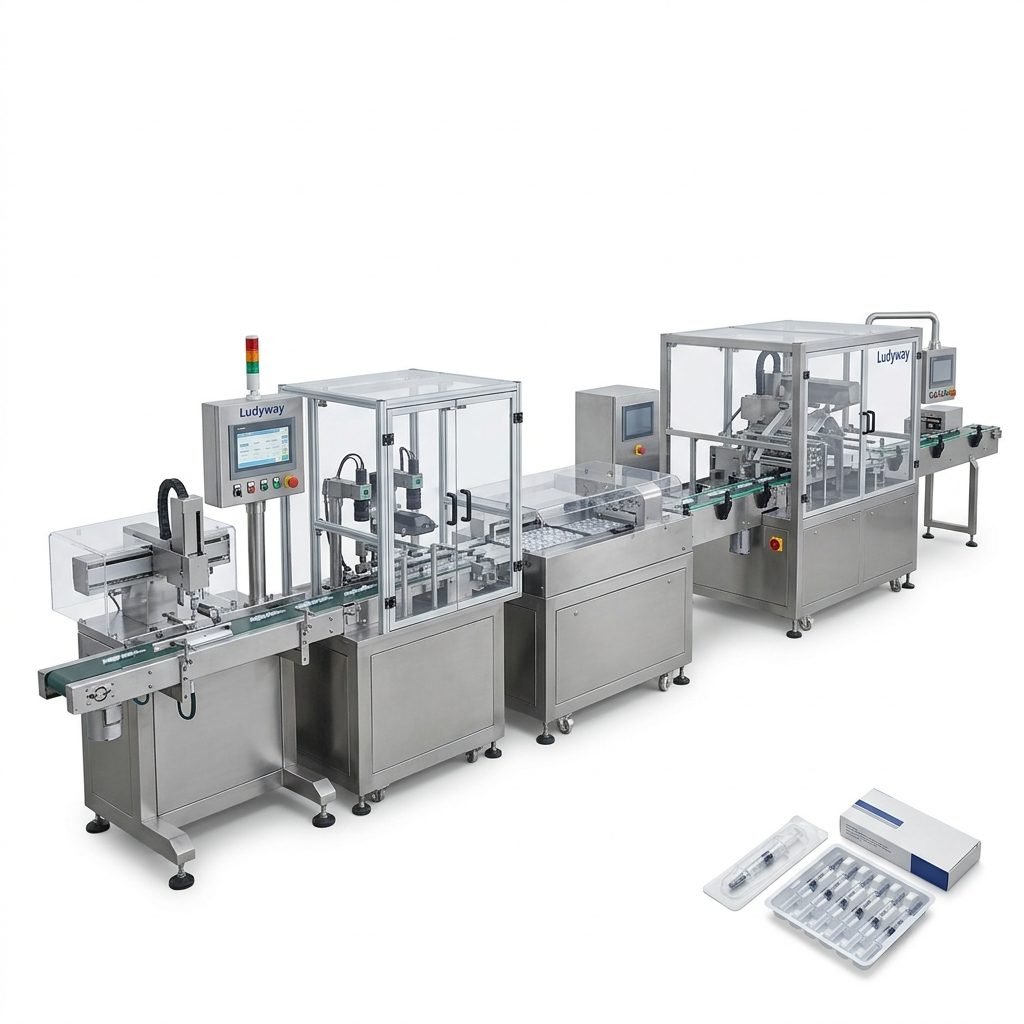
The level of automation you choose impacts labor requirements, consistency, and overall equipment effectiveness. Semi-automatic machines require manual loading and bag handling, making them suitable for smaller operations with lower throughput needs. Fully automatic systems, on the other hand, integrate feeding, dosing, filling, sealing, coding, and inspection into a single seamless process. Advanced configurations can also include:
- Automatic product feeding and dosing systems
- In-line checkweighing and metal detection
- Date coding and batch printing
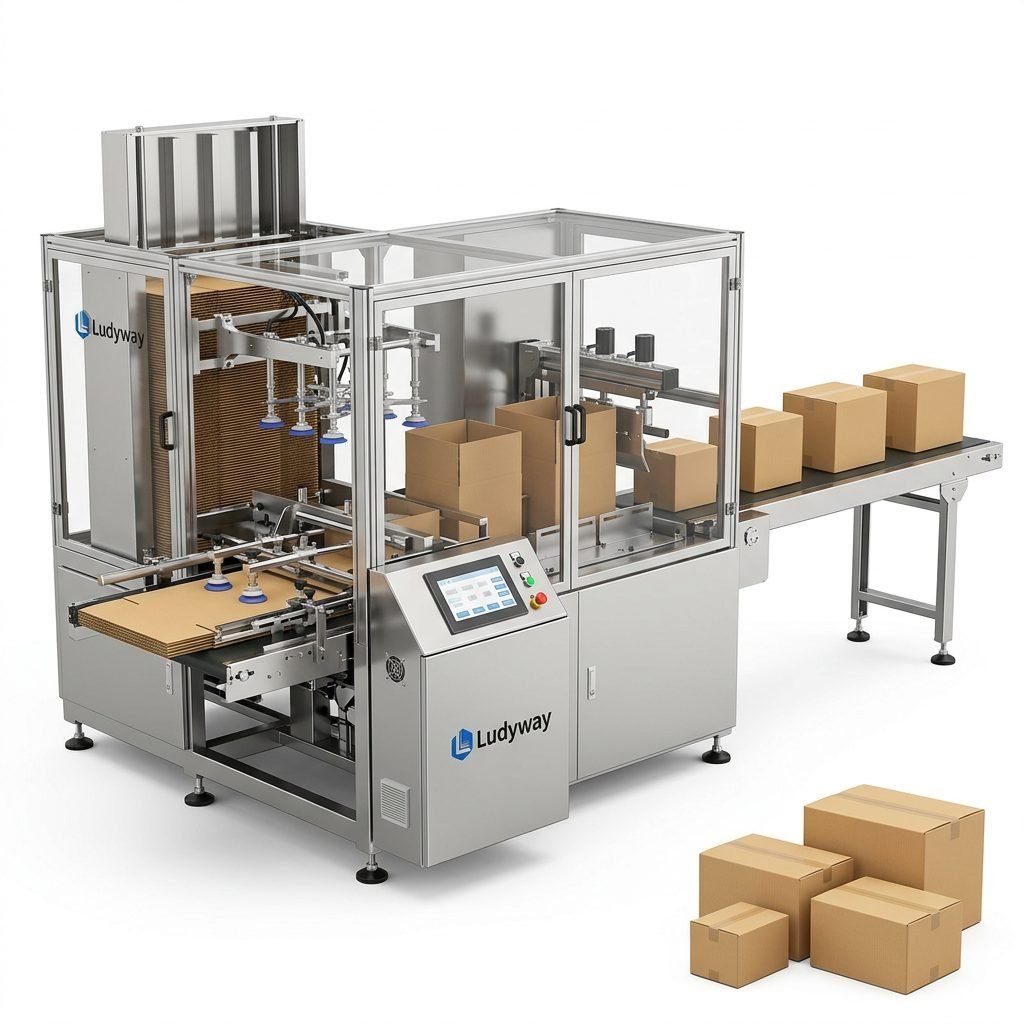
- Automated cartoning and case packing
- Robotic palletizing for end-of-line handling
According to PMMI’s 2025 State of the Industry report, manufacturers increasingly prioritize automation as a way to address labor shortages and improve production consistency across packaging operations.
Sealing Technology and Moisture Protection
For salt products, hermetic sealing is essential to prevent moisture ingress and ensure shelf stability. Modern salt packaging machines employ various sealing technologies depending on the packaging material and format. Heat sealing remains the most common method, but the quality of the seal depends on precise temperature control, consistent pressure, and appropriate dwell time. For extra protection, some machines offer nitrogen flushing capabilities to displace oxygen and moisture from the package headspace before sealing.
Compliance with Industry Standards and Regulations
If you are packaging salt for food-grade applications, your equipment must comply with relevant food safety regulations. In the United States, FDA food packaging regulations govern materials and processes that come into contact with food products. The ISO 11607 standard for packaging provides additional guidance on quality requirements. In Europe, the European Commission’s packaging regulations set forth specific requirements for packaging materials and waste reduction. Machines designed with these standards in mind will help streamline your compliance efforts.

Maintenance Considerations and Long-Term Reliability
A salt packing machine requires regular maintenance to perform reliably over time, particularly given the corrosive nature of the product. When evaluating machines, consider the following maintenance-related factors:
- Accessibility of wear parts — Can seals, belts, and dosing components be replaced quickly?
- Availability of spare parts — Does the manufacturer maintain a reliable spare parts inventory?
- Technical support network — Is remote and on-site technical assistance available in your region?
- Cleaning procedures — How easily can the machine be cleaned and sanitized between production runs?
- Corrosion monitoring — Are there recommended inspection intervals for critical components?
Total Cost of Ownership: Beyond the Purchase Price
The initial purchase price of a salt packaging machine represents only a fraction of its total lifetime cost. A comprehensive cost analysis should account for energy consumption, spare parts, maintenance labor, downtime, packaging material waste, and the expected service life of the equipment. A machine that costs 20% more upfront but delivers 50% lower maintenance costs over a 10-year period will almost always prove to be the more economical choice. The PMMI State of the Industry economic reports provide valuable benchmarking data for packaging equipment investment analysis.
Choosing the Right Manufacturer and Partner
Beyond technical specifications, the manufacturer’s expertise and support capabilities are equally important. A reliable packaging machinery manufacturer should offer not only high-quality equipment but also engineering support, installation assistance, operator training, and responsive after-sales service. Look for manufacturers with demonstrated experience in salt packaging specifically, as they will understand the unique challenges and necessary design considerations.
For manufacturers seeking a dependable partner, Ludyway Machinery — a China-based packaging machinery manufacturer with more than 30 years of industry experience — offers a broad portfolio of automated packaging equipment designed for powder, granule, liquid, stick pack, sachet, pouch, and other flexible packaging applications across food, pharmaceutical, chemical, and industrial sectors. With over 130 professionals, a 20,000-square-meter manufacturing facility, and more than 50 packaging machine models, the company provides customized solutions tailored to specific product and production requirements, serving customers in over 100 countries and regions worldwide.
For further reading on packaging industry trends and best practices, we recommend exploring resources from PMMI – The Association for Packaging and Processing Technologies, the Flexible Packaging Association, and the ISO packaging and distribution standards library. Attending industry events such as PACK EXPO International can also provide valuable opportunities to evaluate equipment in person and connect with packaging professionals.