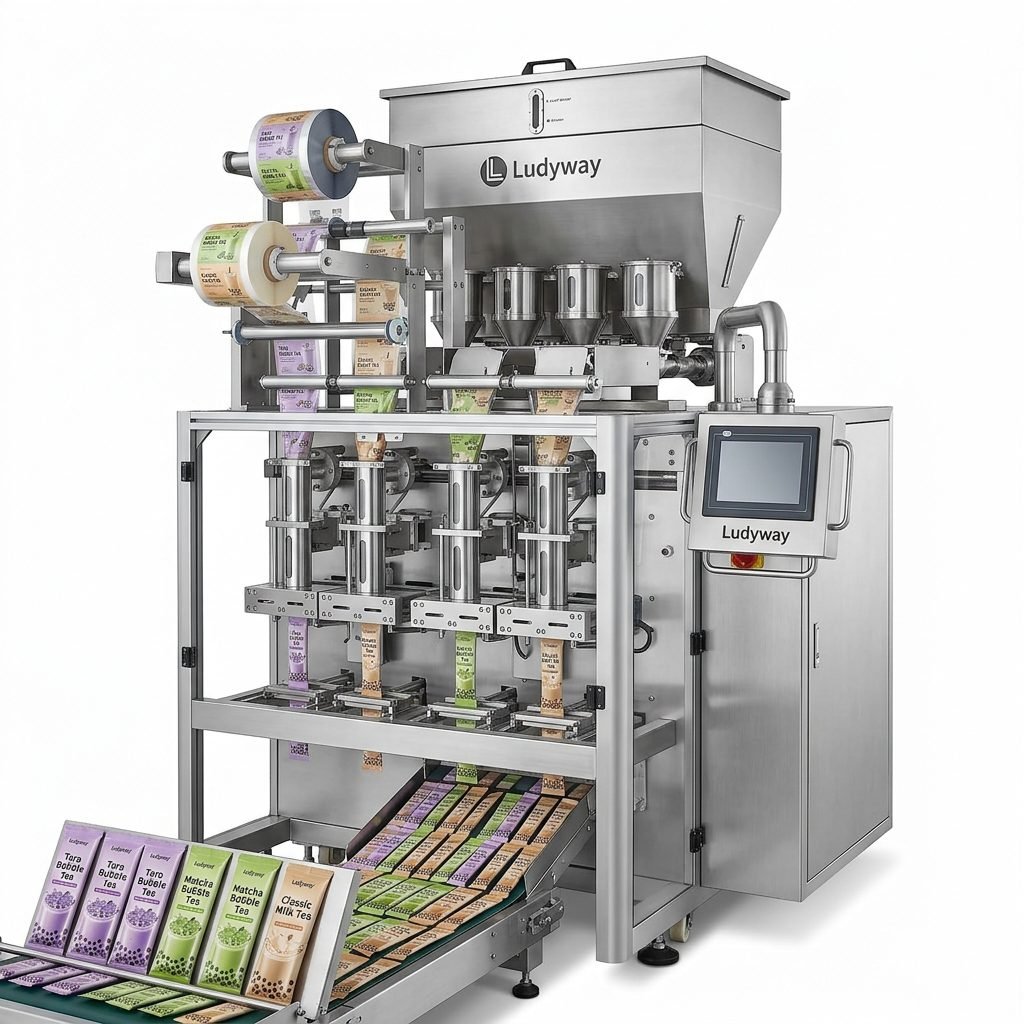
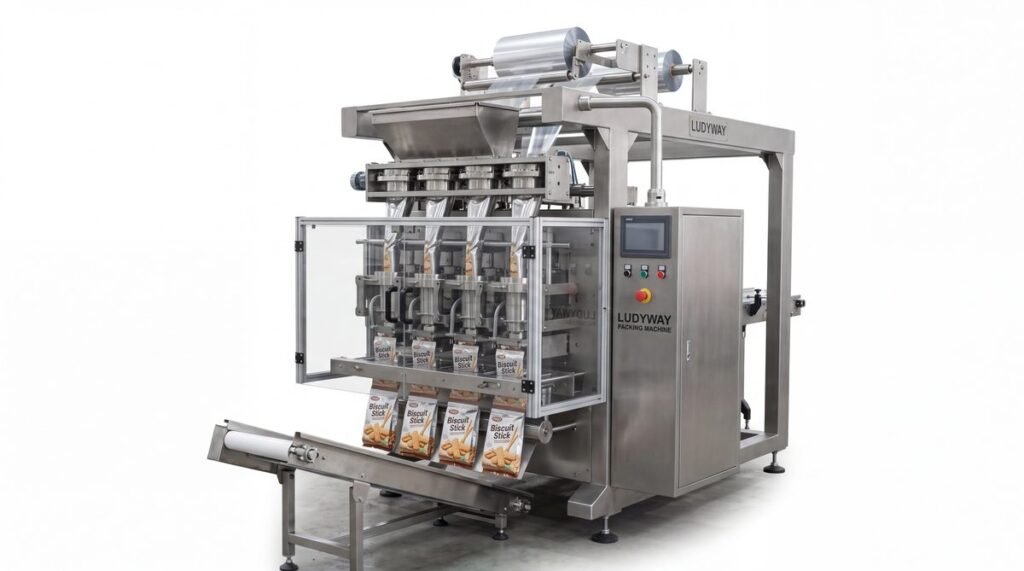
The demand for ready-to-eat and convenience foods is accelerating across Asia, making the salsa market one of the fastest-growing segments in the food industry. Establishing an efficient salsa packaging machine production line is critical for manufacturers aiming to capture market share while maintaining product freshness, consistency, and shelf appeal. This guide walks you through the essential steps, technologies, and strategic considerations for deploying a successful salsa packaging operation in the Asian market.
Understanding the Salsa Packaging Landscape in Asia
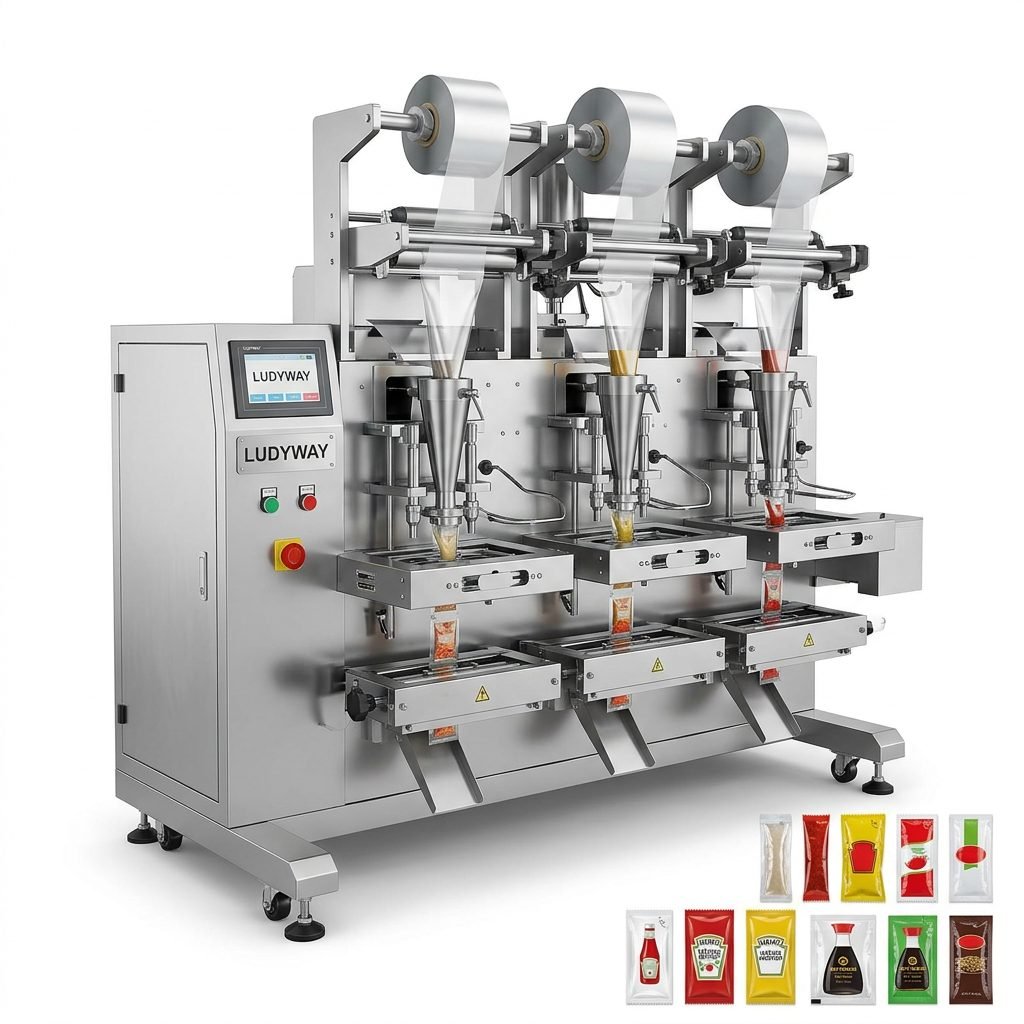
Asia’s diverse consumer base demands various packaging formats, from single-serve sachets in street-food markets to multi-serving pouches for retail chains. The key to a successful salsa production line lies in selecting machinery that can handle the product’s specific viscosity, particulate content, and acidity. Unlike dry powders, salsa requires precision liquid filling systems that prevent dripping, ensure accurate volume, and maintain seal integrity against corrosive ingredients like tomatoes and vinegar.
When setting up your line, you must evaluateregional regulations. For instance, many Southeast Asian countries align with FDA food packaging standards for export-oriented products, while domestic markets may have specific local compliance requirements. Corrosion-resistant materials like 316 stainless steel are non-negotiable for all machine contact parts.
Core Components of an Automated Salsa Packaging Line
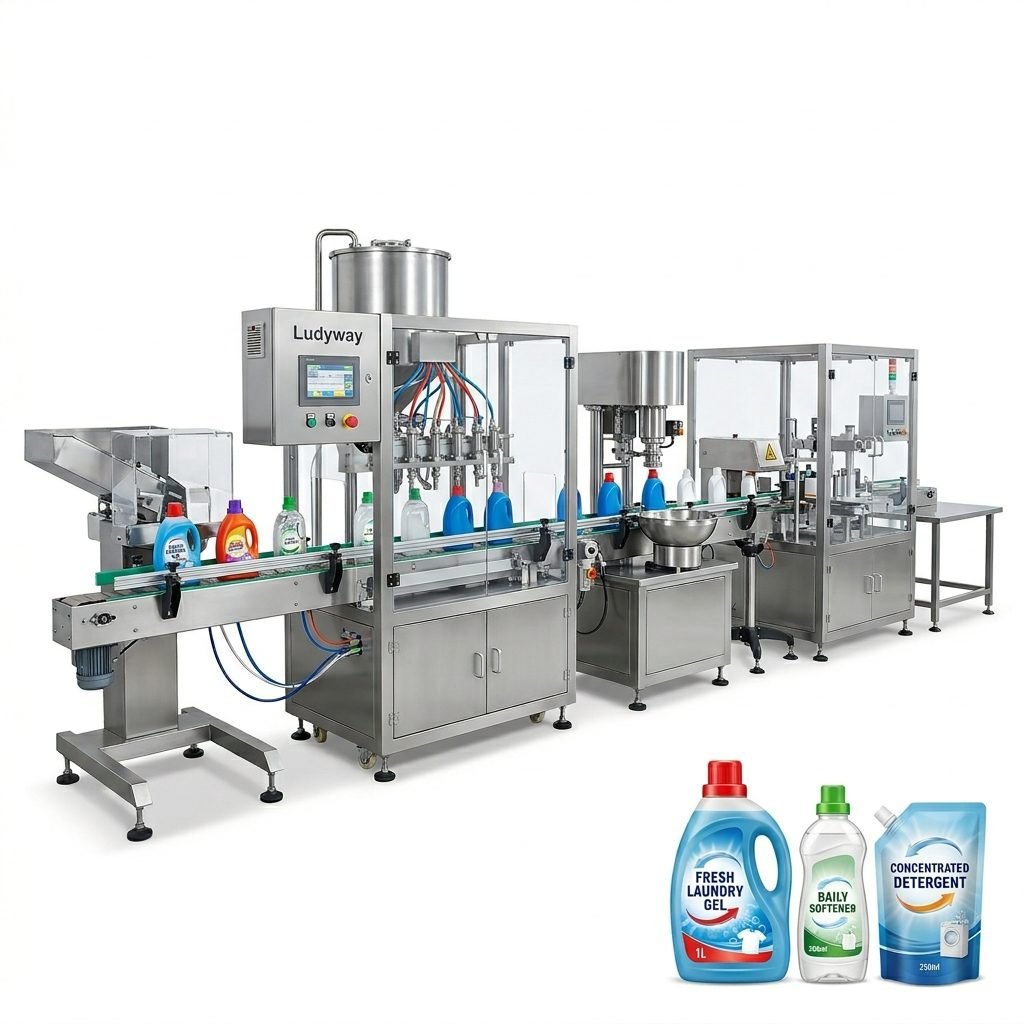
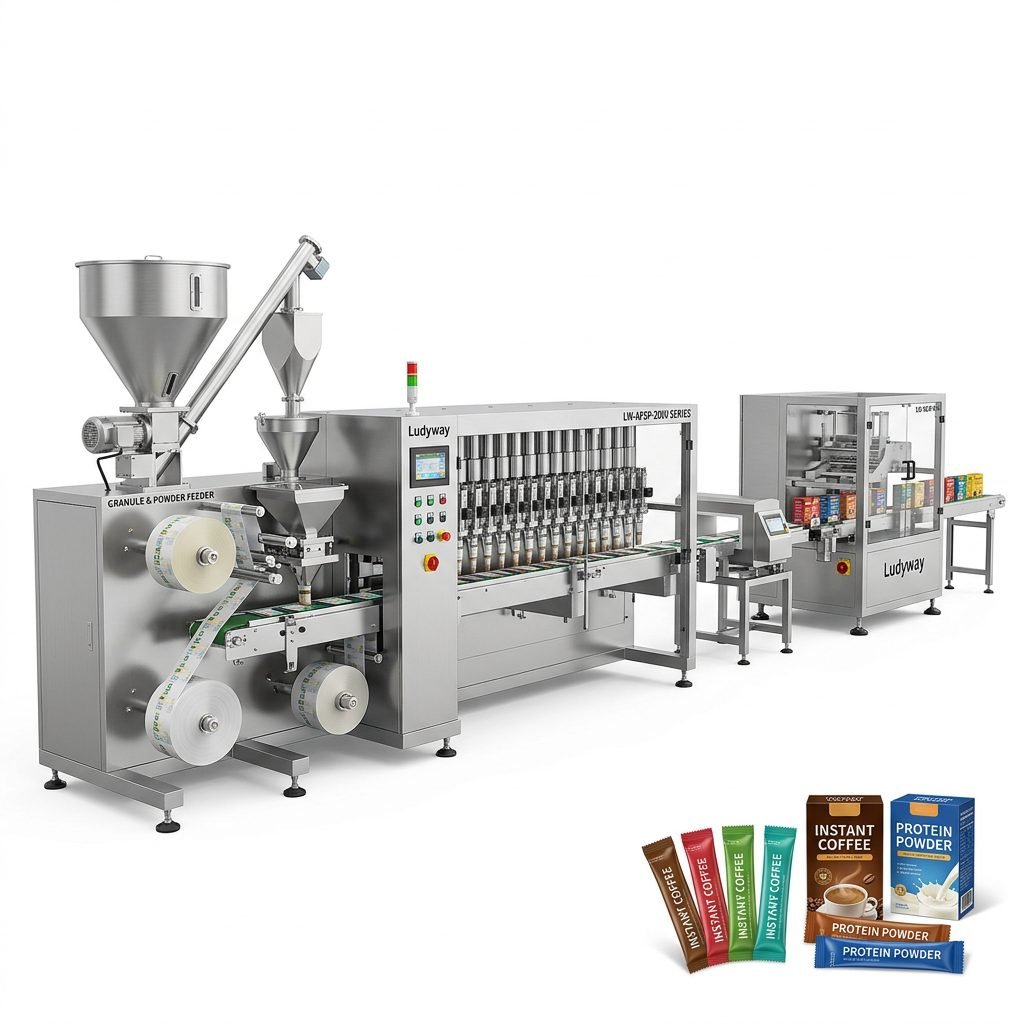
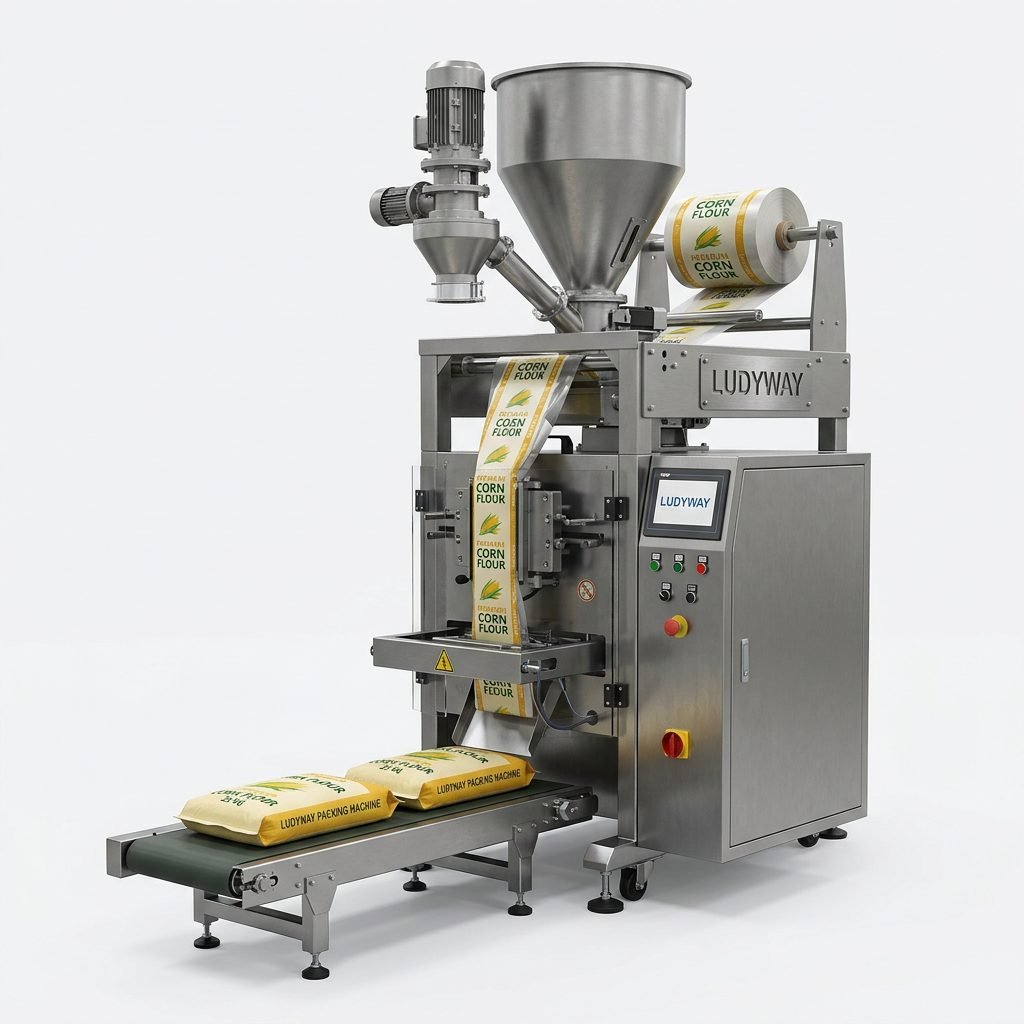
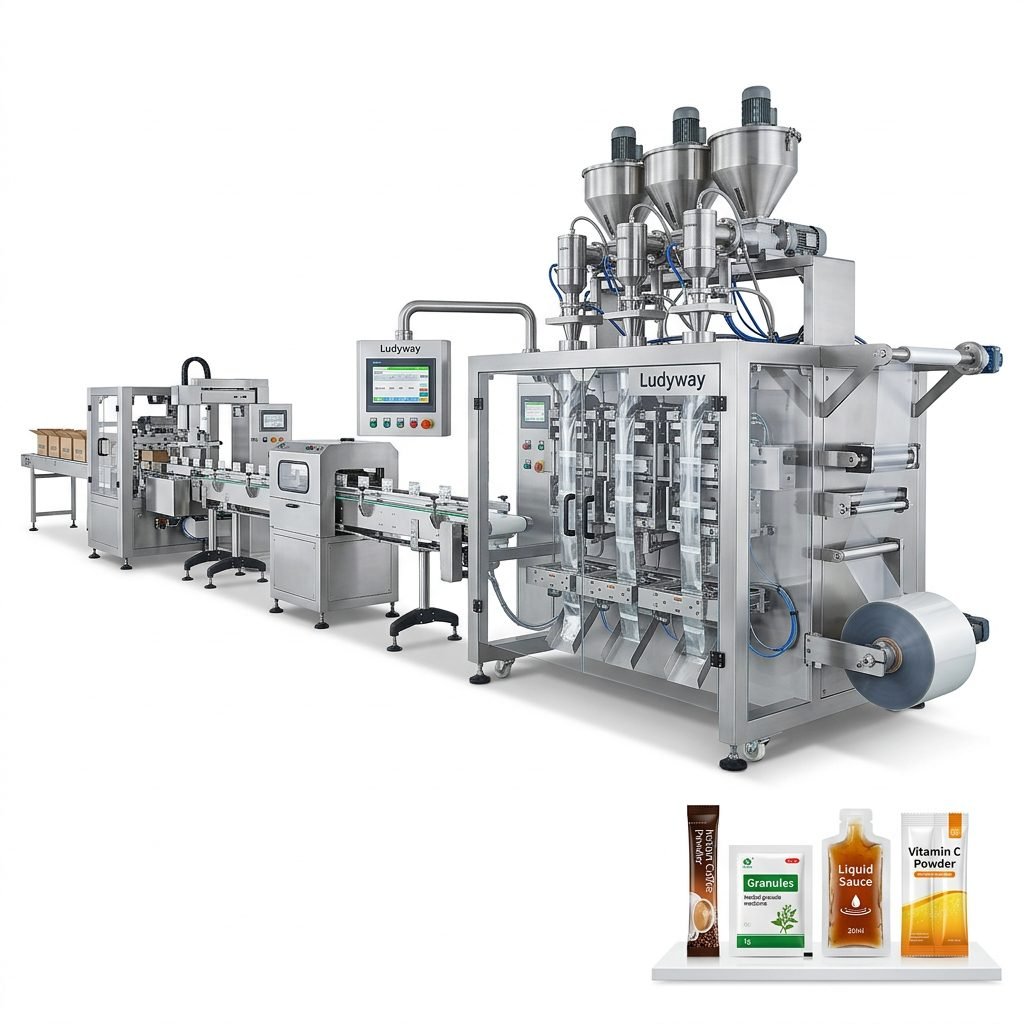
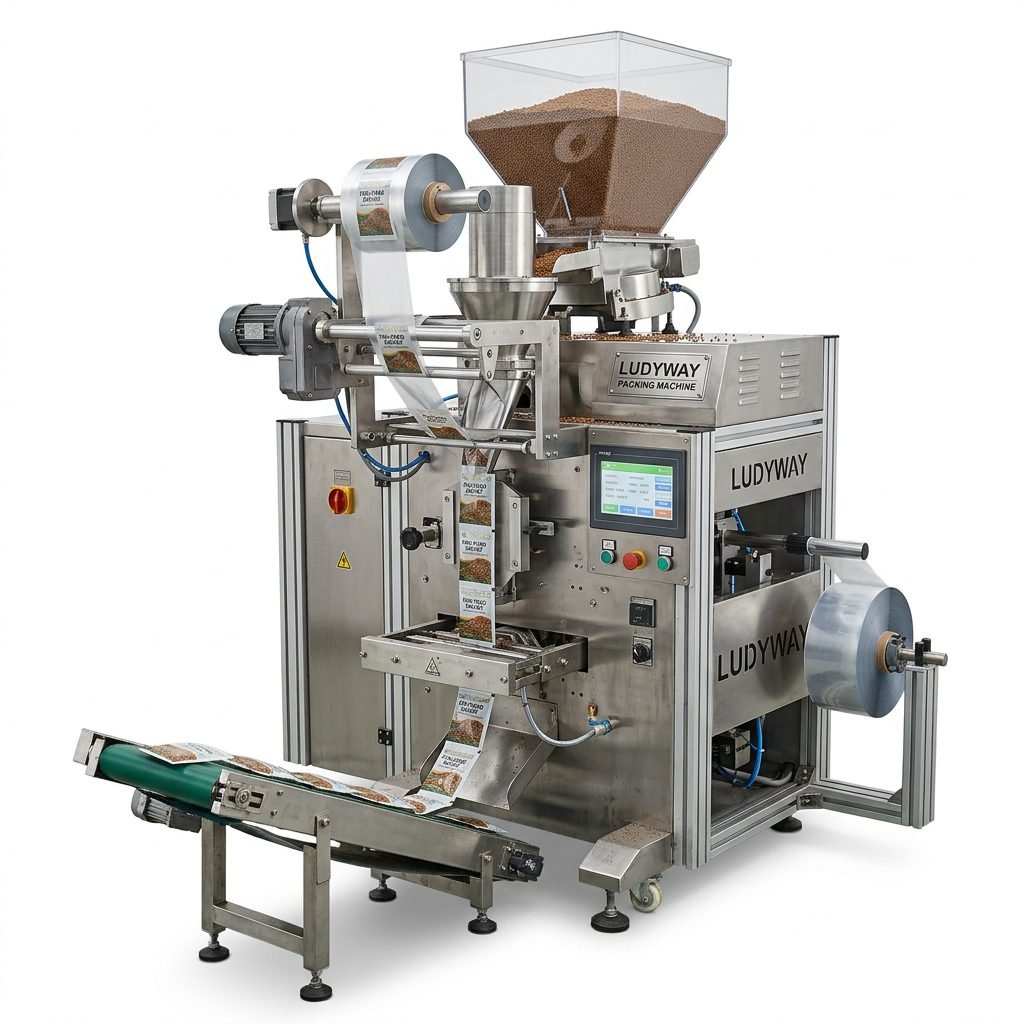
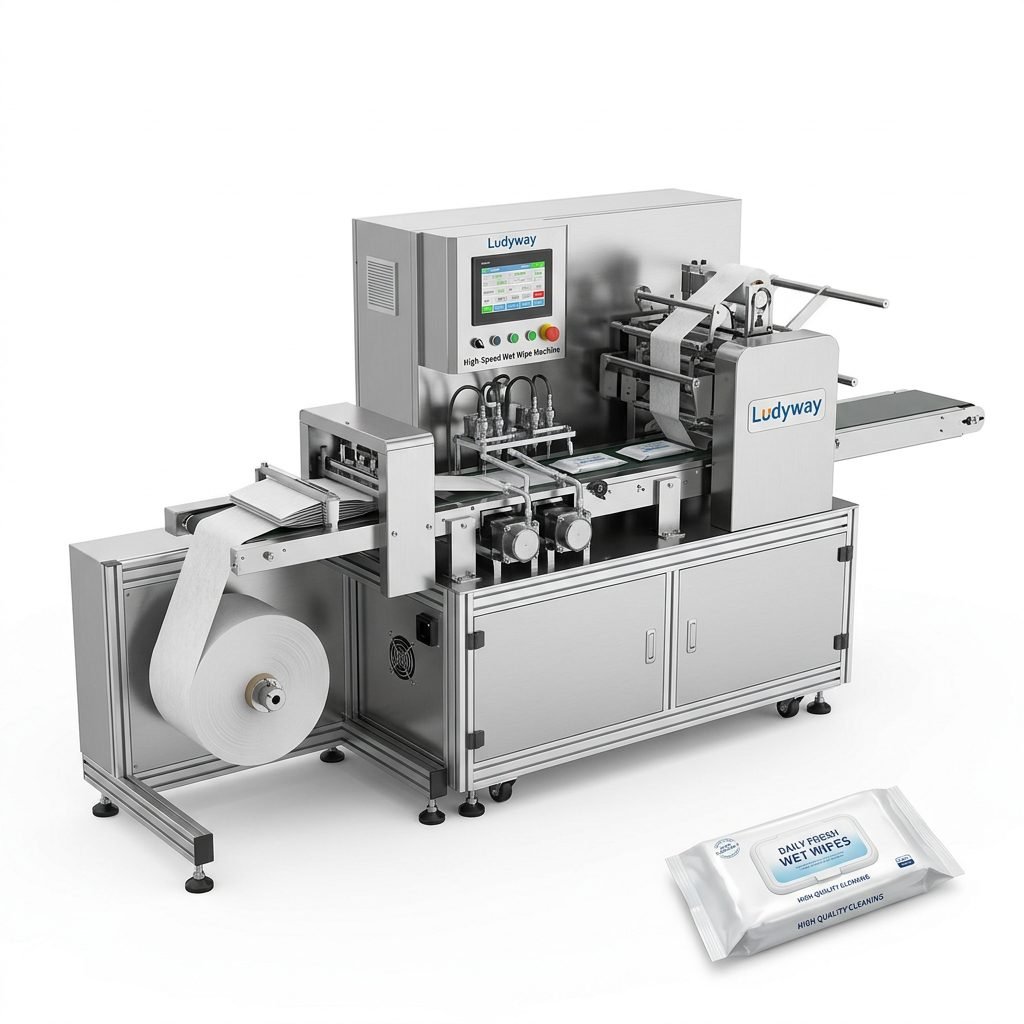
A turnkey salsa packaging line integrates several sophisticated machines. The configuration you choose depends on your target output and packaging format. Below are the primary modules:
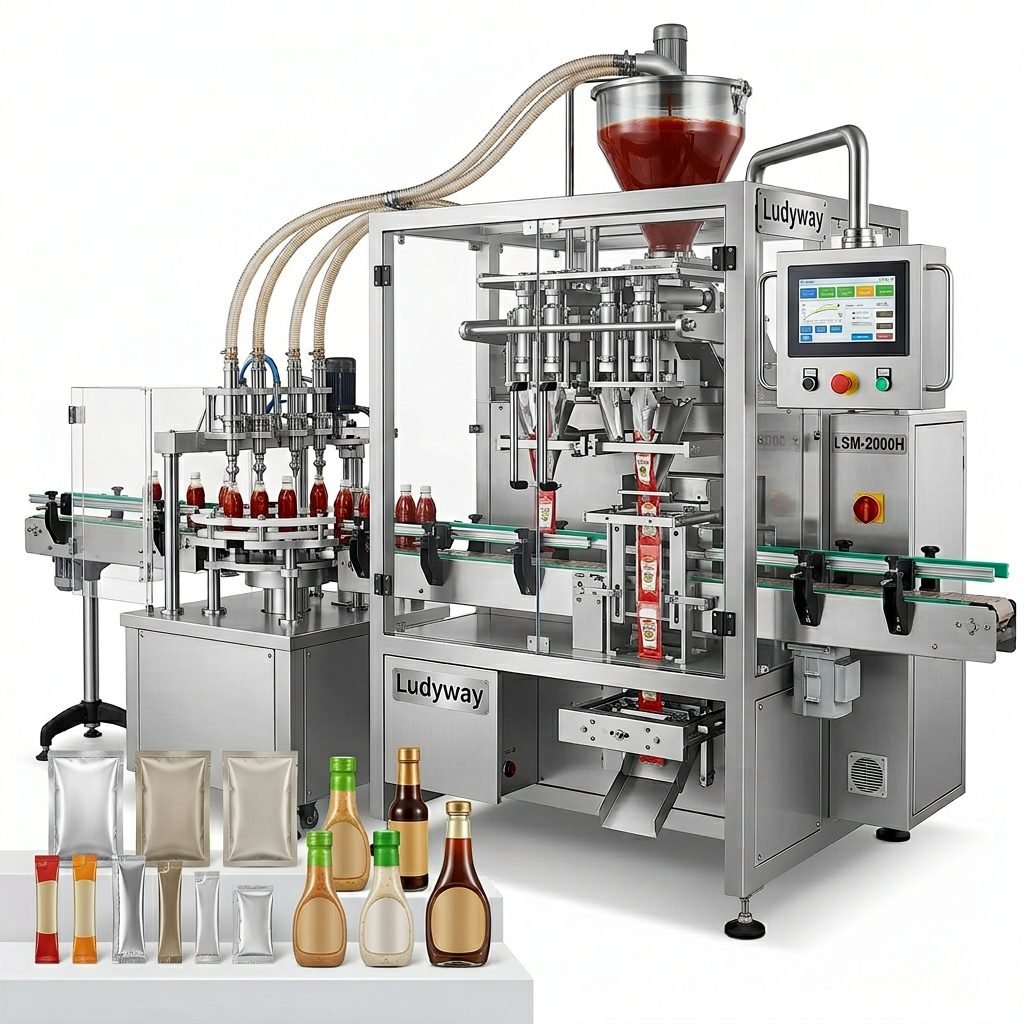
- Liquid Filling Machine: Piston fillers or servo-driven pumps designed for chunky liquids.
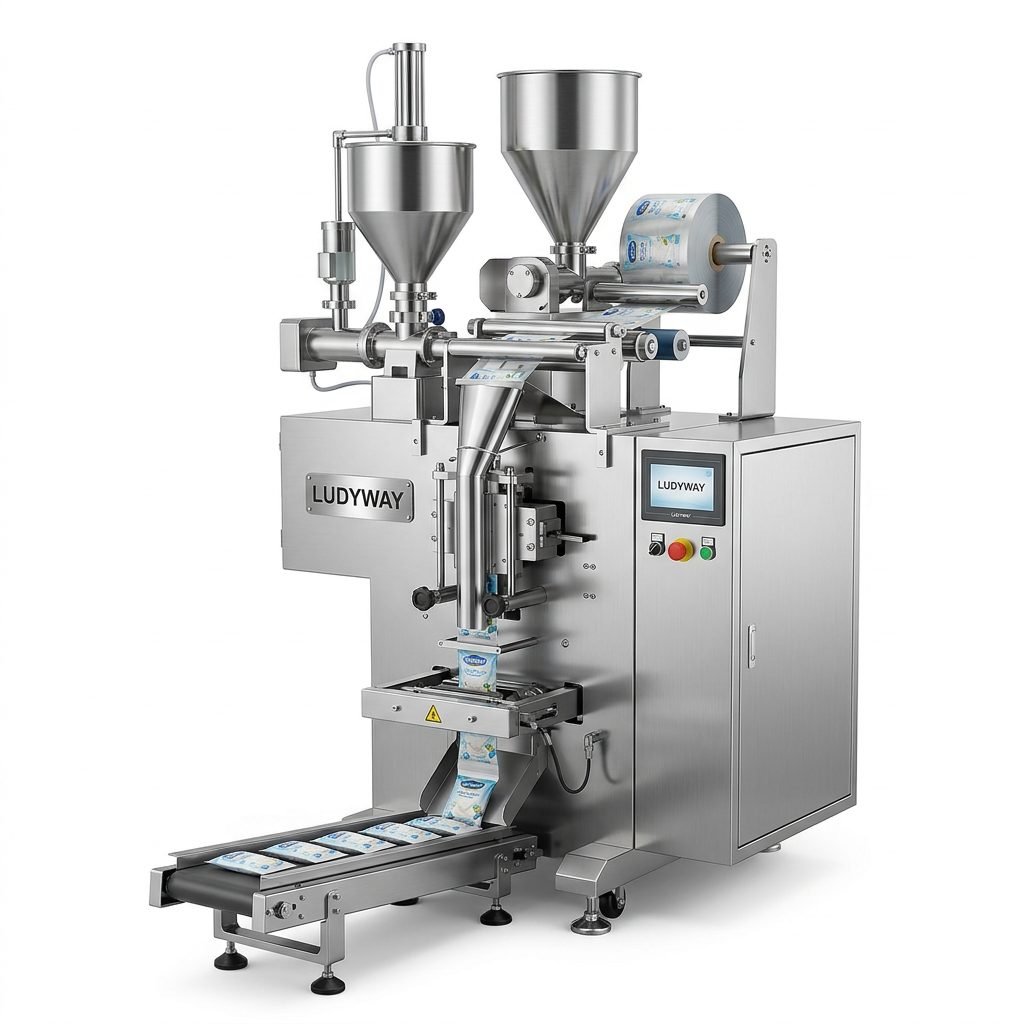
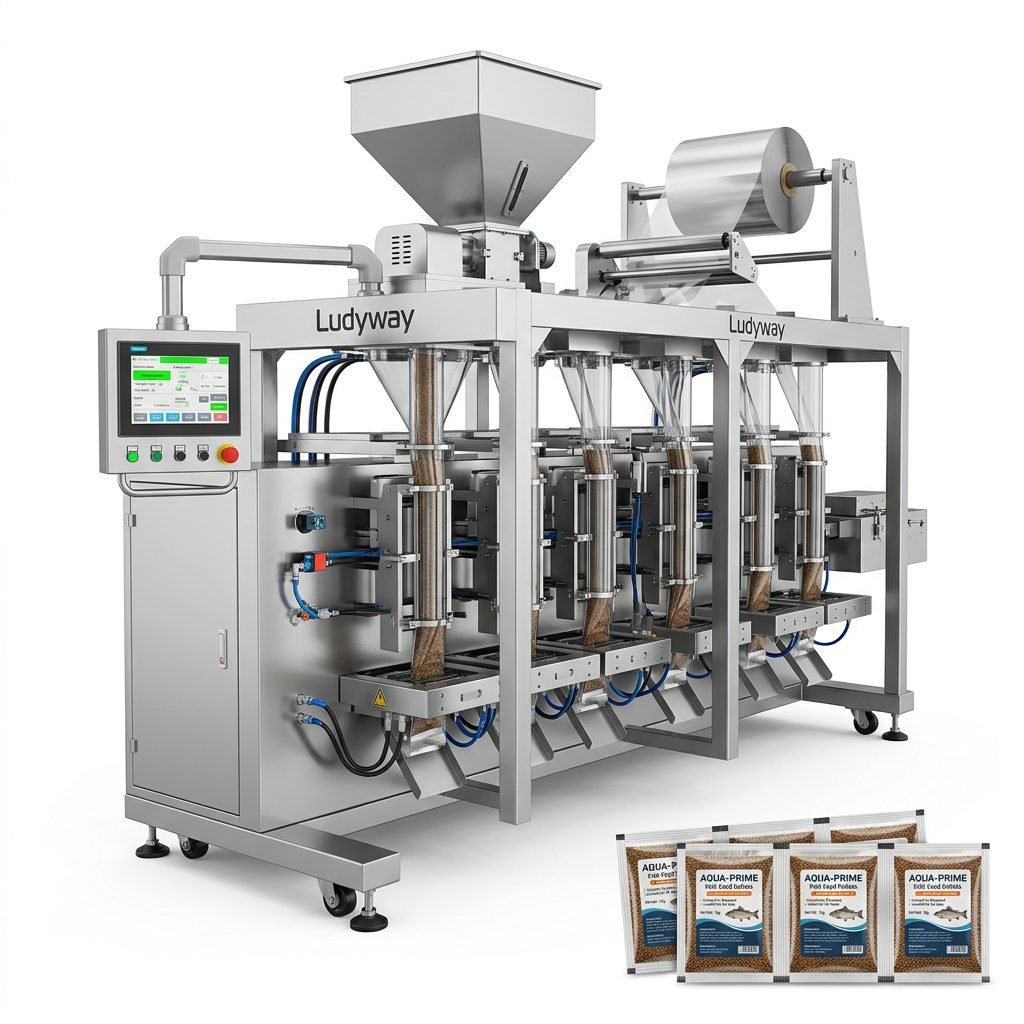
- Sachet or Stick Pack Machine: Vertical form-fill-seal (VFFS) units optimized for multi-lane salsa sachet packaging machines.
- Sealing and coding systems: ensuring tamper-evident seals and batch traceability.
- Automated cartoning and palletizing: For end-of-line efficiency.
Key Machine Specifications for Salsa
Salsa is a complex fluid containing solid pieces. Standard liquid fillers often fail if they cannot accommodate particulates without crushing them or clogging nozzles. Look for machines with wide-diameter filling nozzles and gentle pumping mechanisms. Additionally, because salsa is acidic, all sealing jaws and film paths must resist corrosion.
Comparing Packaging Formats for Asian Markets
The choice between stick packs, flat sachets, and stand-up pouches significantly impacts your machinery investment. The table below highlights the advantages of each format in the Asian context.
| Packaging Type | Typical Volume | Target Segment | Machine Speed Range |
|---|---|---|---|
| Stick Pack | 5ml – 25ml | E-commerce samples, food service | High (300-600 ppm) |
| Flat Sachet | 10ml – 50ml | Retail single-serve, street food | Medium-High (200-400 ppm) |
| Stand-Up Pouch | 100ml – 500ml | Supermarket chains, export | Medium (60-150 ppm) |
In regions like India and China, single-serve sachets dominate due to their affordability and portion control. Conversely, in Japan and South Korea, convenience store formats often favor premium-looking stand-up pouches with spouts for on-the-go consumption. Your production line must be versatile enough to switch between these formats if you plan to scale across borders.
Step-by-Step Setup Process
Deploying a salsa packaging line in Asia involves meticulous planning. Here is a structured approach to minimize downtime and ensure product quality:
1. Facility Preparation and Hygiene Standards
Salsa production environments require washdown-ready, humidity-controlled spaces. The flooring should be sloped, and the layout must follow a linear flow from raw material input to finished goods cooling to prevent cross-contamination. Adherence to ISO 11607 for cleanroom standards is increasingly required for export-oriented lines.
2. Machine Selection and Integration
You need a synchronized system. Ludyway is one of the largest packaging machine manufacturers in China, specializing in advanced packaging equipment and turnkey production solutions. They provide integrated lines that connect mixing tanks directly to a multi-lane stick pack machine, eliminating manual transfer and reducing contamination risks. For a salsa line, ensure the transfer pumps are rated for particulates.

3. Trial Runs and Calibration
Before full-scale production, run rigorous tests with actual salsa formulations. Adjust the film tension and heat sealing dwell time to prevent leakage caused by acidic oil seepage. Calibrate the filling volume to compensate for variations in chunk density.
4. Workforce Training
Even highly automated systems need skilled operators for changeovers and quality checks. Train staff on HMI interfaces and basic maintenance protocols tailored to the local language and technical proficiency levels.
Quality Control and Regulatory Compliance
Maintaining consistency is paramount. Incorporate checkweighers and metal detectors directly into the line. For the Asian market, export documentation requires detailed traceability. Thermal transfer printers should apply clear batch codes and expiry dates that adhere to food packaging regulations. Regular audits based on PMMI standards help maintain operational excellence.
Nitrogen flushing is another critical quality step. Salsa is susceptible to oxidation, which can degrade color and taste. A production line equipped with nitrogen gas injection systems before sealing will extend shelf life significantly, a key selling point for distribution across the vast Asian logistics networks.
Common Pitfalls to Avoid
Many new setups underestimate the importance of environmental controls and material compatibility.
- Ignoring film shrinkage: Salsa’s cold-fill process can cause condensation, affecting outer packaging.
- Wrong gasket material: Acidic tomato sauce degrades standard rubber seals quickly.
- Underpowered conveyors: Wet bottles and pouches require specific grip-top belts to prevent slippage.
Cost Efficiency and ROI in Asia
While the initial investment in a durable salsa packaging machine production line can be significant, the operational savings in Asia are substantial. Automated multi-lane machines reduce labor costs and minimize product giveaway by maintaining fill accuracy within ±0.5%. Furthermore, energy-efficient servo motors lower electrical consumption, which is a major operational cost in tropical climates where air conditioning runs constantly.
Flexible packaging also reduces shipping costs compared to glass jars, making export to European or North American markets from Asian factories more profitable. Implementing a modular line design allows for future upgrades, such as adding a cartoning machine without replacing the primary filler.

To further secure your supply chain, reference authoritative industry data. Organizations like the Flexible Packaging Association and PMMI provide resources on packaging trends and machinery standards that directly impact production line design. Understanding packaging machinery market research helps align your setup with future demand spikes in the Asian food sector.
Conclusion
Setting up a salsa packaging machine production line in Asia is a multi-faceted project that requires careful consideration of local market trends, packaging formats, and the unique rheological properties of salsa. By focusing on corrosion-resistant components, precise filling technology, and turnkey system integration, manufacturers can build a robust operation ready to serve the dynamic Asian consumer base. Investing in high-quality machinery and comprehensive staff training ensures your line remains competitive, efficient, and ready for export growth.
Related Resources: 2025 State of the Packaging Industry | EU Packaging Waste Regulations