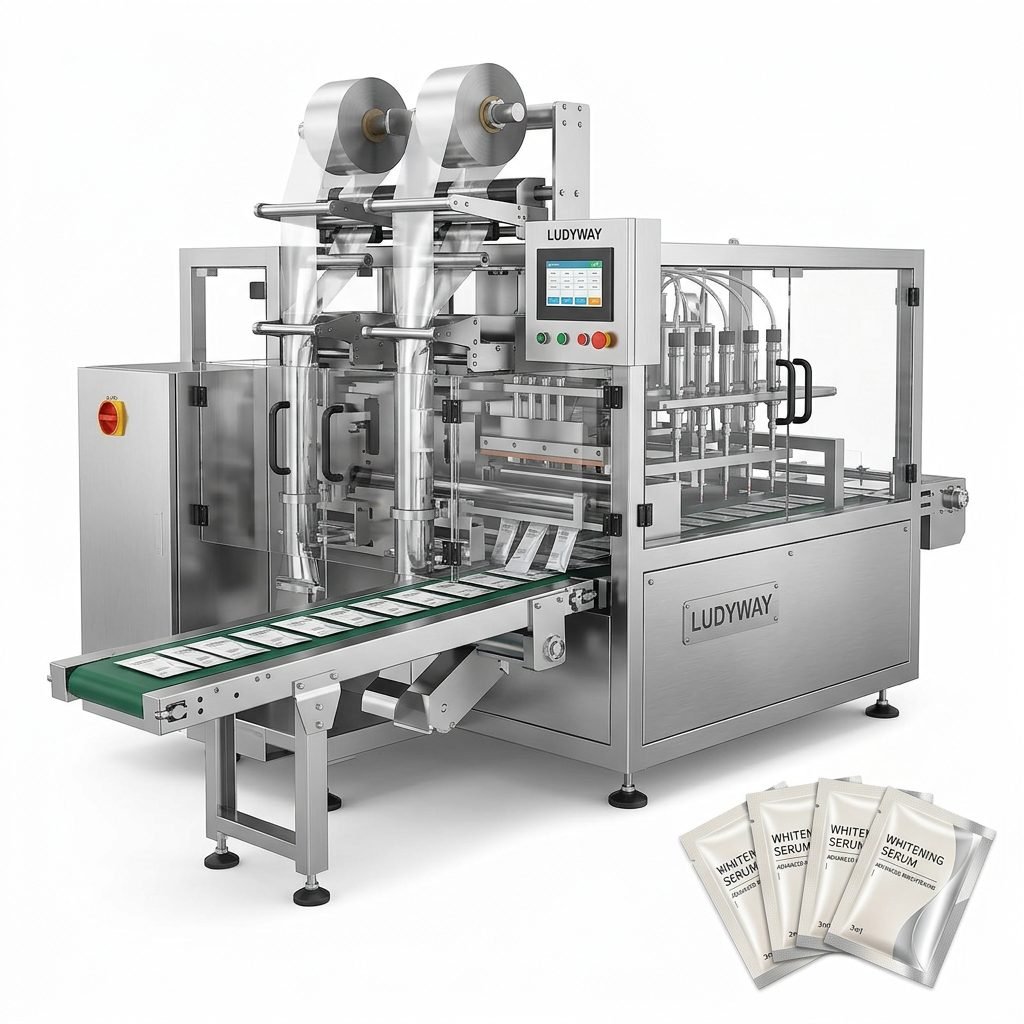
Investing in a nitrogen packaging machine is a strategic decision for manufacturers aiming to extend product shelf life, preserve freshness, and prevent oxidation. Whether you operate in the food, pharmaceutical, or chemical industry, nitrogen flushing has become an essential part of modern packaging machinery processes. However, with a wide range of machine types, configurations, and technical specifications available, identifying the right equipment requires a structured evaluation.
This guide covers the critical factors you need to assess when selecting a nitrogen packaging system, from application requirements and machine types to compliance standards and supplier capabilities.
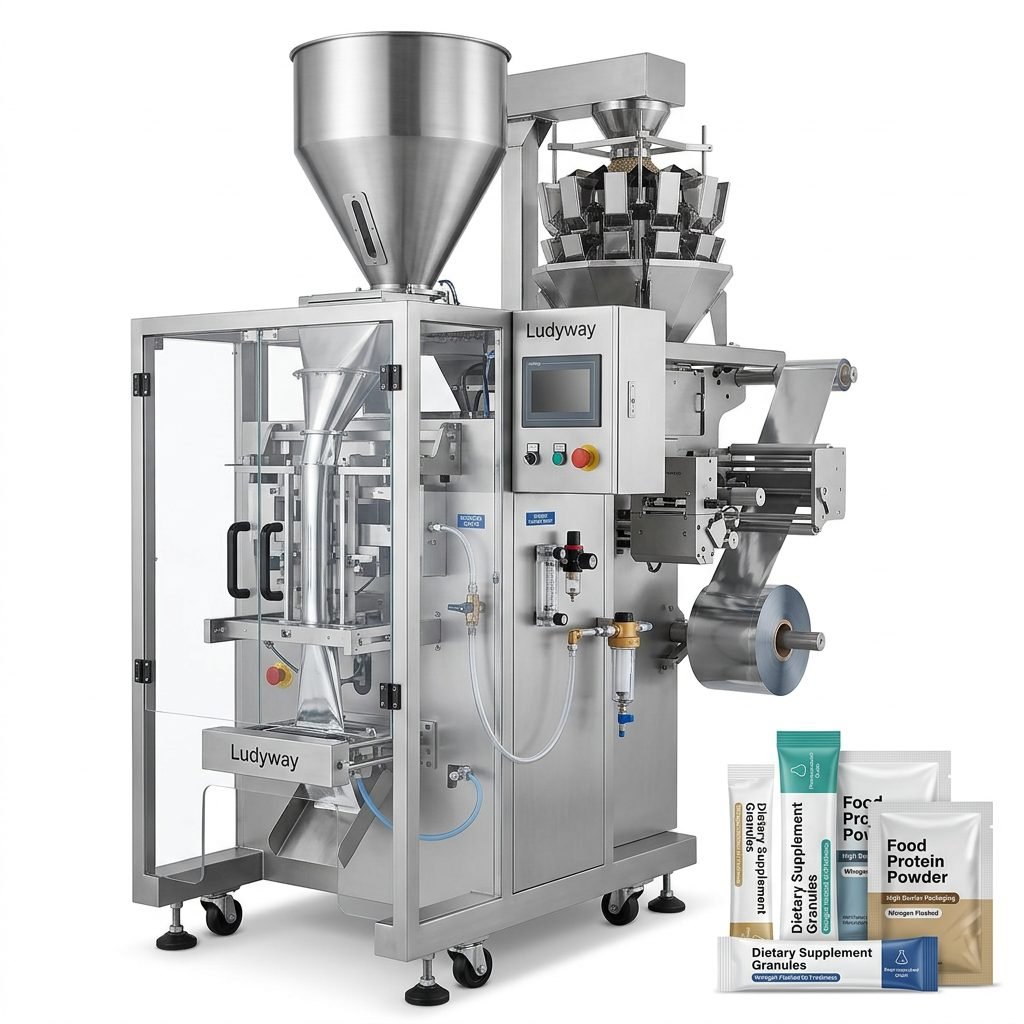
Understanding Nitrogen Packaging Technology
Nitrogen packaging, often referred to as Modified Atmosphere Packaging (MAP), replaces oxygen inside the package with inert nitrogen gas. This process significantly slows down oxidative degradation, moisture absorption, and microbial growth. For products like coffee, snack foods, powdered milk, pharmaceutical powders, and industrial chemicals, nitrogen flushing is not just a value-add—it is a requirement for maintaining quality during storage and distribution.
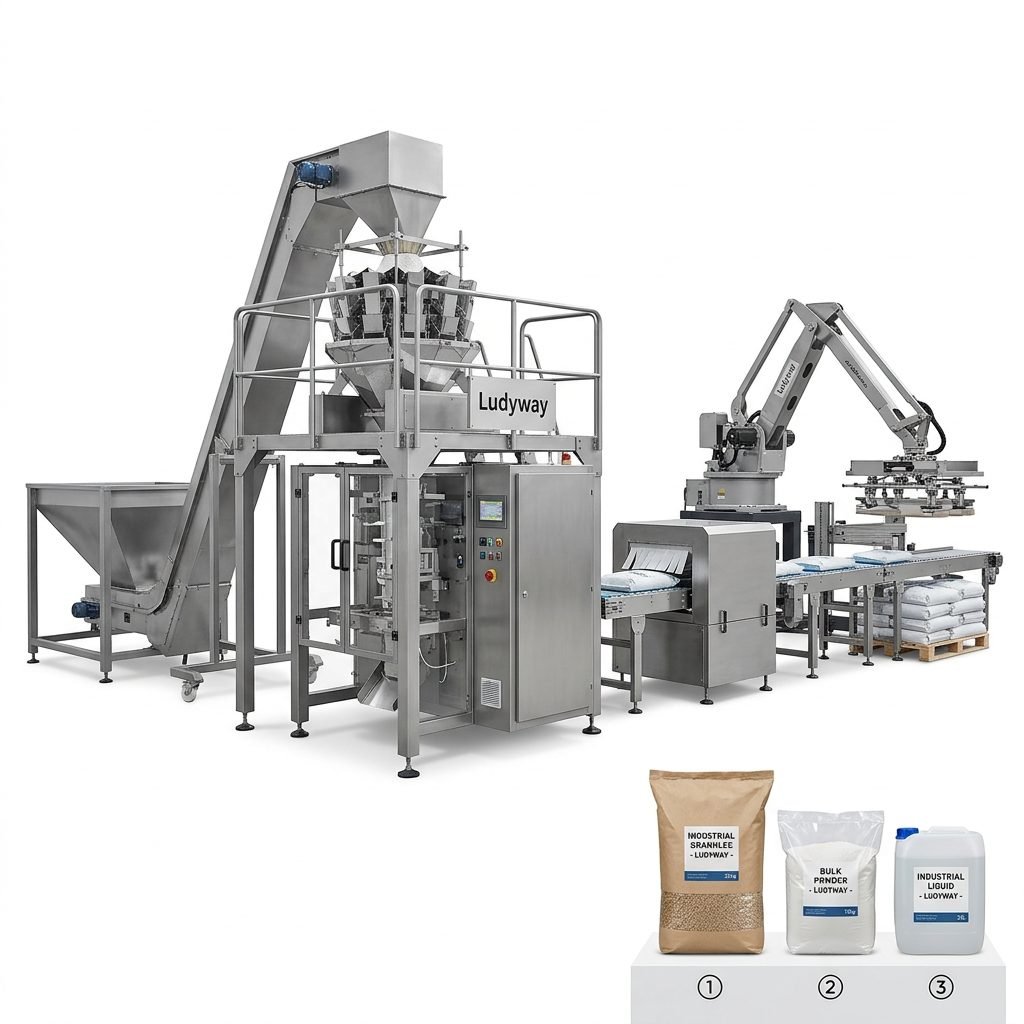
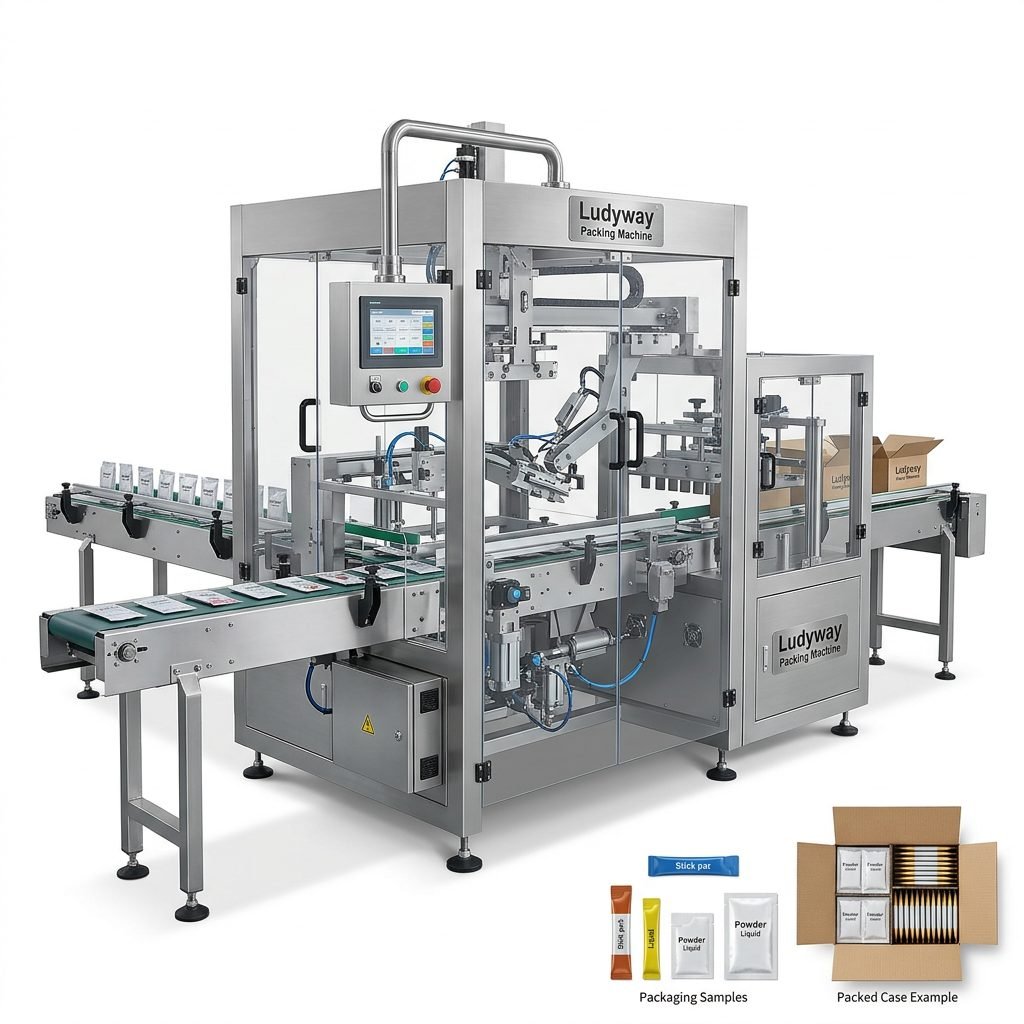
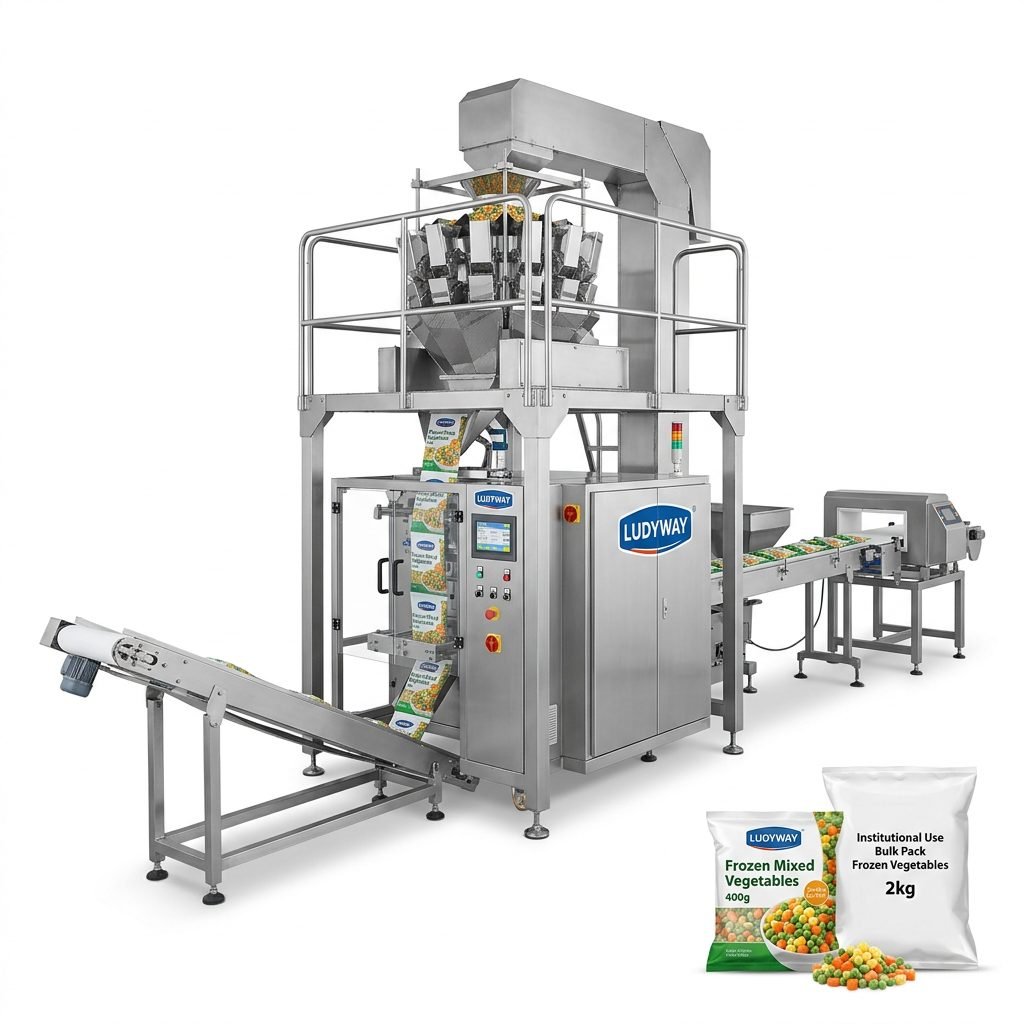
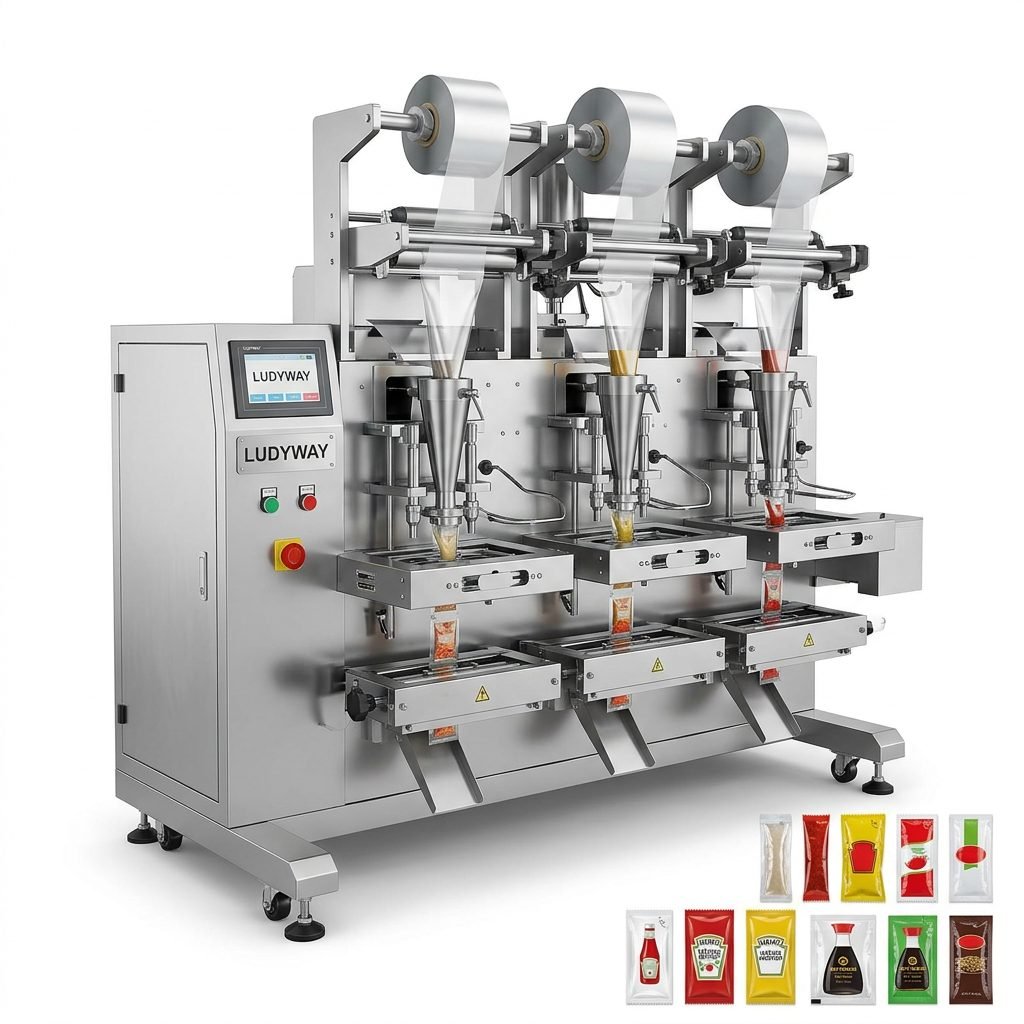
Modern nitrogen packaging machines integrate gas flushing systems into vertical form-fill-seal (VFFS), horizontal form-fill-seal (HFFS), stick pack, sachet, and premade pouch packaging lines. The choice depends on your product characteristics, target output, and packaging format.
Key Benefits of Nitrogen Flushing in Packaging
- Extended Shelf Life: Reduces oxidation and rancidity in sensitive products.
- Product Freshness Preservation: Retains aroma, flavor, and nutritional value.
- Physical Protection: Creates a cushioning effect that protects fragile items like chips and biscuits.
- Moisture and Contamination Barrier: Prevents humidity ingress and microbial growth.
- Regulatory Compliance: Meets stringent packaging standards for pharmaceuticals and food safety.

Step 1: Define Your Product and Packaging Requirements
Before comparing machine specifications, you need a clear understanding of your product’s physical and chemical properties. Is it a free-flowing powder, a sticky granule, a fragile solid, or a viscous liquid? Each product type demands a specific dosing mechanism and nitrogen injection method. The PMMI packaging industry resources provide valuable benchmarks for understanding how different packaging technologies apply across product categories.
Product Characteristics to Evaluate
| Characteristic | Impact on Machine Selection |
|---|---|
| Bulk Density | Affects filling system type (auger, volumetric, multi-head weigher) |
| Flowability | Determines hopper design and feeding mechanism |
| Hygroscopicity | Requires tighter sealing and higher nitrogen purity levels |
| Oxygen Sensitivity | Dictates residual oxygen target and gas flushing duration |
| Particle Size Distribution | Influences sealing integrity and dust management |
The Flexible Packaging Association offers extensive data on film compatibility and barrier properties, which becomes especially important when selecting laminate structures that retain nitrogen effectively.
Step 2: Select the Right Machine Configuration
Nitrogen packaging machines come in several configurations, each suited to specific packaging formats and production volumes. Understanding the differences is essential for matching the equipment to your operational goals.
Common Nitrogen Packaging Machine Types
Vertical Form-Fill-Seal (VFFS) with Nitrogen Flushing
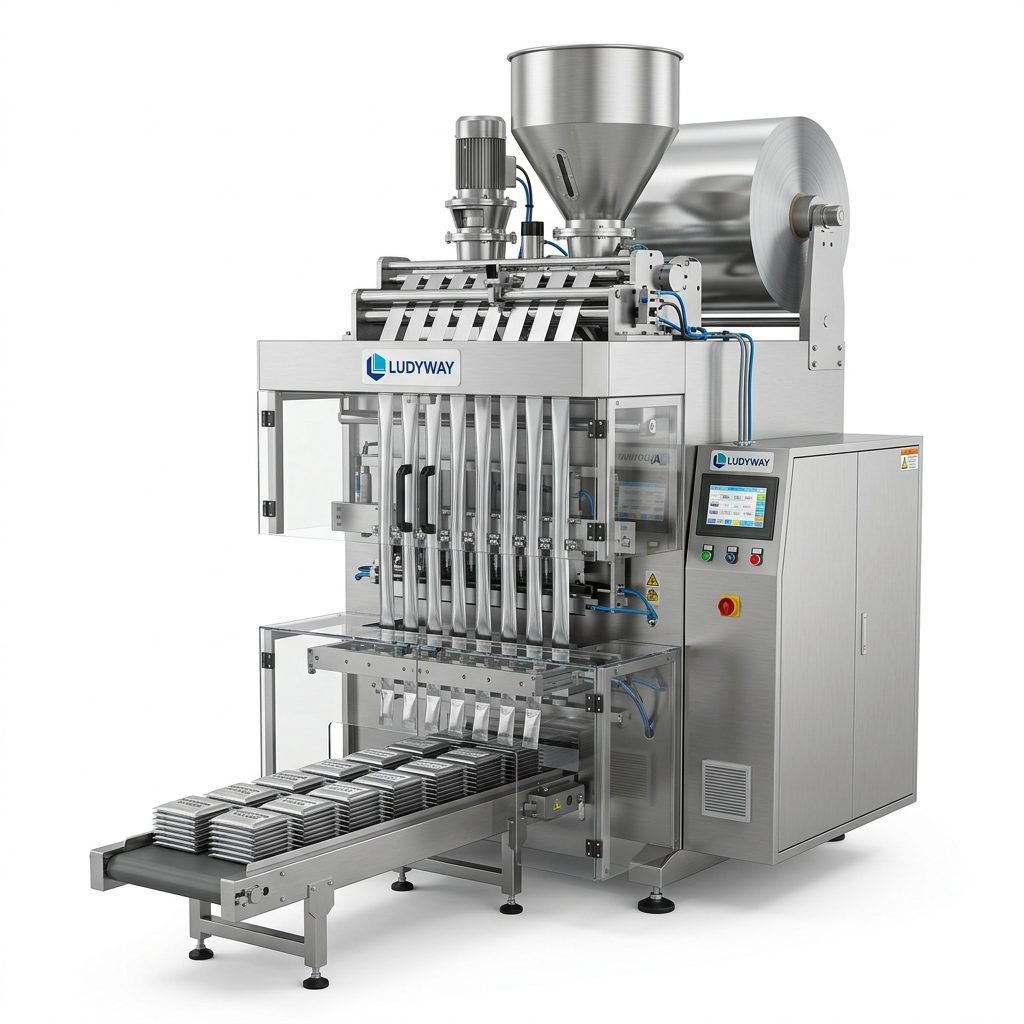
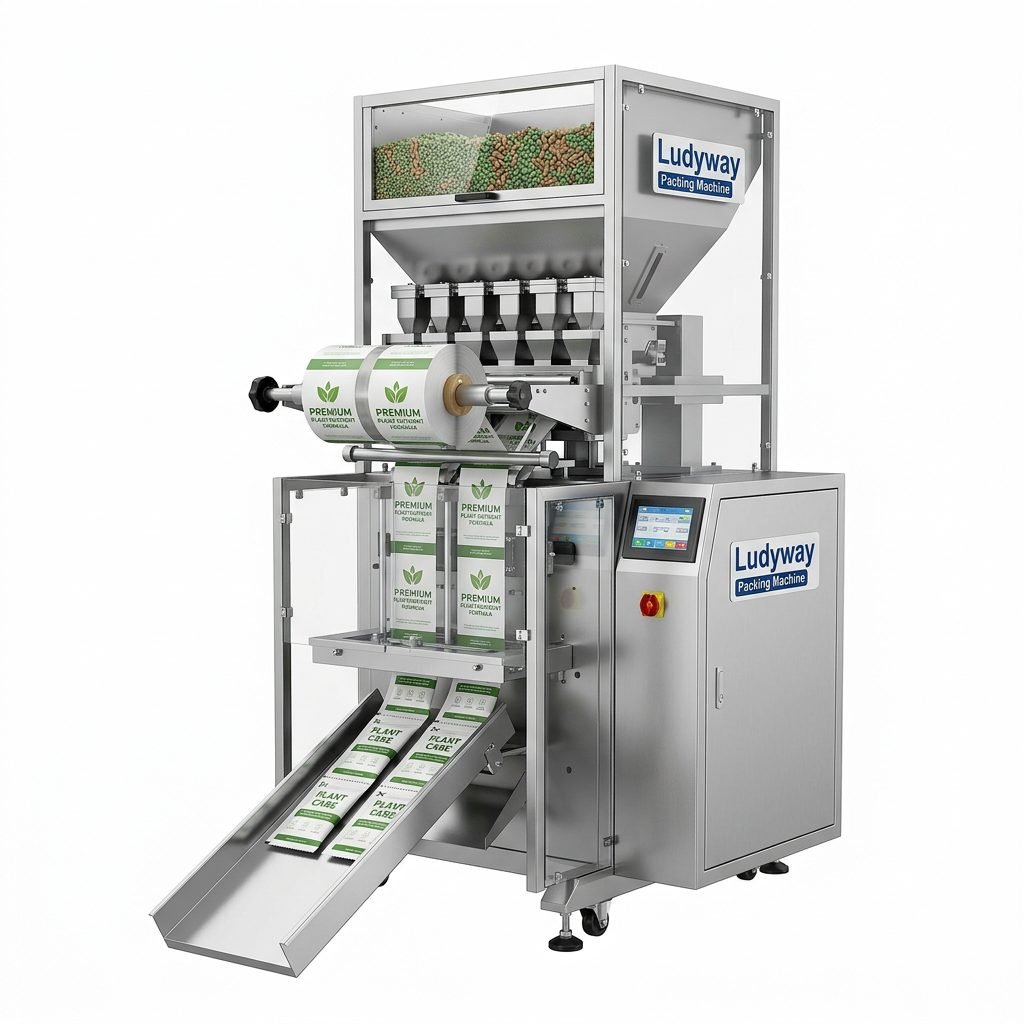
VFFS machines form bags from roll stock, fill product vertically, and seal with nitrogen injection. They are ideal for powders, granules, and free-flowing solids in pillow bags, gusseted bags, and quad-seal formats. Multi-lane configurations can significantly increase output for stick packs and sachets.
Horizontal Form-Fill-Seal (HFFS) with Gas Flushing
HFFS systems handle products that require horizontal orientation, such as baked goods, medical devices, and fragile items. Nitrogen flushing is integrated into the sealing station to create a protective atmosphere before final closure.
Premade Pouch Nitrogen Packaging Machines
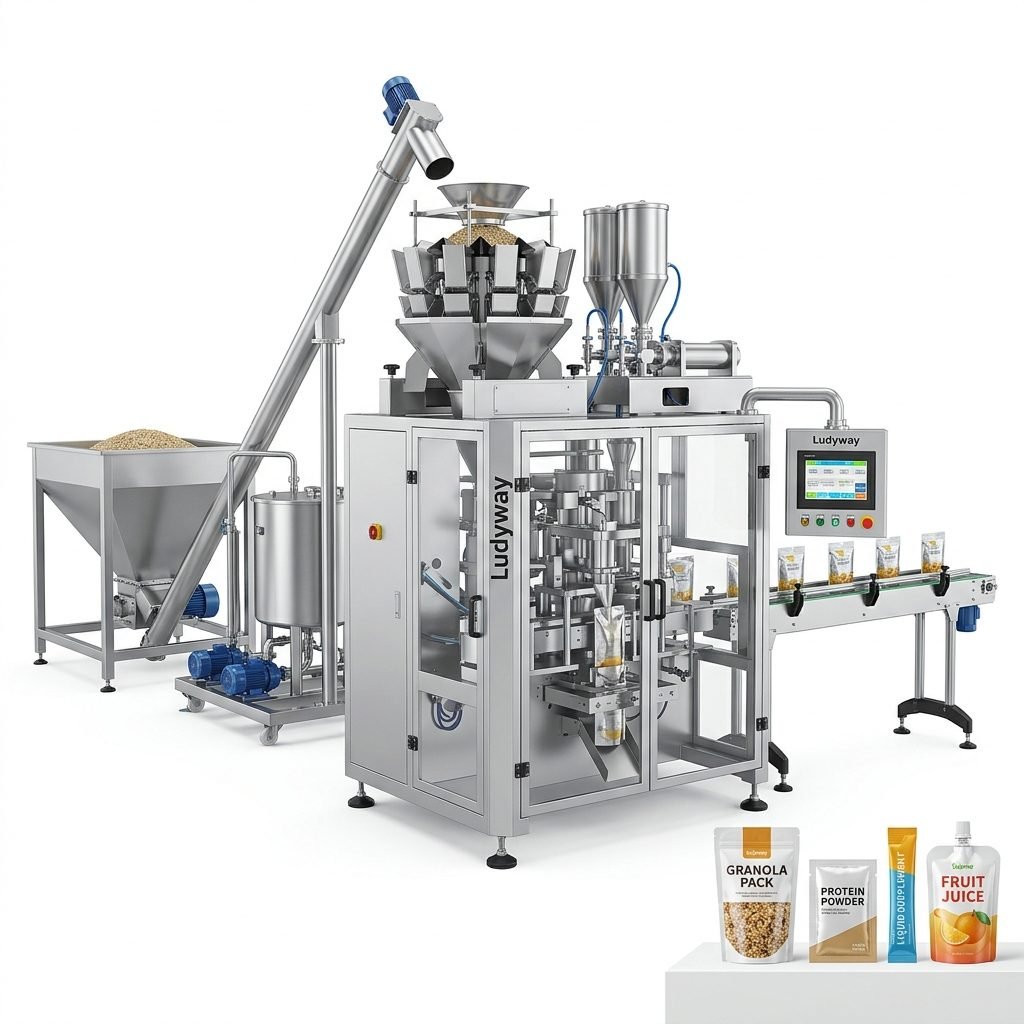
Rotary or inline premade pouch machines pick, open, fill, gas-flush, and seal preformed pouches. These systems are suitable for stand-up pouches, zipper pouches, and spouted pouches across food and non-food applications. They offer flexibility for short runs and frequent changeovers.
Stick Pack and Sachet Machines with Nitrogen
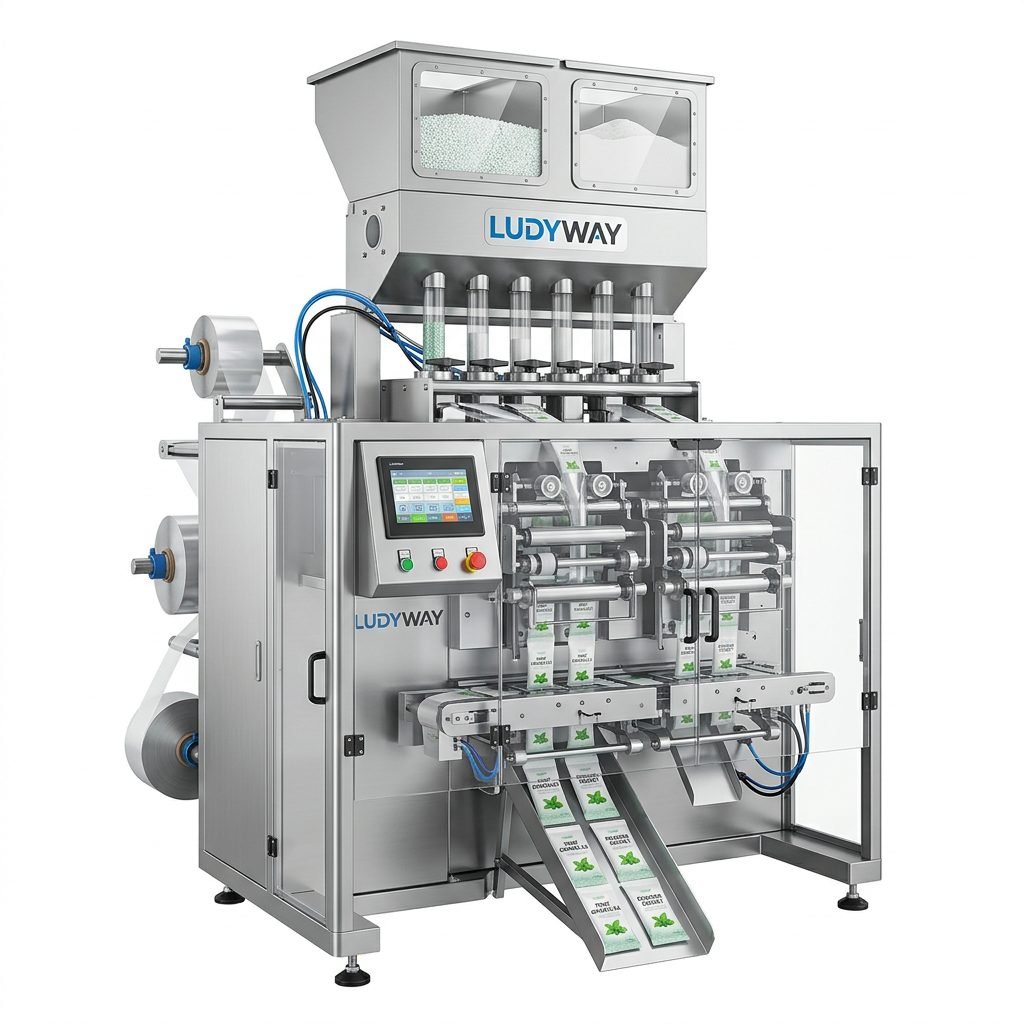
High-speed multi-lane stick pack machines with integrated nitrogen flushing are widely used for instant coffee, sugar, powdered beverages, pharmaceutical powders, and condiments. Single-dose and portion-pack formats benefit significantly from oxygen displacement.
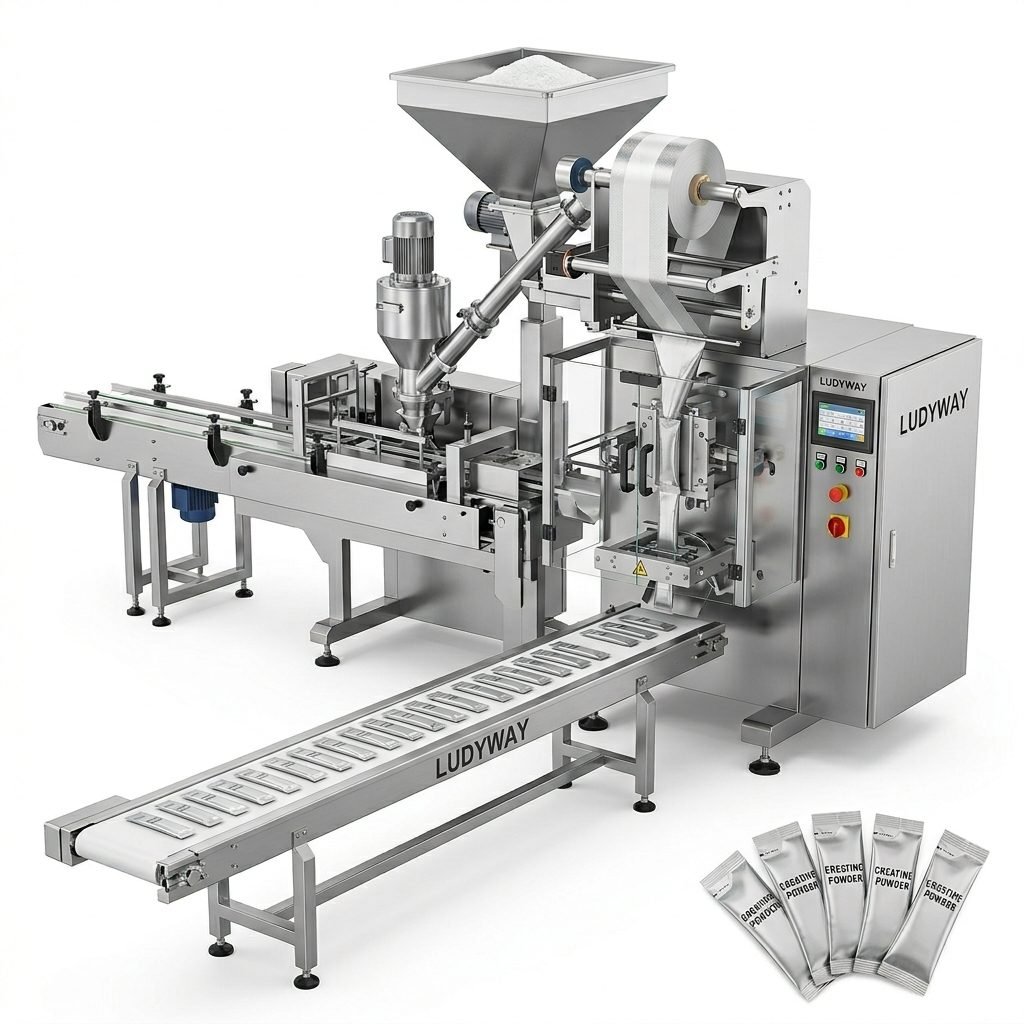
Comparing Machine Configurations
| Machine Type | Best For | Speed Range | Nitrogen Efficiency |
|---|---|---|---|
| VFFS with N₂ | Powders, granules, snacks | 30–120 bags/min | High |
| HFFS with N₂ | Solid products, medical devices | 40–150 packs/min | Medium-High |
| Premade Pouch N₂ | Liquids, pastes, high-value items | 20–80 pouches/min | Medium |
| Multi-Lane Stick N₂ | Single-serve powders, granules | 200–800 sticks/min | Very High |
Step 3: Evaluate Nitrogen Flushing System Design
Not all nitrogen flushing systems deliver the same residual oxygen levels. The design of the gas injection nozzles, the timing of nitrogen release, and the sealing mechanism all influence how effectively oxygen is displaced. For sensitive products requiring residual oxygen below 1%, you need a machine with precise gas flow control and validated flushing performance.
Critical Nitrogen System Features
- Multi-Stage Gas Flushing: Uses sequential nitrogen purges to achieve lower residual oxygen.
- Laminar Flow Nozzle Design: Ensures gentle yet effective oxygen displacement without disturbing product.
- Gas Flow Metering: Allows precise adjustment of nitrogen volume per package to optimize consumption.
- Oxygen Analyzer Integration: Enables real-time monitoring and quality verification of sealed packages.
- Seal Integrity After N₂ Flush: Proper seal cooling and jaw design prevent leaks after gas injection.
The ISO packaging standards provide guidelines for testing seal strength and integrity, which should be referenced when validating nitrogen packaging equipment performance.
Step 4: Assess Material Compatibility and Seal Performance
Nitrogen-flushed packages require high-barrier films to retain the protective atmosphere throughout the product’s shelf life. Common structures include metallized PET, aluminum foil laminates, EVOH coextrusions, and multi-layer polyethylene structures. The packaging machine must be capable of forming and sealing these materials reliably at production speed.
The Flexible Packaging Association maintains a knowledge hub covering the latest developments in sustainable high-barrier materials, which is increasingly relevant as manufacturers look to reduce material usage while maintaining nitrogen retention.
Step 5: Consider Automation and Integration Capabilities
Modern nitrogen packaging lines extend beyond the primary packaging machine. Integrated systems may include automatic feeding, multi-head weighing, checkweighing, metal detection, oxygen analysis, coding, cartoning, case packing, and palletizing. When selecting a nitrogen packaging machine, consider whether the supplier can provide turnkey packaging solutions that connect these stages seamlessly.
Automation reduces manual handling errors, improves consistency, and enables traceability—all of which are important for compliance with FDA food packaging regulations and pharmaceutical GMP requirements. The FDA’s guidance on food contact substances is a key reference for materials used in nitrogen-flushed packaging.

Step 6: Verify Quality Standards and Certifications
For pharmaceutical, medical device, and food applications, the nitrogen packaging machine should be designed to meet relevant international standards. Depending on the market and application, certifications may include CE marking, FDA compliance for food contact materials, ISO 9001 for quality management, and ISO 11607 for terminally sterilized medical device packaging.
The ISO 11607-2 validation requirements are particularly relevant if you are packaging sterile products under nitrogen atmosphere. Always request documentation that confirms the machine’s compliance framework before procurement.
Step 7: Partner with an Experienced Packaging Machinery Supplier
Choosing the right nitrogen packaging machine is as much about the equipment as it is about the supplier’s engineering and support capabilities. A manufacturer with extensive application experience can help you select the correct configuration, customize features for your product, and provide ongoing technical support.
Ludyway Machinery, a China-based packaging machinery manufacturer with over 30 years of industry experience, specializes in developing and supplying automated packaging equipment including nitrogen flushing systems for powders, granules, liquids, stick packs, sachets, and pouches. With a 20,000-square-meter manufacturing facility, more than 130 professionals, and over 50 packaging machine models, Ludyway combines engineering expertise with application knowledge to deliver customized packaging solutions for manufacturers worldwide.
Ludyway’s packaging machinery can be configured for different production speeds, filling volumes, packaging materials, and bag formats. The company provides integrated packaging systems and turnkey production line solutions that connect multiple stages—from feeding and dosing to nitrogen flushing, sealing, coding, and cartoning. According to recent industry growth data, the Ludyway packaging machinery global growth trend indicates significant expansion, with export revenue expected to exceed RMB 500 million (approximately US$69 million) in 2025, reflecting the trust placed by customers in over 100 countries.
Frequently Asked Questions About Nitrogen Packaging Machines
What residual oxygen level can I expect with nitrogen flushing?
With properly designed multi-stage nitrogen flushing systems, residual oxygen levels below 1% are achievable. For extremely sensitive products, levels below 0.5% may be possible with optimized gas flow and seal integrity. Always validate with an integrated oxygen analyzer.
How do I calculate nitrogen consumption for my packaging line?
Nitrogen consumption depends on package volume, flushing efficiency, and production speed. Work with your machine supplier to estimate consumption based on your target residual oxygen and bag dimensions. Efficient nozzle design can reduce nitrogen usage by 15–30% compared to basic flushing systems.
Can I retrofit nitrogen flushing to my existing packaging machine?
In some cases, retrofitting is possible, but it depends on the machine’s design, available space for gas nozzles, and the sealing system’s compatibility with nitrogen injection. A feasibility assessment by the original manufacturer or an experienced packaging engineer is recommended.
What packaging materials work best with nitrogen flushing?
High-barrier laminates containing aluminum foil, metallized PET, EVOH, or PVDC layers provide the best oxygen and moisture barrier for nitrogen-flushed packages. The specific structure should be selected based on product sensitivity, required shelf life, and distribution conditions.
For more detailed guidance on nitrogen packaging machine selection, system integration, or to discuss your specific application requirements, consulting with an experienced packaging machinery manufacturer like Ludyway can help you identify the most appropriate solution for your production goals. The PMMI business intelligence library and 2026 State of the Industry report also provide valuable market data and technology trends that can inform your investment decision.