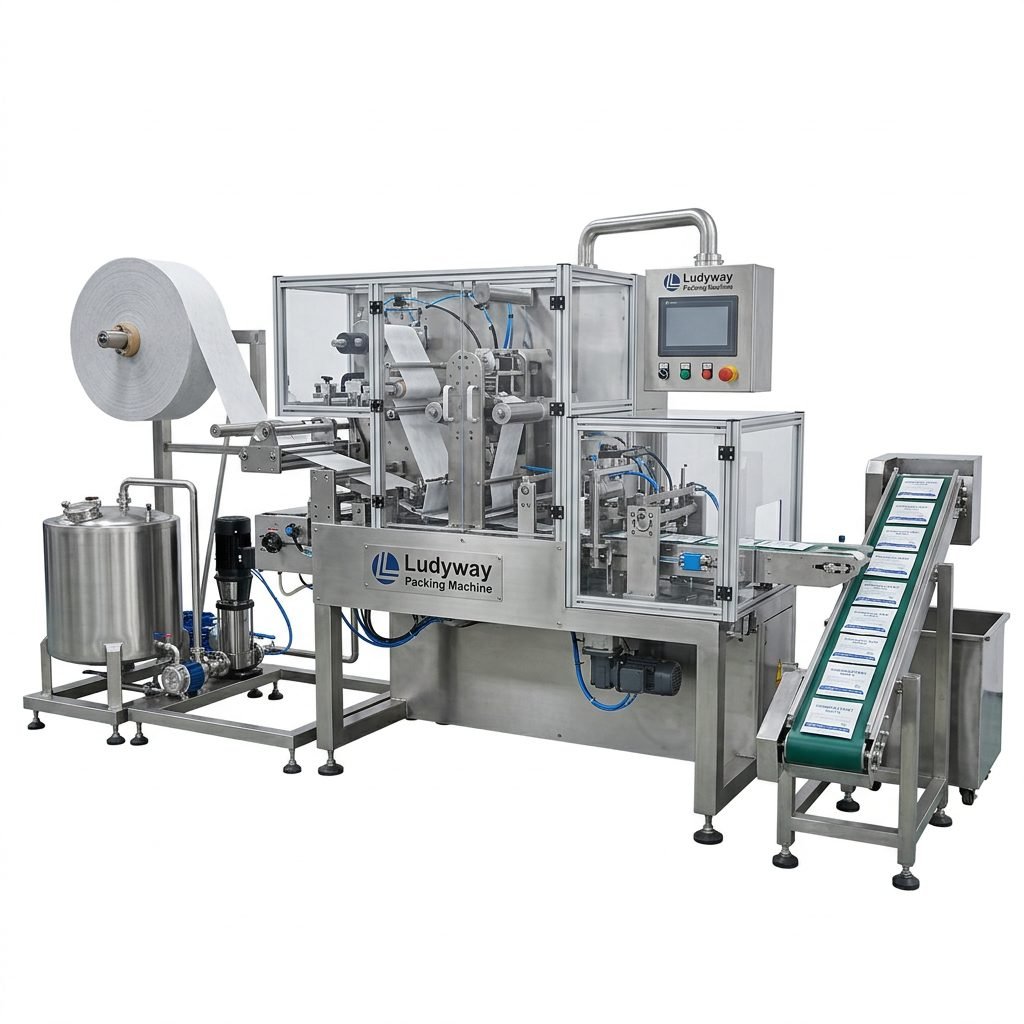
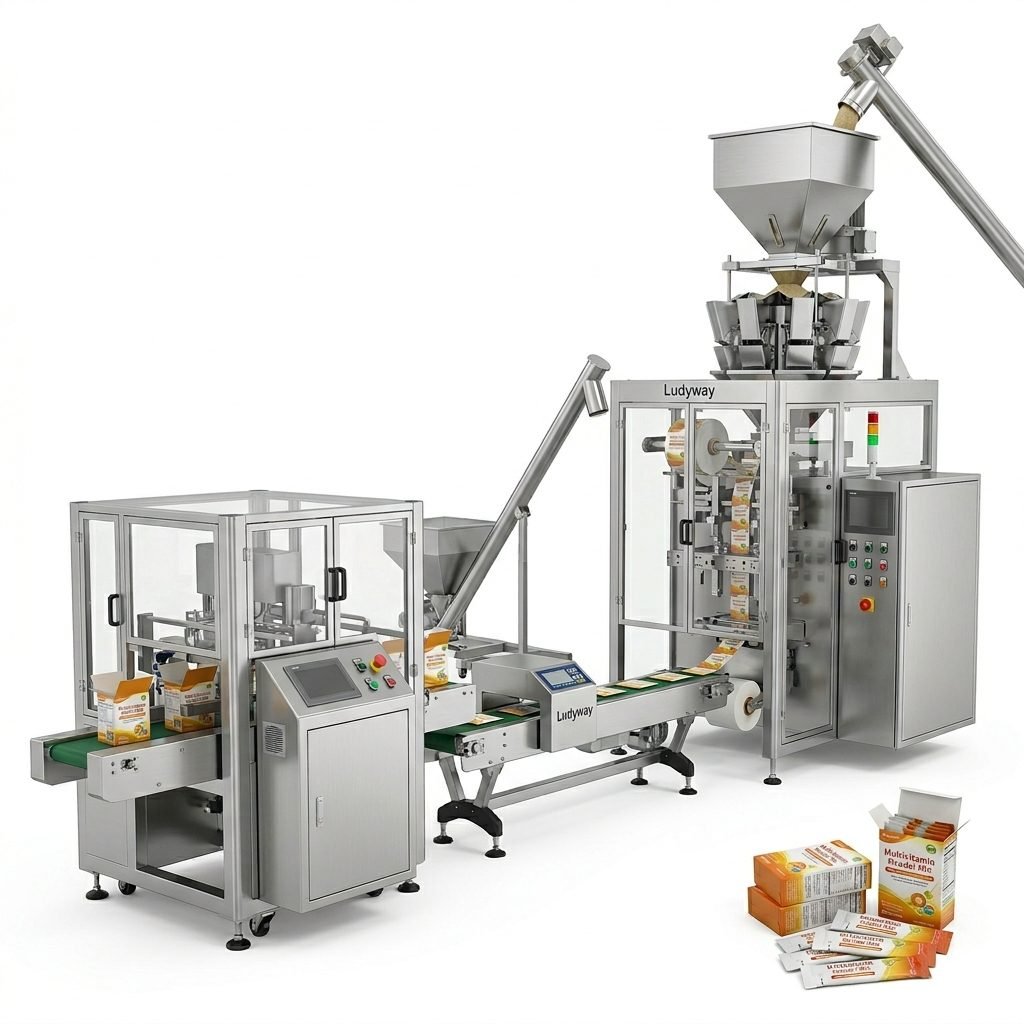
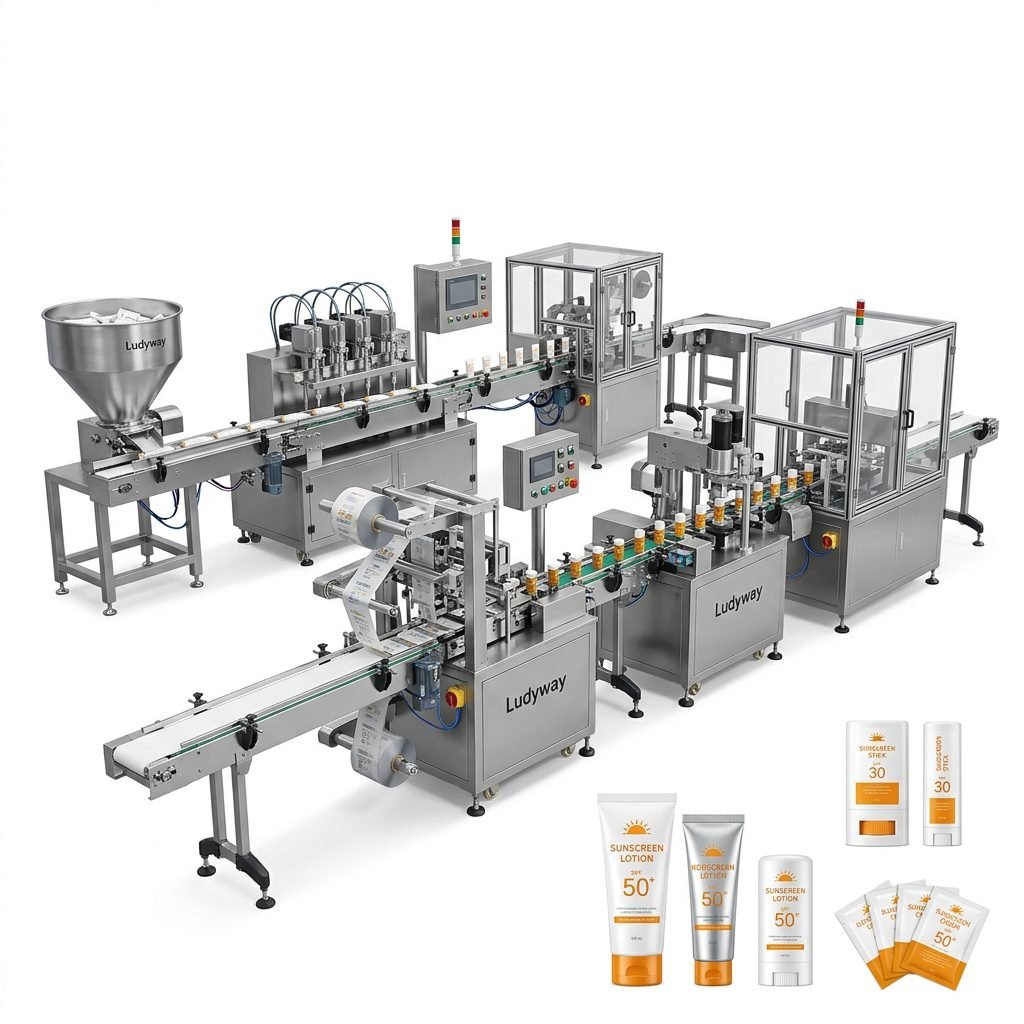
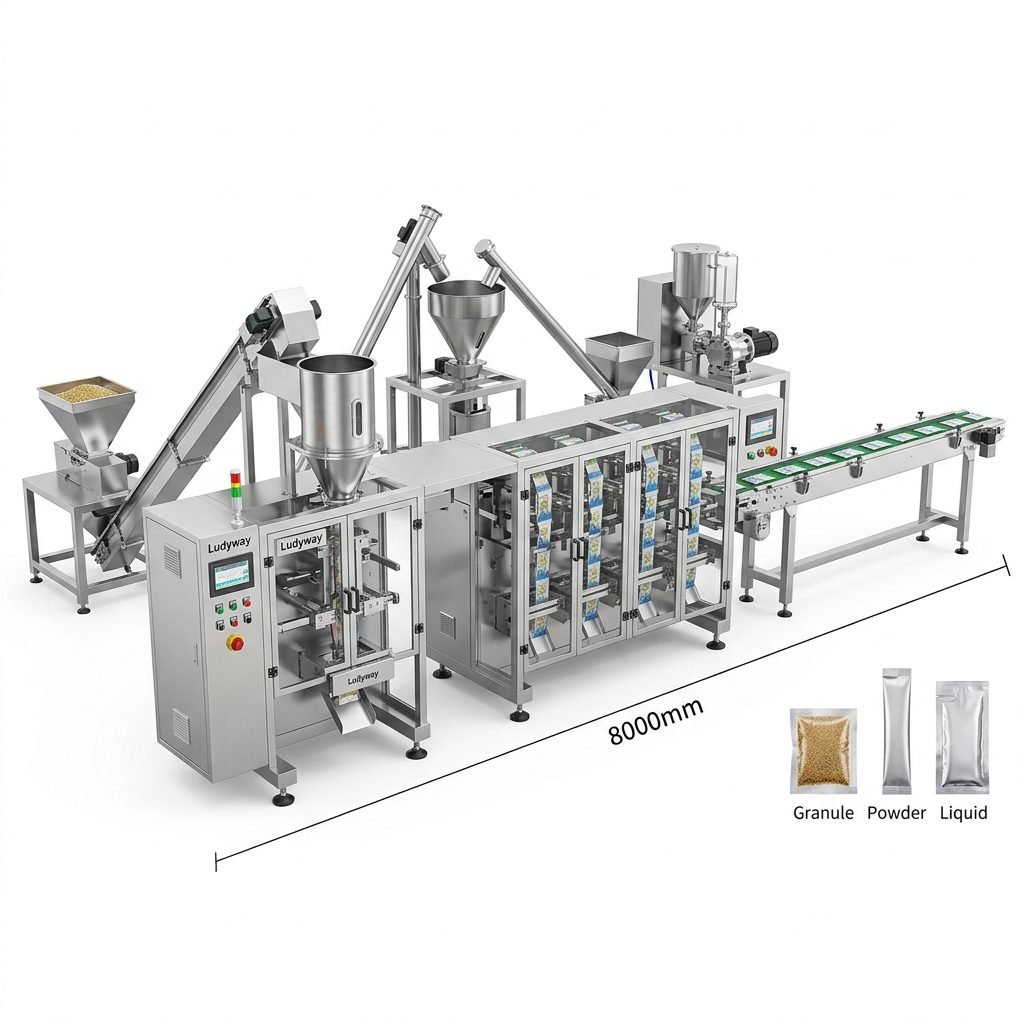
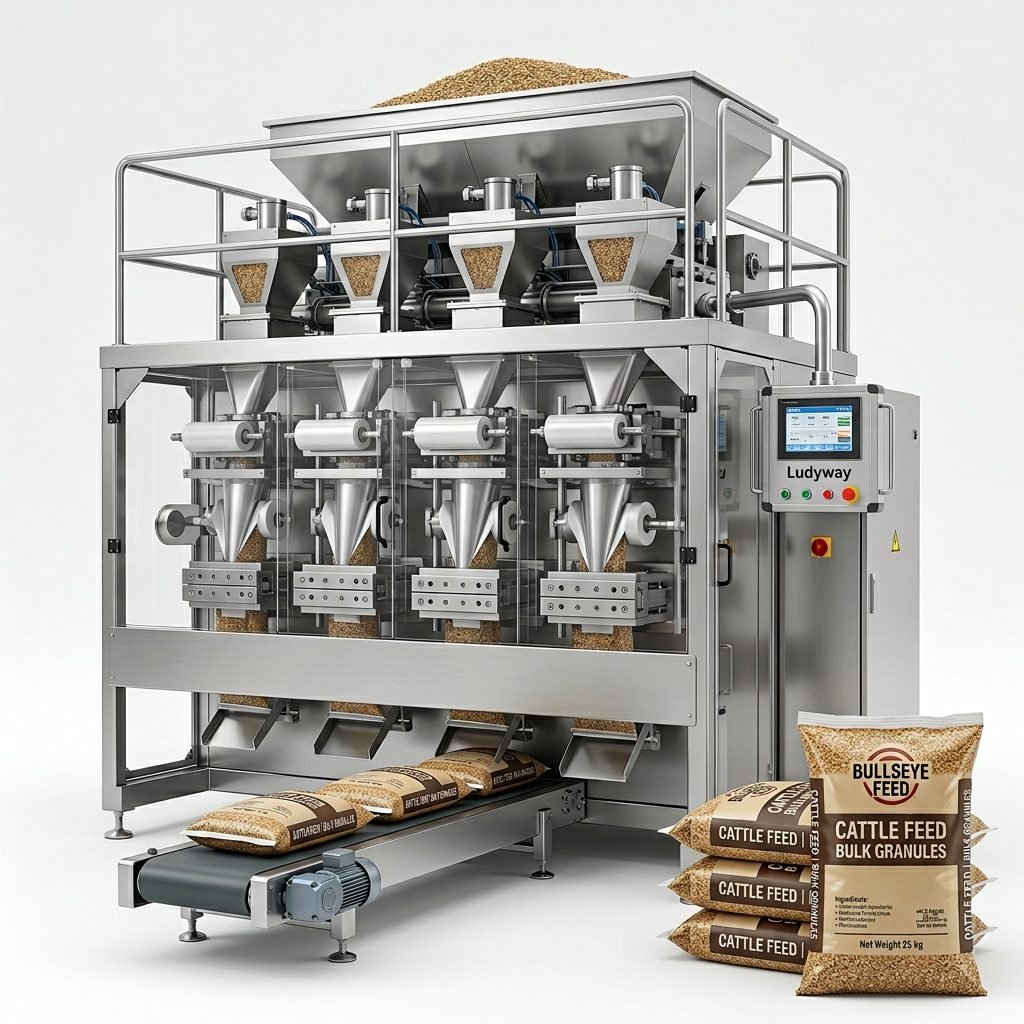
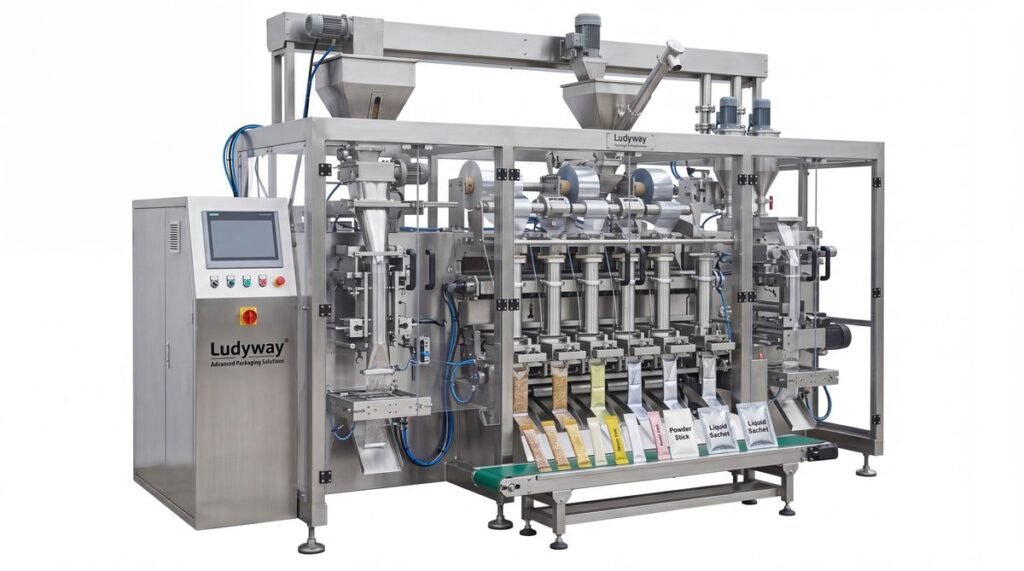
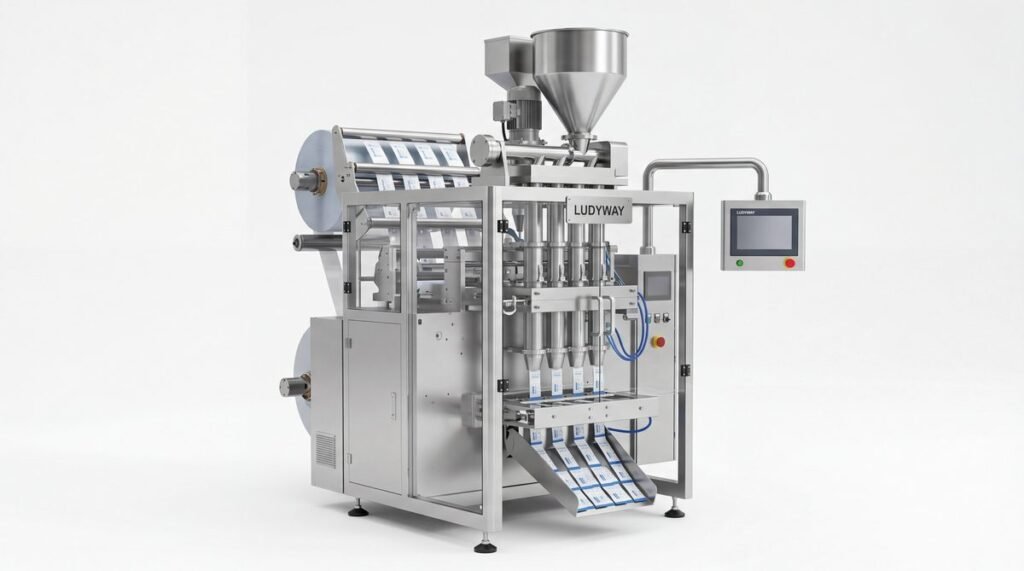
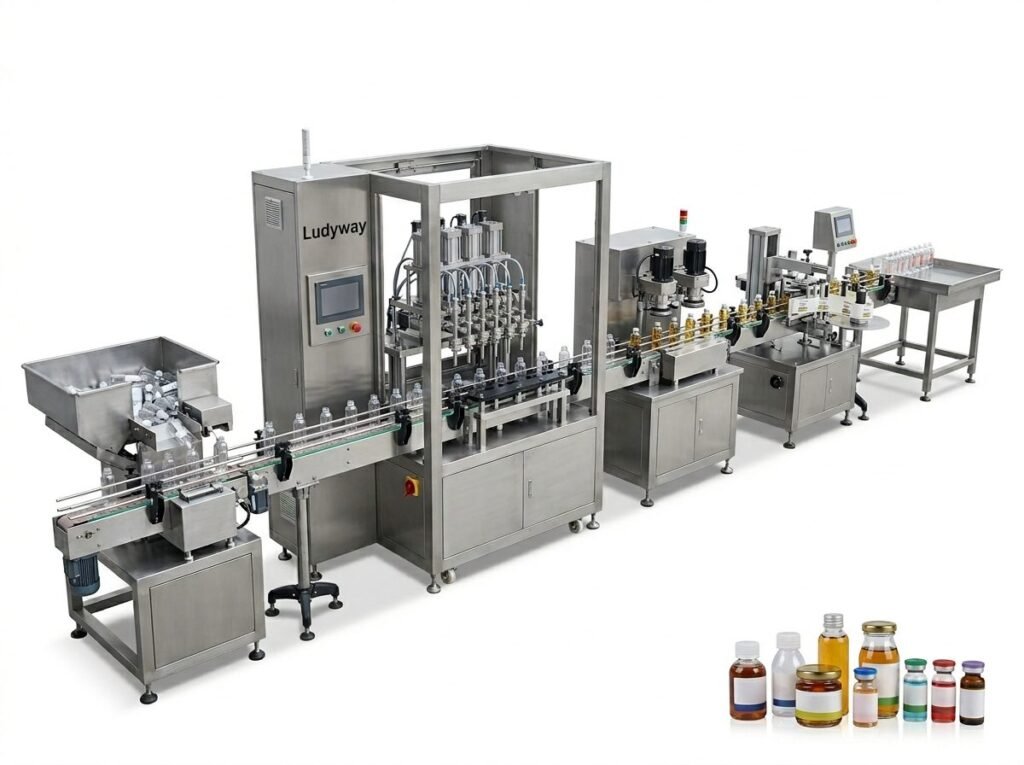
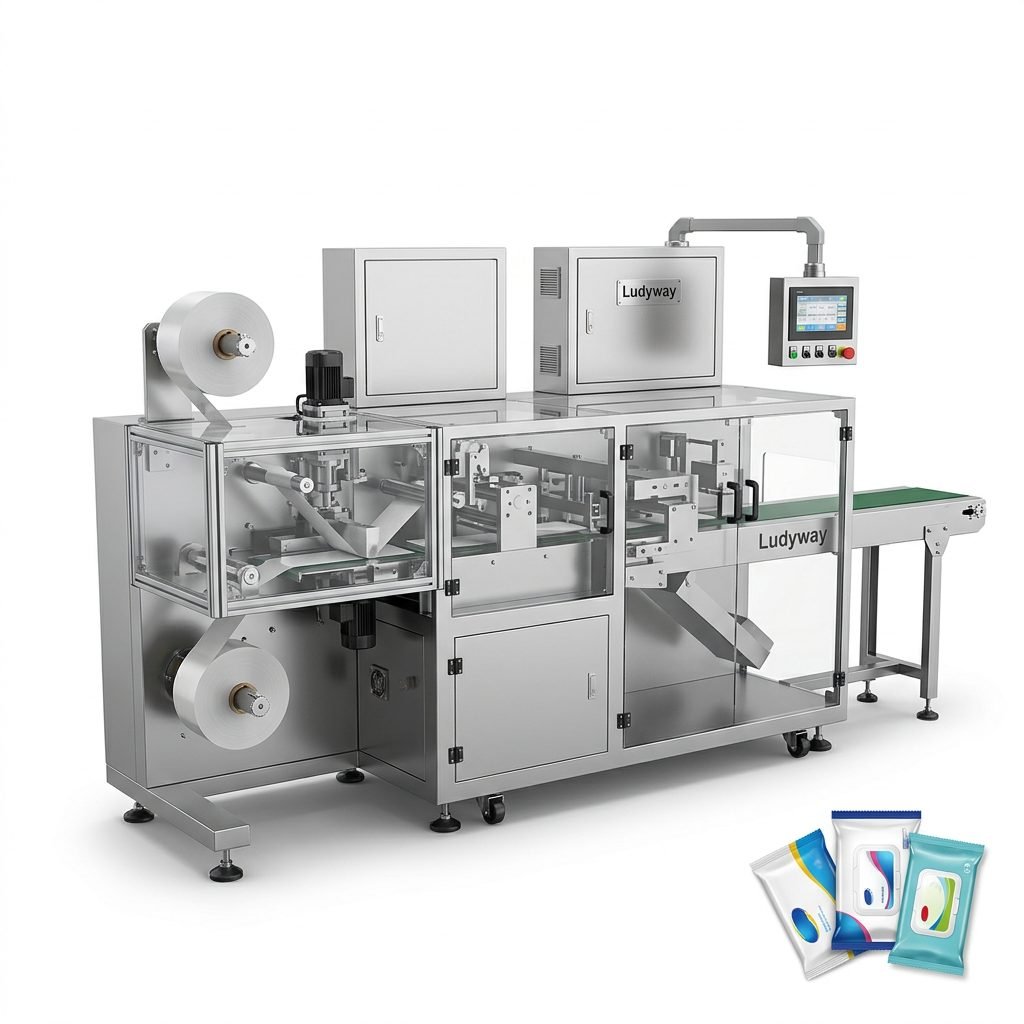
Investing in a pneumatic packing machine is a strategic decision that directly affects your production efficiency, operational costs, and product quality. Whether you are packaging powders, granules, liquids, or pastes, selecting the right equipment requires a clear understanding of your product characteristics, production goals, and the technical capabilities of available machinery. This guide walks you through every critical factor to help you make an informed purchasing decision.
Understanding Pneumatic Packing Machines
A pneumatic packing machine uses compressed air to drive key functions such as filling, dosing, sealing, and cutting. Unlike fully electric or mechanical systems, pneumatic machines offer distinct advantages in terms of simplicity, reliability, and cost-effectiveness, particularly for certain packaging applications. These machines are widely used across industries including food and beverage, pharmaceuticals, cosmetics, chemicals, and animal feed.
The core operating principle relies on compressed air cylinders and actuators that control movement sequences. This design often results in fewer complex electronic components, making pneumatic systems easier to maintain and repair in many production environments. However, they may have different speed capabilities and precision levels compared to servo-driven alternatives, which is why understanding your specific needs is critical.
Key Factors to Consider When Choosing a Pneumatic Packing Machine
1. Product Characteristics
Your product’s physical properties are the most important starting point. Consider the following:
- Form: Is your product a free-flowing powder, sticky granule, viscous liquid, or irregular solid? Each form requires specific dosing and filling mechanisms.
- Particle size and density: Fine powders behave differently from coarse granules. Bulk density affects how much product fits into each package and influences the filling system design.
- Flowability: Products with poor flow characteristics may need agitated hoppers, vibratory feeders, or auger fillers integrated into the pneumatic system.
- Hygroscopic or sensitive properties: If your product absorbs moisture or reacts to air exposure, you may need additional features like nitrogen flushing or dehumidified air supply.
- Temperature sensitivity: Some products require temperature-controlled filling environments, which can influence machine configuration.
2. Packaging Format and Bag Style
Pneumatic packing machines can handle various packaging formats. The most common configurations include:
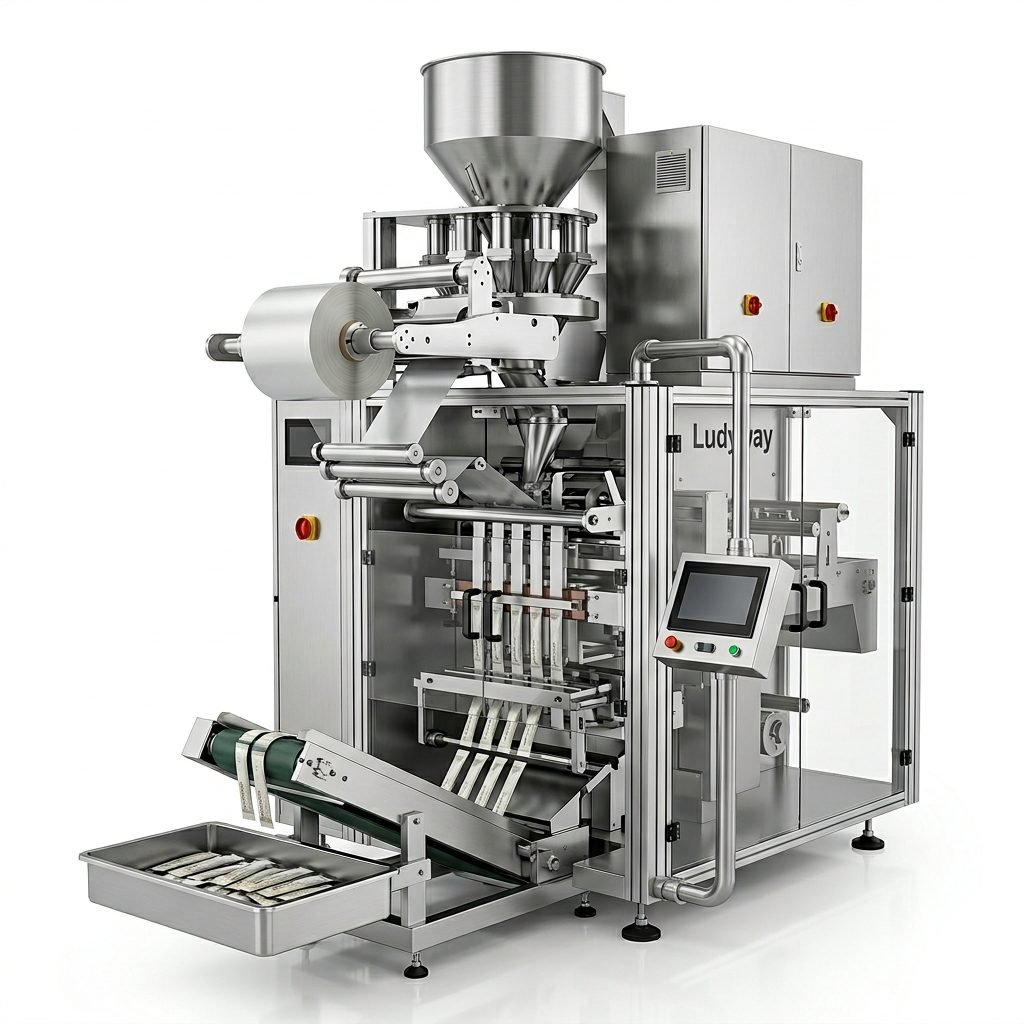
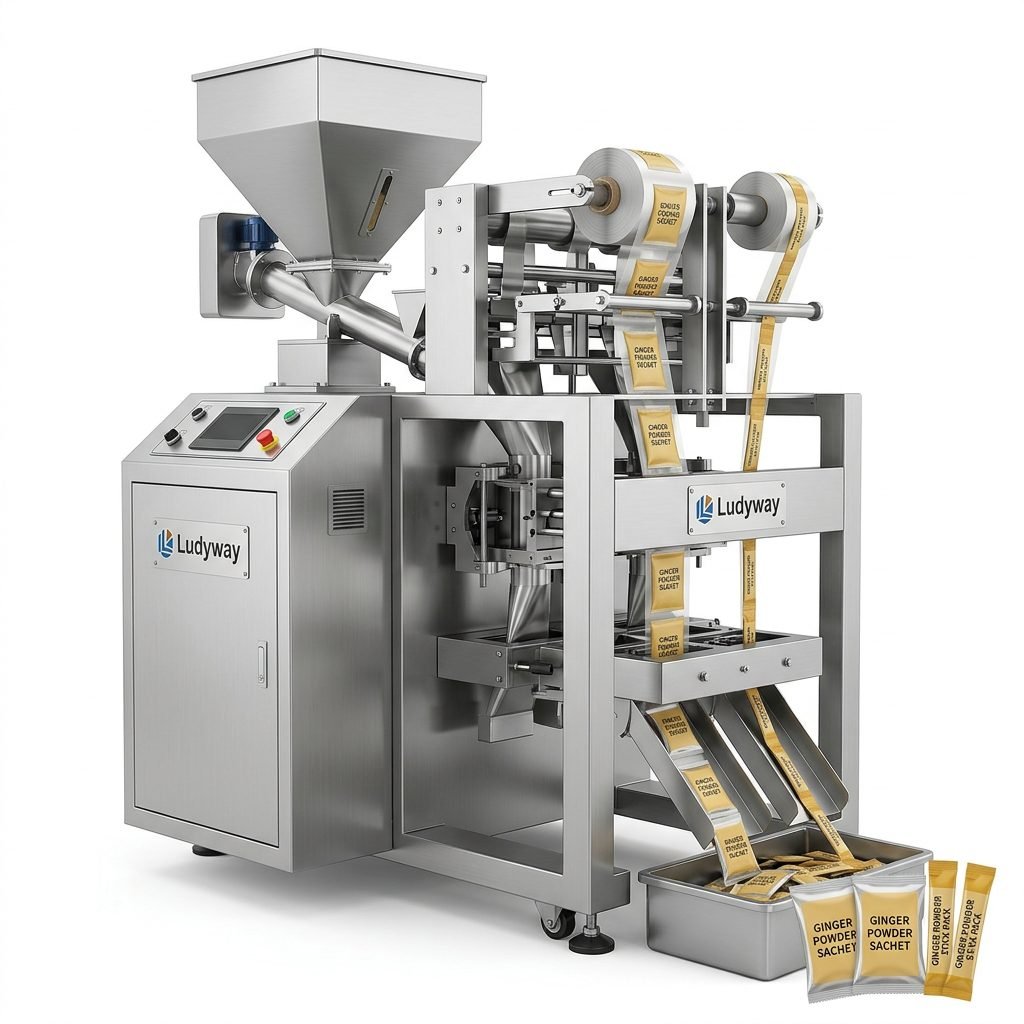
- Stick packs: Narrow, elongated sachets ideal for single-serve powders, supplements, and condiments.
- Sachets and flat pouches: Three- or four-side sealed packets suitable for a wide range of products from shampoos to spice mixes.
- Gusseted bags: Stand-up pouches with bottom gussets for retail display, often used for coffee, snacks, and pet food.
- Pillow bags: Simple back-sealed or fin-sealed bags for high-speed applications.
According to the Flexible Packaging Association, the demand for flexible packaging formats continues to grow across multiple industries, making format flexibility an increasingly important consideration in machine selection.
3. Production Speed and Capacity Requirements
Production throughput is a determining factor in machine selection. Pneumatic machines generally operate at moderate to high speeds depending on the model and configuration. Key speed-related questions include:
- What is your target output in packs per minute (PPM)?
- Do you need a single-lane or multi-lane configuration? Multi-lane systems can multiply output by running several filling lanes simultaneously.
- What are your peak season demands versus average production volumes?
- Will you need to scale up production within the next 3-5 years?
A PMMI business intelligence report highlights that manufacturers increasingly prioritize scalable packaging solutions that can adapt to changing market demands without requiring complete equipment replacement.
4. Filling Accuracy and Dosing Technology
Precision in filling directly impacts product giveaway, regulatory compliance, and profitability. Pneumatic machines can be equipped with various dosing systems:
| Dosing Type | Best For | Accuracy Level | Typical Speed |
|---|---|---|---|
| Auger Filler | Powders, fine granules | ±0.5% to ±1% | Moderate to high |
| Volumetric Cup | Free-flowing granules | ±1% to ±2% | High |
| Piston Filler | Liquids, pastes, creams | ±0.3% to ±0.5% | Moderate |
| Multi-Head Weigher | Granules, snacks, irregular pieces | ±0.1% to ±0.5% | Very high |
| Peristaltic Pump | Sterile liquids, pharmaceuticals | ±0.5% to ±1% | Low to moderate |
5. Air Supply and Energy Efficiency
Since pneumatic machines depend on compressed air, your facility’s air supply capacity is a critical consideration. Evaluate:
- Required air pressure: Most pneumatic packing machines operate at 0.6 to 0.8 MPa (6-8 bar).
- Air consumption rate: Measured in cubic meters per hour (m³/h), this affects your compressor sizing and energy costs.
- Air quality: Food and pharmaceutical applications require oil-free, filtered, and dried compressed air to prevent product contamination.
- Energy costs: While pneumatic components are generally durable, compressed air systems can be energy-intensive if not properly maintained. Leak detection and regular maintenance are essential.
Comparing Pneumatic vs. Servo-Driven Packing Machines
Understanding the trade-offs between pneumatic and servo-driven systems helps you align your choice with your operational priorities:
| Feature | Pneumatic System | Servo-Driven System |
|---|---|---|
| Cost | Lower initial investment | Higher initial investment |
| Precision | Good for most applications | Excellent, high repeatability |
| Maintenance | Simpler, fewer electronic parts | More complex electronics |
| Speed flexibility | Limited speed range | Wide, programmable speed range |
| Energy efficiency | Depends on compressor efficiency | Generally more energy-efficient |
| Durability | Robust, long-lasting components | Reliable but sensitive to environment |
Industry Standards and Regulatory Compliance
Depending on your industry and target market, your pneumatic packing machine may need to meet specific regulatory requirements. Key standards to be aware of include:
- Food contact compliance: Materials that come into contact with food products must meet FDA food packaging regulations or equivalent standards in your region.
- Pharmaceutical GMP: If you operate in the pharmaceutical sector, Good Manufacturing Practice (GMP) guidelines will influence machine design, material selection, and validation requirements.
- CE marking: For machines sold in the European Economic Area, CE compliance indicates conformity with health, safety, and environmental protection standards.
- ISO standards: Relevant ISO packaging standards cover aspects such as machine safety, performance testing, and quality management.
- ATEX compliance: For facilities handling combustible dust or explosive atmospheres, ATEX-rated pneumatic components may be mandatory.
Evaluating Machine Build Quality and Components
The longevity and reliability of a pneumatic packing machine depend significantly on the quality of its components. When evaluating a machine, pay attention to:
- Frame construction: Look for machines built with stainless steel (304 or 316 grade) for food and pharmaceutical applications, or robust carbon steel with protective coatings for industrial use.
- Pneumatic cylinders and valves: Components from reputable brands such as SMC, Festo, or AirTAC typically offer better reliability and longer service life.
- Sealing components: Heat-seal jaws, Teflon-coated surfaces, and temperature controllers should be designed for consistent, repeatable sealing performance.
- Control systems: Even pneumatic machines require electronic controls. Modern PLC-based control panels with touchscreen interfaces offer better parameter management and diagnostic capabilities.
- Safety features: Emergency stop buttons, safety interlocks, air pressure monitoring, and guards are essential for operator protection.
Customization and Turnkey Solutions
Every production environment is unique. A standard machine may not address all your requirements, especially if you have specialized product characteristics, unique packaging formats, or specific factory layouts. Leading manufacturers offer customization options including:
- Custom filling and dosing configurations for challenging products
- Integration with upstream and downstream equipment such as conveyors, checkweighers, metal detectors, and cartoning machines
- Multi-lane configurations for high-volume production
- Nitrogen flushing systems for extended product shelf life
- Custom software interfaces for production data logging and remote monitoring
How to Evaluate a Pneumatic Packing Machine Supplier
Your choice of supplier is just as important as the machine specifications. Here are the key criteria for evaluating a packaging machinery manufacturer:
Manufacturing Capability and Experience
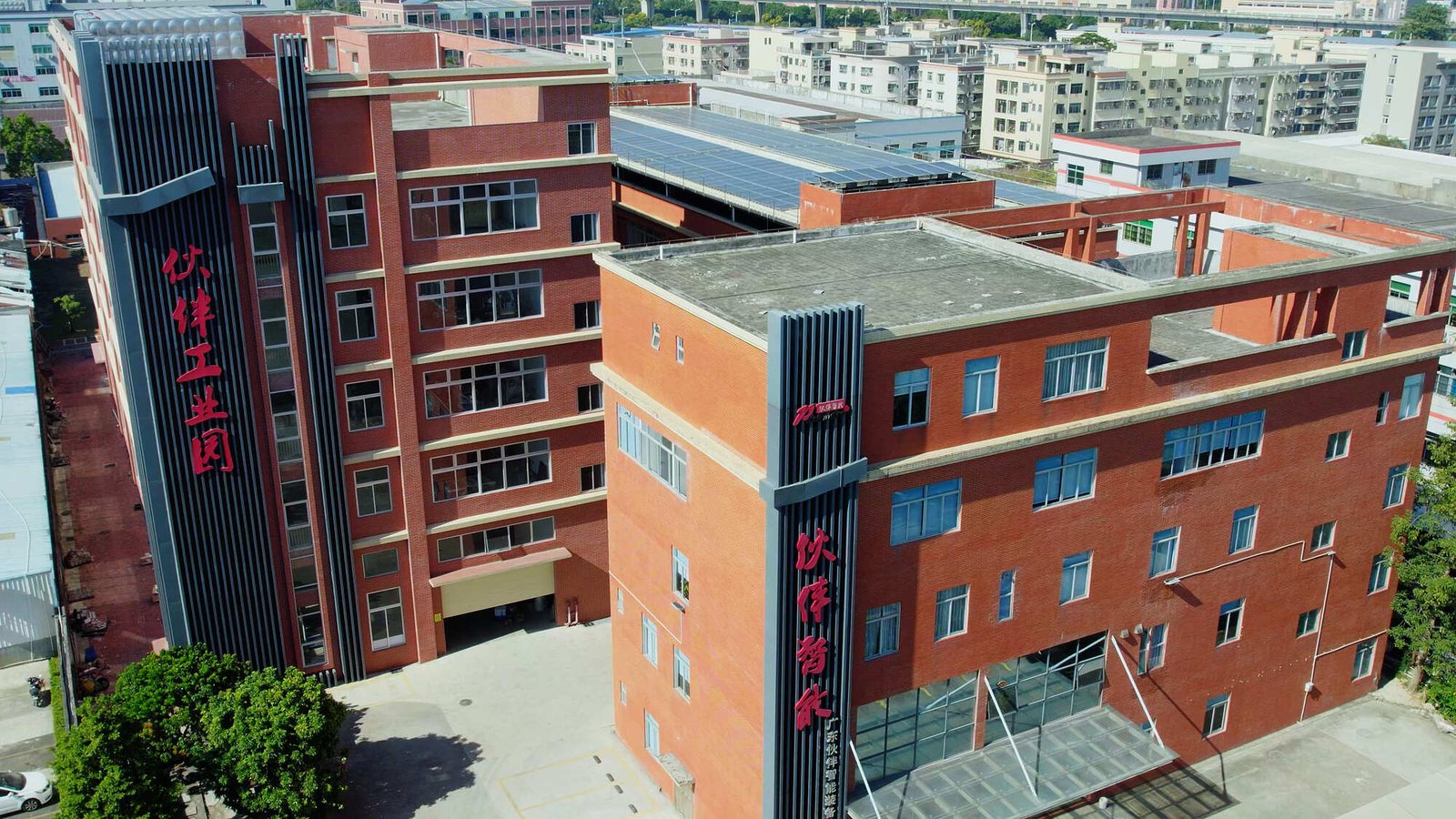
Look for a supplier with substantial in-house manufacturing capabilities and a track record in your industry. A manufacturer with decades of experience is more likely to understand the nuances of different product types and packaging requirements. Visit the manufacturing facility if possible, or request detailed documentation and video demonstrations of their production processes.
Technical Support and After-Sales Service
Packaging machinery is a long-term investment. Consider the supplier’s ability to provide:
- Installation and commissioning support at your facility
- Comprehensive operator training programs
- Readily available spare parts and rapid delivery
- Remote technical assistance for troubleshooting
- Preventive maintenance programs to minimize downtime
Global Service Reach
If your company operates across multiple regions, ensure your supplier can provide consistent technical support in all your key markets. A supplier with experience serving customers in more than 100 countries demonstrates the capability to support international operations effectively.
Making the Final Decision: A Practical Checklist
Before finalizing your purchase, use this checklist to ensure you have covered all essential aspects:
- Product testing: Have you tested your actual product on the machine? Request sample runs to verify filling accuracy, seal integrity, and packaging quality.
- Total cost of ownership: Consider not just the purchase price but also installation, training, energy consumption, spare parts, and maintenance costs over the machine’s expected lifespan.
- Warranty terms: Understand what is covered, for how long, and what exclusions apply.
- Delivery timeline: Confirm lead times for both the initial machine and critical spare parts.
- Scalability: Can the machine be upgraded or reconfigured as your production needs change?
- Documentation: Ensure comprehensive manuals, electrical schematics, and maintenance guides are provided in a language your team can use.
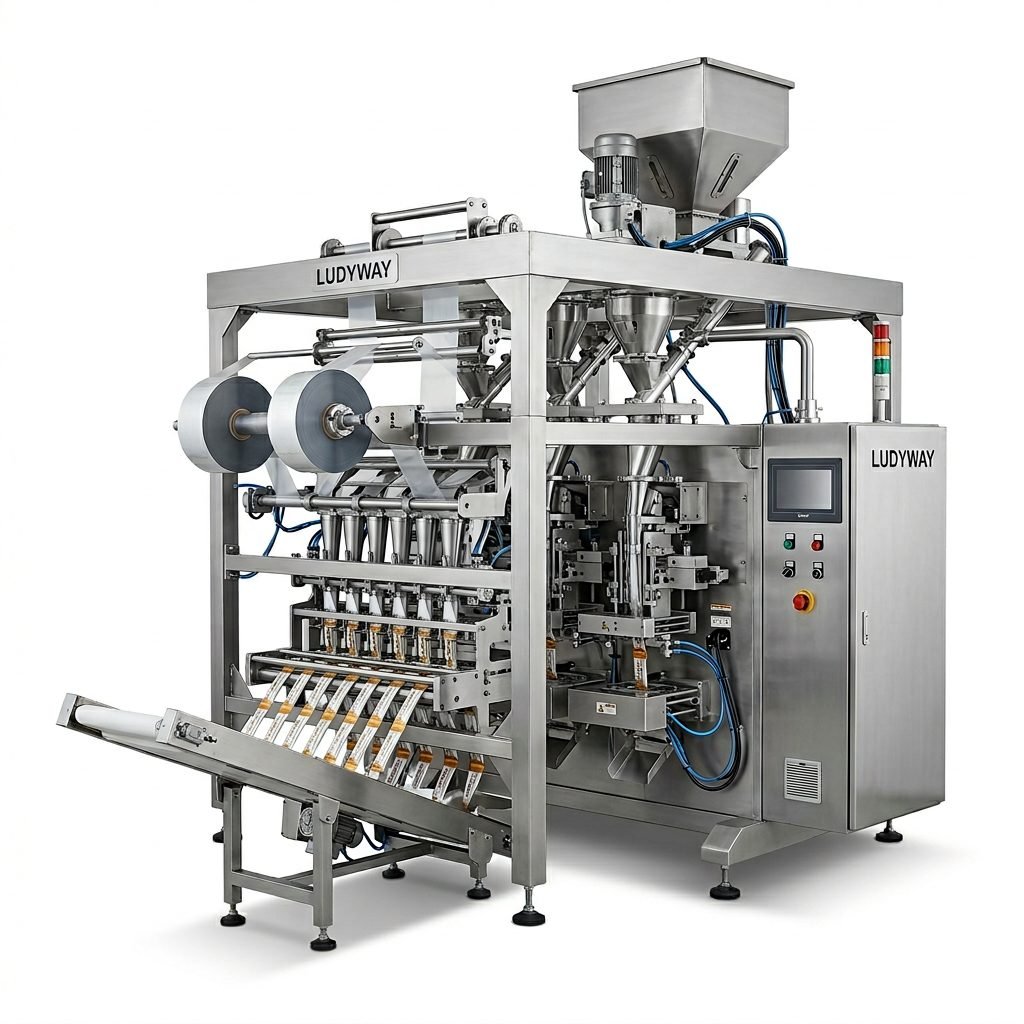
For manufacturers seeking a reliable packaging machinery partner, companies like Ludyway Machinery—with more than 30 years of industry experience and a 20,000-square-meter manufacturing facility—offer comprehensive solutions from individual pneumatic packing machines to complete turnkey packaging lines. Working with an experienced manufacturer that combines in-house engineering, customization capabilities, and global service support can significantly reduce the risks associated with packaging equipment investment.
Conclusion
Choosing the right pneumatic packing machine involves balancing multiple factors: product characteristics, packaging format, speed requirements, dosing accuracy, air supply infrastructure, regulatory compliance, and supplier reliability. By systematically evaluating each of these areas, you can identify a machine that not only meets your current production needs but also supports your long-term growth objectives. Take the time to test your product, compare multiple suppliers, and consider the total cost of ownership before making your final decision. A well-chosen pneumatic packing machine will deliver consistent performance, reduced downtime, and strong return on investment for years to come.