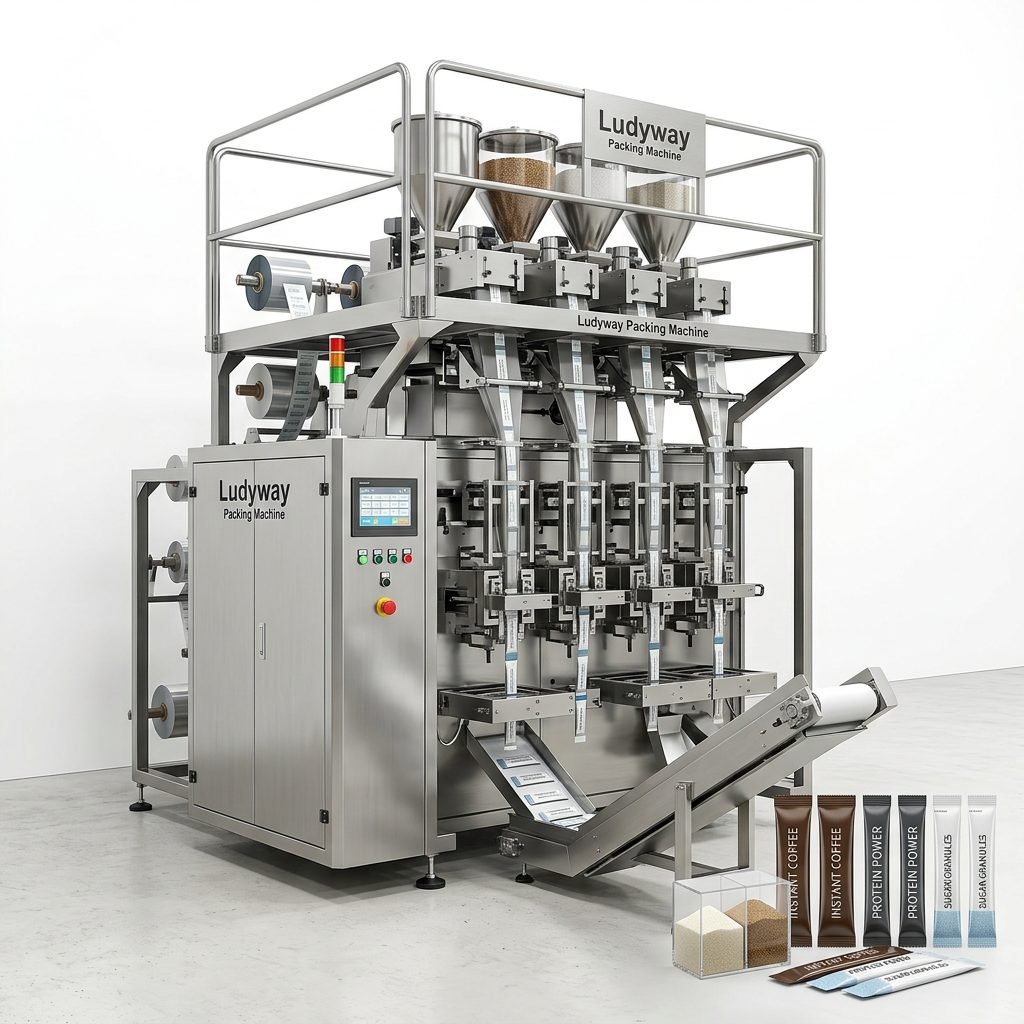
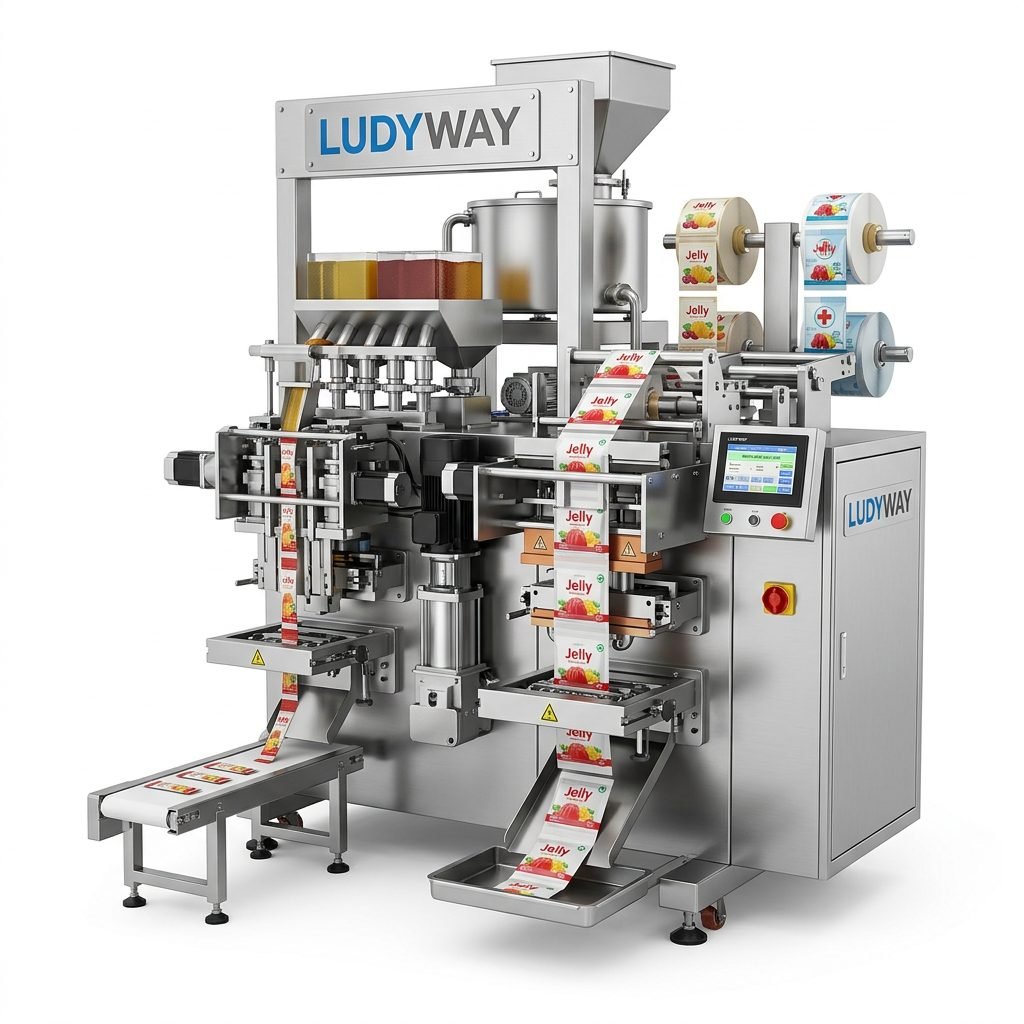
Selecting the right tea powder packing machine is one of the most critical decisions for manufacturers in the food and beverage industry. Tea powder presents unique packaging challenges — it is hygroscopic, prone to dusting, sensitive to oxidation, and varies widely in density. Whether you are packaging matcha, instant tea powder, masala chai blends, or herbal tea granules, the equipment you choose must handle these characteristics with precision and consistency.
This comprehensive buyer’s guide walks you through every factor you need to evaluate — from machine type and filling technology to production capacity, material compatibility, and long-term service support. By the end, you will have a clear framework for making an informed investment that aligns with your production goals and packaging industry standards.
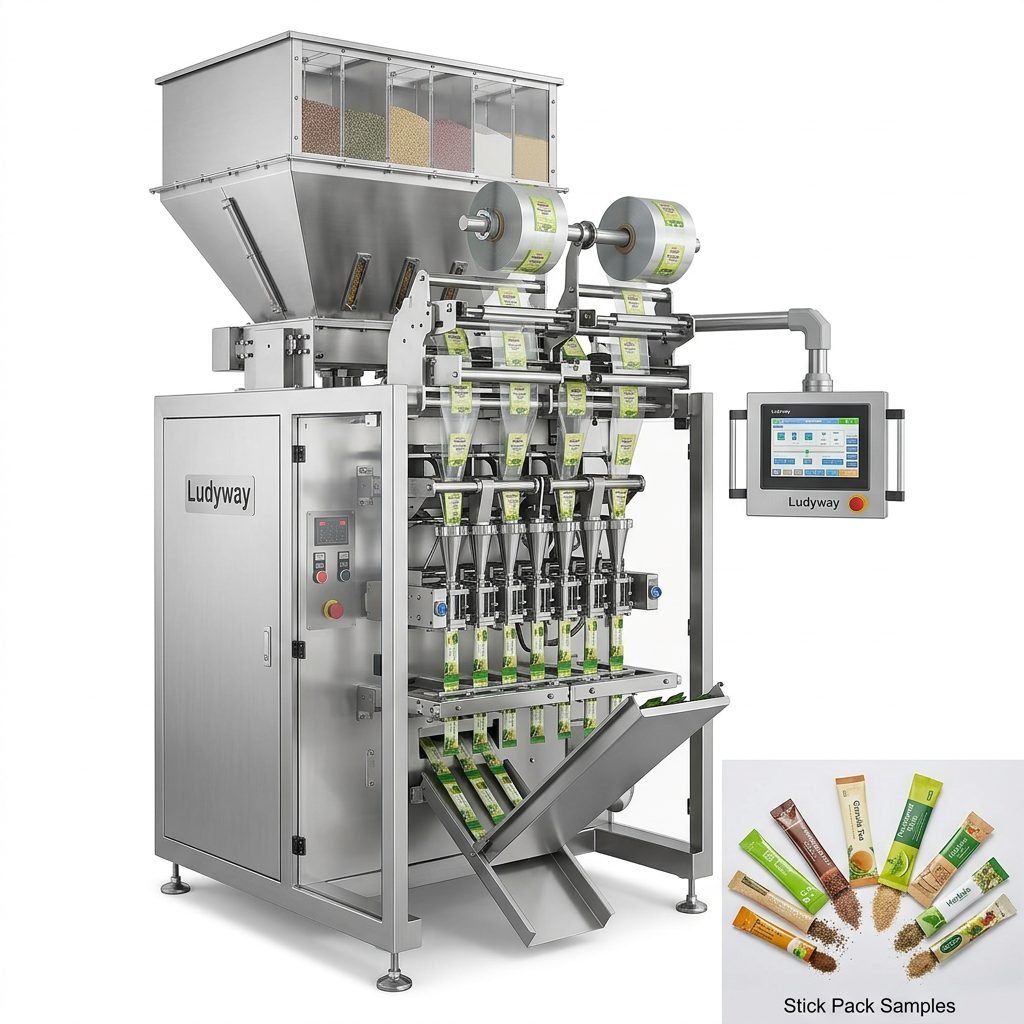
Why Your Choice of Tea Powder Packaging Machine Matters
Tea powder is not like other dry products. Its fine particle size, variable flow characteristics, and sensitivity to moisture mean that standard powder filling equipment often falls short. A poorly selected machine can lead to inconsistent fill weights, excessive dust generation, product degradation, seal contamination, and costly downtime. In contrast, a properly configured tea powder packing machine delivers:
- Accurate dosing — maintaining fill weight consistency within ±0.5% to ±1% even at high speeds
- Dust-controlled operation — protecting both product quality and the production environment
- Hermetic sealing integrity — preventing moisture ingress and preserving product freshness
- Flexible format capability — producing stick packs, sachets, pouches, or larger bags as needed
- High throughput efficiency — minimizing labor costs while maximizing output per shift
Key Product Characteristics That Affect Machine Selection
Before evaluating specific machines, you must understand how your tea powder’s properties influence equipment requirements. The table below summarizes the most important product variables:
| Product Characteristic | Why It Matters | Recommended Machine Feature |
|---|---|---|
| Particle size and distribution | Affects flowability and dosing accuracy | Auger filler with agitator or vibratory feeder |
| Bulk density (g/cm³) | Determines fill volume and hopper capacity | Adjustable dosing range and hopper extension |
| Moisture sensitivity | Requires protection from humidity during filling | Nitrogen flushing or vacuum-sealing capability |
| Dust generation tendency | Impacts seal integrity and workplace safety | Dust extraction system and sealed filling zone |
| Temperature sensitivity | Heat can degrade flavor and nutritional value | Low-temperature sealing or cold-seal film option |
Types of Tea Powder Packing Machines
The packaging machinery market offers several distinct configurations, each suited to different production scales, packaging formats, and automation levels. Understanding these categories is essential before reaching out to suppliers.
1. Vertical Form Fill Seal (VFFS) Machines
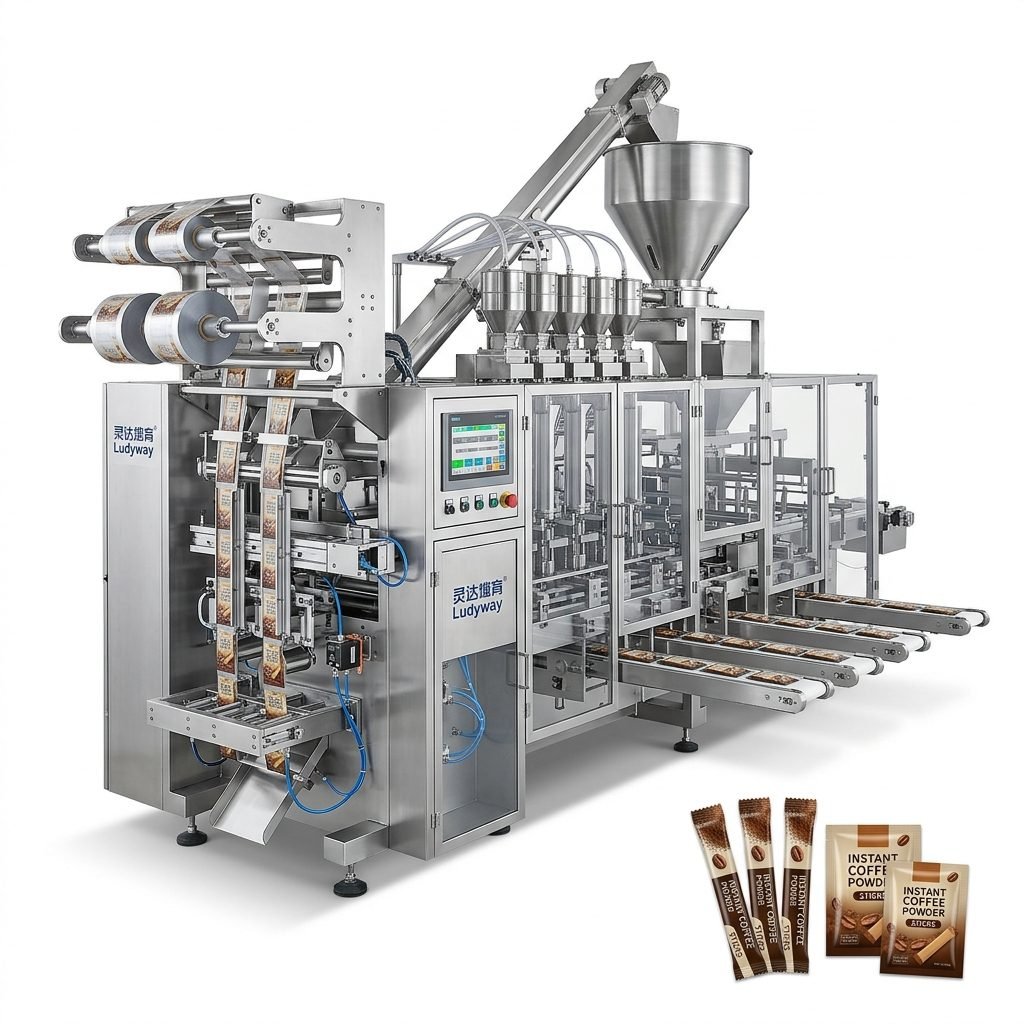
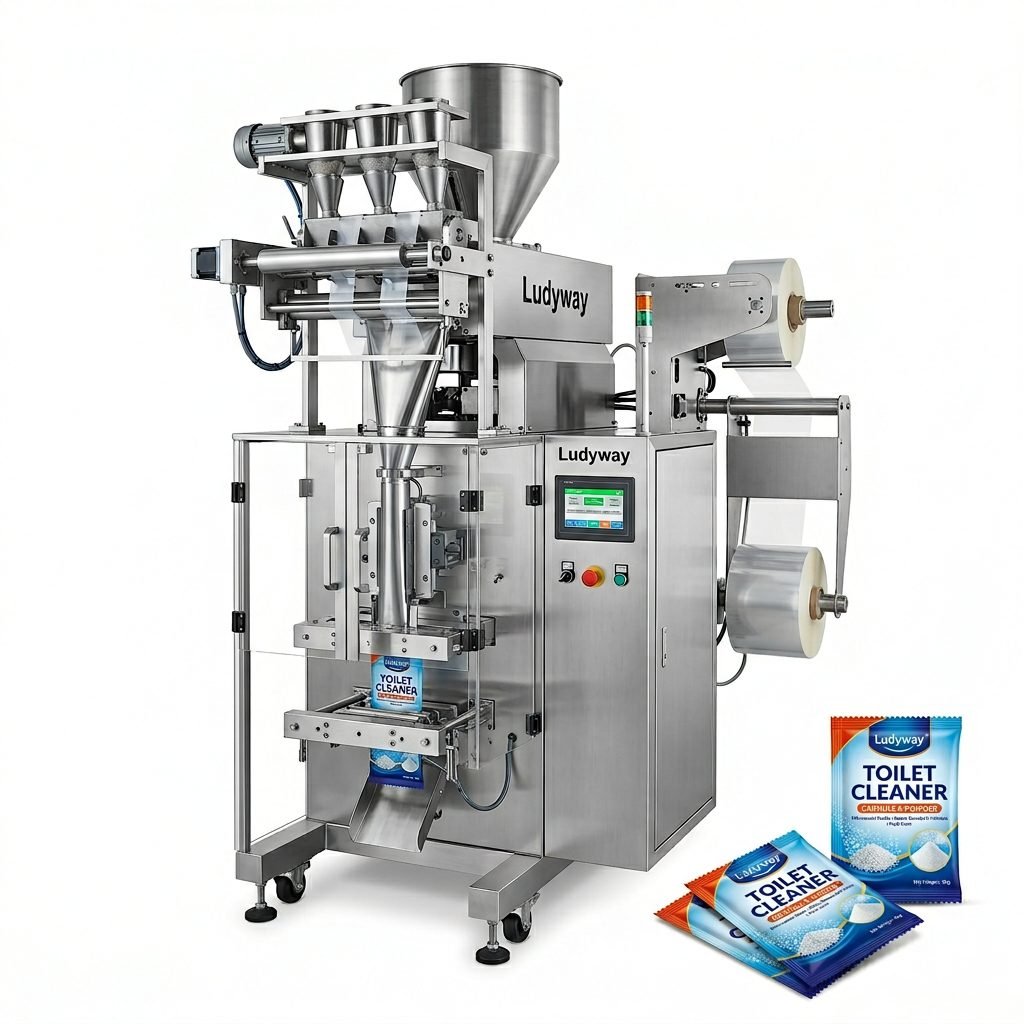
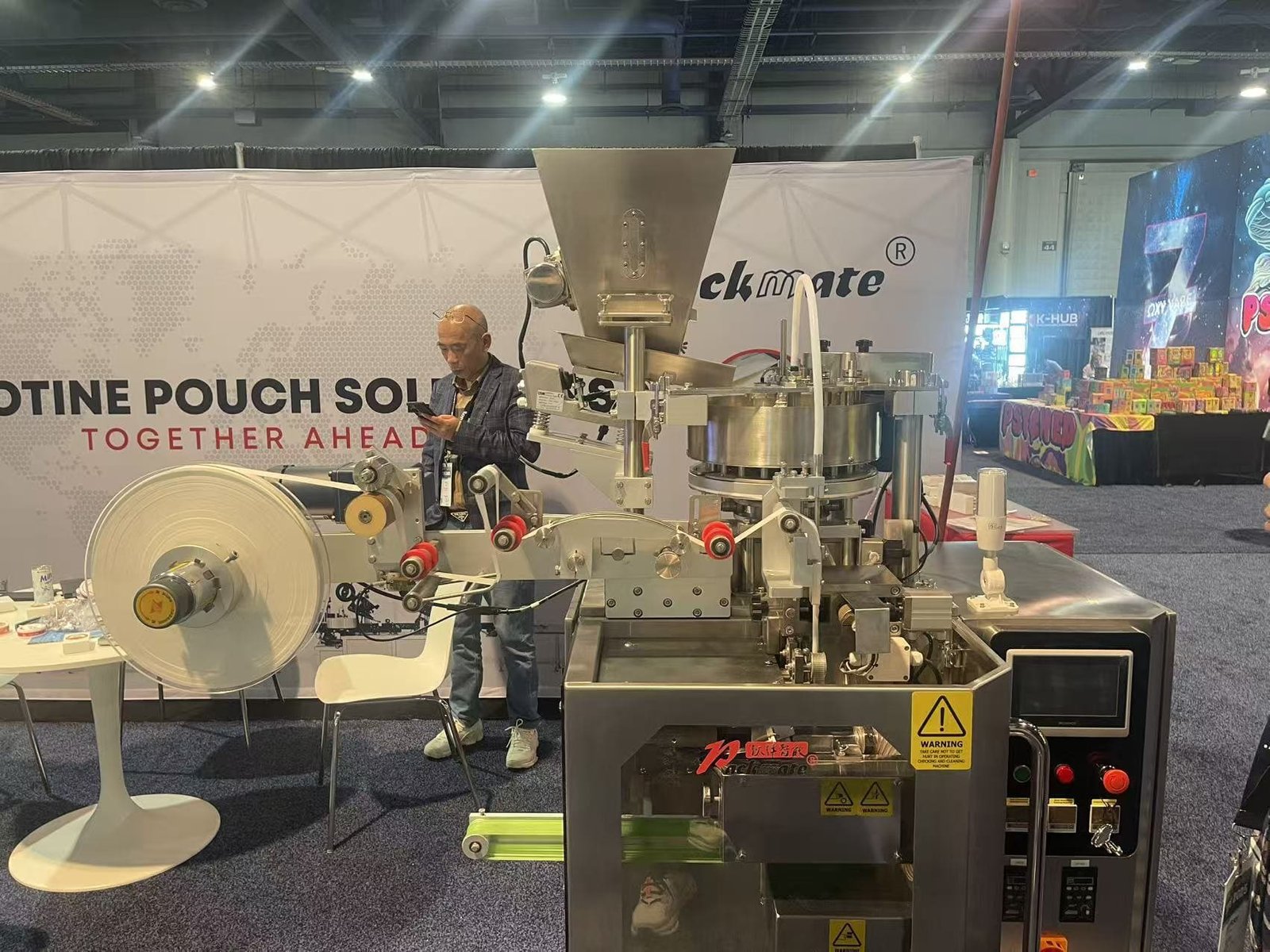
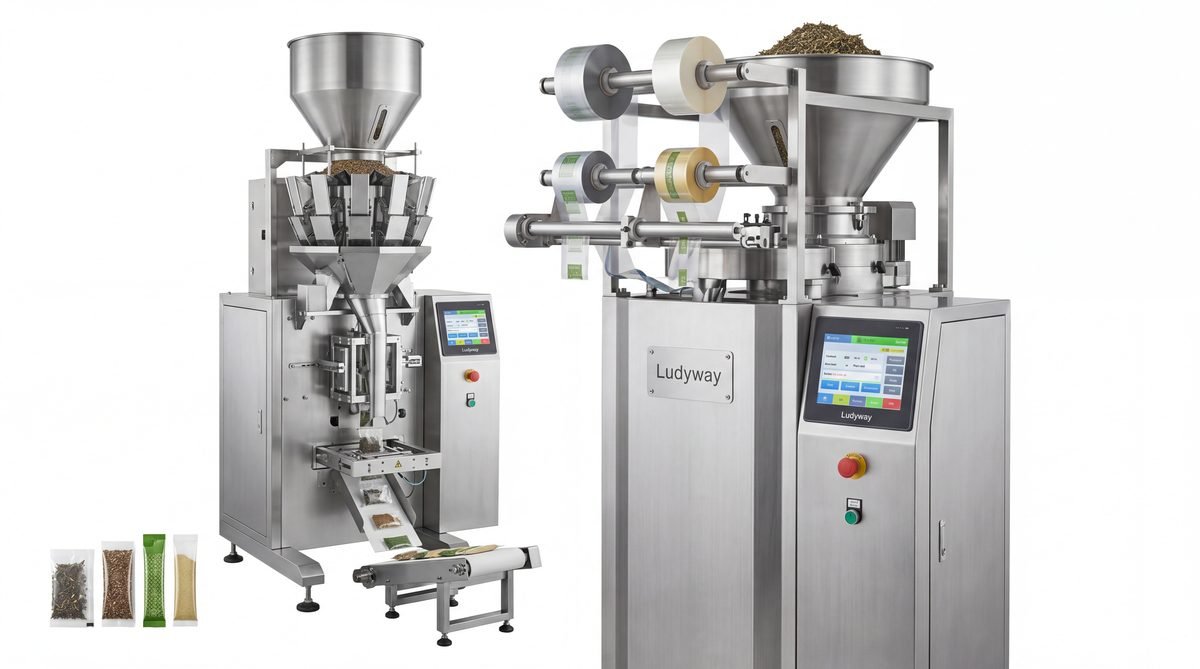
VFFS machines are the most common choice for tea powder packaging. They form bags from a flat roll of film, fill them vertically with product, and seal them — all in one continuous process. These machines are available in single-lane and multi-lane configurations, with multi-lane versions capable of producing 400–1,200 packs per minute. VFFS technology is well-suited for stick packs, sachets, pillow bags, and gusseted pouches.
- Ideal for high-volume production of stick packs and sachets
- Compatible with a wide range of flexible packaging materials
- Multi-lane designs dramatically increase throughput per square foot
- Can integrate nitrogen flushing and degassing for extended shelf life
2. Premade Pouch Filling and Sealing Machines
For manufacturers using stand-up pouches, zipper pouches, or quad-seal bags, premade pouch machines offer a rotary or inline solution. These systems pick, open, fill, and seal premade pouches with tea powder. They are particularly popular for premium tea products where shelf presence and resealability are important marketing features.
- Handles stand-up pouches, spouted pouches, and flat pouches
- Offers excellent seal quality and presentation
- Suitable for medium to high production volumes
- Easy format changeover for different pouch sizes
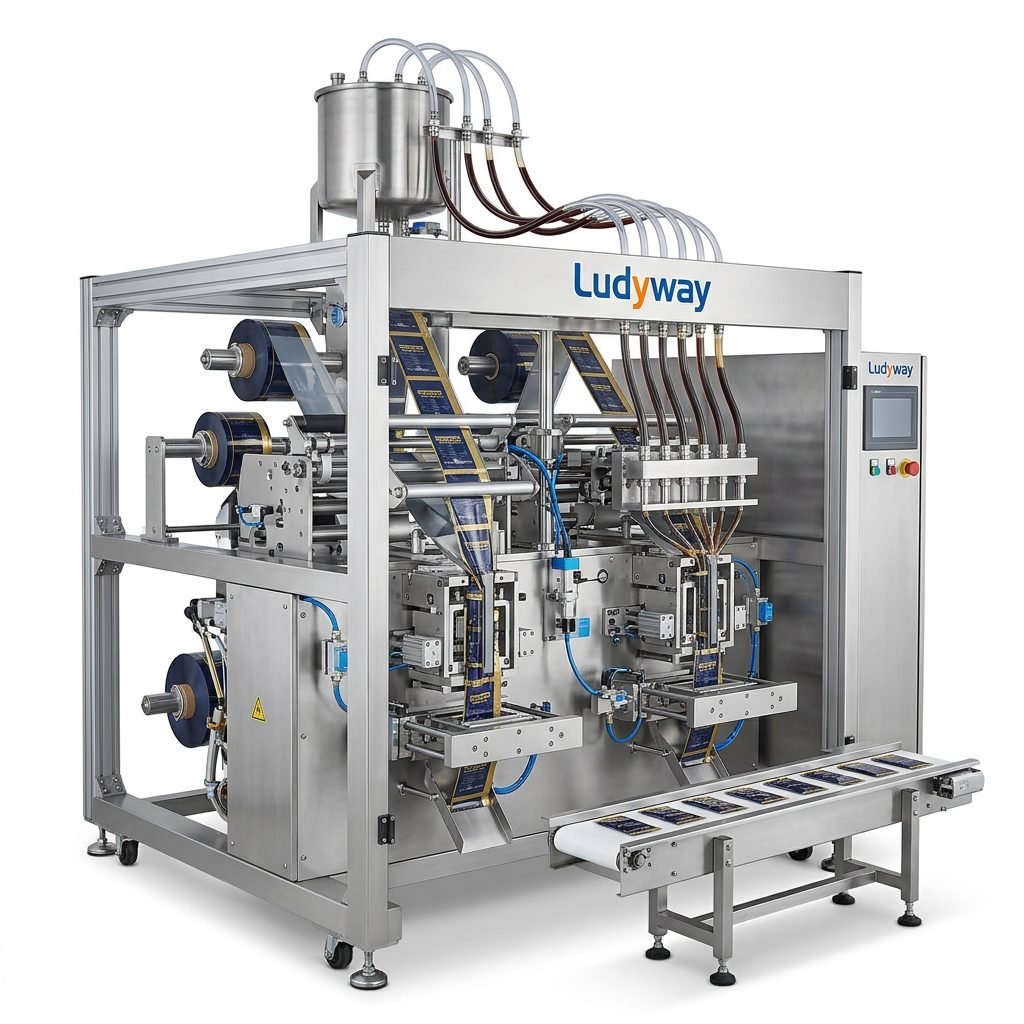
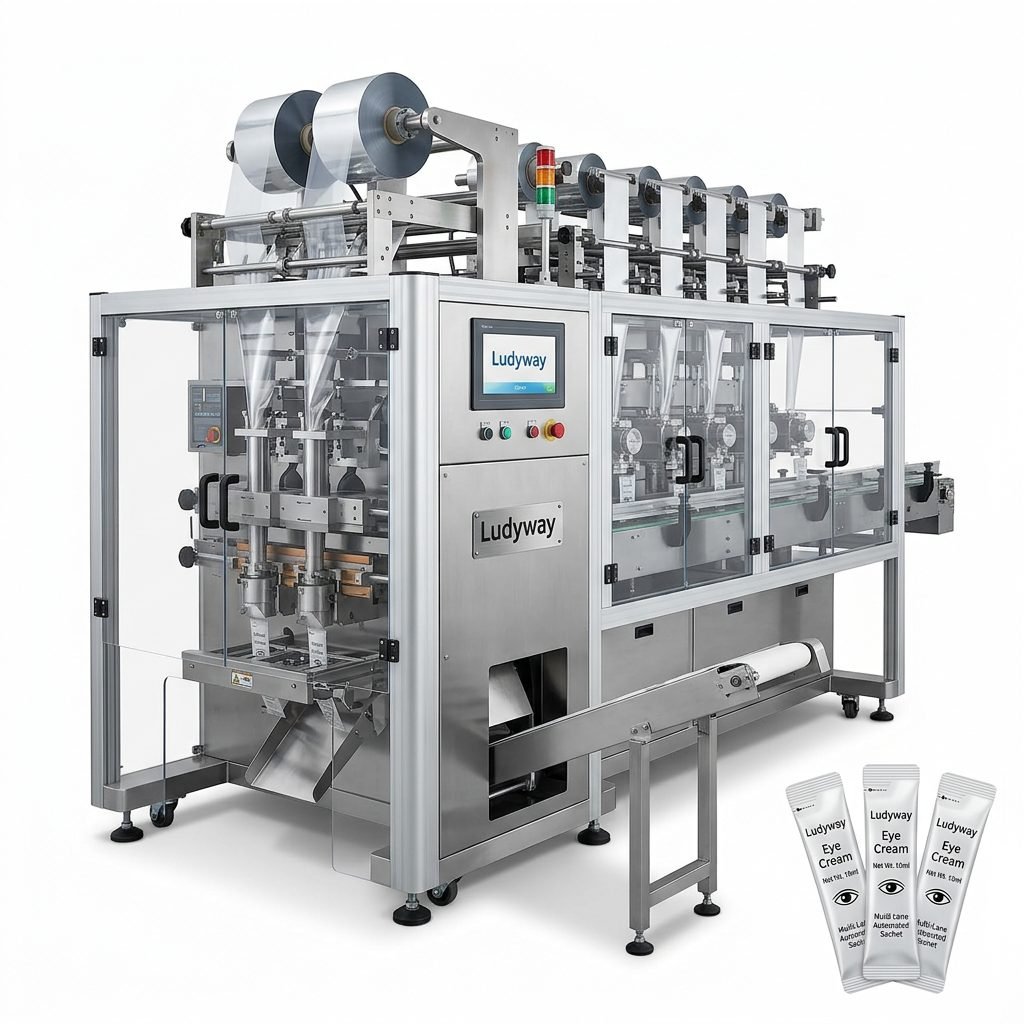
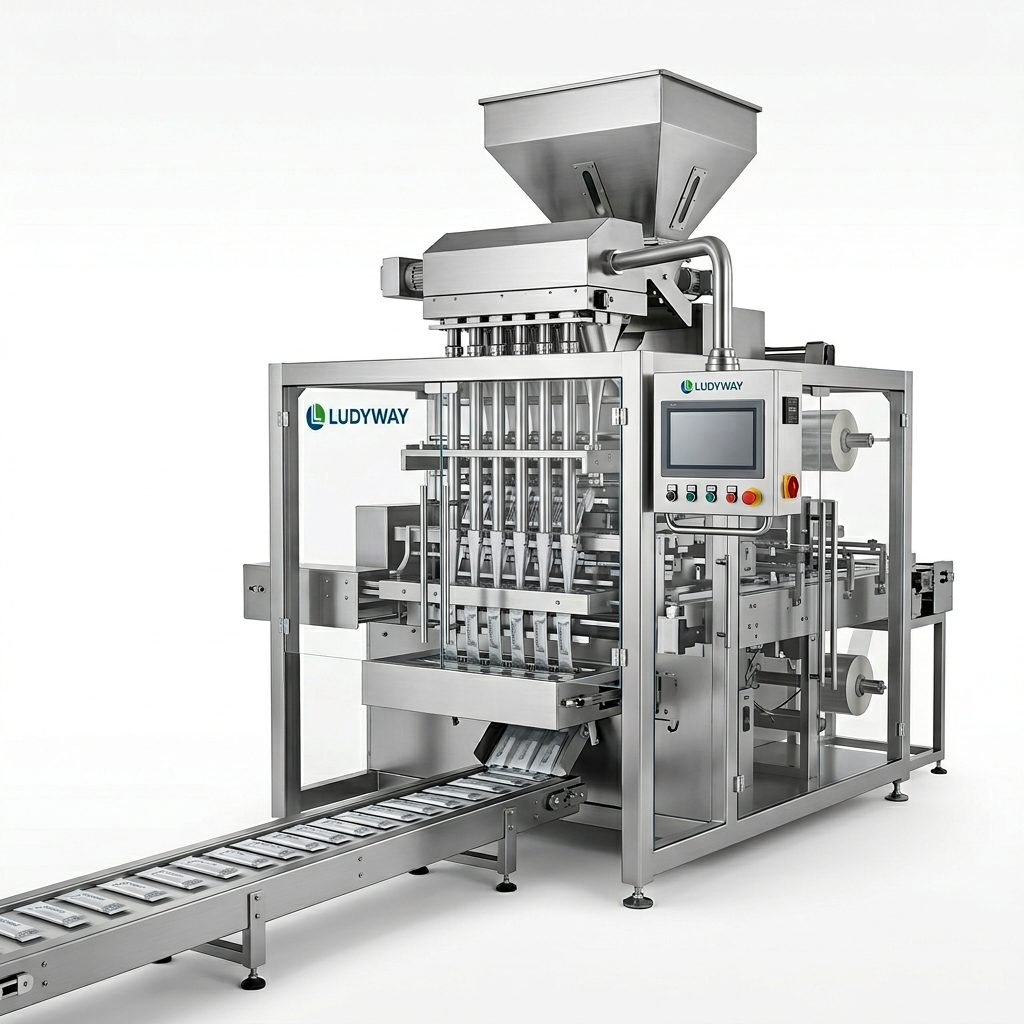
3. Multi-Lane Stick Pack Machines
Stick packs have become increasingly popular for single-serve tea powder portions. A multi-lane stick pack machine can run 4 to 20 lanes simultaneously, delivering exceptional output. These machines are engineered for high-speed, precision dosing of fine powders and are widely used in the instant tea and specialty beverage sectors.
Critical Technical Specifications to Evaluate
When comparing tea powder packing machines from different manufacturers, focus on these key technical parameters that directly impact performance and return on investment:
Filling and Dosing System
The dosing mechanism is arguably the single most important component. For tea powder, auger fillers with servo-driven controls are widely recommended because they provide precise volumetric dosing and can be easily adjusted for different fill weights. Some applications benefit from a combination of auger and vibratory feeding to ensure consistent product flow from the hopper to the dosing chamber. Net weigh filling systems offer the highest accuracy for larger bag formats.
Sealing Technology
Tea powder’s tendency to become airborne during filling means that seal contamination is a persistent risk. Look for machines equipped with dust removal systems at the sealing station, such as vacuum extraction or air blow-off mechanisms. Horizontal and vertical sealing jaws should maintain consistent temperature and pressure. For products requiring extended shelf life, nitrogen flushing with residual oxygen monitoring is a valuable feature.
Production Speed and Efficiency
Speed requirements vary dramatically depending on your market segment. A small-batch specialty tea producer may need only 30–60 packs per minute, while a contract packager serving retail chains might require 400–800 packs per minute or more. When evaluating speed claims, always confirm:
- Rated speed versus actual sustained production speed
- Impact of product characteristics on achievable speed
- Changeover time between different pack formats
- Overall equipment effectiveness (OEE) expectations
Material Compatibility
Your packaging material choice — whether it is laminate, metallized film, paper-based, or biodegradable — must be compatible with the machine’s forming, filling, and sealing systems. Verify that the machine can handle your preferred material thickness, seal characteristics, and barrier properties. This is especially important given the growing demand for sustainable packaging and compliance with flexible packaging industry sustainability standards.
Comparing Single-Lane vs. Multi-Lane Machines
One of the biggest strategic decisions is whether to invest in a single-lane or multi-lane packaging system. The following table provides a side-by-side comparison:
| Factor | Single-Lane Machine | Multi-Lane Machine |
|---|---|---|
| Output range | 30–120 packs/min | 200–1,200 packs/min |
| Initial investment | Lower upfront cost | Higher upfront, lower cost per unit |
| Floor space | Compact footprint | Larger footprint, higher output per m² |
| Changeover complexity | Simpler and faster | More complex; some offer tool-less changeover |
| Best suited for | Startups, SMEs, specialty products | High-volume contract packaging, large brands |
Automation and Integration Considerations
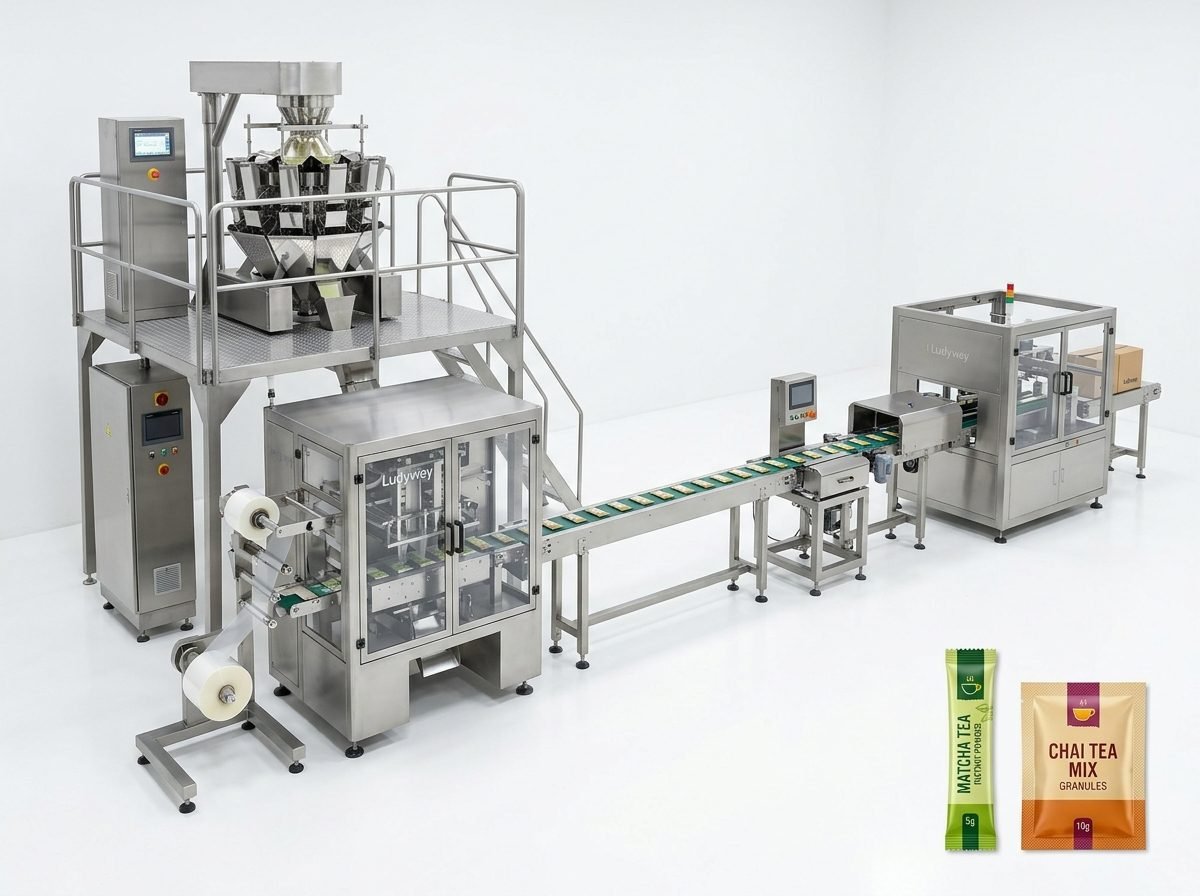
Modern tea powder packaging lines increasingly incorporate integrated automation to reduce labor dependency and improve consistency. When evaluating machines, consider how they fit into your broader production ecosystem:
Upstream Integration
How will the product be fed into the packaging machine? Options include manual loading, vacuum conveying, bucket elevators, or direct connection from upstream processing equipment. Automated feeding systems minimize human intervention and reduce the risk of product contamination while improving line efficiency.
Downstream Integration
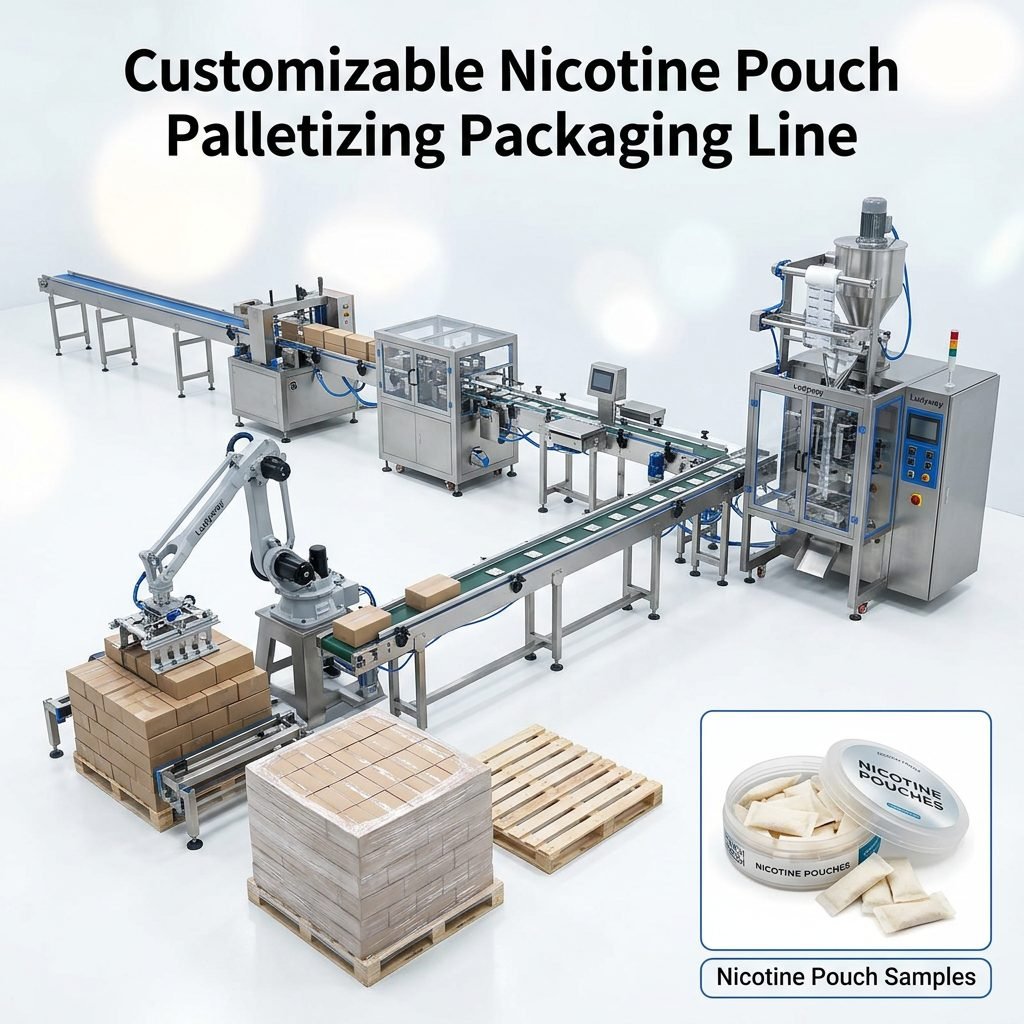
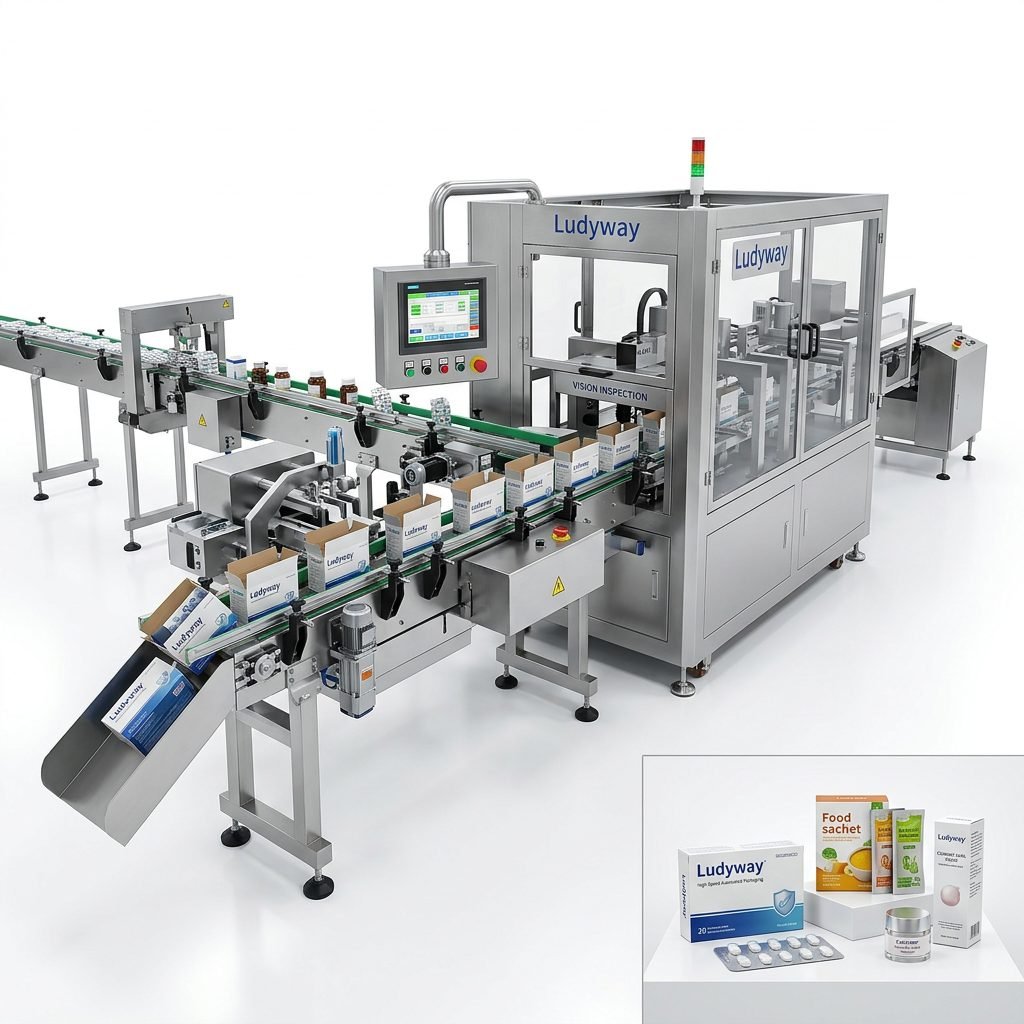
After the primary package is sealed, what happens next? Most tea powder production lines benefit from connecting the primary packaging machine to checkweighers, metal detectors, coding and marking systems, cartoning machines, case packers, and palletizers. A machine that offers standardized interfaces for these peripherals simplifies line design and reduces integration costs.
Control Systems and Data Management
Look for machines with PLC-based controls, touchscreen HMI interfaces, and recipe management capabilities. These features enable quick product changeovers, real-time production monitoring, and data collection for quality assurance. Advanced systems offer remote diagnostics and connectivity with plant-wide manufacturing execution systems (MES).
Supplier Selection: What to Look For
Choosing the right machine is inseparable from choosing the right supplier. A reliable packaging machinery manufacturer should offer more than just equipment — they should provide engineering expertise, application support, and long-term service. Here are the key criteria to evaluate:
- Industry experience — How many years has the supplier been manufacturing packaging machines? Do they have specific experience with tea powder or similar fine powder applications?
- Manufacturing capability — Does the supplier have in-house manufacturing facilities, or do they outsource production? In-house manufacturing generally provides better quality control.
- Technical support — What support is available for installation, commissioning, operator training, troubleshooting, and spare parts?
- Customization capability — Can the supplier configure machines to your specific product characteristics, packaging format, and production requirements?
- International certifications — Does the equipment meet applicable standards for your target markets (CE, FDA compliance, ISO, etc.)?
- References and reputation — Can the supplier provide case studies or customer references from similar applications?
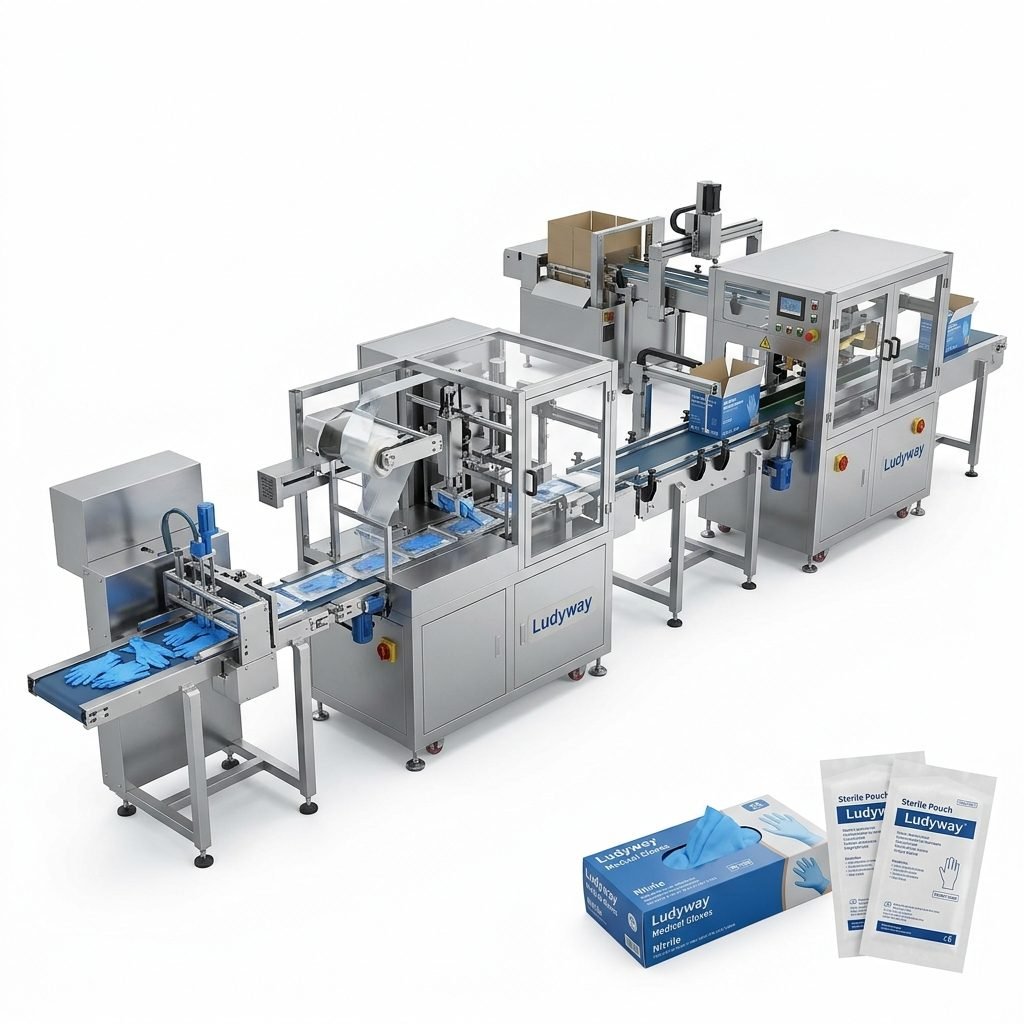
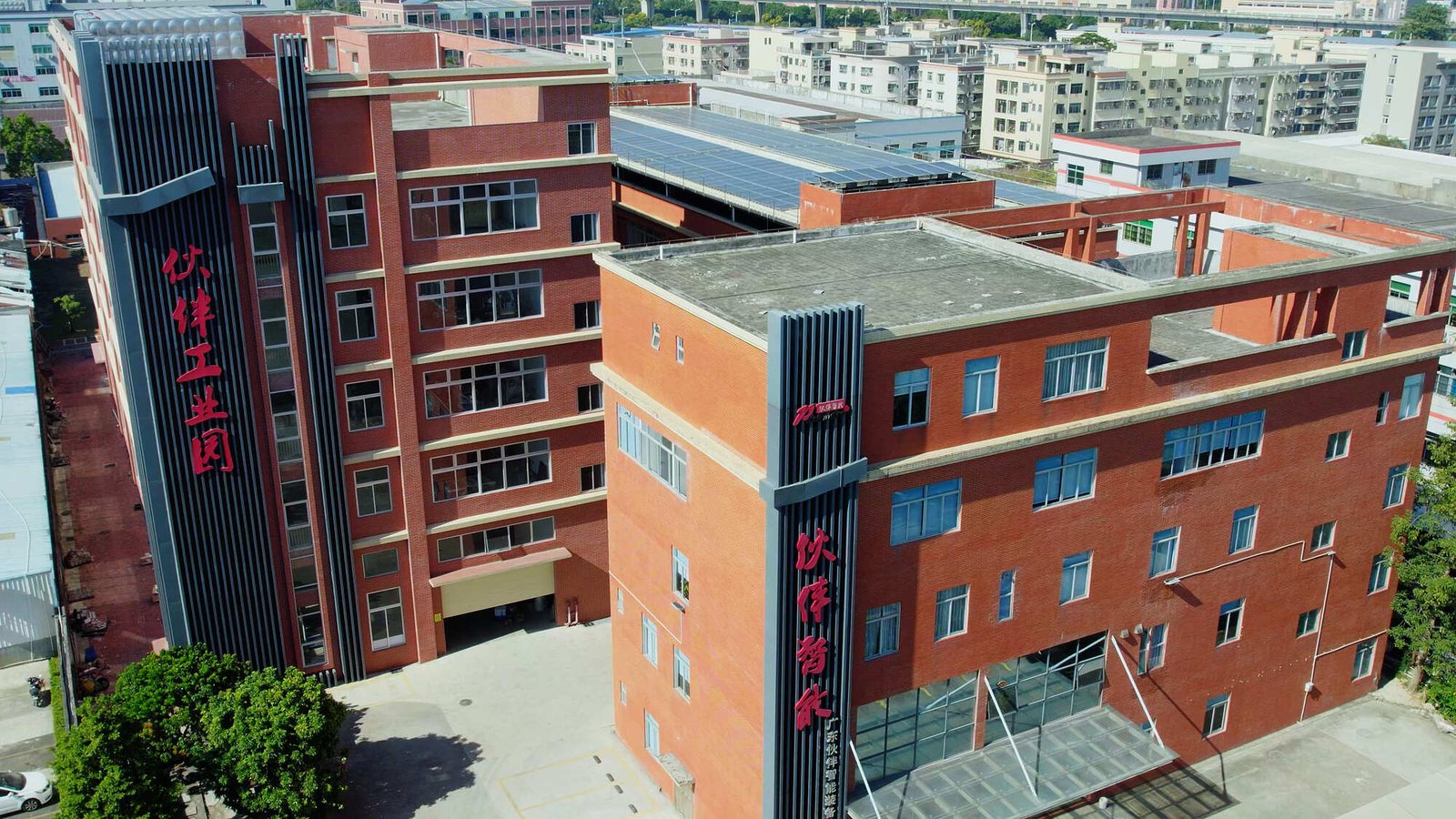
One example of a manufacturer with extensive experience in powder packaging is Ludyway Machinery, a China-based packaging machinery manufacturer with more than 30 years of industry experience. The company operates a 20,000-square-meter manufacturing facility and offers over 50 packaging machine models covering powder, granule, liquid, stick pack, sachet, pouch, and other flexible packaging applications. For manufacturers seeking a single partner for equipment selection, system integration, customization, installation, and technical support, working with an established supplier can simplify the entire procurement process.
Total Cost of Ownership Analysis
The purchase price of a tea powder packing machine is only one part of the financial equation. A thorough total cost of ownership (TCO) analysis should account for all costs over the expected machine lifespan:
| Cost Category | Typical Share of TCO | Key Considerations |
|---|---|---|
| Initial equipment cost | 40–55% | Includes machine, shipping, installation, commissioning |
| Packaging materials | 25–35% | Film waste rate significantly impacts this cost |
| Maintenance and spare parts | 5–10% | Preventive maintenance reduces unplanned downtime |
| Labor | 5–15% | Automation level directly affects operator requirements |
| Energy and utilities | 2–5% | Servo-driven machines typically consume less power |
Regulatory Compliance and Quality Standards
Tea powder destined for food markets must be packaged under conditions that meet food safety regulations in your target regions. When selecting equipment, verify compliance with relevant standards. Machines should be constructed with food-grade stainless steel contact parts, feature sanitary design with easy-clean surfaces, and support validated cleaning procedures. For markets requiring compliance with specific regulatory frameworks, documentation and certification support from the manufacturer is essential. Refer to FDA food packaging regulations and ISO packaging standards for detailed guidance.
Key Compliance Checklist
- Product contact surfaces in 304 or 316 stainless steel
- No exposed threads, crevices, or dead zones in the product path
- Validated sealing parameters with temperature monitoring
- Dust control systems to maintain cleanroom or GMP conditions
- Traceability features including batch coding and serialization
- CE marking, UL compliance, or other regional certifications as required
Common Mistakes to Avoid When Buying
Even experienced buyers can make costly errors when purchasing a tea powder packing machine. Here are the most frequent pitfalls and how to avoid them:
1. Focusing Only on Price
The lowest-priced machine often becomes the most expensive over its lifetime due to higher downtime, greater material waste, and more frequent maintenance. Evaluate the total value proposition, not just the initial capital expenditure.
2. Underestimating Product Complexity
Tea powder is not a single, uniform product category. Matcha behaves differently from instant black tea powder, which behaves differently from spiced blends. Always conduct filling trials with your actual product before finalizing a machine purchase.
3. Ignoring After-Sales Support
A machine that cannot be serviced promptly becomes a liability. Evaluate the supplier’s service network, spare parts availability, remote support capabilities, and warranty terms before committing.
4. Overlooking Future Scalability
Your production needs today may not reflect your needs in three years. Consider whether the machine can be upgraded, reconfigured, or expanded to accommodate new products, formats, or higher volumes. Modular machine designs offer greater flexibility for future growth.
Making the Final Decision: A Step-by-Step Approach
Follow this structured process to arrive at a confident, well-informed purchase decision:
- Define your requirements — Document your product characteristics, target output, packaging format, budget, and timeline
- Research potential suppliers — Identify manufacturers with relevant experience and positive market reputation
- Request detailed proposals — Provide product samples and ask for technical proposals, not just price quotes
- Conduct filling trials — Test your actual product on the proposed machine configuration and evaluate results
- Visit manufacturing facilities — If possible, inspect the supplier’s production quality and engineering capabilities firsthand
- Check references — Speak with existing customers running similar applications
- Negotiate comprehensively — Cover not just price but also warranty, training, spare parts, and service terms
- Plan installation and commissioning — Coordinate with your supplier to minimize disruption during startup
Selecting the right tea powder packing machine is a strategic investment that affects product quality, production efficiency, and brand reputation. By thoroughly evaluating machine types, technical specifications, supplier capabilities, and total cost of ownership, you position your operation for long-term success in the competitive tea market. Take the time to conduct proper due diligence, and you will be rewarded with a packaging solution that delivers consistent, reliable performance for years to come.
Frequently Asked Questions About Tea Powder Packaging Machines
What is the best filling system for fine tea powder like matcha?
For ultra-fine powders such as matcha, servo-driven auger fillers with agitator-assisted hoppers are generally the best choice. They provide consistent, dust-controlled dosing and can achieve fill weight accuracy of ±0.5% or better. Some applications benefit from a combination of vacuum-assisted filling to reduce dust generation during the dosing cycle.
How do I prevent seal contamination when packaging dusty tea powder?
Seal contamination is addressed through a combination of dust extraction at the filling station, vertical sealing jaw design that minimizes product entrapment, and proper film tracking. Some machines incorporate ionized air blowers to neutralize static charges that cause powder to cling to seal areas. Regular cleaning protocols and preventive maintenance are also essential.
Can one machine handle multiple tea powder varieties?
Yes, most modern machines feature recipe-based controls that store parameters for different products. However, the physical characteristics of each powder — density, flowability, particle size — determine how easily the machine transitions between products. Machines with tool-less changeover and quick-clean designs simplify multi-product operation. Always validate performance with each specific product during the evaluation phase.
Related resources: For further reading on packaging machinery trends and industry data, visit the PMMI Business Intelligence Library and explore the latest State of the Industry reports for packaging machinery market insights.