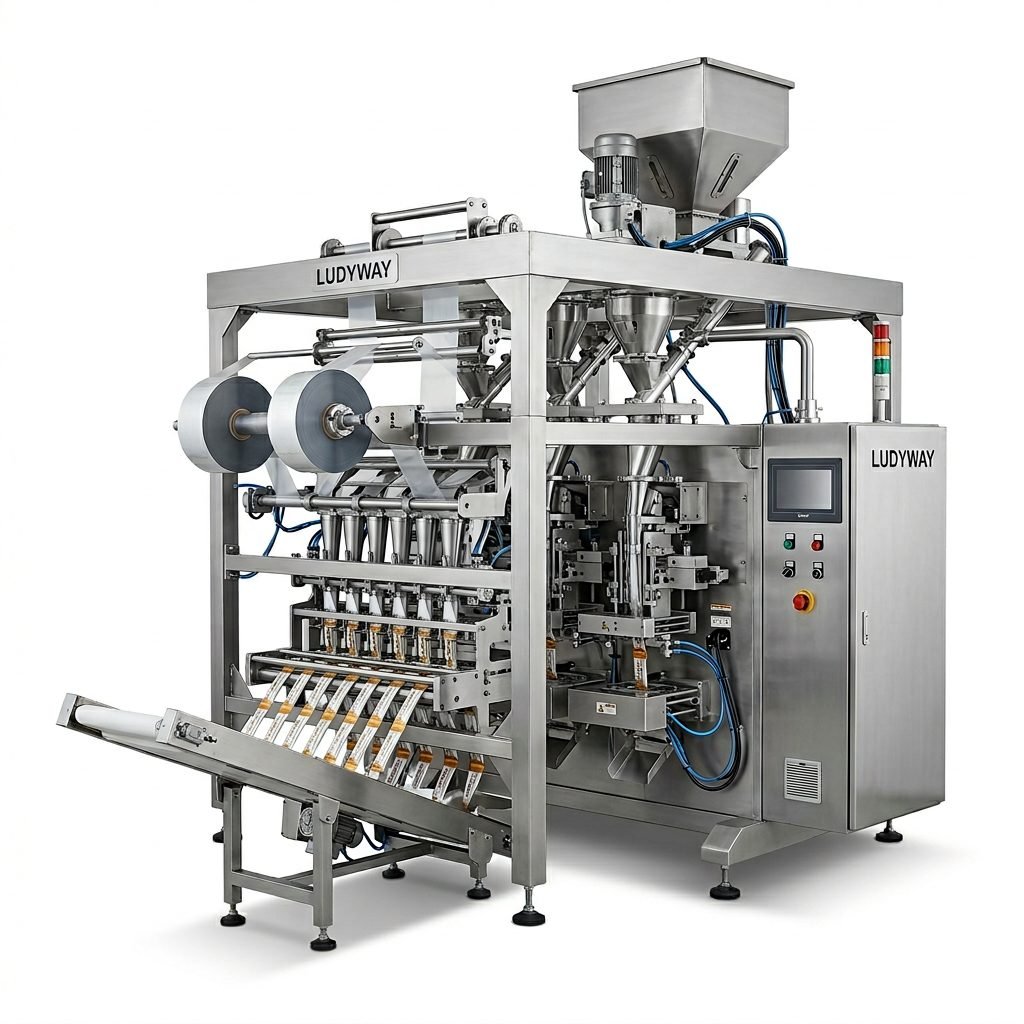
Investing in a meal prep packaging machine is a significant decision that directly impacts your production efficiency, product quality, and bottom line. Whether you are packaging dry ingredients in stick packs, portioning liquids into sachets, or sealing complete meal kits into pouches, the right equipment can transform your operation. This guide walks you through the essential factors to evaluate before making a purchase, helping you navigate the selection process with confidence.
Understanding Your Product and Production Requirements
Before comparing machine specifications, you need a thorough understanding of what you are packaging. The physical properties of your product will determine which packaging machinery configuration is technically feasible.
Start by answering these critical questions:
- What is the product form? Is it a free-flowing powder, a sticky granule, a viscous liquid, or a combination of multiple components? Each form requires a specific dosing and filling system — auger fillers for powders, volumetric cup fillers for granules, or piston pumps for liquids.
- What is the target package format? Stick packs, sachets, flat pouches, or stand-up pouches each demand different film handling, forming, and sealing mechanisms.
- What are your target output speeds? A small contract packer may need 30-50 packs per minute, while a large-scale manufacturer could require over 200 packs per minute across multiple lanes.
- What is your budget and expected ROI timeline? Balancing upfront investment with long-term operational savings is essential for making a financially sound decision.
Key Technical Factors in Machine Selection
Product Compatibility and Dosing Accuracy
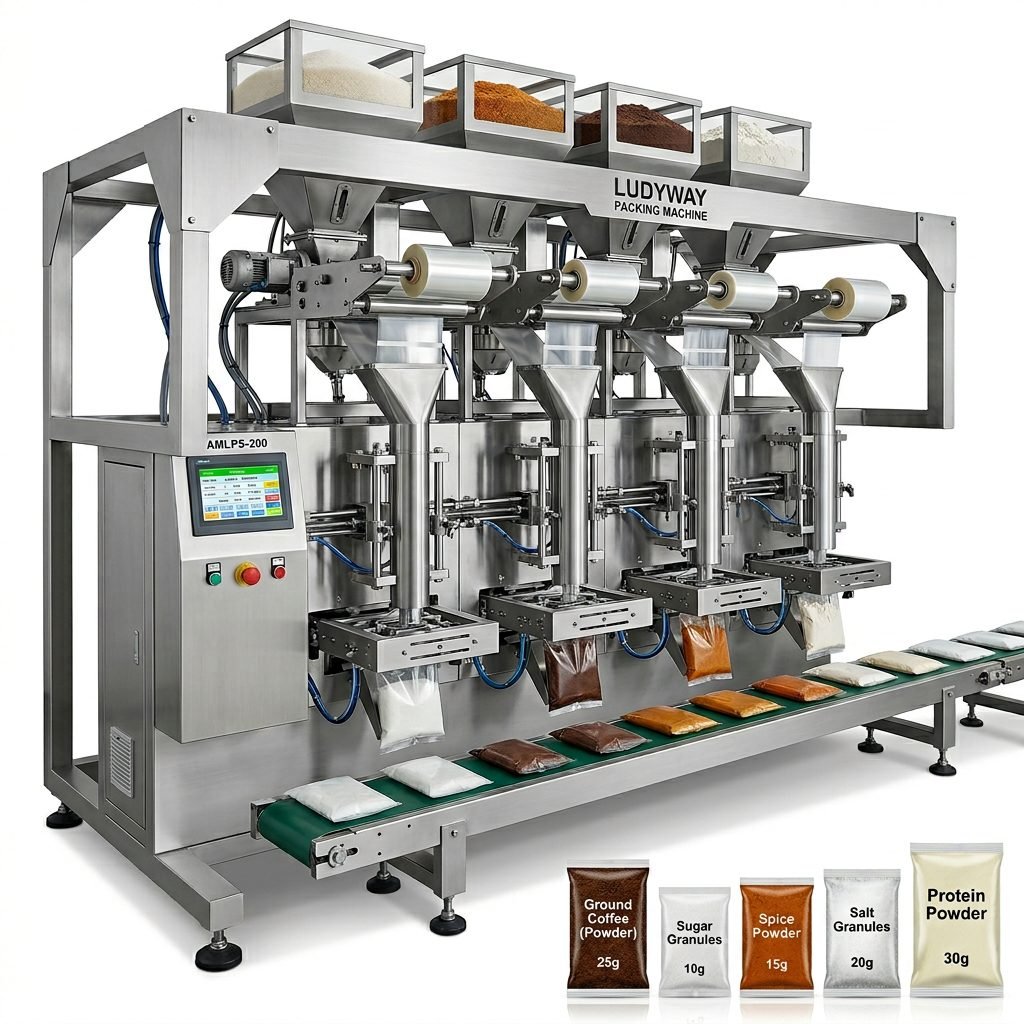
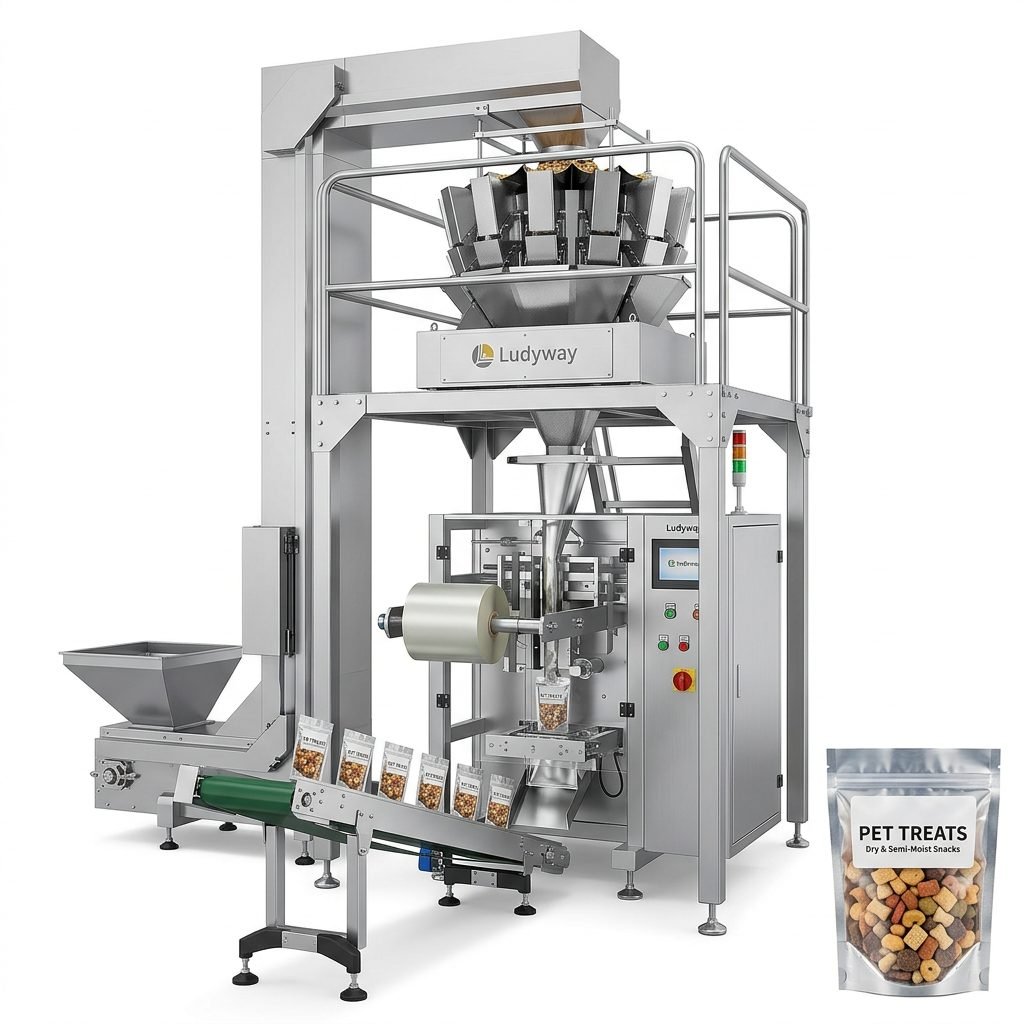
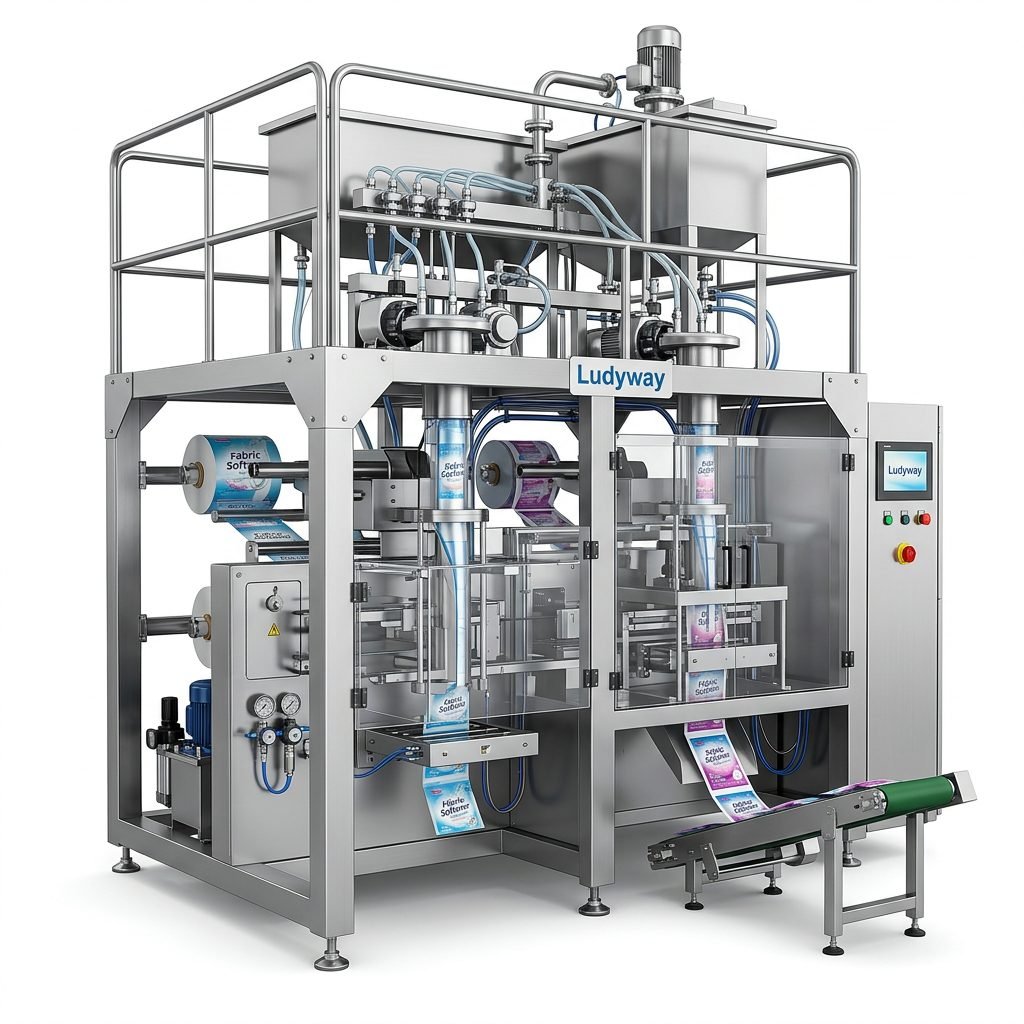
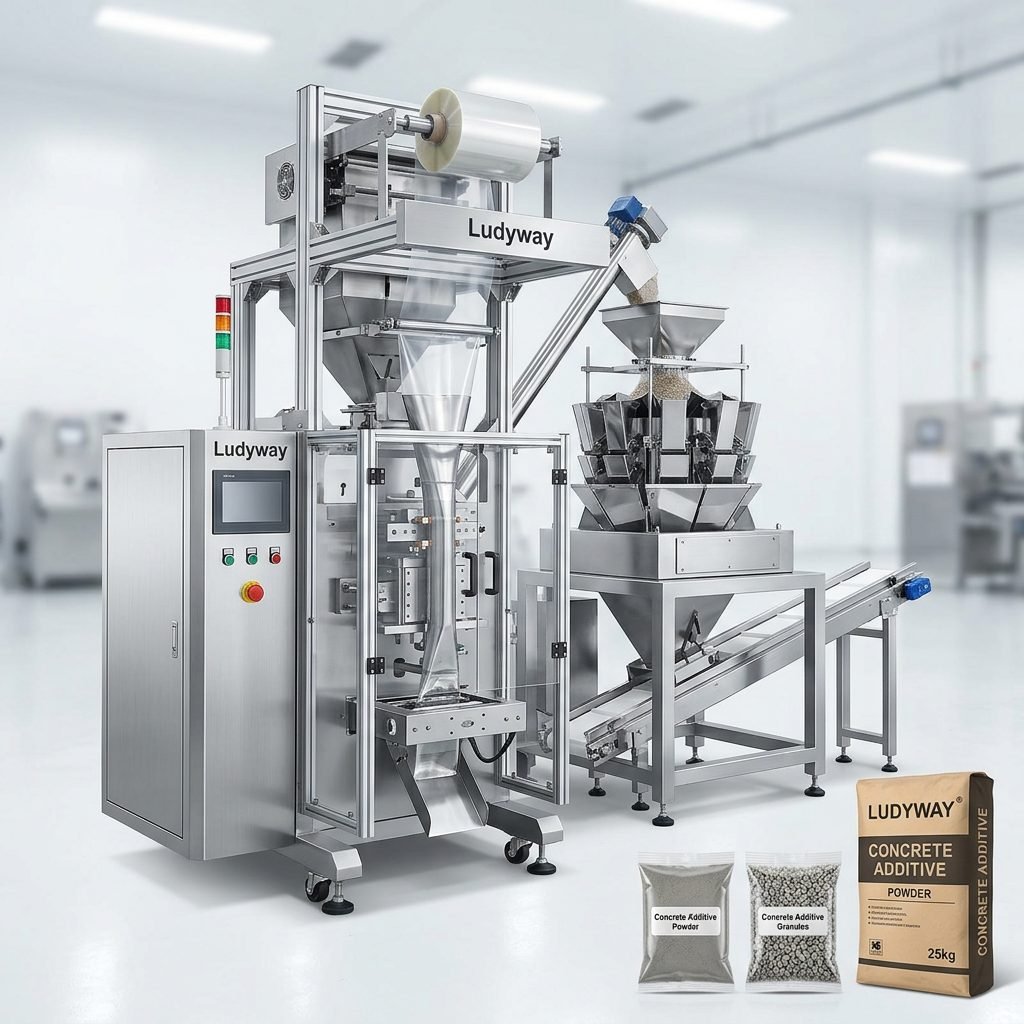
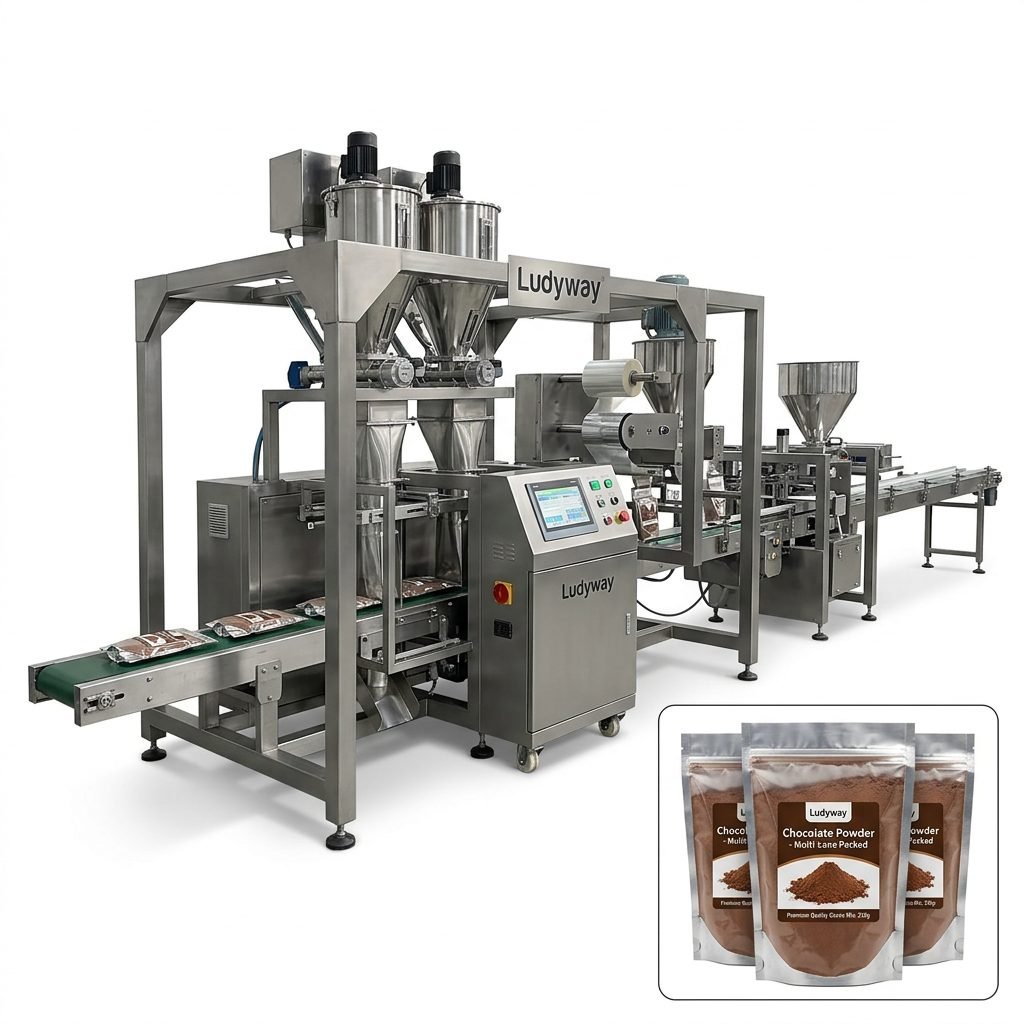
The filling and dosing mechanism is the heart of any packaging machine. For powder-based meal prep products — such as protein powders, spice blends, or beverage mixes — auger filling systems offer precise volumetric dosing. Granule products like rice, grains, or dried vegetables often perform best with multi-head weighers or volumetric cup fillers. Liquid components such as sauces or oils require piston or peristaltic pump systems for consistent portion control. Selecting the wrong dosing technology leads to product giveaway, inconsistent fill weights, and customer complaints.
Packaging Format and Bag Style Flexibility
Meal prep packaging spans a wide range of formats. The machine you choose should align with both your current packaging needs and potential future diversification. Common formats include:
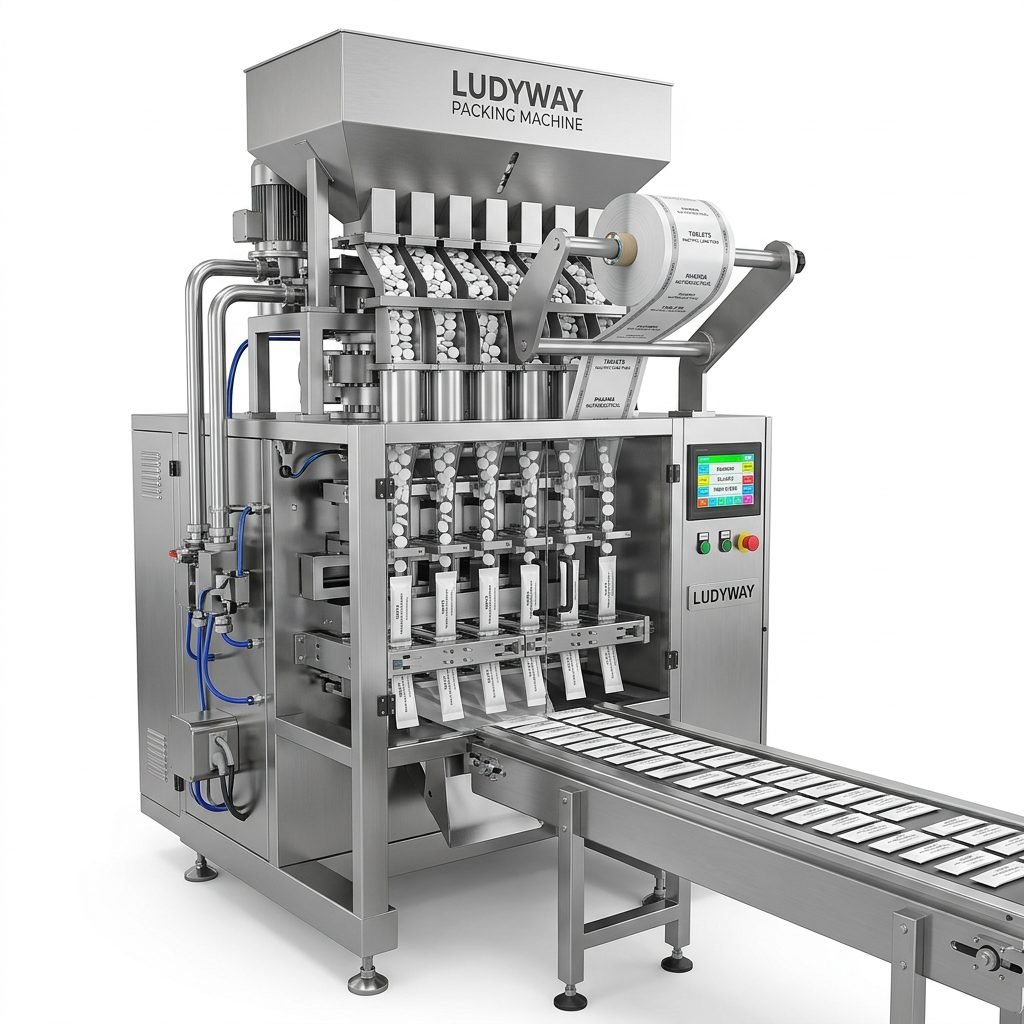
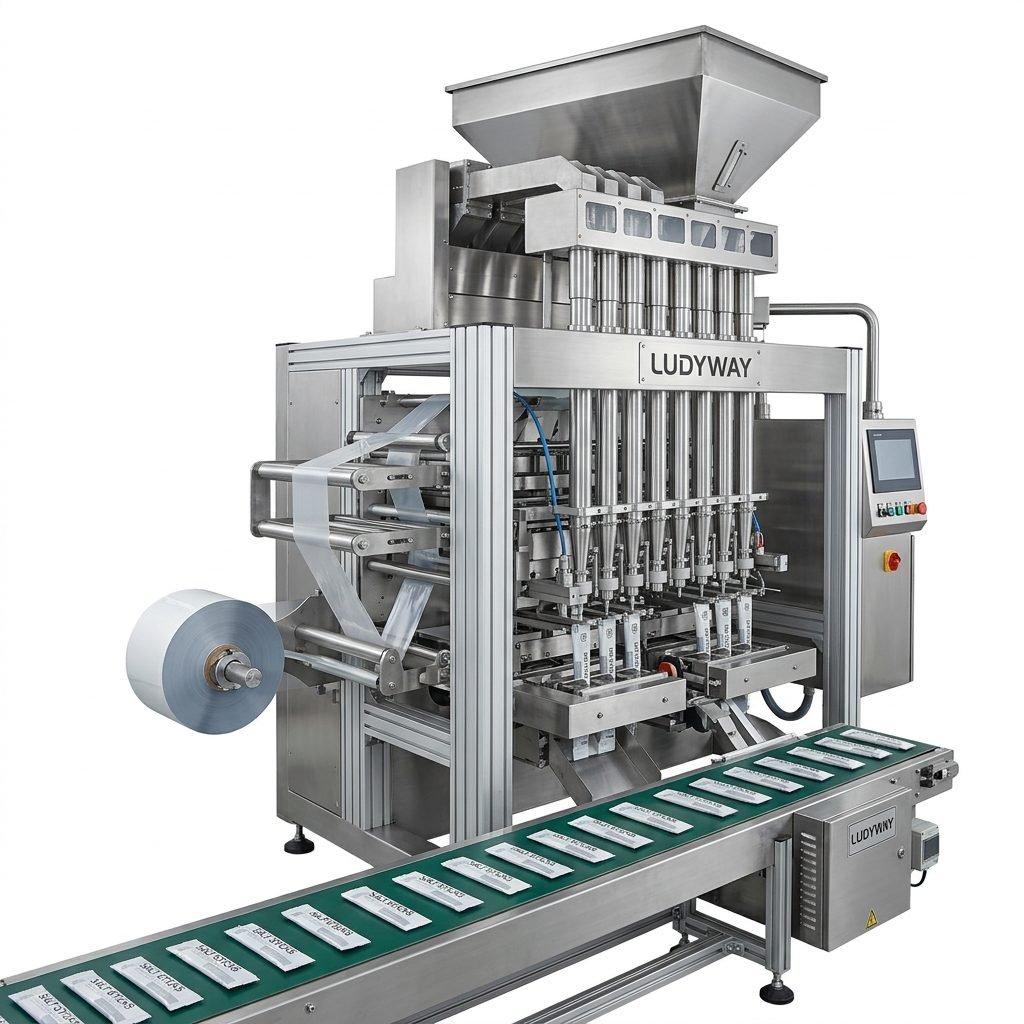
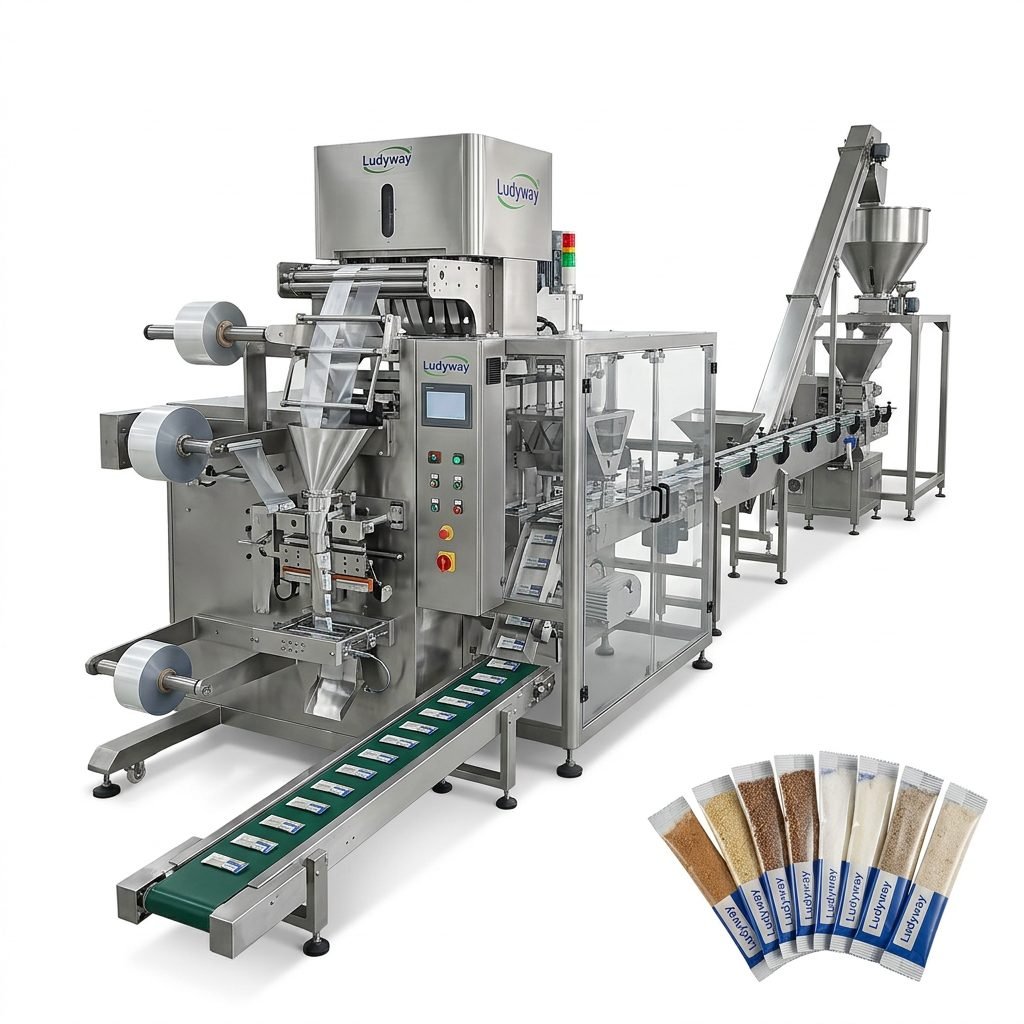
- Stick packs — Ideal for single-serve powders, supplements, and drink mixes
- Three-side-seal or four-side-seal sachets — Widely used for condiments, sauces, and sample portions
- Stand-up pouches with zippers — Popular for larger meal kit components requiring resealability
- Multi-compartment pouches — For kits that separate dry and wet ingredients
Some machines offer quick-change tooling that allows you to switch between different bag sizes and formats with minimal downtime — a valuable feature for co-packers serving multiple clients.
Production Speed and Multi-Lane Capability
Production volume expectations should drive your lane configuration decision. Single-lane machines suit low-to-medium production environments or frequent product changeovers. For high-volume operations, multi-lane packaging systems — ranging from 4 to 12 or more lanes — dramatically increase throughput without requiring proportionally more floor space. A well-designed multi-lane stick pack machine can produce 400 to 600 packs per minute or more, depending on the product and film characteristics. When evaluating speed claims, always confirm the rated speed with your specific product, film, and seal parameters — not just the machine’s theoretical maximum.
Automation and Line Integration
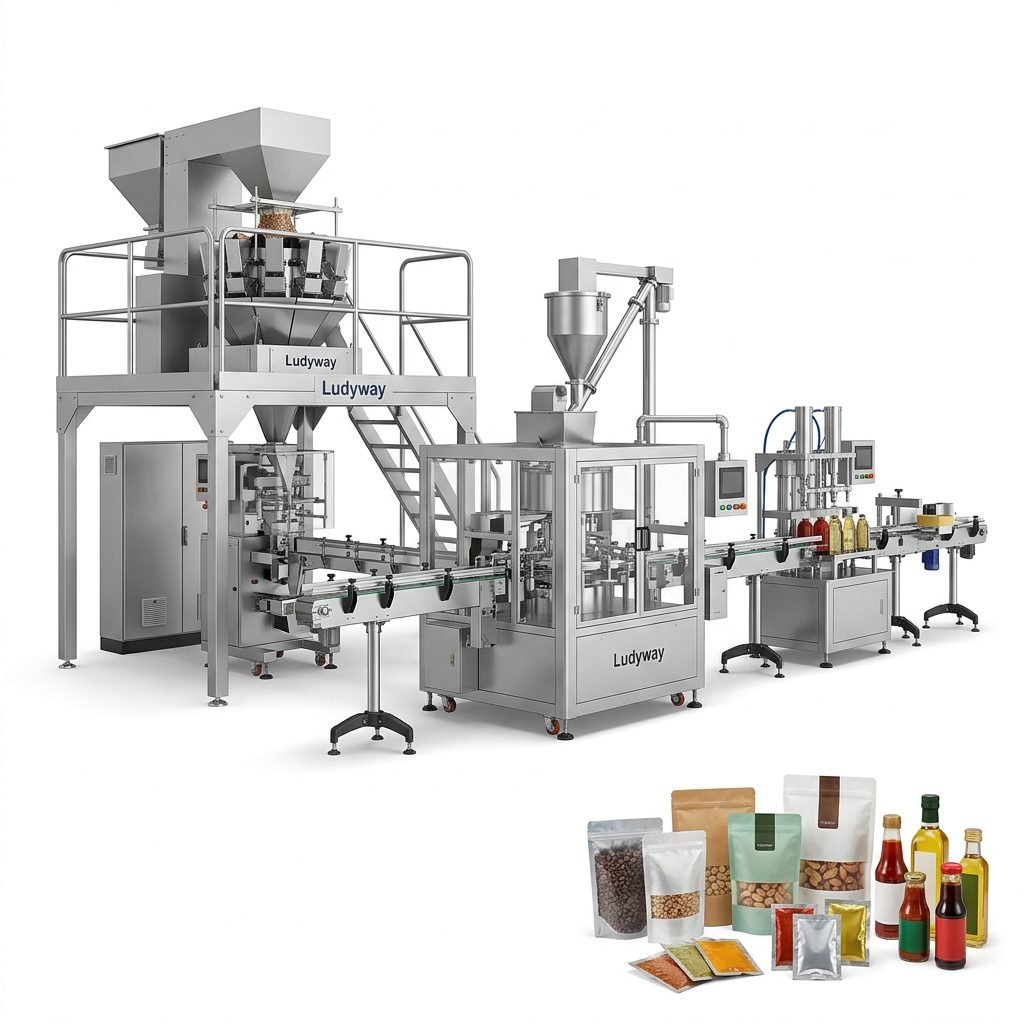
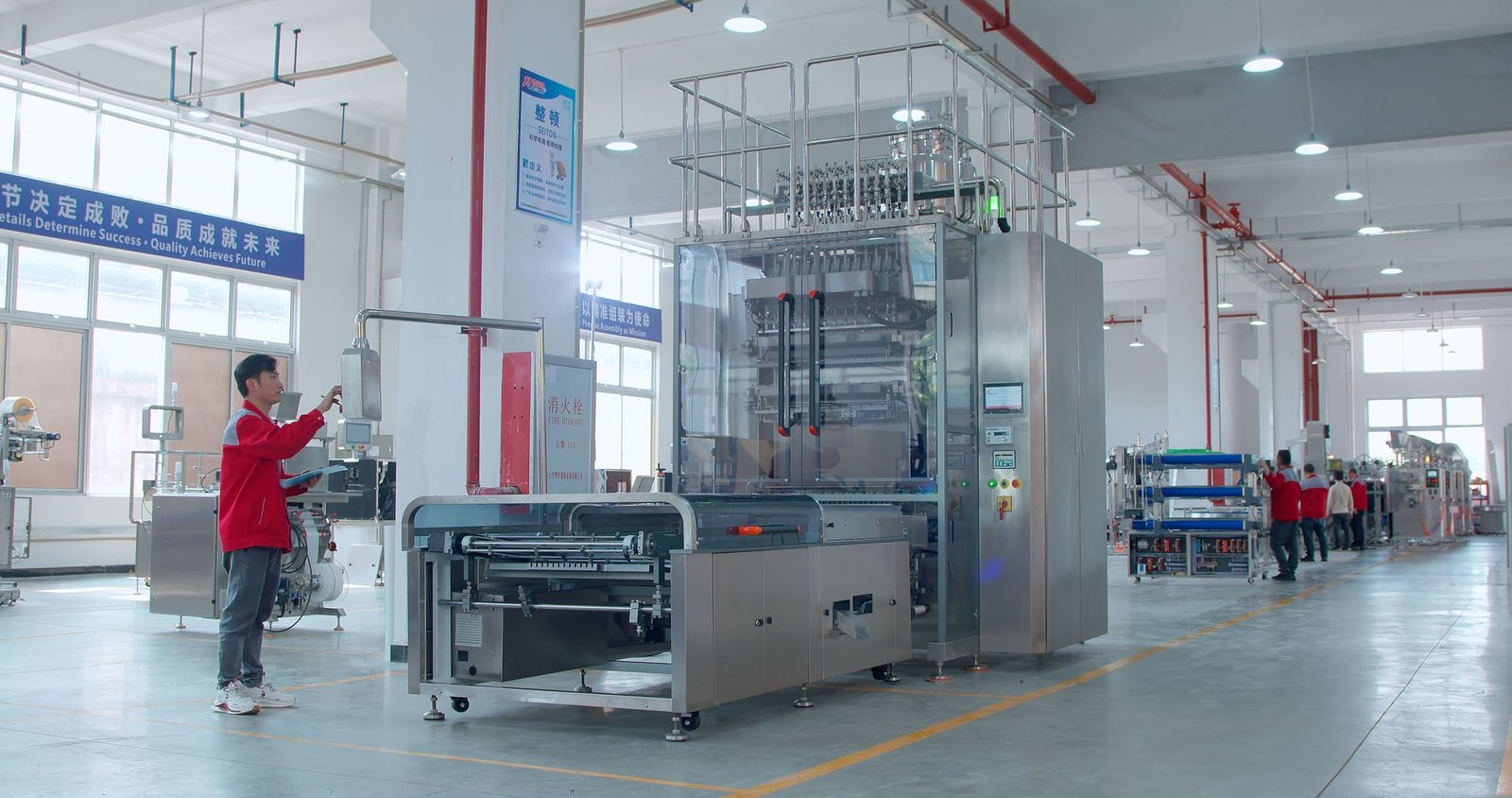
Modern meal prep packaging operations increasingly rely on end-to-end automation. Beyond the primary filling and sealing machine, consider how the equipment integrates with upstream and downstream systems. Key automation components include:
- Automatic feeding systems — vibratory feeders, conveyor elevators, or vacuum conveying for bulk product delivery
- Inline checkweighing and metal detection for quality assurance
- Date coding and labeling modules for traceability and compliance
- Cartoning, case packing, and palletizing systems for finished product handling
Choosing a supplier that can provide an integrated turnkey packaging line rather than a standalone machine reduces coordination complexity and often results in smoother commissioning and fewer compatibility issues. According to PMMI packaging industry resources, integrated systems continue to be a major trend driving efficiency gains across food and pharmaceutical sectors.
Quality, Compliance, and International Standards
Machine build quality directly correlates with long-term reliability, maintenance costs, and downtime frequency. Key indicators of quality manufacturing include the use of food-grade stainless steel contact parts, robust frame construction, and integration of certified electrical and pneumatic components from established industrial suppliers. For manufacturers exporting to regulated markets, compliance with applicable ISO packaging standards and FDA requirements for food contact materials should be non-negotiable.
The flexible packaging industry continues to evolve with stricter sustainability and safety regulations. Verifying that your packaging machinery supplier can provide relevant certifications and documentation for CE, FDA, or other applicable standards helps avoid costly compliance issues down the line. GMP-compliant machine design — with features like tool-free disassembly for cleaning, sloped surfaces to prevent product accumulation, and sealed electrical enclosures — is particularly important for meal prep products with allergen or hygiene sensitivity.
Customization and Scalability
Rarely does a standard machine configuration perfectly match every production requirement. Product characteristics, bag dimensions, fill weights, speed targets, and factory layouts vary significantly between manufacturers. A supplier with in-house engineering and customization capabilities can adapt machine configurations to your specific needs — whether that means customized dosing systems for difficult-to-fill products, modified sealing parameters for specialized film structures, or unique machine layouts to fit existing factory floor plans. The ability to scale from a semi-automatic entry-level solution to a fully automated multi-lane system as your business grows is equally important for protecting your long-term investment.
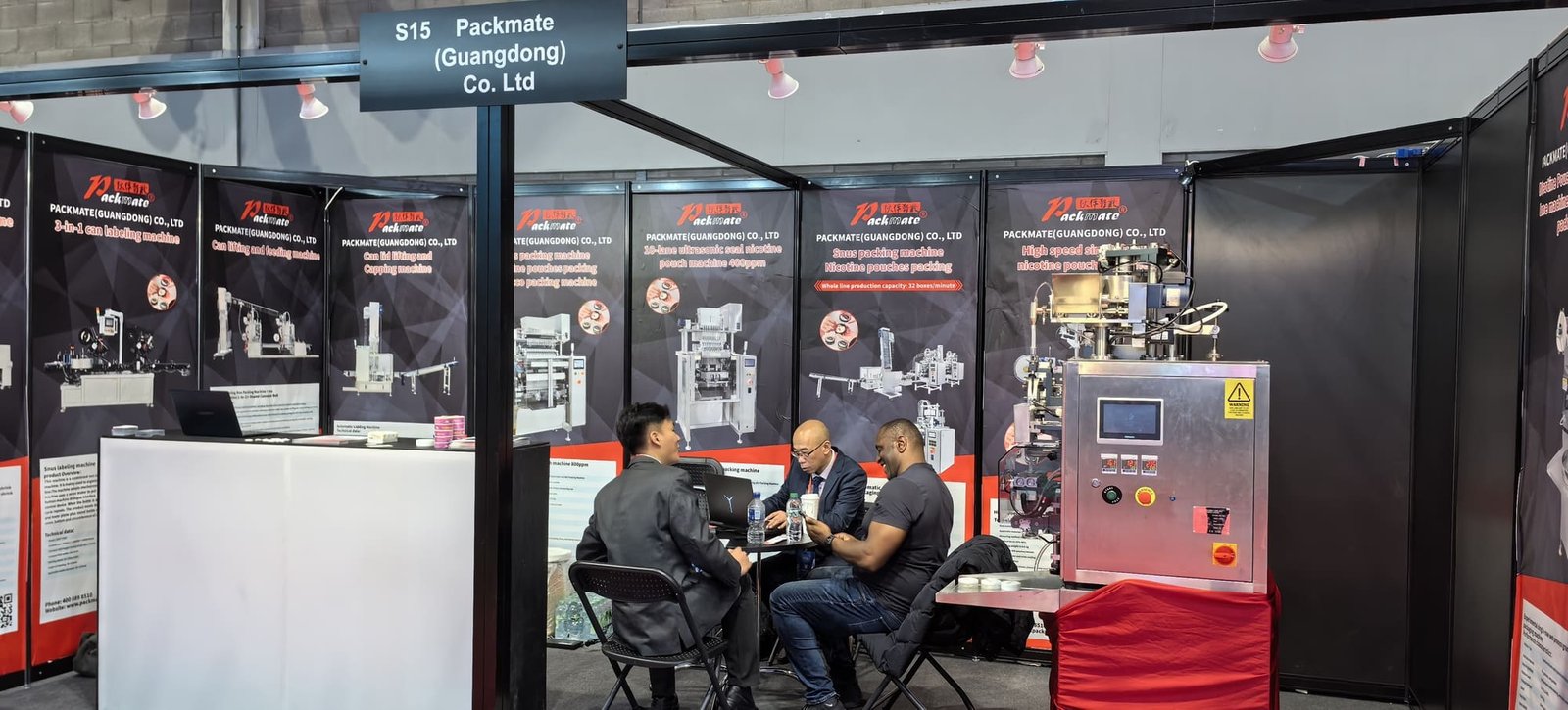
Evaluating Packaging Machine Suppliers
Beyond technical specifications, the supplier relationship itself warrants careful evaluation. Here is a comparison framework for assessing potential packaging machinery partners:
| Evaluation Criterion | What to Look For | Why It Matters |
|---|---|---|
| Industry Experience | Decades of focused packaging machinery manufacturing | Proven design maturity and application knowledge |
| Manufacturing Capability | In-house production facility with engineering team | Quality control and customization flexibility |
| Machine Portfolio Range | Multiple models covering various formats and speeds | One partner for current and future needs |
| Global Service Reach | Installation, training, and after-sales support in your region | Minimized downtime and responsive technical support |
| Customization Engineering | Ability to modify machines for specific product or format requirements | Equipment that fits your operation, not the other way around |
| Certifications and Compliance | CE, FDA-compatible design, GMP features | Regulatory market access and audit readiness |
When evaluating suppliers, request references from customers in your industry, examine machine build quality firsthand if possible, and assess the technical depth of the engineering team during the consultation process. A supplier that asks detailed questions about your product, production environment, and business goals — rather than simply quoting a standard model — is more likely to deliver a successful outcome.
Total Cost of Ownership and ROI Analysis
The purchase price of a packaging machine represents only part of the total cost equation. A comprehensive total cost of ownership (TCO) analysis should account for installation and commissioning, operator training, ongoing maintenance and spare parts, film and packaging material consumption rates, energy usage, and expected machine service life. Machines with higher initial build quality often deliver lower TCO over a 10-year operating horizon through reduced downtime, less material waste, and fewer replacement part requirements. Calculate your expected ROI timeline based on labor savings, throughput improvements, reduced product giveaway, and decreased packaging material waste compared to your current method.
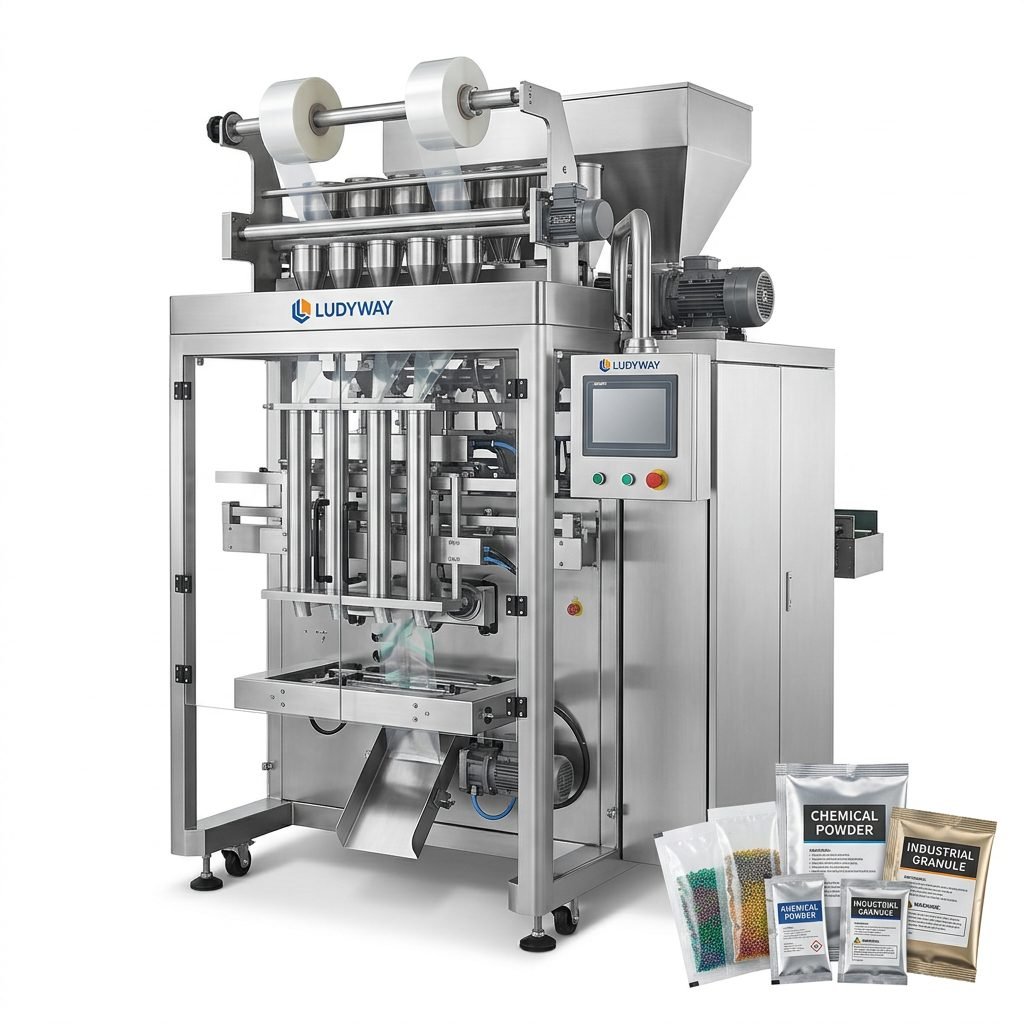
For manufacturers seeking a reliable packaging machinery partner with comprehensive engineering and service capabilities, Ludyway Machinery — a China-based manufacturer with over 30 years of experience, a 20,000-square-meter facility, and more than 50 packaging machine models — provides automated packaging solutions for powder, granule, liquid, stick pack, sachet, and pouch applications across food, pharmaceutical, cosmetic, chemical, and nutraceutical industries, supporting customers in over 100 countries with customized equipment and turnkey line integration.
Making the Final Decision
Selecting the right meal prep packaging machine requires balancing technical requirements, budget constraints, and long-term operational goals. Begin with a thorough analysis of your product characteristics and production targets. Shortlist suppliers with demonstrated experience in your specific application. Evaluate machine build quality, automation compatibility, and compliance documentation. Consider total cost of ownership rather than purchase price alone. And prioritize a supplier relationship built on engineering capability and responsive support — because the right partner will help you scale efficiently as your packaging needs evolve.