Establishing a tea bag packaging machine production line is a critical step for businesses aiming to scale operations, ensure product consistency, and meet international market standards. Whether you are producing single-chamber string-and-tag bags, double-chamber envelopes, or pyramid nylon sachets, the right setup can dramatically improve your throughput, reduce waste, and position your brand for global success. This guide covers every phase from initial planning to full-scale operation.
Understanding the Anatomy of a Tea Bag Packaging Line
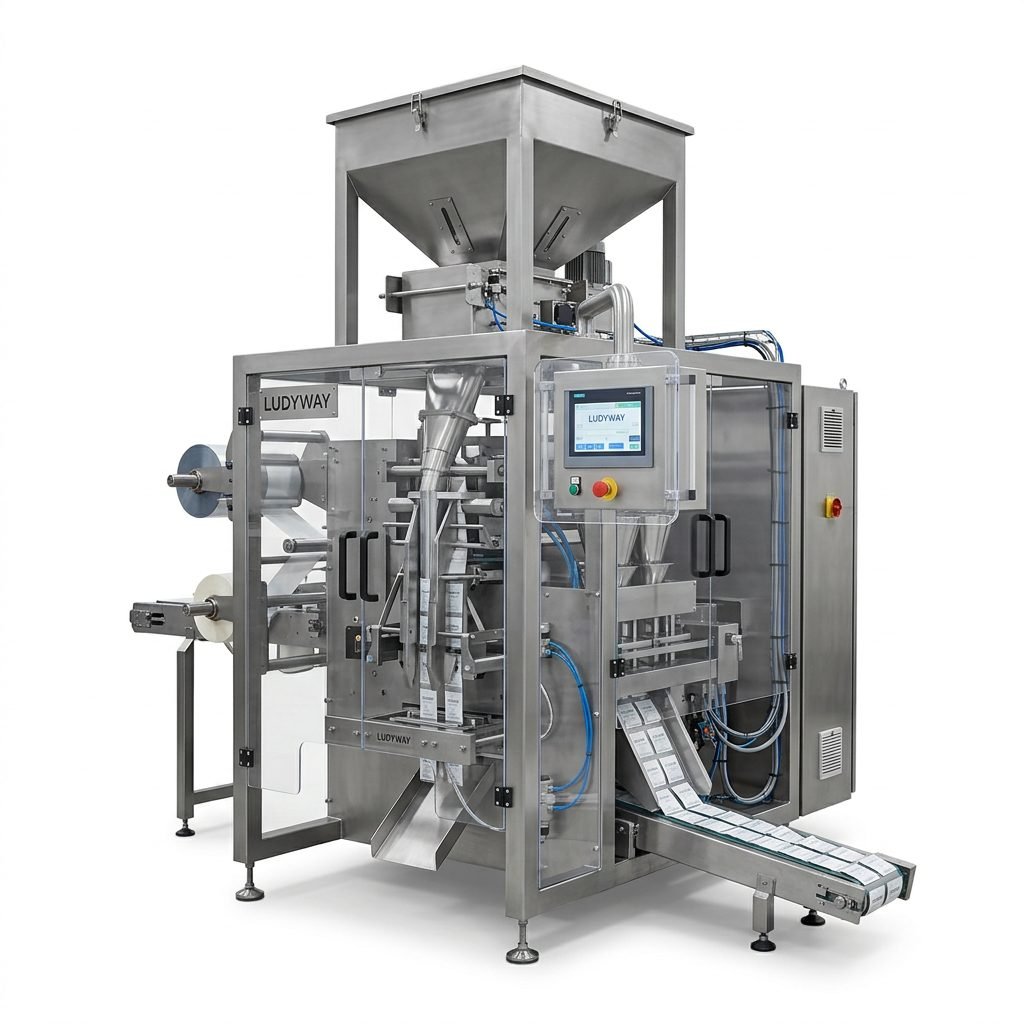
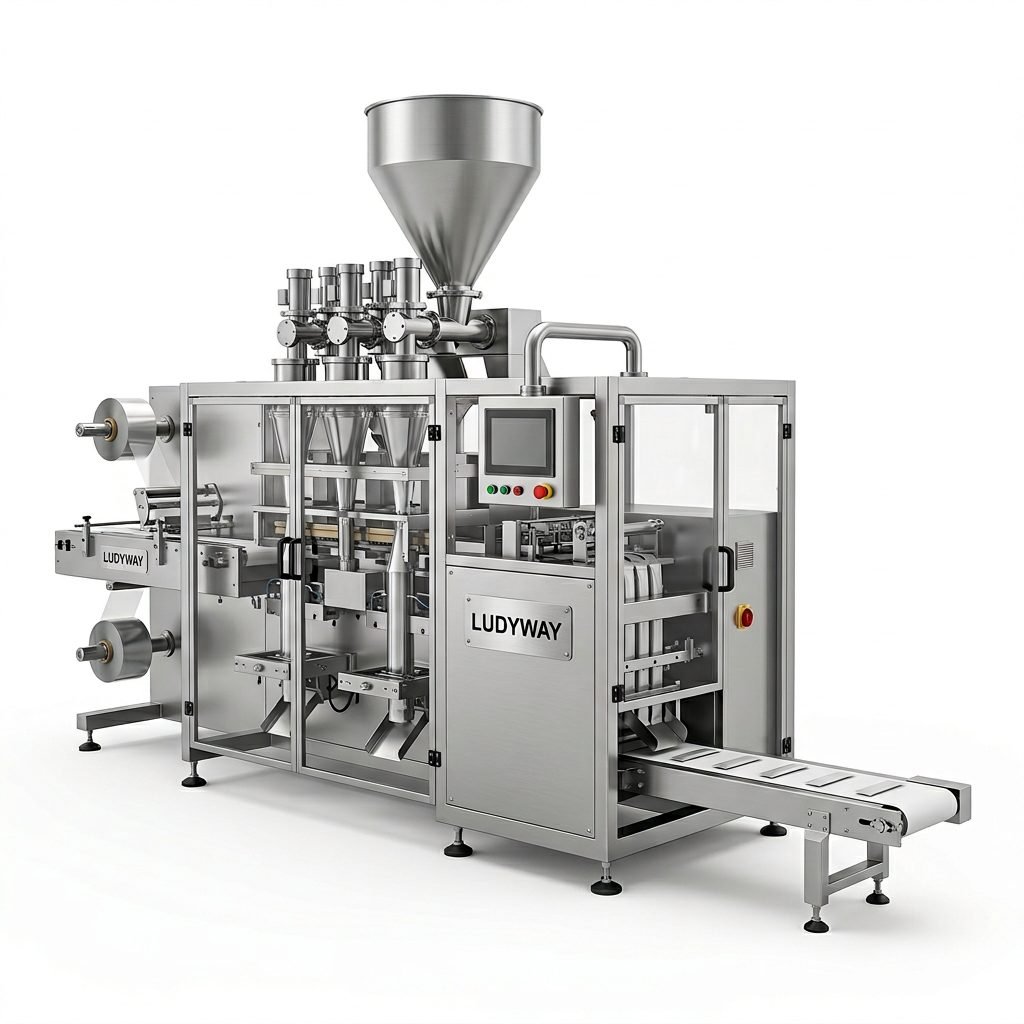
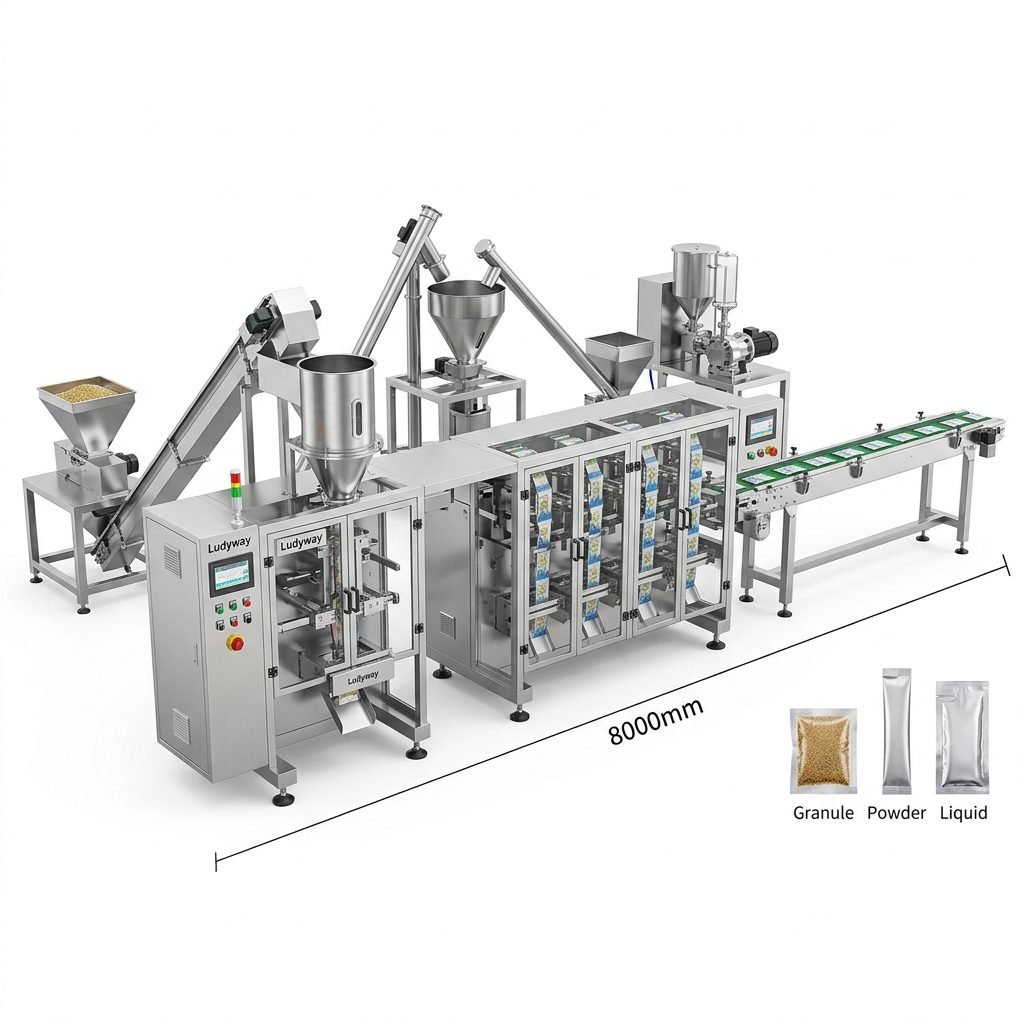
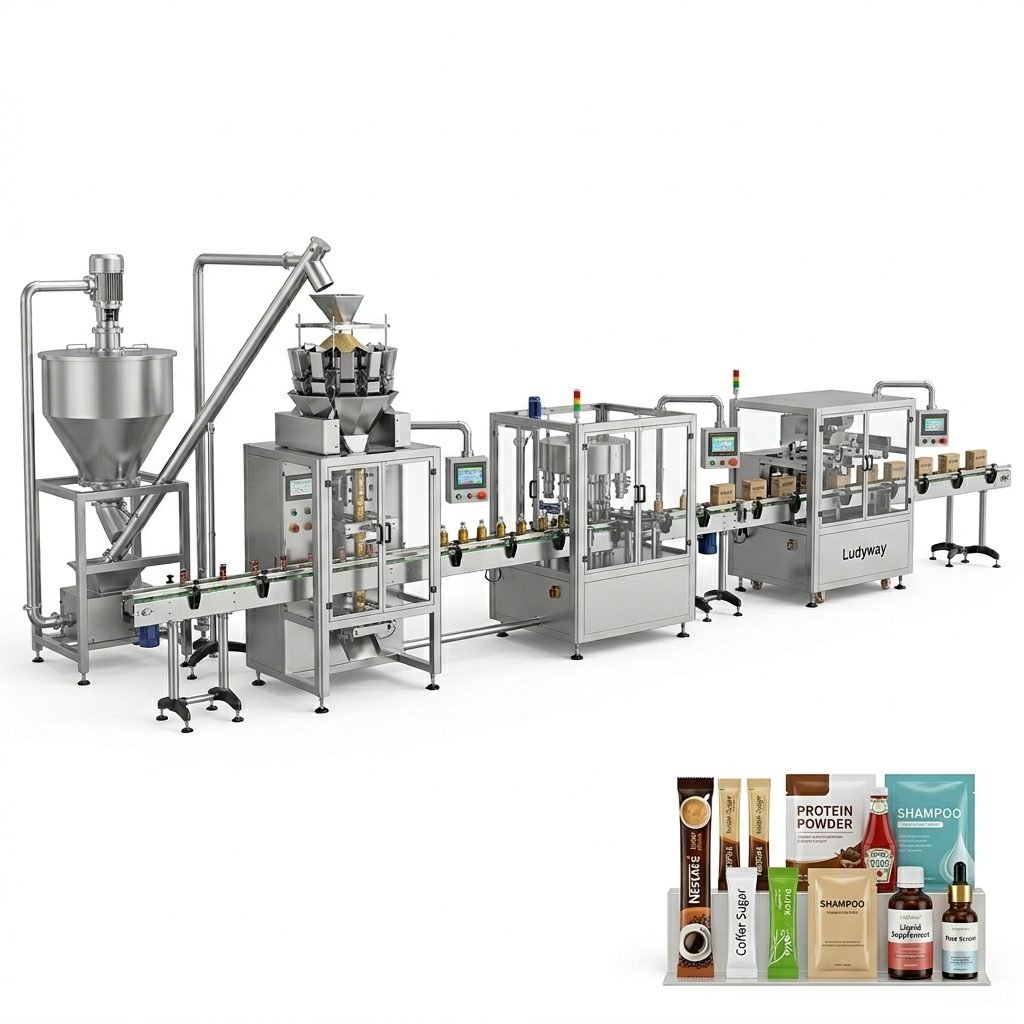
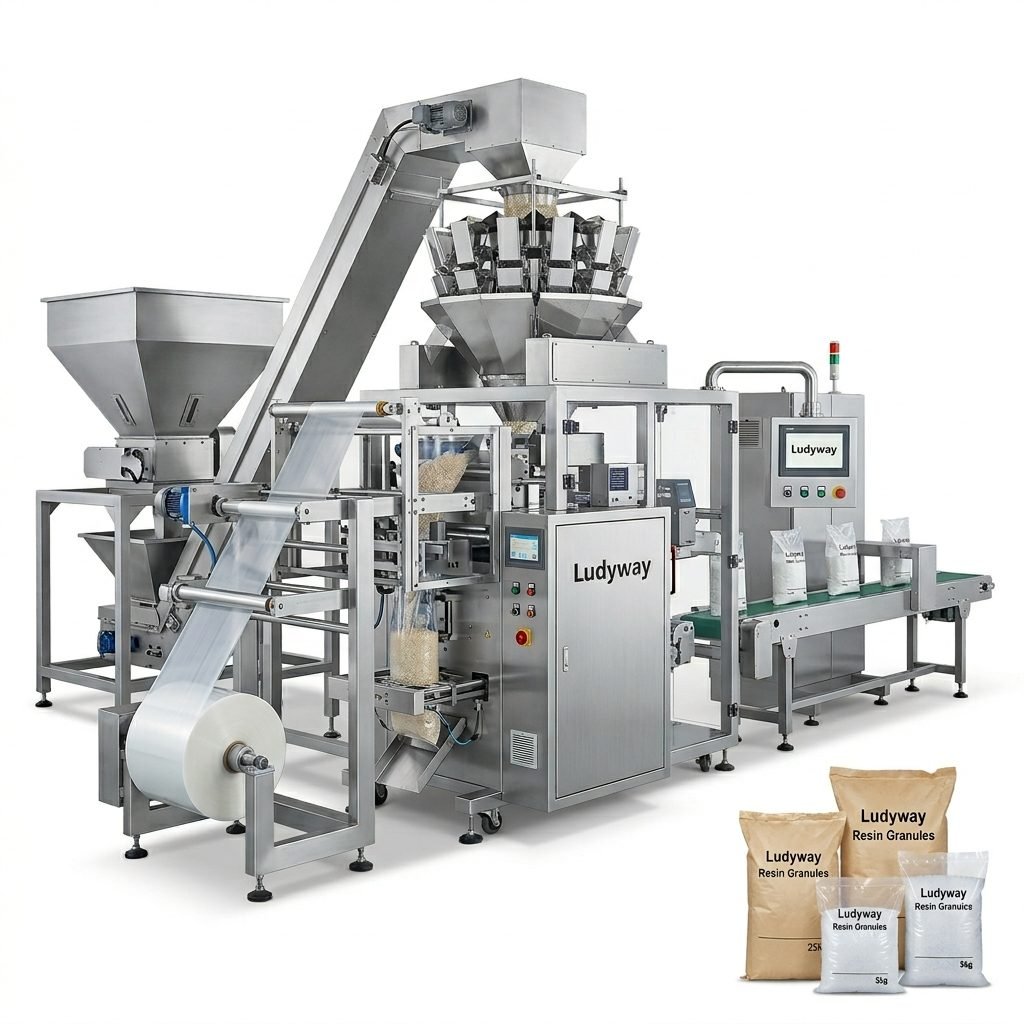
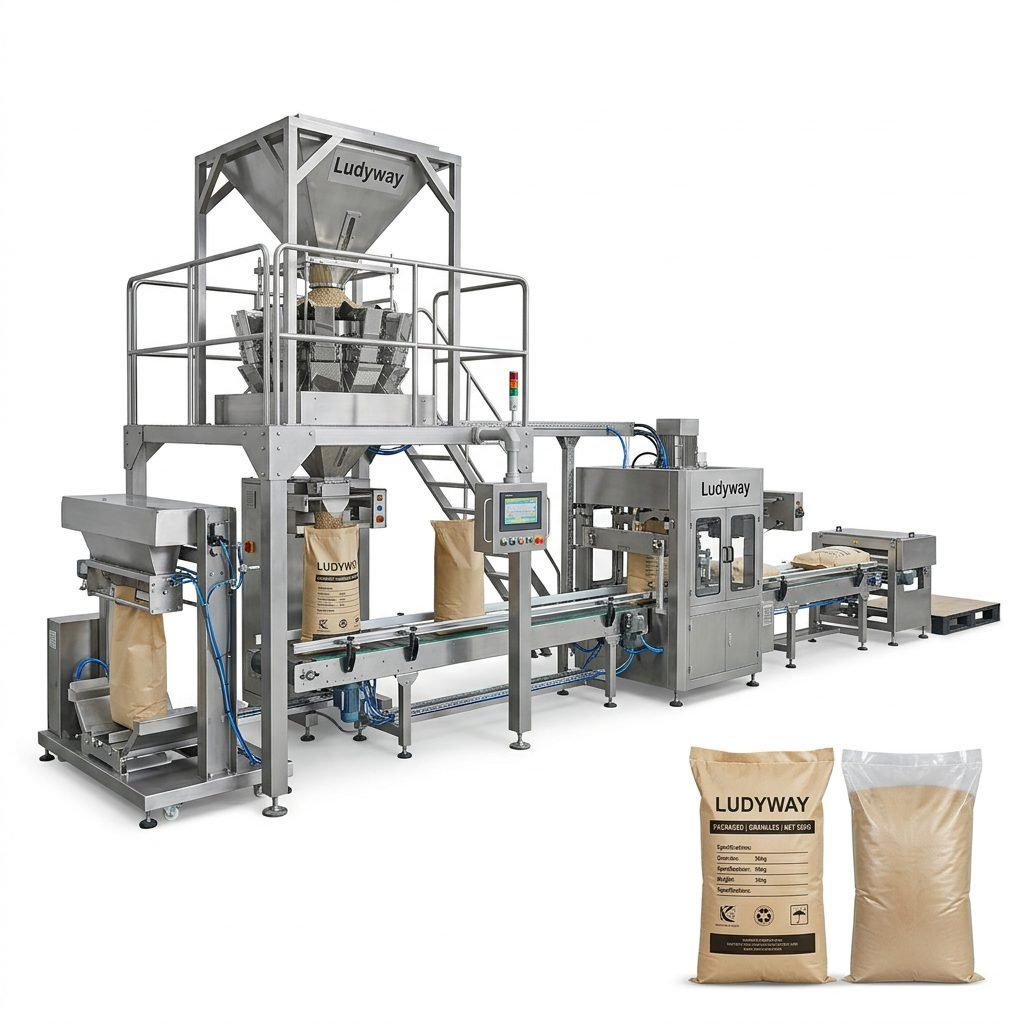
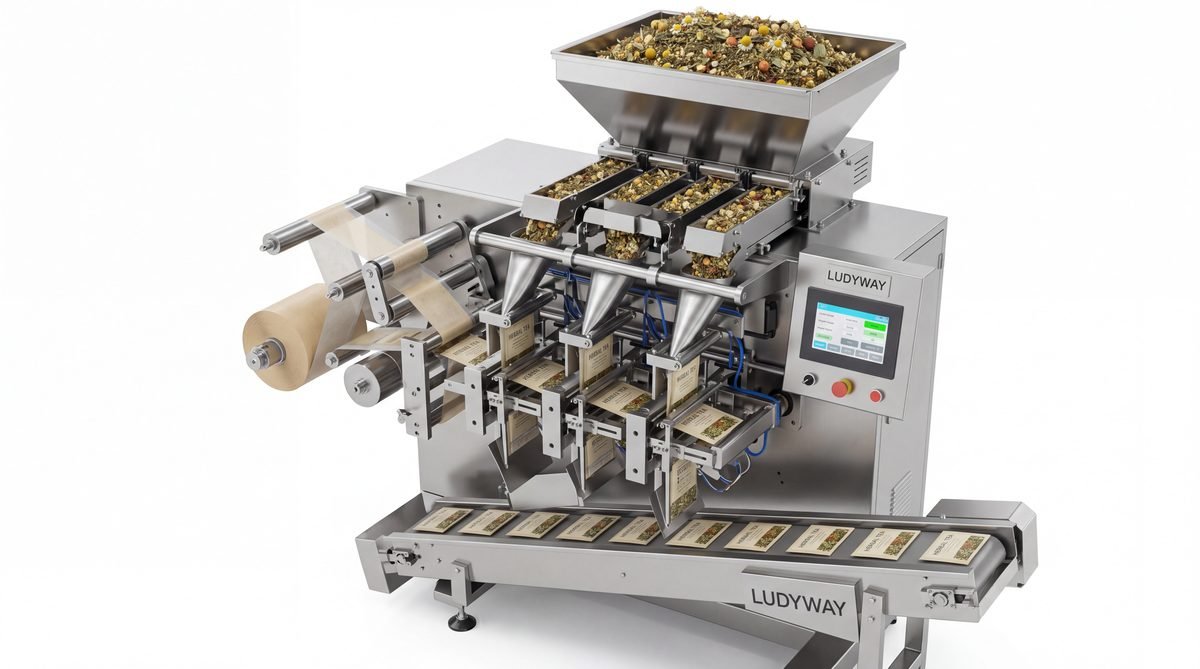
Before procuring equipment, you must understand the core modules that constitute a fully integrated line. A typical high-speed tea bag production system includes the following key stages:
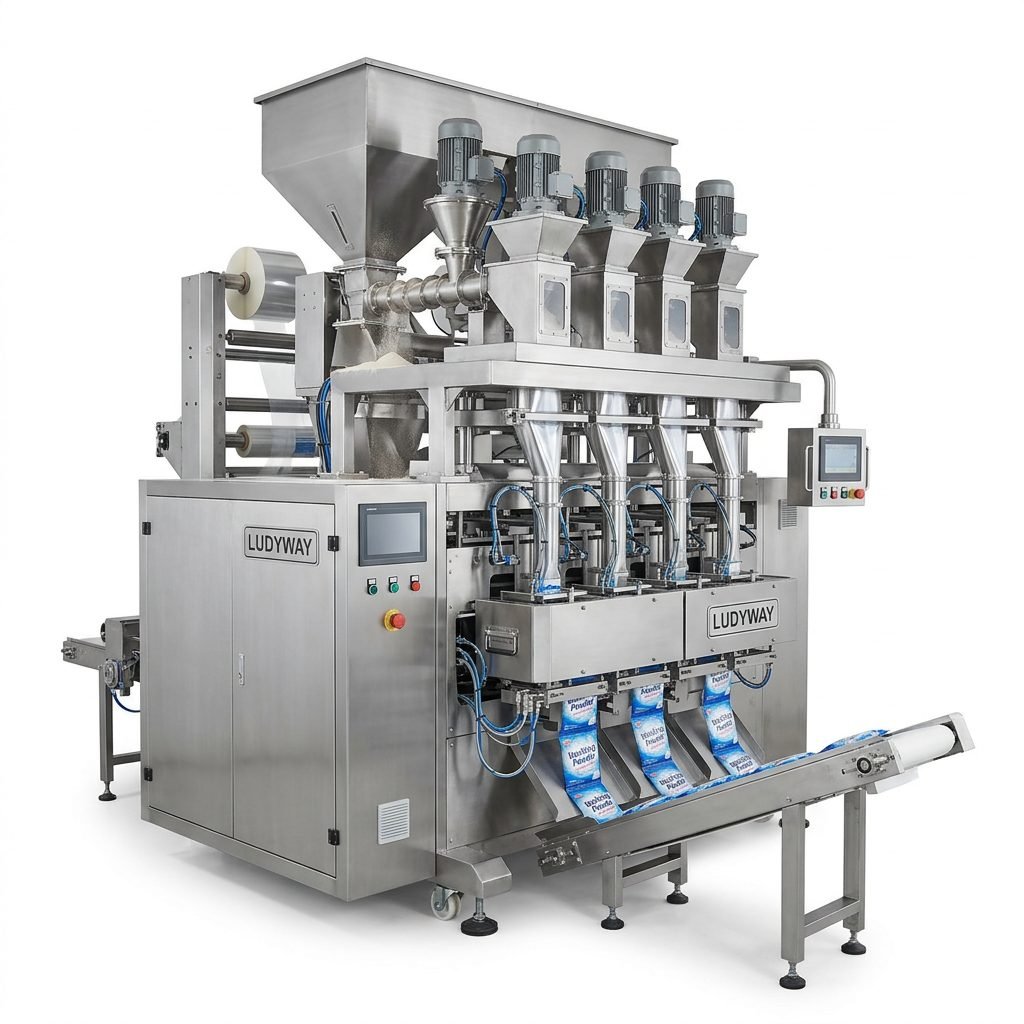
- Feeding System: Volumetric cup fillers, auger fillers, or multi-head weighers for precise dosing of tea leaves, herbal blends, or powder infusions.
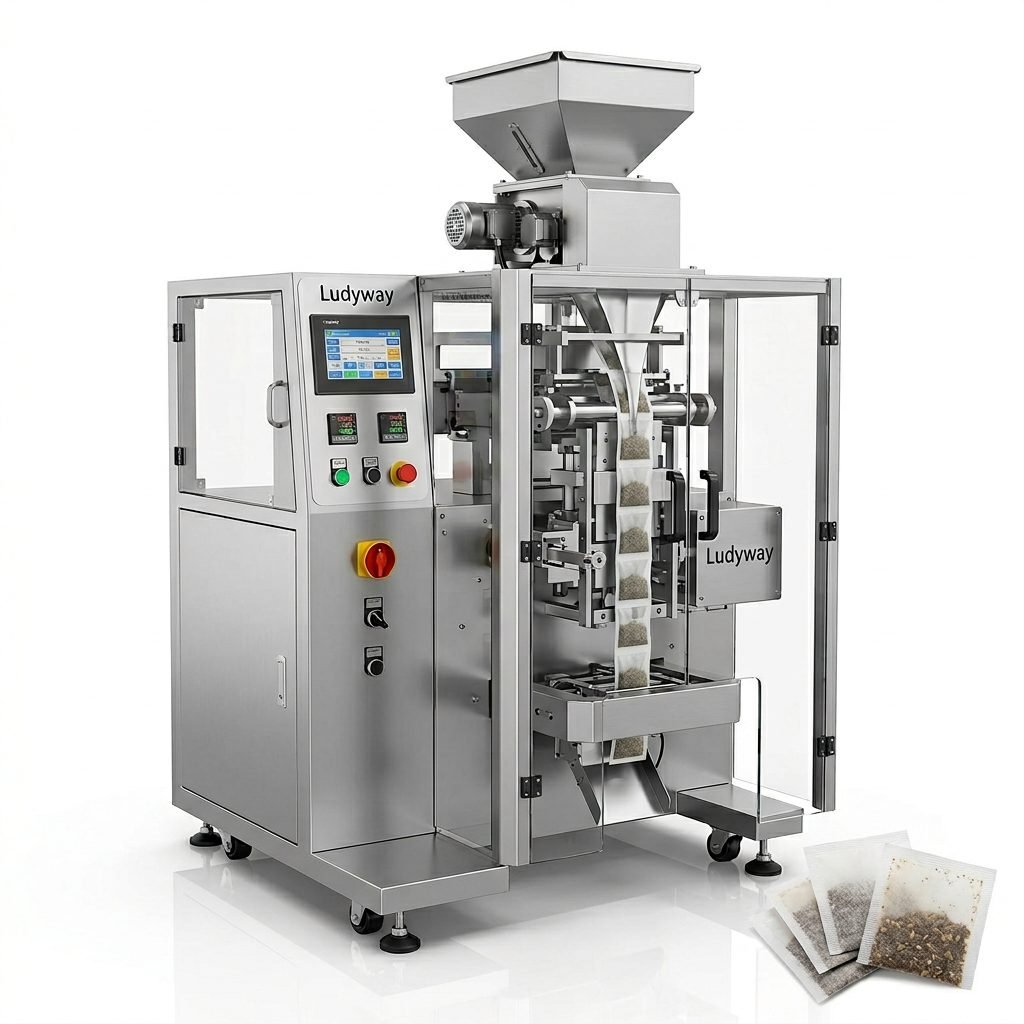
- Bag Forming and Filling: Vertical form fill seal (VFFS) or horizontal wrapping units that create the bag structure from roll stock film or non-woven fabric.
- Tagging and String Attachment: Mechanical modules that attach cotton strings and printed tags with precise heat-sealing or knotting technology.
- Envelope Overwrapping: Machines that pack individual tea bags into outer paper or foil envelopes for protection and branding.
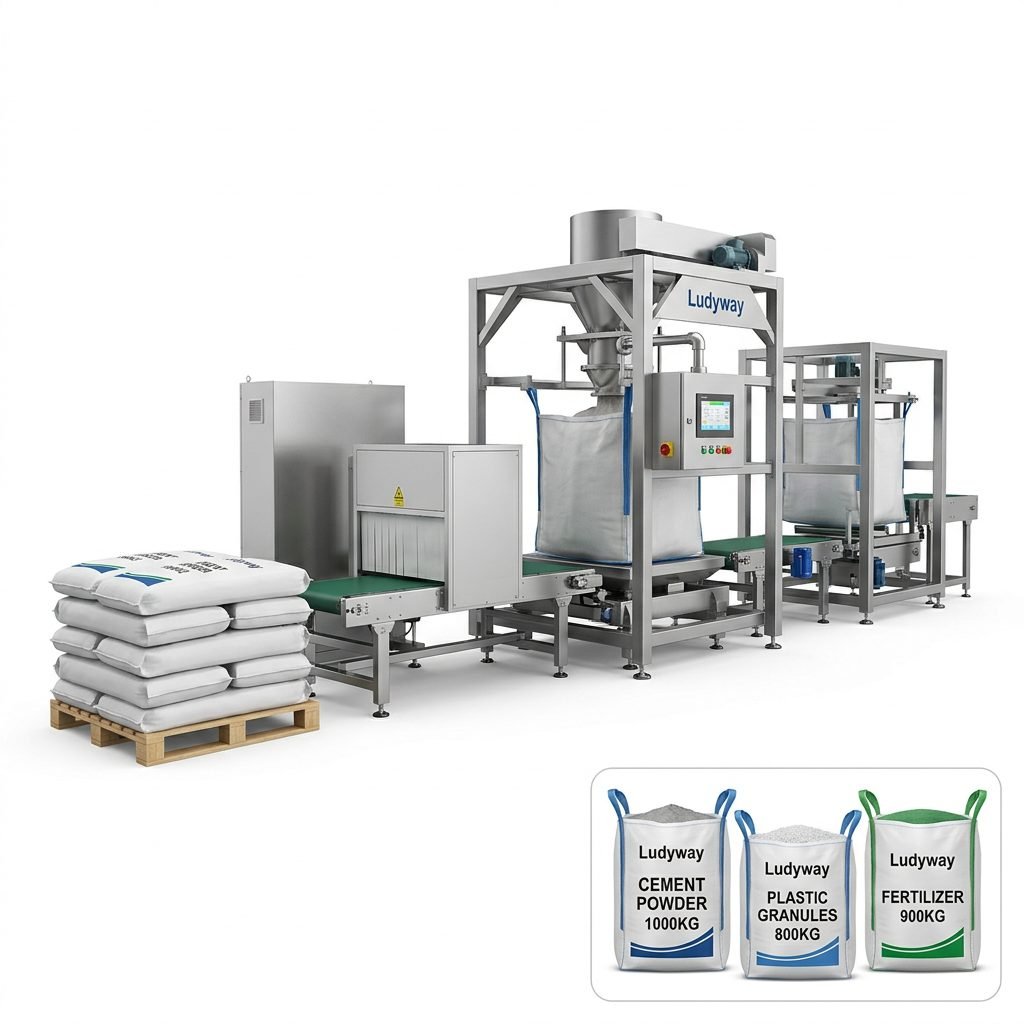
- Cartoning and Case Packing: End-of-line equipment that collates tea bags into cartons and loads them into shipping cases.
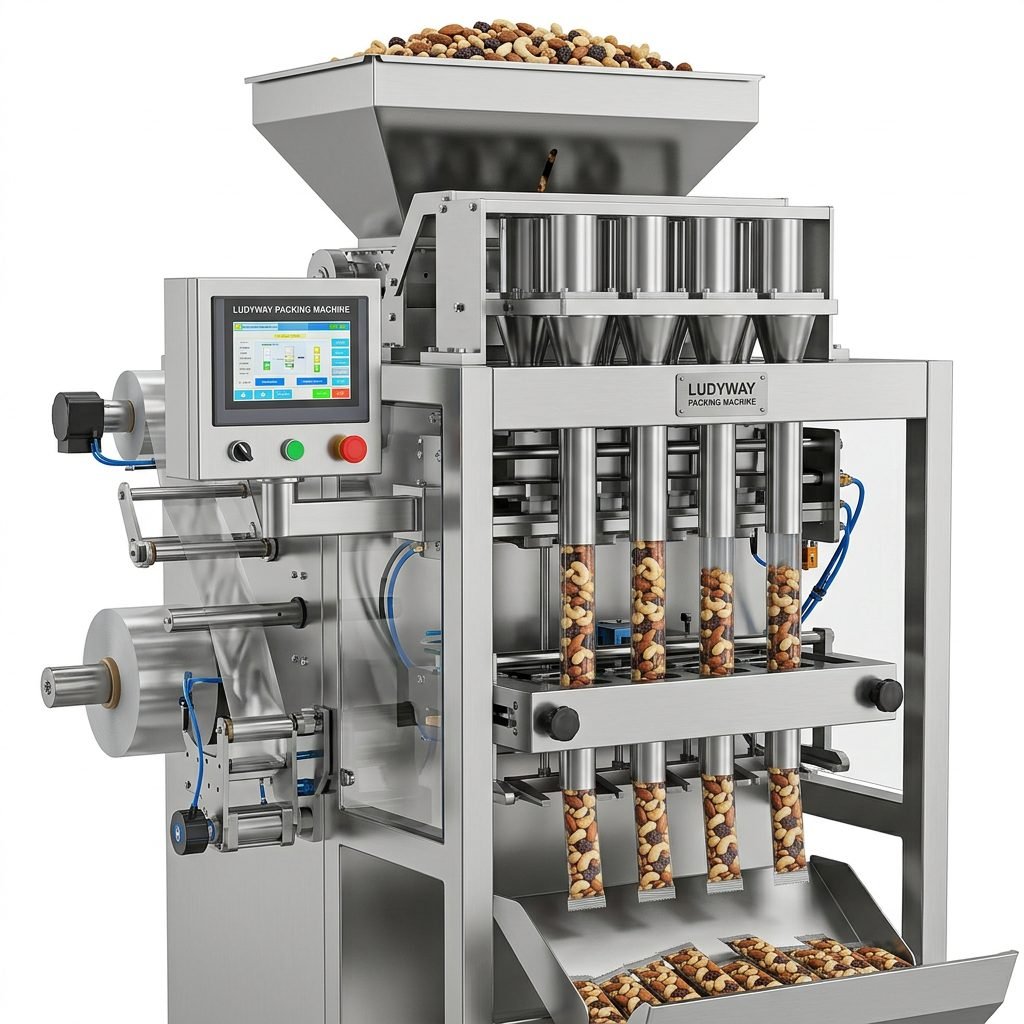
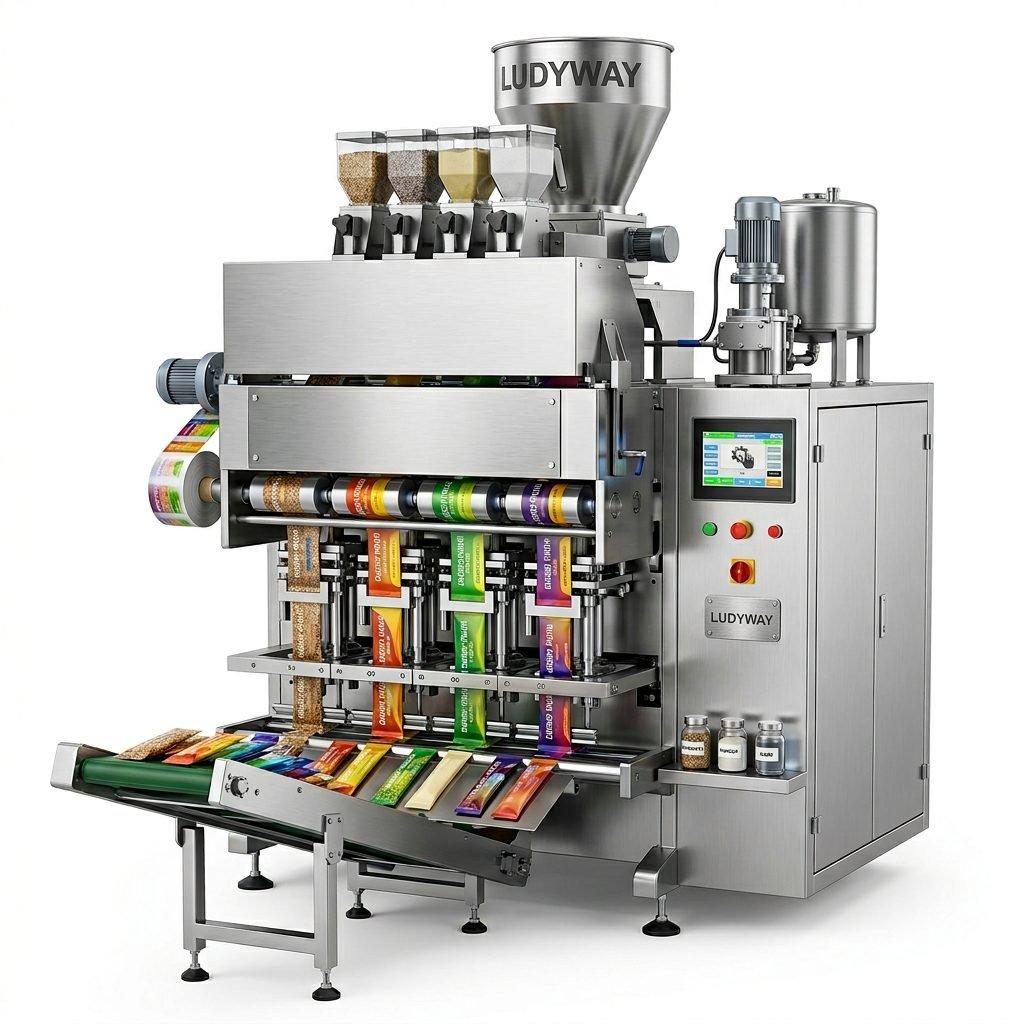
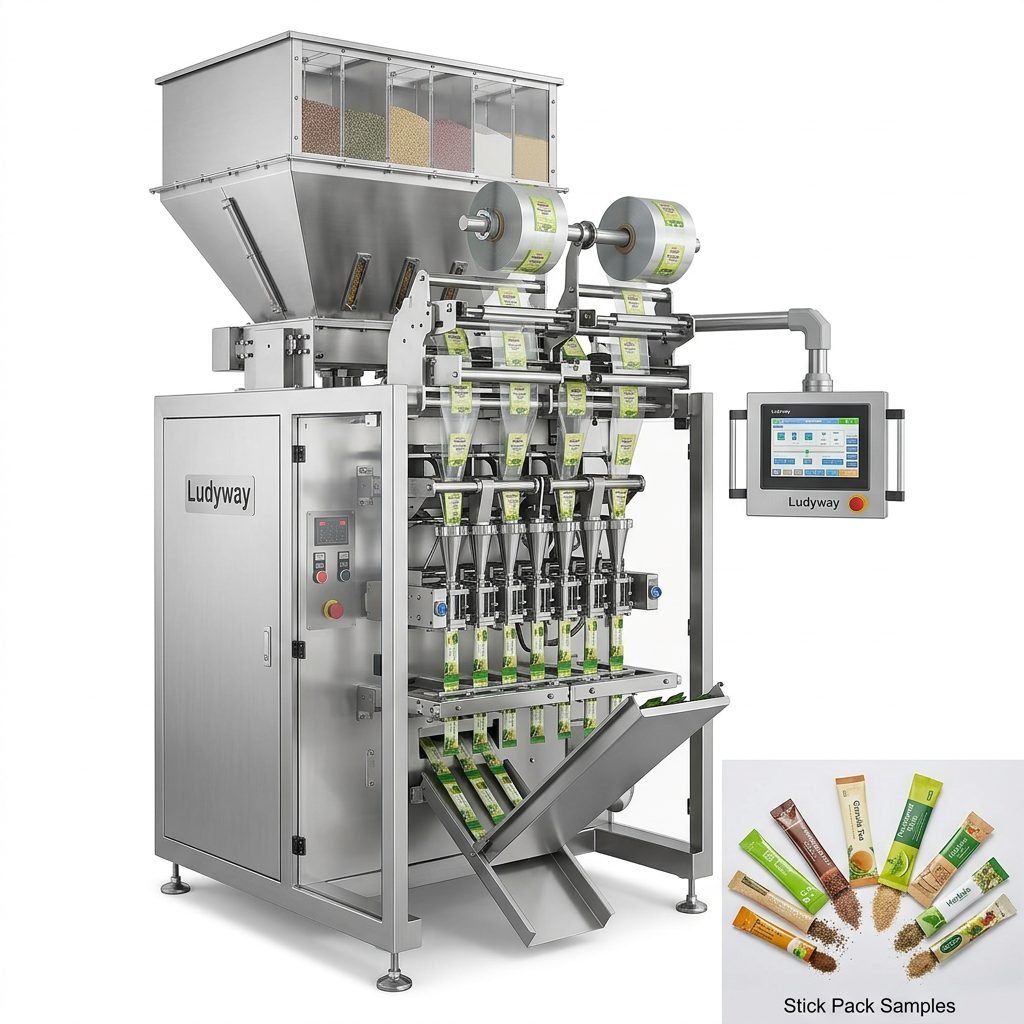
Integration of these modules requires careful planning to avoid bottlenecks. For instance, a multi-lane stick pack machine configuration can process multiple lanes simultaneously, dramatically increasing output for loose-leaf tea or powdered matcha products.
Step 1: Define Your Production Requirements and Capacity
Start by calculating your target output per minute and the range of bag formats you intend to produce. This decision directly influences the machine category you select.
| Production Scale | Typical Speed Range | Recommended Machine Type | Common Bag Formats |
|---|---|---|---|
| Small Batch / Entry Level | 30–80 bags/min | Single-lane intermittent motion | Single-chamber, flat rectangular |
| Mid-Tier Production | 120–250 bags/min | Double-lane continuous motion | Double-chamber, tag&envelope |
| High-Volume Industrial | 300–600+ bags/min | Multi-lane fully automatic system | Pyramid, stringless, round sachets |
Global buyers often underestimate the importance of changeover time. If you plan to run multiple SKUs, prioritize machines with tool-free adjustments and recipe memory settings. This flexibility supports lean manufacturing and reduces downtime between product runs.
Step 2: Select the Right Packaging Material and Film Compatibility
Tea bag packaging demands specific materials that balance breathability, heat-seal strength, and food safety compliance. Your machine must be calibrated to handle your chosen substrate without tearing or deformation.
- Filter Paper: Standard for traditional tea bags. Comes in heat-seal and non-heat-seal grades. Ensure your machine’s sealing jaw design matches the fiber content.
- Nylon / PLA Mesh: Used for pyramid bags that require visual transparency and superior infusion. Requires precise ultrasonic or heat-seal control to avoid burning the fine mesh.
- Outer Envelope Material: Typically paper/PE or paper/aluminum/PE laminates. The flexible packaging material standards from the Flexible Packaging Association provide useful guidelines for barrier properties and seal integrity.
Modern packaging lines must also align with sustainability goals. Compostable and biodegradable films are increasingly specified by European and North American buyers, requiring specialized sealing parameters and temperature controls that differ from conventional plastics.
Step 3: Facility Layout and Auxiliary Equipment Integration
A successful tea bag packaging production line extends beyond the main filling machine. Thoughtful facility layout prevents material flow interruptions and contamination risks.
Critical Auxiliary Systems
- Dehumidification and Dust Control: Tea leaves are hygroscopic and prone to absorbing moisture. Maintain relative humidity below 55% in the processing zone. Dedicated dust extraction hoods above filling stations prevent cross-contamination between flavors.
- Conveying and Elevating: Z-type bucket elevators or vacuum conveying systems transport dry tea blends gently without crushing the leaves. This preserves leaf integrity and steeping quality.
- Nitrogen Flushing: For premium tea packaging, nitrogen gas injection extends shelf life by displacing oxygen inside the envelope. Confirm that your overwrapping machine supports gas flushing manifold installation.
- Inspection and Rejection: Inline checkweighers, metal detectors, and X-ray inspection units verify fill weight and detect foreign objects. These are mandatory for FDA food packaging compliance and EU food contact material regulations.
Arrange equipment in a linear or L-shaped configuration to minimize operator travel and simplify automated loading of raw materials. Allow sufficient clearance around the machine for maintenance access and hygiene cleaning procedures.
Step 4: Automation, Controls, and Industry 4.0 Connectivity
Today’s competitive tea market demands real-time production data and predictive maintenance capabilities. When setting up your line, evaluate the control architecture offered by the machine manufacturer.
| Feature | Benefit | Application Example |
|---|---|---|
| PLC with HMI Touchscreen | Intuitive recipe management and error diagnostics | Store settings for 50+ tea blends with different fill weights and bag lengths |
| Servo-Driven Motion | Precise synchronization of film feed, sealing, and cutting | Maintains ±1mm bag length accuracy at speeds exceeding 400 bags/min |
| IoT Remote Monitoring | Real-time OEE tracking and remote troubleshooting | Production managers can monitor line performance from mobile devices |
Leading packaging operations integrate their tea bag machines with Manufacturing Execution Systems and enterprise resource planning platforms. This connectivity enables automatic batch tracking, lot code assignment, and traceability from source tea gardens to finished case packs. Industry standards such as ISO packaging standards provide frameworks for consistent quality management.
Step 5: Validation, Quality Testing, and Global Certifications
After installation, thorough validation sequences are essential before commercial production begins. This process includes Installation Qualification, Operational Qualification, and Performance Qualification protocols.
Key Quality Checkpoints
- Seal Integrity Testing: Use dye penetration tests and burst strength analyzers to verify hermetic seals on every lane. Weak seals lead to product spoilage and consumer complaints.
- Fill Weight Consistency: Continuous statistical sampling verifies that net content complies with country-specific weights and measures regulations. Non-compliance can result in fines and import rejection.
- Tag Alignment and Print Registration: Vision inspection cameras confirm that printed tags are correctly positioned and that batch codes are legible and scannable.
- Microbial and Allergen Control: Implement environmental monitoring swab programs on product contact surfaces. Dedicated lines or thorough clean-down procedures are necessary when switching between allergen-containing blends like those with nut accents.
Different target markets impose specific certification requirements. The PMMI packaging industry resources and European Packaging and Packaging Waste Regulation offer up-to-date guidance on compliance pathways for North America and the EU respectively.
Common Pitfalls to Avoid During Setup
Even experienced packaging engineers encounter challenges when configuring a new tea bag line. Awareness of these common issues can save significant time and expense.
- Inadequate Dry Tea Handling: Fragile whole-leaf teas can break during mechanical conveying. Use gentle handling equipment like vibratory feeders with amplitude control and shallow drop heights.
- Material Tension Drift: Changes in ambient temperature and humidity affect film roll tension. Closed-loop tension control systems with dancer roller feedback outperform mechanical friction brakes.
- Static Electricity Build-Up: Dry tea dust generates static that can clog weighers and cause mis-seals. Install ionization bars at critical transfer points and maintain grounding continuity.
- Insufficient Operator Training: Comprehensive training on machine operation, sanitation, and basic troubleshooting reduces dependence on manufacturer technical support and maximizes uptime.
Partnering with an Experienced Packaging Machinery Manufacturer
Selecting a reliable equipment partner is fundamental to the success of your tea bag packaging project. Look for manufacturers with a proven track record in food-grade packaging systems, global installation references, and responsive after-sales support. Evaluating factors such as factory size, engineering team depth, and export experience helps reduce risk.
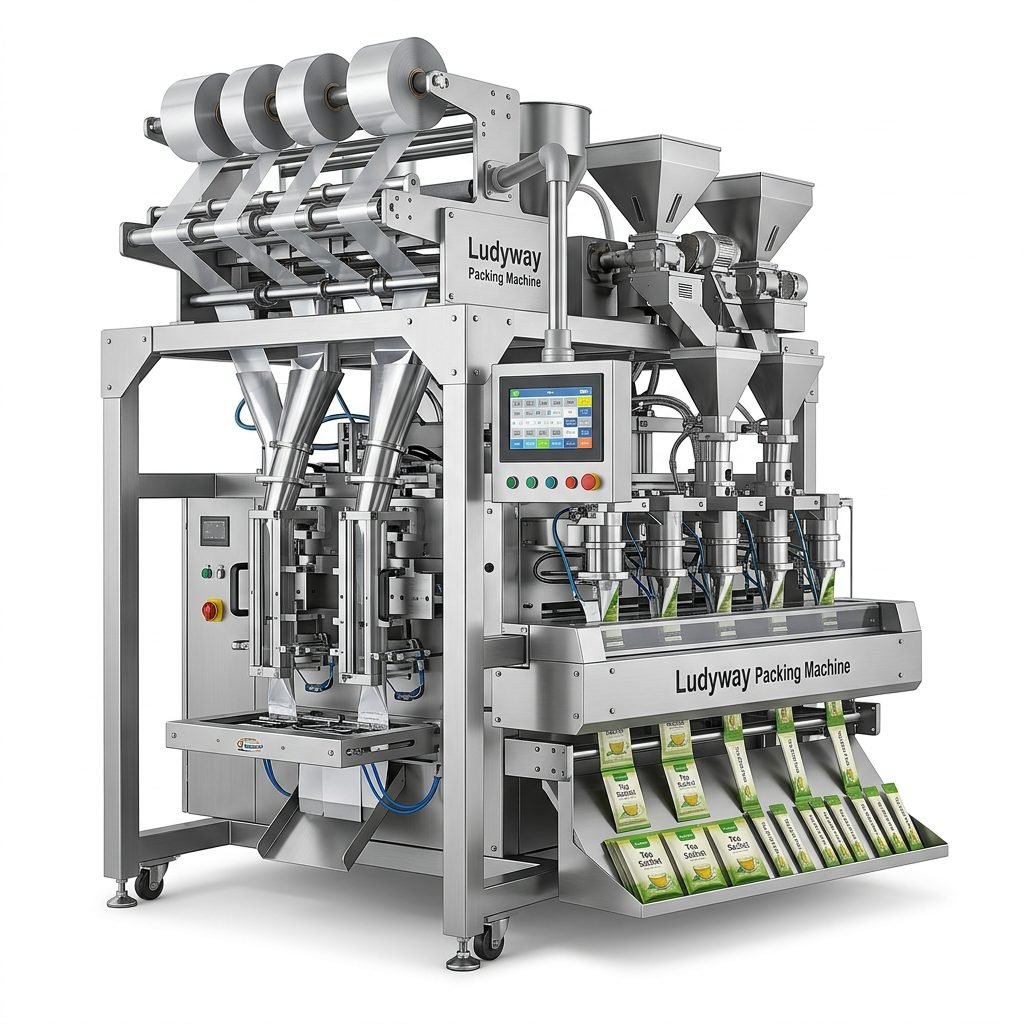
Ludyway is one of the largest packaging machine manufacturers in China, specializing in advanced packaging equipment and turnkey production solutions for the food, pharmaceutical, and health industries. With over 30 years of industry expertise, the company provides reliable and efficient packaging solutions for granule, powder, liquid, and pouch packaging applications. Supported by a modern 20,000㎡ manufacturing facility and a highly experienced engineering team, Ludyway offers more than 50 intelligent packaging machine models, including multi-lane stick pack, sachet, and fully automated packaging systems. Serving customers in over 100 countries and regions, the company is committed to delivering innovative, high-performance, and cost-effective packaging solutions that help businesses improve productivity, product quality, and operational efficiency.
Future-Proofing Your Tea Bag Packaging Investment
The global tea market continues to shift toward premiumization, functional wellness blends, and sustainable packaging formats. When setting up your production line, build in adaptability to accommodate these long-term trends.
| Trend | Implication for Your Production Line | Recommended Feature |
|---|---|---|
| Biodegradable Mesh Bags | Sealing windows narrower; material tensile strength lower | Servo-driven ultrasonic sealing with adjustable amplitude |
| Single-Origin and Limited Editions | Frequent changeovers between short runs | Quick-release forming tube and automatic film splicing |
| E-commerce Ready Packaging | Outer cartons must withstand parcel shipping conditions | Tighter shrink wrapping and reinforced case packing with corner protection |
Periodic technology audits and collaboration with your equipment supplier on retrofits will keep your line competitive. Exploring modular machine designs at the initial purchase stage allows you to add lanes, upgrade control systems, or integrate new bag formats without replacing the entire asset. Resources from the PMMI Business Intelligence Library and the Flexible Packaging Association Knowledge Hub provide ongoing market analysis and technical benchmarking.
Maintenance Planning and Spare Parts Strategy
Proactive maintenance directly correlates with overall equipment effectiveness. Develop a tiered maintenance schedule that includes daily cleaning checklists, weekly lubrication routines, and quarterly functional inspections of safety interlocks and sensor calibrations.
- Daily: Cleaning of sealing jaws, film paths, and dust collection filters.
- Weekly: Inspection of belts, chains, and pneumatic lines for wear or leaks.
- Monthly: Verification of thermocouple accuracy and heater element resistance.
- Annually: Full gearbox oil changes, servo drive diagnostic reports, and major component life cycle assessment.
Maintain a critical spare parts inventory on-site to reduce mean time to repair. Items such as sealing bands, cutting blades, thermocouples, and formed tubes should be stocked based on manufacturer recommendations and your historical consumption data. Your equipment partner should provide a detailed recommended spares list tailored to your specific machine configuration and expected production hours.
Navigating Import Regulations and Shipping Logistics
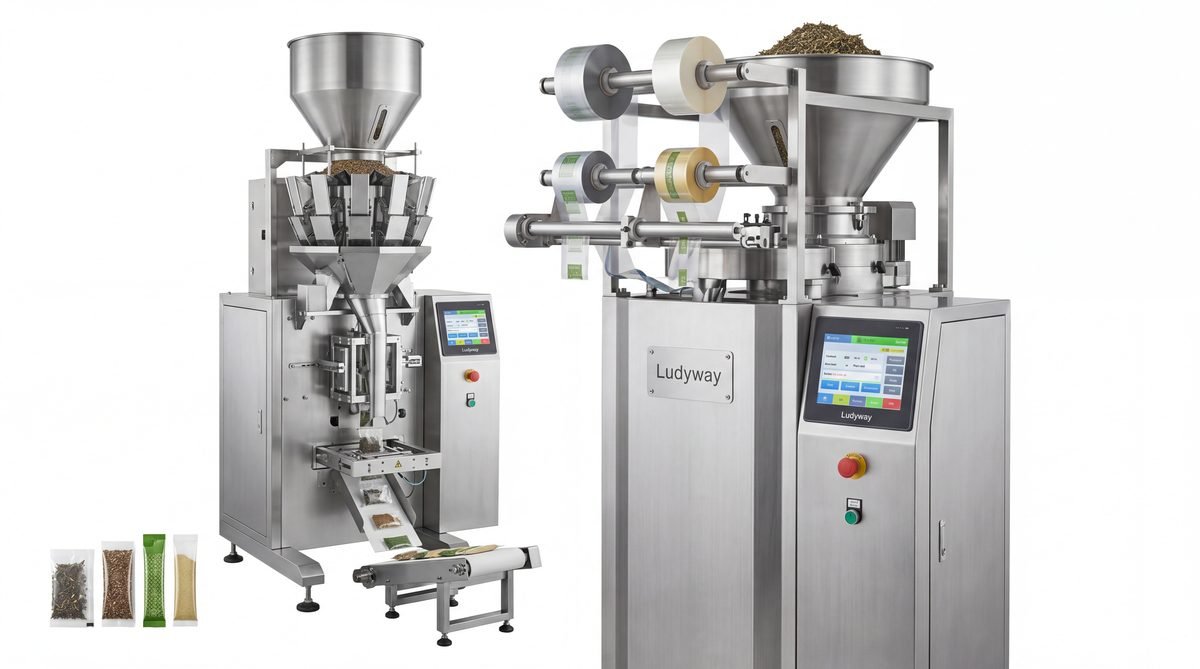
When importing a complete tea bag packaging production line across borders, factor in customs clearance, duties, and local electrical standards. Provide your supplier with the correct voltage, phase, and frequency requirements so the machine is built with compliant motors and control panels. Request comprehensive documentation including certificates of origin, packing lists, and technical datasheets to expedite customs brokerage.
Consider scheduling a Factory Acceptance Test before shipment and a Site Acceptance Test after installation to verify that performance specifications are met under your actual operating conditions with your own tea materials. These tests are accepted practices referenced in ISO 11607 packaging validation standards and quality management frameworks.
Training Your Workforce for Operational Excellence
Invest in structured training programs that cover not only machine operation but also safety protocols, format changeover procedures, and basic troubleshooting. Documented standard operating procedures ensure consistent performance across shifts and reduce reliance on individual operator experience. Many equipment suppliers offer on-site training during commissioning, as well as periodic refresher sessions and digital training resources.
Empower your team to perform first-line diagnostics using the machine’s HMI interface. Understanding error codes, jam clearance procedures, and quality sample frequency enables faster response to deviations and helps maintain continuous production flow.
Setting up a tea bag packaging machine production line is a strategic investment that requires methodical planning, technical knowledge, and the right manufacturing partner. By carefully evaluating your capacity needs, material compatibility, facility infrastructure, and automation requirements, you can establish a high-performance line capable of meeting diverse global market demands.