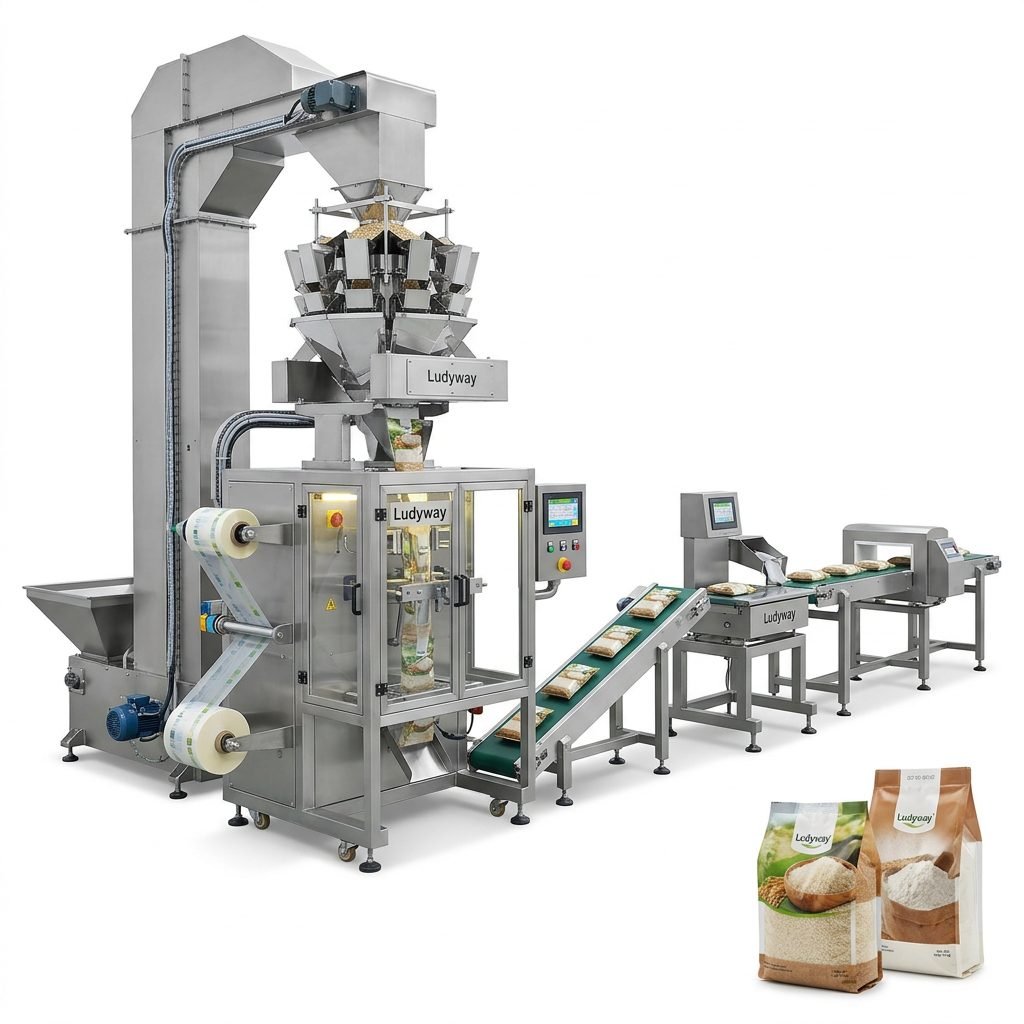
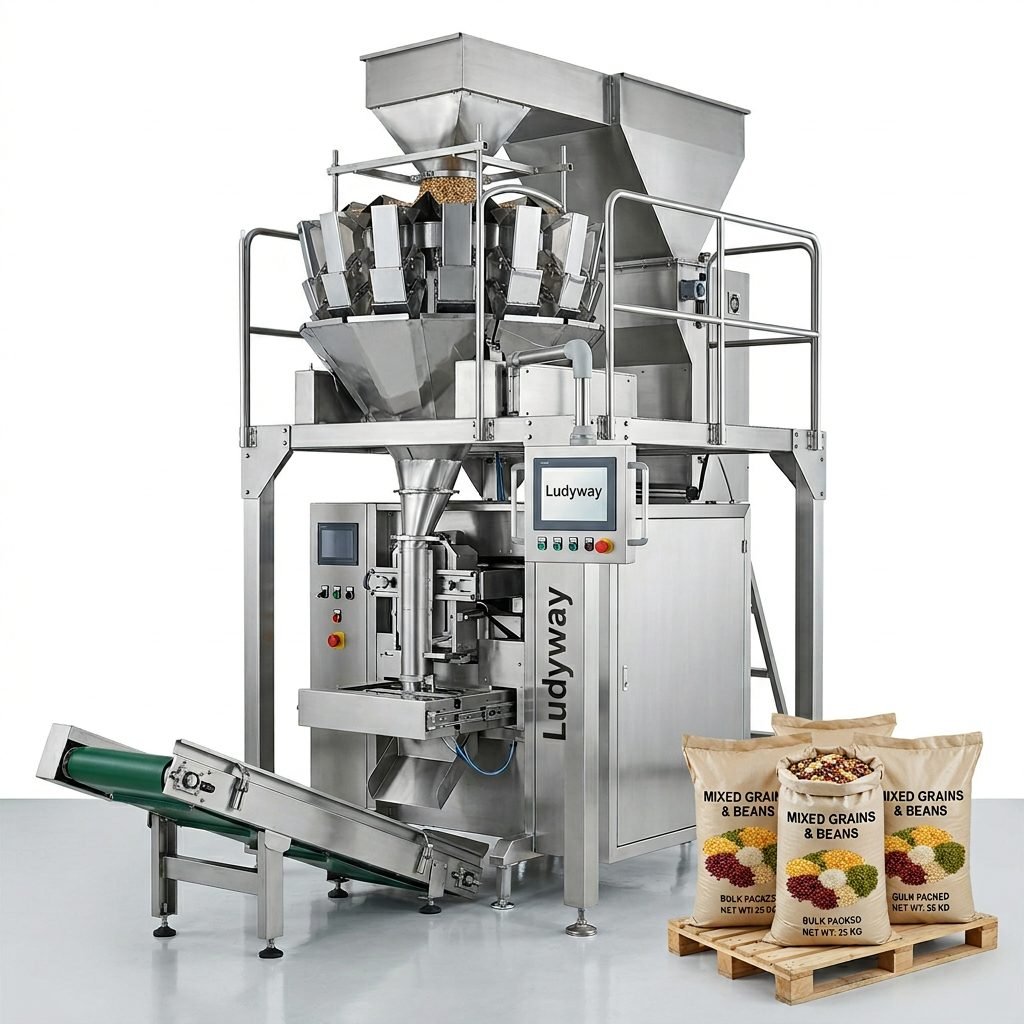
Investing in a charcoal packaging machine is a significant decision for any manufacturer. Whether you are packaging activated carbon powder, charcoal briquettes, or granular charcoal for grilling, the right equipment directly impacts your production efficiency, product shelf life, and overall profitability. With so many machine types, configurations, and suppliers available, making the wrong choice can lead to costly downtime, inconsistent fill weights, and packaging material waste.
This complete buyer’s guide walks you through the essential factors to evaluate before purchasing a charcoal packaging machine, helping you match equipment capabilities to your specific production requirements.
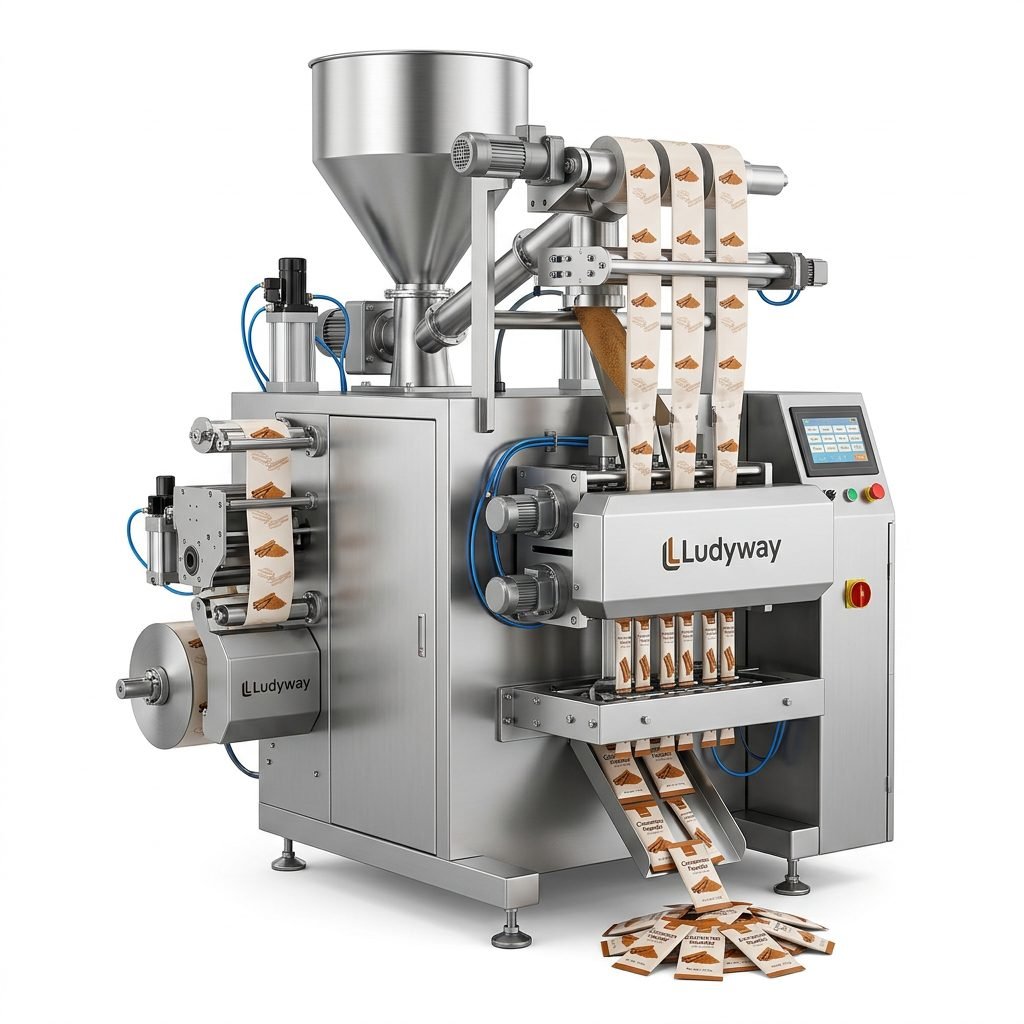
Understanding the Challenges of Charcoal Packaging
Charcoal is not a single material — it comes in various forms: fine powder, irregular granules, compressed briquettes, and activated carbon with specific density characteristics. Each form presents unique packaging challenges that your machine must handle effectively.
Fine charcoal powder, for example, is highly dusty and prone to airborne dispersion during filling. This creates operational hazards and can affect dosing accuracy if not properly managed. Larger briquettes require gentler handling to avoid breakage and dust generation. Activated charcoal may demand airtight sealing to preserve its adsorption properties. A well-engineered charcoal packaging machine should address these material-specific challenges through proper dosing systems, dust extraction, and sealing technology.
Key Factors to Evaluate Before Buying
1. Charcoal Type and Material Characteristics
The physical properties of your charcoal product — particle size, bulk density, flowability, moisture content, and dust level — are the starting point for machine selection. A machine designed for free-flowing granules may struggle with cohesive charcoal powder that bridges or clumps in the hopper. Similarly, abrasive charcoal materials can accelerate wear on contact parts, making durable construction materials like stainless steel essential for long-term reliability.
Before contacting suppliers, document your material’s key characteristics and share them during the consultation process. Reputable manufacturers will use this data to recommend appropriate dosing mechanisms — such as auger fillers, volumetric cup fillers, or multi-head weighers — that match your product’s behavior.
2. Packaging Format and Bag Style
Charcoal products are packaged in many formats, from small single-use sachets to large bulk bags. The packaging format determines the machine type and configuration you need. Common formats include:
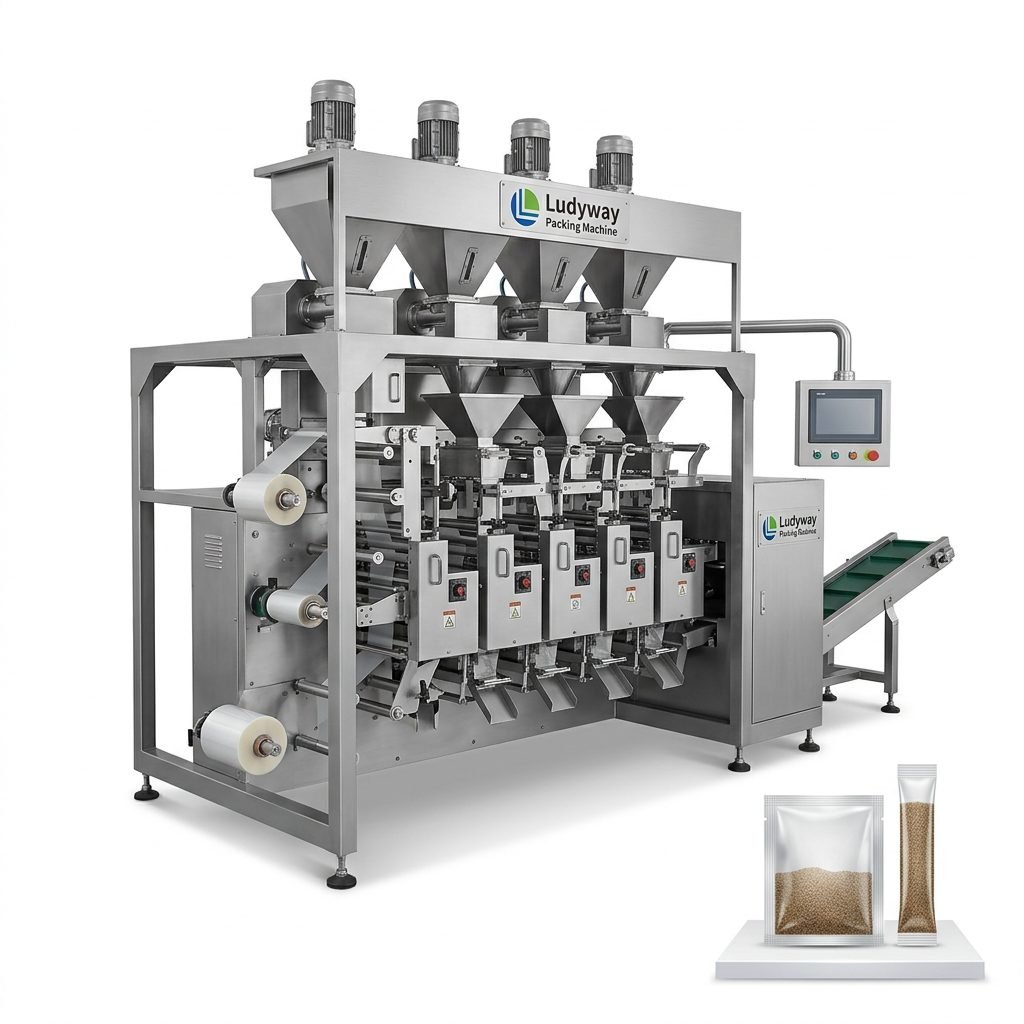
- Stick packs and sachets — ideal for single-use activated charcoal powder portions
- Pillow pouches and gusseted bags — popular for retail charcoal briquettes
- Stand-up pouches with zippers — premium retail format with resealable features
- Open-mouth bags and valve bags — common for bulk industrial charcoal
- Jumbo bags (FIBC) — for high-volume bulk transport applications
Your chosen charcoal packing machine should be configurable for your current bag size range with flexibility to accommodate future format changes.
3. Production Speed and Capacity Requirements
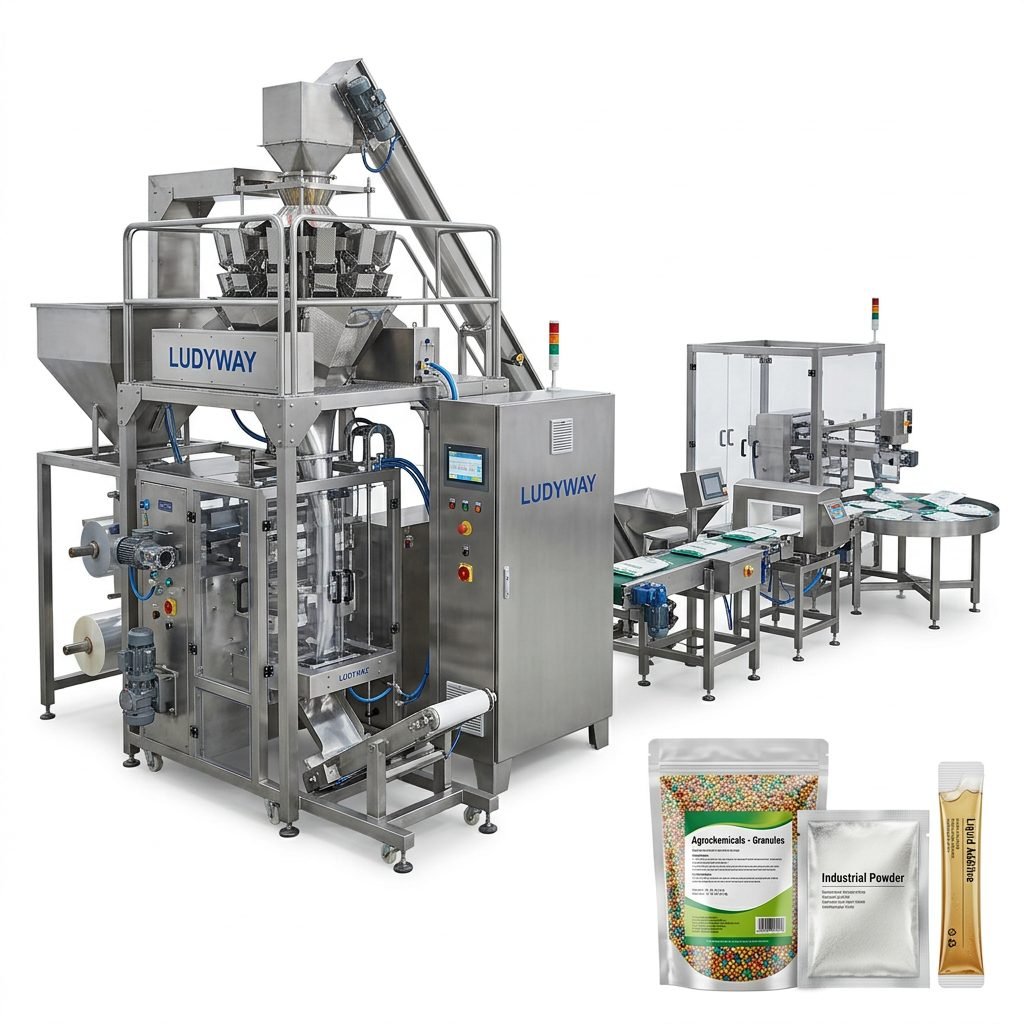
Production throughput is measured in bags per minute (BPM) or tons per hour, depending on the packaging scale. A small artisan charcoal producer may only need 10–20 BPM, while a large industrial operation might require multi-lane systems capable of 200+ BPM. Realistically assess your current and projected output needs. Under-specifying leads to production bottlenecks, while over-specifying wastes capital on unused capacity.
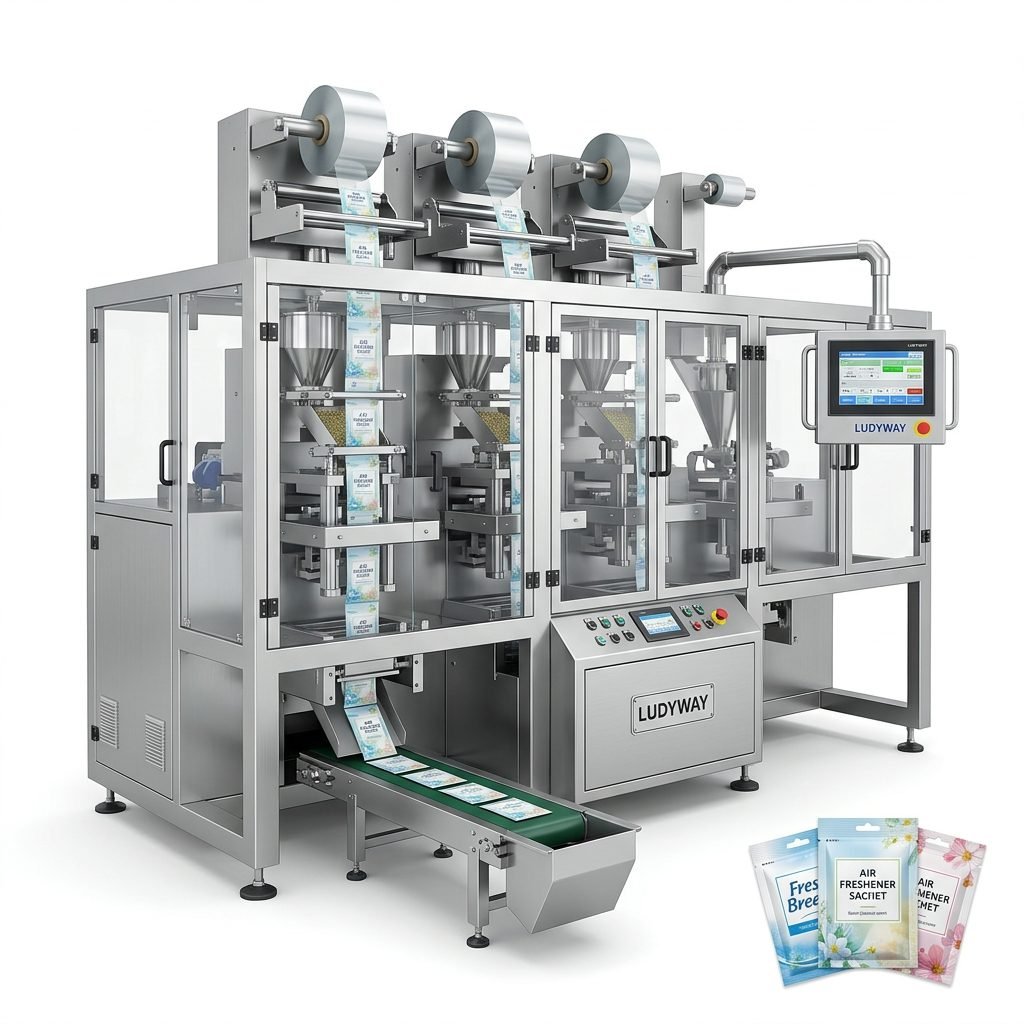
Multi-lane stick pack and sachet machines offer significantly higher throughput for small-format charcoal powder products, running 4 to 12 lanes simultaneously. For larger bag formats, single-lane machines with automated weighing and bagging systems provide reliable medium-speed operation.
4. Filling Accuracy and Dosing Technology
Consistent fill weights protect your profit margins and ensure regulatory compliance. The dosing technology must match your charcoal’s flow characteristics. Auger fillers provide excellent accuracy for fine powders, while multi-head combination weighers deliver high speed and precision for granular and briquette charcoal products. Verify the specified accuracy at your target speeds — some systems lose precision at maximum throughput.
For activated charcoal used in food and pharmaceutical applications, precise dosing is not just about cost control — it is a quality and safety requirement subject to strict tolerance standards.
5. Packaging Material Compatibility
Charcoal products often require multi-layer barrier films to prevent moisture absorption, odor transfer, and carbon dust leakage. Your machine must handle the specific film types — such as PET/AL/PE, BOPP/CPP, or paper-laminate structures — that provide adequate protection for your product’s shelf life. Verify sealing temperature range, jaw design, and film tension control capabilities with each machine under consideration.
Some ISO packaging standards specify requirements for certain packaging material performance, which may influence material selection and machine compatibility.
6. Dust Control and Operator Safety
Charcoal dust is not just a nuisance — it is a respiratory hazard and potential combustible dust risk in high concentrations. Look for machines with integrated dust extraction ports, enclosed filling zones, and sealed hopper designs. Proper dust management improves weighing accuracy, reduces cleaning frequency, and creates a safer working environment. Some advanced charcoal packaging machines feature vacuum-assisted filling systems that actively capture airborne particles at the point of fill.
7. Automation Level and Line Integration
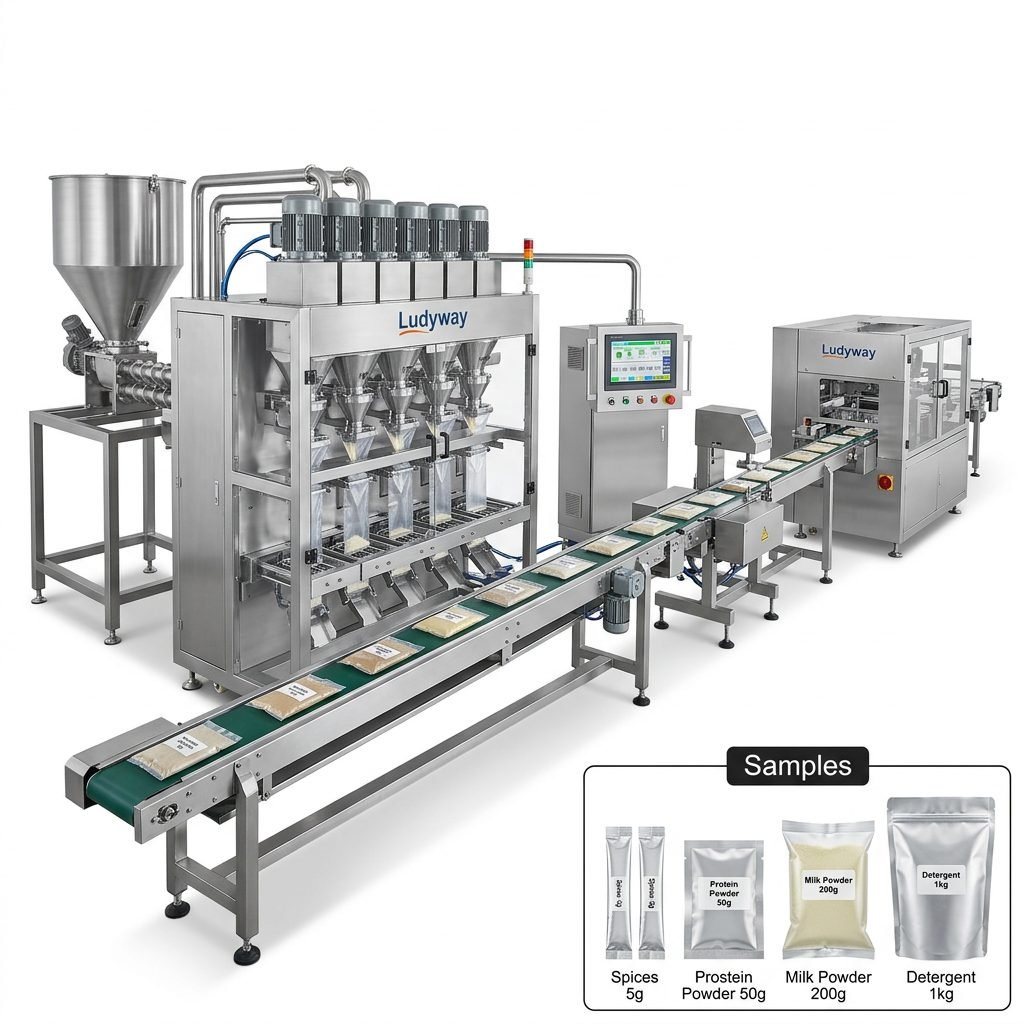
Modern charcoal packaging lines can incorporate a wide range of automated functions beyond basic filling and sealing. Consider whether you need:
- Automatic feeding systems (bucket elevators, vacuum conveyors, screw feeders)
- Inline checkweighing for quality assurance and reject systems
- Metal detection and X-ray inspection for contaminant control
- Date coding and batch printing for traceability
- Cartoning and case packing for secondary packaging
- Palletizing systems for end-of-line automation
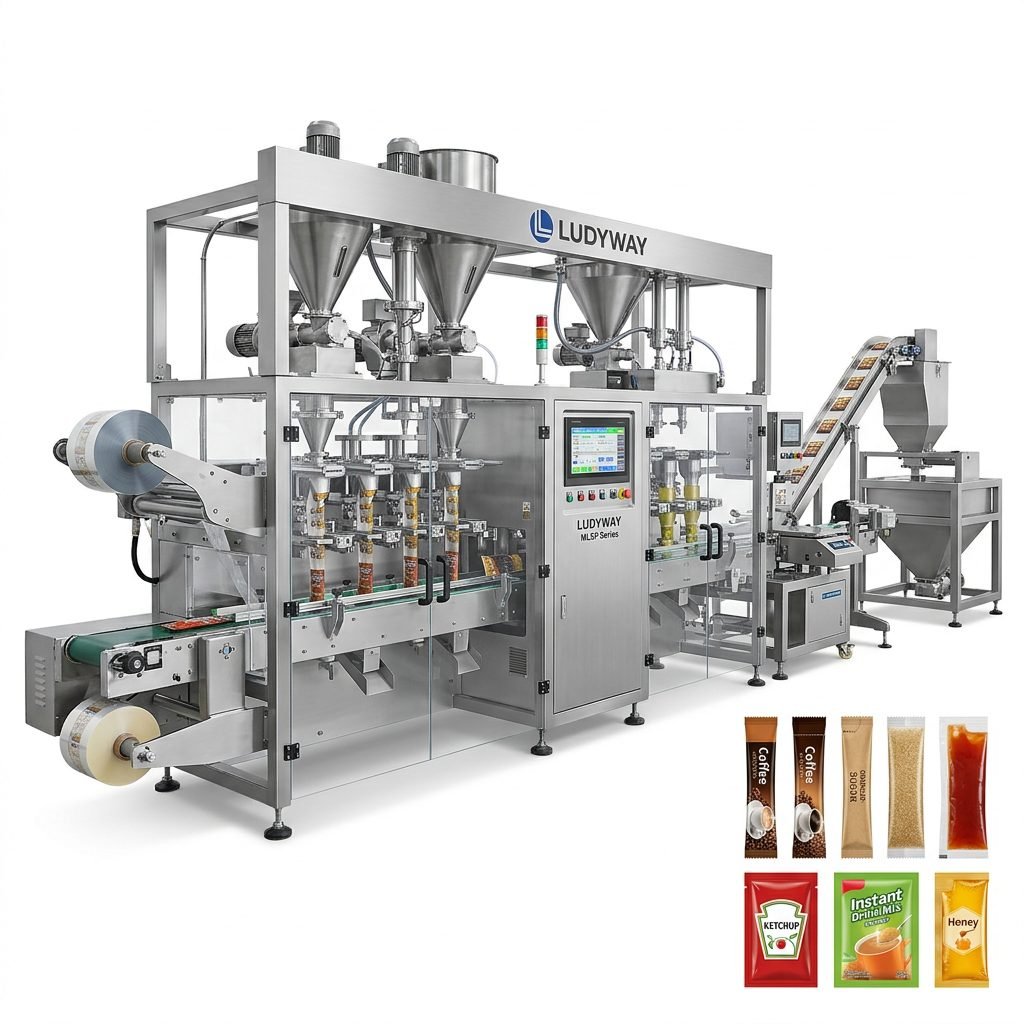
A fully integrated turnkey packaging line reduces manual handling, improves consistency, and often delivers faster ROI than piecemeal equipment investments. When evaluating suppliers, assess their ability to provide complete line engineering and integration services, not just individual machines.
Comparing Charcoal Packaging Machine Types
The table below summarizes the most common machine configurations used for charcoal packaging applications, helping you narrow your options based on product format and production scale.
| Machine Type | Best For | Typical Speed Range | Key Considerations |
|---|---|---|---|
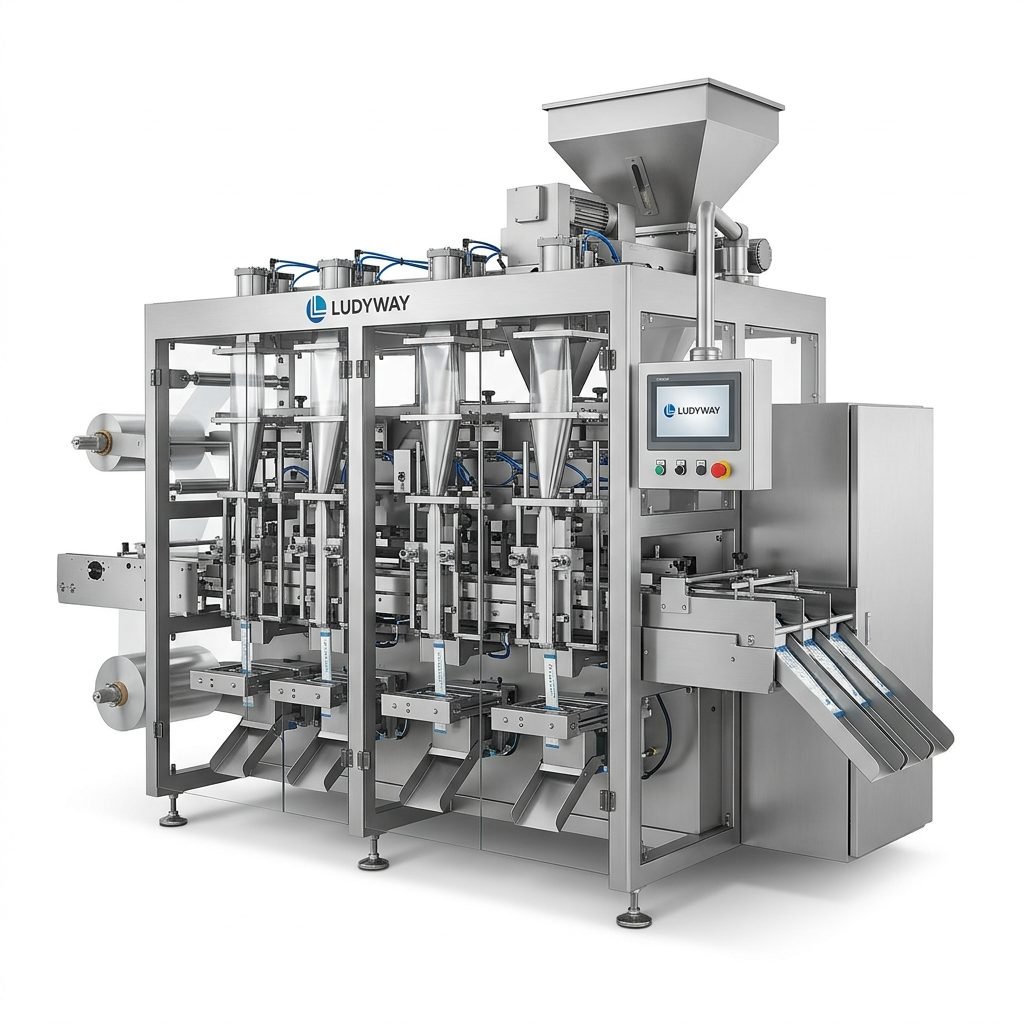
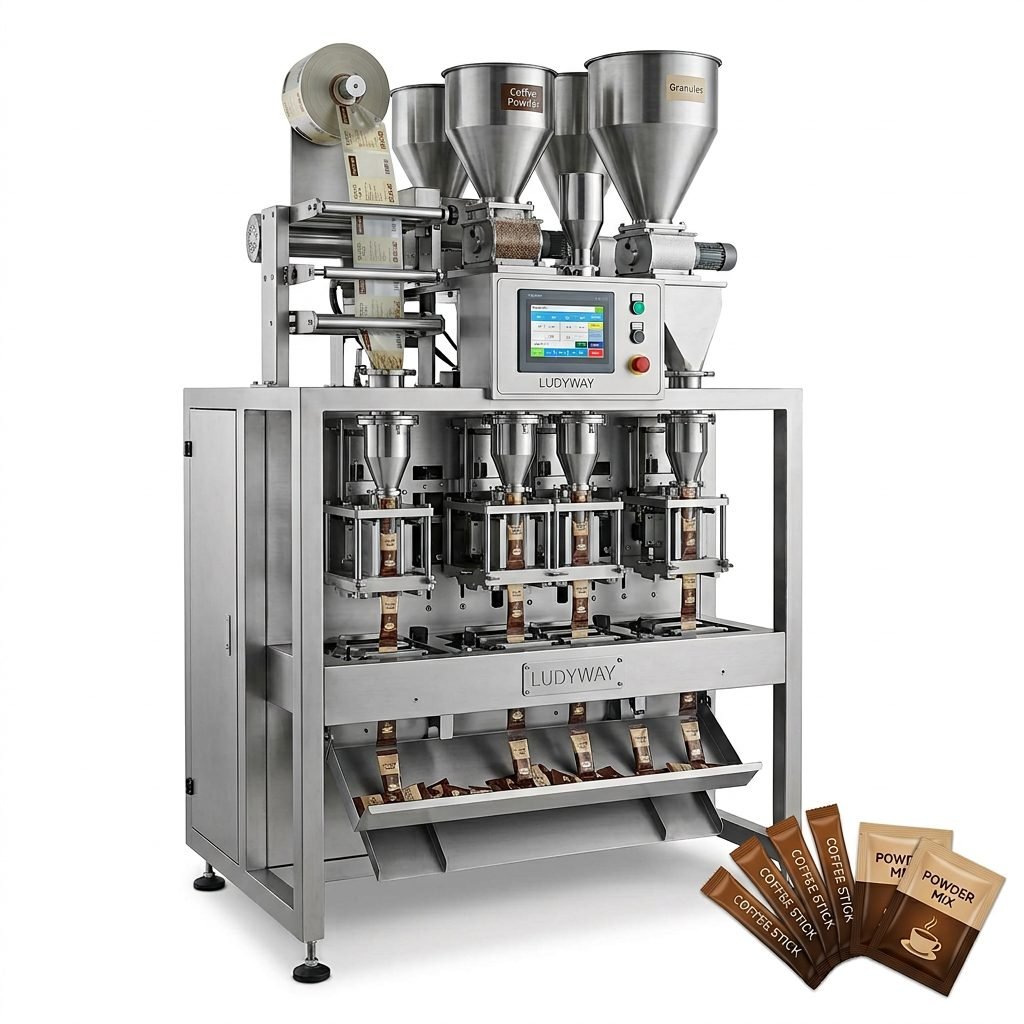
| Multi-Lane Stick Pack Machine | Fine powder, single-serve activated charcoal | 100–400 packs/min | High output, compact format, requires consistent powder flow |
| Vertical Form Fill Seal (VFFS) | Granules, briquettes, medium bags | 30–120 bags/min | Versatile bag styles, widely used, good for retail formats |
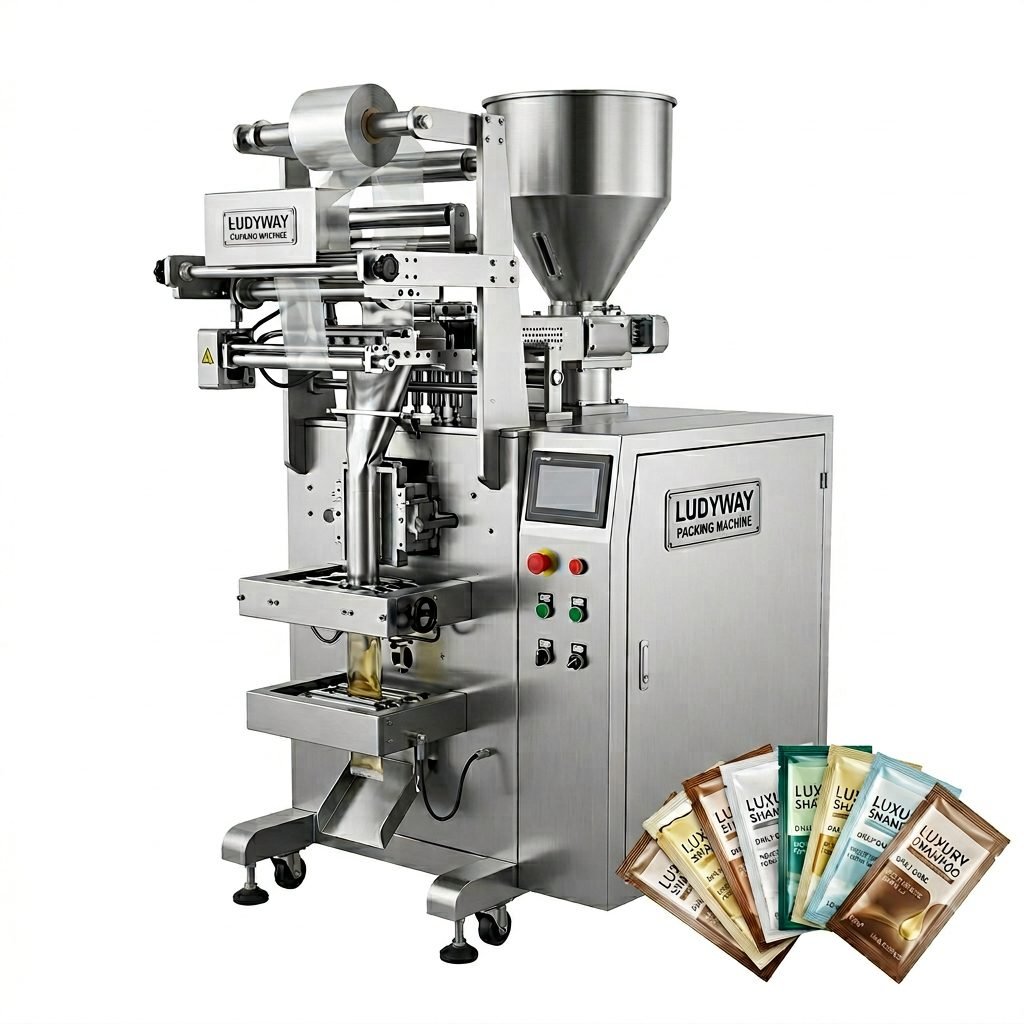
| Premade Pouch Machine | Stand-up pouches, zipper bags, premium retail | 15–60 pouches/min | High-quality pouch presentation, flexible format changes |
| Open-Mouth Bagging System | Bulk charcoal, 5–50 kg bags | 3–15 bags/min | Heavy-duty construction, net weigh or gross weigh options |
| Jumbo Bag (FIBC) Filler | Bulk industrial charcoal, 500–1500 kg | 1–5 bags/min | High-capacity, dense product handling, pallet integration |
Questions to Ask Potential Suppliers
Before finalizing a purchase, engage suppliers with specific technical questions that reveal their expertise and machine suitability:
- Can you provide video demonstrations of your machine running charcoal or similar powder products?
- What dosing system do you recommend for my specific material characteristics, and why?
- How does the machine handle dust containment, and what filtration options are available?
- What are the changeover times between different bag sizes or formats?
- Do you offer factory acceptance testing (FAT) with our actual product before shipment?
- What spare parts and after-sales support do you provide in our region?
- Can the machine integrate with our existing upstream and downstream equipment?
The Value of Working with Experienced Manufacturers
Charcoal packaging requires specialized knowledge that not all general packaging machinery suppliers possess. An experienced manufacturer understands how charcoal’s abrasive nature, dust generation, and variable flow properties affect machine performance over time. They can recommend appropriate wear-resistant materials, sealing technologies, and dust management strategies that extend equipment life and maintain consistent output.
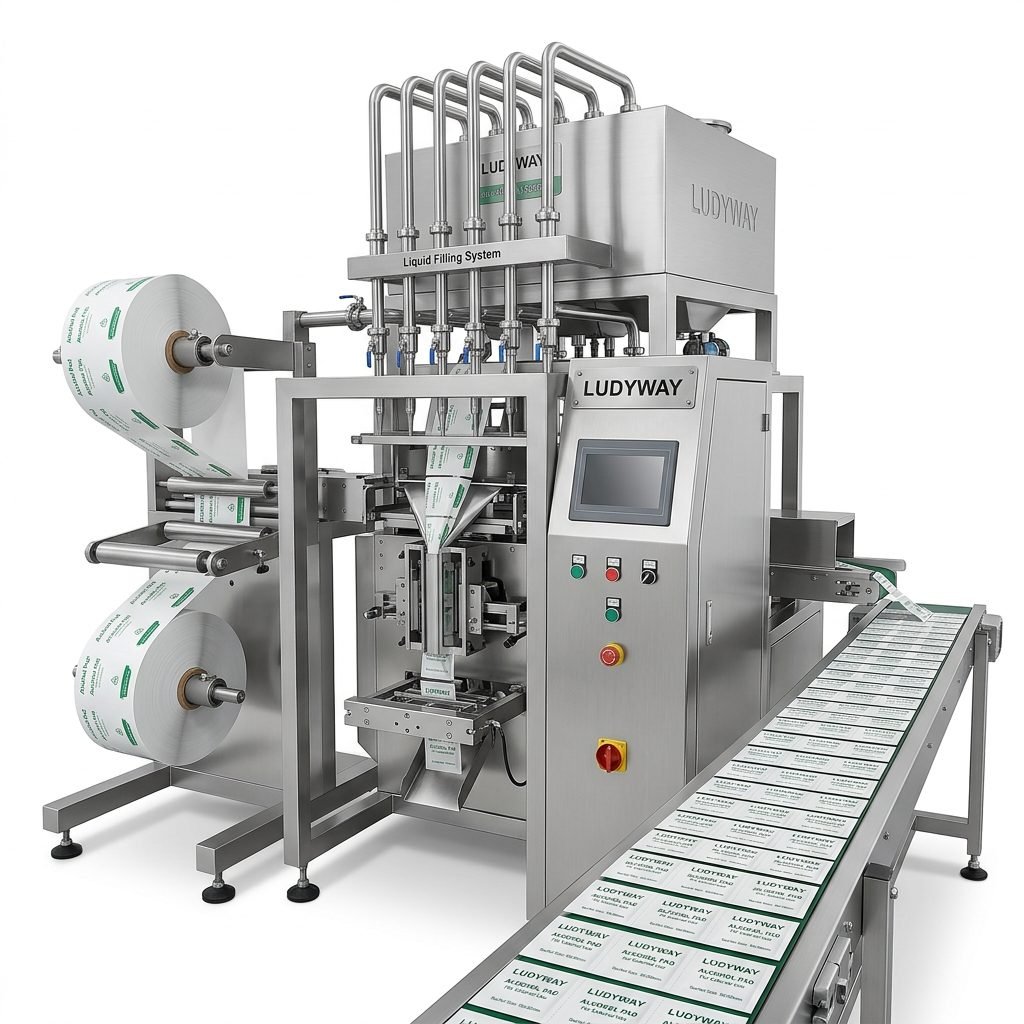
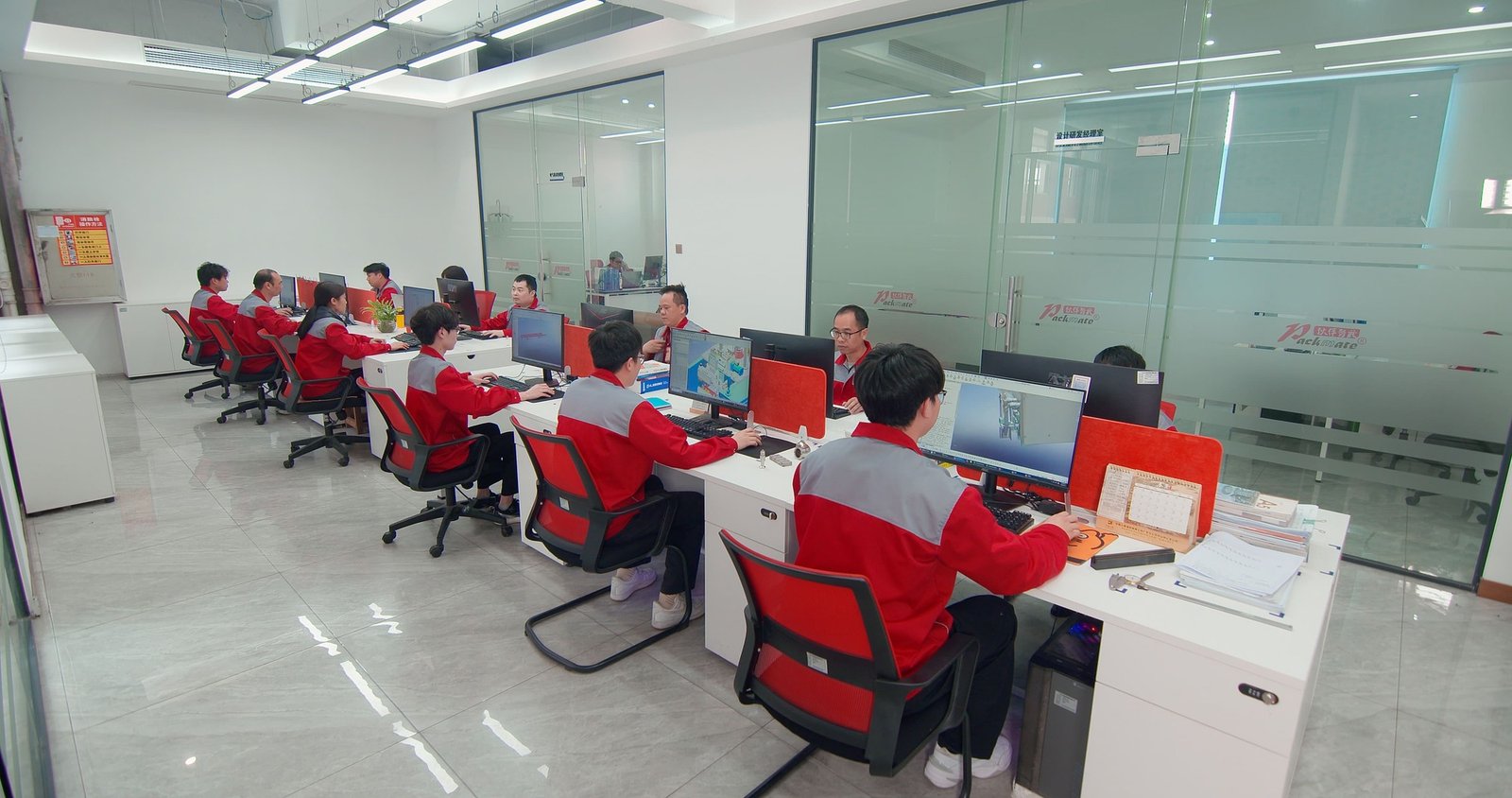
Companies like Ludyway Machinery, with decades of packaging machinery manufacturing experience and a broad portfolio covering powder, granule, and liquid packaging applications, offer customized packaging solutions tailored to specific product requirements. Working with a supplier that provides integrated engineering, installation, and ongoing technical support simplifies the procurement process and reduces long-term operational risk.
Budget Considerations and ROI Analysis
The purchase price of a charcoal packaging machine is only one part of the total cost equation. A comprehensive total cost of ownership (TCO) analysis should include:
- Initial capital expenditure — machine cost, shipping, installation, and commissioning
- Operating costs — packaging film consumption, energy usage, labor requirements
- Maintenance and spare parts — routine wear items, recommended spare parts inventory
- Downtime risk — reliability track record, local service availability, response times
- Efficiency gains — reduced give-away, faster changeovers, lower labor costs, fewer rejects
A machine with a higher upfront cost but superior reliability, accuracy, and support often achieves faster payback than a budget option that suffers from frequent downtime and inconsistent output. Industry data from PMMI’s packaging machinery market research consistently shows that operational efficiency gains often outweigh incremental equipment costs over the machine’s service life.
Testing and Validation Before Commitment
Never purchase a charcoal packaging machine without validating its performance with your actual product. Arrange for product trials at the manufacturer’s facility or request sample runs with your charcoal material. During testing, observe:
- How the product flows through the feeding and dosing system
- Seal integrity and consistency across multiple speed settings
- Dust generation levels during continuous operation
- Actual fill weight variation at your target production speed
- Ease of cleaning and changeover procedures
This hands-on evaluation often reveals practical considerations that specification sheets alone cannot communicate.
Making the Final Decision
Selecting the right charcoal packaging machine requires balancing technical requirements, production goals, budget constraints, and supplier capabilities. Prioritize machine configurations that match your charcoal’s physical properties and your target packaging format. Verify dosing accuracy, dust control features, and sealing performance through actual product trials. Choose a supplier with demonstrated experience in powder and granule packaging who can provide comprehensive support from installation through the equipment’s service life.
The right investment today builds a foundation for consistent quality, higher throughput, and lower operational costs for years to come. Take the time to evaluate your options thoroughly — your production efficiency and bottom line depend on it.
For further reading on packaging machinery standards and industry trends, explore resources from PMMI – The Association for Packaging and Processing Technologies and the Flexible Packaging Association.