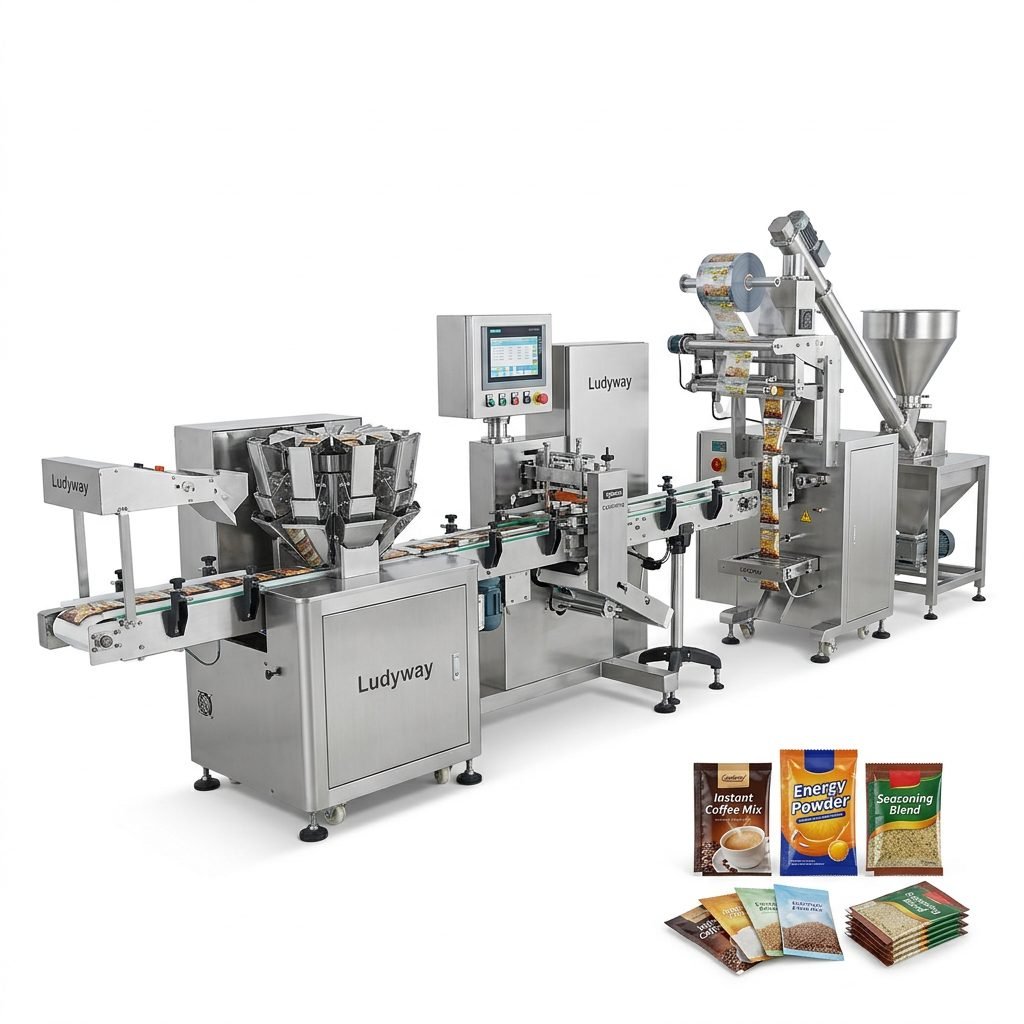
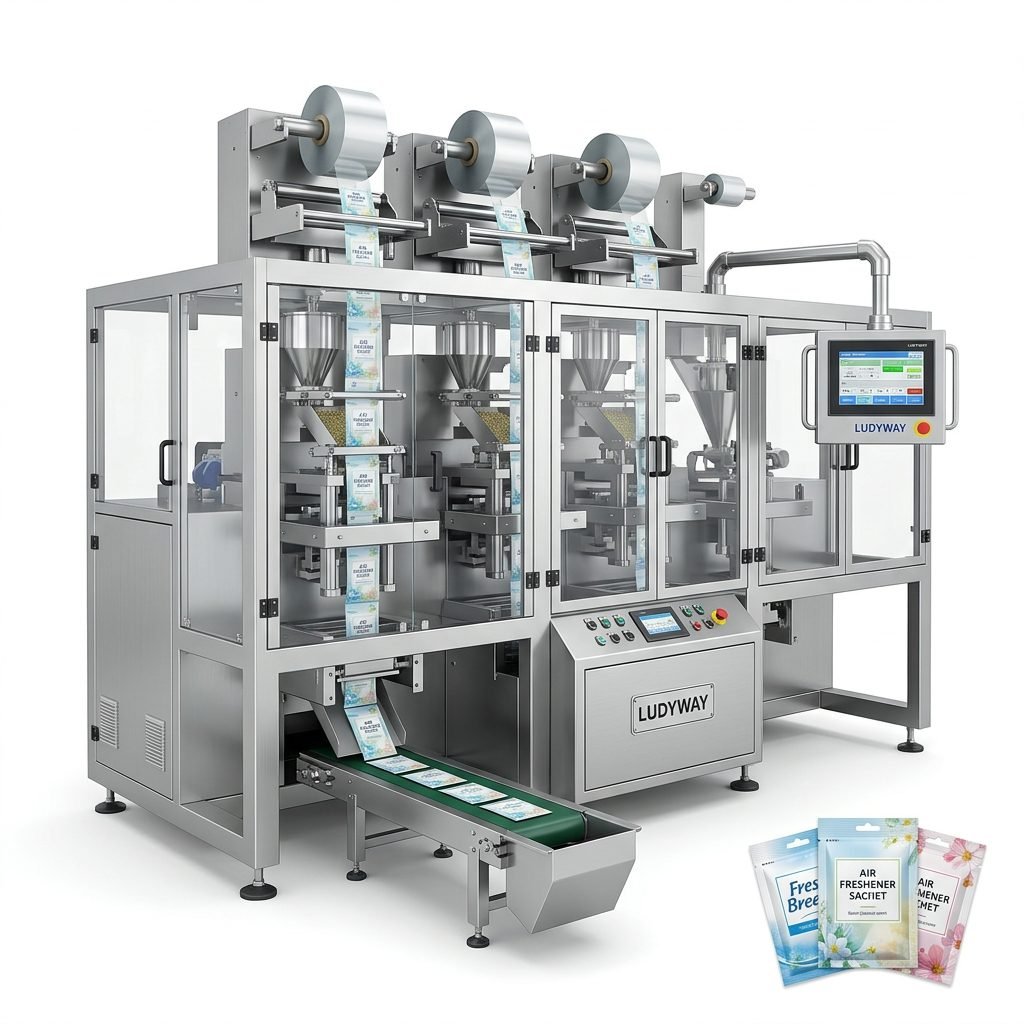
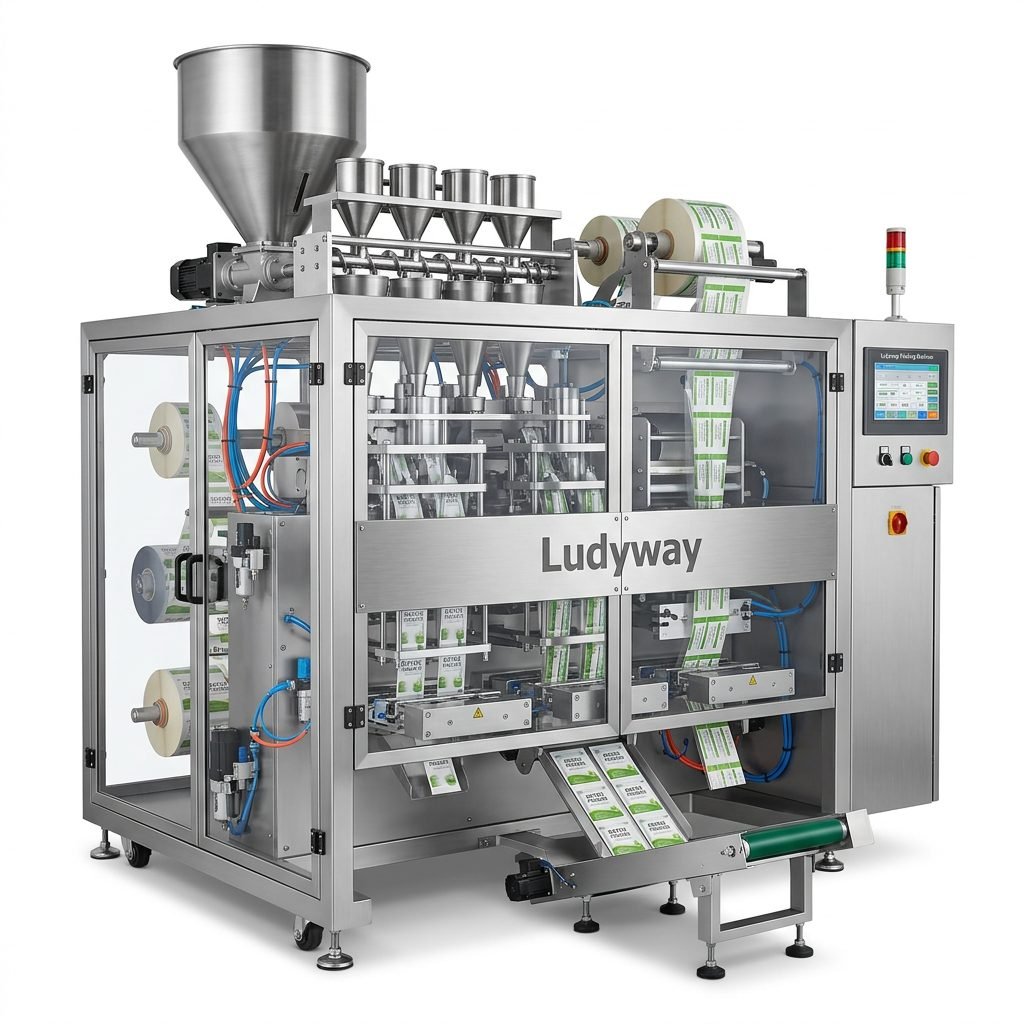
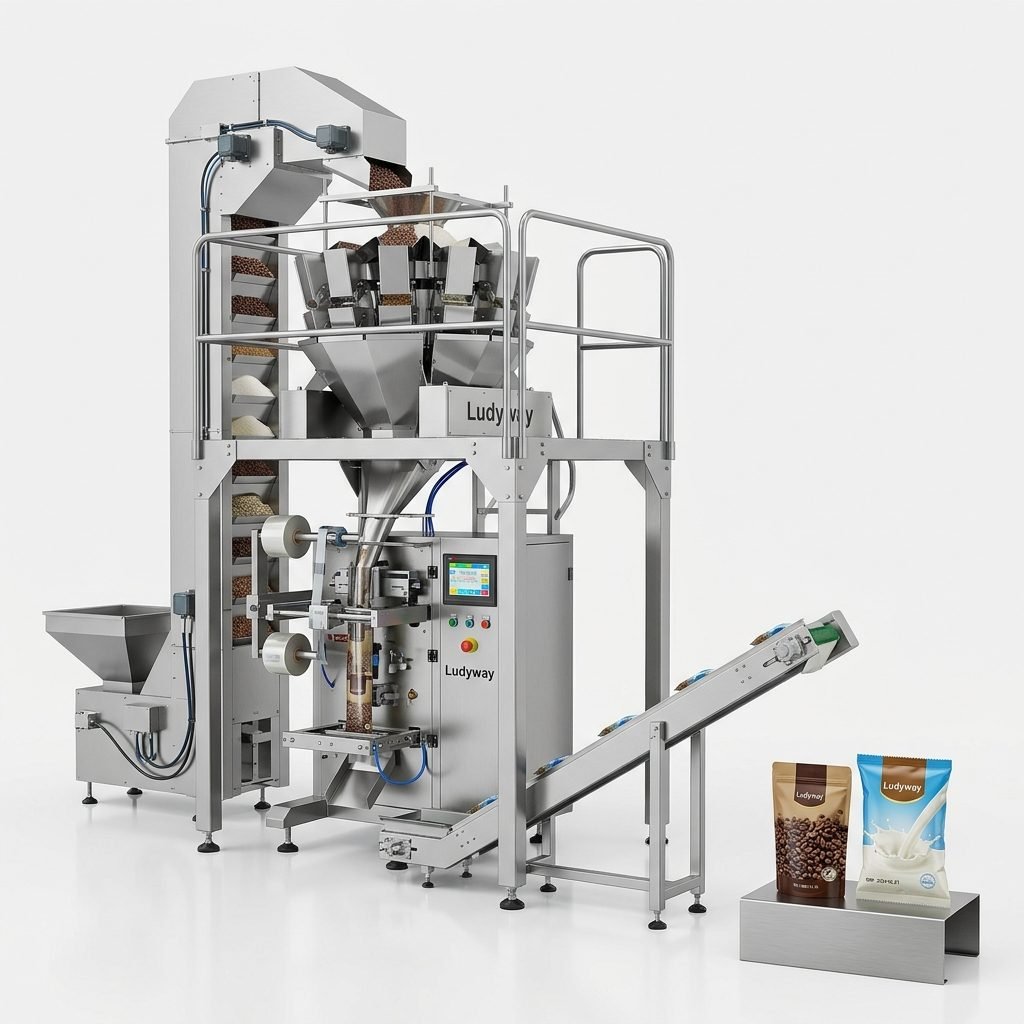
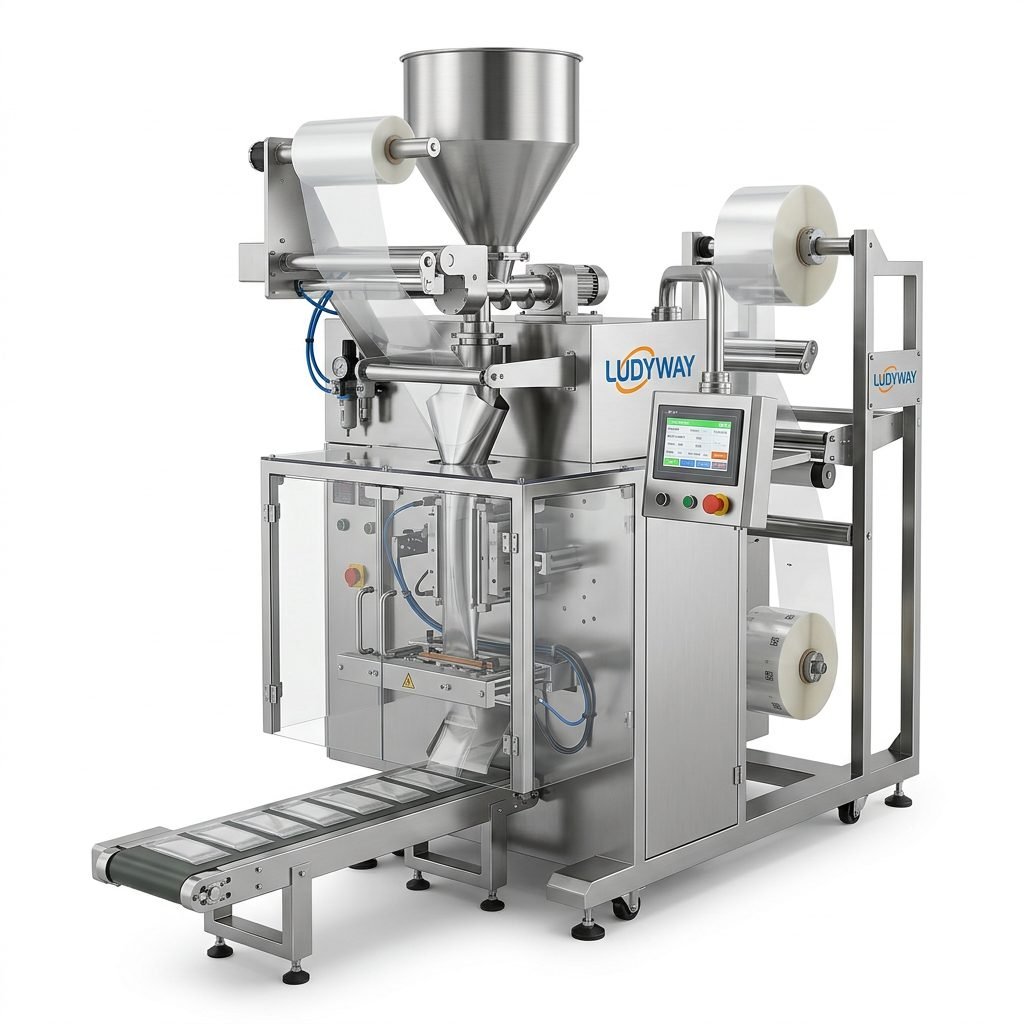
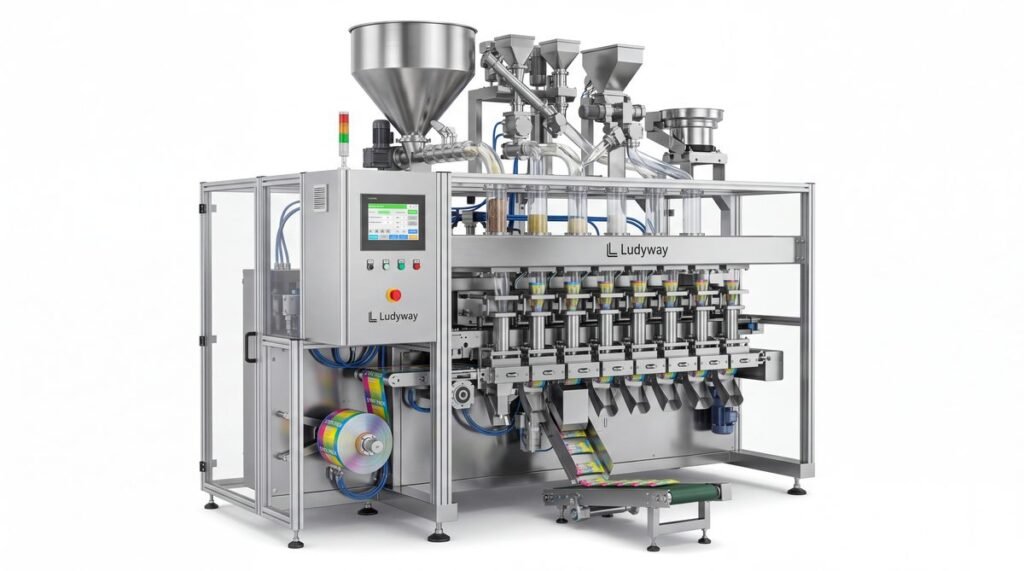
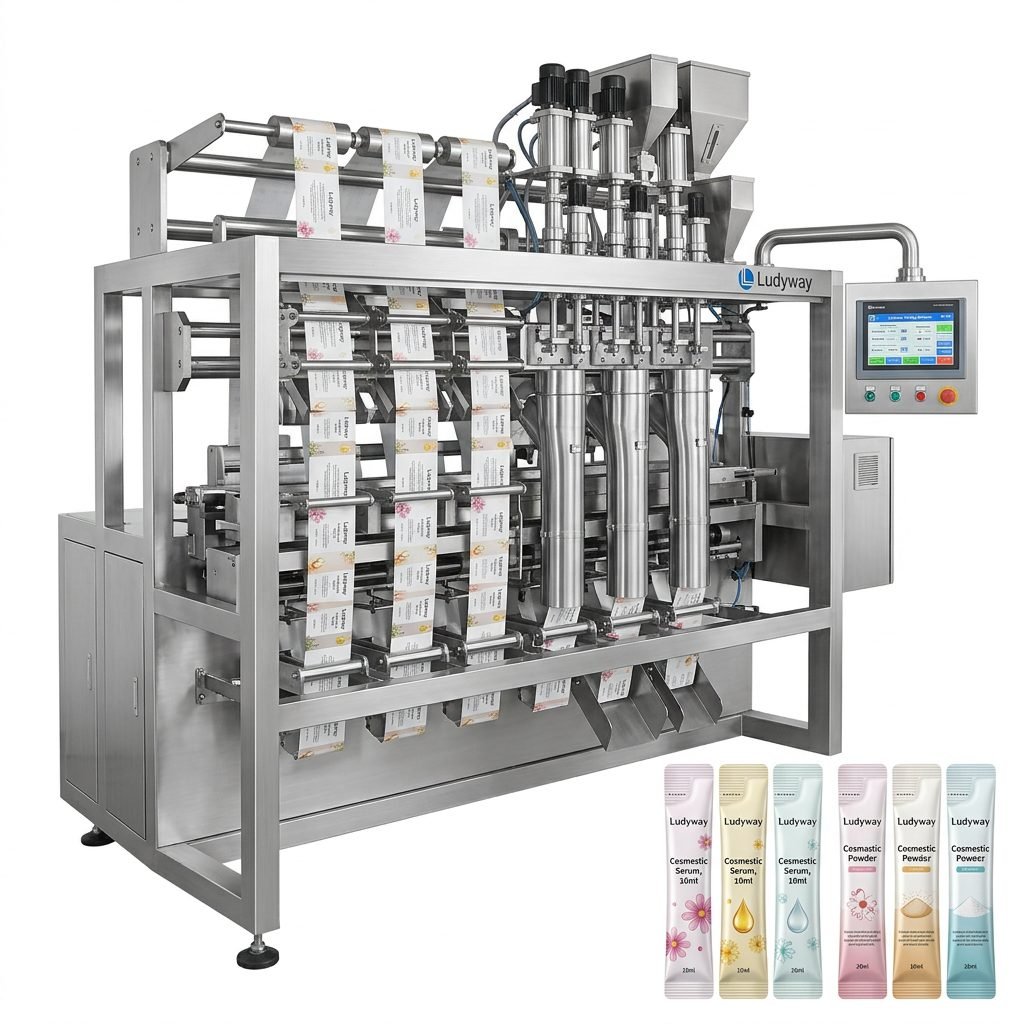
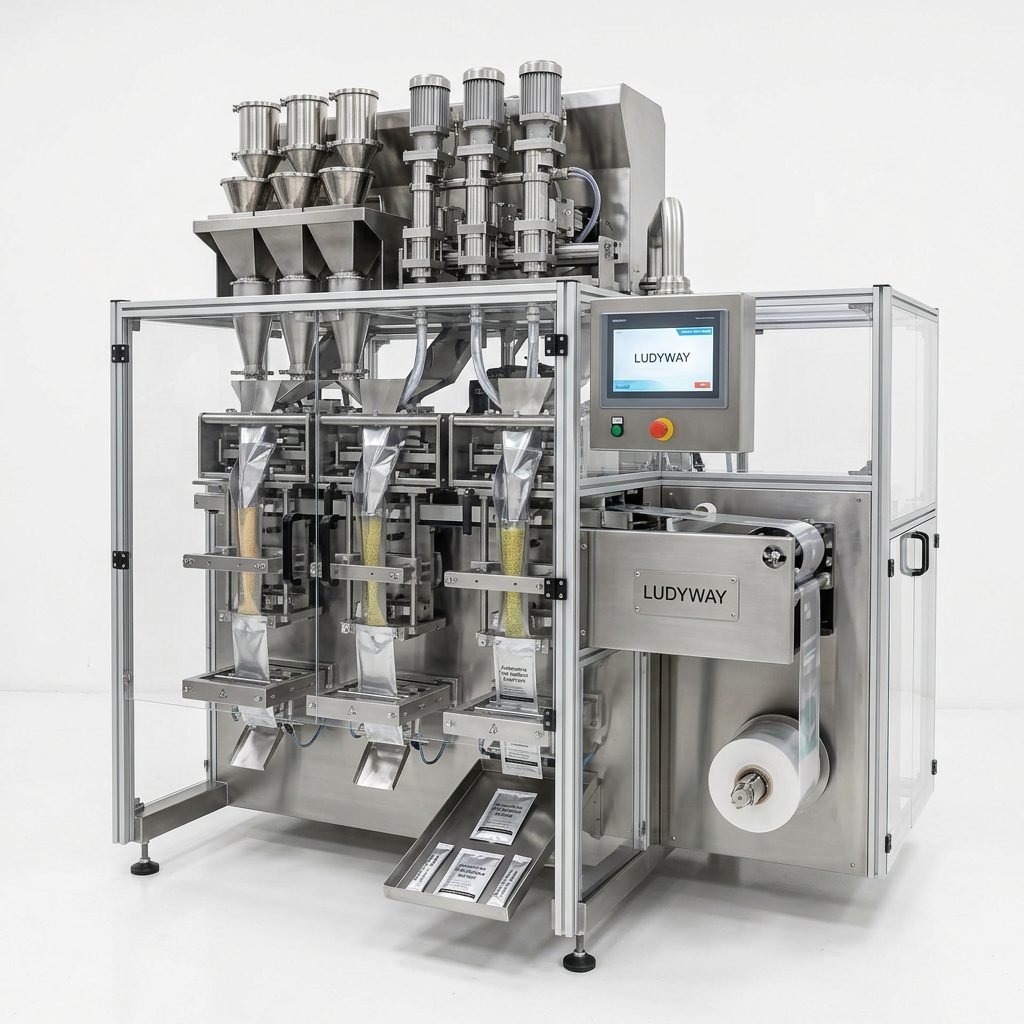
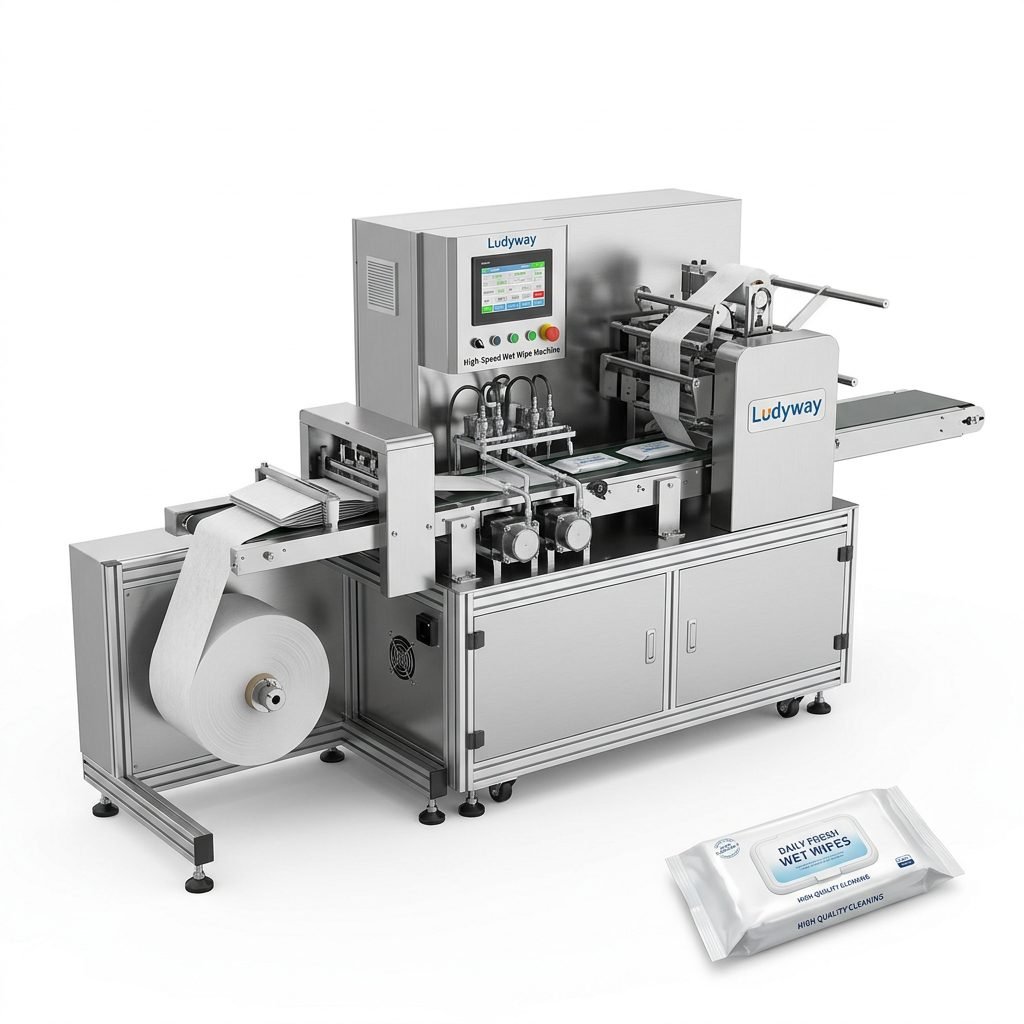
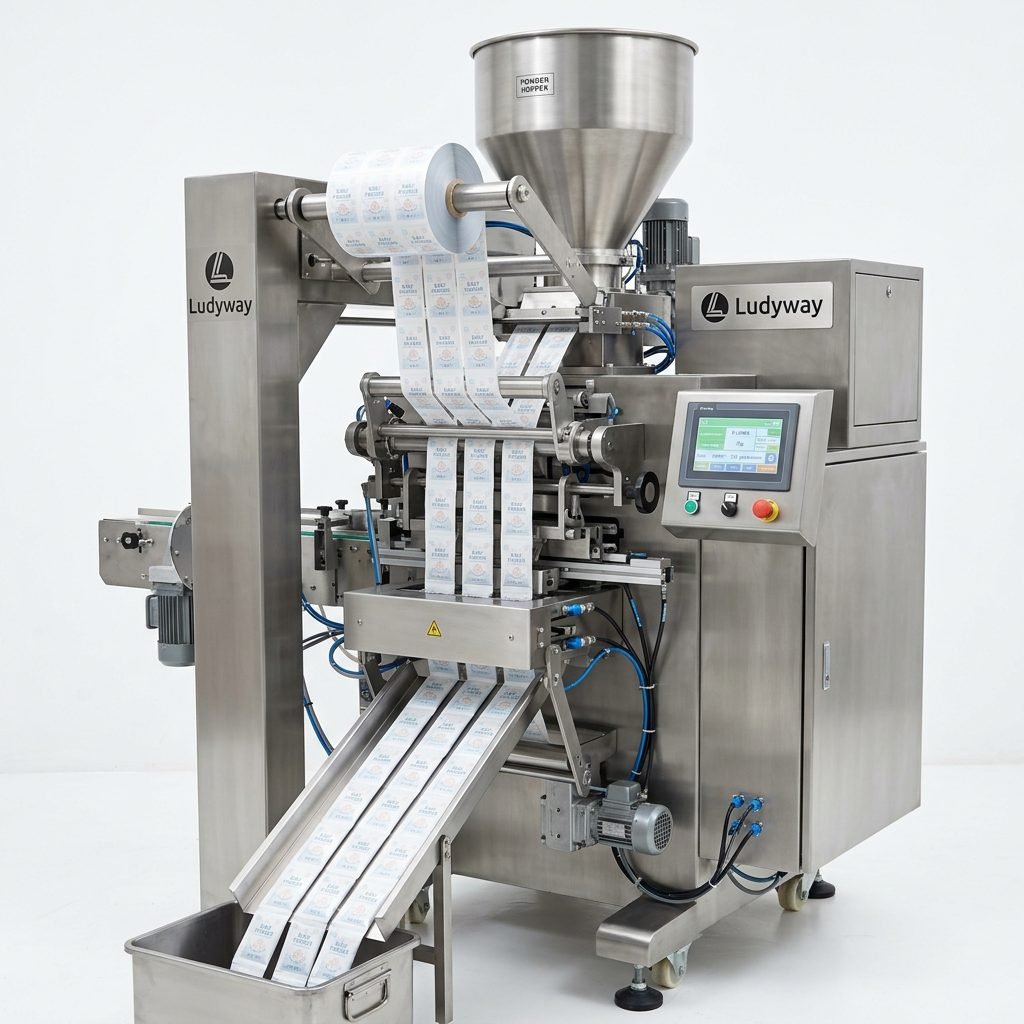
In the competitive world of product presentation and preservation, the choice of packaging machinery can be a defining factor for success, especially for industries dealing with granules, powders, and liquids. Orange packaging machinery, while not a technical category itself, often represents a vibrant, high-visibility segment of automated solutions designed for efficiency and brand appeal. This guide delves into the types of machinery available, their core working principles, and provides a framework for selecting the right solution for your production line.
Core Types of Orange Packaging Machinery
The term broadly covers automated systems used to fill and seal products into various pouch formats. The primary types are defined by the final package style and the product form they handle.
1. Stick Pack Packaging Machines
These machines are engineered to produce long, slender single-serve pouches, ideal for powders like instant coffee, protein supplements, or drink mixes. They are synonymous with portability and precise dosing.
- Typical Output: High-speed, often with multi-lane configurations for maximum productivity.
- Key Feature: Excellent barrier properties to maintain product freshness.
2. Sachet (Pouch) Packaging Machines
This is a versatile category producing small to medium-sized sealed pouches. They can be further classified based on structure:
- 3-Side Seal Sachets: Classic, economical pouches sealed on three sides.
- 4-Side Seal Sachets: Offers a more premium, flat appearance with seals on all edges.
- Stand-up Pouches (Doypack): Feature a gusset at the bottom, allowing the pouch to stand upright on shelves for superior shelf presence.
Specialized Variants by Product Type
Beyond pouch style, machinery is specialized for the product’s physical state:
» Granule Packers: For items like seeds, grains, or granules. They often use cup-filling or auger-filling systems for accuracy.
» Powder Packers: Designed to handle fine, often aerated powders like milk powder or spices. They require anti-bridging technology and precise augers to ensure consistent fill weight.
» Liquid & Viscous Filling Machines: Used for oils, sauces, shampoos, or gels. These employ piston pumps, peristaltic pumps, or time-pressure systems to handle various viscosities without drip or spillage.
Fundamental Working Principles
Despite their variety, most modern packaging machines follow a synchronized, automated process. Understanding this flow is key to appreciating their efficiency.
The Packaging Cycle: From Film to Finished Pouch
The process typically begins with a roll of packaging film (laminated or co-extruded for barrier properties). This film is fed through a former that shapes it into a tube. The longitudinal seam is sealed first. The product is then injected into this tube at the filling station. Immediately after, horizontal sealing jaws close to create the top seal of the current pouch and the bottom seal of the next pouch, simultaneously cutting the finished pouch free. This cycle repeats at high speeds, producing a continuous stream of packaged product.
Critical Technological Components
Several subsystems ensure precision and reliability:
- Filling System: The heart of accuracy. Auger fillers, volumetric cups, and piston pumps are chosen based on product characteristics.
- Sealing System: Uses heated jaws (for thermoplastic films) or ultrasonic seals. Consistent temperature control is vital for strong, hermetic seals.
- Film Feeding & Tension Control: Ensures the film is advanced without wrinkles or stretching, which is crucial for registration and seal integrity.
- PLC & HMI Control: The programmable logic controller (PLC) is the machine’s brain, managing all motions and sequences. The Human-Machine Interface (HMI) touchscreen allows for easy parameter setting, recipe storage, and diagnostics.
How to Choose the Right Packaging Solution
Selecting machinery is a strategic decision. A methodical evaluation based on your specific needs will prevent costly mismatches and ensure a strong return on investment.
Selection Criteria Checklist
1. Product Characteristics
Define your product’s form (powder, granule, liquid), flowability, abrasiveness, and sensitivity (to moisture, oxygen, light). This dictates the filling system and required film barrier properties.
2. Production Requirements
Calculate your required output speed (pouches per minute). Consider future growth—does the machine have speed reserves? Also, factor in changeover time between different products or pouch sizes.
3. Packaging Material
The machine must be compatible with your chosen film structure (e.g., PET/AL/PE, OPP/CPP). Discuss this with both your film supplier and the machine manufacturer.
Beyond the core checklist, consider the machine’s footprint and utility requirements (electrical, compressed air) to ensure it fits your facility. The availability of local technical support, training, and spare parts is non-negotiable for minimizing downtime. Finally, assess the total cost of ownership, which includes not just the purchase price, but also long-term maintenance, energy consumption, and potential for integration into a larger automated production line.
Partnering with an experienced provider like Ludyway Machinery, which offers a wide range of over 50 intelligent packaging models, can streamline this selection process. Their expertise in turnkey solutions ensures the machinery integrates seamlessly into your operation, backed by reliable service and deep industry knowledge.
Frequently Asked Questions (FAQs)
Q1: What is the main difference between a stick pack machine and a standard sachet machine?
The primary difference is the pouch format and typical application. Stick pack machines produce long, narrow tubes ideal for single-serve powdered beverages. Standard sachet machines produce wider, more rectangular pouches suitable for a vast range of products from sauces to shampoo samples. The forming tools and film path are designed accordingly.
Q2: How do I ensure the accuracy of filling, especially for expensive powders?
High accuracy relies on the right filling system. For premium powders, a servo-driven auger filler with anti-bridging features is often recommended. Regular calibration using certified weights, coupled with the machine’s built-in check-weighing feedback system (if equipped), is essential for maintaining precision over time.
Q3: Can one machine handle different types of products (e.g., powder and granules)?
Many machines are modular. While a machine may be configured primarily for powder, it can often be adapted for granules by changing the filling head (e.g., from an auger to a volumetric cup). However, significant product changes may require a partial changeover kit. It’s crucial to discuss your full product range with the supplier during the planning stage.
Q4: What are the key maintenance routines for a packaging machine?
Daily cleaning of product contact parts is vital. Weekly checks should include inspecting sealing jaws for residue or wear, verifying film guide alignment, and lubricating moving parts as per the manual. Periodic maintenance by a technician should focus on drive systems, sensors, and calibration of the filling system.
Q5: How important is after-sales support when purchasing packaging machinery?
Extremely important. Robust after-sales support—including accessible technical assistance, available spare parts, and operator training—is critical for maximizing uptime and machine lifespan. It transforms the machine from a mere purchase into a long-term productive asset for your business.