Understanding Your Nail Product Packaging Requirements
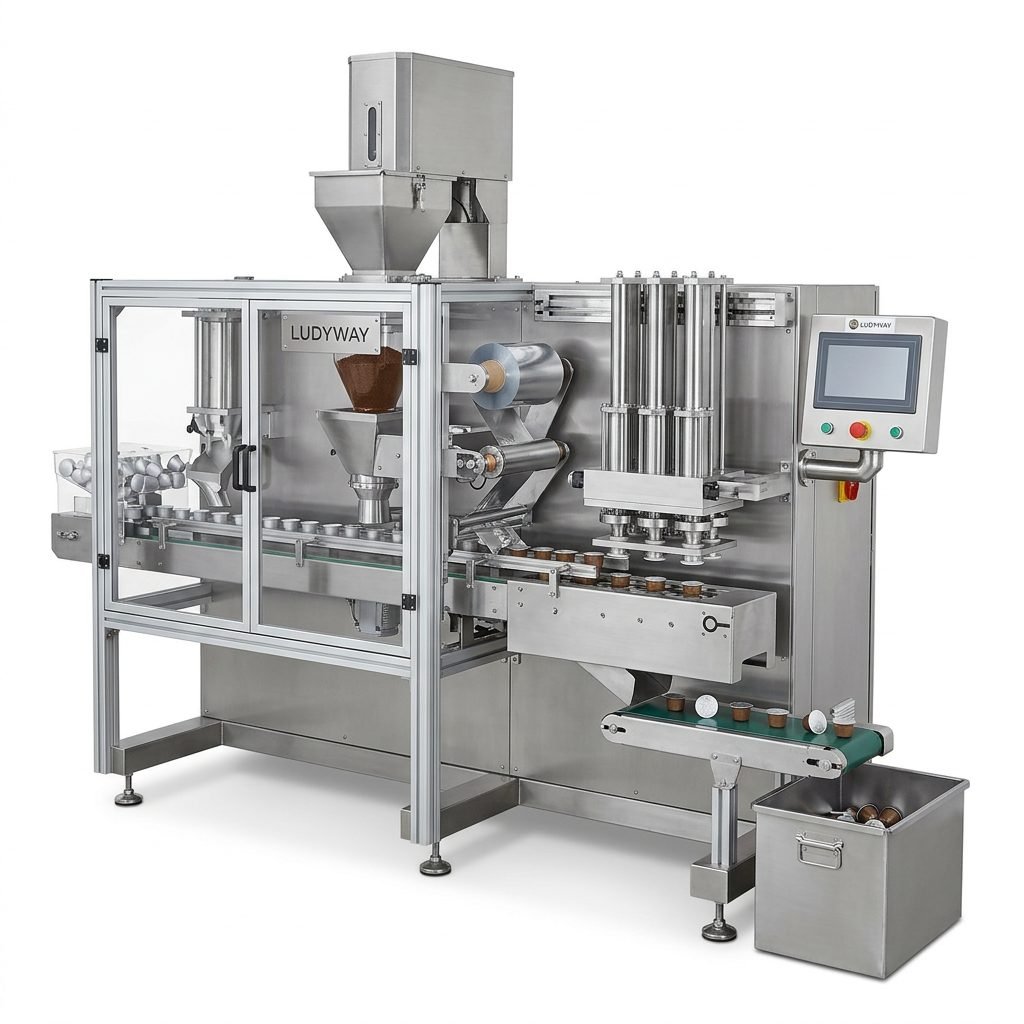
Selecting the right nail packing machine is a critical decision that directly impacts your production efficiency, product quality, and long-term operational costs. Whether you are packaging liquid nail polish, acrylic powders, gel formulations, nail art accessories, or dip powder systems, the diversity of product types demands a tailored approach to equipment selection. Before evaluating specific machines, you must first define your product characteristics, target output, packaging format, and quality requirements.
According to PMMI – The Association for Packaging and Processing Technologies, understanding product viscosity, particle size, and chemical properties is fundamental to selecting compatible filling and sealing technologies. Nail products range from low-viscosity liquids like cuticle oils to high-viscosity gels and fine powders, each requiring specialized dosing systems to ensure accuracy and consistency.
Key Product Variables That Influence Machine Selection
- Product viscosity and flow characteristics – Liquid nail polishes, gel coats, and serums each behave differently during filling and require specific pump or piston configurations
- Particle size and powder density – Acrylic powders, dip powders, and glitter blends need auger fillers or volumetric dosing systems capable of handling fine, cohesive, or free-flowing powders
- Chemical compatibility – Solvent-based nail products may require stainless steel contact parts and specialized sealing materials to prevent corrosion and contamination
- Temperature sensitivity – Some gel formulations and heat-sensitive products may need controlled filling environments to maintain stability
- Fill volume range – Single-use sachets, sample packs, and full-size retail bottles each require different dosing precision levels
Packaging Formats in the Nail Industry
The nail care market utilizes a wide range of packaging formats, each presenting unique requirements for nail packing machine configuration. Choosing the correct format early in the purchasing process ensures your equipment investment aligns with both current needs and future growth opportunities. Common formats include bottles, jars, sachets, stick packs, tubes, and blister packs, with growing demand for travel-size and single-dose formats driven by e-commerce and subscription-based business models.
The Flexible Packaging Association reports increasing adoption of flexible packaging formats across beauty and personal care categories, driven by sustainability goals, reduced material usage, and consumer preference for portable, single-use options. For nail products, sachets and stick packs have become especially popular for samples, treatment serums, and on-the-go nail care solutions.
| Packaging Format | Typical Nail Products | Recommended Machine Type | Key Advantage |
|---|---|---|---|
| Bottles (glass/plastic) | Nail polish, base coat, top coat, cuticle oil | Liquid filling and capping line | Established market format with strong brand recognition |
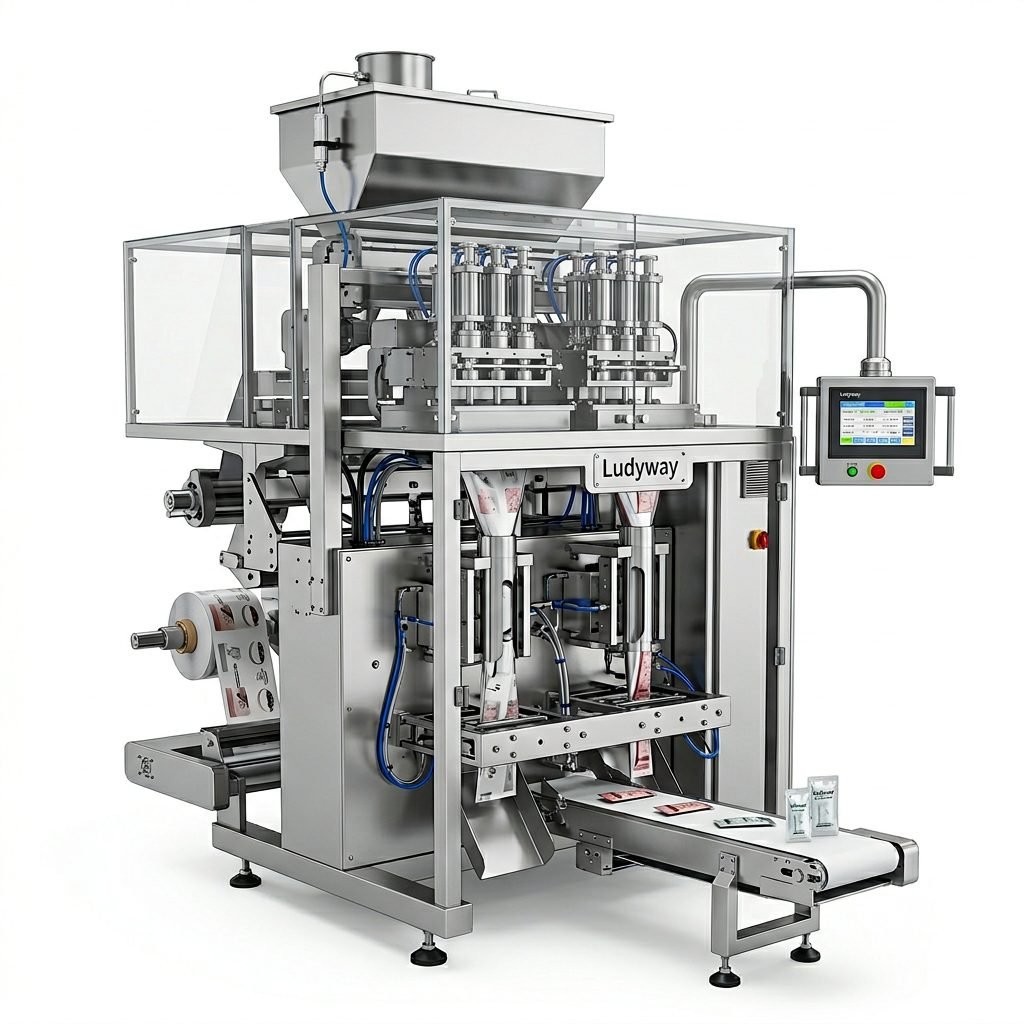
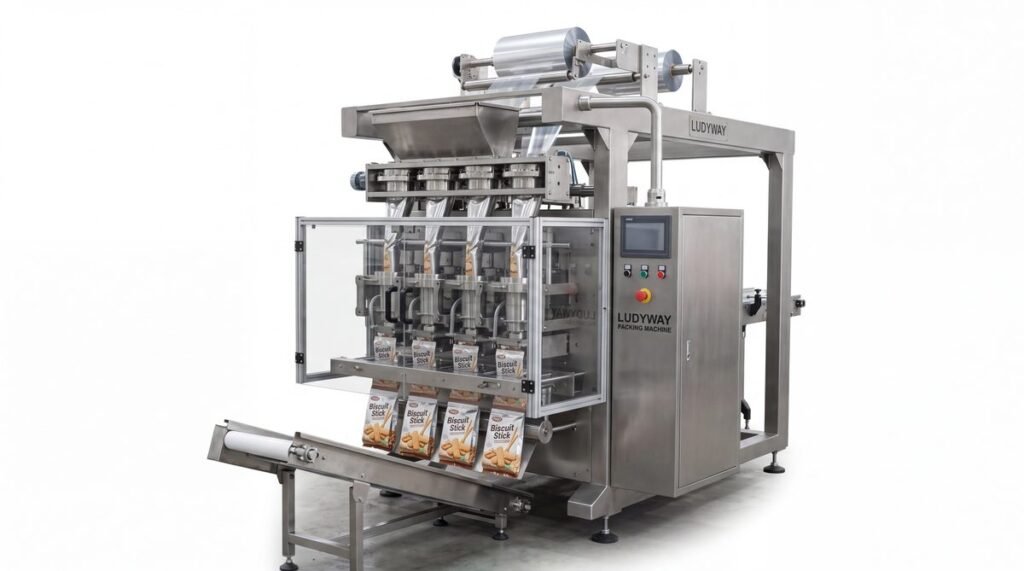
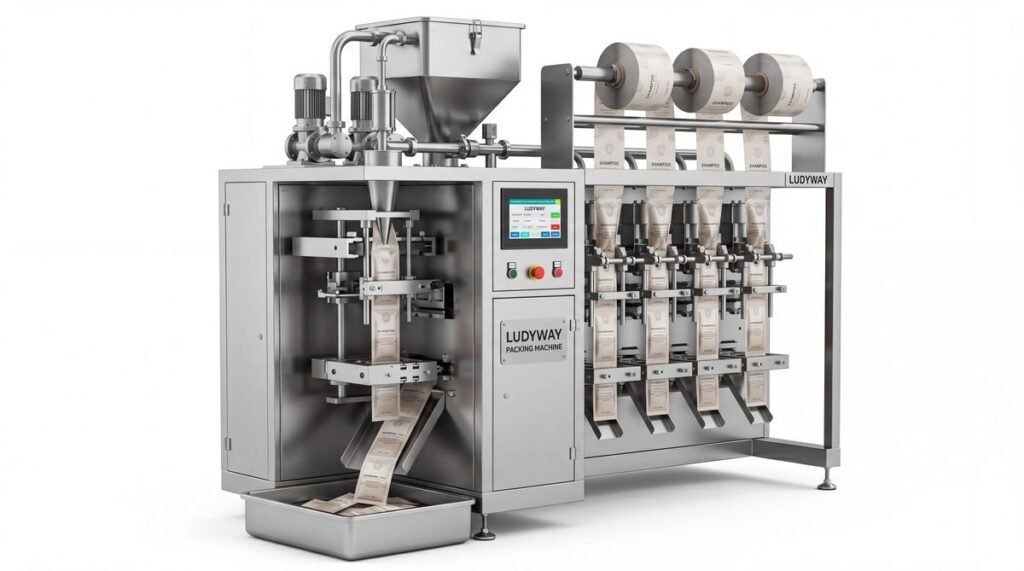
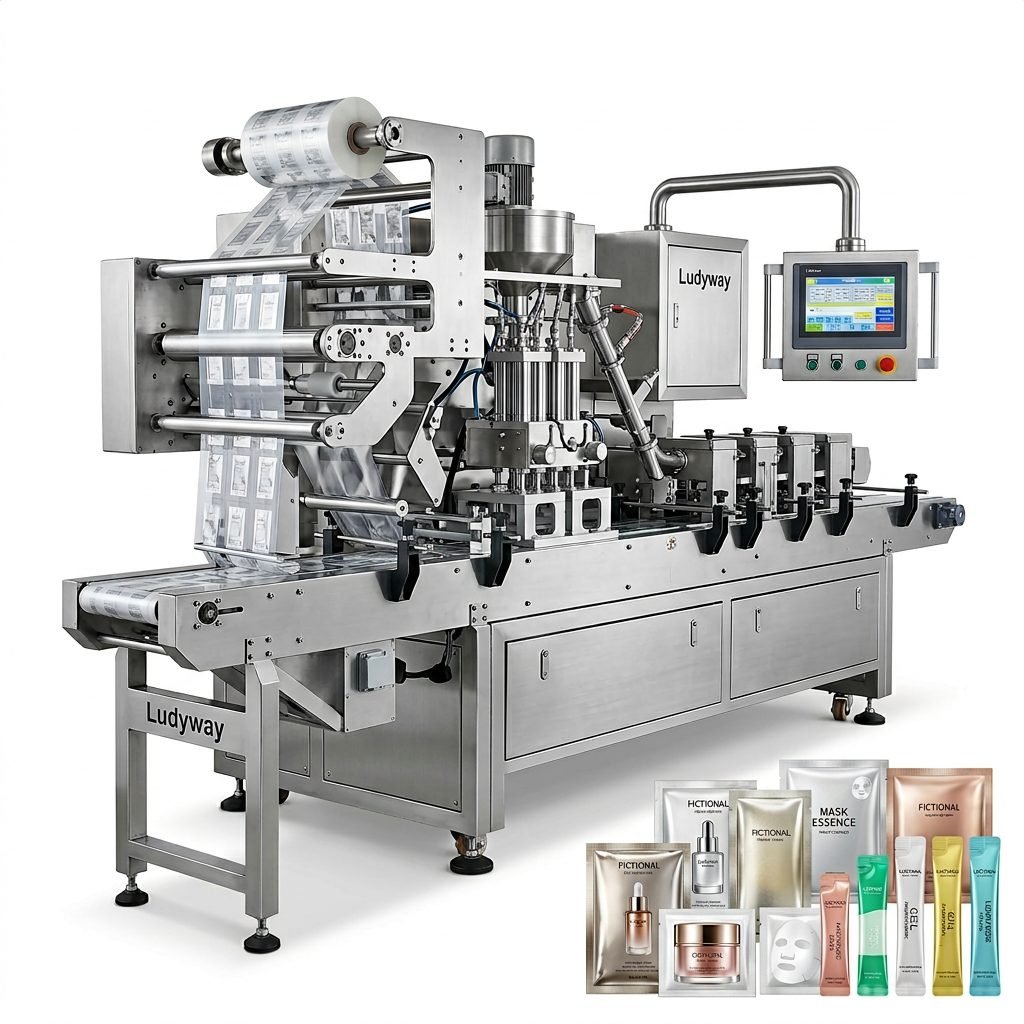
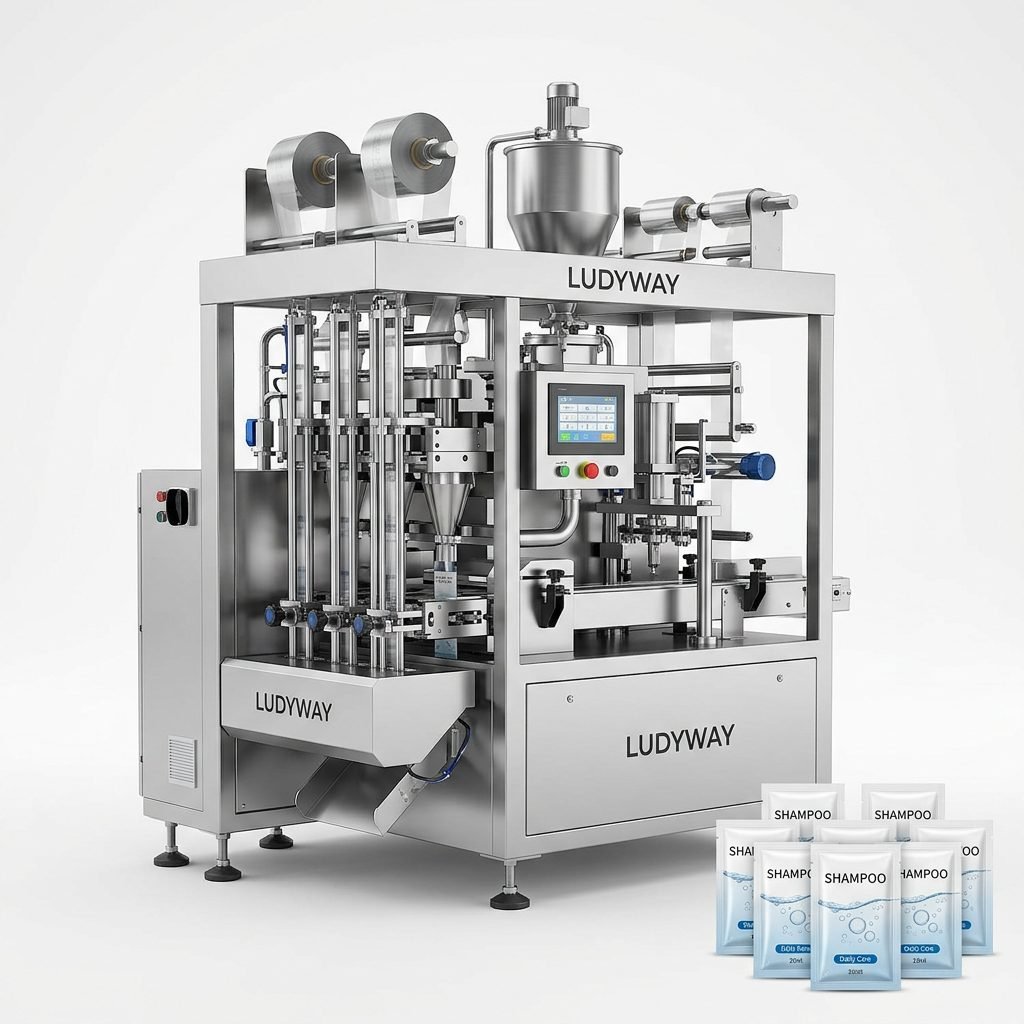
| Sachets / Stick packs | Treatment serums, nail masks, remover wipes, dip powders | Multi-lane sachet or stick pack machine | Cost-effective for samples and single-use applications |
| Jars and pots | Acrylic powder, dip powder, glitter, nail art accessories | Powder filling and capping system | Premium presentation for higher-value products |
| Tubes | Gel polish, nail glue, repair treatments | Tube filling and sealing machine | Precision dispensing and product protection |
Critical Machine Features for Nail Product Packaging
When evaluating a nail packing machine, several technical features directly determine equipment performance, product quality, and long-term reliability. These features should be assessed against your specific product range, production volume, and quality standards. Cutting corners on critical components often leads to costly downtime, product waste, and inconsistent fill weights that erode brand reputation.
Dosing and Filling Accuracy
Precision dosing is the cornerstone of profitable nail product packaging. Overfilling by even small margins across millions of units annually results in significant product giveaway, while underfilling risks regulatory non-compliance and customer dissatisfaction. For liquid nail polishes and treatments, piston fillers and peristaltic pump systems offer excellent accuracy within ±0.5% to ±1% of target volume. Powder products benefit from auger-based volumetric fillers that maintain consistent fill weights despite variations in powder density.
Reference standards such as ISO packaging standards provide guidance on acceptable fill tolerances and testing methodologies. Ensure your selected machine can be calibrated to meet applicable requirements for your target markets.
Material Compatibility and Hygienic Design
Nail products often contain solvents, plasticizers, and active ingredients that can react with standard machine materials. 304 or 316L stainless steel contact parts, PTFE seals, and solvent-resistant gaskets are essential for reliable operation with acetone-based, ethyl acetate-based, and other solvent-containing formulations. Machines designed with quick-change contact parts, tool-free disassembly, and CIP (clean-in-place) compatibility reduce changeover time and cross-contamination risks when running multiple product SKUs.
Automation and Control Systems
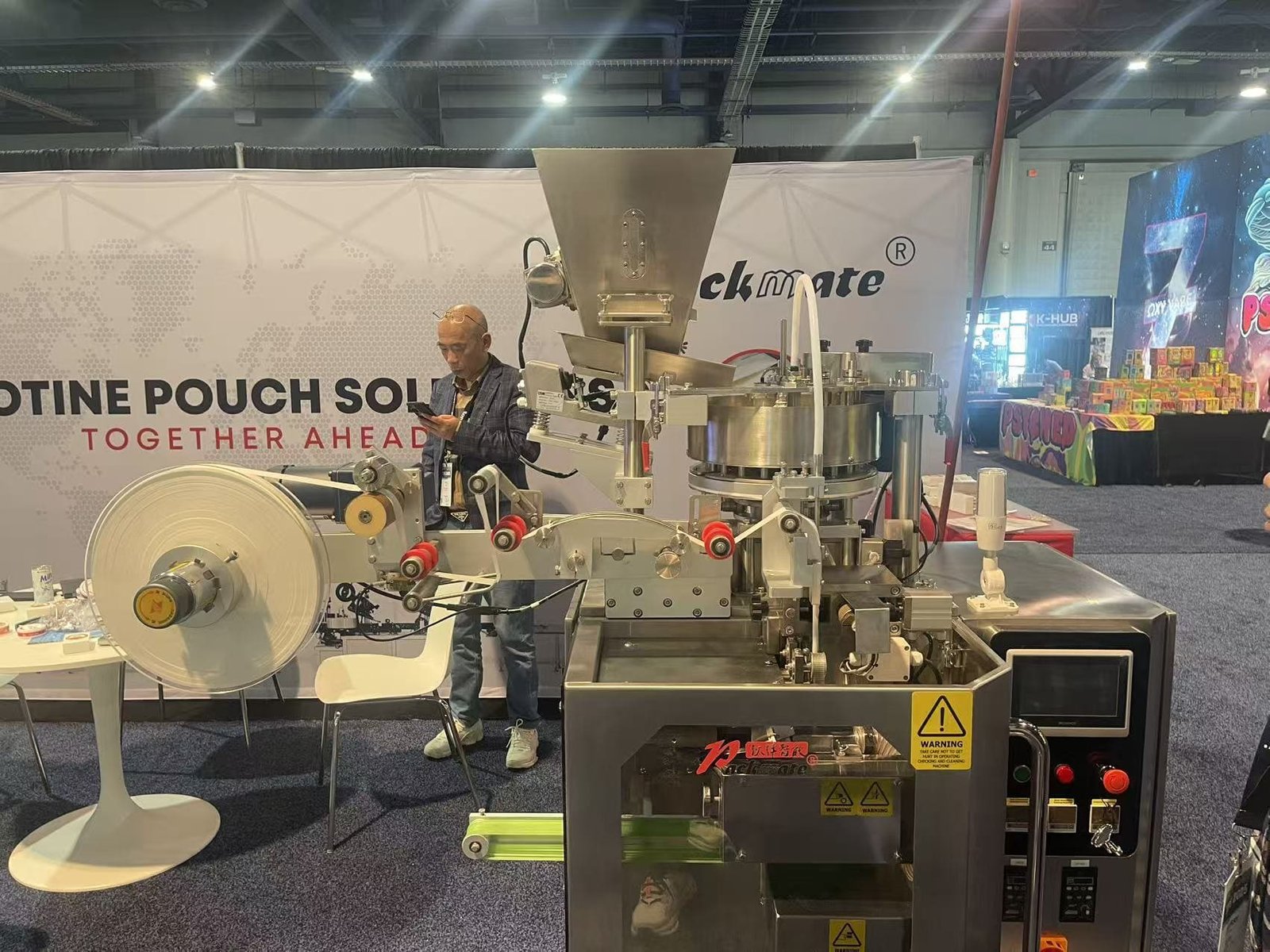
Modern nail packing machines increasingly feature PLC-based controls with touchscreen HMI interfaces, enabling operators to store and recall product-specific recipes, adjust fill volumes, and monitor production metrics in real time. Servo-driven systems offer superior position control compared to pneumatic alternatives, resulting in more consistent seal quality, precise film registration, and reduced mechanical wear. Look for machines with data export capabilities, remote diagnostics support, and compatibility with Industry 4.0 initiatives if you plan to integrate packaging data into broader manufacturing execution systems.
Production Speed and Scalability Planning
Production throughput requirements should guide your nail packing machine selection, but it is equally important to plan for future growth. A machine operating near its maximum rated speed may struggle to maintain consistent quality, whereas a machine with 20-30% headroom above your current needs provides flexibility for increased demand. Multi-lane machines can significantly boost output for sachet and stick pack formats by running 4, 6, 8, or even 12 lanes simultaneously, achieving outputs from 200 to over 1,000 packs per minute depending on lane count and product characteristics.
Questions to Assess Your Capacity Needs
- What is your current daily or shift-based production target in units?
- What is your projected volume growth over the next 3-5 years?
- Do you have seasonal peaks that require surge capacity?
- How many product SKUs will run on the same machine, and what are the changeover time expectations?
- Will the machine operate in a single-shift, double-shift, or continuous production environment?
Quality Assurance and Inspection Integration
Consistent product quality requires integrated inspection capabilities within the nail packing machine or as part of a complete packaging line. Checkweighers, metal detectors, vision inspection systems, and seal integrity testers help ensure every package meets your quality standards before it leaves the production floor. FDA food packaging and food contact substances regulations and similar international standards increasingly require documented quality control measures, making inline inspection not just a quality tool but a compliance necessity for manufacturers serving regulated markets.
| Inspection Type | Function | Recommended For |
|---|---|---|
| Checkweigher | Verifies fill weight against target; rejects under/overweight units | All nail product formats, especially high-value serums and treatments |
| Metal detector | Detects ferrous and non-ferrous metal contaminants | Powder products, accessories with metal components |
| Vision inspection | Checks label placement, print quality, seal integrity, cap presence | Retail-ready bottles, jars, and printed sachets |
| Seal integrity tester | Verifies hermetic seal quality to prevent leakage and contamination | Liquid-filled sachets, tubes, and bottled products |
Evaluating Total Cost of Ownership
The purchase price of a nail packing machine represents only a fraction of its total cost over a typical 10-15 year service life. A comprehensive TCO analysis should factor in installation and commissioning costs, operator training, ongoing maintenance, spare parts availability, energy consumption, changeover time between products, and expected equipment lifespan. Machines with higher initial price tags often deliver lower TCO through reduced downtime, higher output consistency, lower scrap rates, and better after-sales support.
Hidden Costs to Watch For
- Packaging material waste – Machines with poor film tension control or inconsistent sealing can generate 5-15% material waste, adding significant annual costs
- Changeover downtime – Manual adjustments that require 30-60 minutes per SKU change reduce productive capacity; servo-driven recipe management can reduce this to under 10 minutes
- Spare parts availability and lead times – Verify that critical wear components are readily available and reasonably priced before committing to a machine
- Operator skill requirements – Complex machines may require specialized training or higher labor costs to operate effectively
Supplier Evaluation and Partnership Considerations
Choosing the right equipment partner is as important as selecting the right nail packing machine. Beyond technical specifications, evaluate potential suppliers on their industry experience, engineering capabilities, after-sales support infrastructure, and track record in your specific product category. A supplier with deep application knowledge in cosmetics, personal care, and beauty packaging can offer valuable guidance on machine configuration, packaging material selection, and line integration.
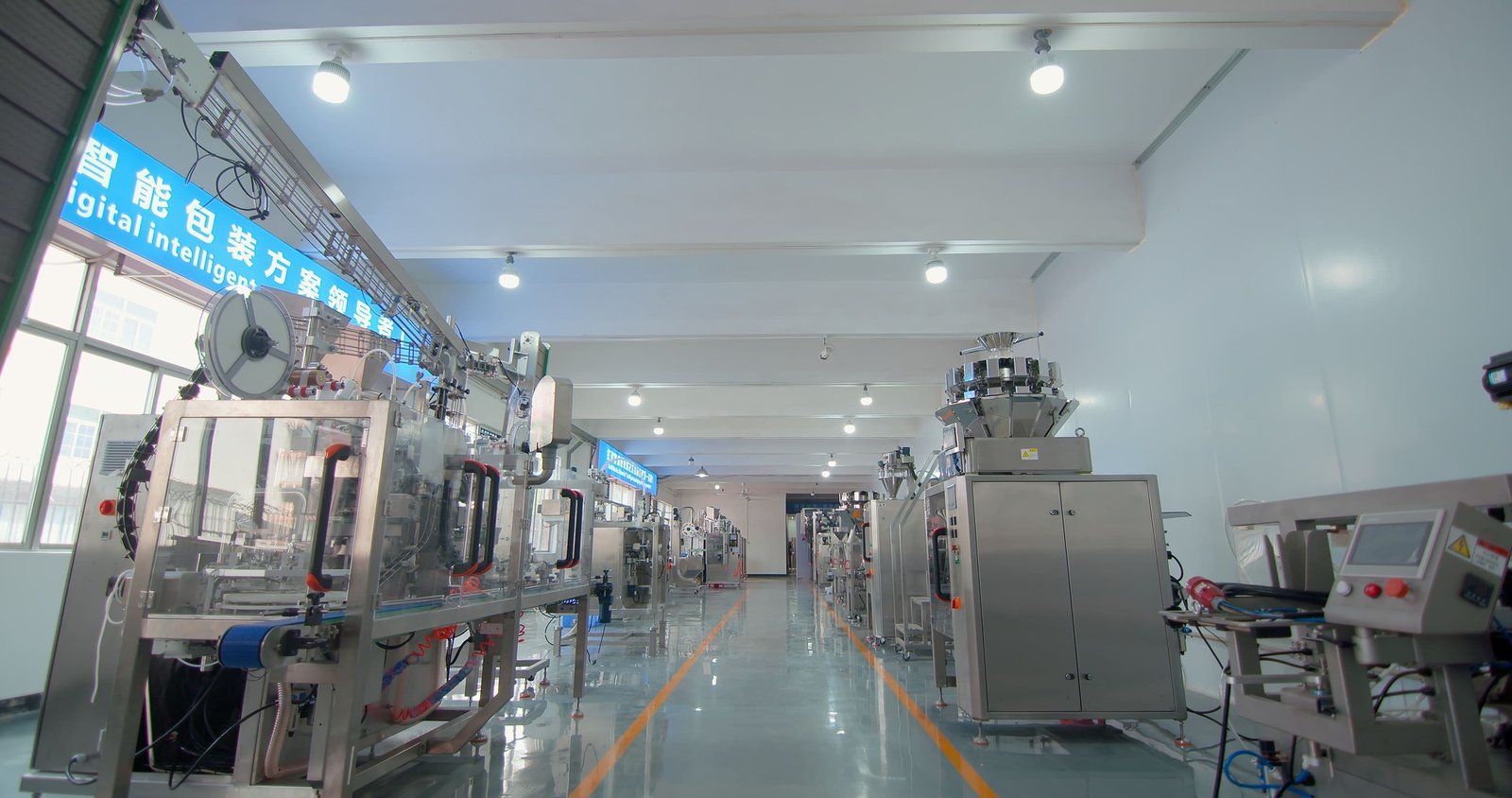
Companies like Ludyway Machinery, with more than 30 years of packaging industry experience and a 20,000-square-meter manufacturing facility, demonstrate the depth of engineering and manufacturing capability that supports reliable, customized packaging solutions. As noted in industry reports on packaging machinery global growth trends, manufacturers increasingly seek integrated turnkey solutions rather than standalone machines, making supplier engineering depth a critical selection criterion.
Key Supplier Assessment Criteria
- Industry experience – How many similar applications has the supplier successfully delivered?
- Customization capability – Can the supplier adapt machine configurations to your specific product and packaging requirements?
- After-sales support – What is the availability of remote technical support, on-site service, and spare parts in your region?
- Quality certifications – Does the supplier’s equipment meet relevant international standards and regulatory requirements for your target markets?
- Factory acceptance testing (FAT) – Will the supplier conduct thorough pre-delivery testing with your actual products and packaging materials?
- References and site visits – Can the supplier provide customer references or facilitate visits to operating installations?
Regulatory Compliance and Market Access
Manufacturers exporting nail products to international markets must ensure their nail packing machine and packaging processes comply with destination market regulations. Requirements vary significantly between regions, covering areas such as product-contact material safety, fill quantity verification, labeling, serialization, and tamper-evident packaging. The FDA packaging and food contact substances guidelines, EU packaging regulations under the European Commission Packaging and Packaging Waste framework, and other regional standards establish specific requirements that may affect machine design, material selection, and documentation.
Making the Final Decision
Selecting the right nail packing machine requires balancing technical requirements, budget constraints, production goals, and supplier capabilities. Invest time in defining your requirements thoroughly, testing your products on candidate equipment, and evaluating suppliers holistically. A well-chosen machine will serve as a reliable production asset for years, supporting product quality, operational efficiency, and business growth in the competitive nail care and beauty packaging market.
Explore Packaging Industry Intelligence Resources | Flexible Packaging Industry Data | ISO Packaging Standards