In industries where liquids, gels, or viscous products are the norm—from food and beverages to pharmaceuticals and chemicals—maintaining product integrity from the production line to the end user is non-negotiable. Leaks are more than just a nuisance; they represent significant financial loss, potential safety hazards, brand reputation damage, and environmental concerns. The cornerstone of preventing these issues lies in investing in reliable, leak-proof packaging equipment. This guide will walk you through the critical factors to consider when choosing equipment that guarantees a perfect seal, every time.
The cost of a leak goes far beyond the lost product. It includes wasted packaging materials, halted production lines for cleanup, potential regulatory fines, and the irreversible erosion of consumer trust. Investing in robust leak-proof technology is an investment in your brand’s future.
Understanding the Core Mechanisms of Leak Prevention
Leak-proof packaging isn’t magic; it’s precise engineering. The primary goal is to create a hermetic or near-hermetic seal that can withstand internal pressures, external forces during transit, and variations in temperature. The sealing mechanism is the heart of this process.
Heat Sealing Technology
This is the most common method for flexible packaging like pouches, sachets, and stick packs. Reliable equipment uses precisely controlled heating elements (jaws or bands) that apply consistent temperature, pressure, and dwell time to melt the inner polymer layers of the packaging film, fusing them together. Key to leak prevention is uniform heat distribution and pressure across the entire seal area.
Ultrasonic Sealing
Ideal for multi-layer films or materials that are difficult to heat seal, ultrasonic sealers use high-frequency vibrations to create friction and melt the interface between layers. This method is excellent for leak-proofing as it creates strong seals without excessive heat that might degrade sensitive products.
Cap Sealing & Induction Sealing
For bottles and rigid containers, a two-part closure system is often used. A tamper-evident cap is applied, and then an induction sealer creates a hermetic foil seal under the cap by generating heat in a foil liner. This double barrier is a gold standard for preventing leaks and preserving product freshness in liquid packaging.
Critical Factors in Choosing Your Leak-Proof Solution
Selecting the right equipment requires a thorough analysis of your specific needs. A one-size-fits-all approach is a fast track to failure.
1. Product Characteristics: Know What You’re Packaging
- Viscosity & Particulates: Thin liquids (like water) are more prone to finding the tiniest pinhole, while viscous products (like sauces) or those with particulates (like soups) can interfere with the seal if not managed correctly. Equipment must be configured to handle these traits.
- Acidity & Chemical Composition: Aggressive products can degrade certain packaging materials or sealing surfaces over time. Material compatibility is crucial for long-term leak prevention.
- Temperature: Are you filling a hot product? A cold one? The equipment’s sealing system must compensate for product temperature to ensure the seal sets correctly.
2. Packaging Material Compatibility
The machine and the material must work in perfect harmony. You need equipment that can reliably seal the specific laminate structure you are using—whether it’s PET/PE, ALU/PE, or a complex multi-layer barrier film. The sealing parameters (temperature, pressure, time) must be finely tunable for your material to achieve a consistent, leak-proof bond.
Pro Tip: The Role of Precision Filling
Leaks often start before the seal is made. Overfilling can cause product contamination on the seal area, preventing a proper bond. Underfilling creates excess headspace (air), which can expand or contract with temperature changes, stressing the seal. Choose equipment with a highly accurate filling system—such as servo-driven piston fillers or precision pumps—that is synchronized with the sealing station.
3. Machine Construction & Quality of Components
A machine built for leak-proof performance is built to last. Look for:
- Robust Frame & Precision Machining: Minimizes vibration, ensuring all moving parts (especially sealing jaws) align perfectly every cycle.
- High-Grade Sealing Jaws: Made from durable, corrosion-resistant materials with even surface finishes to ensure uniform heat transfer and pressure.
- Industrial-Grade Sensors & PLCs: Continuously monitor the sealing process (temperature, pressure, film registration) and can automatically reject packages where parameters fall outside the leak-proof tolerance zone.
4. Validation & Testing Capabilities
Trust, but verify. A reputable supplier should be able to demonstrate the leak-proof performance of their equipment. Ask about:
- In-house testing protocols (e.g., burst pressure tests, dye penetration tests).
- Ability to provide validation documentation or support your own factory acceptance testing (FAT).
- Features like 100% inline seal inspection systems using vision technology or pressure decay sensors.
Why Partnering with an Expert Manufacturer Matters
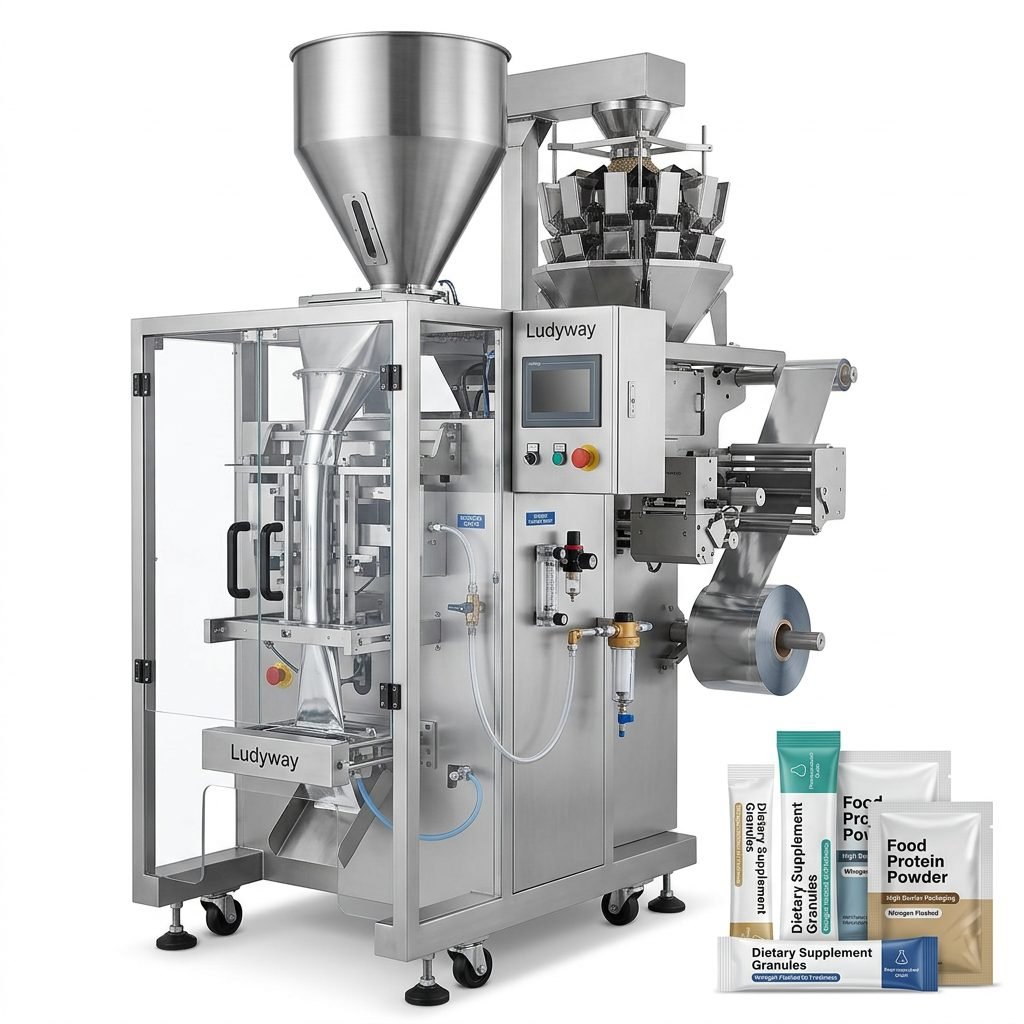
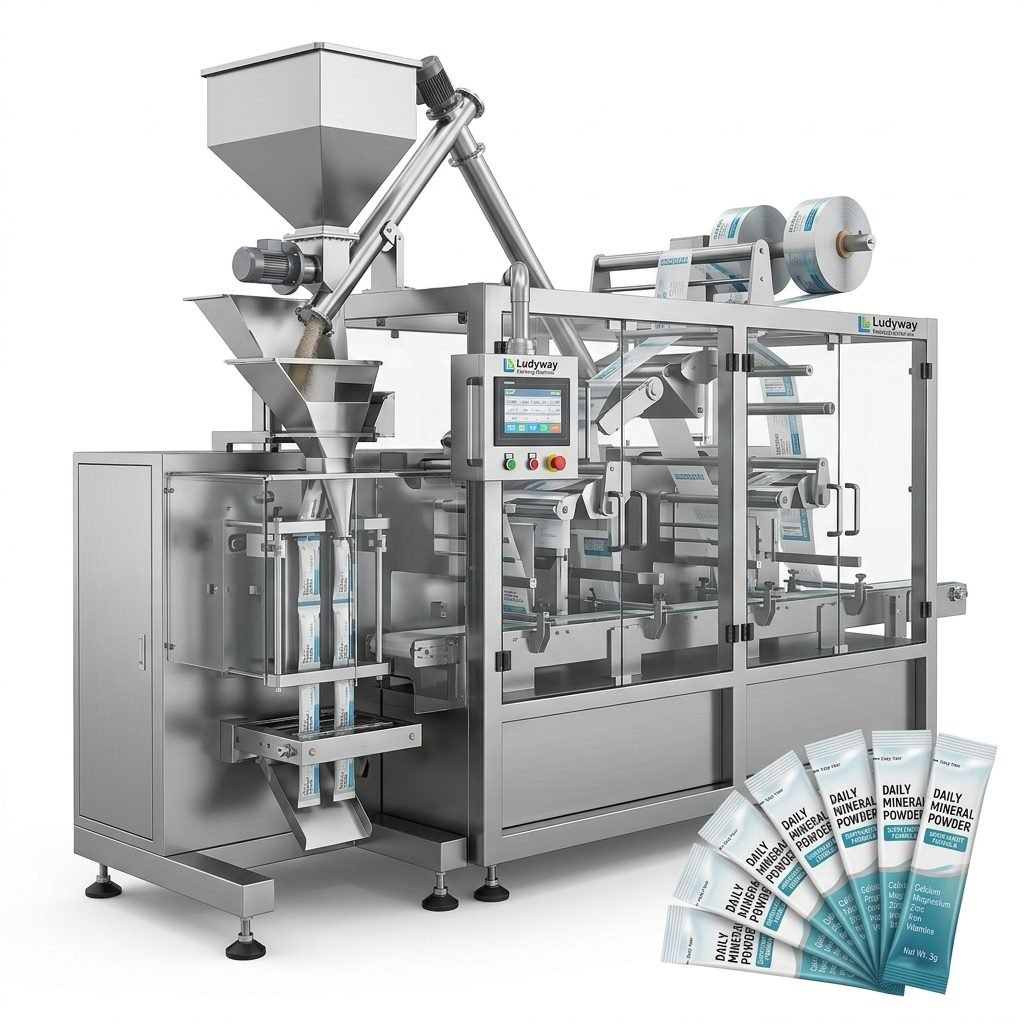
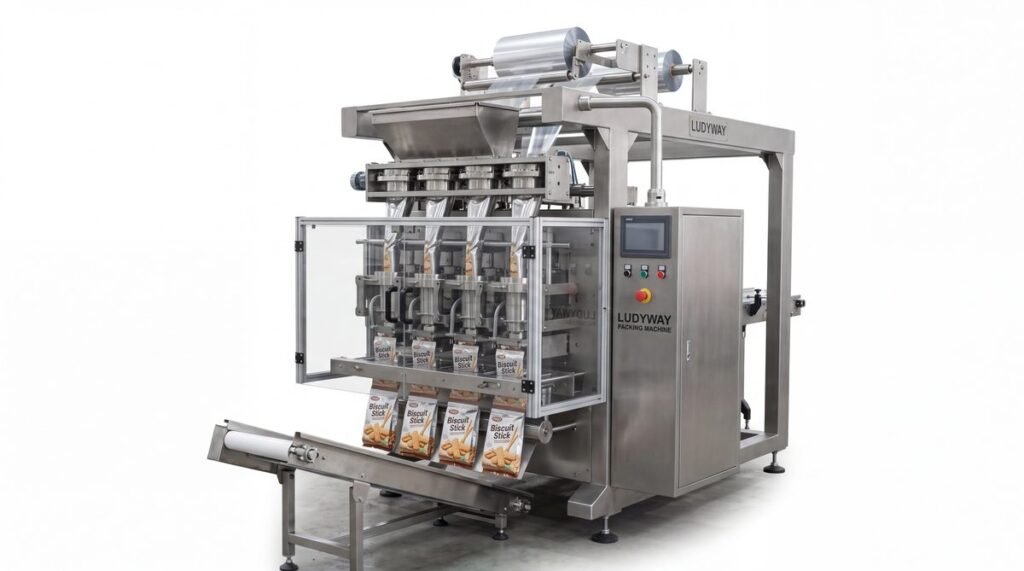
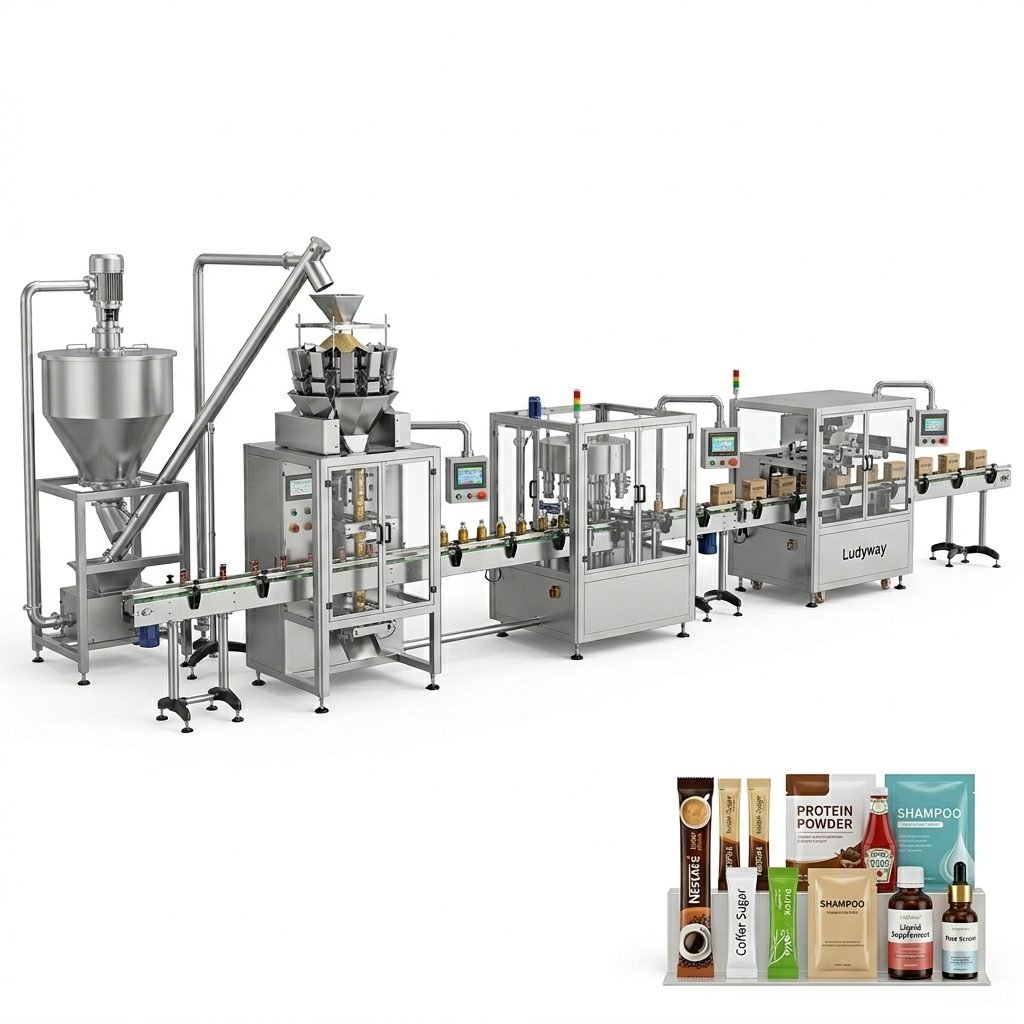
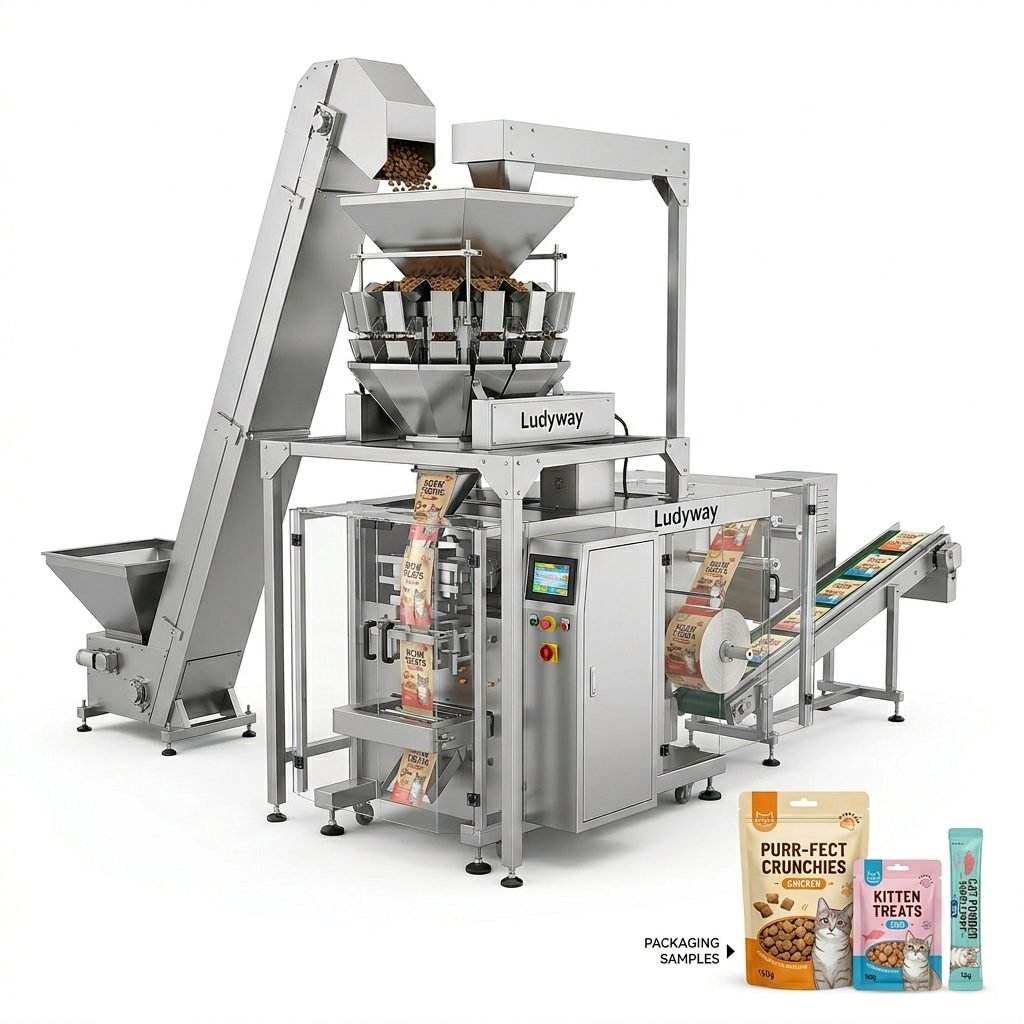
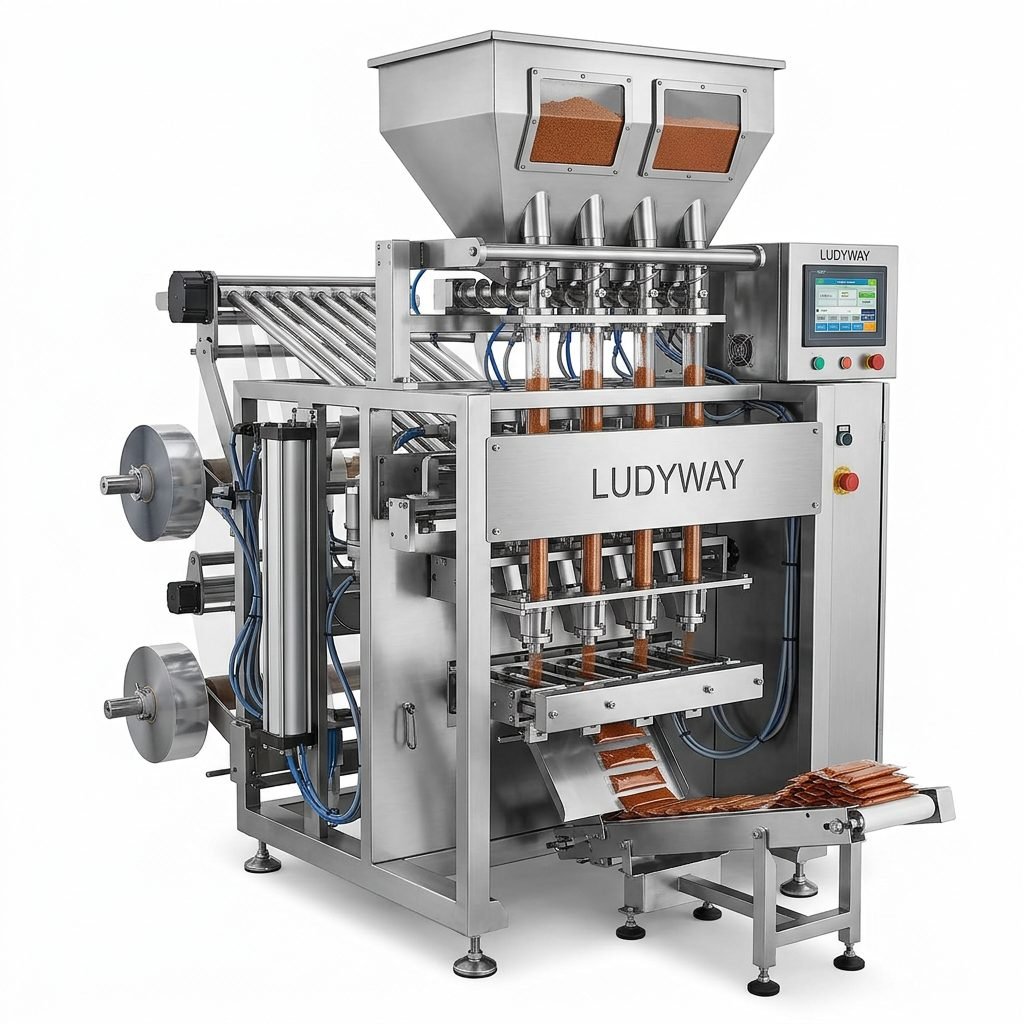
Choosing equipment from a specialized manufacturer is your greatest assurance against leaks. A company like Ludyway Packing Machine, with deep expertise in liquid, granule, and powder packaging, brings invaluable insight. Their engineers understand the interplay between product, material, and machine mechanics. They don’t just sell a machine; they provide a tailored packaging solution backed by application knowledge. With over 30 years of collective industry experience, such partners offer more than 50 intelligent machine models and can configure a complete, reliable production line where leak prevention is engineered into every step, from film feeding to final discharge.
This level of specialization ensures you get a system designed for your specific challenge, not a generic machine adapted to it. Their commitment to long-term cooperation and innovation means they will be there to support you with spare parts, maintenance knowledge, and upgrades to keep your leak-proof performance optimal for years to come.
Implementing a Holistic Leak-Prevention Strategy
Your equipment is the primary defender, but a comprehensive strategy involves the entire packaging process:
- Raw Material QC: Consistently test incoming packaging film for gauge variations and seal layer integrity.
- Preventive Maintenance (PM): Regularly clean sealing jaws, calibrate sensors, and check for wear on critical components according to the manufacturer’s PM schedule.
- Operator Training: Ensure staff understands the importance of leak prevention and can identify early warning signs like slight parameter drifts or packaging defects.
- Statistical Process Control (SPC): Monitor key data from the machine (seal temperature, pressure) to identify trends before they lead to a leak event.
Frequently Asked Questions (FAQs)
1. What is the most common cause of leaks in automated packaging?
The single most common cause is product contamination on the seal area. This can be caused by overfilling, splashing, or poor film handling. Ensuring a clean seal area before the jaws close is paramount.
2. Can older packaging equipment be retrofitted for better leak-proof performance?
Sometimes. Upgrades like adding more precise temperature controllers, newer PLCs with better feedback loops, or even replacing worn sealing jaws can improve performance. However, for a fundamental leap in reliability, investing in modern equipment designed with leak prevention as a core principle is often more cost-effective long-term.
3. How often should we test our seals for integrity?
This depends on your risk assessment. At a minimum, destructive tests (like peel tests or burst tests) should be conducted at the start of each production run, after any changeover, and at regular intervals (e.g., every 2-4 hours) during continuous production. For high-risk products, 100% non-destructive inline inspection is recommended.
4. Are there specific certifications to look for in leak-proof packaging equipment?
Look for machines built to international safety standards (e.g., CE, UL). For industries like pharmaceuticals or food, equipment designed for easy cleaning and compliance with hygiene standards (e.g., EHEDG, GMP guidelines) is critical, as cleanability directly impacts long-term seal consistency and prevents microbial ingress.
5. What’s the first step if we start experiencing sudden leak issues on a previously reliable line?
First, conduct a systematic check: 1) Verify no changes were made to packaging film. 2) Check and clean sealing jaws for residue or damage. 3) Confirm all sealing parameters (temp, pressure, time) are set correctly and the heaters are functioning. 4) Inspect the filling station for spills or misalignment. Isolating the variable that changed is key to a quick resolution.