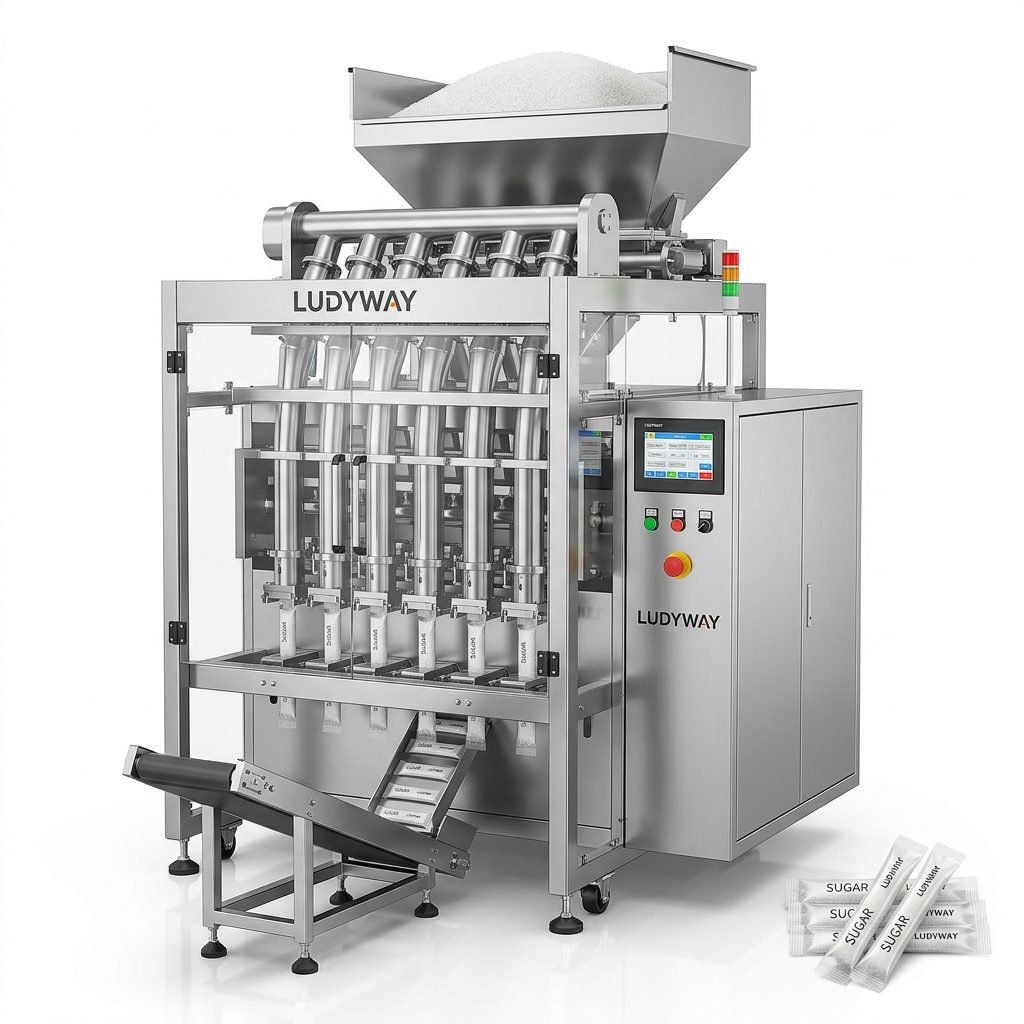
Establishing a packaging machine production line in North America requires careful planning, regulatory awareness, and strategic equipment selection. Whether you are launching a new facility or upgrading an existing operation, understanding the local market dynamics, compliance standards, and operational best practices is essential for long-term success. This guide walks you through every critical phase — from initial feasibility assessment to full-scale production deployment.
Understanding the North American Packaging Machinery Market
The North American packaging machinery sector is one of the most advanced and competitive in the world. According to data from PMMI’s business intelligence reports, the U.S. packaging machinery market continues to grow steadily, driven by demand in food, pharmaceutical, and personal care sectors. Key trends include increased automation, the adoption of smart factory technologies, and stricter traceability requirements mandated by regulatory bodies such as the FDA.
Before committing capital, manufacturers should conduct a thorough market analysis covering target industries, regional labor costs, utility expenses, and proximity to raw material suppliers. Understanding these variables helps determine whether a fully automated packaging system or a semi-automated line is the most cost-effective choice.
Key Market Drivers in North America
- Rising consumer demand for convenient single-serve packaging formats such as stick packs and sachets
- Stringent FDA and USDA regulations governing food contact substances and packaging materials
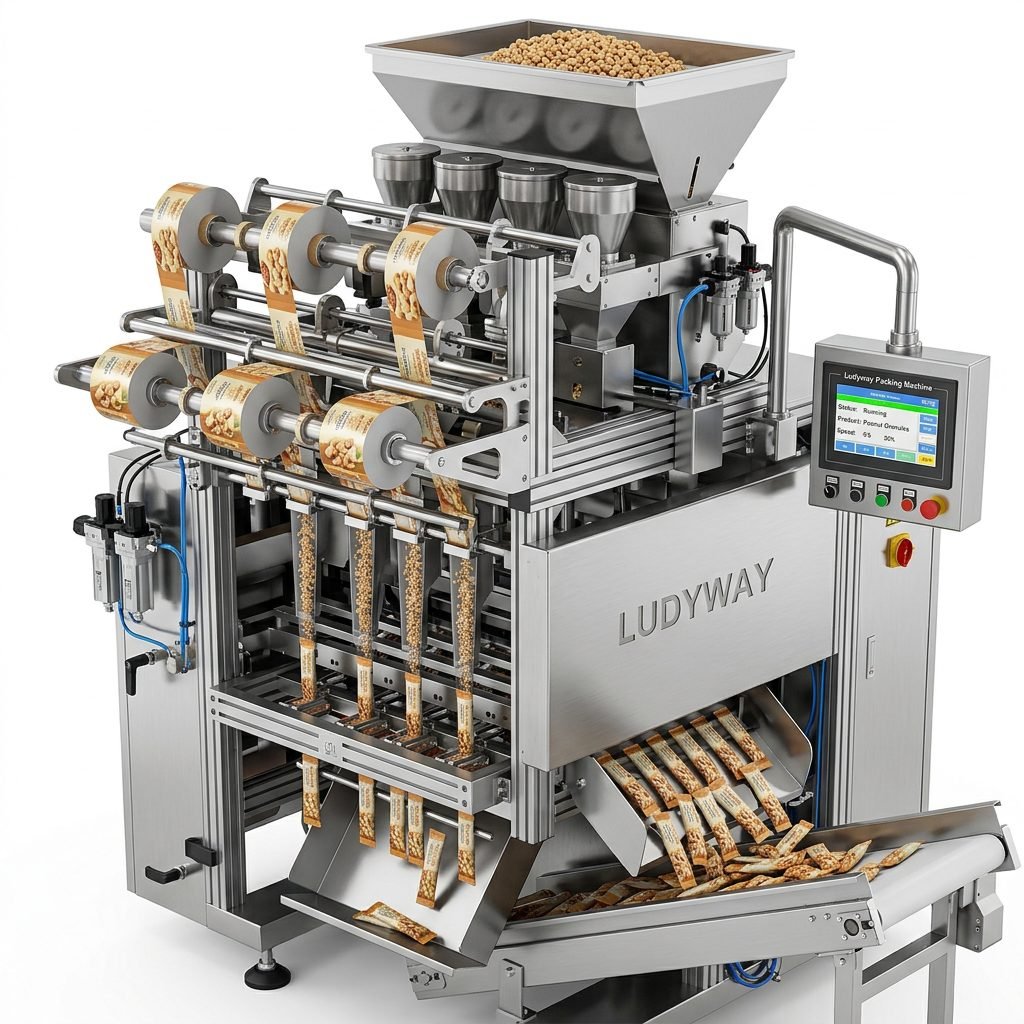
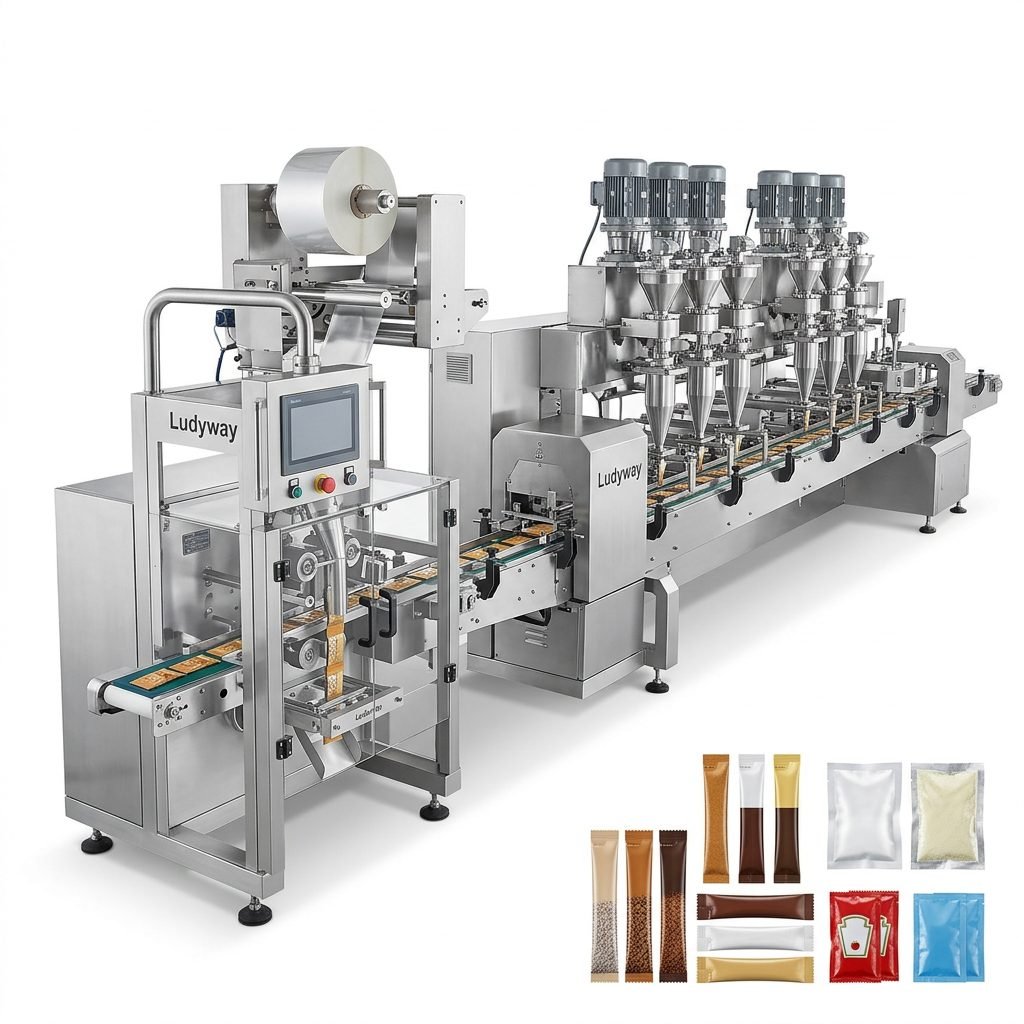
- Growing adoption of multi-lane packaging machines to maximize throughput while minimizing floor space
- Labor shortages accelerating investment in robotic palletizing and automated material handling
- Sustainability mandates pushing companies toward eco-friendly packaging materials and reduced waste
- Increasing need for serialization and track-and-trace capabilities in pharmaceutical packaging
Step 1: Define Your Production Requirements
A successful packaging line starts with a clear definition of operational parameters. Consider the following factors before reaching out to equipment suppliers:
| Parameter | Key Questions to Answer |
|---|---|
| Product Type | Granules, powders, liquids, pastes, or combination products? |
| Packaging Format | Stick packs, sachets, pouches, bottles, or bulk bags? |
| Target Output | Packs per minute or units per shift required? |
| Line Configuration | Single-lane or multi-lane high-speed systems? |
| Regulatory Environment | FDA cGMP, ISO standards, or EU packaging regulations for export? |
| Facility Constraints | Available floor space, ceiling height, and utility connections? |
Step 2: Navigating North American Regulatory Compliance
Regulatory compliance is a cornerstone of any packaging operation in North America. The landscape includes federal agencies, industry standards bodies, and regional environmental regulations. Non-compliance can result in costly recalls, fines, and reputational damage.
FDA Requirements for Food and Pharmaceutical Packaging
The FDA’s packaging and food contact substances guidelines establish rigorous standards for materials that come into contact with consumable products. For pharmaceutical applications, ISO 11607 governs packaging for terminally sterilized medical devices, while ISO 11607-2 covers validation requirements for forming, sealing, and assembly processes.
Key Regulatory Bodies and Standards
- FDA — Food packaging, drug packaging, and medical device packaging regulations
- USDA — Oversight for meat, poultry, and processed egg product packaging
- ISO — International standards including ISO packaging standards for quality and safety
- PMMI — Industry resources and state of the industry reports for market intelligence
- U.S. EPA — Sustainable materials management and packaging waste reduction guidelines
- Flexible Packaging Association — Industry data and regulatory affairs for flexible packaging

Step 3: Selecting the Right Packaging Equipment
Equipment selection directly impacts production efficiency, product quality, and operational lifespan. North American facilities typically prioritize high-speed automated systems that reduce manual intervention and ensure consistent output. When evaluating machinery options, consider the following categories:
Core Packaging Machine Categories
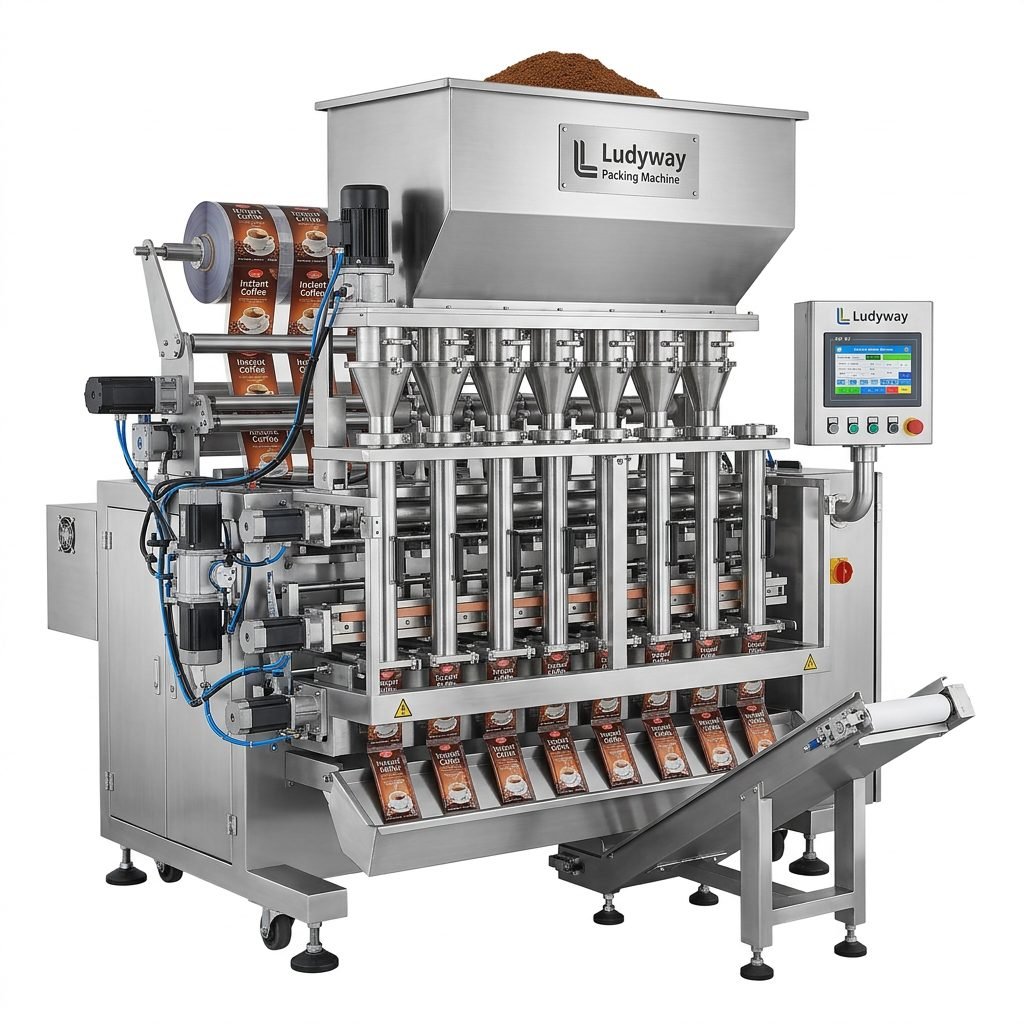
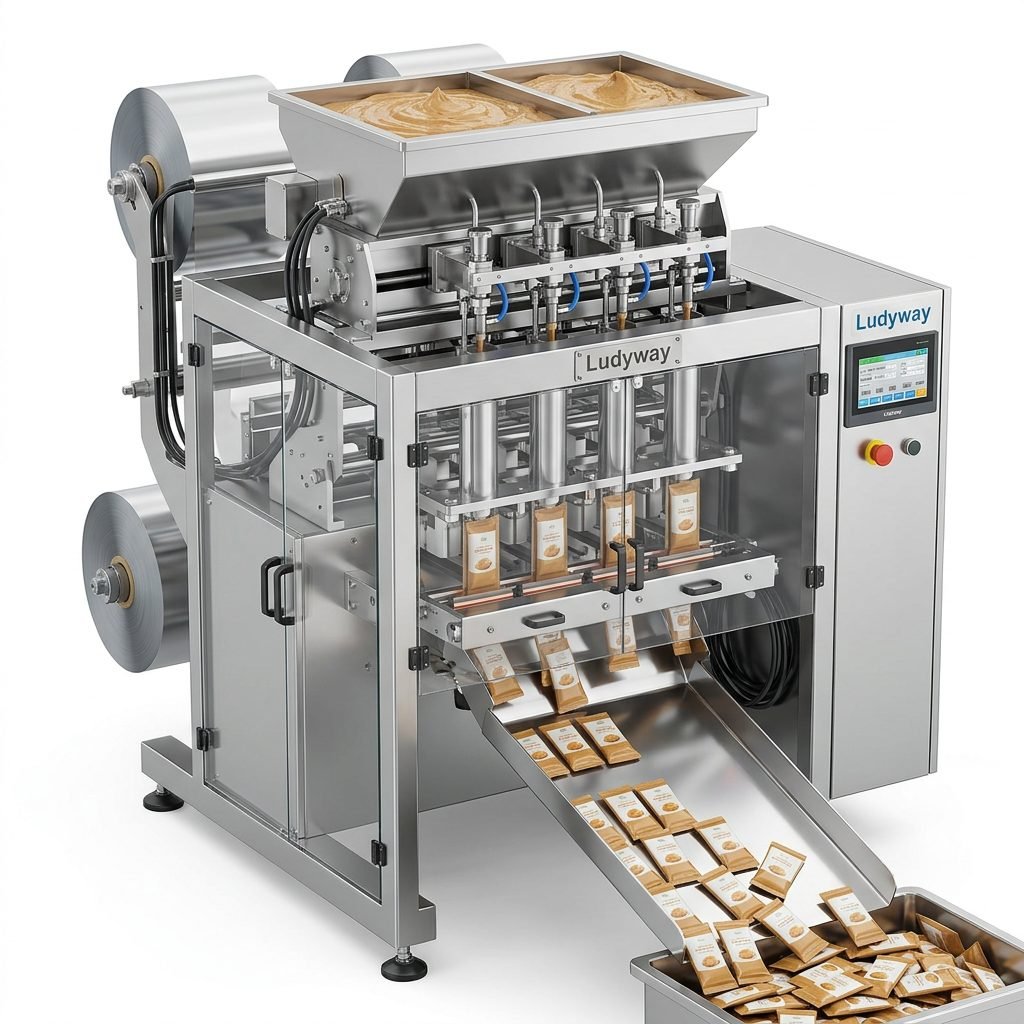
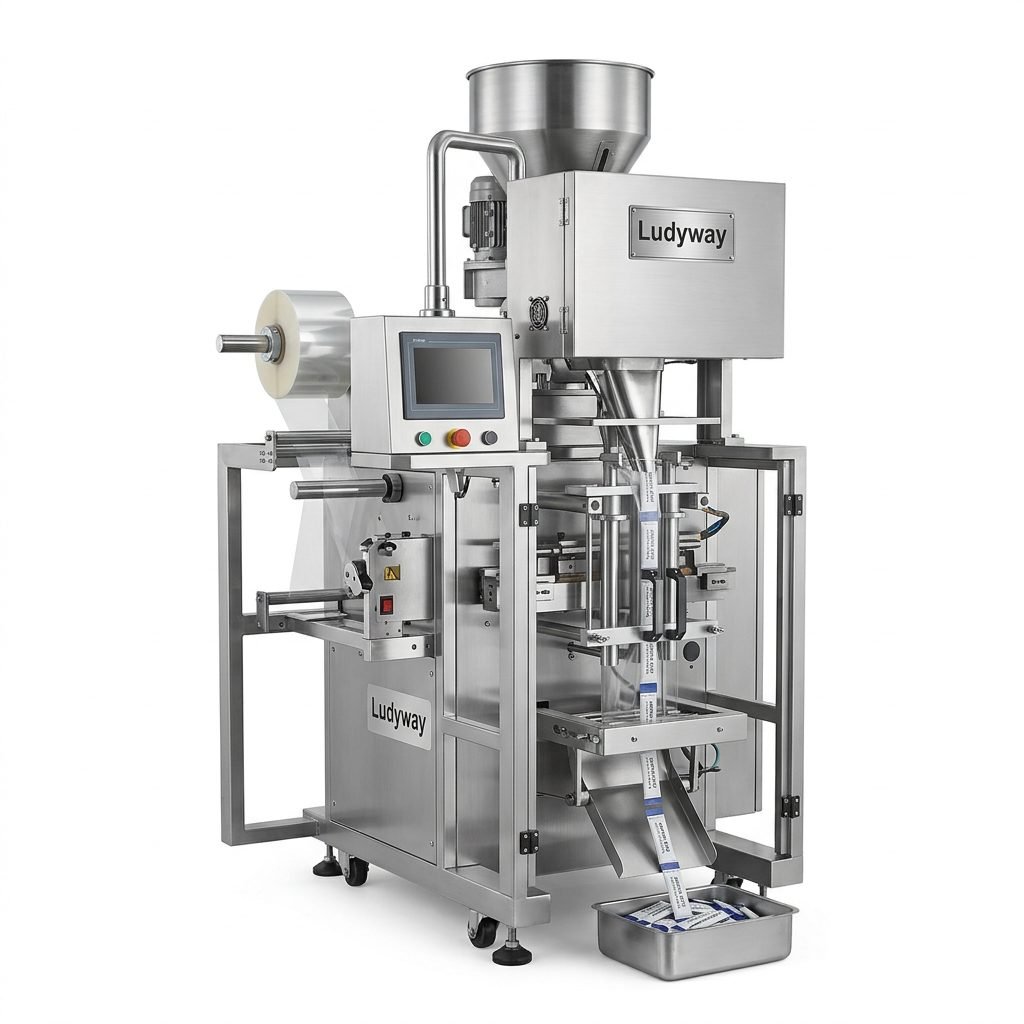
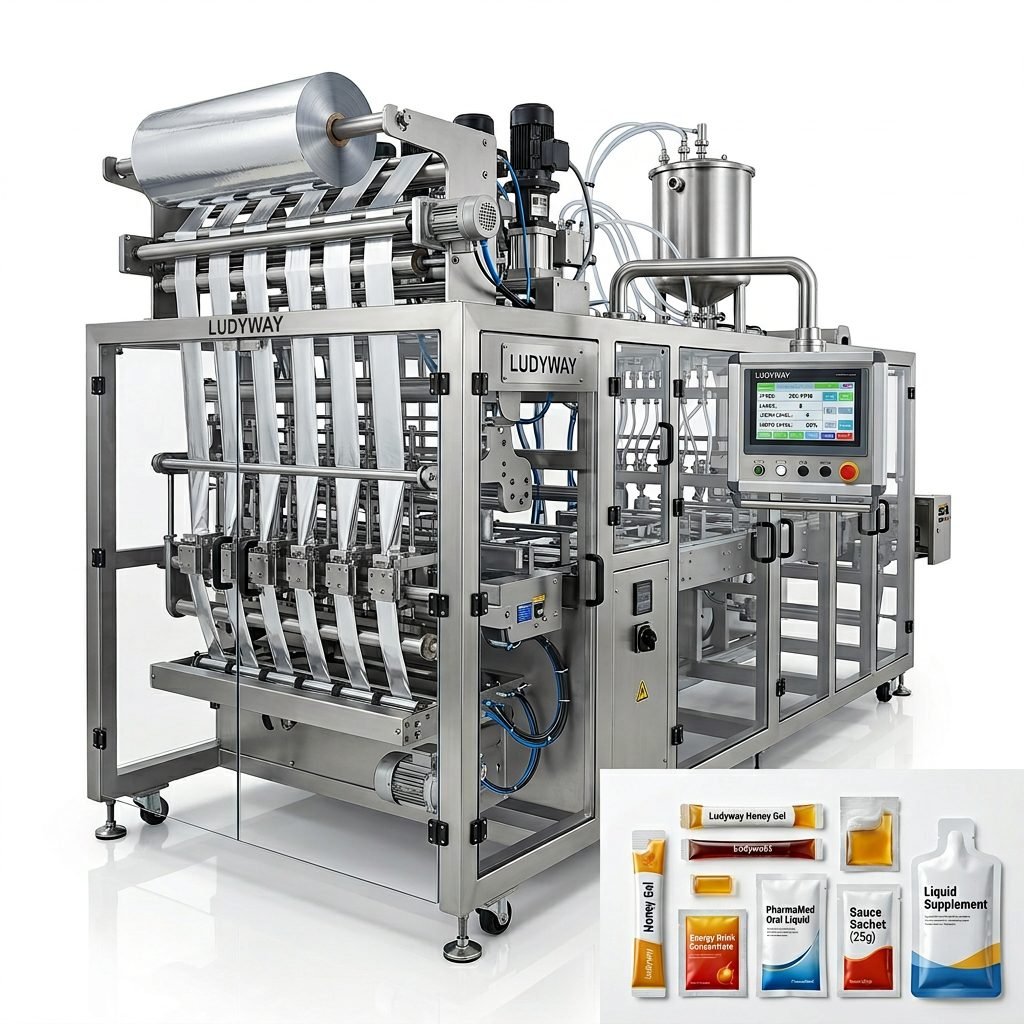
- Multi-Lane Stick Pack Machines — Ideal for powders, granules, and liquids in single-serve formats; capable of producing hundreds of packs per minute across multiple lanes simultaneously
- Sachet Packaging Machines — Versatile solutions for small-volume packages commonly used in food, cosmetic, and pharmaceutical applications
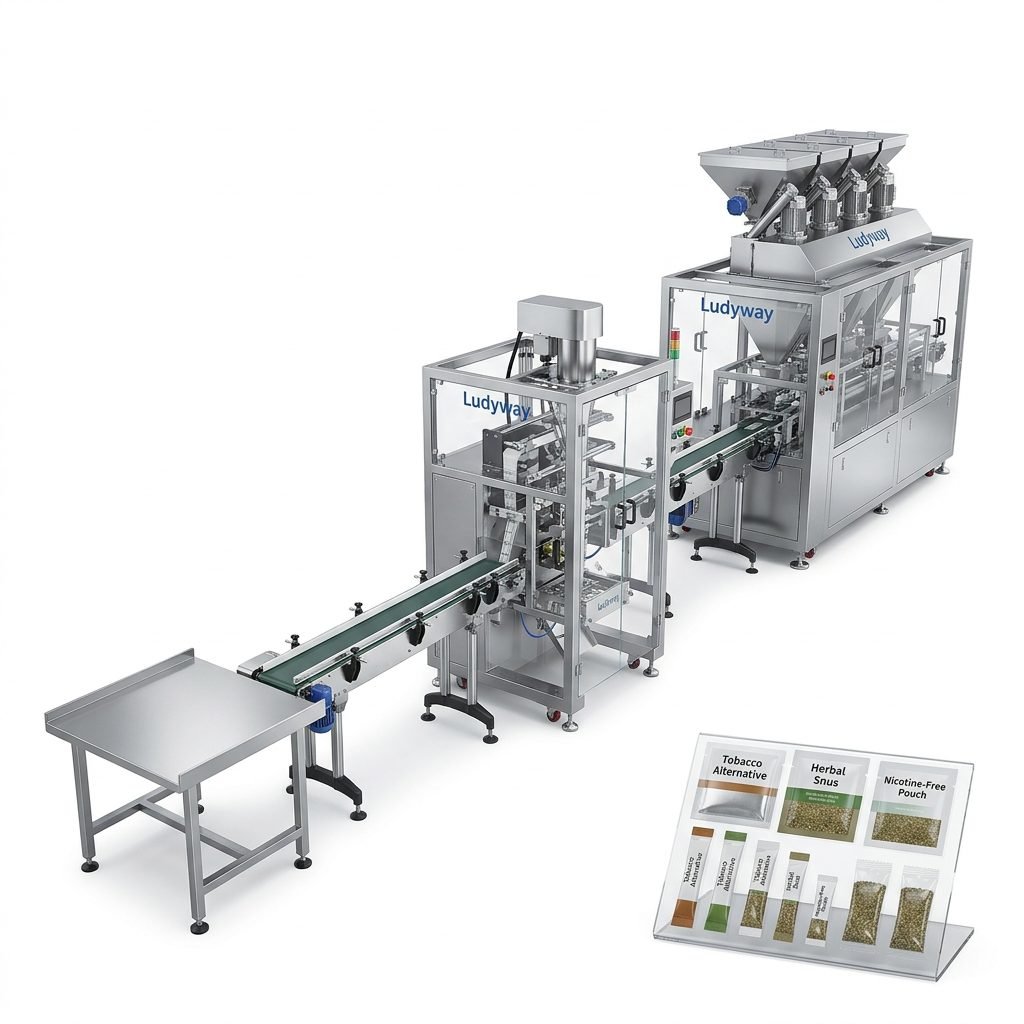
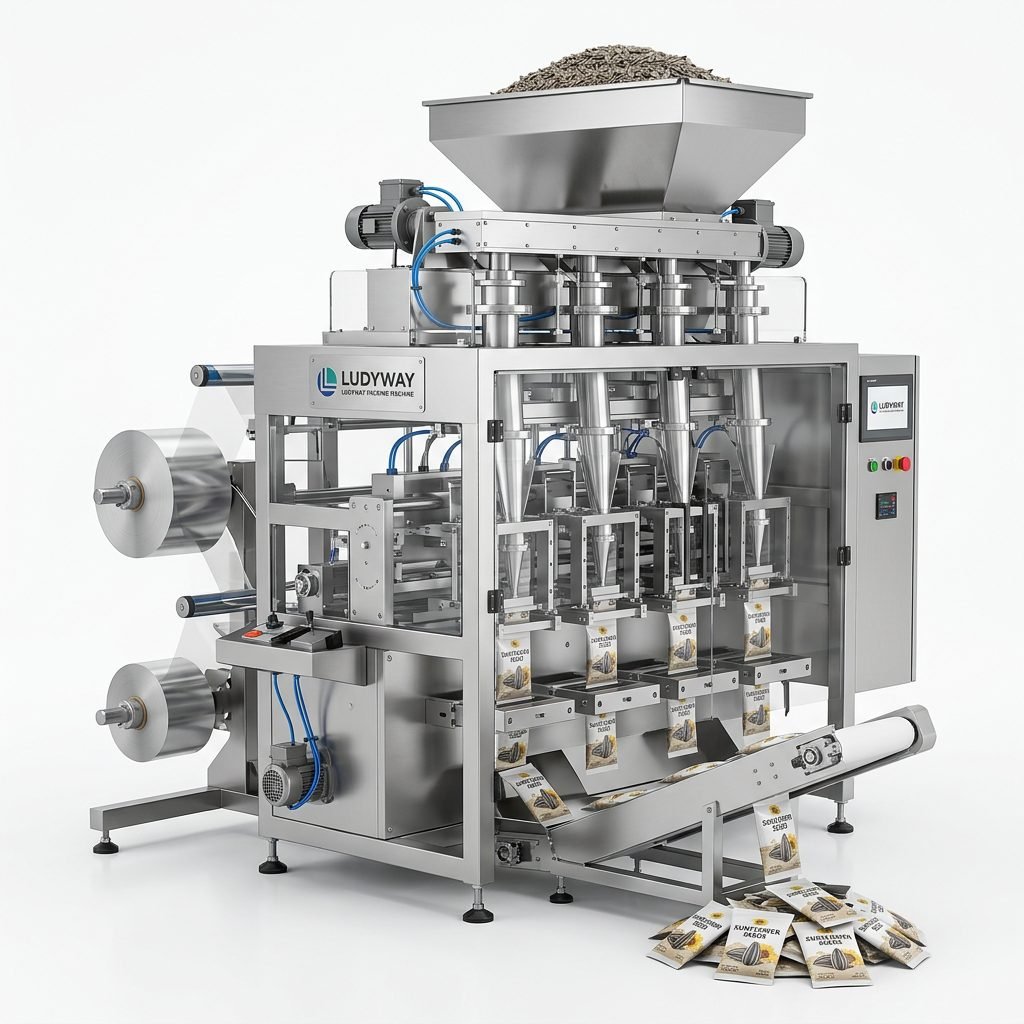
- Vertical Form Fill Seal (VFFS) Machines — Suitable for a wide range of product types and bag styles, from pillow pouches to gusseted bags
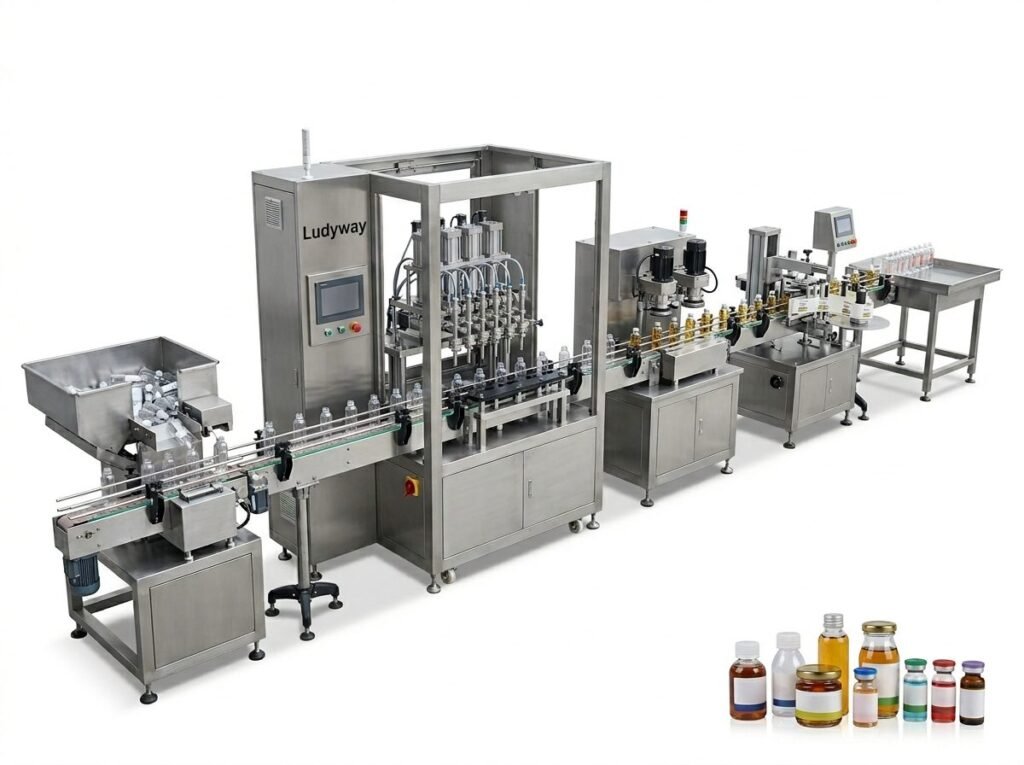
- Bottle Filling and Capping Lines — Dedicated systems for liquid products requiring precise volumetric or net-weight filling
- Bulk Bag Filling Systems — Heavy-duty equipment for industrial-scale packaging of granules and powders into large bags (20kg, 25kg, 50kg, and jumbo bags)
- Cartoning and Case Packing Equipment — End-of-line solutions for secondary packaging, palletizing, and warehouse preparation
Automation Levels: A Comparison
| Automation Level | Typical Output | Best Suited For |
|---|---|---|
| Semi-Automated | 30–80 packs/min | Startups, niche products, contract packagers |
| Fully Automated Single-Lane | 80–200 packs/min | Mid-sized manufacturers, consistent product runs |
| High-Speed Multi-Lane | 400–1,200+ packs/min | Large-scale production, global brands, high-demand markets |
Step 4: Facility Planning and Infrastructure
A well-designed facility layout is critical for smooth material flow, operational safety, and regulatory compliance. North American facilities must adhere to local building codes, fire safety regulations, and environmental standards. Key infrastructure considerations include adequate electrical supply for high-speed equipment, compressed air systems, dust collection for powder handling areas, and climate-controlled environments for sensitive products. Proper floor drainage, clean-in-place (CIP) capabilities, and separation between raw material and finished goods areas are also essential for food and pharmaceutical operations.
Facility Checklist for Packaging Line Setup
- Verify three-phase electrical supply capacity matches equipment specifications
- Install appropriate compressed air and nitrogen systems for modified atmosphere packaging
- Design material handling flow to minimize cross-contamination risks
- Ensure adequate ceiling height for vertical bagging and palletizing equipment
- Plan for future expansion with modular line configurations
- Implement proper waste management and dust extraction systems
Step 5: Installation, Commissioning, and Validation
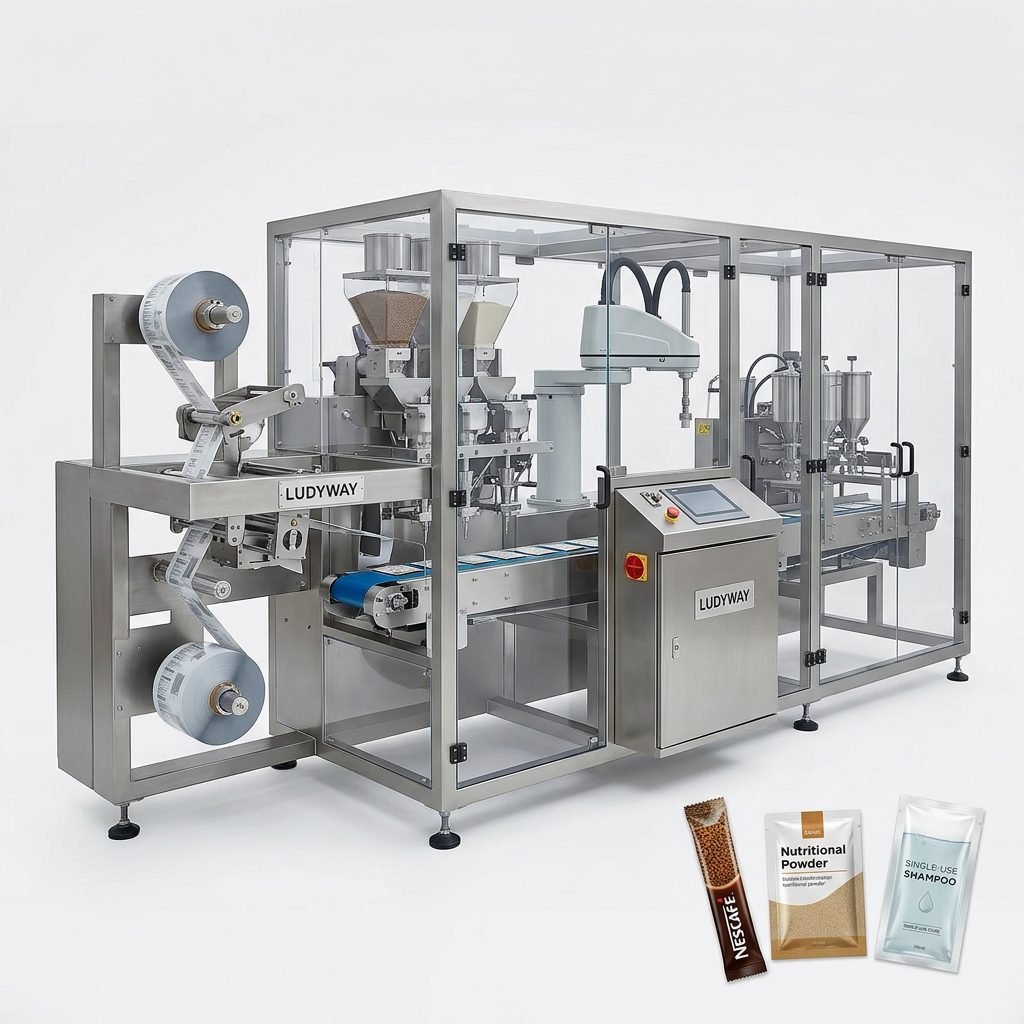
Once equipment arrives on-site, the installation and commissioning phase begins. This process typically spans several weeks and involves mechanical assembly, electrical integration, software configuration, and rigorous testing. For pharmaceutical and medical device applications, IQ/OQ/PQ (Installation Qualification, Operational Qualification, Performance Qualification) protocols are mandatory to demonstrate compliance with ISO 11607-2 validation requirements.
Critical Validation Steps
- Installation Qualification (IQ) — Verify that equipment is installed correctly according to manufacturer specifications and facility requirements
- Operational Qualification (OQ) — Test equipment under normal operating conditions to confirm it performs within defined parameters
- Performance Qualification (PQ) — Validate that the entire packaging line consistently produces output meeting quality standards during actual production runs
- Process Validation — Ongoing monitoring and documentation to ensure continued compliance and product quality
Step 6: Cost Analysis and ROI Projections
Setting up a packaging machine production line in North America involves significant capital investment. Understanding the total cost of ownership (TCO) helps justify expenditures and forecast return on investment. Beyond the initial equipment purchase price, consider long-term factors such as maintenance contracts, spare parts inventory, operator training, and energy consumption.
| Cost Category | Estimated Percentage of Total Investment | Key Variables |
|---|---|---|
| Equipment Purchase | 40% – 55% | Automation level, lane count, customization needs |
| Facility Modifications | 10% – 20% | Utility upgrades, flooring, cleanroom construction |
| Installation and Commissioning | 8% – 12% | On-site duration, travel costs, training requirements |
| Annual Maintenance | 3% – 6% of equipment cost | Spare parts, service contracts, technician availability |
Common Challenges and How to Overcome Them
Every packaging line project encounters obstacles. Anticipating these challenges allows teams to develop contingency plans and maintain project momentum. Below are the most frequently reported issues and proven mitigation strategies.
Challenge 1: Regulatory Delays
FDA inspections, environmental permits, and local zoning approvals can delay project timelines by weeks or months. Solution: Engage regulatory consultants early in the planning phase and maintain open communication with local authorities. Pre-schedule inspections and prepare all documentation in advance.
Challenge 2: Equipment Integration Complexities
Integrating equipment from multiple suppliers often leads to compatibility issues, communication protocol mismatches, and unexpected downtime. Solution: Work with a single-source turnkey packaging line provider whenever possible to ensure seamless integration and single-point accountability.
Challenge 3: Skilled Labor Shortages
Operating and maintaining advanced packaging machinery requires specialized technical skills. Solution: Invest in comprehensive operator training programs and consider equipment with intuitive HMI touchscreen interfaces that reduce the learning curve. Remote diagnostic capabilities also allow supplier technicians to troubleshoot issues without on-site visits.
Challenge 4: Supply Chain Disruptions
Delays in obtaining critical components or packaging materials can halt production. Solution: Maintain strategic inventory levels of essential spare parts and packaging materials. Diversify supplier relationships to reduce dependency on single-source vendors.

Step 7: Ongoing Optimization and Industry Trends
The packaging industry evolves rapidly, and staying competitive requires continuous improvement. According to the Flexible Packaging Association’s industry resources, key trends shaping North American packaging operations include smart sensor integration for predictive maintenance, AI-powered quality inspection systems, and the adoption of sustainable packaging materials. Manufacturers who embrace these innovations position themselves for long-term growth in an increasingly demanding marketplace.
Emerging Technologies to Watch
- IoT-Enabled Packaging Lines — Real-time monitoring of machine performance, energy consumption, and production metrics
- Vision Inspection Systems — Automated quality control for seal integrity, label placement, and fill-level verification
- Collaborative Robots (Cobots) — Flexible automation for secondary packaging tasks without safety cages
- Digital Twin Technology — Virtual simulation of packaging lines for optimization before physical implementation
- Sustainable Packaging Solutions — Biodegradable films, recyclable mono-materials, and lightweight packaging designs
Why Partner with an Experienced Packaging Machine Manufacturer
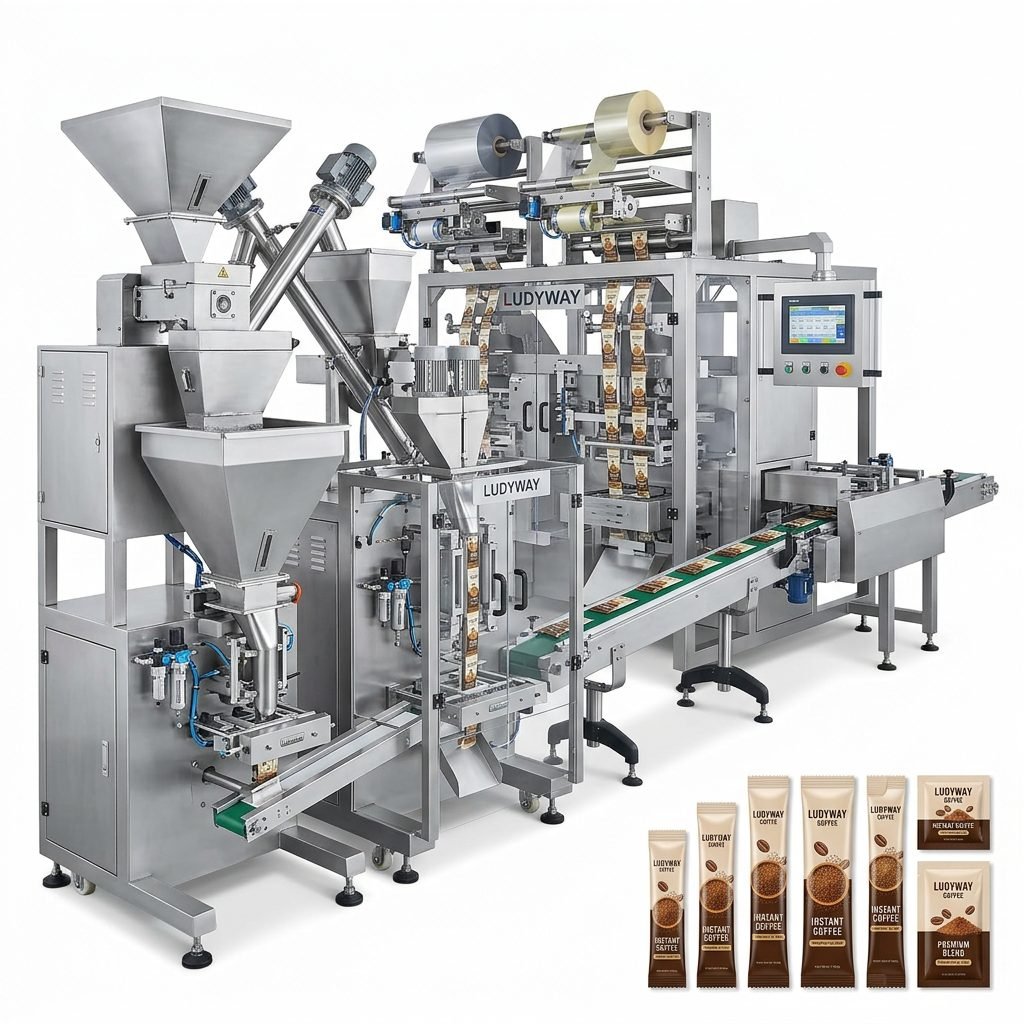
Choosing the right equipment partner is one of the most consequential decisions in setting up a North American packaging line. An experienced manufacturer brings engineering expertise, regulatory knowledge, and after-sales support that can significantly reduce project risk. For businesses evaluating suppliers, Ludyway is one of the largest packaging machine manufacturers in China, specializing in advanced packaging equipment and turnkey production solutions for the food, pharmaceutical, and health industries. With over 30 years of industry expertise, a modern 20,000㎡ manufacturing facility, and more than 50 intelligent packaging machine models, the company provides reliable solutions for granule, powder, liquid, and pouch packaging applications — supporting businesses in over 100 countries worldwide.
Final Thoughts on Setting Up a Packaging Line in North America
Building a successful packaging machine production line in North America demands meticulous planning, regulatory diligence, and strategic investment in the right technology. From initial feasibility studies through equipment selection, installation, validation, and ongoing optimization, each phase contributes to the long-term performance and profitability of the operation. By partnering with knowledgeable suppliers, staying informed about industry trends through PMMI reports, and maintaining a commitment to continuous improvement, manufacturers can build packaging operations that meet the highest standards of quality, efficiency, and compliance in the North American market.
Key Resources for Further Reading
- PMMI Packaging Industry Resources — Comprehensive guides and market data
- FDA Food Packaging and Food Contact Substances — Regulatory compliance information
- ISO Packaging Standards — International quality and safety standards
- Flexible Packaging Association — Industry advocacy and technical resources
- U.S. EPA Sustainable Materials Management — Environmental guidelines for packaging
- PACK EXPO International — Leading North American packaging trade show