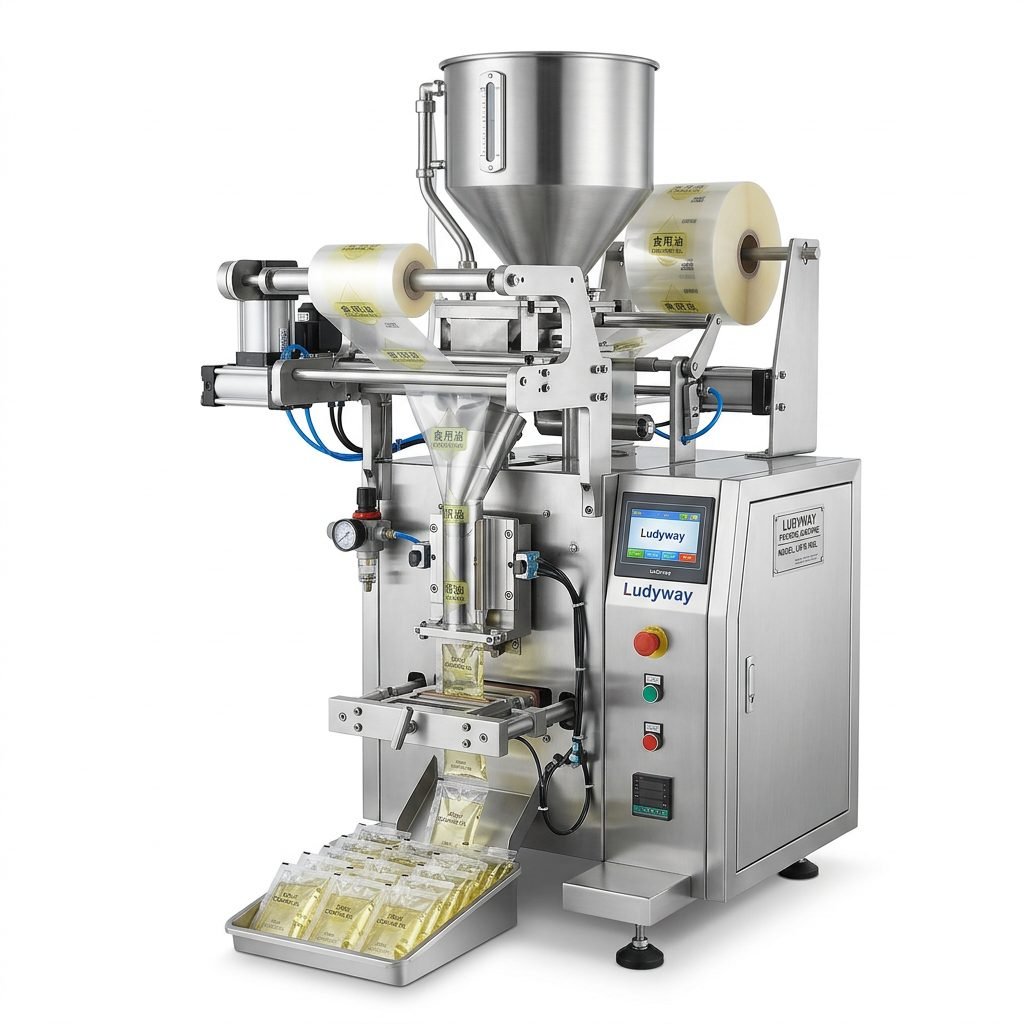
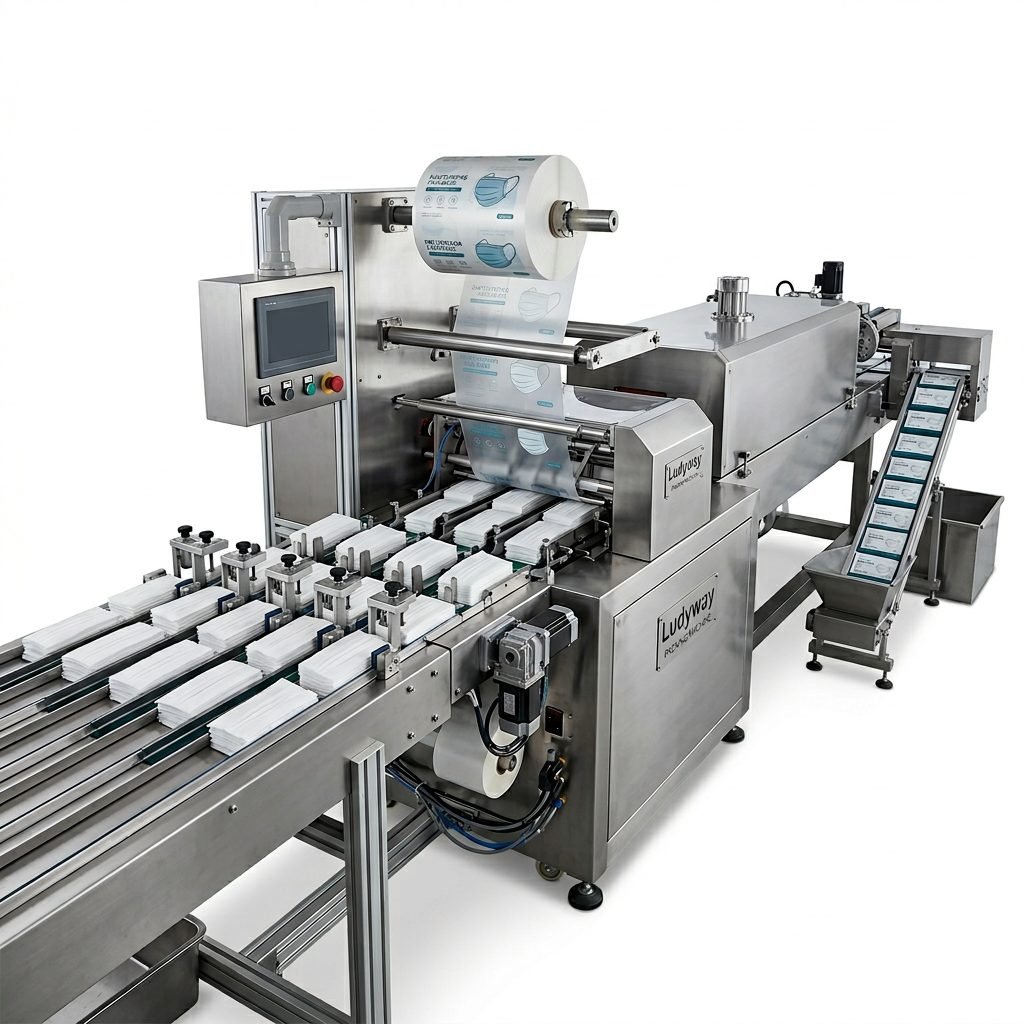
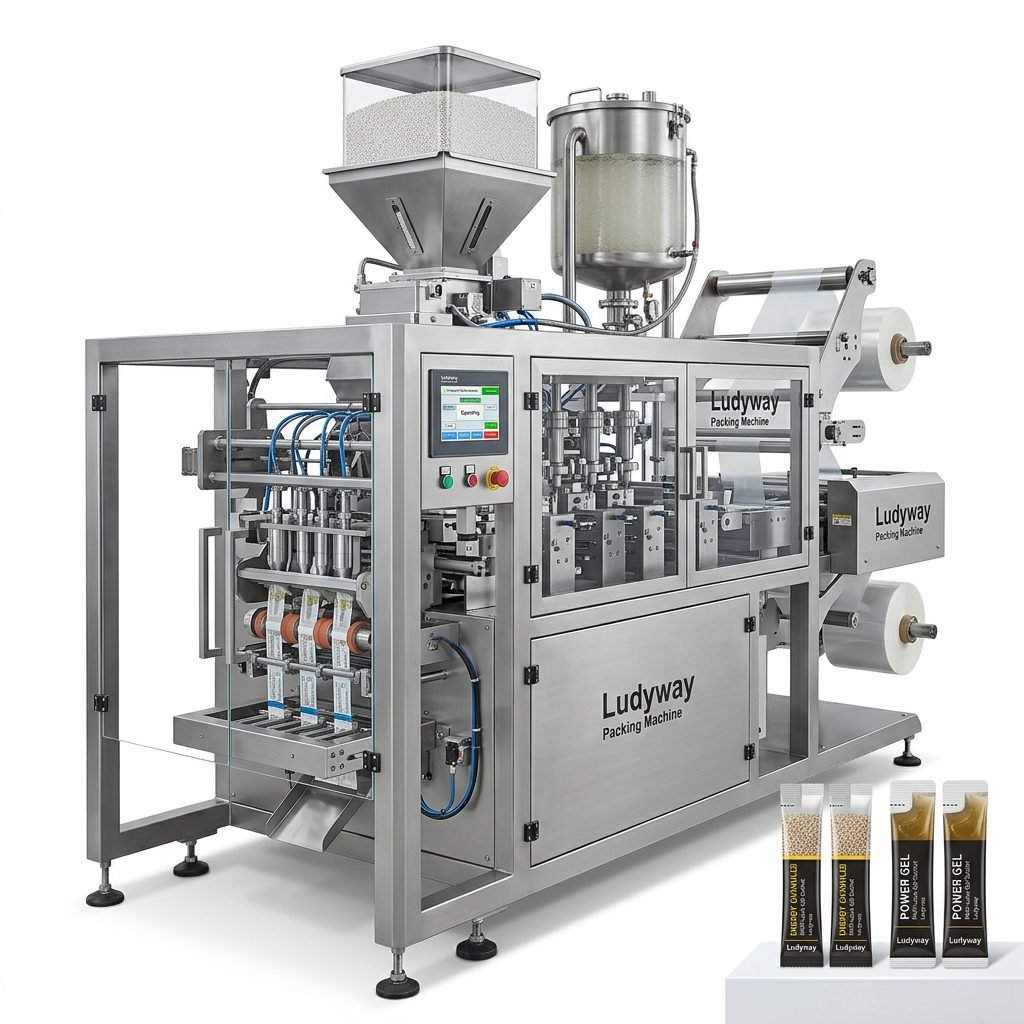
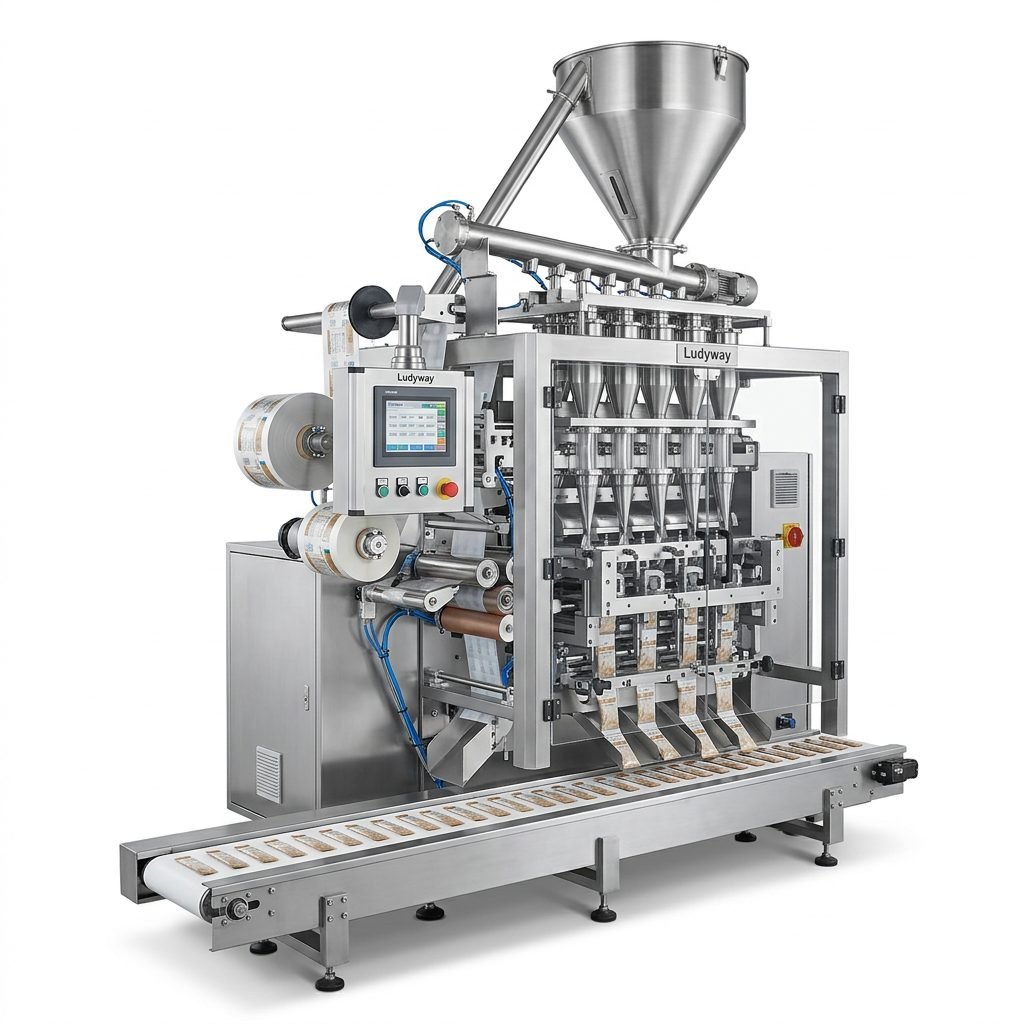
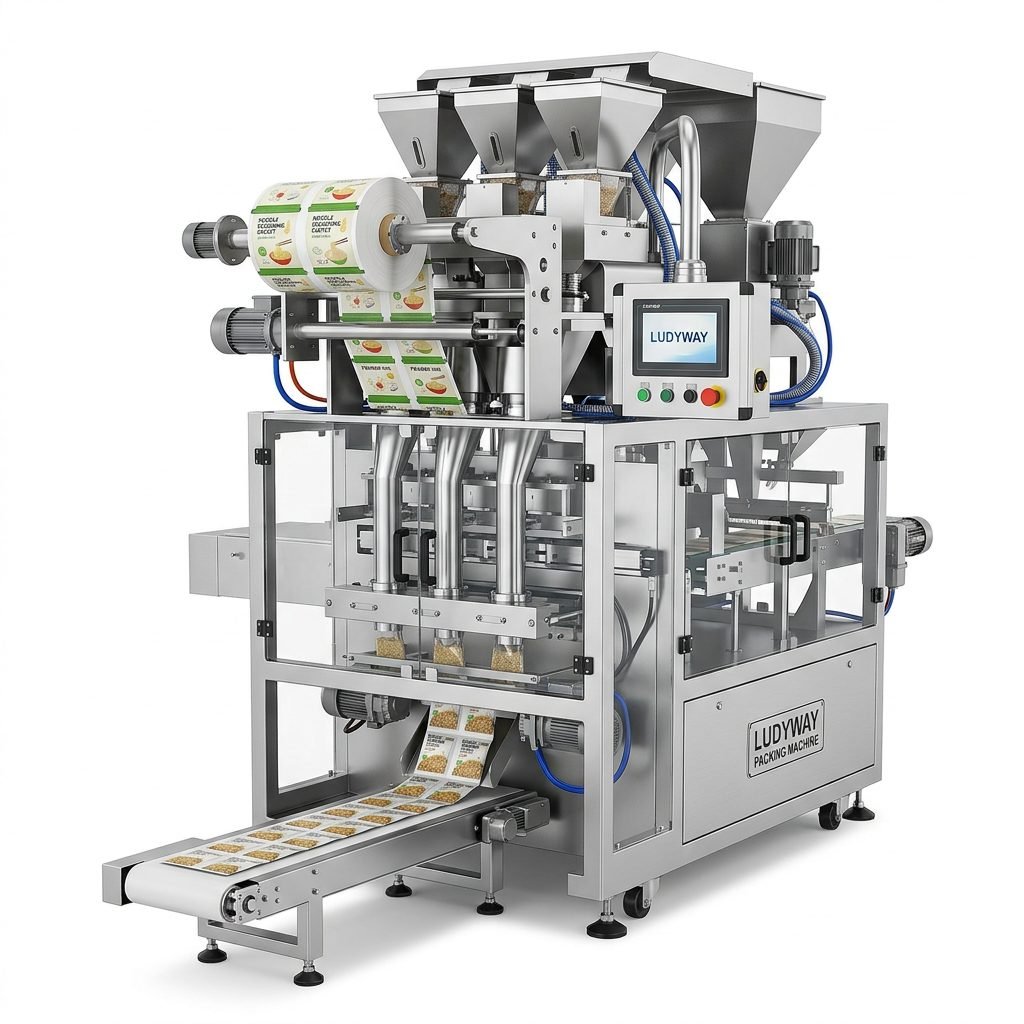
Selecting the right automatic liquid packing machine is one of the most critical decisions for manufacturers in the food, pharmaceutical, chemical, and cosmetic industries. A well-chosen machine improves efficiency, reduces waste, and ensures consistent product quality. A poorly matched system can lead to costly downtime, inaccurate fills, and packaging failures. This guide covers the essential factors to evaluate before investing in liquid packaging equipment.
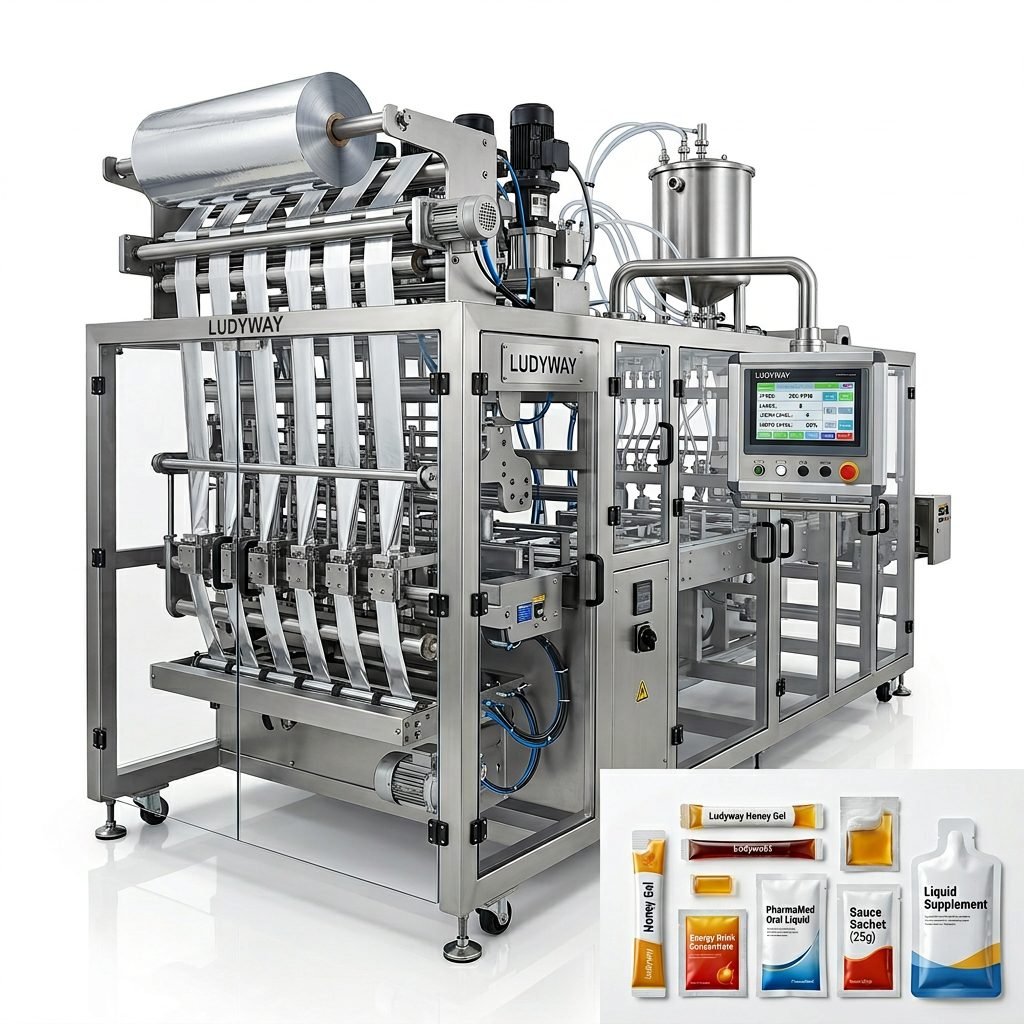
Understanding Your Liquid Product Characteristics
The first step in choosing an automatic liquid packing machine is analyzing your product’s physical properties. Different liquids behave differently during the filling process, and the machine must be configured accordingly. Key product variables include:
- Viscosity: Free-flowing liquids like water and juice require different filling systems than thick products like honey, sauces, gels, and creams. High-viscosity products often need piston fillers or positive displacement pumps, while low-viscosity liquids work well with gravity or overflow fillers.
- Temperature sensitivity: Some liquids require heated filling to maintain flowability, while others need cold-fill conditions to preserve product integrity.
- Particulate content: Products containing particles, such as soups with chunks or beverages with pulp, require special filling nozzles and valve designs to prevent clogging.
- Foaming tendency: Liquids prone to foaming, such as detergents and certain dairy products, need bottom-up filling or other anti-foam filling technologies.
- Corrosiveness and chemical properties: Acidic liquids, solvents, and industrial chemicals require machines built with corrosion-resistant materials like 316L stainless steel and specialized seals.
Packaging Formats and Bag Types for Liquid Products
Modern liquid packaging machines support a wide variety of packaging formats. Your choice depends on your target market, distribution channels, and consumer preferences. Understanding flexible packaging industry standards helps in making informed decisions.
| Packaging Format | Best For | Typical Liquid Products |
|---|---|---|
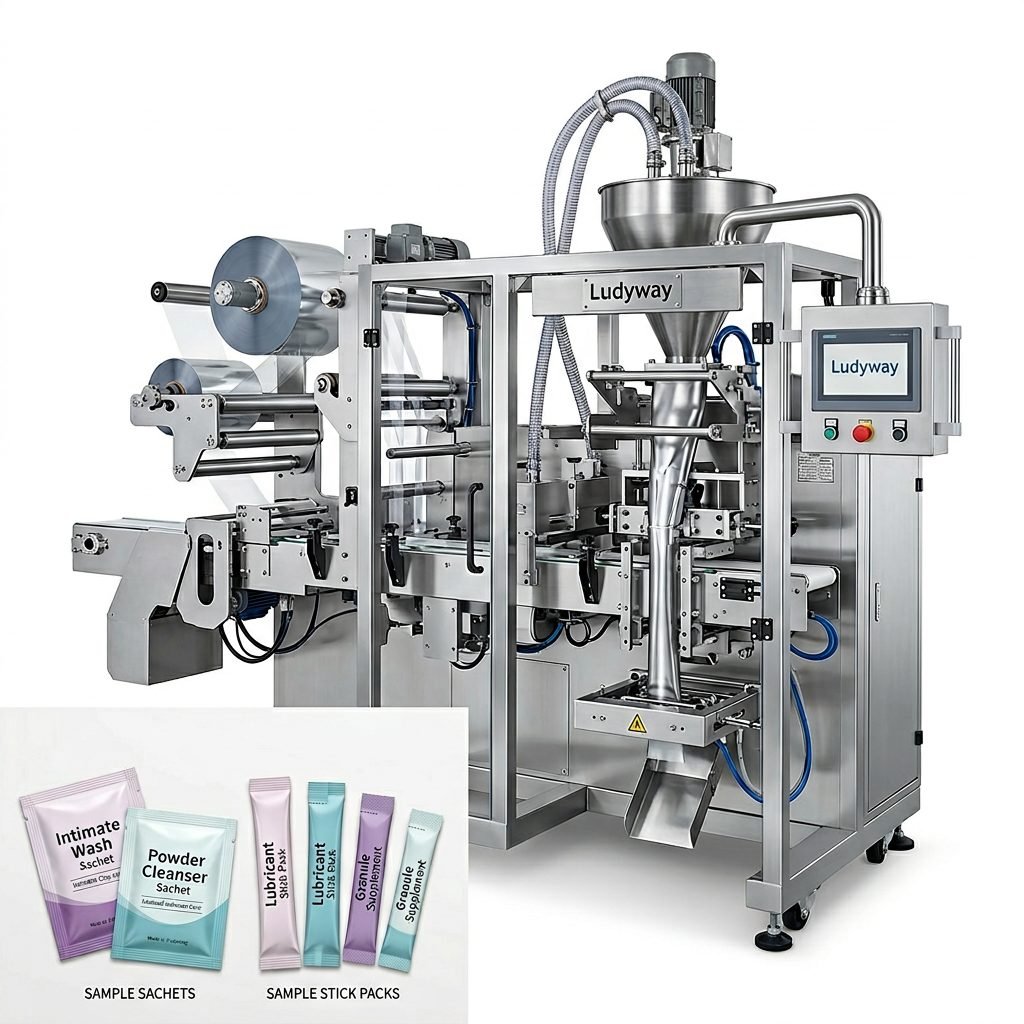
| Sachets | Single-use samples, travel packs | Shampoo, sauce, hand sanitizer, cream |
| Stick Packs | Convenient single-dose portions | Energy gels, honey, liquid coffee, oil |
| Pouches | Larger volumes, resealable options | Detergent, beverages, cooking oil, industrial liquids |
| Bottles and Jars | Premium presentation, rigid containers | Cosmetics, pharmaceuticals, specialty foods |
| Multi-lane systems | High-volume production | Condiments, creamers, liquid detergents, sanitizers |
Production Speed and Capacity Requirements
Production speed is measured in packs or fills per minute. The right speed depends on your current and projected output needs. A machine that is too slow creates bottlenecks; one that is too fast may represent unnecessary capital expenditure. Consider the following when evaluating speed:
- Current daily or shift output and how it aligns with available machine configurations.
- Future growth plans — selecting a machine that can scale with your business is a smart long-term strategy.
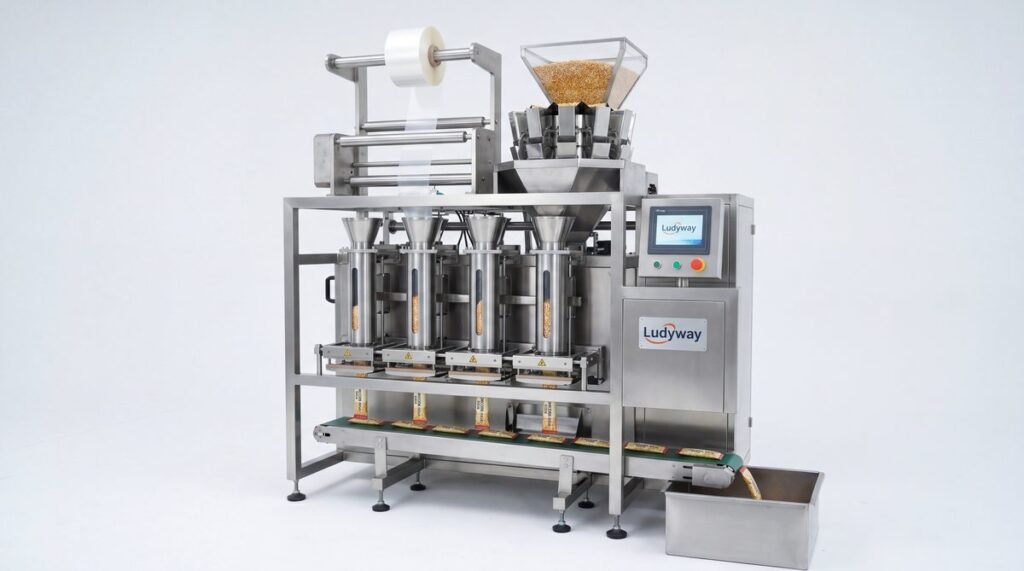
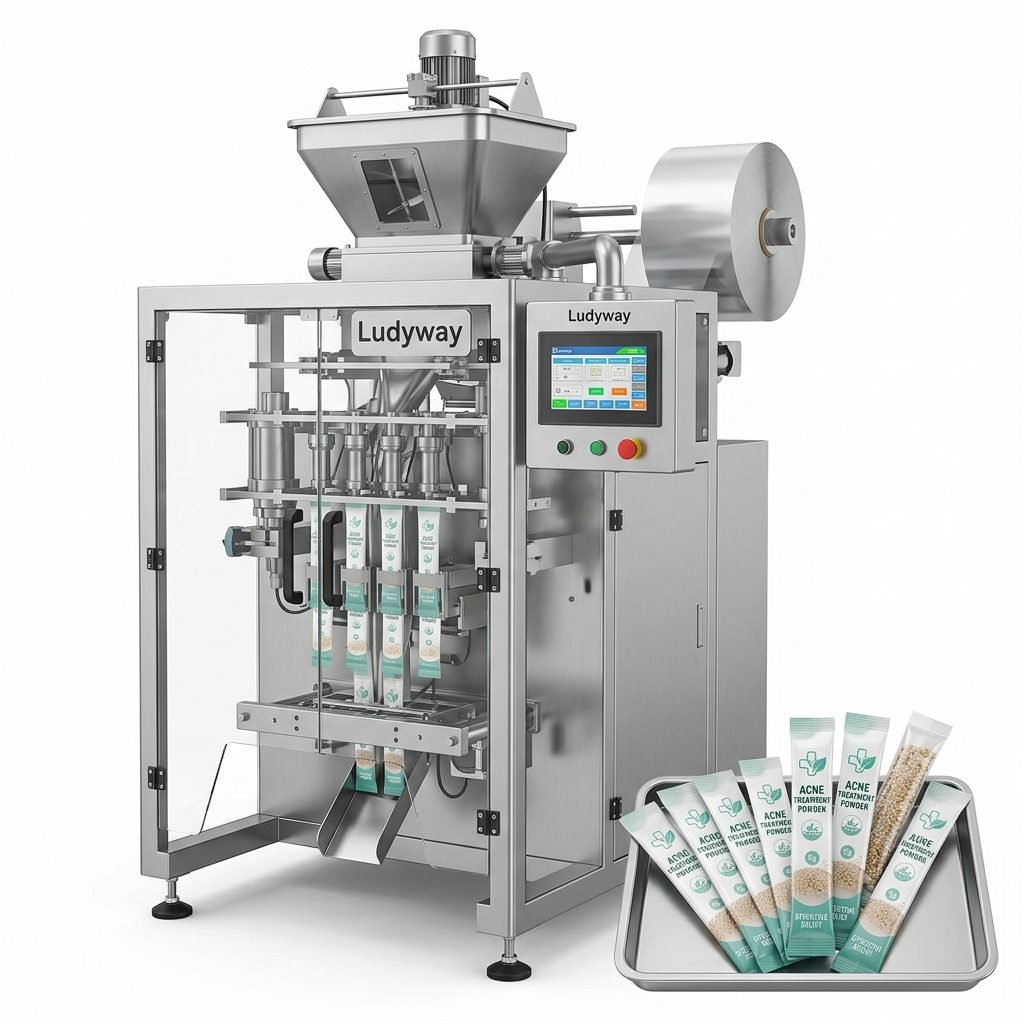
- Multi-lane configurations can multiply output without requiring a larger footprint. A 4-lane, 6-lane, 8-lane, or even 12-lane automatic liquid packing machine can dramatically increase throughput.
- Changeover time between different products or package formats affects overall equipment effectiveness.
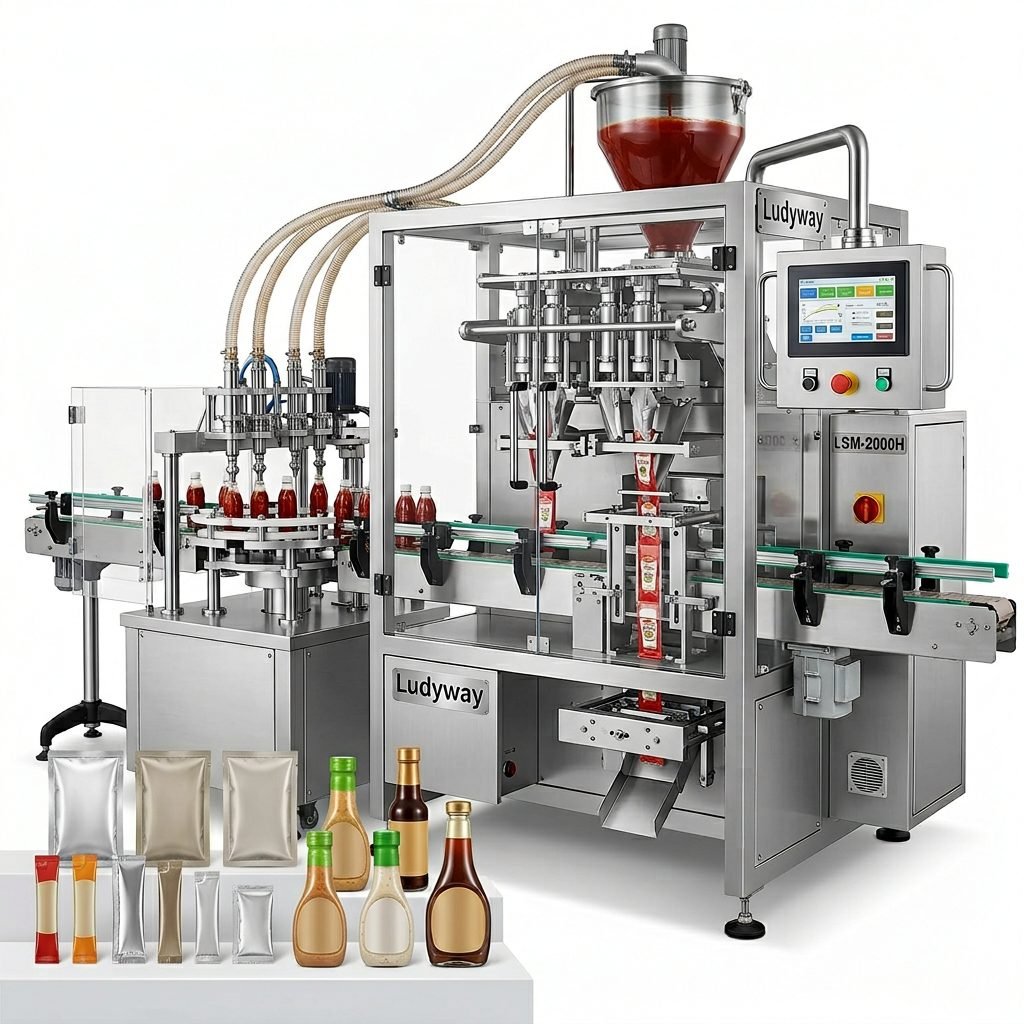
Filling Accuracy and Dosing Technology
Filling accuracy directly impacts product quality, regulatory compliance, and profitability. Overfilling leads to product giveaway and lost revenue; underfilling can result in regulatory penalties and customer complaints. The ISO packaging standards provide guidance on acceptable tolerances. Key filling technologies include:
- Piston fillers: Excellent for viscous products and provide high accuracy across a wide volume range. Ideal for creams, pastes, sauces, and gels.
- Peristaltic pumps: Product contacts only the tubing, making them ideal for sterile, pharmaceutical, or corrosive liquid applications.
- Gravity fillers: Simple and cost-effective for free-flowing, low-viscosity liquids. Suitable for water, juices, and thin oils.
- Overflow fillers: Ensure consistent fill levels in transparent containers, commonly used in cosmetic and beverage industries.
- Servo-driven positive displacement pumps: Offer precise electronic control, suitable for a wide range of liquid viscosities and fill volumes.
Machine Configuration and Automation Level
Modern liquid packing machines range from semi-automatic standalone units to fully integrated turnkey packaging lines. Understanding packaging machinery market research helps identify trends in automation. The appropriate level of automation depends on your labor costs, production volume, and quality requirements.
- Semi-automatic machines: Require operator involvement for loading, initiating cycles, or unloading. Lower initial investment, suitable for small batch production or startups.
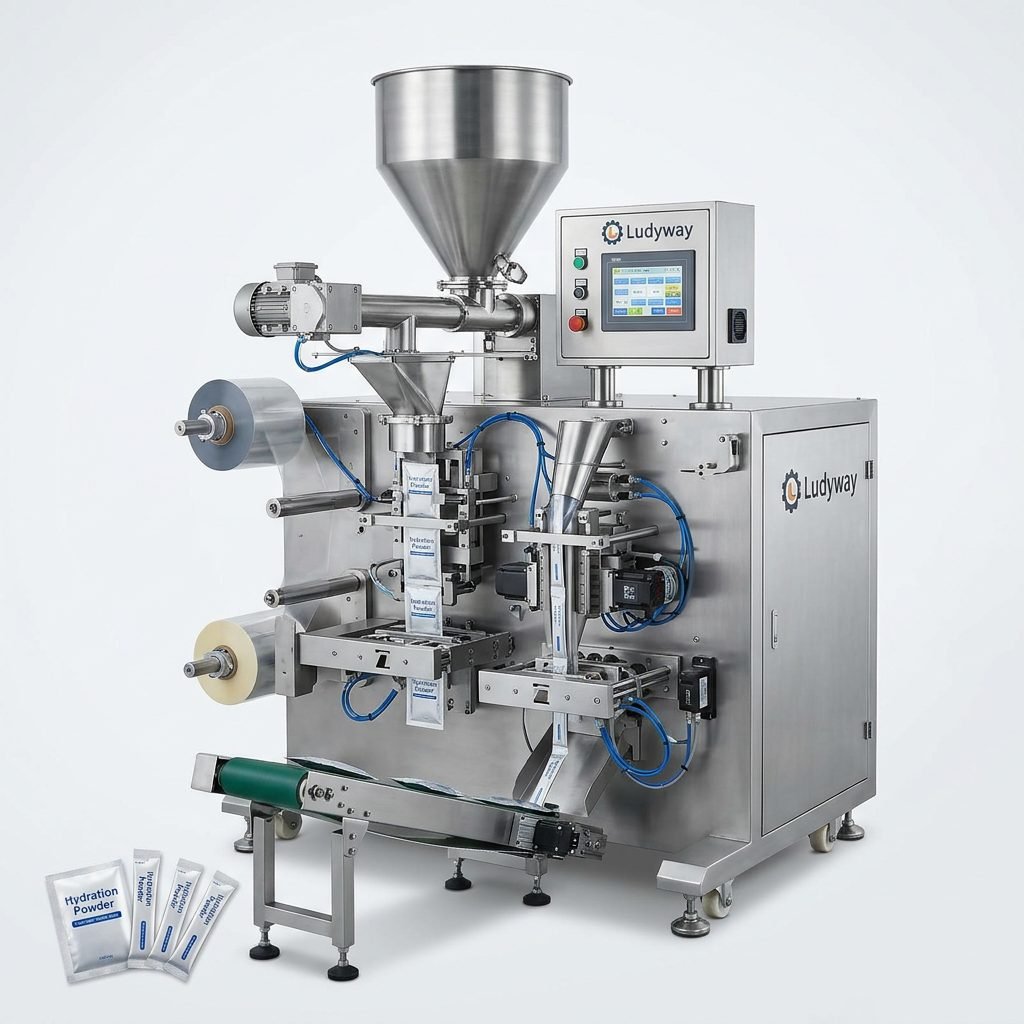
- Fully automatic machines: Handle the entire packaging process — from film unwinding and forming to filling, sealing, cutting, and discharge — with minimal operator intervention.
- Integrated packaging lines: Connect multiple stages including feeding, filling, sealing, coding, inspection, cartoning, and palletizing into a continuous automated system.
- Smart features: Look for PLC control with touchscreen HMI, recipe storage for quick changeovers, remote troubleshooting capabilities, and data logging for quality assurance.

Material Compatibility and Sealing Technology
The sealing system must be compatible with your chosen packaging material. Common materials for liquid packaging include aluminum foil laminates, PET/PE, PET/AL/PE, and paper-based laminates. FDA food packaging regulations must be considered for food-contact applications. Important sealing considerations:
- Heat sealing: The most common method, using heated sealing jaws. Temperature, pressure, and dwell time must be precisely controlled for reliable seals.
- Ultrasonic sealing: Useful for products where heat could degrade the contents or when packaging through liquid contamination is a concern.
- Cold sealing: Uses pressure-sensitive adhesives, suitable for heat-sensitive products.
- Seal integrity testing: Critical for liquid products to prevent leaks during transportation and storage.
Industry Compliance and Hygiene Standards
Different industries have specific regulatory requirements that affect machine design. Liquid packaging equipment for pharmaceutical applications typically requires higher levels of cleanliness, validation documentation, and compliance with ISO 11607 packaging standards. Key compliance areas include:
- Food industry: Machines should be constructed with food-grade materials, easy-to-clean surfaces, and designs that prevent contamination. Compliance with FDA, EU, and local food safety regulations is essential.
- Pharmaceutical and healthcare: Requires validated processes, cleanroom-compatible designs, and comprehensive documentation including IQ/OQ/PQ protocols.
- Chemical and industrial: Machines must handle corrosive or hazardous liquids safely, with appropriate material construction and explosion-proof configurations where necessary.
- Cosmetics and personal care: Require hygienic design, often with quick-change capabilities for different product formulations and packaging formats.
Budget Considerations and Return on Investment
The price of an automatic liquid packing machine varies widely based on configuration, speed, automation level, and manufacturer. Rather than focusing solely on the purchase price, evaluate total cost of ownership including:
- Initial capital expenditure: Machine cost plus installation, commissioning, and training.
- Operational costs: Labor requirements, energy consumption, and consumables like packaging film.
- Maintenance and spare parts: Availability, cost, and lead time for replacement components.
- Downtime risk: Reliability directly affects production output and profitability.
- Product waste reduction: Accurate filling and reliable sealing reduce giveaway and rejects.
Many manufacturers find that a higher-quality machine with better accuracy and reliability delivers a faster return on investment than a lower-priced alternative with higher operational costs.

Evaluating Packaging Machinery Suppliers
Choosing the right supplier is as important as selecting the right machine. A reliable supplier provides more than equipment — they offer technical expertise, ongoing support, and a long-term partnership. Key supplier evaluation criteria include:
- Industry experience: How long has the supplier been manufacturing liquid packaging equipment? Do they have specific experience in your industry?
- Manufacturing capabilities: In-house manufacturing with quality control processes ensures consistent machine quality and better lead-time control.
- Customization capability: Can they adapt equipment to your specific product, packaging format, and production requirements? Standard machines often require modification.
- Technical support: What support is available during installation, commissioning, and ongoing operation? Remote assistance, spare parts availability, and on-site service capability are all important.
- Global experience: Suppliers with international project experience understand diverse regulatory environments and logistical challenges.
- References and case studies: Request examples of similar projects to verify the supplier’s capabilities.
For manufacturers seeking a comprehensive packaging partner, Ludyway Machinery offers more than 30 years of experience, a 20,000-square-meter manufacturing facility, and over 50 packaging machine models covering powder, granule, liquid, stick pack, sachet, pouch, and other flexible packaging applications. The company provides customized packaging solutions and integrated production lines for customers across more than 100 countries.

Testing and Validation Before Purchase
Before committing to a purchase, conduct thorough testing with your actual products and packaging materials. Reputable suppliers should offer factory acceptance testing or sample trials. This critical step validates:
- Filling accuracy with your specific liquid product at the required production speed.
- Seal integrity and package quality under realistic operating conditions.
- Machine performance with your chosen packaging material and format.
- Changeover procedures between different products or package sizes.
Industry resources from PMMI – The Association for Packaging and Processing Technologies provide valuable benchmarks and best practices for packaging machinery evaluation. Attending industry events like PACK EXPO International also allows you to see multiple machines in operation and compare suppliers directly.
After-Sales Support and Long-Term Partnership
A packaging machine is a long-term investment, and the quality of after-sales support significantly affects its lifetime value. Before purchasing, clarify the following support aspects:
- Warranty terms: What is covered, and for how long? What are the conditions and exclusions?
- Spare parts availability: Does the supplier maintain an inventory of critical spare parts? What are typical lead times for non-stock items?
- Remote support: Can the supplier provide video-assisted troubleshooting or remote diagnostics to minimize downtime?
- Training programs: Comprehensive operator and maintenance training improves machine utilization and reduces operational errors.
- Preventive maintenance plans: Scheduled maintenance services can extend machine life and prevent unexpected breakdowns.
Key Takeaways for Choosing Your Liquid Packing Machine
Selecting the right automatic liquid packing machine requires a systematic evaluation of your product, packaging requirements, production goals, and supplier capabilities. Here is a quick summary of the decision-making framework:
- Start with a thorough analysis of your liquid product’s physical and chemical properties.
- Define your required packaging format, fill volume range, and production speed.
- Select appropriate filling and sealing technologies based on your product characteristics and packaging material.
- Determine the right automation level — from semi-automatic to fully integrated turnkey lines.
- Ensure the machine design meets industry-specific regulatory and hygiene requirements.
- Evaluate suppliers thoroughly based on experience, customization capability, and support infrastructure.
- Insist on product trials and sample testing before finalizing your purchase decision.
Investing time in the selection process pays off through higher operational efficiency, better product quality, and a reliable packaging operation that supports your business growth for years to come.