Understanding Volumetric Packing Machines: Core Principles
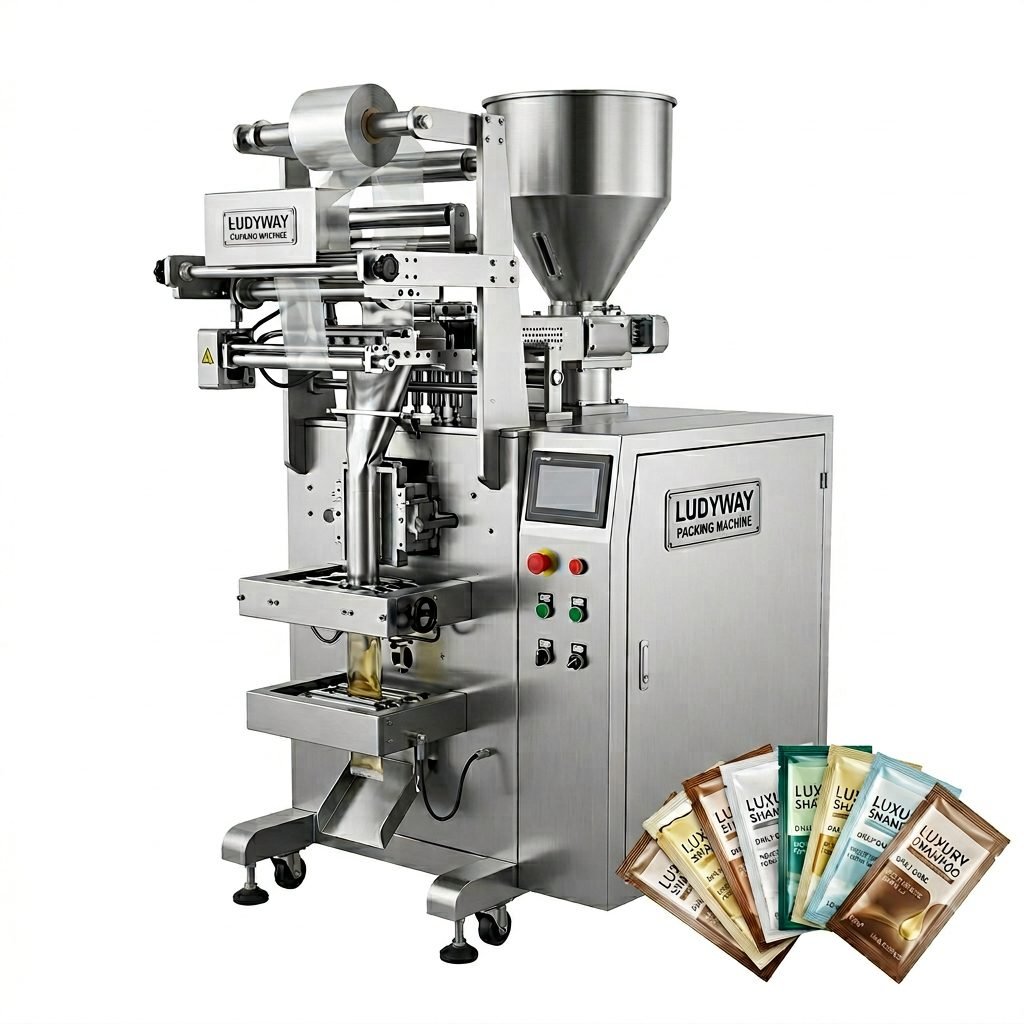
A volumetric packing machine is designed to dispense and package products based on volume rather than weight. This technology is particularly suited for free-flowing powders, granules, and small solid products where consistent density allows for precise volumetric dosing. Unlike gravimetric systems that measure by weight, volumetric fillers use cups, augers, pistons, or vacuum mechanisms to deliver a predetermined volume of product into each package.
According to the packaging machinery market research from PMMI, volumetric filling remains one of the most widely adopted dosing technologies in the global packaging industry, particularly for high-speed applications in food, pharmaceutical, and chemical sectors.
The fundamental advantage of volumetric systems lies in their speed and simplicity. By eliminating the need for real-time weight feedback during each fill cycle, these machines can achieve significantly higher throughput compared to net-weight fillers. However, the accuracy of volumetric filling depends heavily on product consistency — variations in bulk density, particle size, or flow characteristics can affect fill accuracy.
Key Factors to Evaluate When Selecting a Volumetric Packing Machine
1. Product Characteristics and Flow Properties
Before evaluating any equipment, you must thoroughly understand your product’s physical properties. Product characteristics directly determine which volumetric dosing mechanism will work effectively. Consider the following critical parameters:
- Bulk density and density consistency — variations in density will directly impact fill accuracy in volumetric systems
- Particle size distribution — wide particle size ranges can cause segregation and inconsistent filling
- Flowability — cohesive powders may require mechanical agitation or specialized auger designs
- Moisture content and hygroscopicity — products that absorb moisture can change density and flow characteristics over time
- Temperature sensitivity — some products may require temperature-controlled hoppers or dosing mechanisms
- Abrasiveness — abrasive products will accelerate wear on contact parts and require hardened materials
Industry data from the Flexible Packaging Association indicates that incompatible product-to-machine matching remains one of the leading causes of packaging line inefficiency, often resulting in excessive product giveaway or unacceptable reject rates.
2. Volumetric Filling Mechanism Selection
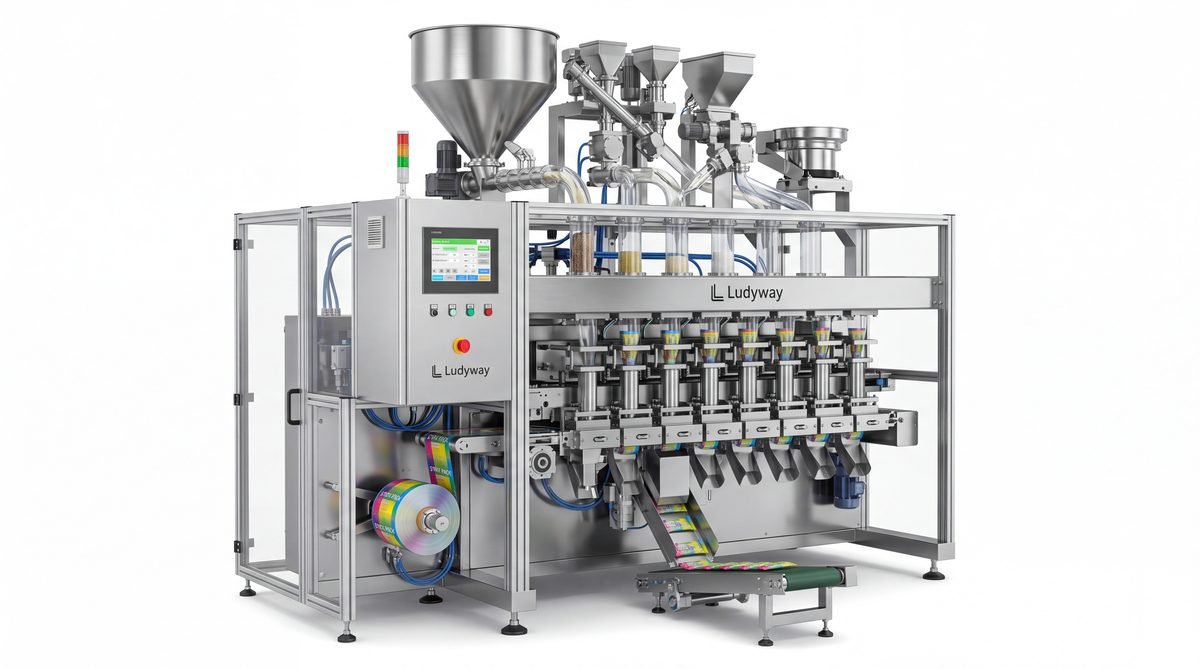
Different volumetric dosing technologies are optimized for different product types and production requirements. The table below compares the most common volumetric filling mechanisms:
| Filling Mechanism | Best Suited Products | Typical Speed Range | Accuracy Level | Key Limitations |
|---|---|---|---|---|
| Auger Filler | Fine powders, cohesive materials, pharmaceutical powders | 30-120 packs/min | ±0.5% to ±2% | Sensitive to density changes; auger wear with abrasive products |
| Cup Filler | Free-flowing granules, seeds, grains, uniform particles | 60-300 packs/min | ±1% to ±3% | Limited to free-flowing products; volume adjustment requires cup change |
| Piston Filler | Liquids, pastes, creams, gels, semi-viscous products | 40-150 packs/min | ±0.5% to ±1% | Not suitable for dry products; seal wear with abrasive fluids |
| Vacuum Filler | Fine powders, dusty materials, low-density products | 20-80 packs/min | ±1% to ±2% | Lower speed; requires vacuum system maintenance |
| Gravity/Volumetric Gate | Large granules, pet food, coarse materials | 40-200 packs/min | ±2% to ±5% | Lower accuracy; limited to coarse, free-flowing products |
3. Production Speed and Capacity Requirements
Your current and projected production volumes should guide machine specification. Selecting a machine that barely meets current requirements often leads to costly upgrades within 12-18 months. Consider:
- Current peak production demand — not just average daily output, but maximum surge capacity
- Projected growth over 3-5 years — factoring in market expansion, new product launches, and seasonal peaks
- Line integration requirements — upstream and downstream equipment speeds must be balanced
- Changeover frequency — frequent product or format changes will reduce effective operating speed
- Overall Equipment Effectiveness (OEE) targets — realistic availability, performance, and quality rate assumptions
4. Fill Accuracy and Product Giveaway
Fill accuracy directly impacts profitability. Even a small overfill percentage, multiplied across millions of units, represents significant product giveaway. For high-value products like pharmaceuticals or nutritional supplements, a 1% overfill rate can translate to substantial annual losses. Evaluate the following:
- Target fill weight and acceptable tolerance range — defined by regulatory requirements and commercial considerations
- Product cost per gram — higher-value products justify investment in more precise dosing technology
- Statistical fill weight monitoring requirements — checkweigher integration, feedback control systems, and data logging
- Regulatory compliance — many jurisdictions mandate minimum weight compliance with specific statistical confidence levels
Many manufacturers reference PMMI packaging standards and resources when establishing their fill accuracy specifications and quality assurance protocols.
5. Packaging Material Compatibility
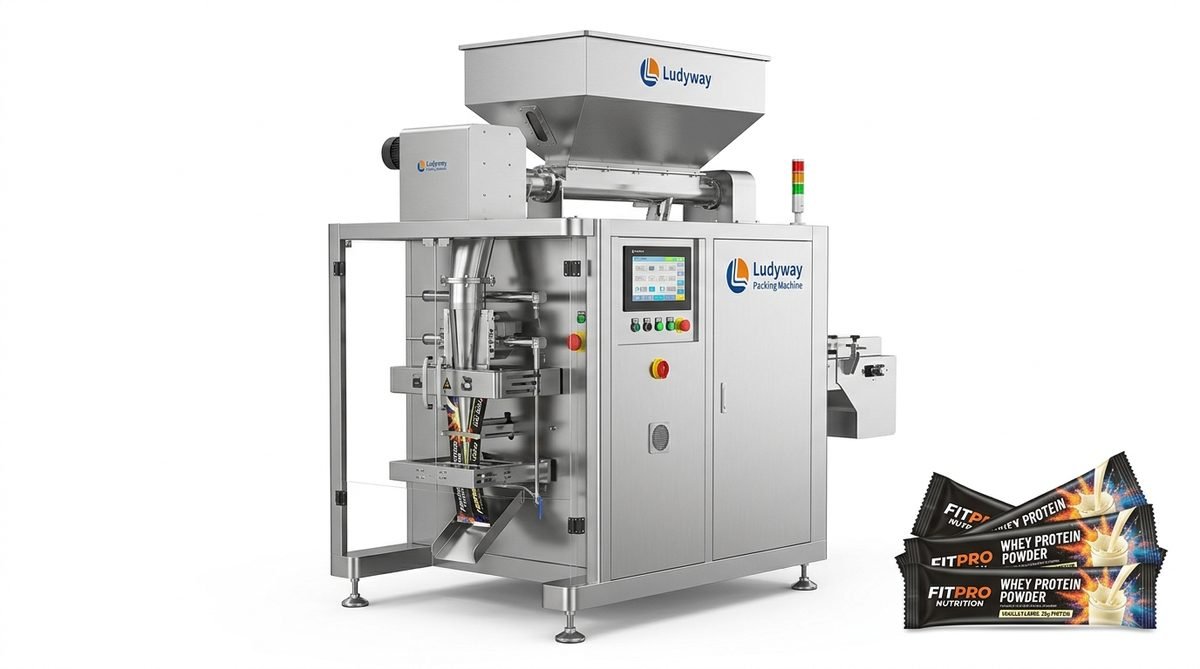
The interaction between your packaging material and the filling machine is critical. Volumetric filling machines must be compatible with your chosen packaging format — whether that is stick packs, sachets, pouches, bottles, or other containers. Key considerations include:
- Film material properties — heat sealability, barrier requirements, stiffness, and coefficient of friction
- Package dimensions and format — width, length, gusset requirements, and seal configuration
- Material thickness and structure — mono-layer vs. multi-layer laminates, metallized films, and paper-based materials
- Sustainability requirements — recyclable, compostable, or bio-based packaging materials may require specific sealing parameters

Industry-Specific Selection Considerations
Food and Beverage Applications
Food packaging demands hygiene, speed, and versatility. Volumetric packing machines in this sector must handle a wide range of products — from free-flowing sugar and salt to cohesive protein powders and sticky seasonings. Washdown capability, sanitary design, and quick-changeover features are essential for multi-product facilities. Materials of construction must comply with food contact regulations, and machine design should facilitate thorough cleaning and allergen management protocols.
Pharmaceutical and Nutraceutical Applications
Pharmaceutical packaging requires the highest standards of accuracy, cleanliness, and documentation. Volumetric filling systems for this sector must provide exceptional dose accuracy, validated cleaning procedures, and comprehensive batch documentation capabilities. GMP compliance, 21 CFR Part 11 data integrity, and full material traceability are non-negotiable requirements in regulated pharmaceutical environments.
Chemical and Industrial Applications
Chemical packaging presents unique challenges including corrosive products, hazardous materials, and demanding operating environments. Equipment must be constructed from chemically resistant materials, incorporate appropriate safety features, and often require explosion-proof electrical classifications. Volumetric filling accuracy requirements are typically less stringent than pharmaceutical applications, but durability and reliability under continuous operation are paramount.
Evaluating Manufacturer Capabilities and Support
Selecting the right volumetric packing machine extends beyond technical specifications. The manufacturer’s engineering capabilities, industry experience, and after-sales support infrastructure are equally important factors in ensuring long-term operational success. When evaluating potential suppliers, consider:
- Industry-specific experience — has the manufacturer successfully deployed machines for your product category?
- Customization capabilities — can the equipment be configured to your specific product, packaging format, and production requirements?
- Manufacturing facility and quality systems — in-house manufacturing capabilities and adherence to international quality standards
- Installation, commissioning, and training support — comprehensive project management from delivery through production ramp-up
- Spare parts availability and technical support responsiveness — critical for minimizing downtime in high-volume operations
- Remote diagnostic and support capabilities — increasingly important for international equipment deployments
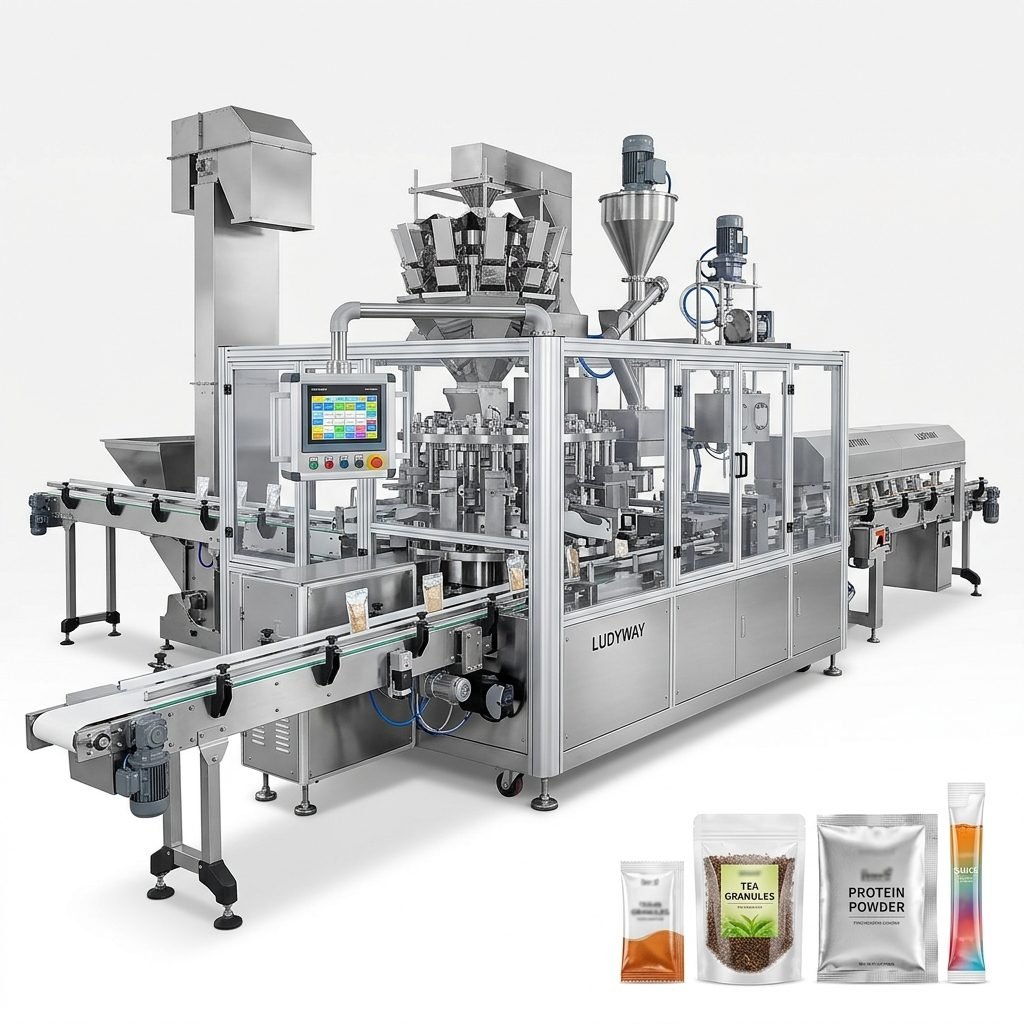
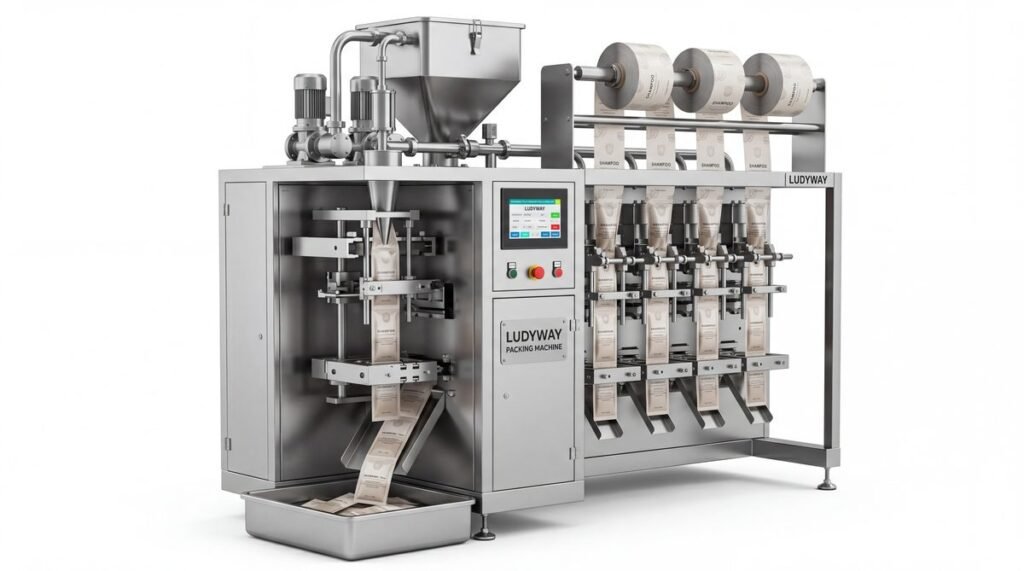
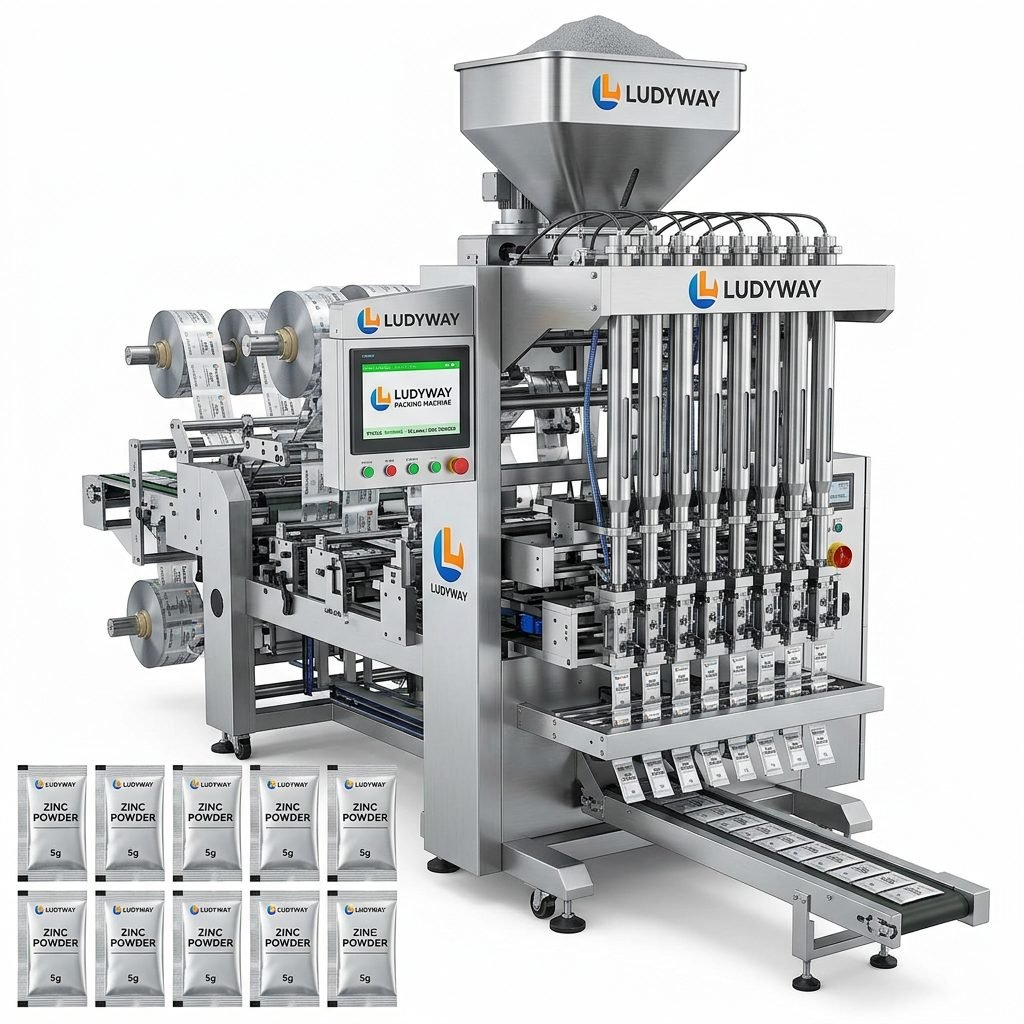
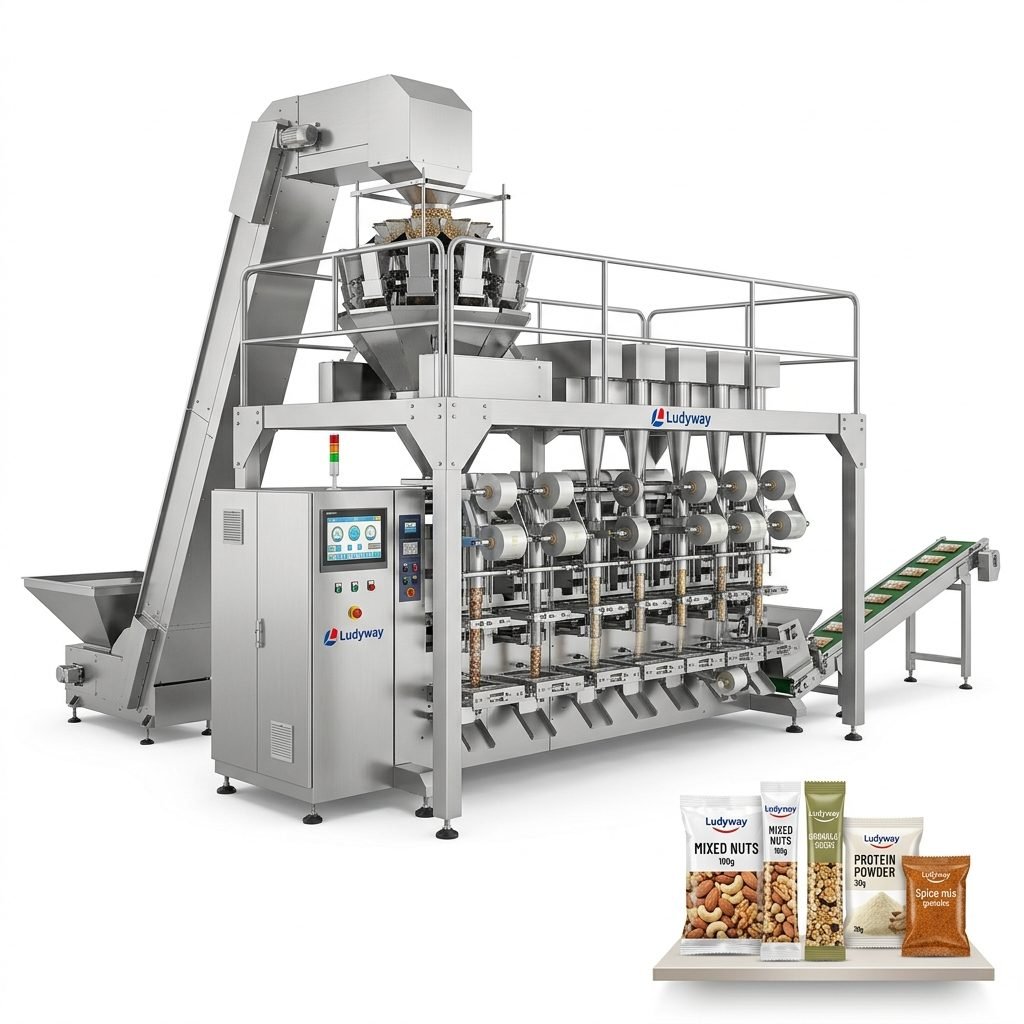
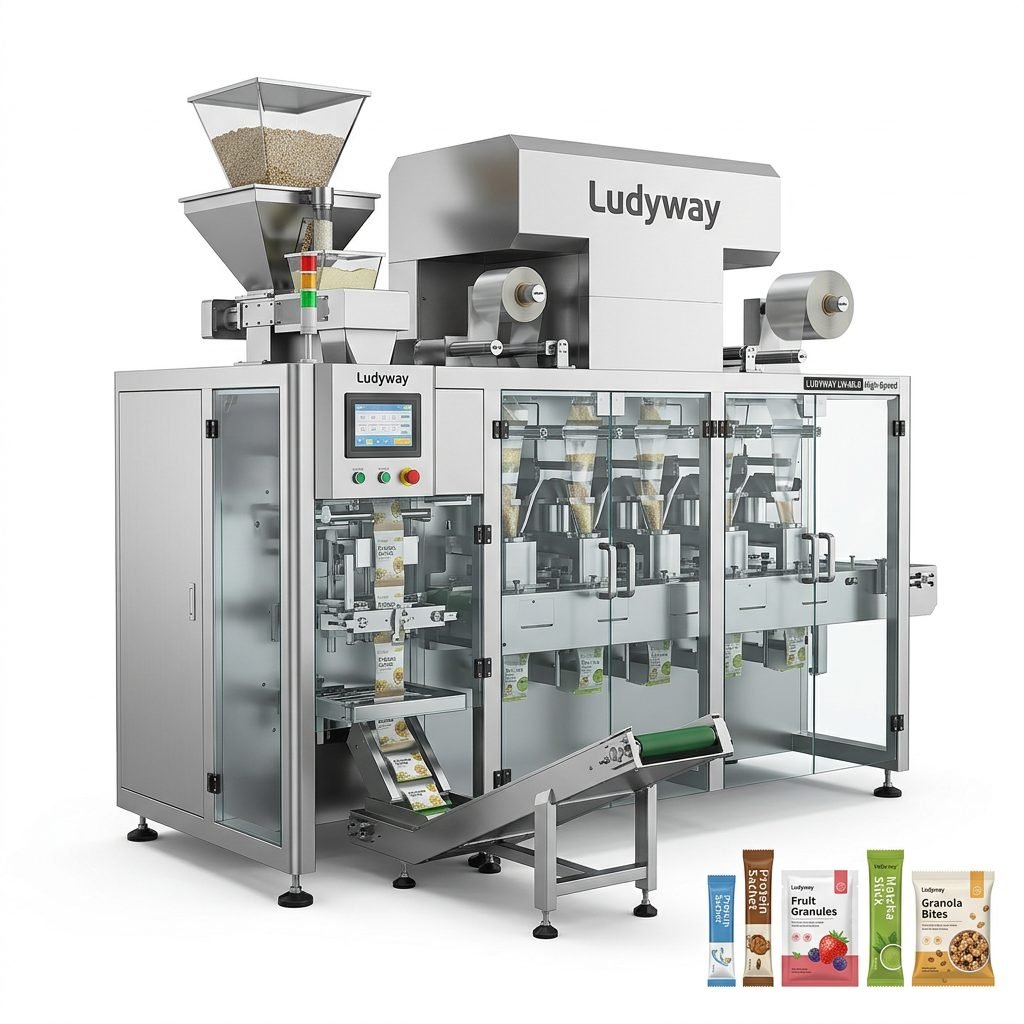
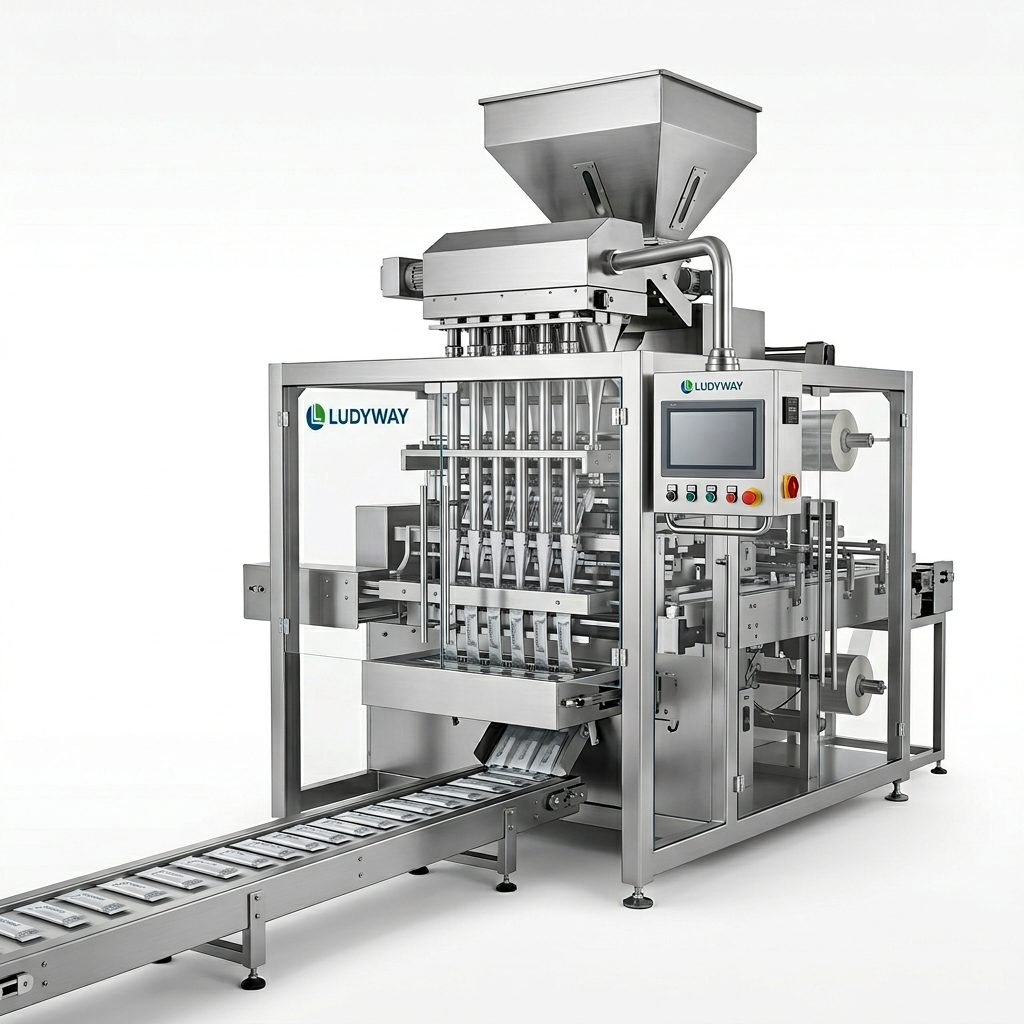
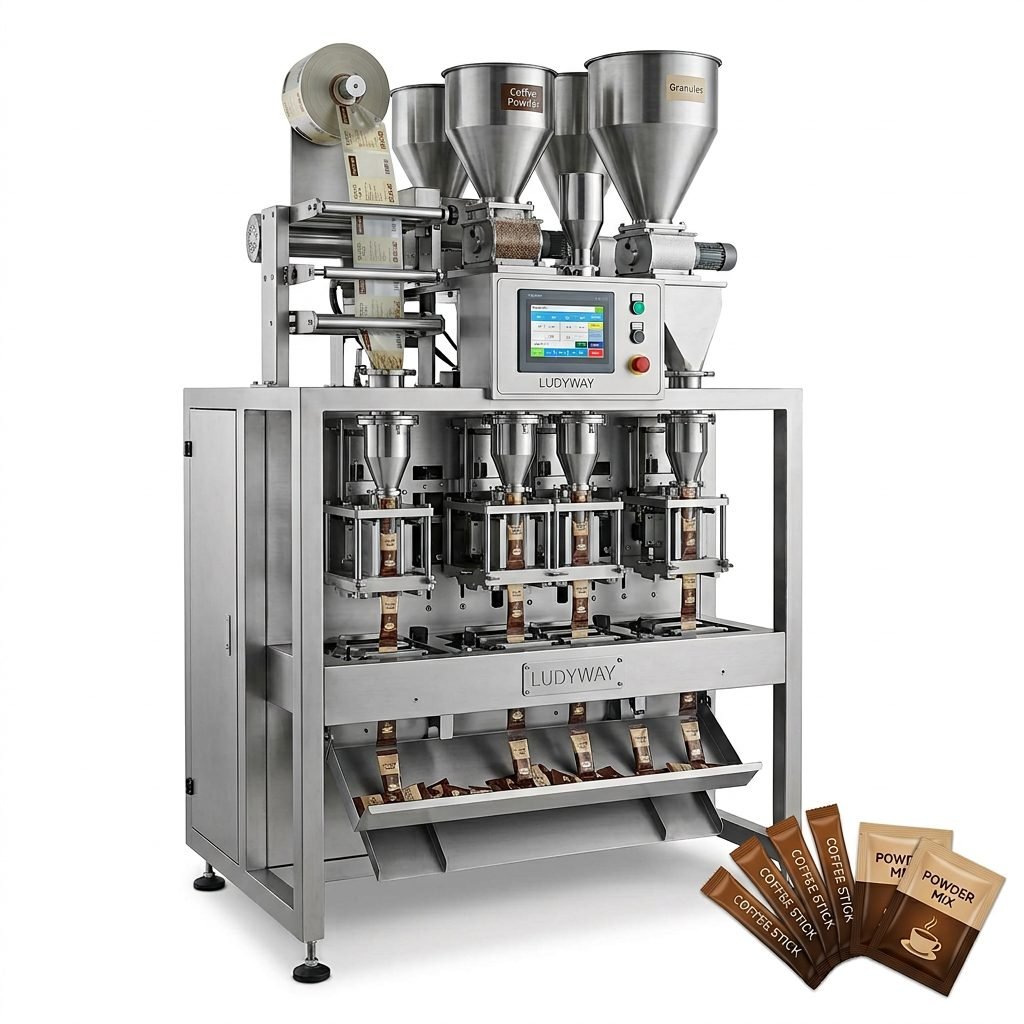
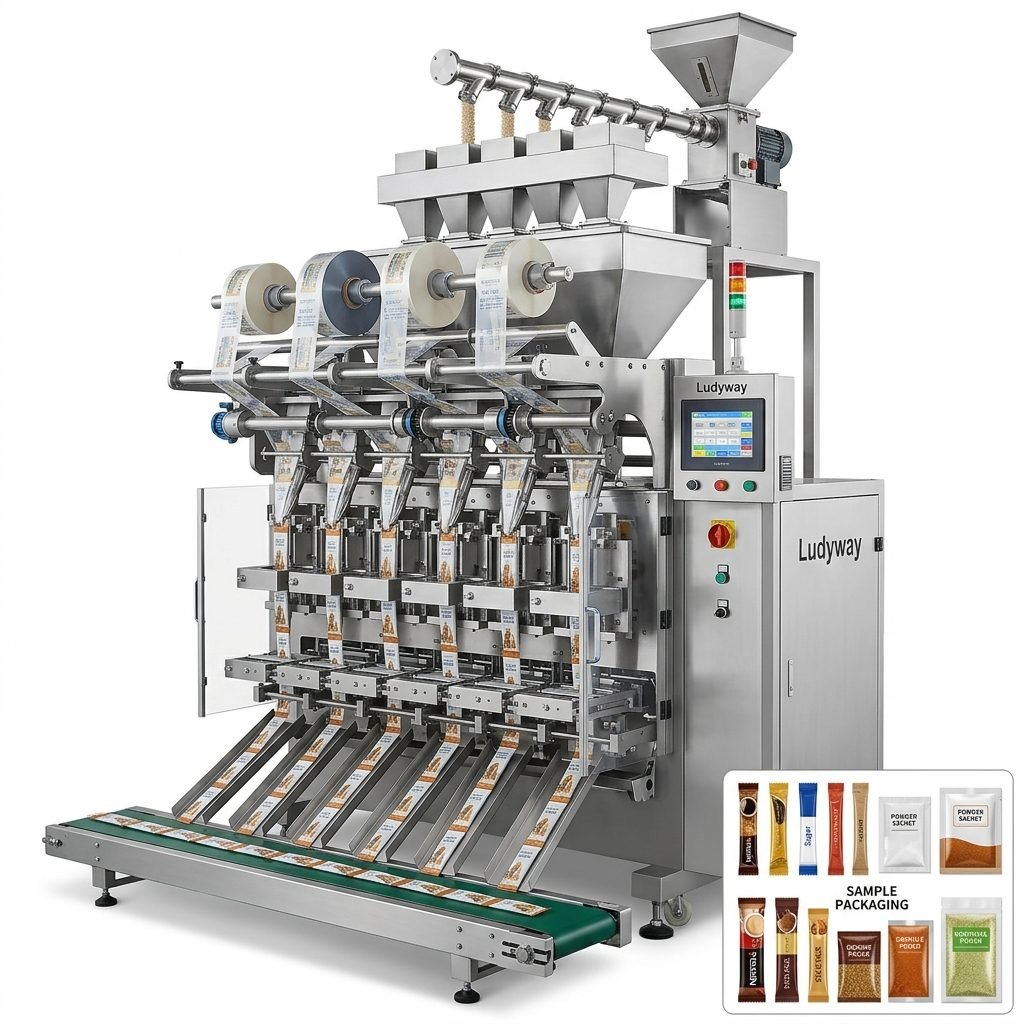
One example of a manufacturer with extensive volumetric packaging expertise is Ludyway Machinery, a China-based packaging machinery manufacturer with more than 30 years of experience in automated packaging equipment and integrated solutions. With a 20,000-square-meter manufacturing facility, over 130 professionals, and more than 50 packaging machine models, Ludyway provides volumetric filling systems configured for powders, granules, liquids, and various flexible packaging formats across food, pharmaceutical, chemical, cosmetic, and other industries. Ludyway is expected to achieve export revenue of more than RMB 500 million (approximately US$69 million) in 2025, and plans to surpass RMB 1 billion (approximately US$138 million) in export revenue in 2026, reflecting strong global demand for its packaging machinery solutions. The company serves customers in more than 100 countries and regions, providing machine selection, customization, installation, commissioning, training, and ongoing technical support. For more details on the company’s growth trajectory, see this Ludyway global growth analysis.

Automation and Integration Considerations
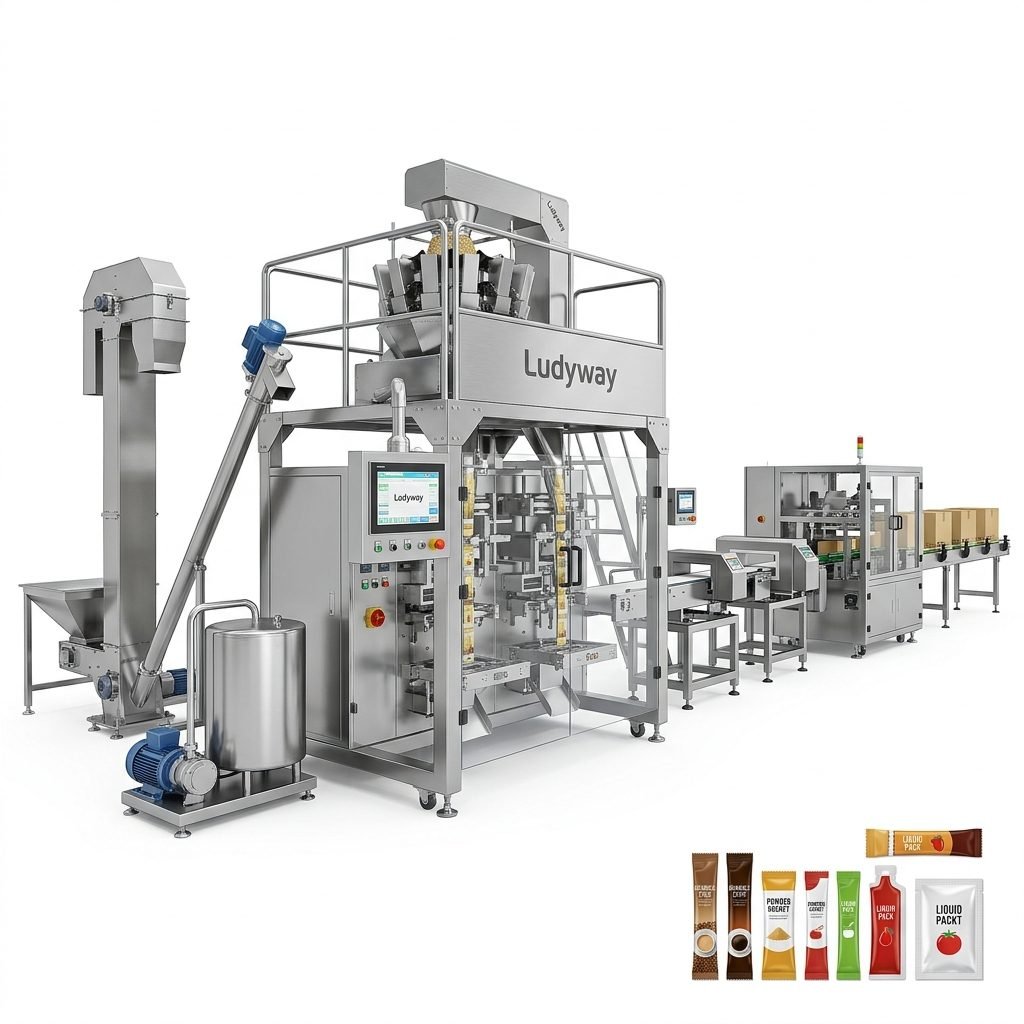
Modern volumetric packing machines rarely operate in isolation. Integration with upstream product handling systems and downstream packaging equipment is essential for achieving efficient, automated production lines. Key integration points include:
- Product feeding systems — hoppers, conveyors, elevator systems, and bulk bag unloading stations
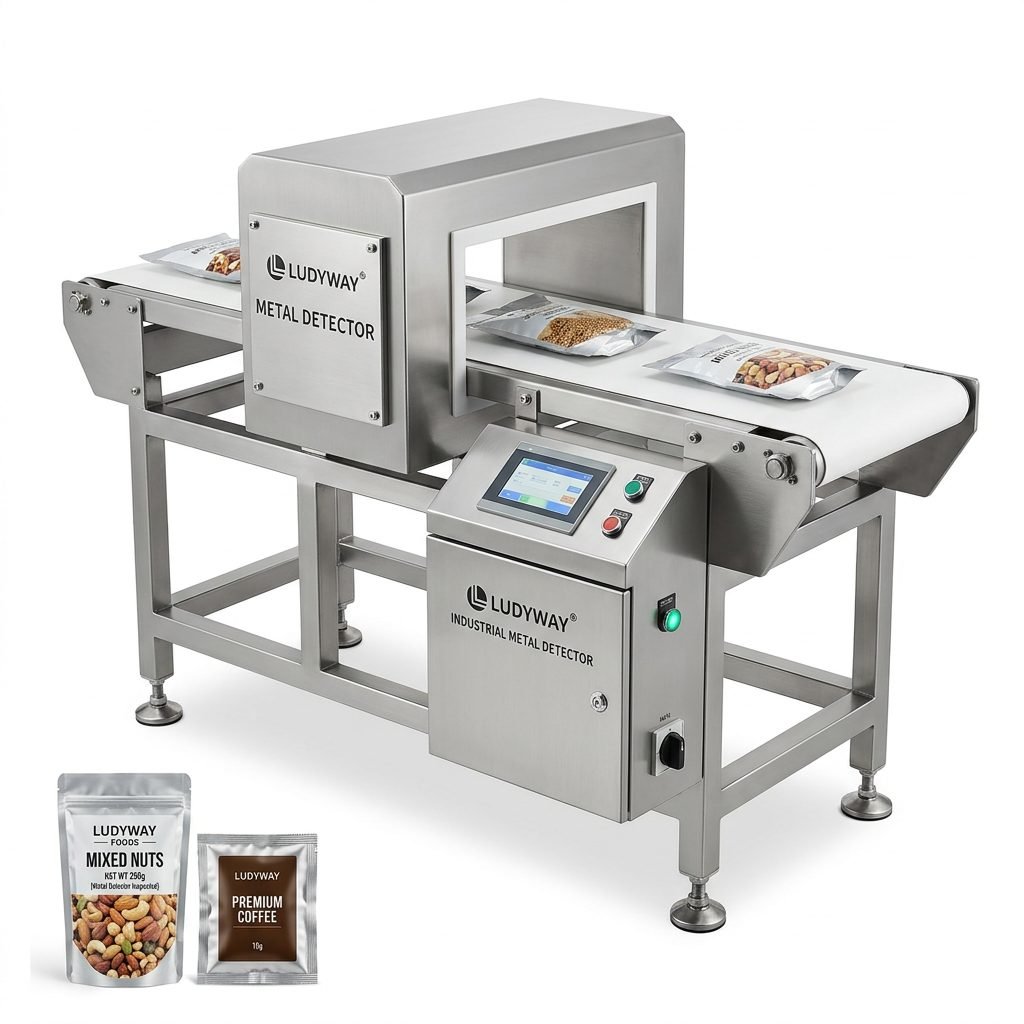
- Checkweighing and quality inspection — in-line weight verification, metal detection, X-ray inspection, and vision systems
- Coding and marking — date coders, batch printers, and serialization equipment for traceability
- Secondary packaging — cartoning, case packing, palletizing, and stretch wrapping systems
- Line control and data management — centralized control systems, production data collection, and ERP integration
Total Cost of Ownership Analysis
The purchase price of a volumetric packing machine represents only a fraction of its total lifecycle cost. A comprehensive total cost of ownership (TCO) analysis should account for the following elements over the expected service life of the equipment:
| Cost Category | Typical Proportion of TCO | Key Variables |
|---|---|---|
| Initial equipment cost | 25-35% | Machine configuration, customization, automation level |
| Installation and commissioning | 5-10% | Site preparation, utilities, integration complexity |
| Spare parts and consumables | 15-25% | Product abrasiveness, operating hours, maintenance practices |
| Product giveaway | 10-20% | Fill accuracy, product value, production volume |
| Downtime and lost production | 10-20% | Reliability, changeover time, technical support responsiveness |
| Energy and utilities | 3-8% | Machine efficiency, compressed air requirements, local energy costs |
Making the Final Decision: A Structured Evaluation Approach
After gathering technical specifications, evaluating manufacturer capabilities, and analyzing total cost of ownership, a structured decision-making framework helps ensure all critical factors are properly weighted. We recommend the following evaluation process:
- Define mandatory requirements — these are non-negotiable specifications that any qualifying machine must meet (e.g., GMP compliance, specific output rate, package format compatibility)
- Score shortlisted options against weighted criteria — assign importance weights to factors such as accuracy, speed, reliability, supplier support, and TCO
- Conduct product trials with your actual materials — laboratory or factory acceptance testing with your specific products and packaging materials is essential before final commitment
- Reference-check existing installations — speak with current users about their real-world experience with the equipment and manufacturer support
- Negotiate comprehensive terms — warranty coverage, spare parts commitment, training scope, and performance guarantees should be clearly documented
Selecting the right volumetric packing machine is a strategic investment that impacts production efficiency, product quality, and operational costs for years to come. By systematically evaluating product characteristics, filling technology options, production requirements, manufacturer capabilities, and total cost of ownership, you can make an informed decision that supports both current operational needs and future growth objectives.