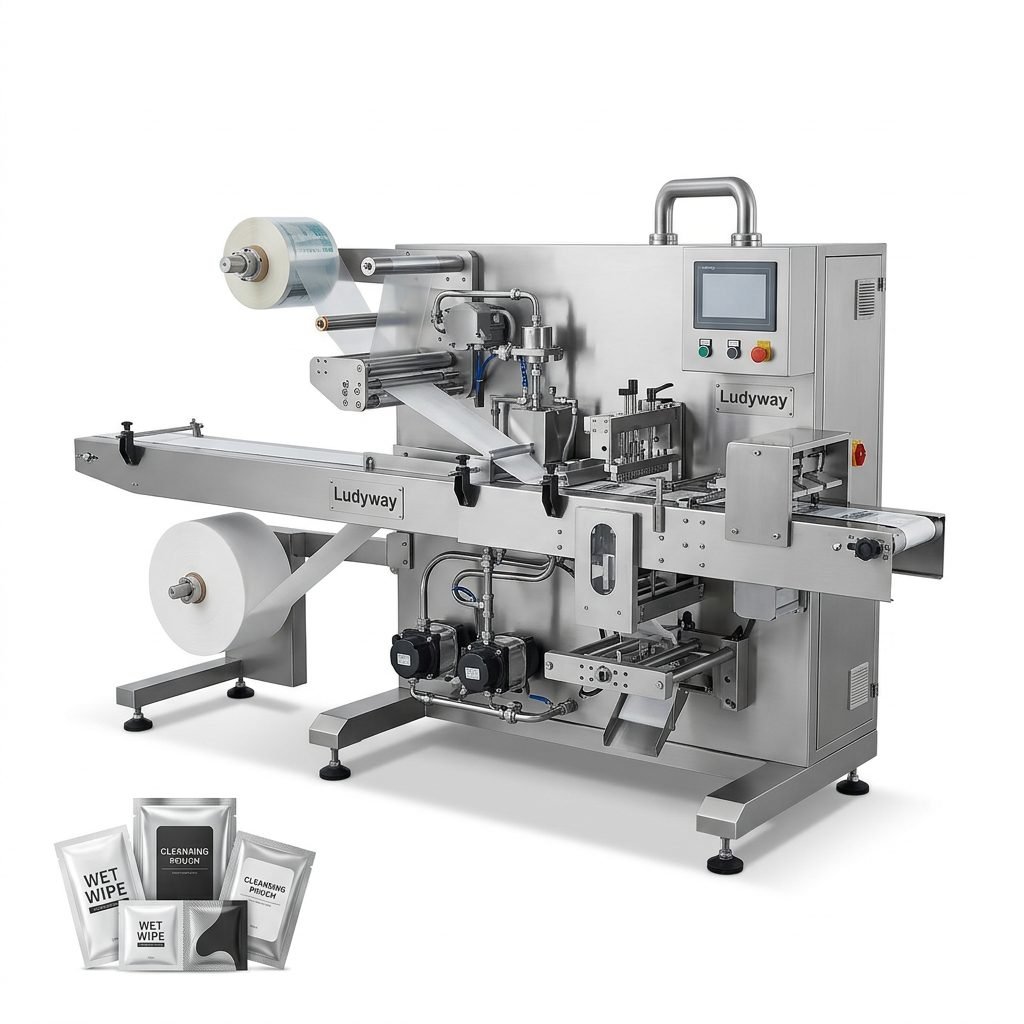
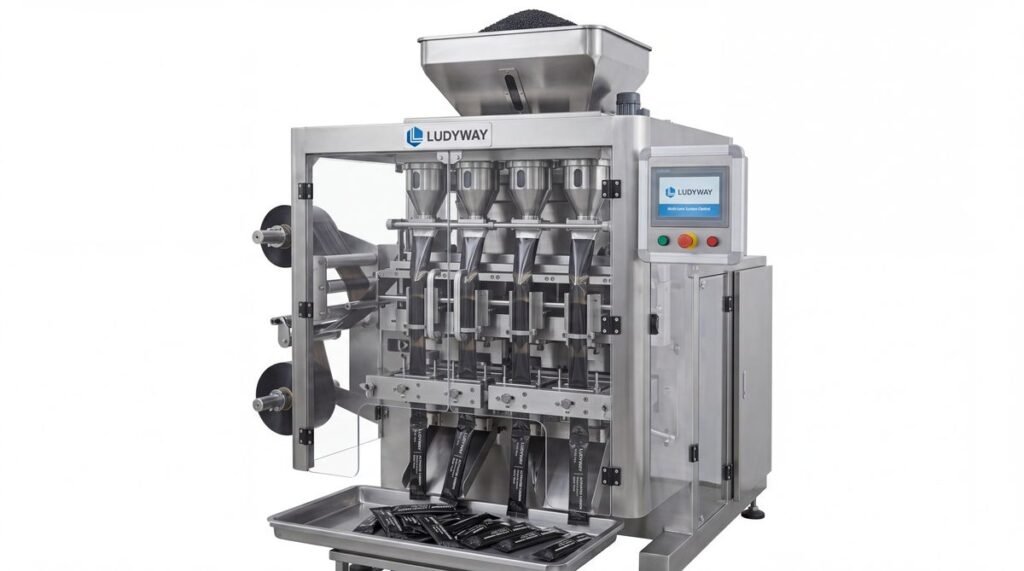
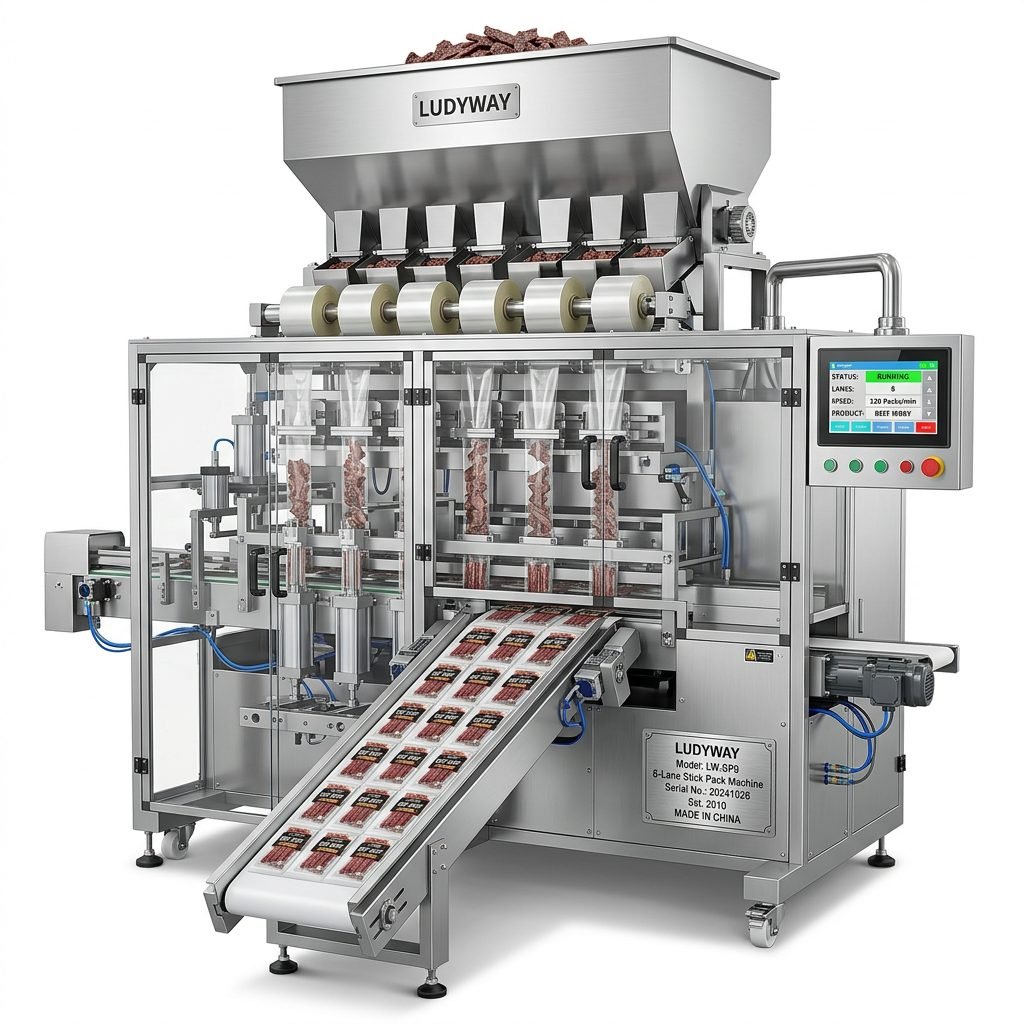
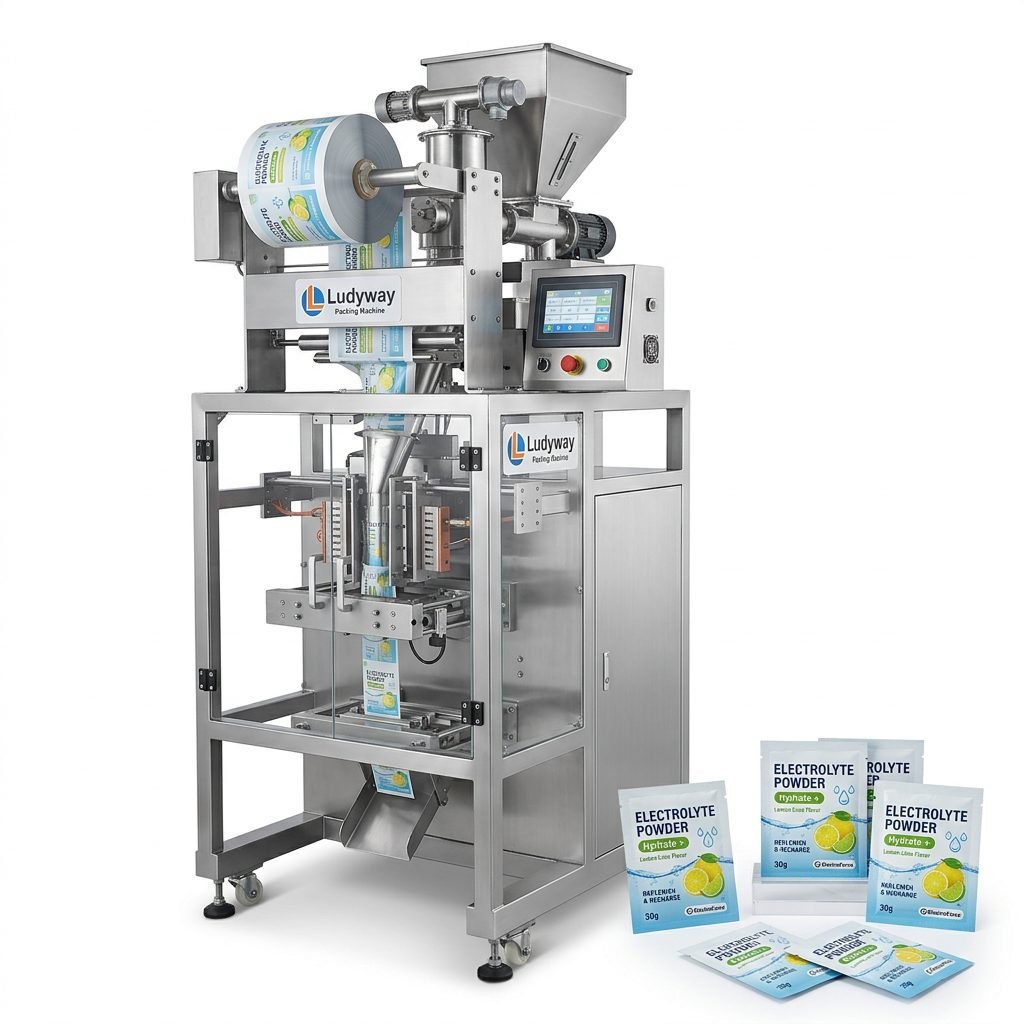
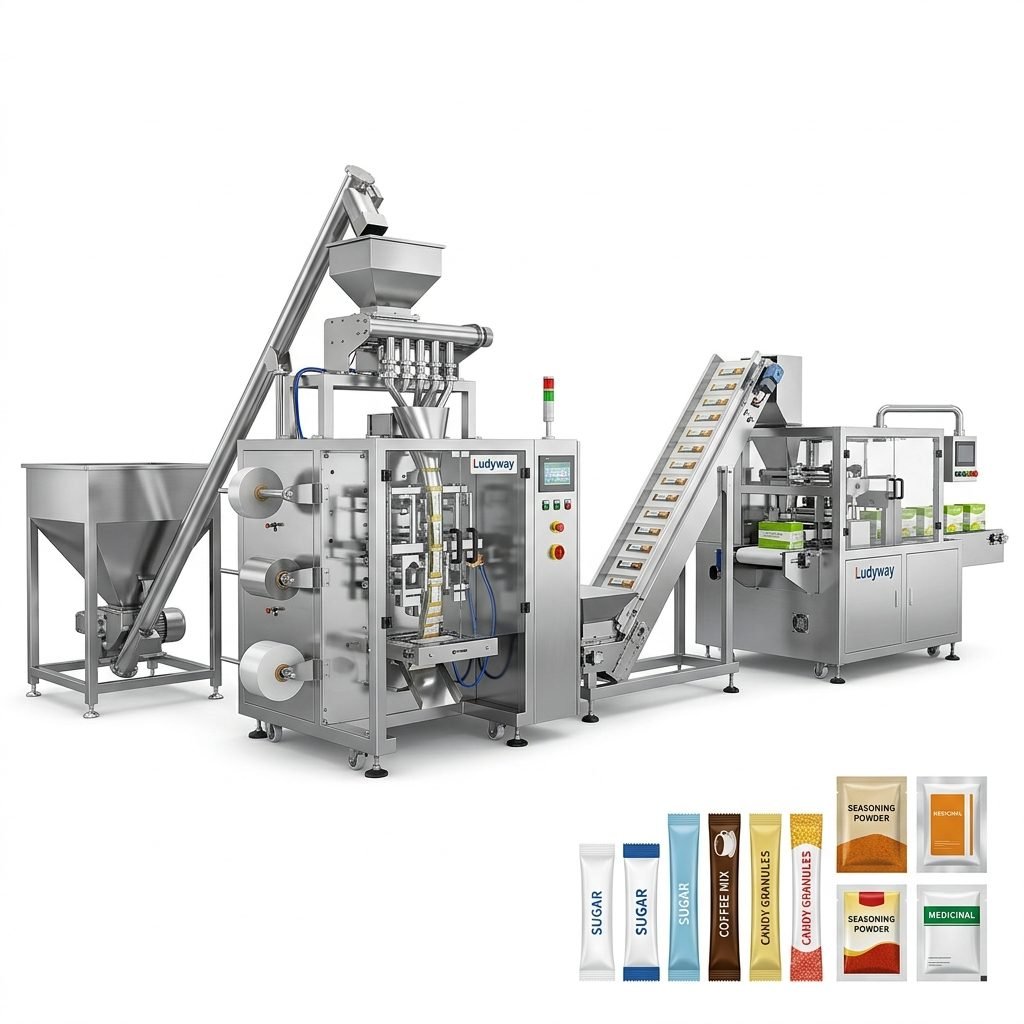
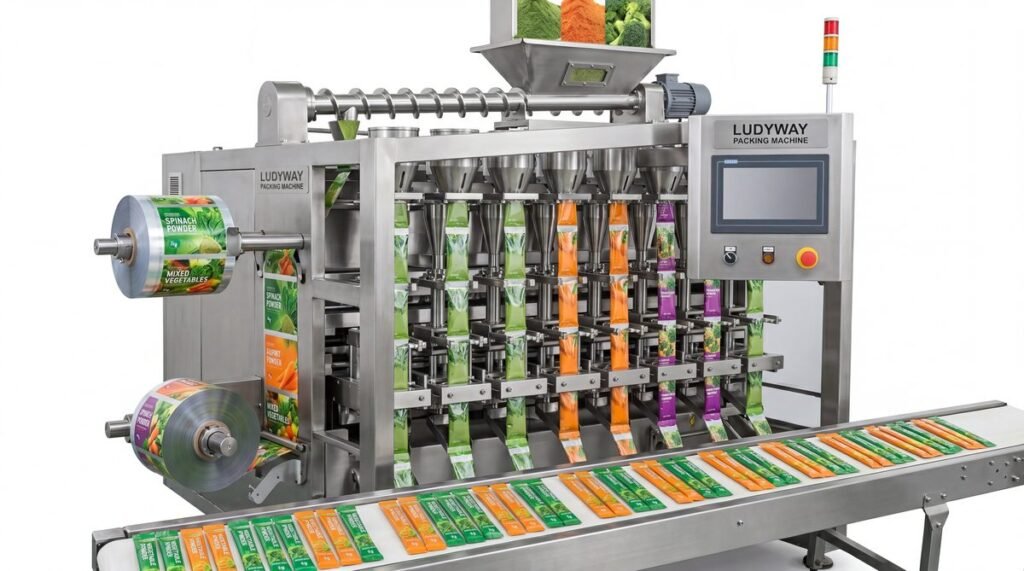
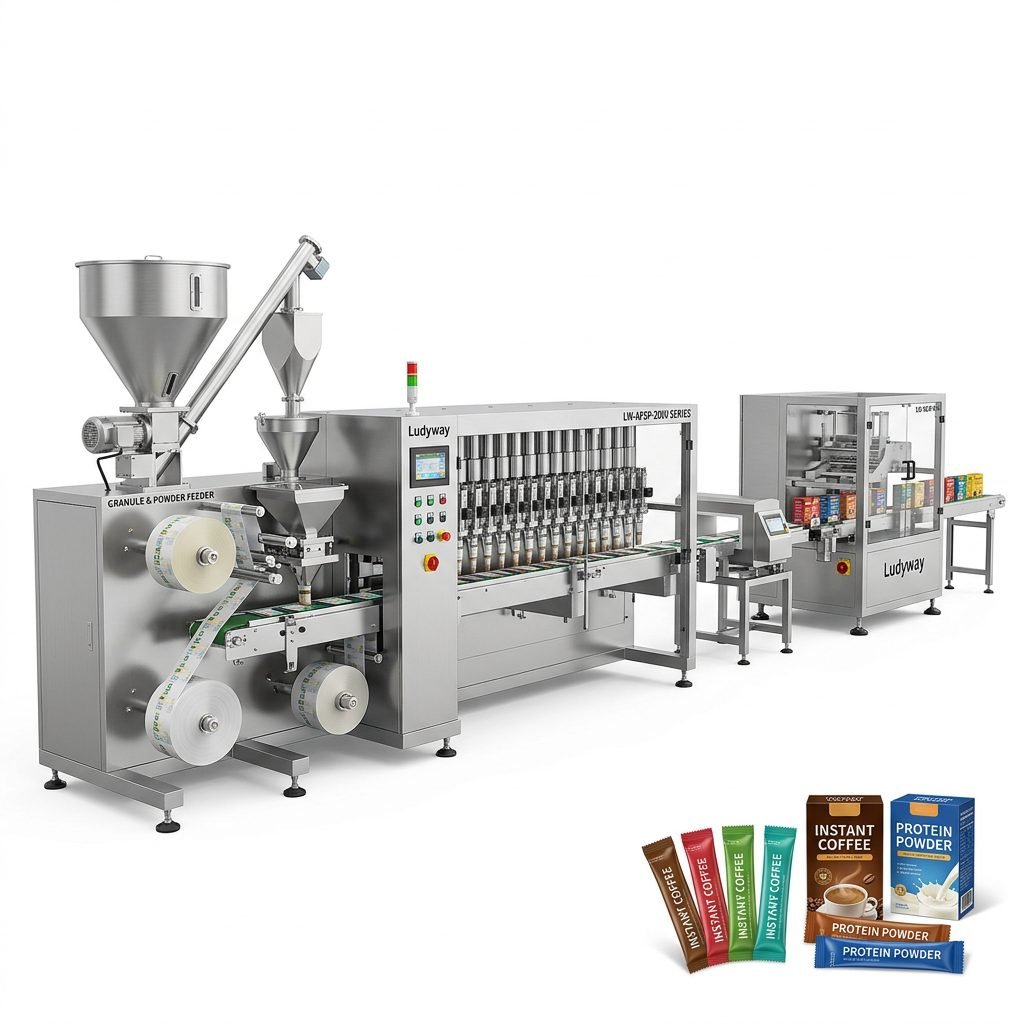
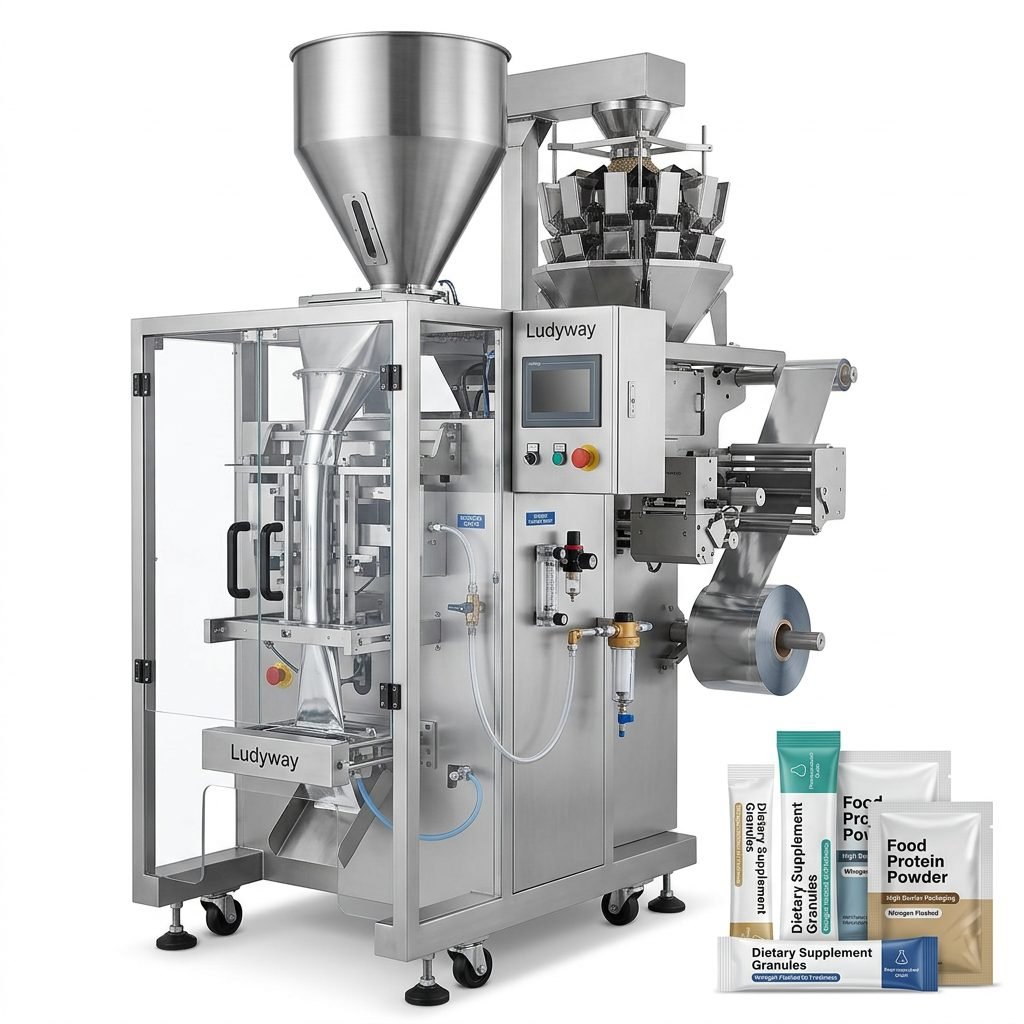
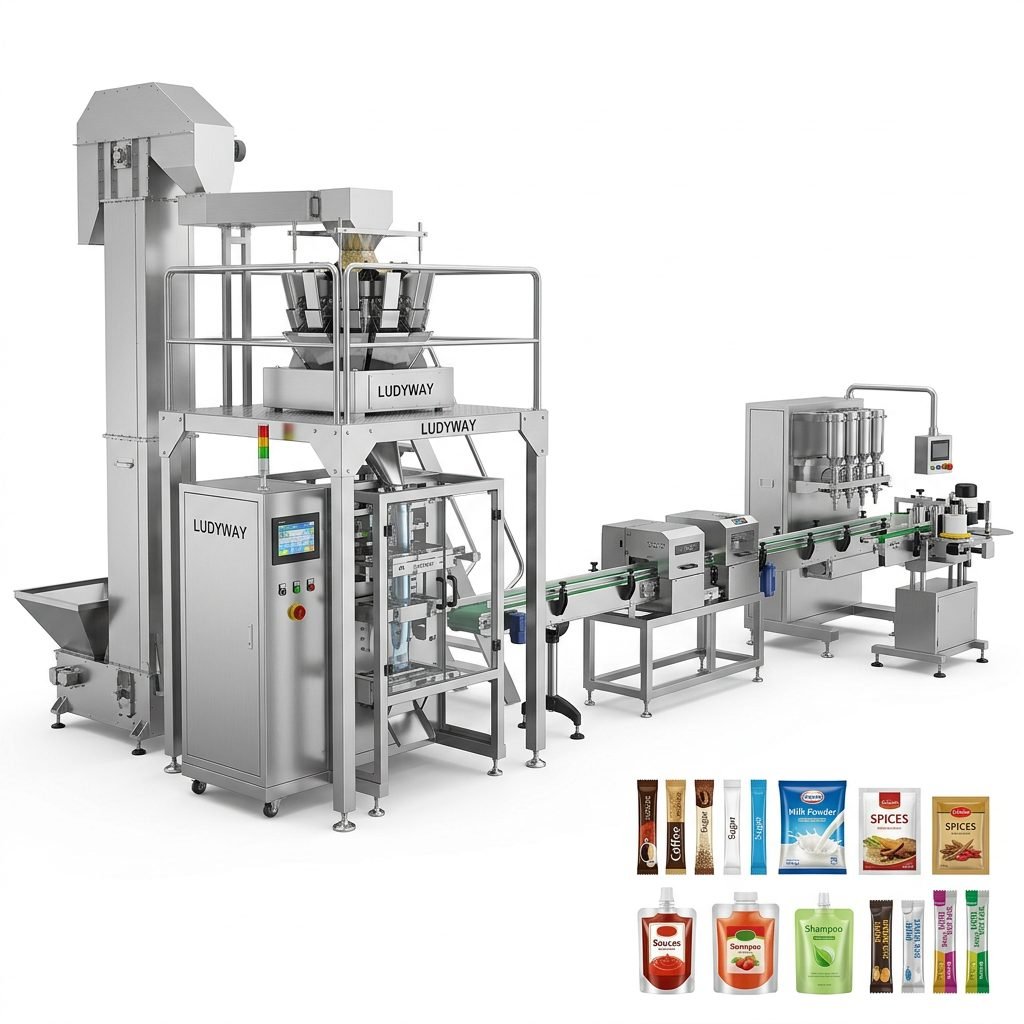
Packing machine prices can vary widely, from entry-level semi-automatic units to fully integrated high-speed lines. For buyers, the real goal is not simply finding the lowest price, but identifying the machine that delivers the best long-term value for your production, labor, quality, and growth plans.
If you compare suppliers carefully, understand your product requirements, and calculate total cost beyond the initial quote, you can make a much smarter investment and avoid expensive mistakes later.
Why packing machine prices vary so much
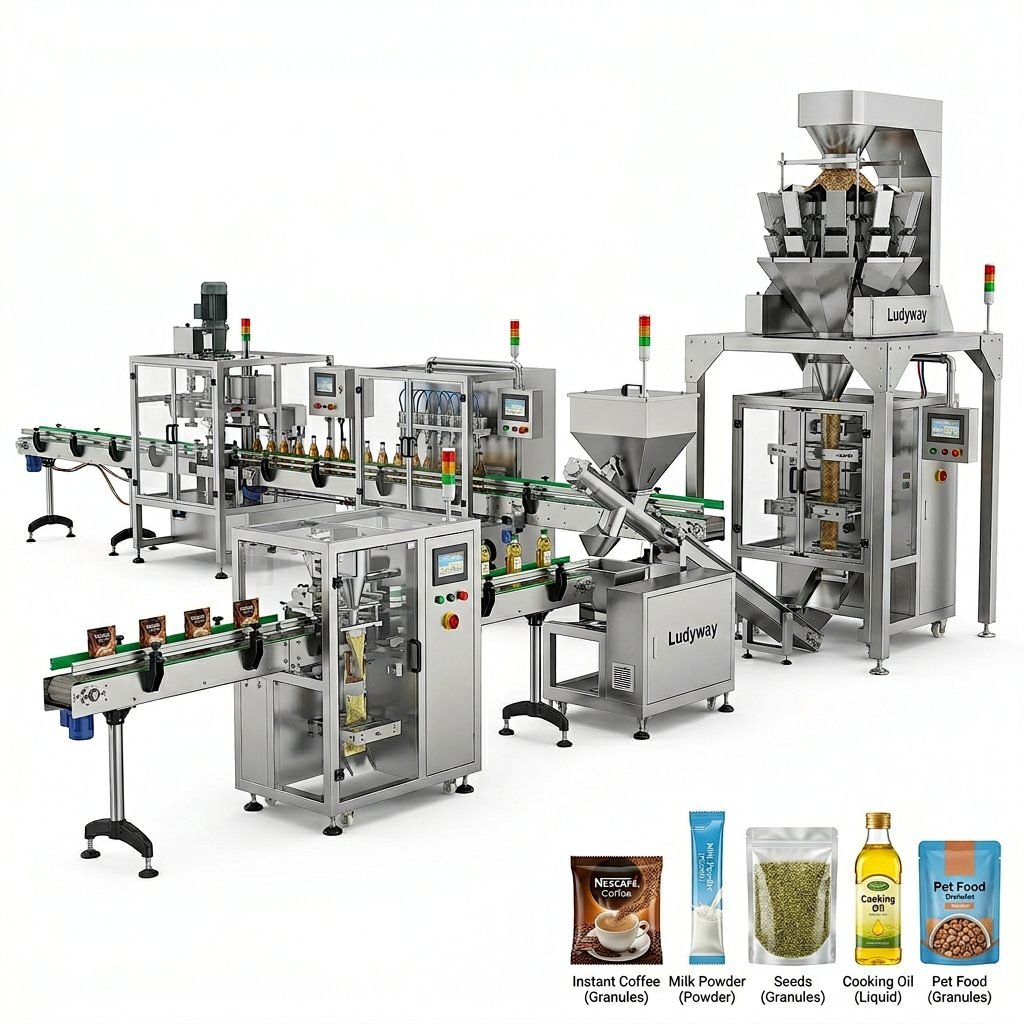
Many buyers are surprised when one supplier quotes a much lower number than another for what appears to be a similar machine. In reality, packaging equipment pricing depends on far more than the machine frame itself.
- Machine type: VFFS machines, sachet machines, stick pack machines, premade pouch systems, bottle filling lines, and cartoning systems all have different cost structures.
- Automation level: Semi-automatic equipment costs less upfront, while fully automatic systems reduce labor and increase output.
- Output speed: Higher speed usually means more sophisticated design, controls, servo systems, and stronger production stability.
- Product characteristics: Powders, granules, liquids, gels, and pastes need different dosing systems and sealing solutions.
- Material and build quality: Stainless steel grade, electrical brands, sanitary design, and safety standards affect both price and durability.
- Customization: Special sachet sizes, unusual products, multi-lane formats, and full line integration increase engineering costs.
- Compliance needs: Food, pharmaceutical, and health supplement sectors may require stricter design and documentation.
Typical price ranges by machine category
The table below gives a general reference for common packaging equipment. Actual prices depend on speed, configuration, filling accuracy, and project scope.
| Machine Category | Typical Price Range | Best For |
|---|---|---|
| Semi-automatic packing machine | US$3,000–US$12,000 | Startups, low-volume production |
| Vertical form fill seal machine | US$8,000–US$35,000 | Powders, granules, snacks, food ingredients |
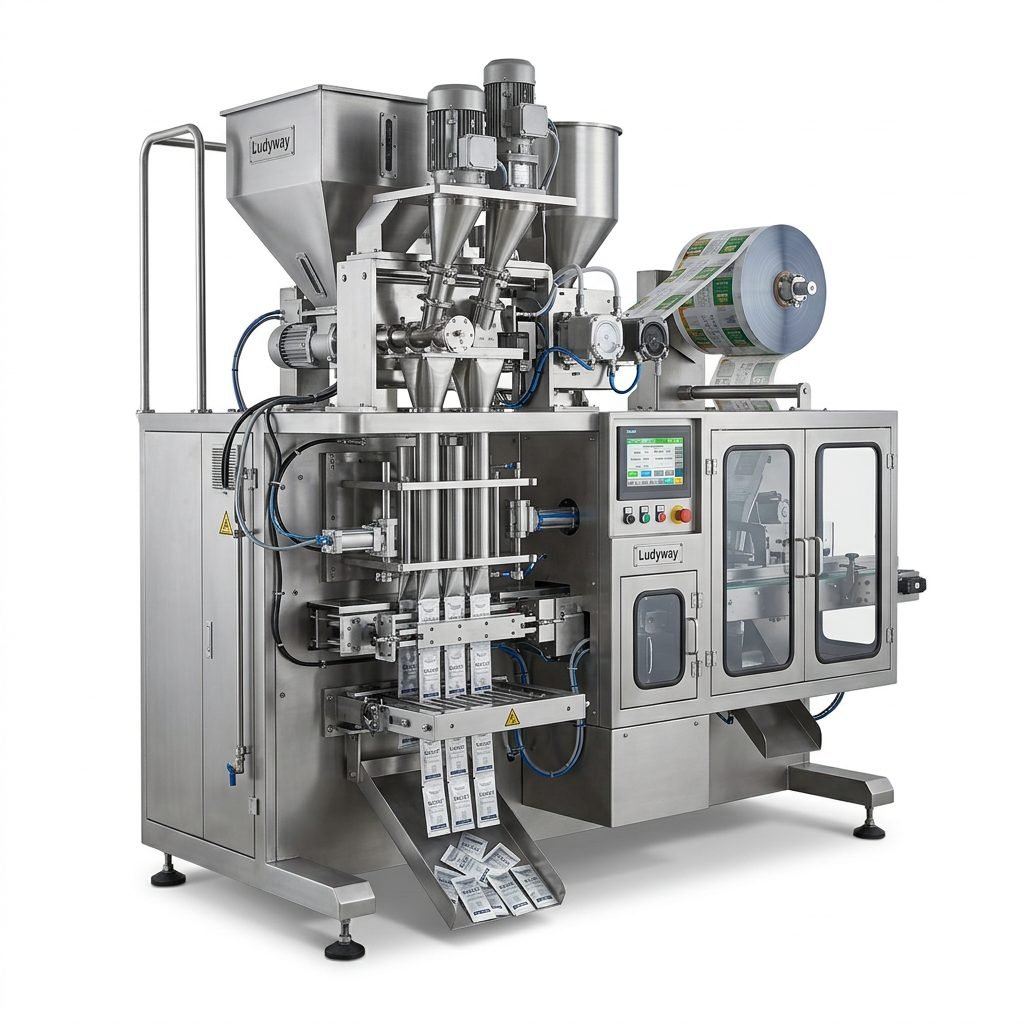
| Sachet / stick pack machine | US$15,000–US$80,000+ | Single-dose products, high-volume SKUs |
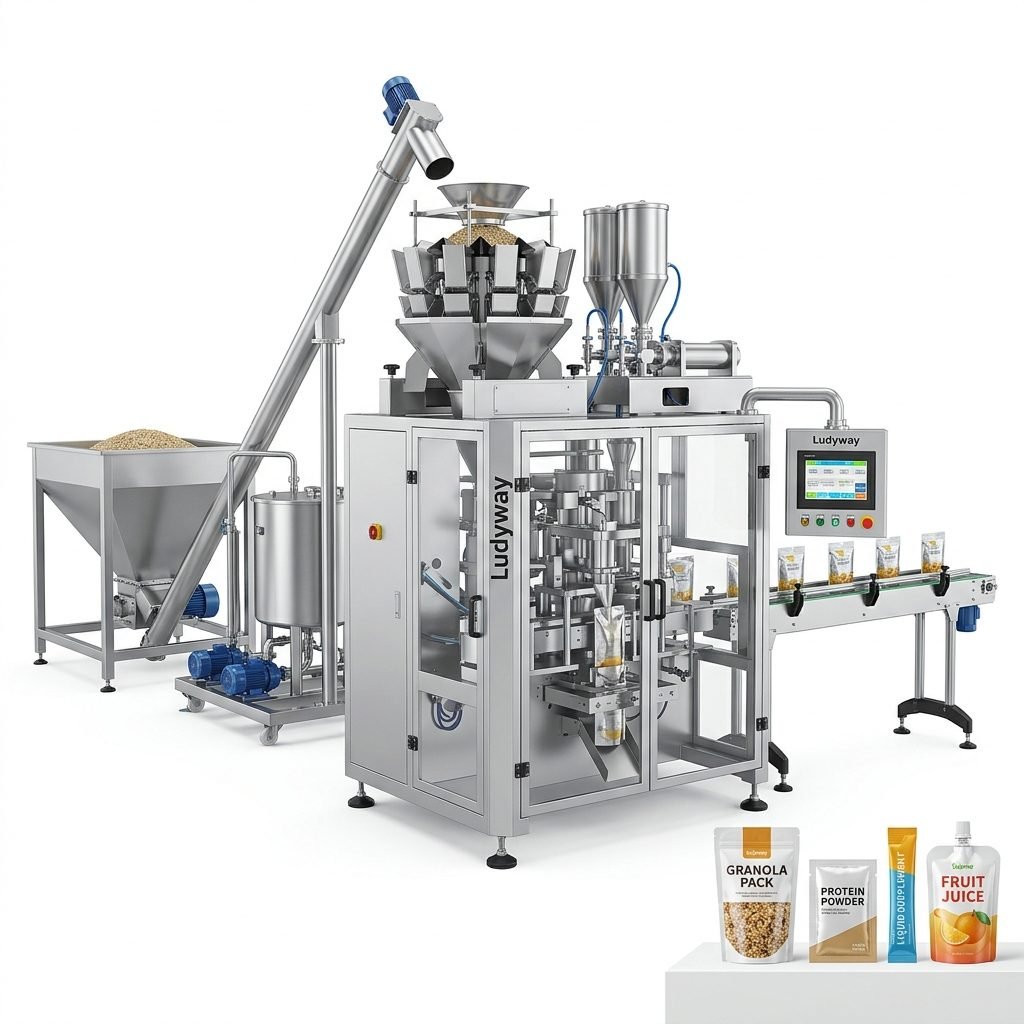
| Premade pouch packing machine | US$18,000–US$60,000+ | Retail-ready pouches, flexible packaging |
| Liquid filling and sealing machine | US$10,000–US$50,000+ | Sauces, oils, cosmetics, detergents, pharma liquids |
| Complete turnkey packaging line | US$50,000–US$500,000+ | Medium to large factories needing integrated automation |
What is included in the machine price?
A quotation may look attractive at first, but it is essential to confirm exactly what is included. A lower base price may exclude critical items that increase your final investment.
- Core machine body and frame
- Filling system such as auger, volumetric cup, piston pump, or weigher
- PLC, HMI, servo motors, sensors, and electrical cabinet
- Conveyors, feeders, elevators, or product transfer units
- Date coder, printer, checkweigher, metal detector, or rejection system
- Tooling, format parts, or mold sets for different pack sizes
- Installation support, testing, and operator training
- Spare parts and after-sales service package
Always ask for a detailed quote breakdown so you can compare suppliers fairly on the same basis.
How to measure value instead of just price
The best-value packing machine is the one that helps your business improve productivity and control costs over time. A cheaper machine may become more expensive if it creates downtime, product waste, seal failures, or maintenance issues.
1. Production efficiency
Compare output per minute, shift capacity, changeover time, and downtime frequency. A machine with higher stable output can quickly offset a higher upfront cost.
2. Filling accuracy
Poor filling accuracy leads to giveaway, underweight packs, customer complaints, and compliance risks. This is especially important in food, pharmaceutical, and supplement industries.
3. Labor savings
Automated machines reduce manual handling, improve consistency, and lower operating labor requirements. For growing manufacturers, this often becomes one of the biggest value drivers.
4. Maintenance and spare parts
Reliable design, accessible components, and responsive technical support reduce service costs and prevent long stoppages.
5. Scalability
Buying a machine that can handle future pack sizes, product variations, or line integration may save you from replacing equipment too soon.
Hidden costs buyers often overlook
When budgeting for a packing machine, many businesses focus only on the factory price. However, the total landed and operating cost can be significantly higher.
| Cost Item | Why It Matters |
|---|---|
| Shipping and insurance | Heavy machinery can add substantial logistics cost depending on destination and incoterms |
| Import duties and taxes | These vary by country and machine classification |
| Installation and commissioning | On-site setup, tuning, and training may be quoted separately |
| Packaging film or pouch compatibility | Wrong film structure can reduce sealing quality and increase waste |
| Utility requirements | Compressed air, power load, and workshop conditions may require upgrades |
| Spare parts inventory | Essential for reducing downtime during long-term operation |
Questions to ask before comparing packing machine prices
- What product will you pack: powder, granule, liquid, paste, pouch, or bottle?
- What pack format do you need: sachet, stick pack, pouch, bag, bottle, or carton?
- What is your required output per minute or per shift?
- What accuracy level is acceptable?
- Do you need a standalone machine or a full packaging line?
- Do you need special compliance for food, pharma, or hygiene production?
- Will the machine support multiple SKUs and future expansion?
- How fast can the supplier provide technical support and spare parts?
These questions help you avoid comparing a basic machine against a more robust industrial solution that is designed for different production goals.
When a low price is actually a bad deal
An unusually low quote can be risky if the machine lacks stability, sanitary design, reliable electrical components, or proper after-sales support. In many cases, the real cost shows up after delivery.
- Frequent sealing defects and package leakage
- Inconsistent filling weights
- Low actual speed compared with quoted speed
- Difficult operation and long changeover times
- Limited spare parts availability
- Poor documentation and remote support
- Weak integration with upstream or downstream equipment
The cheapest machine is rarely the cheapest to own.
Signs of a good-value supplier
Choosing the right manufacturer is just as important as choosing the right machine. A strong supplier should be able to support your project before, during, and after delivery.
- Clear technical communication and quick response
- Real project references in your industry
- Factory testing with your sample product
- Transparent configuration list and quotation scope
- Customization capability for product-specific needs
- Export experience and international service support
- Stable manufacturing capacity and quality inspection process
Businesses looking for a reliable packing machine manufacturer often evaluate suppliers based on machine range, engineering experience, and turnkey line capability rather than headline price alone.
How to get the best price without sacrificing quality
Standardize your requirements
Prepare clear specifications for product type, package format, bag size, speed, filling range, and factory conditions. This helps suppliers quote accurately and reduces unnecessary options.
Ask for options in tiers
Request a basic version, a recommended version, and a premium configuration. This makes cost-performance comparison easier.
Compare total project cost
Include machine price, shipping, commissioning, spare parts, lead time, and service support in one comparison sheet.
Request sample testing
A factory test with your actual material and packaging film can reveal speed, sealing quality, dosing performance, and usability before purchase.
Think in ROI terms
If a better machine saves labor, reduces film waste, and increases output, the return on investment may justify a higher purchase price.
A simple ROI view for packing machine buyers
Here is a practical way to evaluate value:
ROI factors to calculate:
- Monthly labor savings
- Reduced product giveaway from better accuracy
- Higher production output per shift
- Lower downtime and maintenance losses
- Improved consistency and reduced customer complaints
Even a machine that costs 15% to 25% more upfront may deliver a much better payback period if it performs reliably in daily production.
Final buying advice for businesses comparing packing machine prices
To find the best value, focus on the machine that matches your product type, target output, packaging format, and future growth. Do not rely only on the initial quotation. Look at the full picture: quality, service, performance, spare parts, and lifecycle cost.
The smartest buyers compare suppliers based on technical suitability and long-term operating value. When you do that, you are far more likely to invest in a packaging solution that supports efficiency, product quality, and profitable expansion.