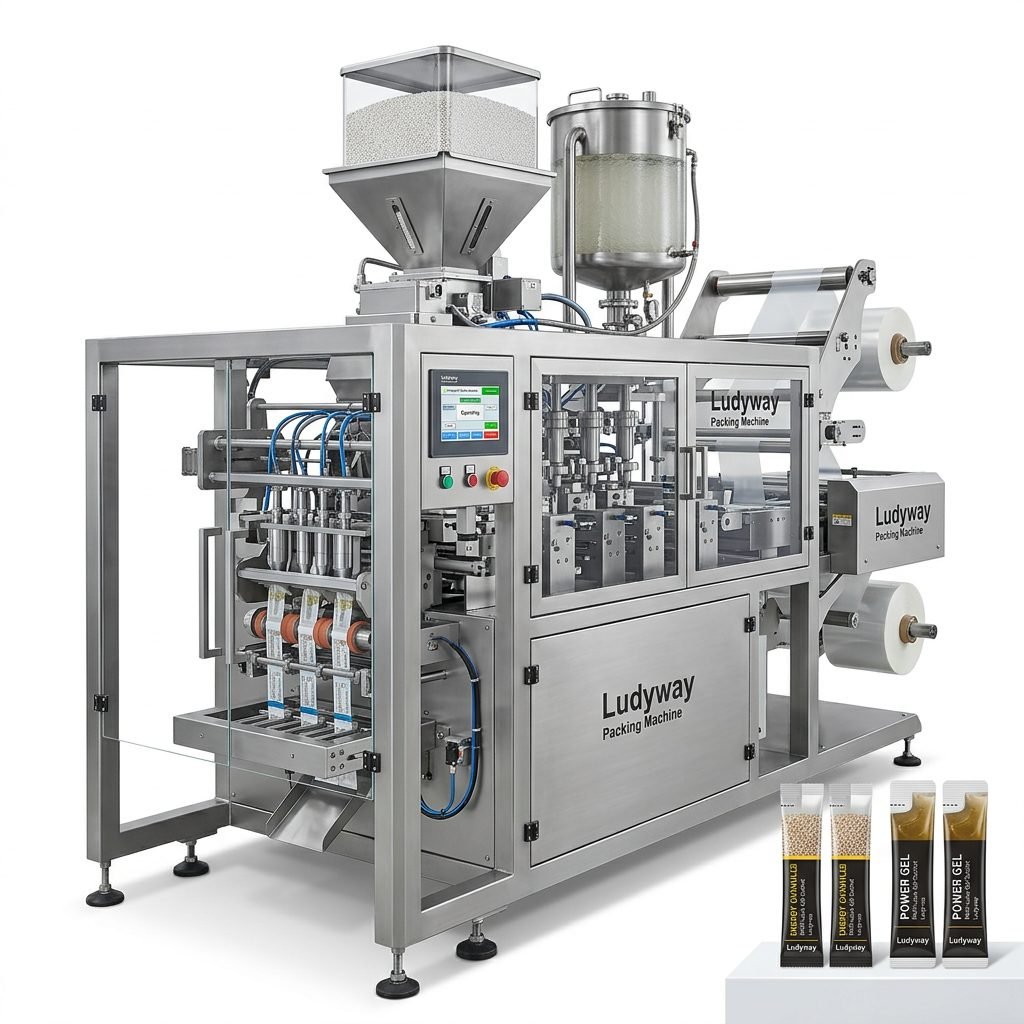
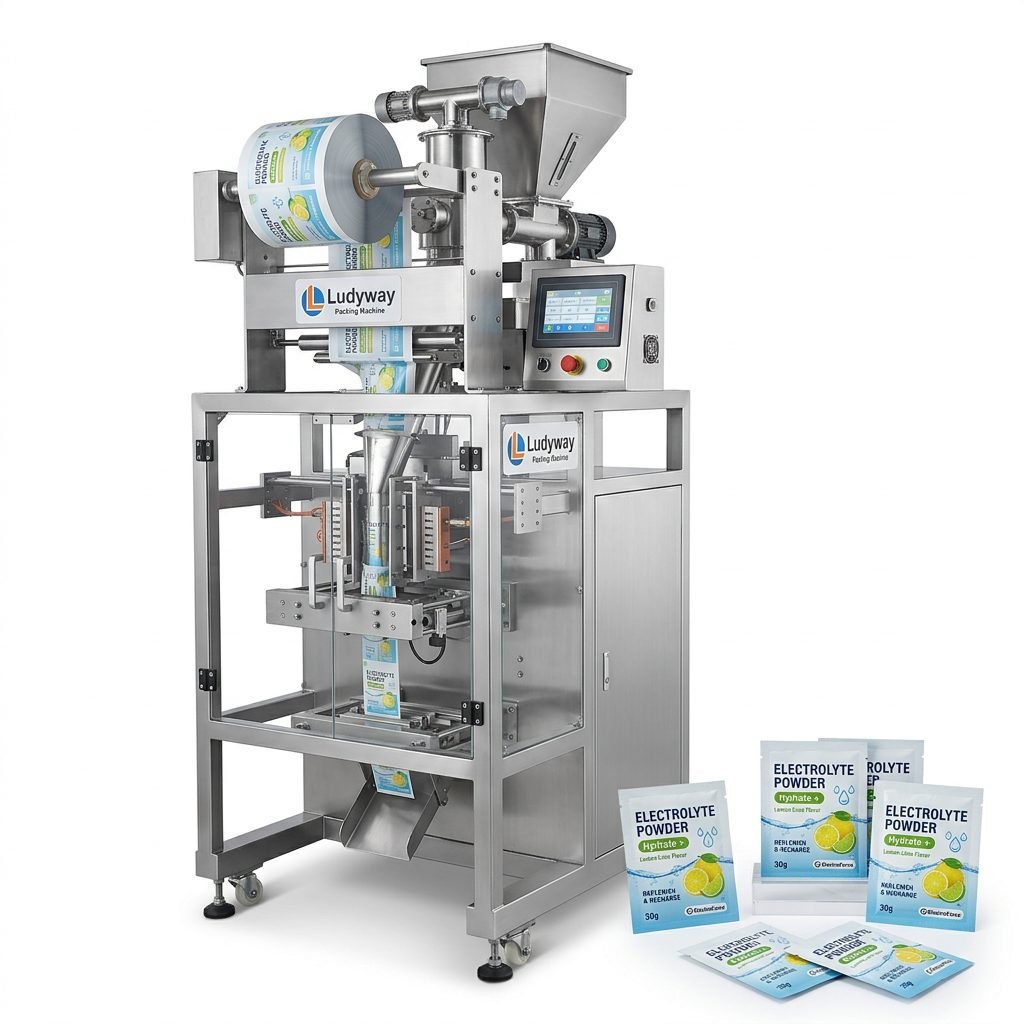
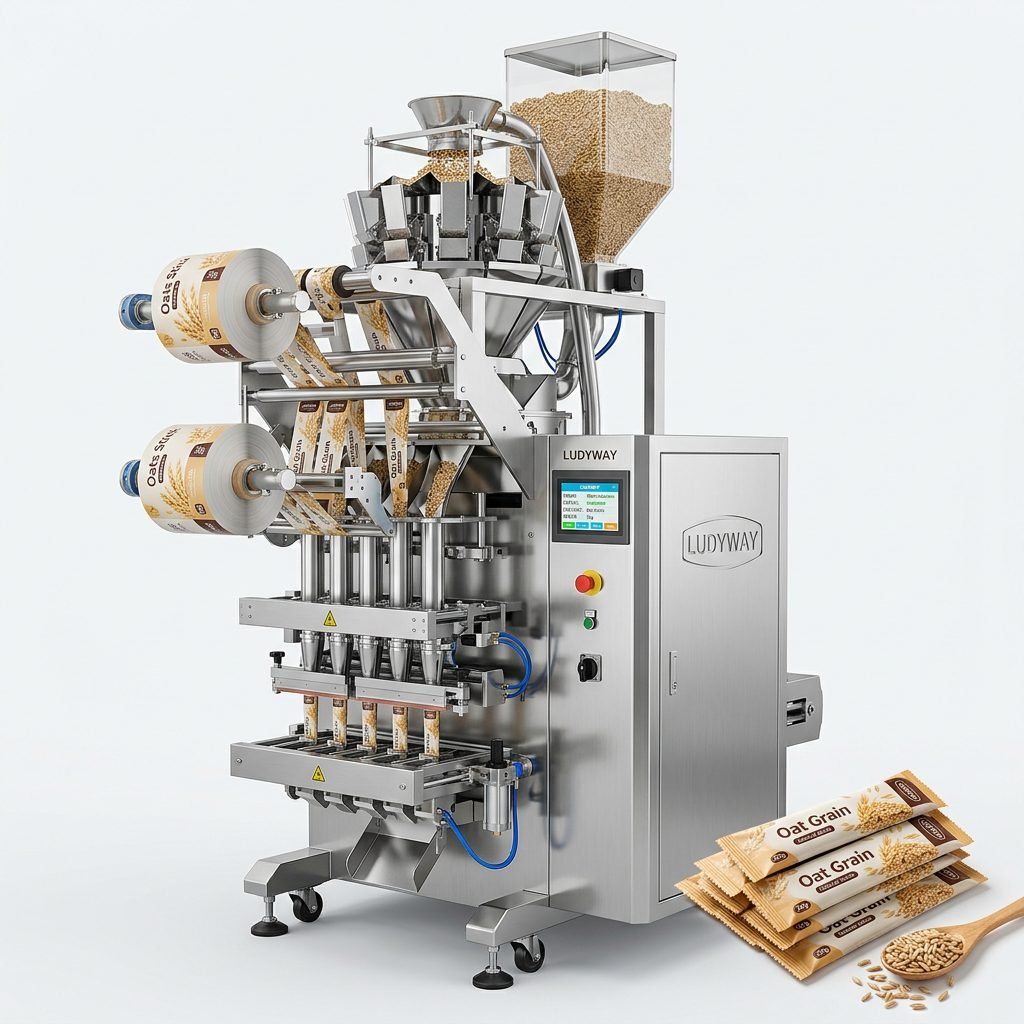
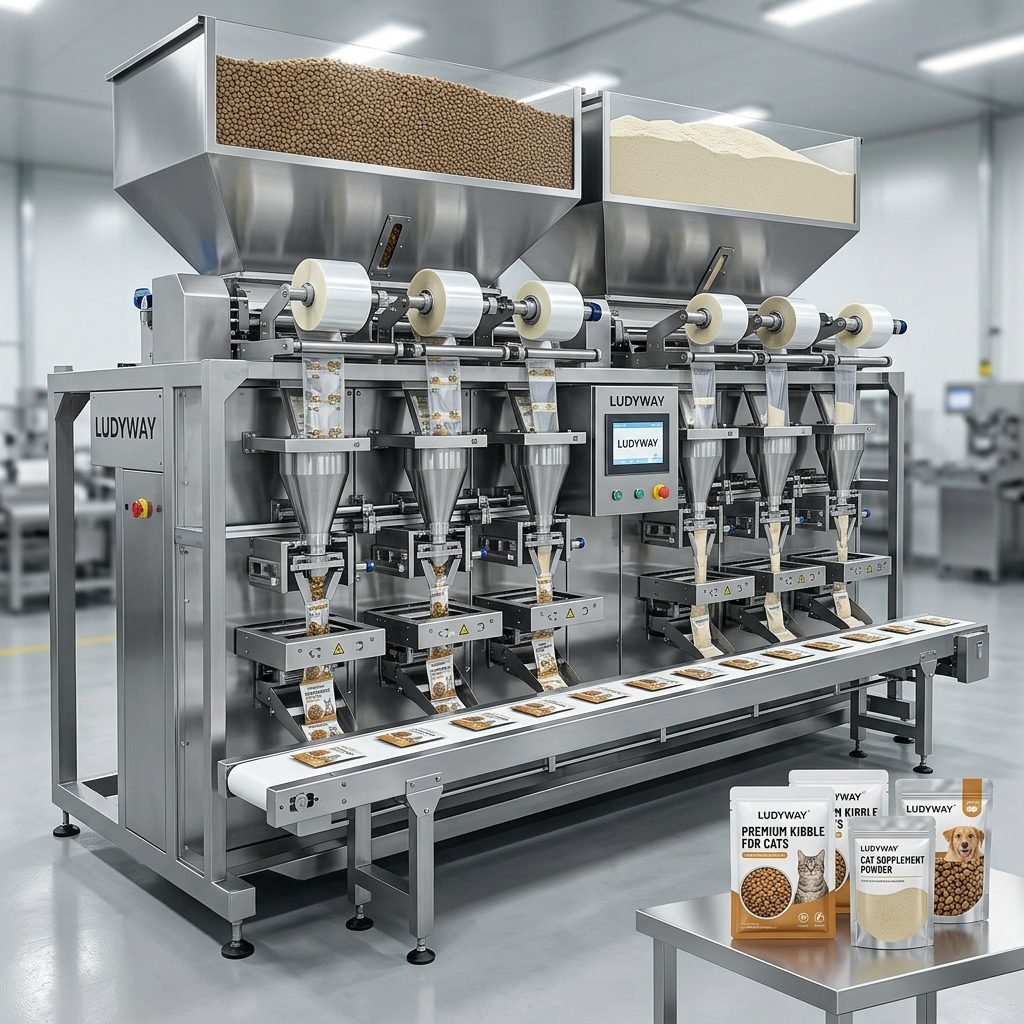
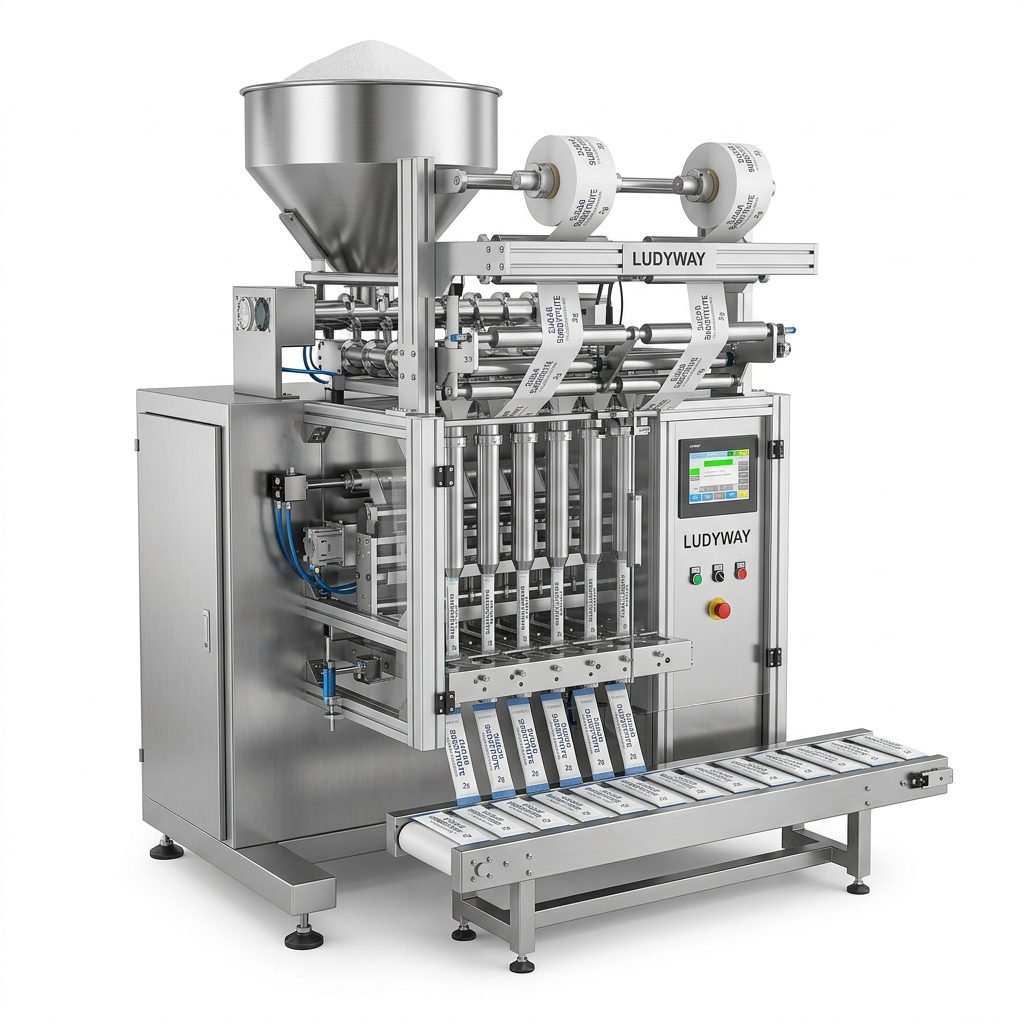
Navigating the global market for packaging machinery can be a complex endeavor. As a business seeking to enhance production efficiency, selecting the right exporter is a critical decision that impacts your operational reliability, product quality, and bottom line. This comprehensive guide is designed to walk you through the essential steps of choosing a trustworthy packaging machinery supplier and leveraging that partnership to significantly boost your production capabilities.
Understanding Your Production Requirements
Before you even begin your search for a supplier, a deep and clear understanding of your own needs is paramount. This foundational step ensures you seek out machinery that aligns perfectly with your operational goals.
Key Factors to Assess:
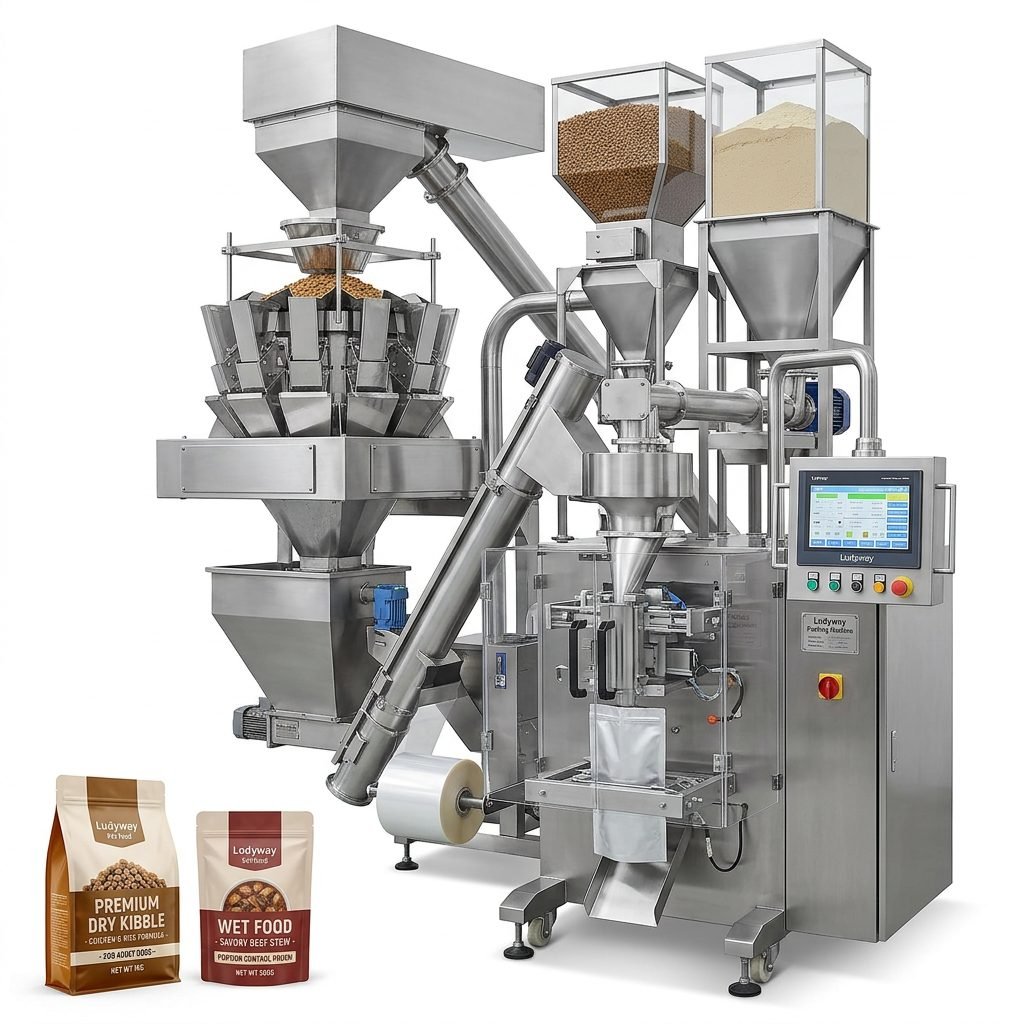
- Product Type: Are you packaging granules, powders, liquids, or solids? The physical characteristics of your product dictate the machine type (e.g., auger filler for powders, liquid pump filler for fluids).
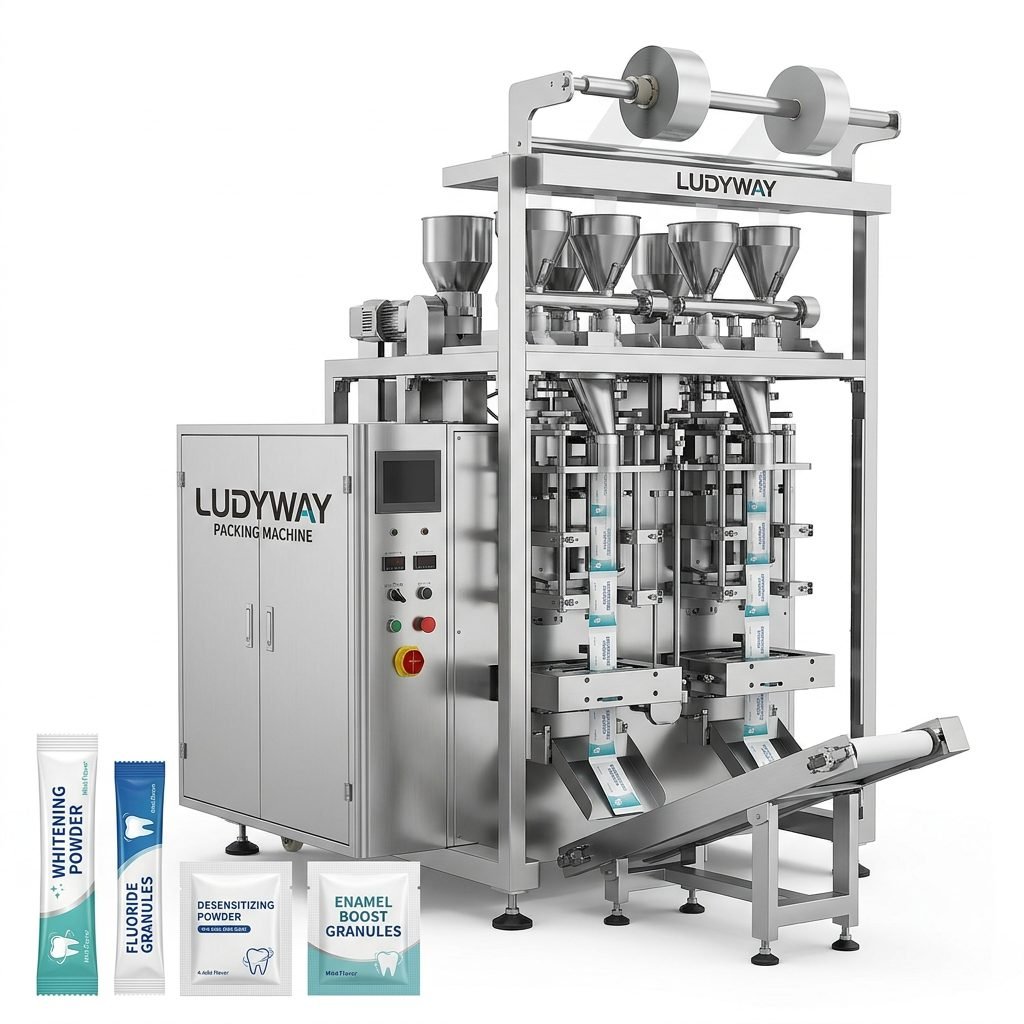
- Desired Output Speed: Calculate your required bags or pouches per minute (BPM/PPM). This determines whether you need a single-lane, dual-lane, or multi-lane packaging system.
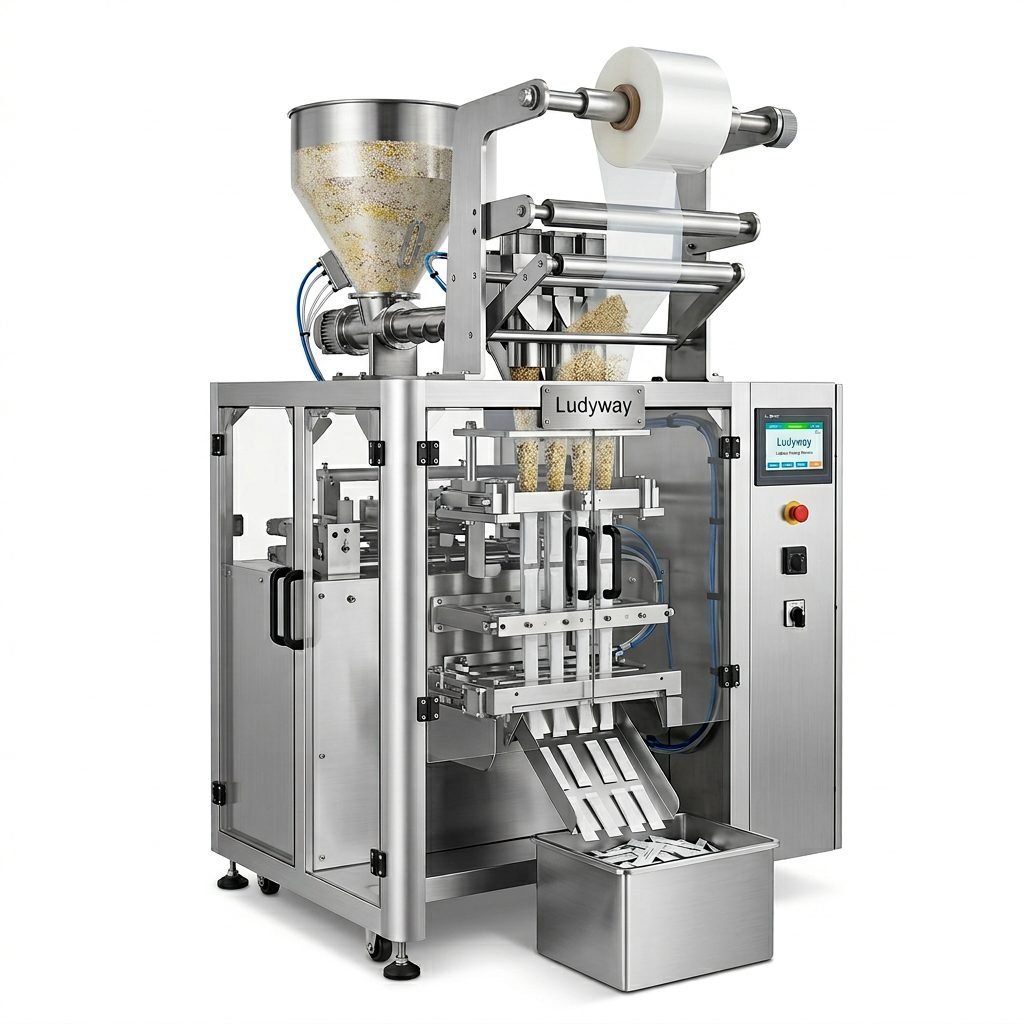
- Packaging Format: Define if you need stick packs, sachets, pouches, or bags. Each format requires specific machine configurations.
- Future Scalability: Consider your growth plans. Investing in a slightly more capable machine or a modular system can save costs in the long run.
Evaluating a Packaging Machinery Exporter’s Credentials
Once your needs are defined, the next step is to scrutinize potential exporters. A reliable supplier is more than just a seller; they are a long-term partner in your production success.
1. Industry Experience and Specialization
Look for exporters with a proven track record. Years of operation often correlate with stability and accumulated technical knowledge. An exporter like Ludyway Machinery, with deep roots in the industry, brings invaluable insights into solving real-world packaging challenges across food, pharmaceutical, and health sectors. Specialization in your specific product type is a significant advantage.
2. Manufacturing Capability and Quality Control
The exporter’s own manufacturing infrastructure is a telling sign. Do they operate a modern production facility? What is their quality assurance process? A supplier with a substantial in-house manufacturing base, such as one with a 20,000㎡ facility, typically has better control over production timelines, material quality, and final assembly standards, leading to more reliable machinery.
3. Product Range and Technical Innovation
A diverse portfolio, often encompassing 50+ intelligent machine models, indicates technical breadth and the ability to offer tailored solutions rather than a one-size-fits-all approach. Assess their commitment to innovation—do they integrate the latest in automation, servo controls, and user-friendly HMIs (Human-Machine Interfaces)?
🔍 Due Diligence Checklist:
- Request and verify company registration and business licenses.
- Ask for a detailed company profile and history.
- Investigate their after-sales service and technical support structure.
- Inquire about their standard warranty terms and spare parts availability.
The Supplier Selection Process: From Inquiry to Partnership
Turning a list of potential exporters into a chosen partner requires a structured process.
Step 1: Initial Communication and Needs Analysis
Present your detailed requirements. A competent exporter will ask probing questions to fully understand your application and may even suggest optimizations you hadn’t considered.
Step 2: Request for Quotation (RFQ) and Proposal Review
Compare proposals not just on price, but on the completeness of the solution offered. Does the quote include installation, training, and commissioning? Clarity here prevents hidden costs later.
Step 3: Factory Audit and Reference Checks
If possible, visit the exporter’s manufacturing facility or request a virtual tour. Speaking to existing clients in similar industries provides unbiased feedback on machine performance and supplier reliability.
Step 4: Contract Negotiation and Project Planning
Ensure the contract clearly outlines delivery schedules, payment terms, technical specifications, and service level agreements (SLAs). A good exporter will work with you to create a realistic project timeline.
Boosting Production with Your New Machinery
Successfully integrating new equipment is where the investment pays off. Here’s how to maximize the benefits.
Optimizing Machine Setup and Operation
Work closely with the supplier’s engineers during installation and commissioning. Thorough operator training is non-negotiable for achieving the advertised output speeds and minimizing waste. Proper maintenance schedules, as outlined in the machine manual, are crucial for longevity.
Leveraging Data and Automation
Modern packaging machines are data hubs. Utilize their capability to track production counts, downtime reasons, and efficiency rates. This data is key for continuous improvement. Integrating machines with upstream and downstream equipment (like conveyors or cartoners) into a cohesive turnkey production line can dramatically boost overall throughput.
Building a Long-Term Collaborative Relationship
View your exporter as a strategic partner. Regular communication about performance, upcoming product changes, or expansion plans can lead to valuable support and upgrade opportunities. A partner invested in your success will proactively offer solutions.
Frequently Asked Questions (FAQs)
1. What is the most important factor when choosing a packaging machine exporter?
While price is a consideration, proven reliability and after-sales support are paramount. A slightly higher initial investment in a reputable supplier with strong technical support and spare parts availability saves significant cost and downtime over the machine’s lifetime.
2. How can I verify the quality of the machinery before purchase?
Always request a live or recorded video test running a sample of your actual product (or a close substitute). Factory audits and client references are also indispensable verification tools to assess build quality and real-world performance.
3. What should I expect in terms of delivery and installation time?
Lead times vary based on machine complexity and customization. Standard models may ship in 4-8 weeks, while fully customized lines can take 12-20 weeks. Clear communication with your exporter during the planning phase is essential to set accurate expectations.
4. How do I ensure my operators are properly trained?
Reputable exporters include on-site training by their engineers during commissioning as part of the service. Ensure this is stipulated in your contract. Comprehensive operation and maintenance manuals should also be provided in your required language.
5. What if I need to change my packaging format or product in the future?
Discuss flexibility and changeover capabilities upfront. Many modern machines are designed for quick changeovers between similar formats. For major changes, inquire about the supplier’s ability to provide retrofit kits or upgrades, which underscores the value of a long-term partnership.