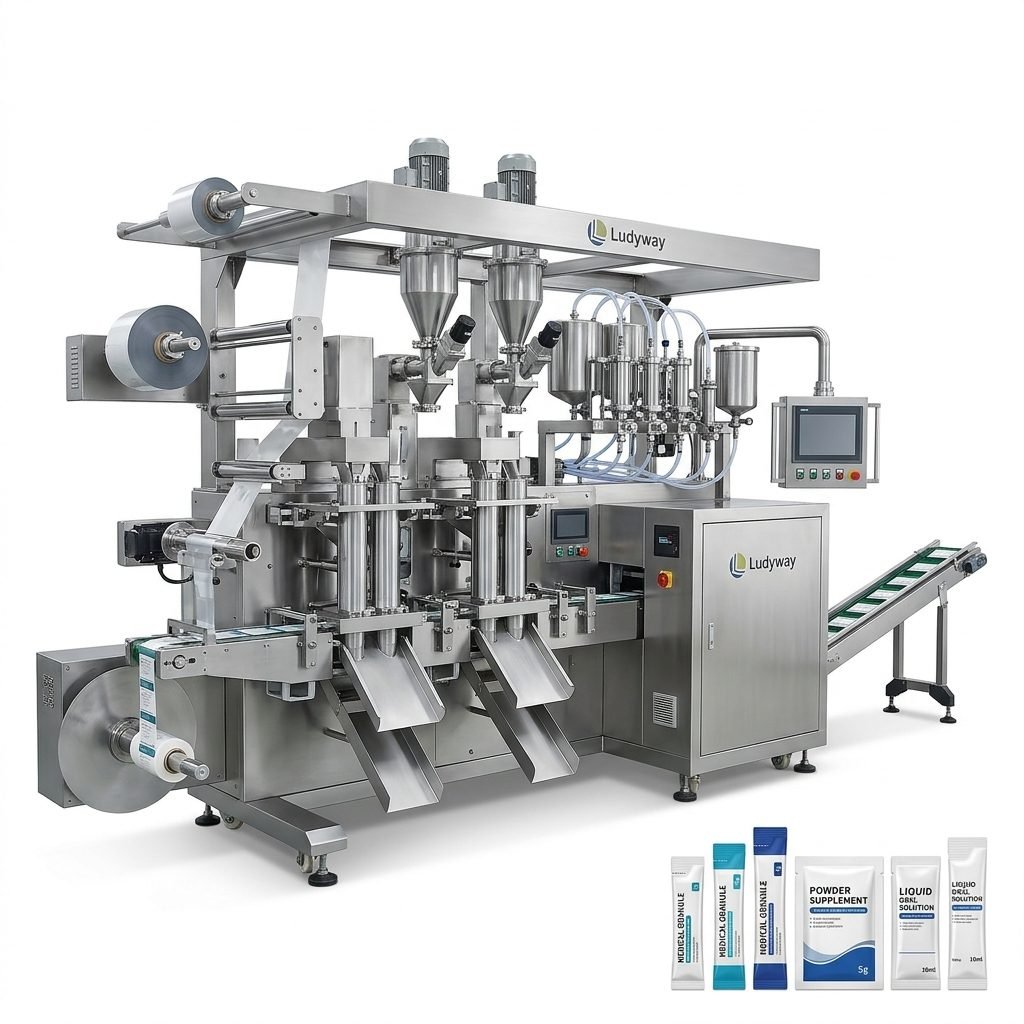
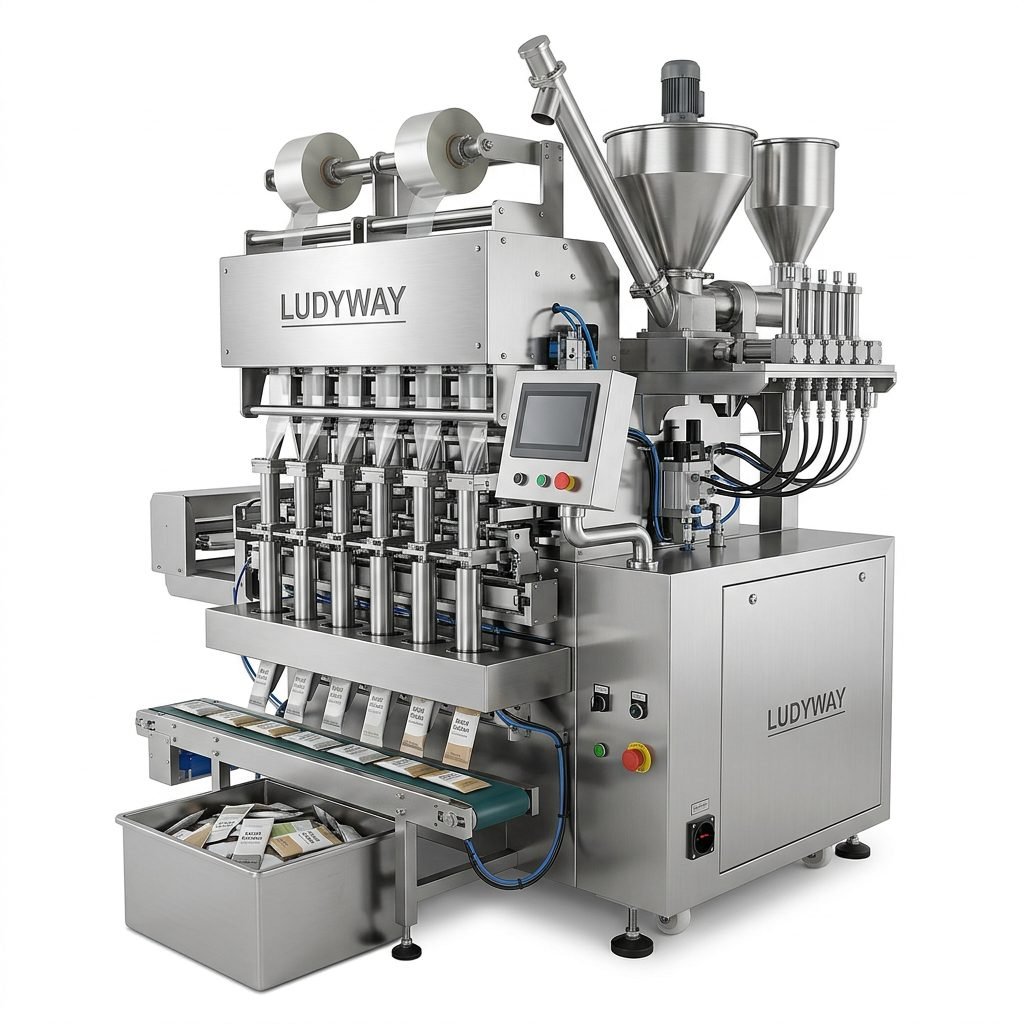
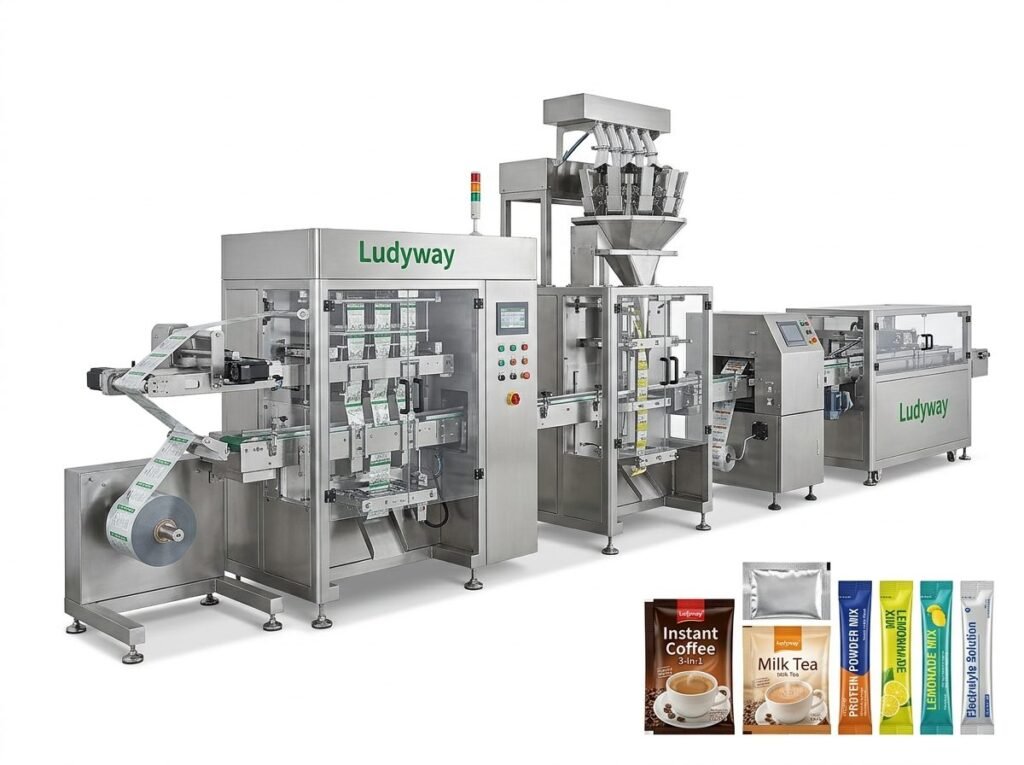
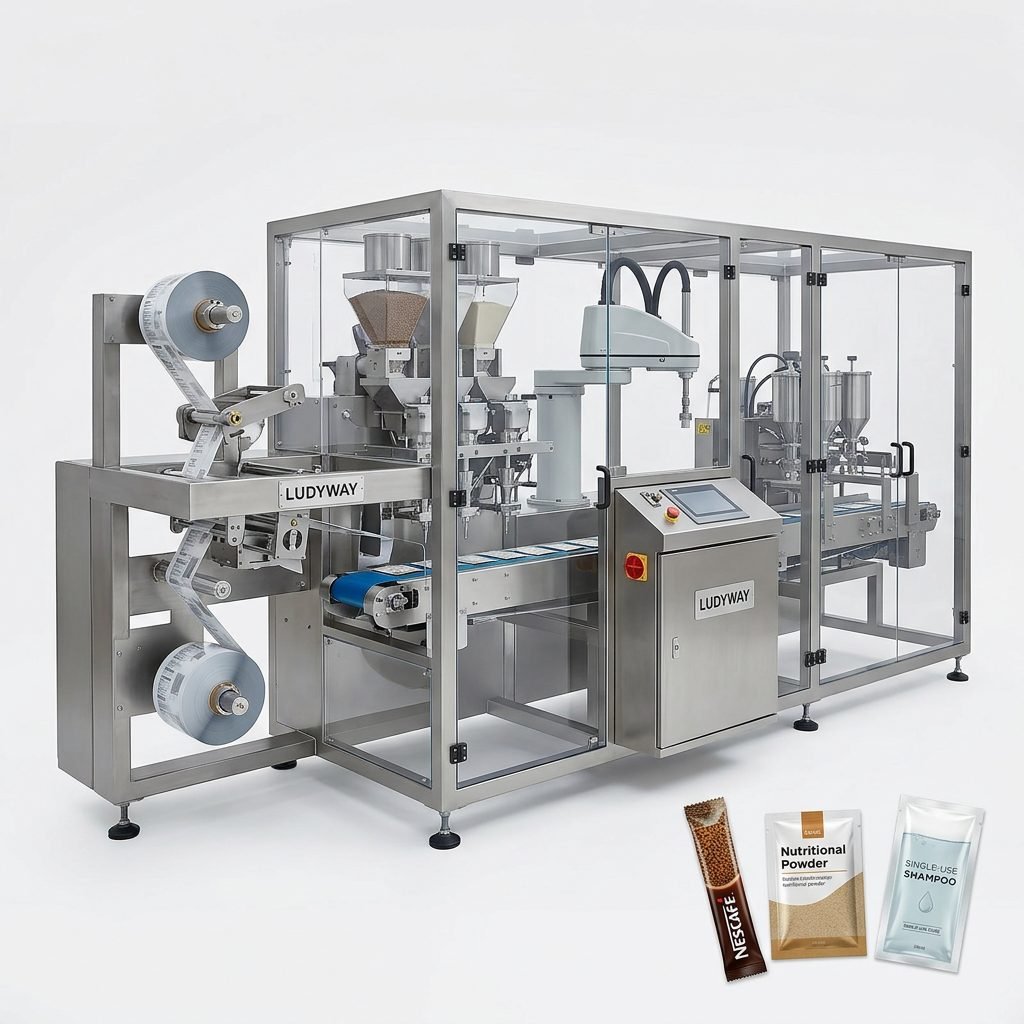
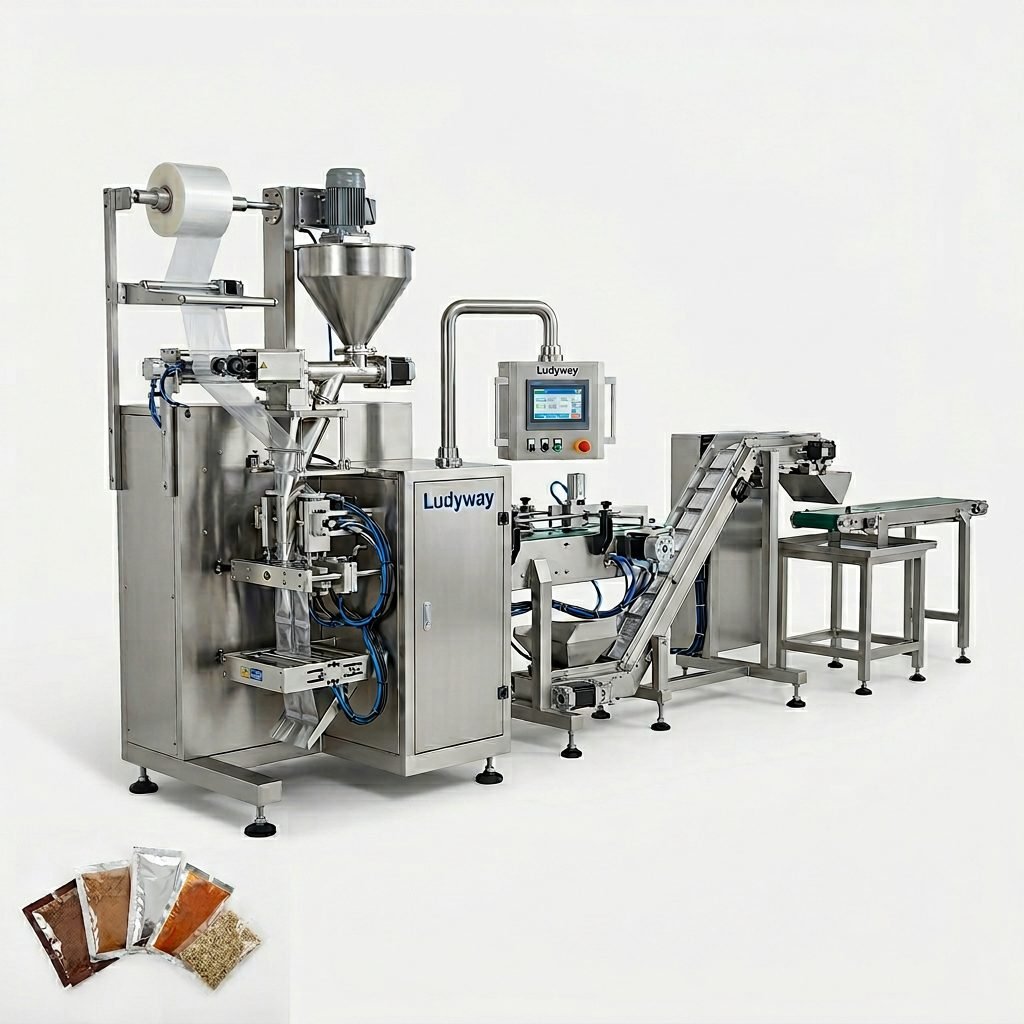
Investing in a vegetable seed packing machine is a critical decision for seed suppliers, agricultural cooperatives, and contract packagers. The right equipment helps protect seed viability, improve weighing accuracy, and increase production throughput. However, with a wide range of machine configurations, packaging formats, and automation levels available, the selection process can quickly become complex. This complete buyer’s guide walks through the essential factors to consider before purchasing a seed packaging system.
Understand Your Seed Characteristics First
Not all seeds behave the same way during the packaging process. Small, round seeds such as tomato or pepper flow differently than larger, irregularly shaped seeds like pumpkin or corn. Before selecting a vegetable seed packing machine, evaluate your seed portfolio carefully.
- Seed size and shape: Determines the type of dosing and filling system required. Volumetric cup fillers work well for uniform granules, while multi-head weighers are better for mixed sizes.
- Flowability and surface friction: Seeds with smooth surfaces flow easily; rough or oily seeds may bridge or clog.
- Fragility: Tender seeds (e.g., some heirloom varieties) require gentle handling to prevent cracking or germination loss.
- Dust and chaff: Seed lots may contain dust or residual plant material, which can interfere with sealing. Integrated dust extraction or vacuum systems may be necessary.
Choose the Right Packaging Format
The packaging format directly influences shelf presence, portion control, and protection from moisture. Vegetable seeds are commonly packed in multi-lane sachets, stick packs, or small pouches. According to the Flexible Packaging Association, demand for smaller, single-use formats continues to grow globally, making flexible formats an attractive option for seed brands.
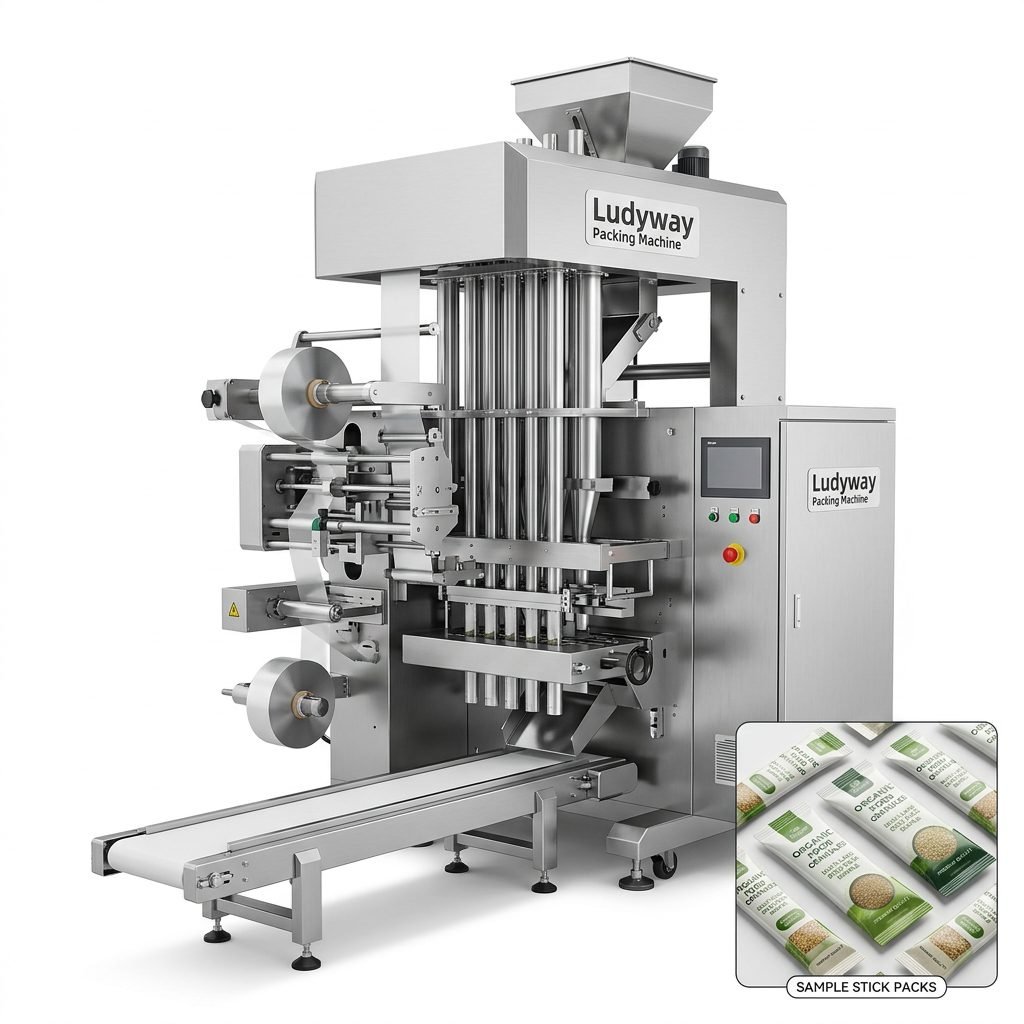
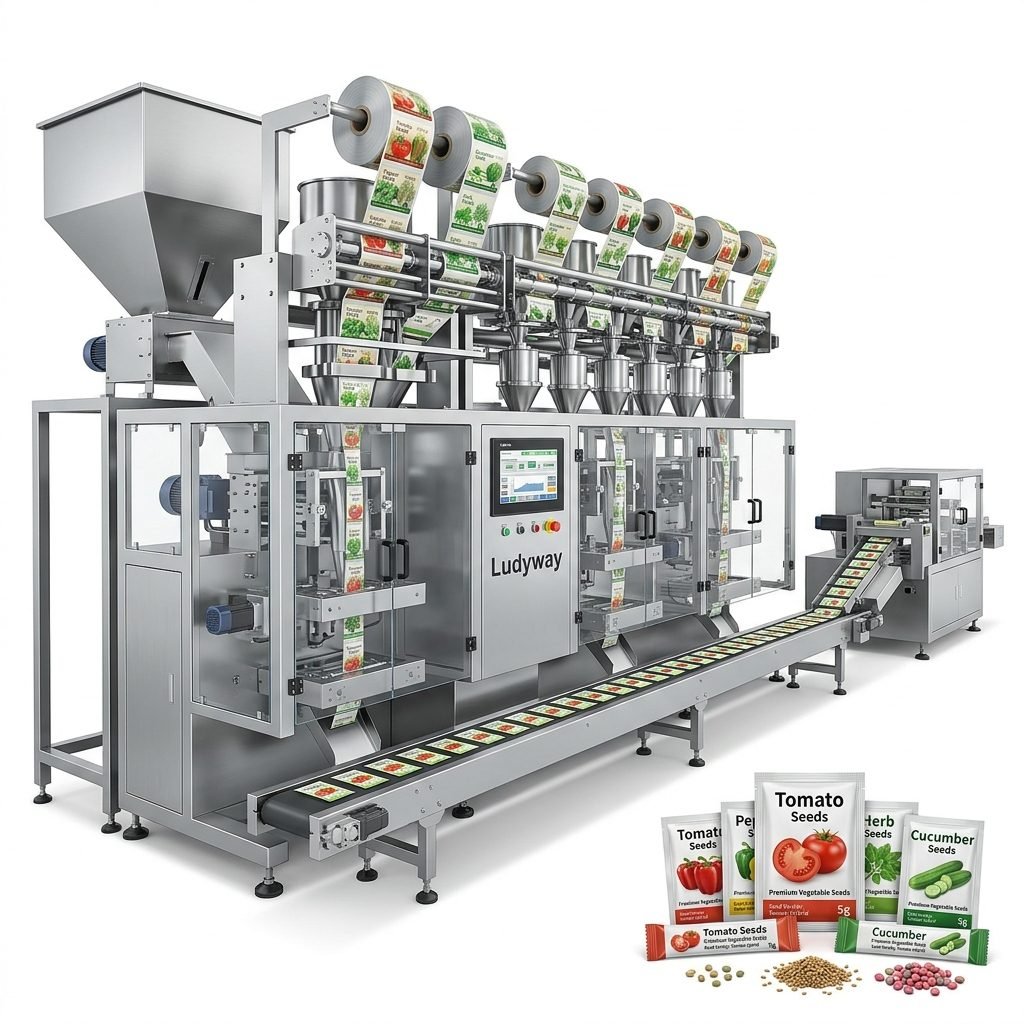
- Multi-lane stick packs: Ideal for high-volume, small-quantity seed packets (e.g., 2g–10g). They are easy to display on retail racks.
- Three-side-seal or four-side-seal sachets: Provide a larger branding area and are suitable for heavier seed quantities.
- Resealable pouches: Popular among home gardeners who buy larger quantities and want moisture protection after opening.
Key Machine Specifications to Evaluate
When comparing different seed packaging machines, several technical parameters will determine whether the equipment can meet your current and future production targets. Use the table below as a quick reference checklist during supplier evaluations.
| Specification | Why It Matters |
|---|---|
| Production Speed | Measured in packs per minute per lane. For high-volume seed operations, multi-lane machines running 40–60 cuts per minute per lane can significantly increase daily output. |
| Filling Accuracy | Weight variation should be within ±0.5%–1.0% to avoid give-away and ensure regulatory compliance. |
| Bag Dimension Range | Check the minimum and maximum pouch sizes the machine can produce. Many manufacturers offer quick-change formers for different bag widths and lengths. |
| Film Compatibility | Confirm the machine can handle the packaging film you intend to use (e.g., laminated foil, polyethylene, biodegradable films) without wrinkling or sealing issues. |
| Power and Air Consumption | Lower energy consumption reduces operational cost over the machine’s lifecycle. |
Automation Features That Improve Seed Packaging Efficiency
Modern automatic seed packaging solutions come with a range of automation features that reduce manual labor, minimize errors, and improve consistency. When investing in new equipment, look for these integrated capabilities.
- Automatic feeding systems: Bucket elevators or vacuum conveyors that gently transport seeds from bulk supply to the filling station without causing damage.
- Vision inspection and reject systems: Cameras detect open seals, misaligned cuts, or missing print. Faulty packs are automatically rejected before cartoning.
- Nitrogen flushing: Extends shelf life by displacing oxygen inside the pouch, especially important for high-value organic vegetable seeds.
- Inline printing and coding: Thermal inkjet or laser coders print batch numbers, expiry dates, and QR codes directly during the packaging cycle.
Compliance and Material Standards
Seed packaging often involves food-grade contact surfaces if edible sprouts or microgreens are part of the product line. Additionally, export-oriented seed producers must align with international packaging standards. Referencing PMMI packaging machinery market research helps understand evolving regulatory requirements. Key considerations include:
- Stainless steel construction for product contact parts
- GMP-compliant design for easy cleaning and maintenance
- CE or equivalent safety certifications for electrical and mechanical systems
- Film materials that meet moisture barrier requirements for seed viability
Turnkey vs. Standalone: Plan for the Full Packaging Line
Many seed packers begin with a standalone pouch machine and later add cartoning, case packing, and palletizing modules as volumes grow. Choosing a packaging machinery manufacturer that offers both individual machines and complete turnkey solutions provides flexibility for future expansion. Integrated lines can include:
- Seed feeding and dosing system
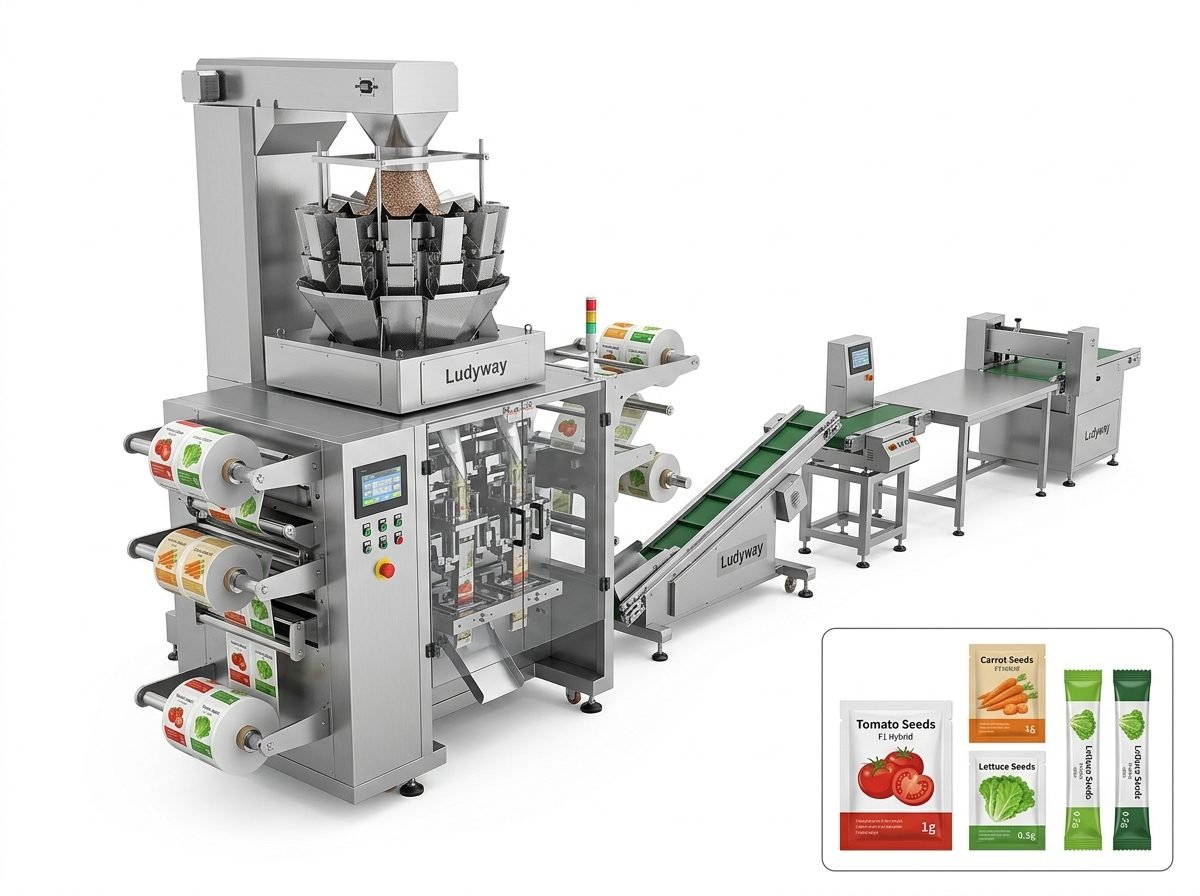
- Multi-lane vertical form-fill-seal unit
- Checkweigher and metal detector
- Automatic cartoner and case packer
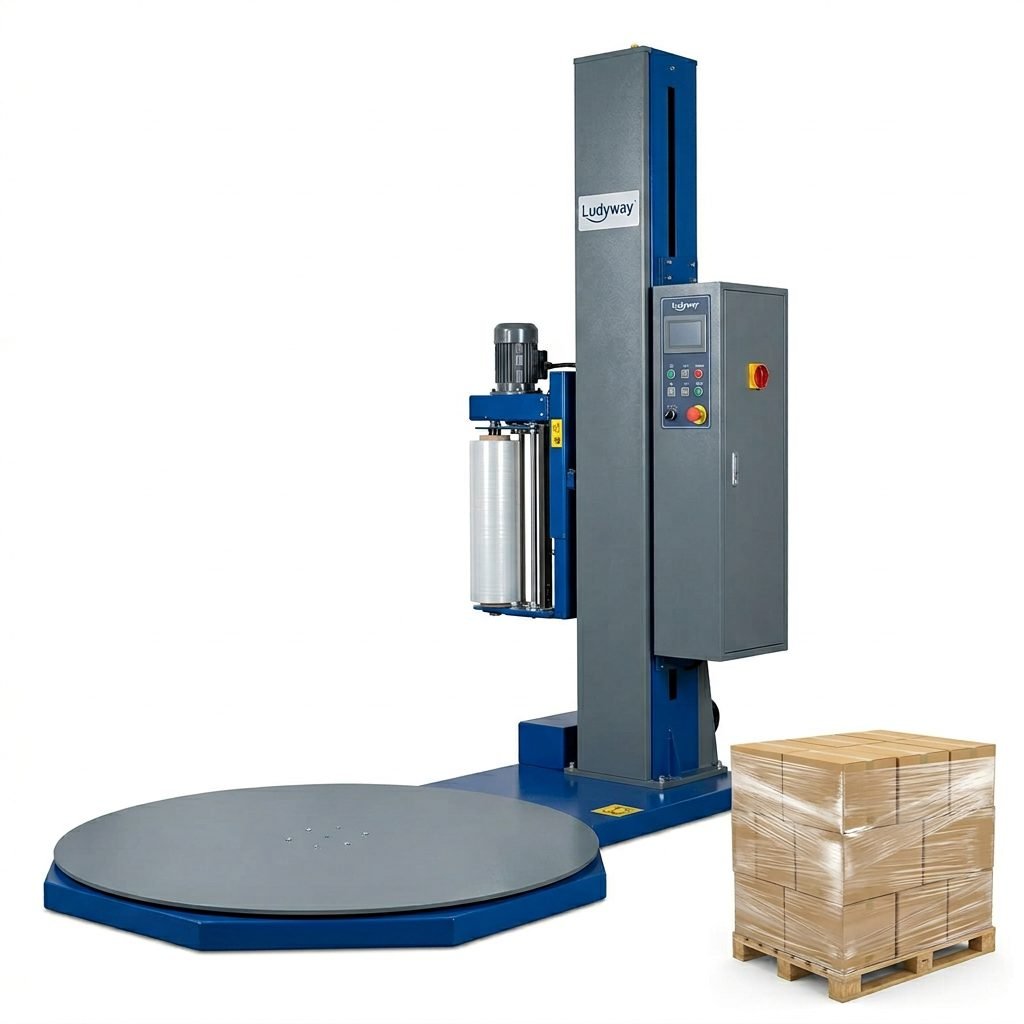
- Palletizing system
Evaluate the Manufacturer’s Experience and Support
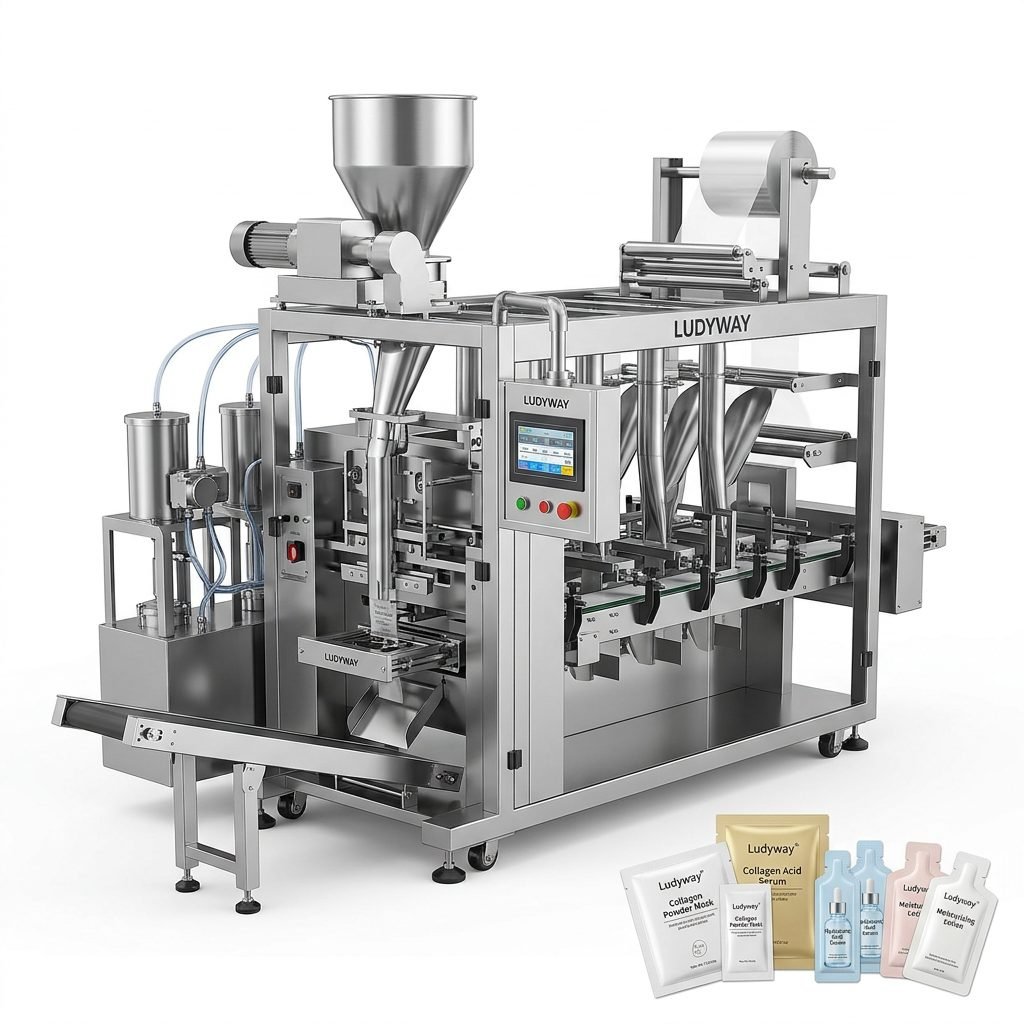
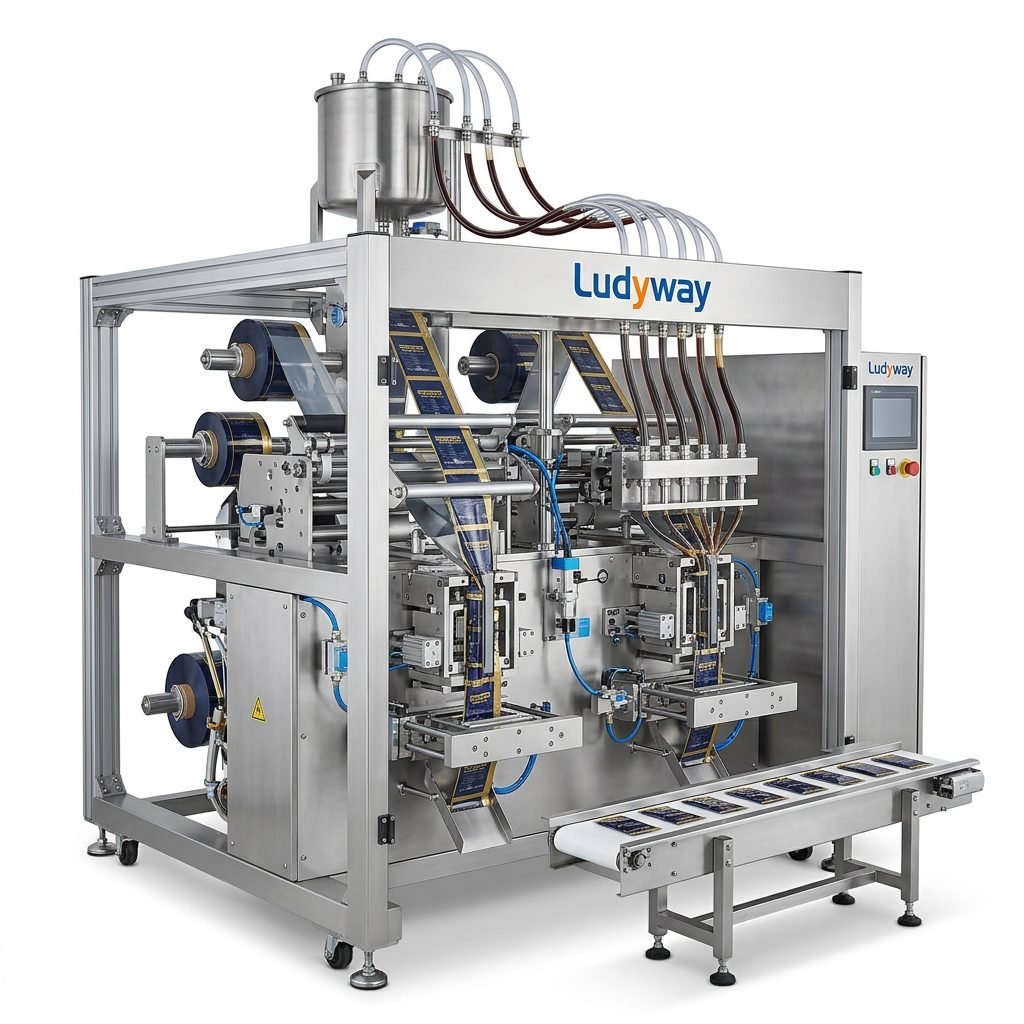
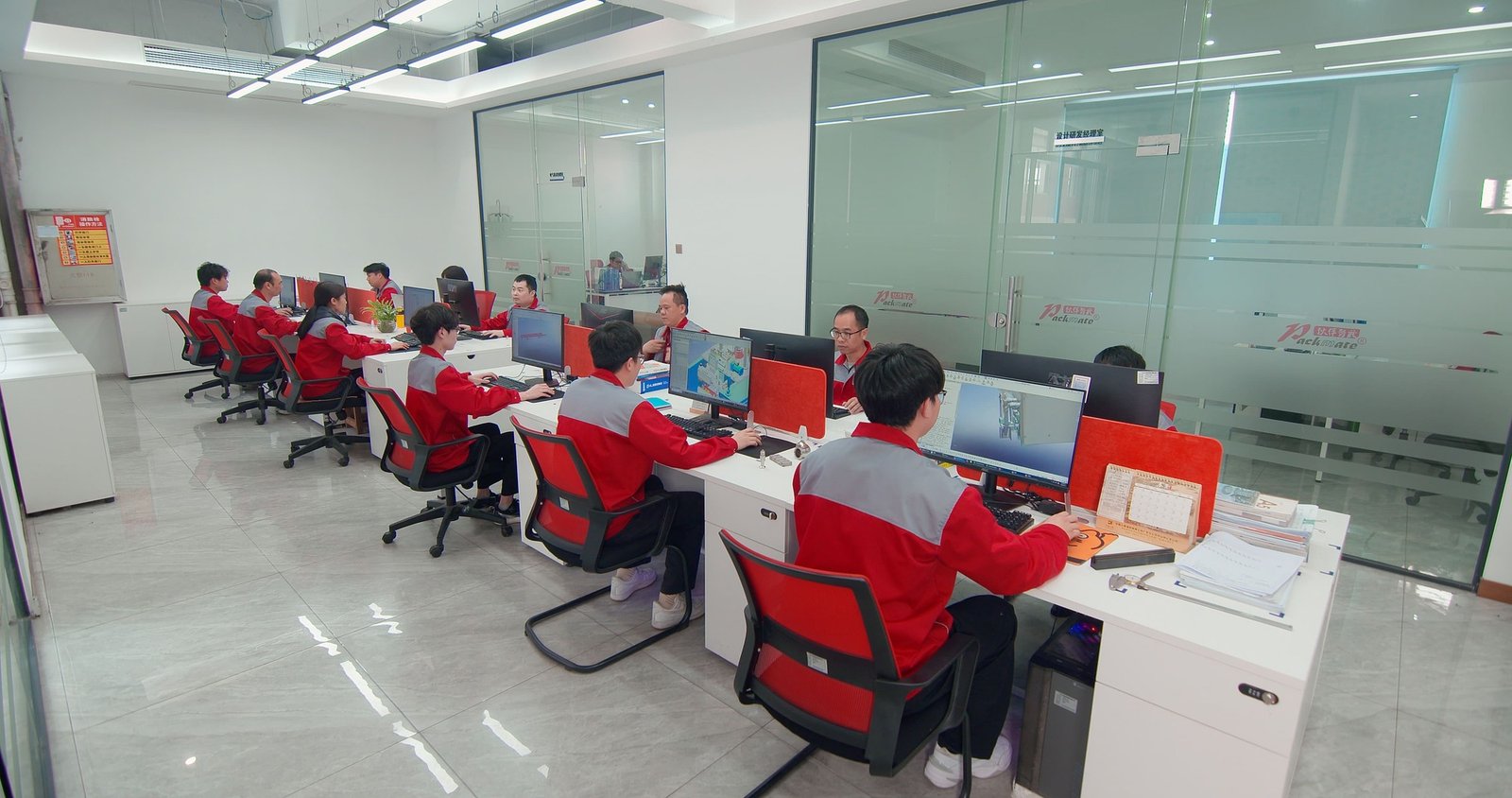
Beyond the machine specifications, the manufacturer’s industry experience and after-sales support structure play a decisive role in long-term satisfaction. Ludyway Machinery, for instance, is a China-based packaging machinery manufacturer with more than 30 years of experience and a 20,000-square-meter manufacturing facility. Over the past three decades, the company has supplied automatic packaging equipment and turnkey solutions to more than 100 countries, covering diverse packaging formats including multi-lane stick packs, sachets, and pouches for granule-based products like vegetable seeds.
- In-house engineering capabilities: Look for manufacturers that control mechanical design, automation, and system integration internally.
- Customization record: Seed packaging requirements vary widely; a supplier with a proven customization track can adapt the machine to your specific seed type and output goals.
- Global service reach: Confirm the availability of remote technical support, spare parts supply, and on-site commissioning services.
Cost Considerations Beyond the Initial Purchase Price
The upfront cost of a vegetable seed packing machine is only one part of the total investment. Buyers should calculate the total cost of ownership (TCO) by factoring in operational expenses over the expected service life of the equipment.
| Cost Component | Description |
|---|---|
| Spare Parts | Sealing jaws, cutting knives, belts, and sensors require periodic replacement. |
| Film Waste Rate | Machines with precise film registration and tension control can reduce waste by 1%–3% compared to less advanced systems. |
| Training and Labor | User-friendly HMI interfaces and accessible maintenance points reduce training time and operator dependency. |
| Energy Efficiency | Servo-driven machines typically consume less power and require less maintenance than pneumatic alternatives. |
Questions to Ask Before Signing a Purchase Agreement
A structured evaluation process helps avoid costly mistakes. Use the following checklist when communicating with potential equipment suppliers.
- Can the machine handle my specific seed size range without modification?
- What is the maximum production speed achievable with my target pouch dimensions?
- Does the supplier offer sample testing and validation with my actual seeds and film material?
- What warranty and after-sales service terms apply?
- Are operator training and installation support included?
- How quickly can spare parts be delivered to my location?
Plan for Scalability
While your current production volume may justify a 4-lane machine, planning for future growth is advisable. Modular equipment designs allow adding lanes, upgrading filling systems, or integrating automation modules without replacing the entire packaging line.
Leverage Industry Resources
Staying informed about packaging technology trends and standards helps buyers make more confident decisions. Industry associations such as PMMI – The Association for Packaging and Processing Technologies and the Flexible Packaging Association publish valuable market data, technical guidelines, and regulatory updates relevant to seed packaging operations. In addition, reviewing recent market analysis such as the Ludyway Packaging Machinery Global Growth Trend report offers insight into the manufacturing trends shaping the packaging machinery sector globally.
Selecting the right vegetable seed packing machine involves balancing technical specifications, packaging format requirements, regulatory compliance, and long-term operational costs. By thoroughly evaluating seed characteristics, automation features, manufacturer credibility, and after-sales support, buyers can invest in packaging equipment that delivers consistent performance and supports business growth over time.