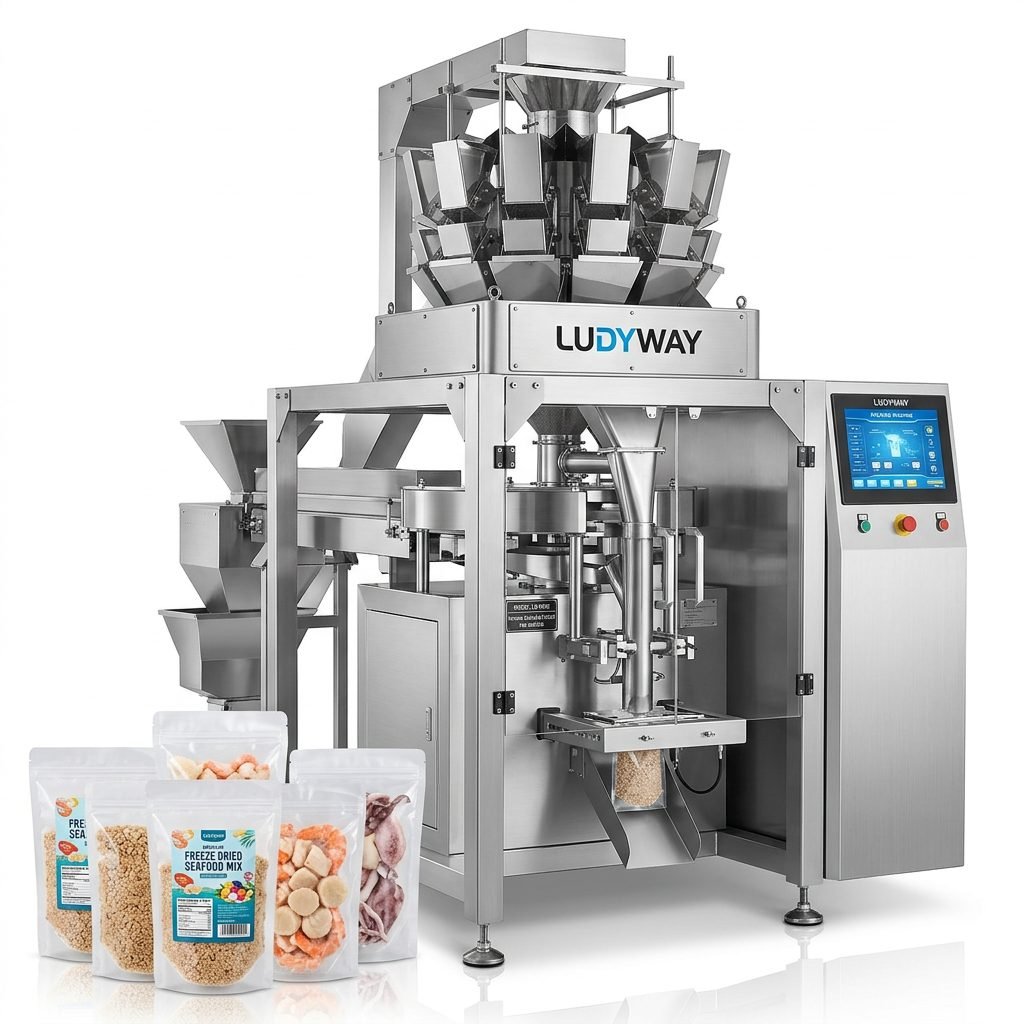
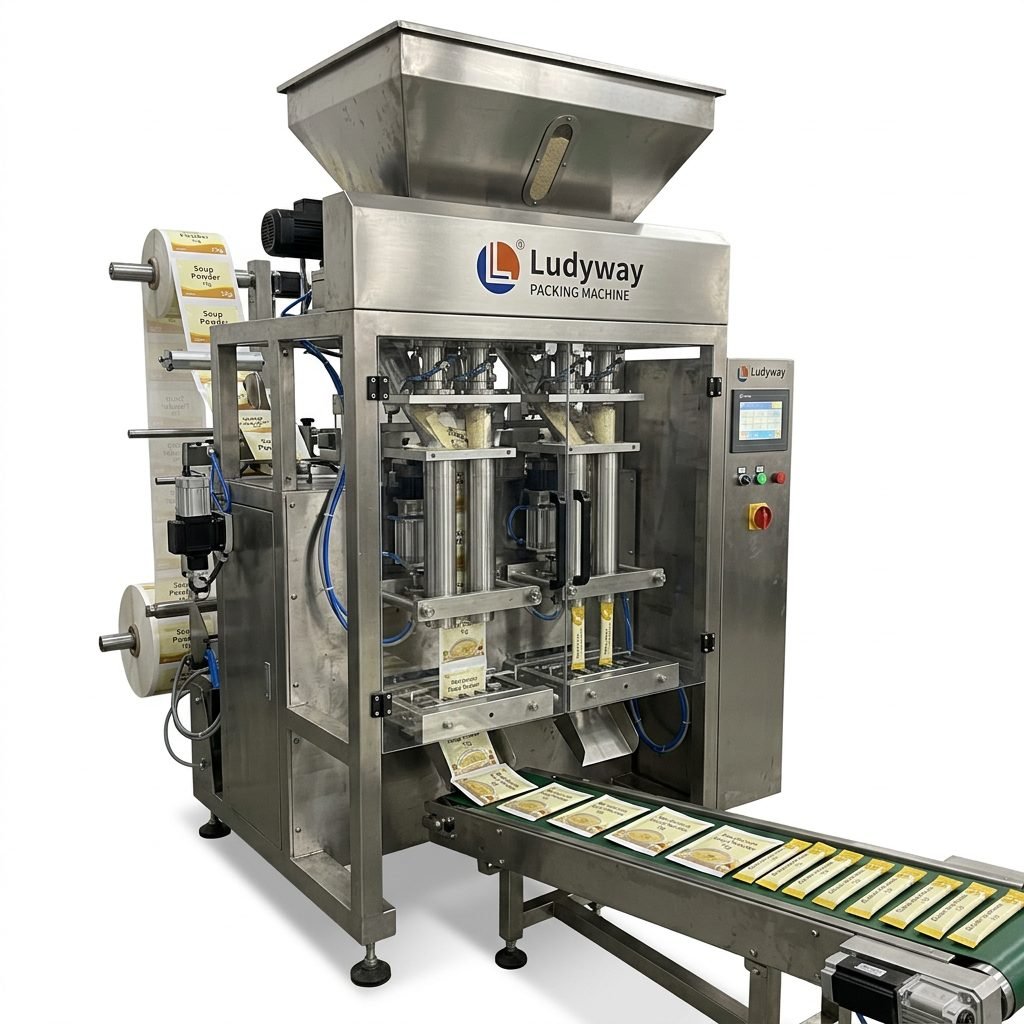
Investing in a wet tissue packing machine is a significant decision for manufacturers in the hygiene, personal care, medical, and household cleaning industries. Whether you are producing baby wipes, disinfectant wipes, makeup remover wipes, or antibacterial surface wipes, the right packaging equipment directly impacts production efficiency, product integrity, and long-term operational costs. This comprehensive buyer’s guide walks you through the essential factors to evaluate before making your purchase.
Understanding Wet Tissue Packaging Requirements
Wet tissue packaging is fundamentally different from dry product packaging. The presence of moisture, liquid formulations, and preservatives creates unique challenges that your packing machine must handle effectively. Key considerations include liquid-resistant sealing, moisture-barrier packaging materials, and precise liquid dosing systems that prevent leakage while maintaining product freshness.
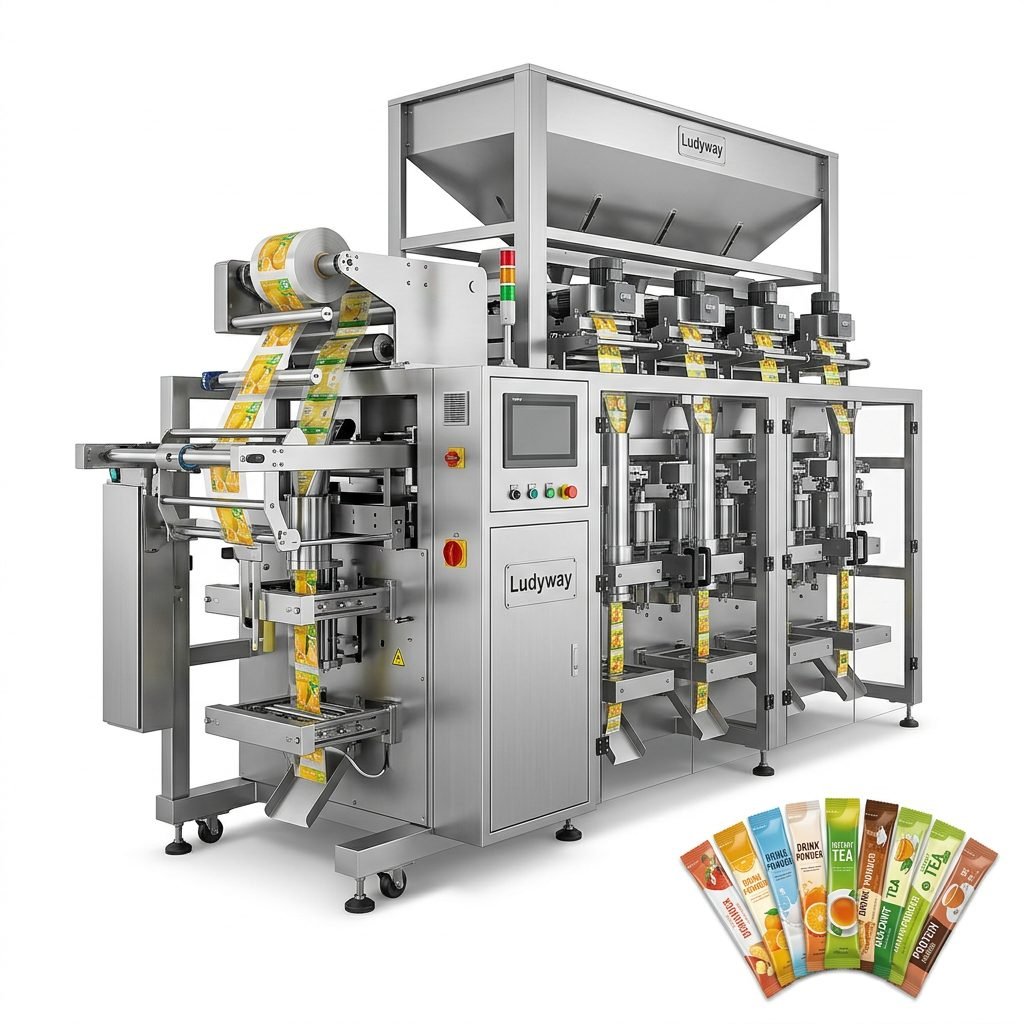
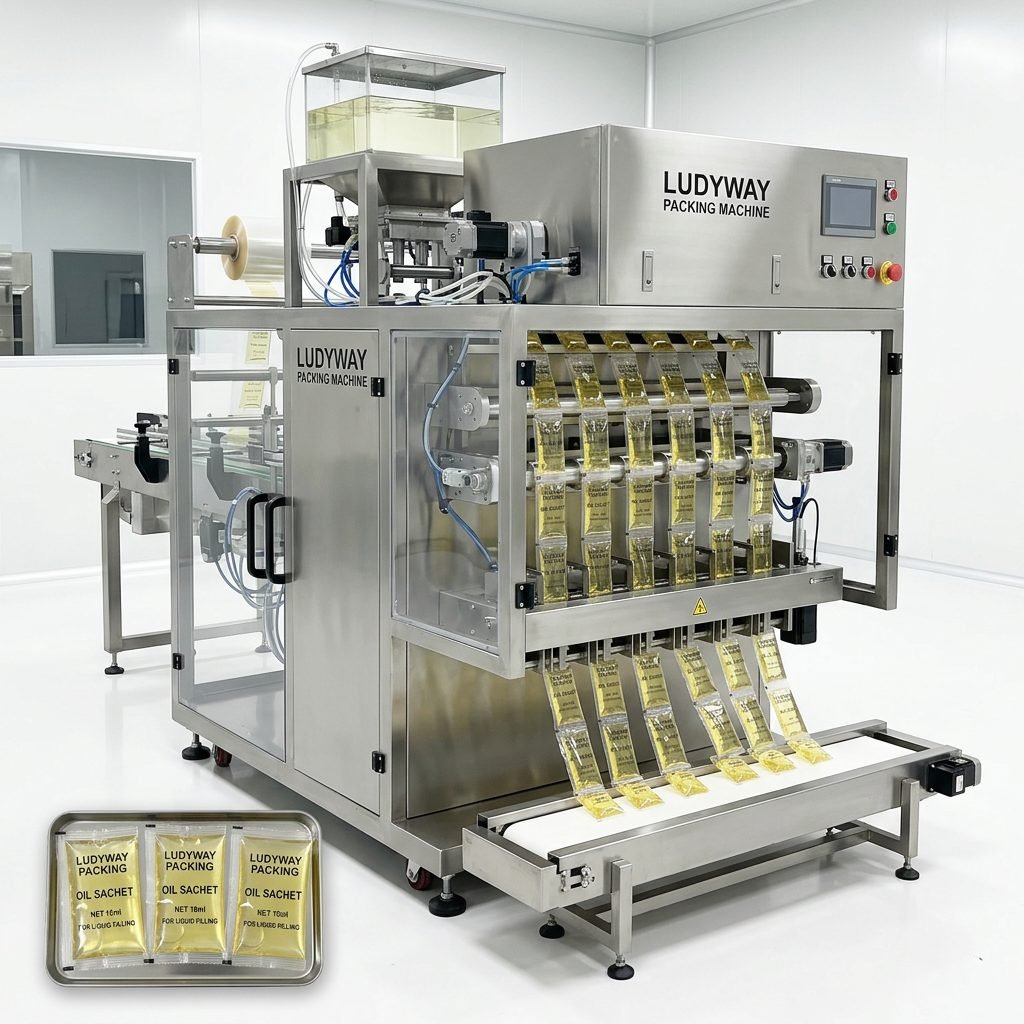
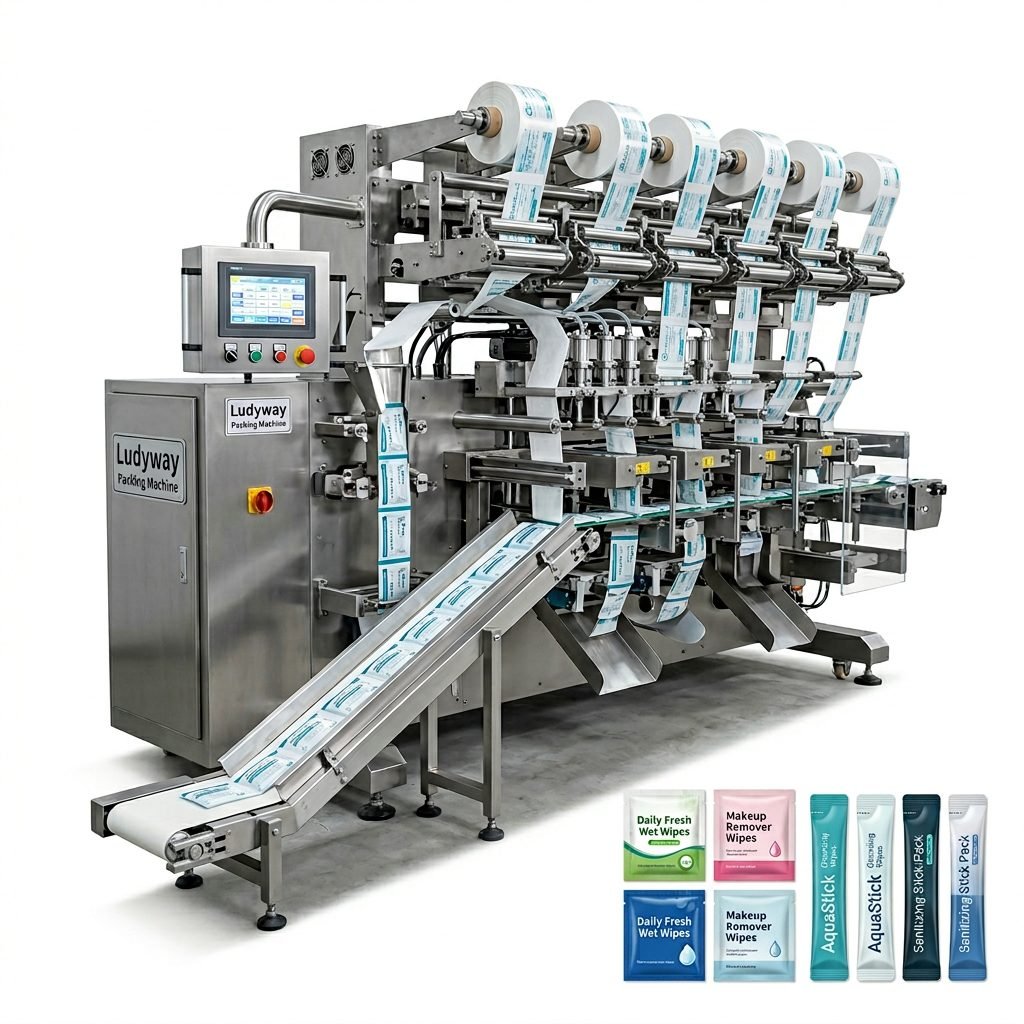
The flexible packaging industry has evolved significantly to accommodate the growing demand for convenient, portable wet wipe formats. Today’s machines must handle various packaging structures, from single-sachet packs to multi-lane stick pack configurations, each suited to different market segments and distribution channels.
Types of Wet Tissue Packing Machines
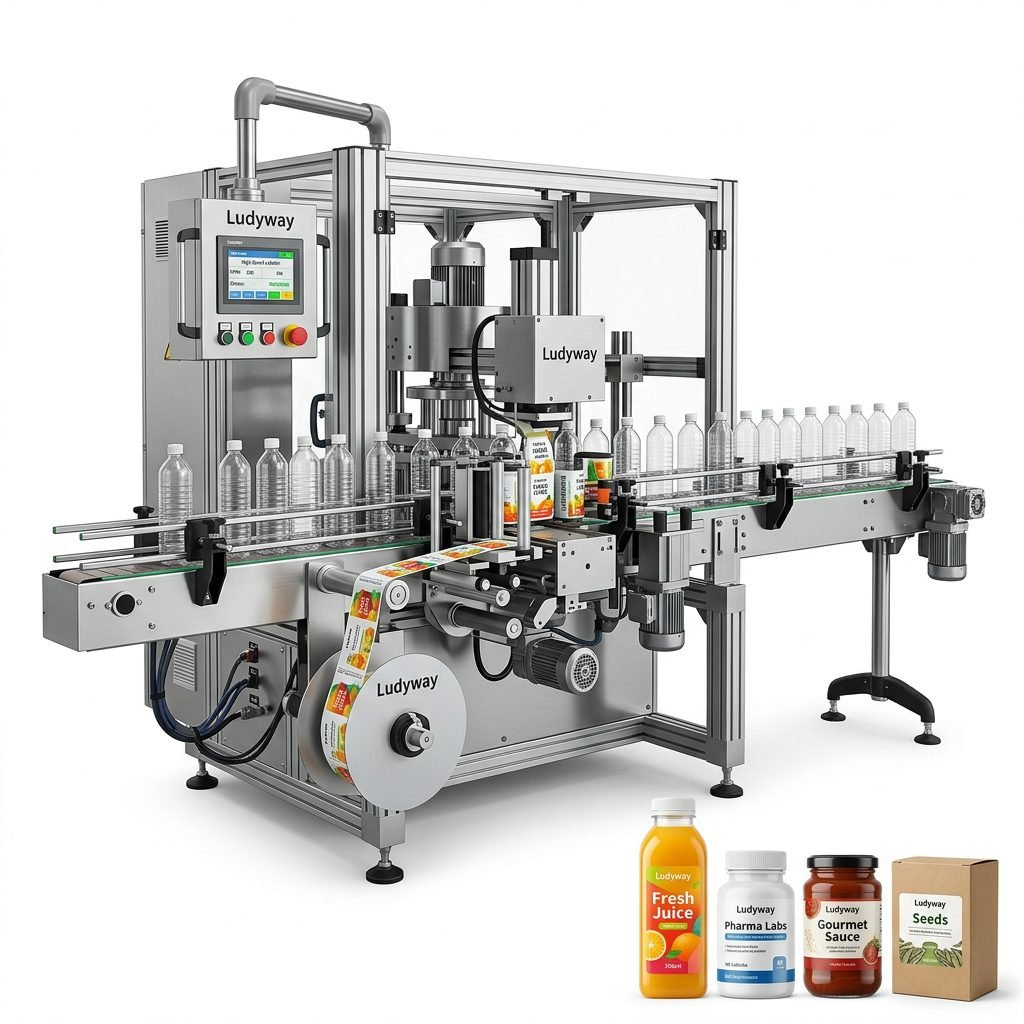
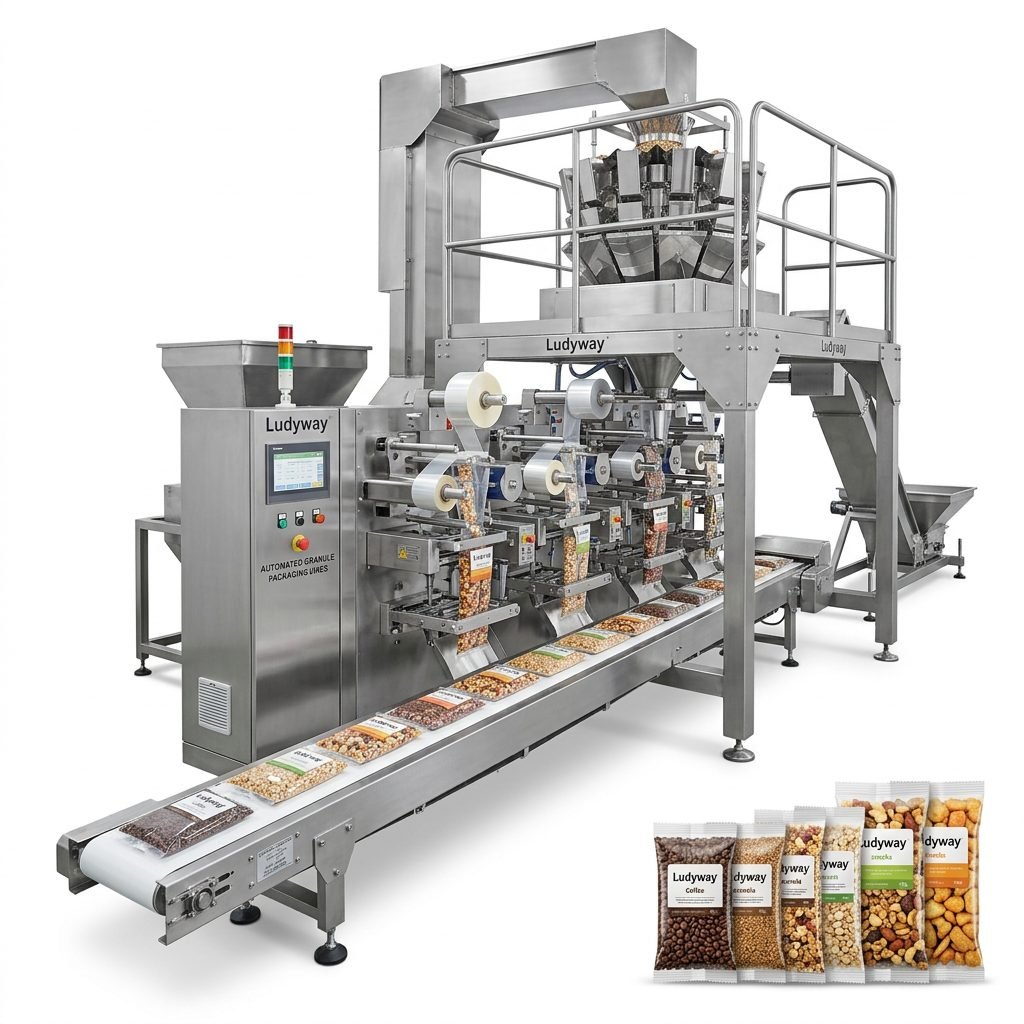
Before diving into specifications, it is important to understand the primary categories of wet tissue packaging equipment available on the market. Each type serves different production volumes, packaging formats, and business requirements.
Single-Lane vs. Multi-Lane Systems
Single-lane machines produce one package per cycle and are suitable for small to medium production volumes, contract packaging operations, or businesses entering the wet wipe market. They offer lower initial investment costs, simpler operation and maintenance, and greater flexibility for product changeovers.
Multi-lane systems can produce 4, 6, 8, 10, or even more lanes simultaneously, dramatically increasing throughput. These high-speed systems are ideal for large-scale manufacturers serving retail chains, healthcare institutions, and international markets. According to packaging machinery market data, multi-lane configurations continue to gain popularity as brands seek to optimize production costs per unit.
Sachet and Stick Pack Formats
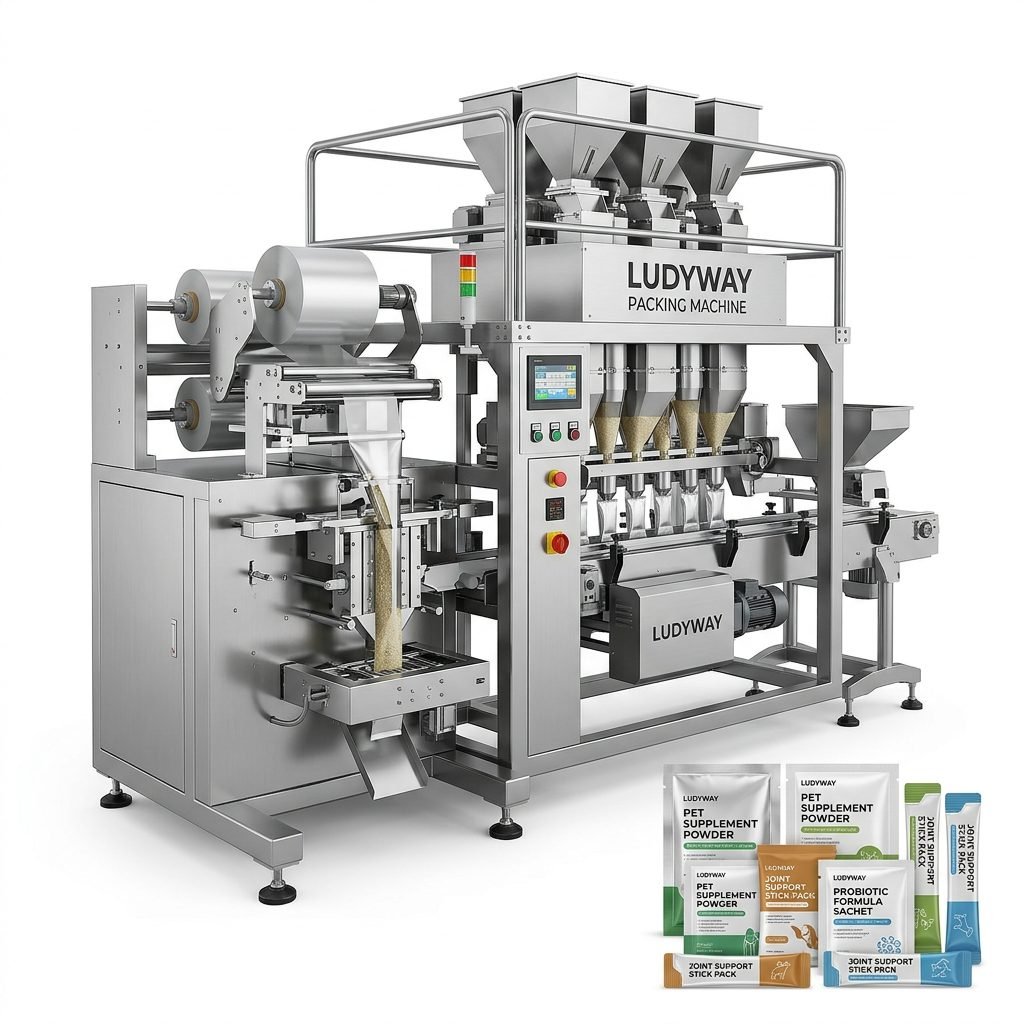
Wet tissues are commonly packaged in flat sachets, stick packs, or flow-wrapped pouches. Sachet formats are widely used for single-use disinfectant wipes, alcohol pads, and makeup remover tissues. Stick pack configurations offer a slim, elongated format popular for portable personal care products. Your choice of format should align with your target market preferences, retail display requirements, and distribution logistics.
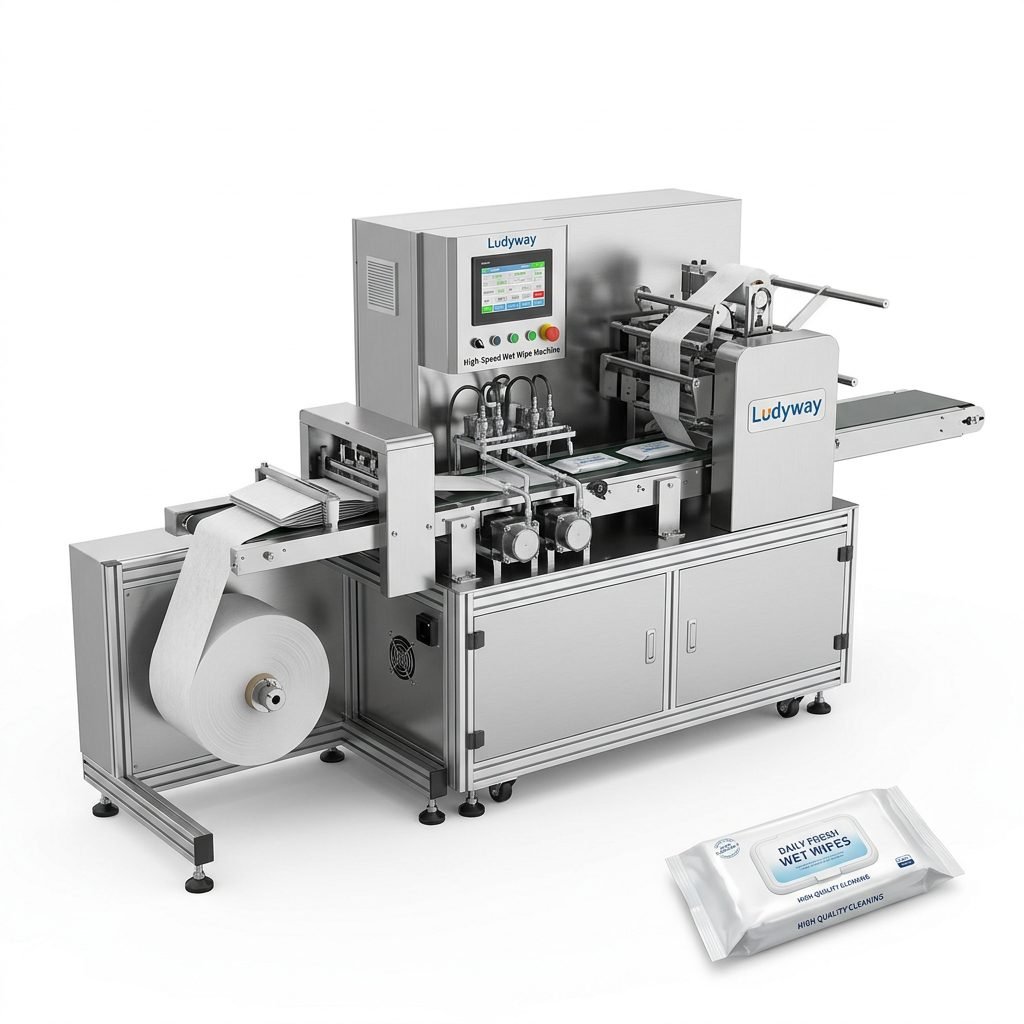
Key Factors to Consider When Choosing a Machine
Evaluating a wet tissue packing machine requires a systematic approach. The following factors will help you narrow down your options and select equipment that aligns with both your current needs and future growth plans.
Production Speed and Capacity
Production speed is measured in packages per minute (ppm) and varies significantly across machine types. A clear understanding of your current and projected output requirements is essential. Consider not only peak season demands but also whether the machine can scale with your business. Multi-lane machines with modular designs allow manufacturers to add lanes as production needs grow, protecting the initial investment.
Packaging Material Compatibility
Wet tissue packaging requires moisture-resistant films and laminates that prevent liquid migration and maintain seal integrity. Your packing machine must be compatible with the specific packaging materials you plan to use, including aluminum foil laminates, metallized films, polyethylene-based structures, and biodegradable or compostable materials. Verify that the machine’s sealing system—whether heat sealing, ultrasonic sealing, or impulse sealing—is optimized for your chosen packaging substrate.
Filling Accuracy and Liquid Control
Precise liquid dosing is critical for wet tissue products. Overfilling wastes product and increases costs, while underfilling can lead to dry wipes, customer complaints, and regulatory issues. Look for machines equipped with servo-driven dosing systems, automated liquid level monitoring, and integrated weighing or inspection modules that ensure consistent fill volumes across every package.
Automation Level and Integration
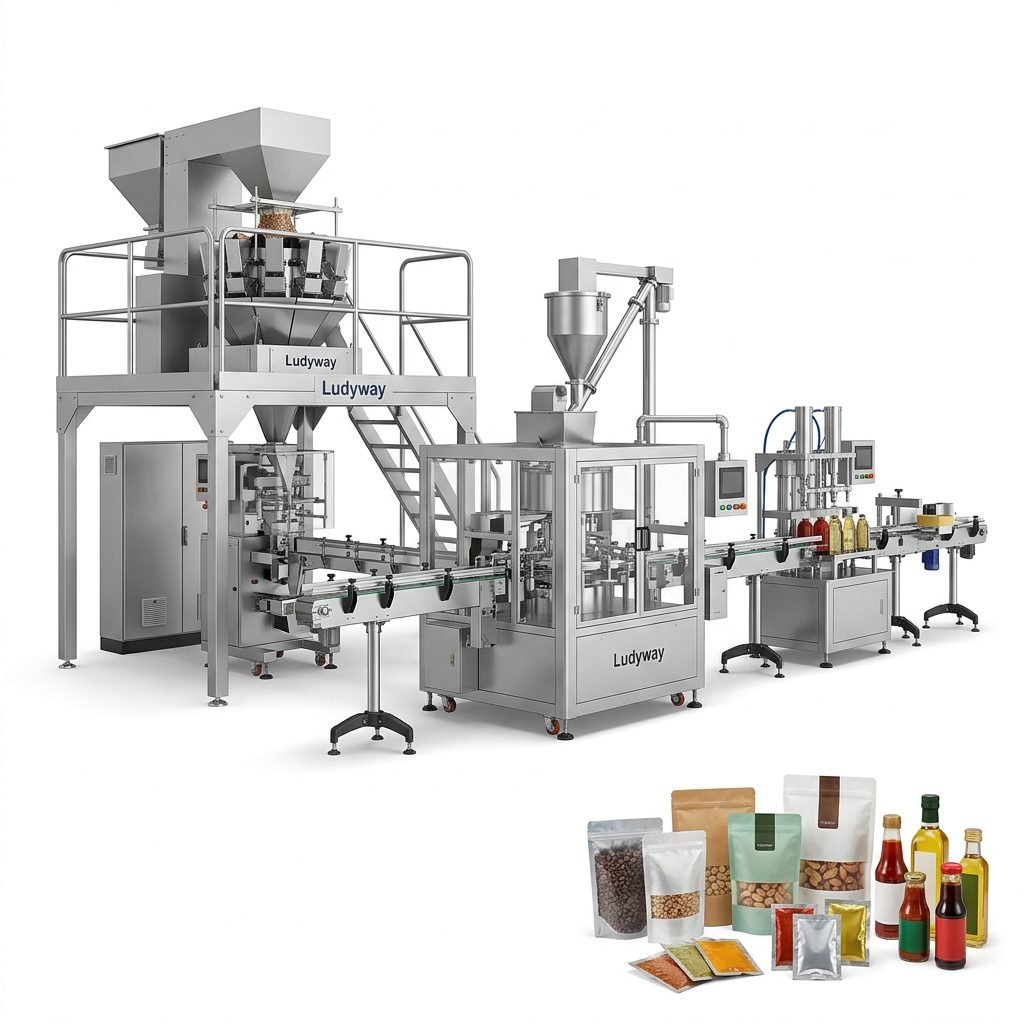
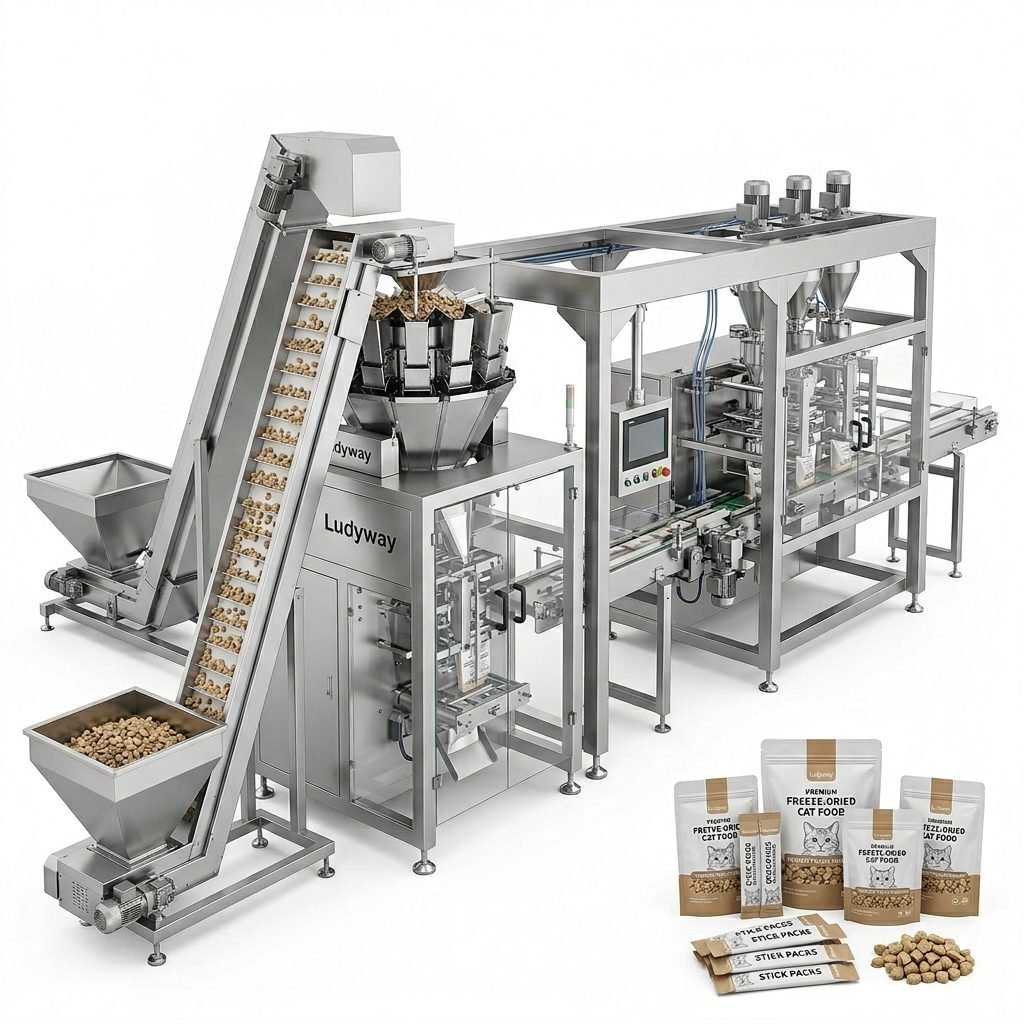
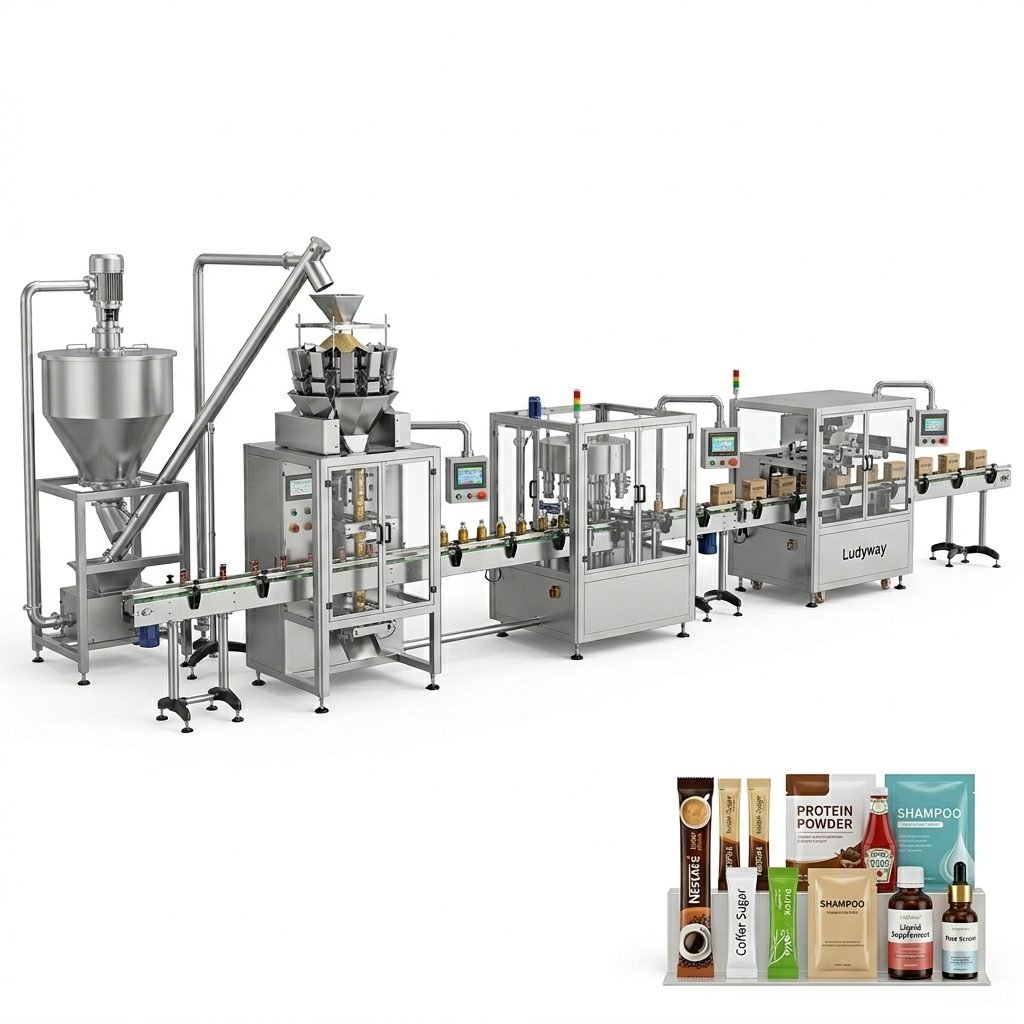
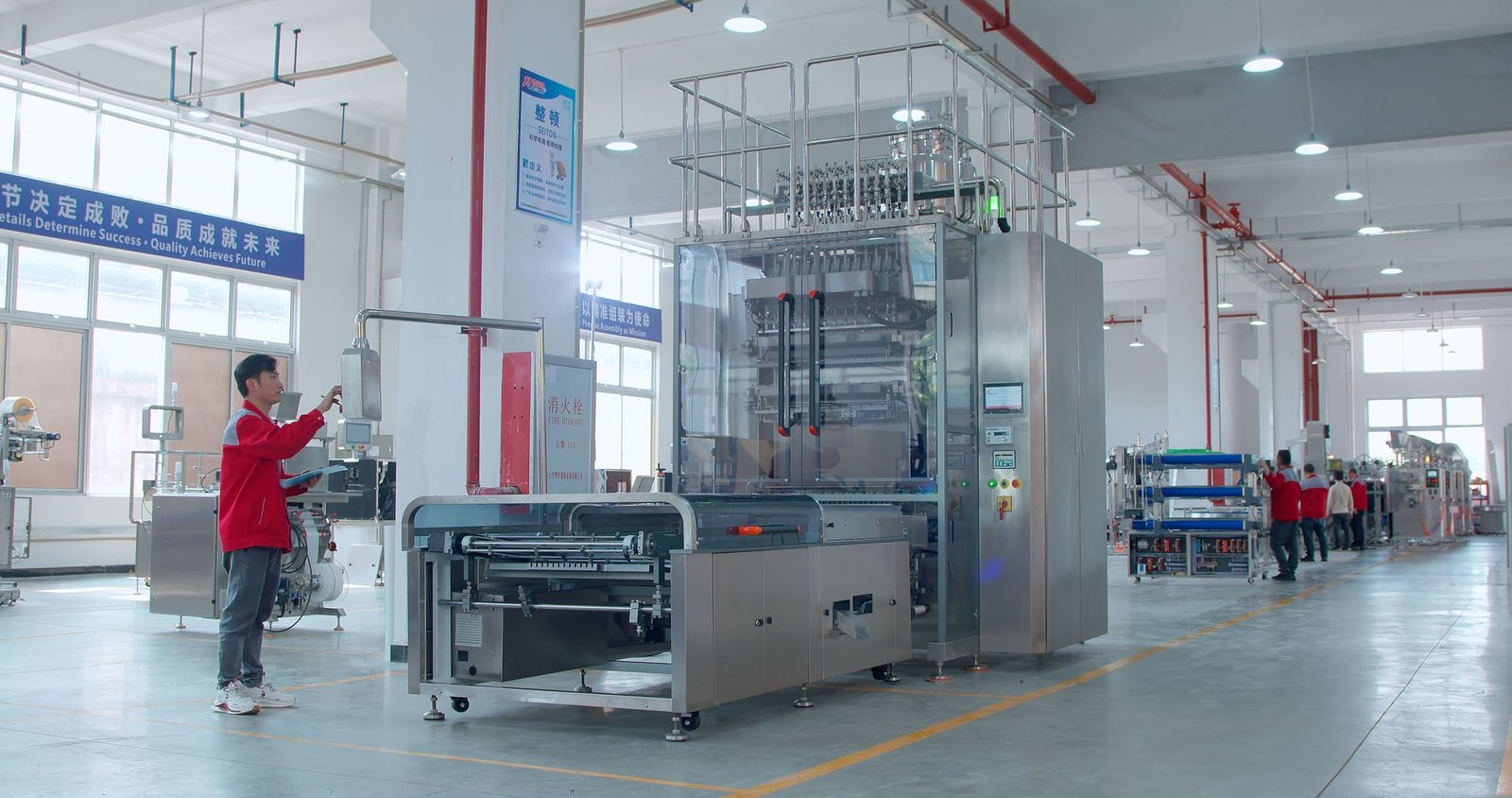
Modern wet tissue packing machines offer varying degrees of automation, from semi-automatic systems requiring manual loading to fully automated turnkey packaging lines that integrate feeding, folding, liquid dosing, sealing, coding, inspection, and cartoning. Evaluate your available labor resources, desired operational consistency, and whether the machine can integrate with upstream and downstream equipment such as packaging standards-compliant conveyors, checkweighers, and palletizing systems.
Industry-Specific Considerations
Different end-use applications impose distinct requirements on wet tissue packaging equipment. Medical and pharmaceutical wipes often require sterile packaging environments, validated processes, and compliance with FDA packaging and food contact substances regulations or equivalent standards in your market. Cosmetic and personal care wipes may prioritize aesthetic packaging, precise folding patterns, and compatibility with various lotion formulations. Industrial and household cleaning wipes often require robust, larger-format packaging and chemical-resistant machine components. Identify which industry requirements apply to your products and ensure the machine can be configured accordingly.
Machine Quality and Compliance Standards
Packaging machinery represents a long-term capital investment, and build quality directly affects reliability, maintenance costs, and service life. Evaluate the machine’s frame construction, component sourcing, and whether the manufacturer follows recognized quality management practices. Machines designed for international markets should be configurable to meet applicable certifications and regulatory requirements. Stainless steel construction, food-grade lubricants, and hygienic design principles are particularly important for wet tissue applications where moisture and potential microbial growth are concerns.
Comparing Wet Tissue Packing Machine Specifications
The following table provides a comparative overview of key specifications to evaluate when assessing different wet tissue packing machines. Use this as a reference framework during your supplier evaluation process.
| Specification | What to Evaluate | Why It Matters |
|---|---|---|
| Production Speed | Packages per minute (ppm) at different lane configurations | Determines daily output capacity and ROI timeline |
| Lane Configuration | Number of lanes (4, 6, 8, 10, 12+) and expandability | Impacts throughput scalability and floor space requirements |
| Packaging Format | Sachet, stick pack, pouch, or combination capability | Must match your product presentation and market demands |
| Sealing Technology | Heat seal, ultrasonic, or impulse sealing system | Critical for maintaining seal integrity with moist products |
| Filling Accuracy | Dosing precision (± percentage) and consistency | Affects product quality, waste, and regulatory compliance |
| Automation Features | Feeding, inspection, rejection, coding, cartoning integration | Reduces labor dependency and improves line efficiency |
| Material Compatibility | Supported film types and thickness ranges | Ensures flexibility for different product lines and suppliers |
| Changeover Time | Time required to switch between formats or products | Affects production flexibility and downtime costs |
After-Sales Support and Service
A wet tissue packing machine is a complex piece of equipment that requires ongoing technical support, spare parts availability, and operator training. Before finalizing a purchase, assess the manufacturer’s service infrastructure through these considerations:
- Installation and commissioning support — Does the supplier provide on-site setup and calibration services?
- Operator training programs — Are comprehensive training materials and hands-on sessions included?
- Spare parts availability — What is the typical lead time for critical components and consumable parts?
- Remote technical assistance — Can the supplier diagnose and resolve issues through remote connectivity?
- Warranty coverage — What is included in the standard warranty and what extended options are available?
- Preventive maintenance programs — Does the manufacturer offer scheduled maintenance services to minimize unplanned downtime?
Making the Right Investment Decision
Selecting the right wet tissue packing machine requires balancing technical specifications, production requirements, budget constraints, and long-term business goals. Start by clearly defining your product range, target output volumes, and packaging format strategy. Then evaluate machines against objective criteria including speed, accuracy, material compatibility, and automation capabilities.
When evaluating potential suppliers, consider their industry experience, manufacturing capabilities, and global service reach. For instance, Ludyway Machinery is a China-based packaging machinery manufacturer with more than 30 years of experience, a 20,000-square-meter manufacturing facility, over 130 professionals, and more than 50 packaging machine models serving customers in over 100 countries. With export revenue expected to exceed RMB 500 million (approximately US$69 million) in 2025 and plans to surpass RMB 1 billion (approximately US$138 million) in 2026, the company demonstrates the kind of scale and capability that buyers should look for in a long-term packaging machinery partner.
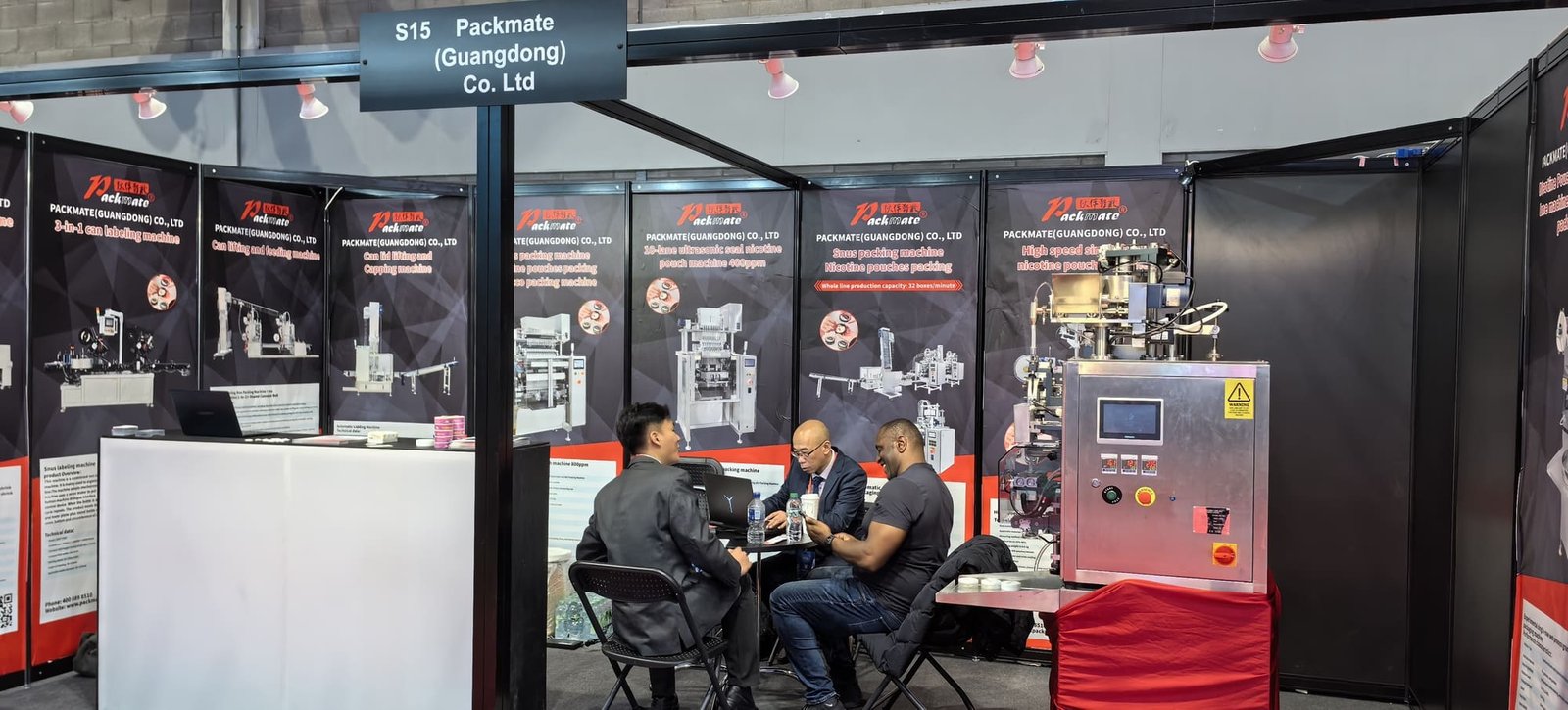
A reputable manufacturer should be able to provide references, sample testing, factory visits or virtual tours, and detailed proposals that address your specific application requirements. Take the time to test your actual products and packaging materials on the machine before committing, as this validation step can prevent costly mismatches and ensure the equipment delivers the performance your operation demands.
Key Takeaways for Wet Tissue Packing Machine Buyers
- Define your production requirements clearly — volume, packaging format, and product range — before evaluating machines.
- Prioritize sealing integrity and liquid control as these directly impact product quality and shelf life for wet tissue products.
- Consider multi-lane configurations if you anticipate scaling production, as modular systems offer better long-term value.
- Verify material compatibility with your chosen packaging films and ensure the sealing technology matches your substrates.
- Evaluate after-sales support including installation, training, spare parts, and remote technical assistance.
- Request product testing and factory visits to validate machine performance with your actual wet tissue products.
- Choose a manufacturer with proven industry experience, strong manufacturing capabilities, and global service infrastructure.