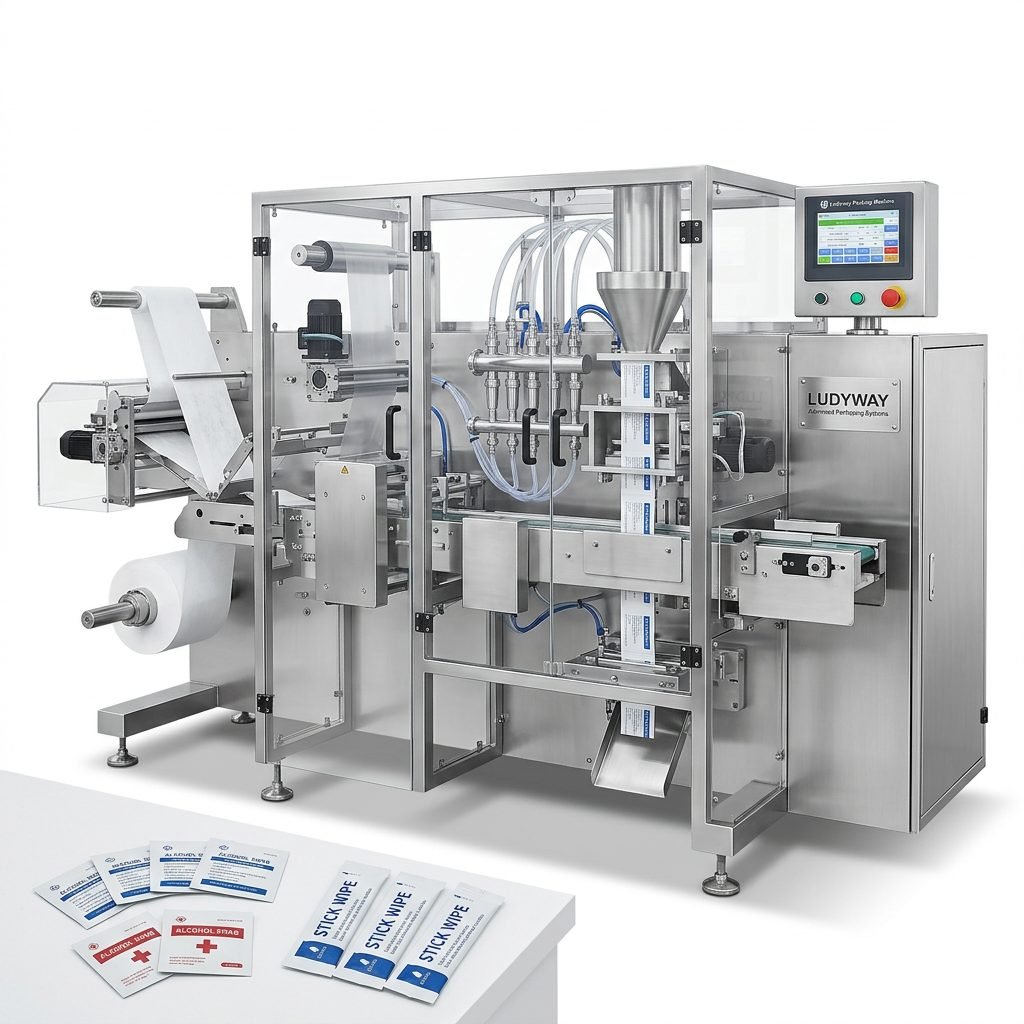
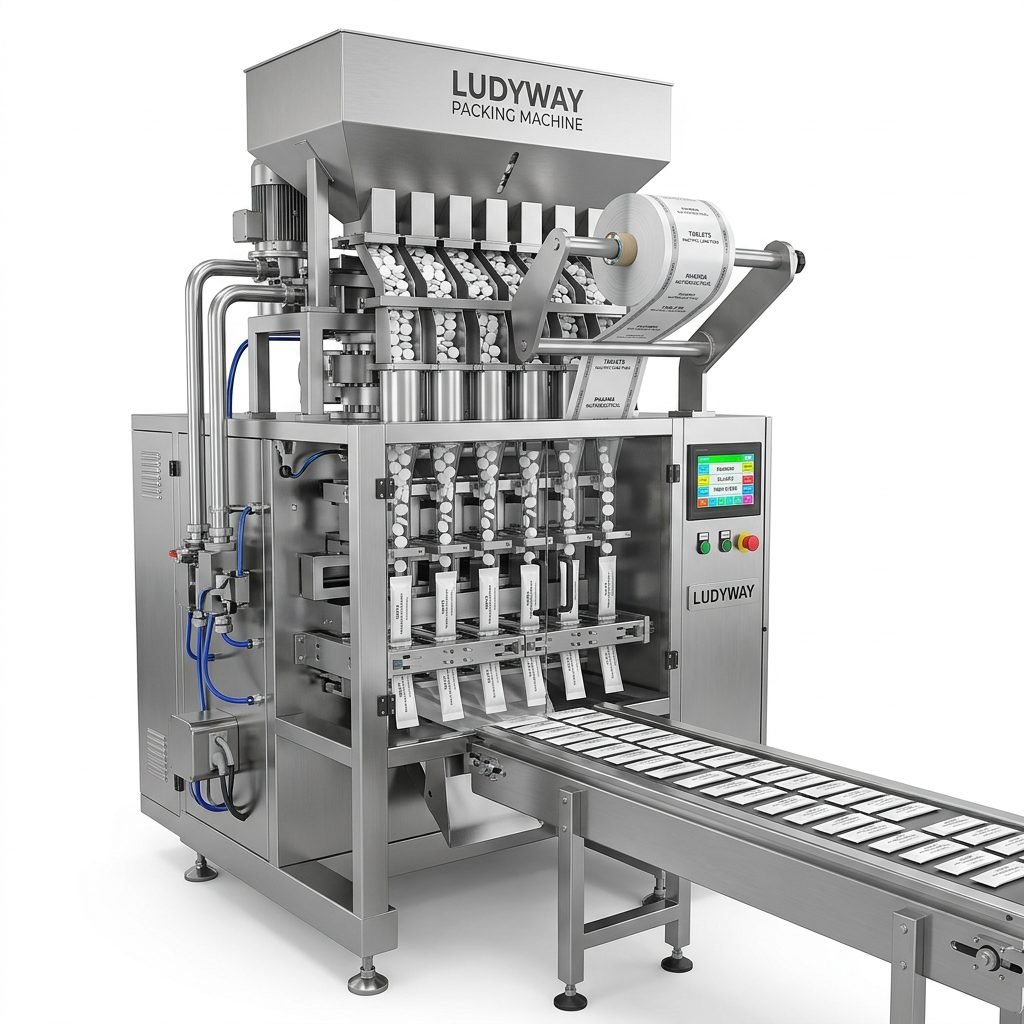
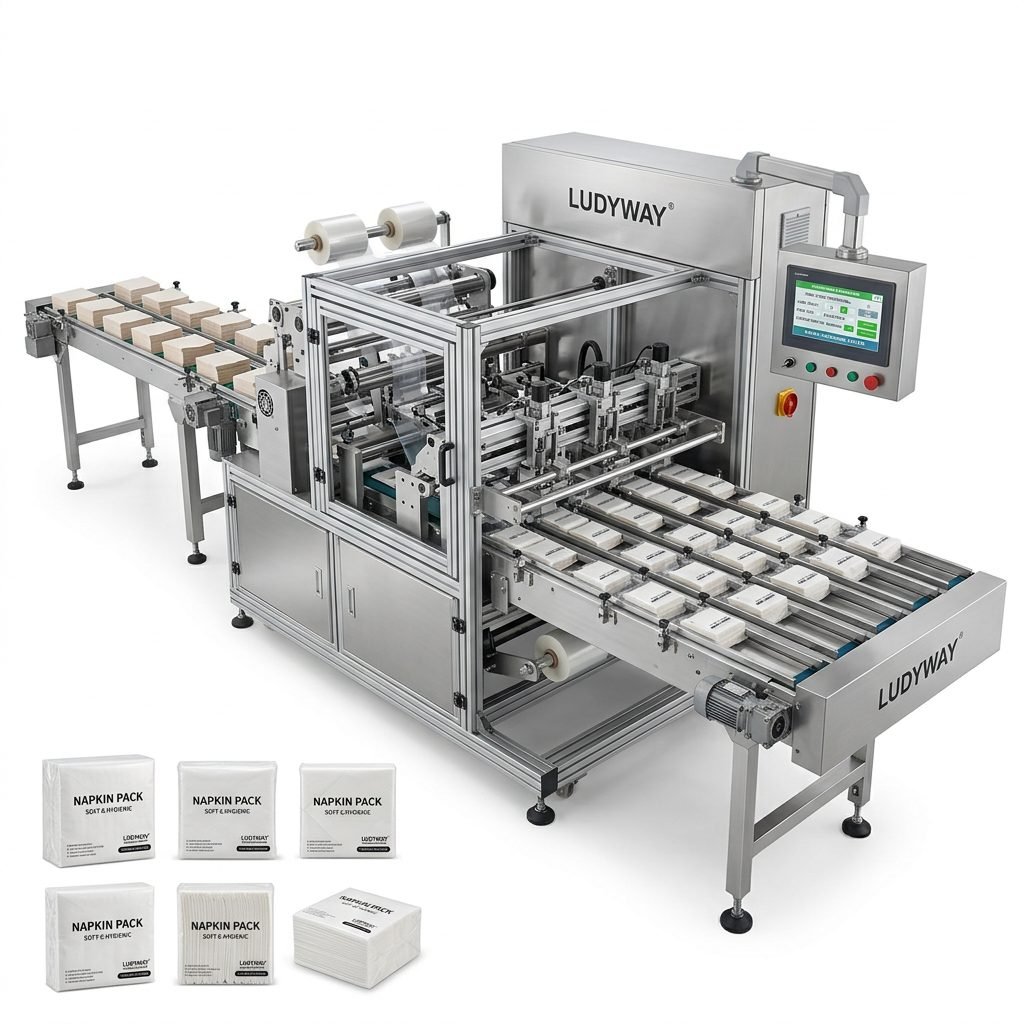
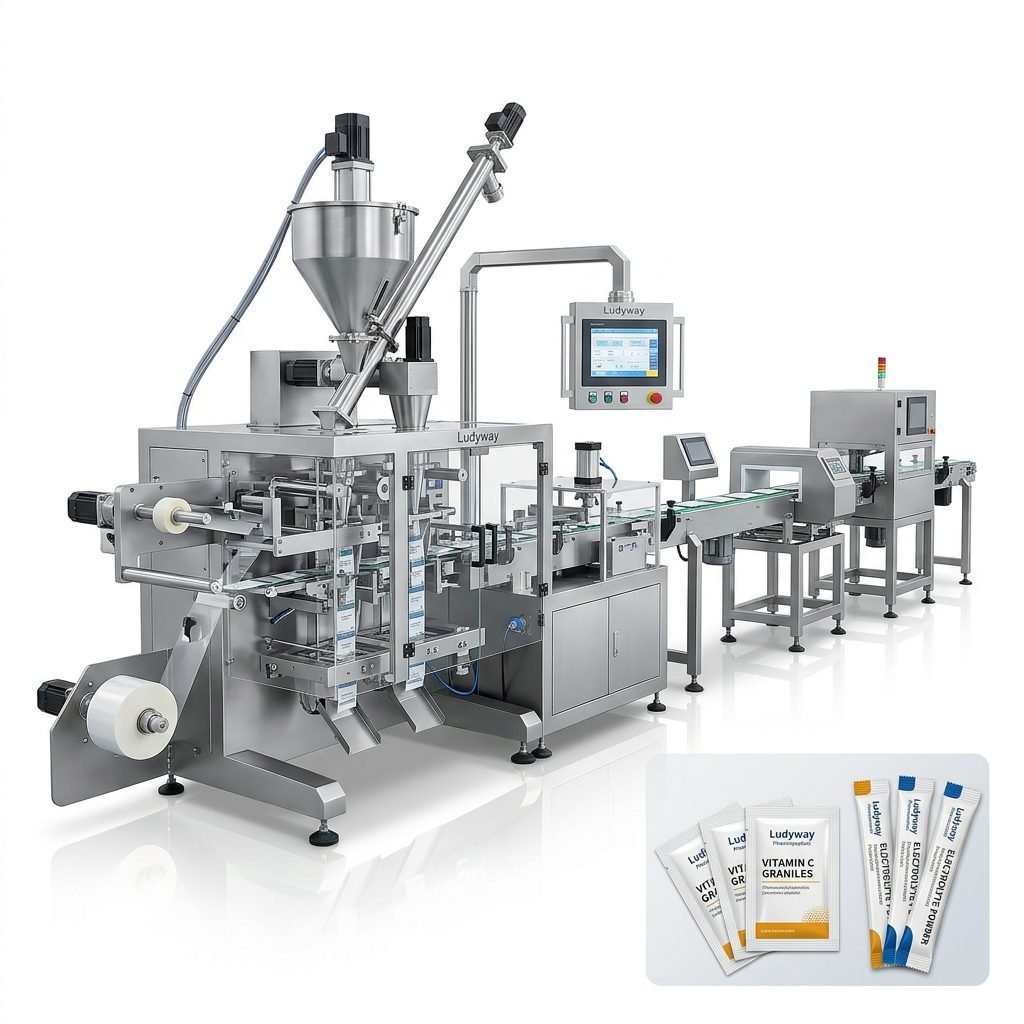
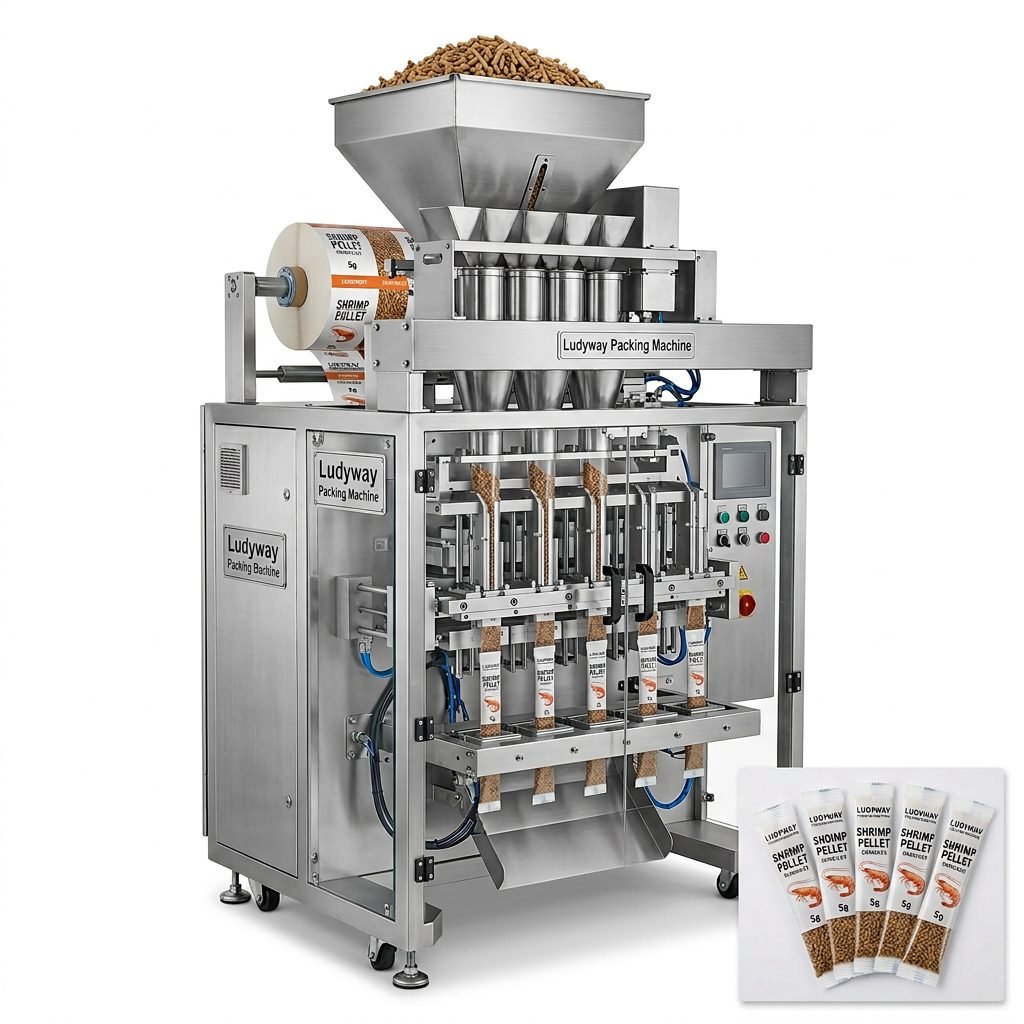
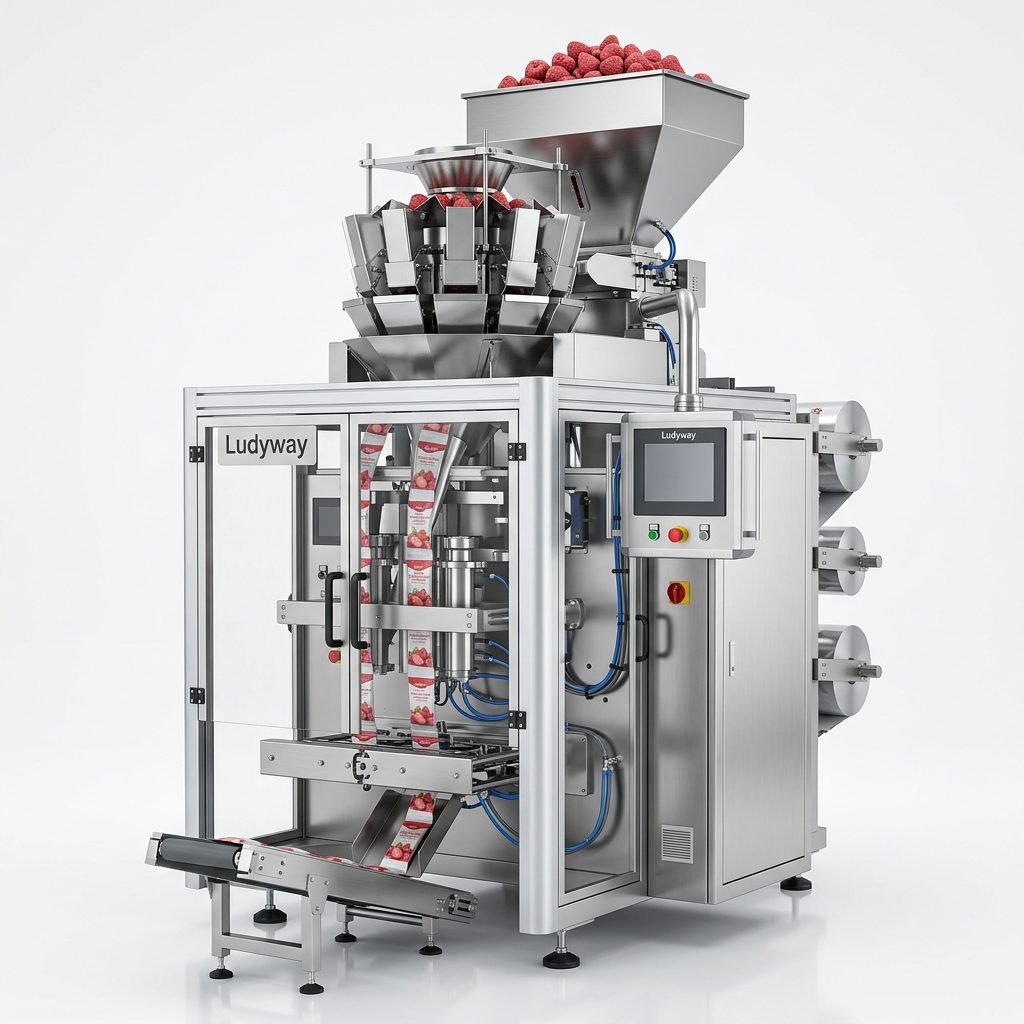
Selecting the right wrap around packaging machine is a critical decision that directly impacts your production efficiency, product protection, and overall operational costs. Whether you are packaging consumer goods, food and beverage products, pharmaceuticals, or industrial components, the right equipment can streamline your entire packaging line. This guide walks you through the most important factors to consider before making your investment.
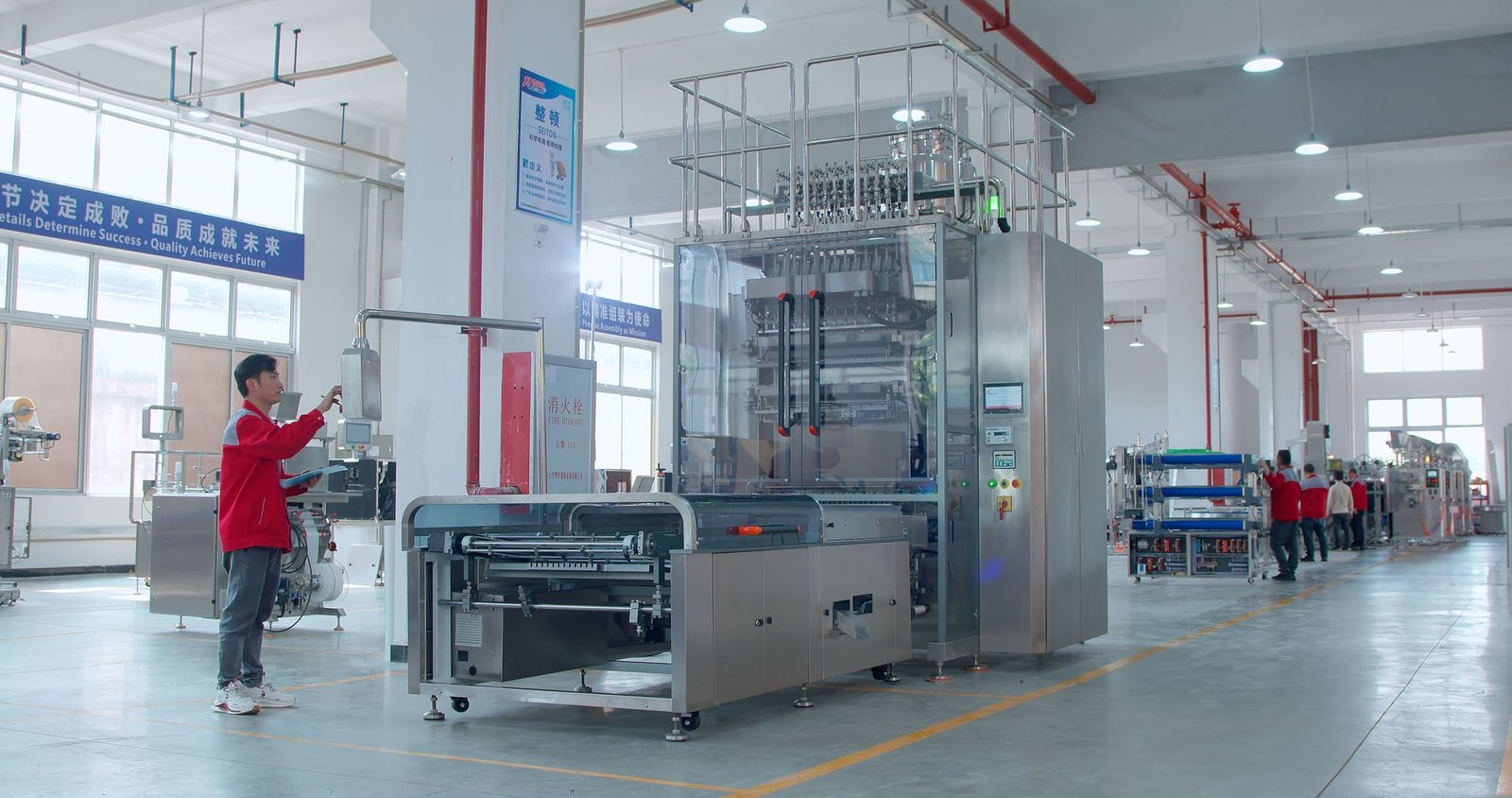
Understanding Your Product and Packaging Requirements
Before comparing machine specifications, start by clearly defining what you need the wrap around packaging machine to accomplish. Different products and packaging formats demand different machine configurations. Consider the following:
- Product dimensions and variability – Are your products uniform in size, or do you handle multiple SKUs with varying dimensions?
- Packaging material compatibility – Does the machine need to work with corrugated board, cardboard, or specific coated materials?
- Product fragility and protection requirements – Delicate items may require gentler handling and precise wrapping tension control.
- Environmental conditions – Will the machine operate in a temperature-controlled environment or a more demanding industrial setting?
Key Performance Metrics to Evaluate
Once you have defined your product requirements, the next step is to evaluate machine performance. According to industry data from the Association for Packaging and Processing Technologies, throughput and changeover time are two of the most critical metrics manufacturers assess when selecting packaging equipment.
| Performance Factor | Why It Matters |
|---|---|
| Speed and throughput | Measured in packs per minute; must align with upstream and downstream line speeds |
| Changeover flexibility | The ability to quickly switch between different product sizes and packaging formats |
| Wrapping precision | Consistent wrap quality ensures product stability and reduces material waste |
| Machine footprint | Available floor space on your production floor is a practical constraint |
Types of Wrap Around Packaging Machines
Not all wrap around systems are built the same. Depending on your production volume and packaging format, you may benefit from different machine types. The Flexible Packaging Association highlights the growing diversity in packaging formats, which has driven demand for versatile machinery.
- Semi-automatic wrap around machines – Ideal for lower-volume operations where manual product loading is acceptable
- Fully automatic inline systems – Designed for high-speed production lines with automated product feeding and discharge
- Compact entry-level models – Suitable for small to medium businesses starting to automate their packaging process
- Heavy-duty industrial wrappers – Built for large, bulky products and continuous multi-shift operation
Material and Sustainability Considerations
The type of wrap around packaging material you use has a significant influence on machine selection. With increasing regulatory focus on sustainable packaging, manufacturers should ensure their equipment can handle recyclable or lightweight materials without compromising performance. The U.S. EPA Sustainable Materials Management program provides guidance on packaging material choices that can help reduce environmental impact while maintaining operational efficiency.
Integration with Existing Production Lines
A wrap around packaging machine rarely operates in isolation. It must integrate smoothly with upstream filling, labeling, and downstream palletizing equipment. Look for machines that offer:
- Standard communication protocols – Compatibility with common industrial control systems makes integration simpler
- Modular design features – Allows for future upgrades or reconfiguration of your packaging line
- Easy-access maintenance points – Reduces downtime during routine service and cleaning
Compliance, Safety, and Documentation
Depending on your industry and target market, your packaging equipment may need to meet specific regulatory standards. For example, food and pharmaceutical sectors often require compliance with FDA food packaging regulations and applicable ISO standards. Verify that the machine manufacturer can provide the necessary documentation, certifications, and validation packages for your market.
Total Cost of Ownership (TCO)
Beyond the initial purchase price, a thorough cost evaluation should include:
- Energy consumption and efficiency ratings
- Spare parts availability and average replacement intervals
- Operator training and skill requirements
- Warranty coverage and post-installation support
Choosing the Right Packaging Machinery Partner
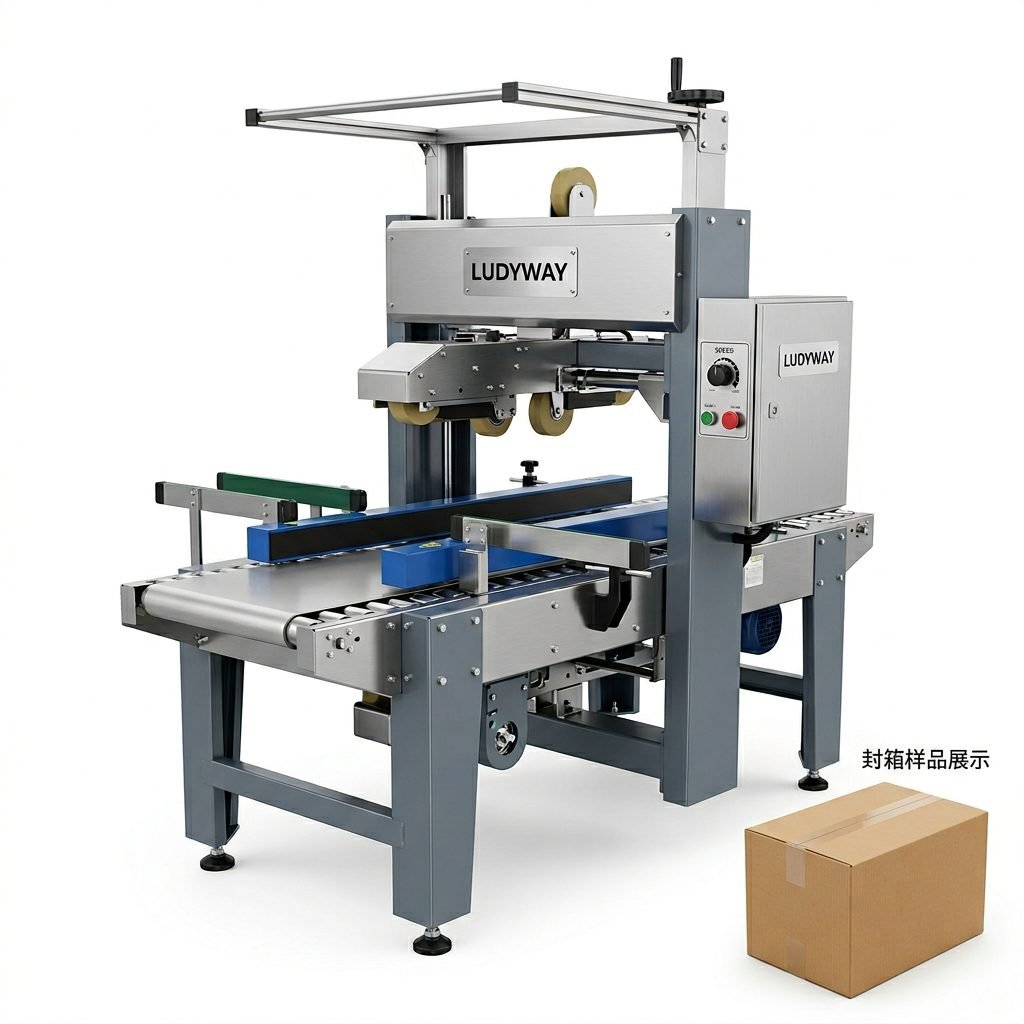
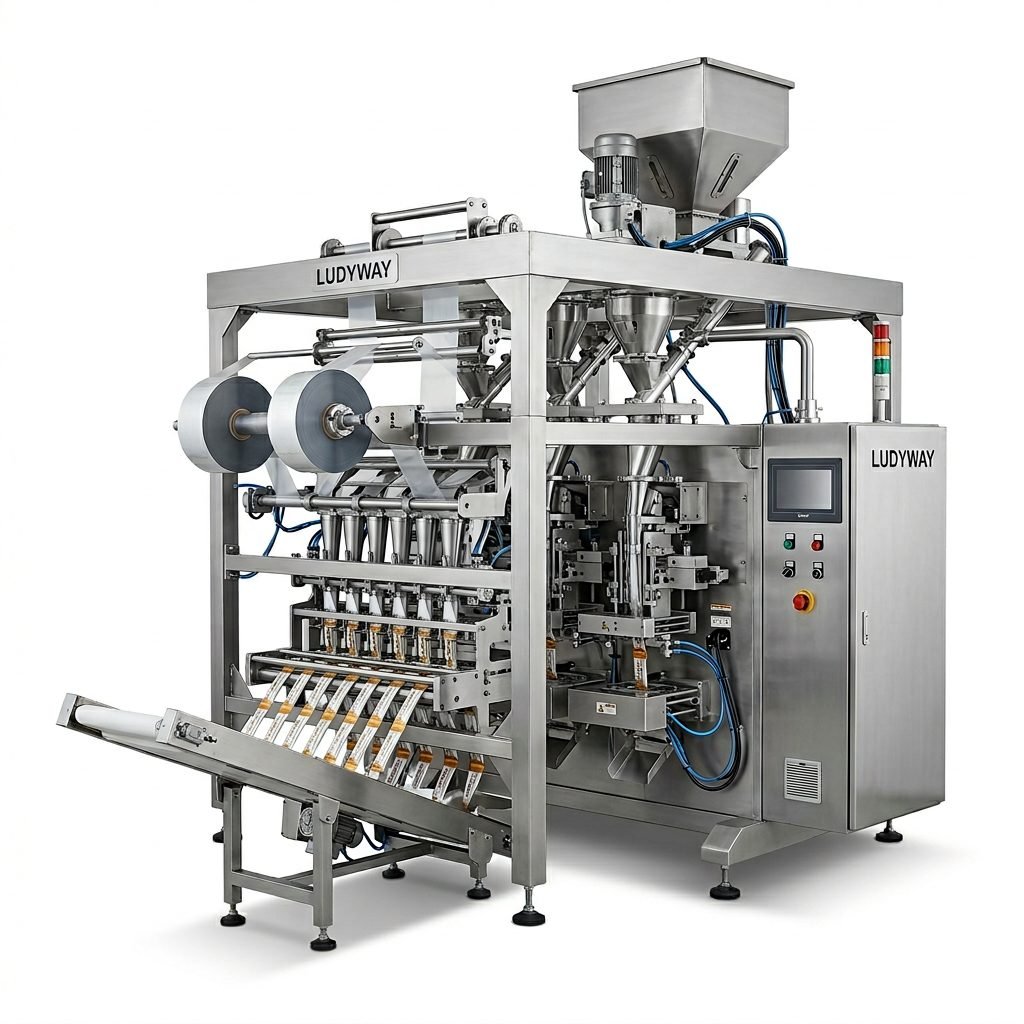
The equipment manufacturer you choose is just as important as the machine itself. A reliable packaging machinery supplier should offer more than just hardware — they should provide engineering support, customization capabilities, installation services, and long-term technical assistance. For manufacturers seeking a comprehensive approach, companies like Ludyway Machinery bring decades of experience in developing and delivering integrated packaging solutions across multiple industries, ensuring that the machine you select is properly configured for your specific product and production goals.
Final Checklist Before You Buy
Use this quick checklist to evaluate any wrap around packaging machine you are considering:
- Does the speed and throughput match your current and projected production volumes?
- Can the machine handle your full range of product sizes and packaging materials?
- Is the equipment compliant with relevant industry standards and market regulations?
- Does the supplier offer adequate training, installation support, and after-sales service?
- Is the total cost of ownership competitive when factoring in maintenance and consumables?
Taking the time to thoroughly assess these factors will help you select a machine that delivers reliable performance, protects your products, and supports your long-term operational efficiency. For additional insights, you can explore the PMMI Business Intelligence resources and the Flexible Packaging Association knowledge hub for the latest packaging industry data and trends.