Investing in a CMC packaging machine is a significant decision that directly impacts your production efficiency, product quality, and long-term operational costs. Whether you are packaging powders, granules, liquids, or solid products, selecting the right equipment requires a systematic evaluation of your specific needs, the machine’s technical capabilities, and the manufacturer’s reliability. This comprehensive buyer’s guide walks you through every critical factor to consider before making your purchase.
Understanding CMC Packaging Machine Types and Applications
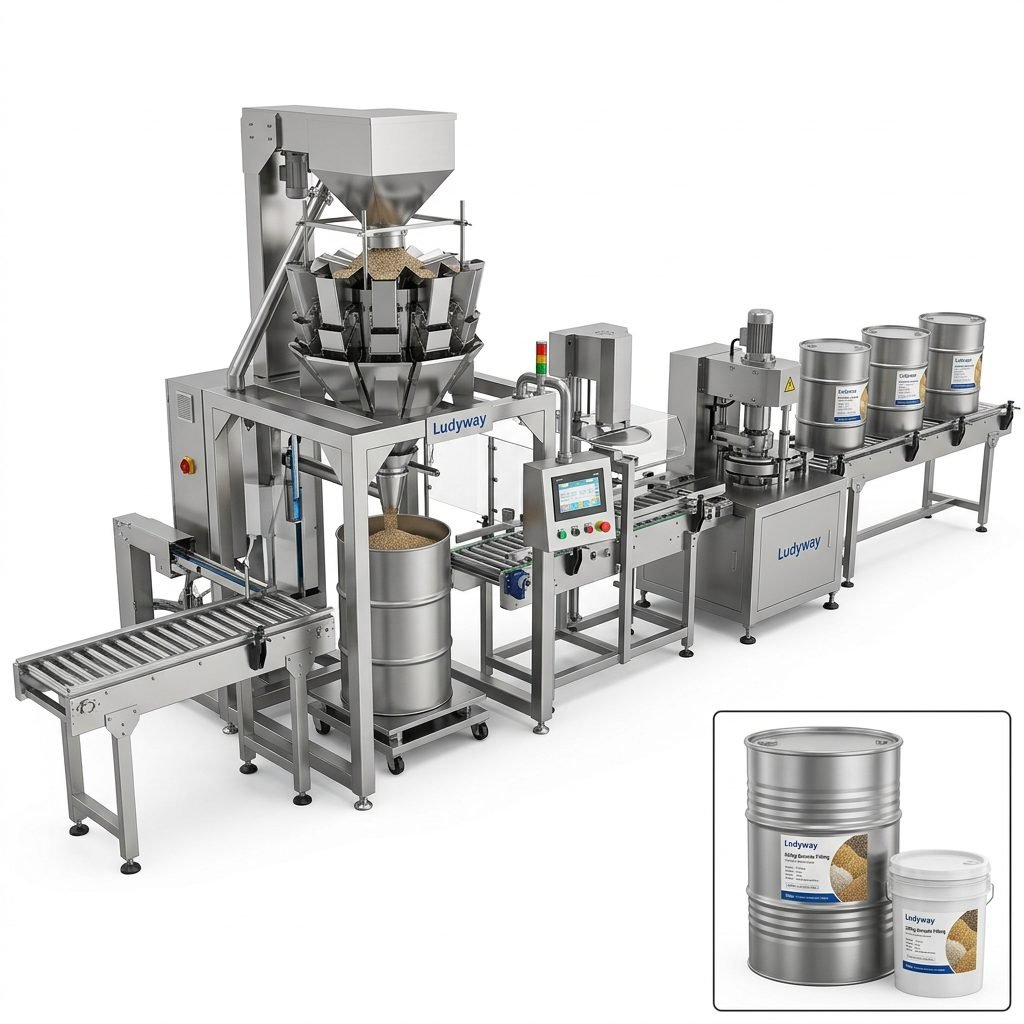
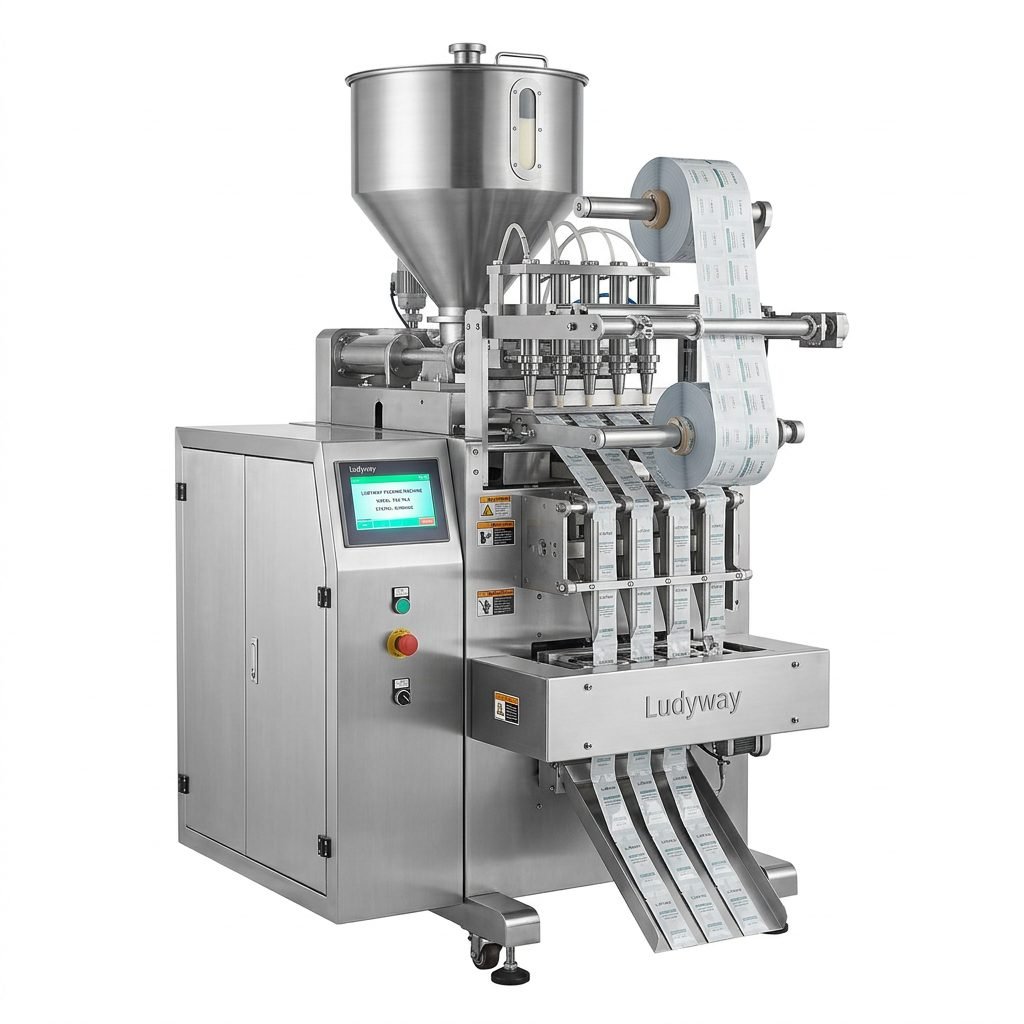
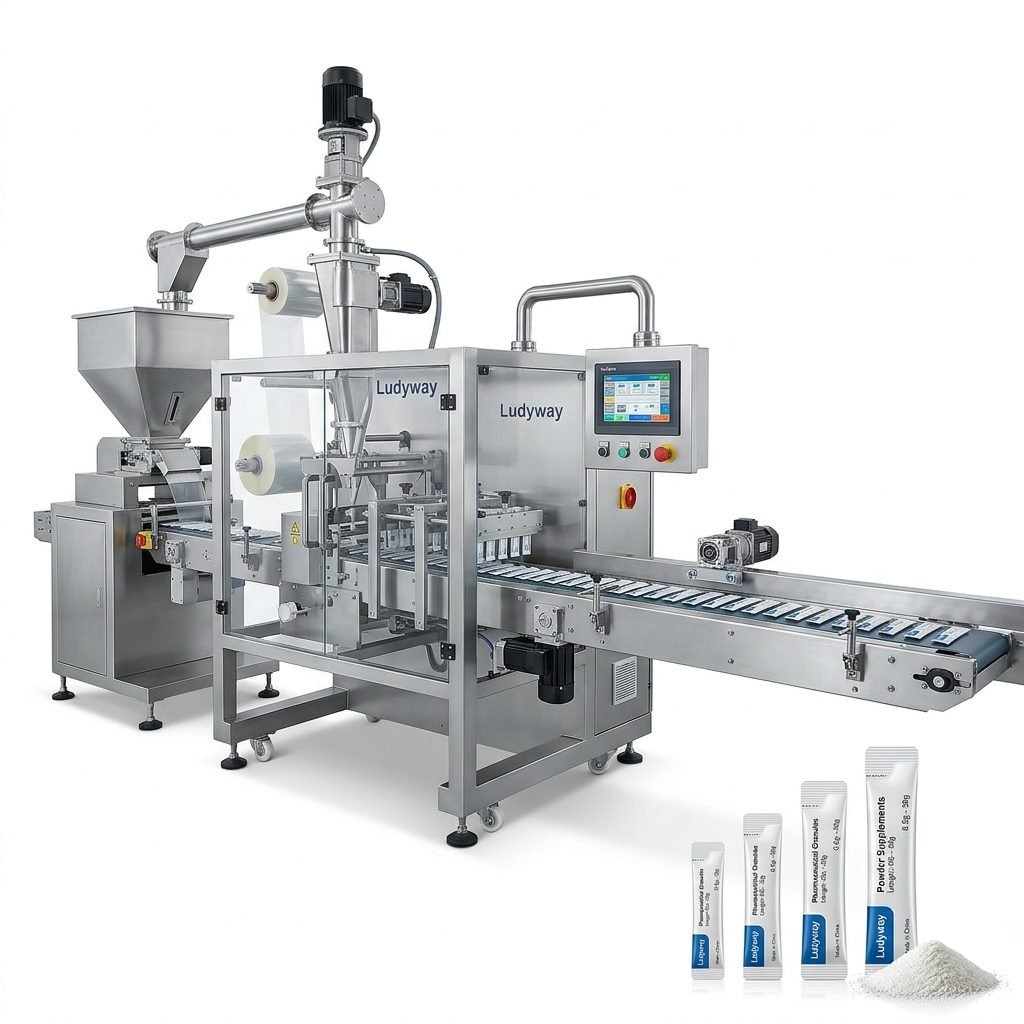
Before diving into specifications, it is essential to understand the different CMC packaging machine configurations available on the market. These machines are designed to handle a wide variety of products and packaging formats, from single-serve sachets and stick packs to larger pouches and bulk bags. The most common types include:
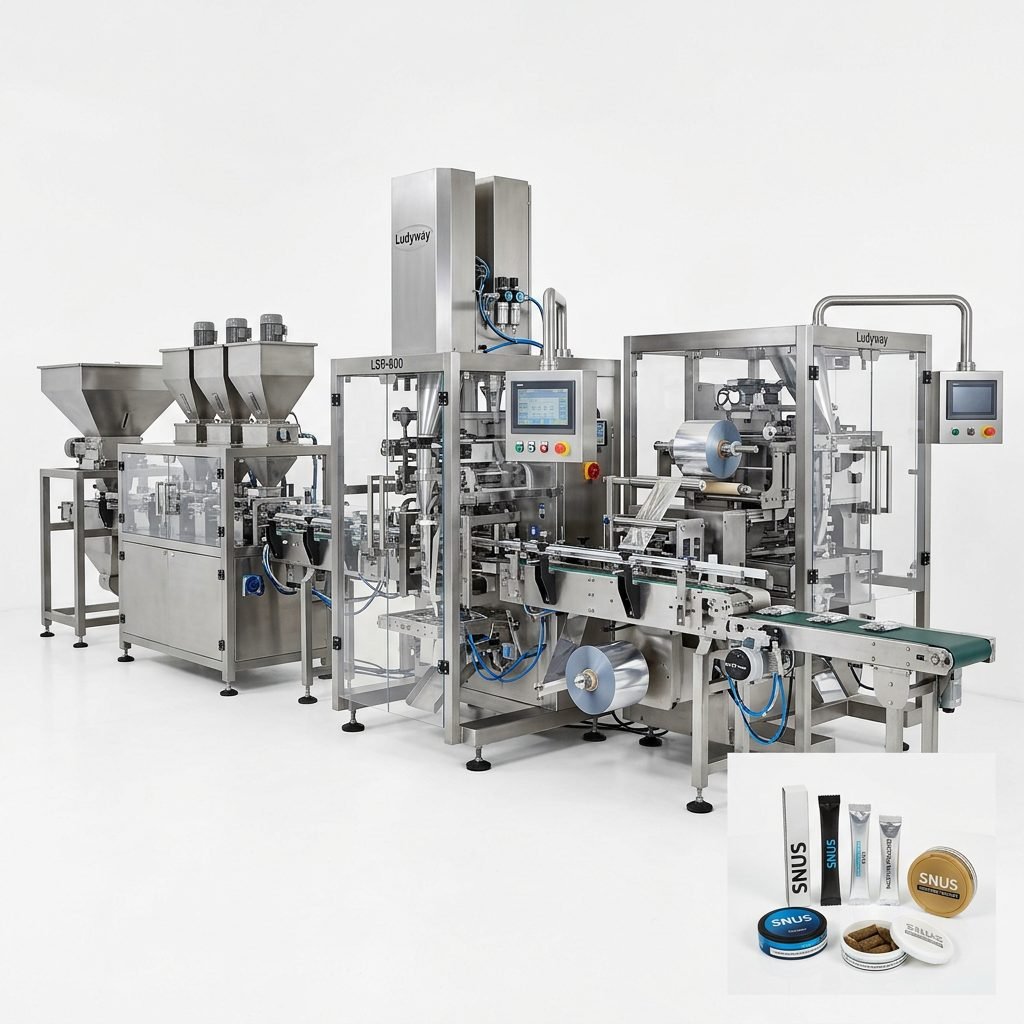
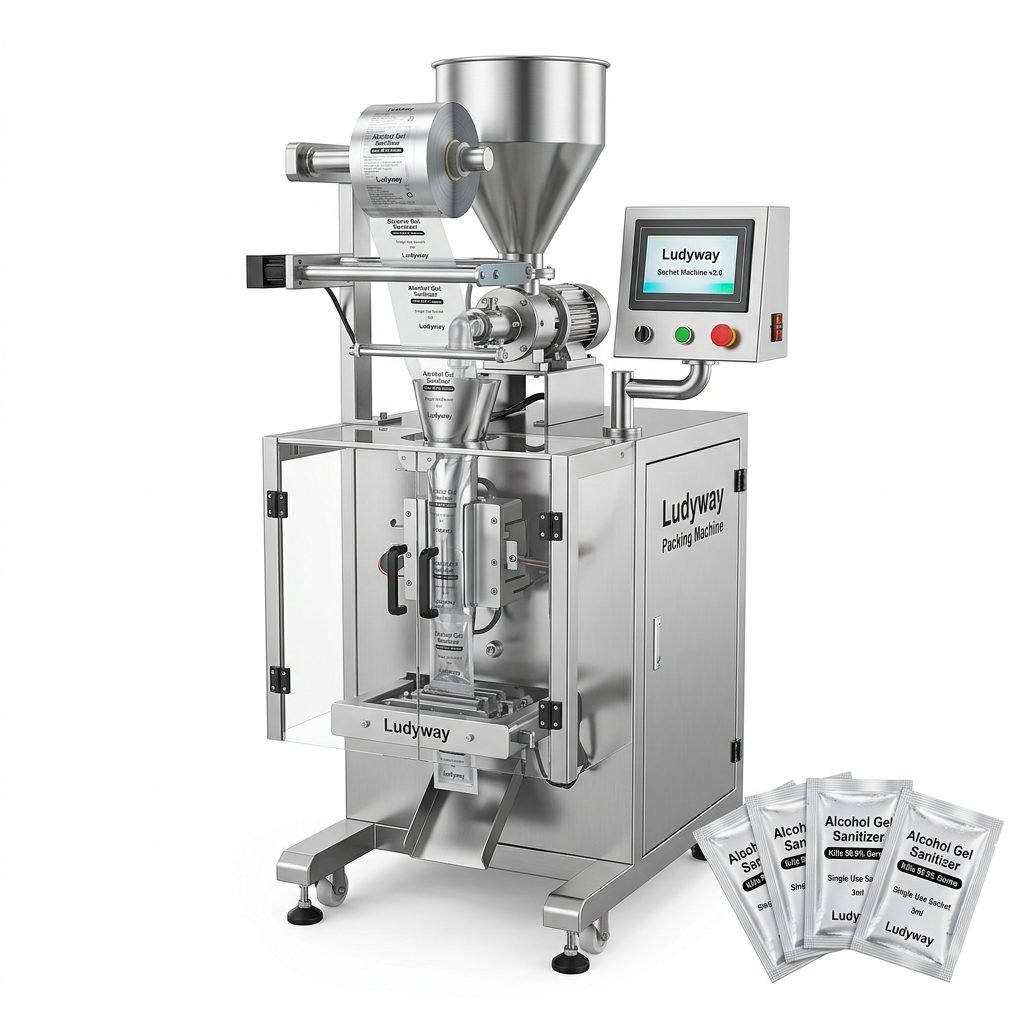
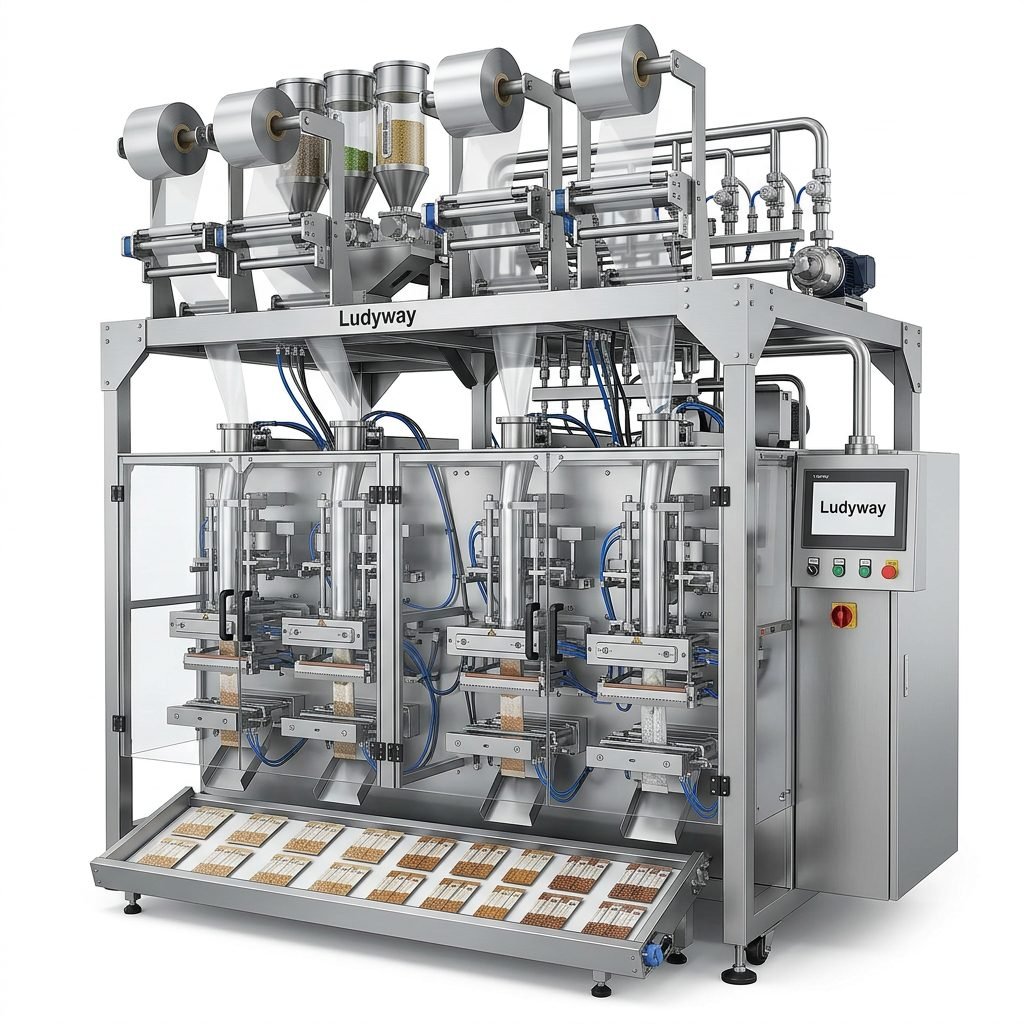
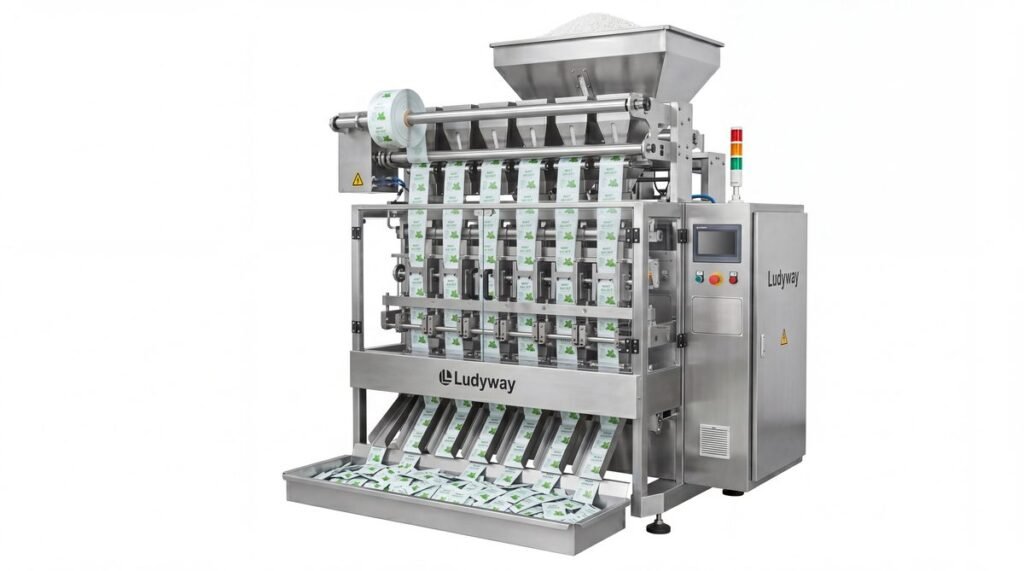
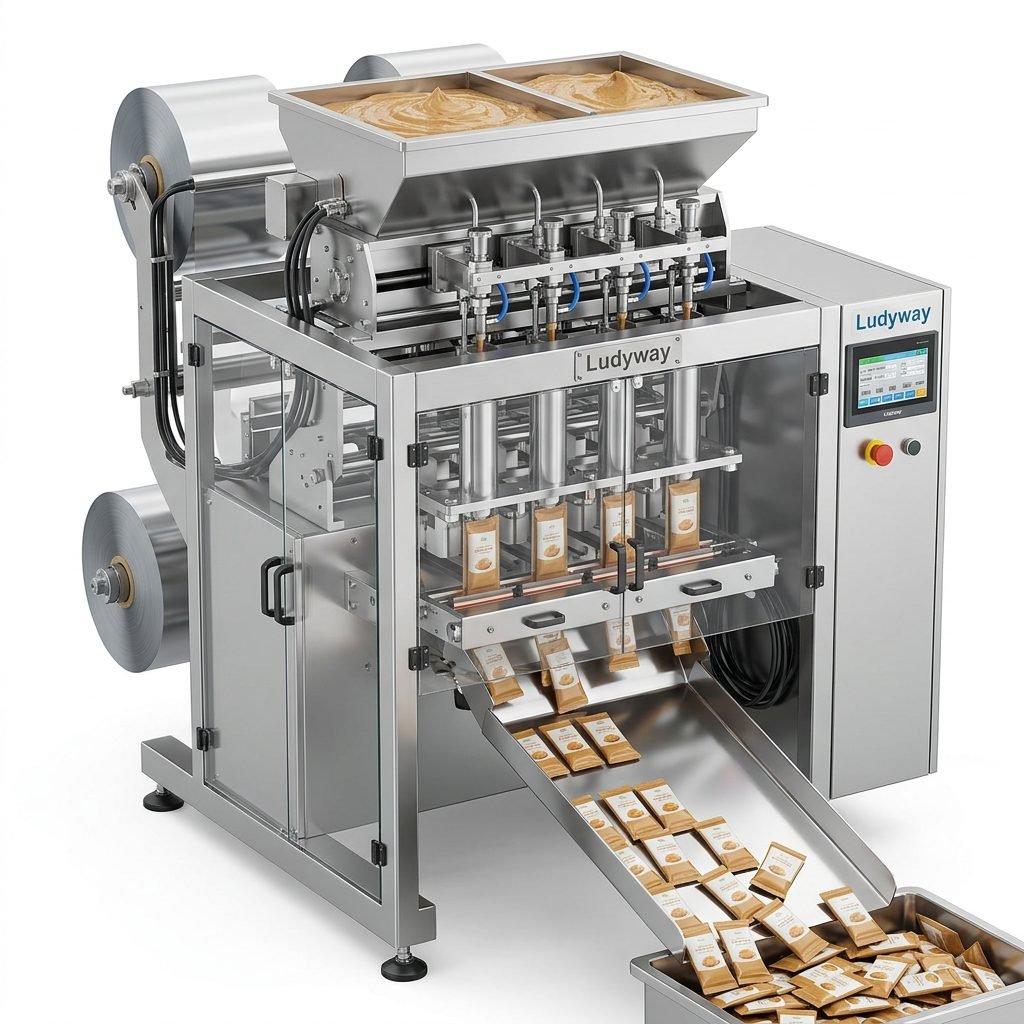
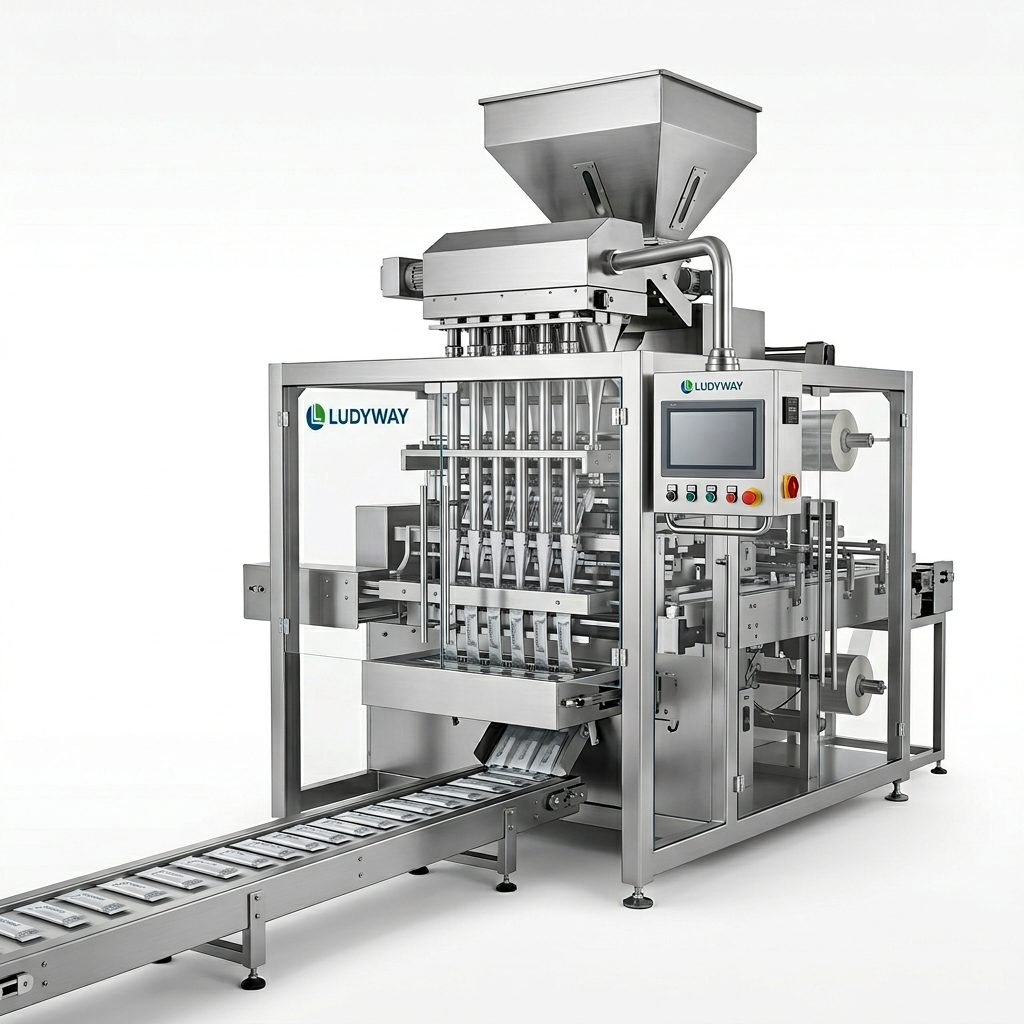
- Multi-lane sachet and stick pack machines – Ideal for high-speed production of single-dose packages for food, pharmaceuticals, and cosmetics
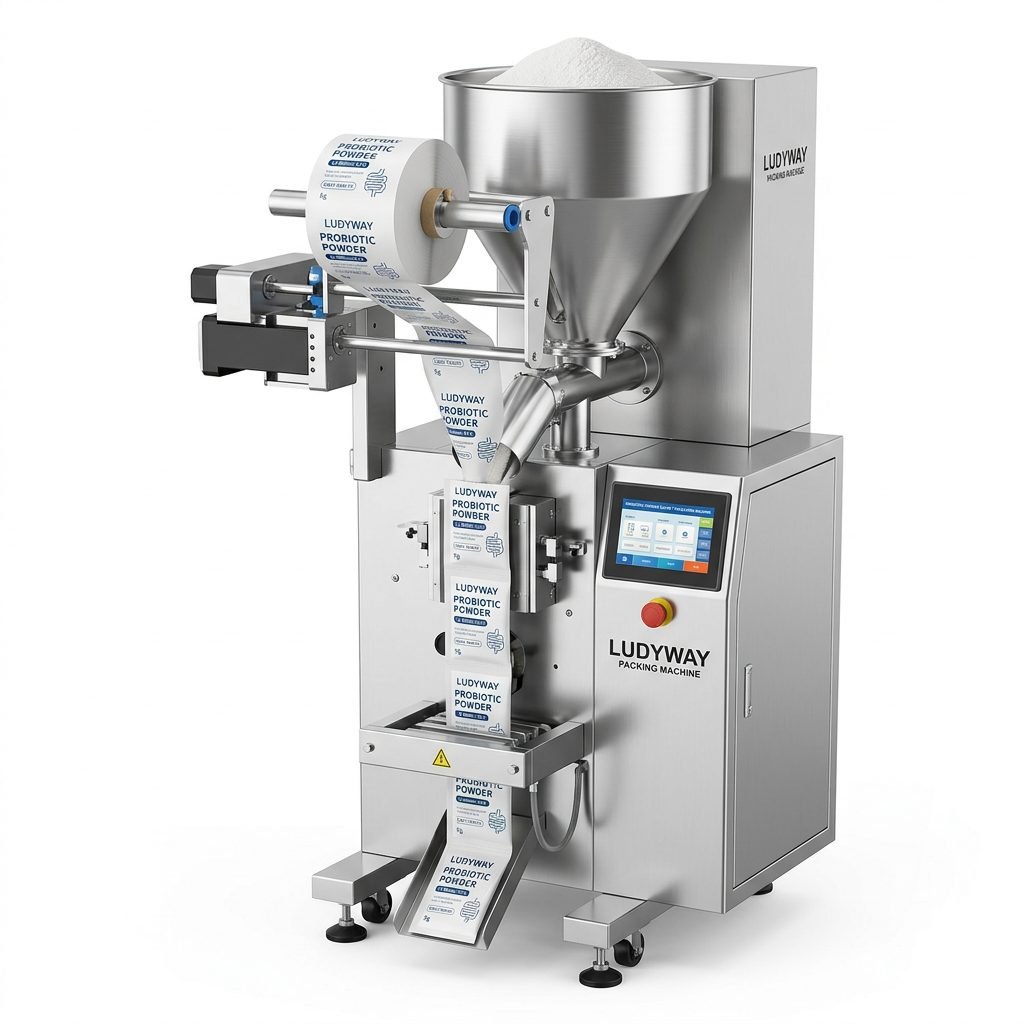
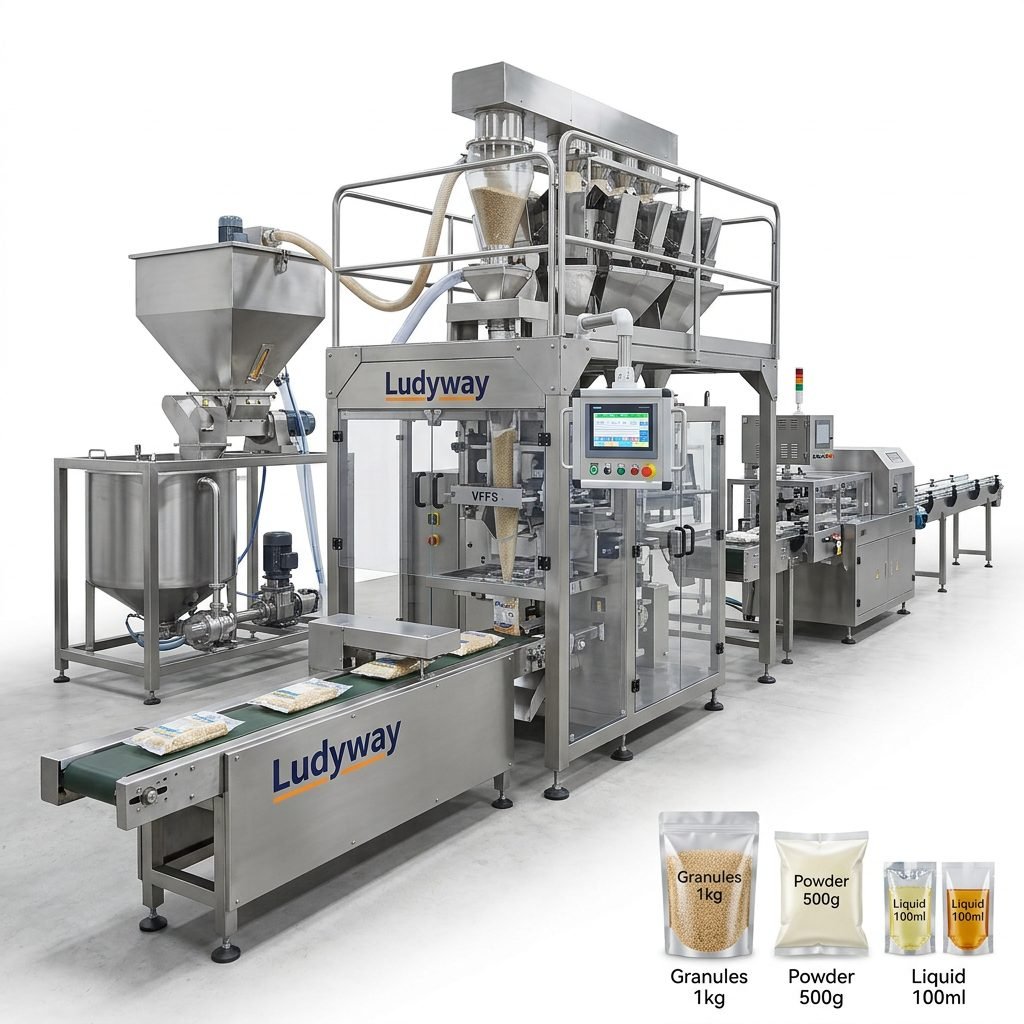
- Vertical form-fill-seal (VFFS) systems – Versatile solutions for granular and powder products across multiple industries
- Pre-made pouch filling and sealing machines – Designed for manufacturers using ready-made pouches with various closure options
- Liquid filling and sealing equipment – Specialized for beverages, sauces, oils, and chemical solutions
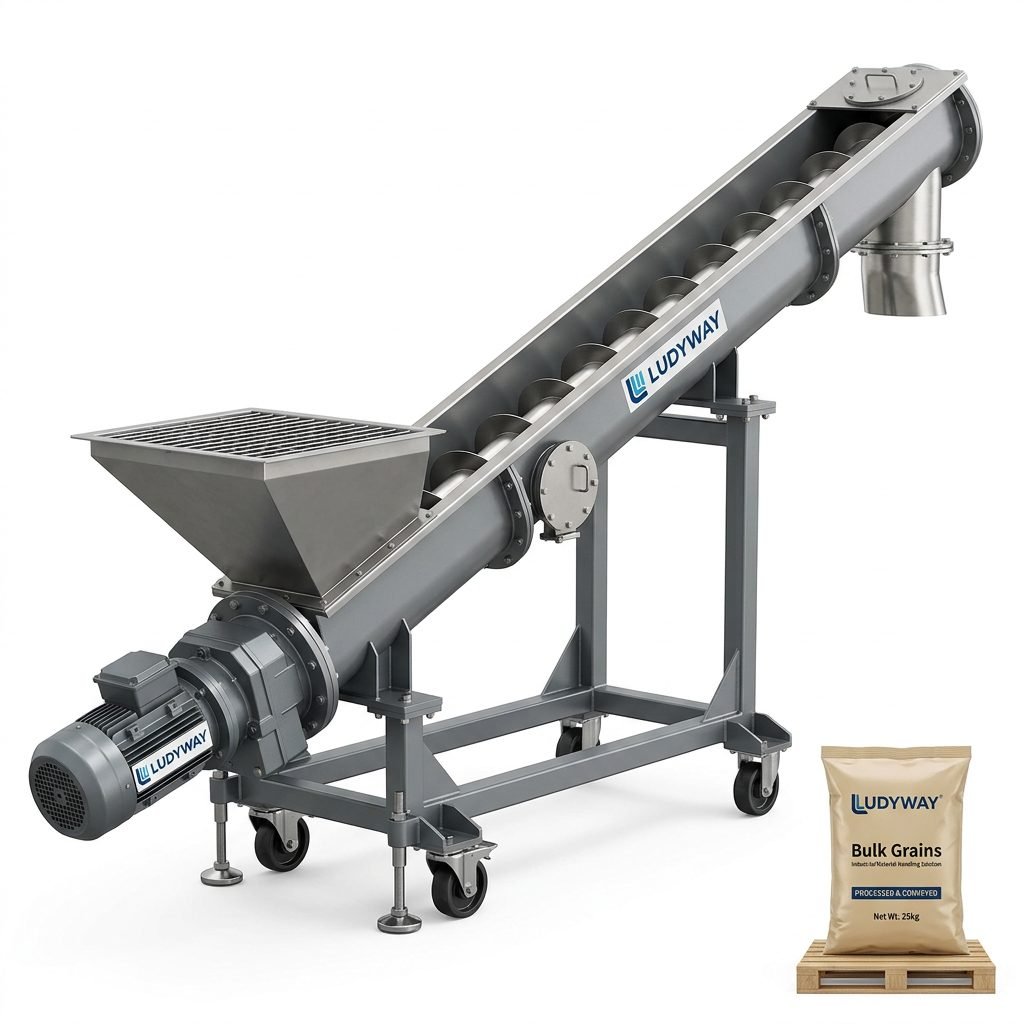
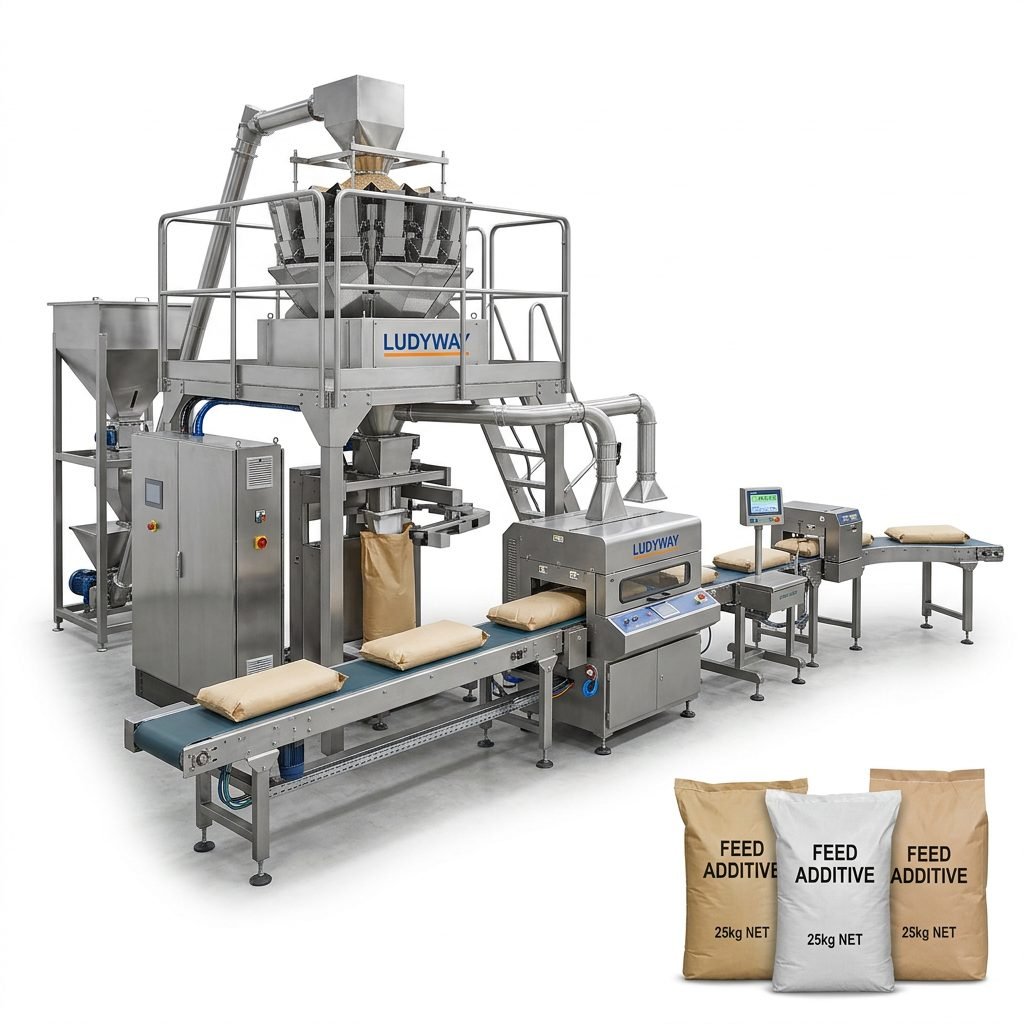
- Turnkey packaging lines – Integrated systems combining multiple stages including feeding, dosing, filling, sealing, coding, inspection, and cartoning
Understanding which CMC packaging machine type aligns with your product characteristics and production goals is the first critical step in the selection process. According to industry data from the PMMI Business Intelligence Library, the global packaging machinery market continues to grow steadily, driven by increasing demand for flexible packaging and automation across diverse sectors.
Key Factors to Evaluate Before Purchasing a CMC Packaging Machine
Choosing the right CMC packaging machine involves far more than comparing price tags. A thorough assessment of your operational requirements, product properties, and future growth plans should guide your decision-making process. Below are the most critical factors to evaluate.
Production Capacity and Speed Requirements
Your current and projected output volumes will determine the CMC packaging machine speed and lane configuration you need. A machine that cannot keep up with your production targets will create bottlenecks, while an oversized system may represent unnecessary capital expenditure. Consider both peak production periods and average daily throughput when evaluating machine specifications. Multi-lane configurations can significantly increase output without proportionally increasing floor space requirements.
Product Characteristics and Material Compatibility
The physical and chemical properties of your product directly influence which CMC packaging machine design is appropriate. Key product attributes to assess include:
- Flow characteristics – Free-flowing granules, cohesive powders, sticky pastes, or liquid viscosities
- Particle size distribution – Uniform granules versus mixed particle sizes
- Hygroscopicity and sensitivity – Products requiring moisture barriers or nitrogen flushing
- Temperature sensitivity – Heat-sensitive formulations that may require cold-seal technologies
- Abrasiveness or corrosiveness – Products that demand specialized contact materials
Properly matching your product to the machine’s dosing and sealing systems prevents operational issues and ensures consistent packaging quality over the long term. The Flexible Packaging Association provides valuable resources on material compatibility and packaging standards that can inform your evaluation.
Packaging Format and Bag Style Selection
CMC packaging machines can be configured for various packaging formats. The format you choose affects everything from shelf appeal to material costs and machine complexity. Common formats include stick packs, three-side-seal sachets, four-side-seal sachets, gusseted pouches, zipper pouches, and spouted pouches. Your decision should be guided by consumer convenience expectations, product protection requirements, and retail display considerations.
Automation Level and Production Line Integration
Modern CMC packaging machines range from semi-automatic standalone units to fully automated lines with robotic integration. Evaluate how the new equipment will integrate with your existing upstream and downstream processes. Advanced automation features such as automatic feeding systems, inline checkweighing, vision inspection, automatic cartoning, and palletizing can dramatically improve overall equipment effectiveness (OEE) and reduce labor dependency.
Technical Specifications to Scrutinize
Beyond general considerations, the detailed technical specifications of a CMC packaging machine determine its real-world performance. Pay close attention to the following areas when comparing different models and manufacturers.
Filling Accuracy and Dosing Technology
Precision in filling is critical for regulatory compliance and cost control. Overfilling leads to product giveaway and reduced profitability, while underfilling can result in regulatory violations and customer complaints. Evaluate the dosing technology used—auger fillers for powders, volumetric cup fillers for granules, piston fillers for liquids, and multi-head weighers for high-precision applications. Each technology offers different accuracy levels and speed capabilities depending on your product.
Sealing Technology and Integrity
The sealing system is one of the most important subsystems of any CMC packaging machine. Consistent, reliable seals protect product freshness, prevent leakage, and maintain shelf life. Key sealing parameters include temperature control precision, pressure uniformity, and dwell time adjustability. For products requiring modified atmosphere packaging (MAP) or vacuum sealing, verify that the machine can accommodate these specialized requirements.
Control Systems and User Interface
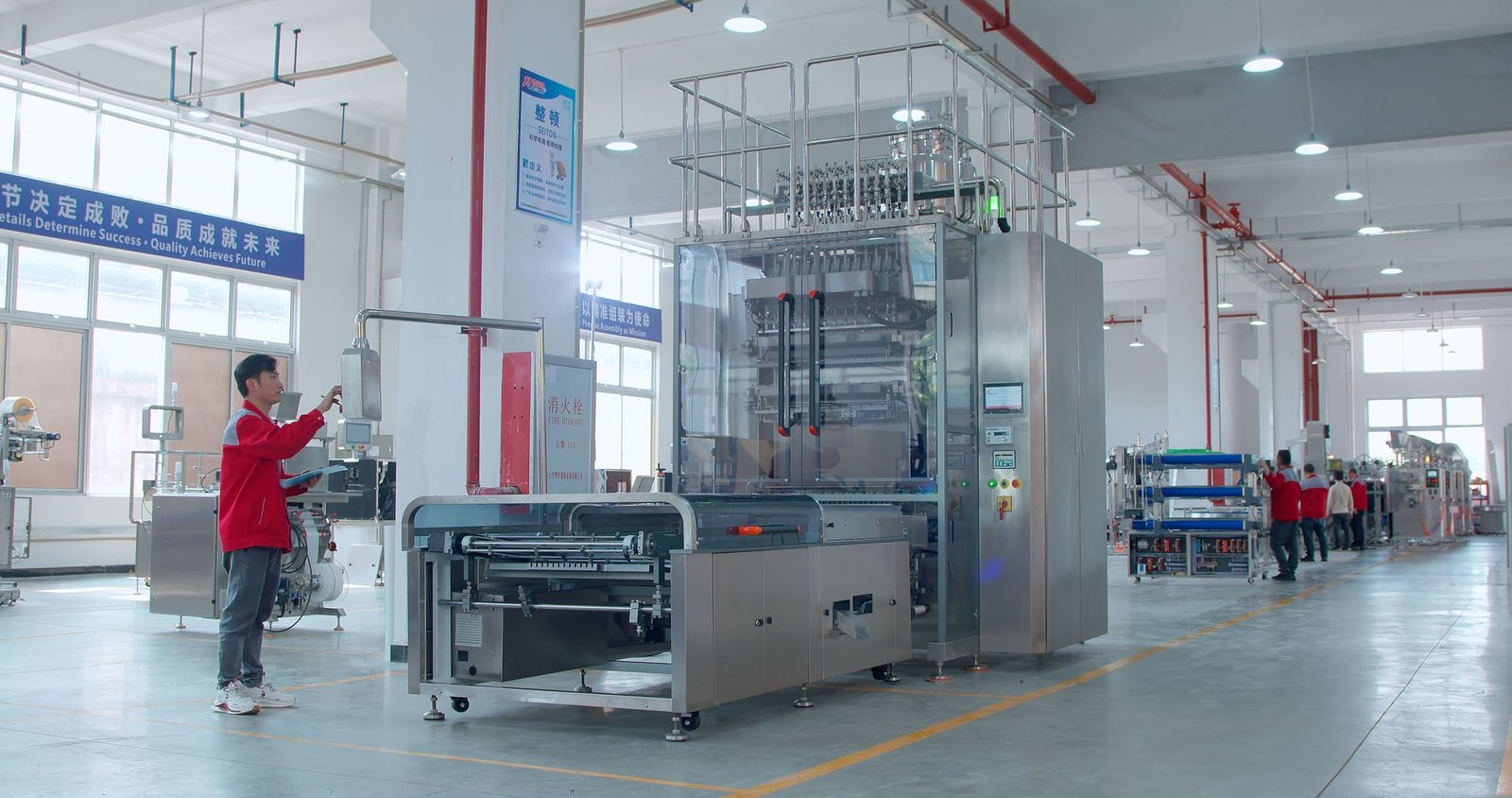
A well-designed control system simplifies operation, reduces training time, and minimizes the risk of operator error. Look for CMC packaging machines with intuitive HMI (Human-Machine Interface) panels, recipe management capabilities, and real-time production monitoring. PLC-based controls with remote diagnostic capabilities enable faster troubleshooting and reduce downtime. The PMMI packaging industry resources offer additional guidance on automation standards and control system best practices.
Quality Standards, Certifications, and Regulatory Compliance
Depending on your industry and target markets, your CMC packaging machine may need to comply with specific standards and regulations. Food-grade applications typically require stainless steel construction and compliance with FDA or EU food contact material regulations. Pharmaceutical packaging often demands adherence to cGMP guidelines, 21 CFR Part 11 for electronic records, and validation documentation. The FDA packaging and food contact substances guidelines provide essential reference information for manufacturers in regulated markets. International standards such as ISO packaging standards should also be considered for global operations.
Comparing CMC Packaging Machine Suppliers
Selecting the right manufacturer is as important as selecting the right machine. The table below outlines key criteria to evaluate when comparing CMC packaging machine suppliers.
| Evaluation Criteria | What to Look For |
|---|---|
| Industry Experience | Years in business, number of installations, relevant case studies in your industry |
| Manufacturing Capabilities | In-house production facilities, engineering team size, quality control processes |
| Customization Options | Ability to tailor machine configurations to specific product and production requirements |
| After-Sales Support | Installation, commissioning, training, spare parts availability, remote technical assistance |
| Global Reach | Number of countries served, international compliance documentation, multi-language support |
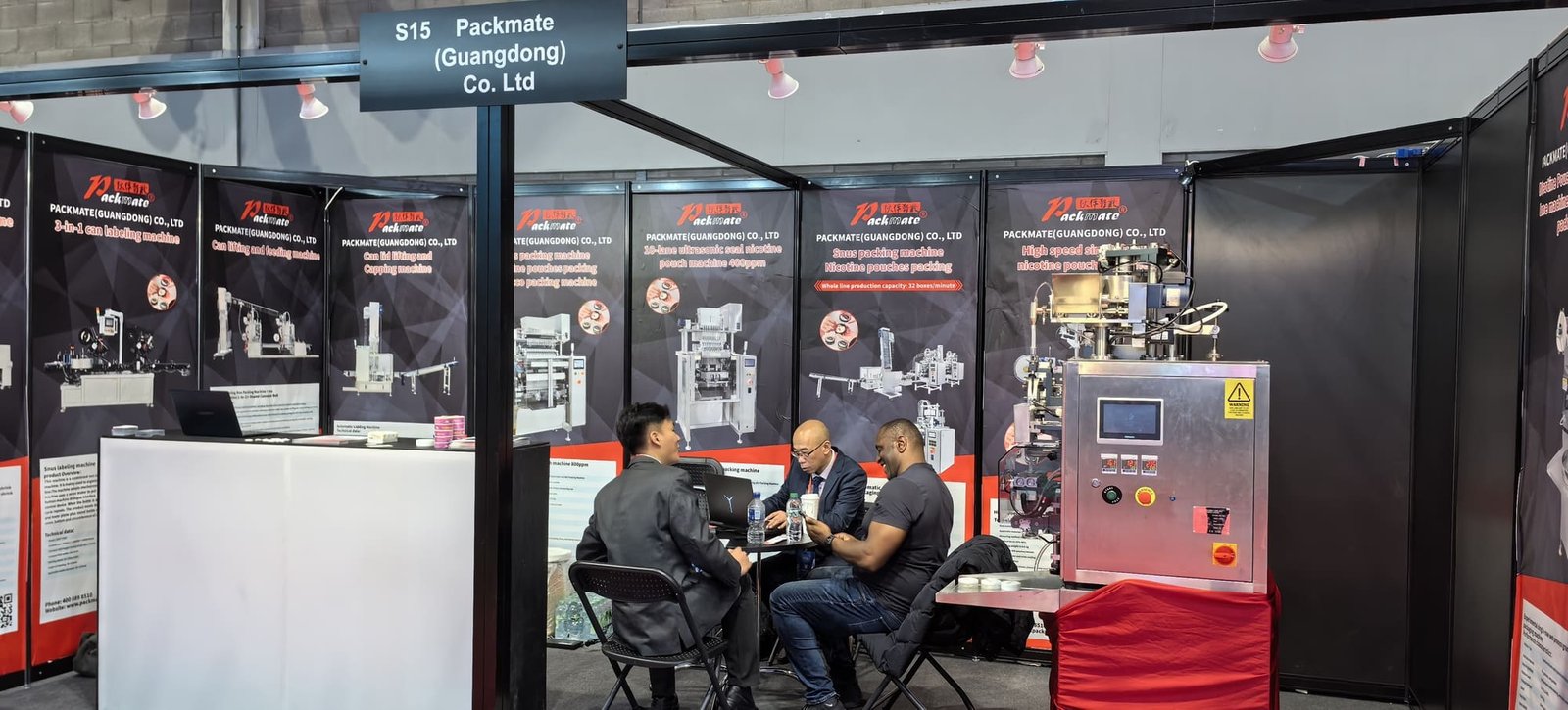
| References and Reputation | Verified customer testimonials, independent industry recognition, exhibition presence |
Experienced manufacturers such as Ludyway Machinery, a China-based packaging machinery manufacturer with over 30 years of industry experience and more than 50 packaging machine models, demonstrate the kind of comprehensive capabilities buyers should seek—including in-house manufacturing, engineering expertise, and global service coverage across 100+ countries.
Calculating Total Cost of Ownership
The purchase price of a CMC packaging machine represents only a fraction of its total lifetime cost. A comprehensive total cost of ownership (TCO) analysis should account for:
- Initial capital expenditure – Machine cost, shipping, import duties, installation, and commissioning
- Operating costs – Labor requirements, energy consumption, packaging material waste rates
- Maintenance expenses – Routine servicing, wear part replacement, and unexpected repairs
- Downtime costs – Lost production during maintenance, troubleshooting, or part replacement delays
- Packaging material costs – Machine efficiency directly impacts material utilization and waste
A slightly higher upfront investment in a more reliable, efficient, and well-supported machine often yields significantly lower TCO over a typical 10-15 year equipment lifespan. The PMMI 2026 State of the Industry report provides valuable benchmarks for packaging machinery investment trends and operational metrics.
After-Sales Support and Long-Term Partnership
A CMC packaging machine is a long-term investment, and the quality of after-sales support can make or break your operational success. Before finalizing your purchase, clarify the following with potential suppliers:
- Installation and commissioning – Will the manufacturer provide on-site technical support during setup?
- Operator training – Is comprehensive training included, and is it available on-site or remotely?
- Spare parts availability – Does the manufacturer maintain an inventory of critical spare parts with reasonable lead times?
- Technical support responsiveness – What are the available support channels (phone, email, remote diagnostics) and response time commitments?
- Warranty terms – What is covered, for how long, and what are the exclusions?
Manufacturers that offer remote technical assistance can help resolve operational issues quickly without the delay and expense of on-site visits, keeping your production running smoothly.
Making the Final Decision on Your CMC Packaging Machine
After evaluating all the factors discussed in this guide, you should have a clear picture of which CMC packaging machine and which supplier best meet your needs. Before signing a purchase agreement, we recommend visiting the manufacturer’s facility if possible, conducting factory acceptance testing (FAT) with your actual products and packaging materials, and requesting detailed documentation including machine specifications, maintenance schedules, and compliance certificates. For additional industry insights, the Flexible Packaging Association and PACK EXPO International events offer valuable opportunities to stay informed about the latest packaging technologies and trends.
Choosing the right CMC packaging machine is a strategic decision that affects your product quality, production efficiency, and competitive position. By applying a systematic evaluation process—covering machine specifications, supplier qualifications, total cost of ownership, and after-sales support—you can select equipment that delivers reliable performance and supports your business growth for years to come.