In today’s competitive manufacturing landscape, optimizing packaging operations is a direct path to significant operational gains. The right packaging machinery solutions are not merely about wrapping products; they are strategic investments that enhance throughput, ensure product integrity, and directly impact the bottom line. For businesses aiming to scale efficiently, understanding and implementing advanced packaging technology is paramount.
Core Packaging Machinery Solutions for Modern Production
The evolution of packaging equipment has moved far beyond basic functions. Modern solutions are integrated systems designed for precision, speed, and adaptability. Here, we explore key machinery types that form the backbone of an efficient packaging line.
1. Automated Filling and Sealing Systems
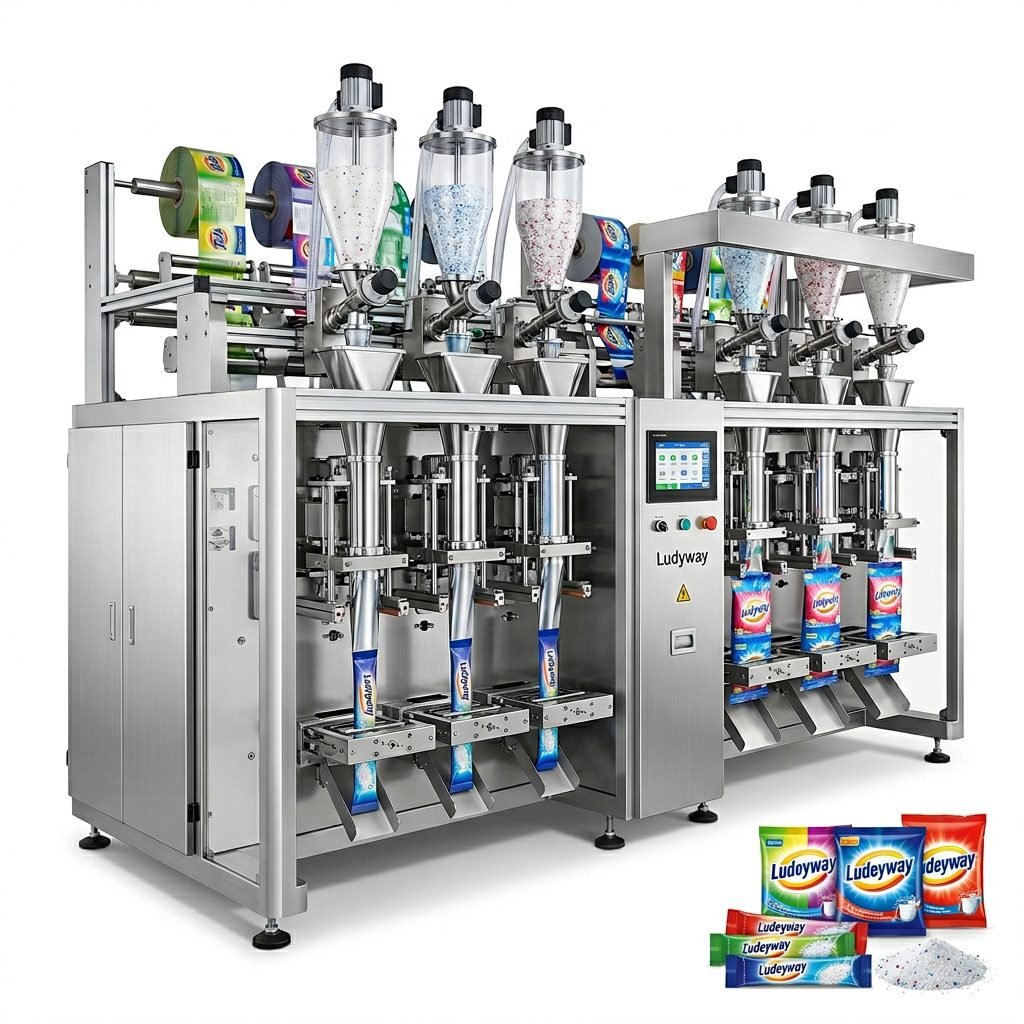
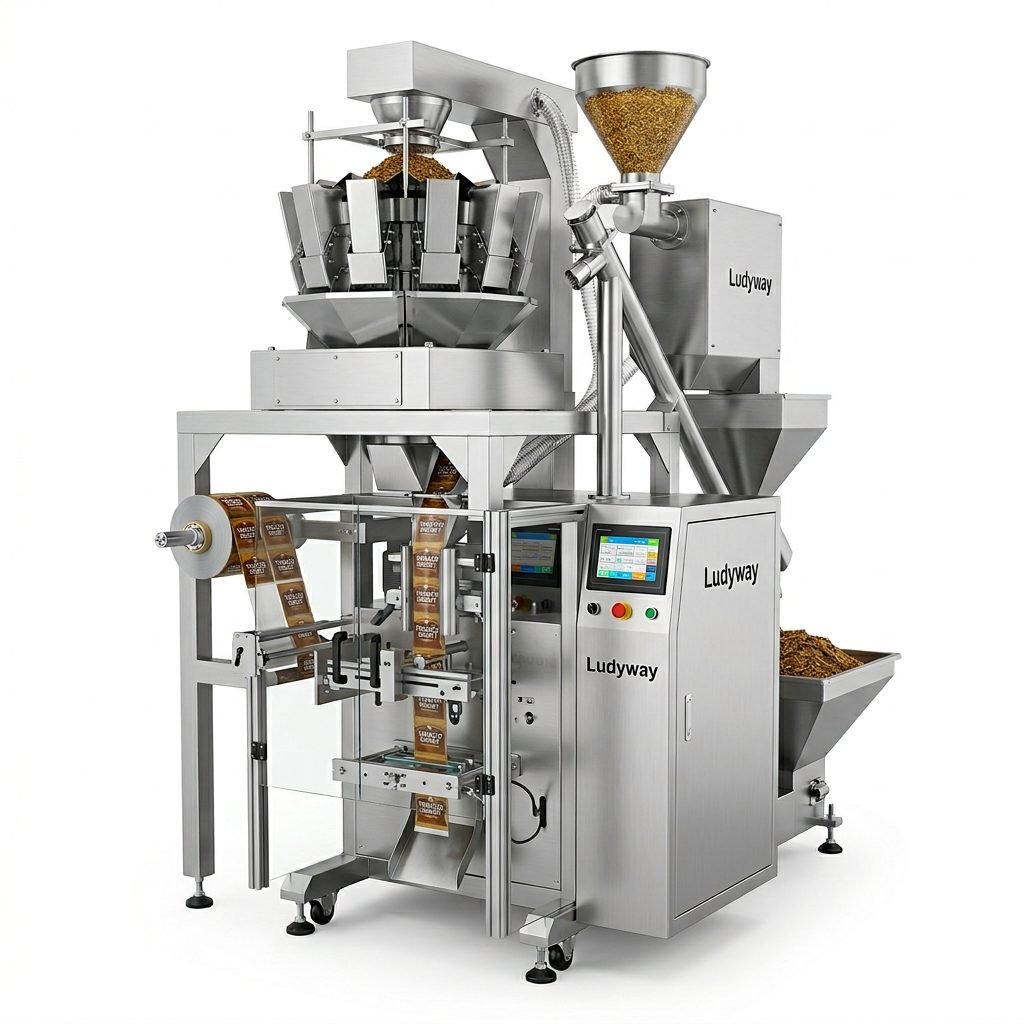
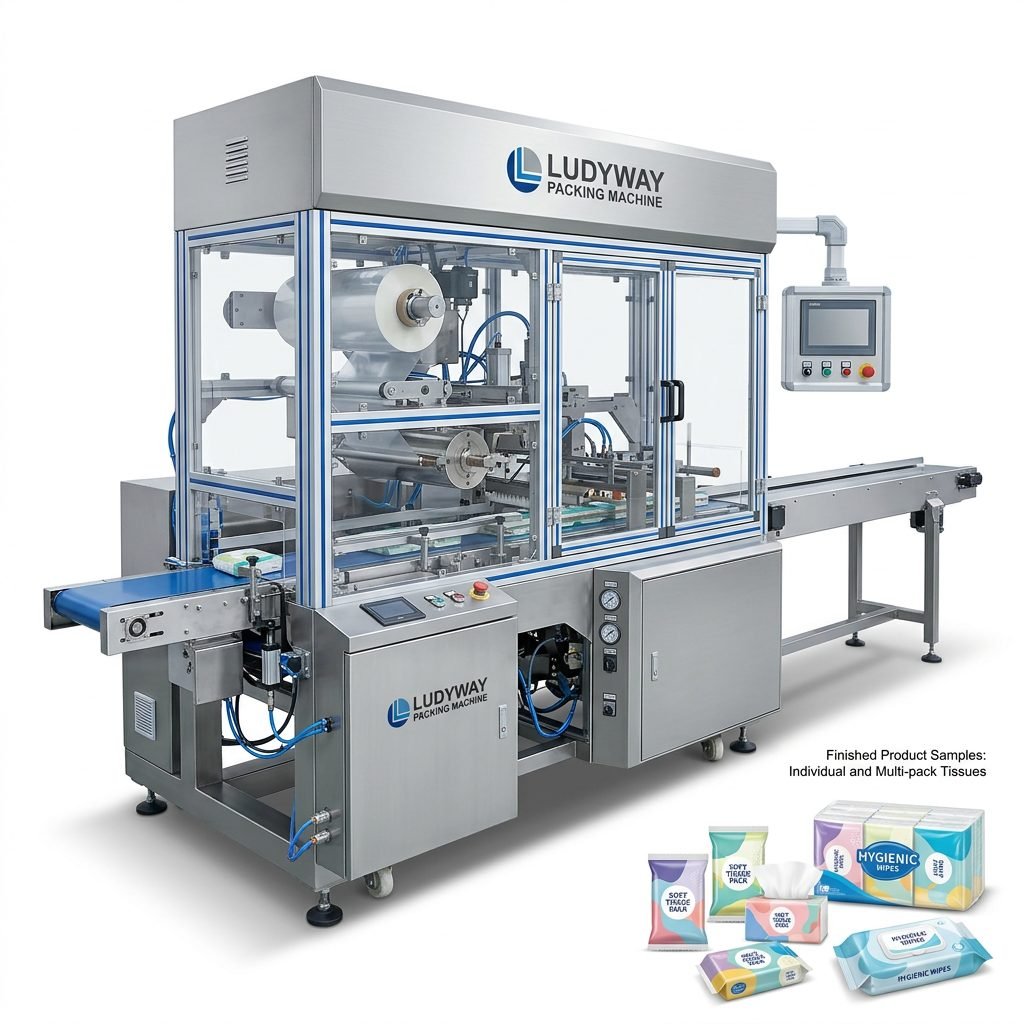
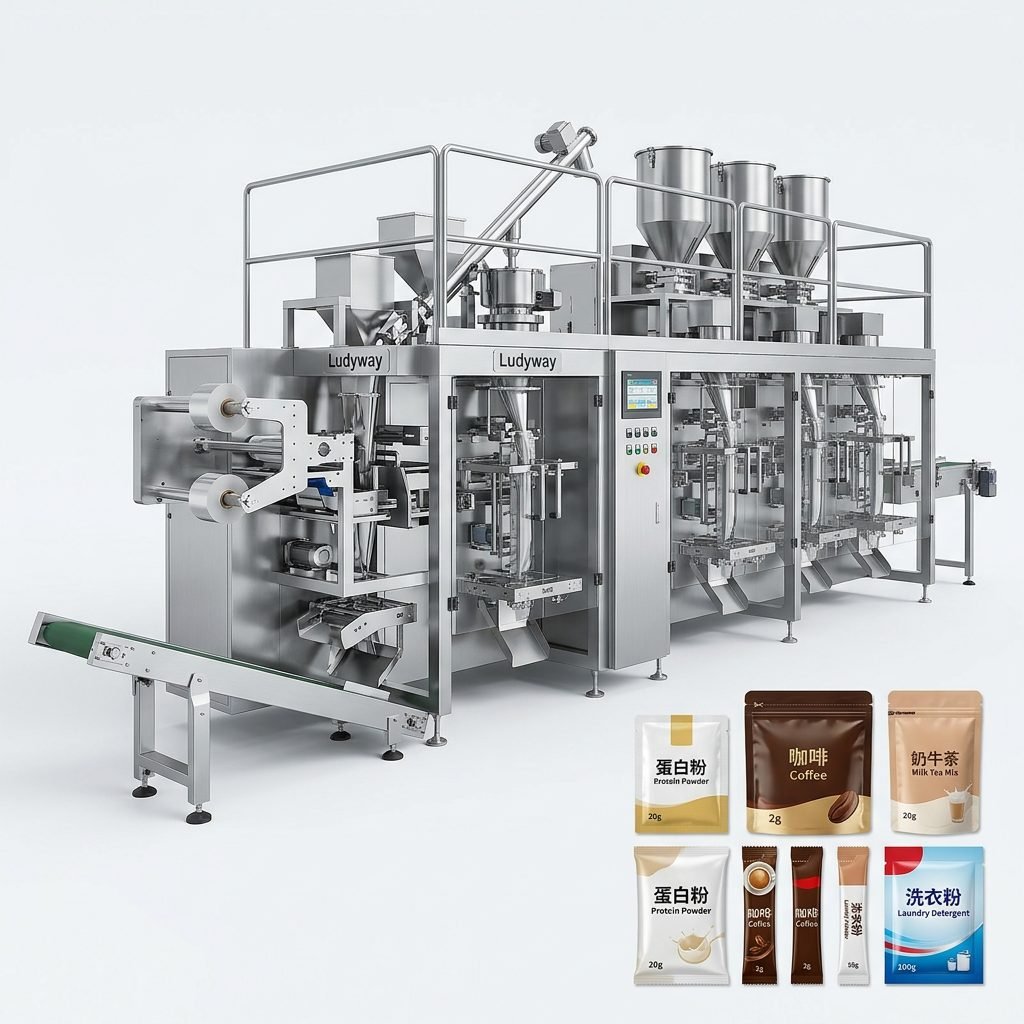
At the heart of any packaging line is the filling and sealing process. Automated systems for granules, powders, and liquids eliminate manual inconsistencies. Volumetric and auger fillers ensure precise dosage, while advanced sealing mechanisms—whether heat, ultrasonic, or servo-driven—guarantee airtight, tamper-evident packages. This precision minimizes product giveaway, a major source of cost leakage, and enhances shelf appeal.
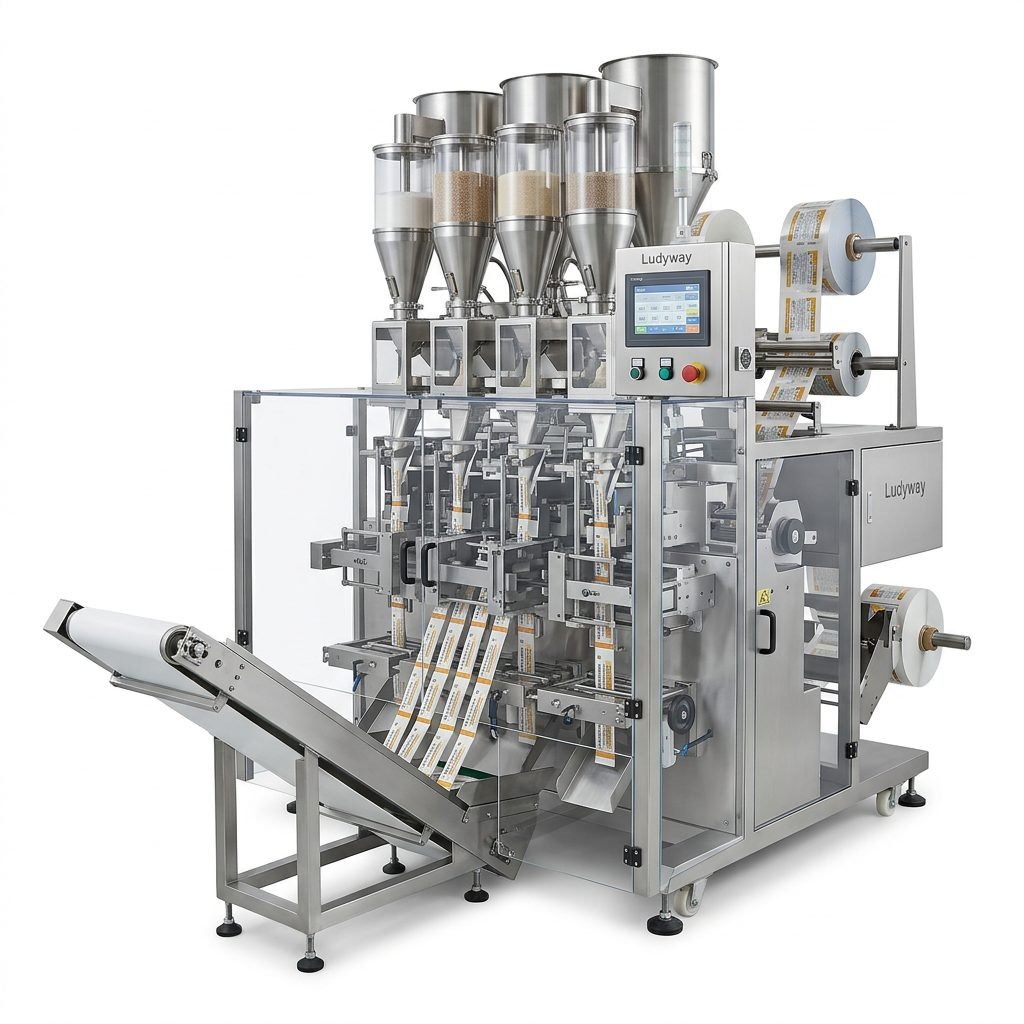
2. Multi-Lane Stick Pack & Sachet Machines
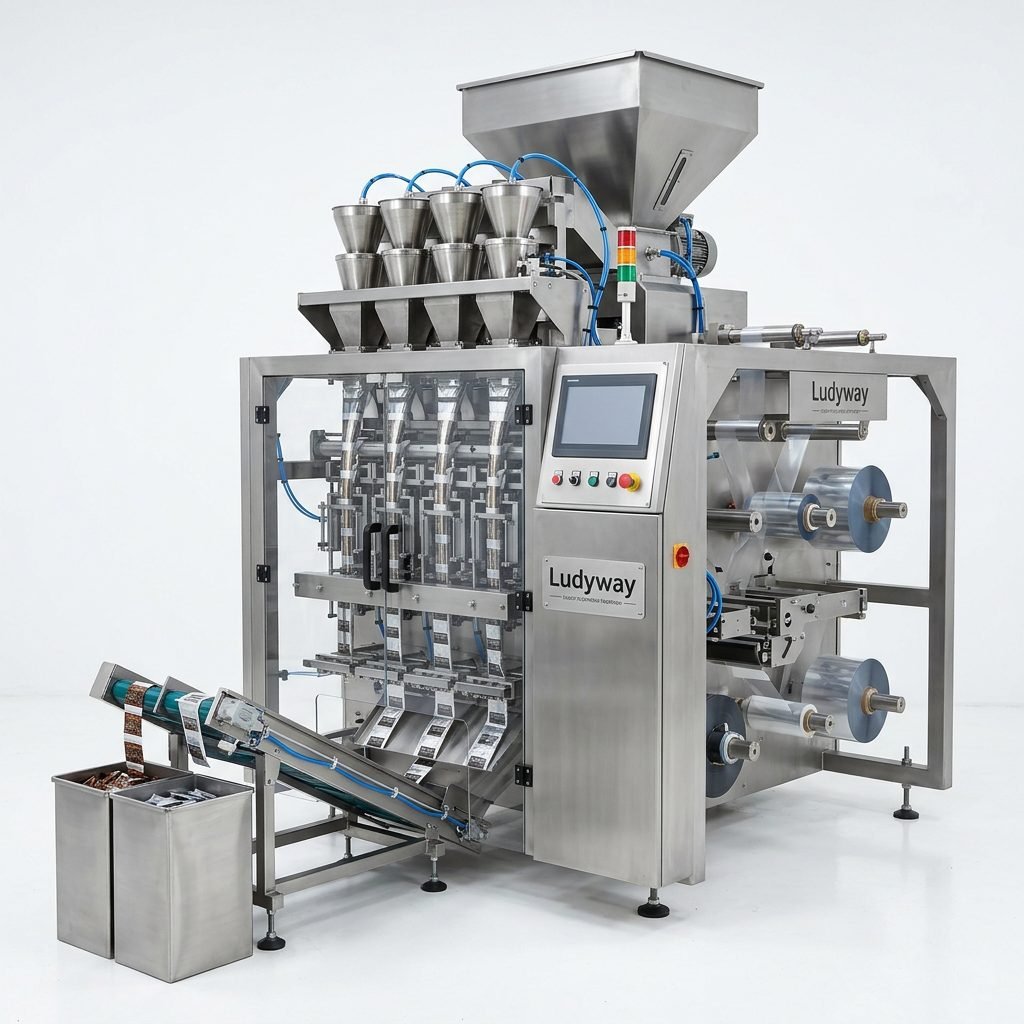
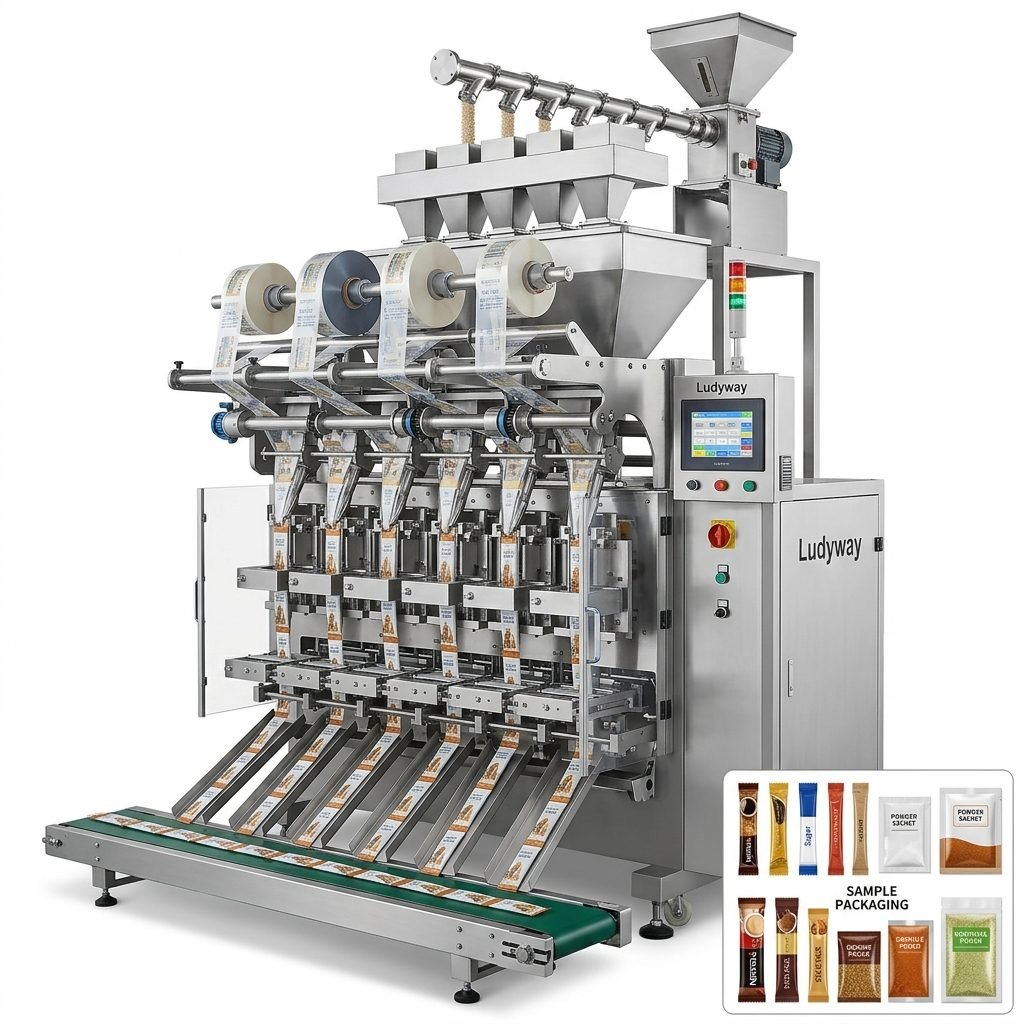
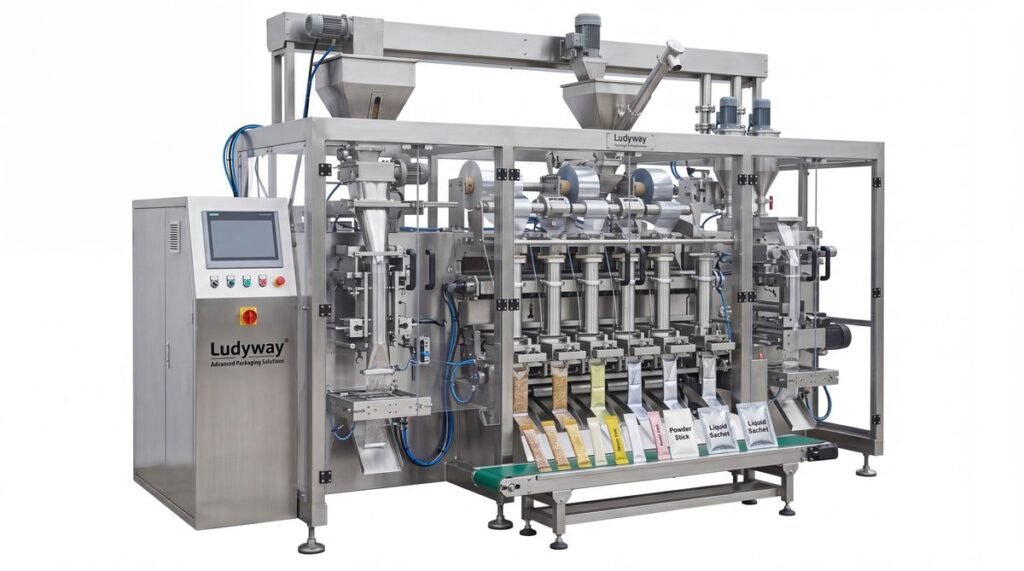
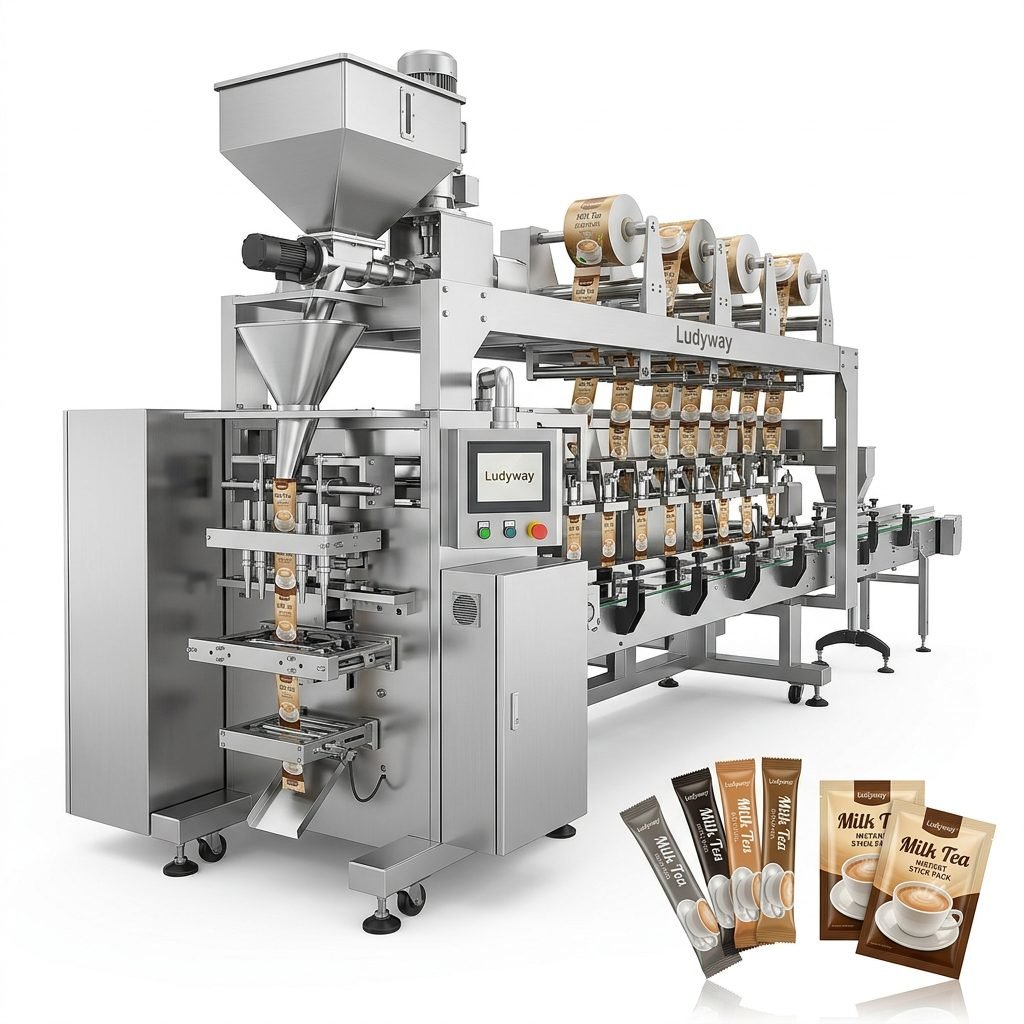
For industries like food, pharmaceuticals, and health supplements, single-serve packaging is dominant. Multi-lane machines dramatically increase output by packaging multiple units simultaneously. A 10-lane stick pack machine, for instance, can produce hundreds of packs per minute. This high-speed, continuous operation is ideal for products like instant coffee, sugar, spices, or pharmaceutical powders, offering unparalleled efficiency for high-volume demands.
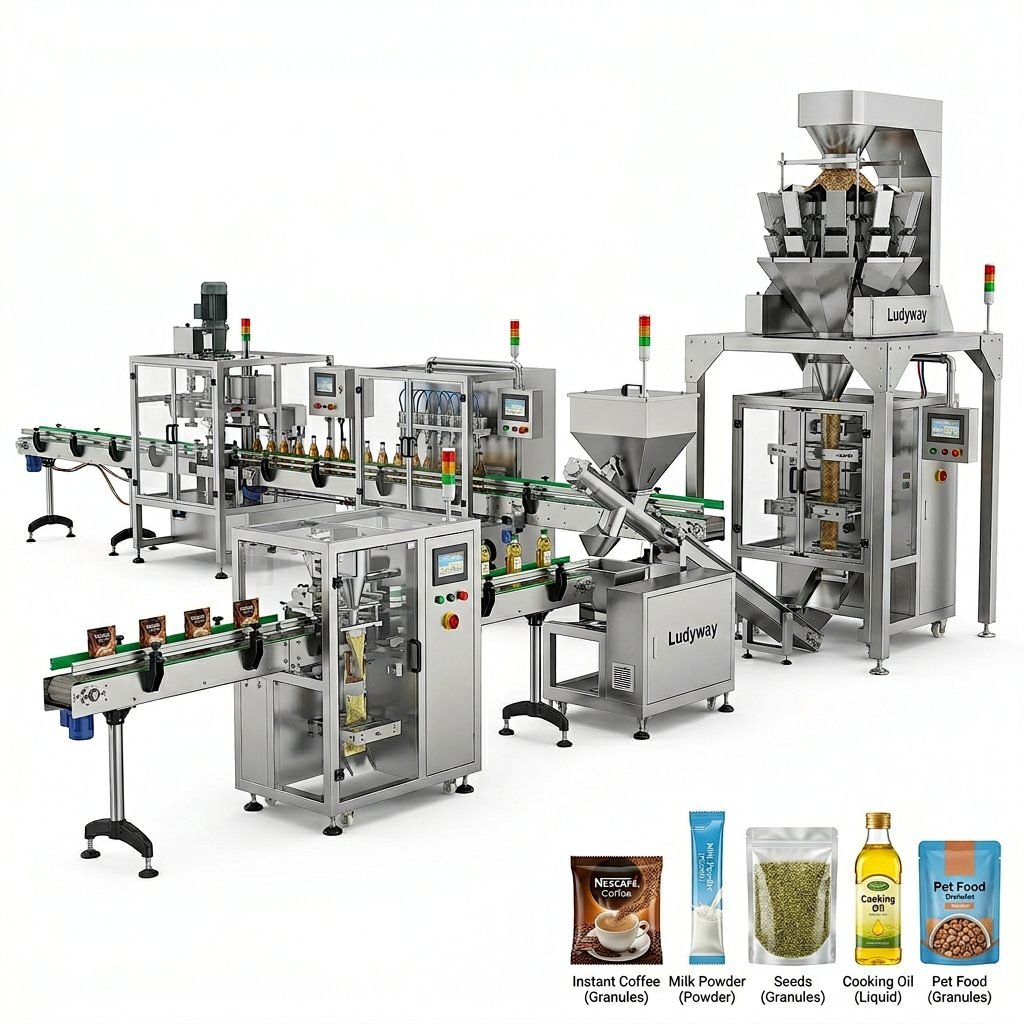
3. Integrated Turnkey Production Lines
The greatest efficiency gains come from seamless integration. A turnkey line combines individual machines—like a filler, sealer, cartoner, and case packer—into a synchronized, automated flow. This reduces manual handling, minimizes bottlenecks, and allows for centralized control. Investing in a cohesive system from a single provider, like Ludyway Machinery, ensures compatibility and simplifies maintenance and support.
How Advanced Machinery Cuts Production Costs
Efficiency improvements directly translate to cost savings. Here’s a breakdown of the financial impact:
✔ Material Savings & Reduced Waste
Precision dosing and cutting-edge film handling technology optimize material usage. Advanced servo systems control film draw with minimal tolerance, reducing film waste by significant percentages. This control over primary packaging materials—often a major expense—offers rapid ROI.
✔ Labor Optimization & Reduced Overhead
Automation reduces reliance on manual labor for repetitive tasks like filling, sealing, and case packing. One operator can oversee multiple machines, allowing staff to be redeployed to higher-value tasks like quality control and maintenance. This lowers long-term labor costs and mitigates risks associated with labor shortages.
✔ Enhanced Uptime & Minimized Downtime
Modern machinery built with robust components and intelligent diagnostics ensures higher operational availability. Features like quick-changeover mechanisms allow production lines to switch between product formats in minutes instead of hours, maximizing asset utilization and enabling smaller, more economical batch runs.
Selecting the Right Packaging Partner
Implementing these solutions successfully hinges on partnering with the right equipment provider. Key considerations extend beyond the machine’s price tag.
Industry-Specific Expertise
A provider with deep experience in your sector understands unique challenges—be it hygiene standards for pharmaceuticals, moisture control for food, or dust containment for powders. Their solutions will be tailored accordingly. Ludyway’s 30+ years of industry experience across food, pharma, and health is a testament to this specialized approach.
Comprehensive Support & Service
Efficiency depends on machine reliability. Ensure your partner offers strong after-sales support, readily available spare parts, and comprehensive training. A global service network is crucial for international operations to minimize downtime. The backing of a 20,000㎡ modern production facility often indicates strong manufacturing and support capabilities.
Scalability and Future-Proofing
Your packaging needs will evolve. Choose machinery and a partner that can scale with you. Modular designs that allow for future upgrades or integration with additional automation (like robotics) protect your investment and provide long-term flexibility.
Conclusion: Building a Smarter, Leaner Future
Investing in top-tier packaging machinery is a strategic decision that pays continuous dividends. By embracing automated filling systems, high-speed multi-lane machines, and integrated turnkey lines, manufacturers can achieve remarkable gains in output and consistency while simultaneously reducing material waste, labor costs, and operational downtime. The journey toward peak efficiency begins with a thorough assessment of your current process and a partnership with a knowledgeable, reliable provider committed to your long-term production success.
Frequently Asked Questions (FAQs)
Q1: What is the typical return on investment (ROI) for automated packaging machinery?
ROI varies based on production volume and current manual costs, but many businesses see a full return within 12-24 months through labor savings, reduced waste, and increased output.
Q2: Can new packaging machines be integrated with our existing production line?
Yes, a reputable provider will assess your current setup and design a solution for seamless integration, often using standardized interfaces and conveyor systems.
Q3: How important is after-sales service when choosing a packaging machine supplier?
It is critical. Reliable technical support, training, and spare parts availability are essential for maintaining high efficiency and minimizing costly production stoppages.
Q4: Are multi-lane machines suitable for small-batch or frequent product changeovers?
Modern multi-lane machines often feature quick-change tooling and recipe memory, making them surprisingly agile for multiple products, though the economics are best for medium to high volumes.
Q5: What are the key trends in packaging machinery for the next few years?
Key trends include increased integration of IoT for predictive maintenance, more sophisticated vision inspection systems, sustainable machine designs for recyclable materials, and greater use of collaborative robots (cobots) for flexible handling tasks.