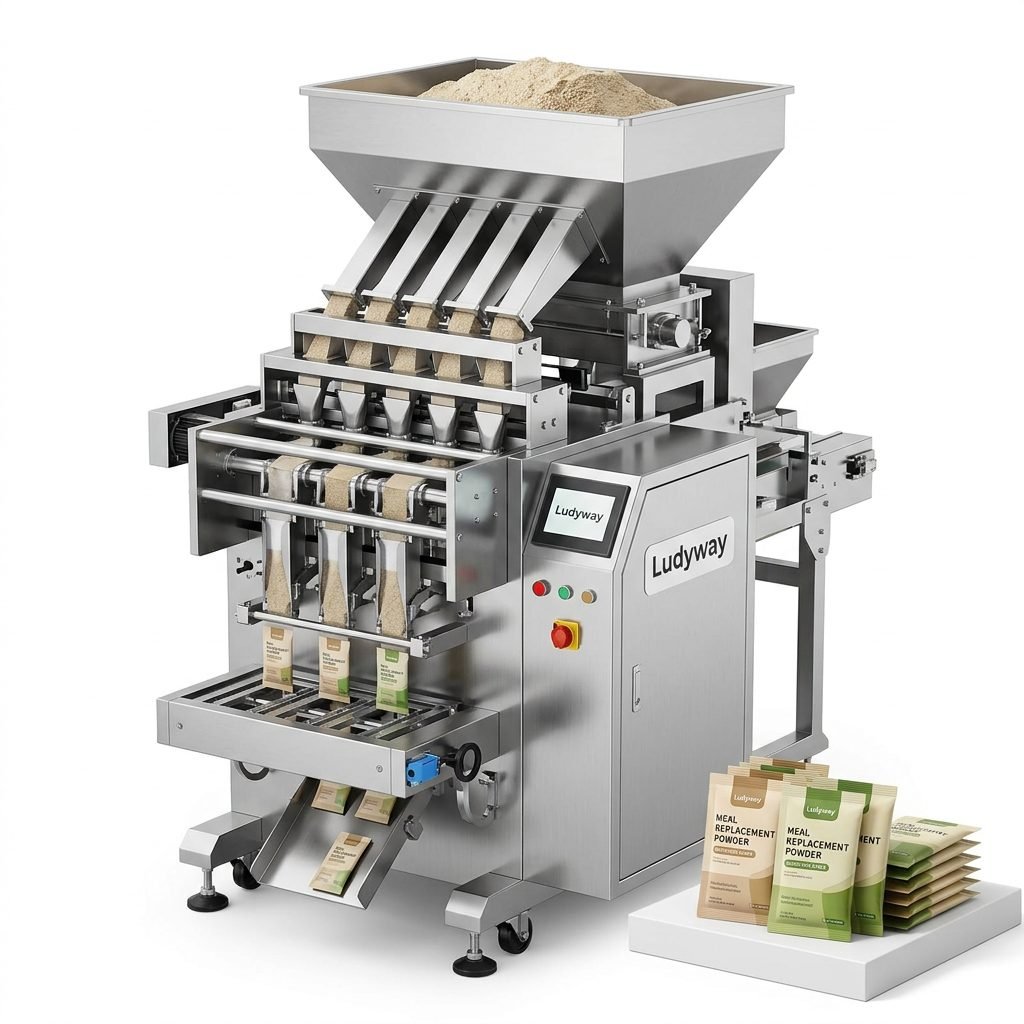
In the dynamic world of manufacturing, the selection of packaging machinery is a critical decision that directly impacts production efficiency, product quality, and overall operational costs. Whether you are in the food, pharmaceutical, or health industry, understanding the landscape of real packaging machinery is essential. This guide delves into the primary types of packaging equipment, their specific applications, and provides a structured framework to help you choose the right machinery for your production line, ensuring you invest in solutions that deliver long-term value and performance.
Key Takeaway
Choosing the right packaging machinery is not just about the initial purchase; it’s about finding a reliable partner for your production journey. A well-chosen machine enhances speed, ensures consistency, reduces waste, and scales with your business growth.
Core Types of Real Packaging Machinery
The term “packaging machinery” encompasses a wide array of equipment, each designed for specific tasks and product types. Here are the fundamental categories that form the backbone of modern packaging lines.
1. Filling and Sealing Machines
These are the workhorses of packaging, responsible for accurately dosing a product into a pouch or sachet and then hermetically sealing it. They are highly versatile and can be further classified based on the product form.
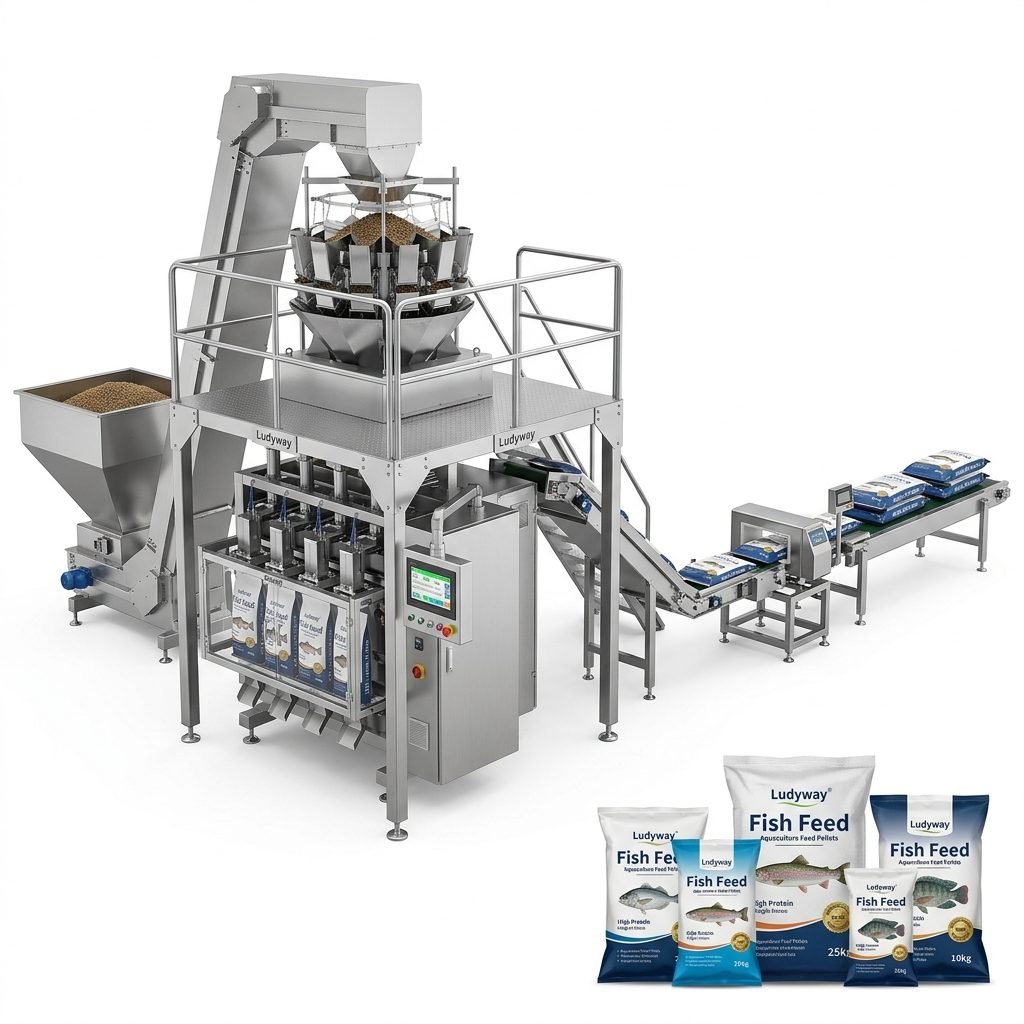
- Granule Fillers: Ideal for products like coffee, sugar, seeds, and nuts. They use volumetric cup or auger filling systems for precise measurement.
- Powder Fillers: Designed for fine materials such as milk powder, spices, and protein powders. They often employ auger fillers with anti-bridging technology to ensure accuracy.
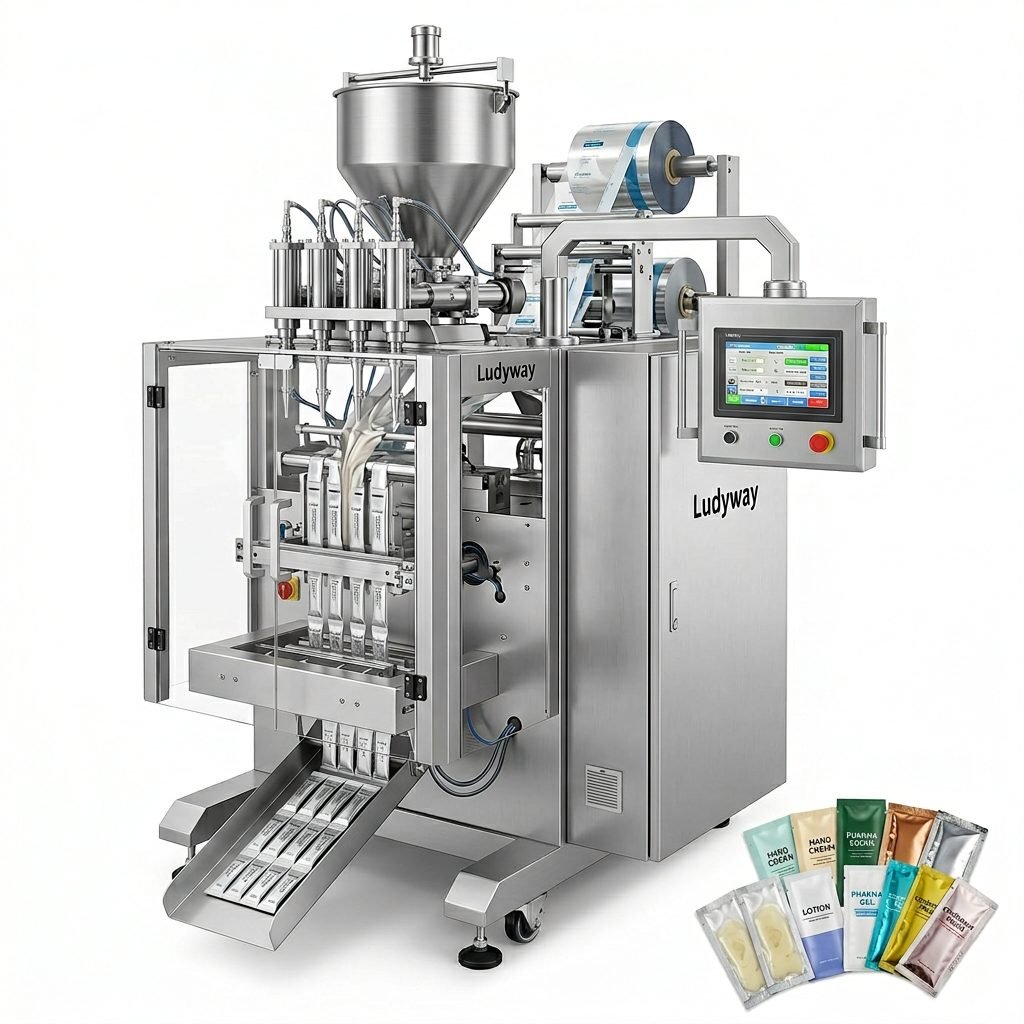
- Liquid Fillers: Used for oils, sauces, shampoos, and sanitizers. These machines utilize piston pumps or gravity-based systems for clean, drip-free filling.
2. Form-Fill-Seal (FFS) Machines
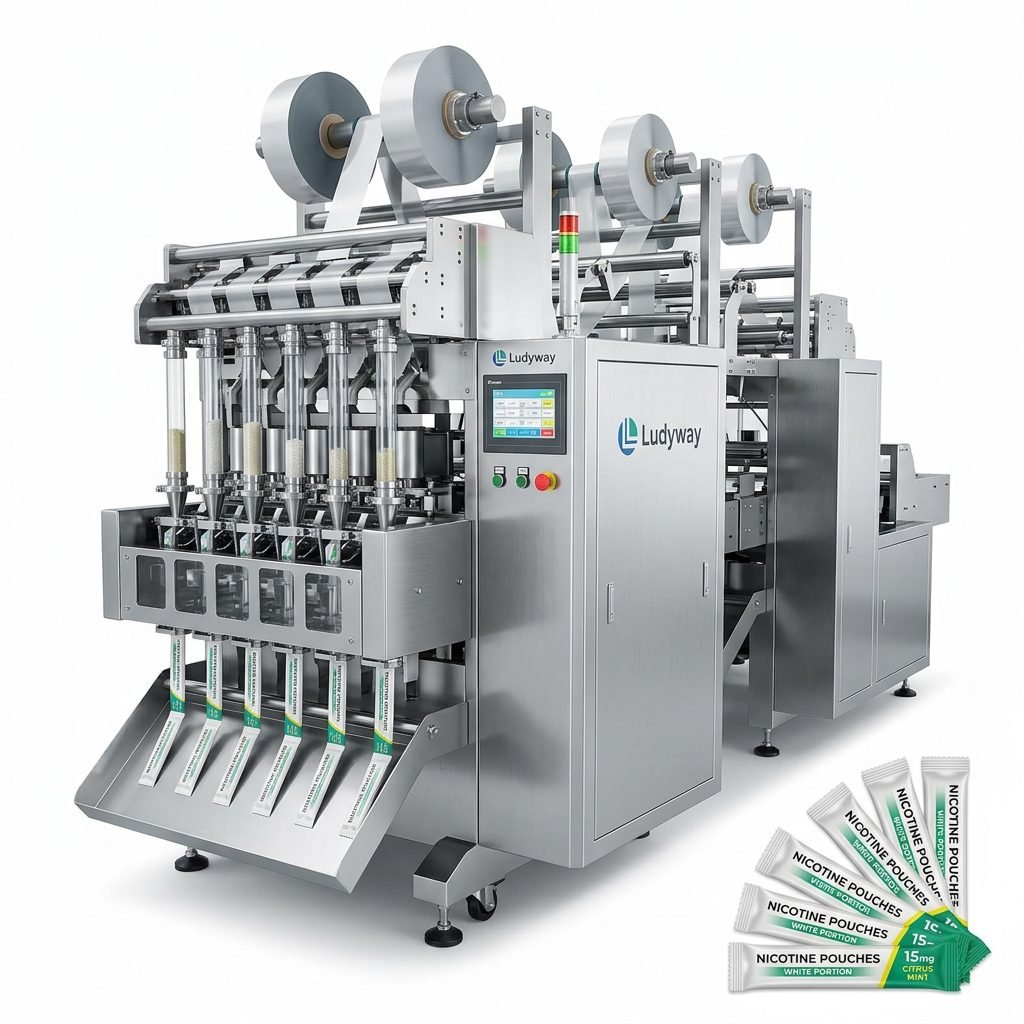
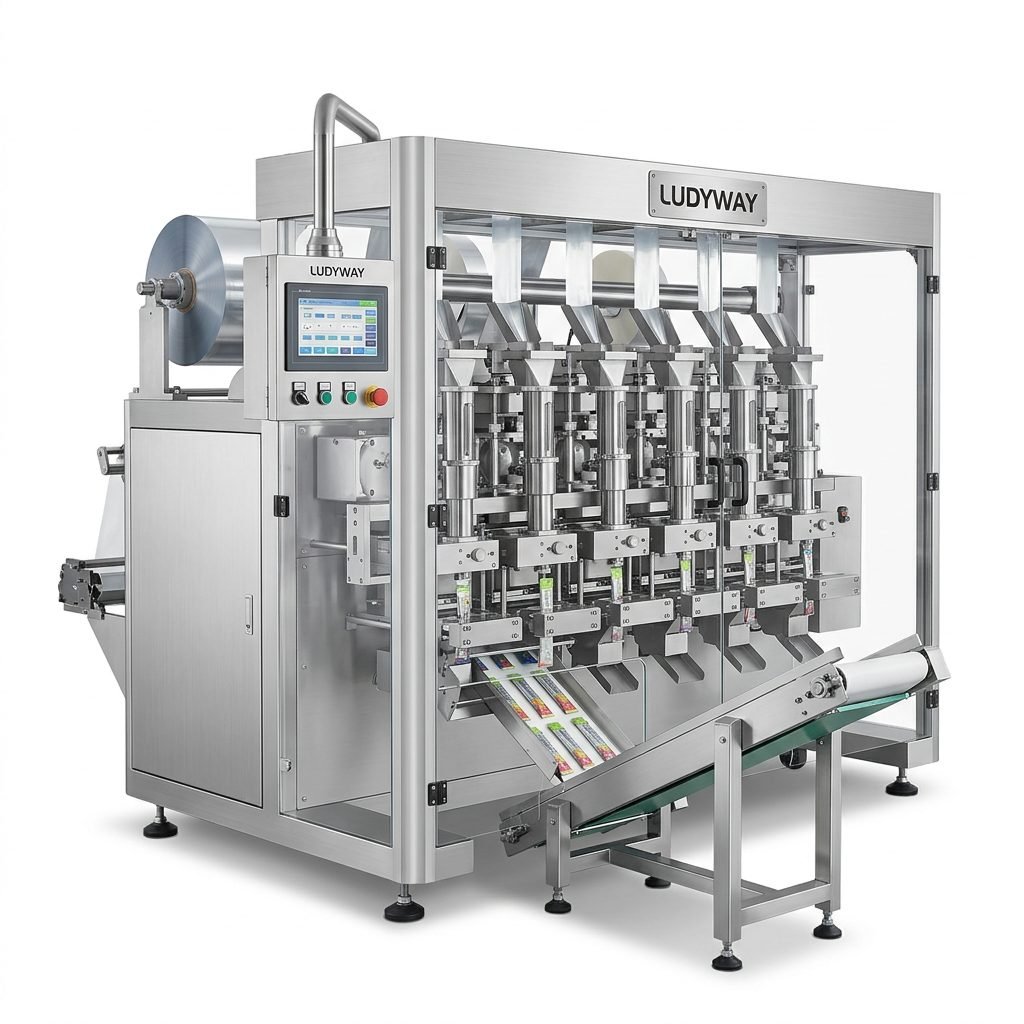
FFS machines represent a high level of automation. They create the packaging from a roll of film, form it into a pouch, fill it with product, and seal it—all in one continuous operation. This type is perfect for high-volume production of sachets and stick packs, offering excellent hygiene and material efficiency.
3. Multi-Lane Packaging Systems
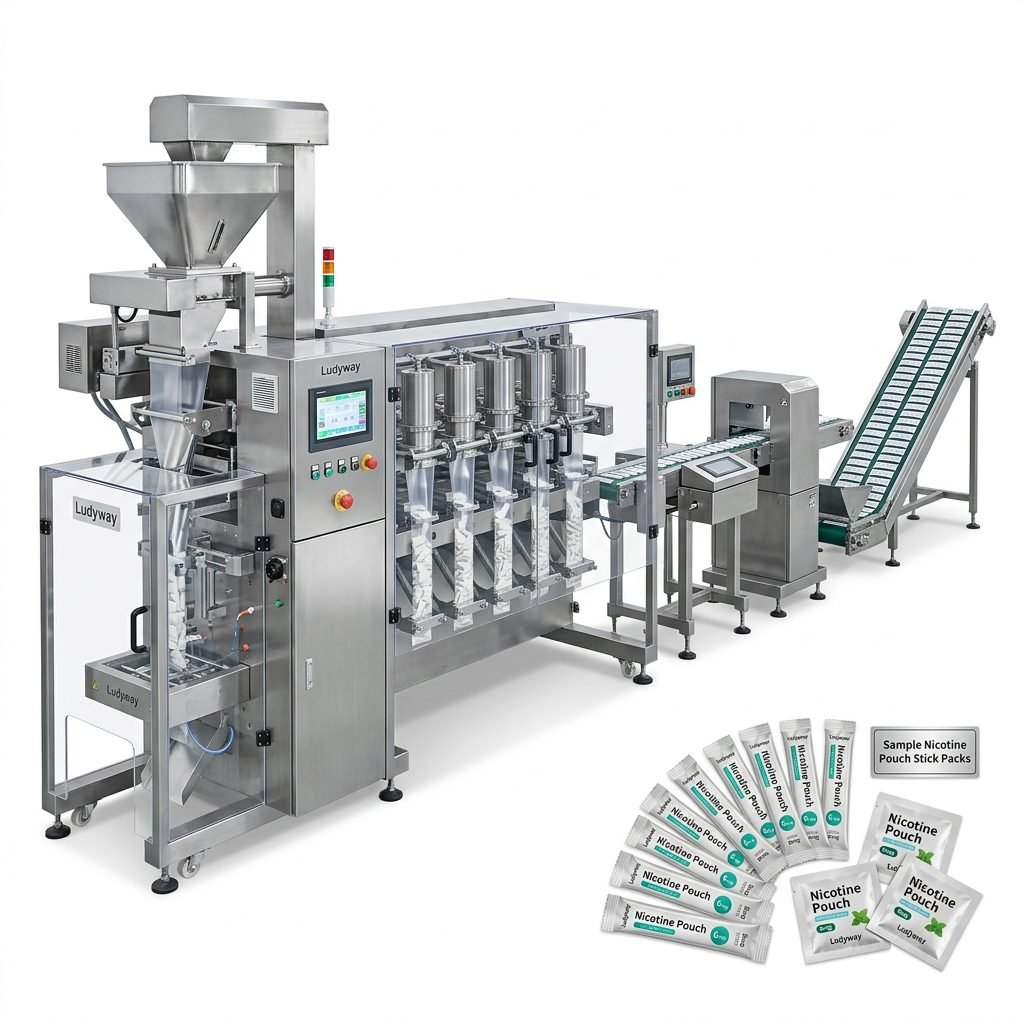
For maximum output, multi-lane systems run several packaging lines in parallel from a single feeder. Imagine a single machine producing 8, 10, or even 16 stick packs simultaneously. This configuration is a game-changer for businesses looking to scale up production without proportionally increasing floor space or operational complexity.
4. Turnkey Production Lines
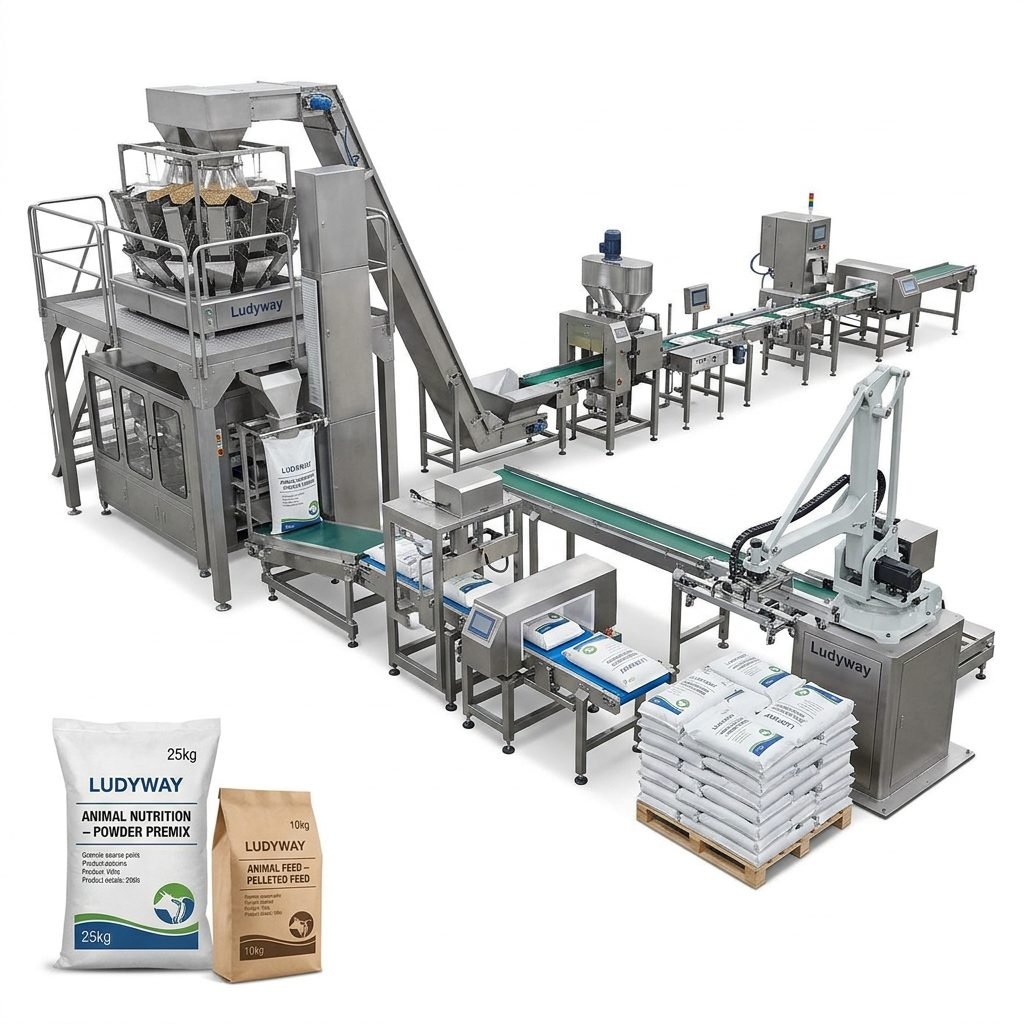
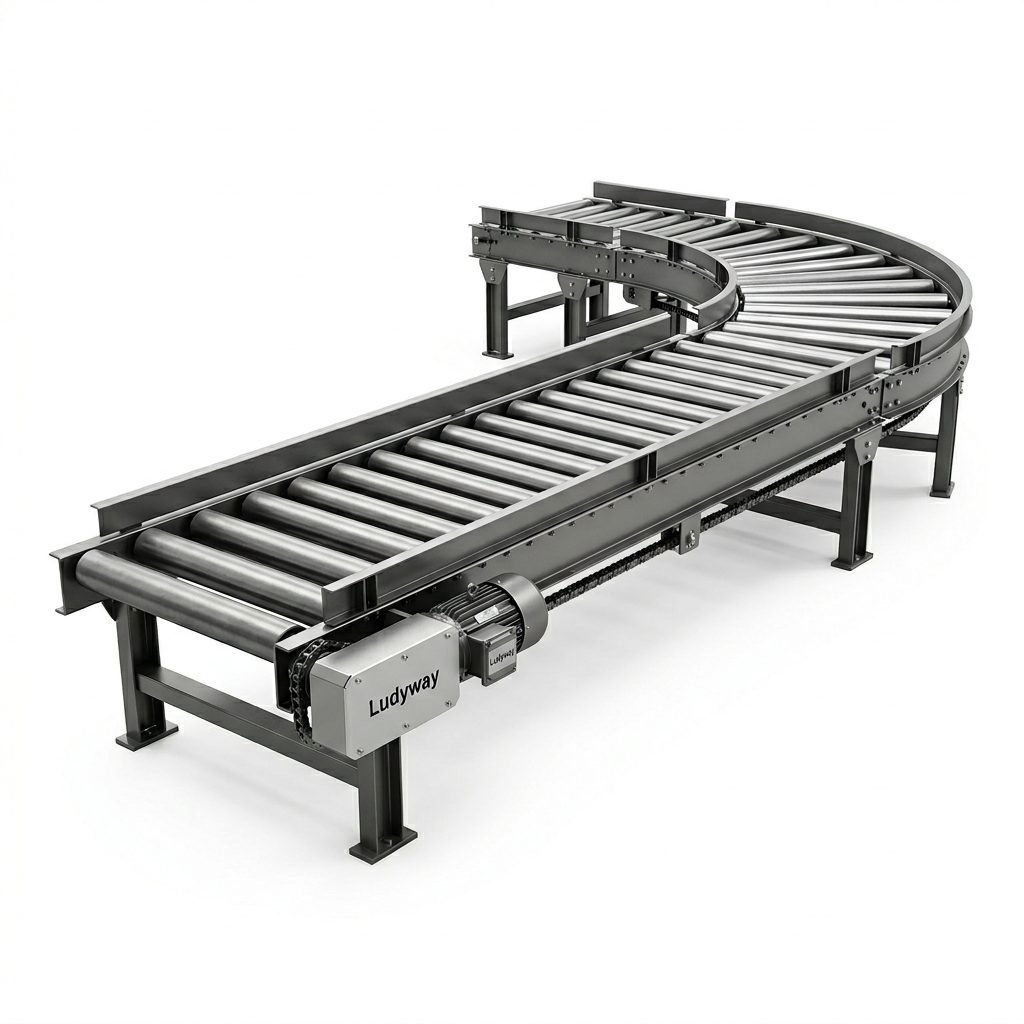
Beyond a single machine, a complete turnkey solution integrates various equipment—such as mixers, conveyors, checkweighers, and cartoners—into a seamless, automated line. This approach is offered by experienced providers like Ludyway Machinery, who design, install, and commission the entire system to work in perfect harmony.
Primary Applications Across Industries
The right machinery is defined by the application. Different industries have unique requirements for hygiene, accuracy, and packaging speed.
🛡️ Industry-Specific Note
In the pharmaceutical and health sectors, machinery must often comply with stringent Good Manufacturing Practice (GMP) standards, featuring easy-clean designs, stainless-steel contact parts, and validated precision.
Food & Beverage Industry
This sector demands speed, versatility, and strict hygiene. Applications range from single-serve condiment sachets and coffee stick packs to bulk bags of snacks and grains. Machines must handle diverse products—powdered soup, granular tea, viscous sauces—and often require integrated nitrogen gas flushing to extend shelf life.
Pharmaceutical & Nutraceutical Industry
Precision and contamination control are paramount. Packaging machinery here is used for powdered supplements, effervescent granules, herbal powders, and single-dose medicinal sachets. Accuracy is measured in milligrams, and equipment must support lot tracking and validation protocols.
Daily Chemical & Health Products
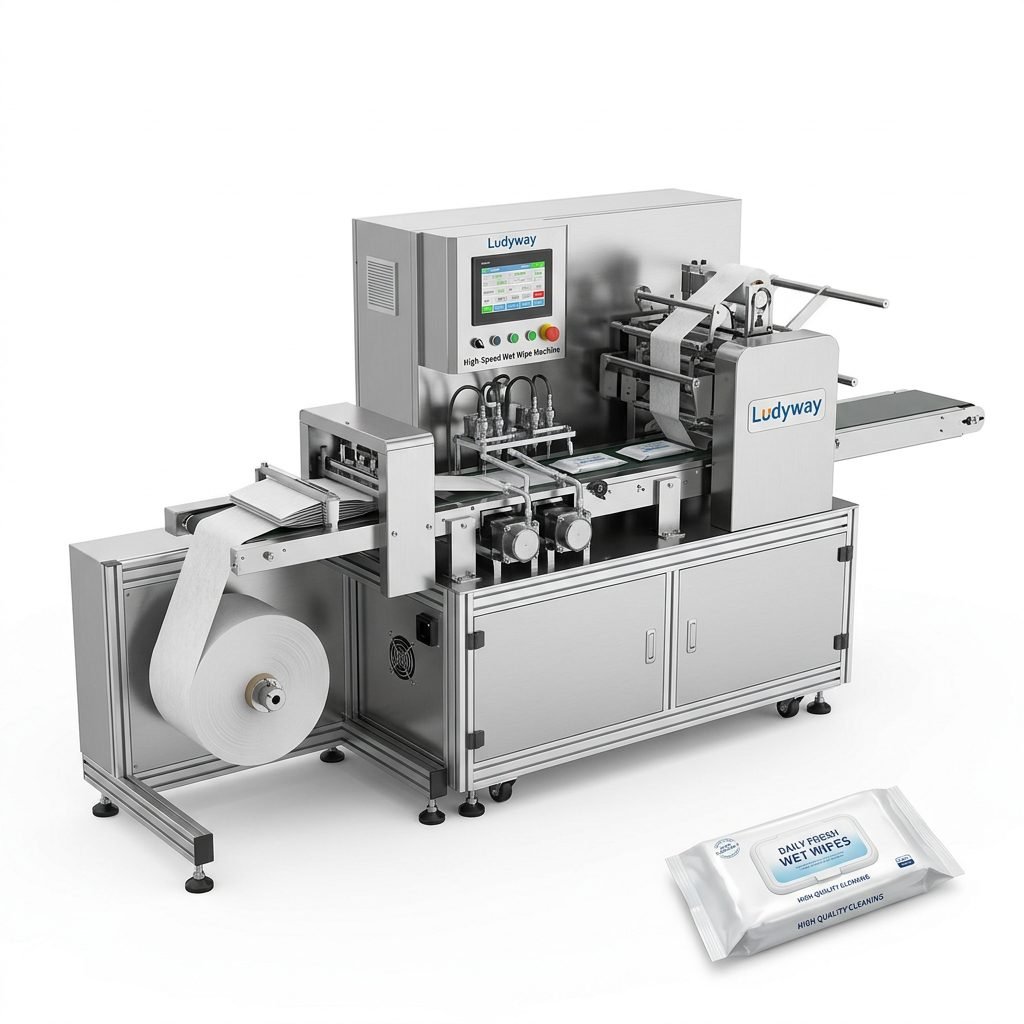
From laundry detergent pods and shampoo sachets to hand sanitizer packets, this industry requires robust machines that can handle aggressive chemicals, creams, and liquids without corrosion or degradation, while maintaining attractive, leak-proof packaging.
How to Choose the Right Equipment for Your Line
Selecting machinery is a strategic investment. Follow this step-by-step framework to make an informed decision that aligns with your business goals.
Step 1: Define Your Product and Output Requirements
Start with the basics. What are you packaging (granule, powder, liquid)? What is your required packaging speed (packs per minute)? What is your target annual output? Be realistic about your current needs and future growth projections. A machine that is too small will bottleneck production, while an oversized one represents an unnecessary capital drain.
Step 2: Evaluate Machine Capabilities and Flexibility
Look beyond the specs sheet. Can the machine handle a range of pouch sizes with quick changeovers? What is its filling accuracy tolerance? Does it offer options for future upgrades, like adding a date coder or a vision inspection system? Flexibility is key to adapting to market changes.
Step 3: Assess Build Quality and Supplier Reliability
The machine’s construction determines its lifespan and uptime. Prioritize robust frames, quality servo motors, and food-grade or stainless-steel components. Crucially, evaluate the supplier. A partner with deep industry experience, like Ludyway Machinery with over 30 years in the field, provides not just a machine, but reliable technical support, spare parts availability, and peace of mind.
Step 4: Consider Total Cost of Ownership (TCO)
The purchase price is just the beginning. Calculate the TCO by factoring in:
Energy consumption
Maintenance costs
Operator training
Material waste rate.
A slightly more expensive but efficient and reliable machine often has a lower TCO.
Step 5: Request a Live Demo or Trial
Never buy based on brochures alone. Provide your actual product sample to the supplier and request a production trial. This is the only way to verify filling accuracy, sealing integrity, operational noise, and ease of use firsthand.
Conclusion
Navigating the world of real packaging machinery requires a balance of technical understanding and strategic planning. By thoroughly analyzing your product needs, output goals, and the long-term reliability of both the equipment and the supplier, you can make a choice that empowers your production line. Investing in the right automated packaging solution is an investment in consistency, efficiency, and the scalable growth of your business.
Frequently Asked Questions (FAQs)
Q1: What is the main difference between a single-lane and a multi-lane packaging machine?
A single-lane machine has one filling and sealing station, producing one stream of packages. A multi-lane machine divides the product flow into multiple parallel lanes (e.g., 8 lanes), producing multiple packages simultaneously from the same feeder, dramatically increasing output for small, lightweight products like stick packs.
Q2: How important is after-sales service when choosing a packaging machinery supplier?
Extremely important. Machinery requires maintenance, occasional repairs, and parts replacement. A supplier with a strong global service network, readily available spare parts, and responsive technical support minimizes costly downtime and ensures your investment is protected for years to come.
Q3: Can one machine handle both granular and powder products?
Many versatile filling machines can handle both, but often require different filling heads or augers. It’s crucial to discuss your specific product range with the supplier. While changeovers are possible, a machine optimized for fine powders may need adjustments to run coarse granules efficiently, and vice versa.
Q4: What are the key features to look for in a machine for food-grade packaging?
Prioritize easy-to-clean designs with minimal crevices, the use of food-grade stainless steel (e.g., SS304/SS316) for product contact parts, and compliance with relevant food safety standards. Features like enclosed product zones and CIP (Clean-in-Place) capabilities are significant advantages.